CN Tower and Toronto Landmarks Guide for World Cup 2026
Plan your trip
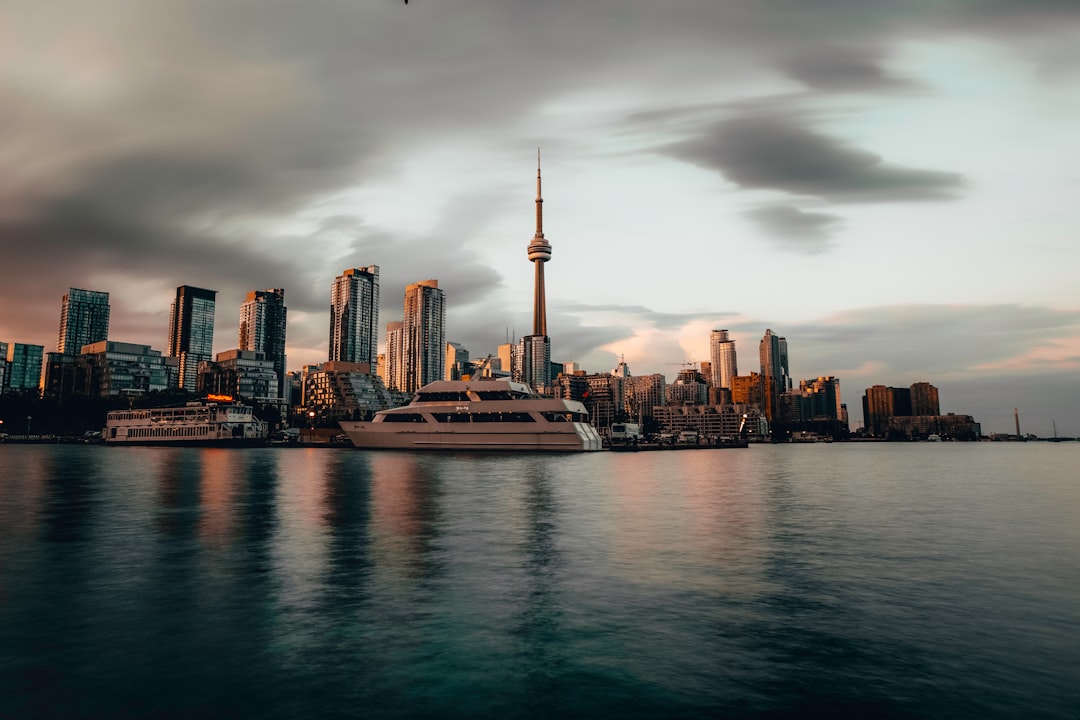
Toronto’s landmarks are anchored by the CN Tower — the 553-meter telecommunications tower that defined the skyline from 1976 (when it became the world’s tallest free-standing structure) until 2010 (when Dubai’s Burj Khalifa surpassed it). The tower remains the defining visual element of Toronto and the most recognizable structure in Canada. Beyond it, the city’s landmarks spread from the waterfront to the residential hills north of the downtown core.
CN Tower
Address: 290 Bremner Blvd (adjacent to Rogers Centre)
Hours: 9am–10:30pm daily
Getting there: 10-minute walk from Union Station; next to the 509 Harbourfront streetcar route
The Main Observation Level (346m)
The primary observation deck — glass-enclosed with views over Lake Ontario, the Toronto Islands, and the city grid extending north. On clear days, the view reaches Niagara Falls (80 km south) and the New York State shoreline.
Admission: $45 CAD adults, $38 CAD ages 4–13. Tickets available online (recommended to book in advance, especially for evenings and weekends during the World Cup period).
The Glass Floor
At the same level as the main deck — a 3-meter square of glass floor looking directly 342 meters down to the ground. The glass floor is part of the main deck admission.
LookOut Level (447m)
The upper enclosed observation level, above the main deck. The view is marginally higher; the crowds thinner. Included in the standard admission.
360 Restaurant (351m)
The revolving restaurant at the CN Tower — the restaurant completes one rotation per 72 minutes. The food is reliable Canadian contemporary cuisine ($65–90 CAD per person including the tower access). Dinner reservations are required and are the best way to guarantee a sunset tower visit without general admission queues.
EdgeWalk (356m)
The outdoor circumference walk around the CN Tower’s main pod — you’re harnessed to an overhead rail and walk the edge of the tower at 356 meters with no floor beneath you. The most extreme legal activity in Toronto.
Admission: $195 CAD. Minimum 30-minute experience. Weather-dependent. Book weeks in advance during the World Cup period — capacity is limited.
Practical notes: The CN Tower queue can be 45–90 minutes on busy days. Evening visits (after 7pm) have the best light for photographs and shorter queues than afternoons. The sunset view over Lake Ontario from 346 meters on a clear July evening is among the best urban views in North America.
Toronto Islands
A chain of small islands 10 minutes by ferry from the downtown waterfront — a car-free green space with beaches, picnic areas, and views back toward the CN Tower and skyline.
Ferries: Jack Layton Ferry Terminal at the foot of Bay Street. Ferries run approximately every 15–30 minutes. Return fare: $8.70 CAD adults.
Centreville Amusement Park (Centre Island): A small family amusement park that has operated on the islands since 1967. Rides are additional cost.
Hanlan’s Point Beach: The western tip of the islands — the most popular beach closest to the city, with a clothing-optional section. Lifeguards in season.
Ward’s Island: The residential east end of the islands, where approximately 600 permanent residents live in a mix of cottages and small houses — the most peaceful area for a walk.
The skyline view: The view from the Islands back toward the Toronto skyline (CN Tower, Rogers Centre, the Financial District towers) over Lake Ontario is the definitive photograph of the city. This specific view is unreplicable from within the city.
July context: Toronto Islands in July is the city’s primary summer outdoor space — expect crowds on weekends. Weekday visits are significantly more relaxed.
Casa Loma
A 98-room Gothic Revival castle in the Annex neighborhood (1 Austin Terrace), built by Sir Henry Pellatt between 1911 and 1914. It’s the largest private residence ever built in Canada and the most unusual building in Toronto’s residential fabric.
Admission: $30 CAD adults, includes access to all rooms, tunnels, and the gardens.
Getting there: Dupont Station on Line 1 (walk south 5 minutes), or the 127 Davisville bus.
What’s there: Elaborate period rooms, a 240-meter underground tunnel connecting the castle to the stables, towers with city views, and the extensive gardens. Audio guide included.
Nathan Phillips Square and City Hall
Toronto’s civic heart — the curved modernist twin towers of City Hall (designed by Finnish architect Viljo Revell, 1965) frame Nathan Phillips Square. The square is the site of major public events and has the “Toronto” 3D sign that is the city’s most-photographed selfie landmark.
Location: Bay and Queen Streets. Free to visit. The interior of City Hall has public art and open atriums.
Rogers Centre
The domed stadium adjacent to the CN Tower — home of the Toronto Blue Jays (MLB). The retractable roof, visible from everywhere in the downtown core, defines the east side of the waterfront stadium cluster. July means Blue Jays home games — check the schedule for overlap with World Cup dates (a game at Rogers Centre is a good Toronto sports addition if the timing aligns). Upper deck tickets from $20–35 CAD.
Art Gallery of Ontario (AGO)
317 Dundas Street West (adjacent to Kensington Market). The primary art museum of Toronto — a Frank Gehry-renovated building with the Canadian and international art collections. The Canadian Group of Seven paintings and Inuit art collection are the specific strengths.
Admission: $28 CAD; $12 CAD on Wednesdays after 6pm. Closed Mondays.
Plan your trip