Seasonal
South Korea in April: Cherry Blossoms, Jinhae Festival, and Seoul at Its Best
April is South Korea's peak cherry blossom month. The Jinhae Gunhangje Festival draws millions. Seoul's palaces bloom pink. And Gyeongju is at its most beautiful. Here's how to plan it right.
Seasonal
South Korea in August: Peak Summer, Liberation Day, and Chuseok Prep
August is Korea's hottest month — beaches at maximum capacity, air conditioning everywhere, and the Liberation Day holiday driving short domestic trips. By late August, the summer heat starts to crack and early autumn appears. Here's what to know.
Seasonal
South Korea in December: Winter Markets, Snow, and the Quiet Before the New Year
December is cold Korea at its most intimate. Ski resorts open, Christmas lights go up in Myeongdong and Gangnam, and the cities are beautiful at night under snow. Here's what to expect and how to make the most of it.
Seasonal
South Korea in February: Last of Winter, First Signs of Spring
February is Korea's coldest month on paper — but by the end, plum blossoms are opening and the ski slopes are still running. Short days, low crowds, and a country transitioning between seasons.
Seasonal
South Korea in January: Ski Season, Ice Festivals, and a Very Cold Seoul
January is Korea's coldest month — but also its most dramatic. Ski resorts run at full capacity, the Hwacheon Sancheoneo Ice Festival draws a million visitors, and Seoul in winter has a stark, beautiful energy. Here's what to expect.
Seasonal
South Korea in July: Monsoon Season, Beach Crowds, and Summer Festivals
July is Korea's monsoon month — hot, humid, and wet for the first two weeks. But after the rain comes intense summer heat, packed beaches, and the Boryeong Mud Festival. Here's how to navigate Korea's most challenging summer month.
Seasonal
South Korea in June: Low Season, High Value, Before the Monsoon
June is Korea's best-kept secret. The spring rush is over, prices drop significantly, and you have two or three dry weeks before the summer monsoon arrives. Here's why June works.
Seasonal
South Korea in March: Cherry Blossoms Starting, Crowds Not Yet
March is when Korea wakes up from winter. The first cherry blossoms appear in Jeju, the weather turns mild, and the country is beautiful before the April crowds arrive. Here's how to use March wisely.
Seasonal
South Korea in May: Green Season, Buddha's Birthday, and Perfect Weather
May is Korea's best month. Cherry blossoms are gone but the mountains are intensely green, temperatures are perfect, and Buddha's Birthday brings lantern festivals to cities across the country. Here's how to use May well.
Seasonal
South Korea in November: Autumn's Final Week and the Turn to Winter
November is the tail end of Korea's best season and the beginning of its coldest. The first half delivers late autumn foliage in Gyeongju and Naejangsan. The second half turns cold fast. Here's how to plan around the split.
Seasonal
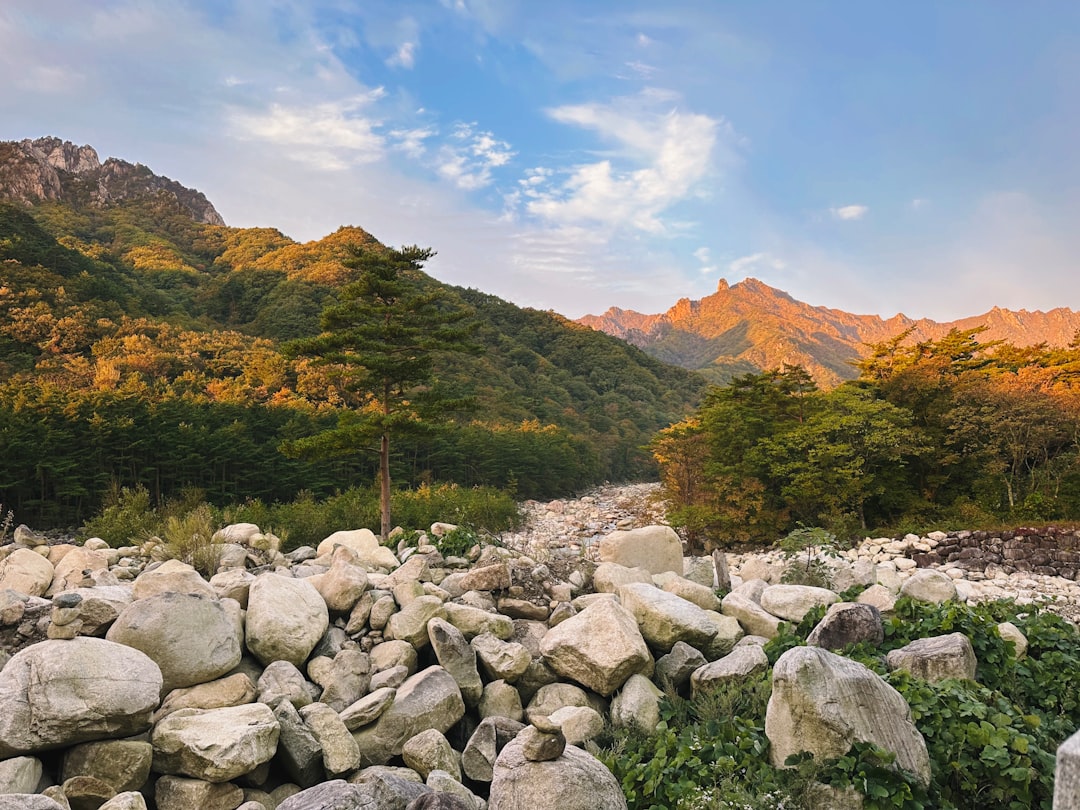
South Korea in October: Fall Foliage, Seoraksan, and Perfect Hiking Weather
October is South Korea's second great season — fall foliage turns the mountain national parks crimson and gold, the weather is ideal for hiking, and the crowds are a fraction of April's cherry blossom peak.
Seasonal
South Korea in September: Summer Ends, Chuseok Arrives, Foliage Begins
September is Korea's transition month — the brutal summer heat breaks, the mountain foliage starts in the north, and Chuseok (Korean Thanksgiving) brings the country's biggest holiday home-coming. Here's what to know.
Compare
Japan vs South Korea: Which Should You Visit First?
Two of Asia's most fascinating countries, less than 2 hours apart by plane. Here's how to decide which one belongs at the top of your list — and why the answer depends entirely on who you are.
Compare
Tokyo vs Seoul: The Food Capital Showdown
Two of the greatest food cities on earth, separated by a two-hour flight. Tokyo has perfection. Seoul has obsession. Here's what eating your way through each city actually looks like.
Culture
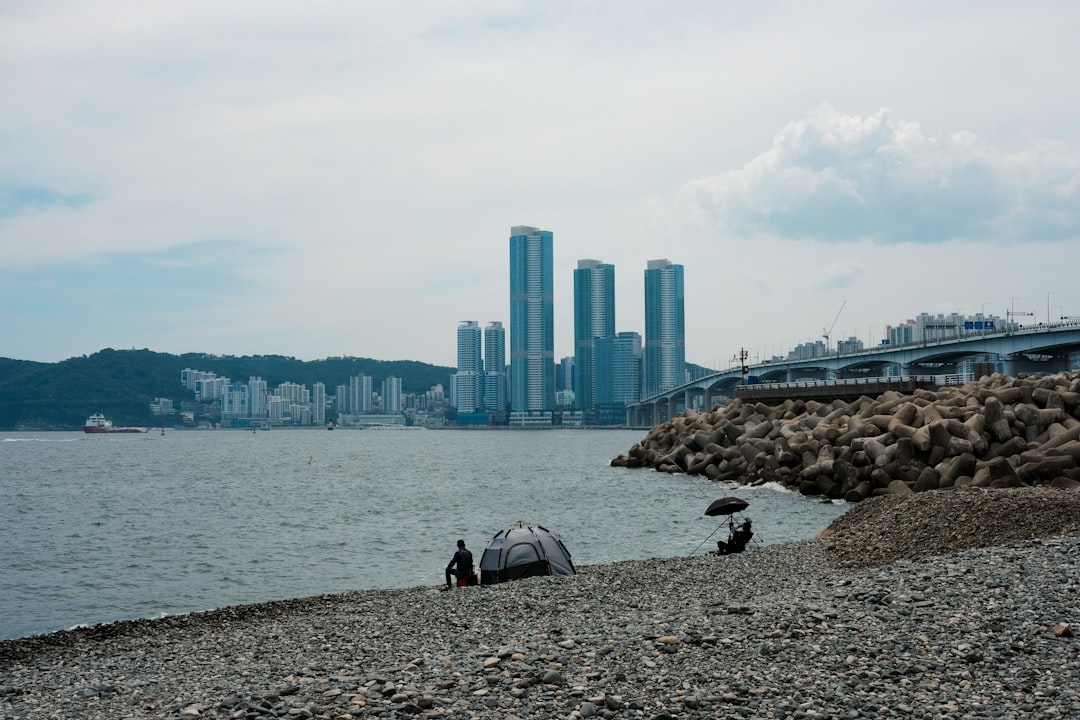
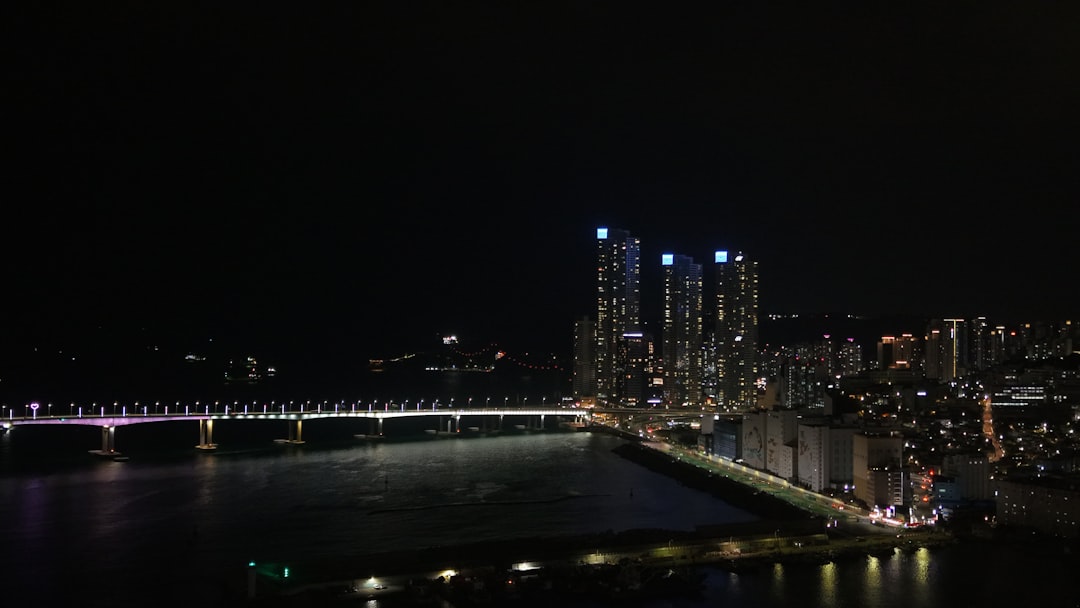
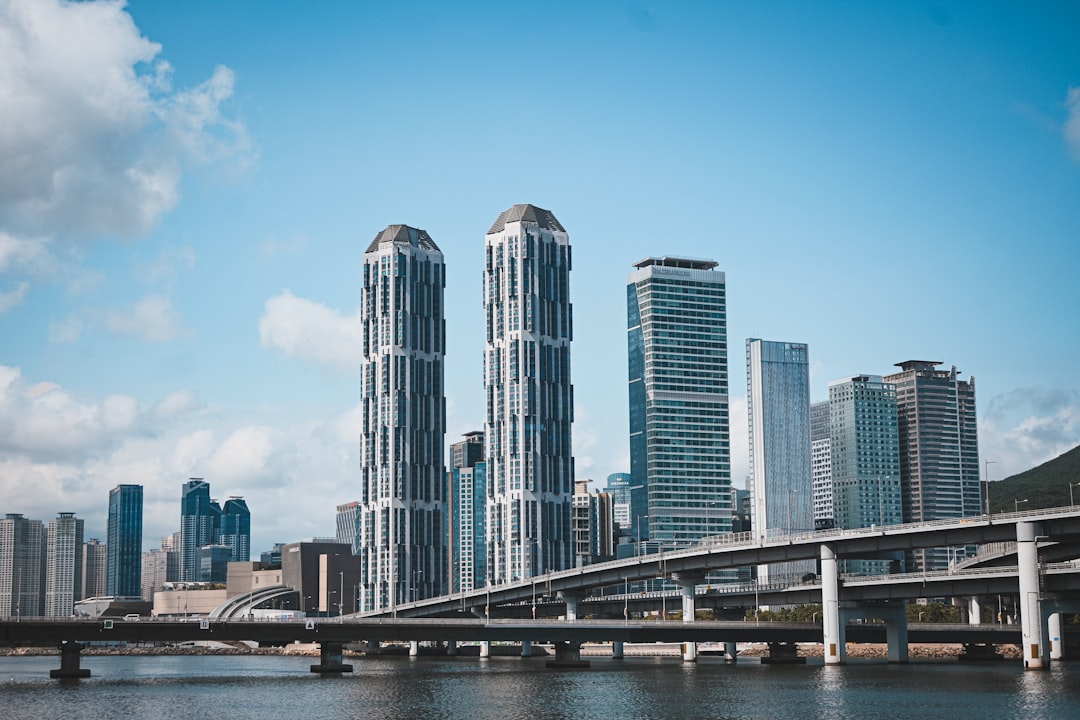
Haeundae and Centum City: Busan's Modern East
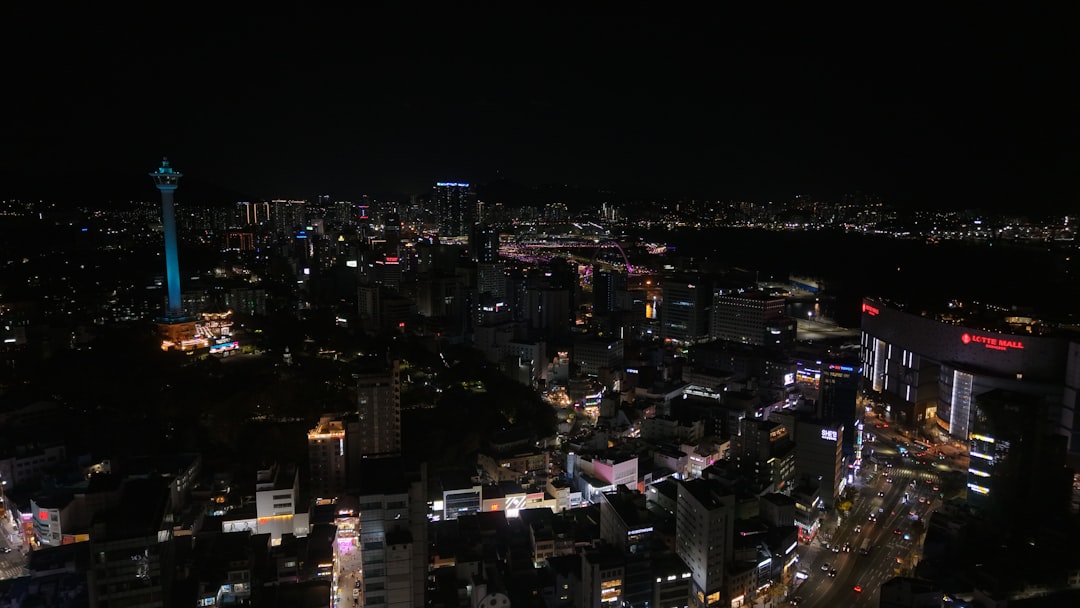
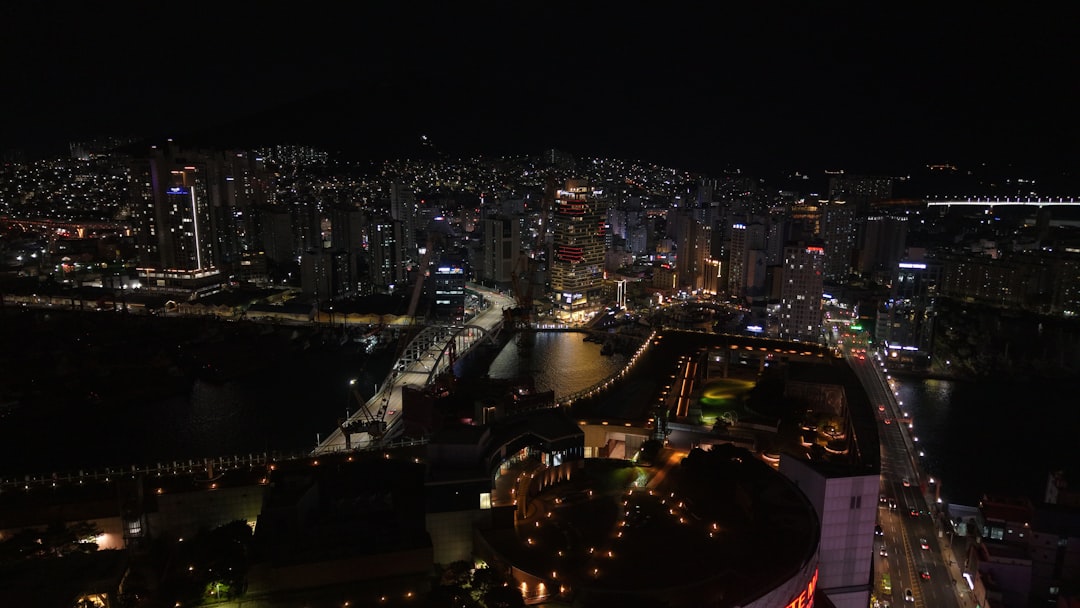
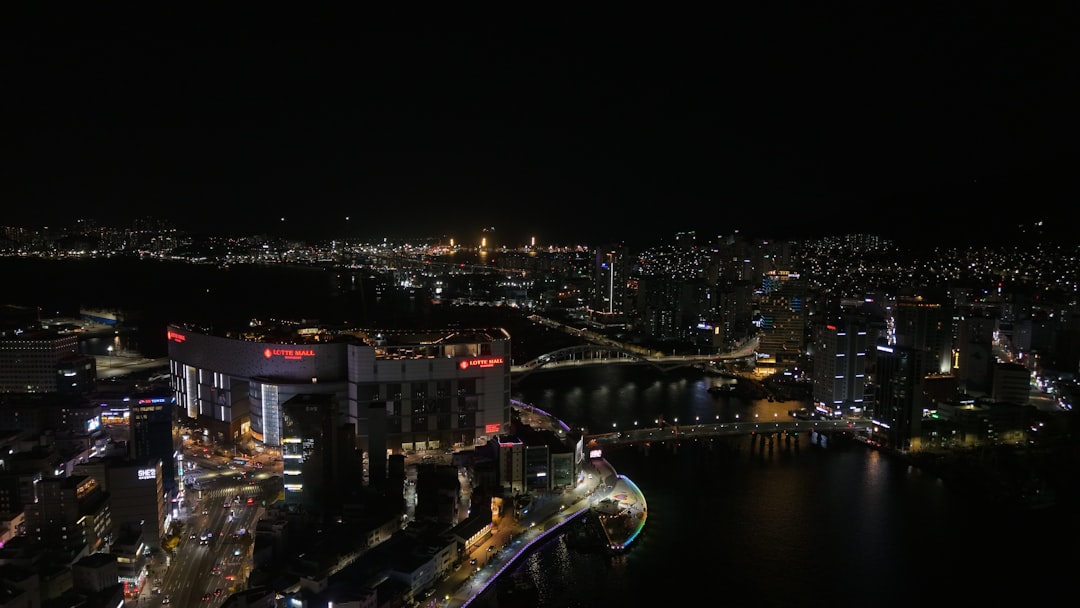
Haeundae is Korea's most famous beach — 1.5km of sand backed by high-rises, crowded in summer and dramatic in winter. Centum City is the world's largest shopping mall complex. Together they define Busan's modern eastern flank, distinct from the old city's gritty character.
Culture · seoul
Changdeokgung Palace and the Secret Garden
Changdeokgung is the best-preserved of Seoul's five Joseon palaces and the only one UNESCO-listed — its rear garden, the Huwon, is one of the finest examples of Korean landscape design: a 78-acre forest of pavilions, ponds, and walking paths that has been closed to the public for most of its 600-year history.
Food · seoul
Gwangjang Market: Seoul's Greatest Food Market
Gwangjang is Korea's oldest market and Seoul's most celebrated street food destination — a covered arcade of raw silk vendors with a central food alley that serves bindaetteok, mayak gimbap, yukhoe, and sundae to hundreds of vendors operating continuously since 1905.
Nature
Jeju Island: East vs West — A Complete Coastal Guide
Beyond Hallasan and Seongsan Ilchulbong, Jeju has two distinct coastal characters: the west with its white sand beaches, seafood villages, and gentle countryside; the east with dramatic lava coastlines, diving haenyeo, and the famous sunrise peak. How to experience both.
Seasonal
Autumn Foliage in South Korea: When and Where to Go
Korean autumn — called 단풍 (danpung) — runs from late September through November, descending from mountain summits to city parks in a wave that is one of Asia's great seasonal events. Seoraksan, Naejangsan, and Gyeongju compete for the title of the most spectacular foliage in the country.
Food
Korean Coffee Culture: A Guide to Cafés and Specialty Coffee
South Korea has one of the world's most developed café cultures — more cafés per capita than anywhere else on Earth, a specialty roasting scene that rivals Tokyo and Melbourne, and a distinctly Korean approach to café design that turns coffee shops into destinations.
Practical
South Korea Practical Guide: Visas, Transport, Money, and Essentials
Everything you need before arriving in South Korea — visa requirements by nationality, how to get from Incheon Airport, T-money cards, SIM options, currency, tipping culture, safety, and the apps that make Korea easy.
Itinerary
Two Weeks in South Korea: The Complete Itinerary
Fourteen days that cover Seoul's neighborhoods, the Gyeongju ancient capital, Busan's coast, Jeju Island, the DMZ, and a few places most itineraries skip — structured so that every transit makes sense and the pace stays sustainable.
Seasonal
South Korea in Winter
Winter in Korea runs from December through February — cold, dry, and clear, with excellent skiing, fewer tourists, illuminated palaces, kimchi-making season, and the best hot food the country produces. For the right traveler, it's the finest season.
Food
Korean Food: The Complete Guide
A comprehensive guide to Korean cuisine — the foundational dishes, the meal structure, regional specialties, how to navigate menus, and the context that makes eating in Korea one of the most rewarding experiences in Asian food.
Practical
Korean Language Basics for Travelers
Hangul can be learned in 2–3 hours — once you can read the alphabet, menus, subway signs, and street signs become navigable. This guide covers Hangul fundamentals, essential phrases, pronunciation, numbers, and the practical language knowledge that makes South Korea significantly easier.
Culture
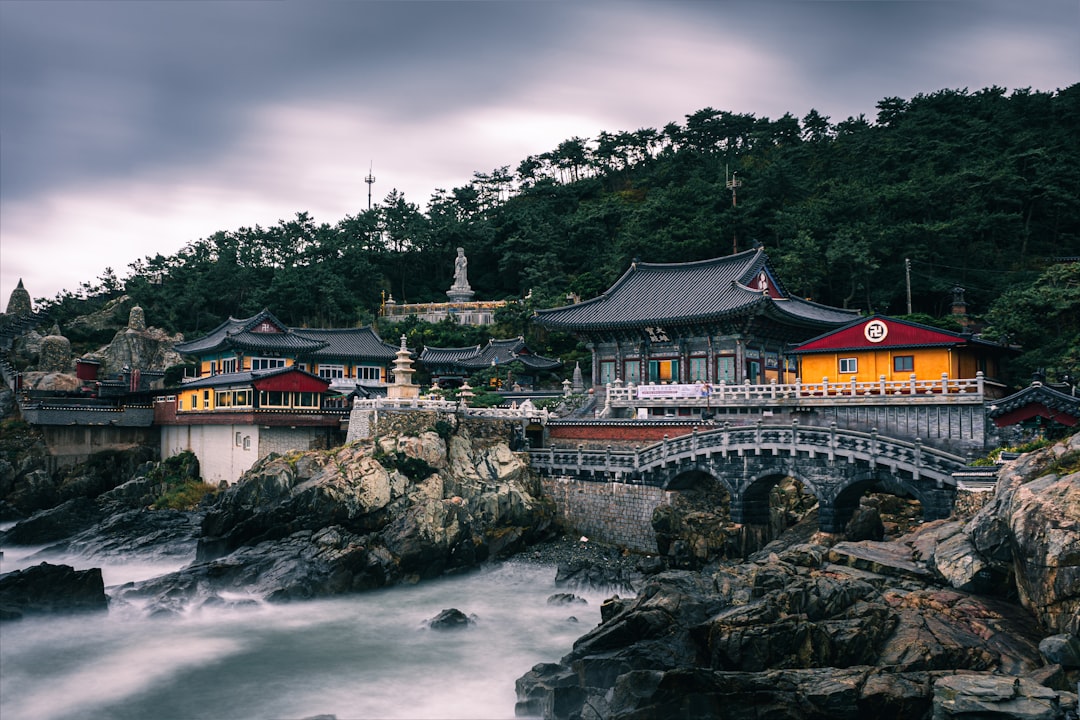
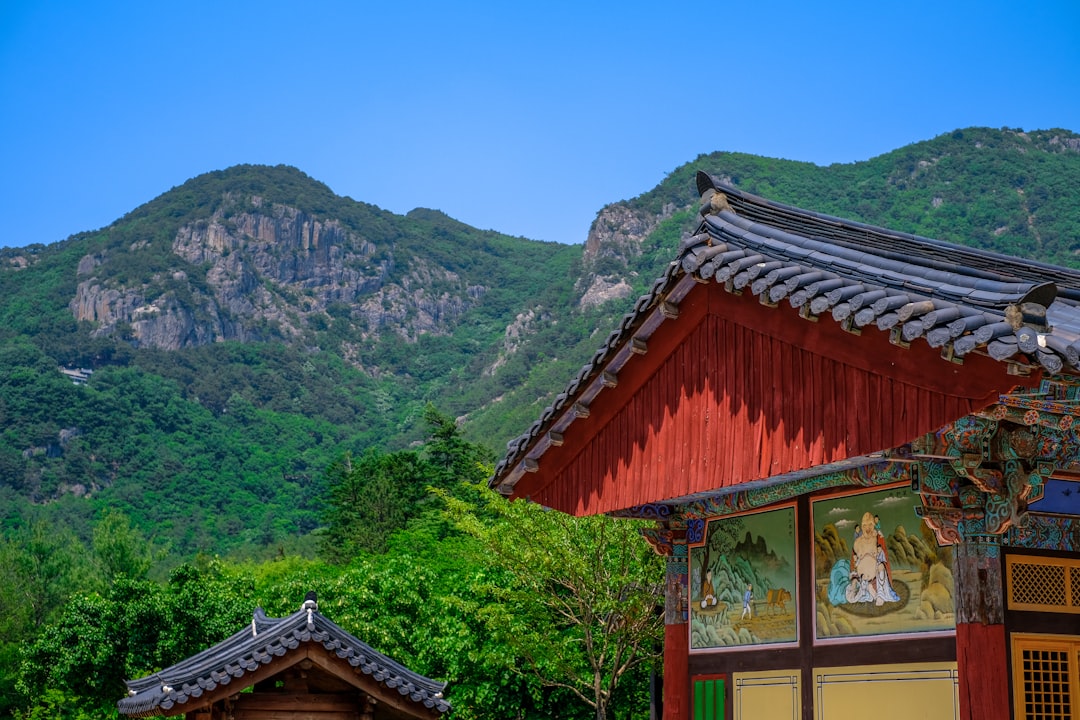
Korean Buddhist Temples: A Guide to the Country's Sacred Sites
Korea has over 900 registered Buddhist temples, many in mountain settings of specific beauty. This guide covers the major temples, the Templestay program, and the mountain temple culture that defines Korean Buddhism.
Culture · seoul
Namsan Mountain and N Seoul Tower
Namsan is the 262m mountain at the center of Seoul — a forested park within the city that provides the definitive panoramic view from the N Seoul Tower and connects neighborhoods that would otherwise require the subway.
Culture · seoul
Euljiro: Seoul's Industrial-Vintage Quarter
Euljiro is a district of metalworkers, print shops, lighting suppliers, and hardware merchants that has attracted a wave of bars and cafés into its low-ceilinged workspaces — producing the most interesting night-life district in Seoul for those who've grown tired of the predictable.
Culture · seoul
The Han River: Seoul's Outdoor Living Room
The Han River runs 514km through the center of Seoul with 12 riverside parks, cycling paths, outdoor pools, and the specific Korean culture of outdoor eating on tarp mats at sunset. Understanding the Han is understanding how Seoul actually relaxes.
Culture · seoul
Itaewon: Seoul's International District
Itaewon grew around the US military base and became Seoul's most internationally diverse neighborhood — global food, international bars, the antique district of Hannam-dong, and a nightlife scene that operates by different rules than the rest of the city.
Culture · seoul
Seoul Nightlife Guide
Seoul operates on a different nocturnal schedule to most cities — the clubs open at midnight, the bars serve until 6am, and the neighborhood you're in determines the entire character of the night. A guide to Hongdae, Itaewon, Gangnam, Sinchon, and the lesser-known pockets.
Food · seoul
Noryangjin Fish Market: Seoul's Seafood Hub
Noryangjin is one of the largest seafood wholesale markets in Asia — open 24 hours, with live seafood tanks covering the floor of a massive market hall, an auction that starts at 1am, and restaurants on the floor above that cook whatever you buy downstairs.
Culture · seoul
Seongsu-dong: Seoul's Brooklyn
Seongsu-dong transformed from an industrial leather-working district into Seoul's most creative neighborhood — converted factories, specialty coffee, independent fashion, and a local energy that feels unlike anything else in the city.
Culture
Sokcho and Seoraksan: Korea's Northeastern Mountains
Seoraksan National Park contains the most dramatic mountain scenery on the Korean peninsula — granite peaks, valley temples, and autumn foliage that draws the entire country in October. Sokcho is the base city, with a fishing port, lagoon, and seafood that justifies the journey alone.
Culture · seoul
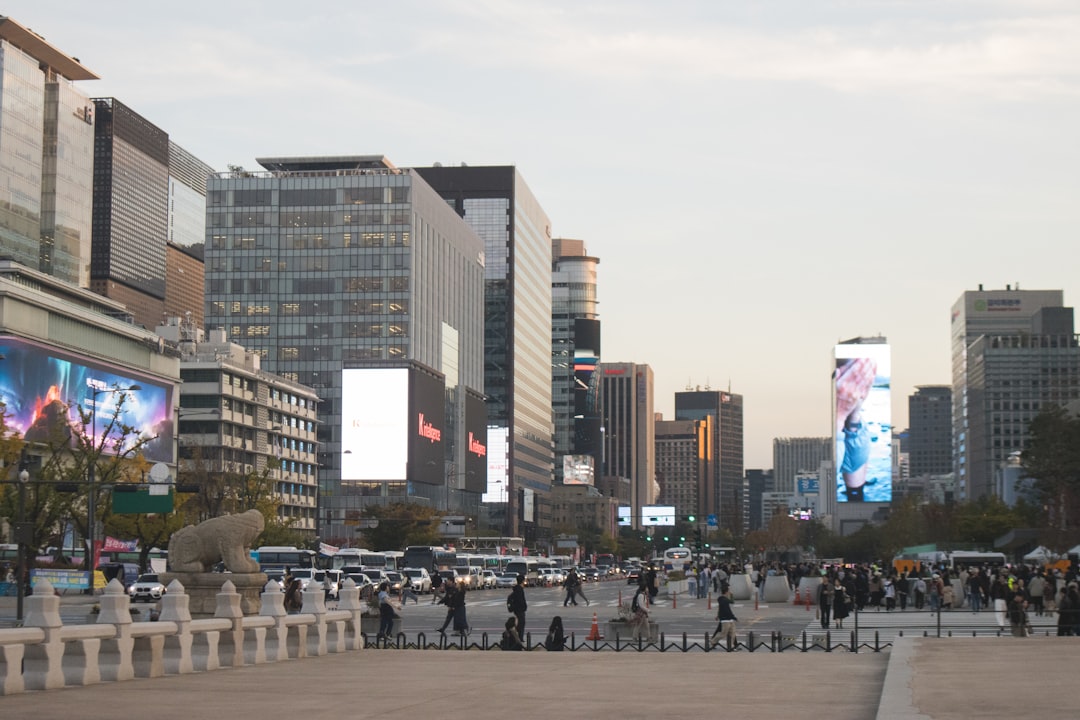
Gyeongbokgung Palace: Seoul's Imperial Heart
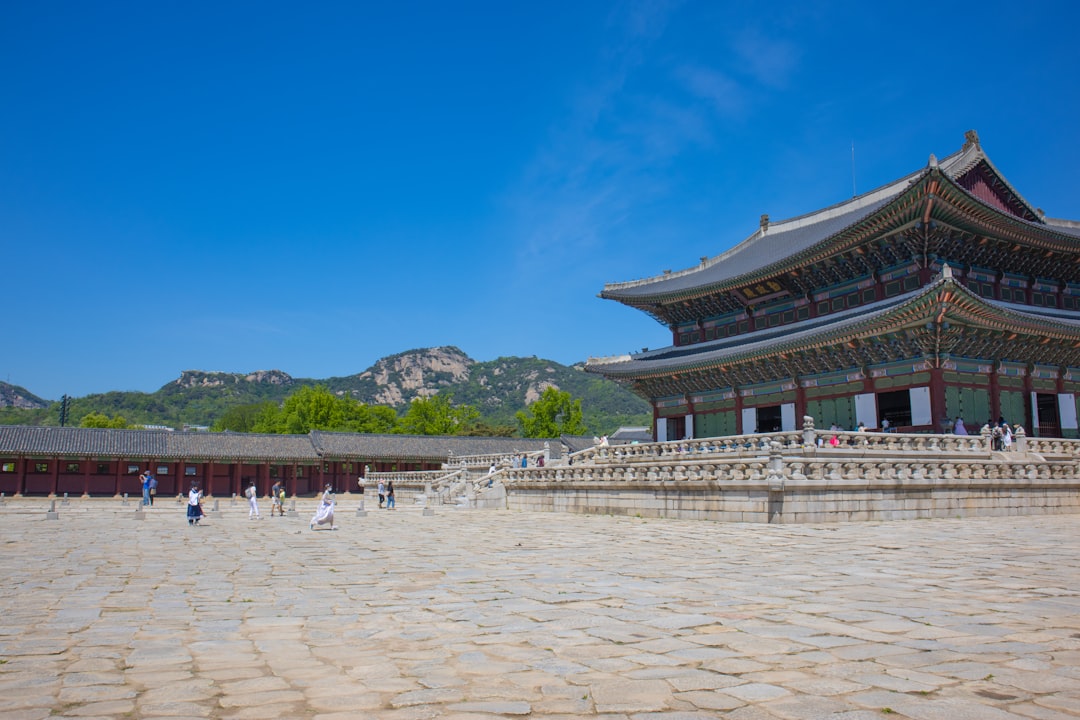
Gyeongbokgung was the primary palace of the Joseon Dynasty for 270 years. The ceremonial changing of the guard happens four times daily, the throne hall is one of Korea's most significant architectural sites, and the adjacent folk museum is excellent.
Culture
Hanbok: Wearing Traditional Korean Clothing
Hanbok is Korea's traditional clothing — vibrant, geometric, and still worn at celebrations, royal palace visits, and by a growing number of Seoulites who've reclaimed it as contemporary fashion. Here's everything you need to know about wearing it.
Culture
Jeonju: Hanok Village, Bibimbap, and Korea's Culinary Capital
Jeonju has the largest intact traditional hanok village in Korea, the most argued-over bibimbap in the country, and a food culture that South Koreans travel specifically to experience. It earns the hype.
Culture
Cherry Blossoms in Korea: Where and When to See Them
Korea's cherry blossom season runs from late March through early April and is centered on different locations than Japan's. Jinhae is the national festival; Seoul has its own circuit; Jeju blooms first.
Culture
Hiking in Korea: Bukhansan, Seoraksan, and the Best Trails
Korea is one of the most hiking-focused countries in the world — 70% of the country is mountainous, national parks cover the best terrain, and the culture of weekend hiking is deeply embedded in Korean life. Here's how to join it properly.
Food
Korean Street Food: The Complete Guide to Eating Well on the Go
Korea's street food culture — tteokbokki, hotteok, pajeon, bungeoppang, corn dogs, eomuk — is one of Asia's most developed. Here's what everything is, where to find the best versions, and how to eat without looking confused.
Food
Makgeolli and Soju: Korea's Drinking Culture Explained
Soju is the world's best-selling spirit by volume. Makgeolli is one of Asia's oldest fermented drinks. Together they define how Korea drinks — and understanding them changes how you eat, socialize, and experience the country.
Itinerary · seoul
3 Days in Seoul: The Right Itinerary
Three days gives you enough Seoul to understand it without exhausting it. This itinerary covers the historical north, the modern south, and the nightlife districts — with the food decisions that actually matter.
Culture · seoul
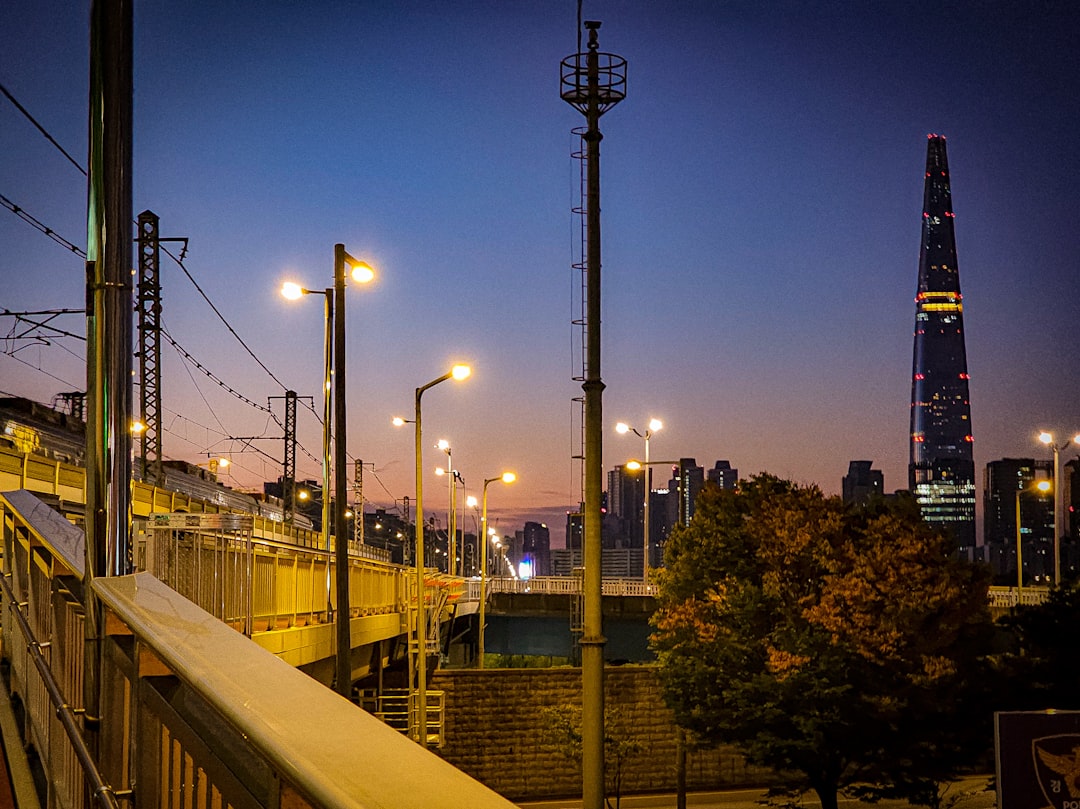
Gangnam: Modern Seoul's Other Side
Gangnam is expensive, polished, and the reason 'Gangnam Style' meant something beyond a song title. It's where old money and new tech money coexist, where the best Korean BBQ restaurants in Seoul are, and where the city shows you what it aspires to be.
Culture · seoul
Hongdae: Seoul's Creative and Nightlife District
Hongdae grew around Hongik University's art school and became the capital of Seoul's independent music scene, street performance, youth culture, and some of the city's most interesting cafes. It's busiest after midnight.
Culture · seoul
Insadong & Bukchon: Traditional Seoul
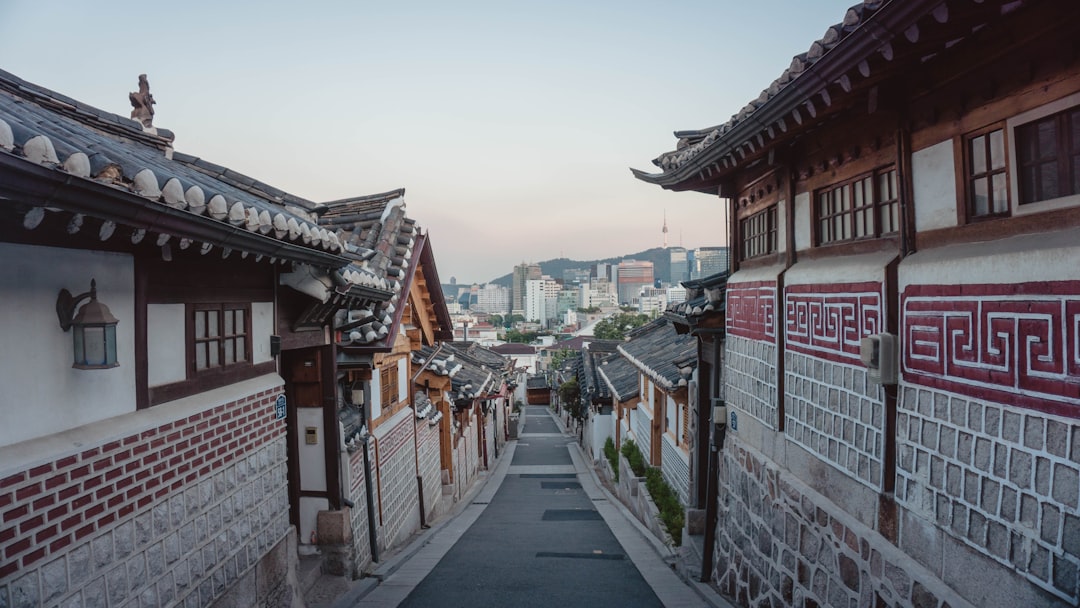
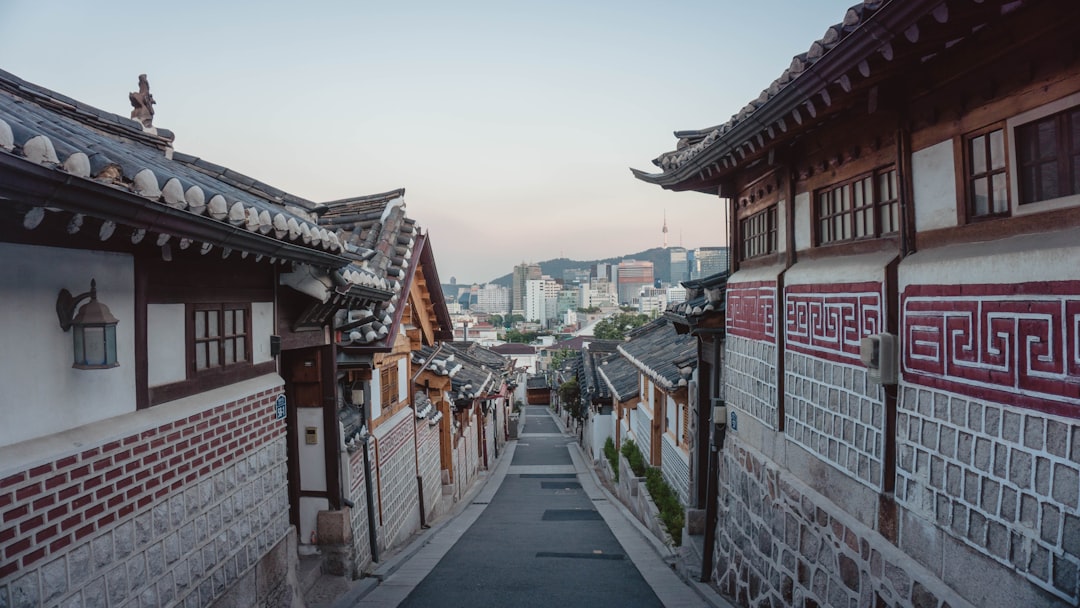
Insadong is Seoul's traditional arts district — teahouses, ceramics, calligraphy, and the best Korean craft shopping in the city. Bukchon Hanok Village is the residential neighborhood of preserved tile-roofed houses that defines Seoul's visual identity.
Culture · seoul
Myeongdong: Seoul's Shopping and Street Food Capital
Myeongdong is Seoul's most tourist-facing neighborhood and its most commercially dense — K-beauty shops, street food vendors from 5pm onwards, department stores, and a street energy that doesn't slow down until midnight.
Transport · seoul
Seoul Subway Guide: How to Navigate the City Like a Local
Seoul's metro is one of the best in the world — 23 lines, 900+ stations, clean, cheap, and rarely delayed. Once you understand the T-Money system and the line logic, navigating the city becomes instinctive within a day.
Culture
Suwon: Hwaseong Fortress and Korea's Overlooked Day Trip
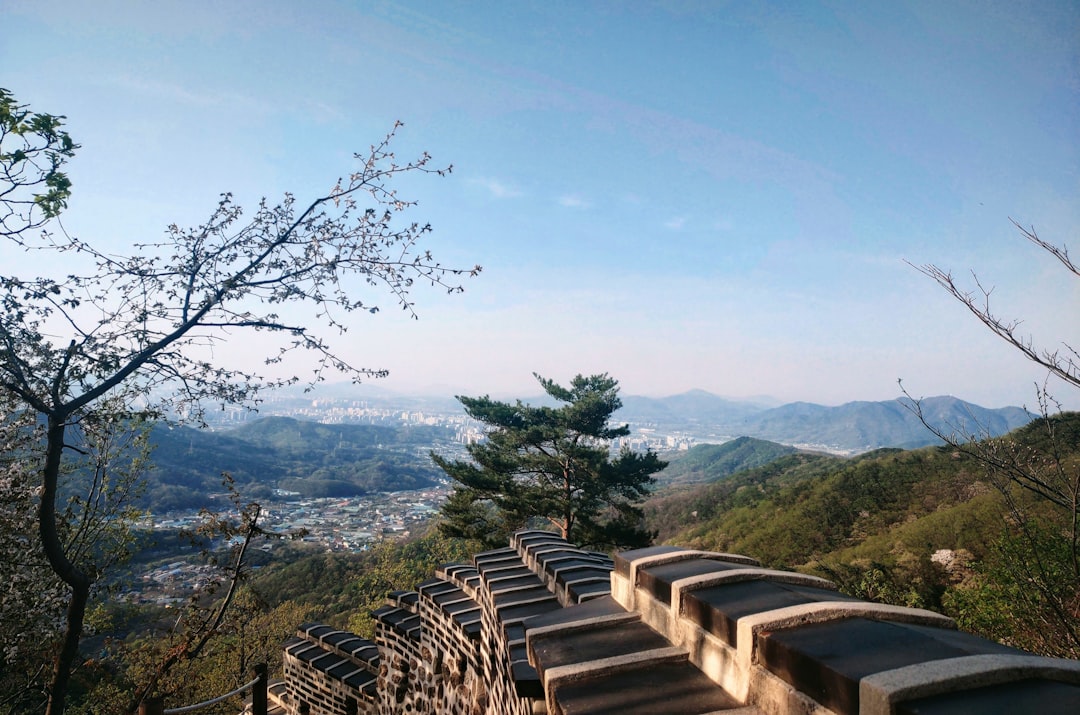
Suwon's Hwaseong Fortress is a UNESCO World Heritage site that encloses a still-inhabited traditional city. An hour from Seoul, it's one of the most rewarding and least crowded significant historical sites in Korea.
Culture
Andong: Korea's Confucian Heartland
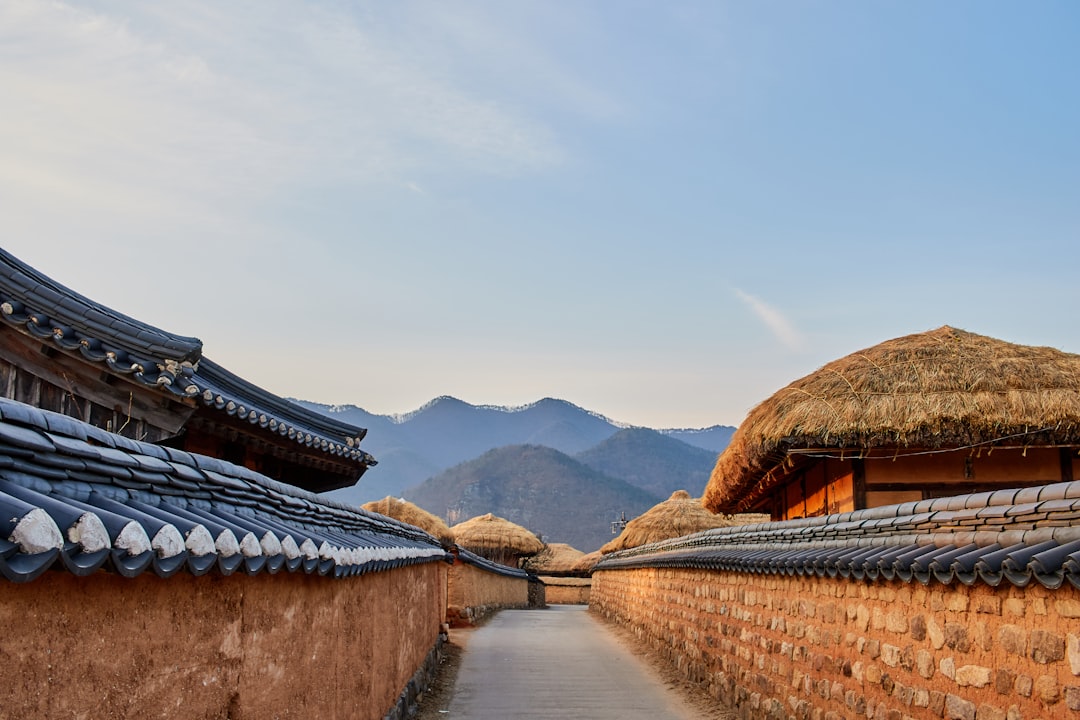
Andong is the cultural center of Korea's Confucian tradition — a city in North Gyeongsang Province where the yangban aristocratic scholar class maintained their philosophy, architecture, and rituals with the most continuity in Korea. The Hahoe folk village (UNESCO World Heritage), the maskdance festival, and the preserved Confucian academies make it the most complete picture of pre-modern Korean aristocratic culture accessible anywhere.
Culture · busan
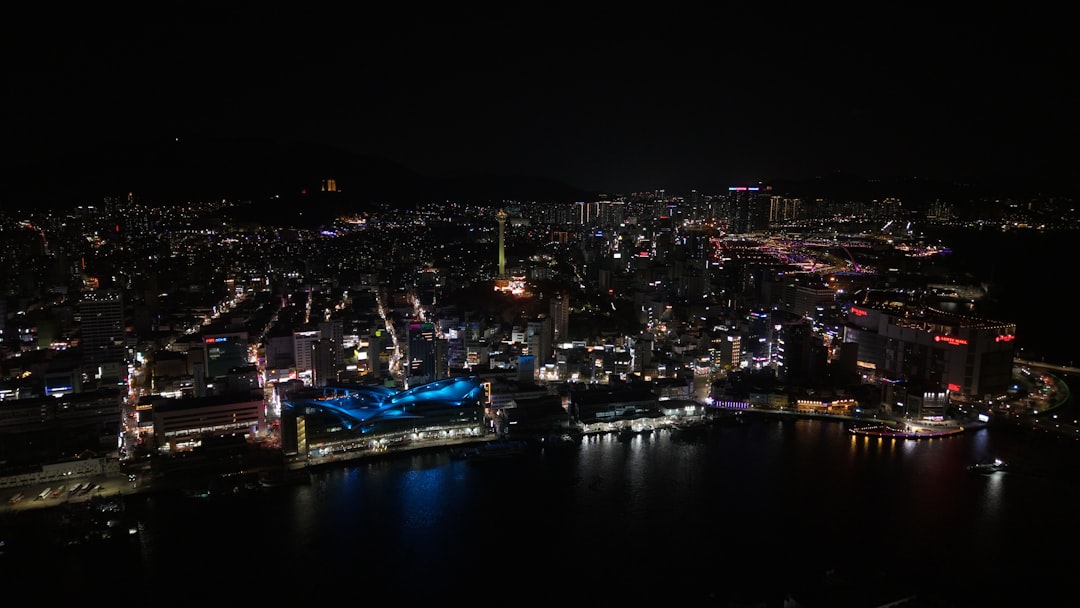
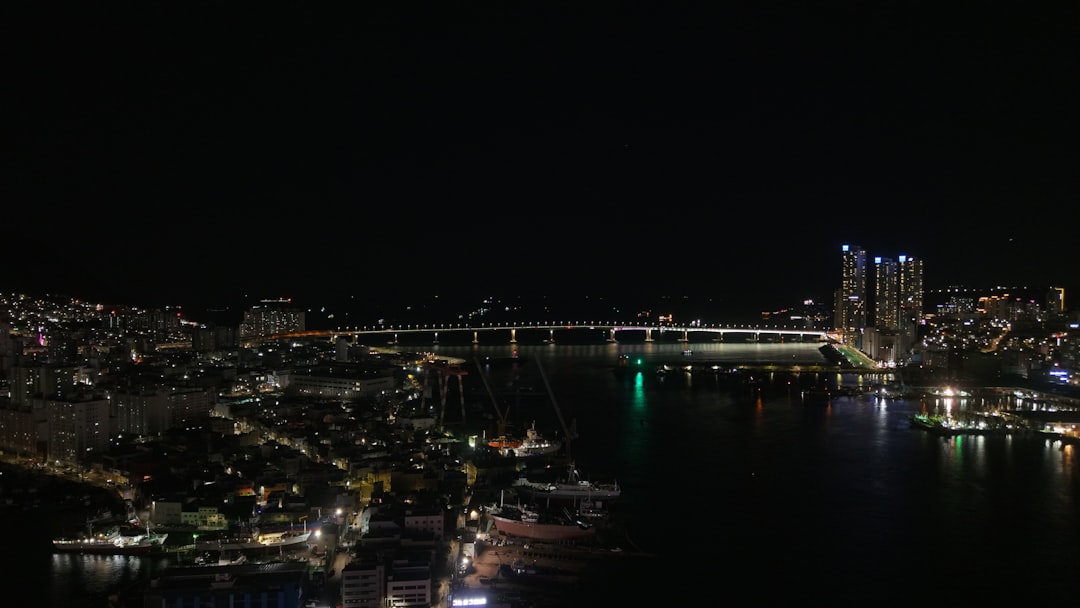
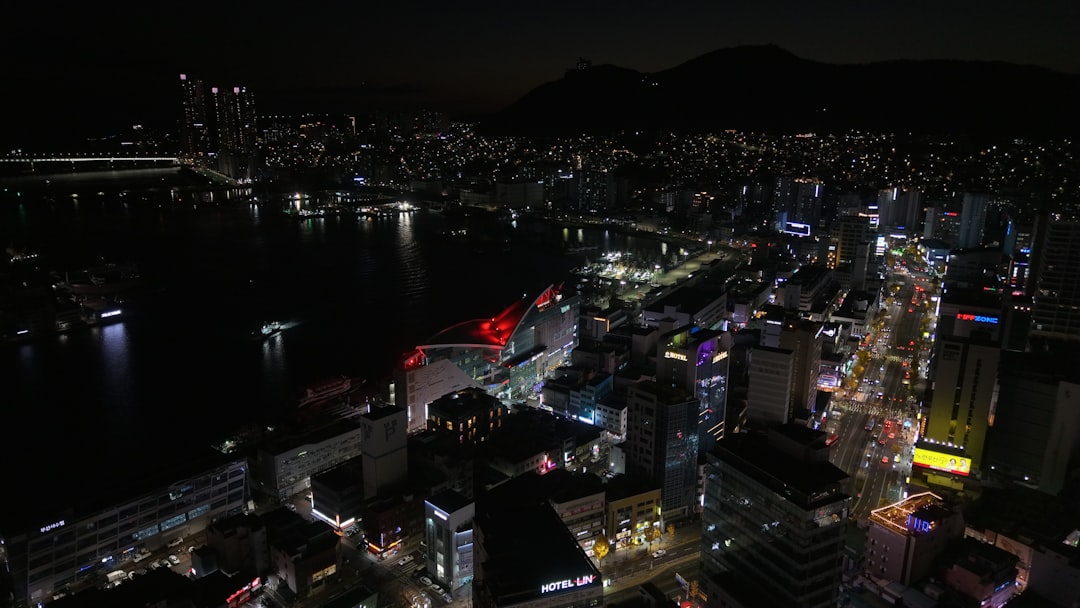
Busan: Korea's Coastal City in Full
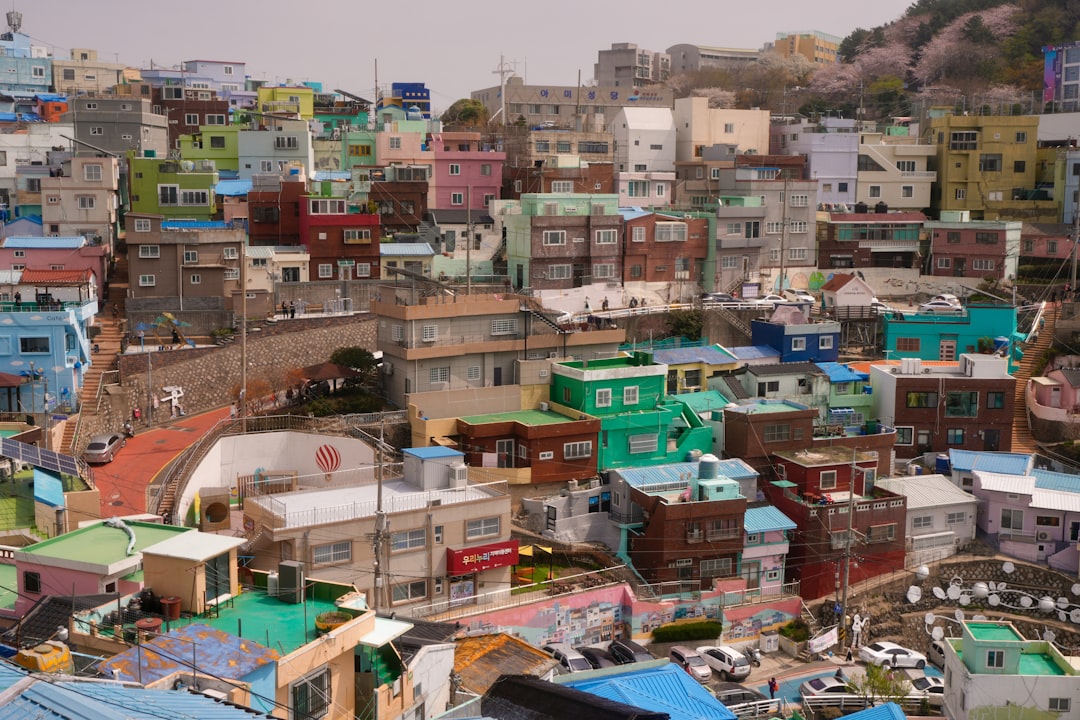
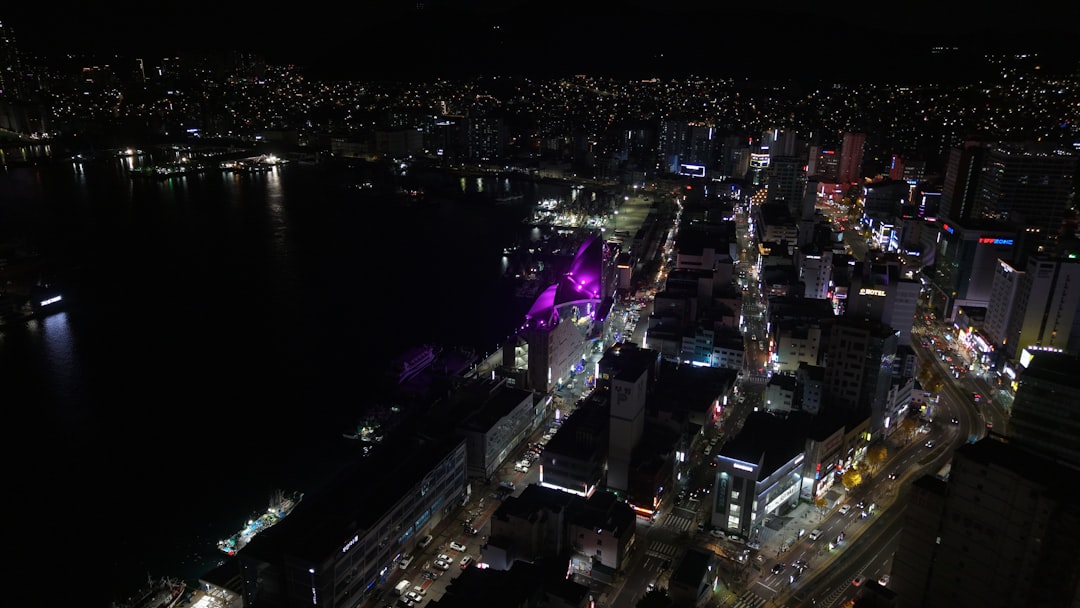
Busan is South Korea's second city — a port town built between mountains and sea, with beaches, a famous fish market, a hillside village painted in rainbow colors, and a street food culture distinct from Seoul. The 2-hour KTX from Seoul makes it the most accessible major coastal city in the country. This is the complete guide.
Culture
The DMZ: Visiting the Korean Demilitarized Zone
The DMZ — the Demilitarized Zone — is the 4-km-wide, 250-km-long buffer between North and South Korea that has existed since the 1953 armistice. It is the most heavily militarized border on earth and simultaneously one of the most visited tourist destinations in South Korea. Here is what you'll actually see, how to get there, and what the visit means in practice.
Culture
Gyeongju: Korea's Ancient Capital
Gyeongju was the capital of the Silla Kingdom for nearly a thousand years — the most powerful and long-lasting dynasty in Korean history. Today the city contains the highest concentration of UNESCO World Heritage sites in Korea: royal burial mounds the size of hills, cave temples carved into mountain rock, and the best-preserved Buddhist sculpture in East Asia. It is the most historically significant city in Korea that most international visitors skip.
Culture
Incheon: Beyond the Airport
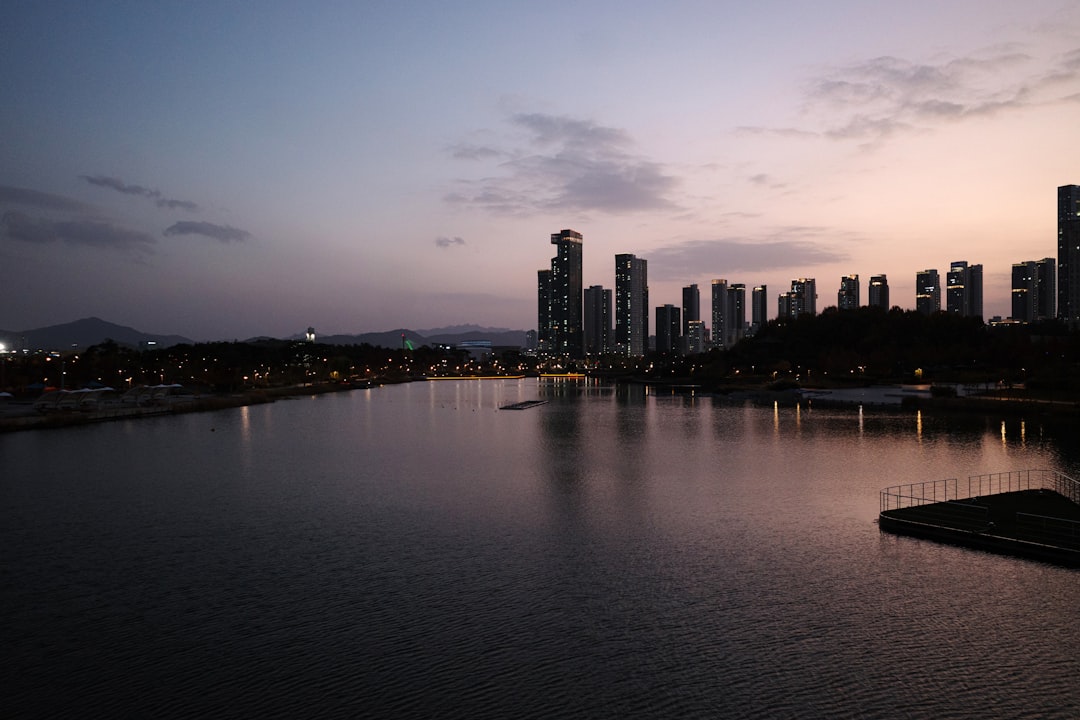
Incheon is South Korea's third-largest city, 30 km west of Seoul on the Yellow Sea coast. Most visitors know it only as the airport — but the city contains the country's oldest and most atmospheric Chinatown, the former Japanese colonial quarter, the walkable waterfront of Songwol-dong, and the planned futuristic island city of Songdo. A half-day or full day in Incheon, either on arrival or before departure, rewards the effort.
Culture
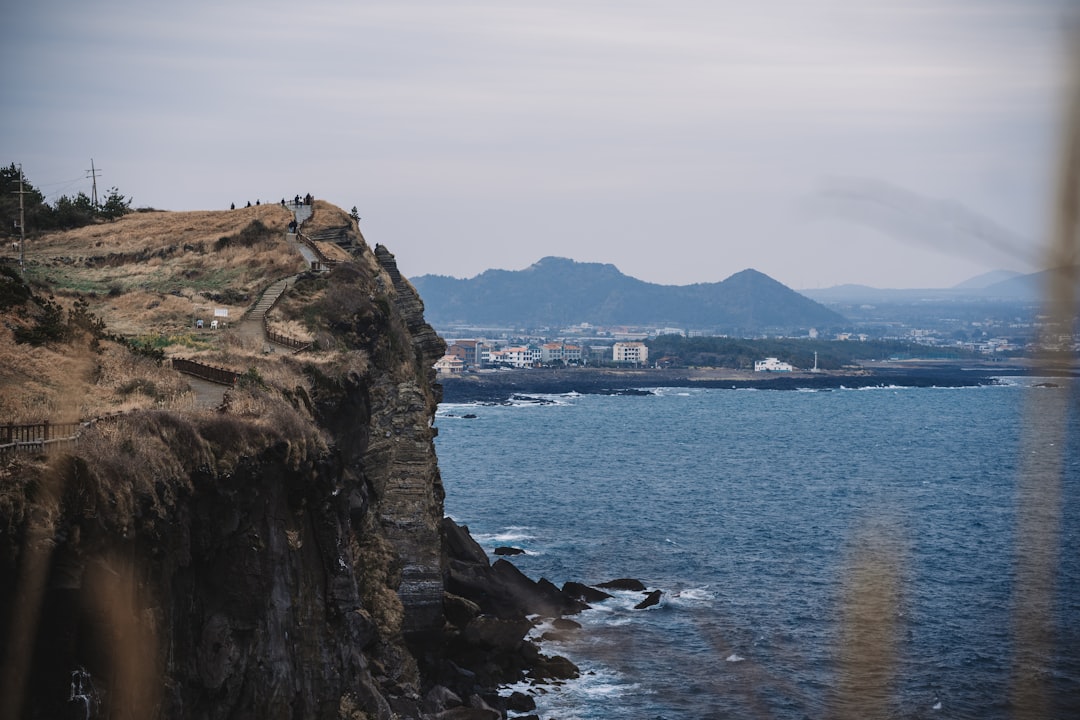
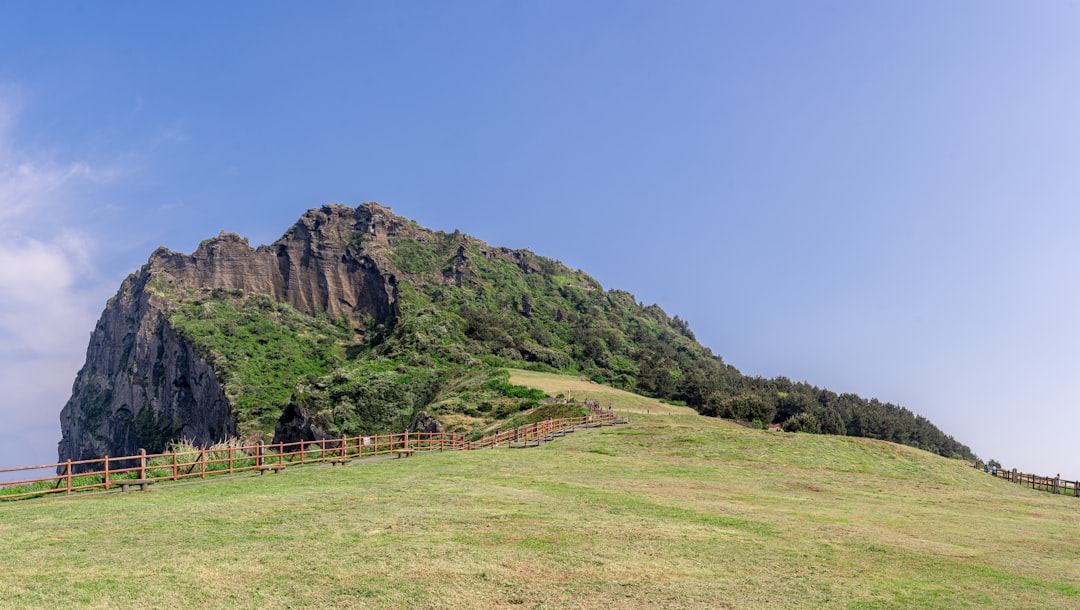
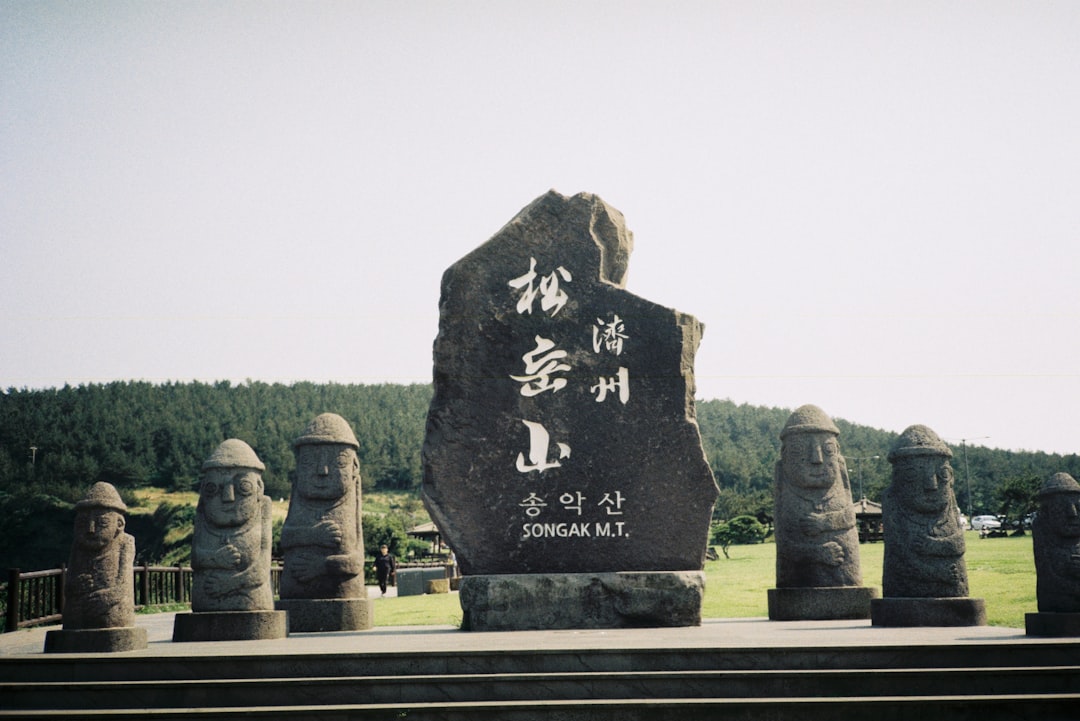
Jeju Island: Korea's Volcanic Island
Jeju is a UNESCO World Heritage volcanic island 90 km south of the Korean mainland — a landscape of black lava rock, white sandy beaches, orange groves, and Hallasan mountain (Korea's highest peak). It is Korea's most visited domestic destination and one of East Asia's most distinctive island landscapes, with its own dialect, food culture, and the haenyeo diving women who harvest seafood from the sea by free-diving.
Culture
Jjimjilbang: The Korean Bathhouse Guide
A jjimjilbang is a Korean public bathhouse and sauna complex — a 24-hour facility where people bathe, sweat in various heated rooms, sleep, eat, socialize, and spend the night. It is one of the most culturally specific experiences South Korea offers, costs ₩10,000–15,000, and requires no more preparation than arriving with a clean body and a willingness to wear the provided shorts.
Food
Korean BBQ: The Complete Guide
Korean BBQ — grilling meat at the table over charcoal or gas flames — is one of the most enjoyable communal eating experiences in the world. Understanding the cuts, the etiquette, the order of eating, and what to drink makes the difference between a good meal and a great one. This guide covers everything, from the most common cuts to where to eat them.
Culture
Korean Beauty: The K-Beauty Guide for Travelers
South Korea has the most developed skincare culture in the world — a domestic industry that invented the 10-step routine, double cleansing, sheet masks, and BB cream, and that drives global skincare trends before they reach Western markets by 5–10 years. For travelers, Seoul offers access to the source: the products, the dermatology clinics, the skincare districts, and the understanding of why it all works.
Culture
K-Pop Culture: What It Is and Where to Experience It in Seoul
K-pop is South Korea's dominant cultural export — a systematically produced pop music industry that has created a global fanbase unlike anything in Western pop culture. Understanding how it works, where the fandoms intersect with Seoul's physical spaces, and what to do as a curious visitor makes the phenomenon considerably more interesting.
Culture · seoul
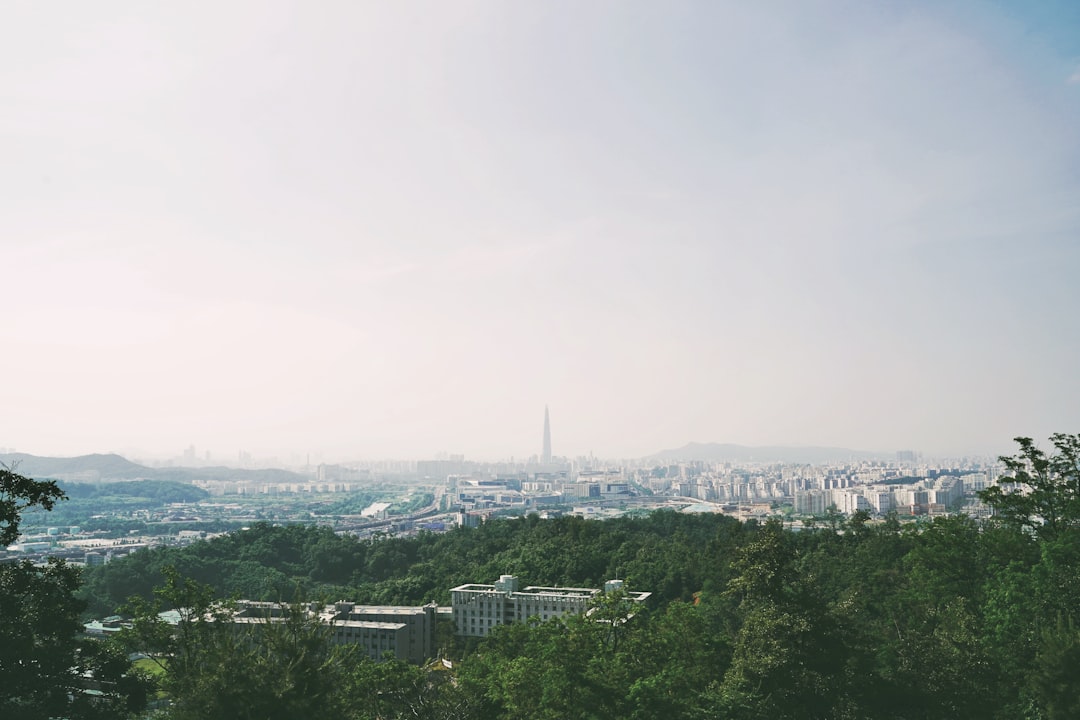
Seoul: The Complete Travel Guide
Seoul is 10 million people, 600 years of history, and a present-tense energy that makes most other capitals feel slow. This is how to move through it — which neighborhoods to base yourself in, what each area gives you, where to eat, and what to do in the gaps between the palaces.
Tips · busan
Busan Travel Guide: 3 Days in South Korea's Coolest City
Busan moves at a different speed from Seoul. Here's how to spend three days in Korea's second city — the markets, the beaches, the temples above the sea, and the thing people keep getting wrong about Gamcheon.
Culture · seoul
K-Drama Travel Guide: 15 Real Seoul Filming Locations You Can Actually Visit
The real streets, cafés, palaces, and alleys behind your favorite K-dramas — where they are, how to get there, and what it actually feels like to stand in those scenes.
Food · seoul
Seoul Food Guide: 25 Dishes You Must Eat and Where to Find Them
A serious eater's guide to Seoul — the dishes that define the city, the neighborhoods where they're best, and exactly what to order when you get there.
Itinerary
South Korea 10-Day Itinerary: Seoul, Busan & Gyeongju
The definitive 10-day South Korea route — where to sleep, what to eat, how to get between cities, and the specific moments that make this trip unforgettable.
Budget
South Korea Travel Budget 2026: What a Trip Actually Costs
An honest breakdown of what you'll spend in South Korea — accommodation, food, transport, and activities — with real numbers across three spending levels.