Toronto Neighborhoods Guide for World Cup 2026
Plan your trip
Toronto’s neighborhoods reflect the city’s immigration history — each wave of settlement left a distinct residential and commercial imprint that remains visible today. For World Cup visitors, the neighborhoods offer a level of cultural diversity within walking or transit distance that no other host city can match.
Downtown Core (Financial District / King Street)
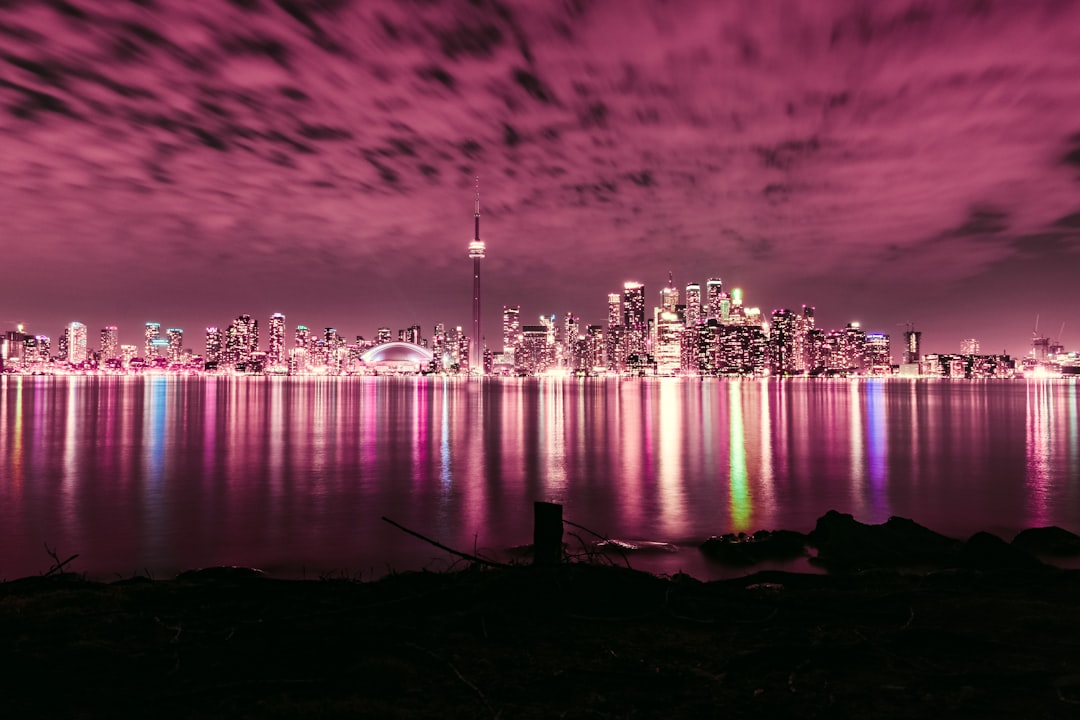
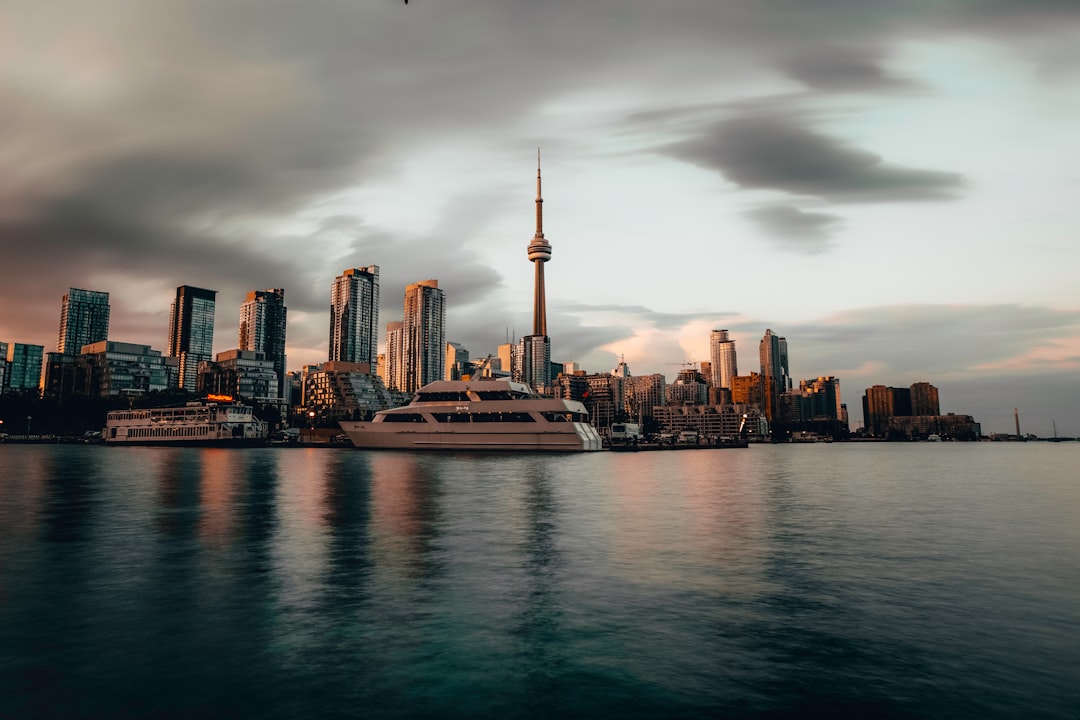
The downtown core runs from Union Station north to College Street, and from the Entertainment District (Rogers Centre, Scotiabank Arena) east to the St. Lawrence Market area. Hotels are concentrated here; transit connections are excellent.
King Street West: The primary restaurant and bar corridor for Toronto’s food-obsessed culture — the stretch from Spadina to Bathurst has the highest density of serious independent restaurants in the city.
The Entertainment District: Rogers Centre (Blue Jays baseball — check the July schedule for overlaps with World Cup dates), Scotiabank Arena, and the film festival cinemas on King Street West. A sports and entertainment concentration that activates on game days.
Stay: $200–450 CAD/night for mid-range to upscale hotels. The Fairmont Royal York (opposite Union Station, opened 1929) is the most historic option; modern hotel chains along University and Bay Street offer more competitive rates.
Kensington Market
A 10-block outdoor market neighborhood west of downtown — one of the most eclectic urban spaces in North America. The streets are a compressed version of the city’s diversity: Portuguese bakeries (the Manuel Pereira & Co. bakery on Augusta), Caribbean doubles stalls, Middle Eastern grocery stores, vintage clothing shops, and the kind of independent retail that downtown rents have eliminated from most North American cities.
What makes it specific: Kensington is one of the few neighborhoods in Toronto that has resisted gentrification through a combination of low ceilings (most buildings are small Victorian houses) and concentrated organic independent use. The Sunday pedestrianization (last Sunday of each month, May–October) closes the streets to cars and makes it the most walkable experience in the city.
Stay: Airbnb primarily ($110–200 CAD/night). Limited hotel inventory. Best base for visitors prioritizing the market neighborhood experience.
Distillery District
The most photogenic neighborhood in Toronto — a preserved Victorian industrial complex of 45 heritage buildings connected by pedestrian laneways, all closed to vehicle traffic. Originally the Gooderham & Worts distillery (once the largest distillery in the British Empire), now galleries, restaurants, cafes, and retailers.
What to do: Walk the cobblestone lanes, visit the TANK House Theatre, eat at Cluny Bistro or Mill Street Brewery, and photograph the Victorian brick architecture against the summer sky.
Character: Tourist-oriented but genuinely beautiful. Better for a day visit than a base.
Stay: Boutique hotels ($180–350 CAD/night).
Little Italy (College Street)
The Italian community that settled along College Street in the 1950s–1970s left a restaurant and café culture that remains active. The espresso bars, the pastry shops, and the specific atmosphere of an Italian-Canadian neighborhood — more casual than Toronto’s upscale restaurant scene, more specific than the generic downtown corridors.
Bar Raval (505 College Street): The most acclaimed cocktail bar in Toronto — a space designed by the architects who designed the inside of Gaudí’s Sagrada Família, with a Spanish pintxos and drinks program. One of the best bars in North America.
Stay: Primarily Airbnb ($100–190 CAD/night). Easy streetcar access to downtown.
The Annex
The Annex is the university neighborhood north of Bloor Street — Victorian rowhouses, the best independent bookstores in the city (Bakka-Phoenix for science fiction, Type Books for literary fiction), coffee shops, and the population of academics, writers, and students that makes University Avenue’s northern extension feel distinct.
Bloor Street West: The primary commercial corridor of the Annex — from Spadina Avenue west — has a concentration of cafes, restaurants, and independent shops within walking distance of the University of Toronto campus.
Stay: Airbnb ($95–180 CAD/night) or the InterContinental Toronto Yorkville nearby.
Chinatown and Spadina
Toronto’s primary Chinatown runs along Dundas Street West and Spadina Avenue — one of the largest Chinatowns in North America, concentrated with Cantonese and Vietnamese restaurants, herbal medicine shops, and the daily commerce of a functioning community.
Dim sum: Rol San (323 Spadina) and Sky Dragon (280 Spadina) are the most active traditional dim sum operations. Push-cart service on weekends; ordering sheet on weekdays.
Stay: Budget and mid-range hotels on Spadina ($120–200 CAD/night). Good transit connections.
Neighborhood Summary
| Neighborhood | Best for | TTC to BMO Field | Avg. cost |
|---|---|---|---|
| Downtown Core | Transit hub, hotels | 20 min (streetcar) | $200–450 |
| Kensington Market | Markets, diversity | 25 min | $110–200 Airbnb |
| Distillery District | Architecture, walks | 30 min | $180–350 |
| Little Italy | Food, bars | 25 min | $100–190 Airbnb |
| Chinatown/Spadina | Dim sum, budget | 25 min | $120–200 |
Plan your trip