Toronto World Cup 2026 Guide
Plan your trip
Toronto is the host city for the World Cup 2026 Canada matches and one of the most genuinely diverse cities in the world — approximately 50% of Toronto’s population was born outside Canada, making it the most multicultural city of any World Cup host. The neighborhood consequences are real: Chinatown, Little Italy, Little Portugal, Greektown, Little India (the Gerrard India Bazaar), Koreatown, and Little Jamaica are functioning communities where the restaurants, shops, and street life reflect the heritage cultures authentically.
The stadium is BMO Field on the waterfront — Toronto’s own MLS stadium, smaller than most World Cup venues but specific to the host country’s soccer culture.
The Basics
Stadium: BMO Field, 170 Princes’ Blvd, Toronto, ON
Capacity: 30,000 (expanded to approximately 45,000 for World Cup through temporary seating)
Matches: 6 World Cup matches (group stage and knockout rounds)
Home teams: Toronto FC (MLS), Canada national team home matches
Why Toronto
Multiculturalism: Toronto’s claim to being the most diverse city in the world is backed by actual demographics. The city’s neighborhoods function as real communities, not tourist re-creations — the food, the languages, and the daily life of those neighborhoods are authentic expressions of the diaspora cultures that built them. This is the World Cup context where supporting your national team in Toronto genuinely means you’re in a city with a significant community from your country.
Canadian summer: Toronto in July is warm (25–30°C), sunny, and the best weather period of the year. The city comes alive in summer with waterfront activity, outdoor markets, concerts, and festivals. The contrast with Toronto’s reputation for cold weather (valid for 6 months of the year) is significant.
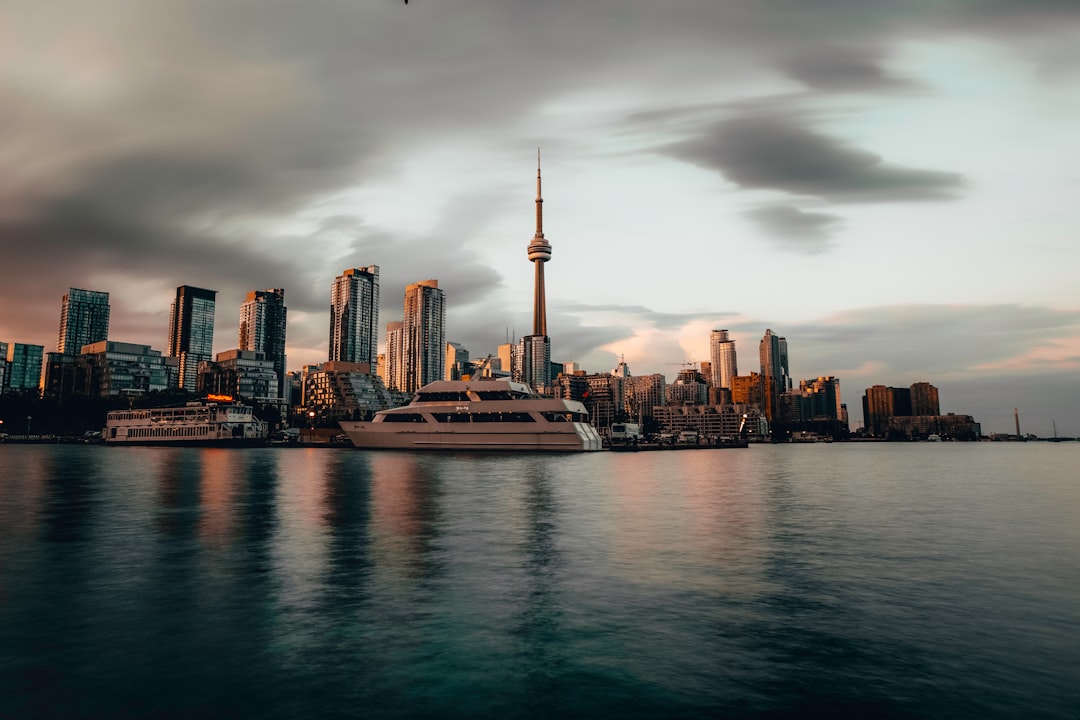
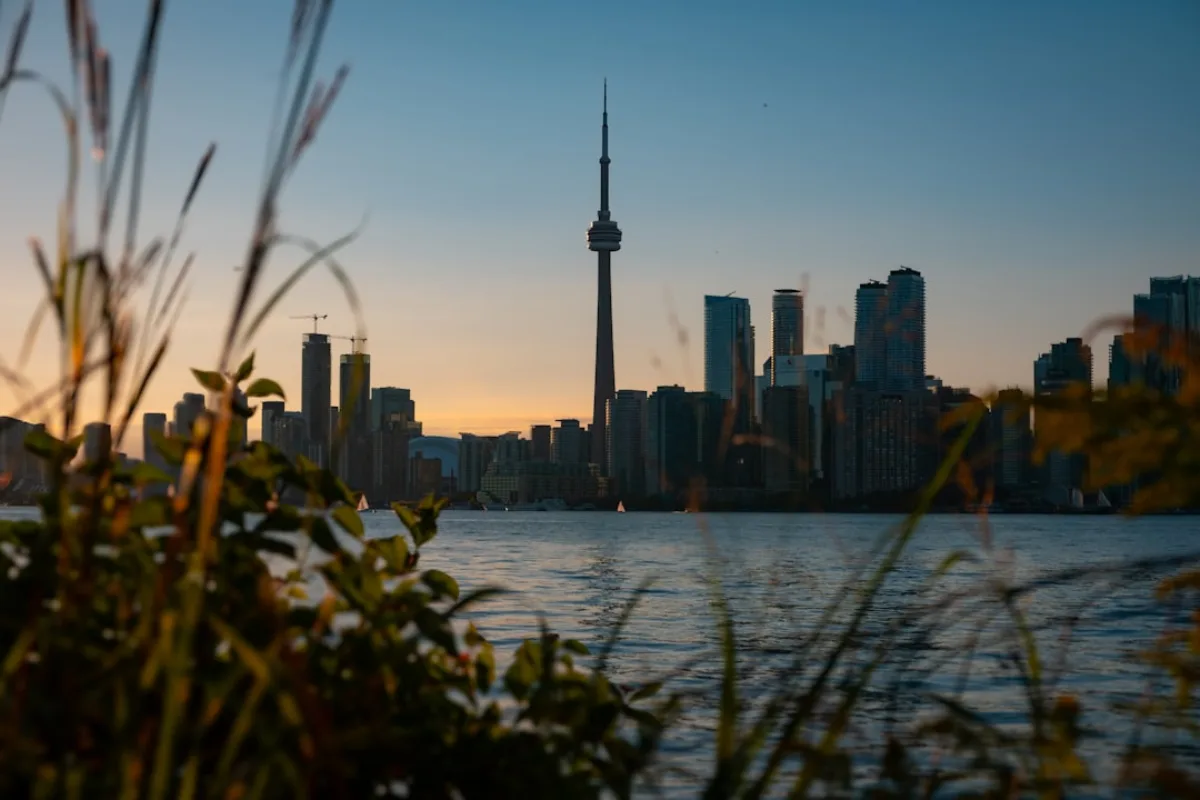
The CN Tower: The most recognizable structure in Canada — the 553-meter telecommunications tower that was the world’s tallest free-standing structure from 1976 to 2010. The glass floor observation deck and the rotating restaurant are the tourist experiences; the tower’s presence on the skyline defines the visual identity of the city.
The food scene: Toronto has one of the most diverse restaurant scenes in the world — not in a ranked-list sense but in the literal sense that you can eat Szechuan, Hakka Chinese, South Indian, West African, Ethiopian, Vietnamese, Caribbean, and countless other cuisines cooked by people from those communities.
The Stadium Geography
BMO Field is at Exhibition Place on the western waterfront — part of the Exhibition grounds that host the Canadian National Exhibition (the largest annual fair in Canada) and various other events. The waterfront location means the stadium is not in the center of downtown but is accessible by transit and has a pleasant approach along the lake.
Context: BMO Field’s capacity (30,000 standard, expanded for World Cup) is the smallest of any permanent World Cup venue in this tournament. FIFA’s selection of Toronto as a host was about the city’s importance as a market, not the stadium’s size — the temporary expansion brings it to minimum requirements.
The City and Its Structure
Toronto’s downtown is organized around:
- Downtown Core: Bay Street financial district, Nathan Phillips Square (City Hall), the Eaton Centre (major shopping mall)
- King Street West: Restaurant and bar corridor
- Queen Street West: Independent retail, galleries, nightlife
- The Waterfront: Lake Ontario’s edge, the harbourfront, Toronto Islands accessible by ferry
- Entertainment District: The Rogers Centre (Blue Jays baseball), Scotiabank Arena (Maple Leafs, Raptors), and surrounding venues
The subway system (TTC) provides the primary transit backbone; streetcars run on the main east-west corridors.
Neighborhoods Overview
Kensington Market: An outdoor market neighborhood west of downtown — vintage clothing, independent food vendors, and the most eclectic street life in Toronto. The 10-block area includes Caribbean food stalls, Portuguese bakeries, Middle Eastern groceries, and a Sunday pedestrianization that makes it the best walking neighborhood in the city.
Distillery District: A preserved Victorian industrial complex converted into galleries, restaurants, and cafes — the most photogenic neighborhood in Toronto, closed to vehicle traffic.
Chinatown and Kensington: Overlapping communities near Spadina Avenue and Dundas Street — the Cantonese dim sum restaurants, the Vietnamese pho houses, and the Portuguese bakeries of Kensington all within walking distance.
Little Italy and Little Portugal: Consecutive along College and Dundas Streets — the Italian and Portuguese communities that built much of mid-20th century Toronto. The best restaurants in both communities are here.
Practical Considerations
Currency: Canadian dollar (CAD). Widely accepted credit cards; ATMs available everywhere. $1 CAD ≈ $0.73 USD.
Weather: Toronto July: 25–30°C, typically sunny, some humidity. Noticeably warmer than Vancouver. Occasional afternoon thunderstorms; a light jacket is useful for evenings.
Tipping: 18–20% at restaurants; 15% minimum at bars. Service is generally not included in the bill.
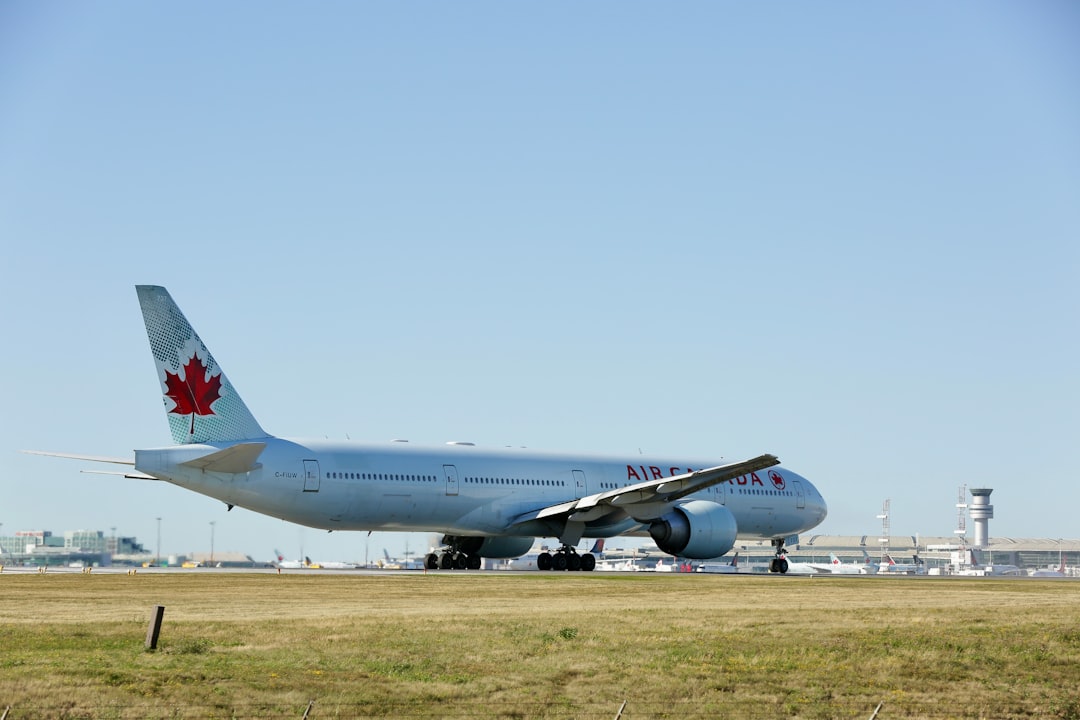
Airport: Toronto Pearson International (YYZ) is 27 km northwest of downtown. Union Pearson Express (UPX) train connects the airport to Union Station in 25 minutes for $12.35 CAD. The most efficient airport transit connection.
Plan your trip