Loire Valley: Châteaux, Gardens & the Garden of France
Plan your trip
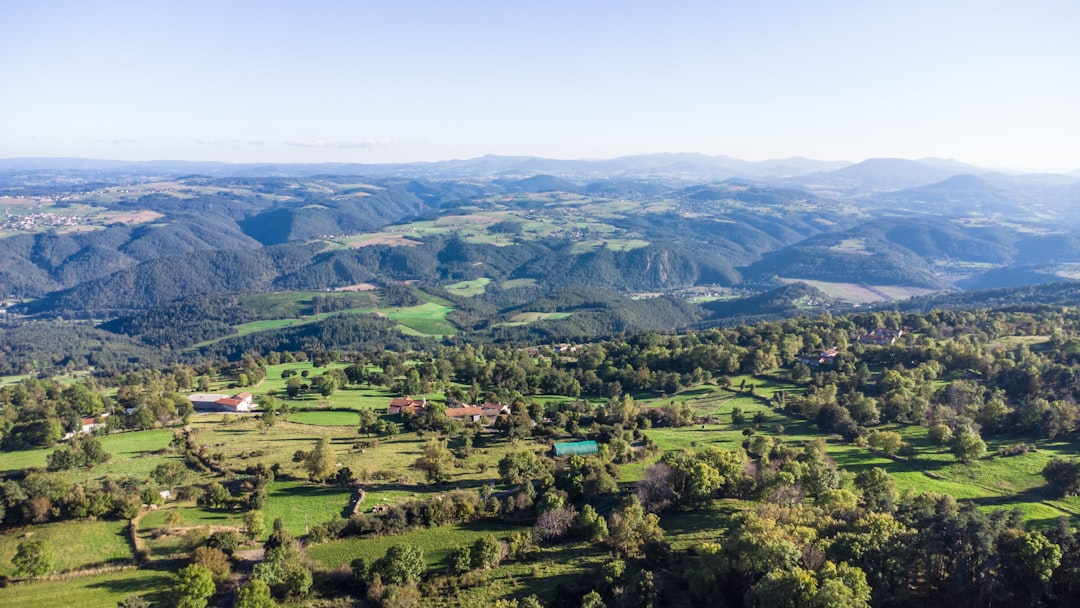
The Loire Valley is the most concentrated collection of Renaissance architecture in Europe — 42 classified châteaux along a 280 km stretch of river, built during the French Renaissance when the Loire was the royal court’s favored location. The valley was designated a UNESCO World Heritage Cultural Landscape in 2000, covering not just the châteaux but the entire river corridor, its wine villages, and the troglodyte cave dwellings carved into the tufa cliffs.
It is 2 hours from Paris by TGV (to Tours or Blois) and navigable as a 2–3 day road or cycling trip.
The Two Essential Châteaux
Château de Chambord
The largest château in the Loire — built for François I as a hunting lodge (a spectacular exercise in understatement, with 440 rooms and 365 chimneys). The double-helix staircase at the center, allegedly designed by Leonardo da Vinci, allows two people to ascend and descend simultaneously without meeting. The roofscape is architectural theater: terraces, towers, chimneys, and lanterns creating a fantasy skyline.
The surrounding 5,440-hectare hunting domain (now a national hunting reserve) means the château is visible from a distance across open country — the approach reveals the scale better than any photograph. Open daily year-round; timed entry tickets at chambord.org.
Château de Chenonceau
Architecturally simpler than Chambord but more dramatically positioned — the château bridges the Cher river, with two arches carrying the building over the water and a gallery above. The garden (designed by Catherine de’ Medici and Diane de Poitiers, the two women who successively controlled the château) divides into two formal parterres along the riverbank.
Chenonceau is consistently voted the most beautiful château in France. It was used as a hospital in WWI and as a crossing point between the occupied and free zones in WWII (the German line ran through the river, making the gallery a passage between zones).
Wine: Sancerre to Muscadet
The Loire produces a staggering range — from Muscadet (bone-dry white from Melon de Bourgogne at the Atlantic mouth of the river) through the Anjou Rosé, Chinon and Bourgueil reds (Cabernet Franc), Vouvray whites (Chenin Blanc, dry to sweet) to the Sauvignon Blanc of Sancerre and Pouilly-Fumé.
Sancerre (eastern Loire, near Bourges): The hilltop village with views over the vines and the Loire. The appellation’s Sauvignon Blanc is the model for the grape’s dry expression worldwide. Domaine Henri Bourgeois is the most accessible estate for visits and tasting.
Vouvray (Touraine, 10 km east of Tours): Chenin Blanc in all styles from sec to moelleux (sweet) to sparkling (pétillant). The tufa cellars carved into the cliff below the vines store bottles at constant temperature. Domaine Huet is the reference producer.
Cycling the Loire
The Loire à Vélo is a 900 km cycling route following the river from Nevers to Saint-Nazaire — the section between Chambord and Chinon (150 km) is the most interesting, connecting the greatest concentration of châteaux. The route is almost entirely on traffic-free paths along the levee.
Bike rental is available at every train station in the valley (SNCF’s Vélo+ system, €15/day). Stage itinerary: Blois (Chambord day trip) → Amboise (Château d’Amboise, Leonardo da Vinci’s house at Clos Lucé) → Tours → Villandry (the finest Renaissance kitchen garden in Europe) → Chinon.
Troglodyte Caves
The soft tufa limestone of the valley walls has been carved into dwellings, wine cellars, and churches since the medieval period. The Saumur area (west of Tours) has the highest concentration — some are still inhabited, others have been converted to mushroom farms (the Loire Valley supplies 70% of France’s cultivated mushrooms).
Troglodyte village of Troo: A hillside village where half the population lives in cave houses — visible externally as normal windows and doors set into the cliff face. The church is partly cave-cut.
Practical Notes
- Getting there: TGV from Paris Montparnasse to Tours (1 hour) or Blois (1.5 hours). Car rental at the station
- Timing: Spring (April–June) for the gardens. July–August for peak crowds and château events. September for wine harvest
- Château circuit: A car or bicycle can cover Chambord + Chenonceau + Amboise in two days from a base in Tours or Blois
Plan your trip