Provence: Lavender, Markets & the Villages of the Luberon
Plan your trip
Provence is one of France’s most-romanticized regions and, unlike most romanticized places, it largely delivers. The lavender fields are real, the rosé wine is exceptional, the village markets operate on schedules that haven’t changed in decades, and the light — the quality of Mediterranean light that drew Van Gogh, Cézanne, and a generation of painters — is empirically different from the grey Atlantic light of northern France.
The region divides roughly into three zones: the Luberon and the hilltop villages in the east, the Rhône corridor (Avignon, Arles, Les Baux) in the center, and the Var and coastal Provence descending toward the Côte d’Azur in the west.
The Luberon Villages
The Luberon massif produces the visual vocabulary of Provence: hilltop villages (villages perchés) of ochre stone, lavender terraces, dry-stone walls (restanques), and cypress windbreaks.
Gordes: The most photogenic village in France (by multiple authorities’ consensus) — a cascade of limestone houses descending from a Renaissance château on a hilltop above the Luberon valley. Genuinely beautiful; also genuinely busy in July and August. Best at dawn or dusk.
Roussillon: Built on an ochre cliff — the village and the surrounding landscape are in shades of red, orange, and yellow that seem oversaturated until you see them in person. The Sentier des Ocres (2 km trail through the ochre quarries) takes 45 minutes.
Bonnieux and Lacoste: Quieter alternatives to Gordes — Bonnieux has the best restaurant in the Luberon (La Bastide de Capelongue), Lacoste has the ruined château of the Marquis de Sade (briefly owned by Pierre Cardin before he sold it).
Sénanque Abbey: The Cistercian abbey in the valley below Gordes, surrounded by lavender fields — the most reproduced image in Provence. The lavender blooms mid-June to mid-July; the rest of the year the fields are green or brown.
Lavender Season
The Valensole plateau (35 km east of Aix) and the Luberon valleys are the main lavender growing areas. Peak bloom: late June to mid-July, depending on altitude and spring temperatures.
The Valensole plateau is a 30-km drive from Aix-en-Provence — gently rolling agricultural land planted entirely in lavender, with farmhouses and silos as the only vertical elements. The smell at peak bloom on a warm morning is extraordinary.
Distilleries: Several lavender cooperatives (particularly around Manosque and Valensole) offer free visits to the steam distillation equipment used to extract lavender essential oil. Ask at the tourist offices in Manosque or Valensole.
Aix-en-Provence
The intellectual capital of Provence — a university town with a beautiful old city, the best market in the region (the Tuesday/Thursday/Saturday market on the Cours Mirabeau), and Cézanne’s studio (Atelier Cézanne, on the avenue Paul Cézanne, €7) preserved exactly as he left it in 1906.
The Cours Mirabeau itself — a double row of plane trees shading a wide boulevard, with café terraces on one side and hôtels particuliers on the other — is one of France’s finest urban spaces. The Saturday morning market covers the entire length.
Arles and Van Gogh
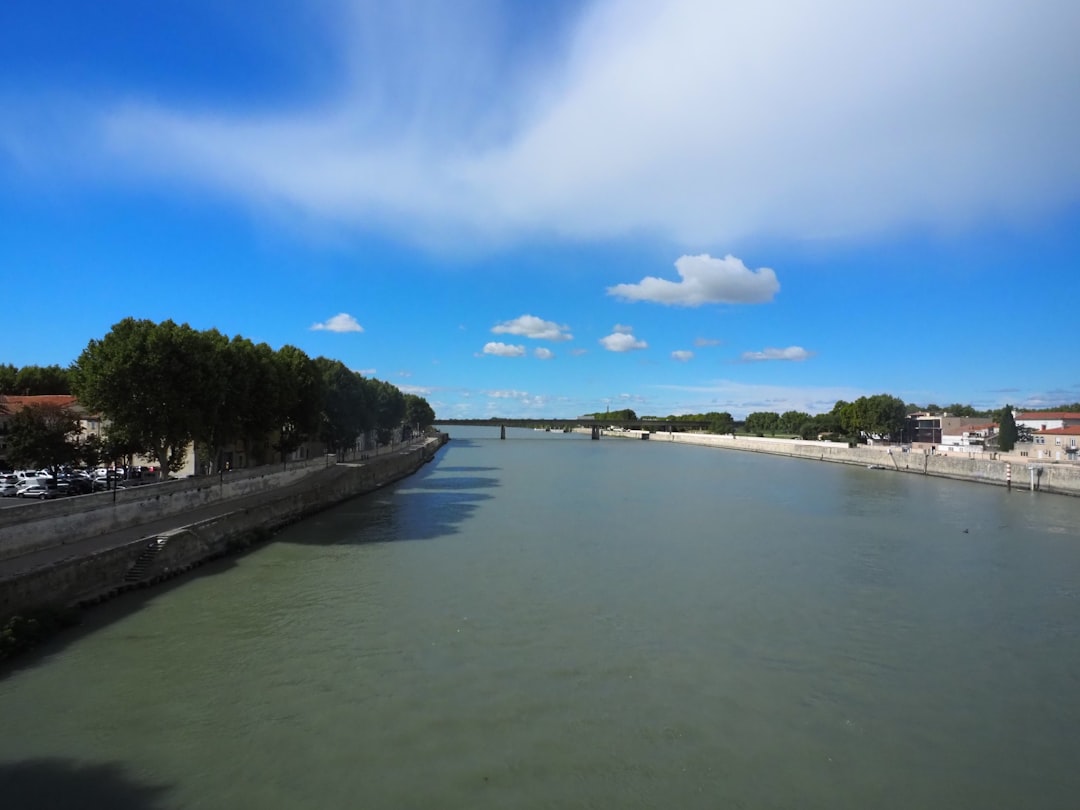
Van Gogh spent 15 months in Arles (1888–1889), producing over 300 paintings. The Fondation Vincent van Gogh (€12) holds a permanent collection and temporary exhibitions; the outdoor Van Gogh Promenade installs reproductions of his paintings at the locations he painted them — a self-guided walk through the city.
Arles is also the gateway to the Camargue — the Rhône delta wetland reserve with flamingos, white horses, black bulls, and the most extensive reed beds in France. The Parc Naturel Régional de Camargue has walking and cycling trails from Arles.
Getting Around
Provence has almost no useful public transport outside the main cities (Marseille, Aix, Avignon, Arles). A rental car is essential. The main road network is good; the routes through the Luberon are narrow and winding.
Base options: Aix-en-Provence for a central base covering the Luberon (40 minutes east), Arles (30 minutes west), and the coast. Avignon for the Rhône corridor.
Driving the Luberon circuit: Apt → Gordes → Roussillon → Bonnieux → Lourmarin → back to Apt: a 60 km loop that covers all the main villages in a day.
When to Go
May–June: Best conditions — lavender beginning to bloom by mid-June, markets at full spring produce, crowds manageable, temperatures 20–28°C.
July–August: High season, lavender peak, very hot (35–40°C), villages crowded. Book accommodation 6 months in advance.
September–October: Harvest season — grape harvest in September, olive harvest in October. Beautiful light, fewer visitors, temperatures perfect.
Plan your trip