First Time in Italy? Everything You Need to Know
Plan your trip
Italy is one of the world’s most beloved travel destinations, and it lives up to its reputation — the food, the art, the architecture, and the light are all genuinely extraordinary. But Italy operates on its own logic, and understanding that logic before you arrive makes the experience immeasurably better.
The Basics
Capital: Rome
Currency: Euro (€)
Language: Italian — English is spoken in tourist areas but decreasingly so in the south and countryside
Time zone: CET/CEST (GMT+1/+2)
Driving: Right-hand side
Plugs: Type F (Schuko) and Type L (Italian 3-pin) — bring an adapter
Visa: EU/EEA no visa; US, UK, Canada, Australia — visa-free 90 days (Schengen)
The Italian Rules (Don’t Break These)
Coffee culture has rules
Ordering a cappuccino after noon marks you immediately as a tourist. Italians drink milky coffee (cappuccino, caffè latte) only in the morning, never after meals. After lunch or dinner, it’s espresso or nothing. Embrace it — Italian espresso is extraordinary.
Always drink your coffee at the bar (standing) if you want the Italian experience. Sitting down costs 30–100% more and is for special occasions. The barista will respect you more if you stand at the counter.
Don’t put cheese on seafood
Ordering parmigiano on a seafood pasta in Italy is a social crime. The rule is general: aged cheese doesn’t go with fish. Locals will notice and wince.
Pasta is a first course (primo)
Italian meals have structure: antipasto, primo (pasta/risotto), secondo (meat/fish), dolce (dessert). Ordering pasta as a side dish to a main course doesn’t exist in Italian culture. You eat one or the other.
ZTL zones (Limited Traffic Zones)
Many historic Italian city centres are ZTL (Zona a Traffico Limitato) — restricted to residents only. Driving into one with a rental car will earn you a fine of €80–200 (sent later to your home address). Always check before driving in historic centres.
Dress codes for churches
Shoulders and knees must be covered to enter most Italian churches. Major basilicas (St Peter’s, Florence’s Duomo, Venice’s San Marco) enforce this strictly. Carry a scarf or sarong if sightseeing in summer.
Where to Go First
Rome (3+ days): The Colosseum, Roman Forum, Vatican, Trevi Fountain, Pantheon — all are genuinely extraordinary.
Florence (2–3 days): The Uffizi Gallery, Michelangelo’s David (Accademia), and Brunelleschi’s dome are world-class. Tuscany surrounds it.
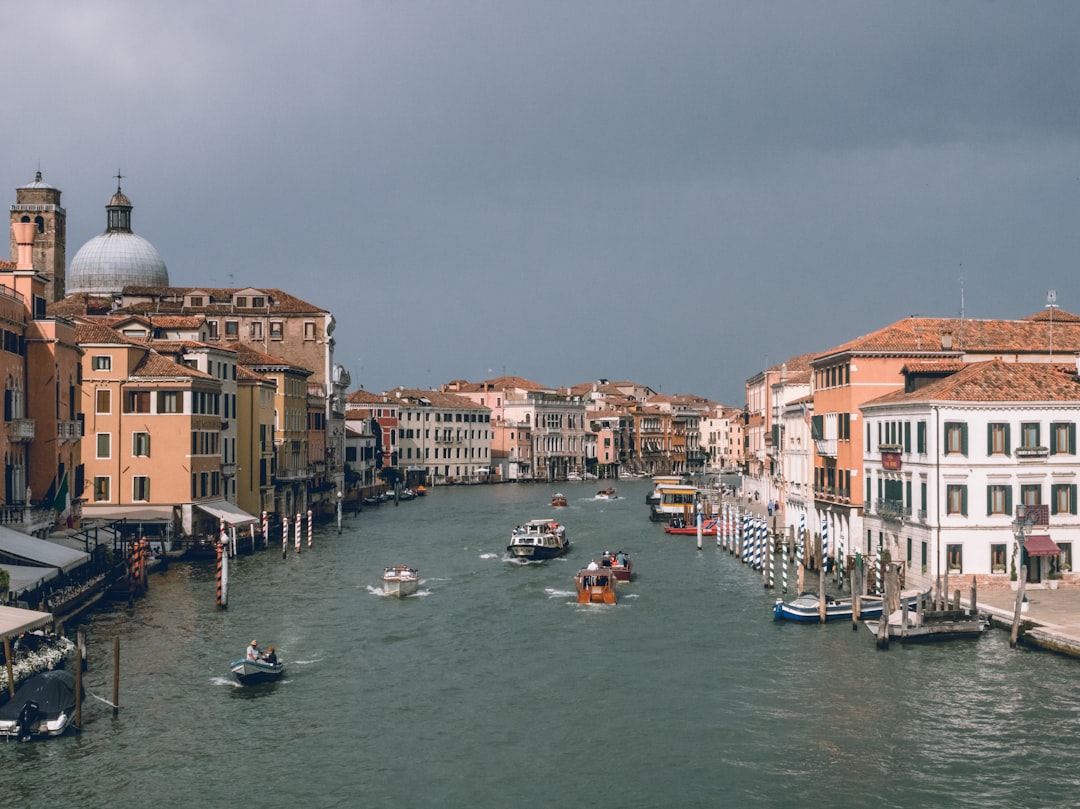
Venice (2 days): Completely unique — the only car-free city in the world, and the most beautiful.
Naples & Pompeii: Underrated. The best pizza in the world and the most extraordinary archaeological site.
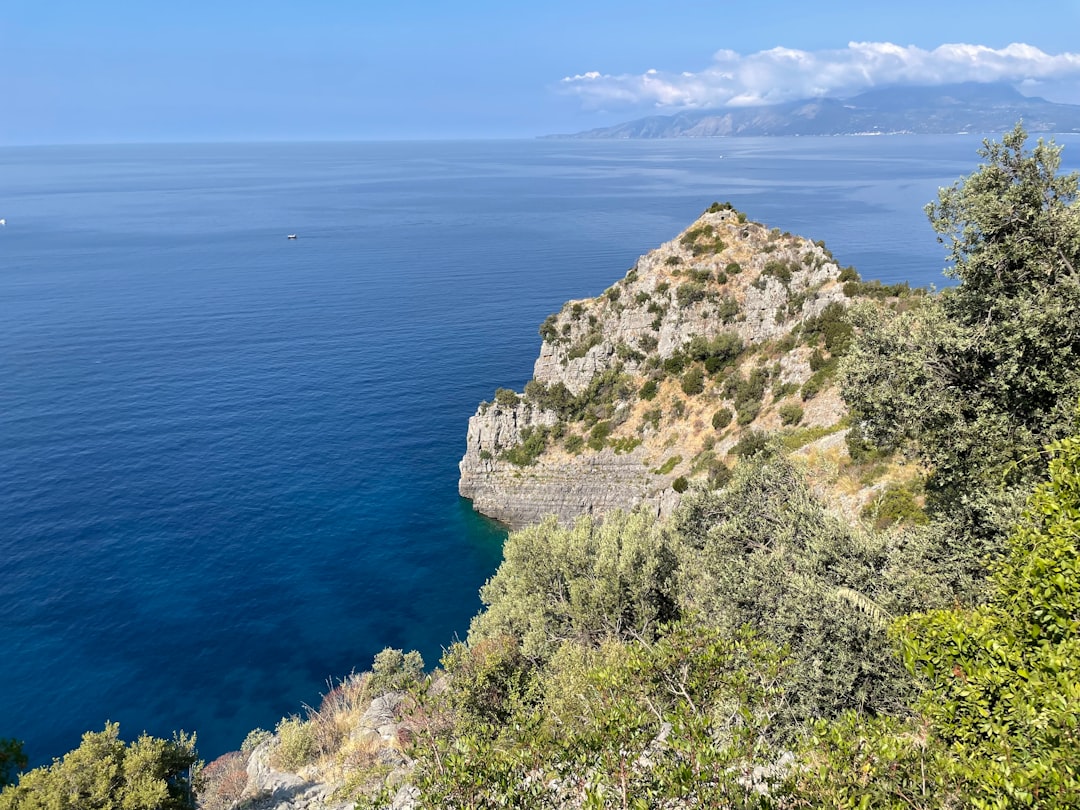
The Amalfi Coast: Spectacular cliffs and villages — best visited in May–June and September.
The Dolomites: UNESCO mountain scenery — some of Europe’s finest hiking.
Food: The Essential Guide
Cacio e pepe: Rome’s greatest contribution — pasta with aged pecorino romano and black pepper, nothing else. Simple, perfect.
Carbonara: Roman carbonara is eggs, guanciale (cured pork cheek), pecorino, and black pepper. No cream. If it has cream, it’s not real carbonara.
Amatriciana: Tomato, guanciale, and pecorino. Also Roman.
Pesto alla Genovese: In Genoa and Liguria — fresh basil, pine nuts, garlic, olive oil, and parmesan. Elsewhere it’s usually an approximation.
Ribollita: Tuscan bread and vegetable soup. One of Italy’s great winter dishes.
Risotto alla Milanese: Milan’s saffron risotto — one of the few preparations where risotto (not pasta) leads.
Seafood: Exceptional on both coastlines, and extraordinary in Sicily.
Gelato: Only buy from gelaterie with “artigianale” signs and covered, unfluffy product. The flavours should be earthy, not neon.
Getting Around
Trains: Italy’s Trenitalia and private operator Italo run fast, comfortable trains between all major cities. The Frecciarossa and Frecciargento high-speed trains are excellent. Book online 2–4 weeks ahead for best prices.
Within cities: Walk whenever possible. Rome, Florence, and Venice reward walking. Public transport fills the gaps.
Driving: Excellent for Tuscany, Umbria, the Dolomites, and the Amalfi Coast (if you’re brave — the coast road is narrow and dramatic). Not recommended in city centres (ZTL zones, parking, traffic).
Vaporetti (Venice): The water bus is Venice’s public transport. Buy a 24h or 48h pass — individual rides are expensive.
Practical Tips
Book these in advance:
- Colosseum (sells out; book on coopculture.it)
- Vatican Museums + Sistine Chapel (museivaticani.va)
- Uffizi Gallery and Accademia in Florence (uffizi.it, firenzemusei.it)
- Borghese Gallery in Rome (mandatory 2-hour entry — galleriaborghese.it)
Water: Tap water is safe throughout Italy. Refill from the nasoni (Rome’s free public drinking fountains) rather than buying bottles.
Tipping: 10% in restaurants is appreciated but not required. Don’t feel pressured by service charges already on the bill (check before tipping).
Safety: Italy is generally safe. Pickpockets are active near major sights in Rome (Colosseum, Trevi Fountain), Florence (Uffizi area), and Naples. Standard city awareness applies.
Pharmacies: The green cross. Excellent for minor ailments and often speak English in cities.
Plan your trip