Italy in March: Pre-Season Value, Spring Arriving, and the Best Time for Rome
Plan your trip
March is Italy’s most underrated month. The winter quiet is still holding — particularly in the first two weeks — while spring conditions arrive progressively across the country. Prices remain near winter lows. The south (Sicily, Naples, and Puglia) is already warm and green. And if Easter falls in March, the Holy Week programming in Rome and throughout Italy is extraordinary. March represents the last chance at Italy before the April-June surge.
Weather in March
Rome: 8°C to 17°C. Noticeably warming through the month. Late March feels like genuine spring — outdoor café life returning, flowers in the gardens. Some rain in the first half.
Florence: 7°C to 15°C. Warming but still cool. The hills around Florence turn green in March; the Tuscany countryside begins the green phase that makes it famous.
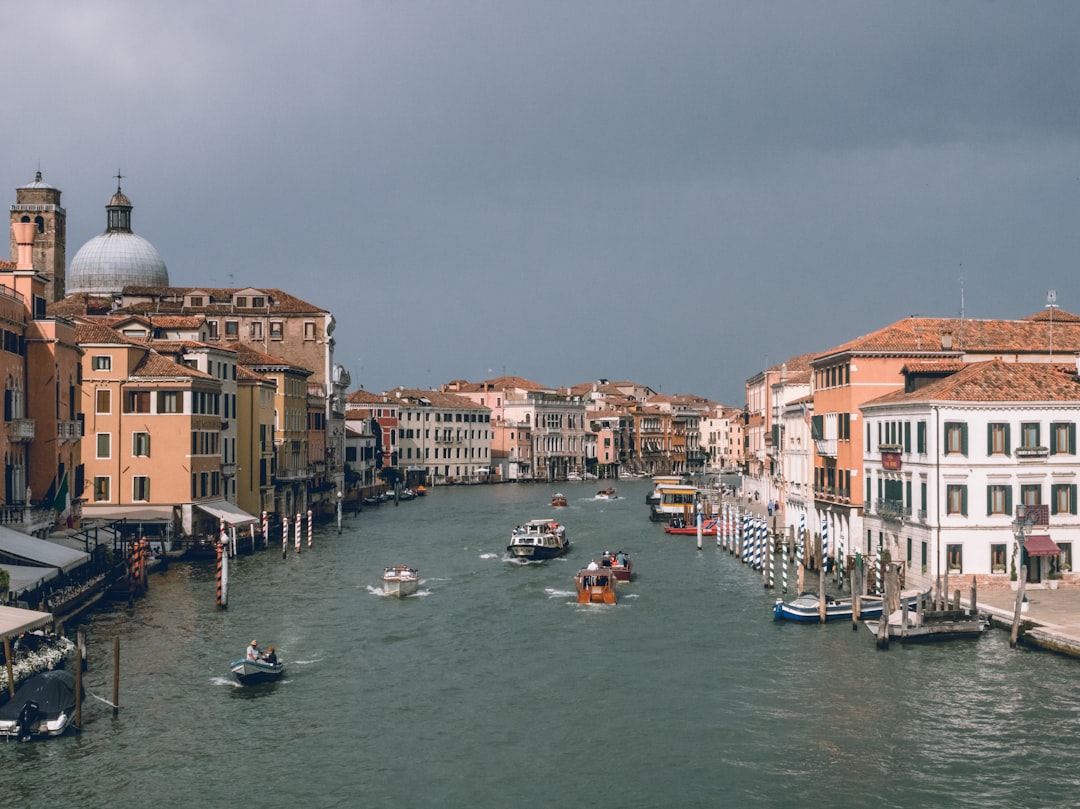
Venice: 5°C to 13°C. Cold in early March, improving toward month end. Post-Carnival, Venice returns to its quietest state — locals only.
Milan: 6°C to 16°C. Fashion Week (late February/early March) brings international visitors, but the city otherwise remains accessible.
Naples: 10°C to 18°C. Spring energy arrives. The city’s street food culture (pizza al portafoglio, fried food from the friggitorie) is at its most atmospheric with cooler walking temperatures.
Sicily: 12°C to 20°C. Excellent month — green hillsides, accessible archaeological sites, spring light on the temples and coast.
Puglia: 12°C to 19°C. The “heel” of Italy is undervisited year-round and excellent in March — trulli of Alberobello, Lecce’s Baroque architecture, the rocky coast of Polignano a Mare.
Rome in March
March is one of the optimal months for Rome:
- Colosseum: Morning slots available without the months-ahead booking required in summer
- Vatican Museums and Sistine Chapel: February-level accessibility continuing through March 1–15; slight uptick in the second half
- Campo de’ Fiori market: The morning market (Monday–Saturday) with locals rather than tourists buying produce
- Borghese Gallery: Bernini sculptures (Apollo and Daphne, The Rape of Proserpina, David) in a gallery that caps at 360 visitors — March makes booking easier. Pre-booking always required.
- Appian Way: The ancient Roman road running south from the city — walkable from the Terme di Caracalla. March conditions (dry, mild) are optimal for exploring the catacombs and early Christian sites along the route.
Easter in Rome
When Easter falls in March (possible for early Easter years), Rome experiences its greatest annual pilgrimage:
- Palm Sunday: Mass in St. Peter’s Square — the Pope blesses palm and olive branches to an enormous crowd
- Good Friday: The Via Crucis (Stations of the Cross) at the Colosseum — led by the Pope, broadcast worldwide, attended by tens of thousands
- Easter Sunday: Mass in St. Peter’s Square with the Urbi et Orbi papal blessing. One of the most significant Catholic ceremonies in the world.
Practical for Easter Rome: Book accommodation 6+ months in advance for Holy Week. The city fills with Catholic pilgrims from across the world. Most tourist infrastructure stays open; local restaurants may close Good Friday/Holy Saturday for family meals.
Sicily in March
March is Sicily’s spring awakening:
- Valley of the Temples (Agrigento): One of the greatest ancient Greek archaeological sites in existence. In March, the almond blossoms have passed but the hillsides are green and the temples are near-empty.
- Mount Etna: Accessible for crater-rim hikes from March (depending on snowpack). The contrast of snow on the summit, lava fields mid-mountain, and green coast below is one of Italy’s most dramatic landscapes.
- Palermo: Street food (arancini, panelle, sfincione) at the Ballarò and Vucciria markets is as good year-round; March means no tourist queues at the Cappella Palatina (Norman-Arab mosaics in the Palazzo dei Normanni).
- Syracuse (Siracusa): The Greek theatre at Parco Archeologico della Neapolis in March morning light, largely alone — one of the best ancient site experiences in Italy.
Tuscany in March
The Tuscan countryside is green in March — the vineyards bare but the wheat fields already a vivid green. The cypress-lined roads and hilltop villages (San Gimignano, Montepulciano, Pienza) are best without summer tour groups.
- Lucca: The walled city with its intact Renaissance walls (walkable on top) is excellent in March
- Siena: The Piazza del Campo without summer crowds, the Duomo’s striped marble interior without queue
- Chianti region: Winery visits in March — cellars still have barrel-aging from harvest; tastings run without the high-season booking requirements
Budget in March
| Category | Budget | Mid-range |
|---|---|---|
| Accommodation (early March) | €50–€90/night | €100–€220/night |
| Accommodation (late March/Easter) | €70–€140/night | €160–€350/night |
| Meals | €10–€18/meal | €25–€62/meal |
| Winery visits (Tuscany) | €10–€25 tasting | same |
Early March maintains winter pricing. Easter week causes significant price spikes in Rome, Florence, and Venice. The rest of Italy stays moderate.
Milan Fashion Week
The women’s ready-to-wear show season in Milan runs late February to early March. The city fills with international fashion press, buyers, and industry. Accommodation prices in Milan spike during Fashion Week (check dates — varies by year). If you’re visiting Milan in early March, either embrace the fashion week energy or book accommodation unusually far in advance.
The Short Version
March gives you Italy before the crowds find it again. The first two weeks are essentially winter — all the low prices and empty sites, with improving weather. By late March, spring is undeniable across the south, and Rome in particular reaches its optimal visiting conditions. If Easter falls in March, the Holy Week in Rome is a genuinely major event worth planning around. Tuscany and Sicily in March are both excellent. Book the Easter period early; everything else in March is still available last-minute.
Plan your trip