Two Weeks in Italy: The Ultimate 14-Day Itinerary
Plan your trip
Two weeks in Italy is the classic grand tour — and rightly so. This itinerary moves from ancient Rome and the volcanic south to the Renaissance art of Tuscany and the canals of Venice, following a logical north-south arc that builds on itself geographically and experientially.
Days 1–3 – Rome
Three full days in Rome barely scratches the surface, but it covers the essential layers.
Day 1 – Ancient Rome: Colosseum, Roman Forum, and Palatine Hill (buy combined ticket, book online). The engineering of the Colosseum — still standing after 2,000 years — is humbling. Finish with a walk along the Appian Way if energy allows.
Day 2 – Vatican & Baroque Rome: Vatican Museums and Sistine Chapel (book weeks in advance — genuinely sells out in summer), St Peter’s Basilica (free), and St Peter’s Square. Afternoon: Pantheon, Trevi Fountain, Piazza Navona, and Campo de’ Fiori for aperitivo.
Day 3 – Neighbourhoods: Explore Rome’s living neighbourhoods. Trastevere in the morning (charming cobblestone character), Testaccio in the afternoon (Rome’s market neighbourhood and the original Jewish food culture), Monti in the evening (the hippest area in central Rome — bars, boutiques, and aperitivo culture done well).
Day 4 – Pompeii & Naples
Take the Frecciarossa to Naples (1h10m from Rome) — then a local Circumvesuviana train to Pompeii (45 min). Pompeii, destroyed and preserved by Vesuvius’s eruption in 79 AD, is the most extraordinary archaeological site in the world. Allow 3–4 hours to cover the streets, villas, and forum properly.
Return to Naples for the evening — and eat pizza. Naples invented it, and the best pizzerias (Gino Sorbillo, L’Antica Pizzeria da Michele) serve something completely different from what the world calls pizza: soft, charred, simple Neapolitan pizza margherita or marinara.
Days 5–6 – Amalfi Coast
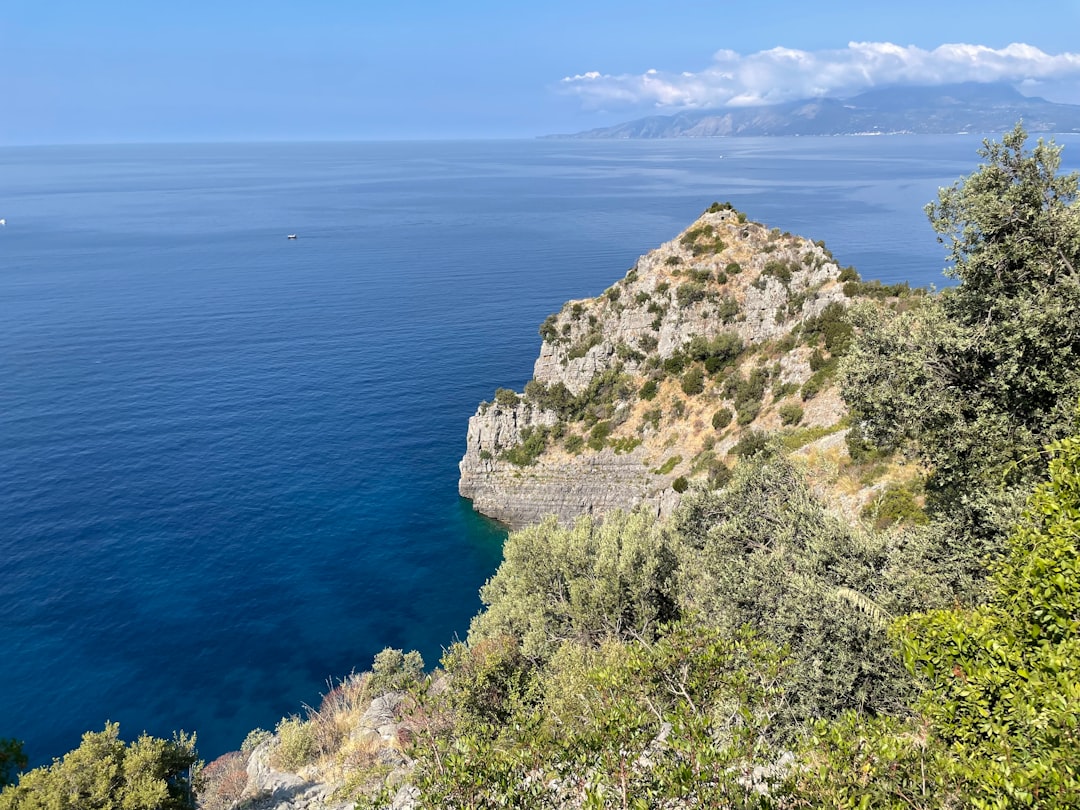
Rent a car or take a SITA bus from Naples to the Amalfi Coast — one of the world’s most dramatic coastlines, a UNESCO Heritage site of steep cliffs, colourful villages, and turquoise sea.
Positano: The postcard village — white and pastel houses cascading down the cliff to a small beach. Achingly beautiful and pricey; arrive by 9am before the day-trippers descend.
Ravello: Hilltop village above the coast — the Villa Rufolo and Villa Cimbrone gardens have views that inspired Wagner and Boccaccio.
Amalfi town: The historical and commercial centre of the coast; the striped Duomo is stunning.
Atrani: 5 minutes’ walk from Amalfi, quieter and more local, with a tiny piazza right on the waterfront.
Stay two nights — the coast is entirely different in the evenings once the day-trippers leave.
Day 7 – Travel North to Florence
Drive or take a train from Naples/Salerno to Florence (3 hours). Check in and spend the afternoon exploring the Oltrarno neighbourhood across the Arno — the local side of Florence, less touristy, with craft workshops, enotecas, and Piazzale Michelangelo for sunset.
Days 8–9 – Florence
Day 8: Uffizi Gallery (book weeks in advance — essential in summer), Ponte Vecchio, and the Oltrarno for lunch. Afternoon: Palazzo Pitti and the Boboli Gardens above the south bank.
Day 9: Accademia (Michelangelo’s David — book online), the Duomo and Brunelleschi’s dome climb, and the Baptistery’s Gates of Paradise. Afternoon: walk the less-visited eastern side of the city toward Santa Croce (Michelangelo’s tomb, Galileo’s tomb, Machiavelli’s tomb — this is Italy) and the covered Mercato Centrale for the best food hall in Florence.
Day 10 – Siena & San Gimignano
Drive or take a bus into the Tuscan countryside. Siena’s Piazza del Campo is one of the most beautiful medieval squares in the world — shell-shaped, raked, and spectacular. The striped Gothic Duomo and Piccolomini Library inside are extraordinary. The city’s medieval character is almost completely intact.
Drive to San Gimignano — the “Manhattan of the Middle Ages,” a hilltop town of 14 surviving medieval towers. Touristy but genuinely stunning. Try the local vernaccia wine and gelato from Gelateria Dondoli (arguably the world’s best gelato).
Days 11–12 – Venice
High-speed train from Florence to Venice (2 hours). Venice requires two full days to absorb properly.
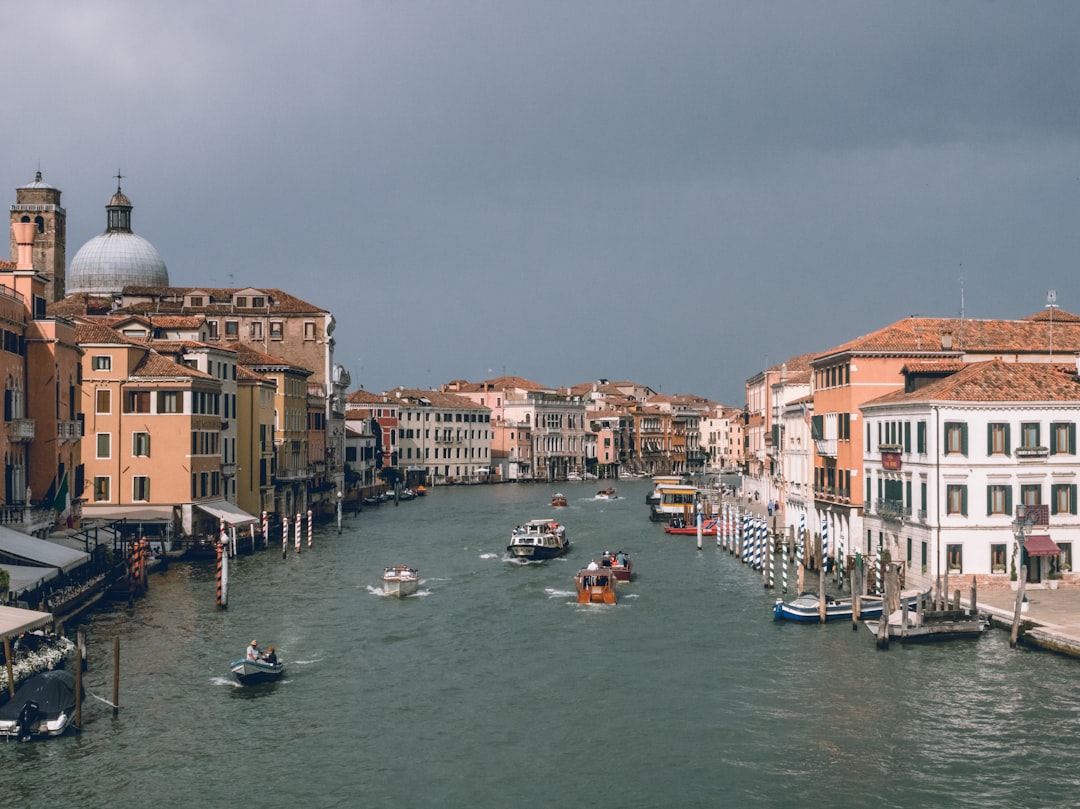
Day 11: Grand Canal by vaporetto, Rialto Market, St Mark’s Square and Basilica (book reserved entry), Doge’s Palace.
Day 12: Dorsoduro sestiere — Peggy Guggenheim Collection, Santa Maria della Salute, and the Zattere waterfront. Afternoon: boat trip to Burano (90 min round trip) for the brightly painted houses and lace shops.
Days 13–14 – Lake Como or the Dolomites
Option A – Lake Como: Take the train to Como (90 min from Venice via Milan). The lake is ringed by villas, gardens, and mountains. Take the ferry between towns — Bellagio, Varenna, and Menaggio are the most beautiful. Stay at a lakeside hotel for the full experience.
Option B – The Dolomites: Drive north from Venice into the UNESCO-listed Dolomite mountains — jagged pink-orange limestone peaks rising above alpine meadows. Cortina d’Ampezzo is the base for hiking, cycling, and the most dramatic mountain scenery in the Alps.
Return to Venice or Milan for departure.
Practical Tips
Train booking: Trenitalia and Italo both serve the main routes. Book 2–4 weeks ahead for best prices. Always print or download your ticket — inspectors are common.
Vatican tip: Book Vatican Museums and Sistine Chapel at least 2–3 weeks ahead for summer. First entry (8am) is significantly less crowded.
Driving: Wonderful for Amalfi, Tuscany, and Dolomites. Completely impractical in Rome, Florence, and Venice — leave the car outside the city.
Cash: Italy still uses cash more than Northern Europe. Carry €50–100 for small restaurants, markets, and local bars.
Plan your trip