Milan Practical Guide: Transport, Costs, Neighborhoods & Day Trips
Plan your trip
Milan is Italy’s most efficiently organized major city and the easiest to navigate of the major Italian destinations — a functioning metro system, English widely spoken in the center, and the logistical clarity of a city that considers itself European rather than specifically Italian. It requires some orientation (the historic center is smaller than visitors expect; the fashion and design districts are spread across different neighborhoods), but the basics are straightforward.
Getting There
From Malpensa Airport (MXP)
The main international airport — 50 km northwest of Milan, handling long-haul routes (New York, Tokyo, Dubai) and major European hubs.
Malpensa Express train: The standard connection — 50 minutes to Milano Centrale (main train station) or Cadorna station (city center). Trains every 30 minutes. Fare: €13. The reliable option for first arrivals.
Bus (Autostradale/Terravision): Multiple bus services to Milano Centrale and other city points. 50–70 minutes. Fare: €8–10. More stops than the express train; useful if staying near bus terminal endpoints.
Taxi: Fixed rate from Malpensa to Milan center: €95. The premium option.
From Linate Airport (LIN)
Smaller airport, 7 km from the city center — mostly European short-haul. Metro M4 (opened 2023) connects directly to the center in 15 minutes. Fare: €1.70 with ATM pass.
By Train
Milano Centrale is one of Europe’s great railway stations (the Fascist-era architecture is worth pausing to appreciate) and connects Italy’s high-speed rail network. Rome: 3 hours (Frecciarossa). Venice: 2.5 hours. Turin: 1 hour. Florence: 1.75 hours.
Getting Around Milan
Metro (ATM)
Four lines (M1 Red, M2 Green, M3 Yellow, M4 Blue) plus the Passante Ferroviario suburban rail. Clean, frequent, and sufficient for the main tourist areas. Ticket: €2.20 for a 90-minute pass covering metro, tram, and bus. Day pass: €7.60.
The ATM Milano official app sells tickets digitally (convenient but requires Italian/international cards). Paper tickets from any tobacconist (tabaccheria) or newsagent.
Key stations for visitors:
- Duomo (M1/M3): Historic center, cathedral
- Cairoli (M1): Castello Sforzesco
- Cadorna (M1/M2): Santa Maria delle Grazie (Last Supper)
- Porta Genova (M2): Navigli canal district
- Garibaldi (M2/M5): Isola, Porta Nuova skyline
Taxis and Ride-Hailing
Official yellow taxis from ranks or phone (RadioTaxi: 02-8585). Uber operates in Milan in a limited capacity (only licensed black cars — the Italian market has prevented standard UberX). Prices comparable to taxis. MyTaxi/Free Now app hails official taxis with upfront pricing.
Cycling
BikeMI (the public bike sharing system) has stations throughout the central area. Day pass: €4.50 for 30-minute increments. Useful for Navigli, Sempione Park, and cross-neighborhood movement.
Neighborhoods
Duomo/Centro Storico: The cathedral, Galleria Vittorio Emanuele II, and the most expensive shopping. Functional for sightseeing; expensive for eating and staying.
Brera: The gallery neighborhood north of the Duomo — boutique streets, the Pinacoteca di Brera, and the densest concentration of aperitivo bars. Milan’s most charming area for evening walking.
Navigli: The canal district, southwest of the center. Two surviving navigli (canals), lined with restaurants and bars. The aperitivo culture is strongest here — every bar puts out a spread of food from 6–9 PM included with a drink (€8–12). The Sunday Navigli Antiques Market (last Sunday of the month, February–November) stretches along the canal.
Isola: North of Garibaldi station — the gentrified working-class neighborhood, independent restaurants, local bars, younger demographic. The best area for eating without tourist pricing.
Porta Venezia: The LGBTQ+ neighborhood and aperitivo strip along Corso Buenos Aires. International atmosphere, multicultural restaurants.
Costs
Milan is Italy’s most expensive city but compares favorably to Paris or London:
Accommodation:
- Budget hostel: €30–50/night
- Mid-range hotel: €120–200/night
- Design hotel/boutique: €200–400/night
Food:
- Standing espresso at a bar: €1.20–1.80
- Sit-down espresso (at a table): €2.50–4
- Aperitivo spread (drink included): €8–12
- Lunch at a trattoria: €15–25/person
- Dinner (mid-range): €35–60/person
- Gelateria: €2.50–4 per scoop
Transport:
- Metro single ticket: €2.20
- Metro day pass: €7.60
- Malpensa Express: €13
Day Trips
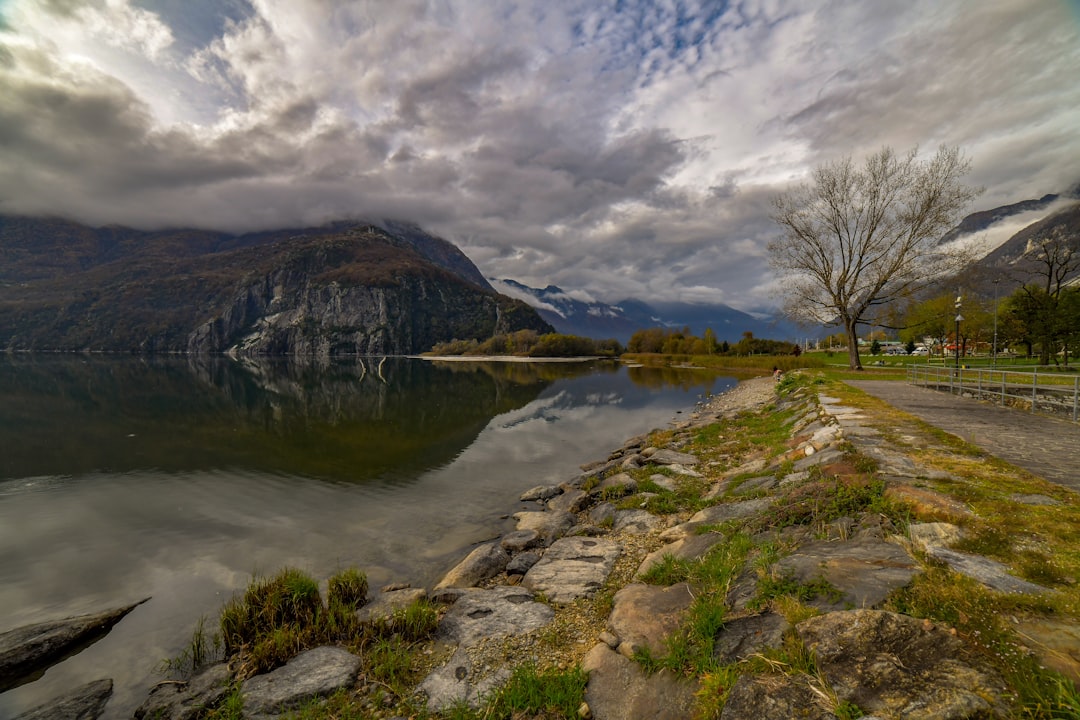
Lake Como (70 km north)
Train to Como San Giovanni: 40 minutes from Centrale. Bellagio accessible by ferry. See the full Lake Como guide.
Bergamo (55 km east)
An often-overlooked medieval city — the Città Alta (Upper Town) is a walled hilltop medieval center of extraordinary preservation, connected to the modern lower city by funicular. The Piazza Vecchia and the Basilica di Santa Maria Maggiore are the finest examples of northern Italian Romanesque-Gothic. Train from Centrale: 55 minutes. Worth a full day.
Verona (155 km east)
Romeo and Juliet’s city — the Roman Arena (still hosting opera performances), the old town streets, and Juliet’s balcony (a 13th-century building that the tourist industry has rebranded). 1.5 hours by Frecciarossa.
Turin (145 km west)
Italy’s royal capital before Rome — the Egyptian Museum (second most important Egyptian collection in the world after Cairo), the Savoia residences, the Mole Antonelliana, and a serious aperitivo culture. 1 hour by Frecciarossa.
What to Book in Advance
The Last Supper (Cenacolo Vinciano): Sells out weeks in advance; booking is essential. See the Milan Travel Guide for full details.
Pinacoteca di Brera: Walk-in possible but book online to avoid queues (particularly on weekends).
Popular restaurants: Top restaurants book 1–4 weeks ahead; mid-range trattorias in Brera and Navigli should be booked for dinner.
Design Week/Fashion Week: Milan Furniture Fair (Salone del Mobile, April) and Fashion Week (February/September) fill the city completely. Accommodation prices triple; book 3–6 months ahead if visiting during these periods.
Plan your trip