Euljiro: Seoul's Industrial-Vintage Quarter
Plan your trip
Euljiro runs east from City Hall through the old center of Seoul toward the Cheonggyecheon Stream and beyond. The lower section — roughly between Euljiro 3-ga and 4-ga stations — is an industrial supply district that has operated continuously for decades: lighting wholesalers, metal fabricators, welding shops, print houses, architectural hardware suppliers. The businesses are small and dense, operating from buildings that were built in the 1970s and have changed little since.
Into this, beginning around 2017, a different kind of tenant arrived: bars converting the margins of hardware workshops, pojangmacha (tent stalls) setting up in the alleys between supply warehouses, and eventually a wave of cafés and restaurants recognizing that the buildings’ raw texture and the district’s genuine working-class character offered something that purpose-built entertainment districts couldn’t replicate.
The result is the most distinctive nightlife area in Seoul — not polished, not optimized for Instagram, with the hardware merchants operating during daylight and the bars and stalls filling the same alleys after dark.
Getting There
Euljiro 3-ga Station (Lines 2 and 3) or Euljiro 4-ga Station (Lines 2 and 5). Exit 4 at Euljiro 3-ga puts you at the western edge of the most active area. The zone between these two stations — roughly a 10-minute walk — contains the densest concentration of the interesting bars.
The District Character
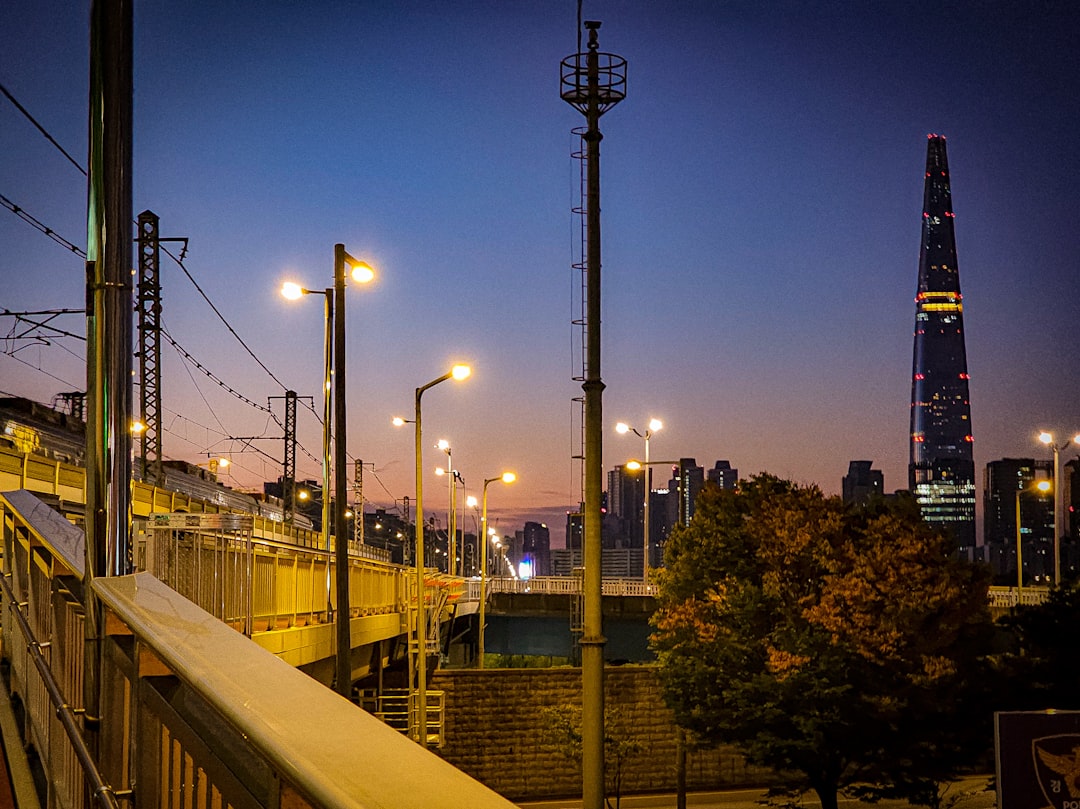
The alleys in Euljiro are narrow and irregular, running between and behind the ground-floor supply shops. At night, the supply shops close (or don’t — some run 24 hours for contractors) and the same space fills with people. The lighting is low, supplemented by the neon and signage of the workplaces. Old men play baduk (go) at folding tables. Pojangmacha set up on street corners serving makgeolli and fried snacks.
This is not a sanitized version of authenticity — the plumbing is old, the ventilation is variable, and the bars are small. It’s also not designed for tourists, though tourists come; the core customers are Seoul’s nightlife regulars, young Koreans from adjacent neighborhoods, and workers from the nearby businesses.
Bars and Drinking
Euljiro Makeju (을지로 맥주): One of the anchor bars that helped establish the district’s drinking reputation — a basement space with Korean craft beers and makgeolli pairings. The name means “Euljiro Beer.” Small capacity; expect to wait.
도깨비야시장 (Dokkaebi Night Market): Not always open, but when running — a pop-up night market concept in the alley system with food stalls, crafts, and general atmosphere.
Pojangmacha circuit: The orange tent stalls (포장마차) in Euljiro serve the same menu across different setups: pajeon (scallion pancake), tteokbokki, sundubu, and makgeolli or soju. The best ones are found by following the clusters of people sitting outside on plastic stools. There is no address. The experience is the point.
Cass or Hite in hardware shop corners: Some of the actual hardware businesses have a single refrigerator with beer that locals drink while the shop owner sits at the counter. This is not a curated experience. It happens.
Sewoon Plaza (세운상가)
The elevated megastructure running north-south across Euljiro — Sewoon Sangga — was built in 1968 as a mixed-use commercial building intended to be a self-contained modern city block. It housed electronics shops, sex work, apartments, and warehouses at different points. It’s still standing, still partially operational, and was partially renovated into an elevated walking platform connecting it to the Cheonggyecheon area.
The electronics component of Sewoon remains functional: the lower floors house small electronics repair workshops and component suppliers that fix things the rest of the city discards. Drone parts, vintage audio repair, specialty electrical components — the kind of service that has disappeared from most cities.
The deck-level walkway has periodic pop-up exhibitions and provides a view over the Euljiro district from above.
Cheonggyecheon Stream (청계천)
The restored stream runs below street level along Euljiro’s northern edge. The Cheonggyecheon was a real waterway that was covered and turned into an elevated highway in the 1970s; the highway was demolished and the stream restored and opened as a public green space in 2005. The restoration is artificial (the water is pumped), but the 5.8km pedestrian walkway along the banks, below the street level, provides a genuine escape from the density above.
Evening walks along the Cheonggyecheon from Gwanggyo Bridge toward the east are pleasant and crowd-free on weeknights. The stream connects the Euljiro area to Jongno to the north and the Cheonggyecheon Plaza near City Hall at its western end.
Jongno 3-ga (Adjacent)
The immediate neighborhood north of Euljiro — Jongno 3-ga — has its own distinct character: a concentration of makgeolli houses (막걸리집) and traditional tent pubs that have operated since the 1960s, serving older generations of Seoulites. The Pimatgol alley, historically the narrow path where commoners avoided bowing to noble processions on the main road, now has a reconstruction of its original pojangmacha character.
The Jongno/Euljiro border area is one of the few places in Seoul where the older generation’s drinking culture and the younger generation’s interest in that culture overlap in real time.
Practical Notes
Hours: The industrial businesses operate roughly 9am–7pm. The bar and food scene activates from about 6pm, with the strongest energy from 8pm to midnight on weekdays, later on weekends.
Navigation: The alley system in Euljiro is not navigable by address. Google Maps will place you in the right general area; finding specific spots requires wandering or knowing what to look for. This is intentional to the experience.
Crowds: Euljiro became widely known after roughly 2019, and popular spots fill up. The district is large enough that less-photographed alternatives are always nearby.
Combination: Euljiro pairs well with Insadong or Bukchon (10-minute walk north) as a daytime-to-evening route — crafts and traditional culture during the day, industrial bars and stalls at night.
Plan your trip