Guía de Colonias de la Ciudad de México para el Mundial 2026
Plan your trip
Mexico City is not organized into neighborhoods but into colonias — administrative units with their own characters that developed in different eras for different social classes. For World Cup visitors, the relevant colonias are those that offer the best combination of hotels or Airbnbs, access to food and nightlife, and connections to transport toward Estadio Azteca.
Roma Norte
The most interesting neighborhood in Mexico City for international visitors right now. Roma Norte was built during the Porfiriato era (1880–1910) as an upper-middle-class district, with tree-lined streets and eclectic architecture mixing French, Spanish, and Italian styles. It suffered severe damage in the 1985 earthquake and was partially abandoned; a recovery that began in the 2000s has turned it into the city’s gastronomic epicenter.
The scene: Álvaro Obregón street, Orizaba street, and the area around Parque Luis Cabrera concentrate the city’s best specialty coffee shops, independent restaurants, cocktail bars, and bookstores. The density of quality options is comparable to the best food neighborhoods in Buenos Aires or Madrid.
The specifics: Contramar (the best ceviche and grilled fish in Mexico), Maximo Bistrot (seasonal cuisine), Rosetta (Italian pastry in CDMX), El Parnita (tortas and traditional food), and dozens more operations within 10 minutes’ walk.
To stay: Numerous boutique hotels ($1,800–4,500 MXN/night) and Airbnbs ($900–2,500 MXN/night). The neighborhood has the best combination of price, location, and experience.
La Condesa
Adjacent to Roma Norte, La Condesa was designed in the 1920s as an upper-middle-class neighborhood with art deco architecture and two parks (Parque México and Parque España). It shares Roma’s character but is more residential with lower commercial density.
The specifics: Parque México hosts a farmers market on Sundays; the surrounding streets have the most pleasant terraces and cafés in the city for sitting and watching the world go by. The pace is more relaxed than Roma.
The difference from Roma: La Condesa is preferred by families; Roma by a younger, more international crowd. The restaurants in Condesa are slightly less innovative than those in Roma but equally good.
To stay: $1,500–4,000 MXN/night for boutique hotels; $800–2,200 MXN/night for Airbnbs.
Polanco
Polanco is Mexico City’s upscale neighborhood — Avenida Presidente Masaryk lined with international luxury boutiques, fine dining restaurants, and five-star hotels. The city’s highest concentration of internationally recognized restaurants is here.
The specifics: Restaurant Pujol (Enrique Olvera, consistently ranked among the world’s best restaurants), Museo Jumex (contemporary art), Museo Soumaya (Rodin, Dalí, architecture by Soumaya), and the Museo Nacional de Antropología a 10-minute walk away.
To stay: The city’s best hotels ($3,500–12,000 MXN/night). The Camino Real Polanco, St. Regis México, and Presidente InterContinental are all here.
For the World Cup: The area has first-rate services and is safe at any hour. Distance to the Azteca requires taxi or Uber (30–40 minutes).
Centro Histórico
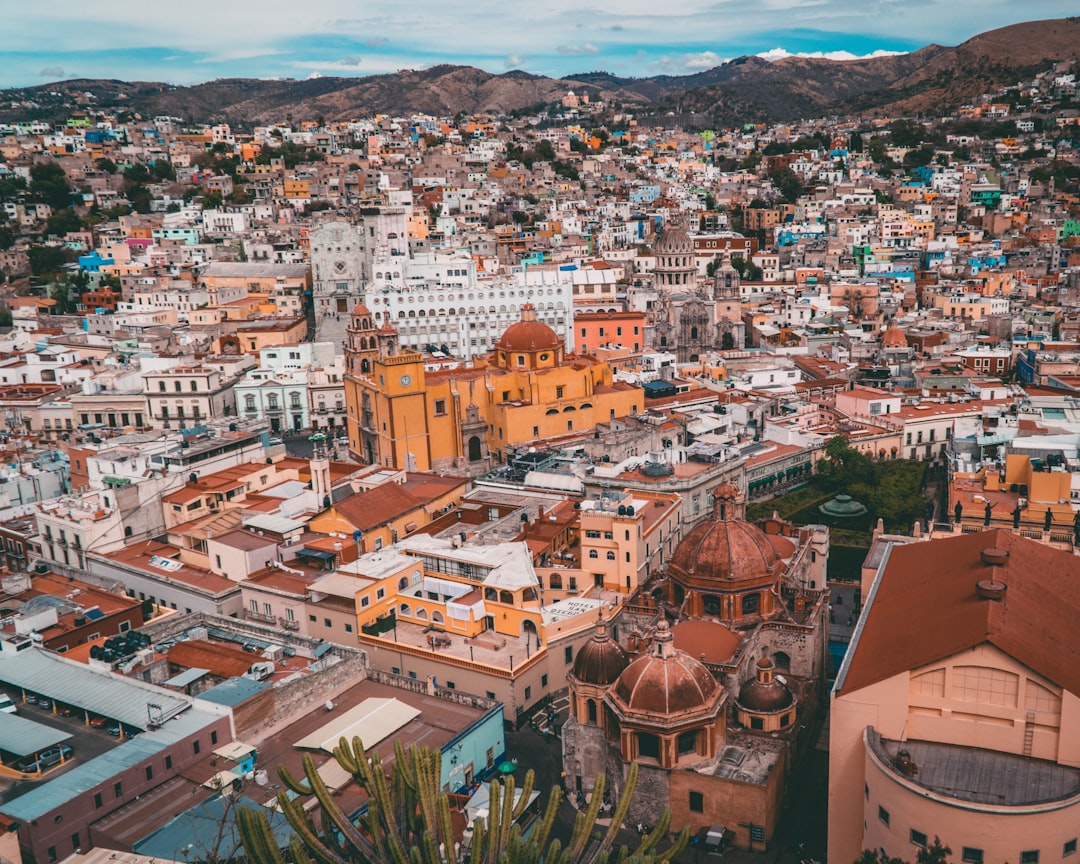
The colonial center of the city built over the ruins of Tenochtitlan, the Aztec capital. The Zócalo (Plaza de la Constitución) is the largest square in Latin America; the Catedral Metropolitana took 240 years to build; the Palacio Nacional contains Diego Rivera’s murals that narrate Mexico’s history from pre-Hispanic times through the 20th century.
For World Cup visitors: The Centro Histórico is essential for a day of historical exploration — the Zócalo, the Templo Mayor, Rivera’s murals (free), and the Mercado de San Juan (the city’s best gourmet market). It’s not the best place to stay for nightlife (the center empties out at night), but excellent for daytime eating.
To stay: Boutique hotels in restored historic buildings ($1,200–3,500 MXN/night). Hotel Downtown Mexico (in the 18th-century Palacio de los Condes de Miravalle) is the most interesting option.
Coyoacán
South of the city, Coyoacán retains the feel of a village — narrow streets, colorful houses, Plaza Hidalgo with its markets, and Frida Kahlo’s Casa Azul. The neighborhood has a bohemian, university character because of its proximity to UNAM.
The specifics: Frida Kahlo and Diego Rivera’s house ($270 MXN; book online in advance), the Coyoacán Crafts Market, historic cantinas (La Guadalupana, open since 1932), and the cemitas and tortas from the market.
To stay: Airbnbs in historic houses ($700–1,800 MXN/night). There are few hotels; the Airbnb experience in Coyoacán is authentic and distinct from what Roma or Polanco offer.
The downside: Coyoacán is 40 minutes by Metro from the Centro Histórico and 30 minutes by Tren Ligero from the Azteca — a practical location for matches but far from the nightlife of Roma/Condesa.
Summary for World Cup visitors
| Neighborhood | Best for | Metro to Azteca | Average price |
|---|---|---|---|
| Roma Norte | Food, bars, atmosphere | 50 min | $1,800–4,500 MXN |
| Condesa | Parks, relaxation, good food | 50 min | $1,500–4,000 MXN |
| Polanco | Luxury, fine dining | 40 min (Uber) | $3,500–12,000 MXN |
| Centro Histórico | History, murals | 45 min | $1,200–3,500 MXN |
| Coyoacán | Bohemian vibe | 30 min Tren Ligero | $700–1,800 MXN Airbnb |
Plan your trip