Teotihuacán: Excursión desde Ciudad de México para el Mundial 2026
Plan your trip
Teotihuacán is 50 kilometers northeast of Mexico City — the largest city in the world in 500 AD, with more than 200,000 inhabitants at its peak, when Rome had barely 800,000 and most European cities didn’t yet exist. The Pyramids of the Sun and Moon, the Avenue of the Dead, and the Temple of the Feathered Serpent are the main monuments of a civilization that mysteriously disappeared around 700 AD and which, unlike the Aztecs or Maya, has no directly identified descendants.
For World Cup visitors, Teotihuacán is the most important single-day excursion available from any World Cup host city on the entire planet.
Essential historical facts
The city: Teotihuacán (“the place where men become gods” in Nahuatl, though the name was given by the Aztecs centuries later) was built around 100 BC. By 500 AD it was the largest city in the Western world. It covered 21 km² and had planned urban architecture with orthogonal streets, drainage systems, and multi-story buildings.
The mystery of the collapse: Between 550 and 700 AD, Teotihuacán was destroyed and abandoned. Archaeological evidence suggests a combination of internal revolt and possibly invasion. The Aztecs, who arrived in the Valley of Mexico centuries later, found the pyramids already covered in vegetation and incorporated them into their mythology as the place where the gods created the sun and moon.
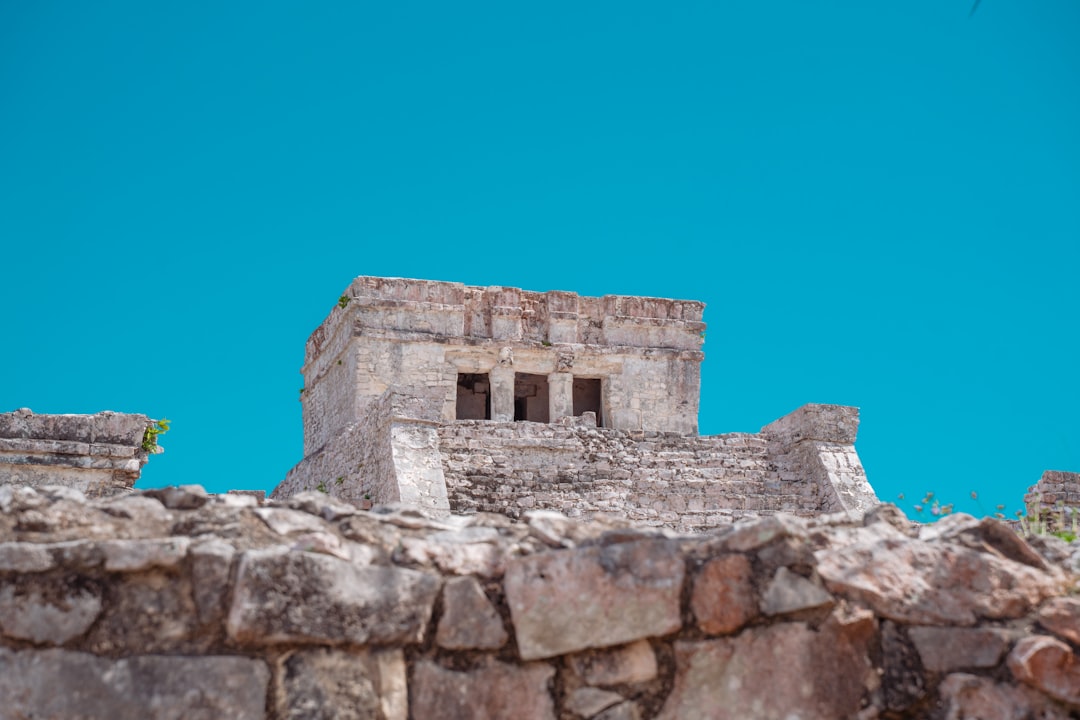
The Pyramid of the Sun: The third-largest pyramid in the world (by volume), after the pyramids of Cheops and Cholula. Base of 222 meters per side; height of 65 meters. Not the tallest, but the proportion between base and height makes it visually more impressive than many Egyptian pyramids.
How to get there from CDMX
Bus from the Terminal Norte (Recommended)
The most practical way to go without an organized tour.
From the Metro: Take Metro Line 5 (yellow) to Terminal del Norte station (or approach on Line 3 to Indios Verdes and take a taxi to the Terminal).
At the Terminal Norte: Buy a bus ticket with the Autobuses México–Teotihuacán line at the counter in the ticket hall. Buses depart every 15–30 minutes.
Travel time: 45–60 minutes to the archaeological site.
Cost: Approximately $80 MXN round trip.
Arrival: The bus drops passengers at Gate 1 of the archaeological site (the main entrance).
Uber / Taxi from CDMX
$400–700 MXN one way. The advantage is scheduling flexibility and the possibility of combining with a visit to the town of San Juan Teotihuacán for lunch. The return can be tricky to coordinate (poor signal, long Uber wait).
Organized tours
Depart from the Centro Histórico and main tourist areas. Include transport, a guide, and sometimes food. $800–1,500 MXN per person. The advantage is the guide; the downside is a fixed schedule.
The archaeological site
Hours: Open every day from 9:00 to 17:00.
Entrance: $90 MXN ($4.50 USD). Free for children under 13.
Recommended time: 3–4 hours for a complete visit.
The Avenue of the Dead: The central axis of the site, 4 km long, connecting the main monuments. Its name was given by the Aztecs, who interpreted the lateral platforms as tombs (they are actually minor temples).
The Pyramid of the Sun: The largest structure on the site. Climbing the pyramid is permitted (278 steps to the top level). The view from the summit over the Valley of Teotihuacán and the other structures is extraordinary. Bring water — the steps are steep and the sun is intense.
The Pyramid of the Moon: Smaller than the Sun pyramid, but positioned at the far end of the Avenue of the Dead with a perspective over the whole site. You cannot climb all the way to the top; access is up to the second platform.
The Temple of the Feathered Serpent (La Ciudadela): A ceremonial complex with the most elaborate representations of Teotihuacán iconography — feathered serpent heads and the god Tláloc in relief on the walls. Partially restored; the original heads are in the Museo Nacional de Antropología.
Practical tips
Arrive early: Gates open at 9am. By 8am there are already people lining up. Morning light on the pyramids is better for photographs; midday heat in July (28–32°C in the Valley) is intense.
Clothing and footwear: Comfortable shoes with non-slip soles for the Pyramid of the Sun steps. Hat and sunscreen. Exposure to the sun for 3–4 hours is significant.
Water and food: Bring enough water. There are drink and snack stalls inside the site. Outside the site, the Mercado de San Juan Teotihuacán (in the town, 2 km away) has authentic local food — the Sunday lamb barbacoa is especially good.
The obsidian whistle: Street vendors inside the site sell obsidian whistles that imitate the quetzal bird’s call. Ubiquitous; take it with humor or buy one.
The altitude: Teotihuacán sits at 2,200 m above sea level — similar to CDMX. Visitors already acclimatized to the city’s altitude should have no additional problem; those just arriving may find climbing the pyramids more taxing.
Plan your trip