Mexico in October: Rainy Season Ends, Día de Muertos Prep Begins
Plan your trip
October is when Mexico starts transitioning back to its best season. The rains ease significantly in the first two weeks. Prices remain at near-September lows while conditions improve. And the entire country begins the slow build toward Día de Muertos — the late October/early November cultural event that draws visitors from around the world. October is arguably the smartest month to arrive if you want to see both the preparation and the event itself.
Weather in October
Mexico City: 14°C to 22°C. Rain decreases sharply in October compared to September. By mid-October, the dry season is effectively returning. Skies clear and the dramatic cloud formations of the wet season still occur but less frequently.
Oaxaca: 16°C to 27°C. Similar tapering. By late October, Oaxaca is back to its dry, sunny self — and building toward Día de Muertos on November 1–2.
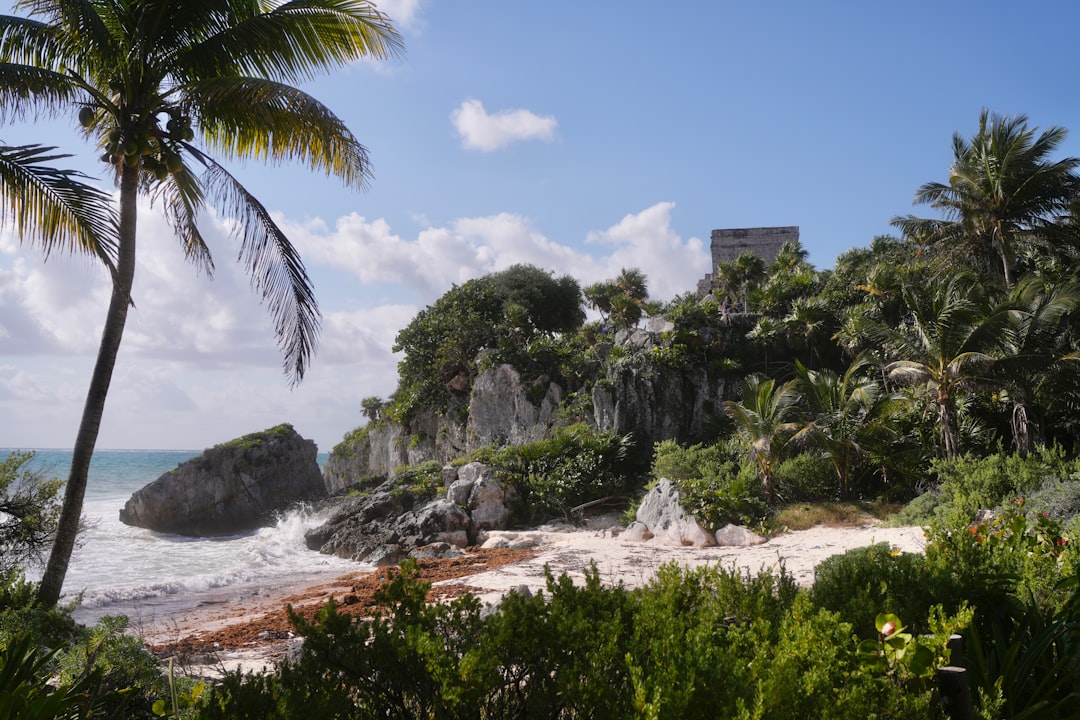
Yucatán: 24°C to 32°C. Hurricane season technically continues through November but activity drops sharply after early October in most years. By mid-October, Caribbean beach conditions are improving.
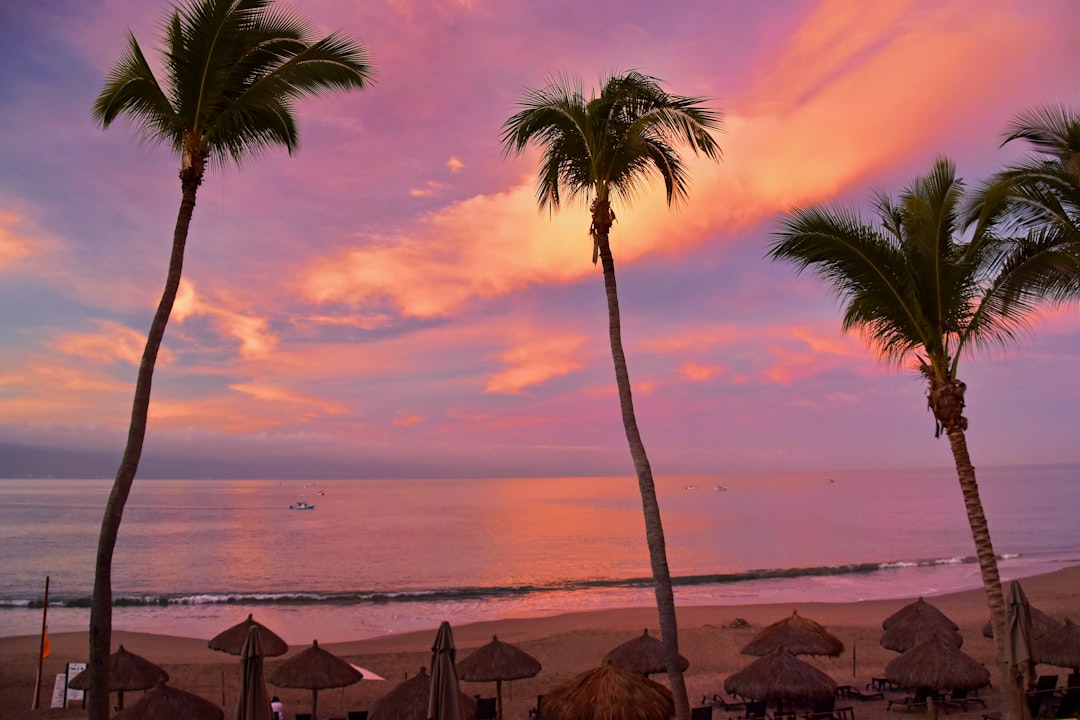
Pacific Coast (Puerto Vallarta): 24°C to 32°C. The rainy season winds down. Pacific swell brings great surfing conditions to the coast around Sayulita, San Pancho, and Punta Mita.
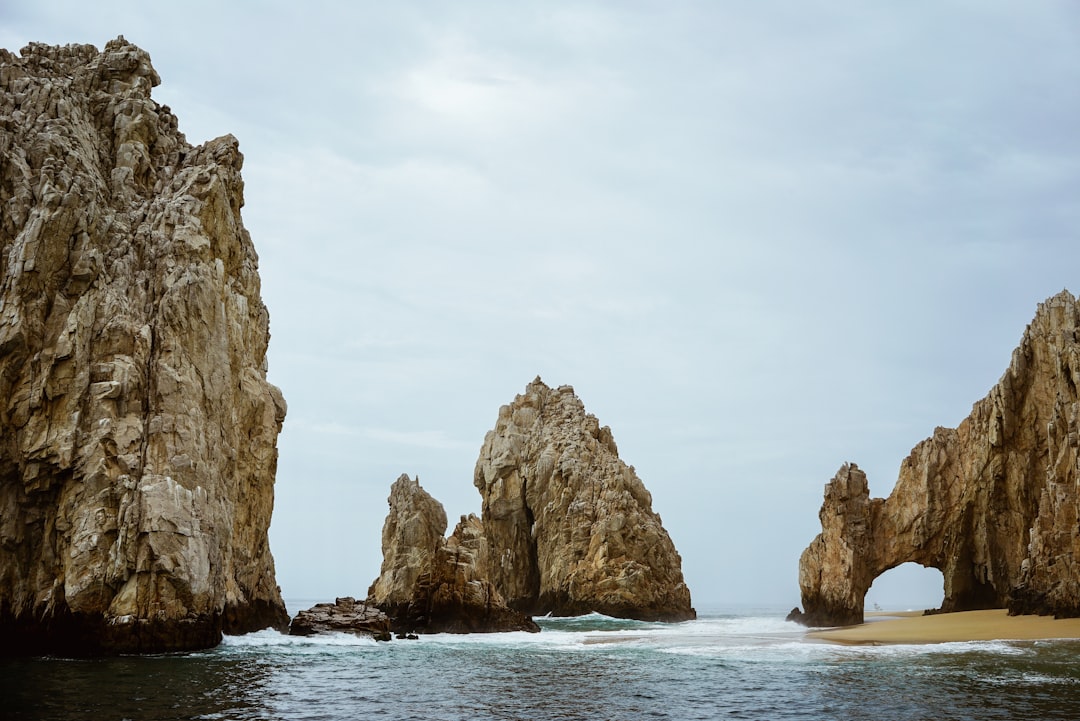
Baja California (Cabo): 26°C to 34°C. Hurricane risk diminishes. Whale shark season opens in October around La Paz — one of Baja’s headline wildlife experiences.
Día de Muertos — Planning Ahead
Día de Muertos officially runs November 1 (Día de Todos los Santos) and November 2 (Día de los Muertos). But the building begins throughout October:
- Marigold (cempasúchil) vendors appear on roadsides and in markets across Mexico, especially Oaxaca and Michoacán
- Pan de muerto (sweet bread) fills bakeries in late October
- Ofrendas (altars) begin appearing in homes, churches, and public spaces
- Artisan markets selling skull ceramics, papel picado, and altar supplies open in Oaxaca and Pátzcuaro
Best Día de Muertos destinations:
Oaxaca city: The largest and most internationally known celebration. The Panteón General (main cemetery) fills overnight November 1–2 with families maintaining ofrendas. The city’s streets fill with costumed participants and art installations. The mercados run special Día de Muertos food. Book accommodation months in advance — Oaxaca fills completely for the first four days of November.
Pátzcuaro and Janitzio Island (Michoacán): The Purépecha indigenous community maintains some of the most traditional observances in Mexico. Candle-lit processions to the island cemetery on Lake Pátzcuaro are extraordinary — but heavily photographed and crowded with foreign visitors in recent years.
Mixquic (near Mexico City): A small town south of CDMX that runs a traditional observance accessible as a day trip.
If you’re arriving in late October: You’ll catch all the preparation — markets filling with marigolds, altars being built, bakeries stacked with pan de muerto — without the full arrival of the November 1 crowd. Late October in Oaxaca is genuinely extraordinary for the sensory buildup.
Whale Watching in Baja — Early Season
The gray whale season in Baja California Sur (Magdalena Bay, San Ignacio Lagoon, Ojo de Liebre) runs January–April. But a different experience opens in October: whale shark snorkeling near La Paz. Whale sharks aggregate in the warm waters around La Paz from October through March. At 6–12 meters, they’re the world’s largest fish and entirely harmless — plankton feeders. Snorkeling alongside one is a defining wildlife experience.
Tours run daily from La Paz. Access is excellent — flights from CDMX and Guadalajara, ferry from Mazatlán or Topolobampo.
Pacific Surfing Season
October is prime time for surfing on the Pacific coast. The Nayarit and Jalisco coast (Sayulita, San Pancho, Punta Mita) receives consistent September-October swell. Surf schools run beginner lessons in Sayulita; more advanced breaks around Punta Mita attract experienced surfers.
Oaxaca in October
October is the ramp-up to the most photographed period in the region. Specific recommendations:
- Saturday market at Tlacolula: Indigenous market at its most active; marigolds and Día de Muertos crafts appearing
- Monte Albán: Dry season returning — the archaeological site is back to good visiting conditions
- Mezcal palenques: Small distillery visits in the valleys around Mitla and Matatlan (the “mezcal capital of the world”)
- San Marcos Tlapazola: Ceramics village in the valley — quieter than tourist-facing artisan towns
Budget in October
| Category | Budget | Mid-range |
|---|---|---|
| Accommodation (early Oct) | $14–$45/night | $60–$140/night |
| Accommodation (late Oct, Oaxaca) | $35–$80/night | $120–$250/night |
| Meals | $4–$10/meal | $12–$32/meal |
| Whale shark tour (La Paz) | ~$80–$100/person | — |
Early October maintains September’s low-season pricing across most of the country. By late October, Oaxaca prices spike sharply as Día de Muertos visitors arrive. Everything else stays reasonable.
Practical Notes
- Oaxaca accommodation November 1–3: Book 3–4 months in advance. This is the most overbooked period of the year for the city.
- Caribbean late October: Beach conditions return to something close to normal; sea temperature 28–29°C, humidity dropping.
- Daylight saving time: Mexico ends summer time (DST) in late October — double-check local times if you’re flying or taking buses around that date.
The Short Version
October is one of the best months to arrive in Mexico — rain tapering off, prices still low, and the country beginning the visual and cultural buildup to Día de Muertos. Arrive late October in Oaxaca and you’ll catch the marigold markets, the altar-building, and the bread season before the crowds arrive November 1. Add whale sharks in La Paz or Pacific surfing in Sayulita and October becomes a genuinely full travel month.
Plan your trip