Colca Canyon: Condors, Hot Springs & One of the World's Deepest Gorges
Plan your trip
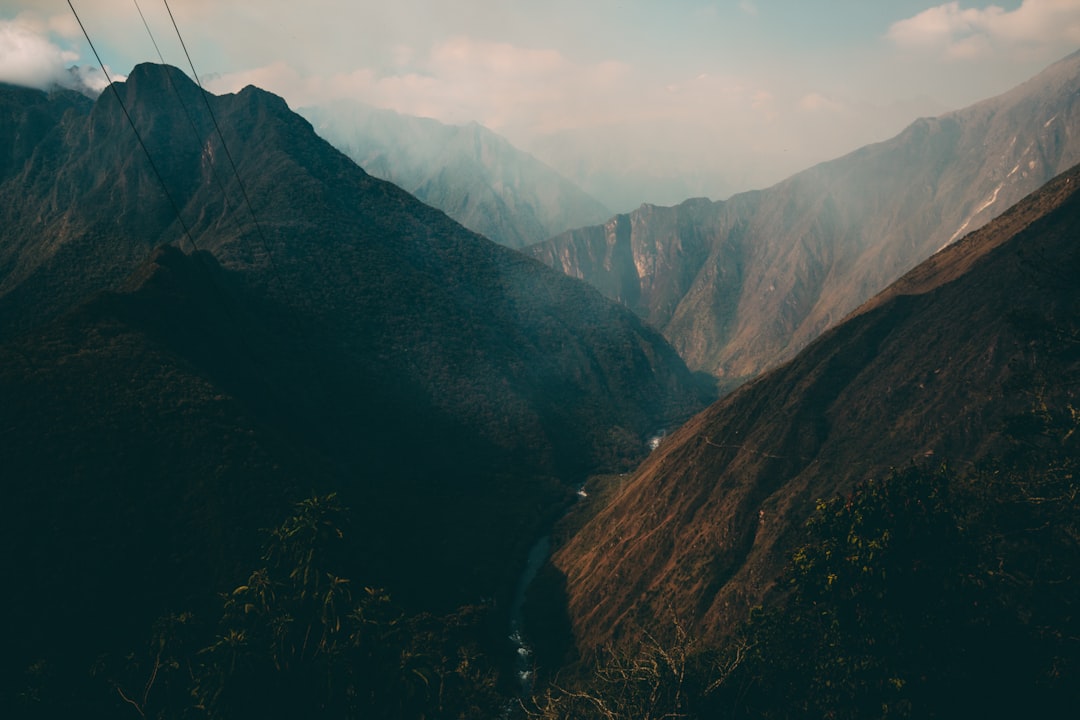
Colca Canyon is the second-deepest canyon in the world at 3,270 m (twice the depth of the Grand Canyon, though narrower) — cut by the Colca River through the volcanic southern Andes northwest of Arequipa. The canyon’s walls are terraced with pre-Inca agricultural systems still in use by the Cabana and Collagua communities, and the thermal updrafts rising from the gorge sustain the largest Andean condor population accessible to visitors anywhere in South America.
The gateway city is Arequipa (the “White City,” built from white sillar volcanic stone, 3 hours by road from Colca Canyon). Most Colca tours are 2 days from Arequipa.
Arequipa
The base for Colca Canyon — a city of 1 million at 2,335 m (lower than Cusco, good for acclimatization) with exceptional colonial architecture:
Plaza de Armas: The finest colonial plaza in Peru — the Cathedral (1844, the largest in Peru, with twin towers flanking the full width of the plaza) and the Compañía de Jesús (1698, the most elaborate Baroque facade in Peru) face each other across the square.
Monasterio de Santa Catalina: A 16th-century convent covering 20,000 m² (a city within the city) that housed cloistered nuns from 1580 until 1970. The restoration has made it the best-presented colonial interior in Peru — the street of orange and blue painted cells, the plazas, and the refectory are accessible as a museum. Entry S/45.
Rocoto relleno: Arequipa’s signature dish — a rocoto (a hot, round pepper native to Peru) stuffed with a mixture of minced meat, peanuts, vegetables, and cheese, baked until the pepper softens. The best versions are at the picanterías (traditional Arequipa restaurants) — La Nueva Palomino and Chicha por Gastón Acurio are the reference addresses.
Cruz del Condor
The primary condor-viewing point on the Colca Canyon rim — at 3,710 m, 120 km from Arequipa (3 hours). The Andean condor (Vultur gryphus, wingspan 3.2 m, the largest flying bird in the world) uses the thermal updrafts from the canyon in the morning as effortless altitude gain for their daily soaring.
When to go: Condors typically appear between 9–11 AM, using the first strong thermals of the day. The site is accessible year-round; dry season (May–November) is more reliable for good sightings and is clearer for photography.
What to expect: 3–20+ condors at a time depending on the season and weather — banking lazily on the thermals at, above, and below the rim viewpoint. The proximity (condors regularly pass within 30 m of the viewing area at eye level) is unlike any other wildlife experience in South America. No cages, no feeding, no captivity — wild birds using the canyon for what they’ve always used it for.
Trekking to the Canyon Floor
The two-day trek to the bottom and back is the definitive Colca experience:
Day 1: Cabanaconde village (rim, 3,287 m) → 3-hour descent to Sangalle (floor, 2,150 m). The descent is steep and loose-surfaced; trekking poles and proper shoes recommended. The canyon changes environment dramatically as you descend: cold, arid rim → warm, tropical floor with figs, corn, and a swimming pool-equipped oasis.
Sangalle (“Oasis”): Small cluster of guesthouses at the canyon floor — the thermal water pool is the reward for the descent. S/30–60/night including meals at the basic guesthouses.
Day 2: Return via the same route (3.5–4 hours, steep) or via the longer route through the canyon floor villages (Cosñirhua, Malata — adds 2 hours but more interesting culturally). The Cruz del Condor stop is typically timed for the morning of day 2 on the return to Arequipa.
Guided vs. independent: The trail is clear and marked; independent trekking is possible. Guides add context about the pre-Inca terrace systems, the Cabana and Collagua communities, and the condor ecology. S/80–120 for a 2-day guided tour from Chivay (the canyon’s main town).
The Pre-Inca Terraces
The Colca Valley walls are among the most extensively terraced agricultural landscapes in the Andes — an estimated 200,000 hectares of andenes (terraces) constructed over 1,000+ years by the Collagua and Cabana cultures before the Inca expansion. Many terraces are still cultivated with quinoa, potatoes, and corn using the same techniques and the same andenes as their pre-Columbian builders.
Practical Notes
- Getting to Colca: Most visitors join 2-day organized tours from Arequipa (S/150–250 including transport, accommodation, guide, and entry fees). Self-driving is possible; public buses run from Arequipa to Chivay (S/10, 3 hours)
- Entry fee: Canyon entry fee S/70 (Boleto Turístico Colca, valid 2 days) — paid at a control point on the road from Chivay to Cruz del Condor
- Best time: May–September (dry season) for clearest condor sightings and trekking conditions. The canyon can be visited year-round; January–March (wet season) has fewer condors visible
- From Cusco: Arequipa is 5.5 hours from Cusco by road or 1 hour by flight — the Cusco–Arequipa–Colca–Lima circuit is a logical Peru itinerary extension
Plan your trip