3 Days in Lisbon: The Perfect Long Weekend Guide
Plan your trip
Lisbon moves at its own pace — unhurried, sun-soaked, and deeply human. The hills make it a city of perspectives: turn a corner and suddenly you’re looking across terracotta rooftops to the glittering Tagus. Three days here doesn’t feel rushed if you resist the urge to over-schedule.
Day 1 – Alfama & the Castle
Morning: Start in Alfama, Lisbon’s oldest and most photogenic neighbourhood. It pre-dates the 1755 earthquake that flattened most of the city, which is why these winding lanes and whitewashed houses have survived. Get lost — that’s the point.
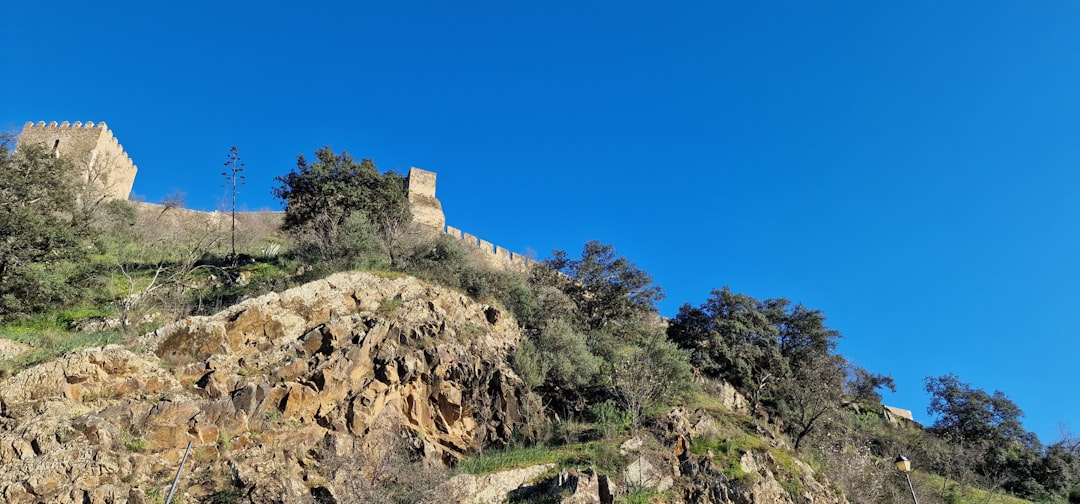
Climb to the Castelo de São Jorge, a Moorish fortress with panoramic views over the city and river. The walk up is part of the experience. Allow 90 minutes inside and on the ramparts.
Stop at Portas do Sol — one of Alfama’s best miradouros (viewpoints) — then walk up to Graça for the Miradouro da Graça, which most visitors miss and locals love.
Afternoon: Ride Tram 28 at least part of its route through Alfama — touristy but genuinely fun, and the only way to understand why Lisbon’s hills needed vintage trams. Jump off in Chiado.
Explore Chiado and Bairro Alto — the creative and bohemian neighbourhoods above downtown. Chiado has excellent bookshops, concept stores, and the Museu do Chiado for contemporary Portuguese art.
Evening: Return to Alfama for fado. This melancholic Portuguese music style — about longing, fate, and the sea — was born in these streets. Tasca do Chico, A Baiuca, and O Faia all offer genuine fado in intimate settings. Book ahead.
Day 2 – Belém & the Tagus
Morning: Take the tram or Uber west to Belém, where Portugal’s Age of Discovery unfolds in stone. The Jerónimos Monastery (Mosteiro dos Jerónimos) is the country’s greatest monument — an extravagant example of Manueline architecture with twisted pillars, maritime carvings, and the tombs of Vasco da Gama and Luís de Camões. Go early; by 10am it gets crowded.
Walk to the Torre de Belém on the riverbank — a symbol of Lisbon and a UNESCO World Heritage Site. The queues are long; either book online or admire from outside and photograph from the riverbank path.
Mandatory stop: Pastéis de Belém (Rua de Belém 84–92) for the original pastel de nata. The recipe hasn’t changed since 1837. Order two.
Afternoon: The MAAT Museum (Museum of Art, Architecture and Technology) is right on the waterfront — a striking contemporary building with rotating exhibitions and great river views. Nearby, the LX Factory is a converted industrial complex turned creative hub with indie shops, restaurants, and a huge Sunday market.
Evening: Watch the sunset from the Miradouro do Adamastor in Santa Catarina — a terrace above the river where locals gather to drink cheap beer and watch the light change over the water.
Day 3 – Downtown, Tiles & Bica
Morning: Explore the Baixa, Lisbon’s downtown grid rebuilt by the Marquis of Pombal after the 1755 earthquake — one of the first examples of urban planning in Europe. The Praça do Comércio opens onto the river with triumphal arch and sweeping plaza.
Take the famous Elevador de Santa Justa — a neo-gothic iron lift connecting Baixa to Chiado. Built in 1902, designed in the style of Gustave Eiffel. The viewing platform at the top gives one of the best city views. Book online.
Walk to the Museu Nacional do Azulejo (National Tile Museum) — Portugal’s signature art form, beautiful blue-and-white tin-glazed ceramic tiles, presented in a 16th-century convent. One of Lisbon’s genuinely unmissable museums and often underrated by first-timers.
Afternoon: Take the Elevador da Bica — another iconic funicular, steep and atmospheric — down to the Cais do Sodré waterfront. The Ribeira Market (Mercado da Ribeira / Time Out Market) here has 35+ food stalls under one roof: excellent quality, lively atmosphere, and all in a beautiful 1892 iron market hall.
Evening: Wander Lisbon’s waterfront along the Cais do Sodré neighbourhood and across to Santos — Lisbon’s bar and gallery district. The city’s nightlife begins late (10pm is early) and carries through to dawn in summer.
Getting Around
Lisbon’s hills are best climbed on foot or by historic funiculars/trams. For longer distances, Ubers are cheap (€5–8 across the centre). The Viva Viagem transport card (€0.50) gives access to trams, buses, metro, and funiculars.
Practical Tips
- Avoid rush-hour trams — especially Tram 28 between 8–10am (locals, not tourists)
- Sunday: LX Factory market (10am–6pm) is one of Lisbon’s best experiences
- Most museums are free on Sunday mornings — check individual websites
- Book fado restaurants and popular spots at least 48 hours ahead
- The city runs on long lunch breaks (1–3pm) and late dinners (8:30pm+)
Plan your trip