USA in July: Fourth of July, Peak Summer, and the Great National Park Rush
Plan your trip
July 4th is the defining American holiday — Independence Day celebrations transform every city, town, and beach into a fireworks venue. The country is at maximum domestic travel intensity for the weeks surrounding July 4th. National parks are at their highest annual visitation. Beaches are at capacity. The Mountain West delivers wildflower meadows at peak bloom. And some of the most extreme summer heat arrives in the Southwest and Southeast. July is the month that requires the most planning of any in the USA — and delivers the most American cultural experience when navigated correctly.
Weather in July
New York City: 22°C to 31°C. Hot and humid — the classic New York City summer. Afternoon thunderstorms possible.
Washington D.C.: 23°C to 33°C. Hot and humid. July 4th celebrations on the National Mall — one of the premier fireworks displays in the country.
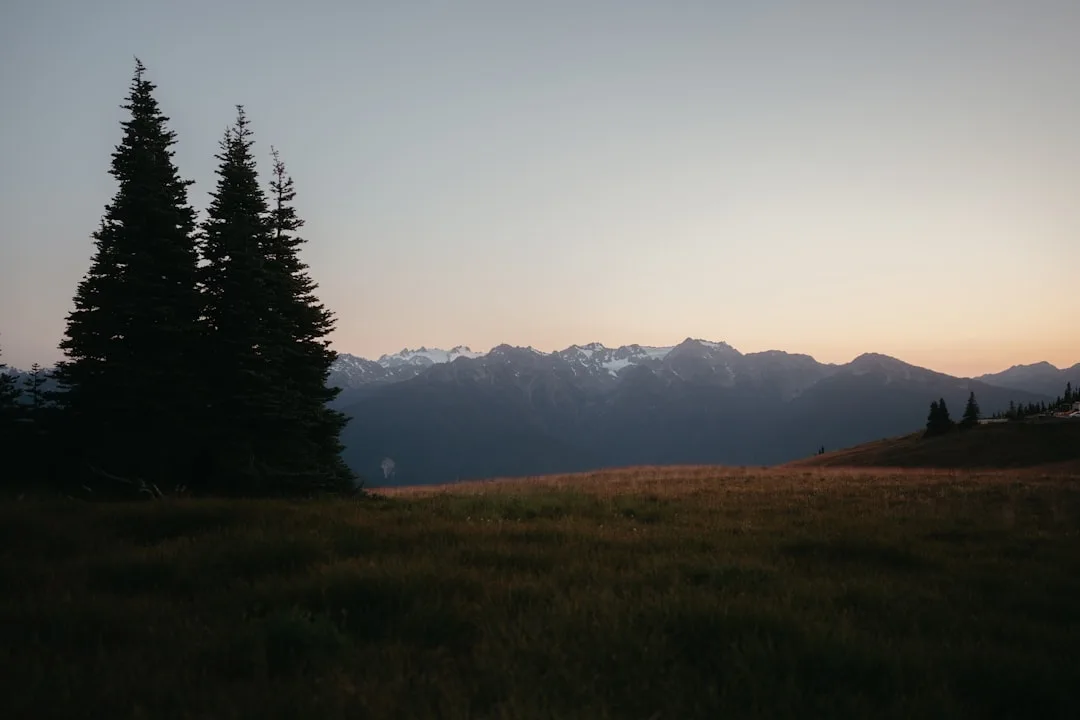
Pacific Northwest: 18°C to 27°C. Summer at its best — Seattle and Portland in peak dry season. Mount Rainier wildflowers in bloom.
Rocky Mountains: 15°C to 28°C. Wildflower peak in the alpine meadows — the subalpine fields of Colorado, Wyoming, and Montana.
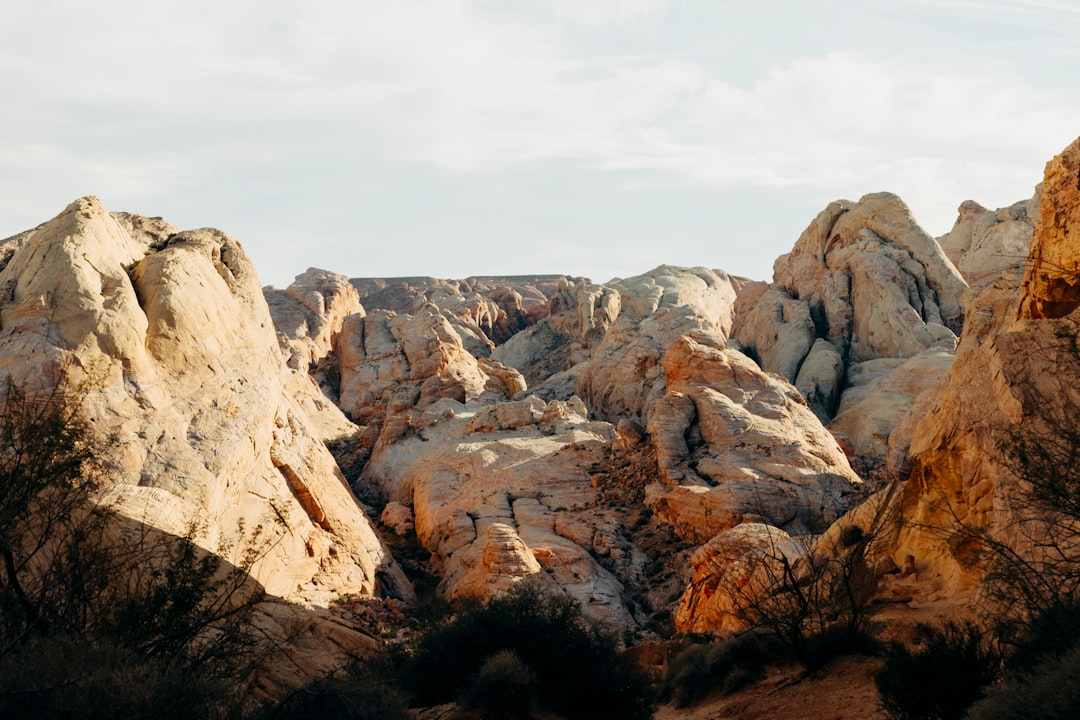
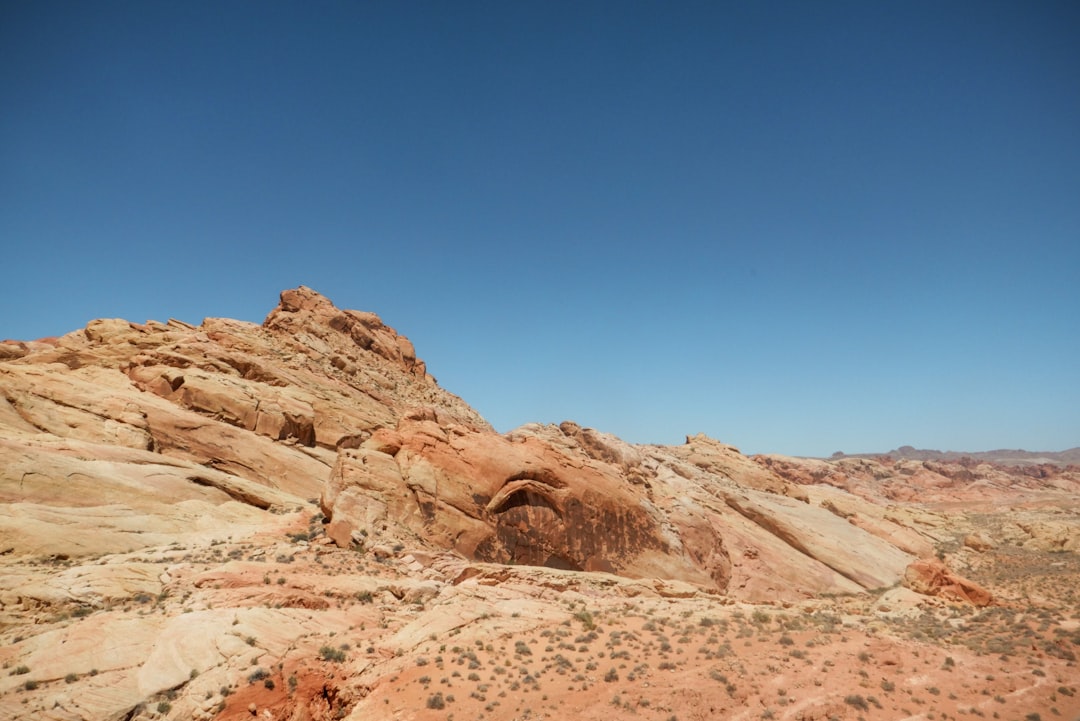
Southwest: 32°C to 42°C. Extreme heat. The Arizona Monsoon begins in July — afternoon and evening thunderstorms provide some relief.
Alaska: 14°C to 21°C. Summer peak continues — excellent wildlife and outdoor access, the midnight sun still present.
Great Plains: 24°C to 36°C. Hot, with severe thunderstorm risk. Tornado season winding down.
Fourth of July — Independence Day
July 4th celebrations across the USA:
Washington D.C.: The quintessential Fourth of July — the National Independence Day Parade down Constitution Avenue, the National Mall fireworks over the Washington Monument (broadcast nationally on PBS), and the concert on the west lawn of the Capitol.
New York City: Macy’s July 4th Fireworks — one of the largest fireworks displays in the USA. Launch sites rotate year to year (typically the Hudson River or East River). The Brooklyn Bridge and Empire State Building backdrops are iconic.
Boston: The Boston Pops Fireworks Spectacular on the Charles River Esplanade — one of the most attended Fourth of July events, with the Boston Pops Orchestra performing live before the fireworks. Attendance reaches 500,000+.
Chicago: Navy Pier fireworks over Lake Michigan — the lakefront setting makes Chicago’s display one of the most visually dramatic in the country.
Nashville: Nashville’s July 4th on the Cumberland River — one of the largest free Independence Day events in the South.
Small-town America: The best Fourth of July experience is often in smaller towns — parades down Main Street, community gatherings, and local fireworks that capture the holiday’s more intimate character. Bristol, Rhode Island has the oldest continuous Fourth of July parade in the USA (since 1785).
Rocky Mountain Wildflowers — Colorado and Wyoming
July is the peak month for Rocky Mountain wildflower displays:
Crested Butte, Colorado: Known as the “Wildflower Capital of Colorado” — the meadows above Crested Butte in July produce fields of Indian paintbrush, columbine, larkspur, and sunflowers. The Wildflower Festival runs in mid-July.
Maroon Bells, Colorado: The most-photographed mountain scene in Colorado — two 14,000+ foot peaks reflected in Maroon Lake, surrounded by July wildflower meadows. Bus access required from Aspen (private vehicles restricted).
Mount Rainier National Park, Washington: Subalpine meadows at Paradise and Sunrise — the most accessible wildflower meadows in the Pacific Northwest, with Rainier (4,392m) as backdrop. July is the peak bloom window.
Grand Teton National Park, Wyoming: The Teton wildflower season runs July-August — the valley meadows below the peaks, the wildflowers along the Cascade Canyon trail, and the Death Canyon area.
National Parks July Strategy
July is peak visitation for every national park — strategies for managing it:
Arrive before 7 AM: The single most effective strategy across all national parks. Parking lots fill by 9–10 AM at popular parks; arriving at opening time (or before) secures space and avoids the worst crowds.
Weekdays vs. weekends: Saturday and Sunday at national parks are 30–50% more crowded than Monday-Thursday. If your schedule allows midweek, the difference is significant.
Reserved entry vs. walk-in: Many parks now require timed entry reservations (Arches, Glacier, Rocky Mountain, Yosemite). Book at recreation.gov 90 days ahead.
Glacier National Park, Montana: “The Crown of the Continent” — Going-to-the-Sun Road (the only road crossing the park) opens fully in June-July depending on snow. The alpine meadows, mountain goats, grizzly bears, and 700 miles of trails. Vehicle reservations required for Going-to-the-Sun Road in summer.
Rocky Mountain National Park, Colorado: The alpine tundra above treeline at Trail Ridge Road — the highest paved through-highway in the USA (12,183 feet at its highest point). The meadows below are wildflower-filled in July.
Beach Summer — East and West
East Coast:
- Outer Banks, North Carolina: The barrier island chain — wild horses (Corolla wild horses), the Wright Brothers National Memorial, and Cape Hatteras Lighthouse. Less crowded than the New Jersey or Connecticut shorelines.
- Myrtle Beach, SC: The Grand Strand — 60 miles of beach, the busiest East Coast beach destination in summer.
- Cape Cod: The Cape Cod National Seashore beaches (provincially beautiful — Race Point, Nauset Light), lobster rolls, and the ferry to Nantucket.
West Coast:
- Santa Cruz, California: The classic California beach town — the boardwalk amusement park, the surf culture, and the redwood forests immediately inland.
- Newport Beach / Laguna Beach, California: Orange County’s beach communities — Laguna Beach with its art gallery culture and Heisler Park blufftop path.
Budget in July
| Category | Budget | Mid-range |
|---|---|---|
| Accommodation (NYC) | $150–$260/night | $300–$700/night |
| Accommodation (national park gateways) | $130–$230/night | $270–$600/night |
| Accommodation (beach towns) | $150–$270/night | $310–$700/night |
| July 4th weekend surcharge | +30–60% | +30–60% |
| Meals | $19–$44/meal | $55–$130/meal |
Annual peak pricing at most destinations. July 4th weekend is the single most expensive travel weekend of the American summer.
Practical Notes
- July 4th accommodation: Book 4–6 months ahead for any destination near major celebrations. D.C., Boston, and NYC see 2–3x normal rates for July 3–5.
- Southwest heat: Phoenix, Las Vegas, and the Grand Canyon inner canyon in July are genuinely dangerous for outdoor activity in midday — deaths from hyperthermia occur every year. Hike before 8 AM; hydrate constantly; don’t attempt inner canyon hikes without extensive preparation.
- Hurricane season: Atlantic hurricane season is active from June–November; Gulf Coast and Florida destinations carry weather risk from July onward. Travel insurance recommended.
The Short Version
July USA is maximum American summer — the Fourth of July celebration that defines national identity, Rocky Mountain wildflowers at peak, national parks at their most crowded and most spectacular, and beaches from Maine to California at full summer capacity. The month requires advance planning (park reservations, accommodation booked months ahead, July 4th logistics sorted early) but rewards it with the most concentrated American cultural experience of the year. The Pacific Northwest and Rocky Mountain regions deliver July’s best combination of conditions and (relative) manageability.
Plan your trip