USA in March: Spring Break, Desert Superbloom, and SXSW in Austin
Plan your trip
March is the USA’s great seasonal hinge — the country transitioning from winter to spring across dramatically different timelines. Texas and the Southwest are in full bloom. The Pacific Coast is getting warmer. Spring Break sends college students to beach destinations in waves from early to late March. SXSW transforms Austin into the world’s largest music, film, and technology conference. And Washington D.C.’s cherry blossom season begins building toward its March-April peak. March rewards regional awareness — choose your destination based on what March delivers there specifically.
Weather in March
Washington D.C.: 4°C to 13°C. Spring arriving — cherry blossoms beginning in late March (peak typically late March to early April).
Austin, Texas: 12°C to 22°C. Warm spring — SXSW weather is typically excellent. Outdoor stages and outdoor music venues operational.
California Coast: 12°C to 18°C. Spring — the hills are green after winter rains. Coastal fog is common in the mornings.
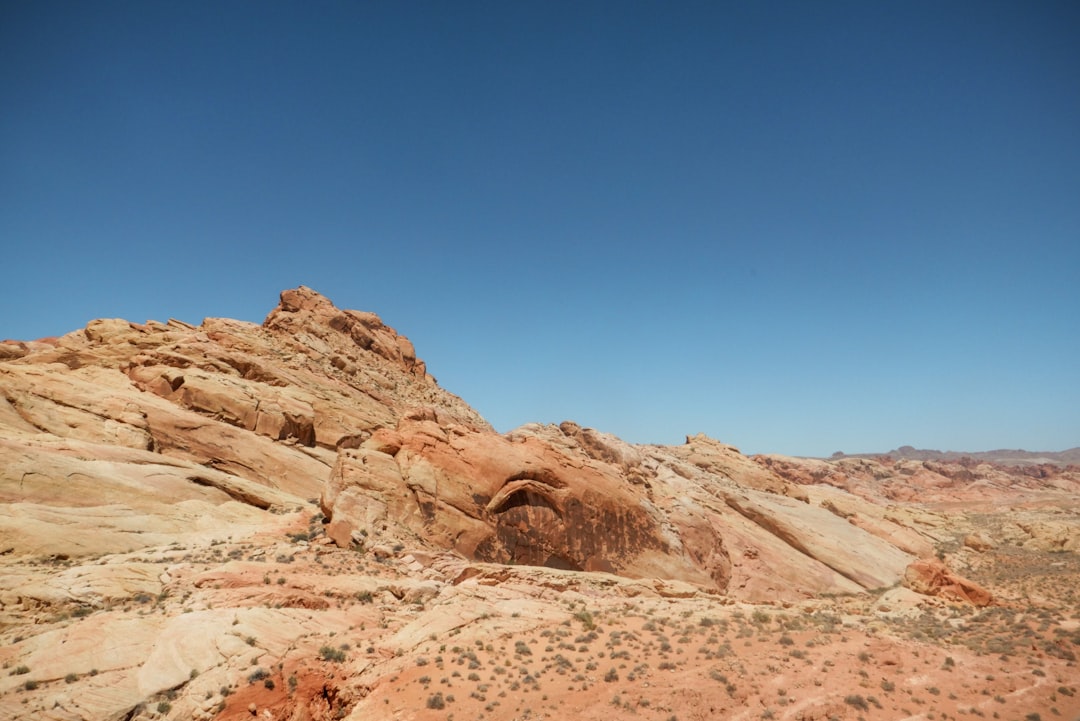
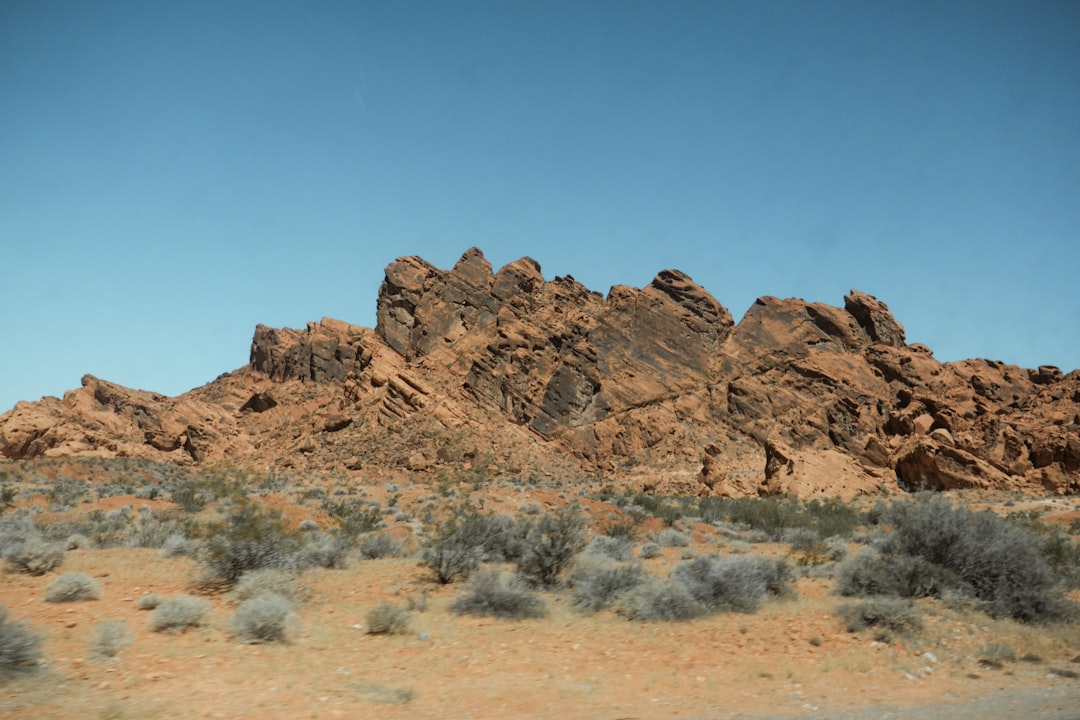
Arizona / Sonoran Desert: 14°C to 24°C. Ideal desert hiking temperatures. Saguaro National Park and Organ Pipe in full spring.
Florida: 18°C to 27°C. Spring Break peak — the beaches filling with university students. Miami and the Gulf Coast at high capacity.
Colorado ski resorts: Still operational — March can deliver excellent spring ski conditions, particularly in the Rockies.
New York City: 3°C to 11°C. Early spring — still cold but lengthening days. St. Patrick’s Day parade (March 17) on Fifth Avenue.
SXSW — Austin, Texas
South by Southwest runs the second and third weeks of March (typically 10 days) in Austin — the world’s most influential convergence of music, film, and technology:
What it is:
- Music: 2,000+ acts across 100+ venues in Austin — from international headliners to emerging artists. The official showcase venues (Stubb’s Amphitheater, La Zona Rosa, ACL Live at the Moody Theater) and hundreds of unofficial showcases and day parties
- Film: The SXSW Film Festival — world premieres of films that often go on to major theatrical release. Past SXSW world premieres include Get Out, Whiplash, and Baby Driver.
- Interactive (Tech): The tech and startup conference that runs parallel to music — where major product launches and keynotes happen. In past years: Twitter’s launch (2007), Foursquare, and major tech announcements
Access types:
- Badge holders: Full access — expensive ($500–$1,500 depending on badge type)
- Wristband holders: Music venue access without official showcase priority
- Walking the streets of Austin during SXSW: Free — the day parties, the food trucks, the street performers, and the atmosphere are accessible without a badge. The Rainey Street, Red River, and 6th Street areas during SXSW week have programming constantly.
Accommodation: Book 6–8 months ahead — Austin hotels fill completely for SXSW at 2–3x normal rates.
Desert Superbloom — California
March is peak wildflower season in Southern California’s deserts in above-average rainfall years:
Antelope Valley California Poppy Reserve (Lancaster, CA): The most accessible superbloom destination from Los Angeles — 2 hours north. When conditions are right, the hillsides turn solid orange with California poppies. Peak is typically mid-March to mid-April.
Anza-Borrego Desert State Park: The largest state park in California — March blooms in the canyon floors and rocky hillsides. Sand verbena, desert sunflowers, and ocotillo. The park’s 600,000 acres hold multiple bloom zones at different elevations.
Death Valley: Later than the lower desert areas — Death Valley floor blooms can peak in early March in exceptional rainfall years. The park’s wildflower hotline (760-786-3200) gives current conditions.
Practical: Superbloom events draw significant crowds in exceptional years — the 2019 Antelope Valley poppy bloom caused traffic jams 10 miles long. Go midweek; arrive by 8 AM.
Washington D.C. — Cherry Blossoms Building
Washington D.C.’s National Cherry Blossom Festival runs late March through mid-April — timing varies by year:
The trees: The 3,000 cherry trees around the Tidal Basin were gifted by Tokyo in 1912. The peak bloom (when 70%+ of flowers are open) lasts 4–7 days, after which rain or wind rapidly ends the display.
Peak bloom timing: Typically late March to early April — the National Park Service issues 5-day peak bloom forecasts from late February. Check before booking.
Best viewing spots:
- Tidal Basin: The main concentration — the Jefferson Memorial reflected in the Tidal Basin surrounded by cherry blossoms is one of the iconic American landscape images
- East Potomac Park: Less photographed, equally beautiful — the golf course and Hains Point with cherry trees along the water
- National Mall: Additional trees along the Mall, near the Washington Monument
Practical: Peak bloom weekend in D.C. is one of the most-booked weekends in the city. Book accommodation 3–4 months ahead; go early morning (6–8 AM) before the crowds.
Spring Break Strategy
Spring Break runs throughout March in rolling waves as different universities schedule breaks:
Early Spring Break (first week of March): Southeast universities — Florida fills first. Panama City Beach, Miami Beach, and the Florida Gulf Coast begin filling.
Peak Spring Break (second-third weeks): The heaviest flow — most major universities. Cancún is the international alternative; domestically, South Padre Island (Texas), Fort Lauderdale, and Daytona Beach peak.
If traveling during Spring Break: Avoid beach destinations or choose them strategically (the smaller Gulf Coast towns — Seaside, Rosemary Beach, Santa Rosa Beach — draw a different demographic than PCB).
NCAA Tournament — March Madness
The NCAA Division I Men’s Basketball Tournament begins in mid-March and runs through the championship in early April:
First/Second Round sites: Spread across the USA — 8 regional venues host the opening rounds over two weekends. The host cities see significant travel for basketball fans.
Sweet Sixteen / Elite Eight: Four regional sites in the second week.
Final Four: The national semifinal and championship — held in a single major arena city (announced years in advance). The Final Four weekend is one of the most-attended sports events in the country.
Watching without tickets: Every game broadcasts on CBS/TBS/TNT — bar culture around the tournament (particularly the first Thursday and Friday, when 32 games run simultaneously) is one of the great shared American sports experiences.
Budget in March
| Category | Budget | Mid-range |
|---|---|---|
| Accommodation (Austin, SXSW) | $180–$340/night | $370–$800/night |
| Accommodation (Austin, non-SXSW March) | $95–$160/night | $190–$400/night |
| Accommodation (D.C., peak bloom) | $160–$280/night | $320–$700/night |
| Accommodation (Florida, Spring Break) | $130–$240/night | $270–$600/night |
| Meals | $16–$38/meal | $45–$110/meal |
March pricing is event-driven — SXSW Austin, D.C. cherry blossom peak, and Spring Break beach towns are at 2–3x normal rates during their specific windows.
Practical Notes
- SXSW badge vs. streets: For most visitors, the free street experience during SXSW — day parties, outdoor stages, food trucks, the Austin atmosphere — delivers 70% of the value at 0% of the badge cost.
- Cherry blossom date uncertainty: The NPS forecast updates weekly from February — don’t book non-refundable D.C. accommodation until the forecast narrows to a 5-day window.
- St. Patrick’s Day (March 17): Major celebrations in NYC (Fifth Avenue parade), Chicago (the river is dyed green), Boston, and Savannah, GA (which runs the largest St. Patrick’s Day parade in the Southeast).
The Short Version
March USA is event-driven travel at its most intense — SXSW in Austin, the cherry blossom build in D.C., the desert superbloom in California, and Spring Break filling every beach in the Southeast and Southwest. The key is choosing your event and booking accommodation months ahead; each of these windows creates localized price spikes that catch late planners off guard. Outside the event windows, March is excellent for Southwest hiking, the California coast, and exploring the South before summer heat arrives.
Plan your trip