Best Time to Visit Canada: Month-by-Month Guide
Plan your trip
Canada is the world’s second-largest country — and its seasons are not uniform. British Columbia’s mild, rainy winters are entirely different from Ontario’s -20°C blizzards or Québec’s celebrated winter carnivals. “Best time to visit” depends entirely on where you’re going and what you want to do.
The Short Answer
Best overall (cities + nature): June–September
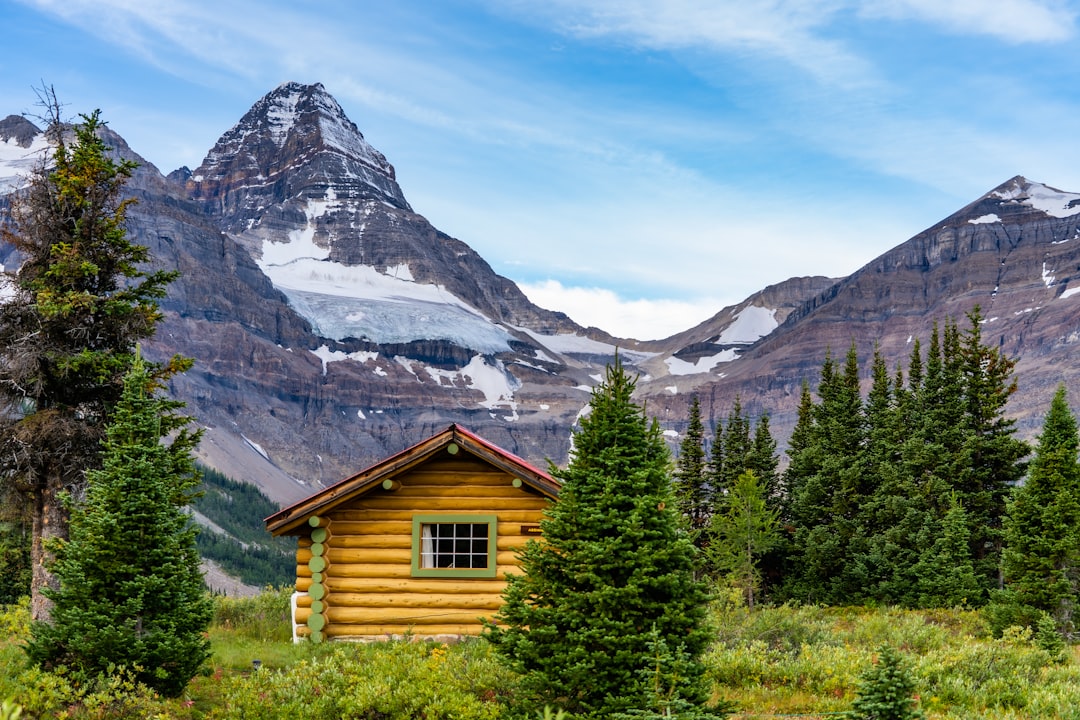
Best for the Rockies (hiking): July–August
Best for winter sports: December–March
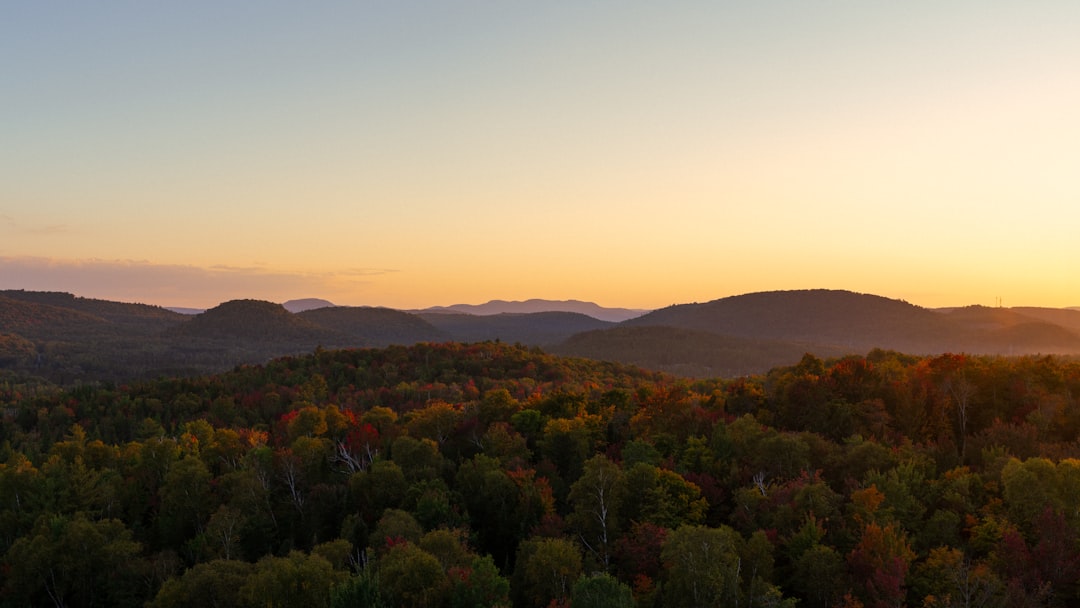
Best for autumn colours: Late September–mid-October (Québec and Ontario)
Best for northern lights: March and September (Yukon, Northwest Territories)
Best for whales (BC coast): June–October
Avoid Rockies: November–March (most trails closed, access difficult without ski gear)
By Region
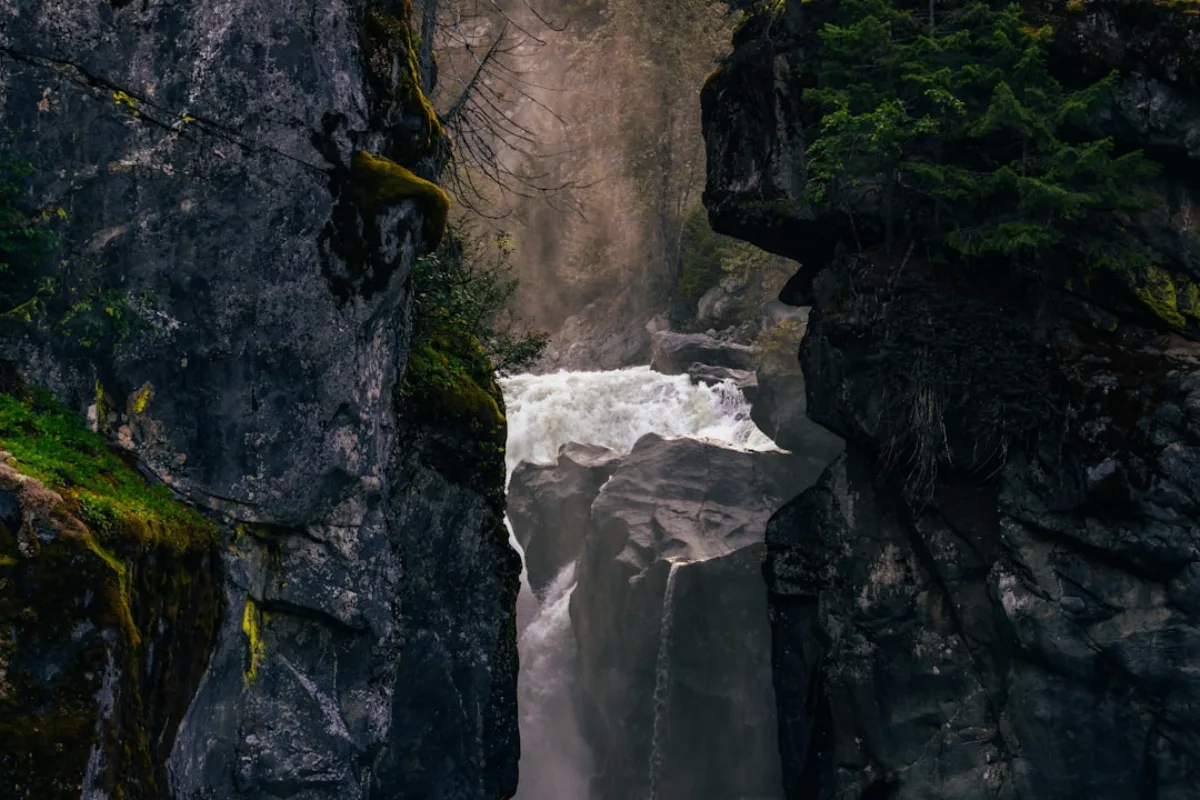
British Columbia (Vancouver, Banff area, Victoria)
Best: June–September
Vancouver’s climate is mild year-round but very rainy in winter. Summer is dry, warm (22–28°C), and the best time for hiking. Victoria (BC’s capital, on Vancouver Island) has the mildest winters in Canada. The Great Bear Rainforest spirit bear tours: September–November.
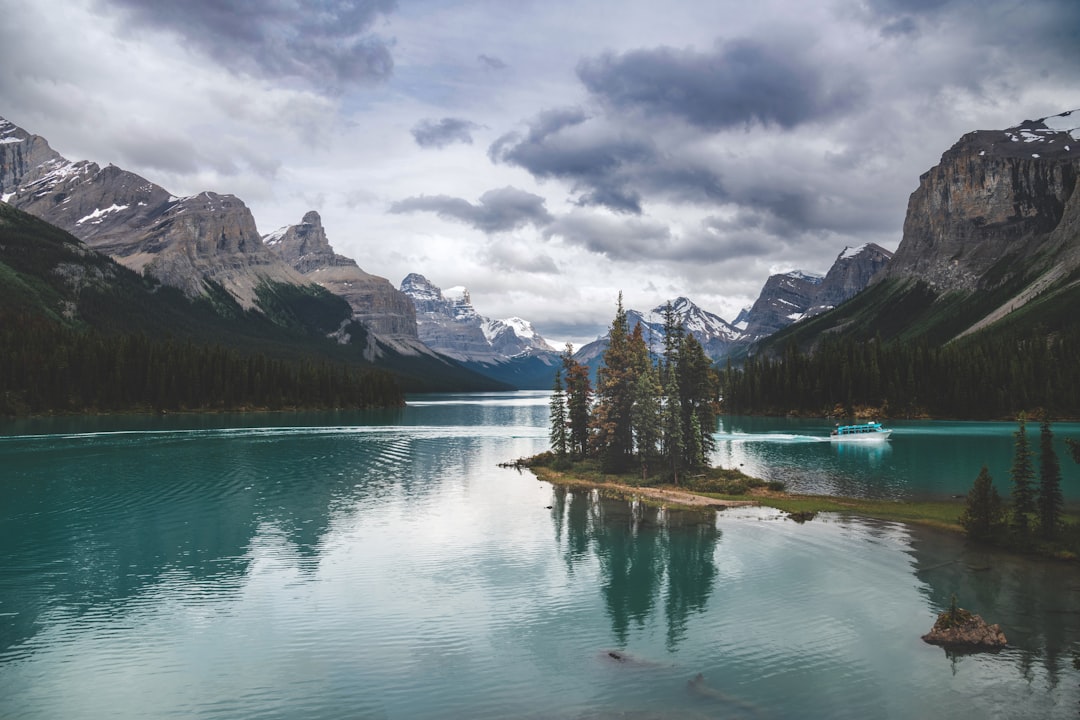
Canadian Rockies (Banff, Jasper, Yoho)
Best: Late June–early September
The Rockies have a short summer — high-altitude trails only fully open late June (snow can persist into July at elevation). July–August: warm (15–25°C in valleys), all trails accessible, all services operating.
September: Excellent — trails still open, autumn colours beginning, far fewer crowds.
Winter: Banff and Lake Louise have excellent skiing (December–April). Icefields Parkway partly closed in heavy snow. Wildlife more visible (elk and bighorn sheep in valley bottoms).
Ontario (Toronto, Niagara Falls)
Best: May–October
Toronto has warm summers (25–30°C) and cold winters (-10 to -20°C with windchill). Niagara Falls is year-round — the frozen falls in January–February are extraordinary if you can handle the cold.
September–October: Arguably the best time — warm, dry, autumn leaves beginning in late September. Toronto’s film festival (TIFF, September) adds cultural energy.
Québec (Montréal, Québec City)
Best: June–September
Montréal summers are genuinely warm (28–32°C, humid) and socially vibrant. The Jazz Festival (late June–July) and Osheaga music festival (August) are major draws.
Winter: Québec City’s Winter Carnival (Carnaval de Québec) in February is one of the world’s great winter festivals — ice palace, night parades, outdoor parties in -20°C. Not for the cold-averse, but extraordinary.
Autumn: Late September–mid-October brings extraordinary foliage in the Laurentian Mountains north of Montréal.
Maritimes (Nova Scotia, New Brunswick, PEI)
Best: July–September
Canada’s Atlantic coast has short, warm summers. The Bay of Fundy (world’s highest tides — 16m differential) and whale watching (humpback, minke, right whale) are best July–September. Prince Edward Island’s beaches and lobster season peak in summer. Anne of Green Gables cultural heritage is accessible year-round.
Yukon & Northwest Territories (northern lights, wilderness)
Best for northern lights: March (last month of cold and dark, excellent aurora, slightly longer days) and September (darkness returning, active aurora season beginning).
Best for summer wilderness: June–August (midnight sun, hiking, canoeing, wildlife).
Whitehorse (Yukon capital): Aurora Village tours run October–April.
Month-by-Month
January
Deep winter across most of Canada. Québec City Carnaval (late January–February). Skiing at its peak in the Rockies. Northern lights excellent in the Yukon. Niagara Falls partly frozen — an otherworldly sight. Not recommended for general sightseeing unless you want winter activities.
February ⭐ (winter)
Carnaval de Québec (world’s largest winter festival). Skiing peak in Banff and Whistler. Very cold (-20°C in Montréal and Toronto; -30°C in the prairies). Not for the cold-averse.
March ⭐ (shoulder/winter)
Best month for northern lights (Yukon) — still cold and dark enough, but slightly longer days. Skiing continues in the Rockies. The Vancouver Cherry Blossom Festival begins in late March — the city erupts in pink.
April
Winter ending in cities (Toronto, Vancouver, Montréal). Rockies still deep winter — most trails snowed in. BC wildflowers beginning. Spring bears emerging in the Rockies.
May ⭐
Wildflowers in the Rockies and BC Coast. Warmer in cities. Trails not fully open yet at elevation. Victoria Day long weekend (May) is a traditional camping season opener. Spot prawns season begins on the BC coast.
June ⭐⭐
Summer begins. Rockies trails open (upper elevation still possible snow — check Parks Canada). Montréal Jazz Festival begins (late June). Long days across the country. Whale watching beginning in BC.
July ⭐⭐ (peak)
Peak season everywhere. All parks fully operational. Warmest temperatures. Canada Day (July 1) — national celebrations across every city. Book everything months ahead, especially Banff and Jasper.
August ⭐⭐ (peak)
Equally busy as July. Best weather in the Rockies. Osheaga festival in Montréal. Salmon runs beginning in BC rivers. Excellent whale watching on BC coast.
September ⭐⭐ (best overall)
Crowds drop dramatically after Labour Day (first Monday in September). Trails still open, weather still excellent, accommodation prices fall. TIFF (Toronto International Film Festival) — one of the world’s most important film festivals. Early autumn colours in Québec. Northern lights returning in the Yukon.
October ⭐
Peak autumn foliage — Québec’s Laurentians and Ontario’s Algonquin Park are extraordinary. Fewer tourists. Cool but not cold. Rockies trails closing with first snow. Great Bear Rainforest spirit bear tours peak in October.
November
Shoulder season. Tourist infrastructure reducing. Weather unpredictable — snow possible in most cities. Good for indoor city exploration (Toronto, Vancouver, Montréal museums are world-class).
December ⭐ (winter)
Christmas markets in Québec City, Montréal, and Vancouver. Skiing opens in the Rockies and Whistler. Hanukkah and Christmas cultural programming. Cold (-10 to -20°C east of the Rockies). Vancouver relatively mild (5–10°C) by comparison.
Key Events
| Date | Event |
|---|---|
| Late Jan–Feb | Carnaval de Québec (world’s largest winter festival) |
| Late March | Vancouver Cherry Blossom Festival |
| May | Victoria Day long weekend (camping season opener) |
| Late June–July | Montréal Jazz Festival |
| July 1 | Canada Day (national holiday) |
| August | Osheaga music festival, Montréal |
| September | TIFF (Toronto International Film Festival) |
| Late Sept–Oct | Peak autumn foliage (Québec and Ontario) |
Plan your trip