First Time in Canada? Everything You Need to Know
Plan your trip
Canada is the world’s second-largest country by area — and one of the most rewarding to visit. It has extraordinary wilderness, world-class cities, a welcoming multicultural society, and the Canadian Rockies, which may be the most spectacular mountain scenery accessible to general tourists anywhere in the world. It also requires more planning than most European destinations, primarily because of its sheer size.
The Basics
Capital: Ottawa (political capital); Toronto is the largest city; Vancouver is the international gateway
Currency: Canadian Dollar (CAD). €1 ≈ CAD 1.45
Language: English (official nationally); French (official, and primary in Québec and parts of the Maritimes)
Time zones: Six time zones — Pacific (Vancouver), Mountain (Calgary), Central (Winnipeg), Eastern (Toronto/Montréal), Atlantic (Halifax), Newfoundland
Driving: Right-hand side
Plugs: Type A and B (same as USA — flat pins)
Visa: eTA required for most Europeans (€5, applied for online before travel — not a visa, but mandatory for flying into Canada). Americans do not need an eTA.
Emergency number: 911
The eTA: Don’t Skip This
EU, UK, and Australian citizens do not need a full visa for Canada — but you do need an Electronic Travel Authorization (eTA) if arriving by air. Cost: CAD 7 (about €5). Apply online at the Government of Canada website before booking flights. It’s usually approved in minutes, occasionally takes a few days. This catches many European visitors off-guard — apply early.
Americans entering Canada by air, land, or sea need only a valid passport (no eTA).
Canada’s Size: The Most Important Thing to Understand
Canada is 10 million square kilometres. The driving distance from Vancouver to Toronto is 4,400km — 44 hours continuous driving. The country spans six time zones.
This means:
- You cannot “do” Canada in one trip. Choose a region and do it properly.
- Flying is essential for multi-region trips. Domestic flights are frequent and competitive (WestJet, Air Canada, Flair).
- Distances between attractions are vast in the national parks — a full day’s drive in Banff might cover 150km and still feel like you’re in the same landscape.
The most visited regions by international tourists:
- British Columbia (Vancouver, Victoria, Whistler, Tofino)
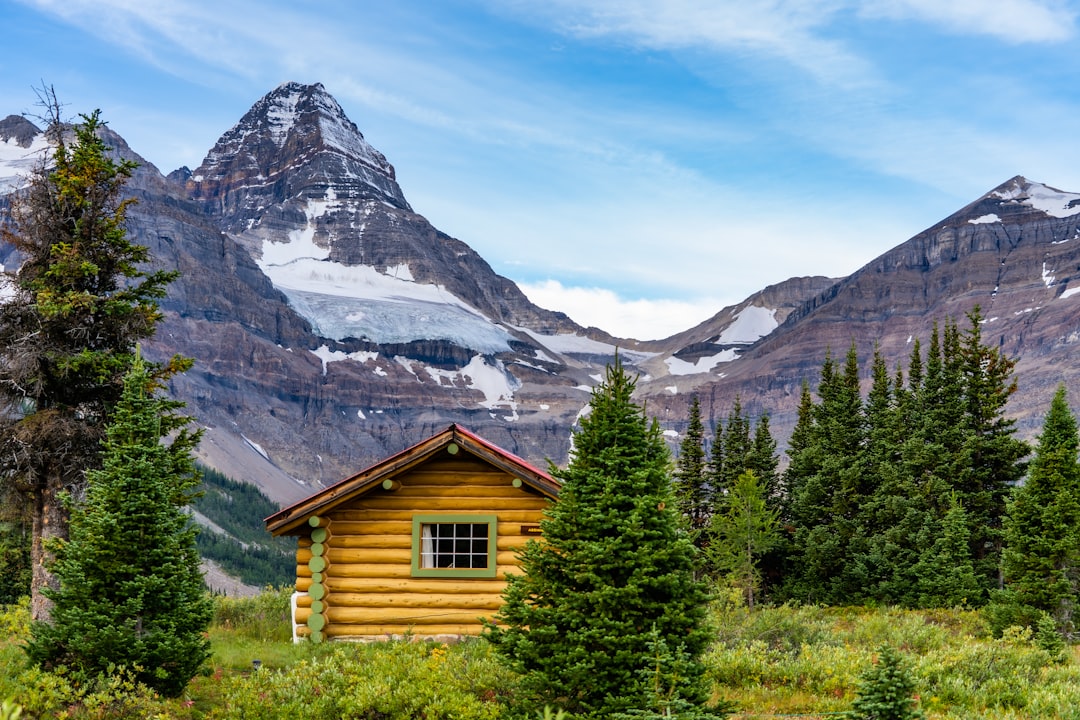
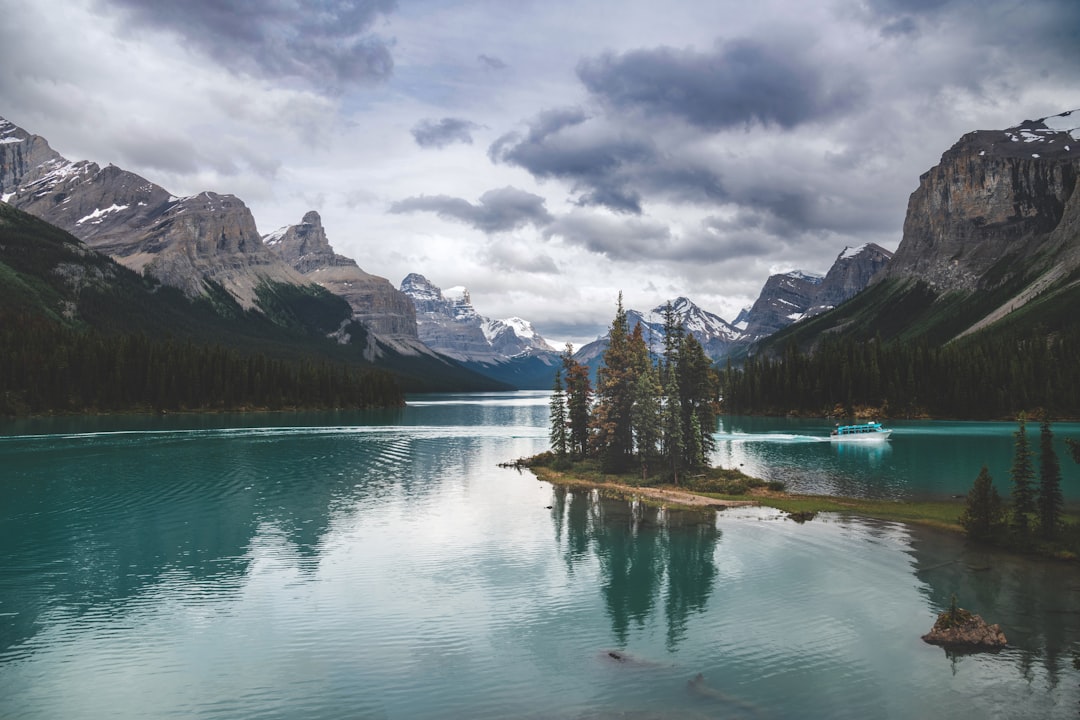
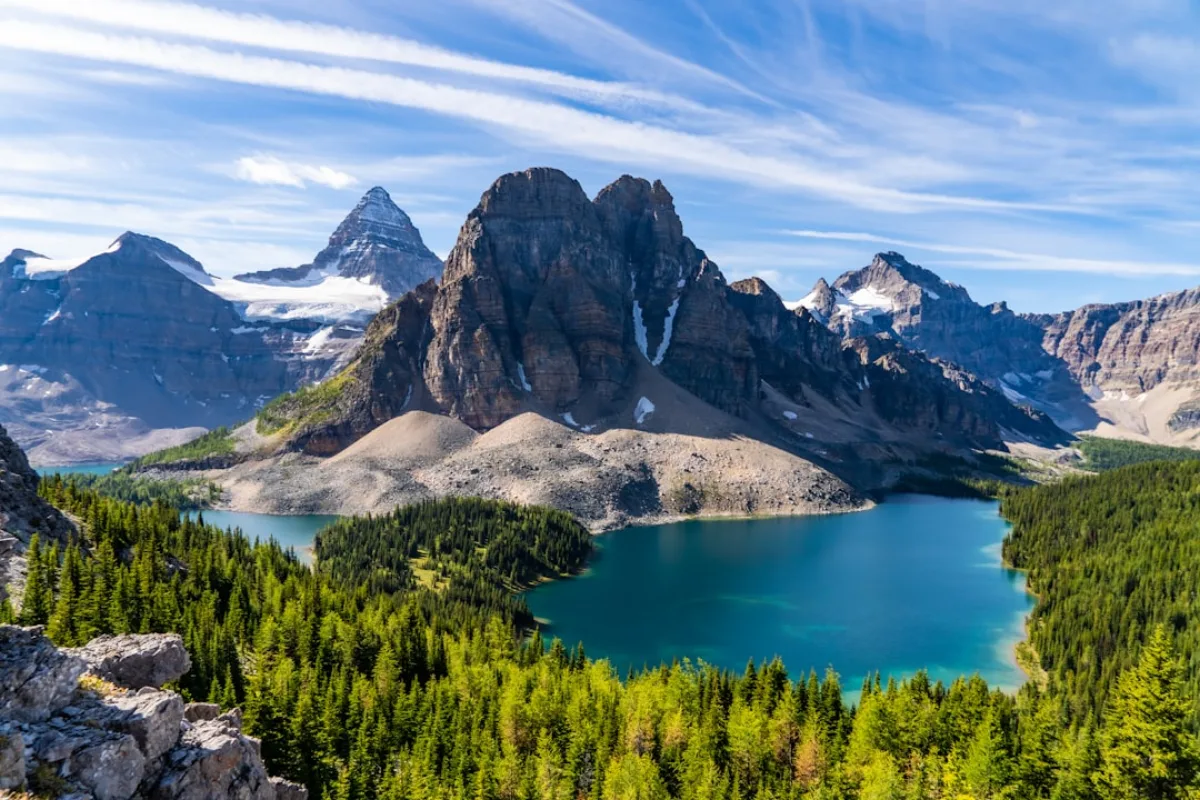
- Canadian Rockies (Banff, Jasper, Yoho — straddling BC and Alberta)
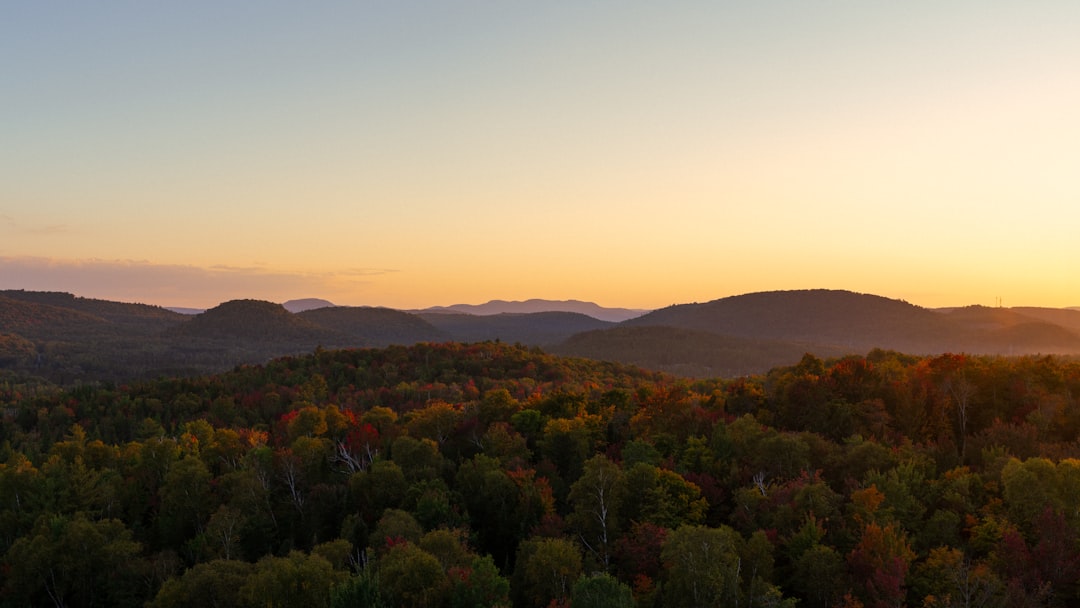
- Ontario (Toronto, Niagara Falls, Algonquin Park)
- Québec (Montréal, Québec City, Charlevoix)
The Two Cultures: English and French Canada
Canada’s bilingual (English/French) character is one of its most interesting features — and one that surprises many visitors.
Québec is culturally and linguistically French. Montréal is predominantly bilingual; Québec City and smaller towns lean more French. When visiting Québec, beginning with “Bonjour” and attempting French is appreciated even if the conversation quickly switches to English. The Québécois accent and dialect differ significantly from European French — locals are generally amused and charmed if you notice this.
The rest of Canada operates in English, with French services legally required at the federal level.
First Nations, Métis, and Inuit peoples: Canada has a large and complex Indigenous population representing hundreds of distinct nations. Many place names, parks, and cultural sites are deeply connected to Indigenous history. The museums in all major cities (especially the UBC Museum of Anthropology in Vancouver and the Canadian Museum of History in Gatineau) have outstanding Indigenous collections. Engage with genuine curiosity.
Weather: What to Expect
Canada’s weather varies dramatically by region and season:
Vancouver (coastal BC): Mild, very rainy winters (5–10°C); warm, dry summers (22–28°C). Best: June–September.
Calgary/Banff/Rockies: Cold, snowy winters (-20°C possible); warm, short summers (20–25°C in valleys). Best for hiking: July–September. Best for skiing: December–March.
Toronto: Hot, humid summers (28–33°C, July–August); cold winters (-10 to -20°C with windchill). Best: May–October.
Montréal: Similar to Toronto but colder winters. Famous for surviving and celebrating winter rather than retreating from it. Best for city visiting: June–September. Winter Carnival (February): genuinely extraordinary if you dress for it.
Yukon/NWT: Extreme cold in winter (-30 to -50°C); brief, warm, bug-filled summers with midnight sun. Northern lights: October–March.
Practical: Canada in summer requires sunscreen and mosquito repellent. Canada in winter requires serious cold-weather clothing — not a fashion statement, but a safety requirement.
Wildlife: What You Might See
Canada has extraordinary wildlife — and unlike many safari destinations, encounters are possible as part of regular travel.
Canadian Rockies (Banff/Jasper):
- Elk: Walk through Banff townsite regularly — surreal and somewhat alarming at 4am outside your hotel
- Black bears and grizzly bears: Both present in the parks. Stay in your car, don’t approach, carry bear spray when hiking
- Big horn sheep: Often seen on roadsides near the mountains
- Moose: Large and surprisingly dangerous — give wide berth
- Wolves and coyotes: Less commonly seen but present
BC Coast:
- Orcas (killer whales): Johnstone Strait and the waters around Victoria are some of the world’s best orca viewing
- Humpback whales: BC coast and the Bay of Fundy
- Spirit bears (Kermode bears): Rare white black bear variant in the Great Bear Rainforest — the most spectacular wildlife encounter in Canada
- Bald eagles: Extremely common on the BC coast — you will see them
Bear safety: In the Rockies, always carry bear spray (available at outdoor stores in Banff, Jasper, Calgary). Know how to use it. Make noise on trails. Never approach or feed any wildlife. Every year, visitors are injured through careless wildlife encounters.
Getting Around
Car: Essential for the Rockies and most rural areas. Rent in Calgary for the Rockies; in Vancouver for BC’s coast. Highway speeds: 100 km/h on most motorways; strictly enforced.
Public transport (cities): Excellent in Vancouver (TransLink — SkyTrain, SeaBus, buses), good in Toronto (TTC), good in Montréal (STM). Not adequate for national parks.
VIA Rail: Canada’s passenger rail serves the Québec–Windsor corridor (Québec City, Montréal, Ottawa, Toronto, Windsor) well. The Canadian (Toronto to Vancouver, 4 days) is a bucket-list train journey.
Domestic flights: WestJet and Air Canada cover most routes. Budget carriers (Flair) are significantly cheaper.
Practical Tips
Tipping: This is mandatory social practice in Canada, not optional. Restaurants: 15–20% (tip on the pre-tax amount if you want to be precise). Hotels: €2–5/night for housekeeping. Taxis/Uber: 10–15%. Not tipping at a restaurant is considered rude and leaves service staff significantly underpaid (Canadian restaurant wages are structured around tips).
Sales tax: Prices listed in shops and restaurants are pre-tax. GST (federal, 5%) and provincial sales taxes (varies — BC is 12%, Ontario 13% combined HST) are added at the register. Budget accordingly.
Drinking age: 19 in most provinces (18 in Alberta, Manitoba, and Québec). ID is checked reliably even for people who look well over legal age.
Healthcare: Canada has universal healthcare for citizens — not for tourists. Travel insurance with medical coverage is essential. A hospital visit without insurance can easily reach CAD 3,000–10,000.
Cannabis: Federally legal in Canada since 2018. Legal to purchase at licensed dispensaries in all provinces. Do not attempt to cross the US-Canada border with cannabis — it remains federally illegal in the US and border crossing with cannabis carries serious consequences.
Cell phone: Canadian carriers (Rogers, Bell, Telus) have excellent coverage in cities and major routes. Coverage disappears in national parks and rural areas. Buy a tourist SIM from Freedom Mobile or Koodo for affordable data.
Don’t Miss
- Moraine Lake at sunrise: Arrive before 6am (before the shuttle starts, it’s accessible on foot from Lake Louise). The Twenty Dollar View in full silence is one of Canada’s defining experiences
- A bowl of poutine in Québec: French fries, real cheese curds (squeaky — this is important), and proper brown gravy. La Banquise in Montréal serves it 24/7
- Whale watching from Victoria: Orcas in the waters between Victoria and the San Juan Islands, with the Olympic Mountains behind them
- The Icefields Parkway: Drive the full 232km at least once — pull over at every viewpoint
- A hockey game: The NHL regular season runs October–April. Tickets from €50–200. The atmosphere in Canadian arenas is genuinely unique
Plan your trip