One Week in Canada: The Perfect 7-Day Itinerary
Plan your trip
Canada is the world’s second-largest country by land mass — a place of staggering geographical and cultural diversity. One week is enough to experience the contrast between Canada’s world-class cities and the wilderness that defines the national character. This itinerary combines Toronto (Canada’s largest city) with the Canadian Rockies (one of the world’s great mountain landscapes).
Note: Canada’s size means you fly between major regions. Toronto to Calgary (gateway to the Rockies) is a 4-hour flight. Plan for this accordingly.
Days 1–2 – Toronto
Arrive in Toronto — Canada’s largest city (6.2 million metro area), one of the world’s most multicultural cities, and a genuinely excellent urban destination.
Day 1: Start at the CN Tower (553m — was the world’s tallest freestanding structure 1976–2009). The glass floor observation deck and the EdgeWalk (outdoor walk on the outside of the tower at 356m) are vertigo-inducing in the best possible way. Walk down to Harbourfront and the Toronto waterfront along Lake Ontario — the lake views are expansive and the waterfront has been dramatically redeveloped.
Afternoon: Distillery District — a Victorian-era industrial complex transformed into the city’s most characterful neighbourhood, with galleries, restaurants, boutiques, and some of the city’s best cafés, all set in remarkably preserved red-brick industrial buildings.
Evening: dinner in the Kensington Market or Little Portugal area — Toronto’s best neighbourhood food cultures.
Day 2: The Royal Ontario Museum (ROM) — one of North America’s great museums, with extraordinary Egyptian, Chinese, and ancient Americas collections, plus an outstanding natural history wing. The Daniel Libeskind crystal extension (2007) is one of Canada’s most distinctive contemporary buildings.
Afternoon: St. Lawrence Market (one of the world’s great food markets — bacon peameal sandwiches are a Toronto institution), then walk Queen Street West — Toronto’s arts and fashion corridor.
Optional: Niagara Falls day trip — 90 minutes from Toronto by bus or car. Niagara Falls is larger than most visitors expect — 57 metres tall, 790 metres wide — and the boat tour into the base of the falls (Hornblower/Niagara City Cruises) is one of Canada’s essential experiences. Return to Toronto for the evening.
Day 3 – Fly to Calgary / Drive to Banff
Morning flight from Toronto (YYZ) to Calgary (YYC) — 4 hours. Collect a rental car at Calgary Airport: a car is essential in the Rockies — no public transport serves the parks adequately.
Drive west from Calgary toward Banff National Park (90 minutes). As you approach the park, the flat Prairie gives way to the abrupt wall of the Rocky Mountains — one of the most dramatic landscape transitions in the world.
Arrive in Banff town (elevation 1,383m) and walk the main street in the evening. Banff is a small mountain resort town entirely surrounded by national park — no urban sprawl, just mountains on all sides.
Bow River walk at dusk: the Bow River flows through the valley with the Banff townsite on one side and the Cascade Mountain (2,998m) looming directly overhead. This first view of the Rockies at scale sets the tone.
Days 4–5 – Banff National Park
Day 4: The Icefields Parkway (Highway 93) is widely considered the world’s most scenic drive — 232km connecting Banff to Jasper along a corridor of glacier, icefields, turquoise lakes, and mountains that reach 3,700m+. You don’t need to do the full drive in one day — even 100km north to Bow Lake and the Crowfoot Glacier viewpoint is extraordinary.
Lake Louise (40km north of Banff): a glacially-fed turquoise lake with the white wall of Victoria Glacier at its head. Walk the lakeside trail (2km) and continue to the Plain of Six Glaciers teahouse (12km return) — one of Canada’s classic hikes.
Day 5: Banff area exploration:
- Moraine Lake (a turquoise lake arguably more beautiful than Lake Louise — the “Twenty Dollar View” that appeared on the Canadian $20 bill). Access by Parks Canada shuttle (book ahead — the road is reservation-only in summer).
- Sulphur Mountain gondola — rises to 2,281m above Banff for panoramic Rocky Mountain views.
- Johnston Canyon — an easy canyon walk to lower and upper waterfalls through a carved limestone gorge.
- Wildlife: The Rockies have abundant wildlife — elk walk through Banff townsite regularly. Bears (black and grizzly), wolves, and moose are seen in the park. Keep distance.
Days 6–7 – Return to Calgary / Optional Jasper
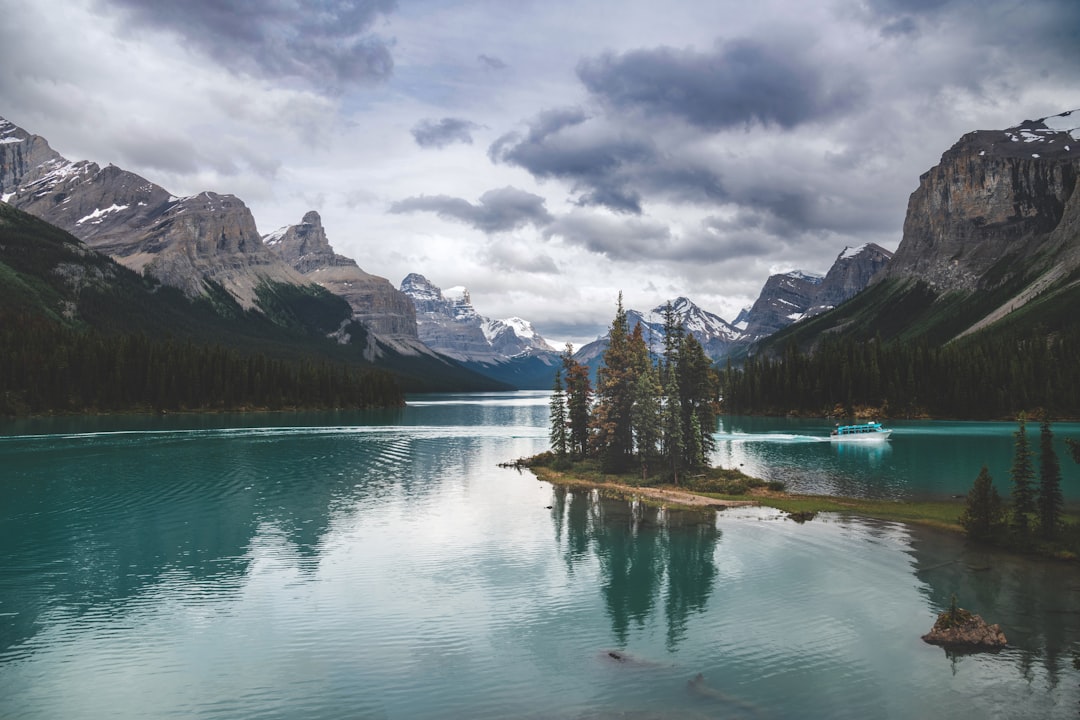
Day 6: If extending the Icefields Parkway drive: continue north to Athabasca Falls and Jasper National Park (Jasper town is 4 hours from Banff on the Parkway). Jasper is less visited than Banff and wilder — Maligne Lake (30km from Jasper town, with Spirit Island accessible by boat tour) is one of the Rockies’ most photographed locations.
Alternatively: return toward Calgary, stopping at Three Sisters viewpoint near Canmore, and the Glenbow Museum in Calgary (excellent Indigenous Peoples and Western Canadian history collection).
Day 7: Calgary exploration (the Inglewood neighbourhood, the National Music Centre, Stampede Park) before departure from Calgary International Airport (YYC).
Practical Notes
Car rental: Essential for the Rockies. Book well ahead in summer — demand is high. An SUV or AWD is recommended for mountain roads (especially if visiting October–May when snow is possible).
Parks Canada pass: A Banff National Park day pass (€10/vehicle) or Discovery Pass (annual, unlimited, excellent value if visiting multiple parks) is required for all vehicles in the park.
Wildlife safety: Bears are present throughout the Rockies. Carry bear spray (available at outdoor stores in Banff and Calgary). Never approach wildlife. Make noise on trails.
Accommodation: Banff fills completely in July–August. Book months ahead. Canmore (20 minutes from Banff) is cheaper and still well-located.
Best time: Late June–early September for dry, warm conditions and accessible trails. October for autumn colours and far fewer crowds. January–March for skiing and winter experience.
Plan your trip