Two Weeks in Canada: The Ultimate 14-Day Itinerary
Plan your trip
Two weeks in Canada allows you to cross the extraordinary cultural and geographical divide between the country’s east and west — from the French-speaking culture of Québec to the Pacific rainforests of British Columbia, from the urban intensity of Toronto to the wilderness of the Rockies. This is Canada at its most complete.
Days 1–2 – Québec City
Begin in Québec City — the only walled city north of Mexico, a UNESCO World Heritage Site, and the most thoroughly French city in North America. Founded in 1608, it has maintained its French-speaking character, its architecture, and its distinct cultural identity through 400 years of British colonialism and American cultural dominance.
Day 1: Old Québec (Vieux-Québec) — the walled upper city (Haute-Ville) with its cobblestoned streets, Château Frontenac (the grand railway hotel that dominates every view of the city), and the Terrasse Dufferin (a wooden boardwalk promenade overlooking the St. Lawrence River and the Plains of Abraham). Walk the ramparts — the only remaining fortified city walls in North America north of Mexico.
The Plains of Abraham (Parc des Champs-de-Bataille): the site of the 1759 battle where British forces under Wolfe defeated French forces under Montcalm, effectively ending French rule in North America. A huge urban park today.
Day 2: Old Port (Vieux-Port) in the lower city — the historic port district with the Quartier Petit-Champlain (narrow 17th-century streets with boutiques, cafés, and restaurants). The Funiculaire connects upper and lower city dramatically.
Québécois food: Poutine (french fries, cheese curds, gravy — the essential Québec dish), tourtière (meat pie), and maple syrup in every form. Dinner at a rôtisserie or brasserie québécoise — the city’s restaurant culture is excellent.
Days 3–4 – Montréal
Train or bus from Québec City to Montréal (2.5–3 hours) — Canada’s most European city, a bilingual metropolis of 4.2 million people with a world-class food scene, extraordinary festivals, and an underground city (the RÉSO — 33km of underground walkways connecting 1,700 buildings, built to deal with Montréal winters).
Day 3: Vieux-Montréal — the historic old city on the St. Lawrence, with cobblestone streets, 18th-century stone buildings, and the Basilique Notre-Dame (completed 1829 — one of North America’s most beautiful churches, with a midnight-blue interior decorated with gold stars). Marché Bonsecours (1847 public market, now a boutique and cultural centre).
Day 4: Mont Royal — the small mountain at the centre of the city, designed by Frederick Law Olmsted (who designed Central Park). Walk or cycle to the Kondiaronk Belvedere overlook for the full city panorama. Then: Mile End neighbourhood — the city’s most creative quarter, home to Montréal’s bagel culture (wood-fired bagels from Fairmount and St-Viateur — entirely different from New York bagels and the subject of fierce local debate), the Plateau-Mont-Royal café scene, and excellent restaurants.
Montréal is famous for having more restaurants per capita than New York. Dinner in Mile End or the Plateau deserves a reservation at something specific.
Days 5–7 – Toronto
VIA Rail train from Montréal to Toronto (5 hours — one of Canada’s great train journeys, through the Ontario farmland). Three days in Canada’s largest city.
Day 5: CN Tower and Harbourfront, St. Lawrence Market (weekend market), Distillery District.
Day 6: Royal Ontario Museum morning, Queen Street West afternoon, Kensington Market evening — the city’s most characterful neighbourhood, a multicultural patchwork of vintage shops, international food stalls, and independent cafés.
Day 7: Niagara Falls day trip (90 minutes each way). The falls are genuinely staggering — the volume of the Horseshoe Falls (90% of the flow) has to be seen from boat level to understand the scale. The Hornblower/Niagara City Cruises boat tour goes directly into the mist at the base of the falls.
Optional: cross into the US side at Niagara Falls, New York — the American side has better views of the full falls from above.
Days 8–10 – Canadian Rockies (Banff)
Fly from Toronto to Calgary (YYC) — 4 hours. Collect rental car and drive 90 minutes to Banff.
Day 8: Lake Louise (turquoise glacial lake with Victoria Glacier at the head) and the Plain of Six Glaciers hike (12km return to the teahouse). Drive the beginning of the Icefields Parkway — stop at Bow Lake and Crowfoot Glacier viewpoint.
Day 9: Moraine Lake (requires Parks Canada shuttle reservation — make it months ahead in summer). The “Twenty Dollar View” lives up to it completely. Afternoon: Banff townsite exploration and Sulphur Mountain gondola.
Day 10: Johnston Canyon (canyon walk through carved limestone to waterfalls) and drive toward Jasper. The Icefields Parkway in full: Peyto Lake viewpoint, Athabasca Glacier (walk to the edge of the glacier — a genuine icefield), Sunwapta Falls, Athabasca Falls (most powerful waterfall in the Rockies). Arrive in Jasper for the night.
Days 11–12 – Jasper & Drive to Vancouver
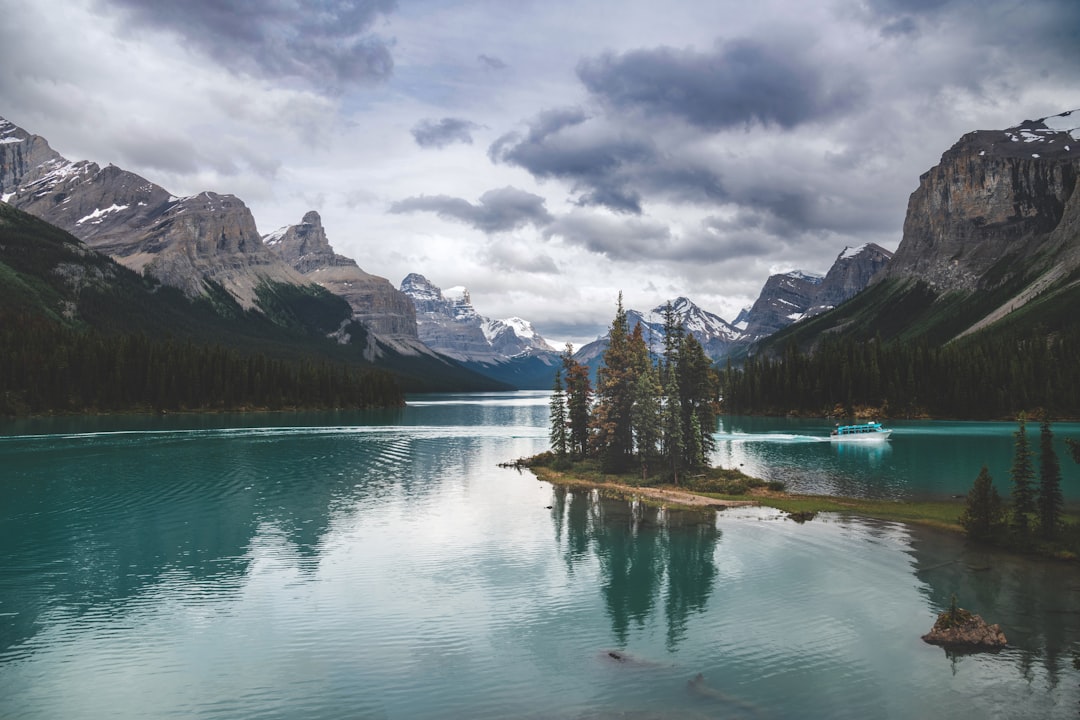
Day 11: Jasper National Park — less visited and wilder than Banff. Maligne Lake (30km from Jasper: the most beautiful lake in the Rockies, with Spirit Island accessed by boat tour through scenery that has appeared on nearly every Canadian Rocky Mountain poster ever printed). Pyramid Lake for kayaking.
Day 12: Drive the Yellowhead Highway or take the Rocky Mountaineer (if booked — the rail journey through the Rockies is extraordinary and priced accordingly). Otherwise fly from Calgary or Edmonton to Vancouver (2.5 hours).
Arrive in Vancouver — Canada’s Pacific city, surrounded by ocean and mountains, with one of the world’s best food scenes, a mild climate, and a particular West Coast culture that is different from anywhere else in Canada.
Days 13–14 – Vancouver
Day 13: Stanley Park — 1,000 acres of old-growth forest and waterfront, connected to downtown by the Seawall (a 22km pedestrian and cycle path around the park’s perimeter). The park has enormous old Douglas fir and western red cedar. Prospect Point for views of the Lions Gate Bridge and North Shore mountains.
Granville Island: an industrial island under the Granville Bridge converted into a public market, arts workshops, and restaurants. The market has some of the finest food shopping in Canada — fresh Pacific salmon, Dungeness crab, local cheeses, prepared foods. Lunch here is excellent.
Day 14: North Shore mountains — take the SeaBus across Burrard Inlet to North Vancouver, then a bus to Grouse Mountain or Cypress Mountain for views back over Vancouver and the Strait of Georgia. In summer, extensive hiking trails; in winter, skiing visible from the city.
Gastown (the historic original Vancouver settlement, with Victorian brick architecture and the famous steam-powered clock) and Chinatown (the oldest Chinatown in Canada, with the remarkable Dr. Sun Yat-Sen Classical Chinese Garden) for the afternoon.
Depart from Vancouver International Airport (YVR) — direct flights to London, Paris, Amsterdam, and most European hubs.
Practical Notes
Flying east to west: The logical routing is Europe → Québec City/Montréal → Toronto → Calgary (Rockies) → Vancouver → Europe. Most transatlantic airlines serve Montréal, Toronto, and Vancouver — book the open-jaw route (fly into one city, out of another).
VIA Rail: Canada’s national passenger rail is beautiful for the Québec City–Montréal–Toronto corridor. For the Rockies, the Rocky Mountaineer (Calgary to Vancouver) is a premium experience. Regular scheduled rail between Toronto and Vancouver (The Canadian) takes 4 days.
Car rental: Essential only for the Rockies. Cities all have excellent public transport.
Parks Canada passes: Required for all national parks. The Discovery Pass covers unlimited entry to all parks nationally — excellent value for a two-week trip that includes both Banff and Jasper.
Budget: Canada is an expensive destination. Accommodation in Vancouver and Toronto runs €100–200/night mid-range. Banff peaks at €180–350 in summer. Budget €150–280/day mid-range.
Plan your trip