Cairo Practical Guide: Visas, Currency, Safety & What to Know Before You Go
Plan your trip
Cairo rewards visitors who arrive with a clear set of practical expectations. The city is genuinely overwhelming — 23 million people, chaotic traffic, persistent touts at tourist sites — but it is also safe, remarkably affordable, and profoundly interesting. The practical notes below address the specific situations that cause visitors the most friction.
Visas
Visa on arrival (at Cairo International Airport): Available to most nationalities, including US, UK, EU, Australian, and Canadian citizens. Fee: $30 USD (single entry) or $60 USD (multiple entry). Process:
- Go to the bank kiosk (before the immigration desk)
- Pay the fee in USD (exact or near-exact amount preferred)
- They give you a sticker visa
- Proceed to the immigration desk with the sticker in your passport
E-Visa (recommended for advance planners): Apply online at evisa.eeaa.gov.eg. Processing: 3–5 business days. Valid for 30 days from first entry. Slightly more convenient than visa-on-arrival as it avoids the bank kiosk queue.
Schengen visa holders may qualify for a free 15-day visa on arrival — verify with the Egyptian embassy before traveling.
Currency
Egyptian Pound (EGP), also written as LE (Livre Égyptienne).
Exchange rate (2026): Approximately 48–52 EGP per USD. Verify current rate before travel — the Egyptian pound has experienced significant volatility in recent years and may fluctuate.
Cash is essential:
- Approximately 90% of small shops, street vendors, and markets accept cash only
- Tourist attractions now require card payment (the Giza Plateau and GEM do not accept cash)
- Street food: cash only
- Bazaars and markets: overwhelmingly cash-only
Where to exchange:
- Airport exchange desks are convenient for initial cash but offer lower rates
- Banks and licensed exchange offices in Zamalek and Downtown Cairo offer better rates
- ATMs are widely available across Cairo (major banks: Banque Misr, CIB, HSBC)
Practical amounts to carry:
- 50–200 EGP: daily street food, Metro tokens, small tips
- 500–1,500 EGP: market shopping
- Attractions: card payment required
USD in Cairo: The US dollar is widely accepted for larger transactions (hotels, some shops), but you’ll often receive unfavorable rates. Pay in EGP wherever possible.
Safety
Cairo is generally safe for tourists. The Egyptian government maintains a visible security and tourist police presence at major attractions.
The main practical risks:
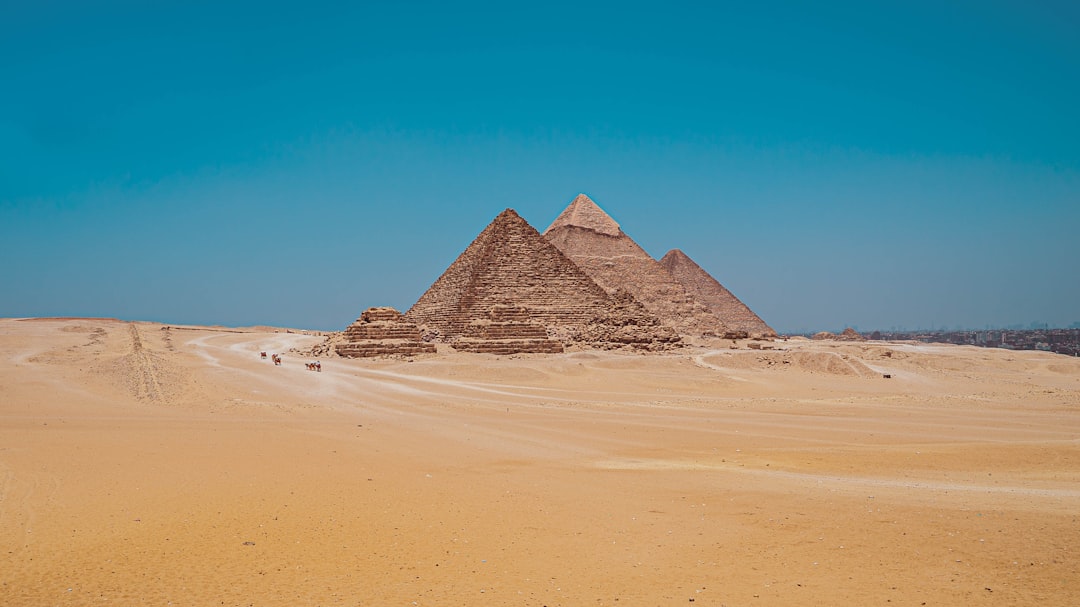
Touts at the Pyramids: The most persistent hassle in Cairo. Men on camels and horses will approach offering “free” photos or rides. They are not free. The effective response: look ahead, walk at normal pace, and say “la shukran” (no thank you) without breaking stride or engaging in conversation. Engaging — even to say no — is interpreted as negotiating interest.
Overpriced taxis: Traditional taxis without agreed prices result in disputes at destination. Uber eliminates this entirely.
Market scams: Common pattern — a friendly offer of tea in a shop, followed to a high-pressure sale. Accepting tea creates no obligation; simply say no and leave. The “papyrus museum” scam (a shop that calls itself a museum) is common near Islamic Cairo.
Pickpocketing: In Khan el-Khalili and other crowded markets, keep valuables in a front pocket or a bag that closes securely. Not a major problem relative to major European tourist cities, but worth awareness.
Demonstrations: Avoid political gatherings.
Neighborhoods that are safe for tourists: Zamalek, Downtown, Giza plateau area, Maadi, Islamic Cairo/Khan el-Khalili (during the day and early evening), Coptic Cairo, Heliopolis. Standard big-city vigilance applies.
Dress Code
Egypt is a predominantly Muslim country and conservative dress is expected and appreciated throughout the city.
For all visitors (both genders):
- Cover shoulders and knees in most public spaces
- Lightweight cotton or linen long trousers and a loose long-sleeved shirt work in all environments
- Remove shoes before entering mosques
At mosques (women):
- Cover hair with a scarf — scarves are often available at mosque entrances for visitors
- No sleeveless tops, shorts, or tight-fitting clothing
At churches: Modest dress required; head covering optional but respectful.
Zamalek and upscale neighborhoods: More relaxed — shorts and short-sleeved shirts are common in restaurants and shops. Still avoid singlets and very short shorts in public streets.
The practical approach: One pair of loose linen trousers works for all mosque visits and most outdoor activities. A light cotton scarf (for women) doubles as sun protection and mosque head covering.
Best Time to Visit
November–February: The best weather for outdoor sightseeing — 15–22°C, comfortable for the Pyramids and walking tours. Peak tourist season; slightly higher prices and busier sites.
March–May and September–October: Shoulder seasons with fewer crowds and acceptable temperatures (20–30°C). Good for visiting in March–April before the heat builds.
June–August: Genuinely hot (35–42°C, occasionally higher). Not recommended for outdoor-heavy itineraries. Indoor sites (GEM, Egyptian Museum) are still comfortable.
Ramadan (dates change annually): A unique experience — the city transforms at night with iftar gatherings and festive atmosphere. Some sites have reduced daytime hours. The evening energy in neighborhoods like Islamic Cairo during Ramadan is one of the most memorable things you can experience in Cairo.
Useful Arabic Phrases
| Phrase | Arabic | Use |
|---|---|---|
| Thank you | Shukran (شكرًا) | Universal |
| Please | Min fadlak (من فضلك) | Universal |
| How much? | Bekam? (بكام؟) | Shopping |
| No thank you | La shukran (لا شكرًا) | Deflecting touts |
| No money | Mafi floos (مافي فلوس) | Pyramids touts |
| Hello | Ahlan / Marhaba | Greeting |
| Where is…? | Feen…? (فين؟) | Directions |
Tipping (Baksheesh)
Tipping is an integral part of Cairo’s service culture — small tips are expected for most interactions:
- Mosque/site custodians who show you something: 20–50 EGP
- Guides (private, half-day): 200–500 EGP
- Restaurant service: 10–15% (often not included in the bill)
- Hotel porter: 20–50 EGP per bag
- Uber drivers: Not expected through the app; rounding up is appreciated in cash
Always have small EGP notes available — 20 and 50 EGP denominations are the most useful.
Plan your trip