Grand Egyptian Museum: The Complete Visitor Guide
Plan your trip
The Grand Egyptian Museum (GEM) opened to the public in 2023 after two decades of construction and is immediately one of the most significant museum openings of the 21st century. The billing — “world’s largest museum dedicated to a single civilization” — is accurate. The building covers 480,000 square meters near the Giza Plateau; the collection holds over 100,000 artifacts. And for the first time in history, all 5,398 objects from Tutankhamun’s tomb are displayed together.
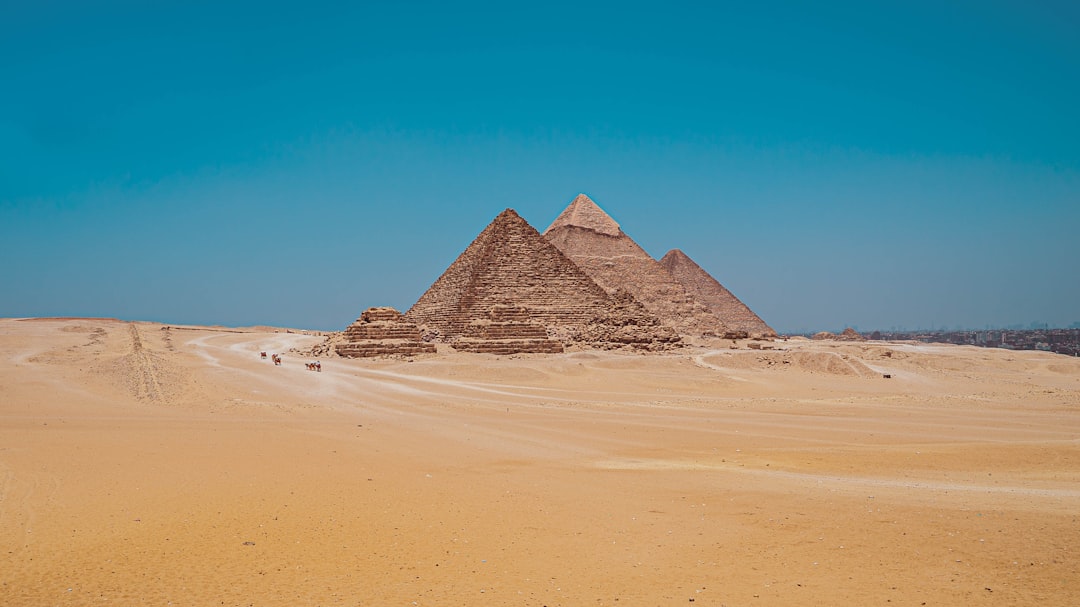
The GEM is approximately 2 km from the Pyramids. Most visitors combine both in a single day.
What Makes the GEM Unique
The complete Tutankhamun collection: When Howard Carter discovered Tutankhamun’s tomb in 1922, he found it intact — undisturbed for over 3,200 years. The 5,398 objects he catalogued have never, until now, been displayed together in a single location. The golden mask (the most recognizable object in Egyptian archaeology), the golden throne, four dismantled chariots, 139 ebony and ivory walking sticks, the canopic shrine containing his internal organs — all of it is here, in dedicated galleries that give each object the space it requires.
The view from inside: The Grand Hall and several gallery spaces are oriented to face the Pyramids of Giza through floor-to-ceiling windows. You can see the Pyramids from inside the museum — a spatial relationship between the collection and its origin that no other museum in the world can offer.
Khufu’s Solar Boat: A 4,500-year-old cedarwood boat buried next to the Great Pyramid to carry the pharaoh’s soul into the afterlife. 43 meters long, constructed without nails, disassembled into 1,224 pieces and reassembled. After decades in a purpose-built museum on the Giza Plateau, the Solar Boat was relocated to the GEM in 2021 — it now has the exhibition it deserves.
The Grand Staircase: The entrance staircase is lined with colossal statues of Egypt’s greatest pharaohs. The centerpiece is the statue of Ramses II — 11 meters tall, originally from Ramses Square in Cairo, moved to the GEM after the square’s reconstruction.
Entry Fees and Tickets
All foreign visitor tickets must be purchased online in advance — no on-site ticket sales for foreign visitors.
Book at: tickets.gem.eg
| Ticket | Price |
|---|---|
| Foreign adults (18+) | 1,450 EGP (~$29 USD) |
| Foreign students/children (6–25 with valid ID) | 730 EGP |
| Children under 6 | Free |
There are 8 daily entry time slots — select yours at booking. Weekend slots (Thursday and Friday in Egypt) fill weeks in advance during high season. Book as early as possible.
Opening Hours
- Grounds, shops, cafés: 8:30 AM – 7:00 PM daily
- Galleries: 9:00 AM – 6:00 PM daily; extended to 9:00 PM on Wednesdays and Saturdays
The Wednesday/Saturday evening extension is worth considering — lighting effects in the gallery are dramatic, and the crowd is typically smaller than morning slots.
What to See: A Room-by-Room Guide
The Grand Staircase and Entry Hall
The experience begins before the galleries — the entrance staircase lined with royal statues sets the scale. Allow your eyes to adjust to the space before moving into the collection.
Tutankhamun Galleries
The centerpiece of the GEM — 21 dedicated rooms displaying the complete tomb contents organized thematically: funerary equipment, personal items, ritual objects, and the famous treasures. The golden death mask and the throne are in separate display rooms with enough space to properly appreciate them. Allow at least 2 hours in these galleries alone.
The golden mask: Made of 11 kg of solid gold inlaid with lapis lazuli, obsidian, quartz, and colored glass. Made specifically for Tutankhamun’s mummified face. The beard is detachable (it broke off at some point and was reattached with an epoxy that later became controversial; it’s been properly restored).
The golden throne: Found in the antechamber of the tomb — decorated with gold, silver, and colored glass. The backrest panel shows Tutankhamun and his wife Ankhesenamun in a private domestic scene, unusual for royal Egyptian art which typically depicted formal or ritual moments.
Khufu’s Solar Boat
A dedicated hall houses the Solar Boat — arrive prepared for the scale. The boat is displayed at gallery level so you can look down along its full 43-meter length. The construction details (cedarwood planks tied with rope, designed to swell when wet to seal the hull) are explained through bilingual interpretive panels.
Main Collection Galleries
The remaining galleries cover Egyptian history from the Predynastic period (before 3100 BC) through the Late Period and Ptolemaic dynasty. Organized chronologically, the collection includes monumental statuary, relief carvings, mummies, daily life objects, jewelry, and papyri. The scale is overwhelming — a thorough visit of the full collection takes 5–6 hours.
Practical Tips
How long to allow: 3 hours minimum for the Tutankhamun galleries and Solar Boat. 5–6 hours for a comprehensive visit. Full-day visits are practical — there are cafés and restaurants on the ground floor.
Photography: Permitted throughout the museum with a personal camera or phone. No tripods.
Audio guides: Available for rent at the entrance (~200 EGP). The Tutankhamun gallery audio guide is the most valuable — it provides context for individual objects that the printed panels don’t always cover.
Combined GEM + Pyramids day: The GEM in the morning (9 AM entry, 3–4 hours) followed by the Pyramids in the afternoon is the most common and sensible combination. Uber between the two costs ~30–40 EGP.
Getting there: Uber from central Cairo — 30–50 minutes, 100–200 EGP. The GEM is not on the Metro.
GEM vs. Egyptian Museum (Tahrir Square)
The Egyptian Museum at Tahrir Square has been Cairo’s primary antiquities museum since 1902. With the opening of the GEM, the collection has been partially divided:
- GEM: The complete Tutankhamun collection, the Solar Boat, modern interpretive standards, near the Pyramids
- Egyptian Museum (Tahrir): 120,000 additional artifacts including monumental statuary; older atmosphere; accessible by Metro
- National Museum of Egyptian Civilization (NMEC): Now houses the Royal Mummies — 22 royal mummies relocated from the Egyptian Museum in a celebrated 2021 parade
With limited time: the GEM + Pyramids on one day; the Egyptian Museum (Tahrir) on another if time allows. The NMEC (mummies) is a third option for dedicated history visitors.
Plan your trip