The Pyramids of Giza and the Sphinx: Complete Visitor Guide
Plan your trip
The Pyramids of Giza are the only surviving structure from the Seven Wonders of the Ancient World — built over 4,500 years ago and still the tallest structures humans built for nearly 4,000 years after their construction. No description or photograph prepares you for the scale when you first see them. The Great Pyramid of Khufu is 138 meters tall; each of the 2.3 million stone blocks weighs an average of 2.5 tons.
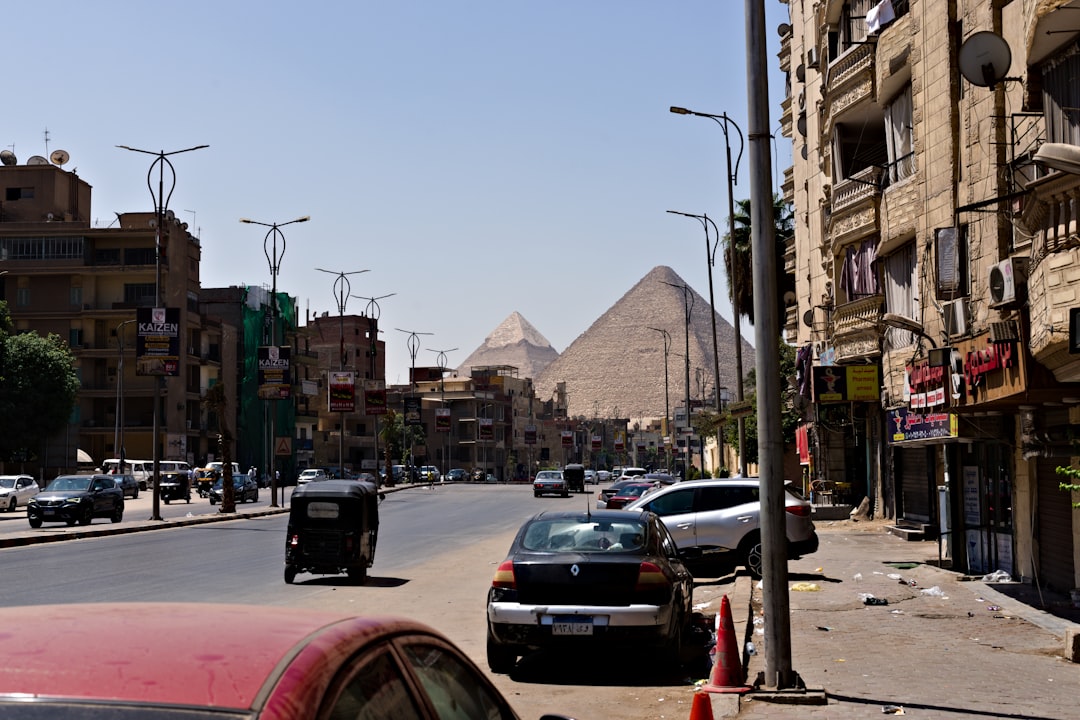
They are also, on a practical level, a tourist site with persistent touts, in an outer suburb of a city of 23 million people. Knowing how to navigate the visit makes the difference between a transcendent experience and an exhausting one.
The Three Pyramids
Great Pyramid of Khufu (Cheops): The largest — 138 meters high (originally 146 m before the outer casing stones were removed), built around 2560 BC. One of the most precisely constructed structures ever built — the base is level to within 2.1 cm. Interior entry available for an additional fee.
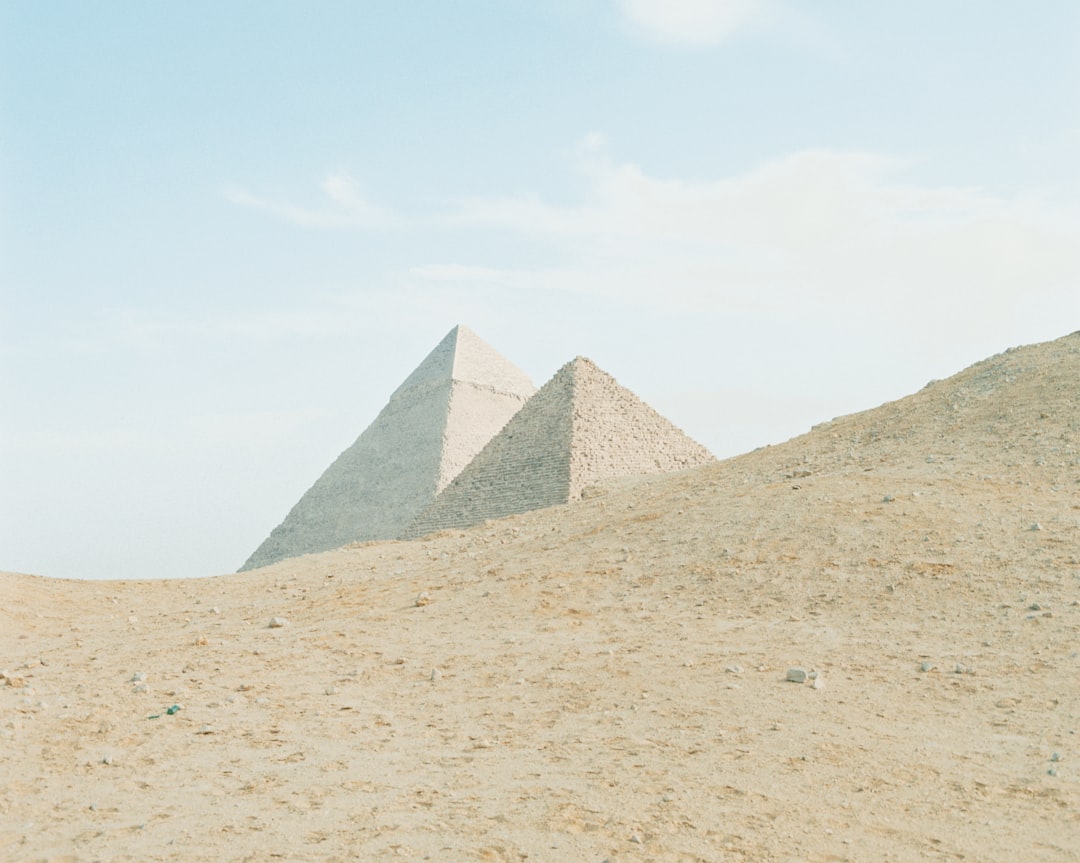
Pyramid of Khafre: Slightly smaller (136 m) but appears taller because it sits on higher ground and retains some of its original white Tura limestone casing at the apex. Interior entry available.
Pyramid of Menkaure: The smallest (65 m), built last, around 2510 BC. Interior entry available.
The Great Sphinx: A 73-meter-long limestone statue with a human head and lion body, carved from a single outcrop of rock. Faces east toward the sunrise. The nose was famously damaged — by whom and when is still debated (Napoleon’s soldiers are a myth; the most credible account is a religious fanatic in the 14th century).
Entry Fees
All tickets must be purchased with a card — no cash accepted at the plateau gates. Book at egymonuments.gov.eg.
| Ticket | Foreign adults | Students |
|---|---|---|
| Giza Plateau (general) | 350 EGP | |
| Great Pyramid interior | 1,500 EGP (~$30) extra | — |
| Pyramid of Khafre interior | 280 EGP extra | — |
| Pyramid of Menkaure interior | 200 EGP extra | — |
Prices fluctuate — always verify current fees at egymonuments.gov.eg before visiting.
Hours: 8:00 AM – 5:00 PM daily.
Sound & Light Show: ~450 EGP. Evening show in 10 languages narrating the story of the pharaohs. Book through soundandlight.show.
Getting There
Uber/Careem from central Cairo: 30–50 minutes, 100–180 EGP ($2–4). The most practical option.
Bus 997 from Tahrir Square: Very cheap (a few EGP) but slow and indirect. Not recommended for first-time visitors.
Combining with the GEM: The Grand Egyptian Museum is 2 km from the plateau. Many visitors see both in one day — GEM in the morning (cooler, quieter) and the Pyramids in the afternoon. Uber between the two: ~30–40 EGP.
When to Go
Early morning (8:00–10:00 AM): Cooler temperatures, softer light for photographs, smaller crowds. This is the clear best time.
Avoid midday in summer: June–September temperatures at the plateau can exceed 40°C with no shade. If visiting in summer, arrive at opening time and leave by noon.
October–April: The entire day is manageable temperature-wise. November–February is peak tourist season — busier but pleasant.
Inside the Pyramids
Entering a pyramid is a specific experience — low, narrow passages (you will need to duck and crouch) leading to the burial chambers. The Great Pyramid’s King’s Chamber is at the end of the Grand Gallery, a 47-meter ascending corridor. The chamber itself is relatively modest — an empty granite room with the sarcophagus of Khufu (no mummy; it was removed in antiquity).
Is it worth it? Depends on what you seek. For the experience of physically being inside a 4,500-year-old structure — yes. For visual spectacle — the outside view of the pyramids from the plateau is more impressive than the interior.
Claustrophobia note: The passages are genuinely confined. If you’re uncertain about tight spaces, the exterior experience of the plateau is complete without entering.
The Sphinx
The Great Sphinx sits in a depression in front of the pyramid complex of Khafre. You approach from the east to face it — the viewing platform is 50–100 meters away. There is no separate entry fee beyond the plateau ticket.
What to look for: The natural rock outcrop from which it was carved is still visible in the lower portions of the statue. The “Dream Stele” between the paws (a limestone slab placed by Thutmose IV) records a dream he had as a prince, in which the Sphinx promised him the throne if he cleared away the sand that had buried it.
Managing the Visit
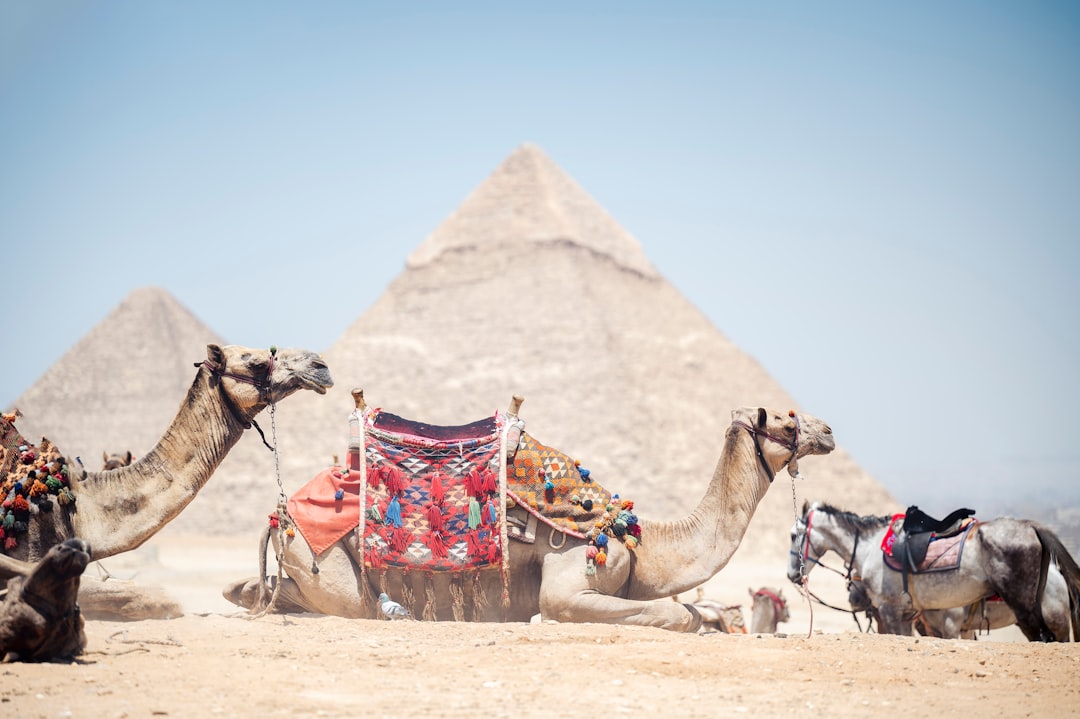
The camel/horse touts: The most persistent aspect of the Giza experience. Men will approach with camels or horses offering “free” rides or photos, then demand large sums. The correct response is a firm, unhurried “la shukran” (no thank you) without breaking stride. If you want a camel ride, negotiate the full price including return and tip before mounting, in writing if possible. ~300–800 EGP for 30–60 minutes.
Photography: The plateau allows photography throughout. The best angles are from the south (looking northwest toward all three pyramids together) and from the panoramic viewpoint reached by the road that loops around the plateau.
The panoramic viewpoint: Drive or Uber around the south side of the plateau to a road with the classic three-pyramid view — all three in a diagonal line with nothing in the background. This is the photograph. The plateau viewpoint on the north side gives a closer but less compositionally clean view.
Bring: Water (multiple bottles — no shade at the plateau), sunscreen, hat, comfortable walking shoes. There are vendors inside selling water at inflated prices (~50–80 EGP per bottle).
The Giza Plateau in Context
The plateau contains more than the three main pyramids — there are also the pyramids of the queens (three smaller pyramids for Khufu’s wives), the Valley Temple of Khafre (where the Sphinx Dream Stele was found), workers’ villages discovered in 1990 that disproved the “slaves built the pyramids” theory (they were fed workers paid in bread and beer), and various mastaba tombs of nobles.
A full exploration of everything on the plateau takes a full day. Most visitors cover the main areas — the three pyramids, the Sphinx, and the panoramic viewpoint — in 3–4 hours.
Plan your trip