Nuuk Travel Guide: The World's Smallest Capital at the Edge of the Arctic
Plan your trip
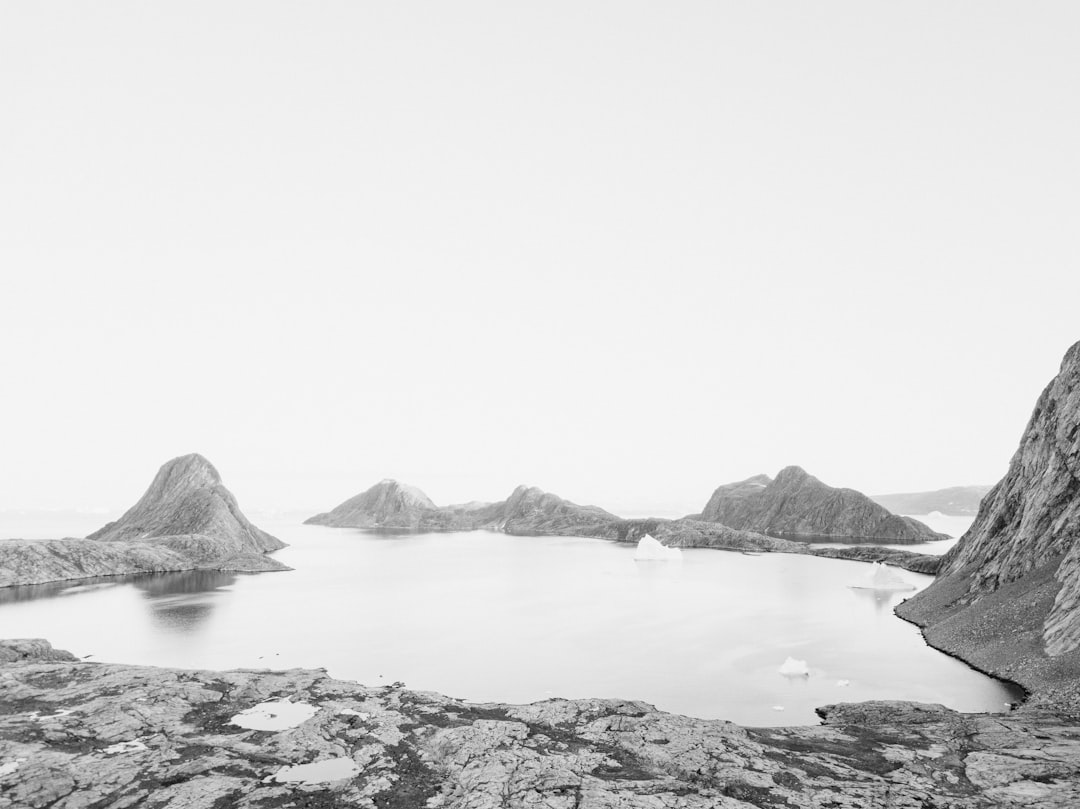
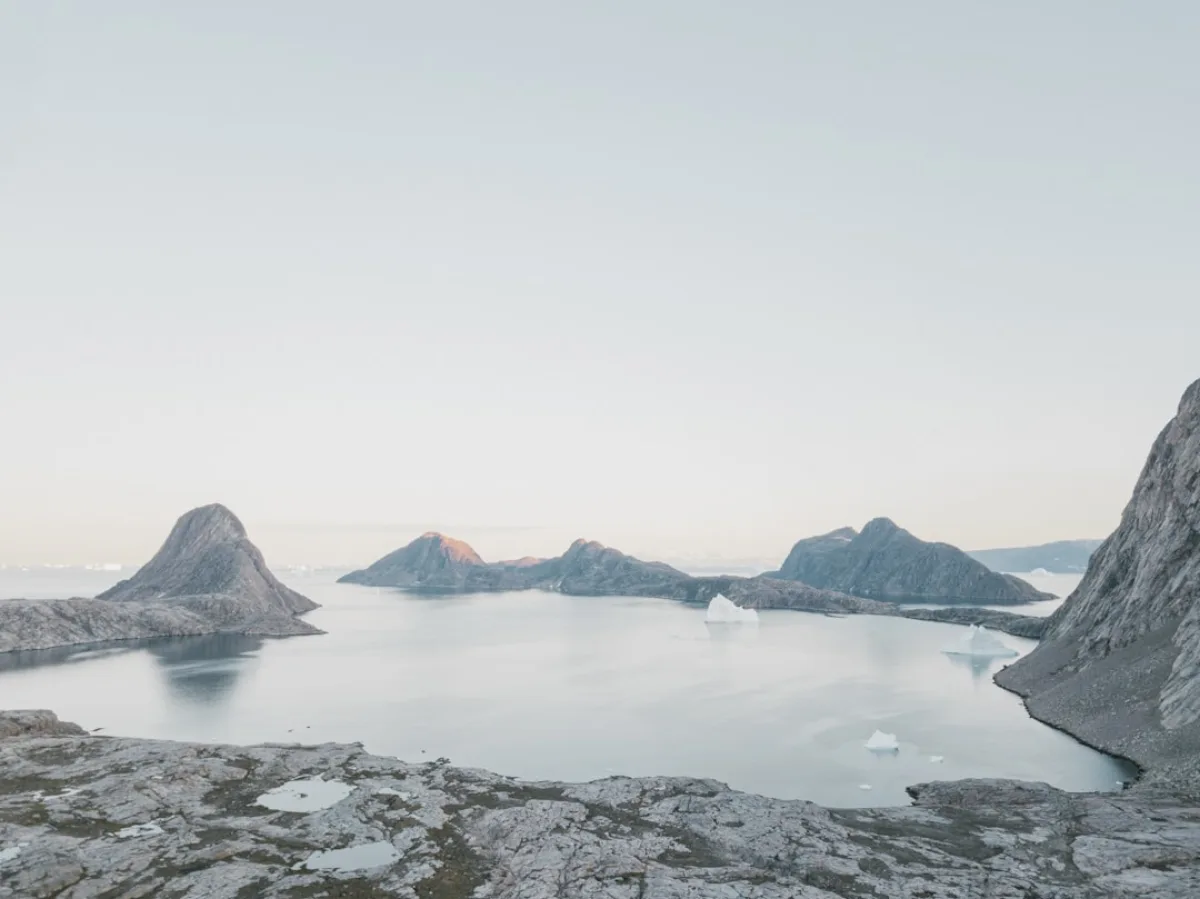
Nuuk is the world’s smallest national capital by population — approximately 19,000 people, roughly the size of a small market town in most countries, yet the cultural, political, and economic center of the world’s largest island. Located on the southwestern coast of Greenland at 64°N latitude (slightly north of Reykjavik), it sits where the Nuuk Fjord system meets the Labrador Sea — one of the most dramatic natural settings of any capital city on earth.
Greenland has emerged as a significant travel destination for a specific reason: it offers an extreme version of what travelers in 2025–2026 are seeking — genuine remoteness, Arctic nature, Inuit cultural encounters, and an escape from heat and crowds. The term “coolcation” — traveling to cold places during increasingly hot summers — is driving new interest in destinations like Nuuk, Ilulissat, and the Greenlandic coast.
Why Greenland in 2026
The coolcation effect: As European and North American summers grow hotter and crowded beach destinations become less appealing, Arctic and sub-Arctic destinations are seeing unprecedented interest. Greenland offers everything the coolcation trend promises: cool temperatures year-round, landscapes of ice and fjord, wilderness access within minutes of the capital, and an almost complete absence of mass tourism infrastructure.
Political visibility: The geopolitical attention on Greenland (discussions around independence, international interest in its rare earth minerals, climate change making it increasingly accessible) has raised the island’s profile considerably. Visitors arriving in 2026 are seeing Greenland at a moment of real historical significance.
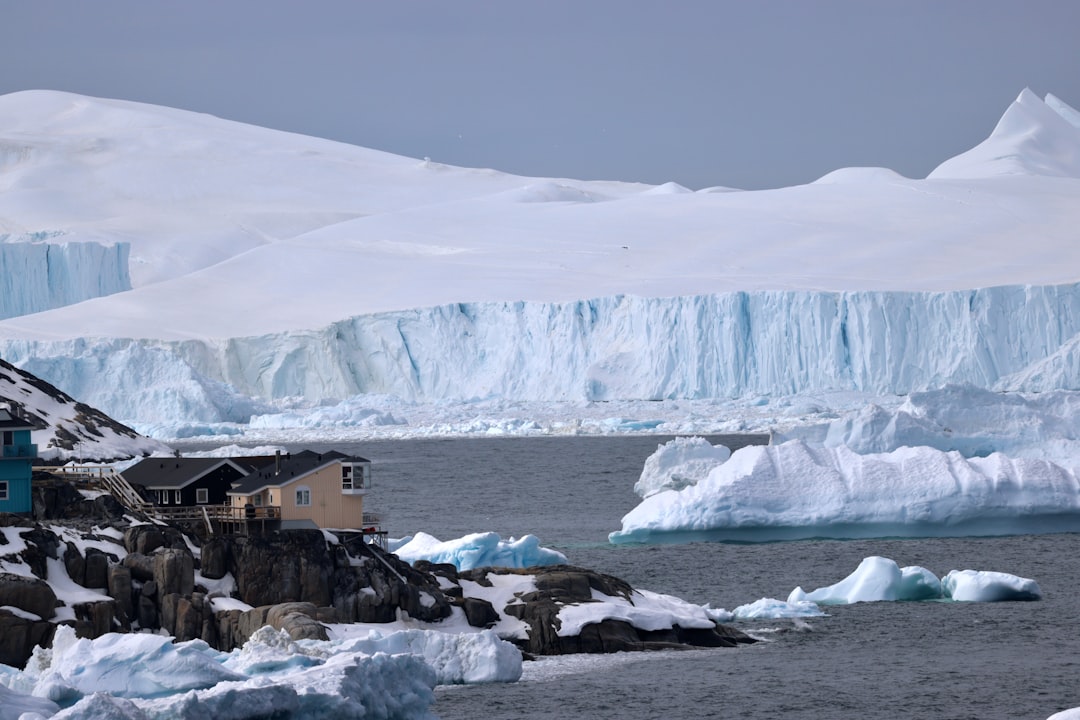
Scale of nature: The Greenland Ice Sheet covers 80% of the island’s total area. Nuuk sits on the ice-free coastal strip — but the Ice Sheet is visible from hilltops above the city. Icebergs calved from glaciers drift through the fjords. In summer, the light lasts 20+ hours per day.
Getting to Nuuk
Greenland has no road connections to the rest of the world and limited air connections.
By air: Air Greenland (airgreenland.com) operates most routes.
- Copenhagen → Nuuk: 4.5 hours. Flights 3–5 times per week. The primary connection point.
- Reykjavik (Keflavik) → Nuuk: Air Iceland Connect, ~3 hours. Fewer frequencies but useful if combining with Iceland.
- Kangerlussuaq hub: Many flights from Copenhagen connect via Kangerlussuaq (an inland airport, former US airbase), then a shorter hop to Nuuk.
New Nuuk International Airport: Greenland Airport opened in 2024, allowing direct transatlantic and transatlantic connections that weren’t previously possible. Check current routes at the time of booking.
Cost: Flights are expensive by European standards — Copenhagen–Nuuk round-trip typically €800–1,500 depending on season and booking time. This is the primary barrier to visiting Greenland.
When to Visit
Summer (June–August): Midnight sun, hiking in the fjord landscape, boat trips to see icebergs and whales, green tundra. Average temperatures 5–12°C. The best season for outdoor activity and the most accessible for wilderness hiking.
Autumn (September–October): Northern lights begin in September. Still accessible weather. Wildlife watching remains good. Nights lengthen quickly.
Winter (November–March): Northern lights are most reliable (long, dark nights). Dog sledding is possible from Nuuk. Temperatures -15 to -5°C. This is a more demanding visit but the northern lights spectacle is the reason most people come in winter.
Spring (April–May): Ski touring on the surrounding mountains (skis + skins, no lifts), dog sledding season ending, increasing light. Less visited but excellent for active travelers.
What to Do in Nuuk
The Old Town (Kolonihavn / Kolonihamnen)
The historic nucleus — a cluster of painted wooden houses from the 18th and 19th century colonial period clustered around the old harbor. The Hans Egede House (the Danish missionary who arrived in 1728), the Church of Our Saviour (Vor Frelsers Kirke, 1849), and the old colonial warehouses are here. Compact and walkable; the juxtaposition of colorful colonial buildings against the fjord and surrounding mountains is the most photographed scene in Nuuk.
Greenland National Museum
Hans Egedesvej 8 | Open Tuesday–Sunday
The primary Greenlandic cultural museum — collections covering Inuit culture from the earliest Dorset and Thule peoples through the modern period. The most significant artifacts: the Qilakitsoq mummies — six women and two children found preserved in a rock crevice near Ilulissat in 1972, dating to approximately 1475 AD. The preservation is extraordinary; clothing, facial features, and tattoo patterns remain visible. Entry 500 DKK (€65).
Sermitsiaq Mountain
The distinctive 1,210-meter peak visible from the entire city — the defining shape of Nuuk’s skyline and the symbol on the city’s coat of arms. A marked trail ascends in 3–5 hours (each way) depending on conditions and route. The view from the top encompasses the entire fjord system, icebergs visible as white flecks in the blue water below, the city, and on clear days the Greenland Ice Sheet to the east.
No technical climbing required; standard hiking fitness and proper footwear (waterproof, ankle support). Trail conditions vary significantly by season.
Fjord Boat Trips
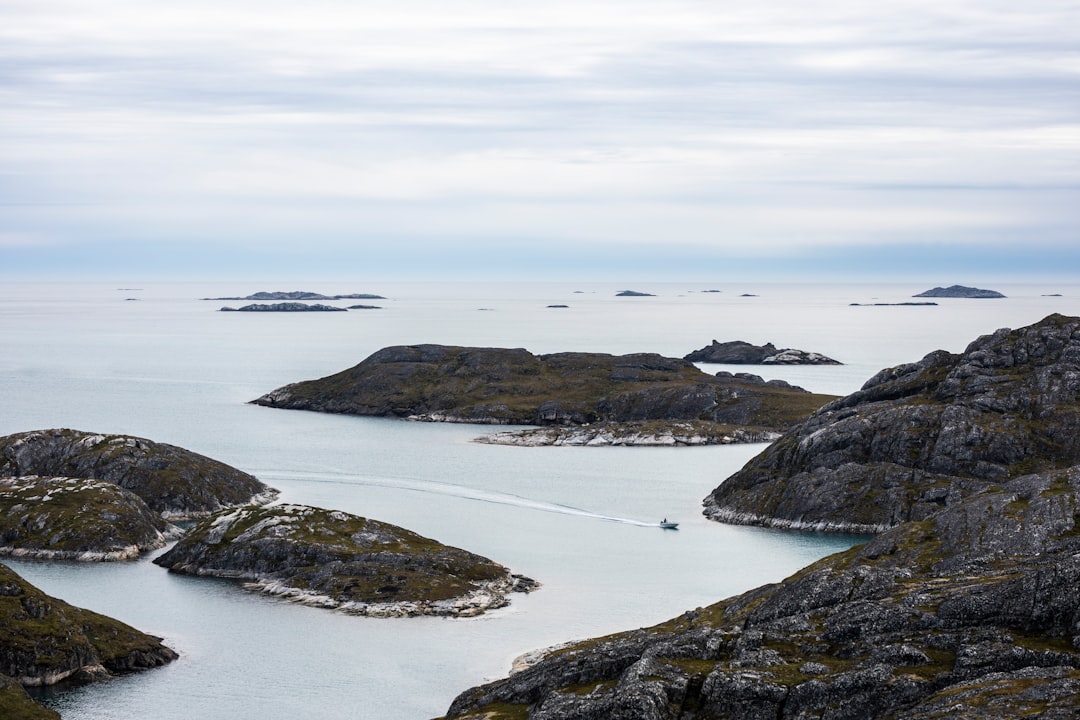
The Nuuk Fjord is one of the longest fjord systems in the world — over 180 km of waterways with no road access, navigable only by boat. From the city’s boat terminal, several operators offer:
- Day trips to the fjord: 4–6 hours through the inner fjord, passing small settlements, iceberg fragments, and the chance to see humpback whales, minke whales, and seals. ~1,500–2,500 DKK per person.
- Settlement visits: Boat trips to Kapisillit (the only inland settlement in all of Greenland, at the head of Ameralik fjord) or fishing villages accessible only by water.
Book through Visit Greenland (visitgreenland.com) or the Nuuk-based operators.
Northern Lights
Nuuk is within the northern lights belt (the auroral oval) and visible from September through March on clear, dark nights. The edge of the city provides decent viewing conditions; driving or snowshoeing to the hilltops above the city eliminates light pollution.
The northern lights are not guaranteed on any given night — auroral activity depends on solar conditions. A stay of 5+ nights significantly increases the probability of a sighting.
Practical Details
Currency: Danish Krone (DKK). Credit cards accepted in most places; some smaller guesthouses and market stalls prefer cash.
Language: Greenlandic (Kalaallisut) is the official language; Danish is widely spoken; English is understood in tourist-facing businesses.
Accommodation: Hotels in Nuuk are limited. The Hotel Hans Egede is the main full-service hotel. Guesthouses (pensionater) offer more basic but cheaper alternatives. Book well in advance — capacity is genuinely limited.
What to wear: Layer system with windproof outer layer year-round. Summer hiking: waterproof jacket, mid-layer, base layer, hiking boots. Winter: serious cold-weather gear — temperatures below -15°C possible with wind chill.
Budget: Greenland is expensive. A mid-range day (accommodation, meals, one boat trip) runs 2,000–3,500 DKK (~€250–450). Self-catering in a guesthouse with kitchen reduces the food cost significantly.
Plan your trip