Dog Sledding in Greenland: The Complete Winter Guide
Plan your trip
Dog sledding in Greenland is not a tourist attraction — it is a working tradition that has been the primary form of winter transport in Arctic Greenland for at least 4,000 years. The Greenlandic dog (Grønlandshund) is a distinct breed, genetically one of the oldest domestic dog breeds in existence, and every team you encounter is working stock: strong, loud, and built for temperatures that regularly hit -20°C or below.
The sledding season runs from February to late April in most areas — the window when sea ice is thick enough for safe travel but daylight has returned after the polar night. March is optimal: stable ice, increasing daylight (8–12 hours by mid-month), and still-cold temperatures that keep trail conditions fast.
Where to Sled
Sisimiut
The southernmost town in Greenland where dog sledding is practiced (below the Arctic Circle, pack ice is unreliable). Sisimiut sits at 66°N — just north of the Circle — with access to fjord ice and inland routes toward the Sisimiut-Kangerlussuaq trail corridor. Multi-day expeditions inland toward Kangerlussuaq (roughly 160 km) are possible with experienced guides.
Ilulissat
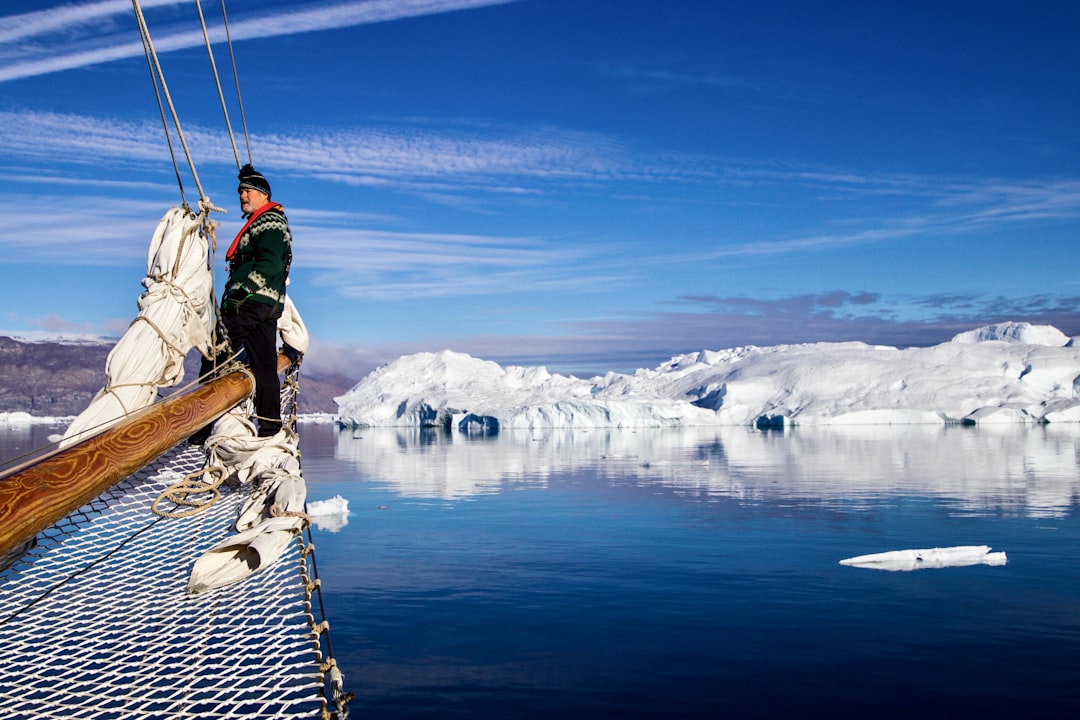
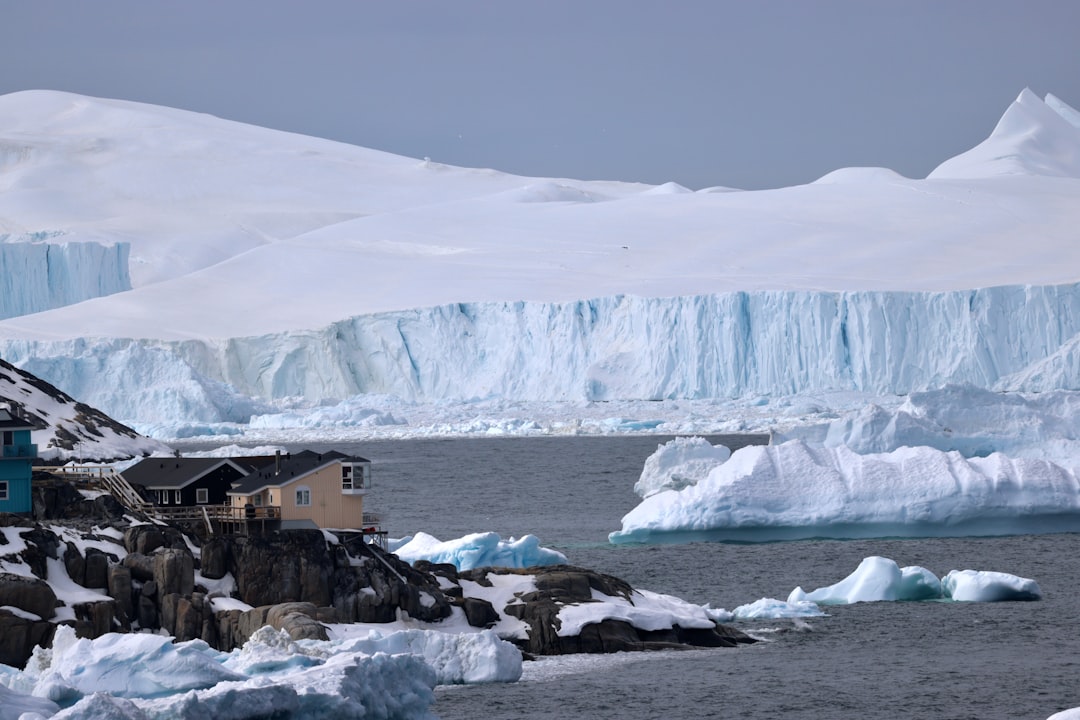
Further north (69°N) and more reliably icy. Ilulissat has one of the largest concentrations of registered sled dogs in Greenland — the town famously has more dogs than people. Tours from Ilulissat typically run across Disko Bay sea ice toward the Ilulissat Icefjord, offering the combination of active sledding with iceberg views.
Aasiaat, Qasigiannguit, Kangaatsiaq
Smaller communities with local mushers who offer less commercialized experiences. Reaching these requires internal Air Greenland flights; they reward visitors seeking more authentic, off-the-beaten-path experiences.
The Greenlandic Dog
The Greenlandic dog is protected by law — south of the Arctic Circle, keeping the breed is prohibited to preserve its genetic purity. The dogs are not household pets. They live outside year-round, tethered in fan formation (the traditional Greenlandic hitch, as opposed to the tandem hitch used in Alaska and Canada), and are bonded to their team and musher through work, not affection.
A standard team runs 8–16 dogs for a working sled. The fan hitch spreads dogs laterally across ice, giving each animal independent traction — essential when crossing sea ice of variable thickness. The lead dog in a fan configuration responds to voice commands; the musher steers with weight shifts and a snow hook for stopping.
Noise is part of the experience. Greenlandic dogs communicate constantly and loudly before departure — the howling of 30–50 chained dogs before a morning sled run is a sound unlike anything else in the Arctic.
What a Day Tour Looks Like
Most half-day tours run 2–4 hours and cover 20–40 km depending on conditions. Typical structure:
Meeting the team: Operators introduce you to the dogs (briefing on behavior, how to approach, what not to do). The dogs are harnessed while still chained — this is controlled chaos.
Departure: The sled moves fast. Greenlandic sleds (qamutit) are heavier than racing sleds — built for hauling cargo across rough ice — but still reach 15–20 km/h on good surface. Passengers typically ride in the sled; on some tours you can run alongside or take turns with the driving position.
On the ice: The musher navigates cracks, pressure ridges, and softer patches by reading the ice surface. March sea ice in Disko Bay is typically 50–80 cm thick in good years.
Return: Dogs are returned to their tethering spots and fed. Most operators offer traditional Greenlandic tea (coffee, actually, usually) and dried fish afterward.
Tour Operators
World of Greenland (Ilulissat): The largest operator, with standardized half-day (DKK 895) and full-day (DKK 1,595) options. Professional, English-speaking guides; large operation with consistent quality.
Albatros Arctic Circle (Ilulissat and Sisimiut): Another established operator; often combines dog sledding with other winter activities. Useful for multi-activity packages.
Local mushers: Both Sisimiut and Ilulissat have local mushers who offer private tours at negotiated rates. Ask at your hotel or the local tourist information office. These tours are less polished but often more authentic — you’re riding with someone who sleds for subsistence as much as tourism.
Practical Notes
Clothing: Operators provide outer gear (oversuit, boots, mittens) rated to -30°C. Wear merino wool base layers; avoid cotton entirely. Bring your own face protection (balaclava or buff) — the wind chill at 20 km/h in -15°C air is significant.
Booking: Book at least 2–3 months in advance for March peak season. Last-minute slots are occasionally available but unreliable for the best conditions.
Ice conditions: Tours can be cancelled due to unstable ice, poor visibility, or unusually warm spells. Operators typically rebook or refund; build a day’s buffer into your schedule.
Fitness: Sledding is passive — you are a passenger. Multi-day expeditions require fitness and cold-weather experience; single-day tours do not.
Cost: Half-day from DKK 800–1,000. Full-day from DKK 1,400–1,800. Multi-day expeditions (3–5 days) from DKK 8,000–15,000 including accommodation in huts.
Plan your trip