Japan vs South Korea: Which Should You Visit First?
Plan your trip
There’s a version of this decision that seems impossible to make. Japan is the country that ruins you for everywhere else. South Korea is the country that makes you wonder why Japan got all the attention for so long.
They’re 1,150 kilometers apart. A flight between Seoul and Tokyo takes less time than most city commutes. And yet they feel like completely different planets — same region, same chopsticks, opposite everything else.
Here’s how to actually decide.
The One-Line Answer (For People Who Hate Long Articles)
Go to Japan if: you want depth, temples, nature, and a country that makes you slow down.
Go to Korea if: you want energy, food obsession, modern culture, and a country that keeps you moving.
Both answers are correct. Neither destination is wrong. But very few people are equally suited to both on a first trip.
What Japan Does That Korea Doesn’t
Japan is a country that rewards patience in a way almost nowhere else does. You don’t just visit Kyoto — you figure out Kyoto over days, walking the same streets at different hours, watching it change with the light and the crowds.
The things Japan does best:
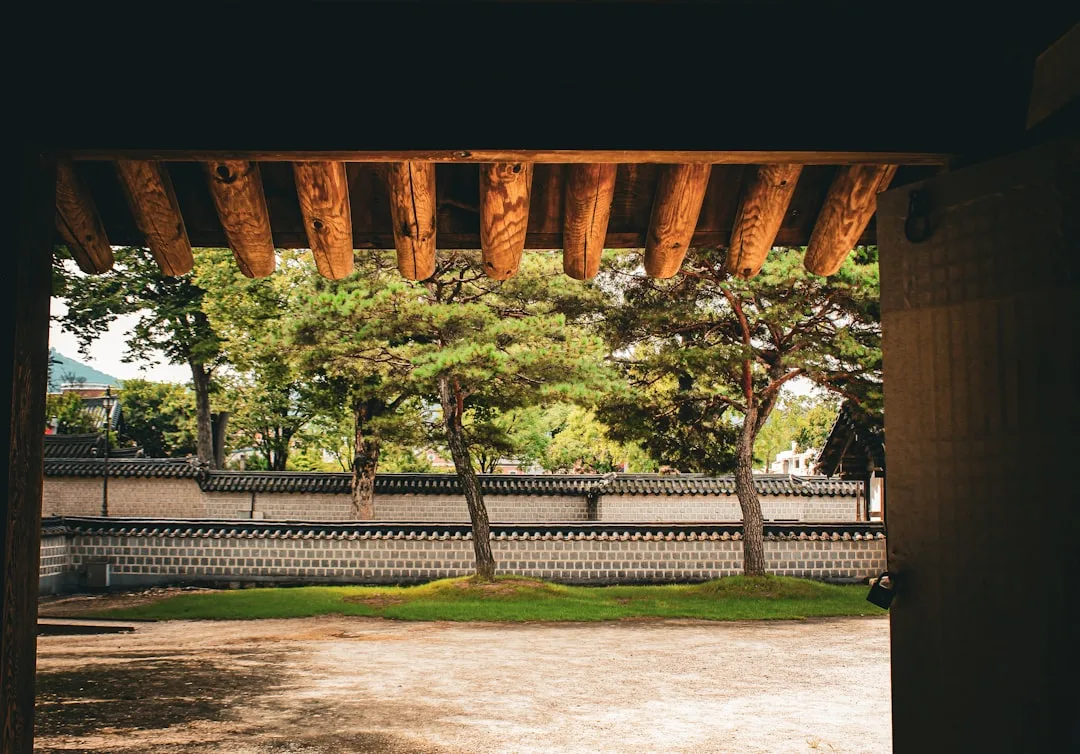
Depth of experience. A single ryokan stay in a mountain onsen town can be the most memorable night of travel you’ve ever had. Nothing in Korea quite replicates this — the Korean equivalent (a hanok guesthouse) is lovely, but different in character.
Rural beauty. The Japanese countryside — Shirakawa-go’s thatched farmhouses, the Kumano Kodo pilgrimage trail, the Noto Peninsula before the earthquake — is unlike anything in East Asia. Korea’s countryside is beautiful in its own right, but Japan’s countryside is extraordinary.
Food as ritual. Japanese food culture is built around perfection per category. A ramen shop in Fukuoka that has served the same pork bone broth for 60 years. A soba restaurant in Kyoto that seats eight people. The pursuit of craft is baked into the culture in a way that’s uniquely Japanese.
Sheer variety. Japan is enormous in travel terms. Tokyo, Kyoto, and Osaka alone give you months of material. Add Hokkaido, Okinawa, the Japan Alps, and the islands of the Seto Inland Sea, and you have a country that rewards return visits indefinitely.
What Korea Does That Japan Doesn’t
South Korea moves. It’s a country that regenerates itself constantly — neighborhoods get redone, food trends cycle fast, what was cool two years ago is already nostalgic. Visiting Korea feels like catching something in motion.
The things Korea does better:
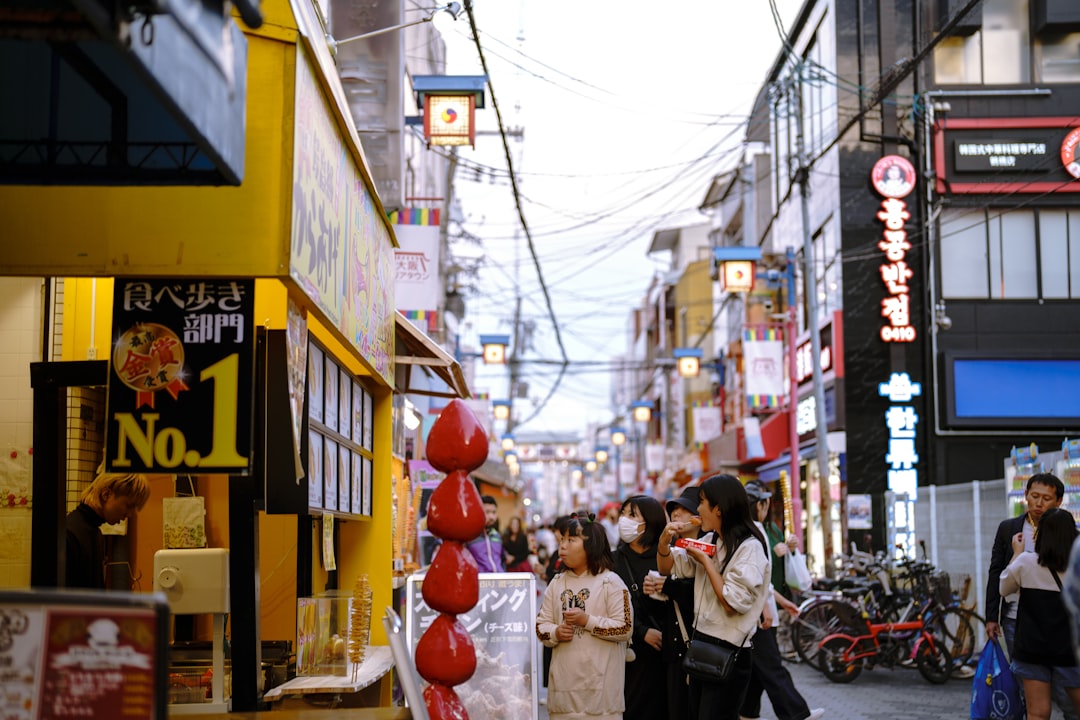
Food accessibility and variety. Korean food is democratic in a way Japanese food isn’t always. A great meal in Seoul doesn’t require a reservation three months out or a menu you can’t read. The street food alone — tteokbokki from a pojangmacha, Korean fried chicken at 2am, cold naengmyeon in summer — is worth a trip.
The price-to-experience ratio. Korea is substantially cheaper than Japan for accommodation, food, and getting around. A first-class trip to Korea costs what a mid-range trip to Japan costs. That matters.
Modern culture that’s genuinely interesting. K-pop, K-drama, K-beauty — these aren’t trends for teenagers. They’re the output of a country that rebuilt itself from almost nothing in 50 years and developed a genuinely distinctive cultural export machine. Walking through Hongdae or Bukchon or the Han River parks, you feel the energy of a society that’s still figuring out what it is. It’s compelling.
Ease of travel. Korea is smaller and more navigable than Japan. Seoul is enormous but comprehensible. The KTX high-speed rail connects Seoul to Busan in under three hours. Jeju Island is 55 minutes by air. Getting around is intuitive and the transport infrastructure is excellent.
The Cost Comparison
| Category | Japan | South Korea |
|---|---|---|
| Budget accommodation (per night) | $35–70 | $25–50 |
| Mid-range hotel (per night) | $120–200 | $80–140 |
| Street food meal | $8–15 | $4–10 |
| Mid-range restaurant | $20–45 | $12–30 |
| Intercity transport | $30–80 (shinkansen) | $20–50 (KTX) |
| 10-day trip budget | $2,500–4,000 | $1,800–2,800 |
Korea wins on price at every level. That’s not a minor difference — it’s 30–40% cheaper at equivalent quality.
The Logistics Comparison
Japan requires more planning. Popular restaurants need reservations weeks out. The JR Pass decision requires research. Train systems in Tokyo and Osaka are legitimate labyrinthine. None of this is hard — it’s just work.
Korea is more forgiving. Seoul’s subway is among the most user-friendly in Asia. Google Maps works perfectly throughout the country. English signage is more prevalent than Japan in most tourist areas. Booking accommodation the day before is usually fine.
Winner for ease of travel: Korea, clearly.
When to Visit Each
Japan spring (March–May): cherry blossom season. The most beautiful thing you’ll see in Asia, with the caveat that everyone else knows this. Book months ahead.
Japan autumn (October–November): arguably better than spring. Fewer crowds, foliage, cooler temperatures. Underrated.
Japan summer (June–August): hot, humid, and festive. Worth it for Obon festivals in August if you’re prepared for the heat.
Korea spring (April–May): cherry blossoms again, but less crowded than Japan. Gyeongju in spring is exceptional.
Korea autumn (September–October): best weather, foliage in the mountains, and the country at its most comfortable.
Korea summer: extremely hot and humid, with monsoon season in July. The beach towns get crowded. Not ideal unless you’re specifically chasing festivals.
The Real Decision Framework
Choose Japan if:
- It’s your first time in Asia and you want to go somewhere that will completely recalibrate your expectations
- You want a slow trip: ryokans, temples, long meals, considered experiences
- You have two weeks or more — Japan rewards time
- Budget isn’t a major constraint
Choose South Korea if:
- You want to maximize experience per dollar
- You’re interested in contemporary culture, food, and nightlife alongside history
- You have 7–10 days and want to see a lot
- You’ve already been to Japan and want something that feels different
Visit both if:
- You have three weeks and can fly Seoul–Tokyo for $80–150 at low season
- You’re based in Asia for a longer trip
- You’re the type who won’t feel the trip is complete until you’ve settled the question yourself
The Honest Verdict
Japan is the greater country for travel. It’s also the more demanding and expensive one. The gap between a great Japan trip and an average Japan trip is wider than the equivalent gap in Korea — because Japan punishes insufficient research and rewards obsessive preparation in ways Korea doesn’t quite match.
Korea is the easier great trip. You can do it with less planning, less money, and less prior knowledge of the country and still come back with stories you’ll tell for years.
If you have to pick one: Japan, on the condition that you give it proper time. If budget is real or you have a week: Korea — and you won’t regret it.
The honest answer is that you’ll eventually go to both. The question is just which one first.
Plan your trip