Itinerary
FIFA World Cup 2026: The Complete Travel Guide
Everything you need to plan your FIFA World Cup 2026 trip — host cities, stadiums, tickets, fan zones, and how to choose where to go.
14 min read
Read →


No guides found for this filter.
Everything you need to plan your FIFA World Cup 2026 trip — host cities, stadiums, tickets, fan zones, and how to choose where to go.
FIFA Fan Zones at every World Cup 2026 host city — free entry, live match broadcasts, entertainment, and how to make the most of the tournament without a ticket.
How to buy FIFA World Cup 2026 tickets — official platform, prices by category and round, last-minute options, and what to do if your match sells out.
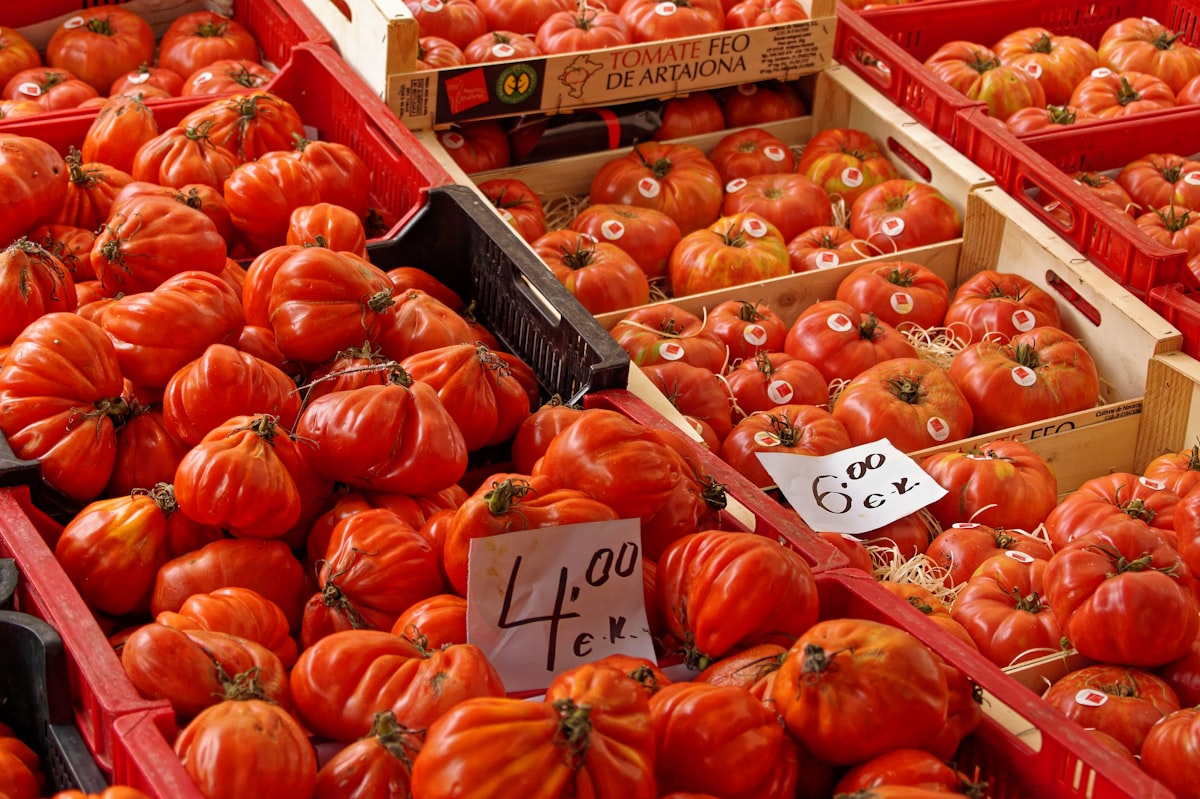
La Tomatina 2026 takes place August 26 in Buñol, near Valencia. Tickets, what to wear, how to get there, and what actually happens when 20,000 people throw 150,000 kg of tomatoes.
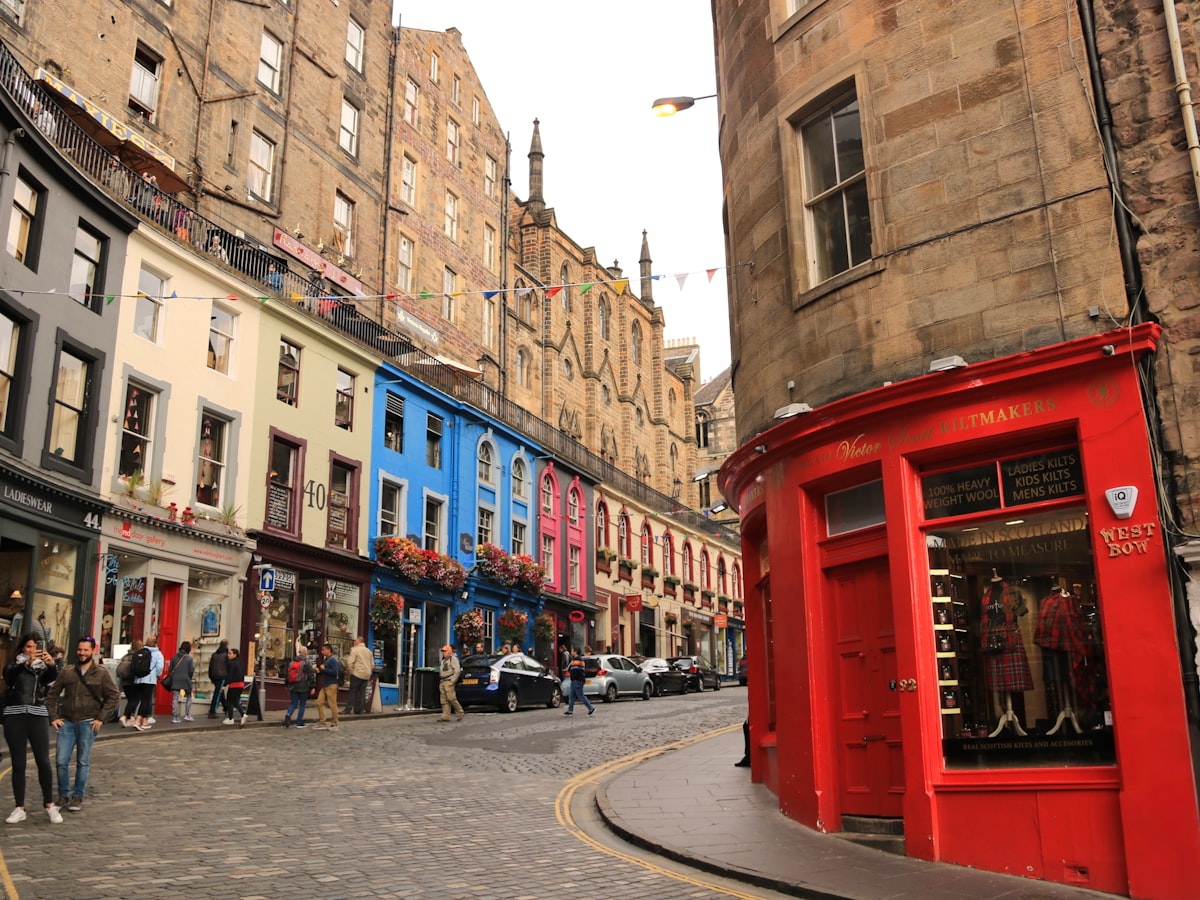
Edinburgh Fringe 2026 runs August 1–25. The world's largest arts festival — how to pick shows, buy tickets, navigate the Royal Mile, and make the most of 3,800+ performances.
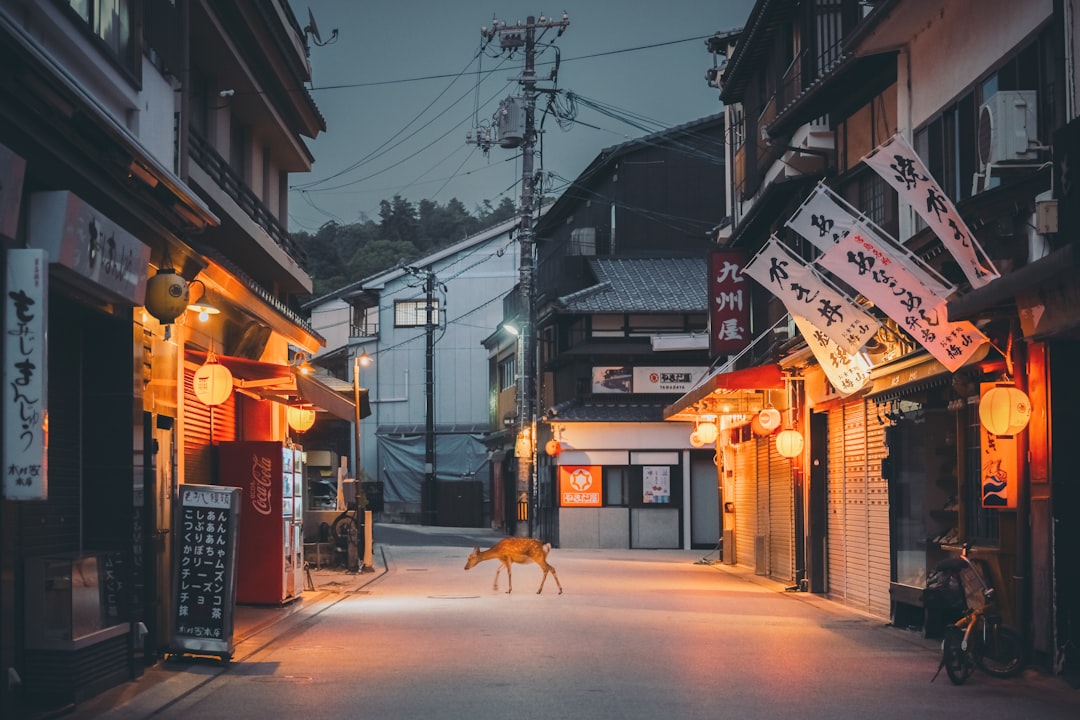
April is Japan's most celebrated month — cherry blossoms in full bloom, mild temperatures, and the country at its most festive. It's also the busiest. Here's the full picture.
August is Japan's hottest, most festive, and most domestic-tourist-heavy month. Obon brings millions home to their hometowns, fireworks explode over every river in the country, and the beaches fill up. Here's how to navigate it.
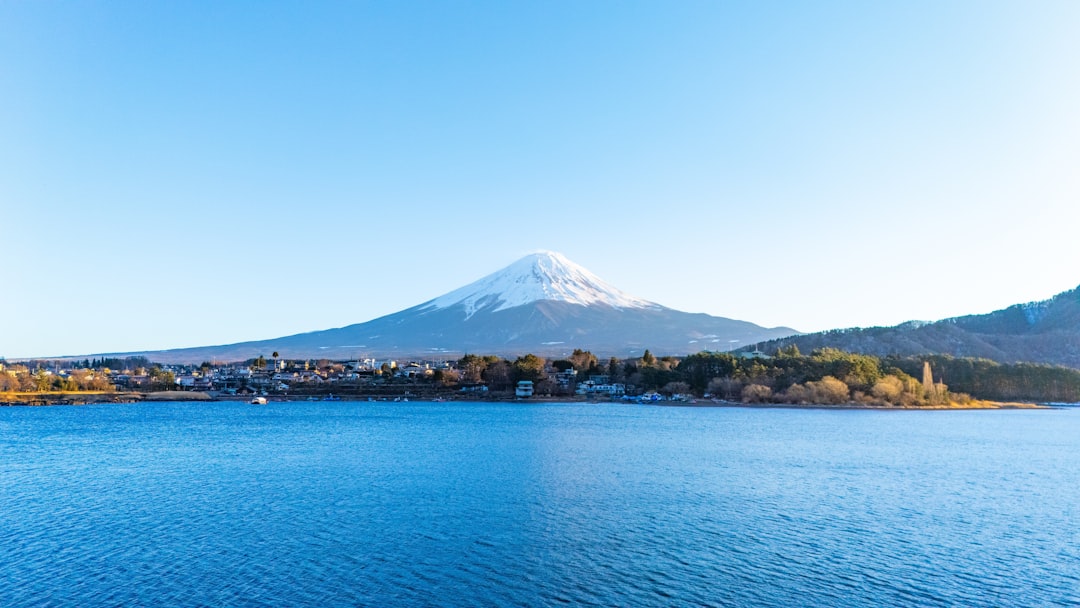
December is Japan's most underrated month. The fall foliage ends, the tourists leave, and the country enters a warm, festive mode — illuminations everywhere, excellent skiing in Hokkaido, and the best value accommodation of the year.
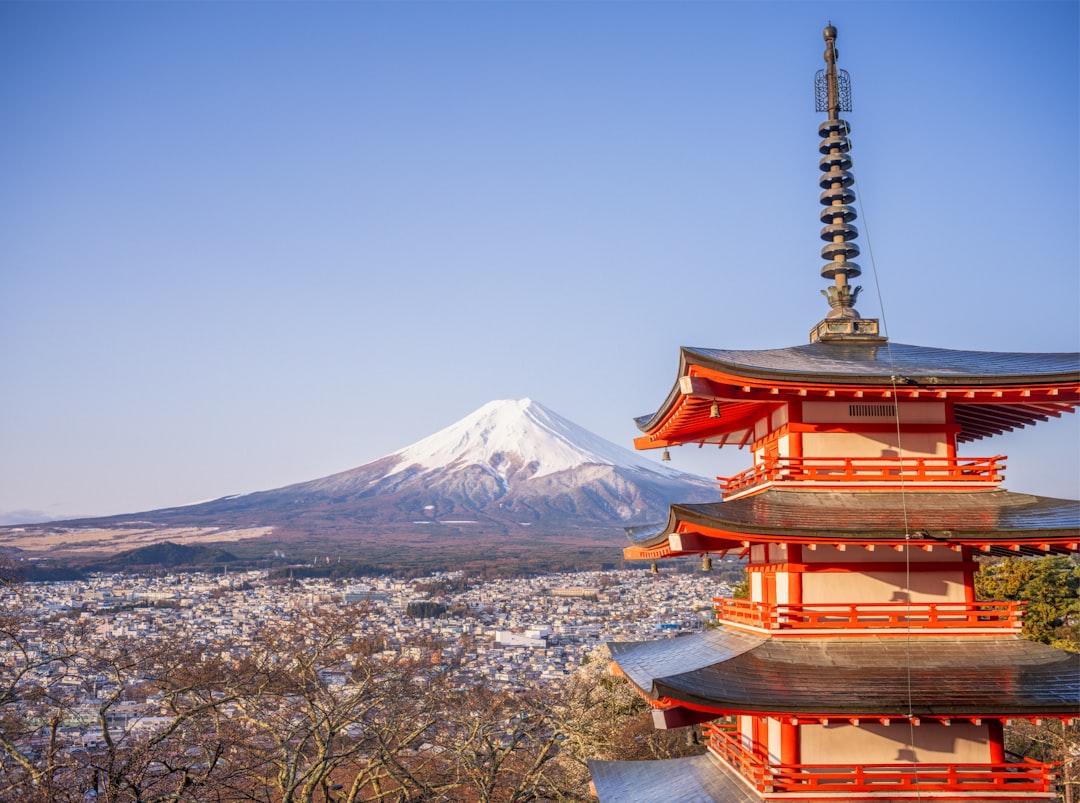
February is Japan's secret shoulder season. The ski conditions peak, plum blossoms arrive before the tourist crowds, and Sapporo's Snow Festival draws visitors north while the rest of the country stays quiet. Here's how to use February wisely.
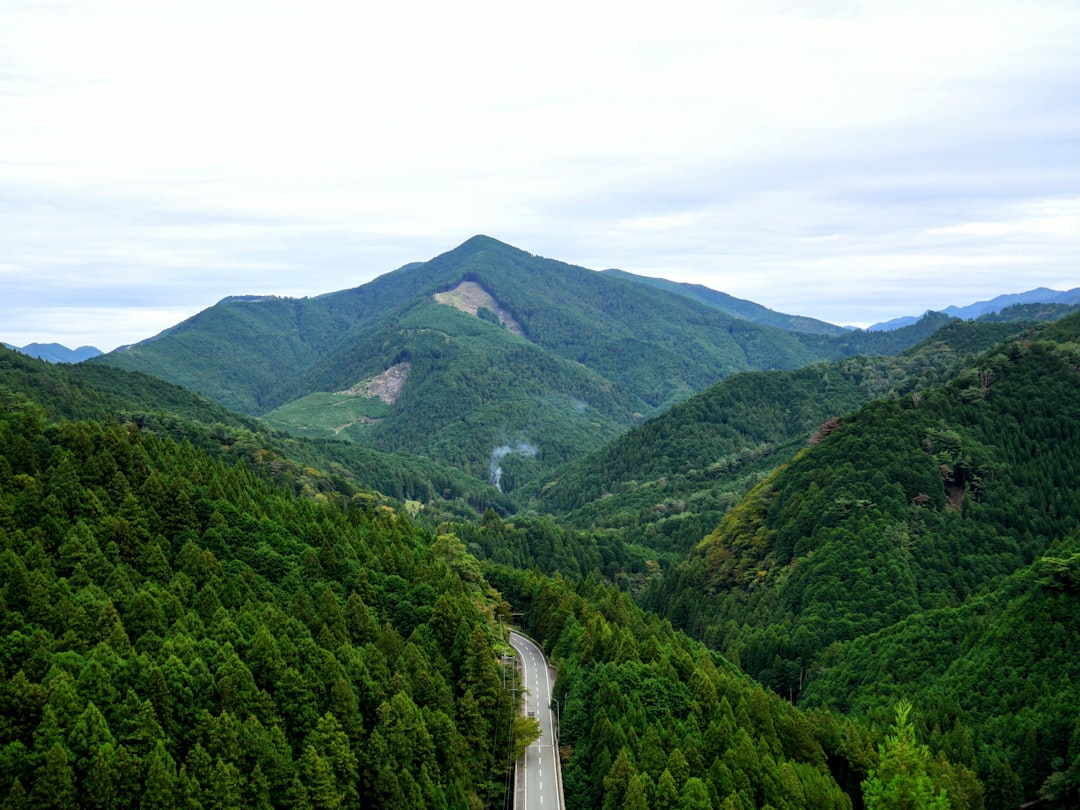
January is Japan's coldest and least-visited month — which makes it one of the best for budget travelers, powder skiers, and anyone who wants Fushimi Inari to themselves. Here's what to expect.
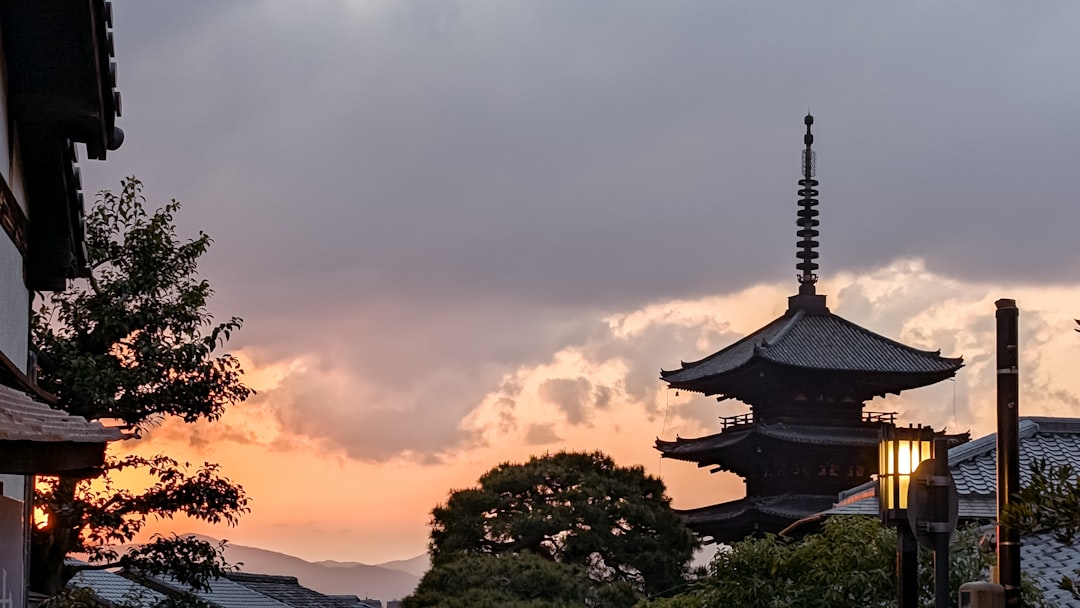
July ends rainy season and begins Japan's summer festival season. The heat is intense, the matsuri are extraordinary, and Hokkaido — the exception to everything — is in its absolute prime.
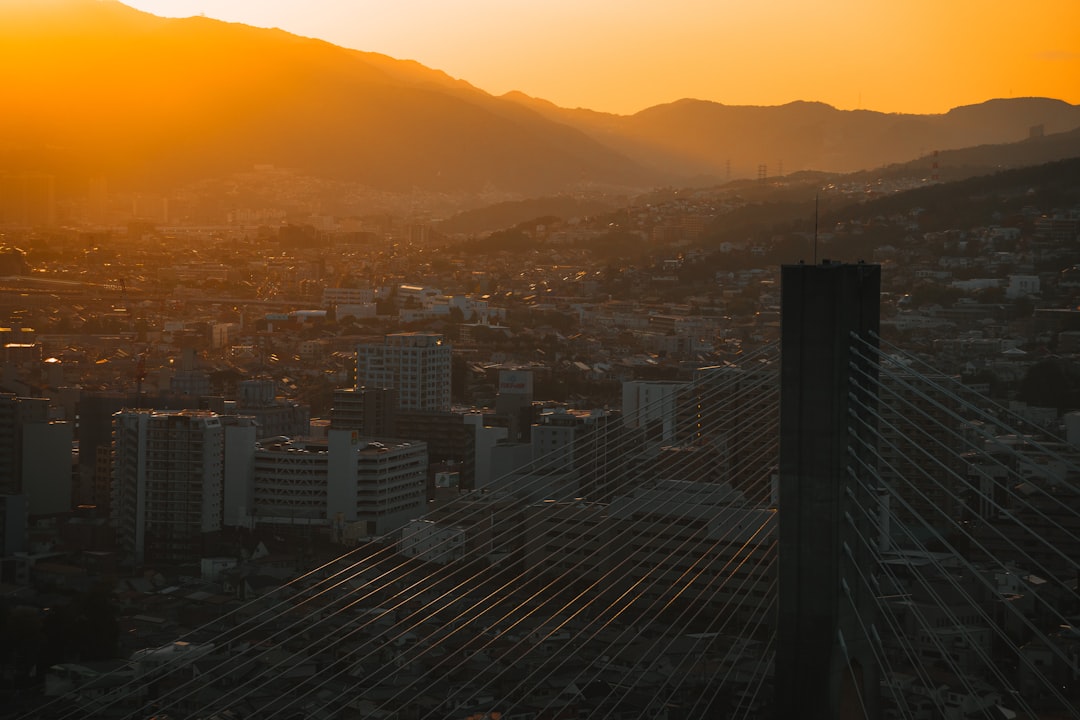
June is Japan's rainy season — and also one of the best-kept secrets in the travel calendar. The hydrangeas bloom everywhere, the crowds disappear, prices drop, and the temples in the rain look extraordinary.
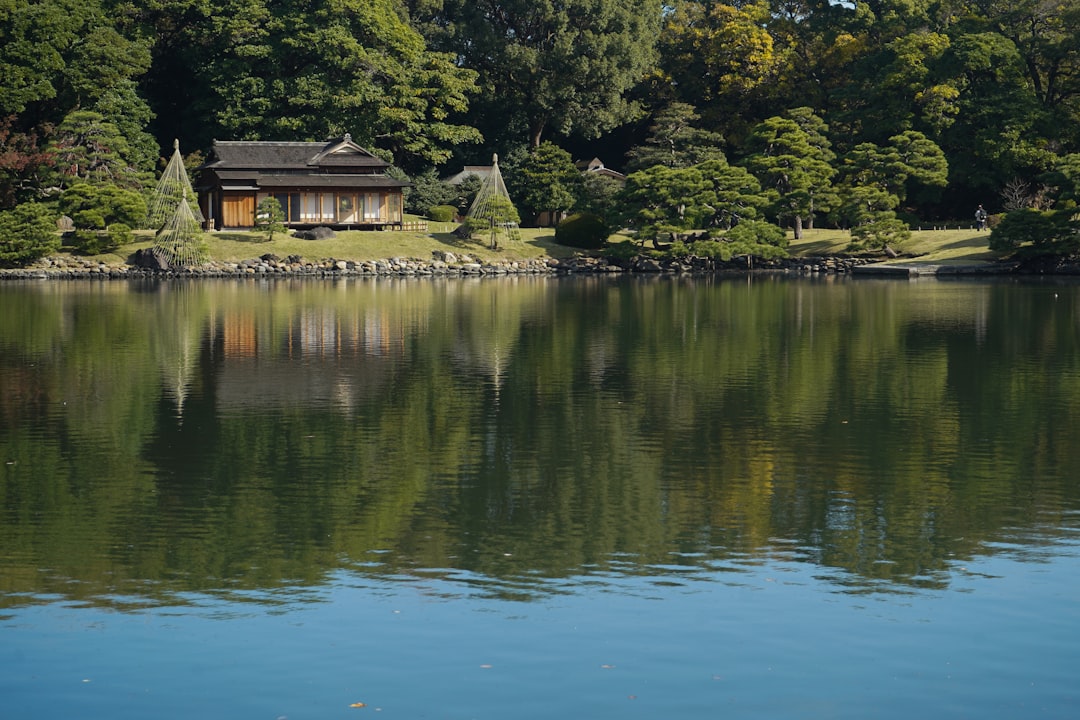
March is when Japan transforms. The cherry blossoms start in the south, the weather finally breaks, and the country enters its most photographed season. Here's how to make the most of it.
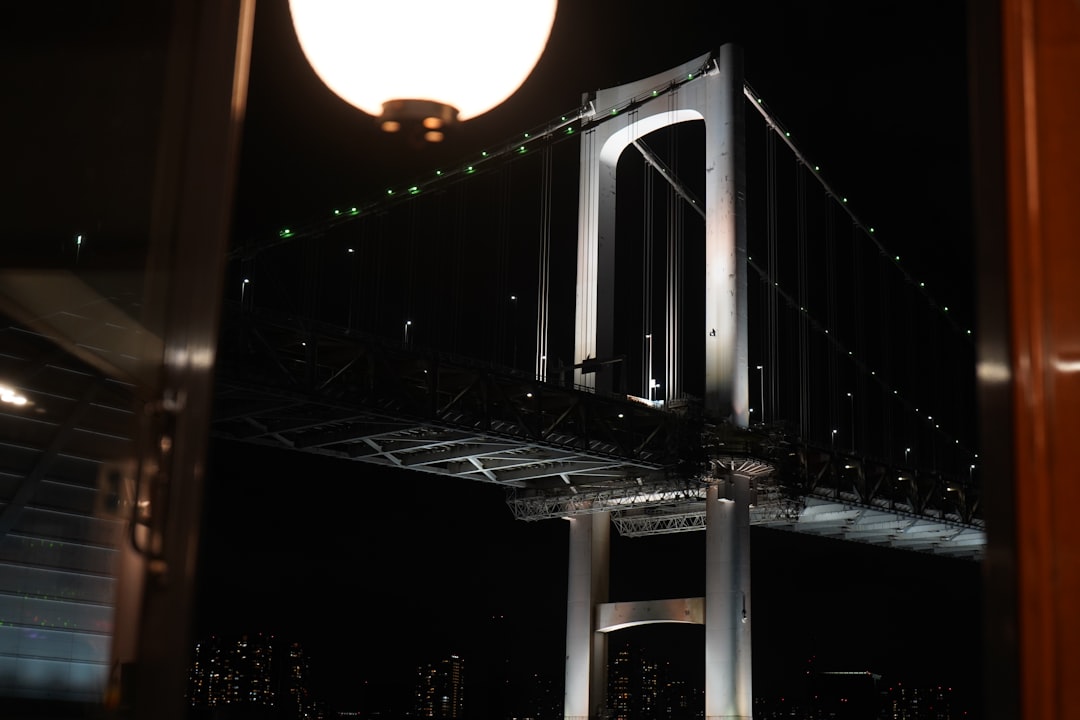
May is the window between Golden Week and rainy season — a brief stretch of warm, dry weather when Japan is gorgeous, the cherry blossoms are long gone, and the international crowds have started heading home.
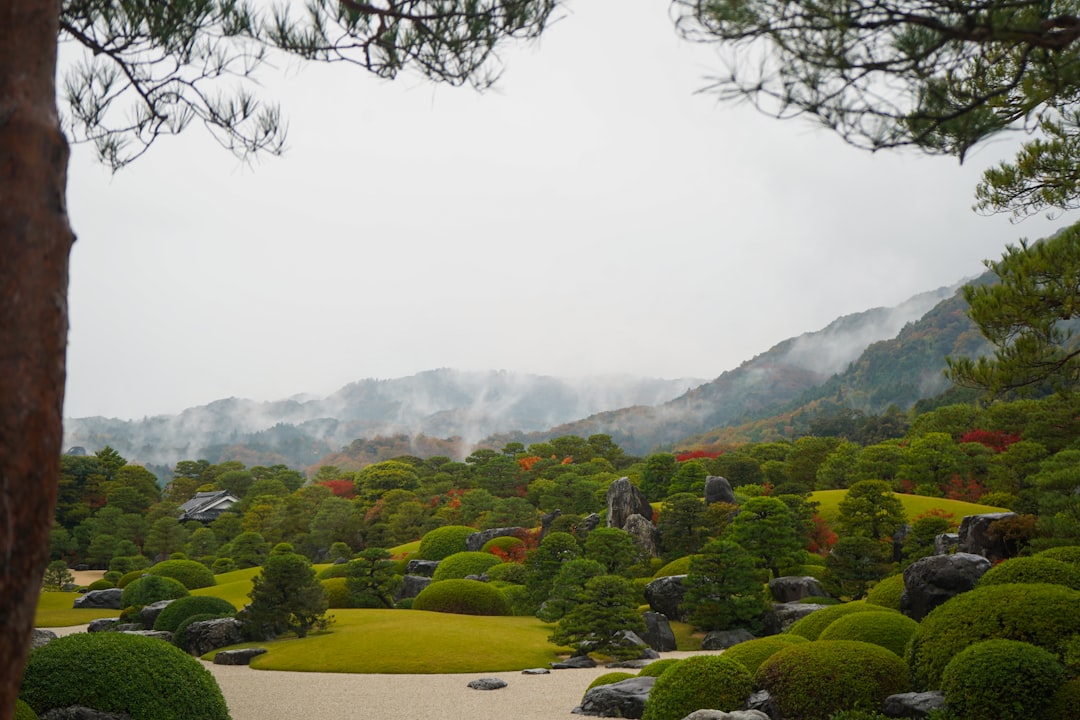
November is when Kyoto turns red and gold and every temple garden becomes a painting. It's the fall foliage peak for central and western Japan — and increasingly the rival of cherry blossom season for sheer beauty.
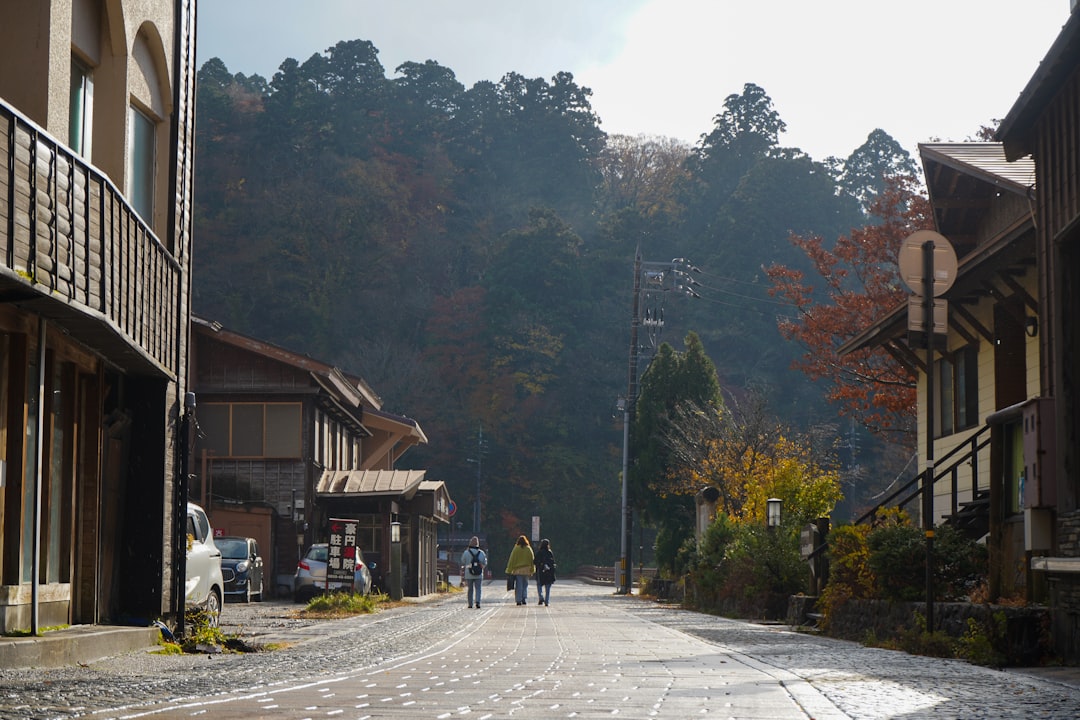
October might be Japan's best-kept secret. Autumn leaves start in the north, the summer heat breaks completely, and the crowds are a fraction of cherry blossom season. Here's why October deserves more credit.
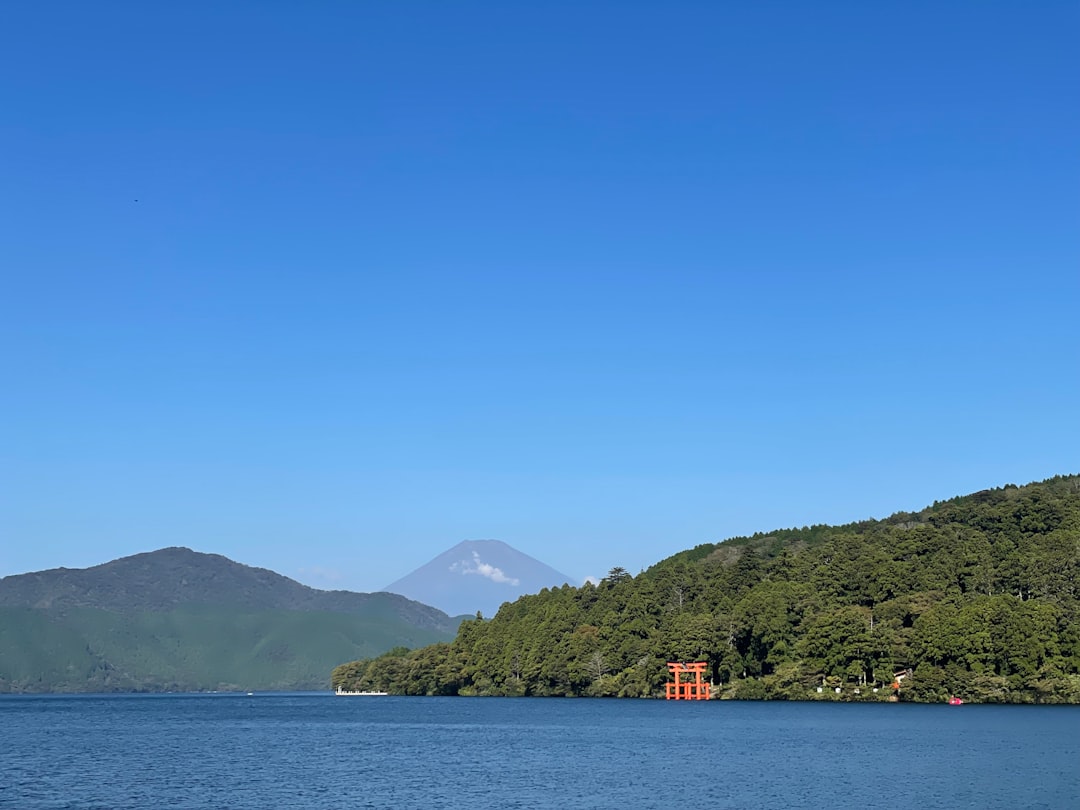
September is Japan's transition month — the heat breaks slowly, typhoon season peaks, and the country sits between summer festivals and autumn foliage. Timing it right gives you excellent weather and nearly empty temples.
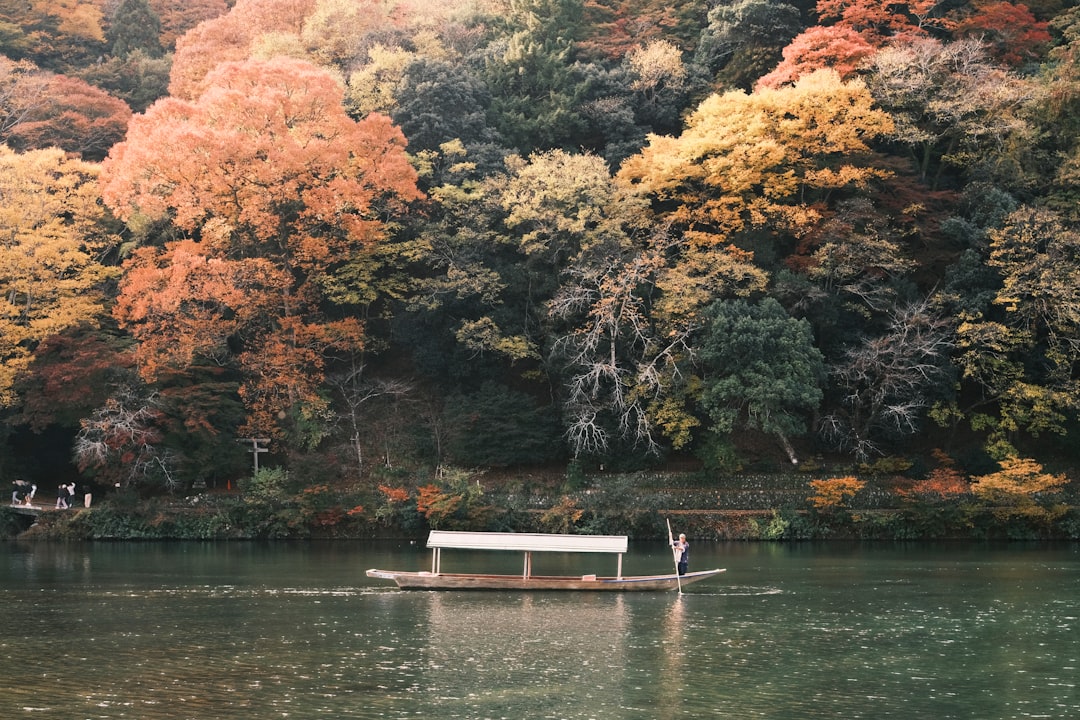
Five days in Osaka gives you the full city — the street food circuit, Osaka Castle, Shinsekai, day trips to Kyoto and Nara, and the depth of the neighborhoods that a 3-day itinerary skips. Day-by-day breakdown.
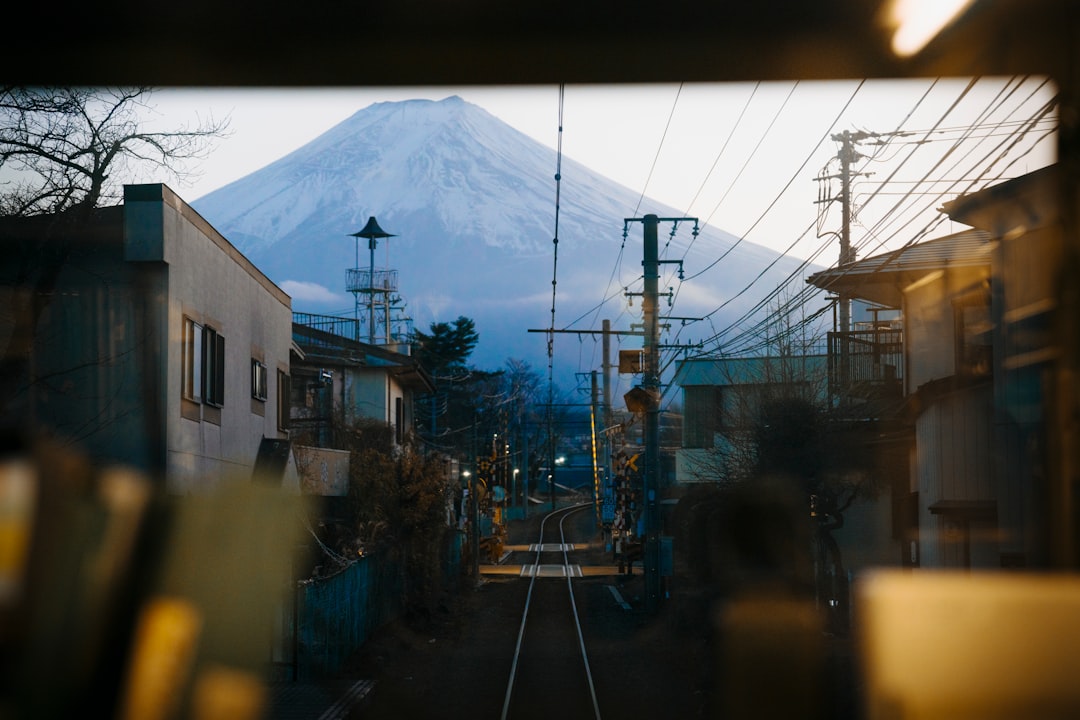
Osaka is Japan's most affordable major city — food is cheaper than Tokyo, accommodation more competitive, and the street food scene means you can eat extraordinarily well for very little. Here's what everything costs.
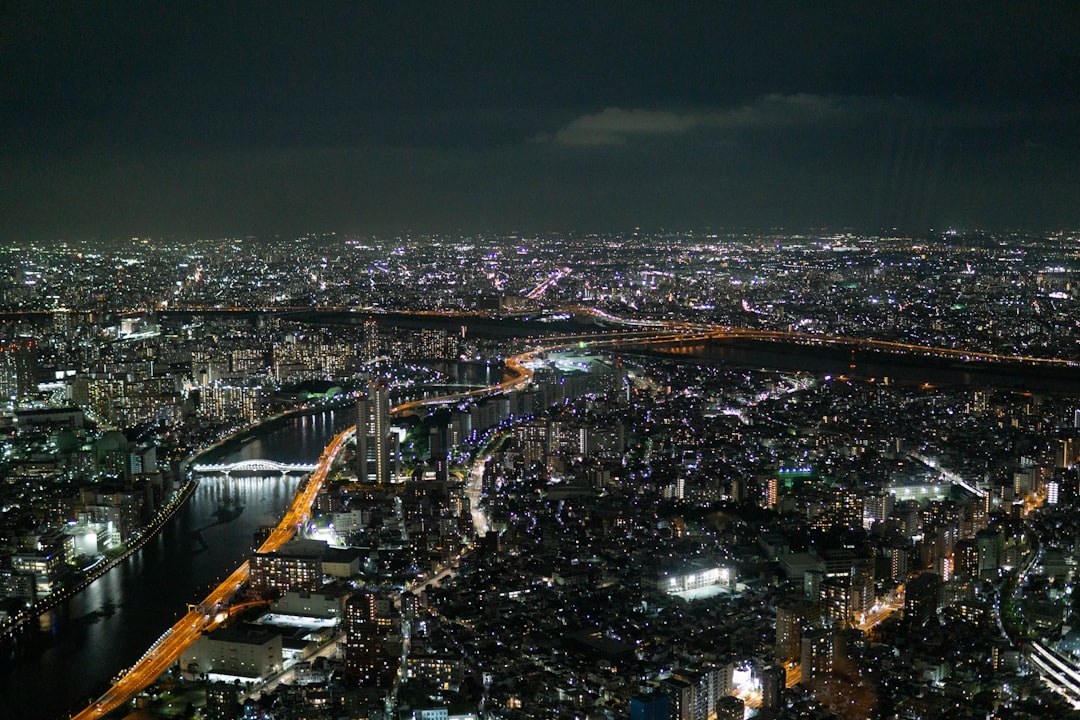
Osaka is Japan's food capital — kuidaore (eat until you drop) is the city's philosophy. From takoyaki and kushikatsu to Michelin-starred kaiseki and the ramen styles unique to the city. The complete Osaka eating guide.
The izakaya is the heart of Osaka social life — affordable, informal, and designed for the long evening of small dishes and drinks. How to navigate the ordering system, what to eat, where to go, and the etiquette that makes the difference.
Osaka's personality lives in its neighborhoods — from the neon commerce of Namba to the craft culture of Nakazakicho, the historical Tanimachi corridor, and the local nightlife of Fukushima. Here's how the city's districts work.
Osaka is Japan's nightlife capital — the drinking culture starts earlier and ends later than Tokyo, the izakaya scene is the most accessible in Japan, and the club district in Amerika-mura runs past sunrise. Here's the full guide.
Osaka's ramen scene is distinct from Tokyo's and Fukuoka's — lighter broths, a 24-hour culture, and regional styles that rarely appear outside Kansai. The best ramen shops, the key styles, and what makes Osaka ramen different.
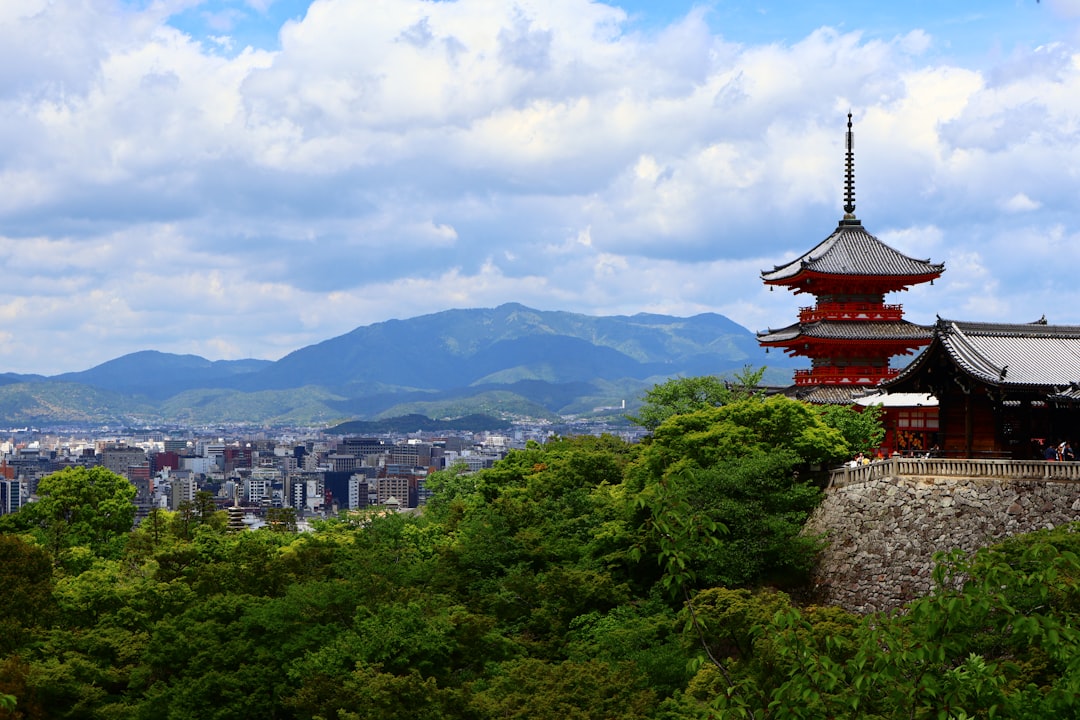
Osaka is one of Japan's best shopping cities — the Shinsaibashi arcade, the vintage culture of Amerika-mura, the department store depachika food halls, and the traditional craft shops of Tanimachi. The complete guide.
Osaka's religious sites are often overshadowed by the food culture — but Shitenno-ji (one of Japan's oldest temples), Sumiyoshi Taisha (the most important shrine in western Japan), and Imamiya Ebisu Shrine are genuinely excellent. The complete guide.
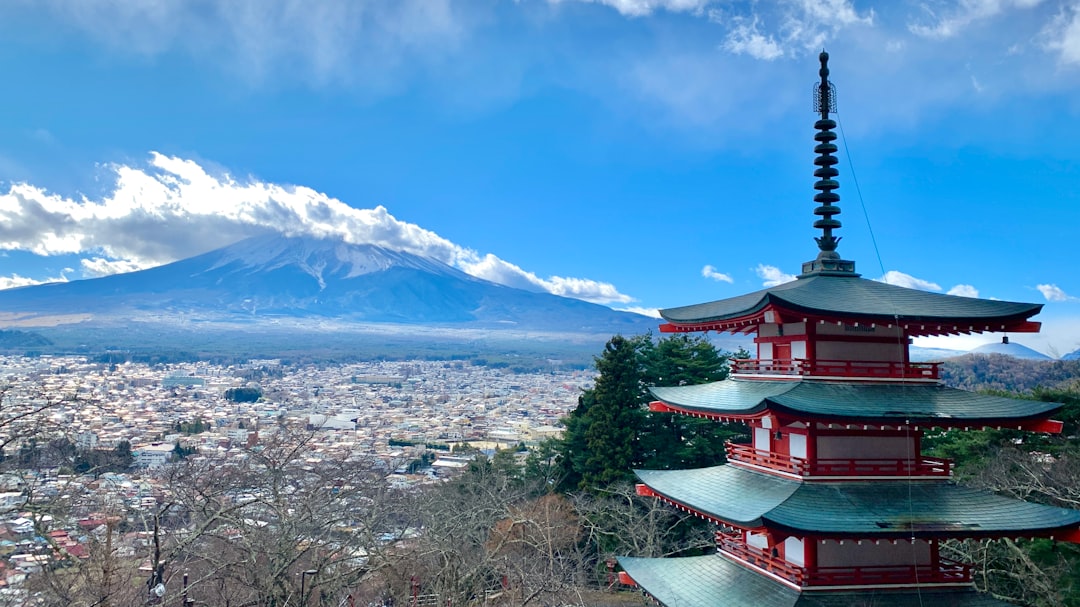
Osaka's subway system is one of the most efficient in Japan — 9 color-coded lines covering every major district. Here's how to navigate the IC card system, the Osaka Amazing Pass, and the routes that matter.
Universal Studios Japan in Osaka is one of the best theme parks in the world — and Super Nintendo World is its crown jewel. Tickets, Express Pass strategy, the Mario Kart ride, and how to spend a full day without wasting it.
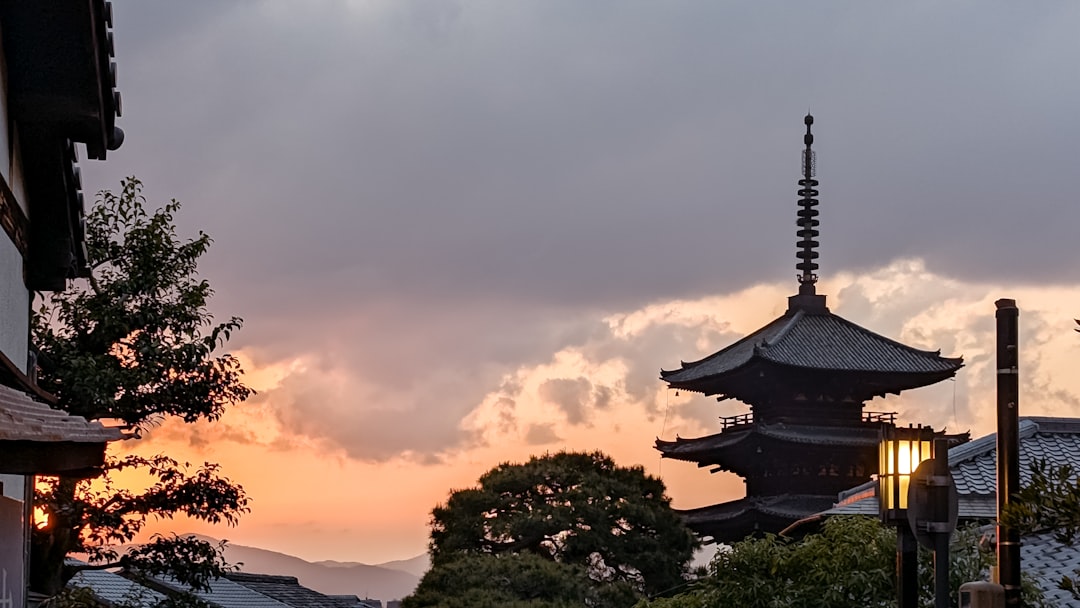
April is South Korea's peak cherry blossom month. The Jinhae Gunhangje Festival draws millions. Seoul's palaces bloom pink. And Gyeongju is at its most beautiful. Here's how to plan it right.
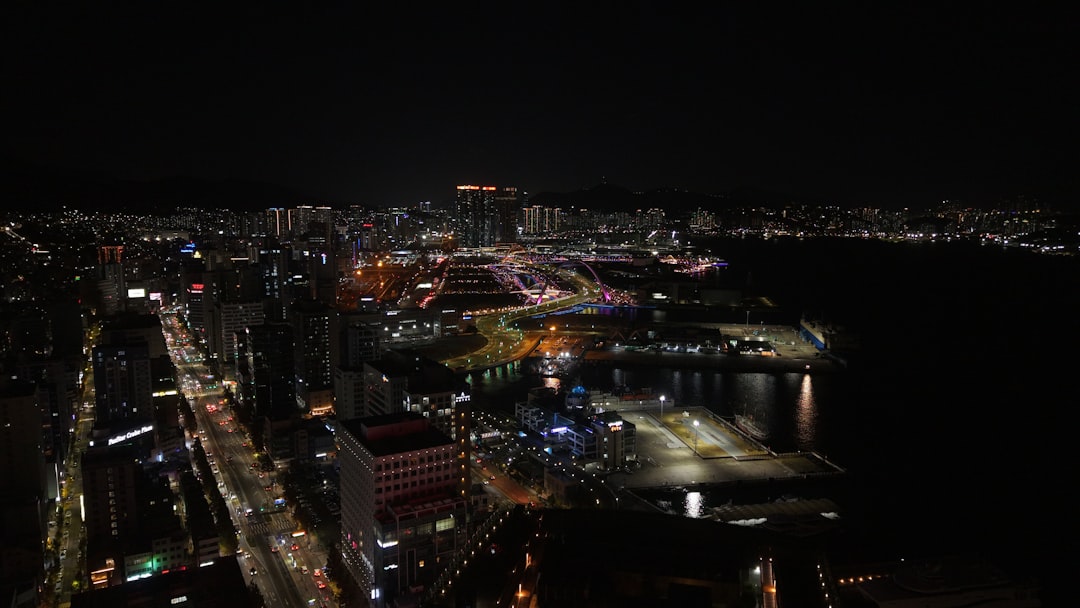
August is Korea's hottest month — beaches at maximum capacity, air conditioning everywhere, and the Liberation Day holiday driving short domestic trips. By late August, the summer heat starts to crack and early autumn appears. Here's what to know.
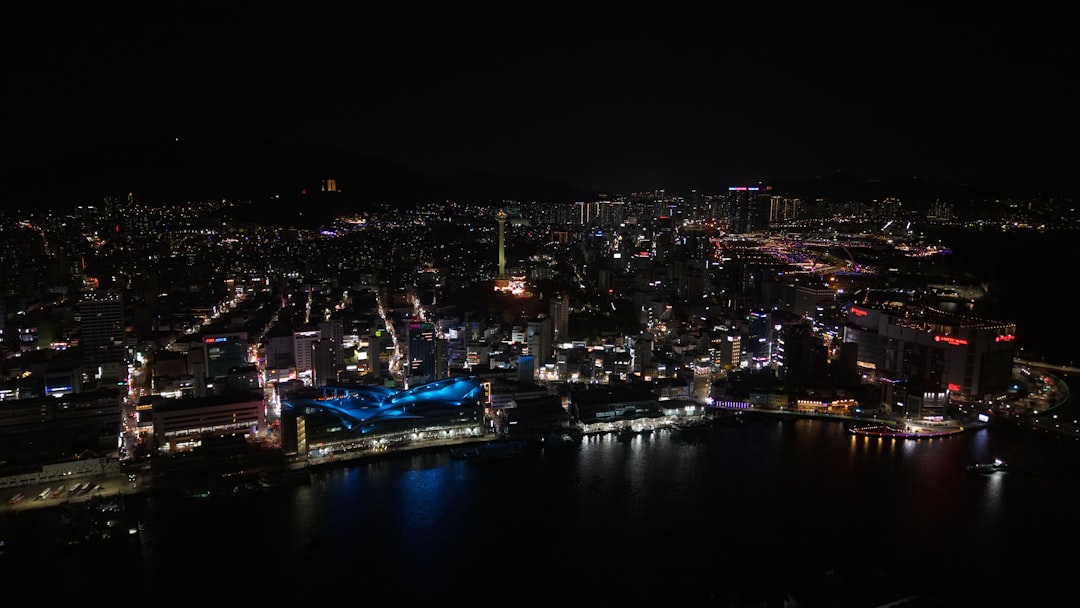
December is cold Korea at its most intimate. Ski resorts open, Christmas lights go up in Myeongdong and Gangnam, and the cities are beautiful at night under snow. Here's what to expect and how to make the most of it.
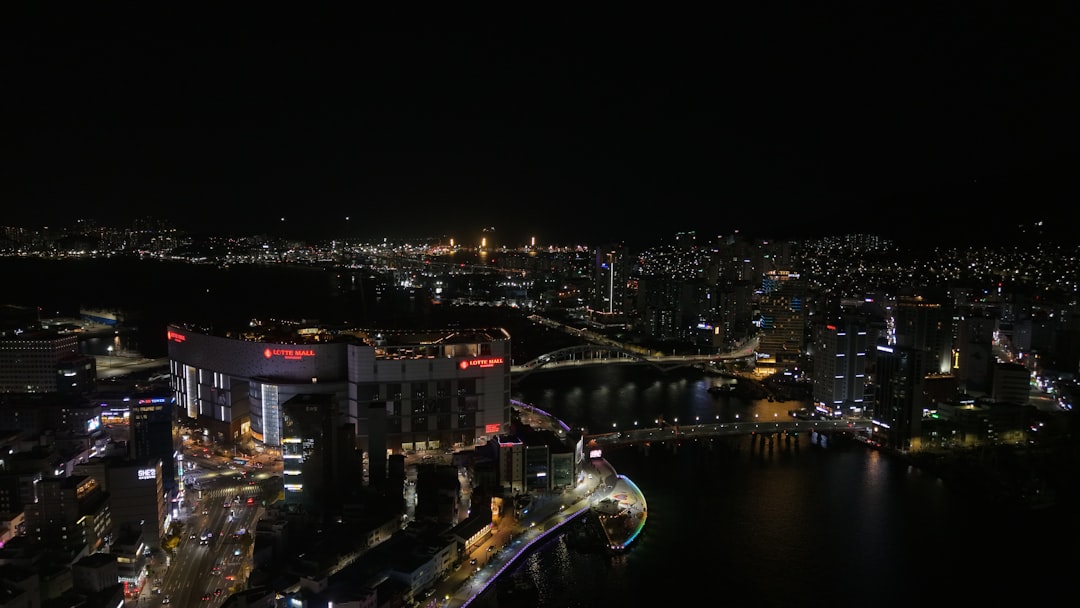
February is Korea's coldest month on paper — but by the end, plum blossoms are opening and the ski slopes are still running. Short days, low crowds, and a country transitioning between seasons.
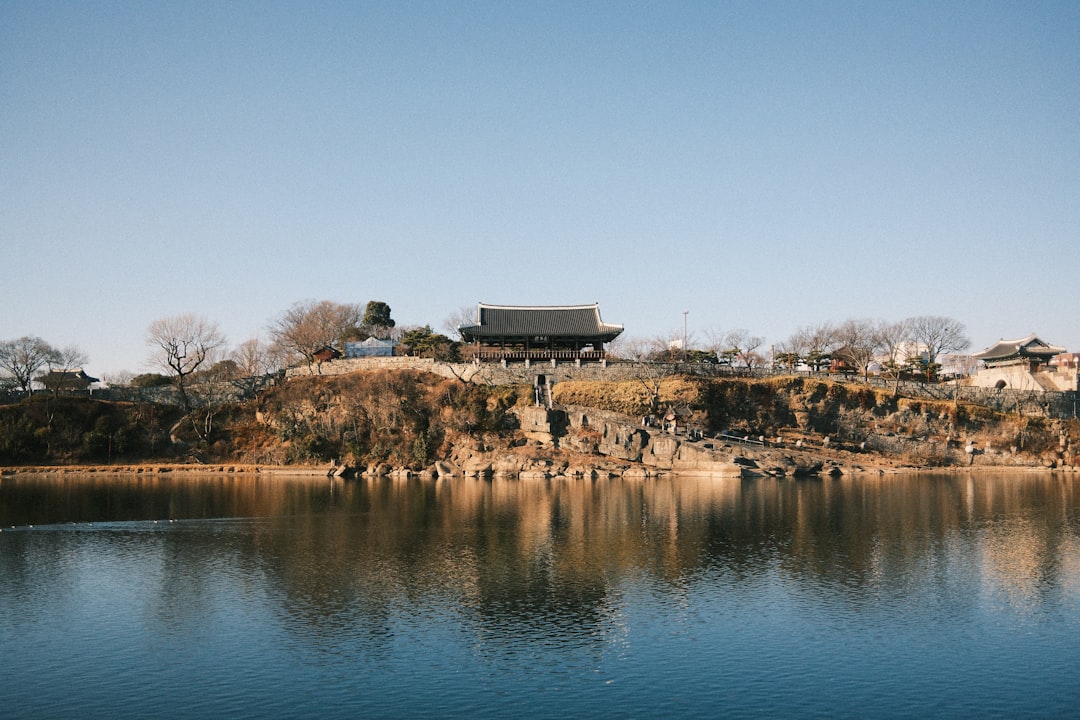
January is Korea's coldest month — but also its most dramatic. Ski resorts run at full capacity, the Hwacheon Sancheoneo Ice Festival draws a million visitors, and Seoul in winter has a stark, beautiful energy. Here's what to expect.
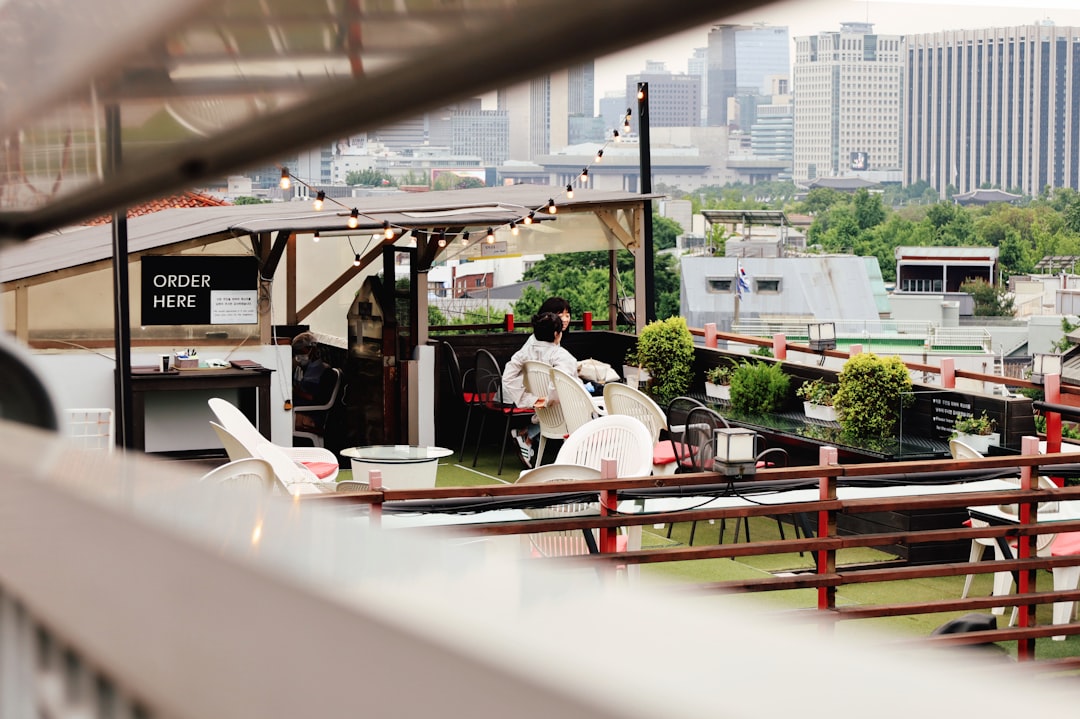
July is Korea's monsoon month — hot, humid, and wet for the first two weeks. But after the rain comes intense summer heat, packed beaches, and the Boryeong Mud Festival. Here's how to navigate Korea's most challenging summer month.
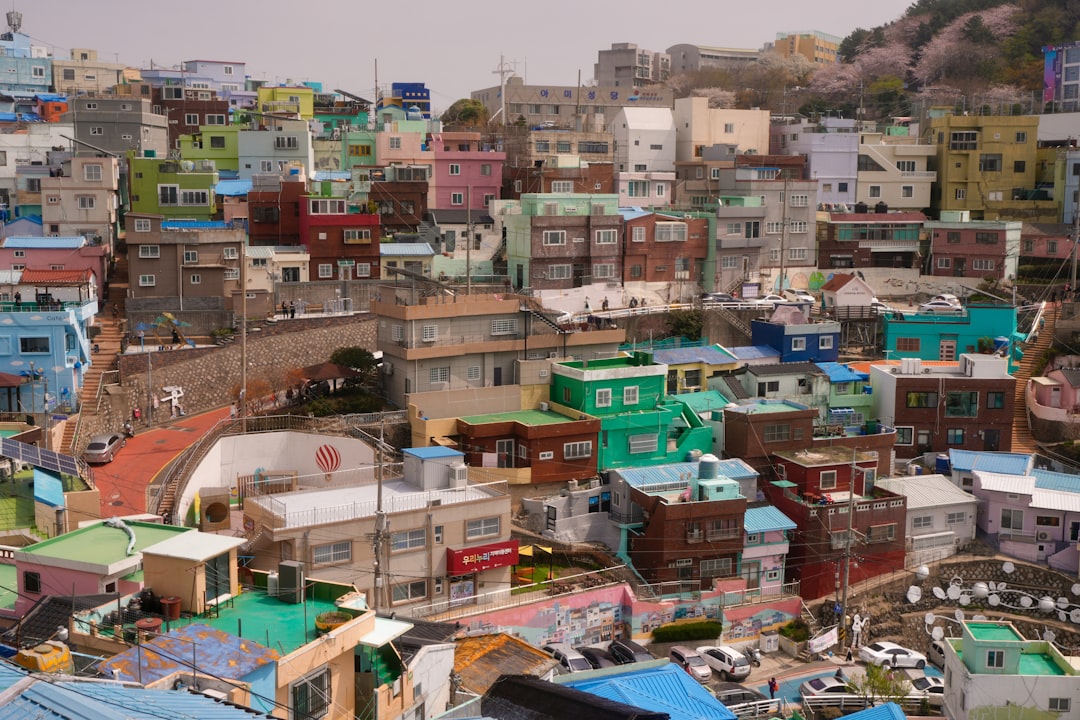
June is Korea's best-kept secret. The spring rush is over, prices drop significantly, and you have two or three dry weeks before the summer monsoon arrives. Here's why June works.
March is when Korea wakes up from winter. The first cherry blossoms appear in Jeju, the weather turns mild, and the country is beautiful before the April crowds arrive. Here's how to use March wisely.
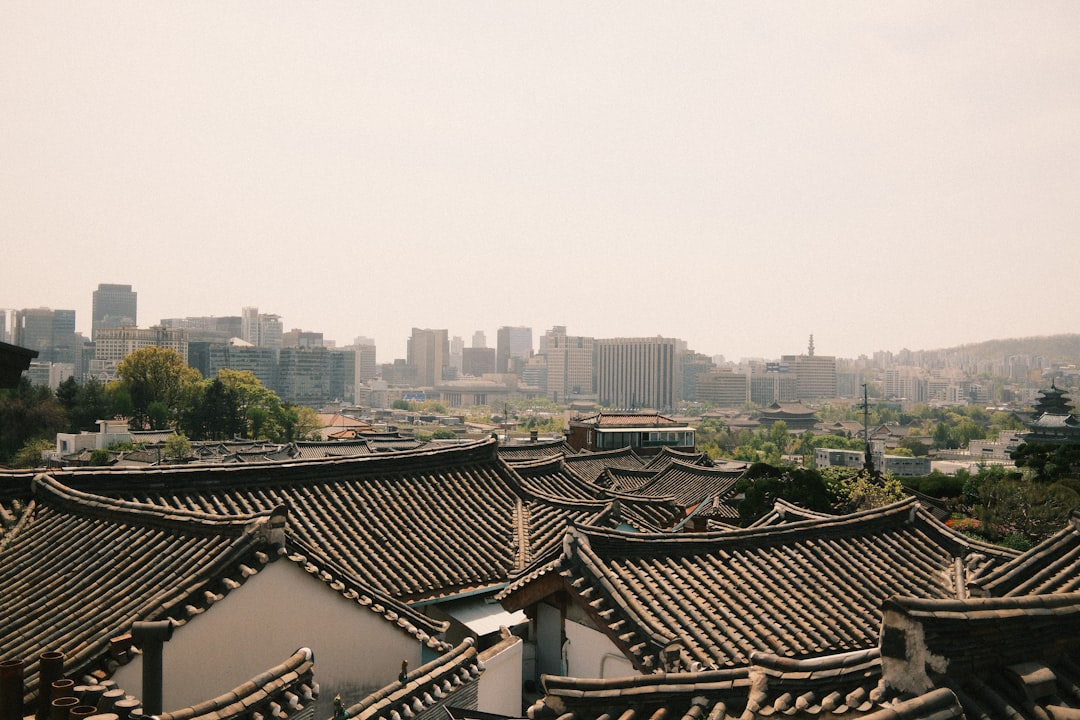
May is Korea's best month. Cherry blossoms are gone but the mountains are intensely green, temperatures are perfect, and Buddha's Birthday brings lantern festivals to cities across the country. Here's how to use May well.
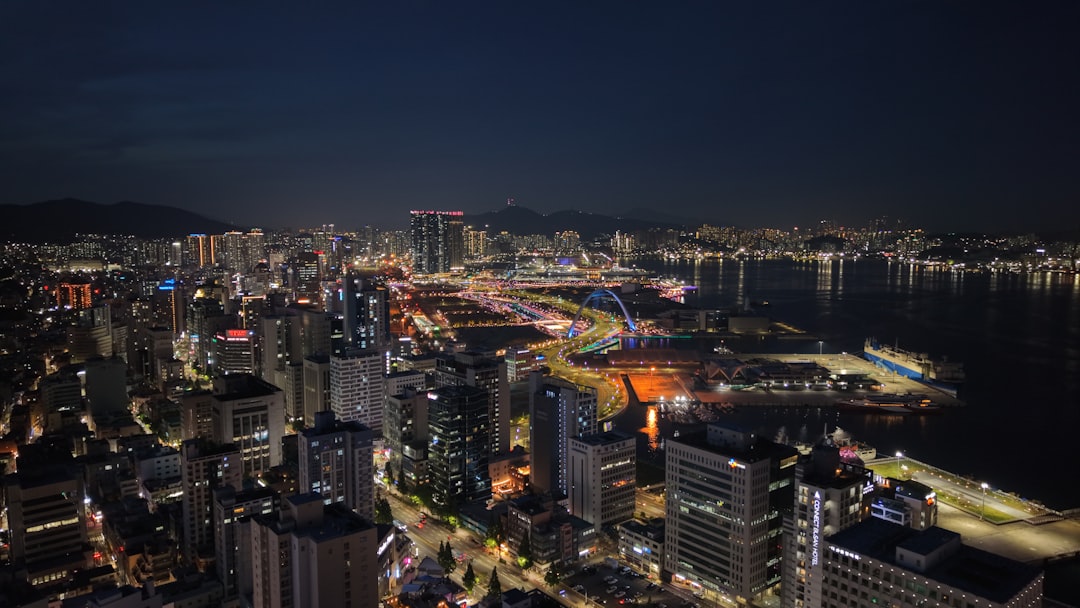
November is the tail end of Korea's best season and the beginning of its coldest. The first half delivers late autumn foliage in Gyeongju and Naejangsan. The second half turns cold fast. Here's how to plan around the split.
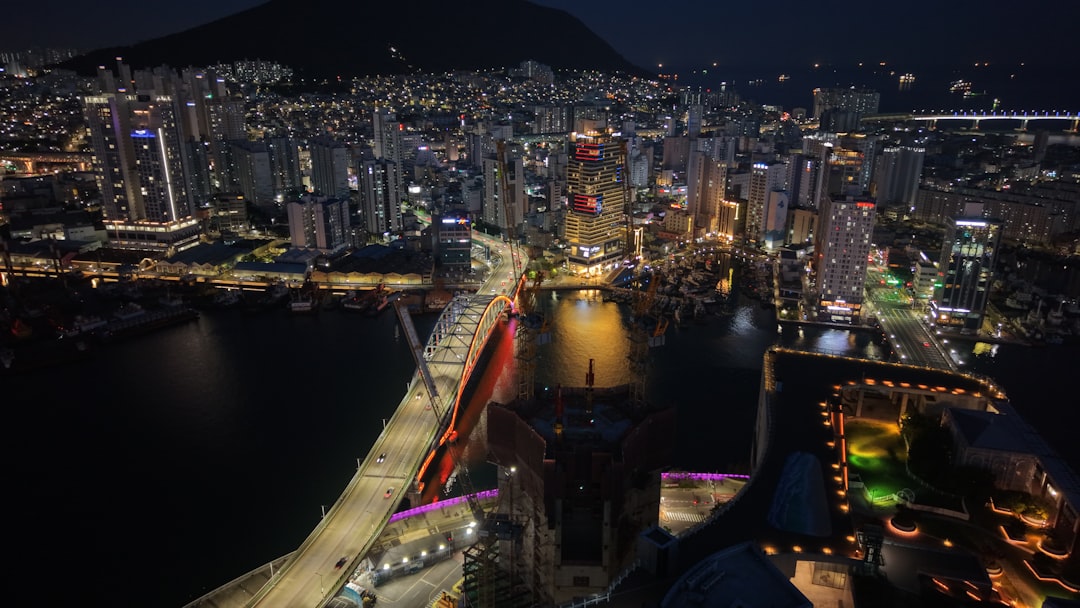
October is South Korea's second great season — fall foliage turns the mountain national parks crimson and gold, the weather is ideal for hiking, and the crowds are a fraction of April's cherry blossom peak.
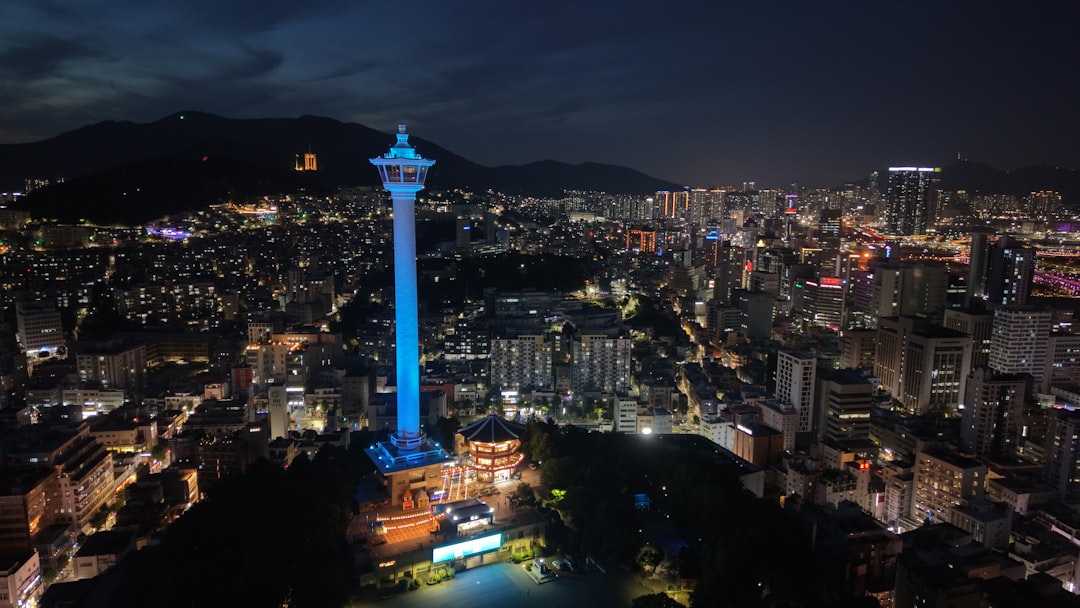
September is Korea's transition month — the brutal summer heat breaks, the mountain foliage starts in the north, and Chuseok (Korean Thanksgiving) brings the country's biggest holiday home-coming. Here's what to know.
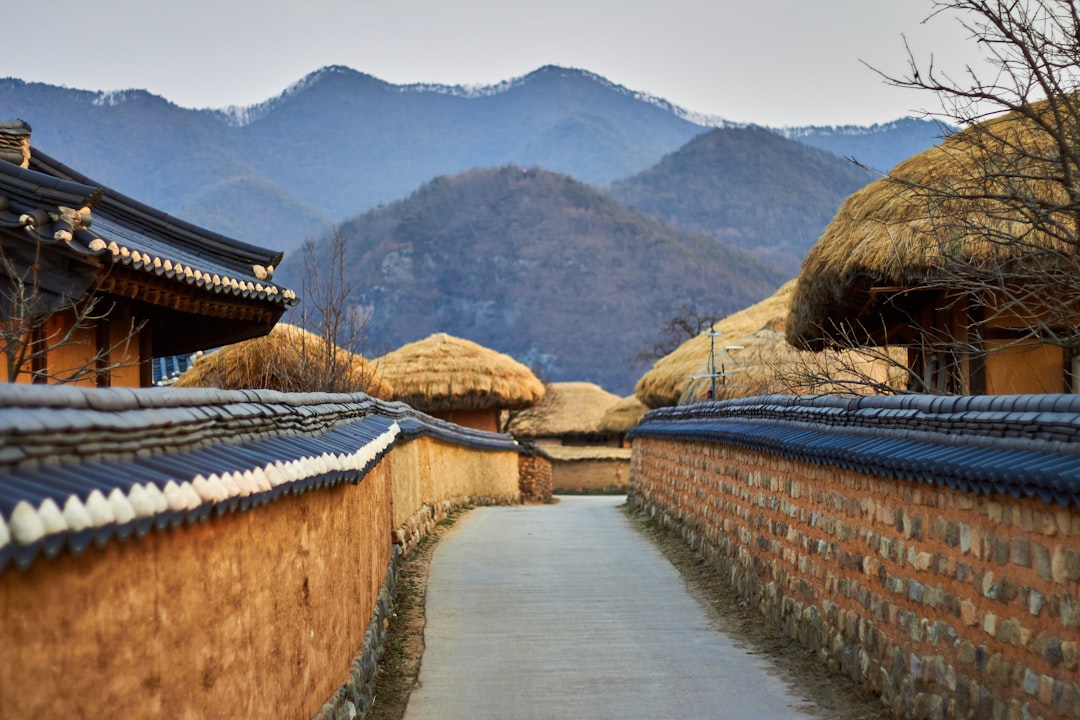
April is the USA's spring sweet spot — Washington D.C.'s cherry blossoms at peak, national parks opening for the season, the Masters golf tournament in Augusta, and perfect temperatures coast to coast before summer crowds arrive.
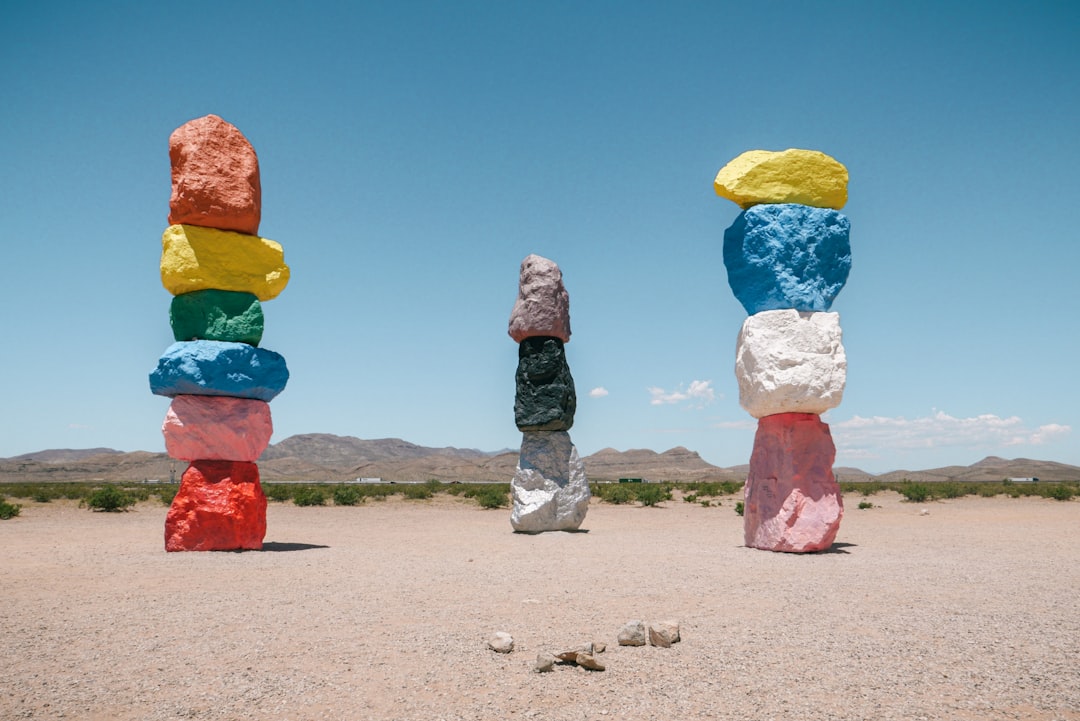
August is summer's final intensity — the State Fair season across the Midwest, the Pacific Northwest at its best, the Perseid meteor shower, and Labor Day weekend marking the traditional summer close. Maximum crowds, maximum heat, and maximum experiences.
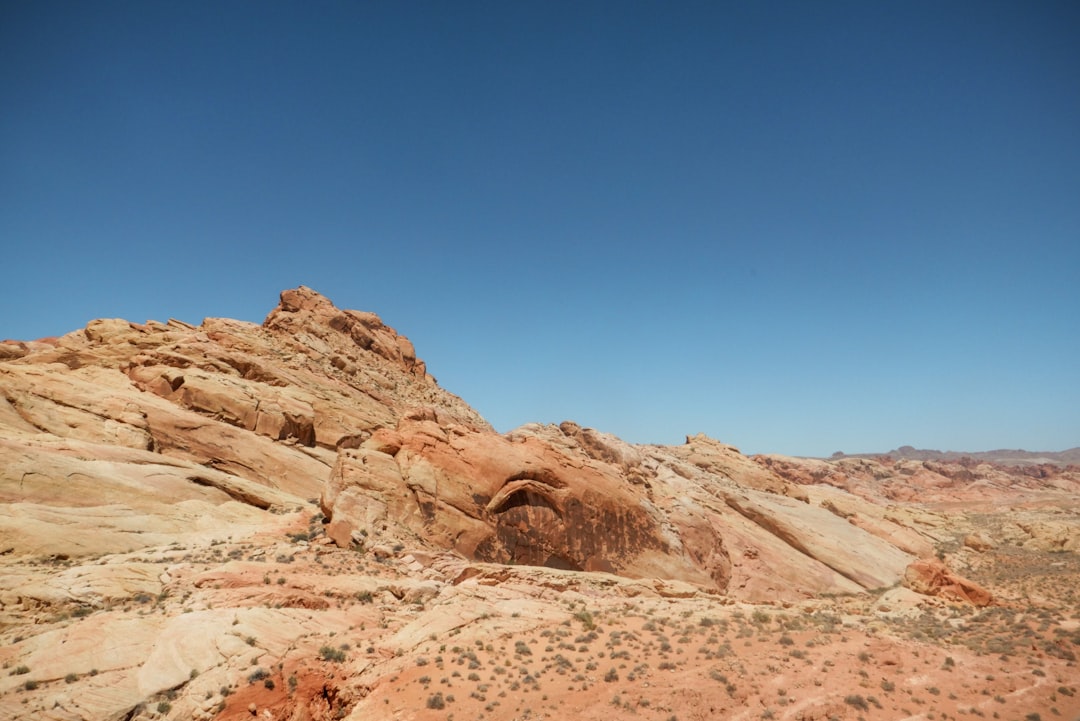
December is America's Christmas month — New York fully decorated, ski season at its height, New Year's Eve in Times Square, and the warm-weather escapes of Florida and Hawaii at peak season. The month of maximum contrast.
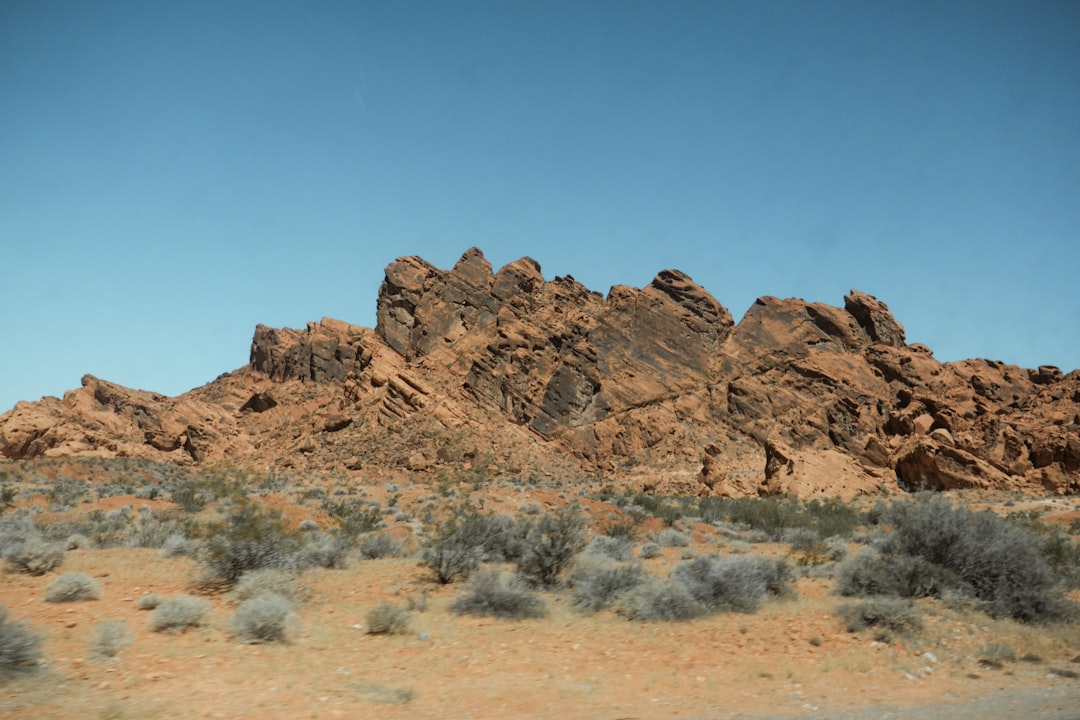
February brings Mardi Gras to New Orleans, the Super Bowl to a rotating host city, wildflowers beginning in the California desert, and ski season at its fullest. The most event-dense winter month in the USA.
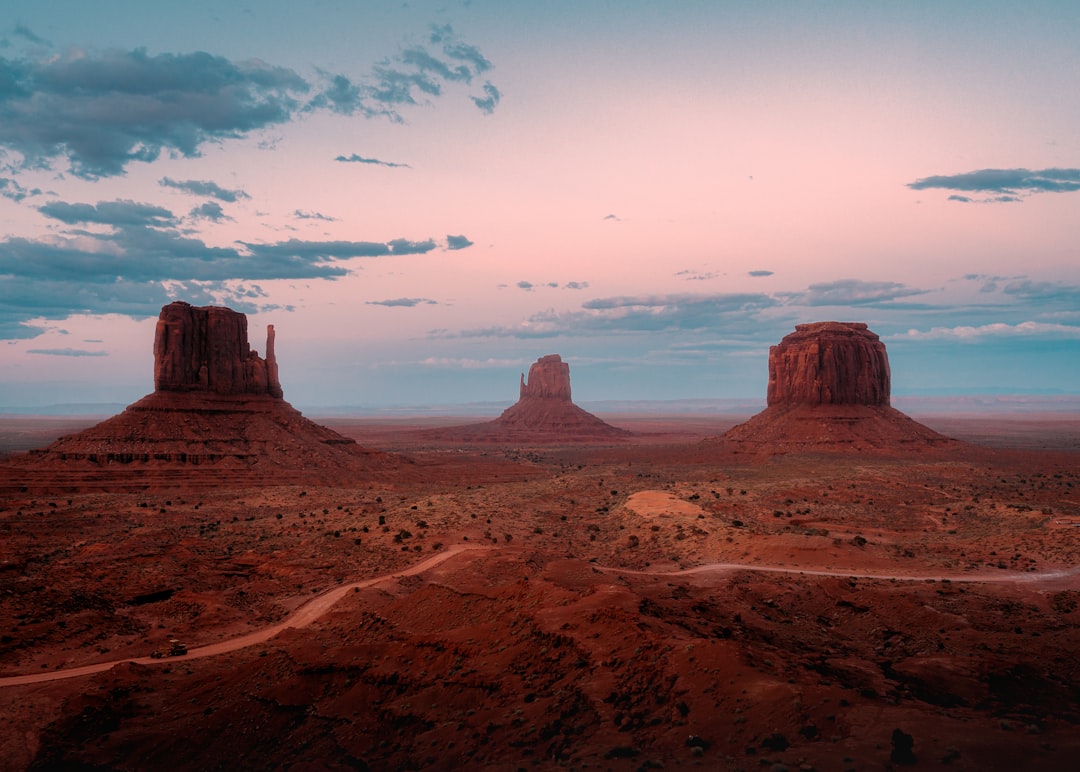
January is the USA at its most regionally divided — ski resorts at peak, New Orleans beginning Mardi Gras season, Miami and the Southwest in ideal winter sun. Low airfares to warm destinations; peak prices for ski country. Here's January.
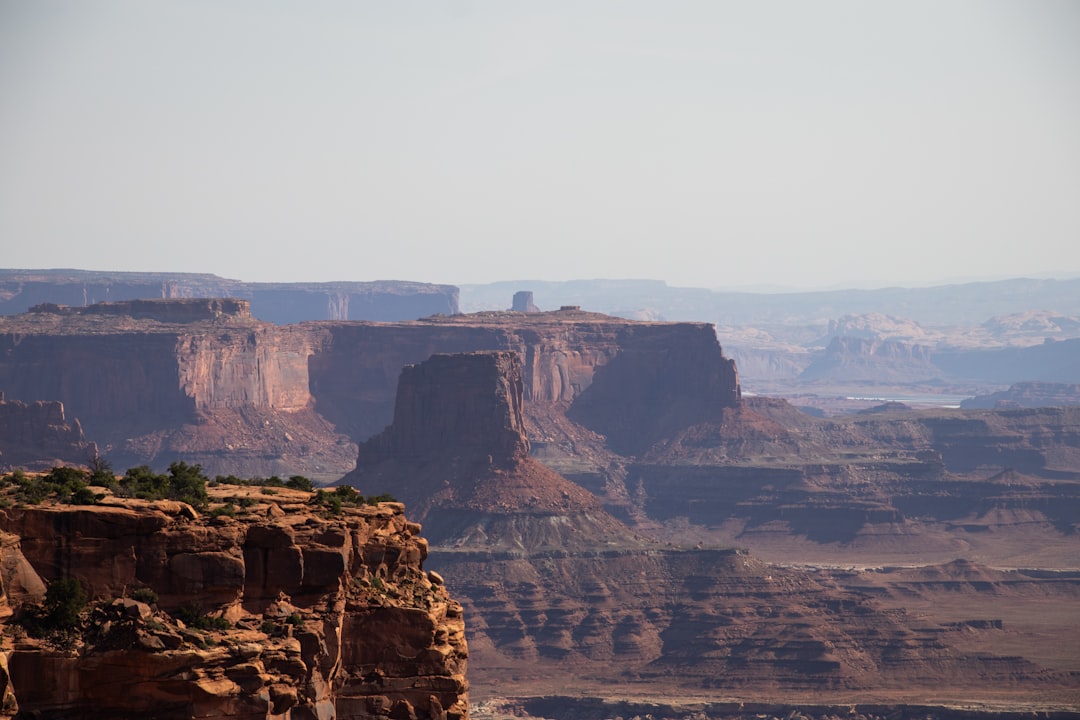
July is the USA at maximum summer intensity — Fourth of July celebrations coast to coast, national parks at their most crowded, beaches packed, and the Rocky Mountain wildflower peak. The month requires strategy.
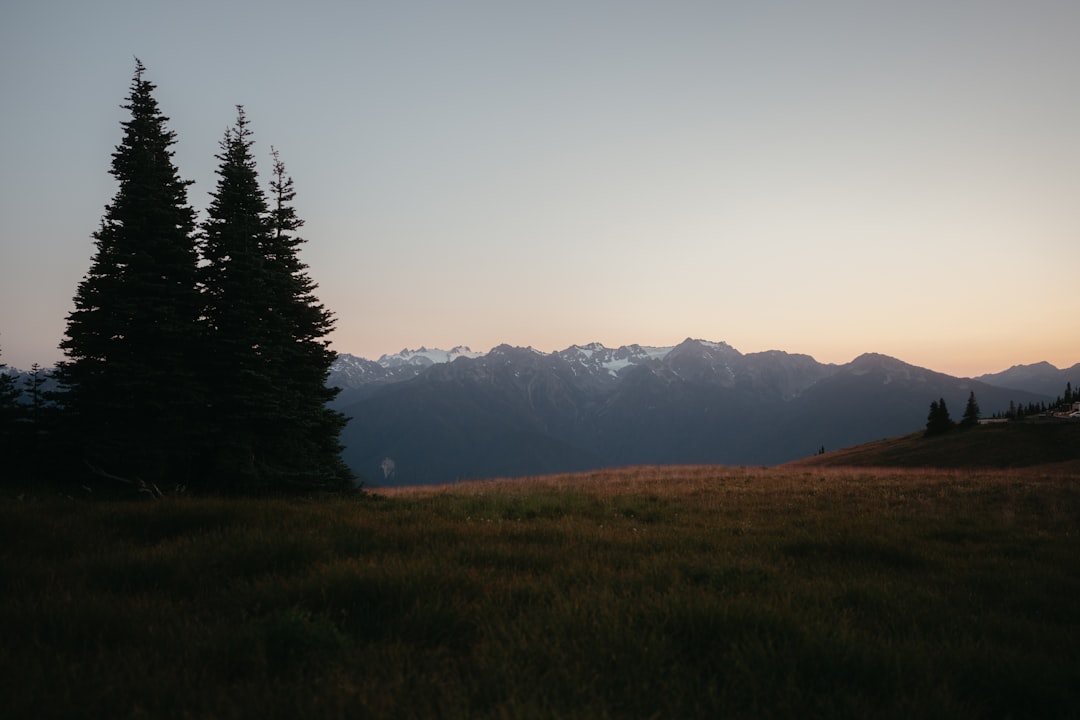
June launches American summer — national parks filling, the longest days of the year, beach season in full swing from Maine to California, and the outdoor festival circuit beginning. Here's how to navigate summer USA.
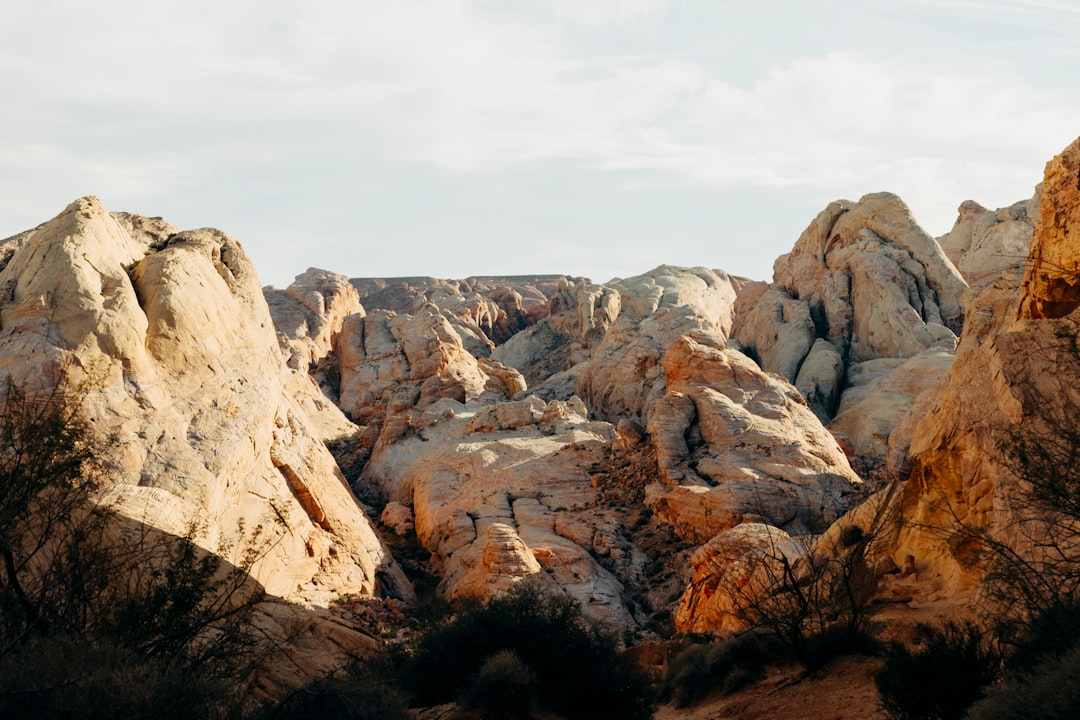
March brings Spring Break to beaches, SXSW to Austin, wildflower superbloom to California's deserts, and the NCAA Tournament across the country. The USA pivots from winter to spring — here's how to navigate it.
May is the last great pre-summer window — national parks accessible without July crowds, Memorial Day weekend launching beach season, and festivals coast to coast. The optimal month for outdoor America.
November brings Thanksgiving — America's defining family holiday — plus the launch of NYC's Christmas season, hunting season in the rural USA, and the last month of off-season pricing before the holiday surge. Here's November.
New England fall foliage, Southwest hiking perfection, Halloween in Salem and NYC. October is the USA's most spectacular travel month — here's where to go.
September is America's post-summer correction — crowds drop after Labor Day, prices fall, and the first fall foliage appears in New England and the Rockies. The optimal month for national parks and city travel alike.
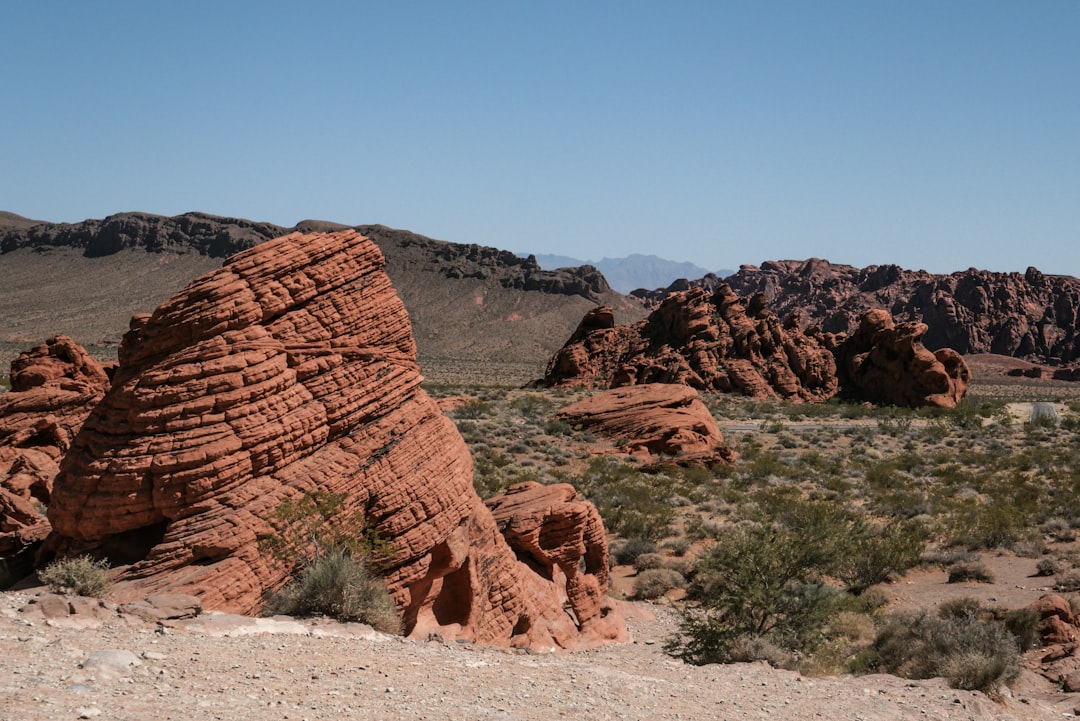
April is Mexico's transitional month — the final stretch of dry season, Semana Santa driving massive domestic travel, and the first serious heat arriving. Here's how to navigate the crowds and find April at its best.
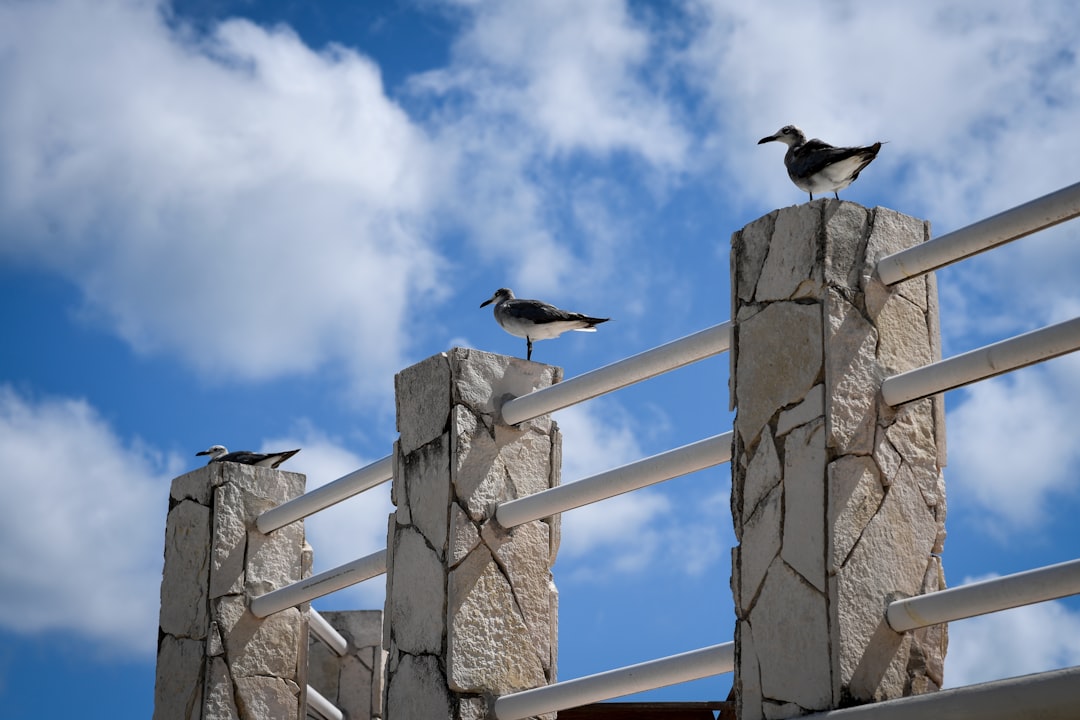
August is Mexico's wettest month — but also one of its most interesting. US and Canadian summer travel pushes Cancún prices up while Pacific resorts and highland cities offer excellent value. Here's the month's split personality.
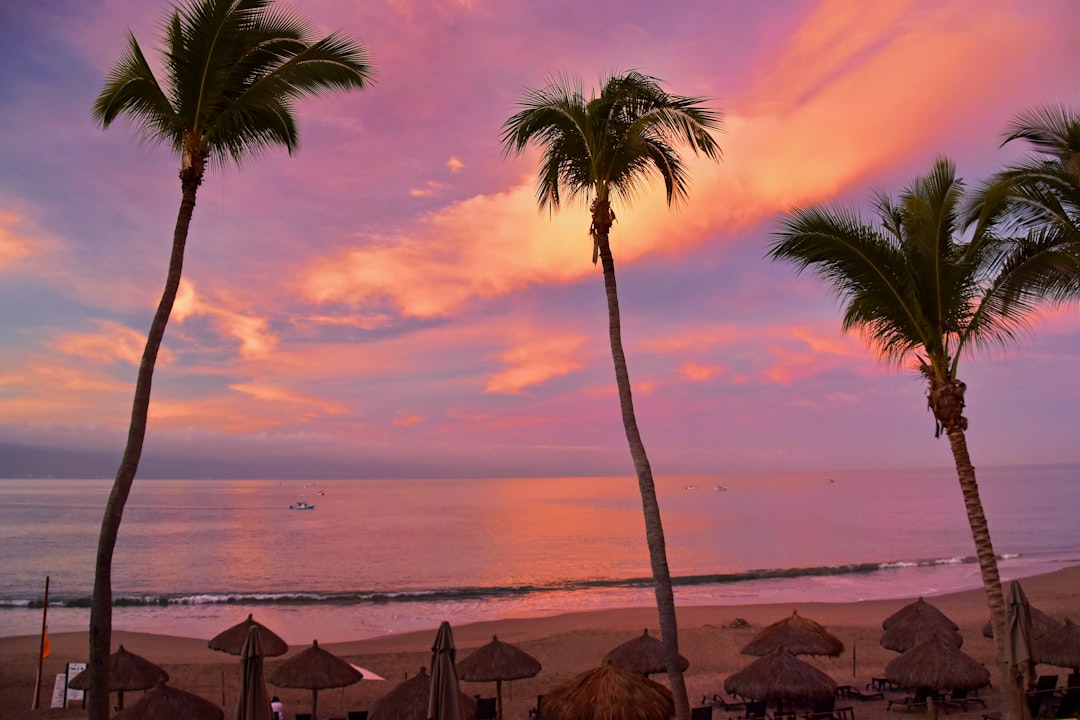
December is peak season in Mexico for good reason — dry weather across most of the country, Christmas posada celebrations everywhere, whale watching in Baja, and the beaches at their most accessible.
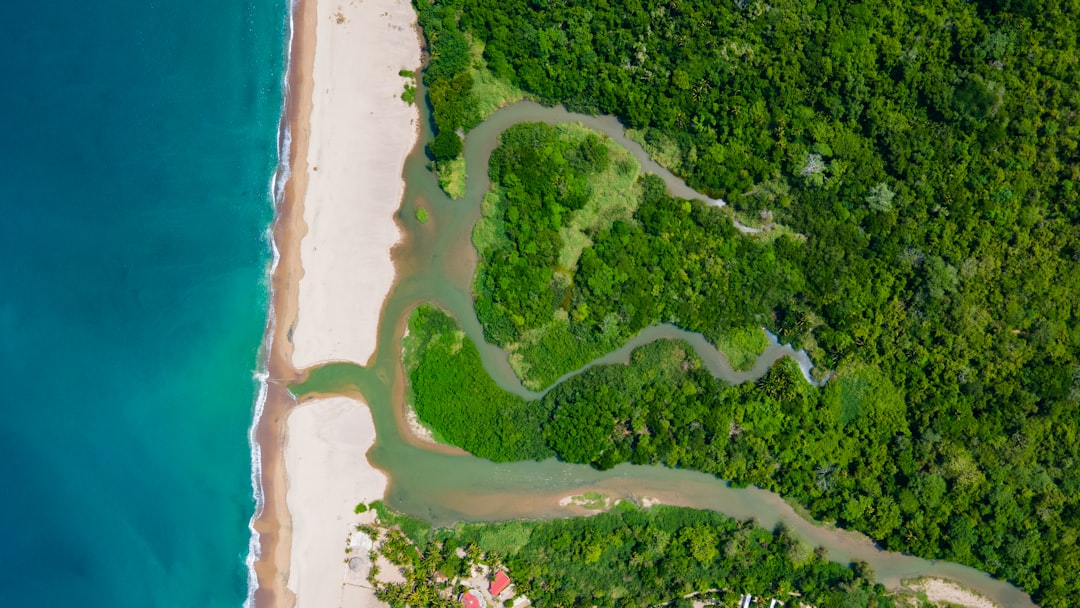
February combines peak whale watching season, Carnival celebrations in Mazatlán and Veracruz, and the final comfortable weeks before spring heat arrives. Here's how to use it.
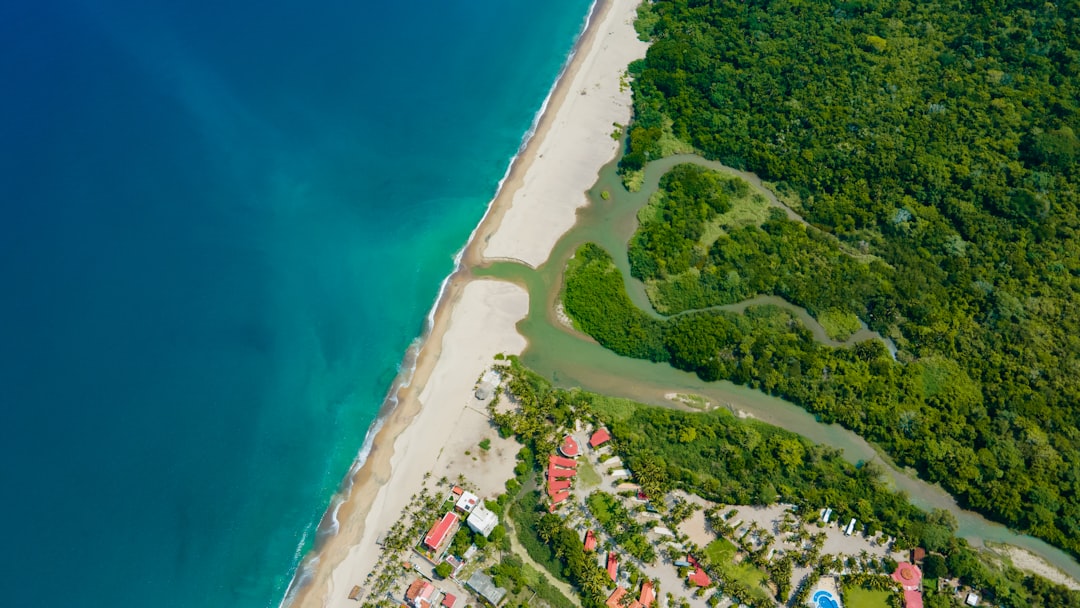
January is dry season in full swing. The Christmas crowds have cleared, whale watching in Baja is world-class, and you have the best weather of the year at prices that recover from December spikes.
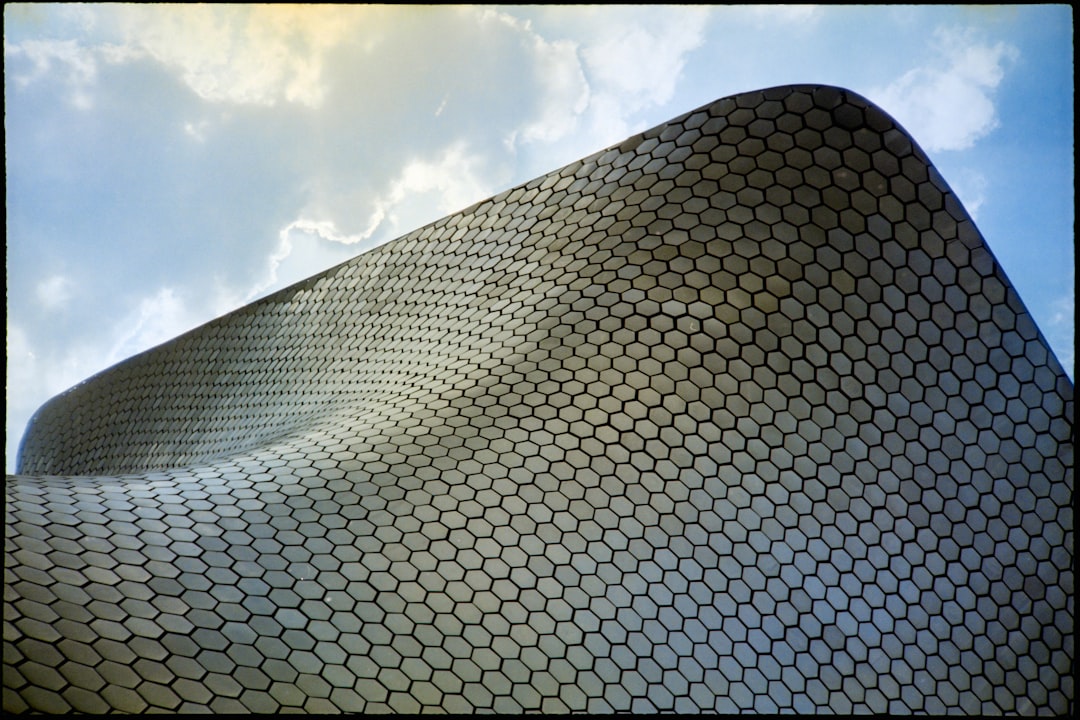
July is rainy season in full swing and one of Mexico's most culturally rich months. The Guelaguetza in Oaxaca is Mexico's greatest indigenous dance festival. Prices stay low, landscapes are lush, and the rain is afternoon-only. Here's how to use July.
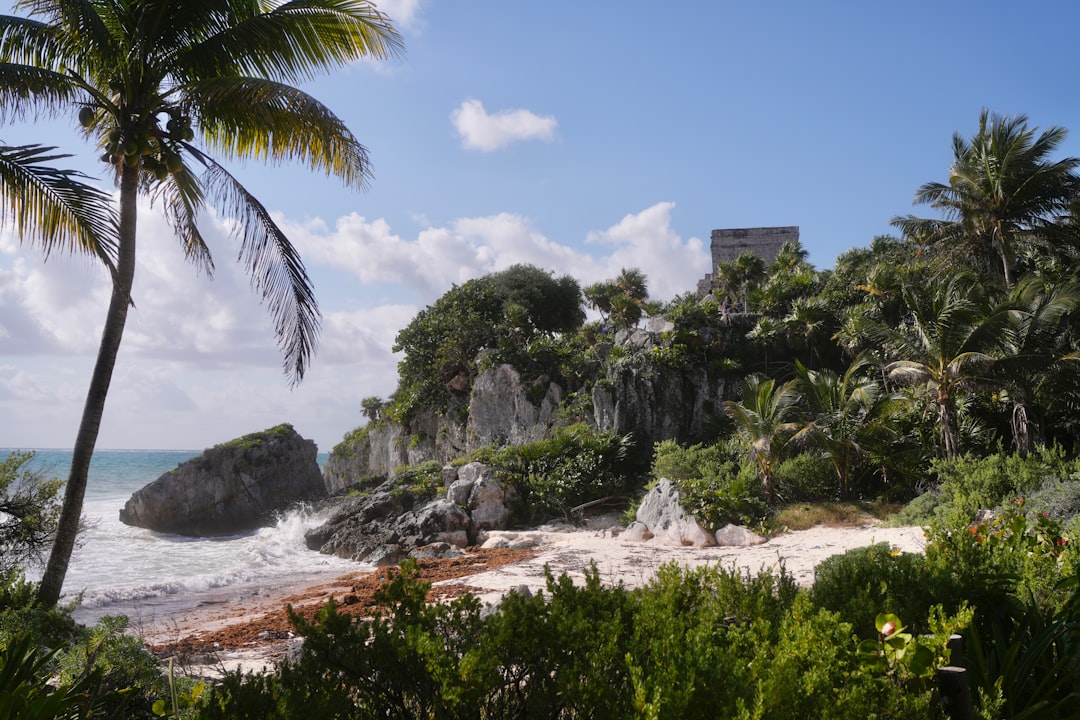
June marks the start of Mexico's rainy season — but the rain is mostly afternoon showers, not all-day downpours. Prices are at their lowest, crowds minimal, and the country's lush green season begins. Here's what changes and what doesn't.
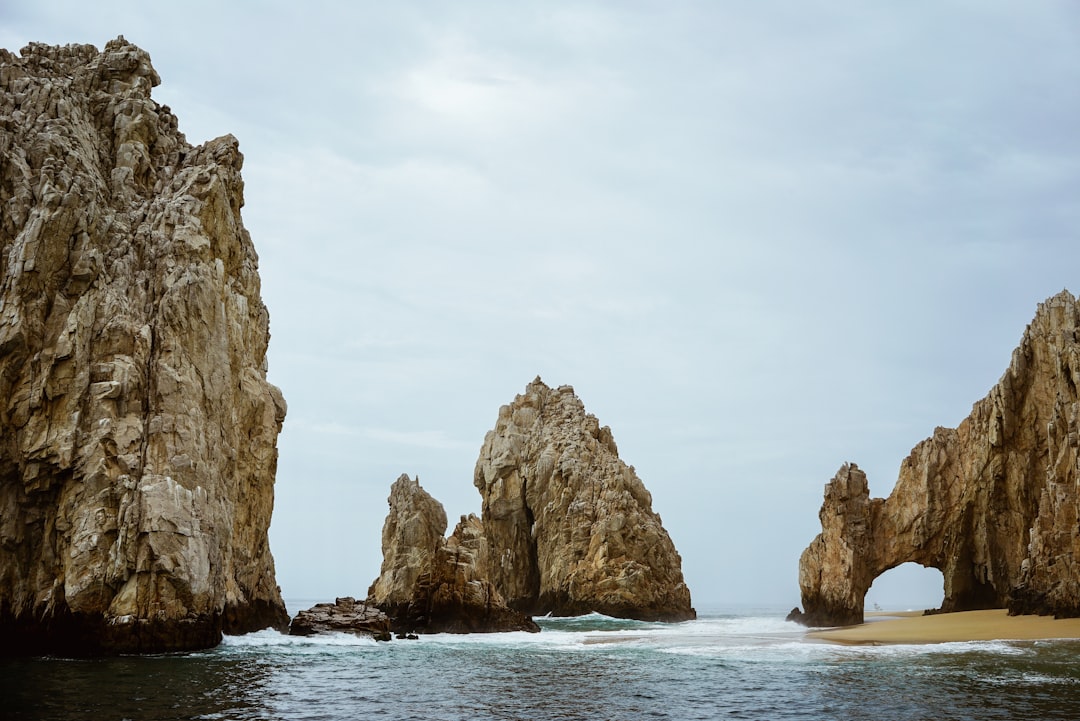
March is Mexico's last perfect weather month before the heat arrives. Monarch butterfly migration peaks in the forests of Michoacán, spring break brings US tourists to the beaches, and Semana Santa looms. Here's how to time it.
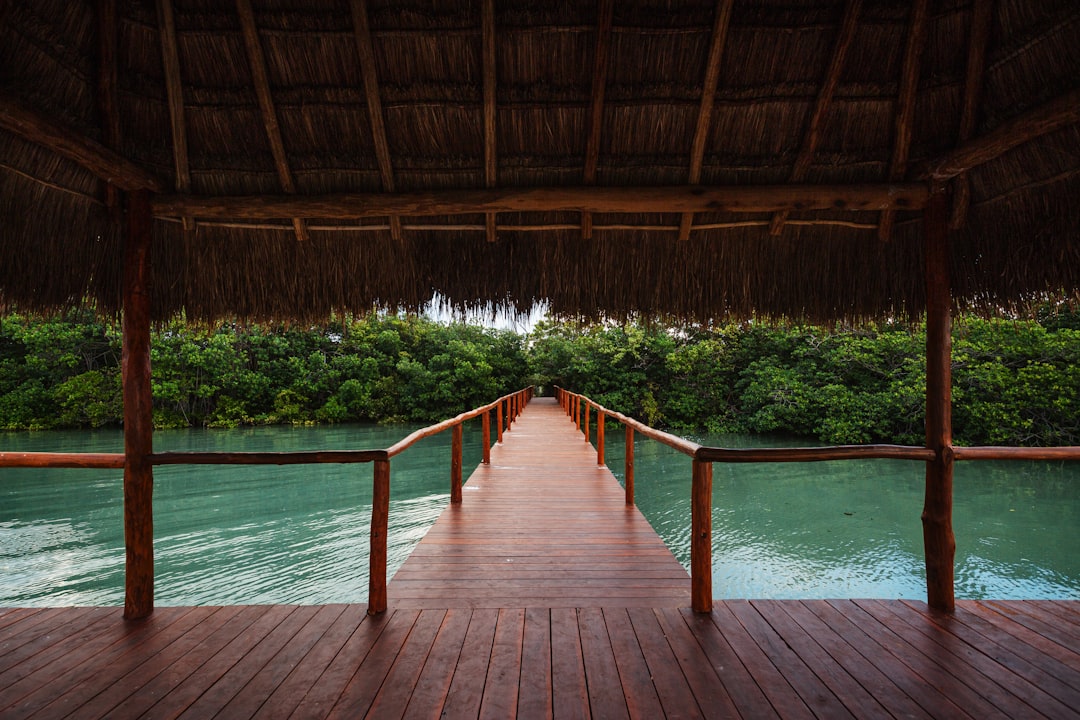
May is Mexico's forgotten month — the Semana Santa crowds are gone, the rainy season hasn't started, and you have the country largely to yourself at dry season's tail end. Here's why savvy travelers love it.
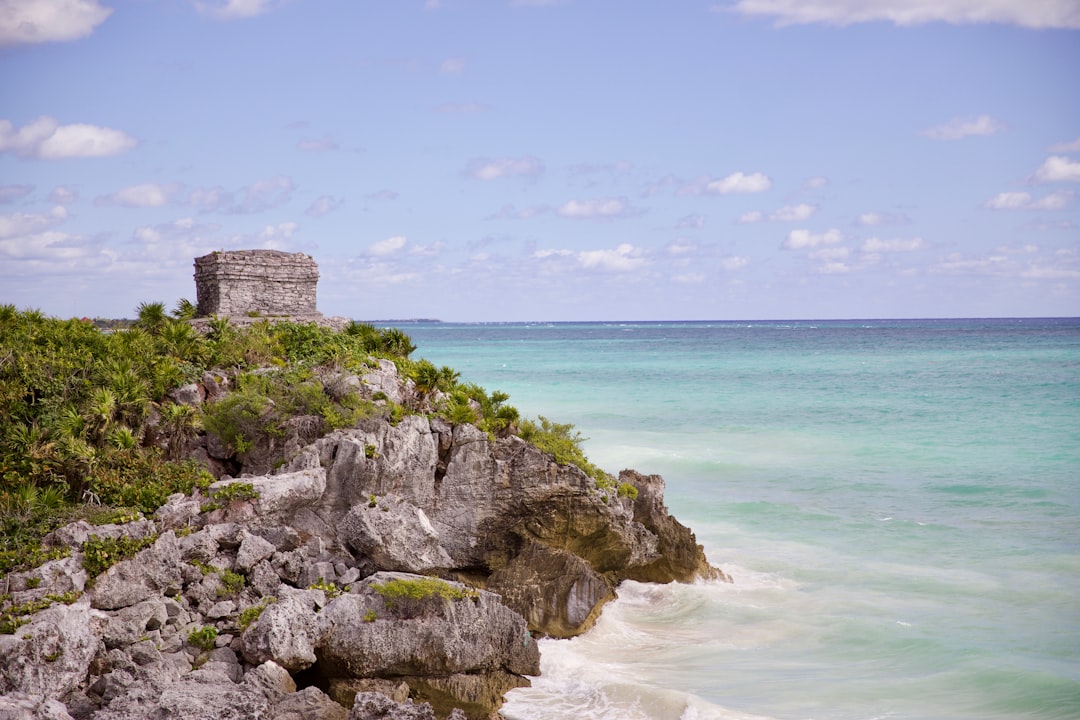
November might be Mexico's single best month. The rains have ended, Día de los Muertos fills the first days with extraordinary ceremony, and you have the rest of the month at dry-season prices before December crowds arrive.
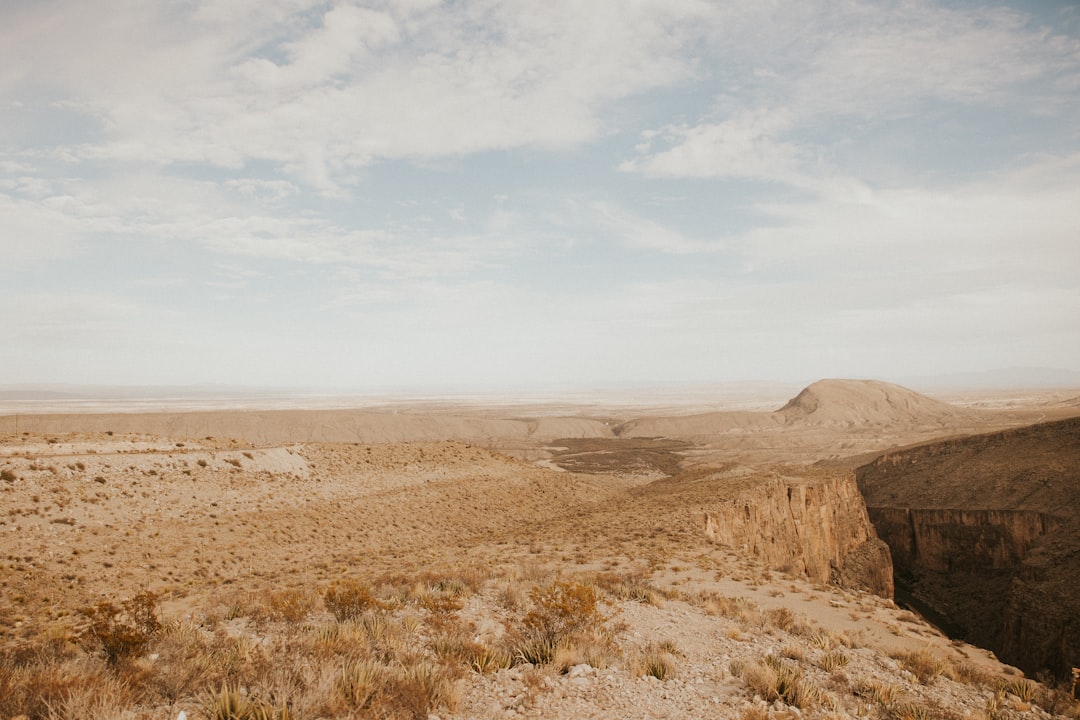
October is Mexico's transition month — rain tapers off, prices remain low, and the country begins building toward its most visually spectacular event: Día de Muertos. Here's how October plays out across the country.
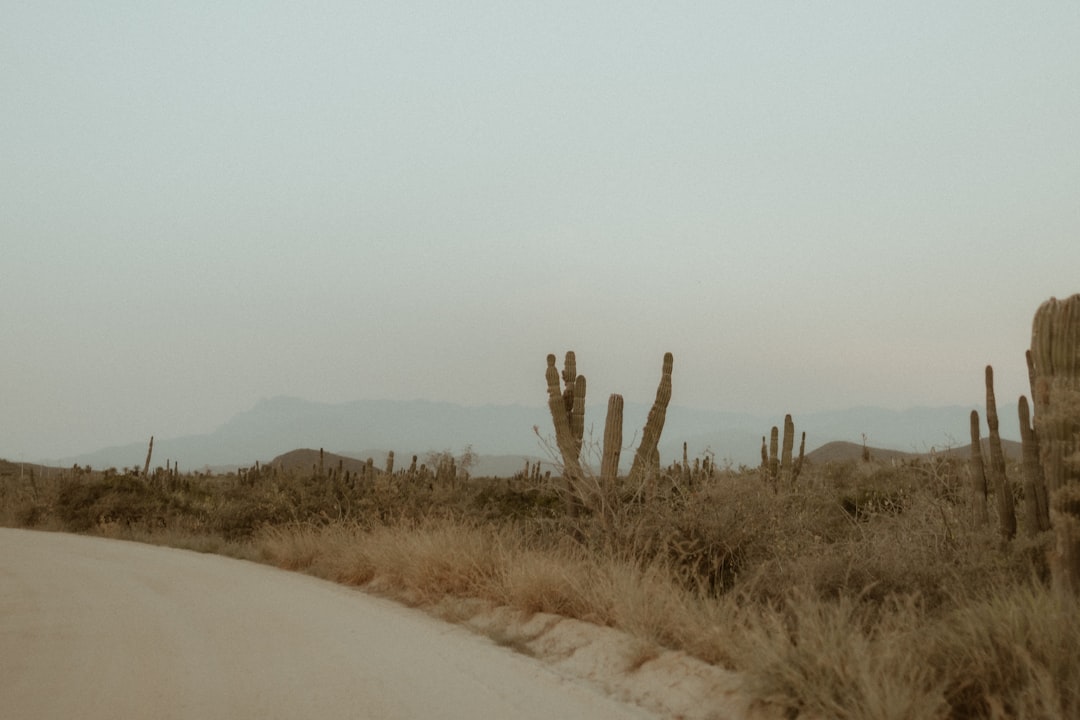
September is Mexico's most overlooked month — Independence Day celebrations, hurricane season peak, and the absolute lowest prices of the year. Here's why it's one of the smartest times to visit, and what to watch for.
April is Canada's quiet sweet spot — Vancouver's cherry blossoms rival Kyoto, Ottawa's tulips are about to bloom, and prices sit at their annual low before summer crowds arrive.
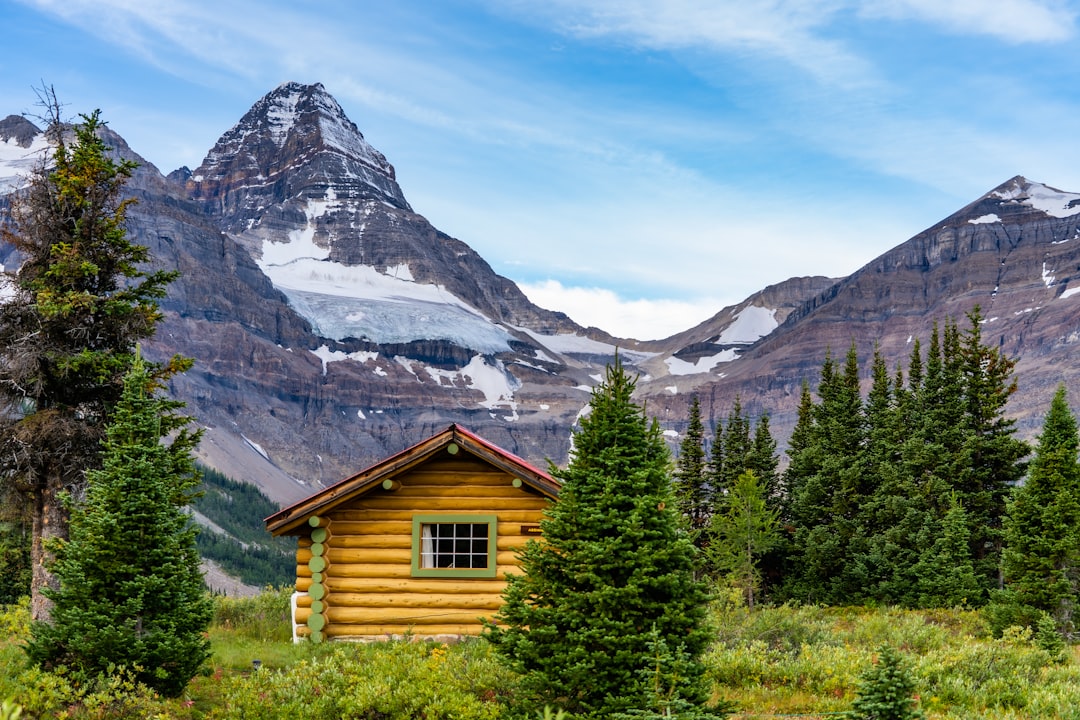
August is Canada's warmest month — alpine wildflowers peak in the Rockies, Atlantic Canada hits its warmest temperatures, and the Pacific salmon begin their return upstream. Still peak season: plan ahead.
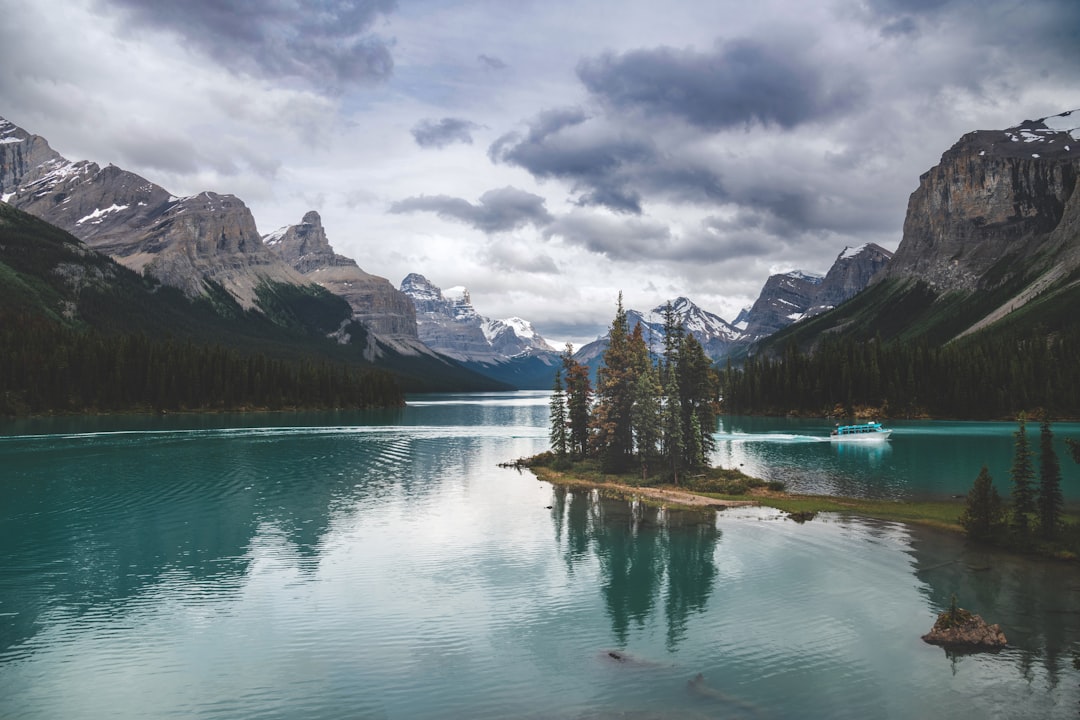
December transforms Canada's cities into lit-up winter versions of themselves — Toronto's Distillery Market, Quebec City's frozen streets, and Whistler's first deep powder make this a genuine winter travel destination.
February is Canada's most festive winter month — Quebec City's famous carnival is in full swing, Montreal hosts outdoor events, and ski conditions across the Rockies and Laurentians are at their best.
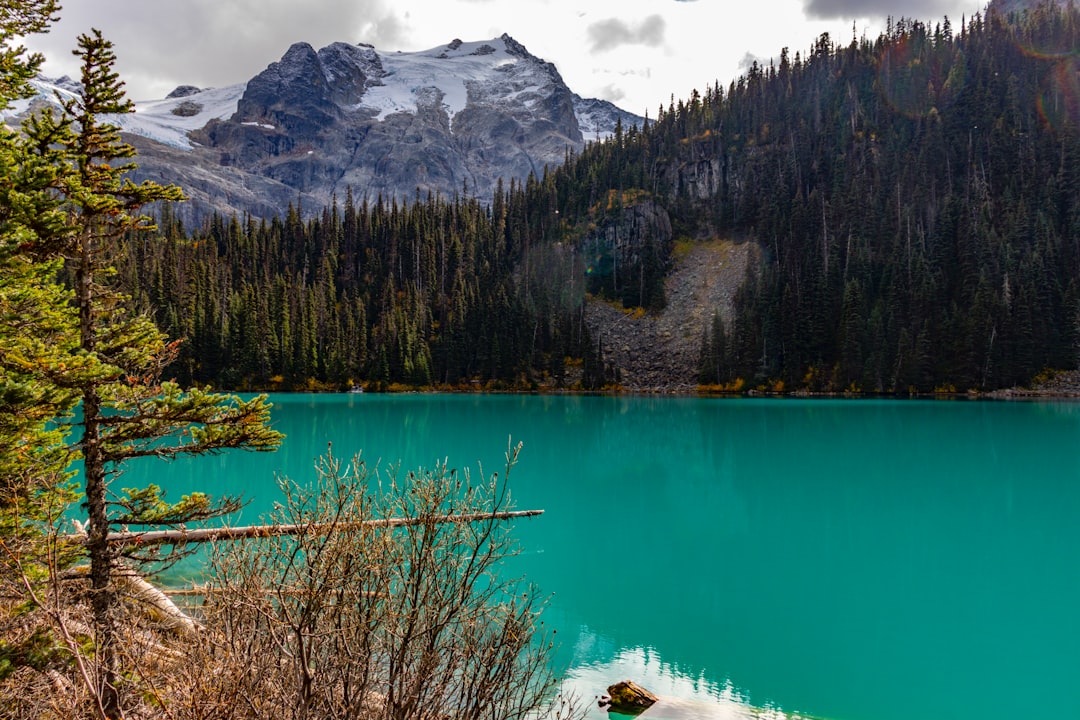
January is Canada's deepest winter — brutal in the cities, extraordinary in the mountains and on the ice. Ski resorts are fully operational, the Quebec Winter Carnival is three weeks away, and the northern lights are visible from multiple provinces.
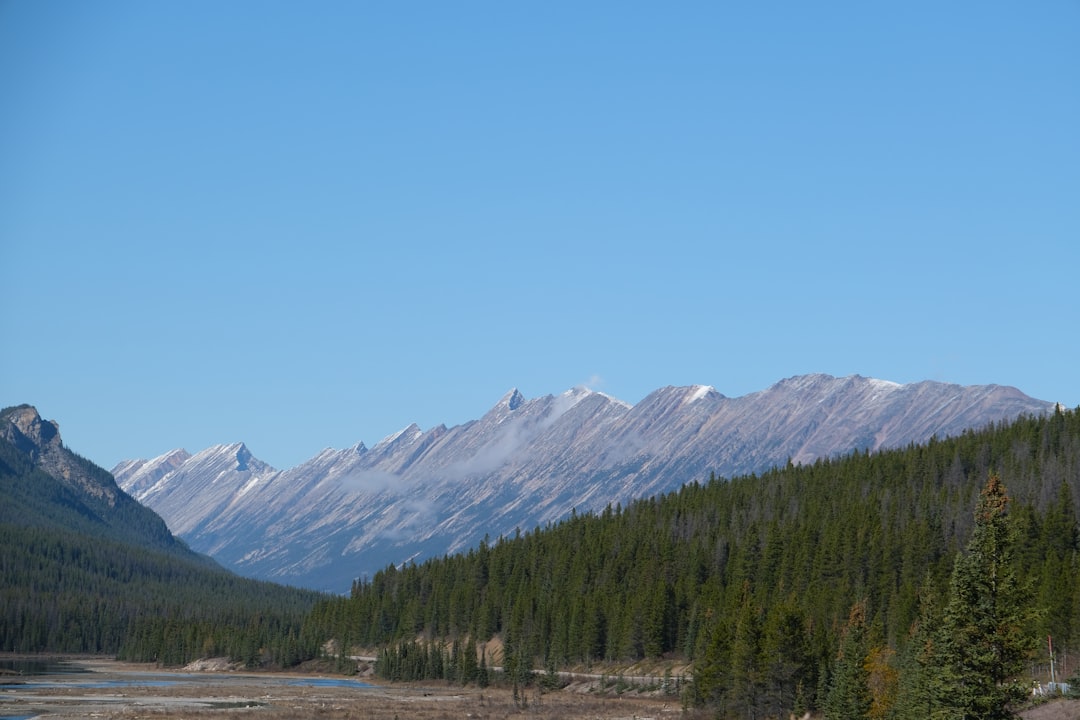
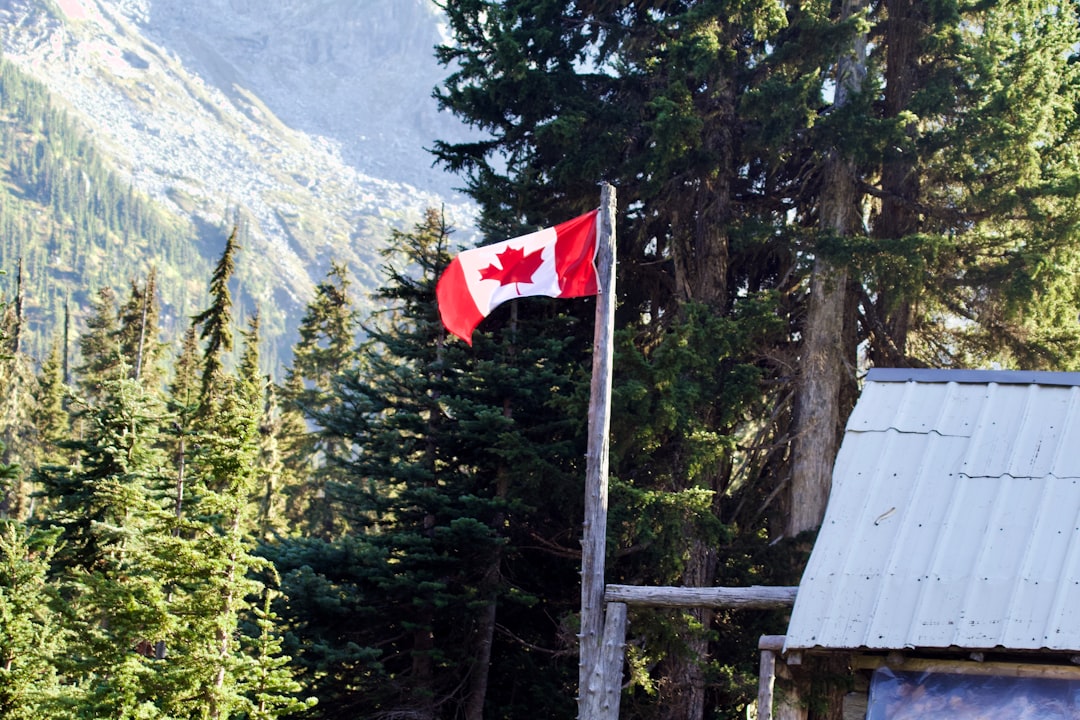
July is Canada's peak summer month — national parks are at maximum beauty, Canada Day fireworks light every city, and the country's outdoor culture operates at full capacity. Book everything early.
June opens Canada's peak hiking season with long days, snow-capped mountains still reflected in turquoise lakes, and the first heat of summer in the cities. The Yukon approaches midnight sun. National parks hit their stride.
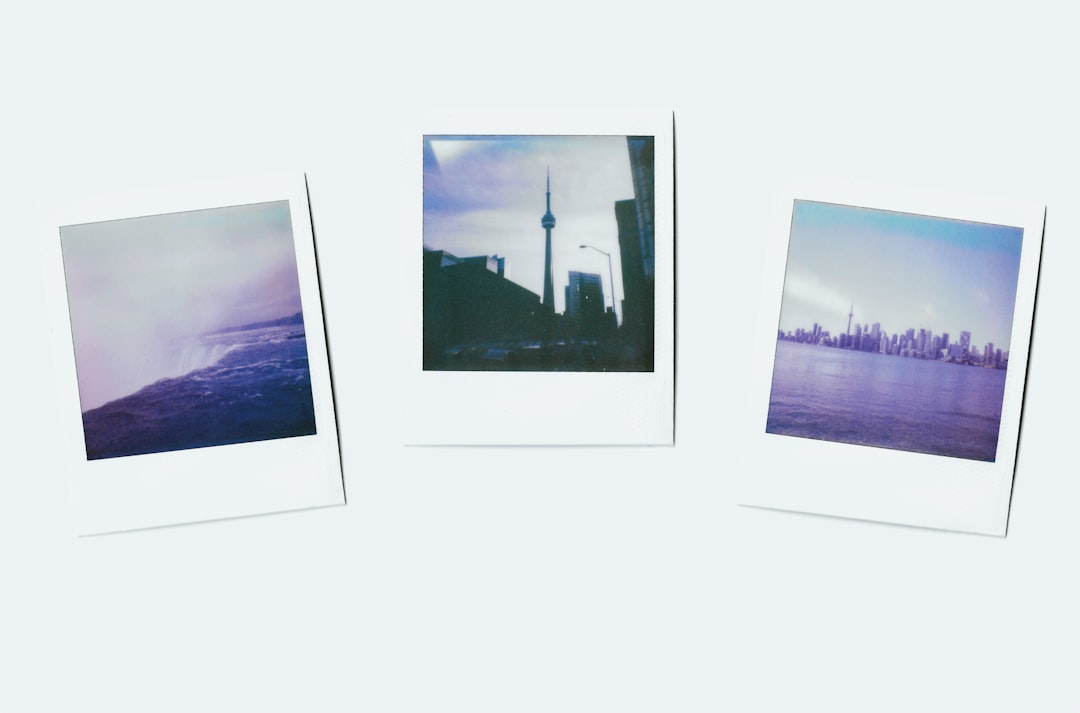
March bridges winter and spring — skiing is still excellent in the Rockies and Quebec while southern Ontario celebrates maple syrup season. Prices drop as the peak ski crowd thins out.
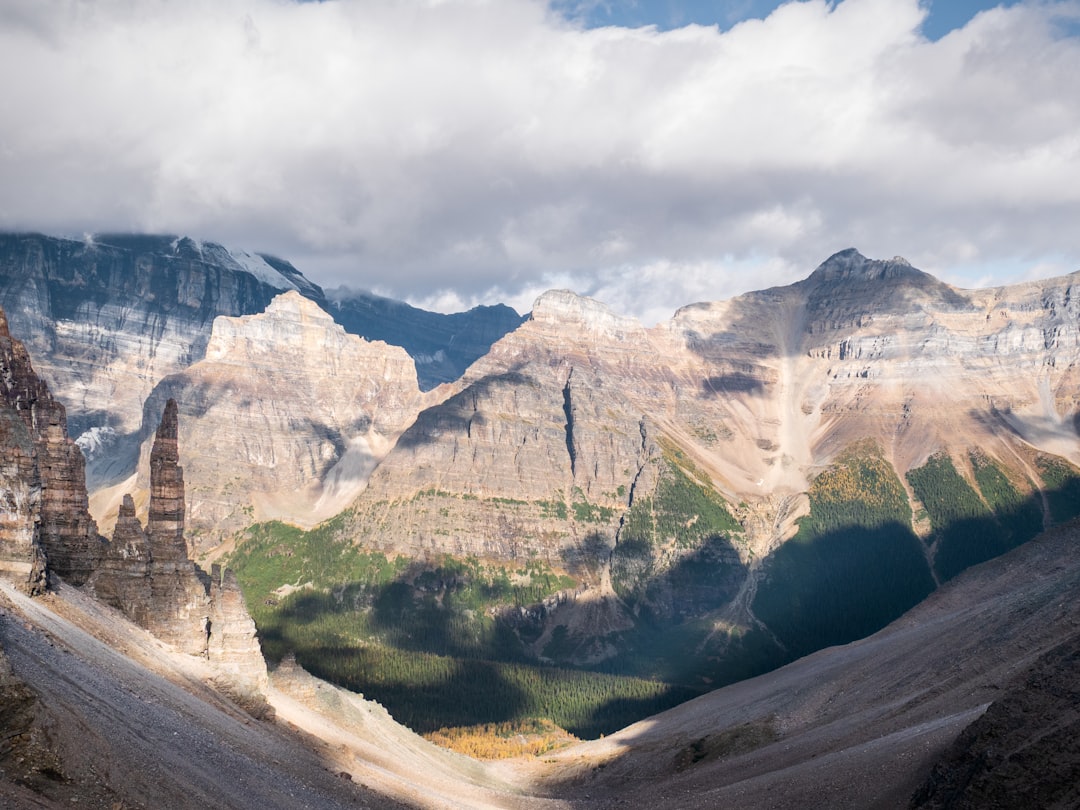
May is Canada's most underrated month — Ottawa's tulips are at peak, whales appear in the St. Lawrence and Pacific, national parks are open and empty, and prices haven't jumped to summer rates yet.
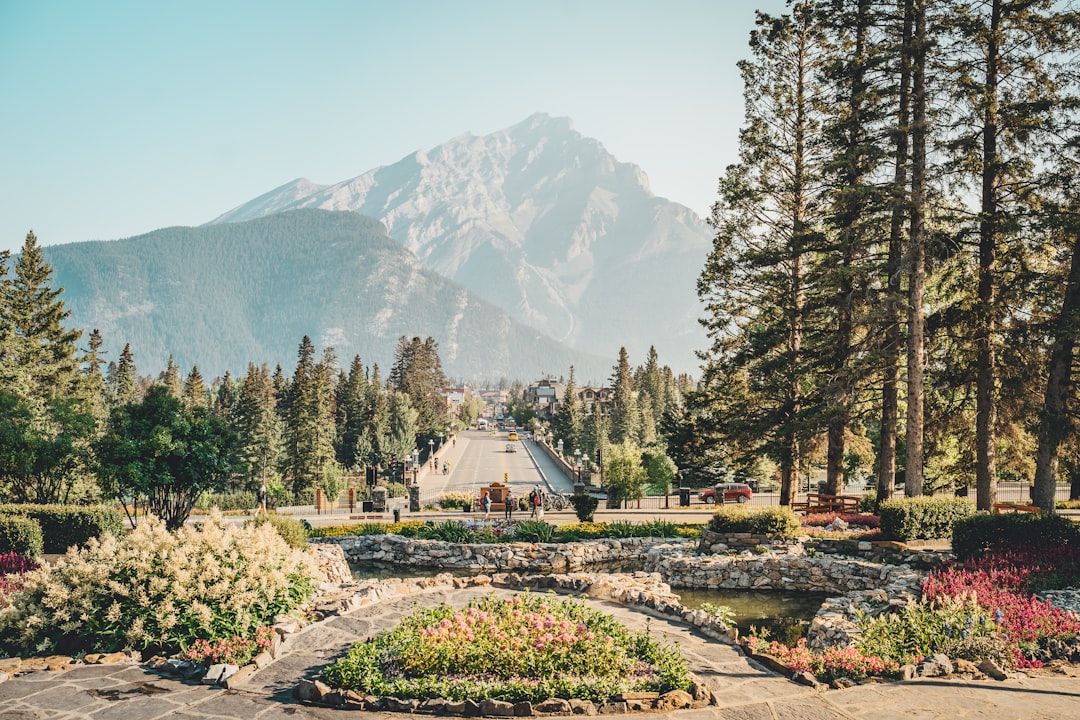
November is Canada's quietest month — summer tourism is over, ski season hasn't started, and hotel prices hit their annual floor. The trade-off is grey skies and cold temperatures everywhere.
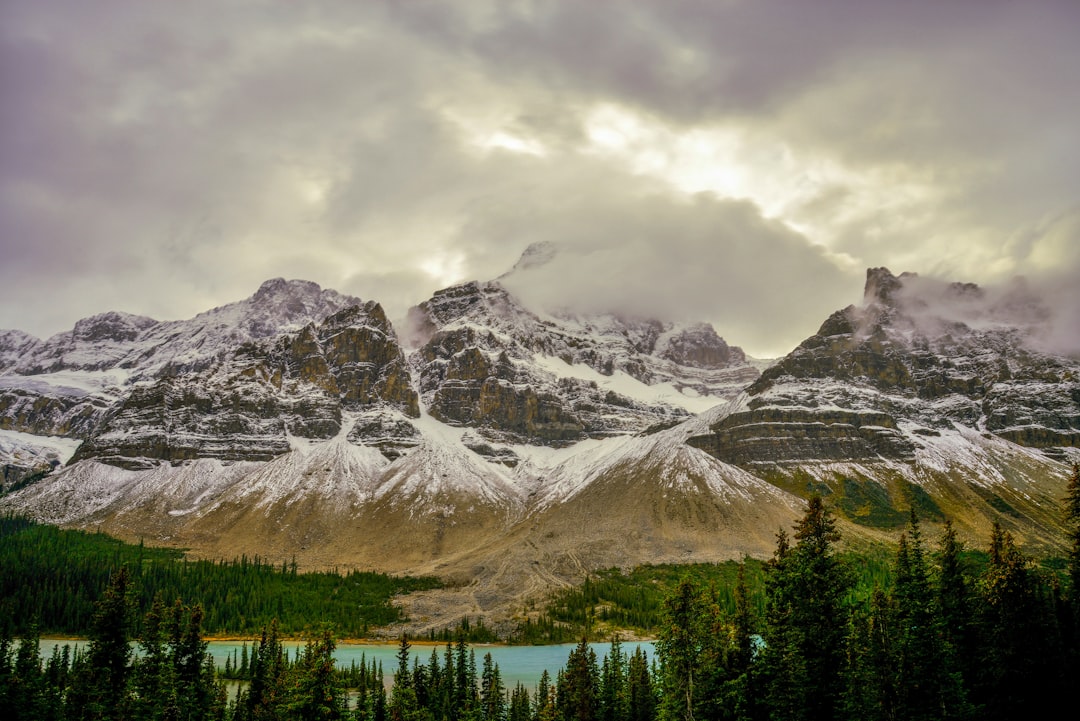
October is Canada's fall foliage peak — Algonquin blazes in reds and oranges, Quebec's countryside turns gold, and Canadian Thanksgiving brings harvest tables across the country.
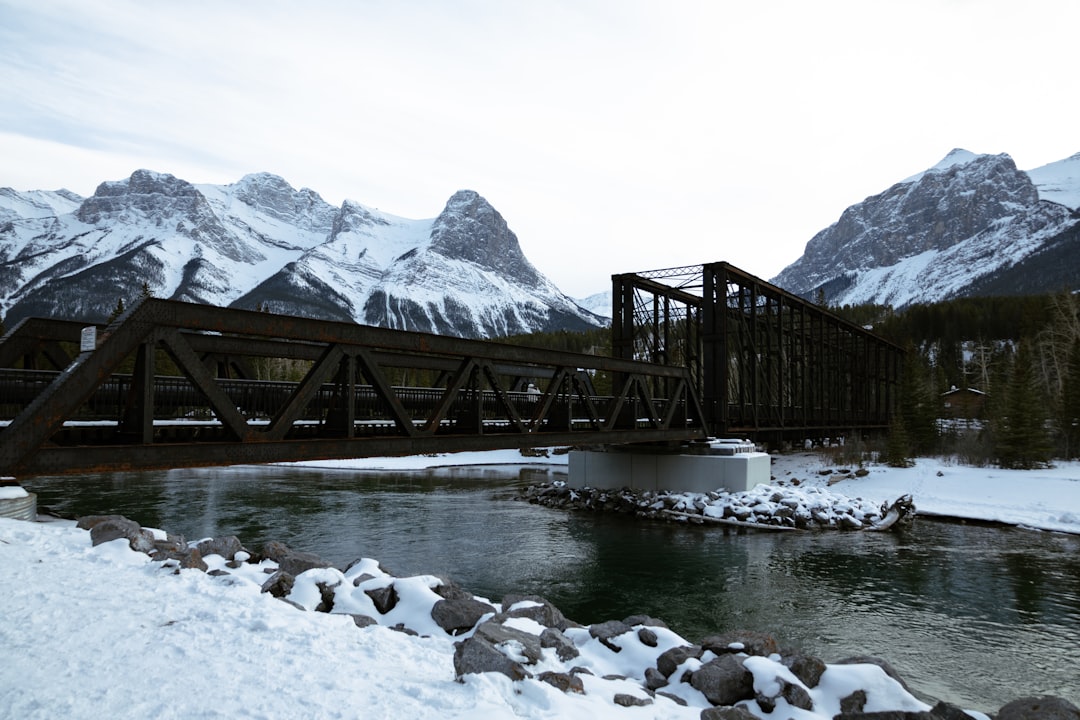
September combines summer's weather with autumn's colours — larch trees turn gold in Banff, salmon run the Pacific rivers, and the summer crowds vanish almost overnight after Labour Day.
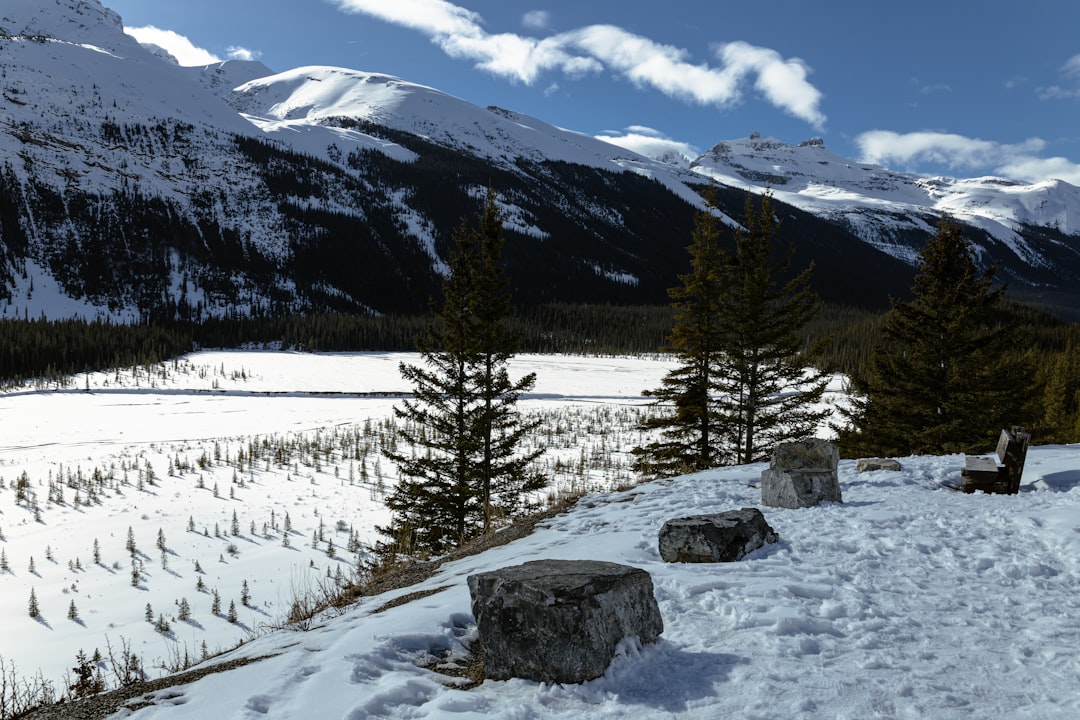
April is Egypt's last comfortable month for extensive outdoor exploration — temperatures are rising but not yet at summer extremes, prices are lower than winter peak, and the Nile Valley is at its most photogenic.
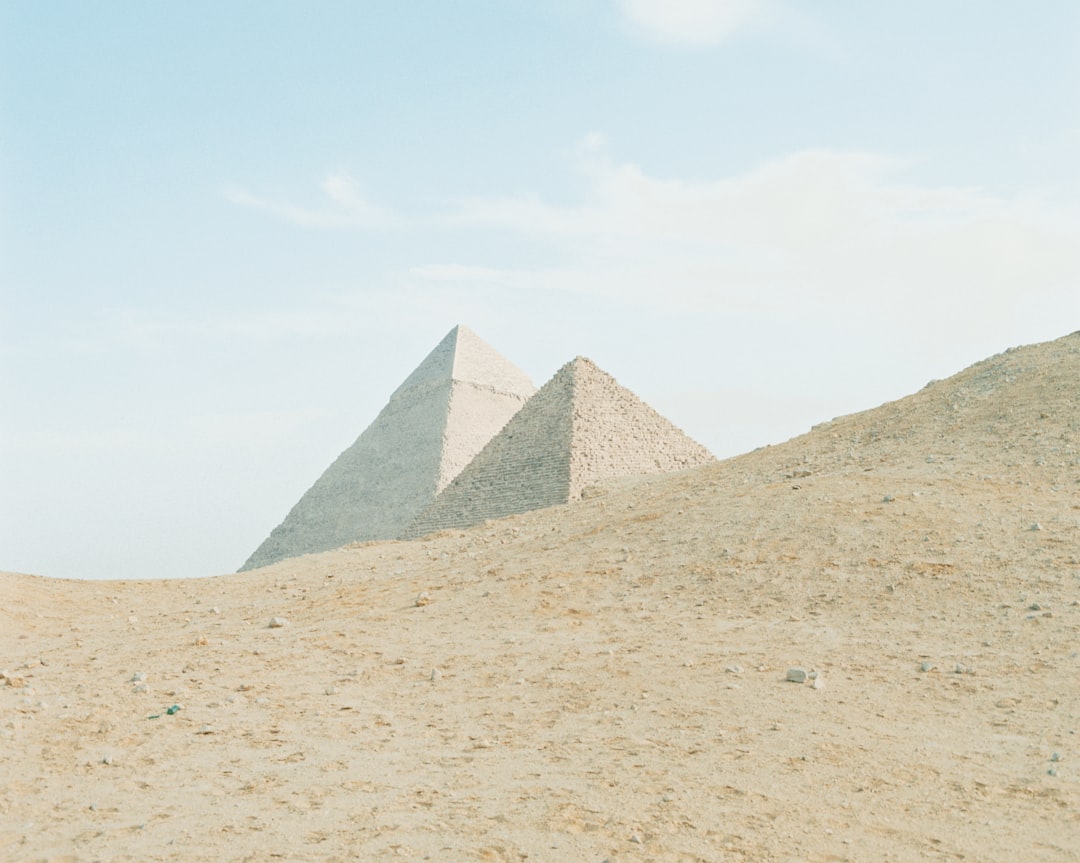
August matches July for heat intensity but adds Eid al-Adha crowds at domestic sites. The upside: Luxor and Aswan hotels offer the year's lowest rates, and serious travelers can have the Valley of the Kings to themselves at dawn.
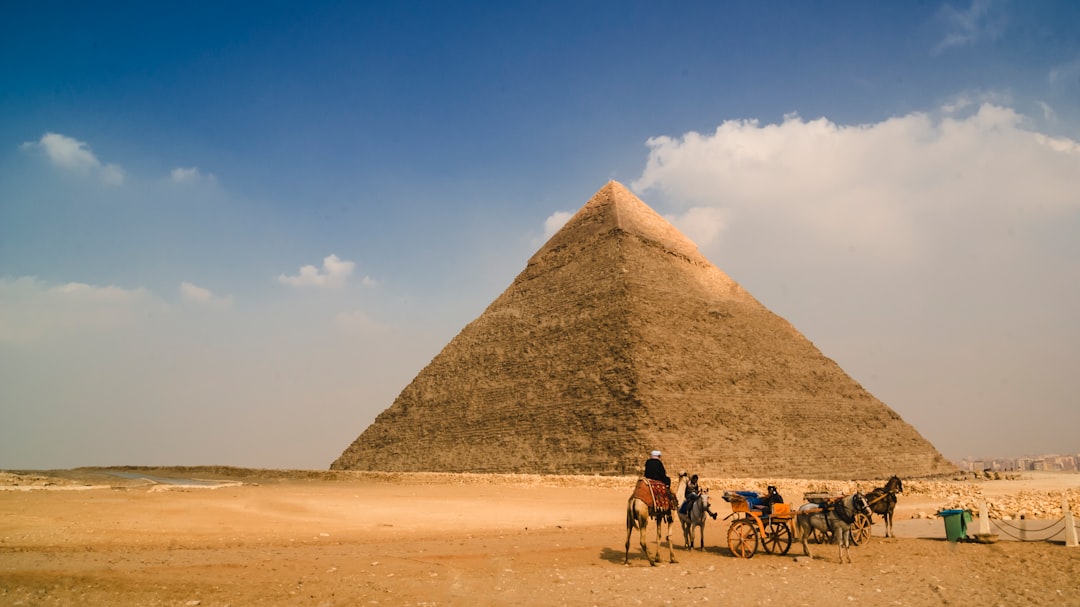
December brings international visitors back to Egypt's ancient sites in force — temperatures are ideal, the Nile cruise season is fully operational, and the Red Sea resorts fill with European winter-sun seekers.
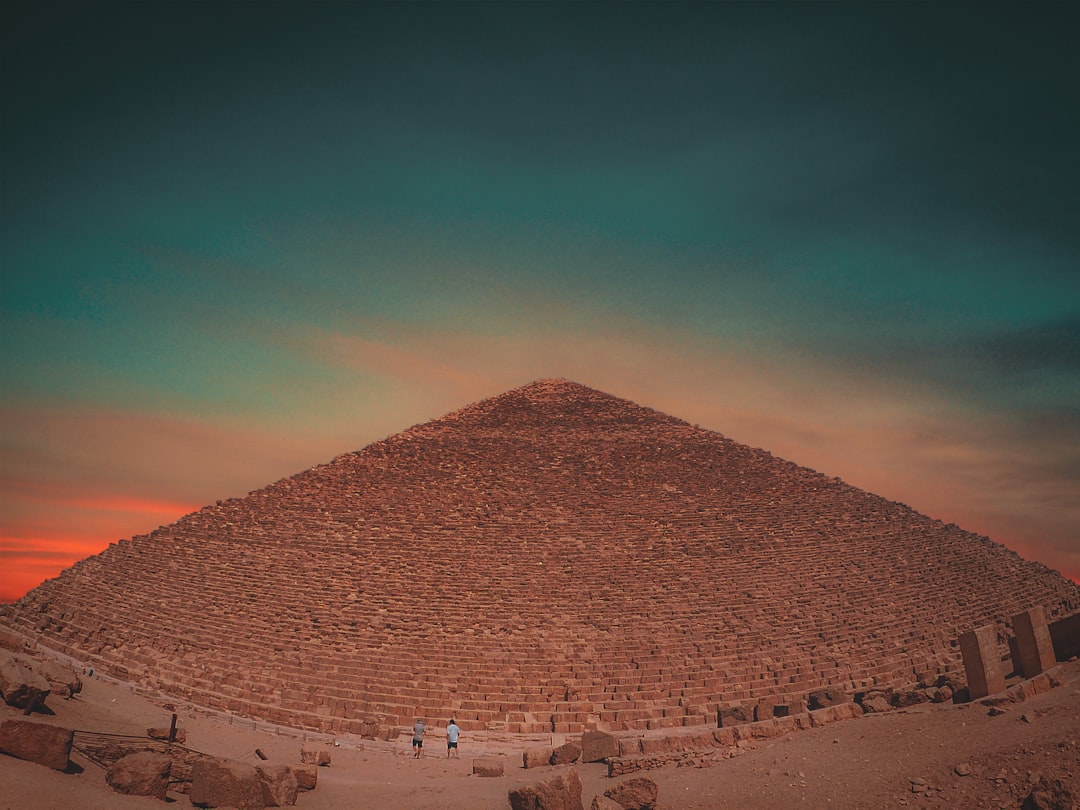
February brings one of Egypt's most dramatic annual events — the solar alignment at Abu Simbel on the 22nd — and delivers consistently warm desert temperatures before the spring heat arrives.
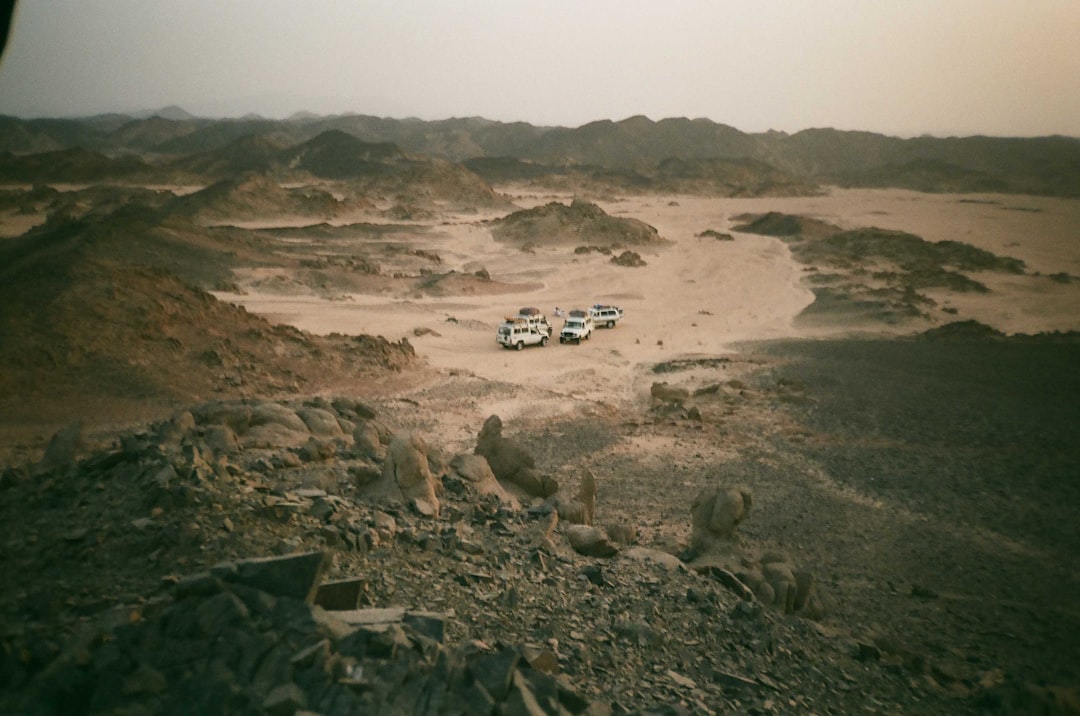
January is Egypt's finest month — the Sahara heat is entirely absent, Luxor and Aswan are mild, and the iconic sites are accessible without the punishing temperatures that define summer. The trade-off is peak-season prices.
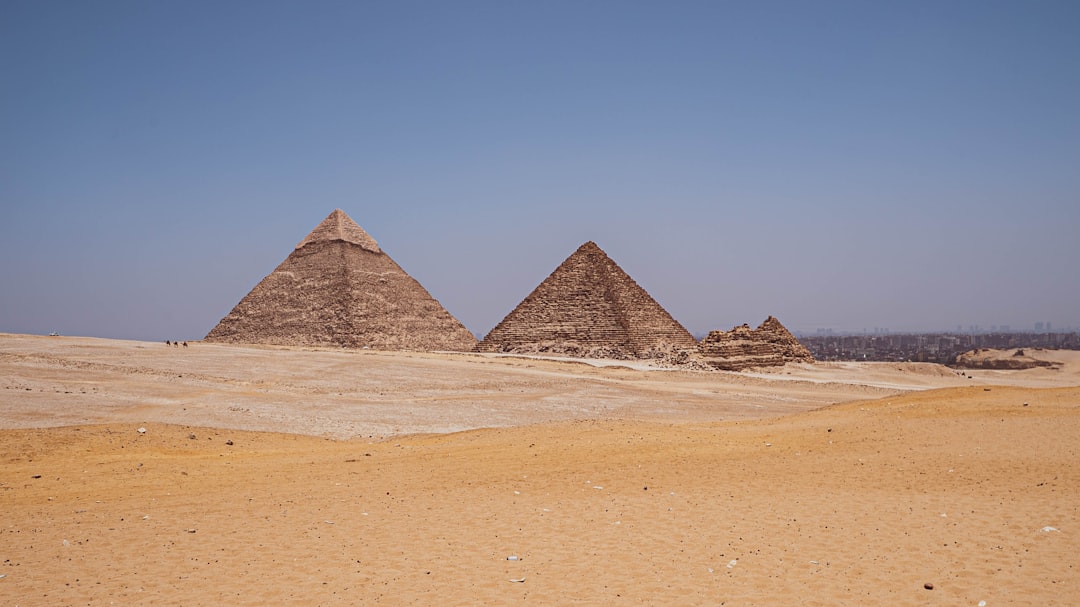
July is Egypt's hottest month — desert sites require extreme caution — but the Red Sea resorts are in peak season, the Pyramids can be had almost alone at dawn, and hotel rates in Luxor hit their annual floor.
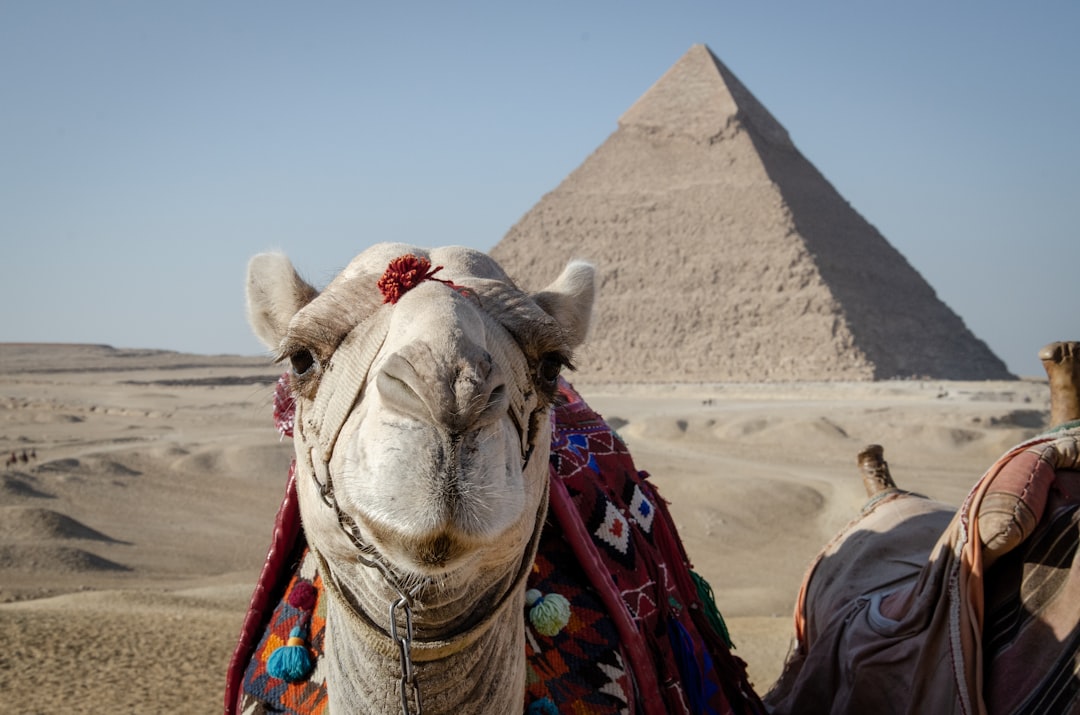
June in Egypt is for heat tolerant travelers only — inland temperatures exceed 40°C regularly. The upside: the Pyramids and Luxor temples are essentially tourist-free, and the Red Sea is in perfect condition.
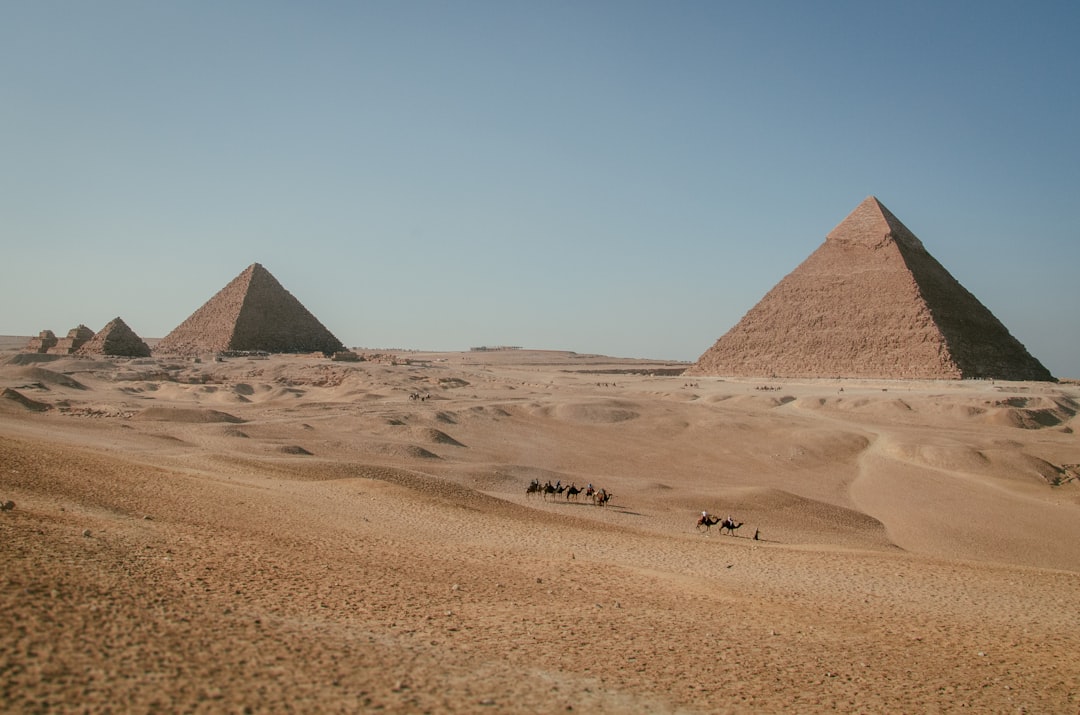
March is Egypt's final month of genuinely comfortable temperatures before summer heat takes hold. Prices are lower than January–February, and the ancient sites are at their most accessible before the punishing spring wind season begins.
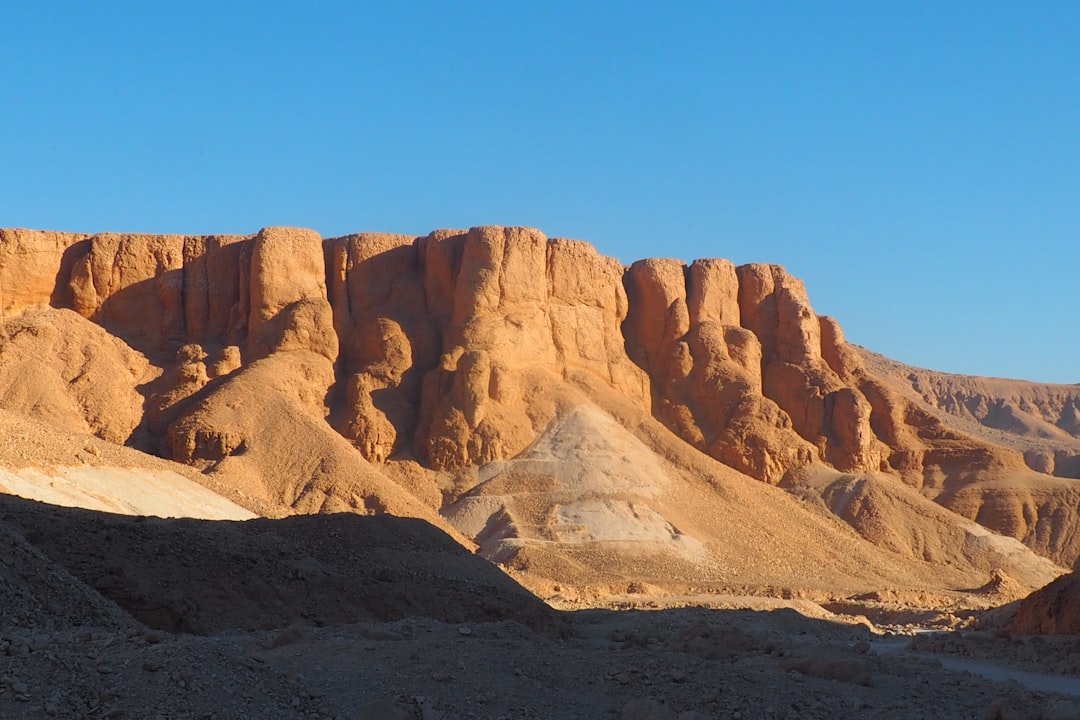
May is Egypt's last month before punishing summer heat sets in. Outdoor sites in Upper Egypt become genuinely challenging; the Red Sea coast is the destination of choice for May visitors seeking warmth without extreme desert temperatures.
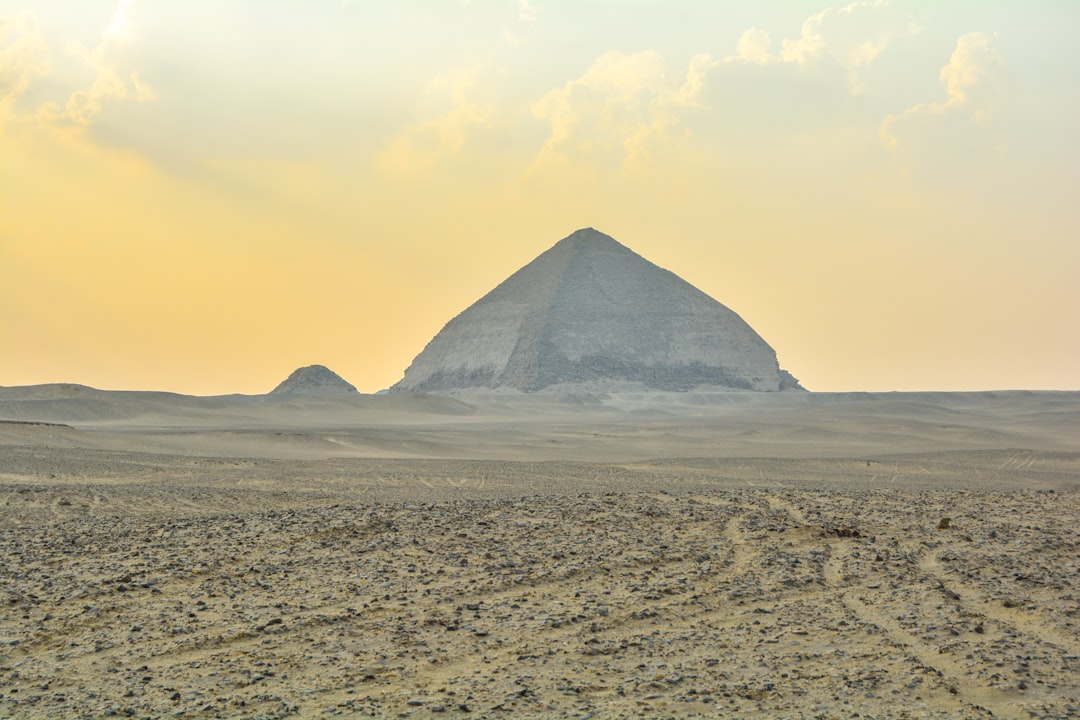
November combines October's comfortable temperatures with slightly lower prices than the December–January peak. Tour groups haven't yet arrived in full force, and the Nile Valley is at its most accessible.
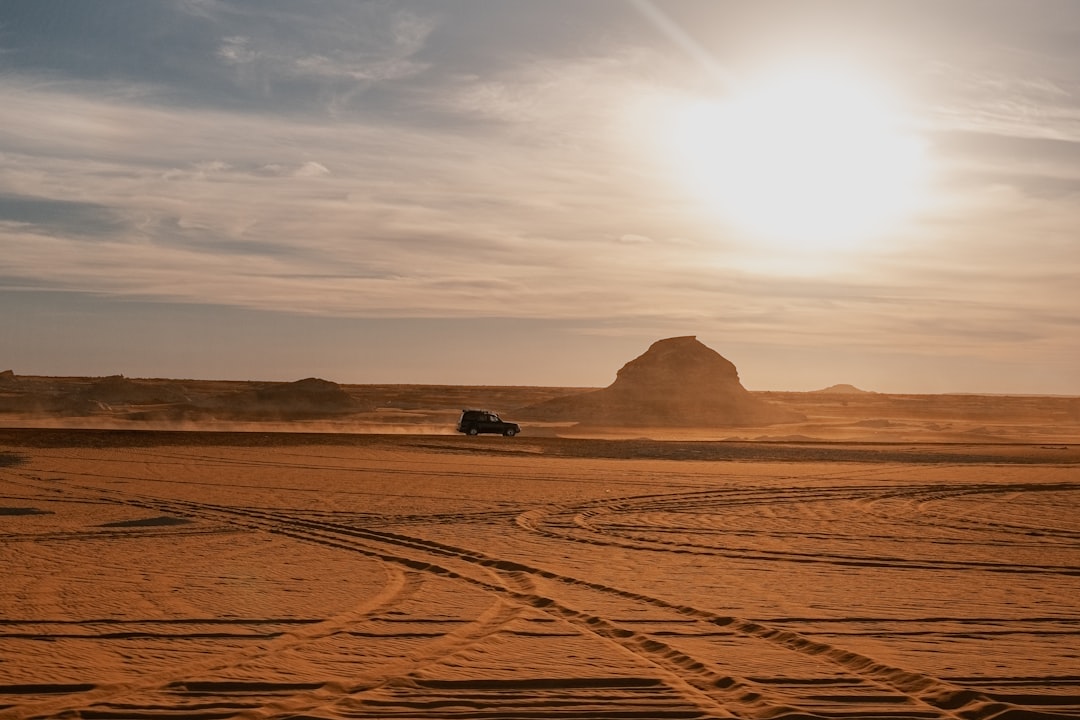
October is Egypt at its most practical — temperatures in Luxor and Aswan drop to comfortable levels, the Abu Simbel solar alignment draws visitors on the 22nd, and the winter tourist season begins without January's full crowds.
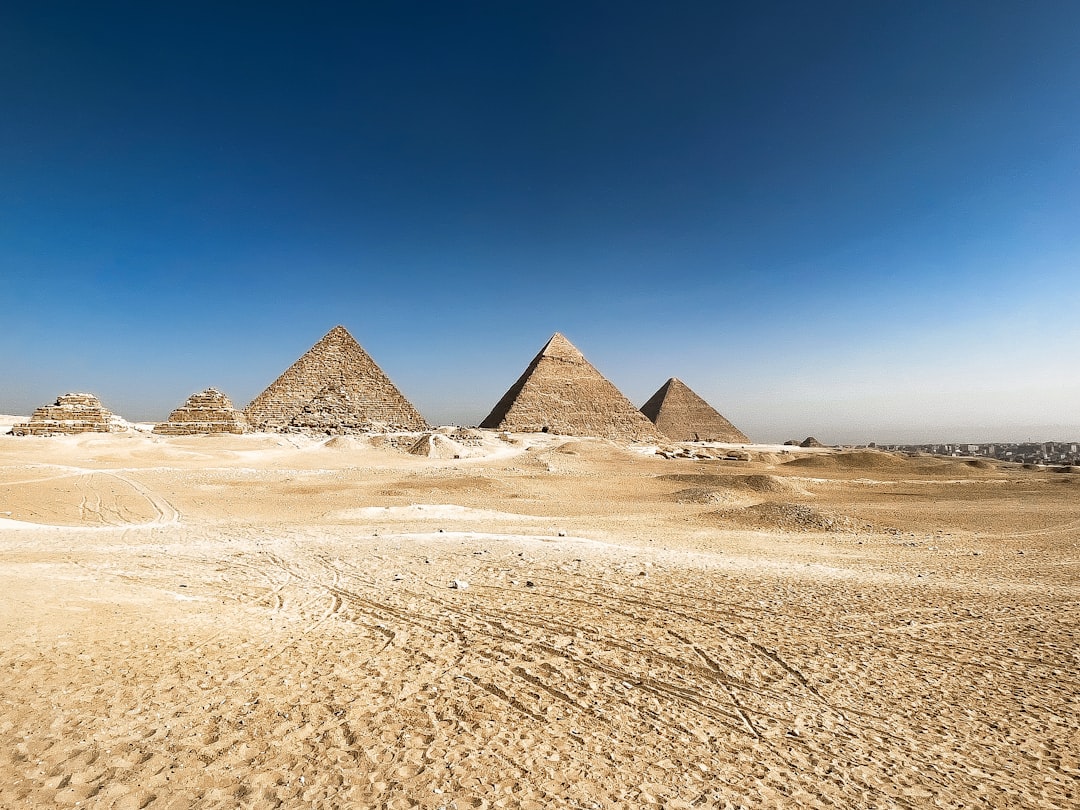
September marks Egypt's transition from summer extreme to comfortable autumn — temperatures begin dropping, the international tourist infrastructure reactivates, and prices remain at summer lows while conditions improve.
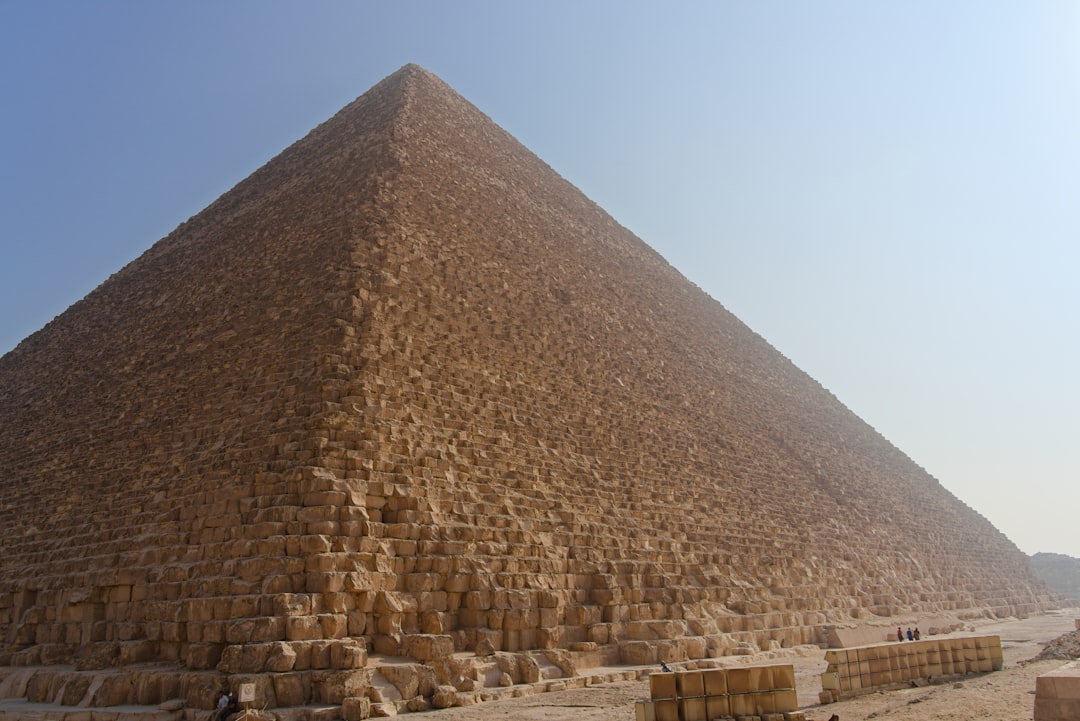
April is Spain's cultural peak — Holy Week processions in Seville, the April Fair a fortnight later, and spring weather that makes outdoor sightseeing across the country genuinely perfect. Crowds are building; book ahead.
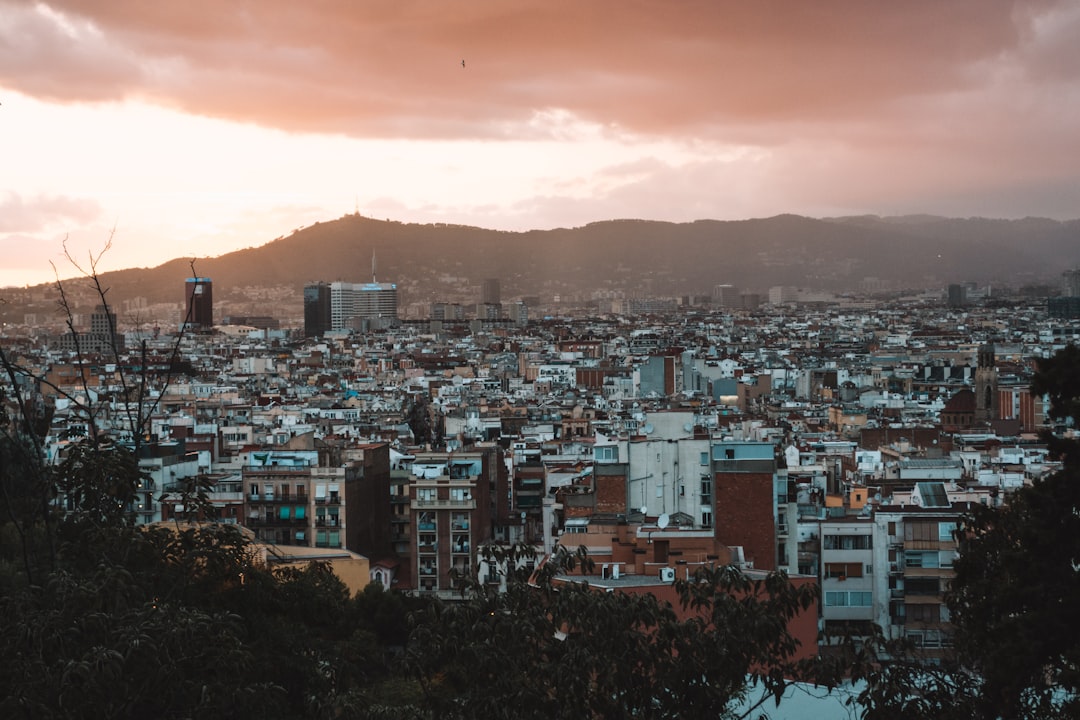
August is Spain's hottest, most crowded, and most expensive month. The beaches are magnificent, La Tomatina is chaotic fun, and the cities of Seville and Madrid are either empty or overwhelming. Here's how to navigate August intelligently.
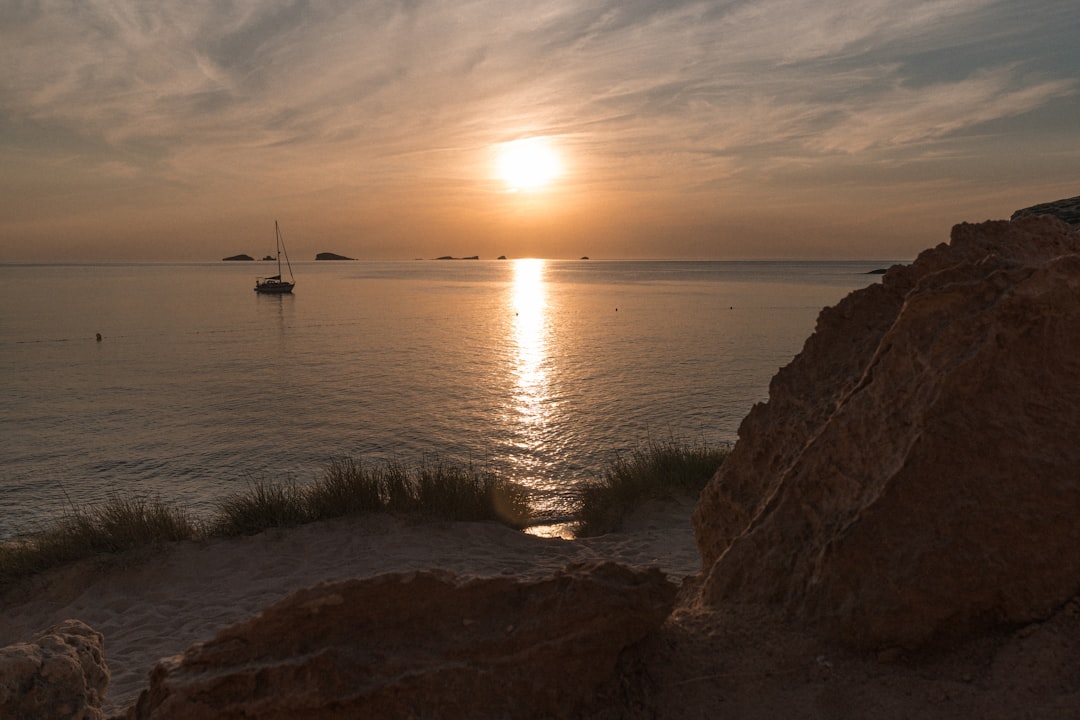
December is Spain's Christmas month — elaborate Nativity scenes, Christmas markets, Three Kings preparation, and New Year's Eve in Puerta del Sol. The Canary Islands are at peak sun-season. Here's what December delivers.
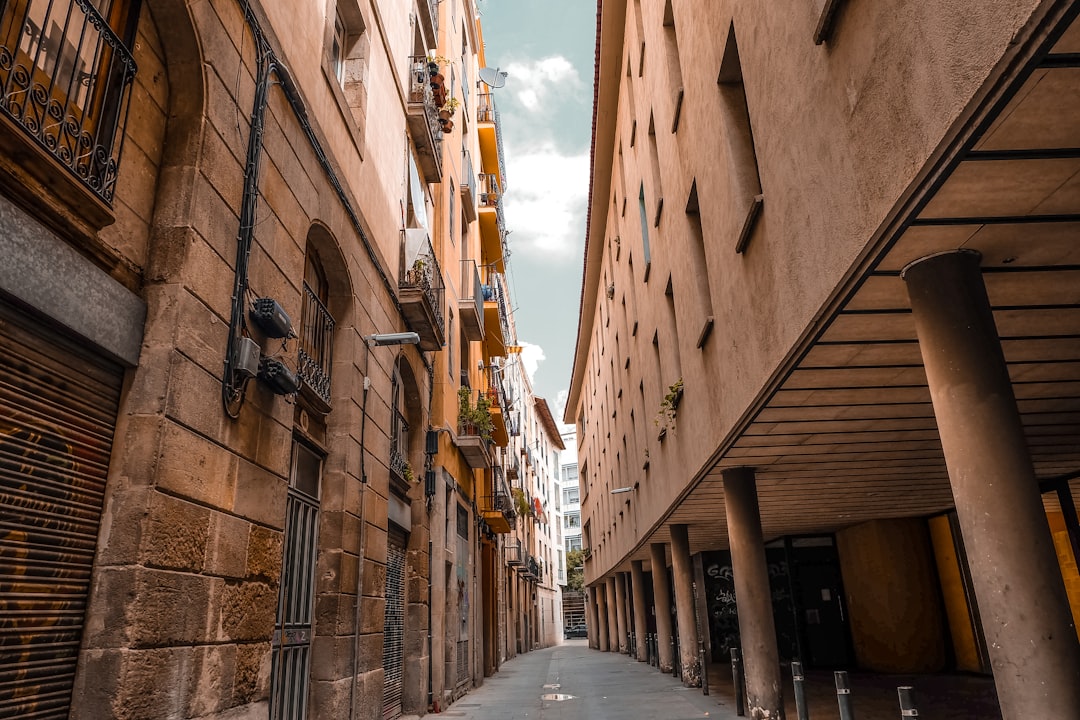
February is Spain's Carnival month — Cádiz runs the most satirical street festival in Europe, Tenerife delivers Rio-scale spectacle, and the Sierra Nevada reaches peak ski season. Meanwhile, almond trees bloom across Andalusia. Here's what February delivers.
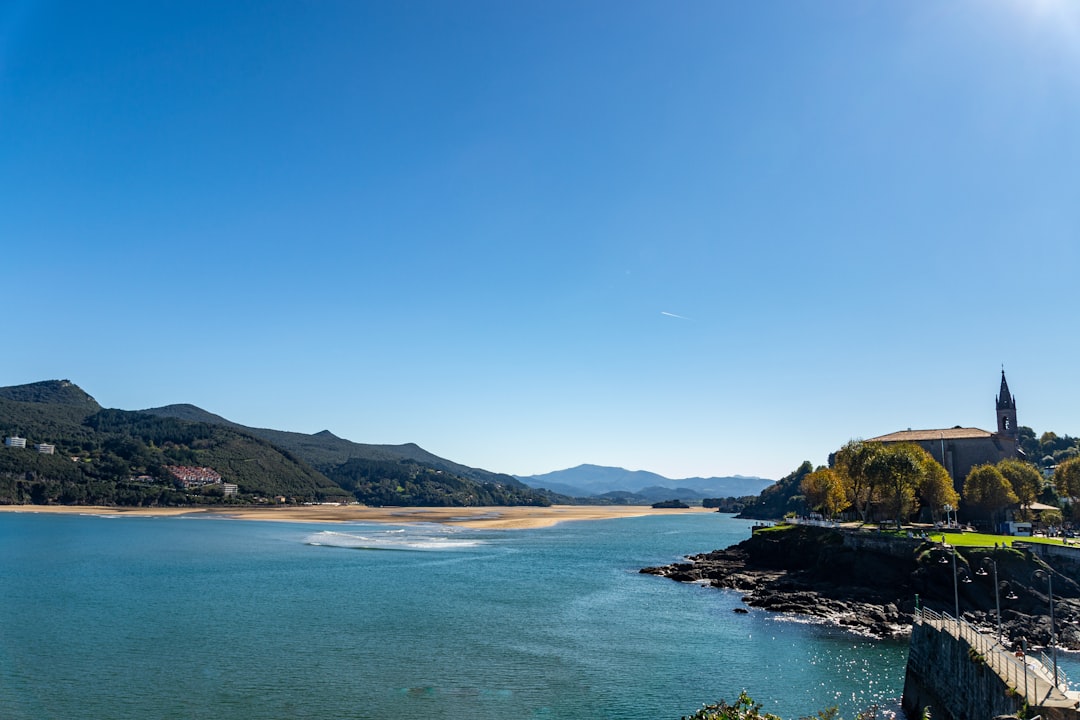
January is Spain's quietest month — the holiday rush is over, prices are at their lowest, and the south stays warm enough for comfortable travel. Ski resorts in the Pyrenees and Sierra Nevada run at full capacity. Here's how to use Spain in January.
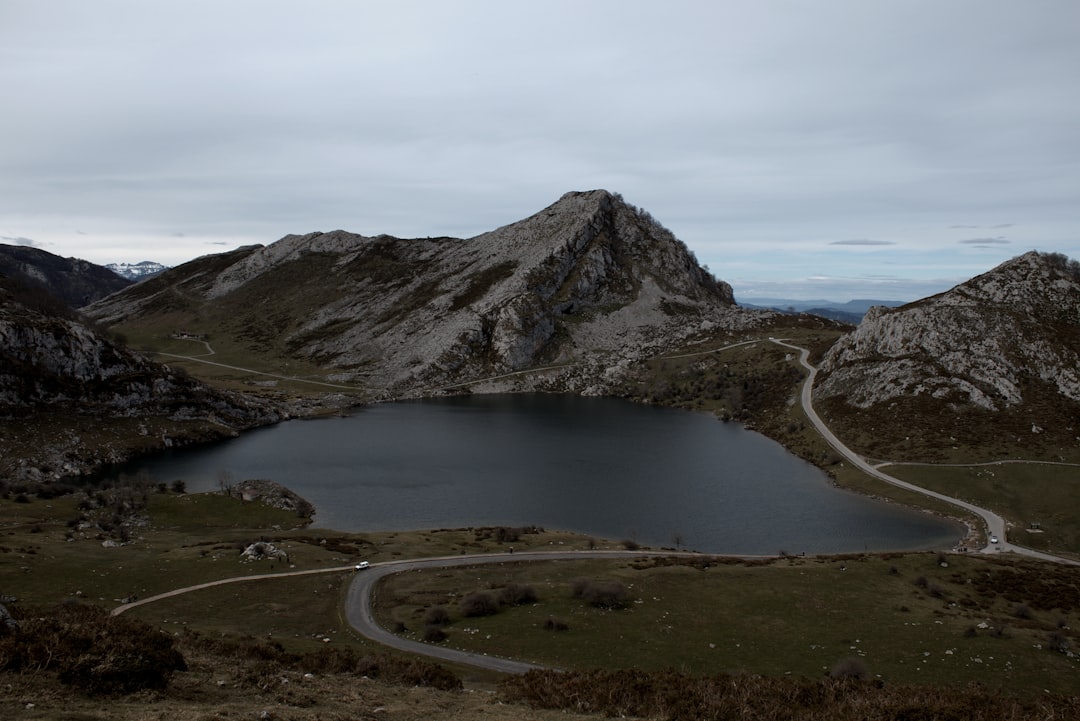
July is Spain at maximum intensity — the Running of the Bulls in Pamplona, peak Mediterranean beach season, and cities baking above 40°C. Here's how to navigate the month strategically.
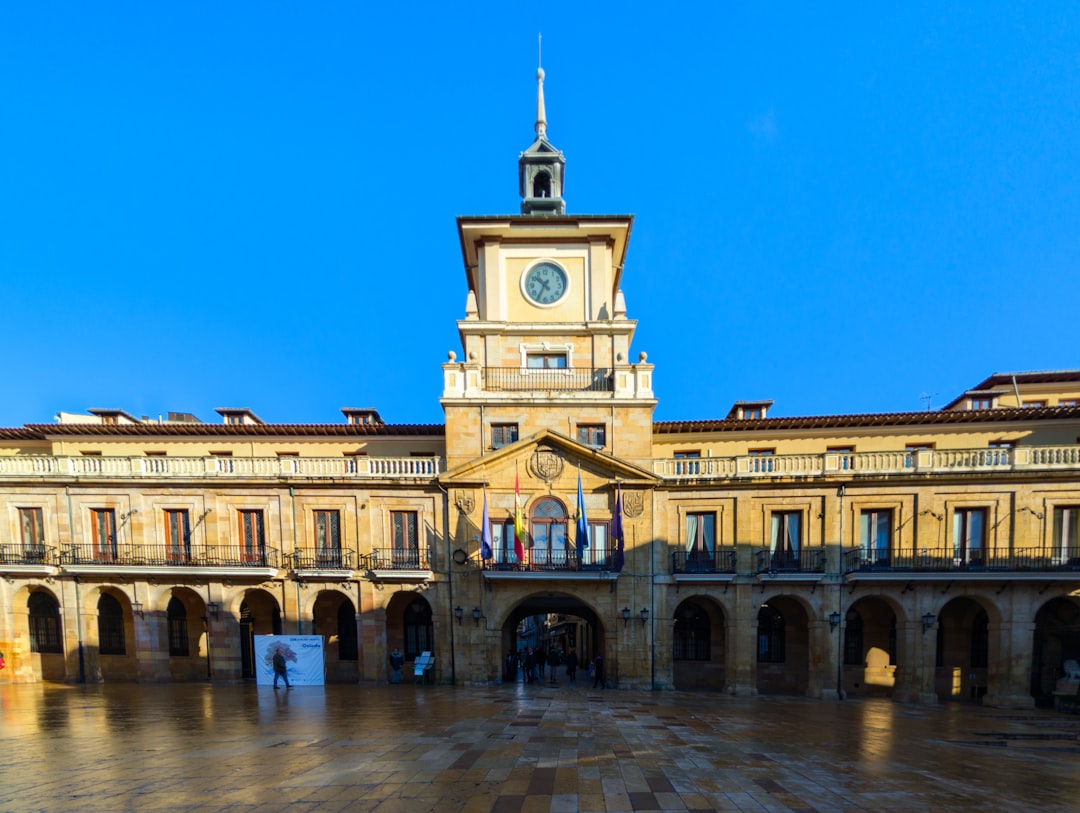
June is Spain's last window before summer crowds and heat peak. The beaches are warming, the cities are manageable, and the festival calendar includes the Corpus Christi flower carpets and the Midsummer bonfires of San Juan. Here's how June works.
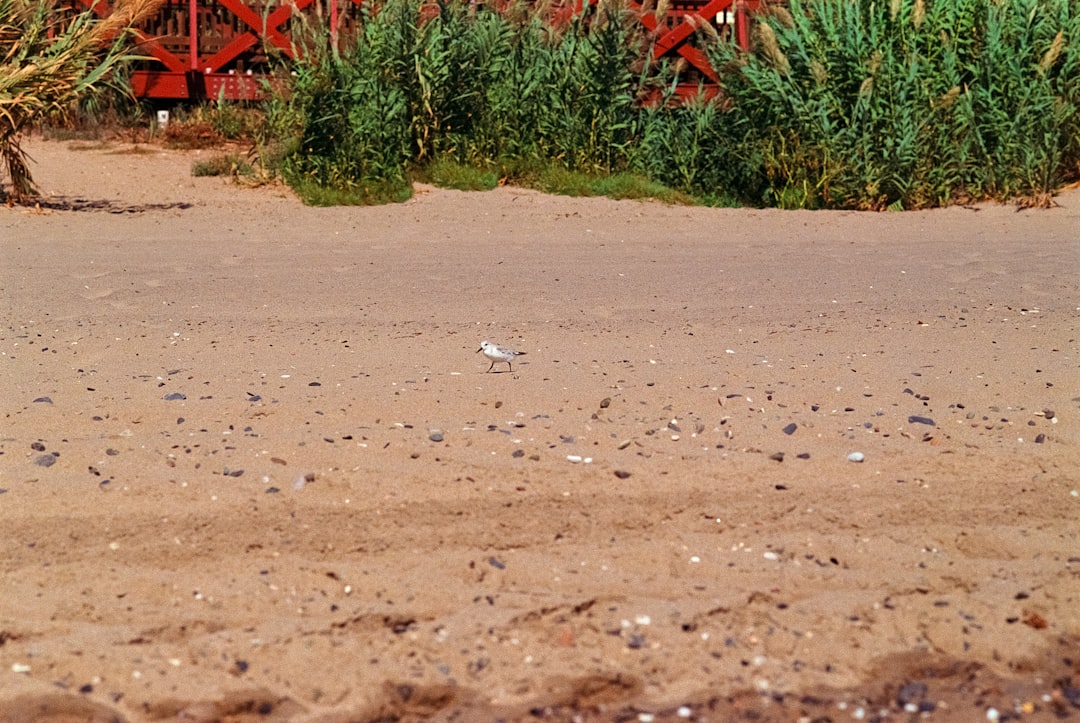
March is when Spain transitions from winter to spring — and the month includes Las Fallas in Valencia, one of the loudest and most spectacular festivals on earth. Crowds are building but prices remain reasonable. Here's what March delivers.
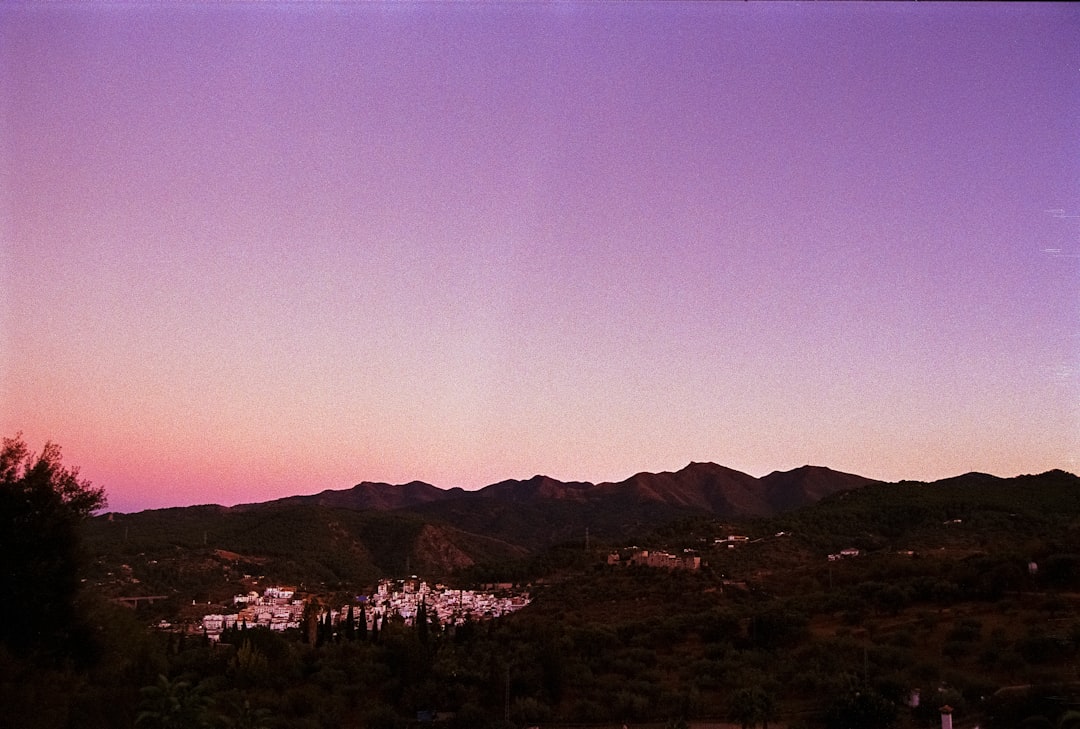
May is Spain's sweet spot — the spring festivals are wrapping up, the summer heat hasn't arrived, and Córdoba's legendary Patio Festival turns the city into an open-air gallery. Here's why May deserves more attention than it gets.
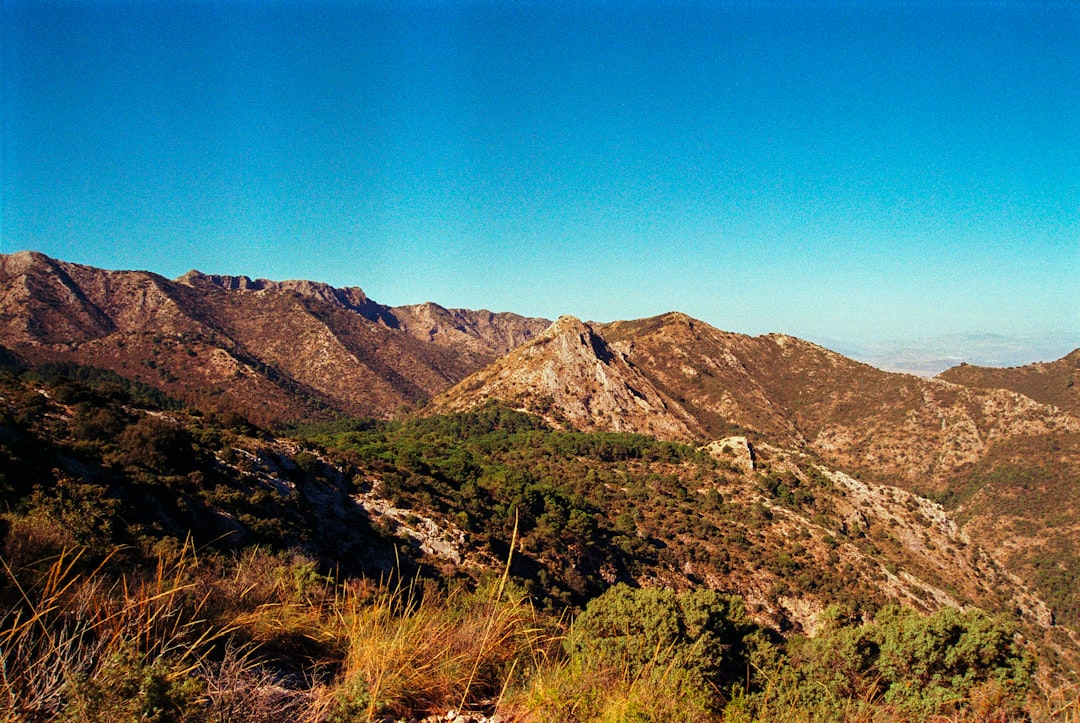
November is Spain's most underrated month — the country is almost entirely tourist-free, prices hit their annual lows, and Andalusia is perfect for sightseeing. The Canary Islands begin their peak season. Here's what November delivers.
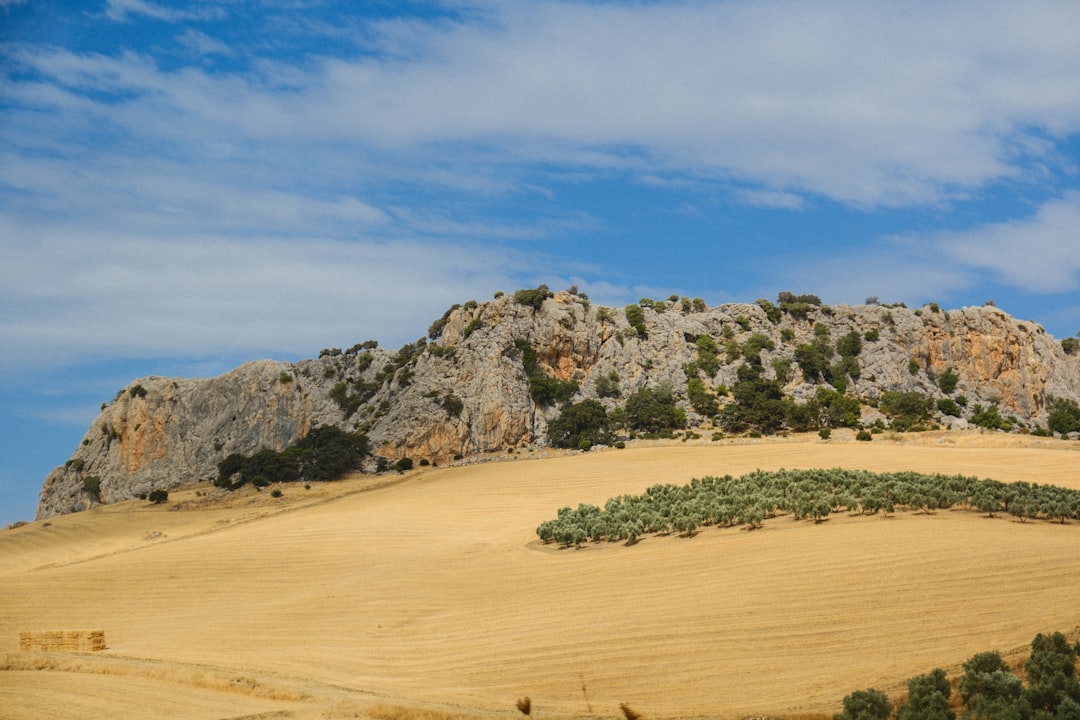
October is Spain's autumn shoulder season — the crowds are largely gone, prices are low, and the Pilar festival in Zaragoza is one of the most underrated major events in Spain. The Mediterranean is still swimmable until mid-month. Here's how October works.
September is Spain's best-kept secret — summer crowds start leaving after the first week, prices drop, and the Mediterranean is still warm enough for excellent swimming. Barcelona's biggest festival, La Mercè, closes the month. Here's why September is the optimal month.
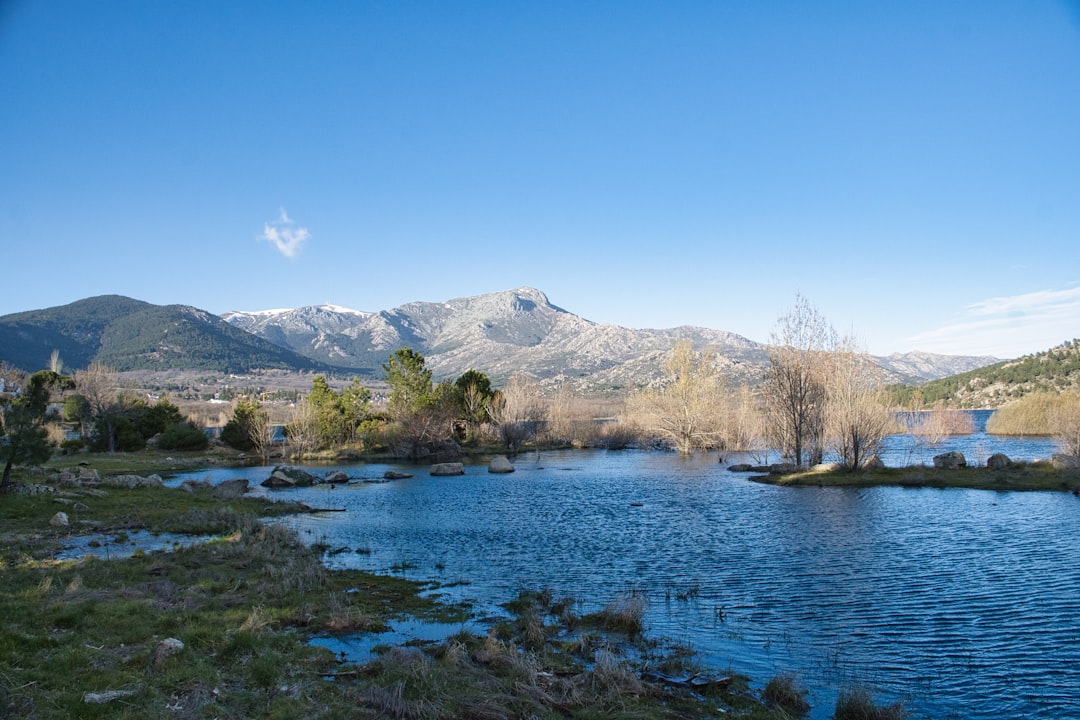
April is Italy's spring beauty peak — Tuscany is impossibly green, the coastal towns are warming, and Easter week brings pilgrims to Rome from around the world. Crowds are building; book everything ahead.
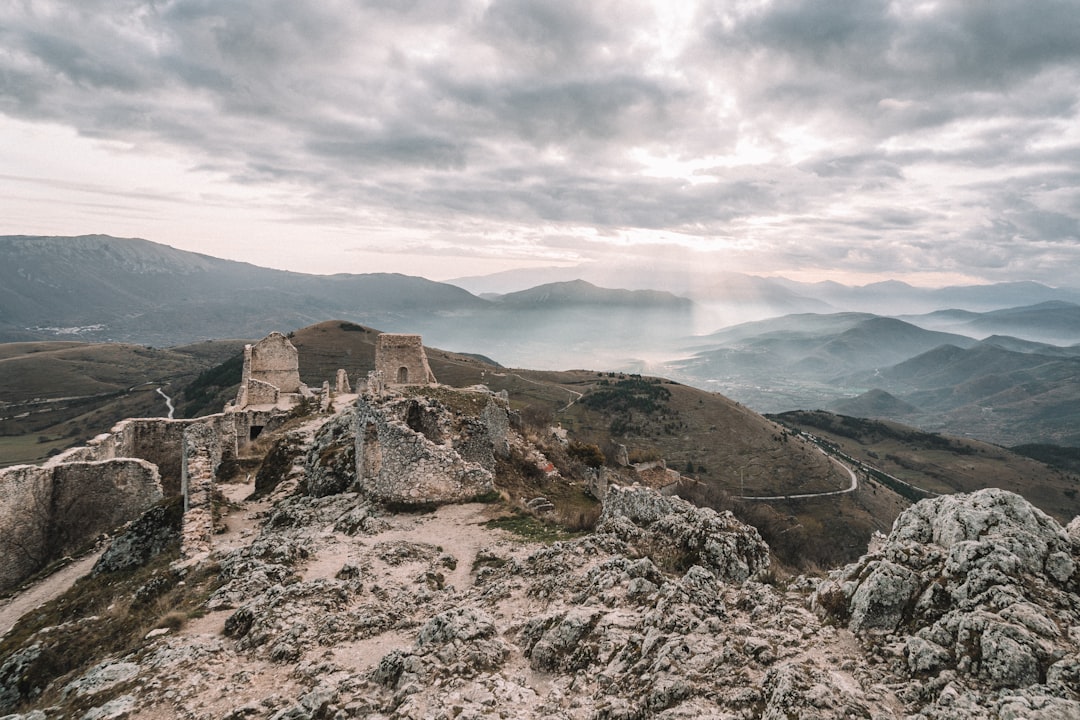
August is Italy's most extreme month — the cities empty for Ferragosto while the beaches overflow. Here's how to navigate the month's paradoxes and find the Italy that works in August.
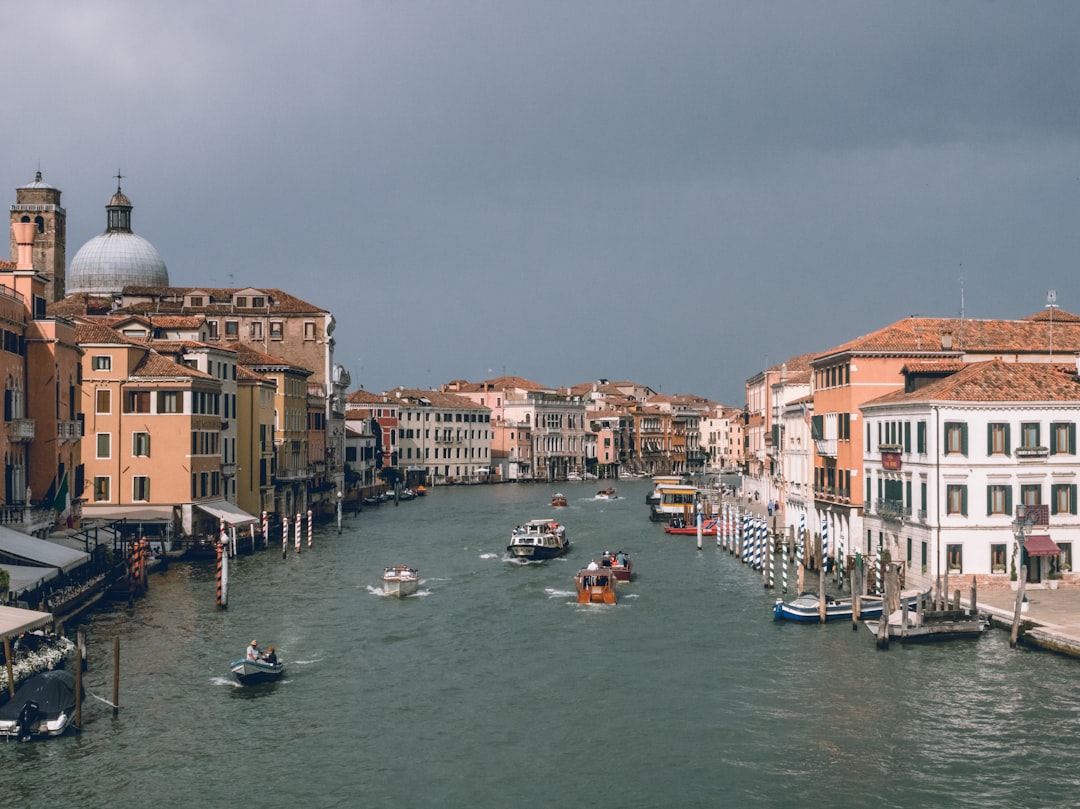
December is Italy's Christmas season — the world's finest nativity scenes, markets in the historic piazzas, and New Year's Eve in Rome's Piazza del Popolo. The ski resorts open; the cities are decorated and intimate. Here's what December delivers.
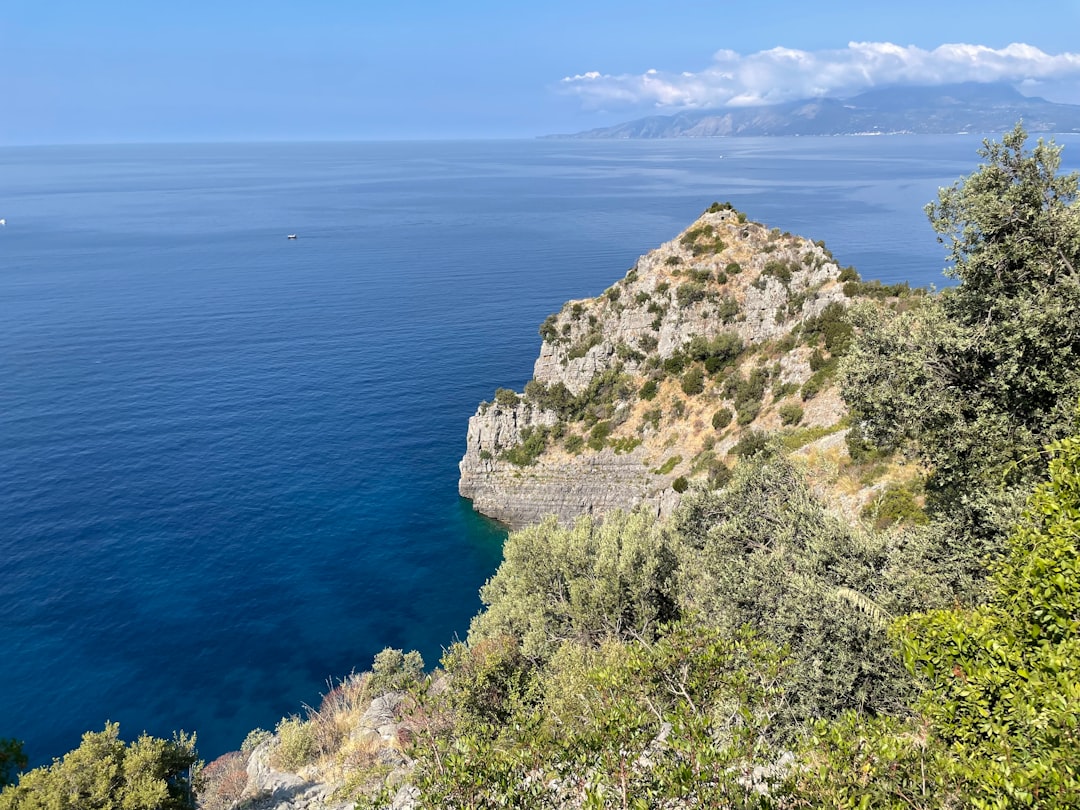
February is defined by Venice Carnival — the most visually spectacular masked festival in Europe. Ski resorts run at peak, Rome is uncrowded, and prices remain at winter lows everywhere except Venice in Carnival week. Here's how to plan.
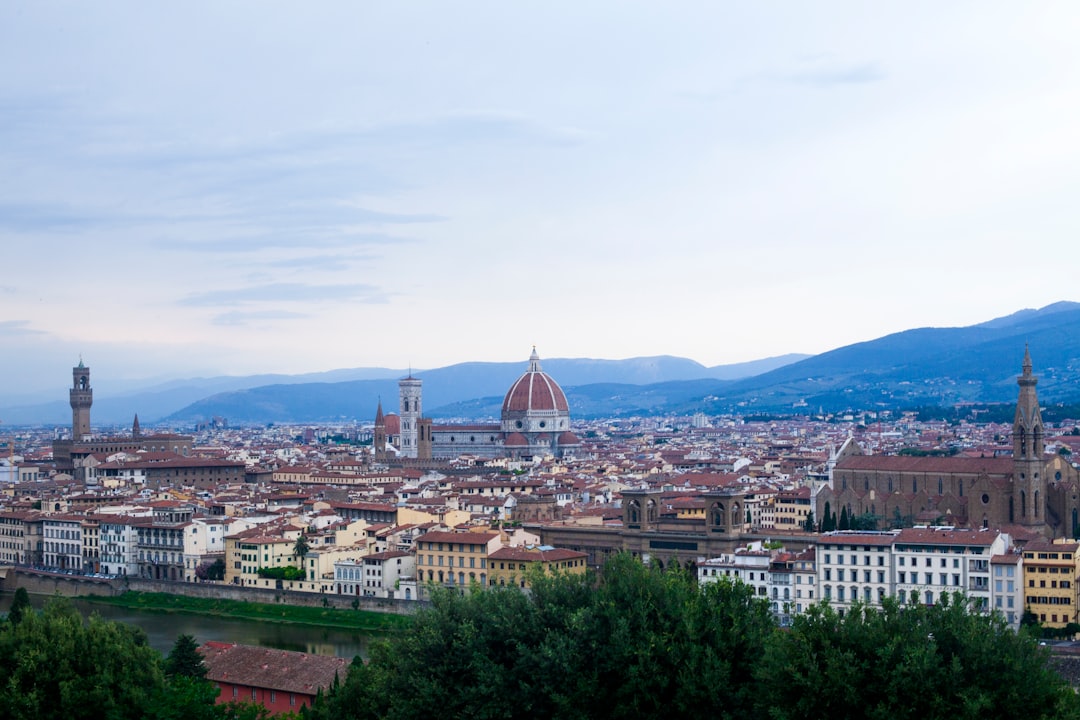
January is Italy's quietest and cheapest month — Venice is intimate, Rome is walkable, and the ski resorts of the Alps and Dolomites are at peak season. Here's how to use Italy's low season.
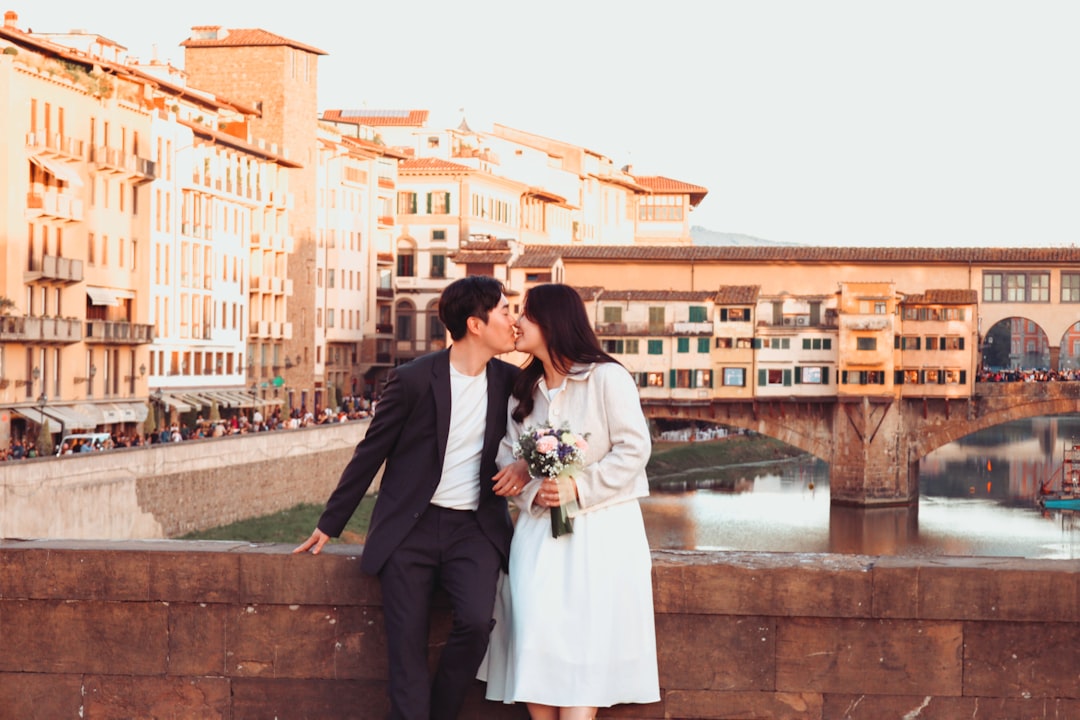
July is Italy's most intense month — Palermo's Festino di Santa Rosalia, beaches at maximum capacity, and the cities sweltering. Here's how to navigate Italy's peak month with strategy.
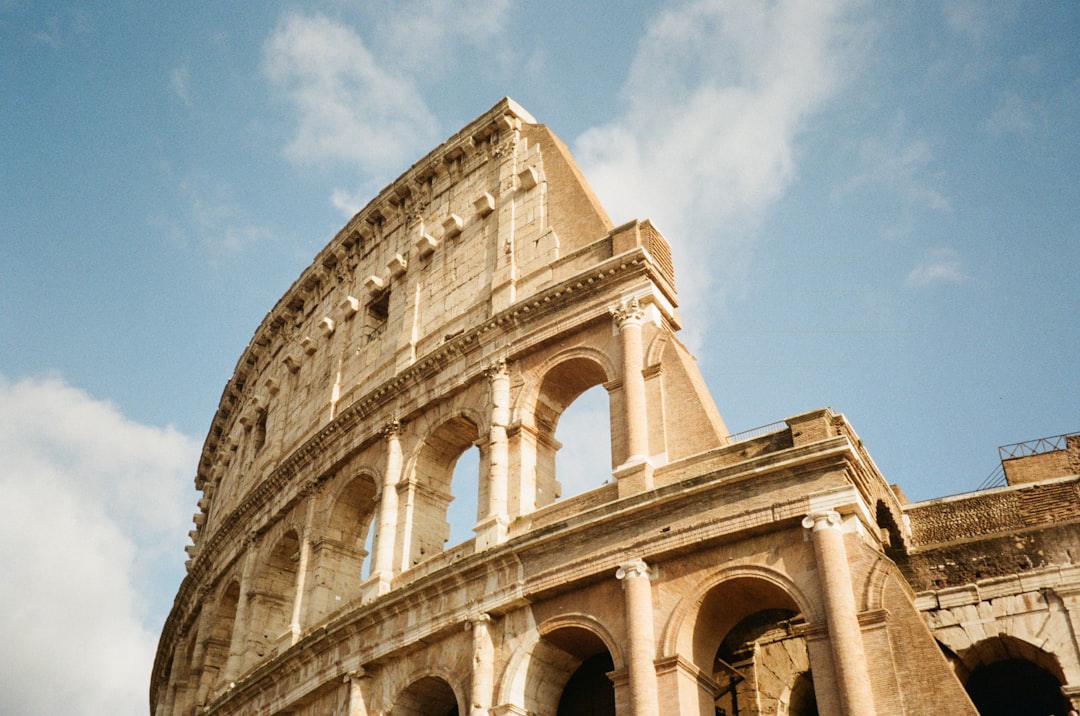
June is Italy's warmest pleasant month — hot but not yet unbearable, beaches fully open, and the crowds building toward July's peak. Early June is still manageable; late June is high season. Here's how to split the difference.
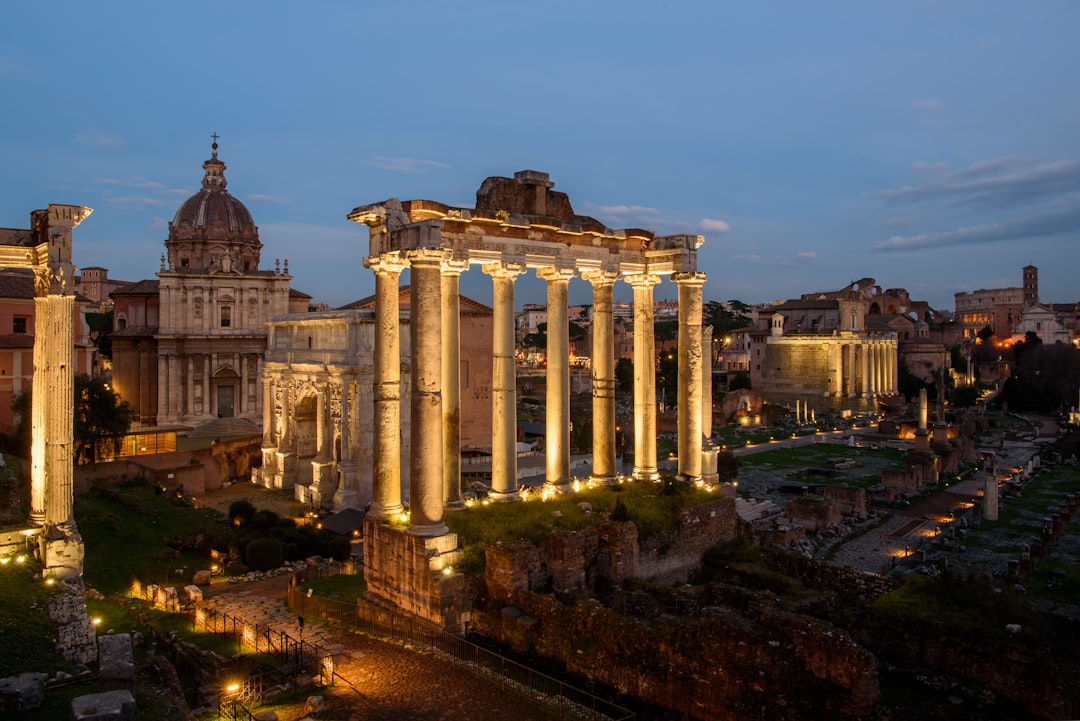
March is Italy's pre-season sweet spot — winter prices, spring conditions arriving, and the tourist surge hasn't started. Rome, Florence, and the south are excellent. Here's what March delivers.
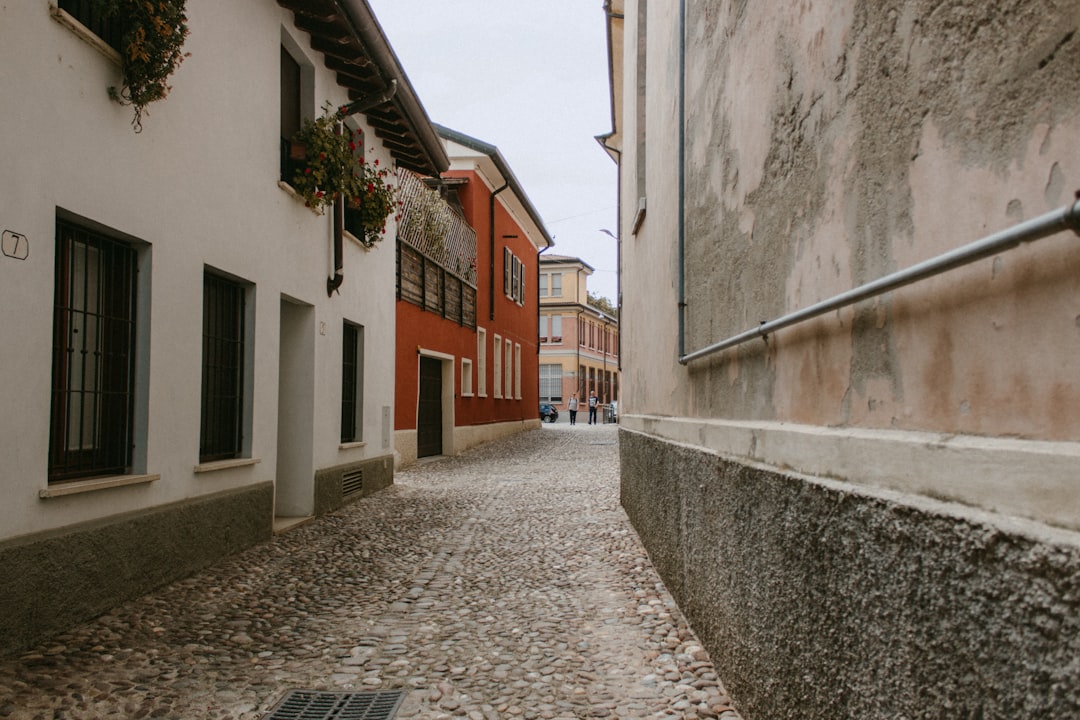
May is Italy's last window before summer crowds take over — the poppies are in the Tuscan fields, the Amalfi Coast is warming, and prices haven't peaked yet. Here's why May is arguably Italy's best month.
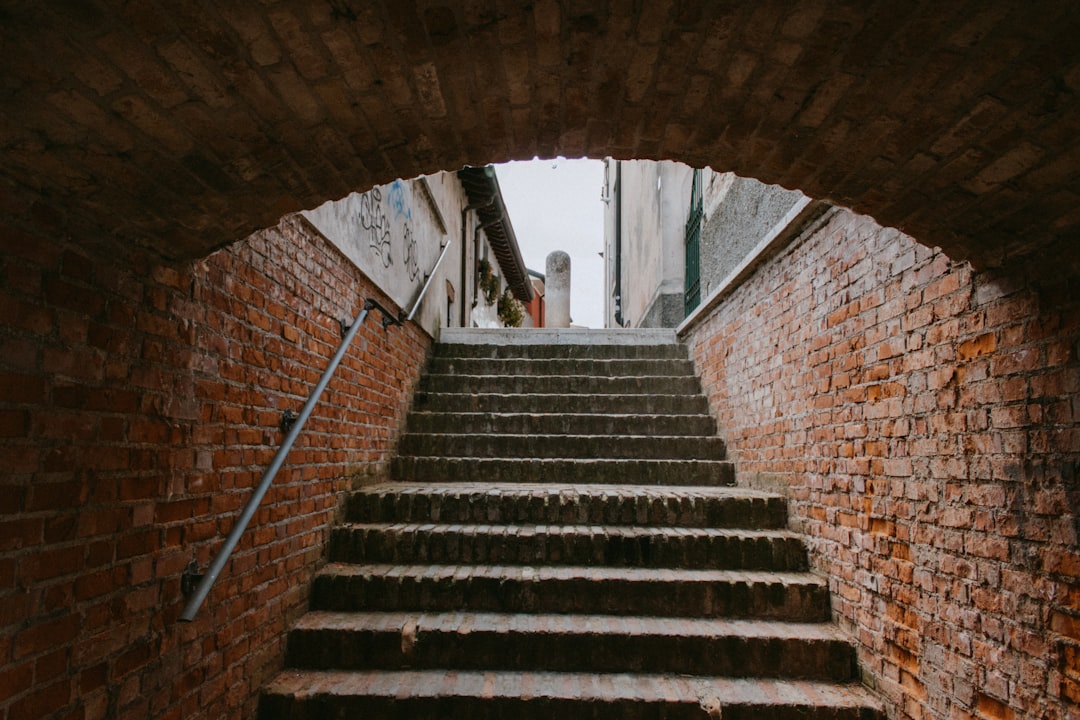
November is Italy's quietest month — the olive harvest in Tuscany and Umbria, the last truffles in Piedmont, and major cities at their least crowded. Here's what November delivers and where to go.
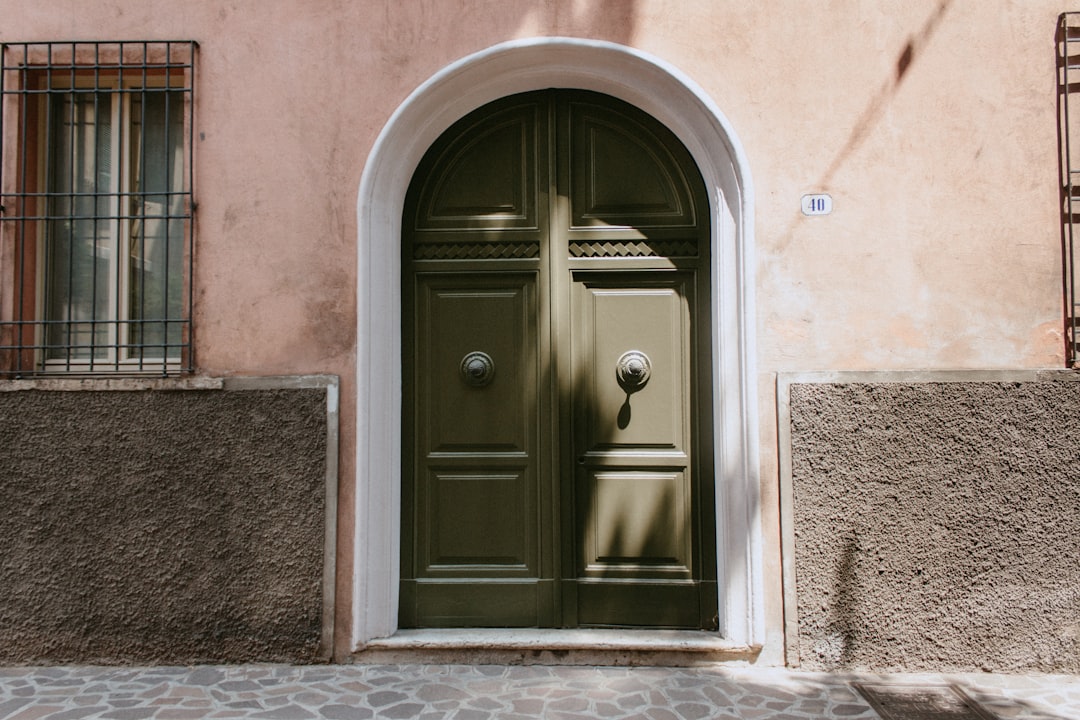
October is Italy's autumn peak — white truffles in Piedmont, the olive harvest beginning, Tuscany in fall color, and the last warm beaches of the year. Crowds minimal, prices low, conditions excellent. Here's how October works.
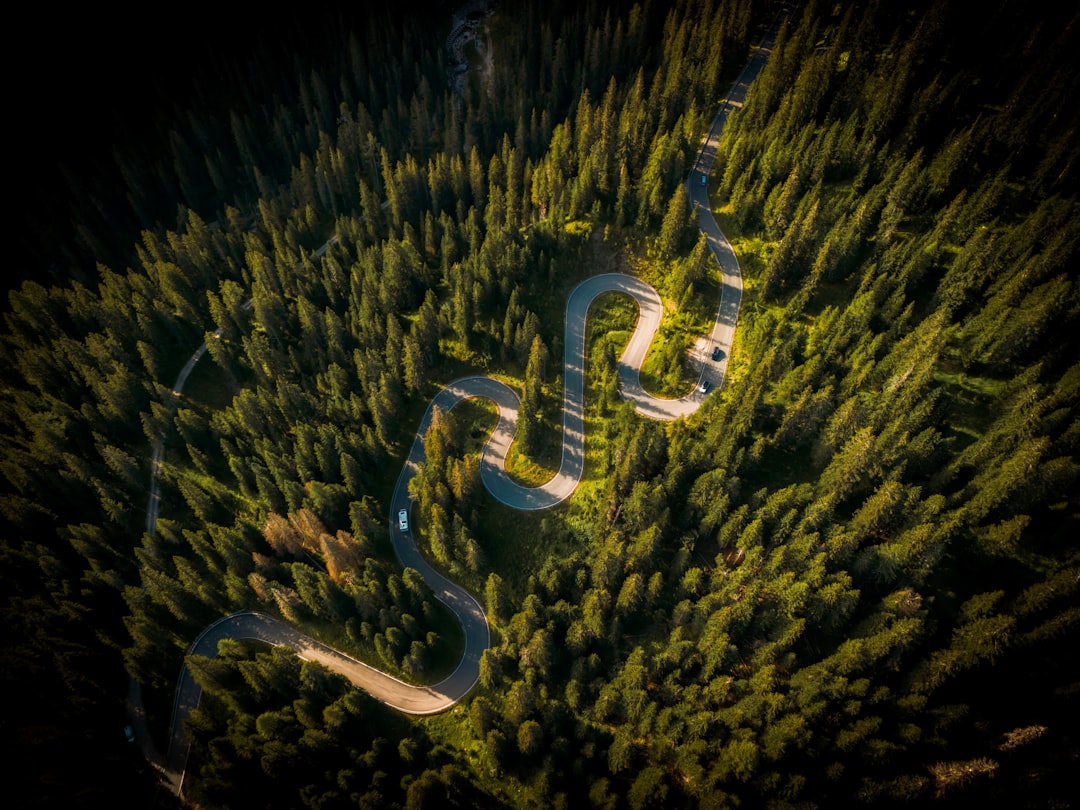
September is Italy's optimal month — the summer crowds leave after the first week, the sea stays warm, the harvest festivals begin across Tuscany and Piedmont, and prices drop 20–40%. Here's why September wins.
April is Greenland's transitional month — the sea ice softens, dog sled season ends, hiking routes open at lower elevations, and the days grow long enough to hike until 9pm.
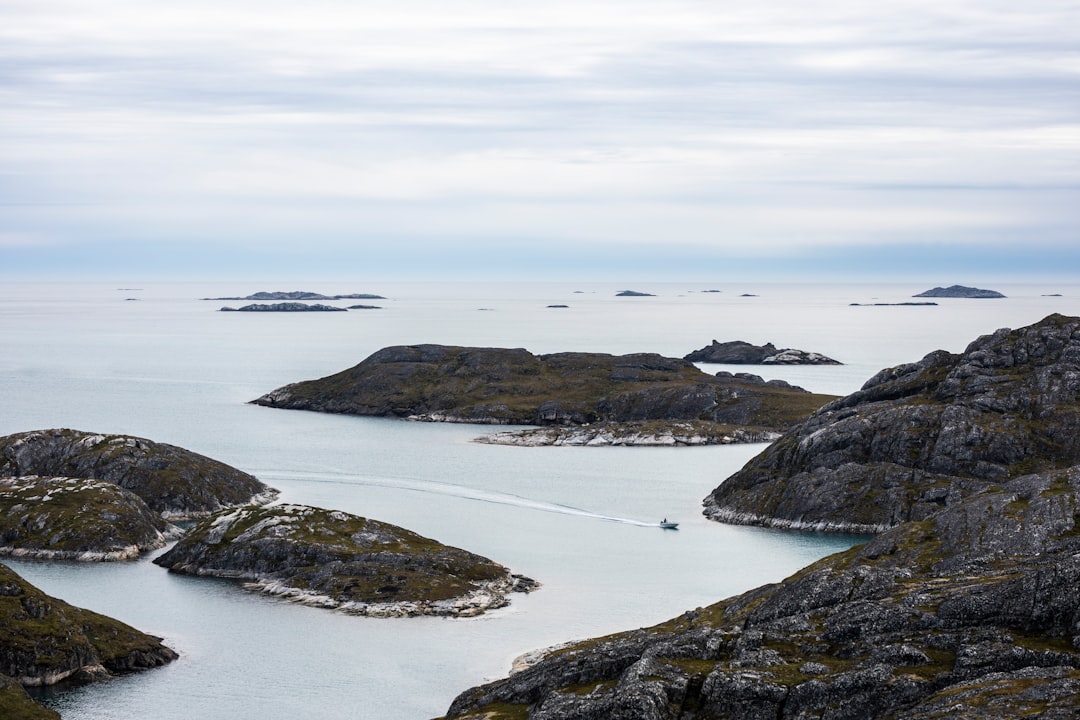
August closes Greenland's summer — boat access is at maximum, whales remain in Disko Bay, the first auroras appear as darkness returns, and the country is fully open for its final peak month.
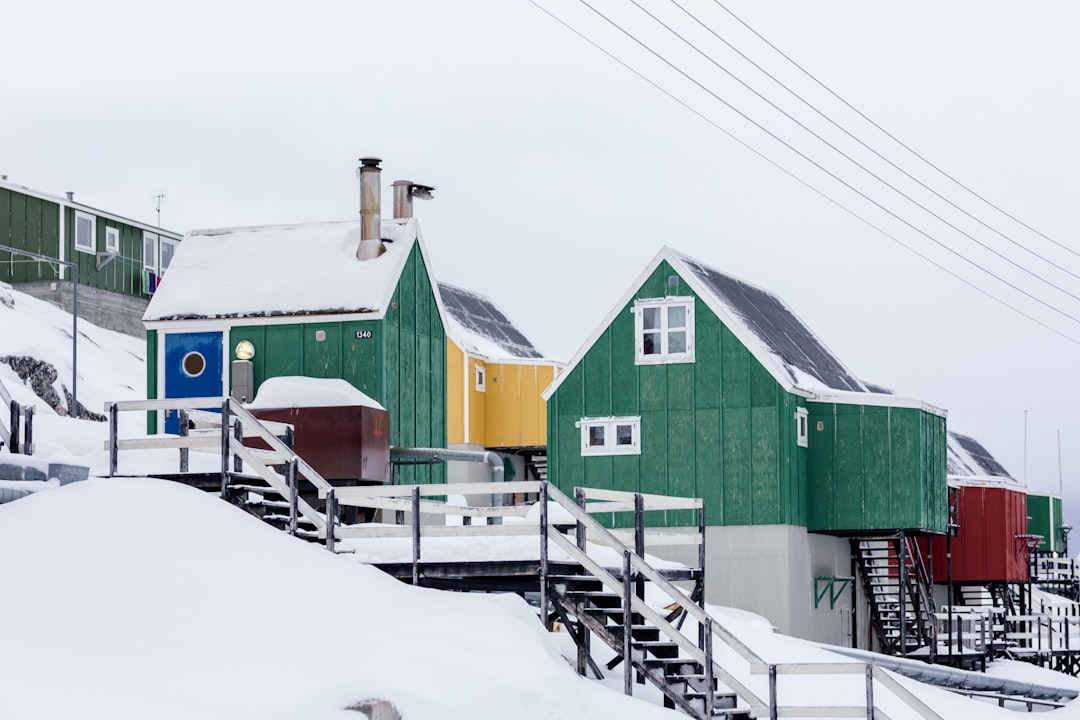
December is Greenland's darkest month — polar night in all major settlements, dog sled season underway on thickening ice, and the extraordinary experience of an Arctic Christmas celebration.
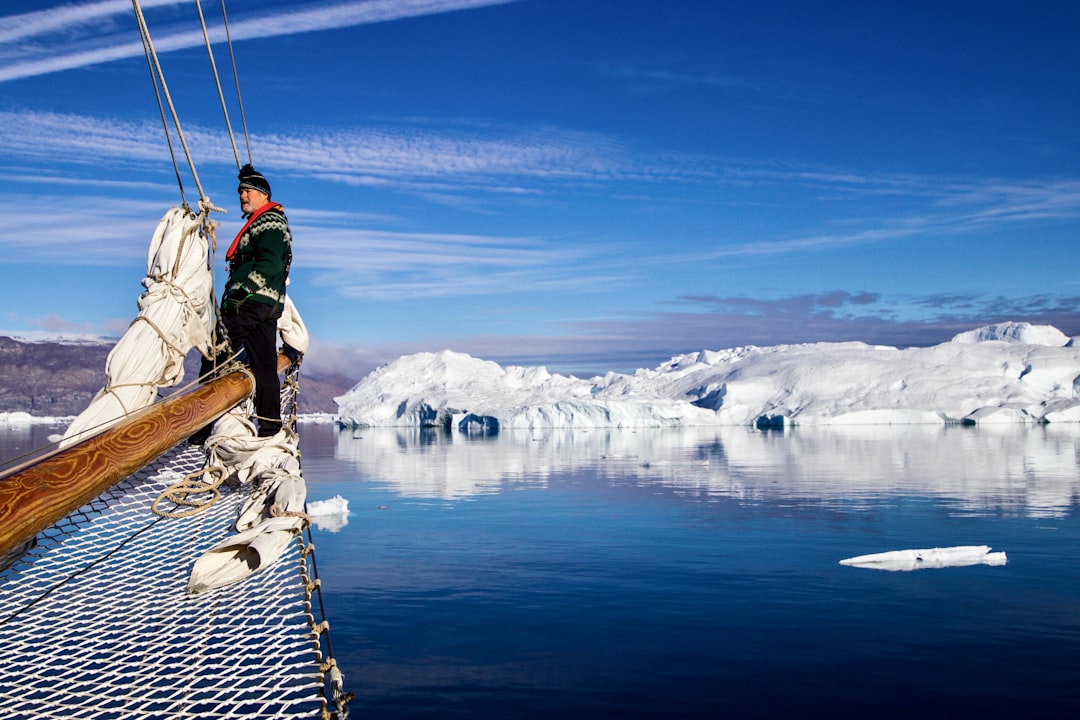
February brings the sun back to Ilulissat after two months of polar night — a cultural event in itself — while dog sledding reaches its peak season on established sea ice trails.
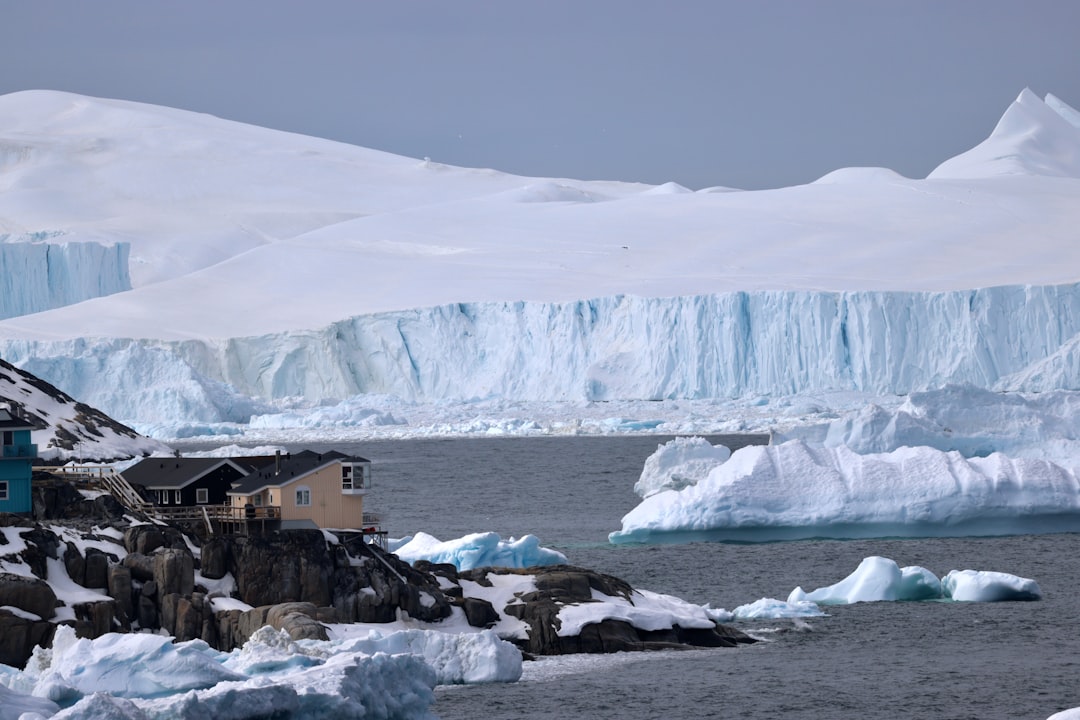
January is deep polar night in Greenland — no sun above the Arctic Circle, dog sledding in full operation, and the Northern Lights at their most reliable over ice and snow.
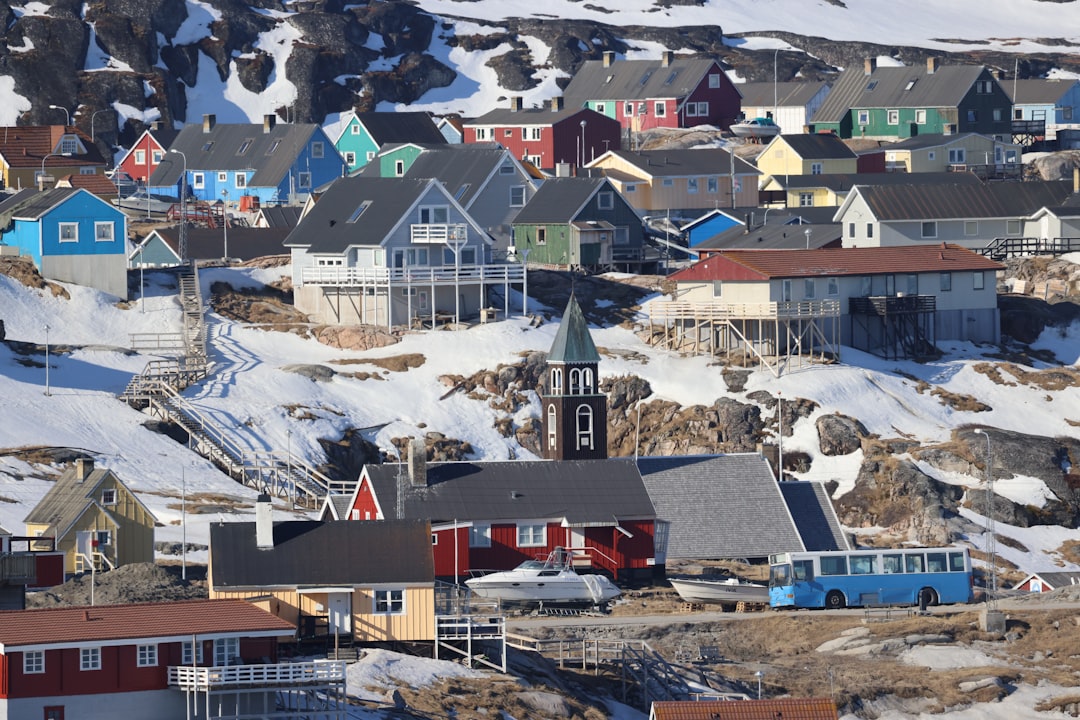
July is Greenland's peak summer — midnight sun above the Arctic Circle, all destinations accessible, maximum whale activity in Disko Bay, and the country at full tourist capacity.
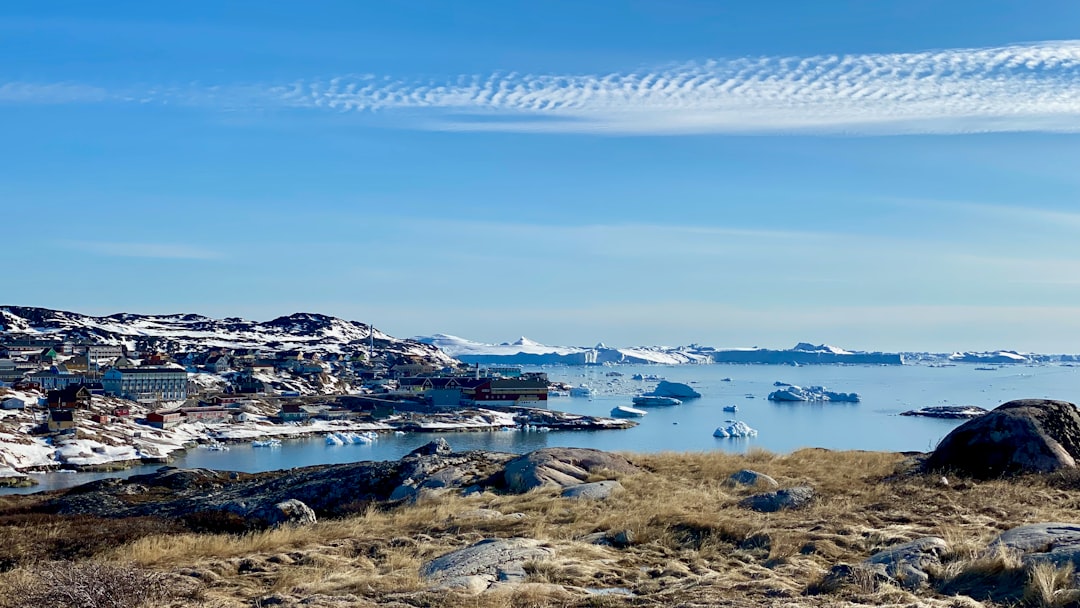
June delivers Greenland's most dramatic combination — 24-hour daylight arrives at the solstice, National Day on June 21 fills Nuuk with celebration, and the icebergs reach maximum visual drama in Disko Bay.
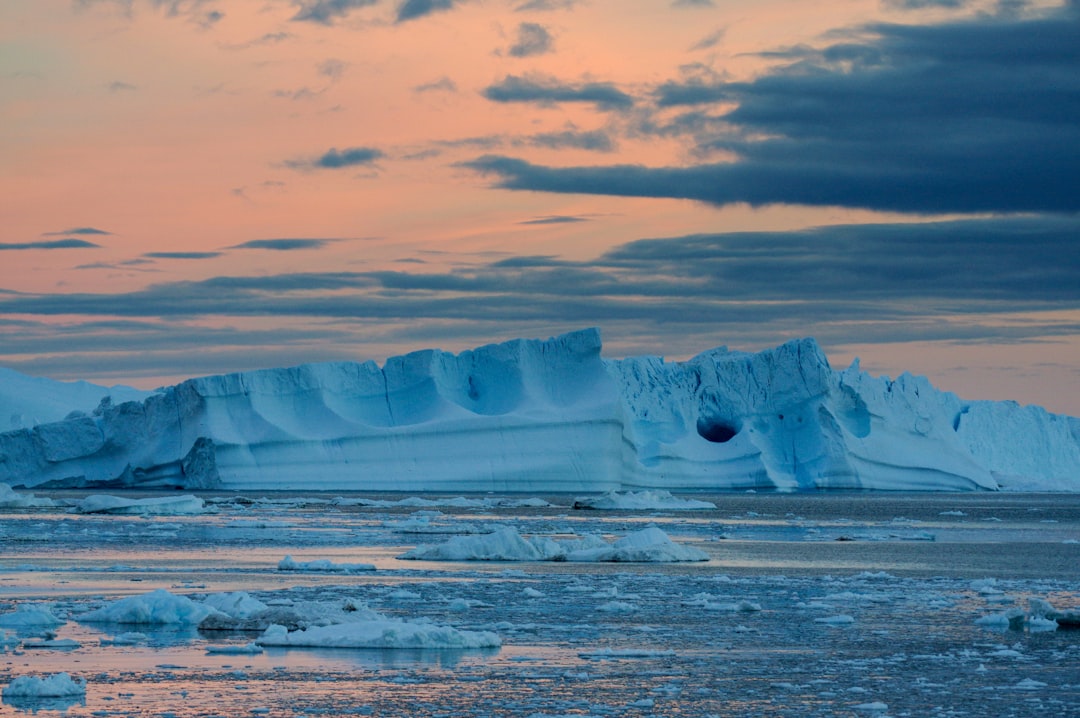
March delivers Greenland's extraordinary spring Arctic light — long days over snow and ice, the final weeks of dog sled season, and the first stirring of the Disko Bay icebergs.
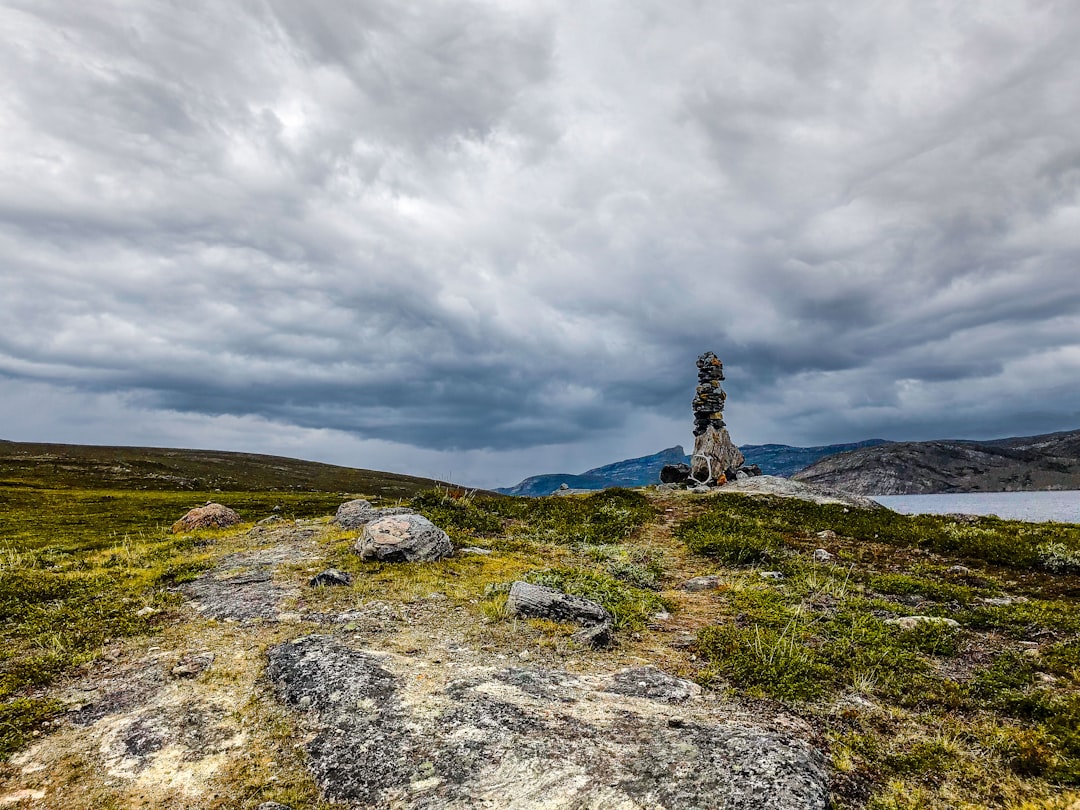
May opens Greenland's summer season — the Arctic Circle Trail becomes walkable, icebergs drift freely in Disko Bay, and the approaching midnight sun extends daylight to 18+ hours.
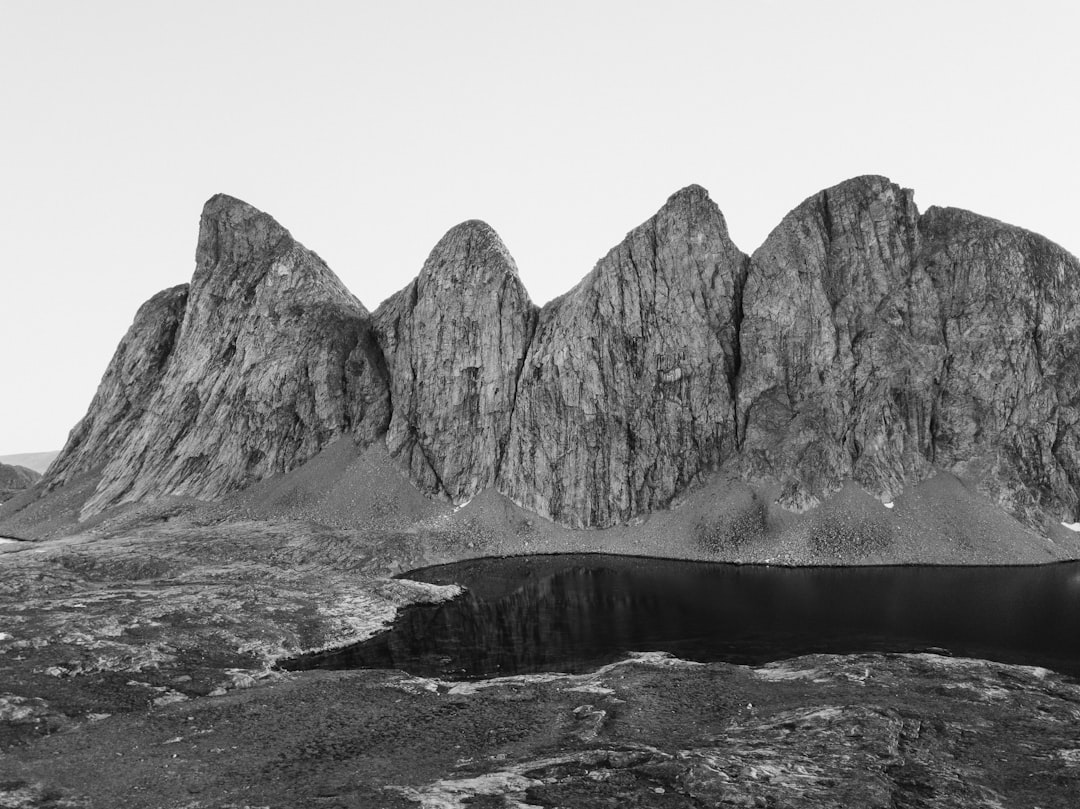
November brings polar night to north Greenland, the sea ice thickens for the dog sled season, and Greenland empties of tourists — leaving only aurora, ice, and the country's winter residents.
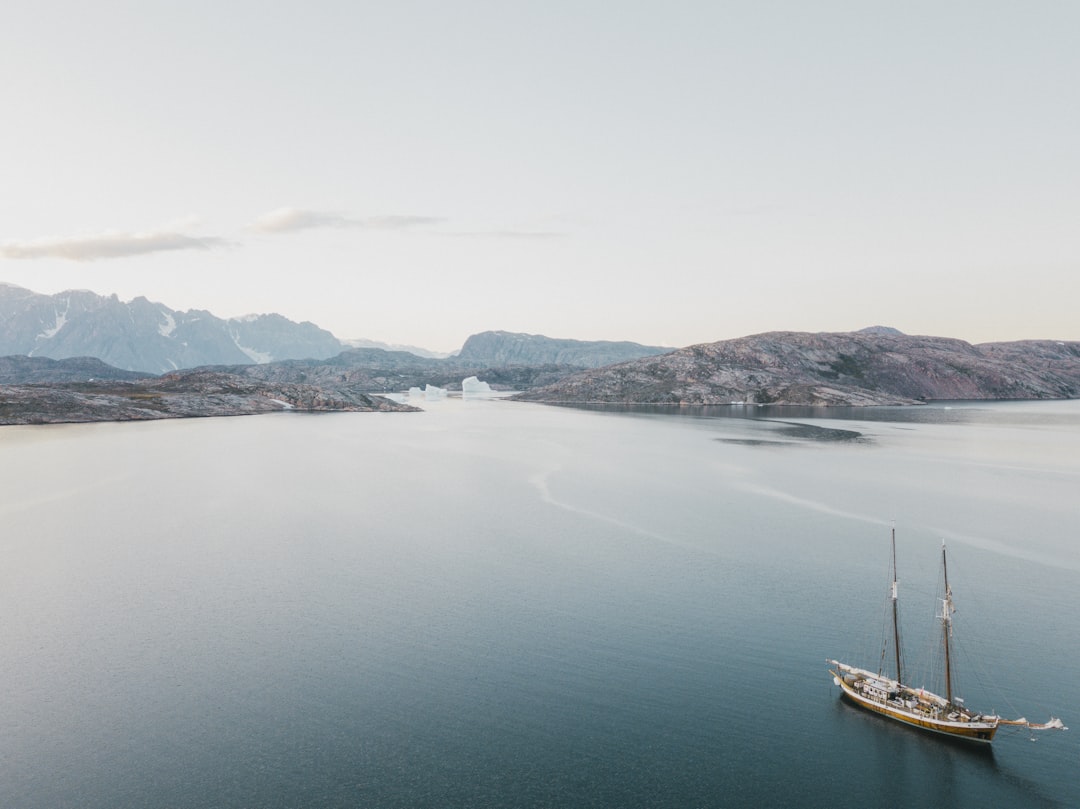
October is prime Northern Lights territory — long dark nights, aurora at maximum activity window, and Greenland's tourist infrastructure transitioning to winter mode before full closure.
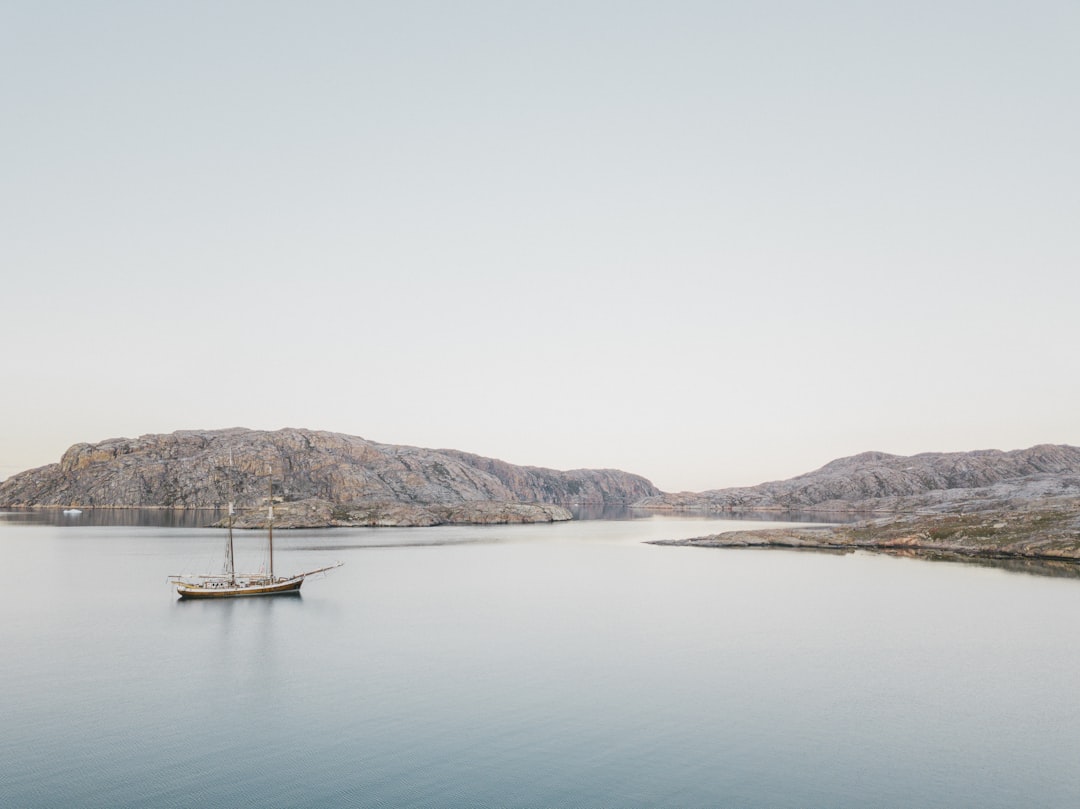
September delivers Greenland's finest Northern Lights conditions alongside the last boat access of the season — the tundra turns red and gold, the nights grow long, and the aurora returns in full.
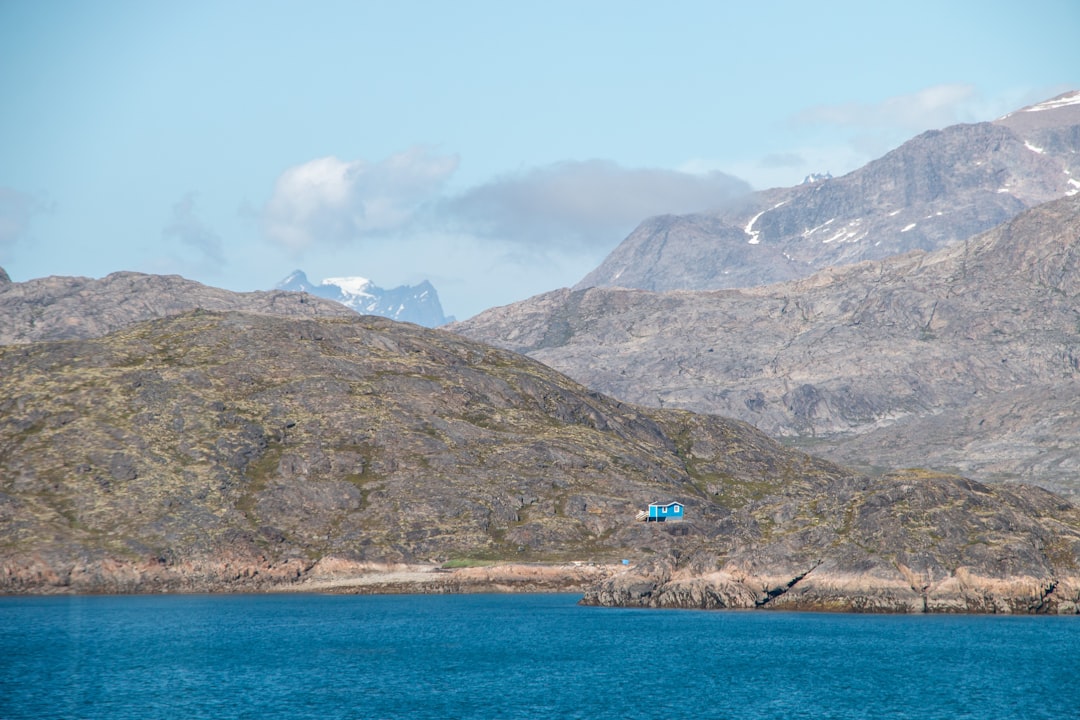
April opens the Karakoram Highway and the northern mountain routes — trekking season preparation begins, Hunza's orchards are in full spring growth, and the lowland plains are warming fast.
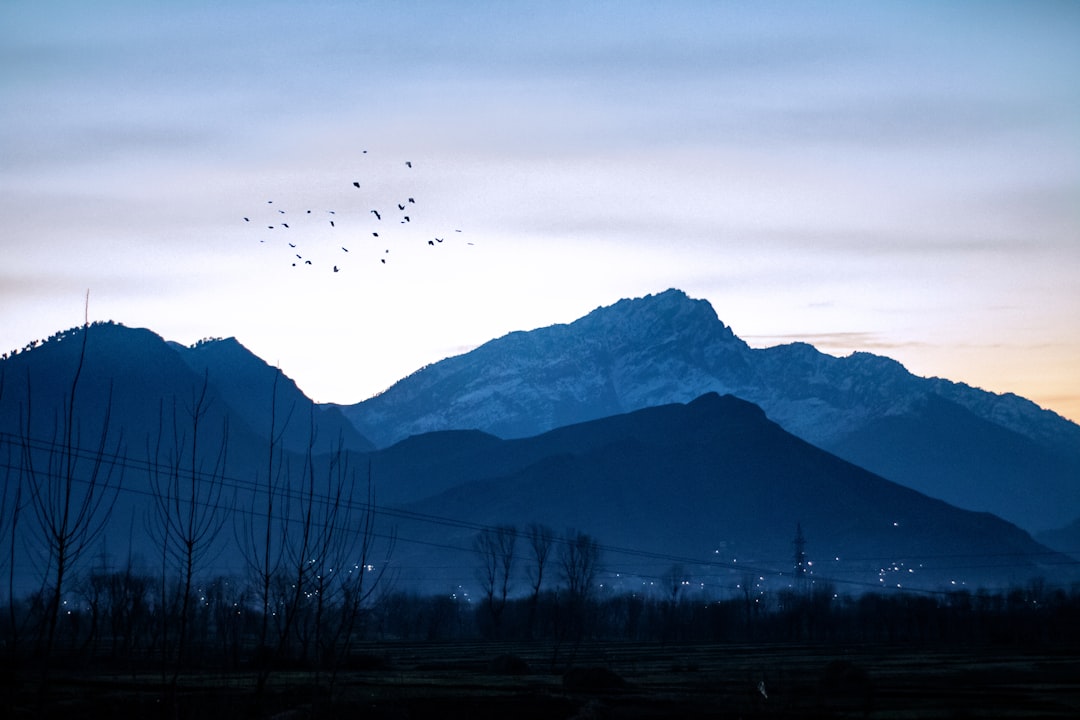
August 14 is Pakistan's Independence Day — the country celebrates with extraordinary national pride. The northern mountains remain excellent for trekking while monsoon continues in the south.
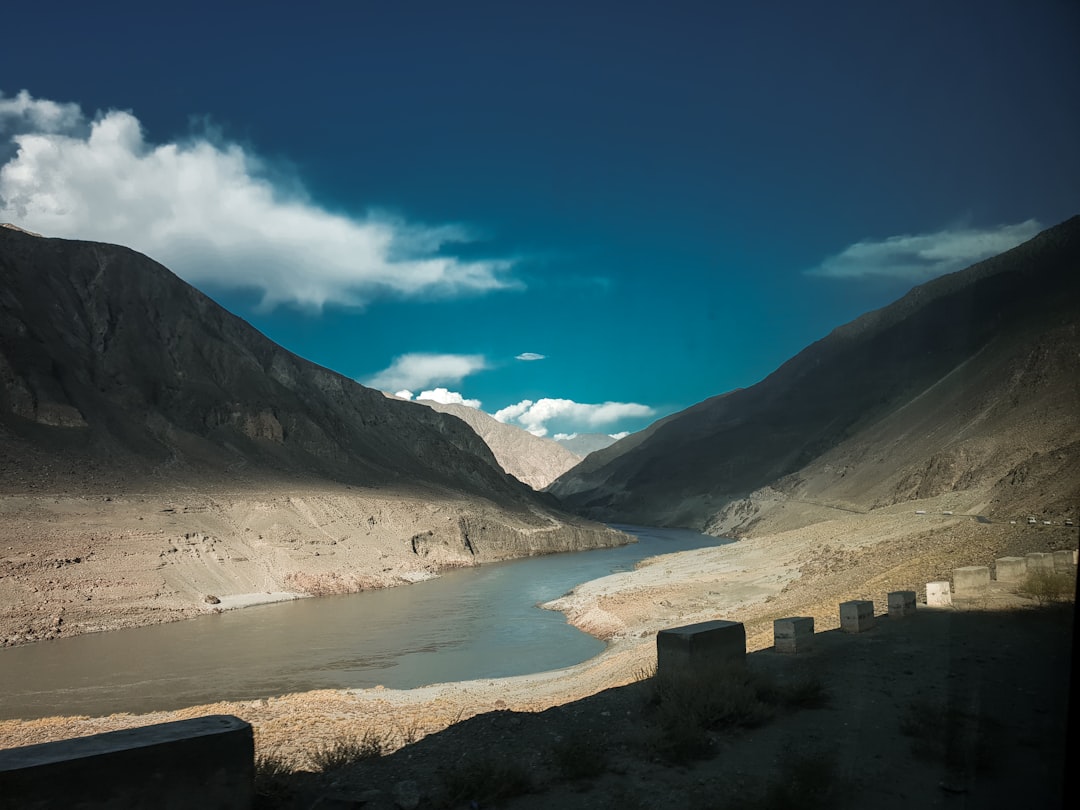
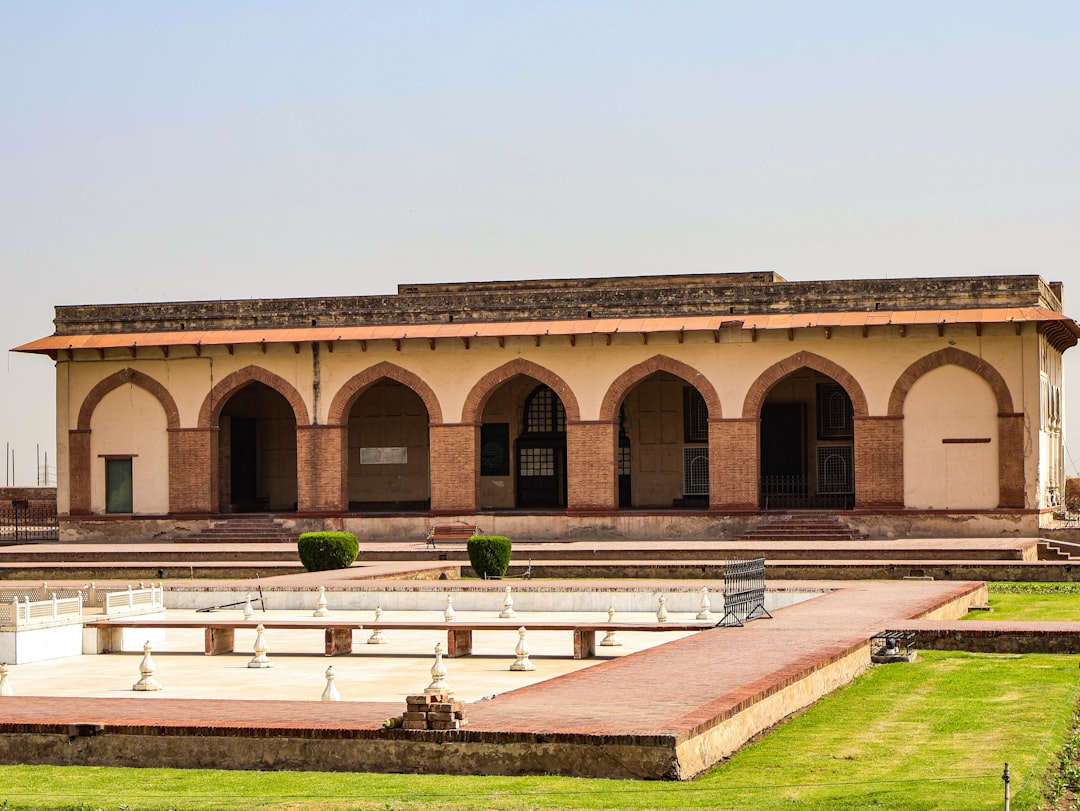
December is Pakistan's finest month for the cultural heartland — Lahore's monuments are magnificent in clear winter light, the Mughal architecture glows at sunset, and the north sleeps under winter snow.
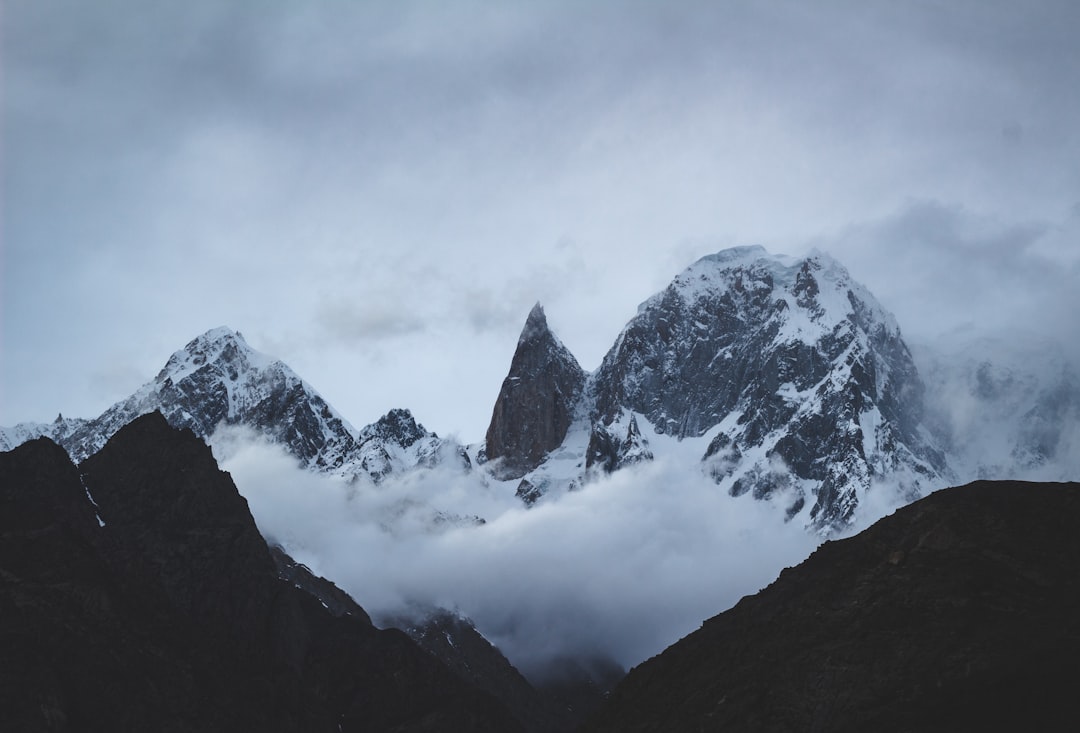
February brings the first almond blossoms to Hunza Valley and comfortable temperatures across the cultural heartland. Lahore's food streets and Mughal monuments are at their best before spring heat arrives.
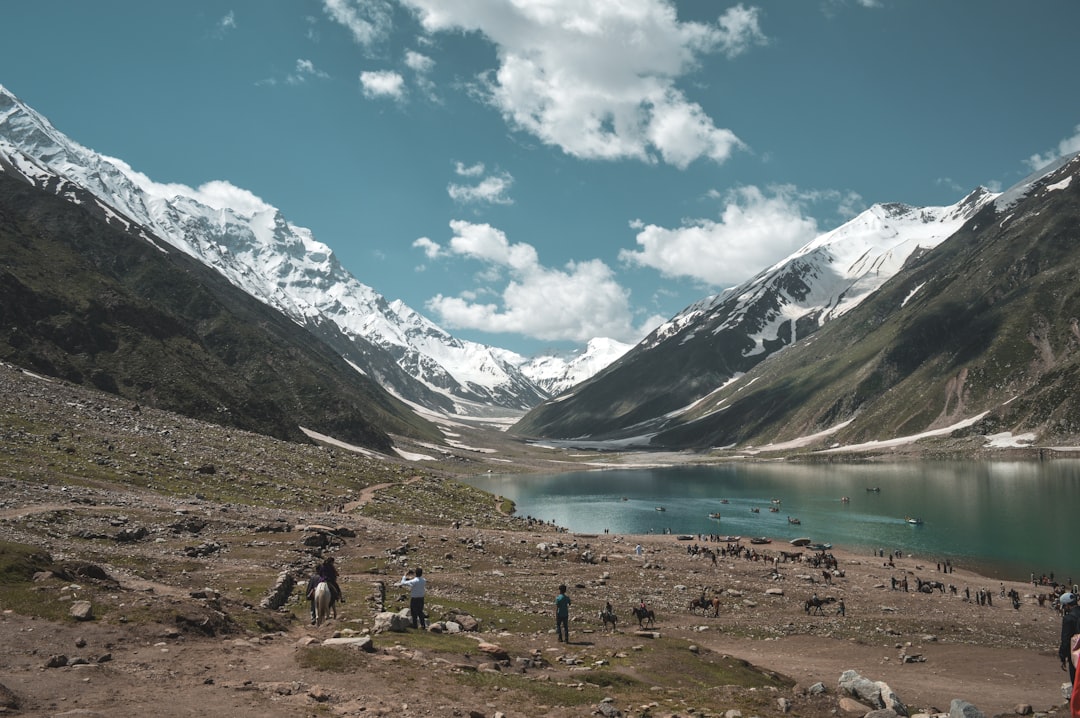
January is Pakistan's finest month for the cultural heartland — Lahore's Mughal monuments are accessible in cool, clear weather, Karachi's coast is pleasant, and the northern mountains are buried under winter snow.
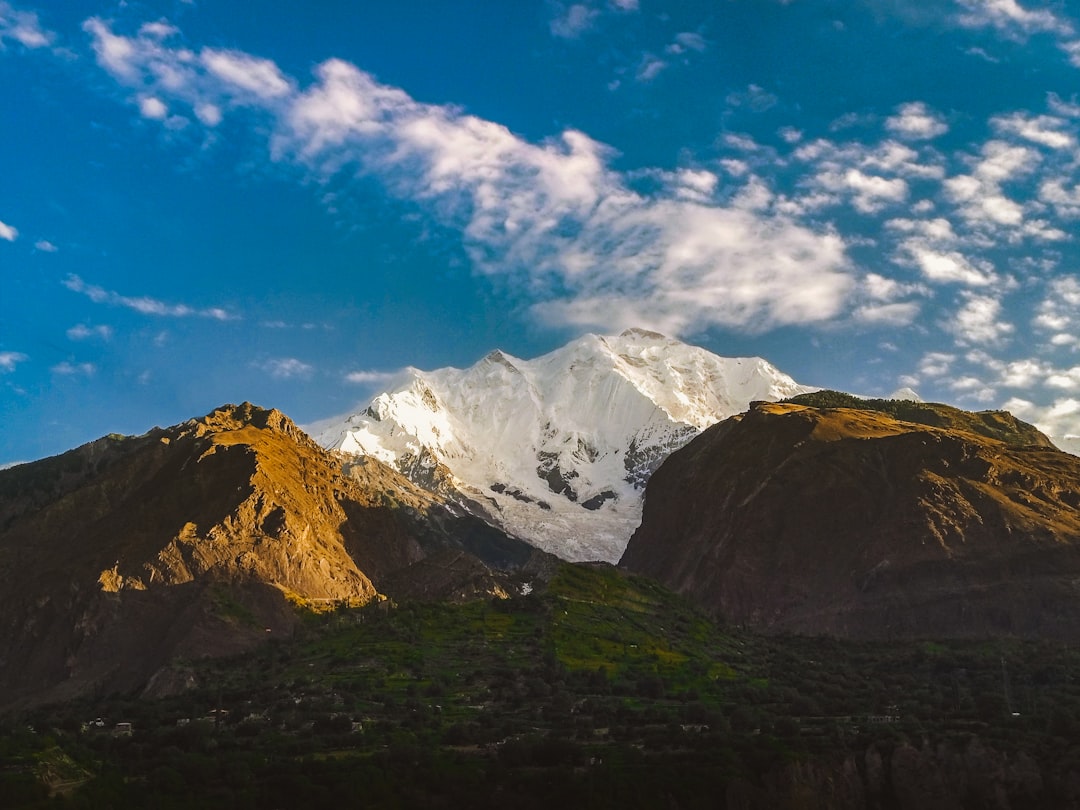
July peaks Pakistan's mountain season — the Shandur Polo Festival fills the world's highest polo ground, K2 summit attempts intensify, and monsoon rain arrives in the south while the north stays clear.
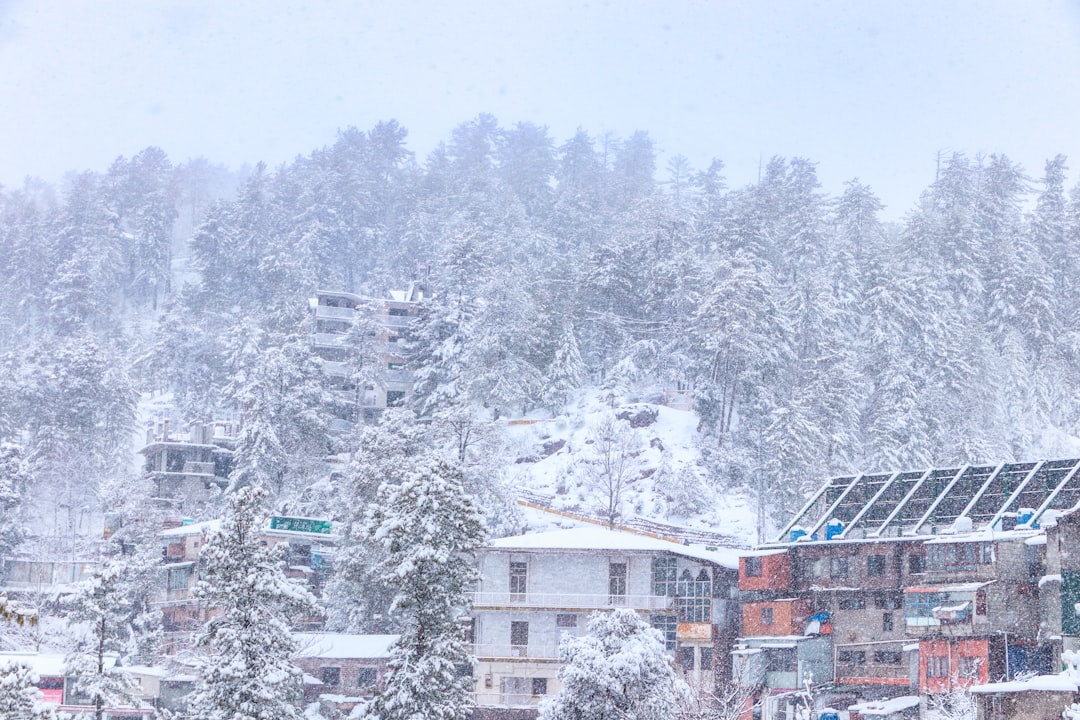
June is Pakistan's mountain prime — Concordia and K2 Base Camp are crowded with expeditions and trekkers, Shandur Pass polo festival approaches, and the K2 summit window opens.
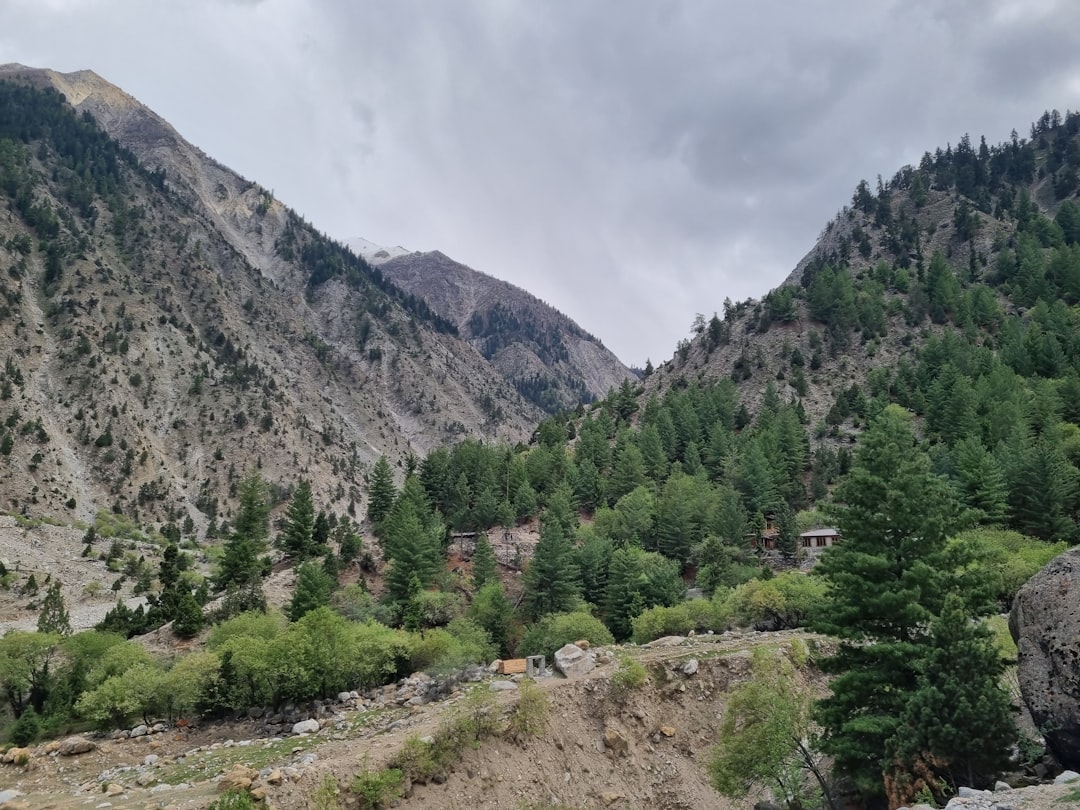
March brings apricot blossom season to the Hunza and Gilgit valleys, spring warmth to Lahore and Islamabad, and the Nowruz (Persian New Year) celebration to Pakistan's northwest.
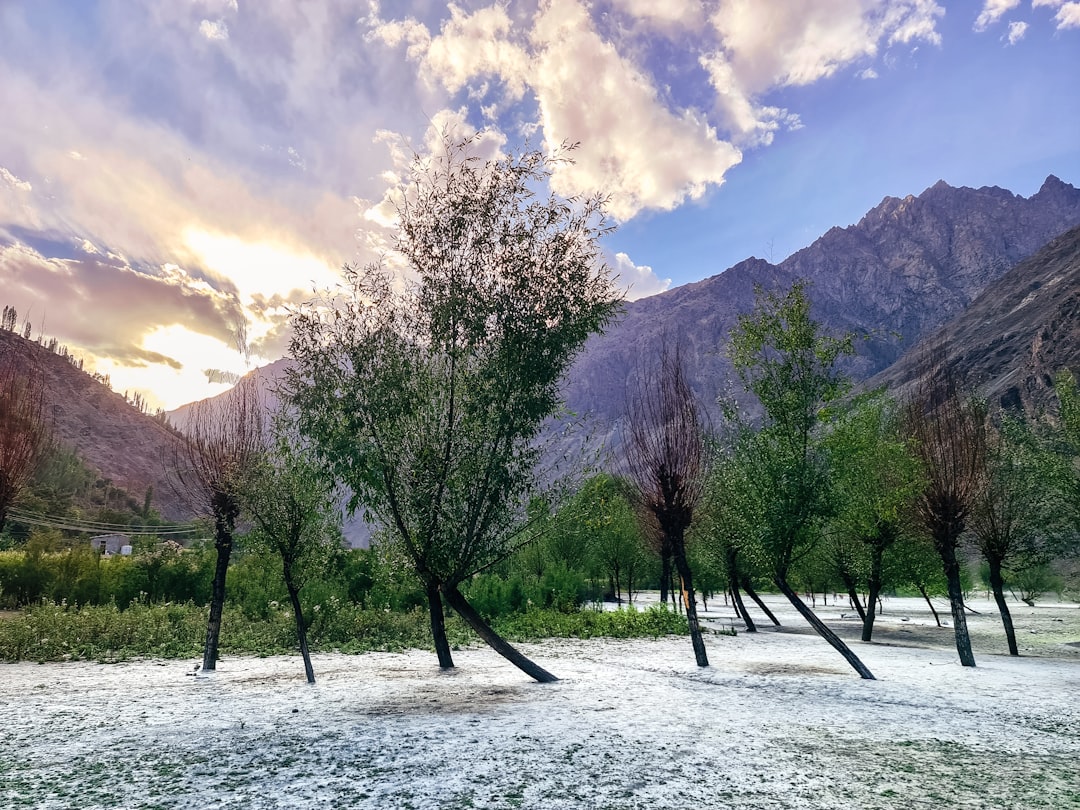
May is the beginning of Pakistan's prime trekking season — Khunjerab Pass opens, K2 and the Karakoram become accessible, and the northern valleys deliver some of the most dramatic mountain scenery on Earth.
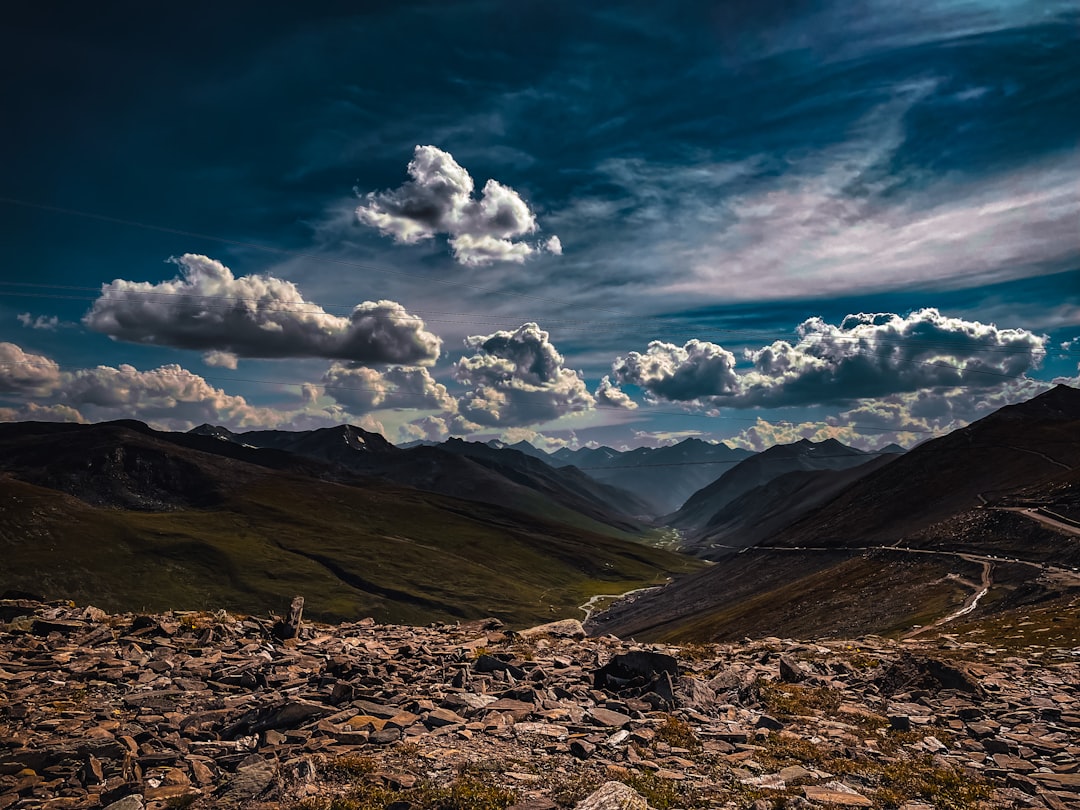
November delivers Lahore's finest cultural and climate conditions, the last autumn color in the northern valleys, and the beginning of the off-season calm across Pakistan.
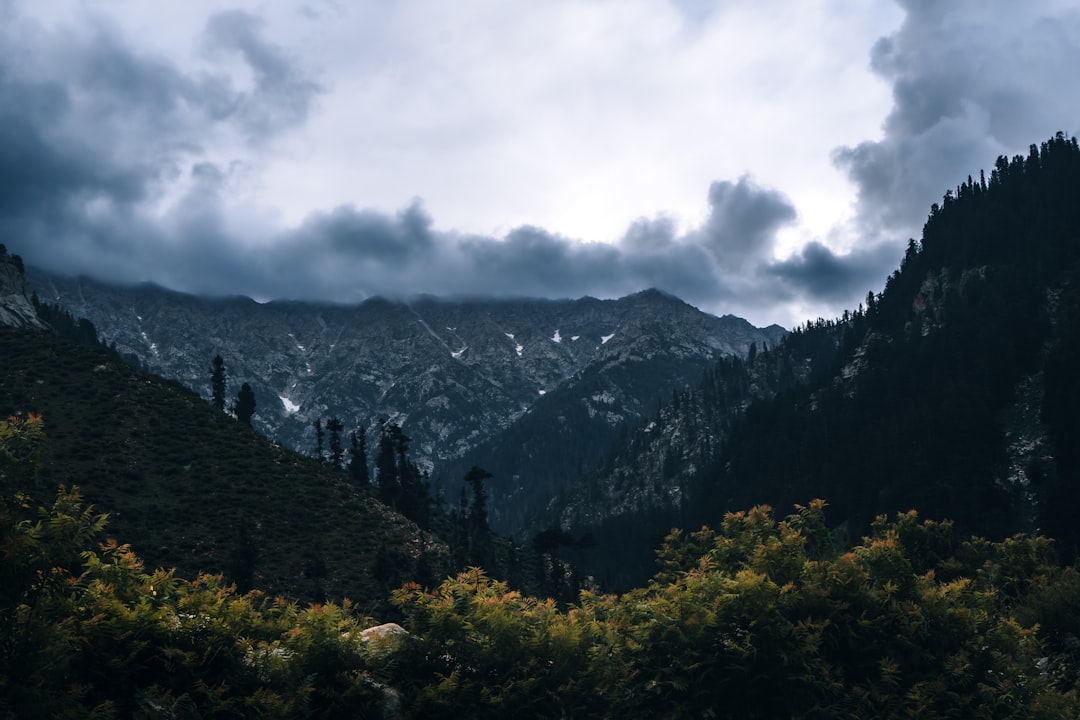
October delivers Hunza's most spectacular autumn — golden poplars against snow-capped peaks — while Lahore enters its finest cultural season and the high mountain passes close for winter.
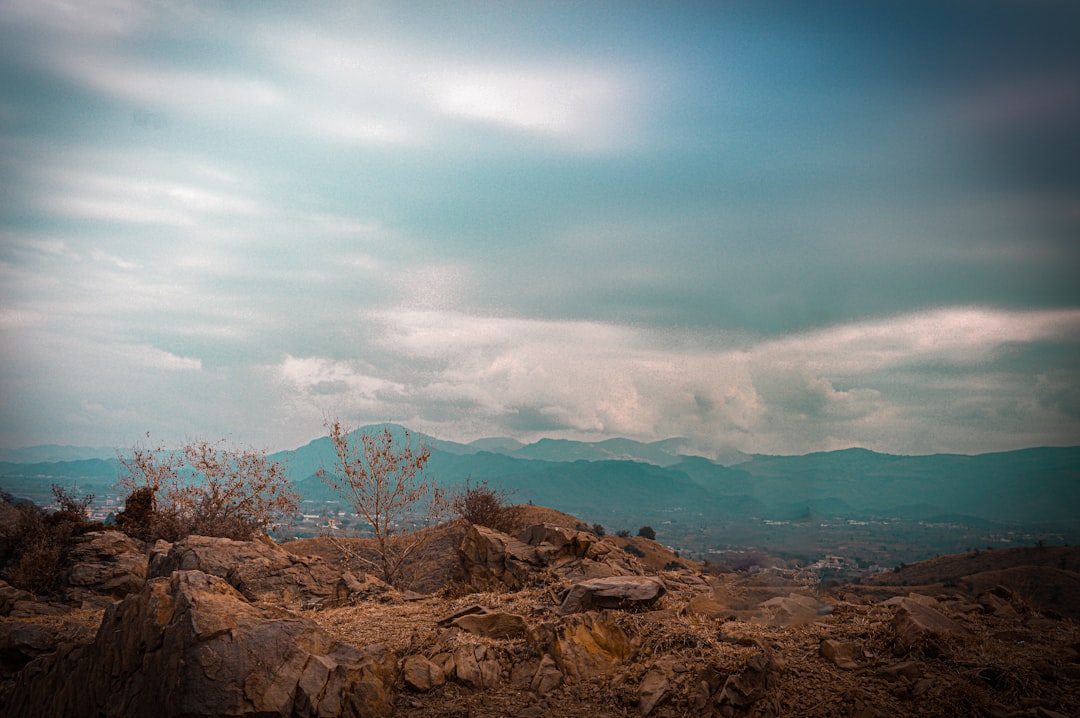
September brings autumn color to the Hunza and Gilgit valleys, the monsoon retreats from the south, and the last reliable trekking weeks before October snows close the high passes.
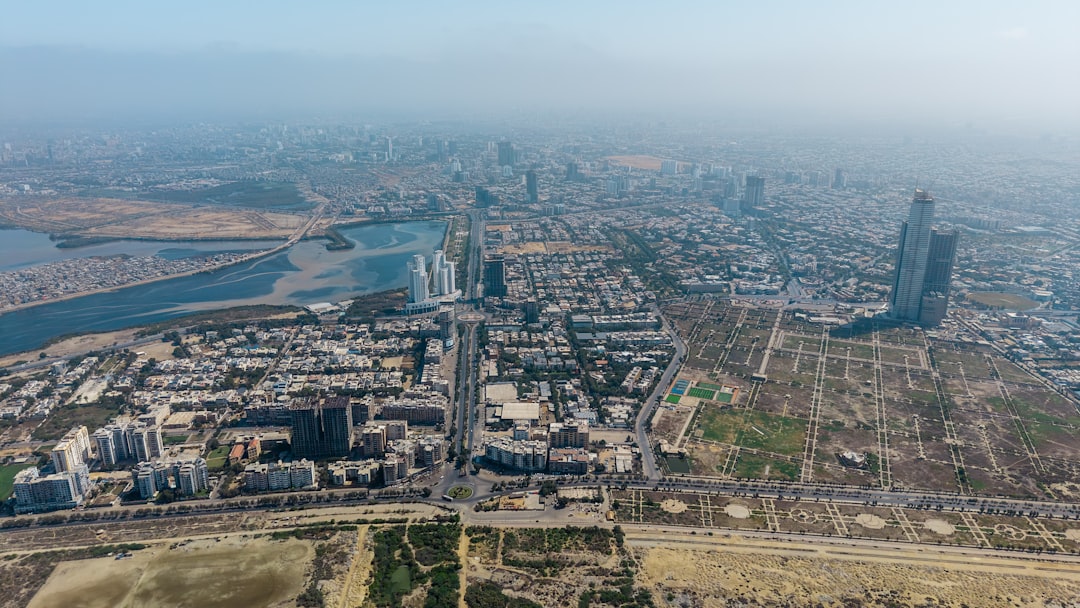
April fully opens Malaysia's east coast season — the Perhentian Islands are in prime condition, whale sharks visit Tioman's waters, and Hari Raya Aidilfitri transforms the country when it falls in April.
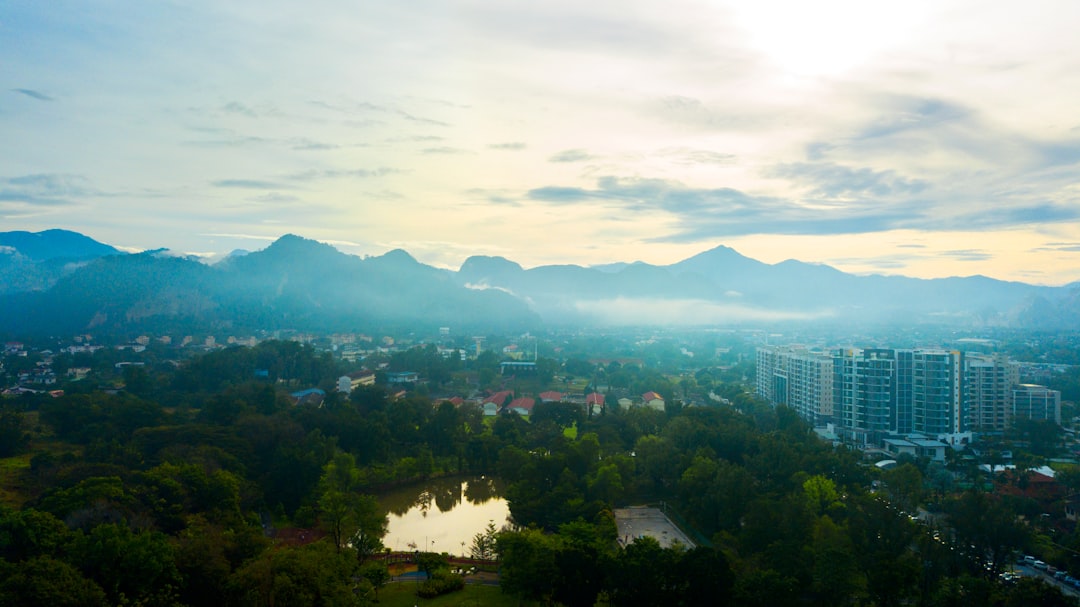
August delivers Malaysia's Merdeka Day national celebration on the 31st, continues the east coast beach peak season, and offers Borneo's finest wildlife month alongside ongoing turtle nesting.
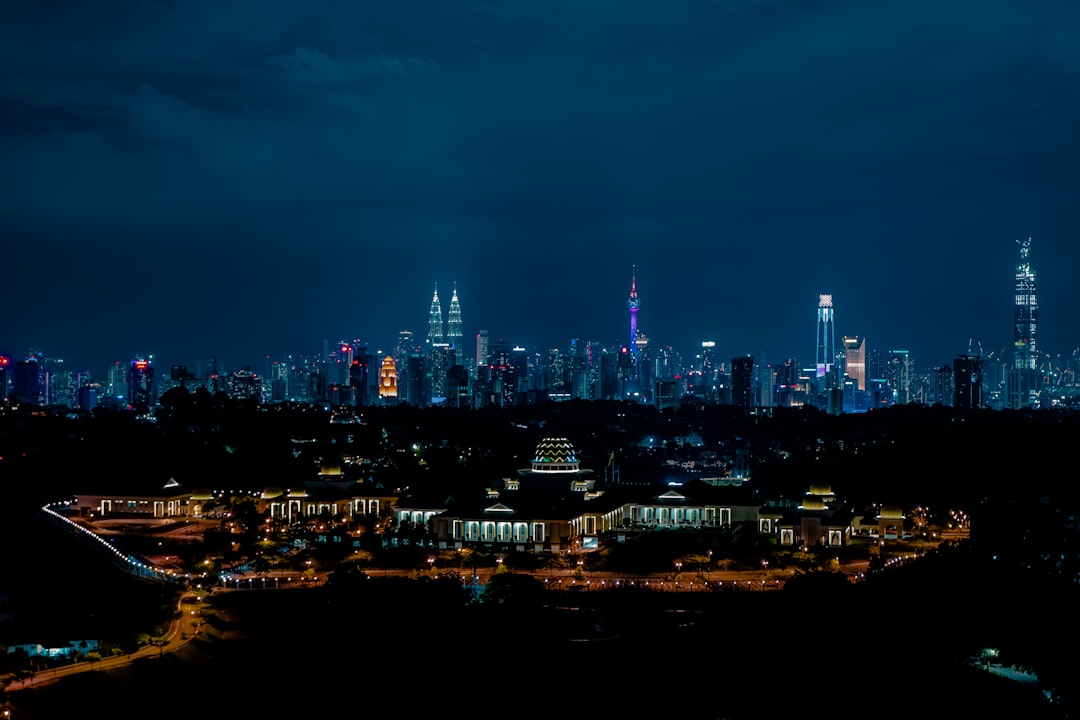
December is Langkawi's peak season — the Andaman beaches are perfect, the northeast trade wind keeps conditions dry, and Kuala Lumpur celebrates Christmas with Southeast Asia's most elaborate mall decorations.
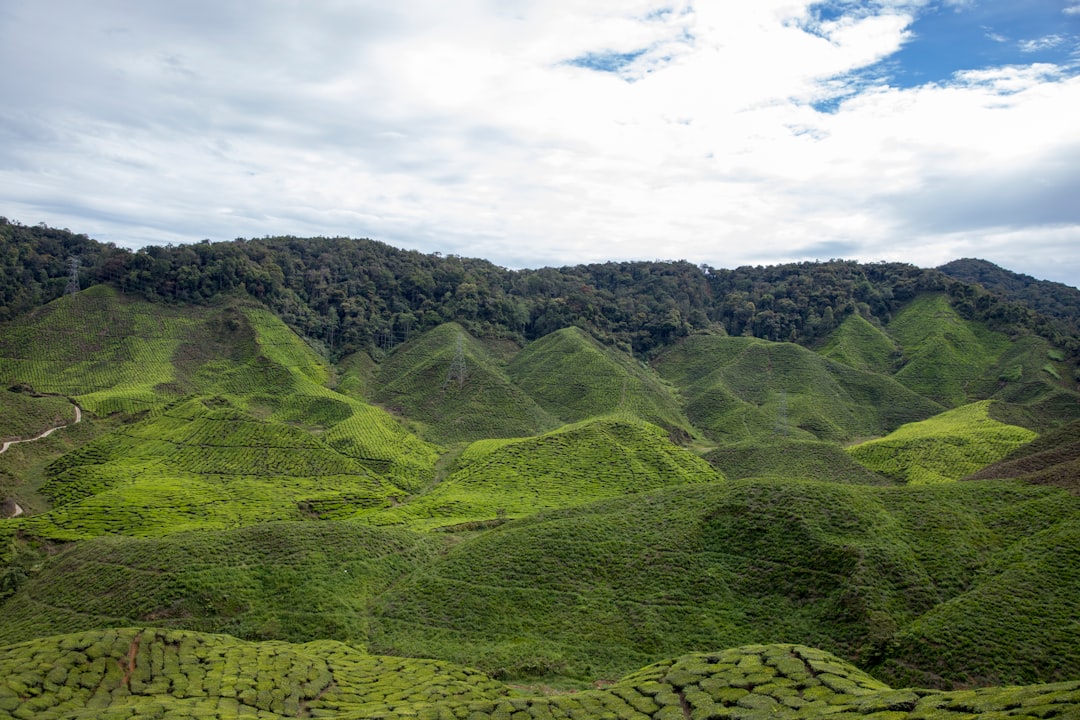
February brings the full Chinese New Year celebration to Malaysia — Penang and KL are transformed with lights, food, and firecrackers — while Langkawi's dry season continues and east coast closures persist.
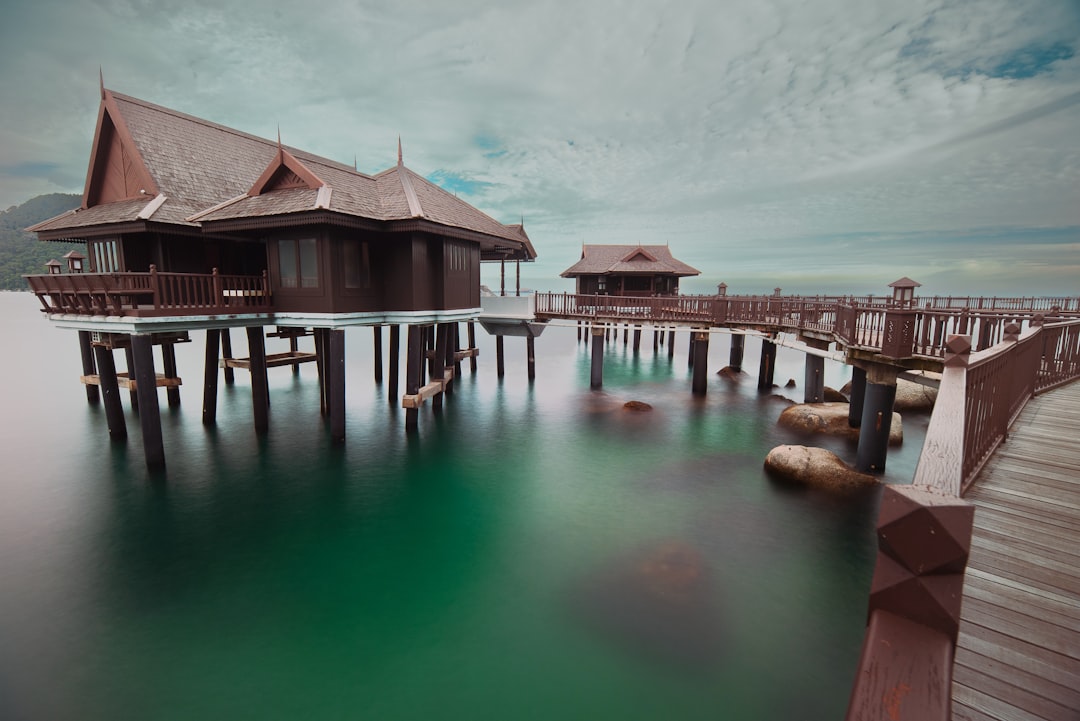
January splits Malaysia in two — the east coast (Perhentian, Tioman) is under monsoon closure while Langkawi and the west coast are in their finest season. Kuala Lumpur is excellent year-round.
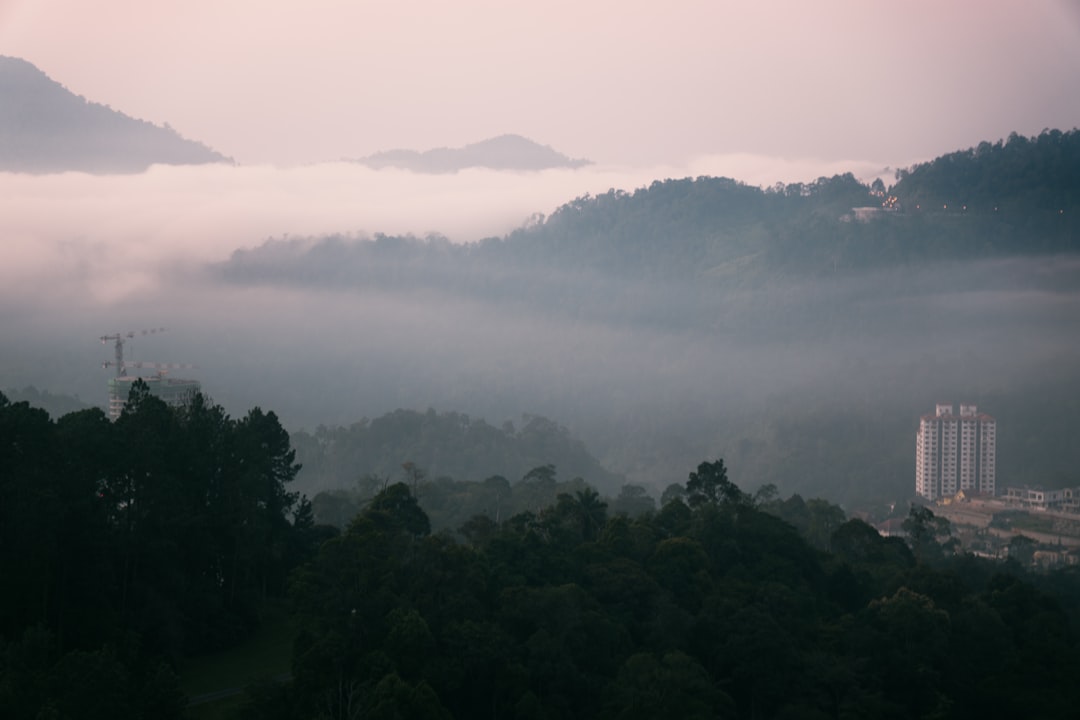
July is Malaysia's absolute peak — school holidays fill every east coast resort, turtle season continues on Perhentian and Redang beaches, and Borneo's wildlife is in its best condition.
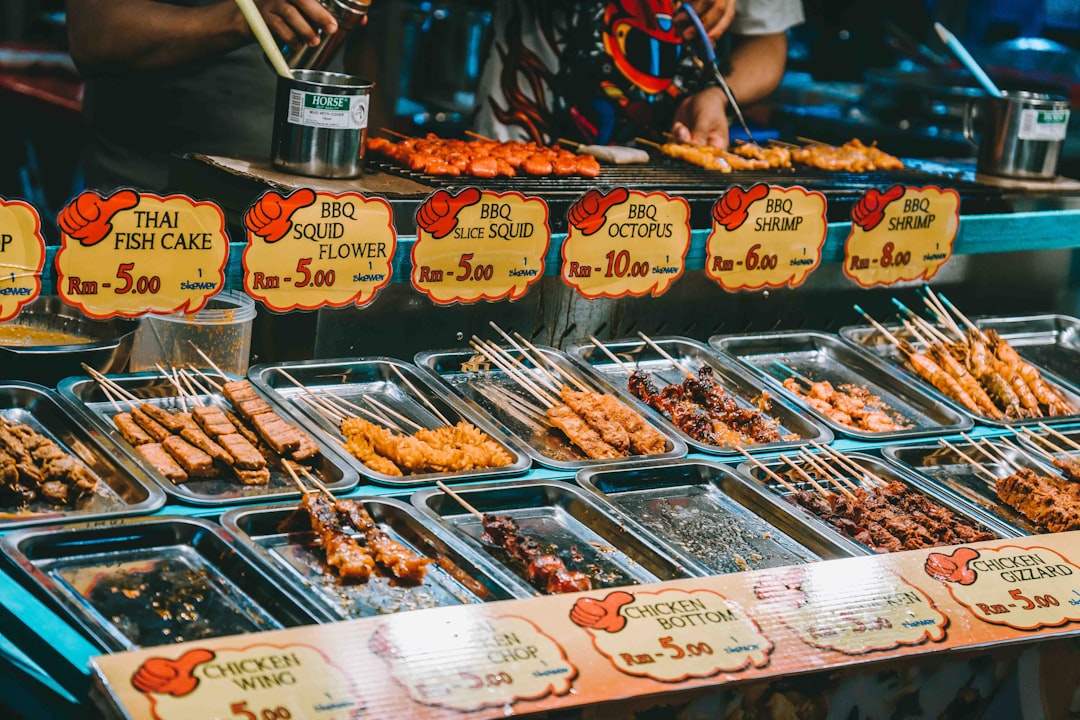
June is the height of Malaysia's east coast season — turtles come ashore to nest on Perhentian and Redang beaches, dive conditions are excellent, and Borneo's national parks are in their best season.
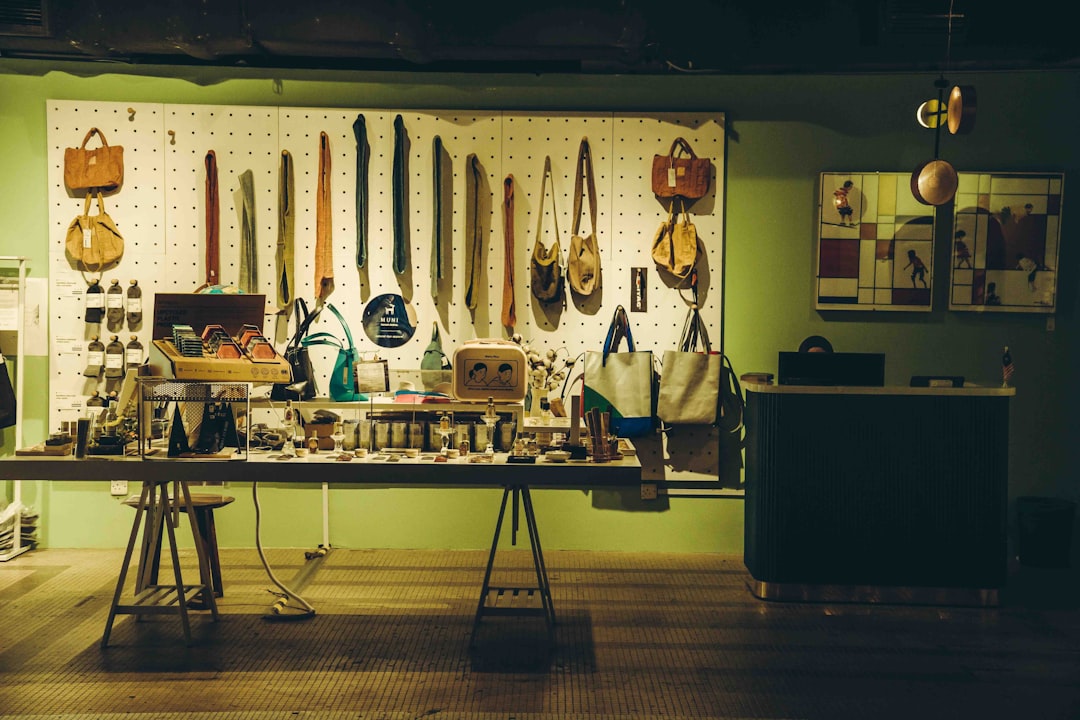
March reopens Malaysia's east coast as the northeast monsoon ends — the Perhentian Islands, Tioman, and Redang emerge from closure with pristine water, full coral reefs, and minimal visitors.
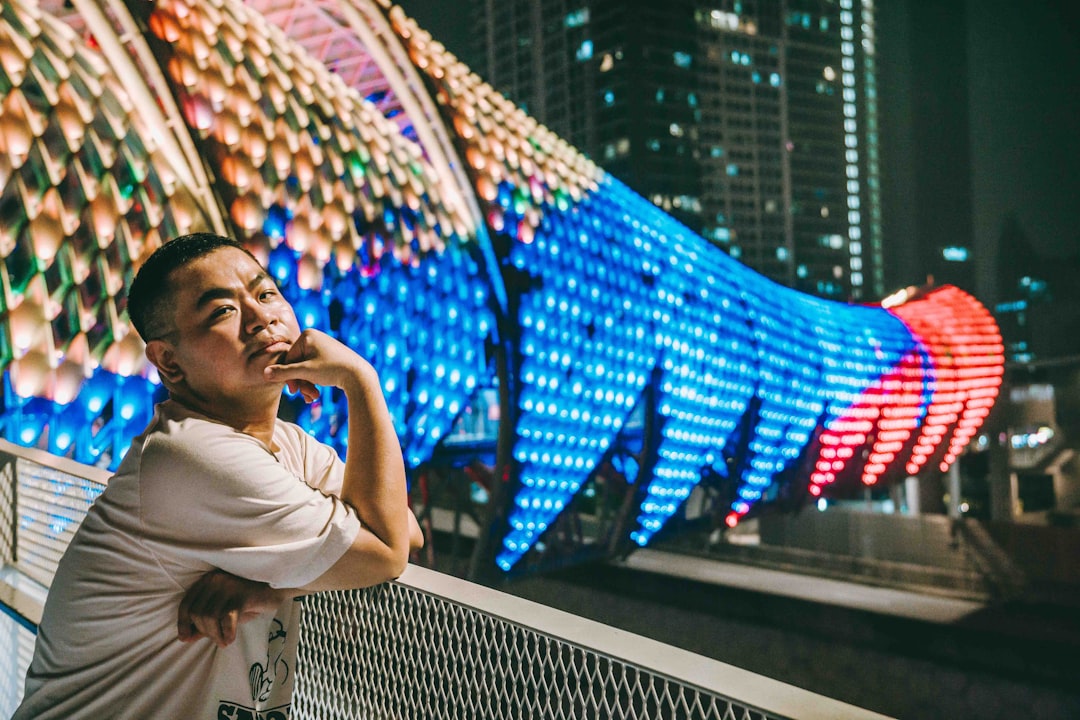
May is peak season for Malaysia's east coast beaches — the Perhentians are at maximum beauty, Borneo's wildlife corridors are excellent, and Langkawi transitions to its southwest monsoon.
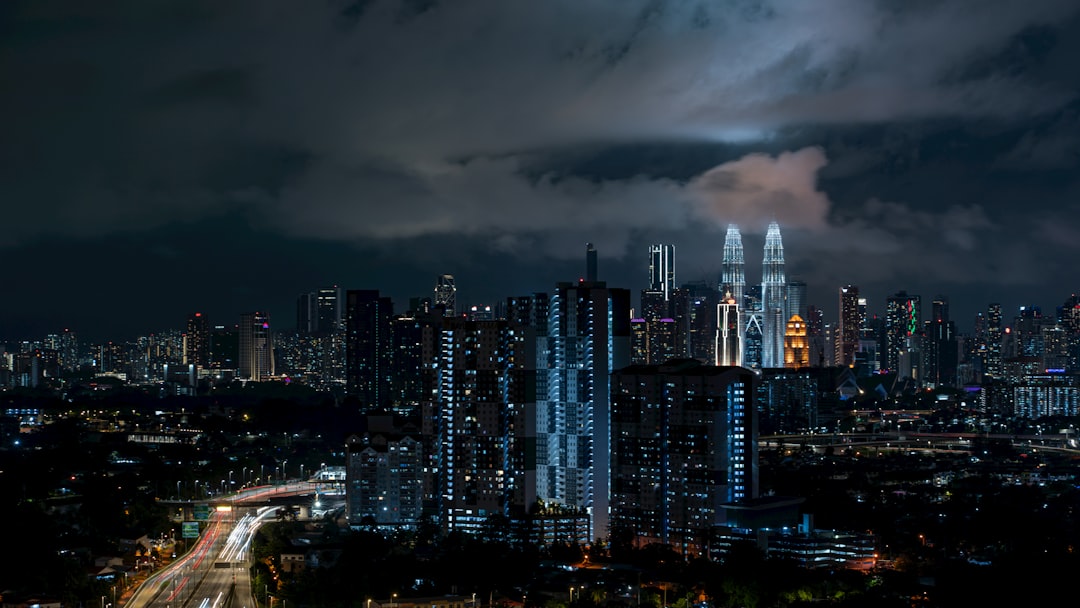
November officially opens Langkawi's finest season — the northeast trade wind arrives, the Andaman Sea clears, and Malaysia's most beautiful island chain is in its annual prime.
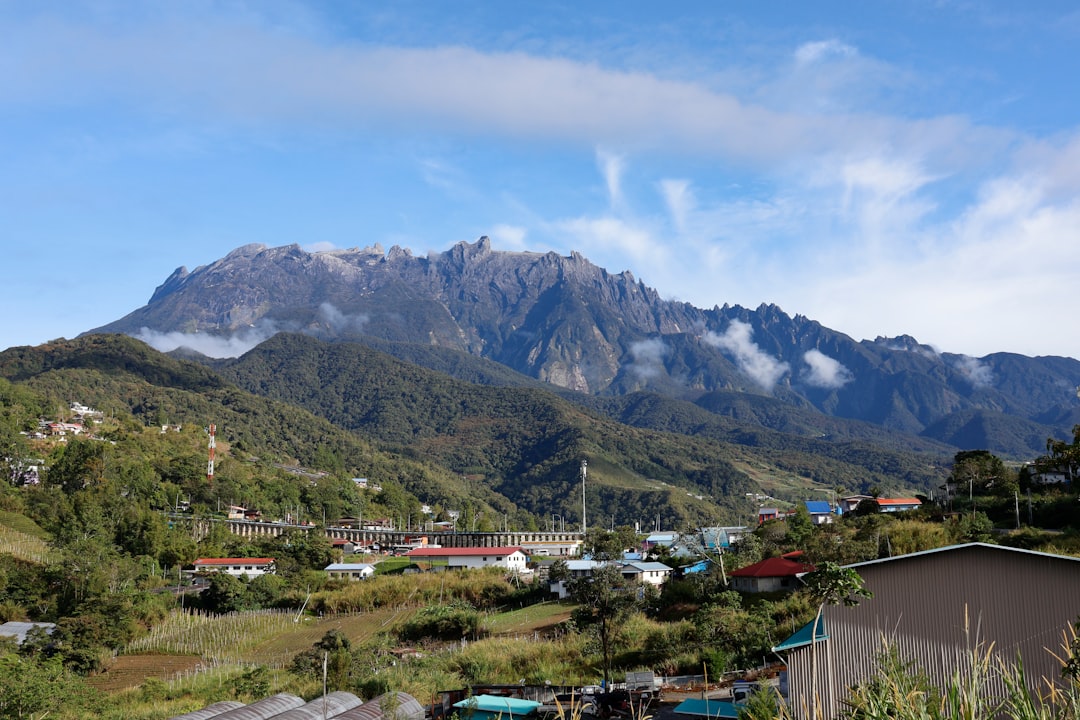
October marks the east coast beach season's end as the northeast monsoon approaches, while Langkawi and the west coast open for their finest season. Deepavali fills KL's Little India with lights.
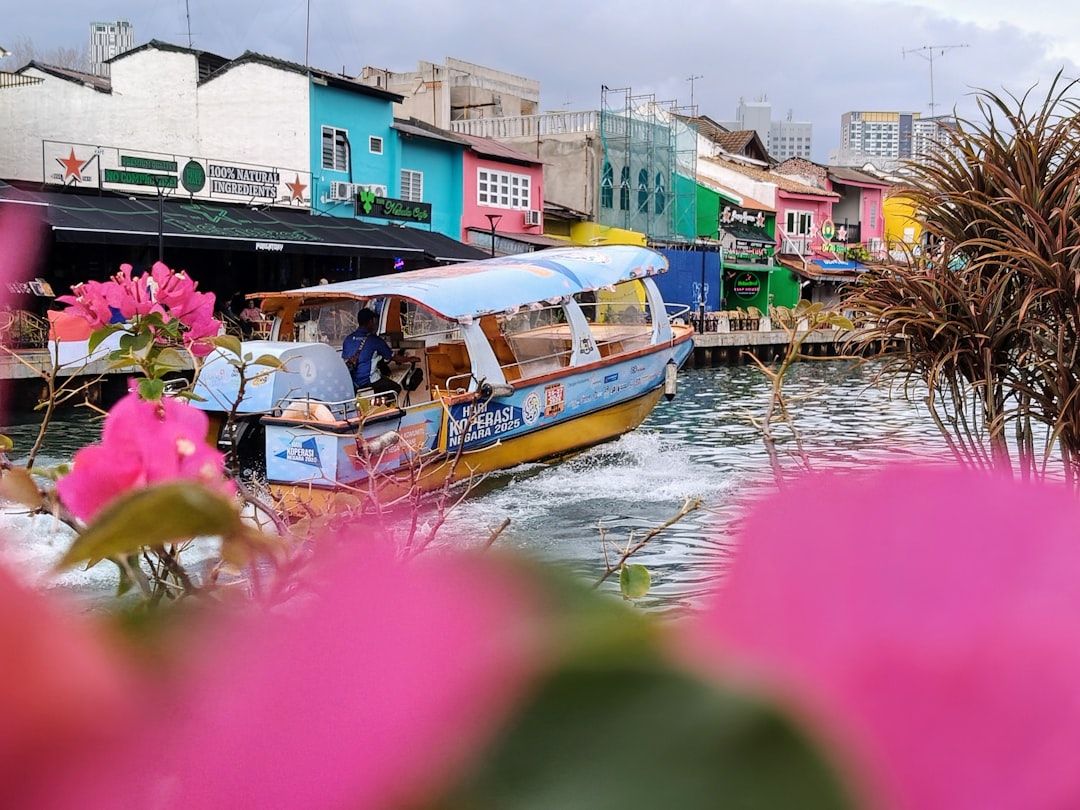
September marks Malaysia Day on the 16th and the east coast's final weeks before monsoon closes the beaches. The west coast (Langkawi) begins reopening as the southwest monsoon eases.
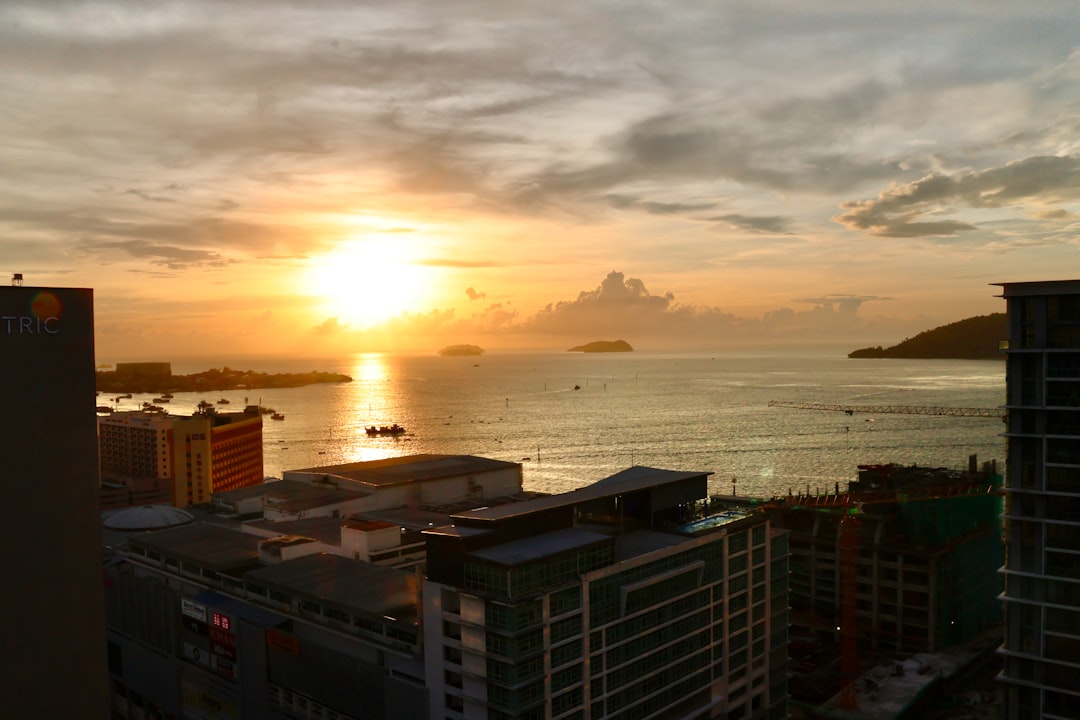
April is Kazakhstan's spring awakening — the southern steppe erupts in wildflowers including wild tulips, Almaty blossoms, and the hiking season in the Tian Shan foothills begins.
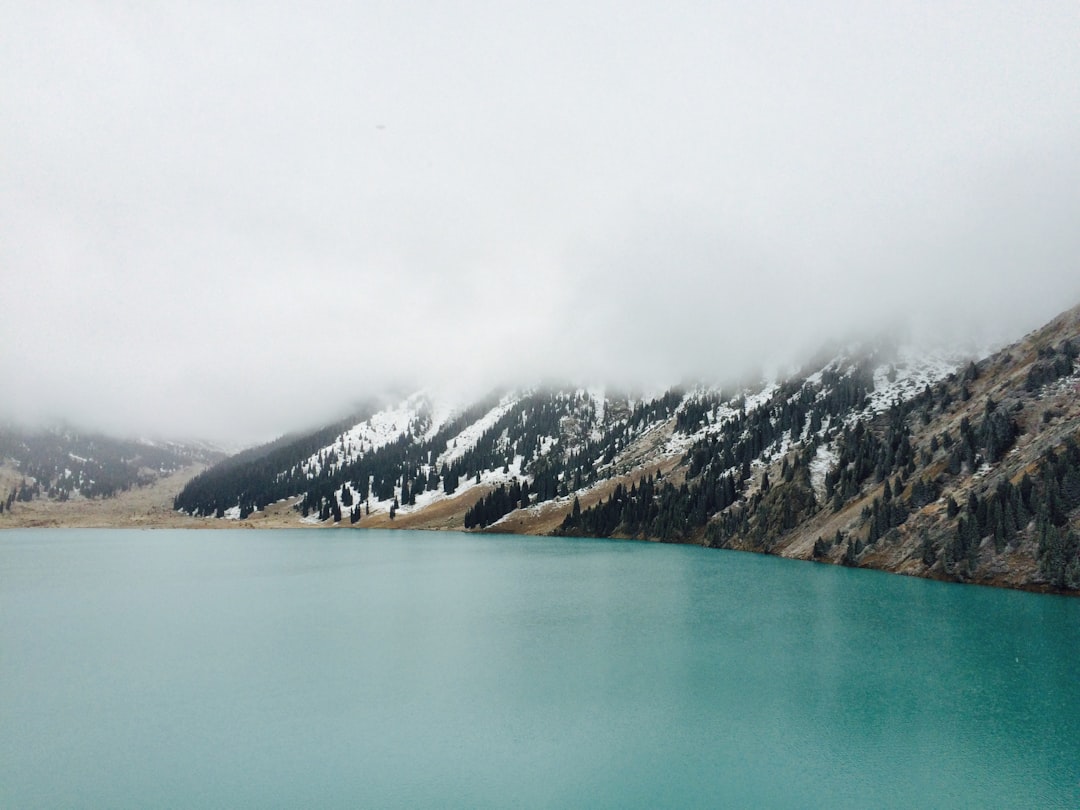
August is Kazakhstan's final full summer month — the Tian Shan trekking season hits its stride, Almaty's orchards begin the apple harvest, and Independence Day approaches on August 30.
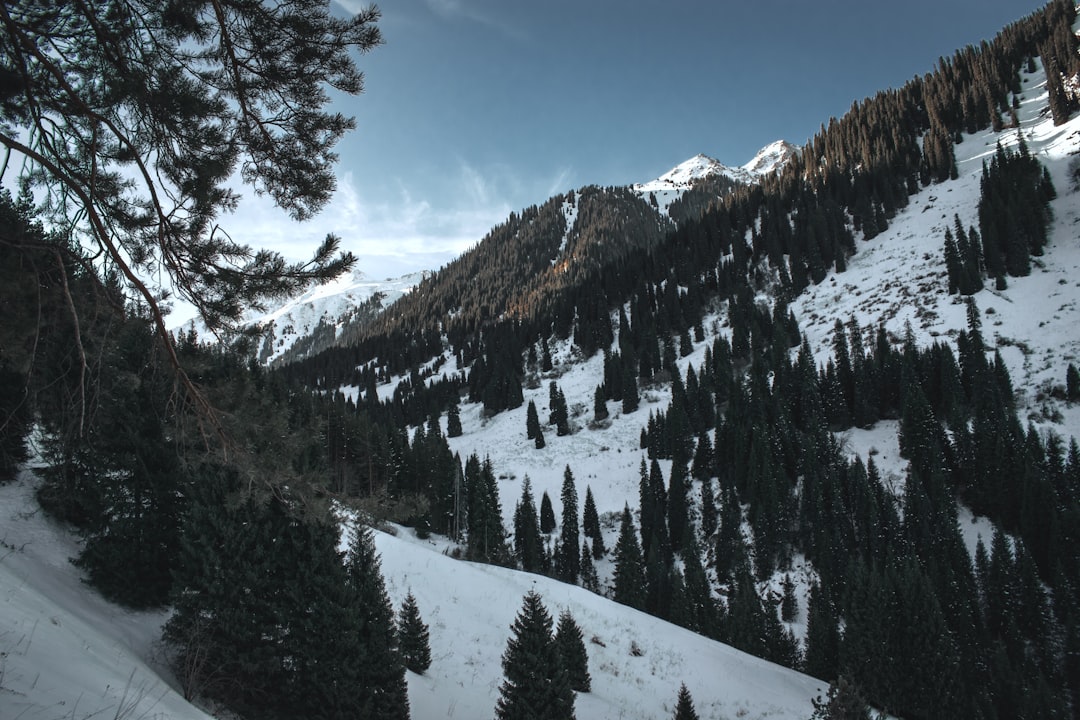
December opens Kazakhstan's ski season at Shymbulak, marks Independence Day on the 16th, and settles Astana into its extraordinary winter cold — a country fully committed to its season.
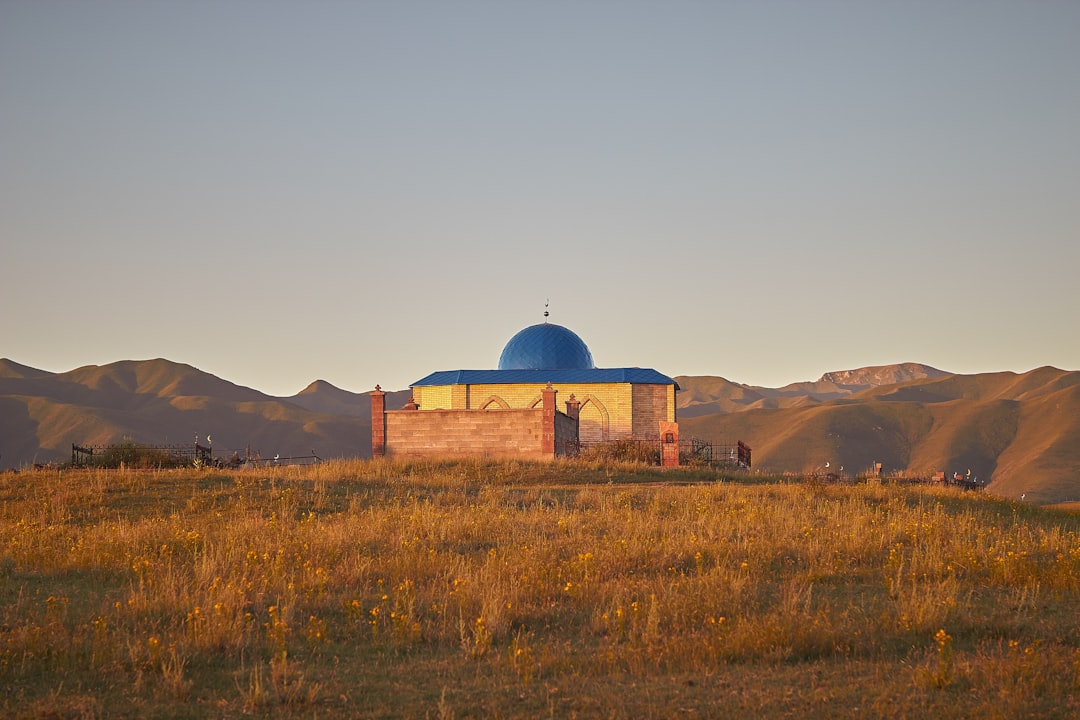
February is Shymbulak's prime ski month and Kazakhstan's coldest — Astana averages -18°C while Almaty enjoys good ski conditions with slightly milder temperatures than January.
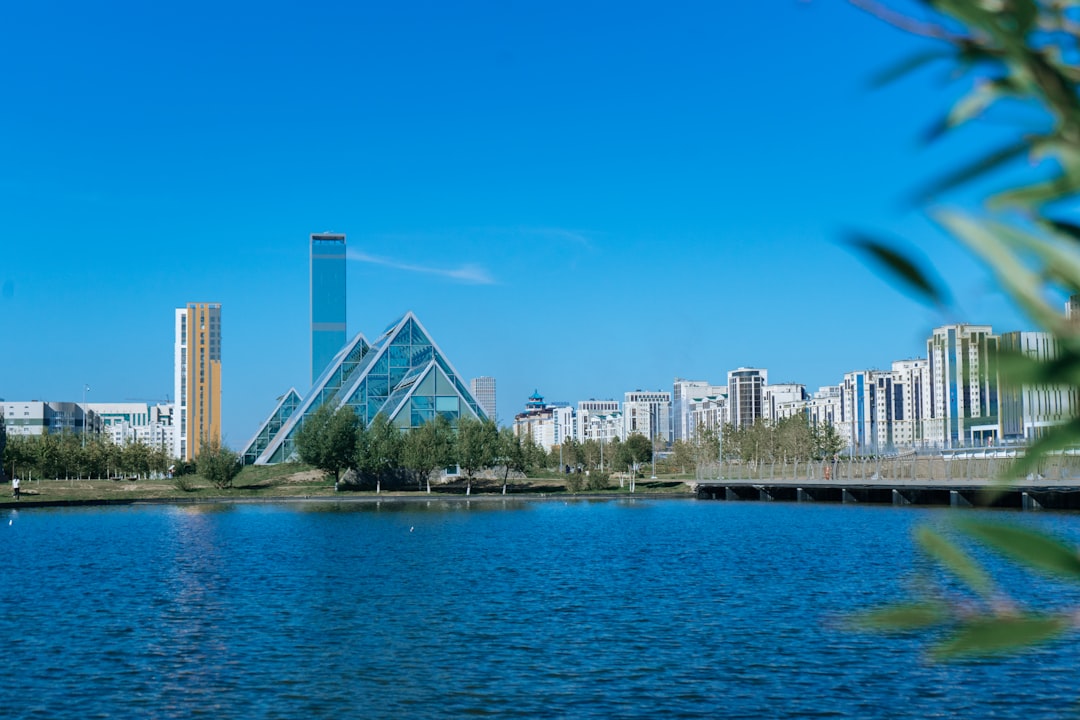
January is Kazakhstan's coldest and most extreme month — Astana reaches -30°C regularly. But Almaty's Shymbulak ski resort is in full season and the winter steppe has a severe, austere beauty.
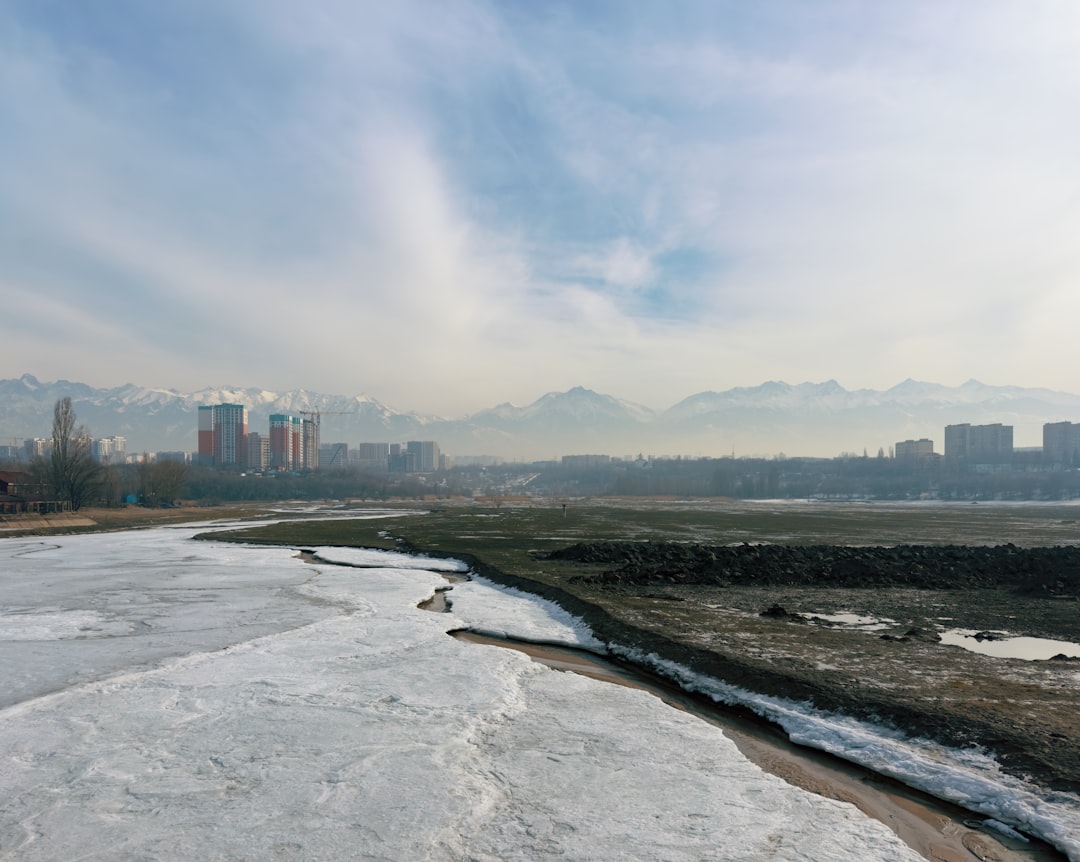
July is Kazakhstan's busiest month — the Tian Shan expeditions peak, the steppe horse culture is at its most visible, and Almaty's summer heat drives visitors to the mountains.
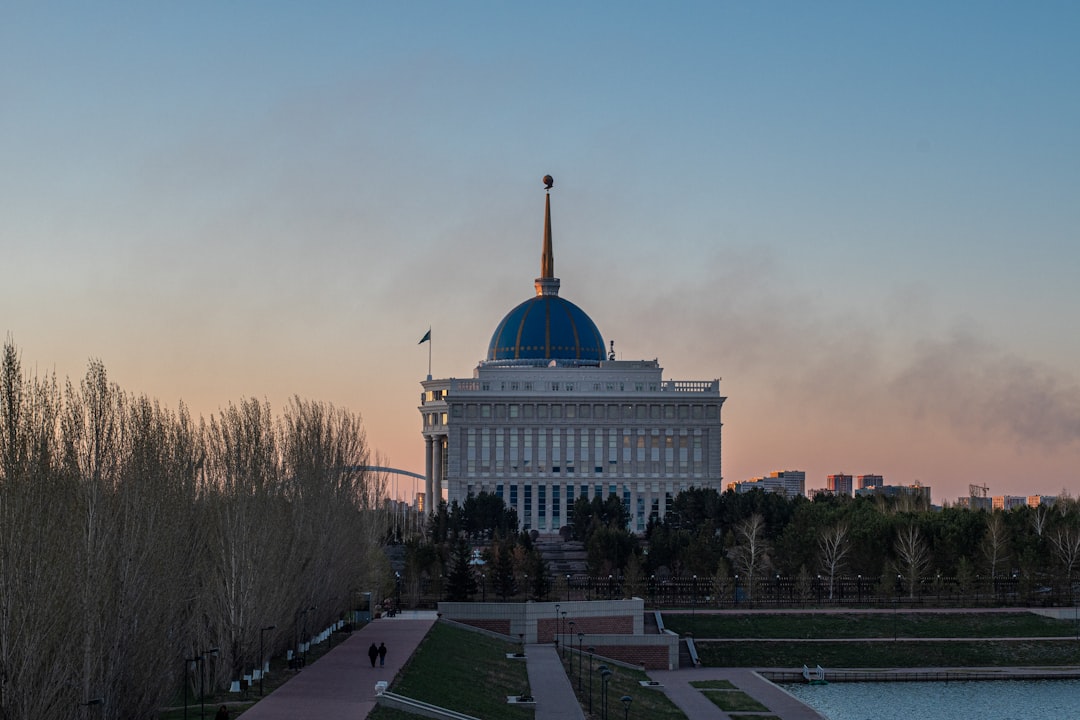
June opens Kazakhstan's high mountain passes and is the ideal month for serious Tian Shan trekking — long days, warm temperatures, and the alpine meadows in full wildflower bloom.
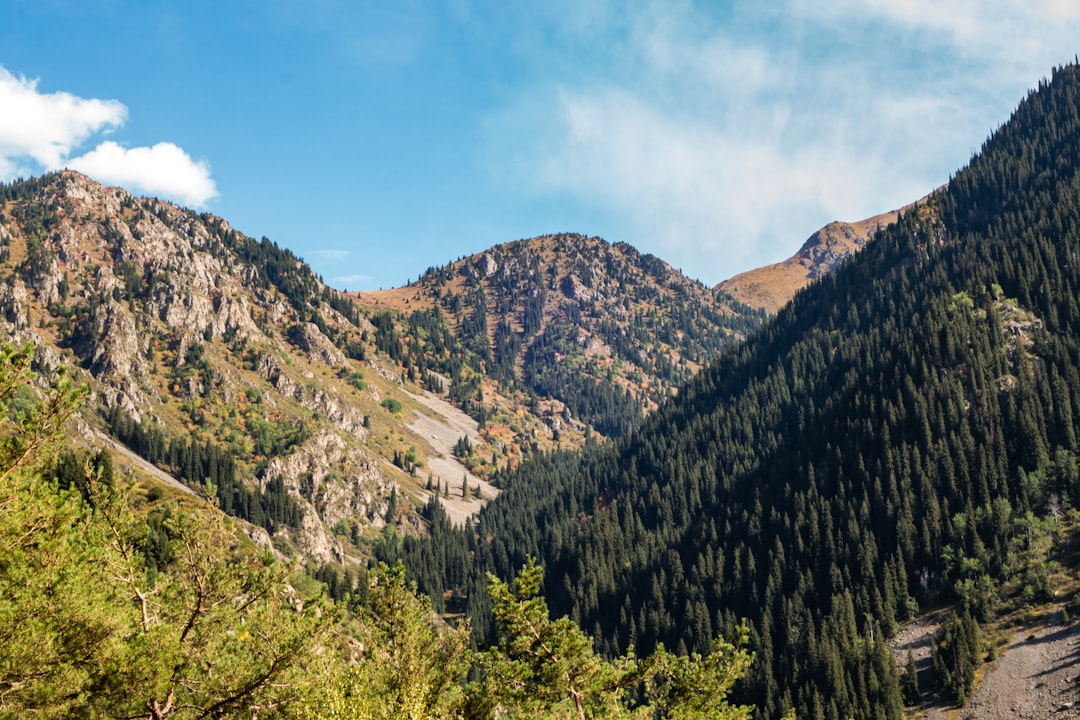
March marks Kazakhstan's transition from extreme winter toward spring — Nauryz preparations fill cities with preparations for the spring equinox, temperatures begin rising, and the steppe shows its first hints of life.
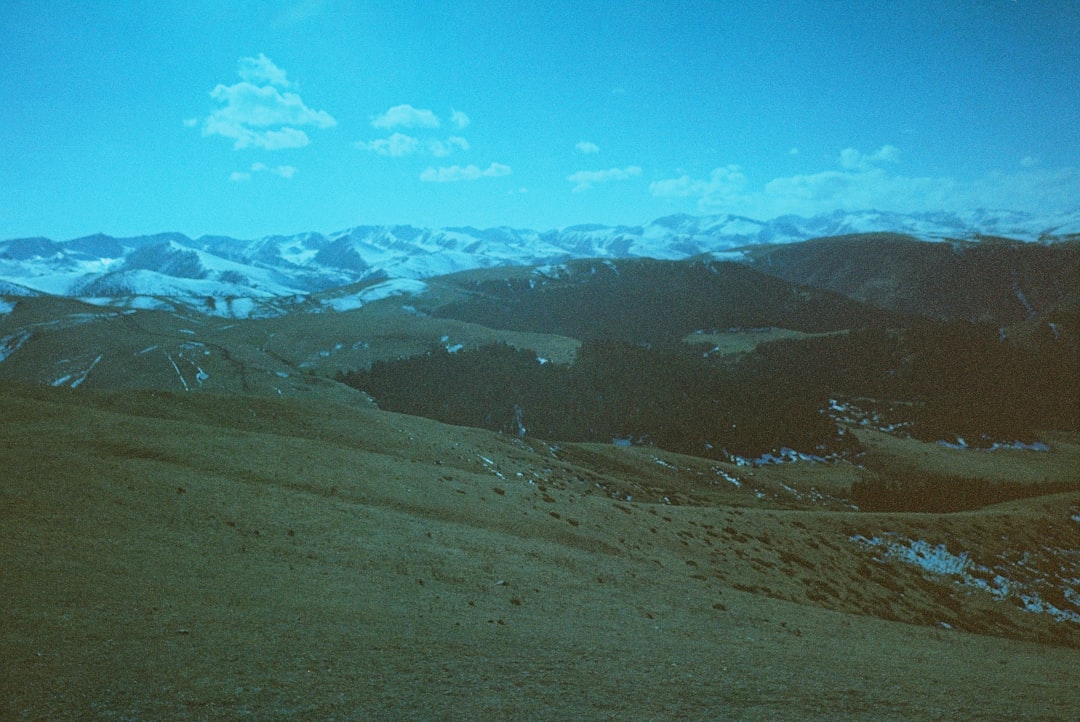
May is Kazakhstan's most pleasant travel month — Almaty is warm and green, the Tian Shan hiking season begins in earnest, and the country's vast steppe is in its brief spring prime.
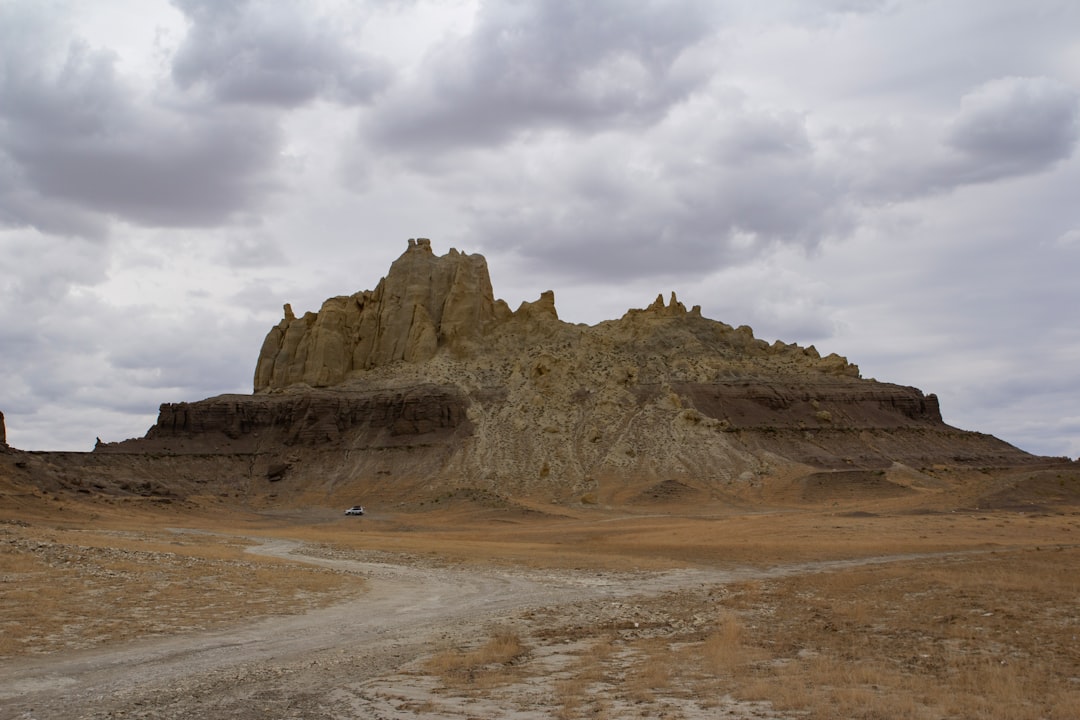
November is Kazakhstan's harshest transitional month — Astana drops below freezing, the steppe empties, and Almaty retreats indoors while the ski season at Shymbulak approaches.
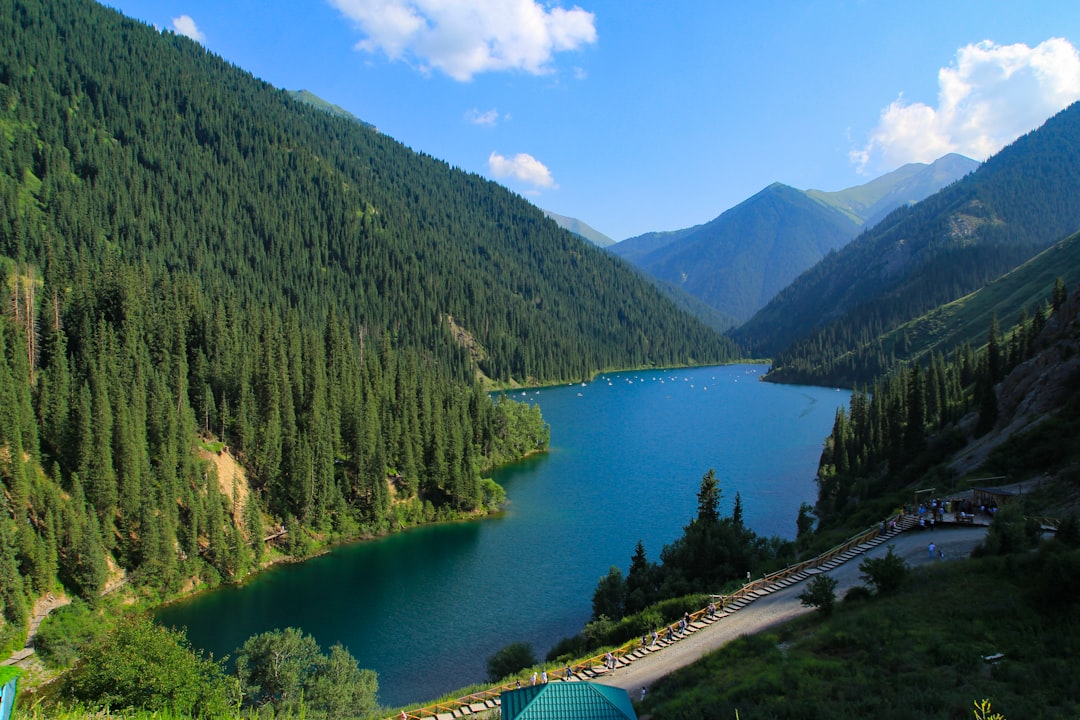
October brings Kazakhstan's most dramatic seasonal shift — the Tian Shan closes its high routes, the steppe turns amber, Almaty's street trees go gold, and the winter preparation begins.
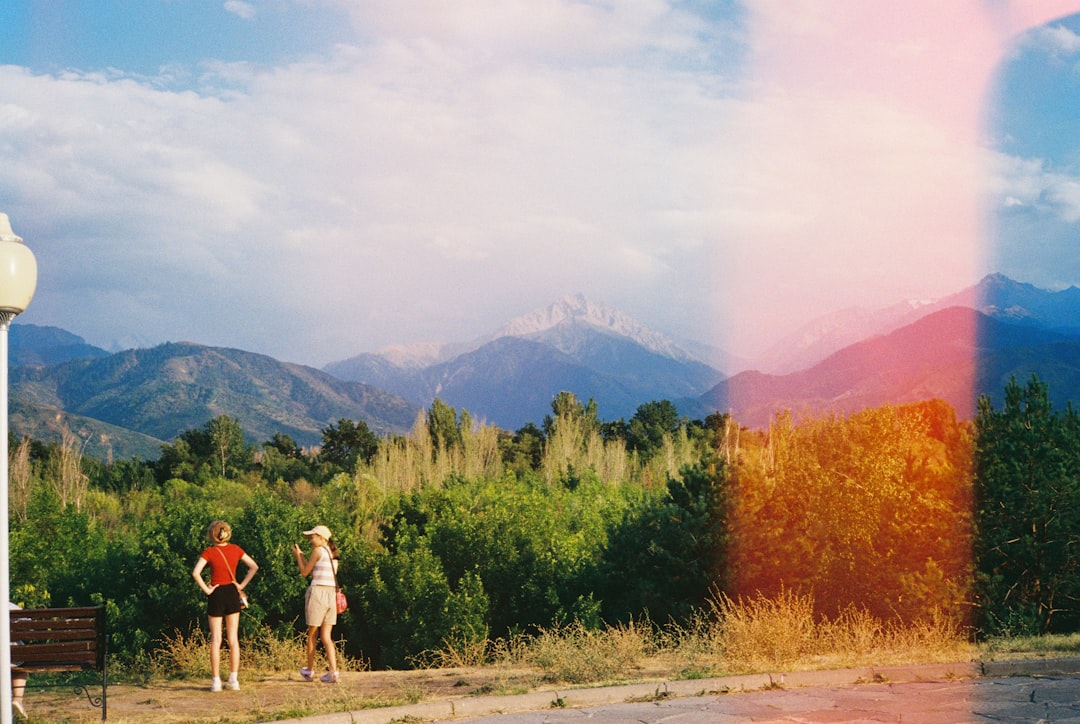
September is Kazakhstan's most beautiful month — Almaty's apple harvest peaks, the Tian Shan turns amber and gold, and the summer crowds have gone while conditions remain excellent.
April is Ireland's best shoulder-season month — the countryside is luminously green after winter rain, Easter brings community atmosphere, and the tourist surge of summer hasn't yet arrived.
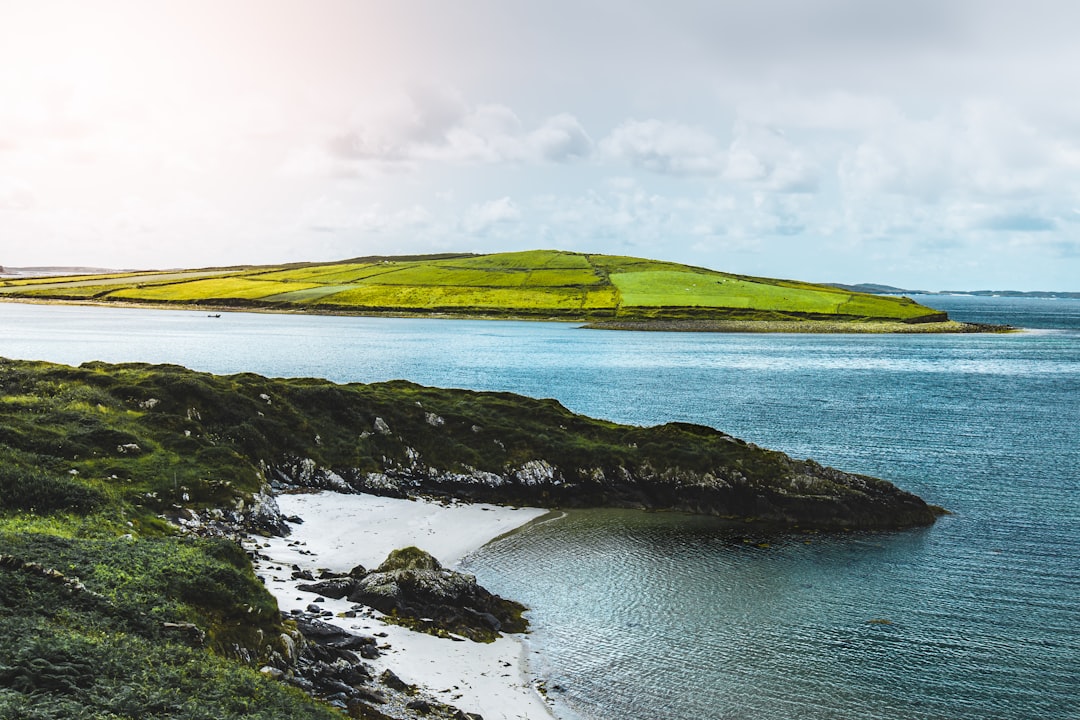
August is Ireland's busiest month — the Fleadh Cheoil and Puck Fair are running, the Wild Atlantic Way is packed with rental cars, and every coastal B&B is occupied. Book everything early.
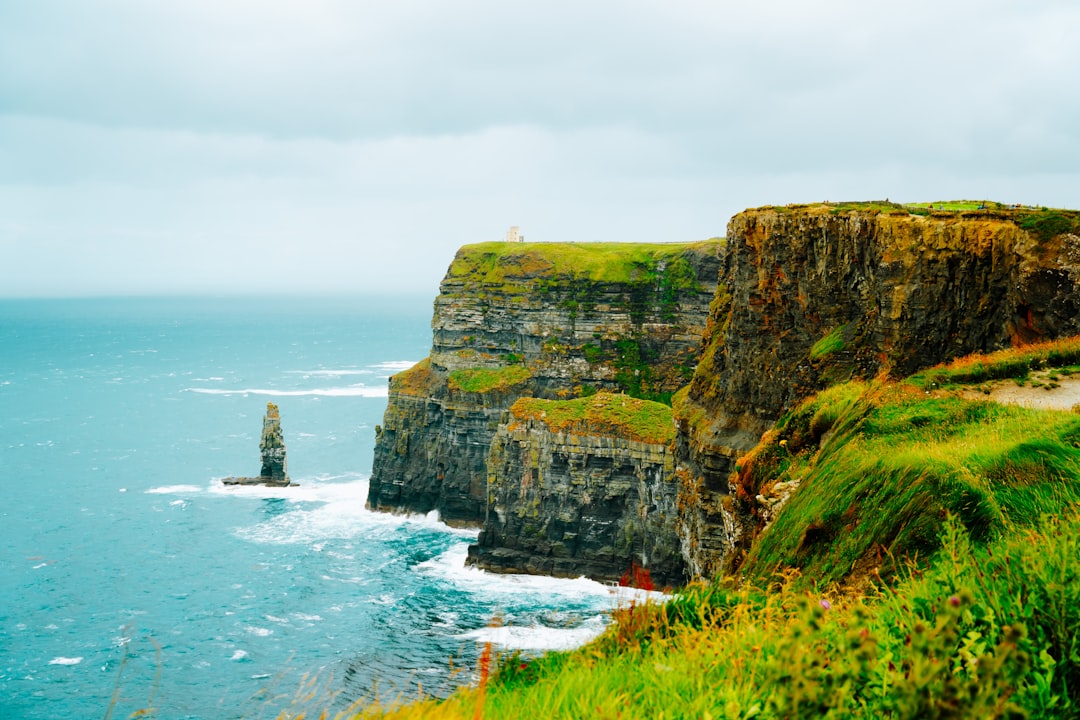
December brings Ireland's Christmas culture to full expression — the pubs are warm and full of carol singers, the markets of Dublin and Galway light up, and the country settles into its most sociable season.
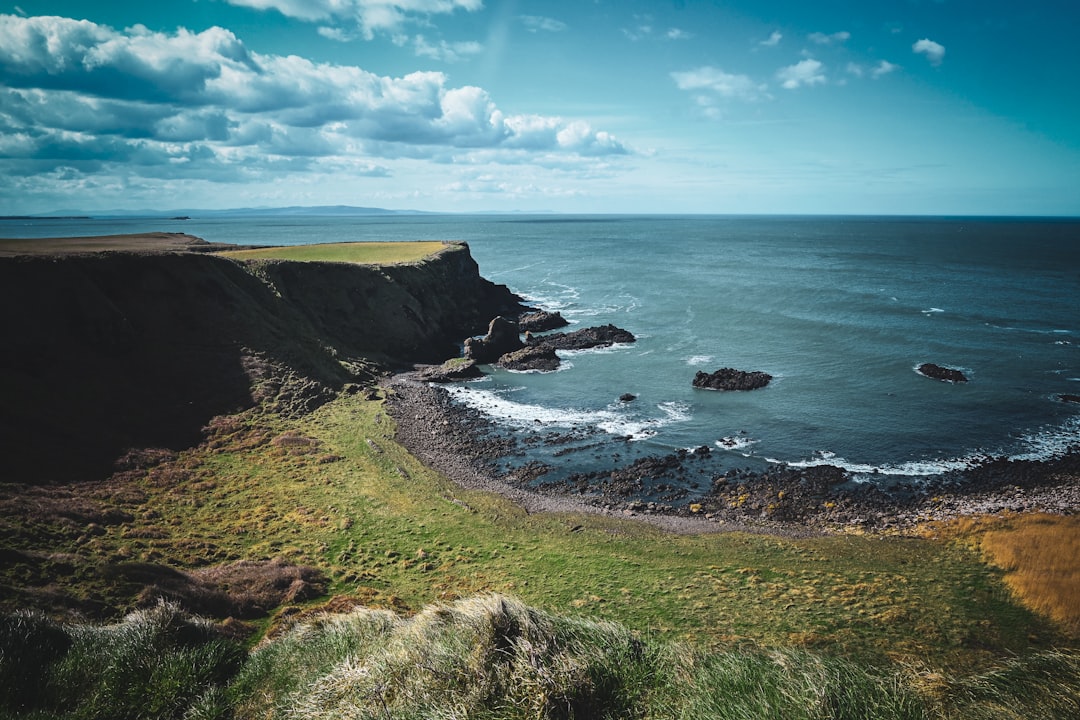
February is Ireland's quietest and most intimate month — St. Brigid's Day marks the ancient beginning of spring, snowdrops appear in country gardens, and the pubs are entirely free of tourists.
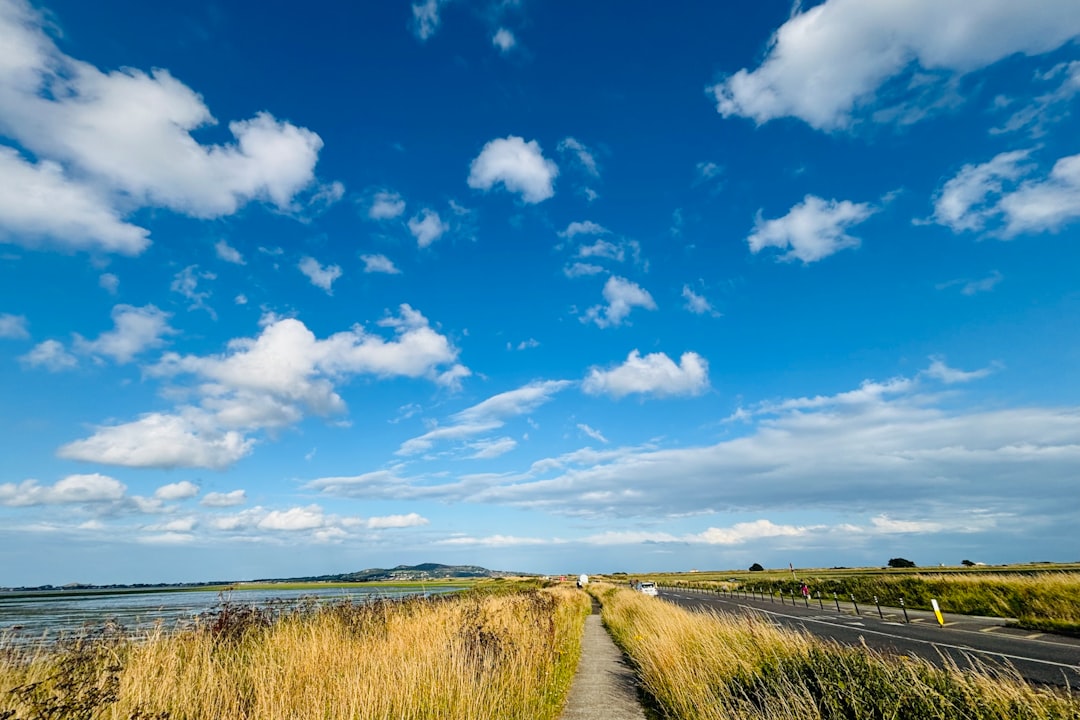
January is Ireland stripped of tourists — the pubs are genuinely local, the Cliffs of Moher are often shrouded in dramatic mist, and accommodation prices are at their annual floor. Prepare for rain and short days.
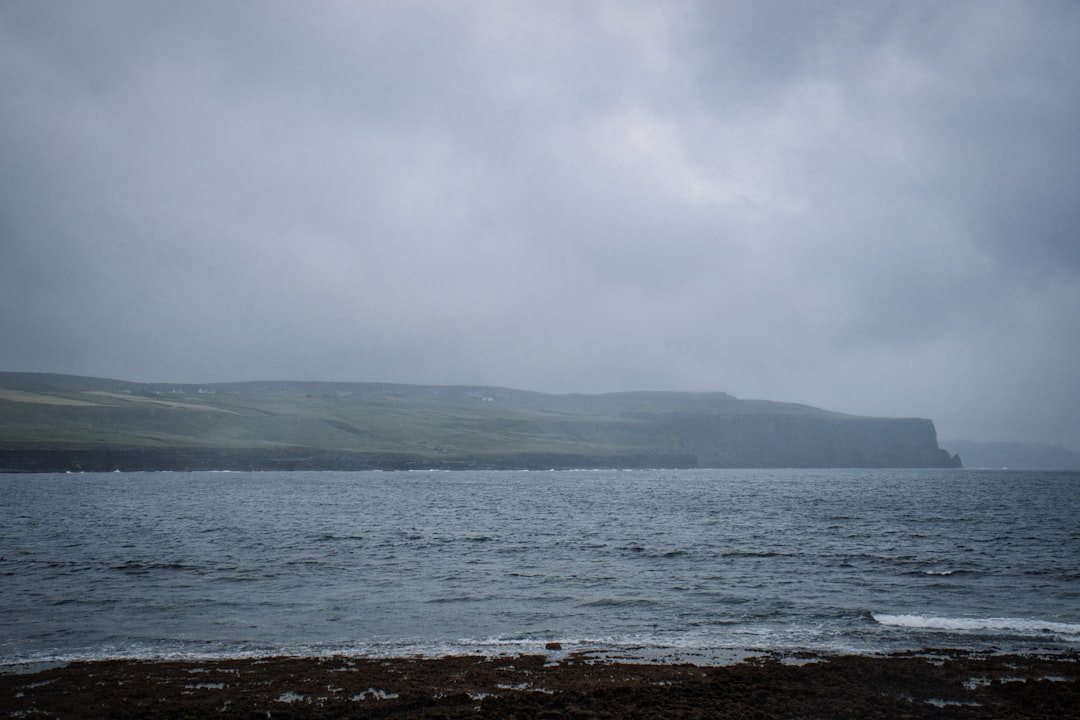
July is Ireland's busiest month — Galway's race week fills the west, festivals run every weekend, and the Wild Atlantic Way is at full summer capacity. Expect crowds, peak prices, and maximum daylight.
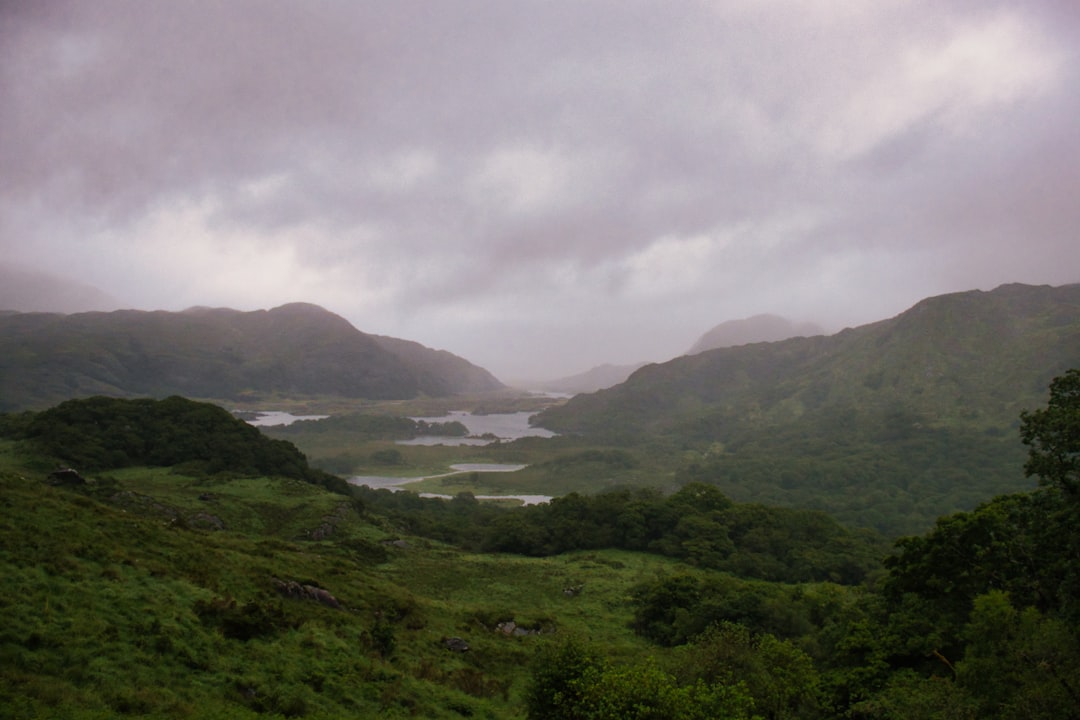
June delivers Ireland's longest days and the opening of its festival season — the summer solstice extends daylight to nearly 11pm, and traditional music events begin across the country.
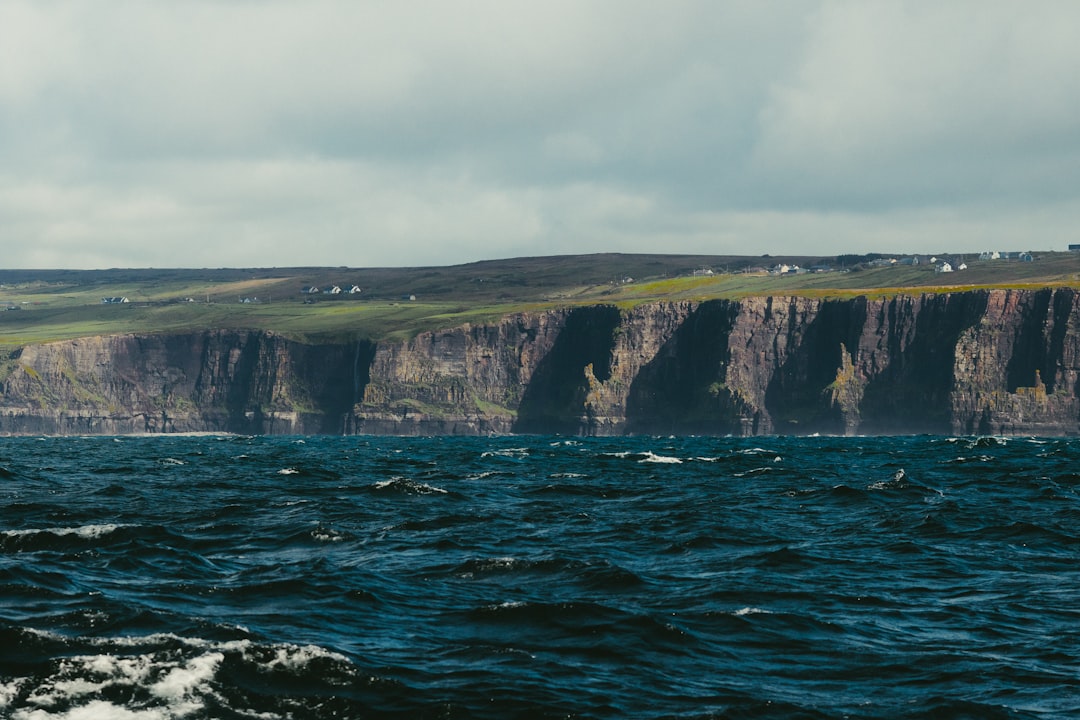
March is Ireland's most internationally famous month — St. Patrick's Day fills Dublin with parades and the rest of the country with a festival atmosphere that extends far beyond one day.
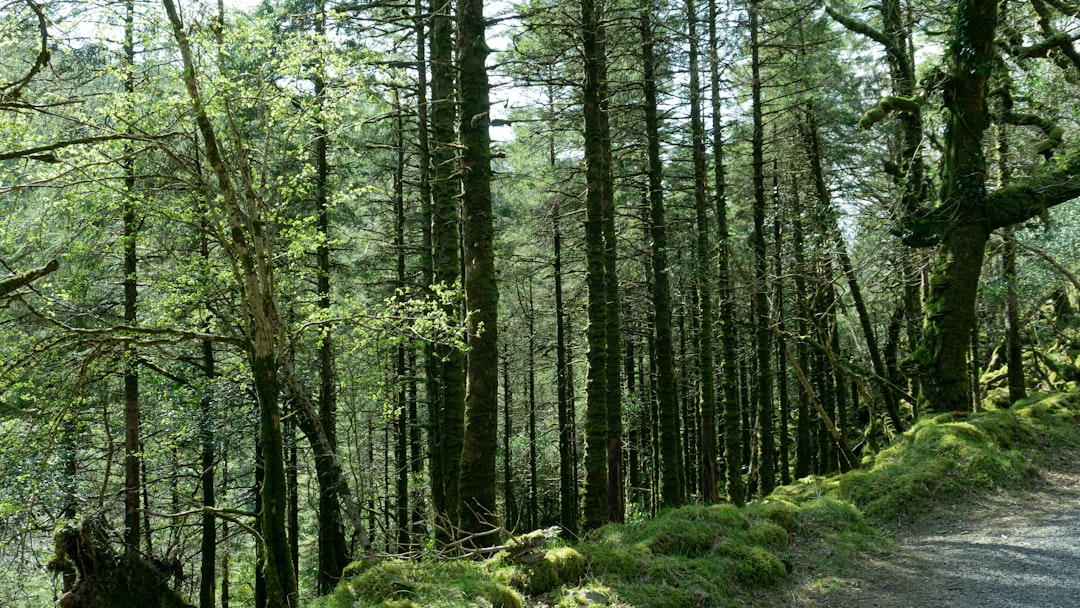
May is arguably Ireland's single best month — the evenings stretch toward 10pm, the countryside is fully green, and summer crowds haven't arrived. Walking conditions are as good as they get.
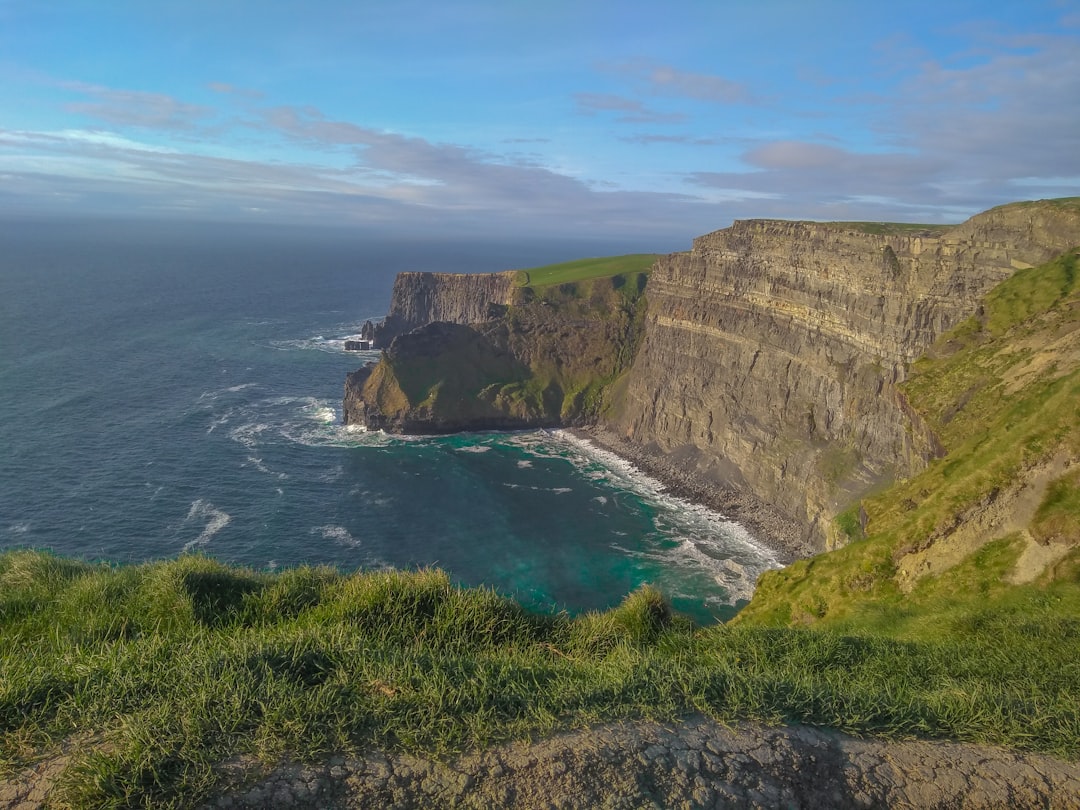
November is Ireland at its most local — virtually no international tourists, pubs in full winter mode, and accommodation at annual floor prices. The weather is genuinely rough; the trade-off is genuine.
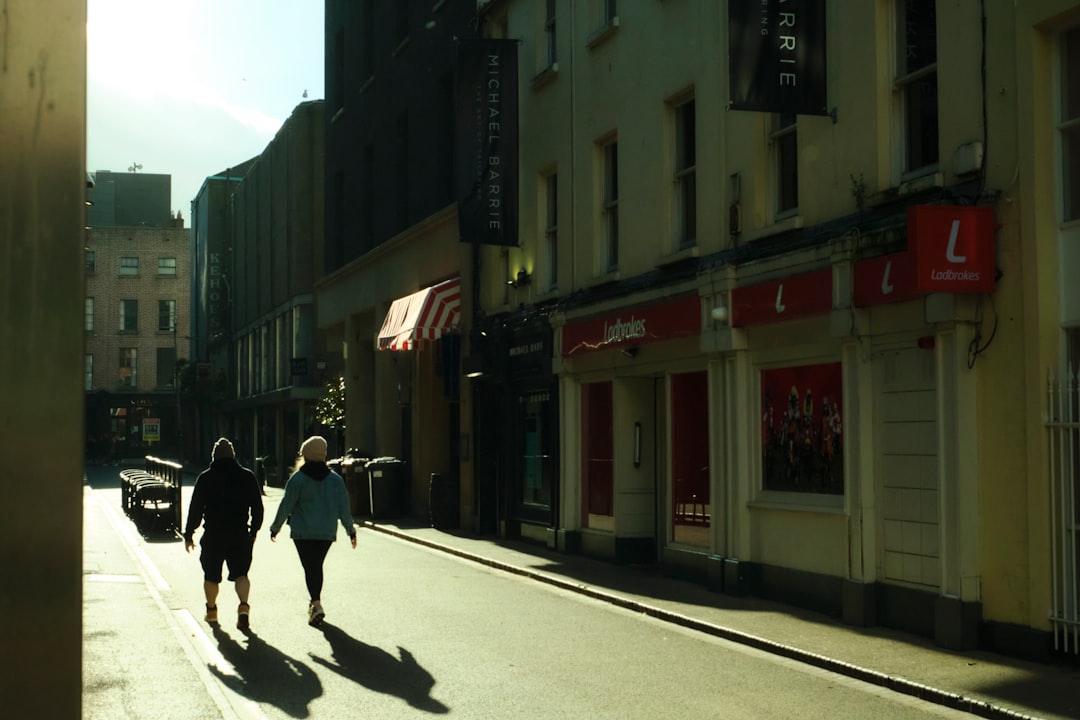
October returns Ireland to its quiet season — but Samhain, the Celtic ancestor of Halloween, is celebrated in its homeland, and the autumn landscape has a raw beauty the summer postcards never show.
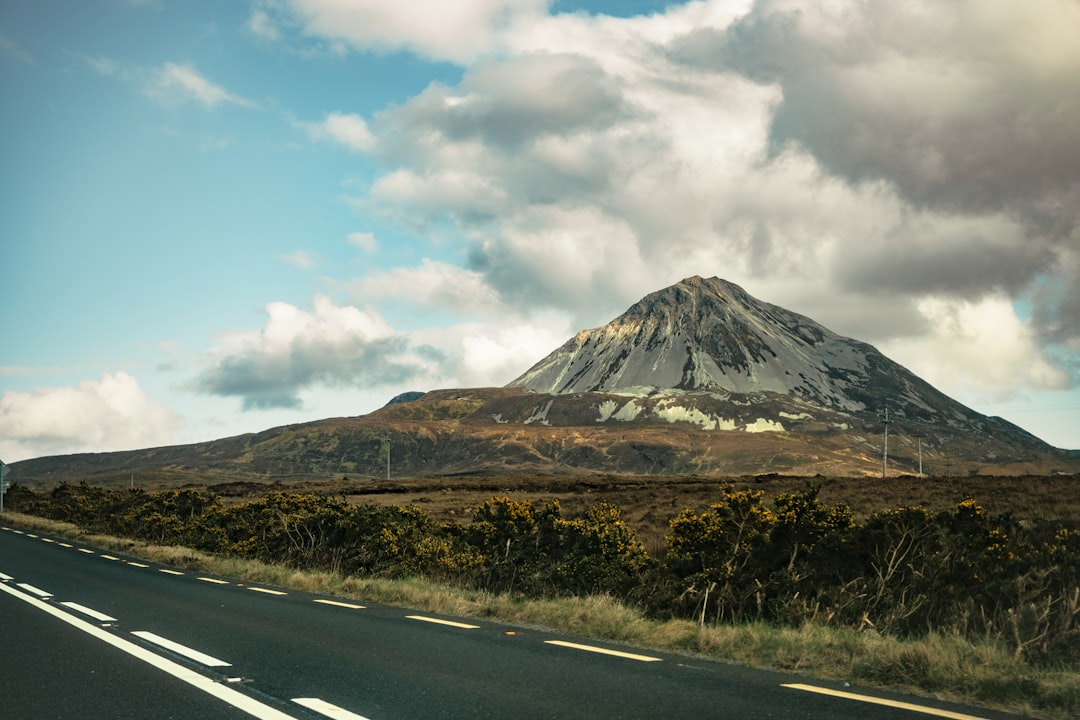
September is Ireland's hidden gem — summer crowds have gone home, temperatures are still good, the countryside is turning autumn gold, and accommodation prices drop sharply after the August peak.
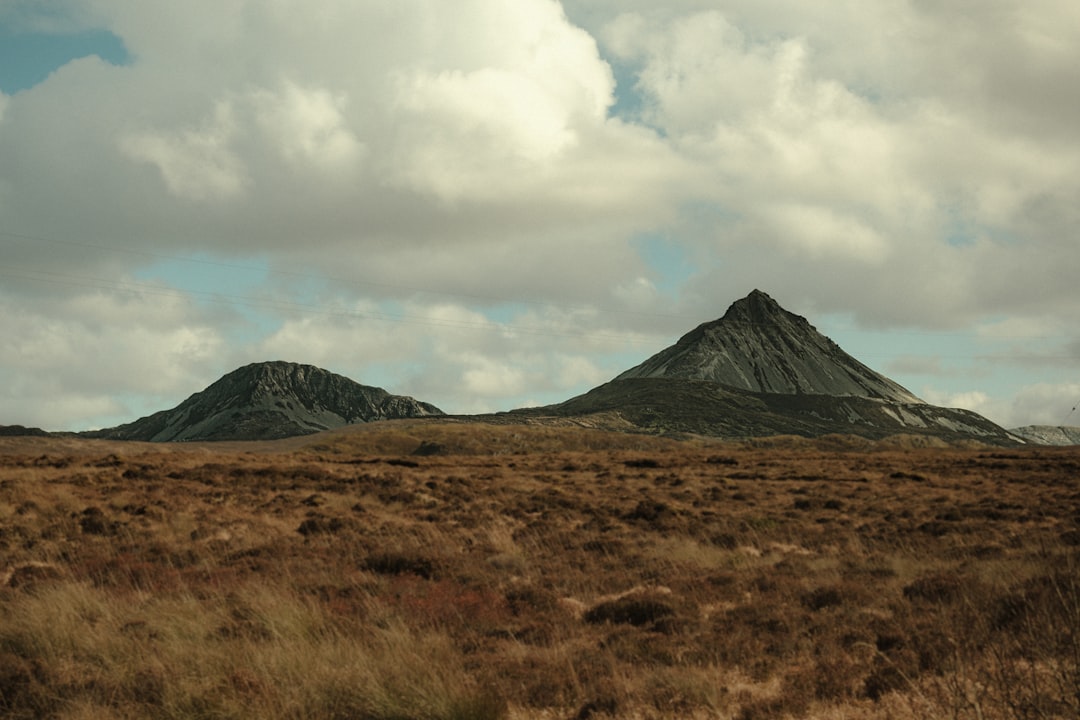
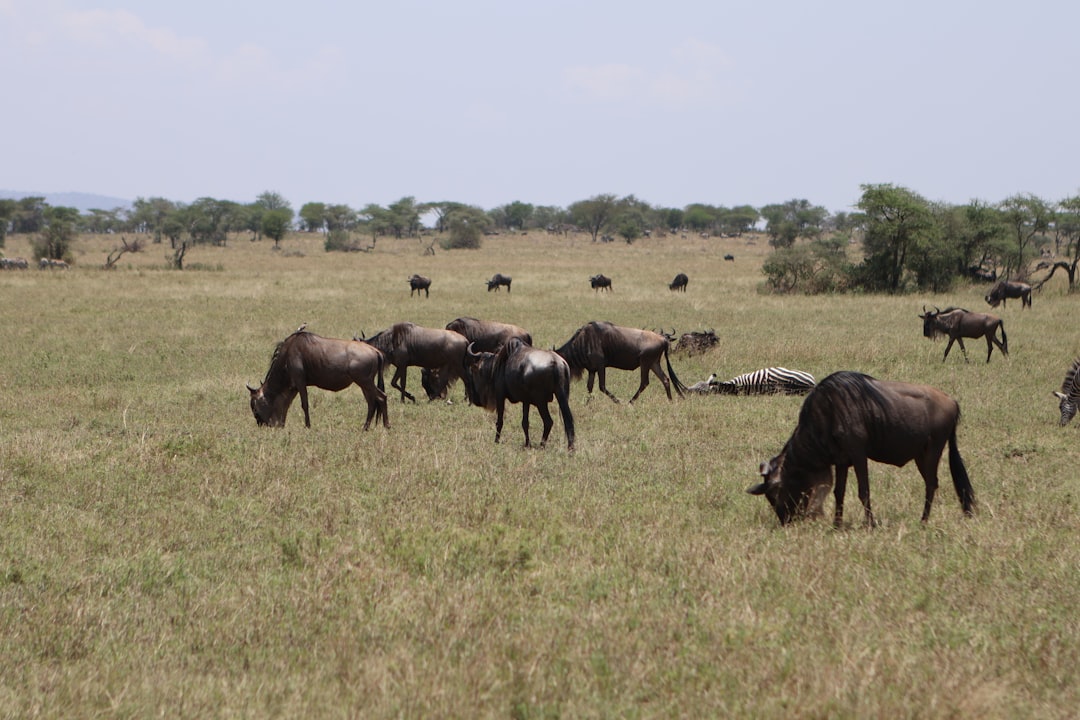
April is the heart of Tanzania's long rains — many camps close, roads become impassable, and prices hit their annual floor. A few resilient operators stay open for the green season specialist.
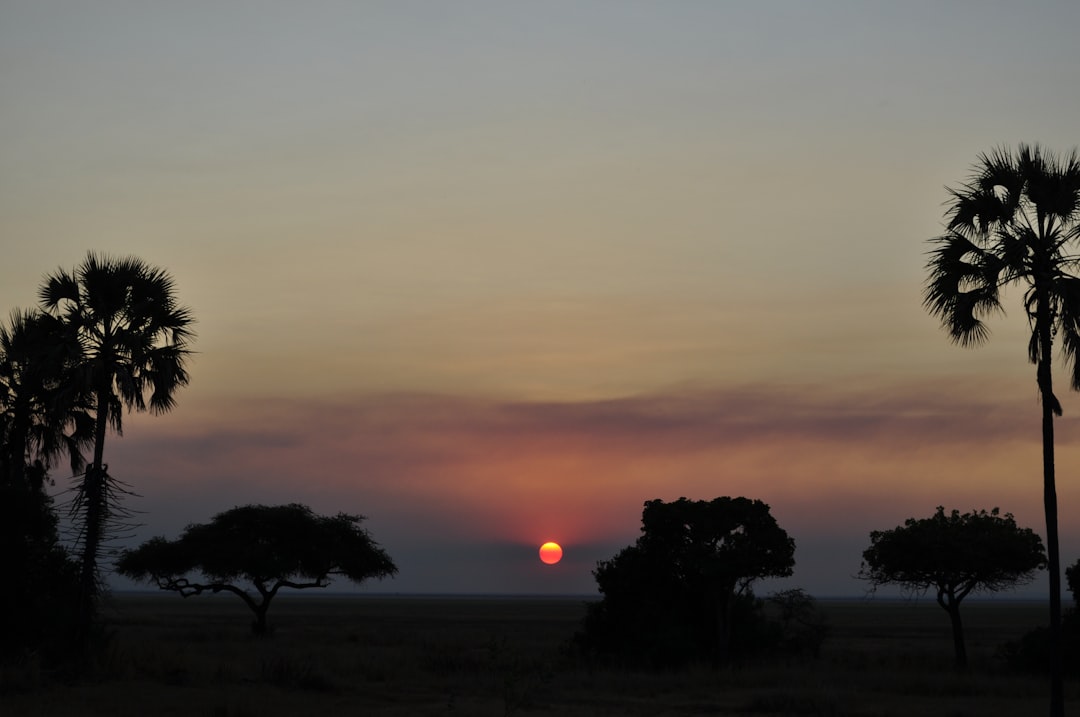
August is the peak of the Great Migration's northern phase — the Mara River crossings are at maximum frequency, the Serengeti is at its driest, and predator-prey drama reaches its annual climax.
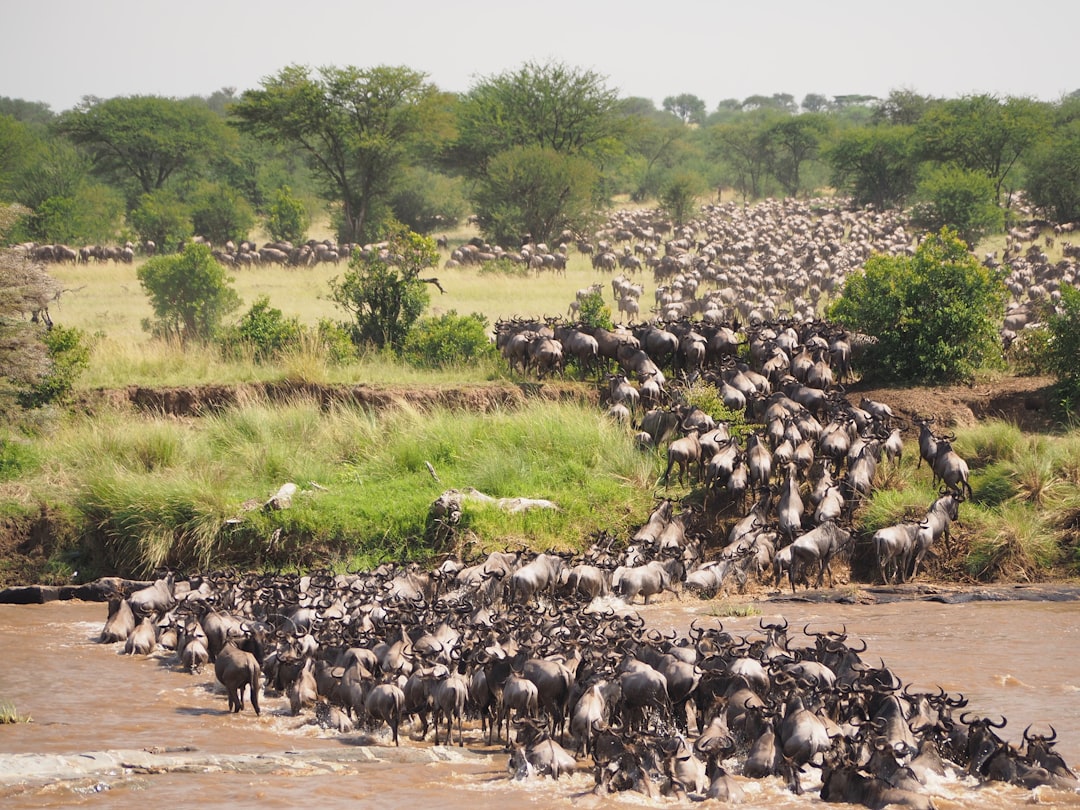
December sees Zanzibar's east coast at peak beach conditions, the Serengeti filling with wildebeest ahead of January calving, and Christmas safari packages at peak prices. Book everything months ahead.
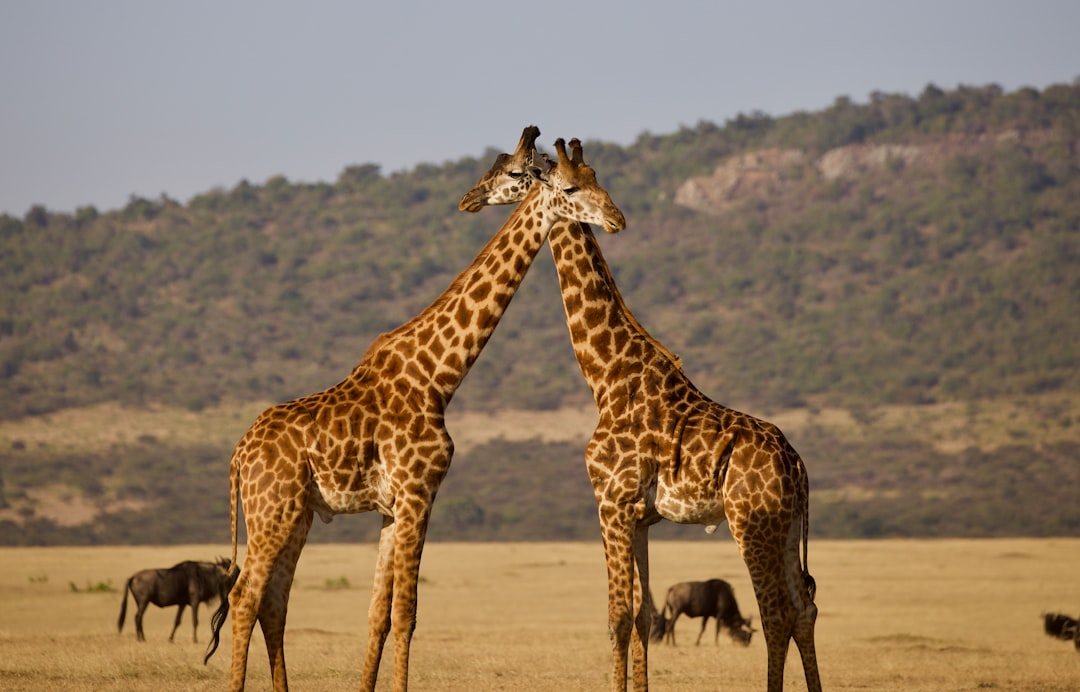
February is the peak of wildebeest calving in the Southern Serengeti and the month of Zanzibar's Sauti za Busara festival — East Africa's finest music event. The last genuinely dry weeks before long rains arrive.
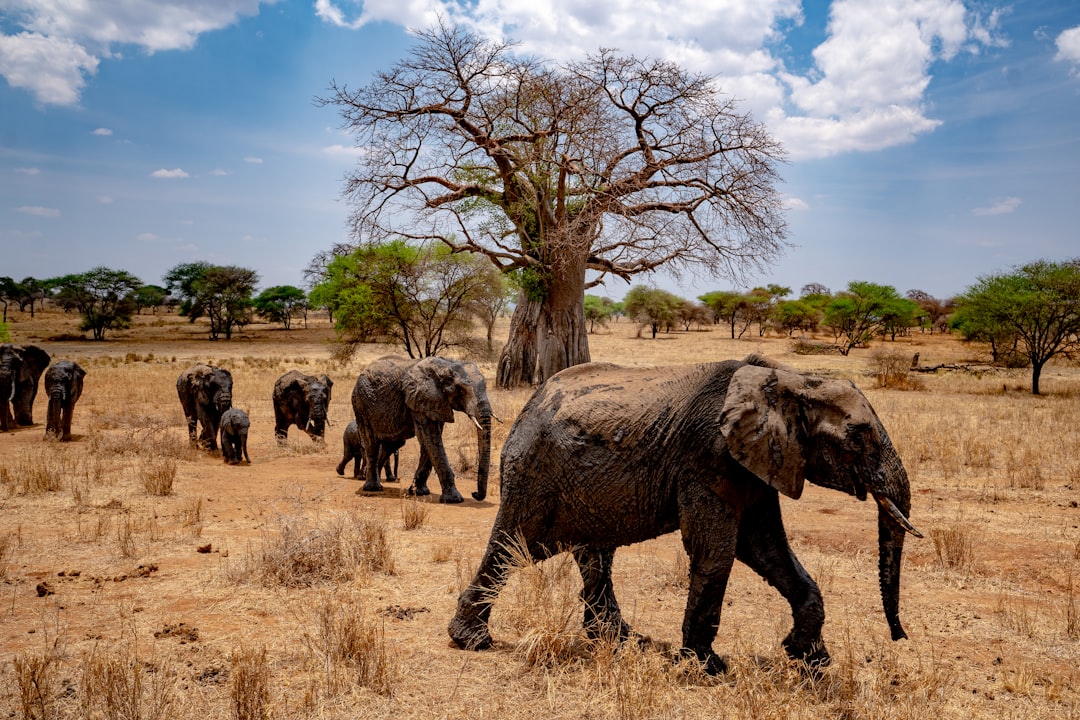
January sits in Tanzania's short dry spell between the short rains and long rains — Ngorongoro Crater is lush and green, newborn wildlife abounds on the plains, and Zanzibar's beaches are in peak condition.
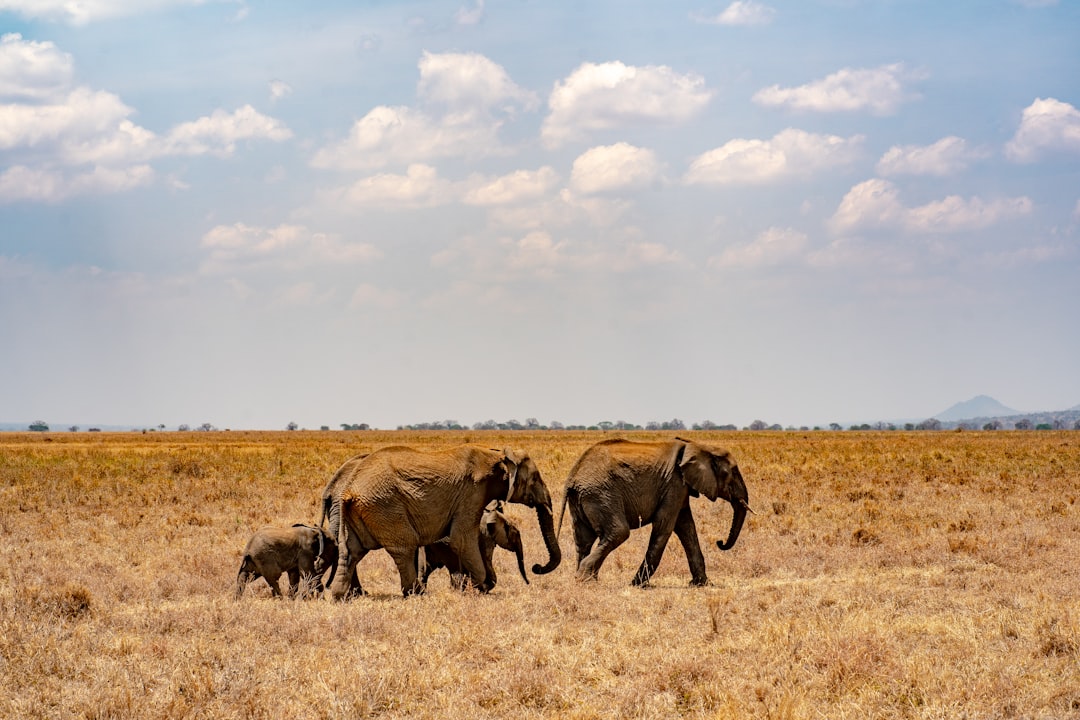
July is Tanzania's most popular safari month — the Great Migration approaches the Mara River, the Northern Serengeti is crowded with vehicles, and prices are at their annual peak. Book 6 months ahead.
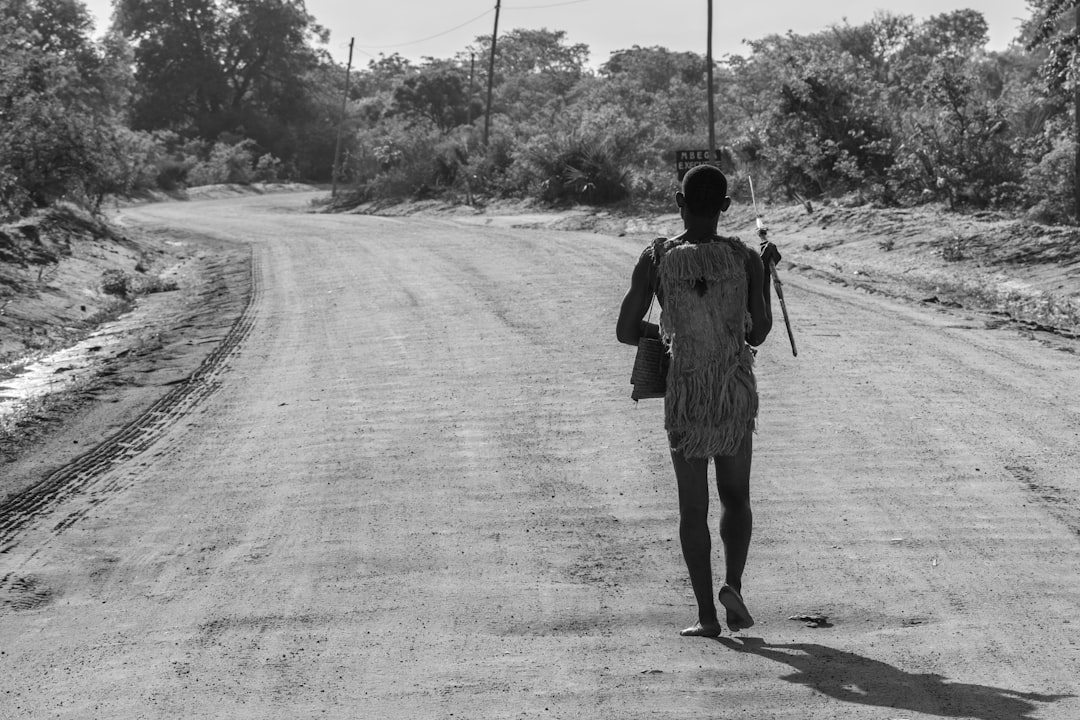
June opens Tanzania's dry season — camps fill with safari vehicles, the Wildebeest Migration moves from the Southern Serengeti toward the Grumeti, and Zanzibar's southeast coast is in peak season.
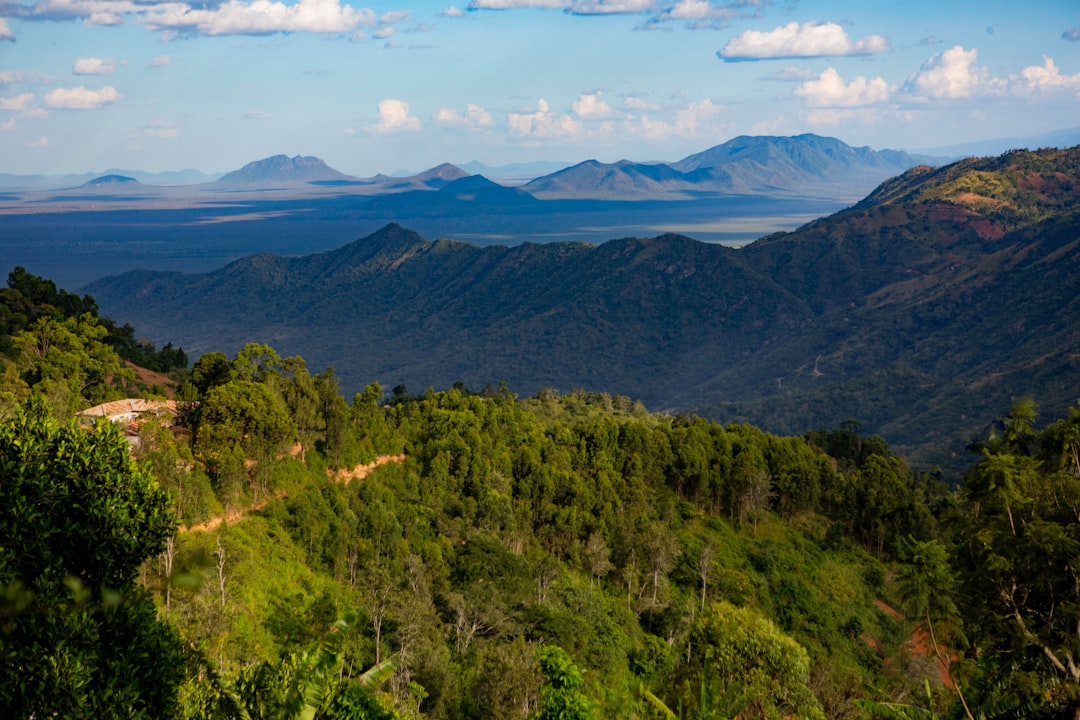
March marks the beginning of Tanzania's long rains — safari camps offer their deepest discounts, the landscape turns vivid green, and Zanzibar shifts from northeast to southeast winds as the seasons change.
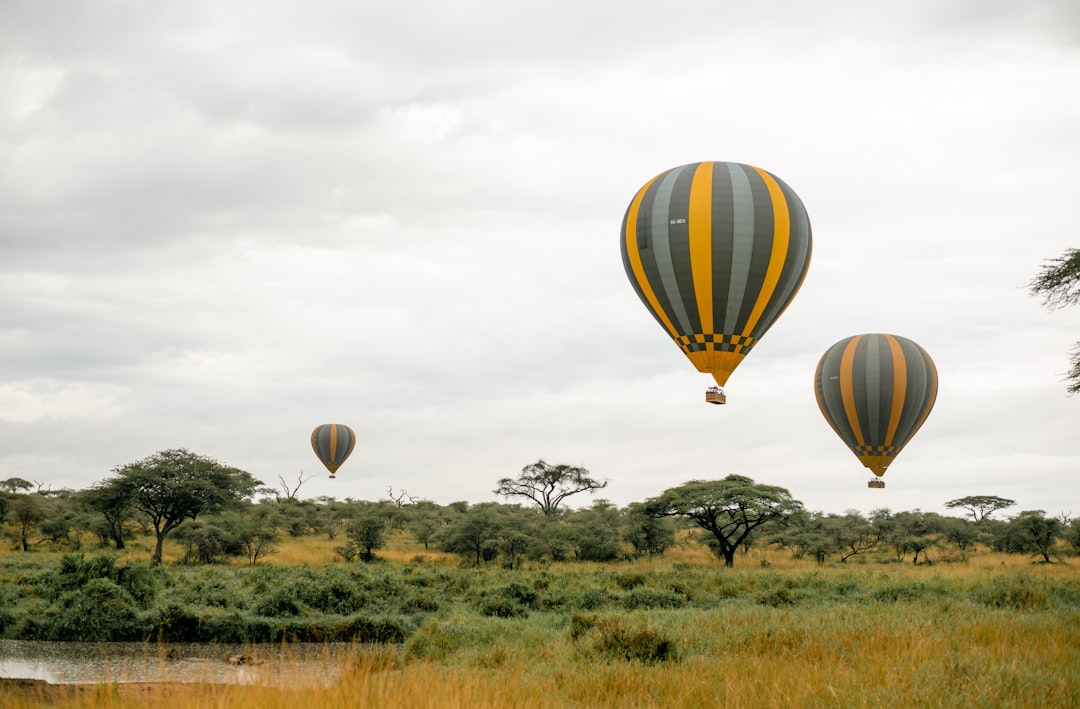
May is Tanzania's green season transition — the long rains begin tapering, camps reopen with green season rates, and the landscape is at its most lush before the dry season transforms it.
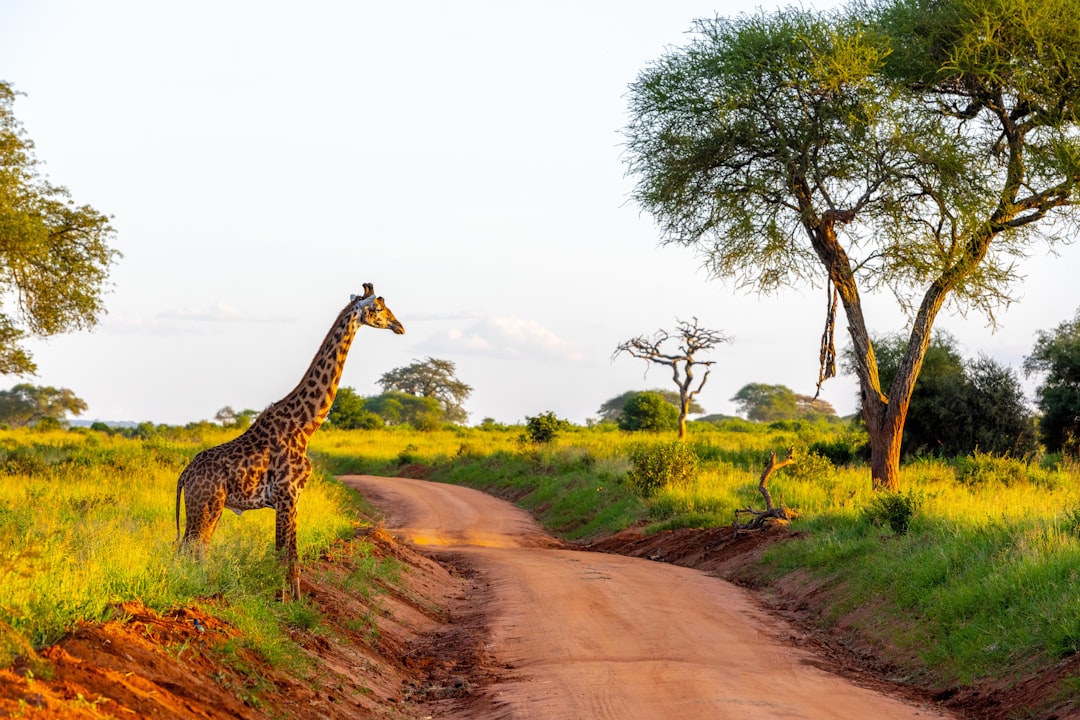
November brings Tanzania's short rains — brief but real — and the transition into pre-calving season. Prices hit a shoulder low, the landscape greens up, and Zanzibar's northeast trade wind arrives.
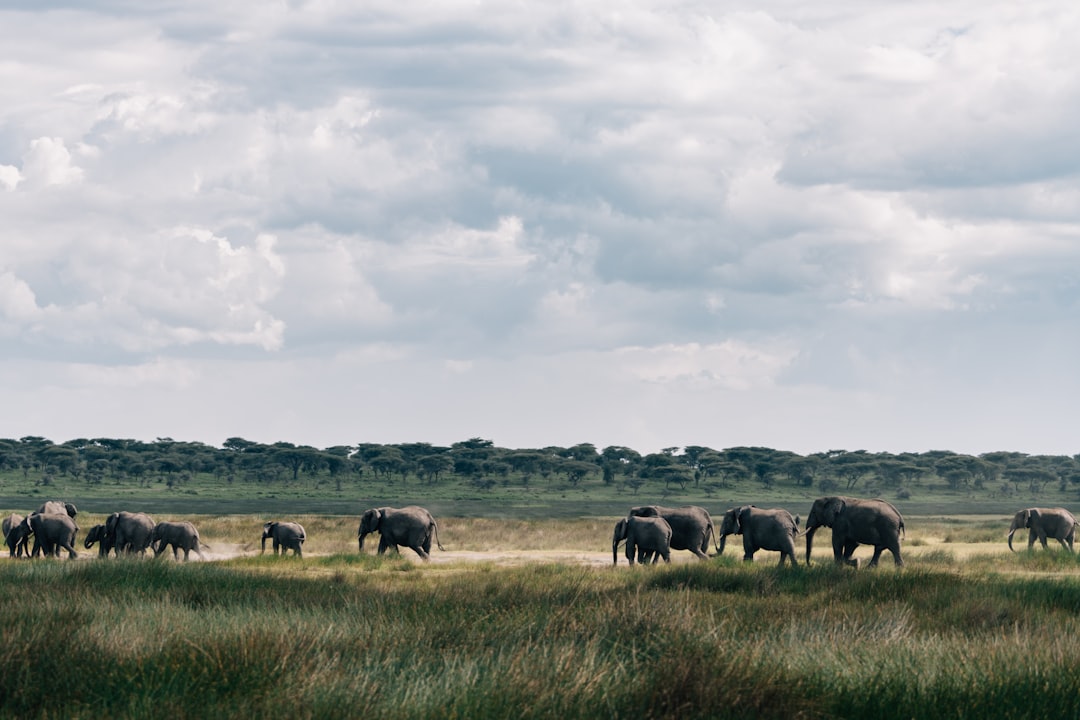
October sees the Great Migration herds returning to the Southern Serengeti, Zanzibar's beach season hitting its prime, and significantly lower prices as the peak season wind-down continues.
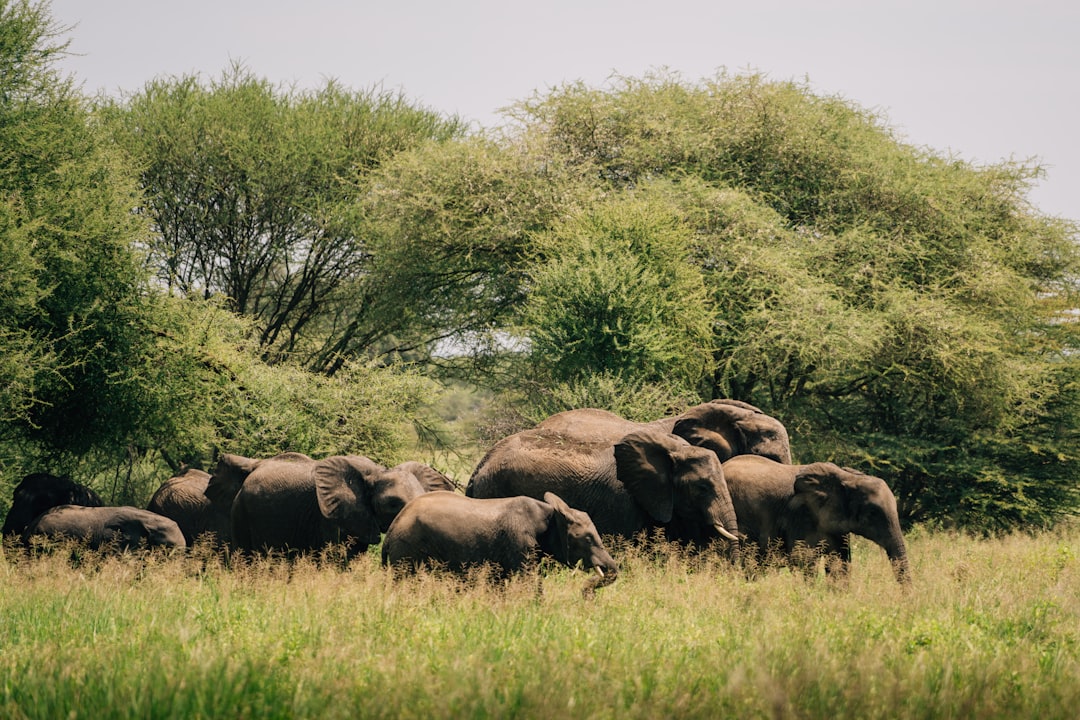
September brings the tail of the Great Migration and the opening of Zanzibar's best beach season — prices begin easing from August peak while conditions remain excellent across the country.
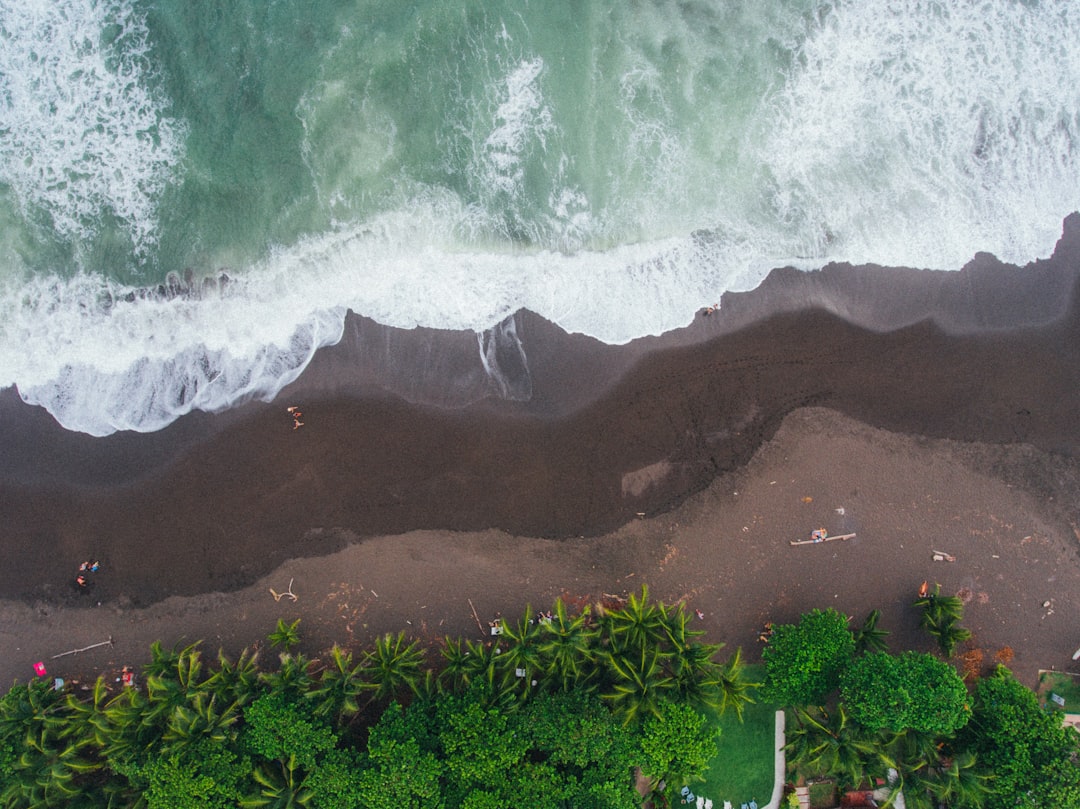
April is Costa Rica's transition month — the first green season rains arrive on the Pacific, prices drop significantly, crowds thin, and the country's landscapes shift from brown to lush green.
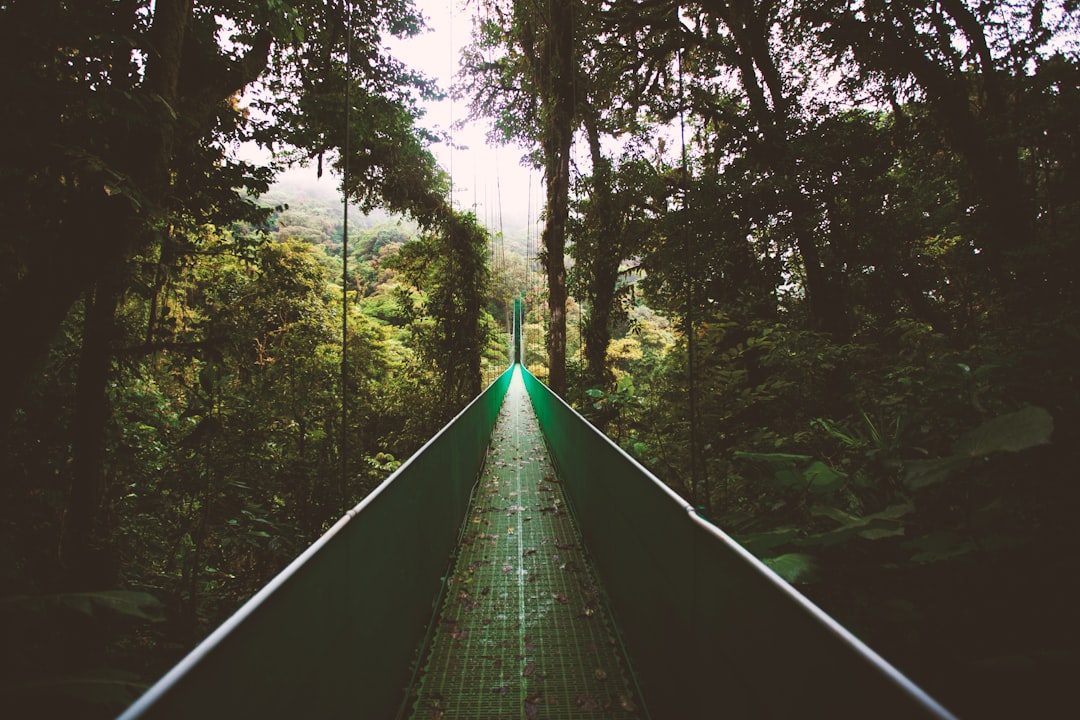
August is Costa Rica's most remarkable wildlife month — Northern and Southern Hemisphere humpbacks briefly overlap in Pacific waters, Tortuguero turtle nesting peaks, and waterfalls run at maximum.
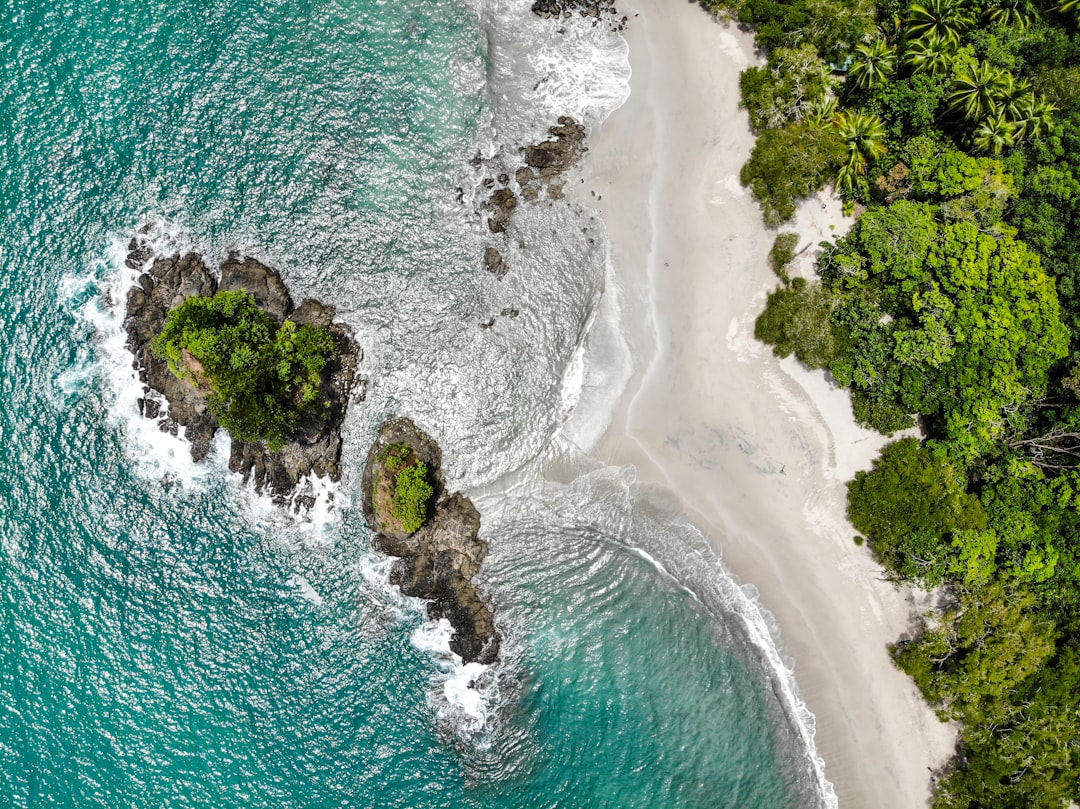
December is Costa Rica's holiday peak — Guanacaste is fully in dry season, Christmas brings domestic and international crowds, leatherback turtles are nesting at peak numbers, and prices return to January levels.
February is deep dry season — Guanacaste is at maximum sunshine, the diving season peaks at Corcovado and Cocos Island, and the resplendent quetzal begins courtship display ahead of March nesting.
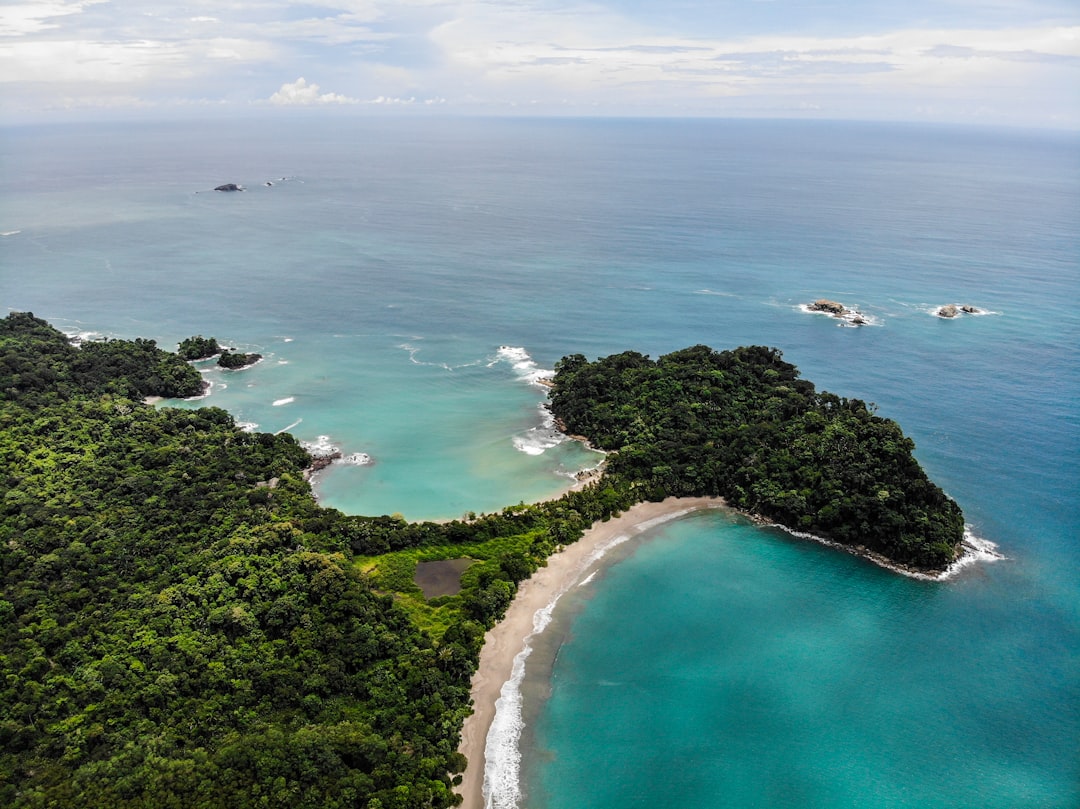
January opens Costa Rica's dry season at full force — Guanacaste's beaches are sunny and accessible, Arenal has clear mornings, and wildlife is concentrated at water sources across the country.
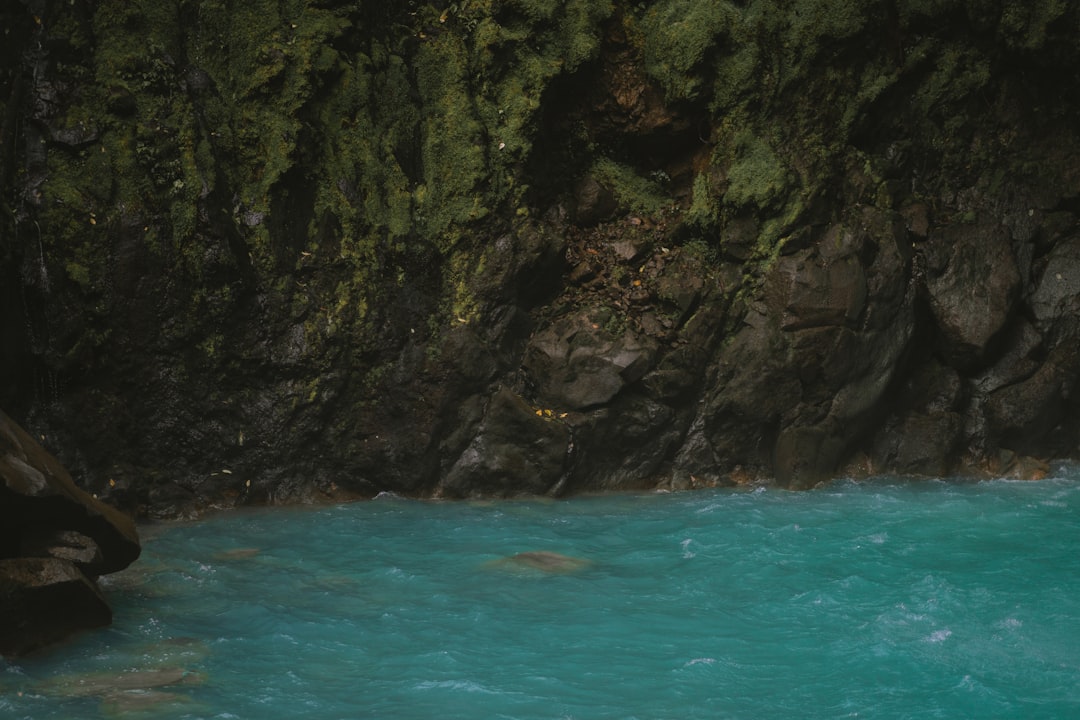
July is Costa Rica's wildlife peak — Tortuguero's turtle nesting reaches maximum activity, humpback whales are in Pacific waters, and the country is lush and fully operational at green season prices.
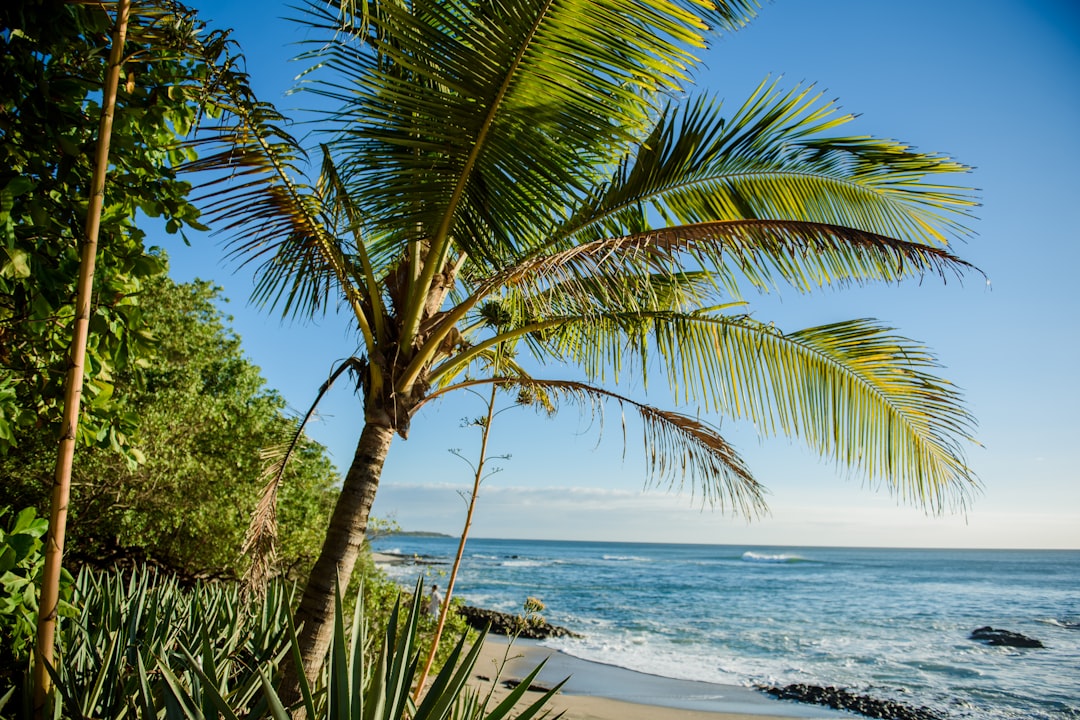
June is full green season — turtle nesting begins on the Caribbean at Tortuguero, the Pacuare river runs at peak, and the veranillo (little summer) sometimes brings a mid-season Pacific dry spell.
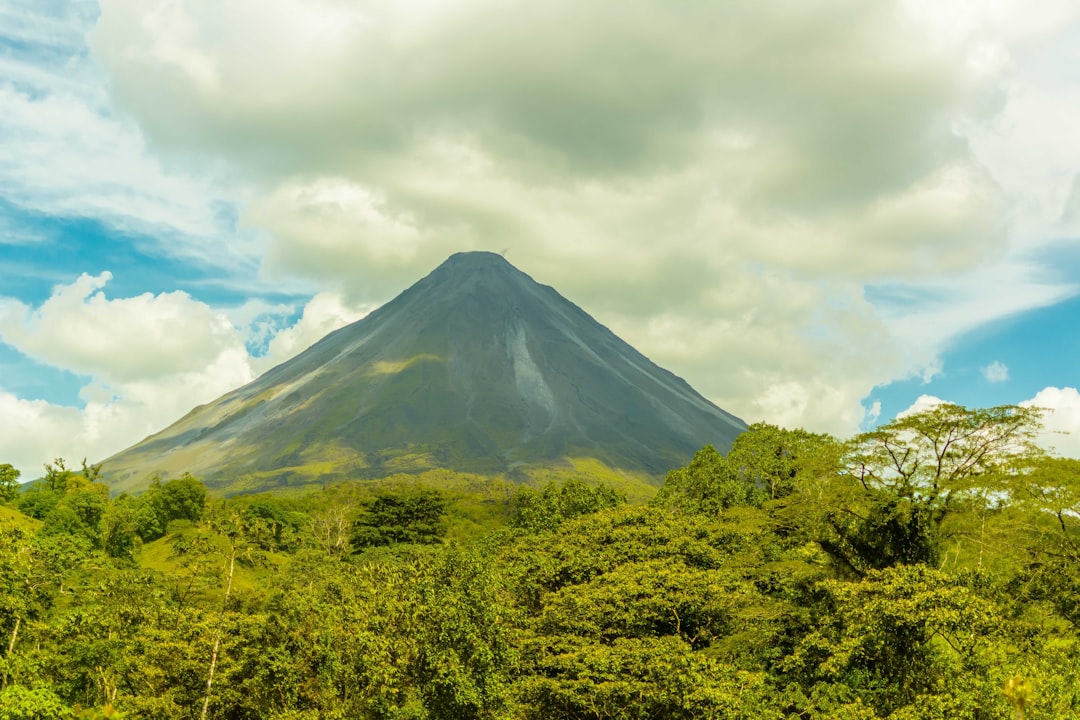
March is Costa Rica's last guaranteed dry season month — the quetzal is nesting, the beaches remain excellent, and the late-month arrival of the first rains signals the approaching green season.
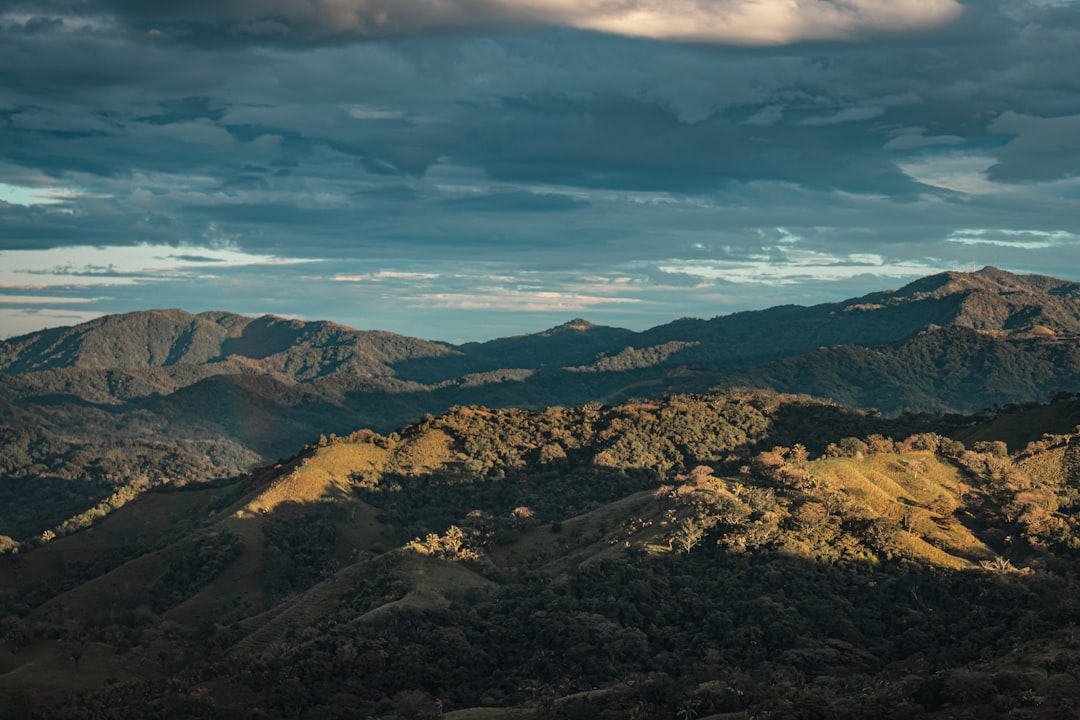
May is the first full green season month — the Pacific gets consistent afternoon rains, the country turns extraordinarily lush, humpback whales arrive from the north, and prices remain low.
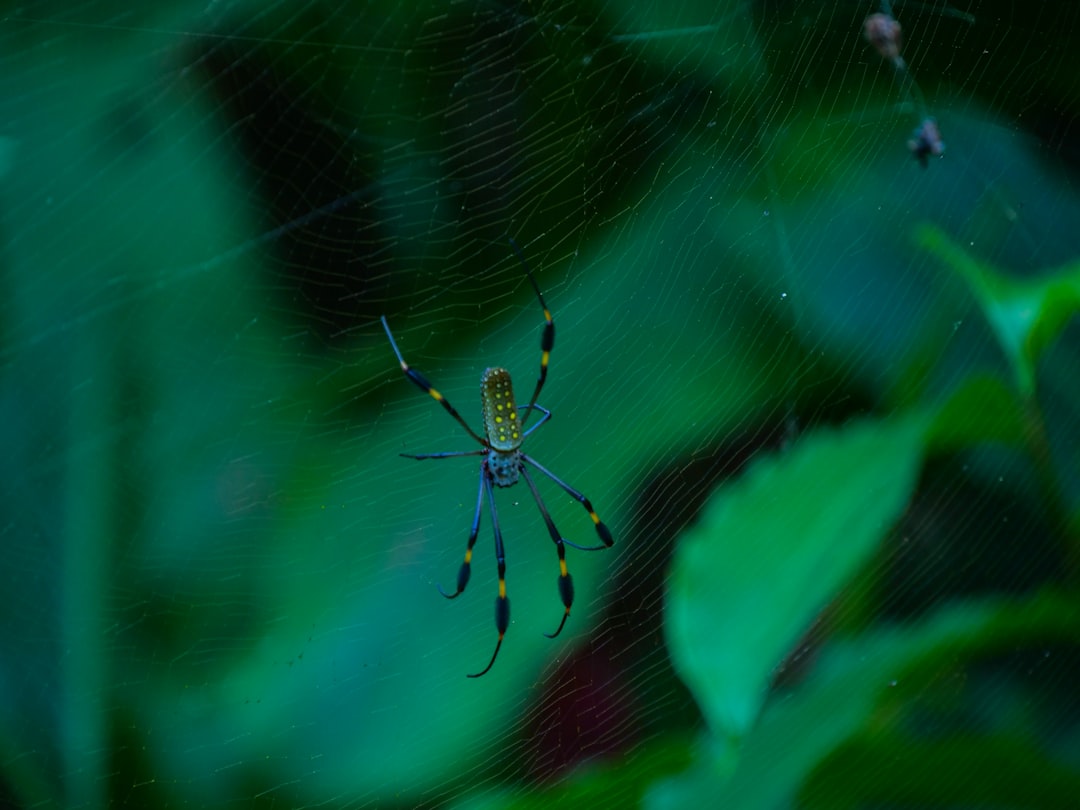
November is Costa Rica's hidden gem month — the Pacific dry season returns to Guanacaste, prices remain near green season lows, the beaches reopen, and leatherback turtles nest at Playa Grande.
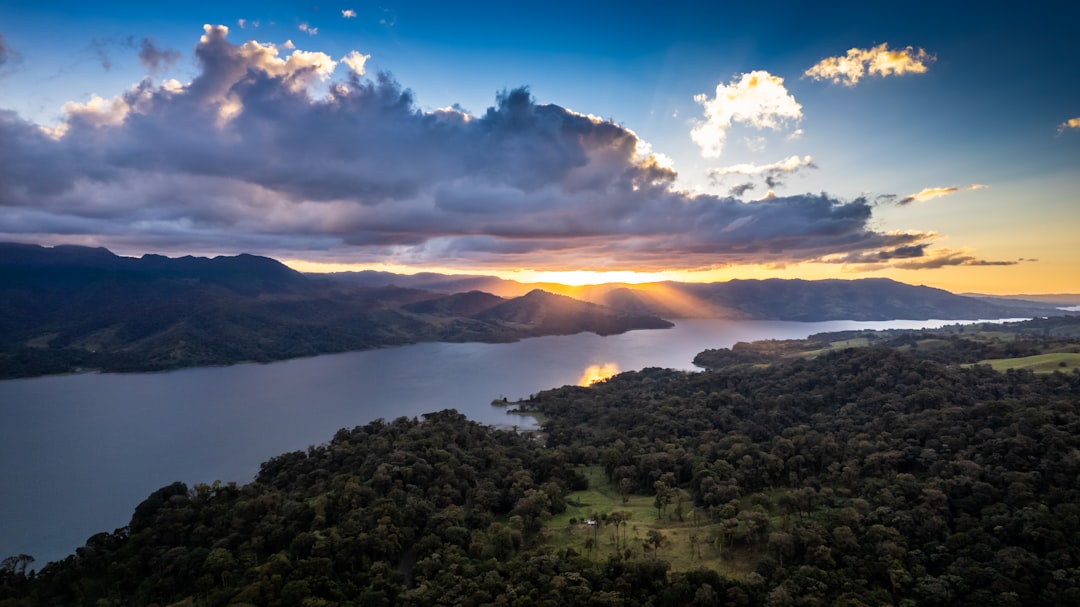
October is the final green season month — the Pacific rains begin easing in Guanacaste, Tortuguero's turtle season closes, leatherback nesting opens on the Pacific, and November's dry season is weeks away.
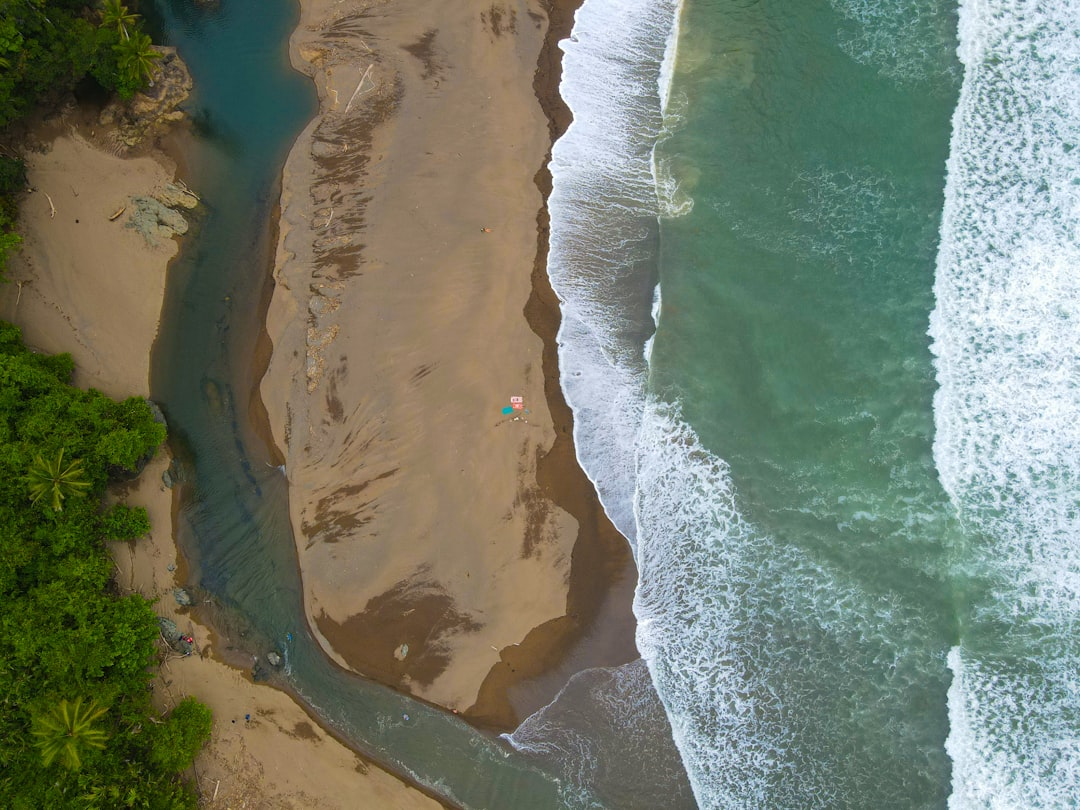
September is Costa Rica's emptiest and cheapest month — the Pacific rains are heaviest, most resorts run at minimal capacity, but Southern Hemisphere humpbacks, turtles at Tortuguero, and Corcovado wildlife are all at peak.
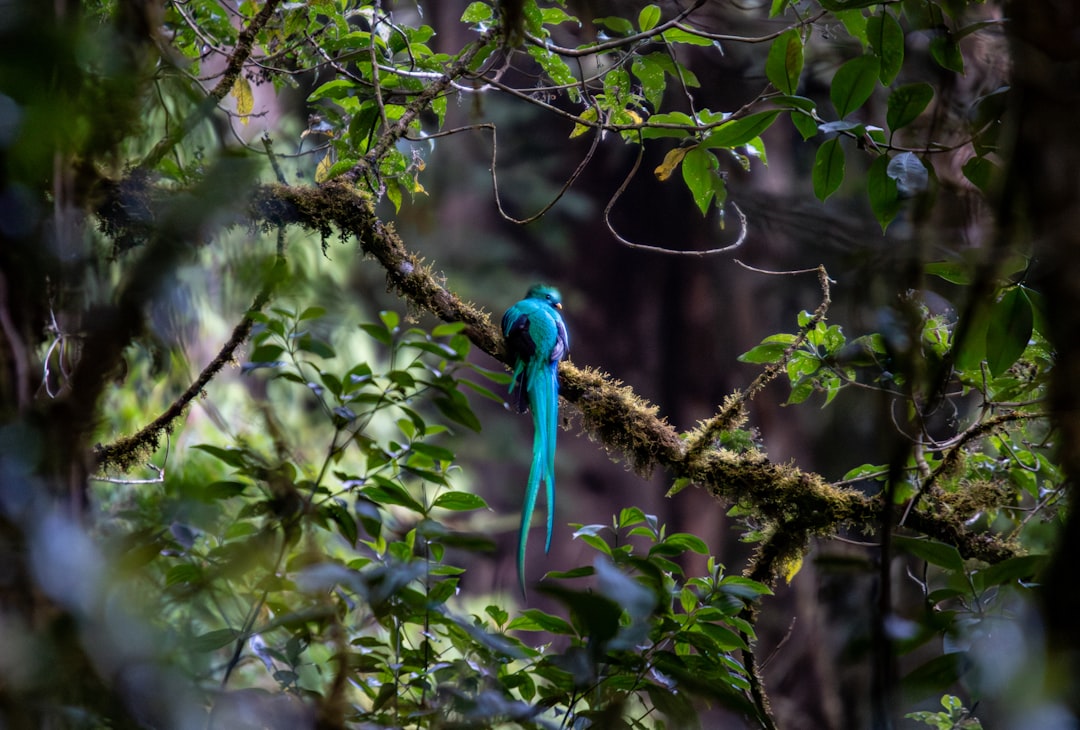
April is France at its spring best — cherry blossoms, outdoor markets, Easter programming, and the entire country warming into its most pleasant season. Crowds are building; here's how to stay ahead of them.
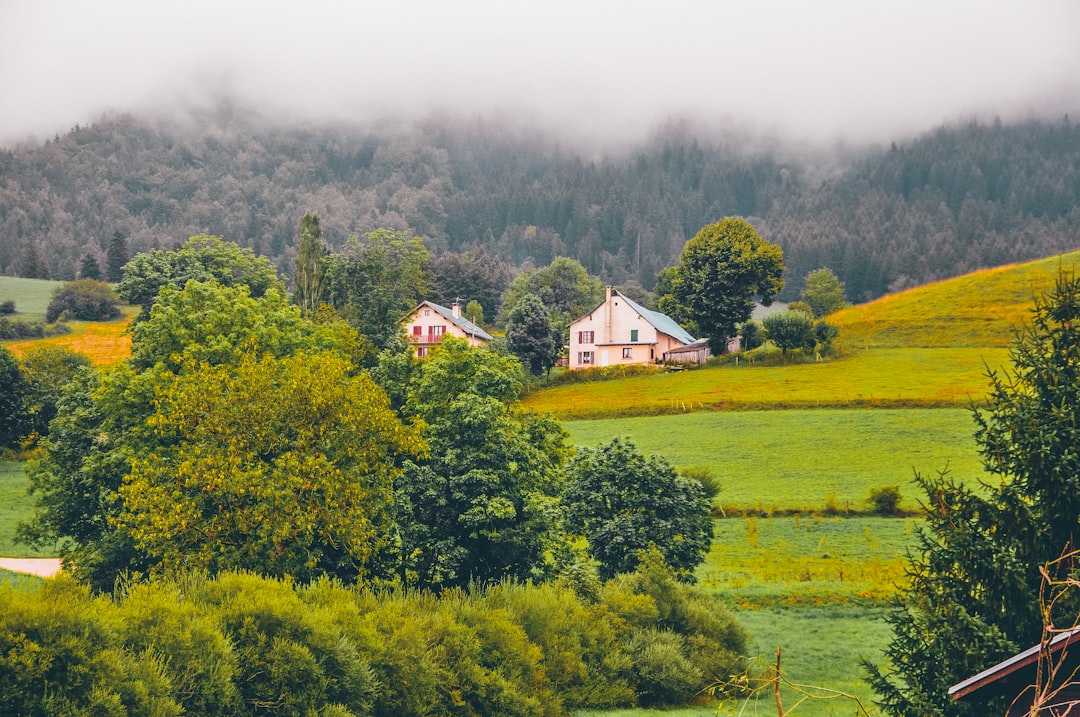
August is France's vacation month — Paris empties as the French escape to the coast, the Riviera and Atlantic beaches are at maximum capacity, and the country runs on holiday rhythm. Here's how August plays out.
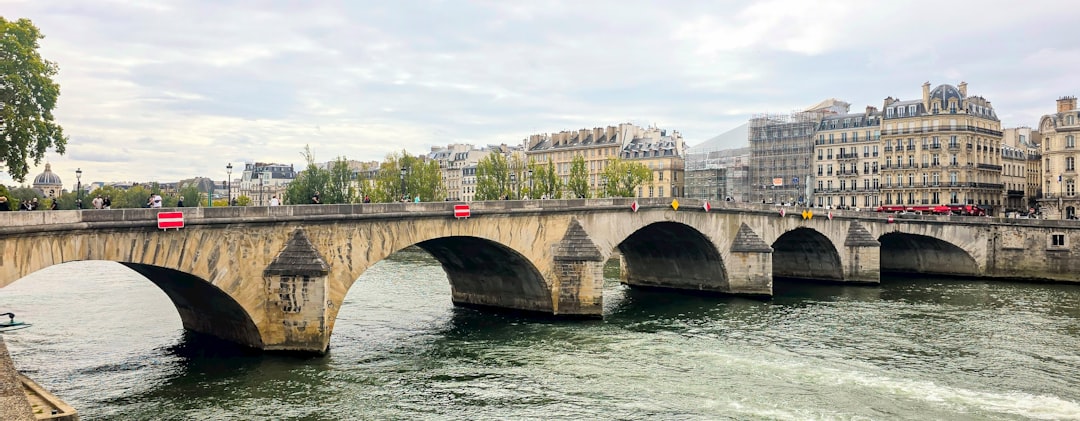
December is France's Christmas season — the Alsatian markets are Europe's finest, Paris is elegantly decorated, and New Year's Eve on the Champs-Élysées is one of the great European countdowns. Here's what December delivers.
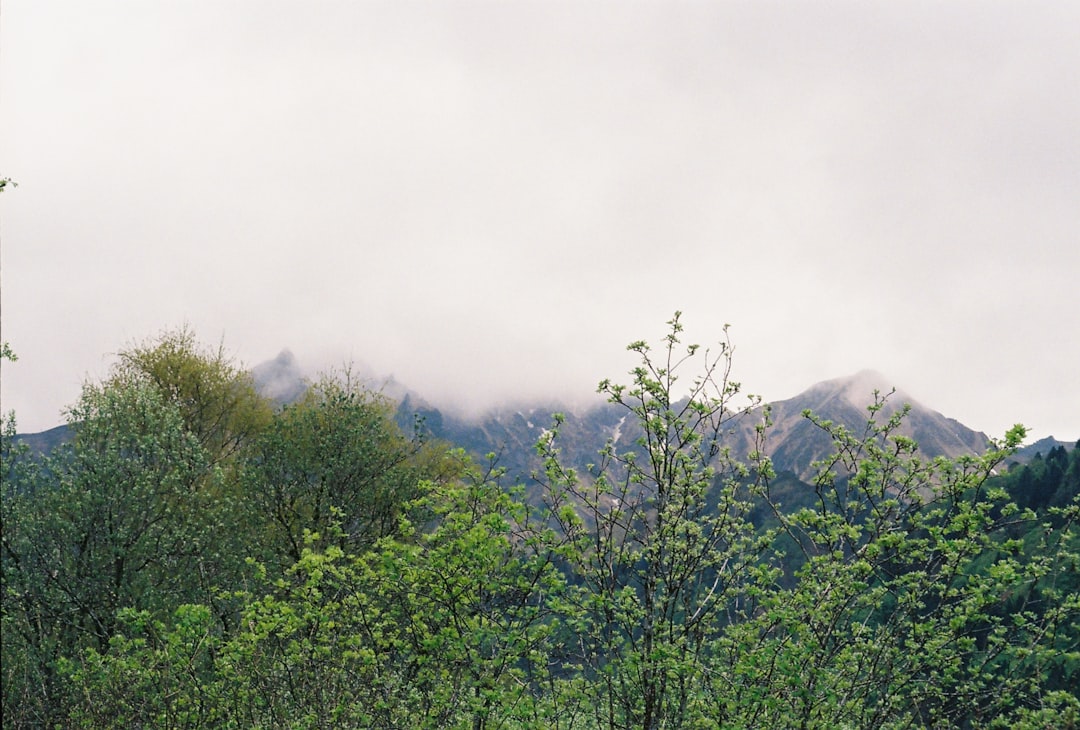
February brings the Nice Carnival (one of Europe's largest), ski season at its best in the Alps, and Paris still in its low-season calm. Here's what February delivers across France.
January is France's quietest month — Paris museums are nearly empty, the Alps run at peak ski season, and the winter sales (soldes) fill the boutiques. Here's what January delivers across France.
July is France's peak month — lavender in full bloom across Provence, Bastille Day fireworks on July 14, and the Tour de France's final stages on the Champs-Élysées. Maximum crowds, maximum heat, maximum France. Here's how to navigate it.
June is France's last window before summer peaks — lavender beginning to bloom in Provence, D-Day commemorations in Normandy, the French Open in Paris. Crowds are building; prices are manageable. Here's how to use June.
March is France's spring transition — Paris begins warming, the Loire Valley's châteaux are uncrowded, Provence starts blooming, and the ski season winds down. Here's how March works across the country.
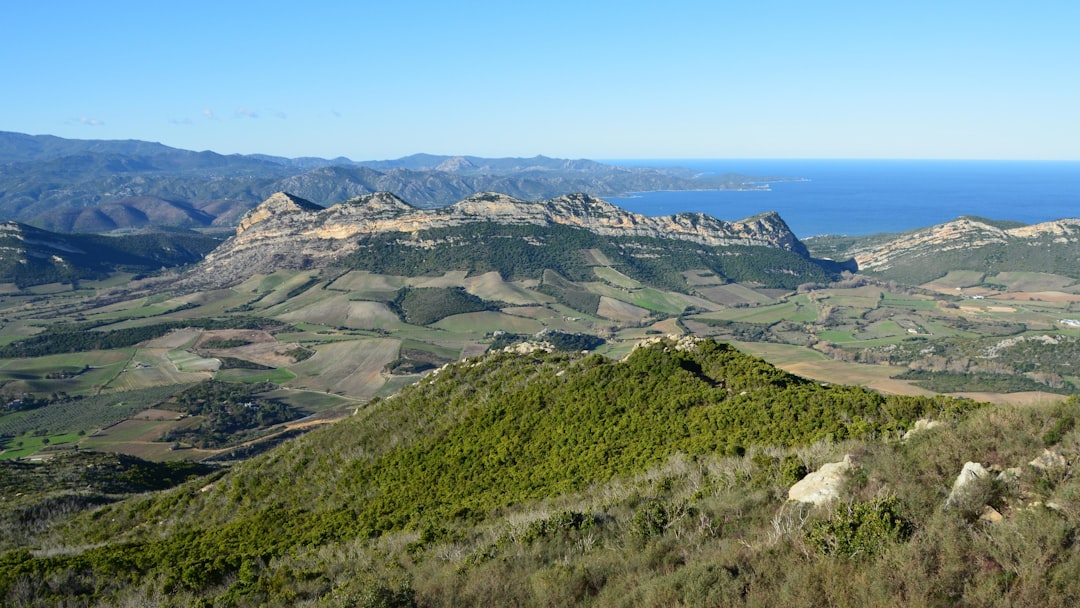
May is France's best shoulder month — the Cannes Film Festival, the Loire Valley at its garden peak, and the entire country in perfect weather before summer prices hit. Here's why May is France's optimal month.
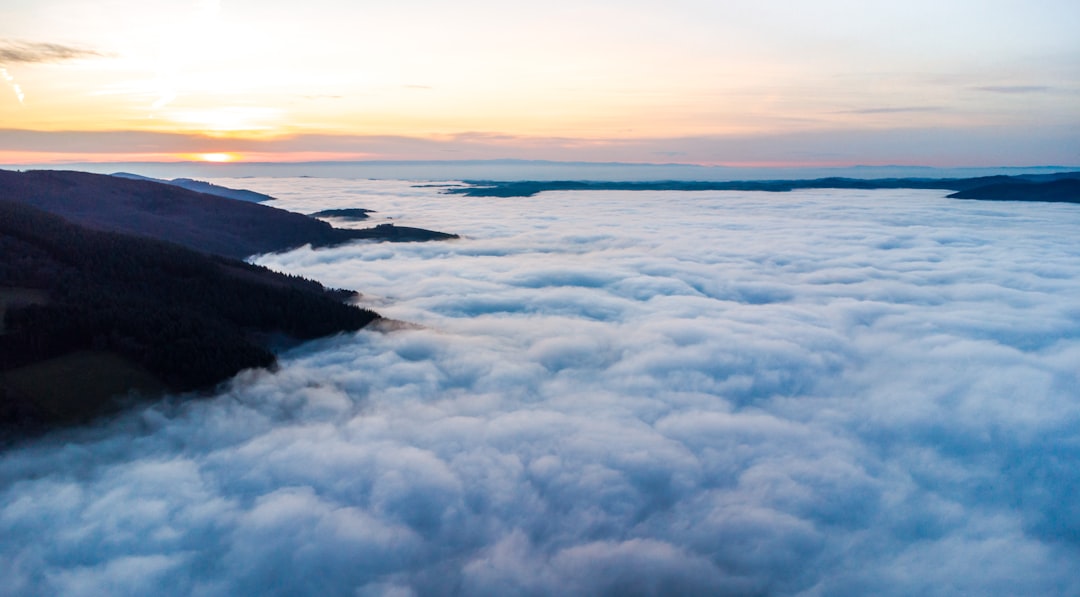
November is France's low season — but with the Hospices de Beaune wine auction, Beaujolais Nouveau release, and the beginning of the Périgord truffle season, it's far from boring. Here's what November delivers.
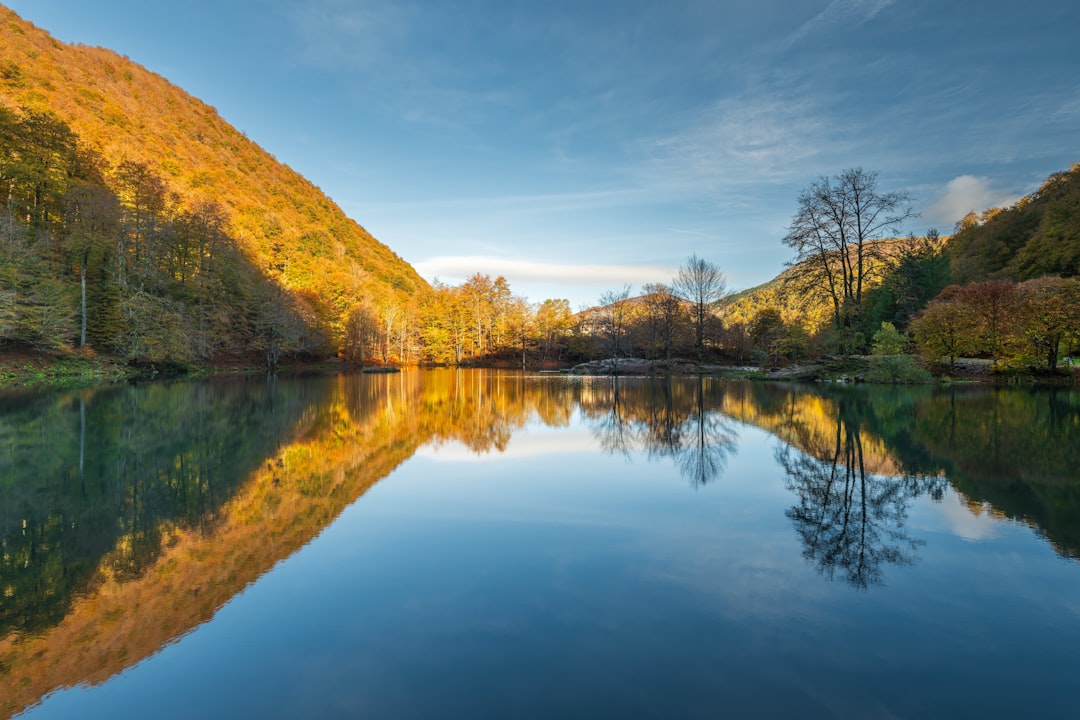
October is France's autumn shoulder season — Burgundy's wine auction buildup, the Forest of Fontainebleau in fall color, Alsace golden on the wine road, and Paris returning to its most local self. Here's what October delivers.
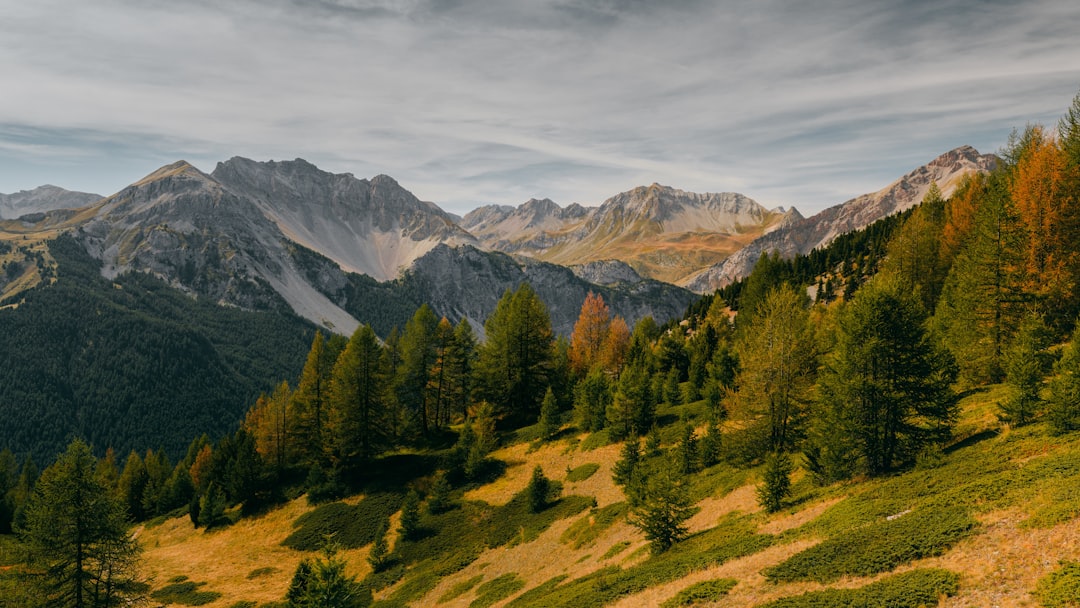
September is France's optimal travel month — the grape harvest begins, the Braderie de Lille fills a city with flea market, the crowds clear, and the Riviera has warm sea with half the August tourists. Here's why September wins.
April is defined by Songkran — the Thai New Year water festival, the most joyful and chaotic national celebration in Southeast Asia. Outside Songkran, Thailand is extremely hot and approaching rainy season. Here's how to navigate April.
August brings European summer peak to the Gulf coast while the Andaman stays wet. Ko Samui, Ko Phangan, and Ko Tao are at their high point for the year. Here's how August works across Thailand.
December is Thailand's peak season restart — the Andaman coast is perfect, Bangkok and Chiang Mai are at their most comfortable, and the country fills for Christmas and New Year. Here's how to navigate December well.
February maintains January's excellent weather across Thailand — dry season in full swing, beaches perfect, and Chiang Mai's cool season at its final week. Chinese New Year adds cultural energy. Here's what February delivers.
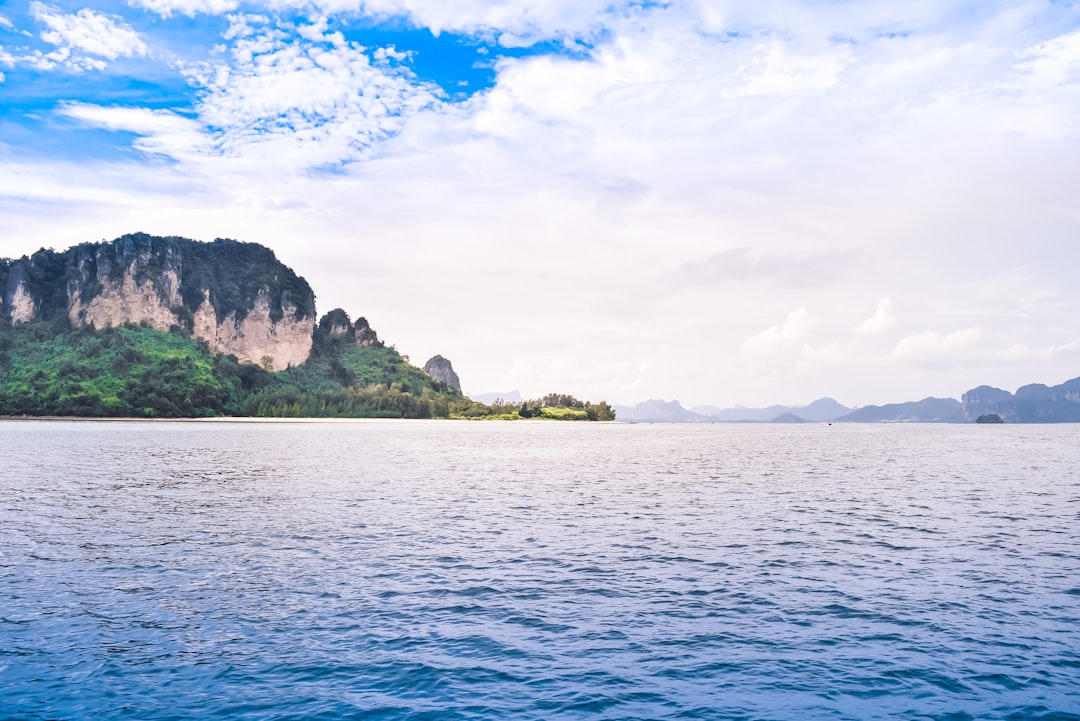
January is Thailand's best month — the rains have passed, the skies are clear, and both the Gulf of Thailand and the Andaman coast are at their finest. The busiest and most expensive month, but worth it. Here's what January delivers.
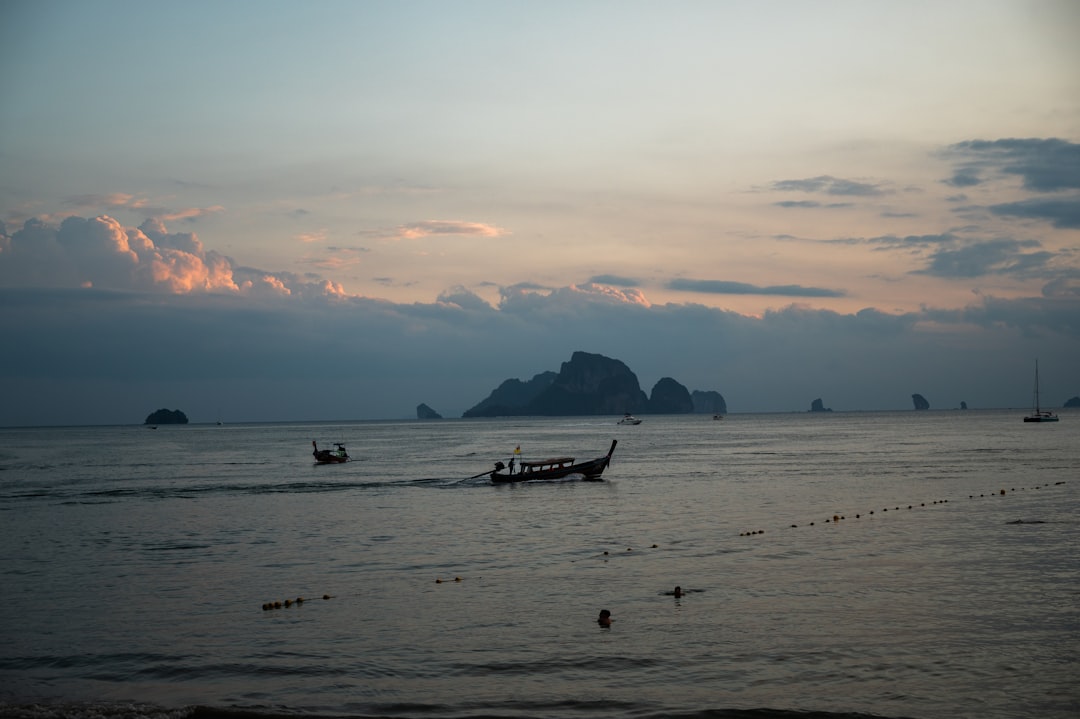
July is Thailand's deep green season — Khao Phansa (Buddhist Lent) begins, the Gulf coast has its best mid-year beach conditions, and the country is at low tourist density. Here's how to navigate July well.
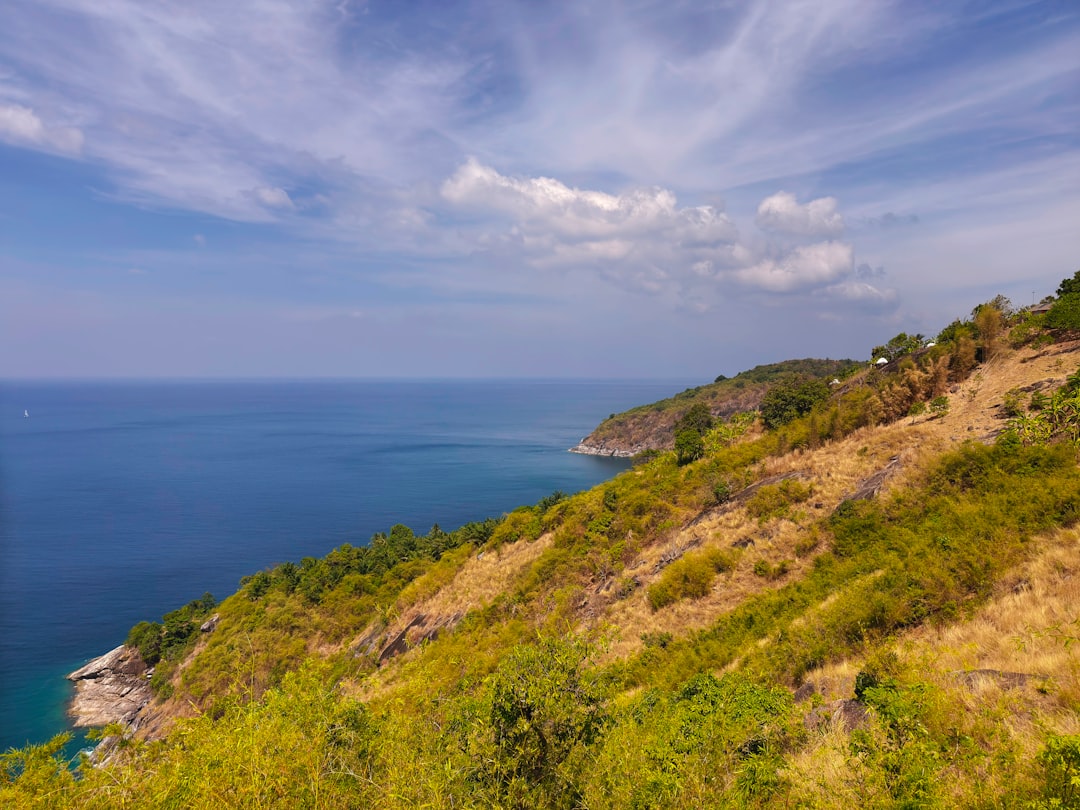
June is deep green season on the Andaman coast and mid-dry season on the Gulf coast. Prices are at their lowest, crowds are minimal, and Ko Tao and Ko Phangan are at their most relaxed. Here's what June offers.
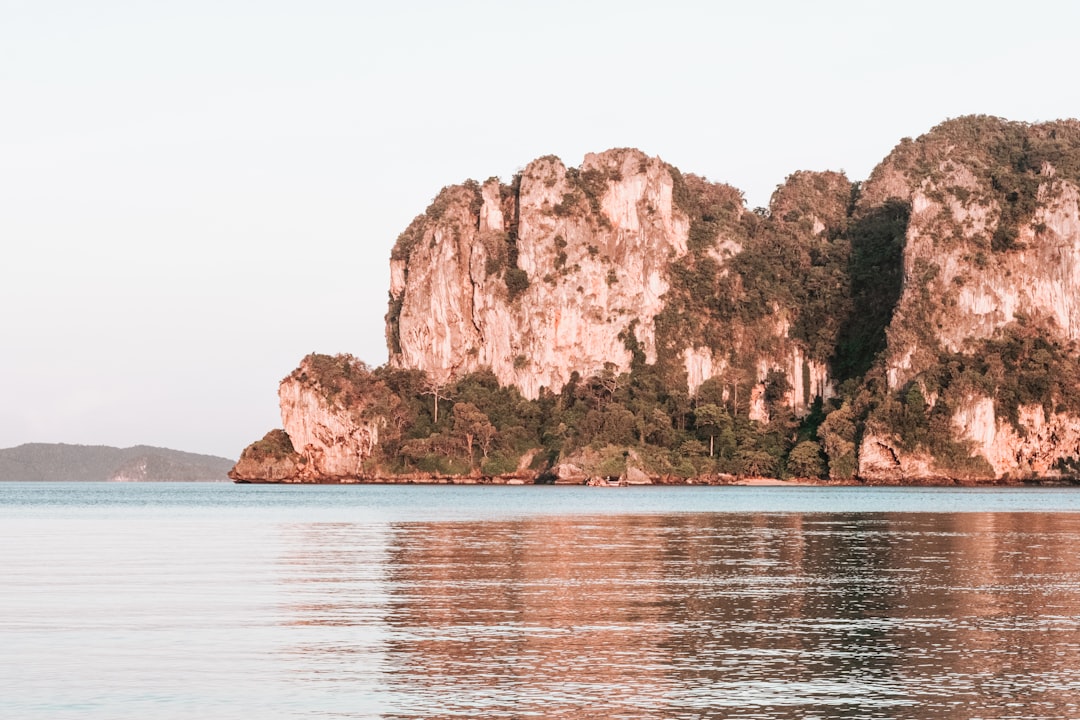
March is the transition month — peak season ends, the heat builds, but the beaches remain in excellent condition and prices begin dropping. The Andaman coast is at its best; Bangkok gets hot. Here's how March plays out.
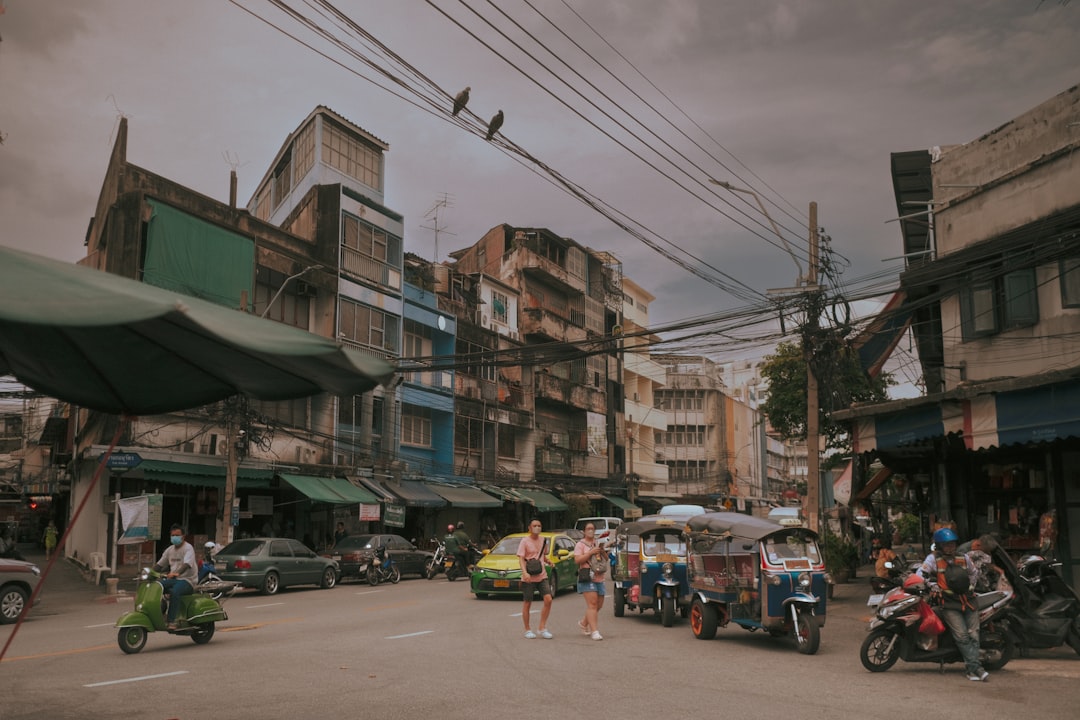
May marks the start of Thailand's rainy season — the Andaman coast gets wet while the Gulf coast stays dry. Prices drop to their lowest of the year. Here's which Thailand works in May and which doesn't.
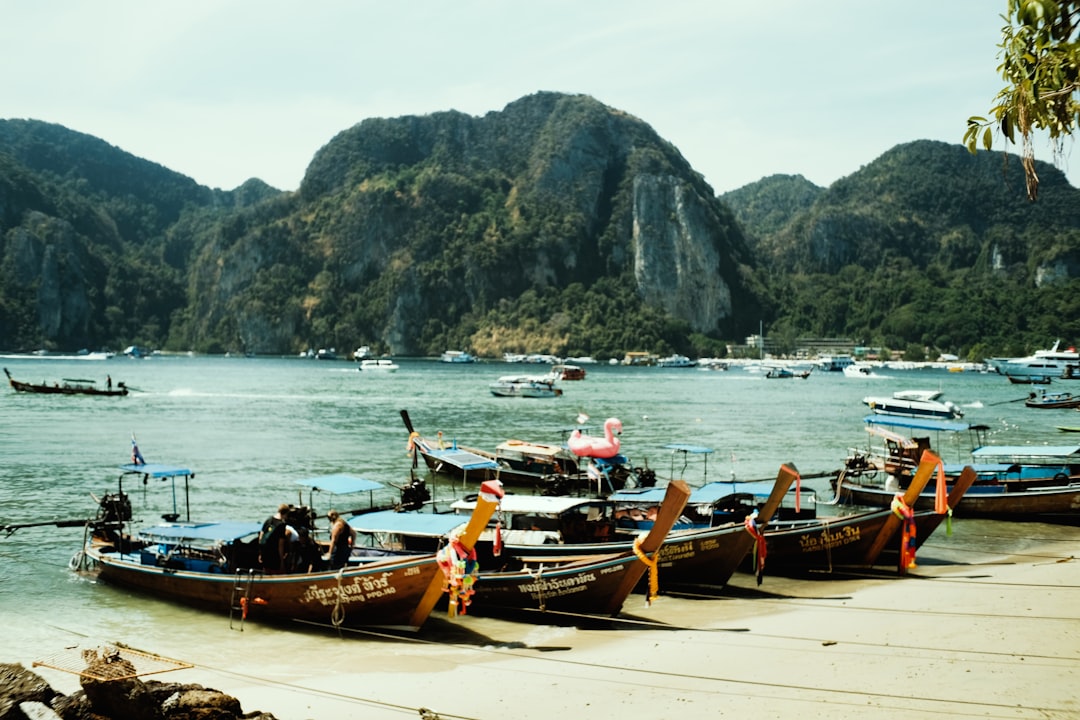
November is Thailand's turning point — the Andaman coast reopens for dry season, Yi Peng lantern festival in Chiang Mai is the most beautiful event in Thailand, and Loi Krathong sends floating lights down rivers across the country. Here's the month that changes everything.
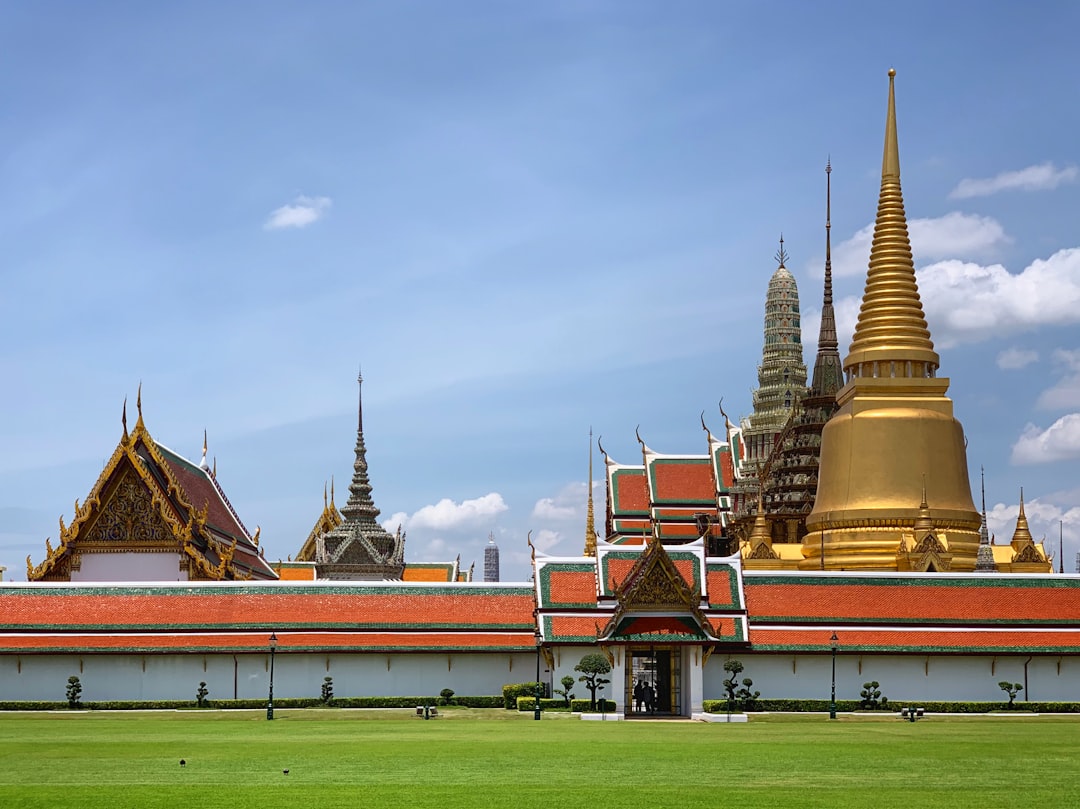
October is Thailand's transition month — the Andaman coast begins drying out, the Vegetarian Festival in Phuket is extraordinary, and Ok Phansa ends Buddhist Lent with candlelit celebrations. Here's how to use October.
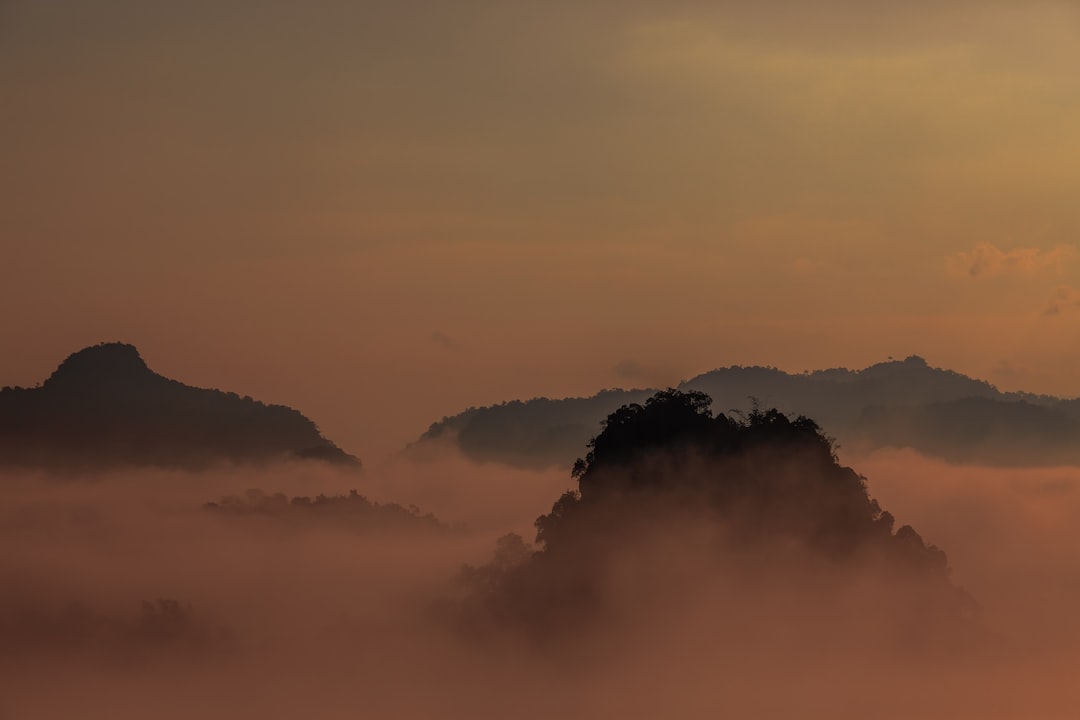
September is Thailand's minimum — minimum crowds, minimum prices, and the Andaman and Gulf both in wet season. For budget travelers, it's the most affordable month. Here's what works and what to avoid.
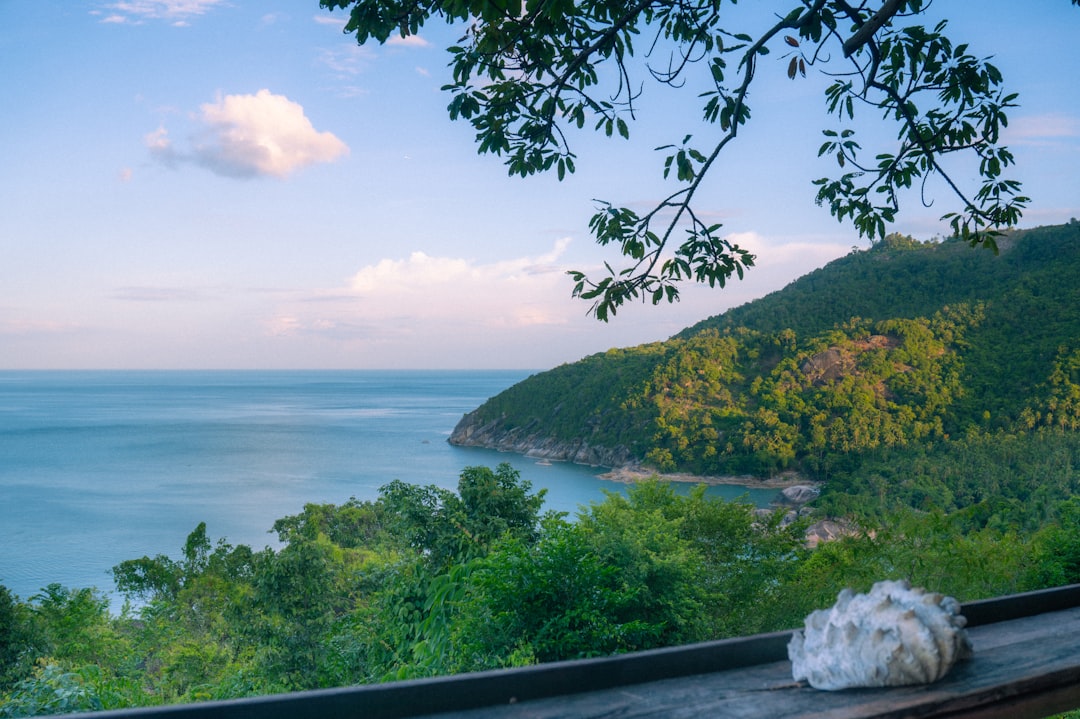
April brings spring to its full intensity in Portugal — Easter week, Carnation Revolution commemorations on April 25, and the entire country in bloom. Crowds are building; the value window is closing. Here's April.
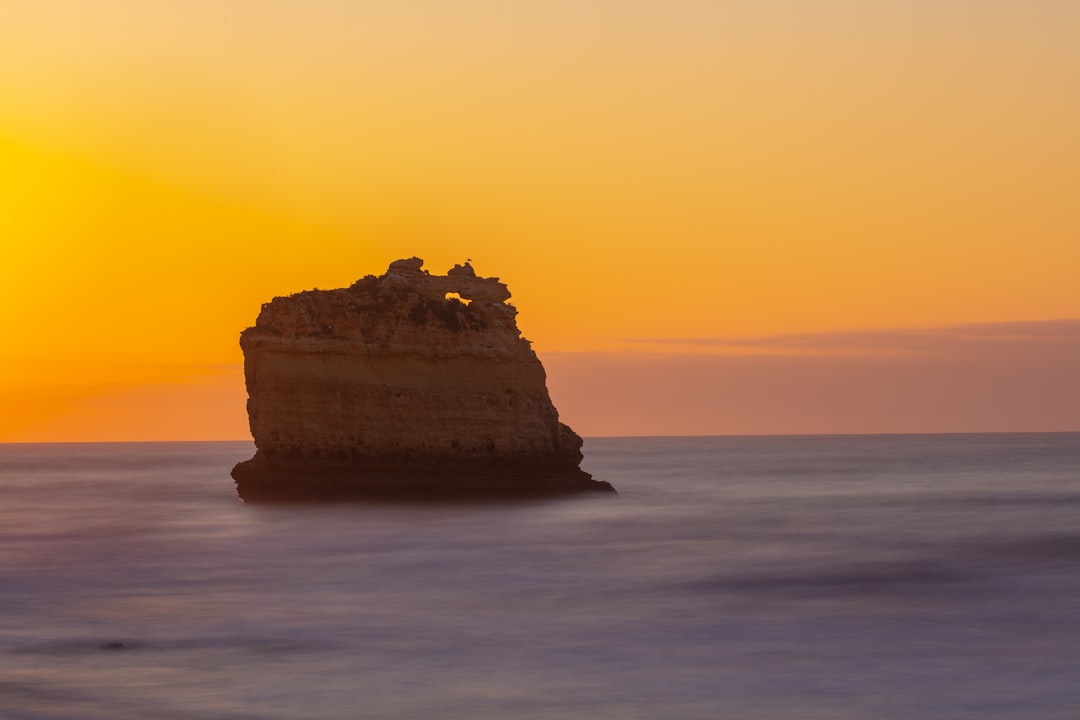
August is Portugal's absolute peak — the Algarve at maximum capacity, Lisbon emptied of locals, and the entire country running at full summer mode. Maximum prices, maximum heat, maximum beach. How to navigate it.
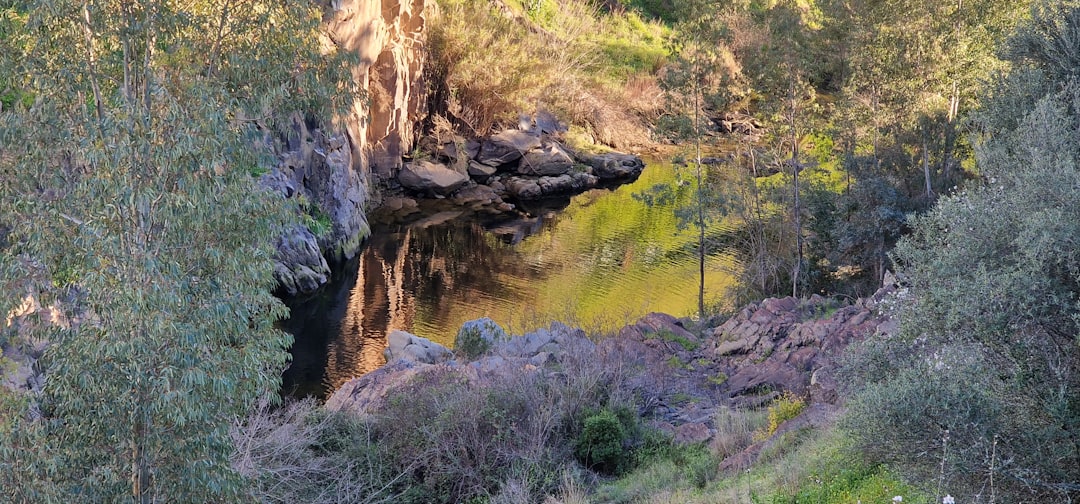
December brings Christmas illuminations to Lisbon and Porto, Madeira's world-famous New Year's Eve fireworks, and the quietest beaches of the year. Winter pricing with genuine seasonal character. Here's December Portugal.
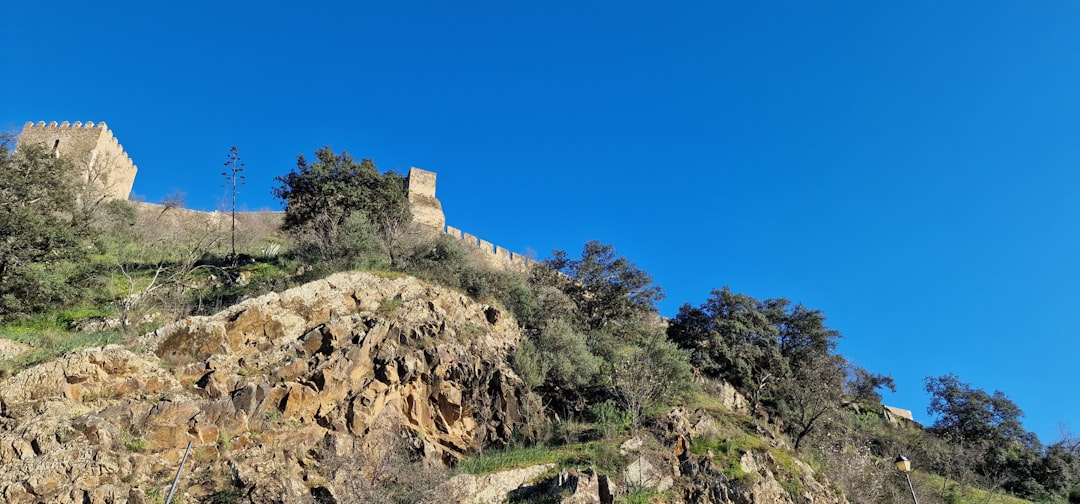
February is Portugal's Carnival month — Torres Vedras runs the most satirical street carnival in the country. The Algarve's almond blossoms are at peak. Atlantic surf is at its biggest. Here's what February delivers.
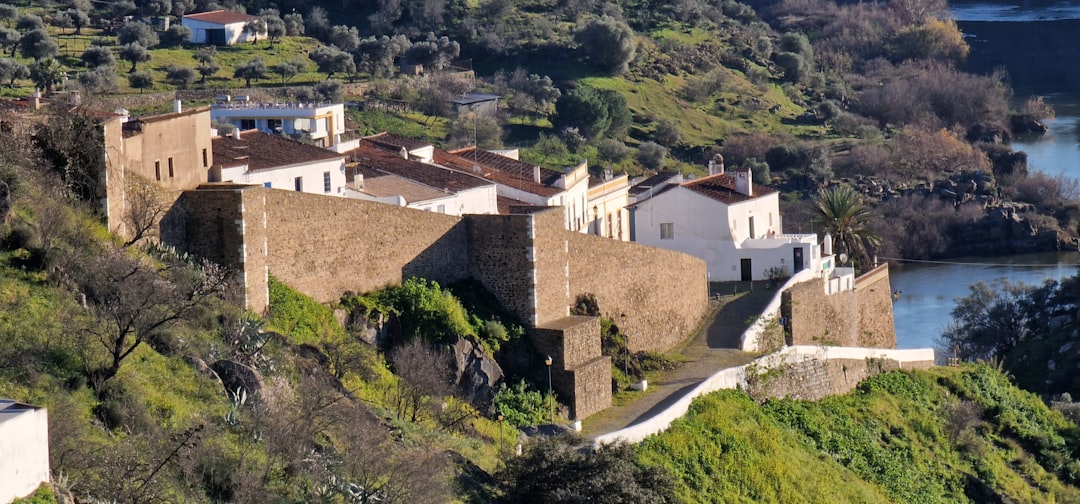
January is Portugal's low season — but with Lisbon temperatures averaging 15°C, uncrowded historic neighborhoods, and prices at their annual minimum, it's also one of the most efficient months to visit. Here's what January delivers.
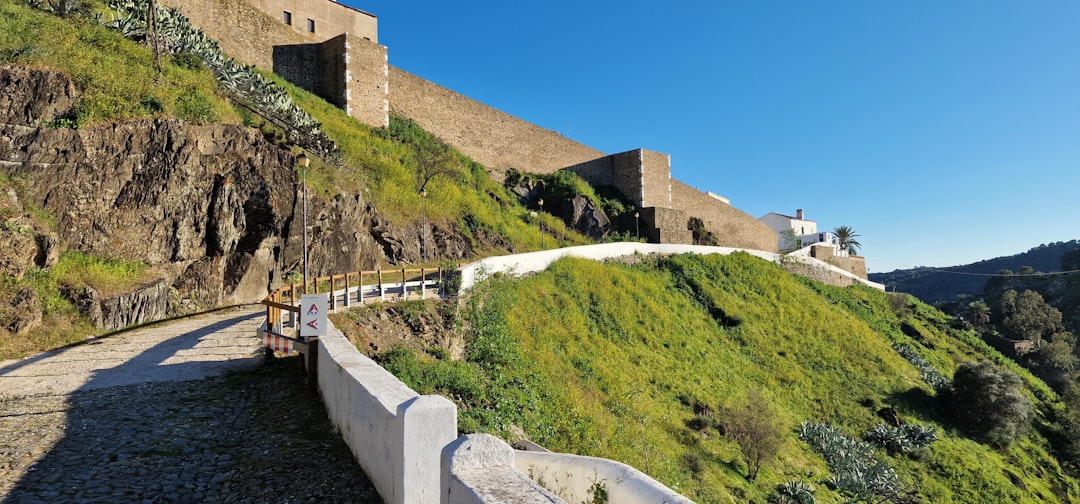
July is Portugal's peak summer month — the Algarve at full beach season, Lisbon festivals, Atlantic surf at Nazaré and Peniche, and the heat of the Alentejo plains. Peak prices, peak crowds, peak intensity.
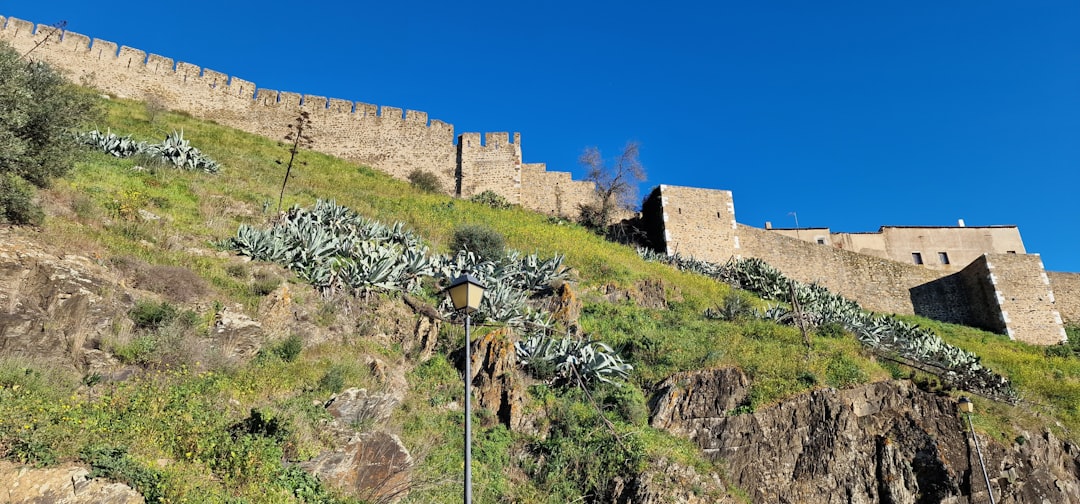
June brings Portugal's most celebrated popular festival — Lisbon's Santo António on June 13 — plus the start of summer heat and beach season. The Algarve fills fast; Lisbon's Alfama neighborhood transforms for its biggest night of the year.
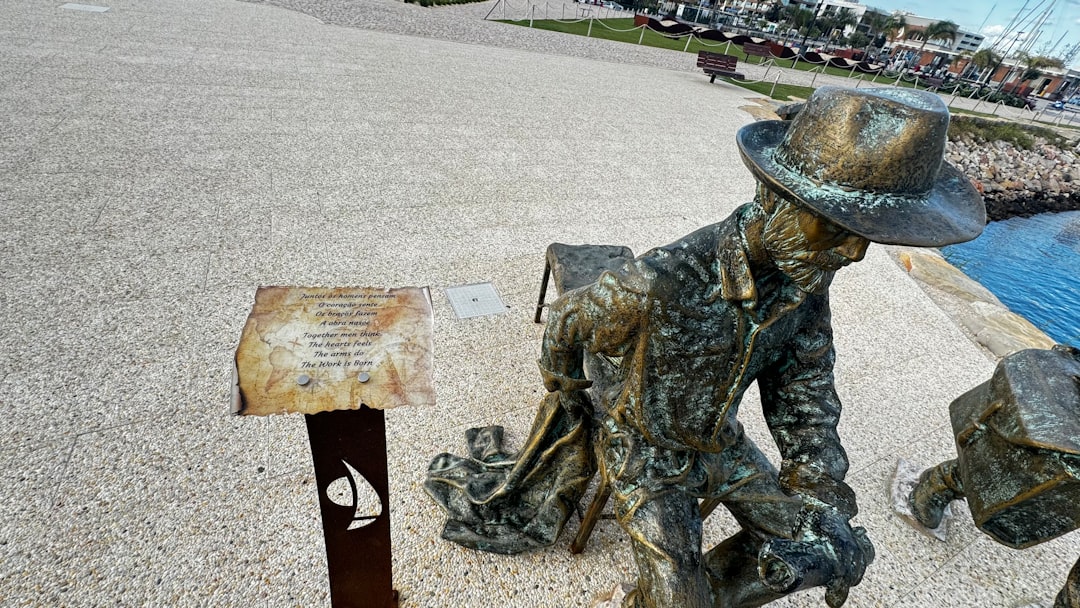
March is Portugal's spring opener — wildflowers on the Alentejo plains, orange blossoms in the Algarve, and the Douro Valley waking up for the growing season. Prices are still low; crowds haven't arrived. Here's what March offers.
May is Portugal's optimal month — the jacaranda bloom in full force, Lisbon's Santo António festival building, the Algarve warm enough for swimming, and prices still below June peak. The travel sweet spot.
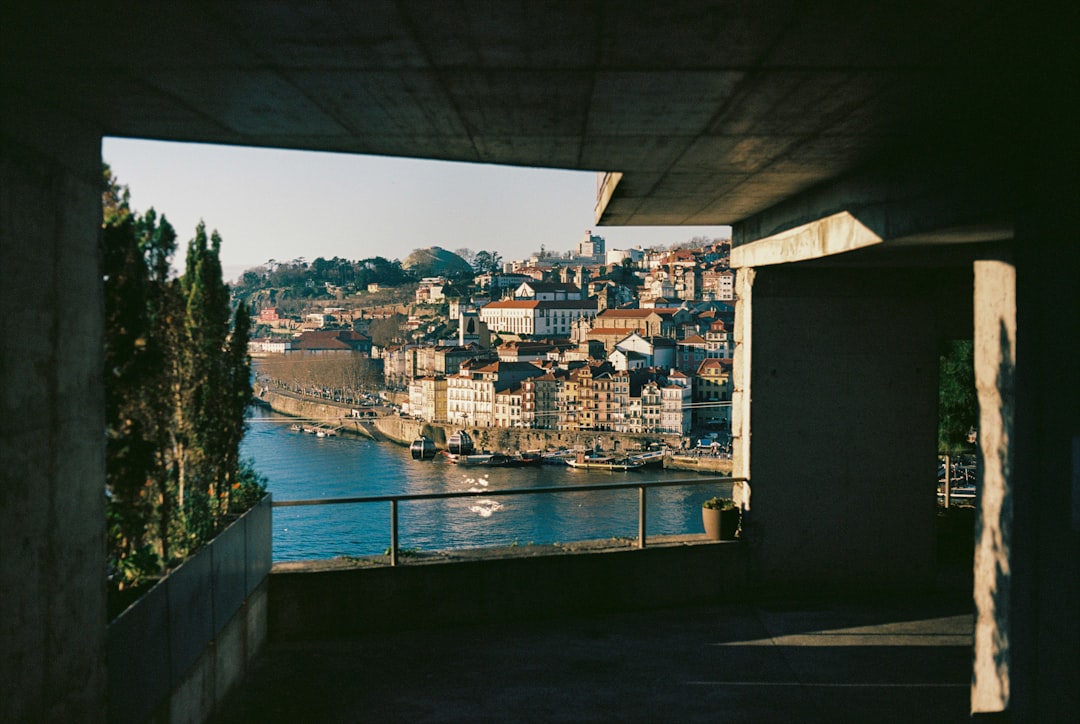
November is Portugal's quiet month — the crowds gone, the prices near winter minimums, and the Atlantic storm season producing spectacular coastal drama. Nazaré's big waves peak. New wine arrives. Here's what November delivers.
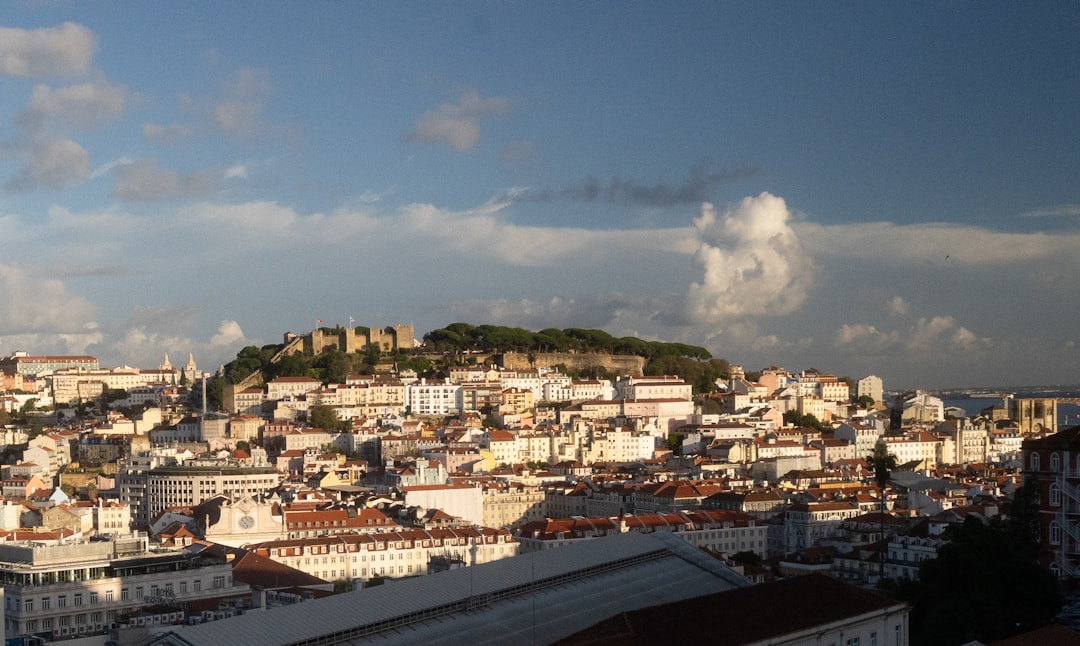
October is Portugal's autumn sweet spot — the Douro harvest finishing, Nazaré's big wave season opening, the Alentejo waking up after summer, and prices well below peak. The month of transitions and excellent value.
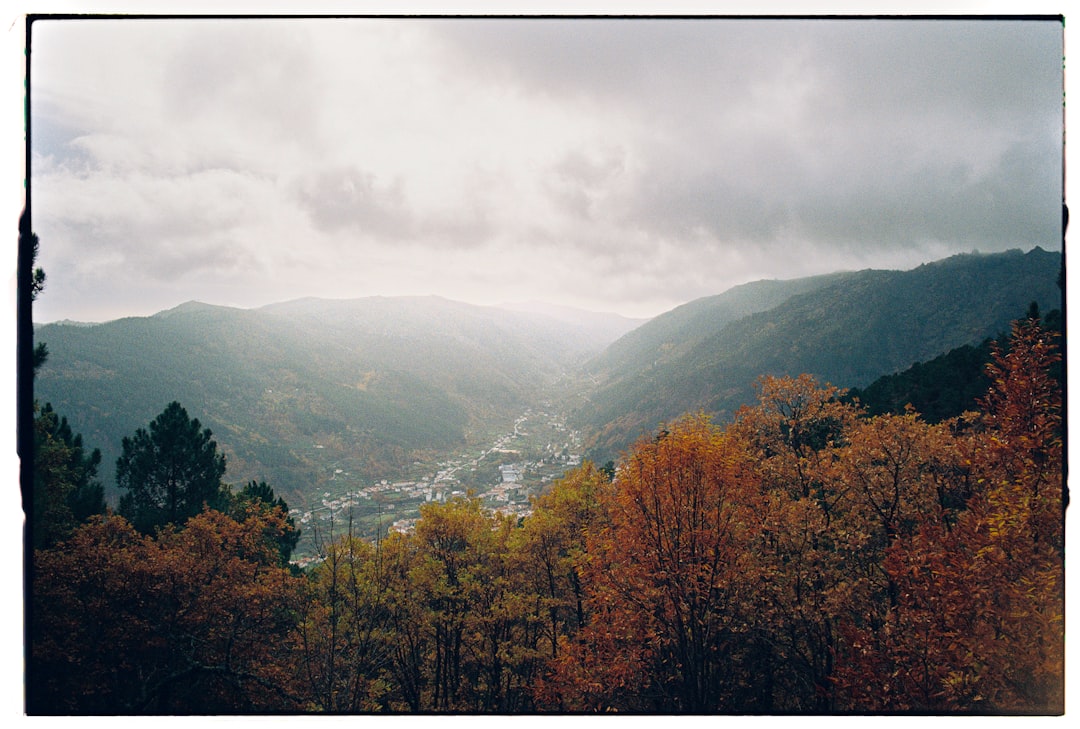
September is Portugal's second-best month — the summer heat easing, the Algarve still swimming-warm, and the Douro Valley beginning its grape harvest. Crowds dropping fast from August; prices following. The optimal transition month.
April is India's heat shoulder month — the plains are warming fast, pushing travelers toward hill stations and the South. Coorg and Ooty are in bloom, and the northeast opens early for trekkers.
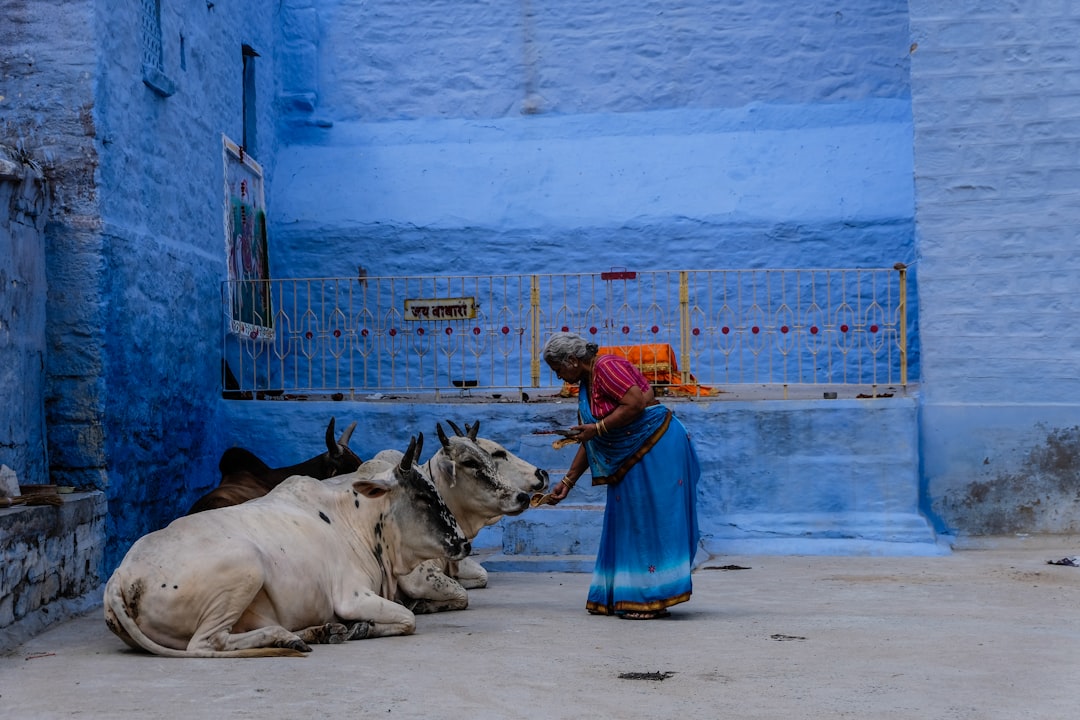
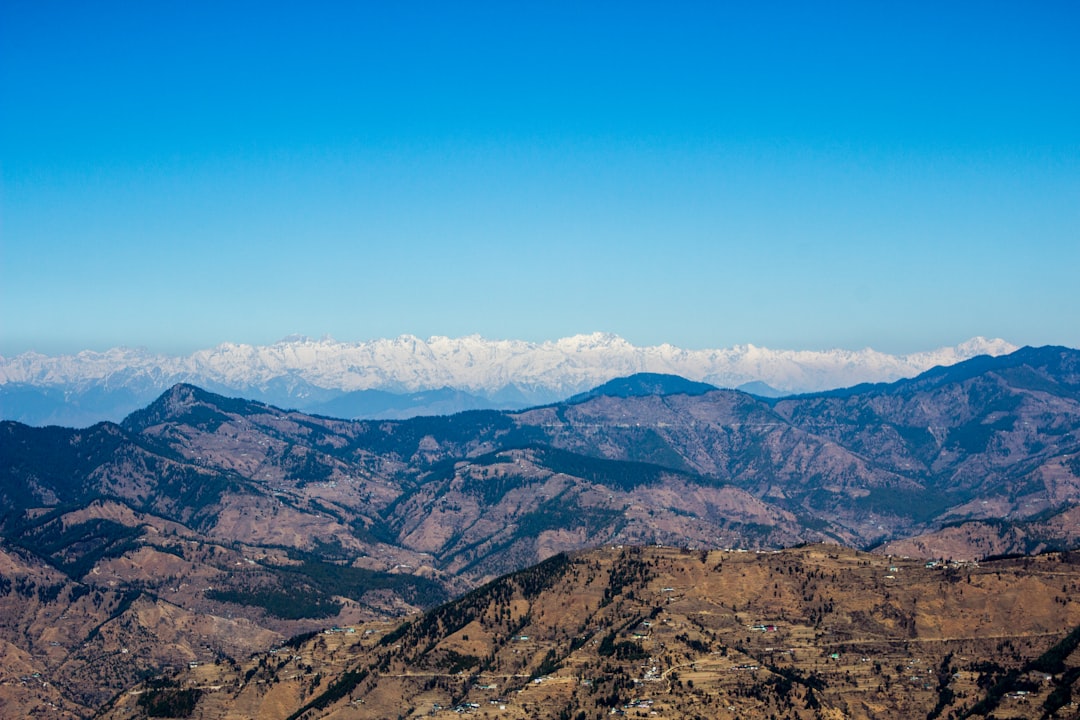
August combines India's Independence Day celebrations with Onam's harvest pageantry in Kerala. The monsoon is still heavy in the plains, but Ladakh and Spiti remain spectacular under blue skies.
December is India's most popular tourist month — excellent conditions across the country, Christmas in Goa, and the full Rajasthan circuit at peak comfort. Budget for peak prices and book well in advance.
February brings the Pushkar and Jaisalmer Camel Fairs, Rajasthan in peak condition, and the vivid yellow mustard fields of the Punjab and Haryana. A hair's breath before Holi crowds descend.
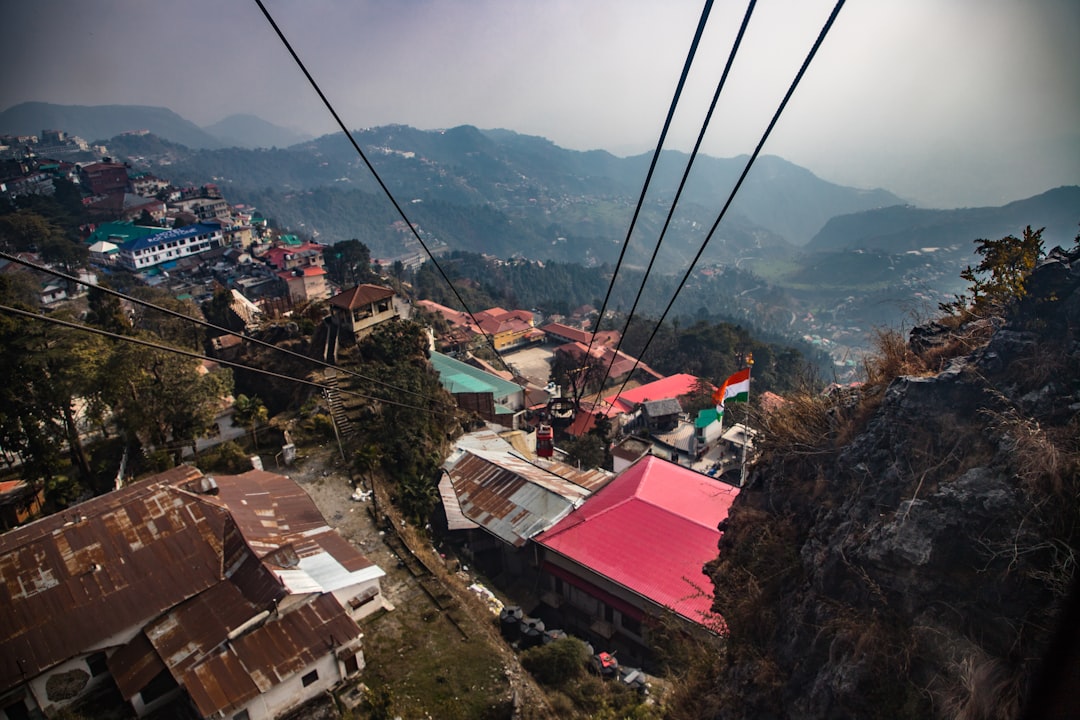
January is India's peak travel month — Rajasthan's forts and palaces are accessible in cool desert air, Kerala's backwaters are calm and clear, and Republic Day in Delhi is one of the country's great spectacles.
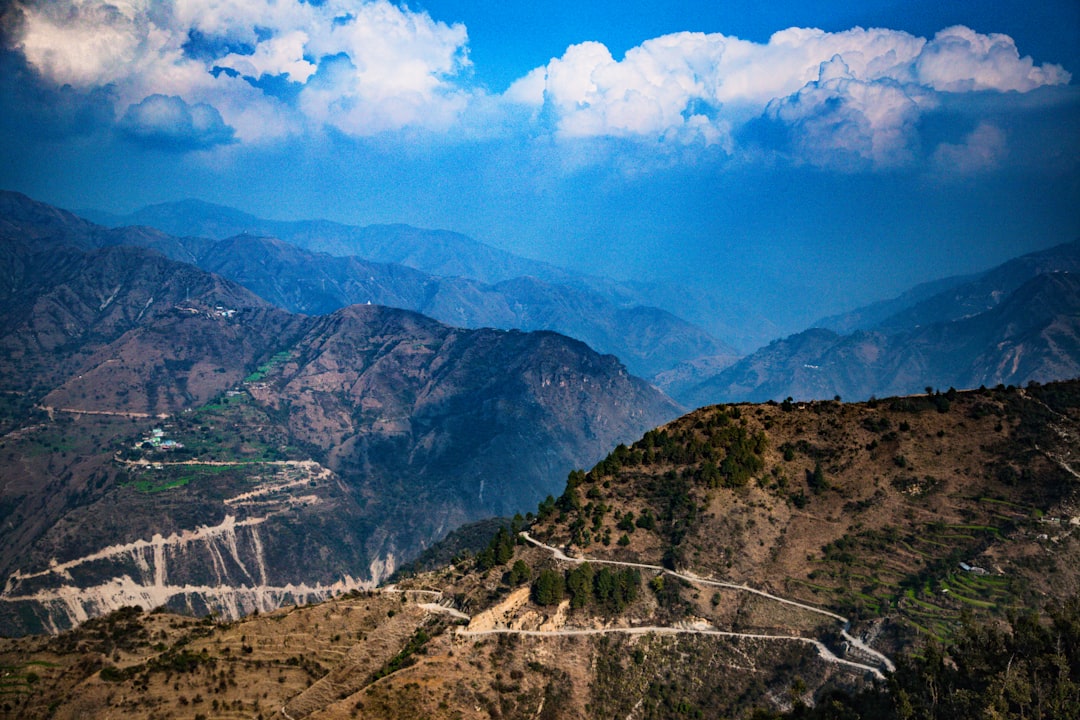
July is India's deepest monsoon month — the plains are wet and green, tourist sites sit empty, and Ladakh remains sunny and spectacular above the rain line. Prices are at their annual floor.
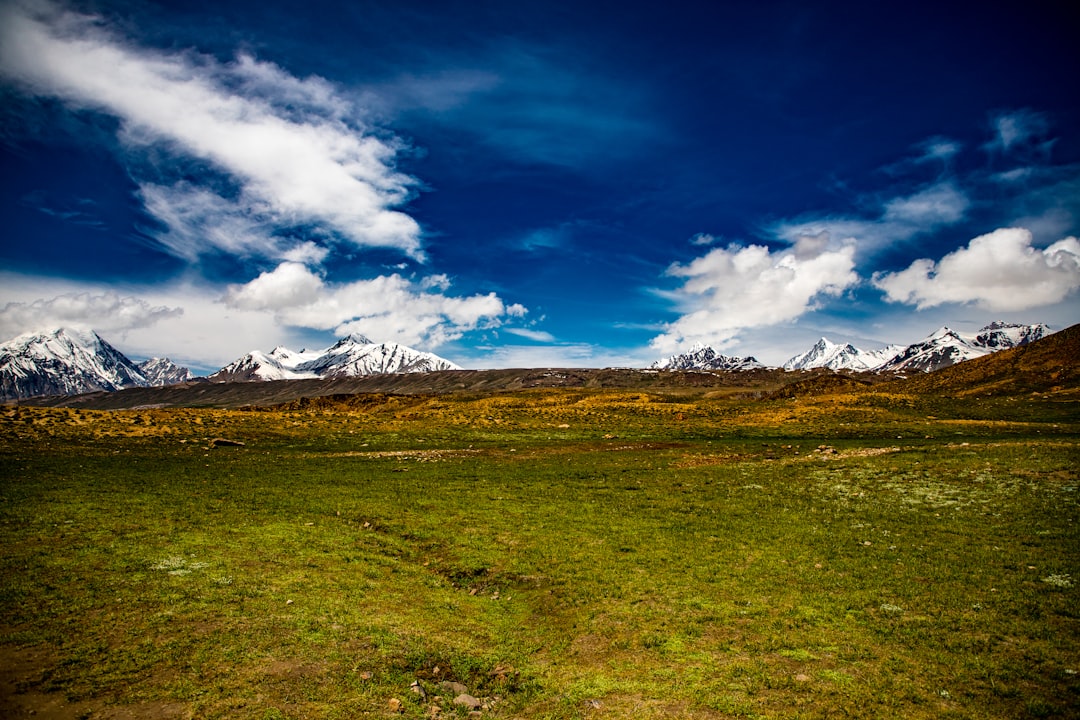
June brings the southwest monsoon to Kerala and the Western Ghats, transforming the landscape to vivid green. In the Himalayas, it's peak trekking season before monsoon reaches the north.
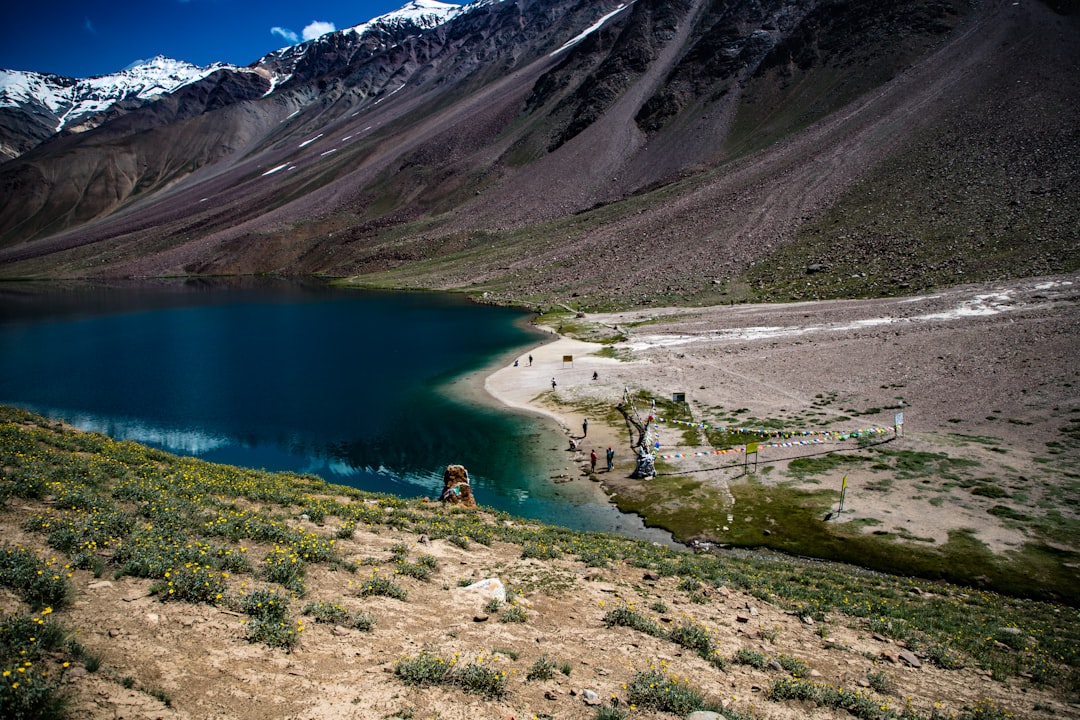
March delivers India's most photogenic festival — Holi transforms cities in explosions of colored powder — and closes the comfortable travel window in the north before summer heat arrives in April.
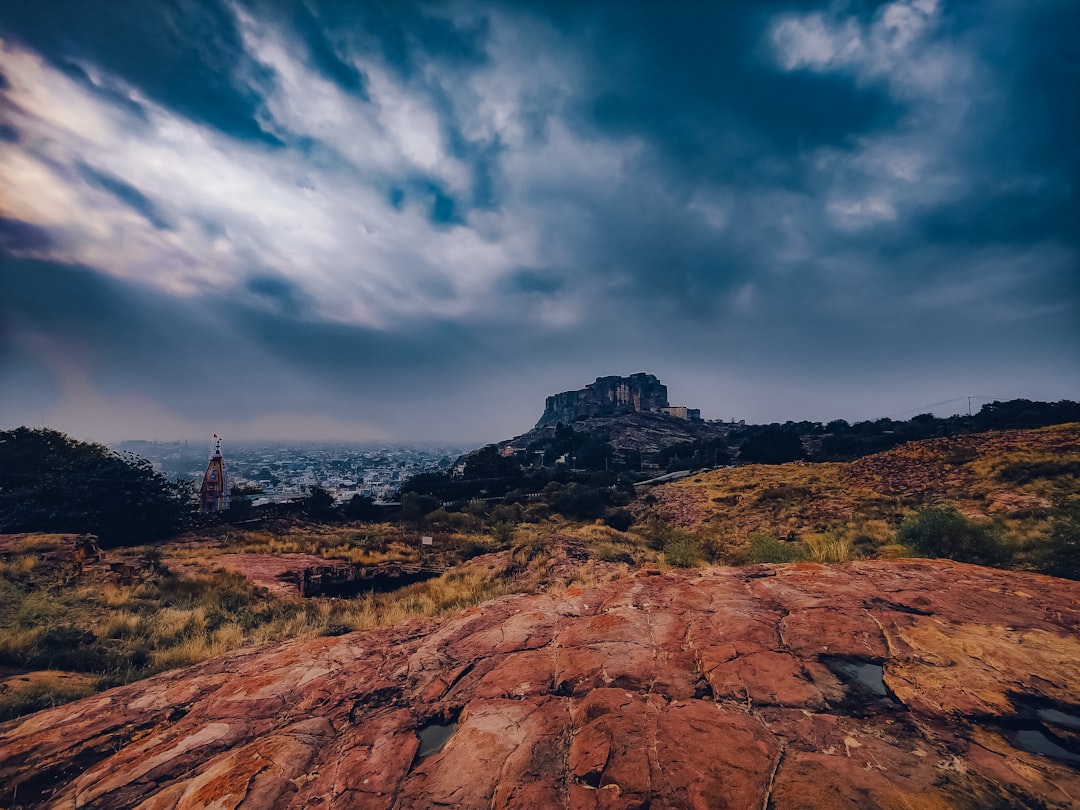
May is the month to be in the Himalayas or Ladakh — the passes open, the trekking routes access come online, and the mountain air is cool while the plains boil at 42°C.
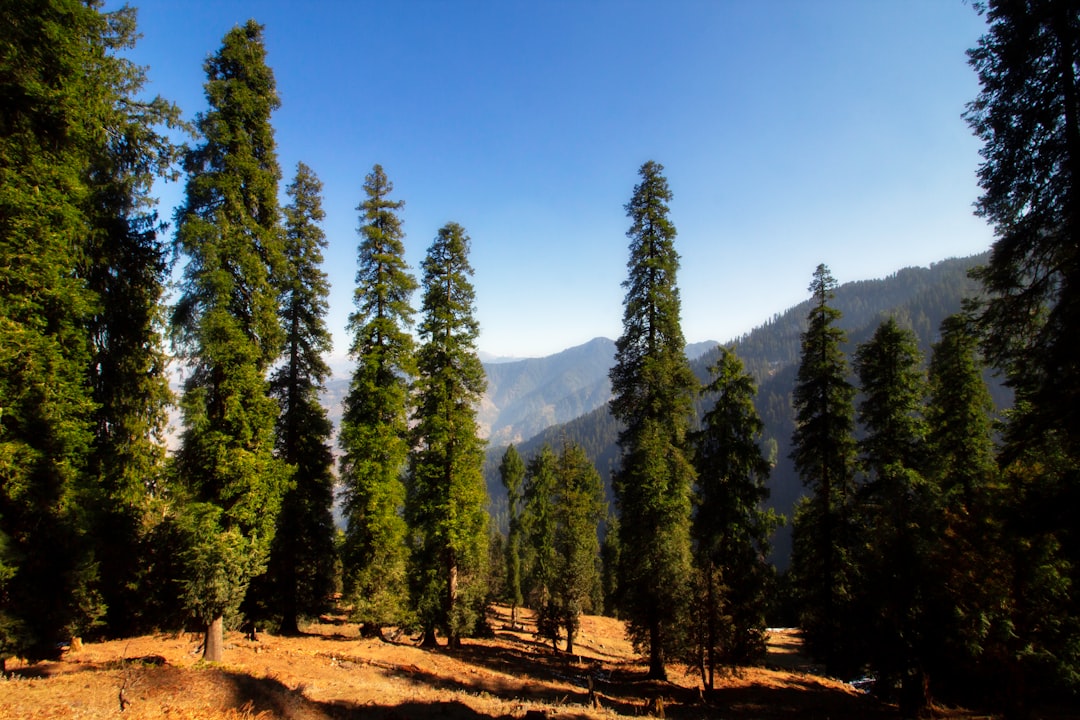
November is India's single best travel month — perfect temperatures across the north, Diwali illuminates the country, and the Pushkar Camel Fair brings Rajasthan's most extraordinary spectacle.
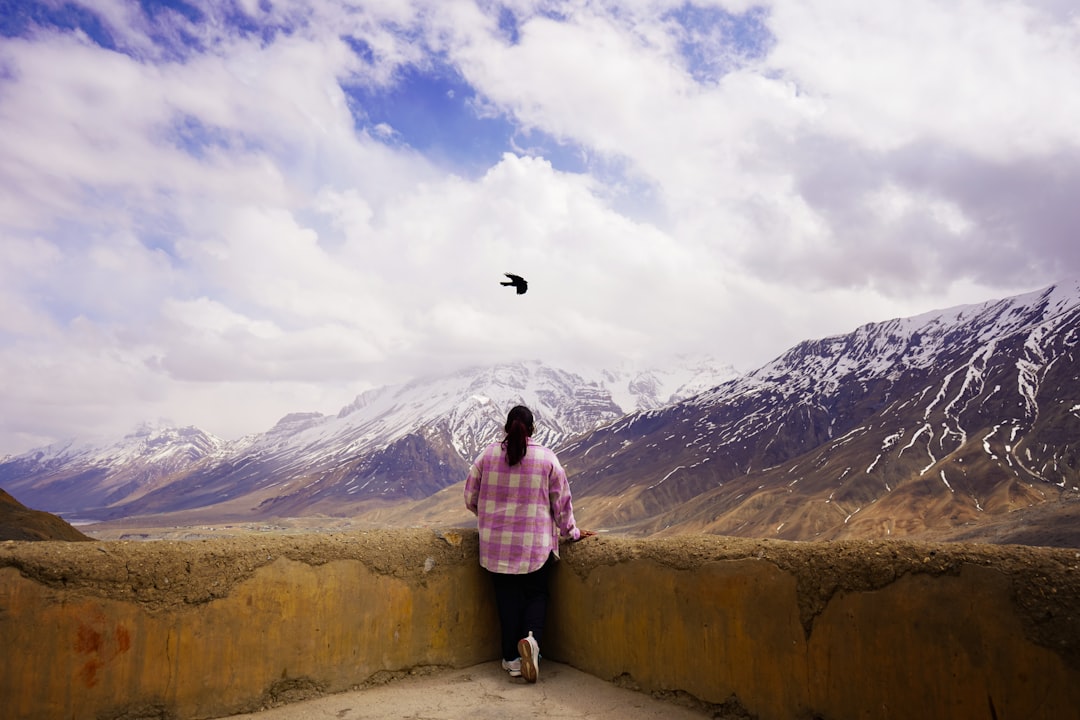
October marks India's tourism reopening — comfortable temperatures return to the north, Dussehra burns effigies across the country, and Diwali preparations transform every city in a blaze of lights and fireworks.
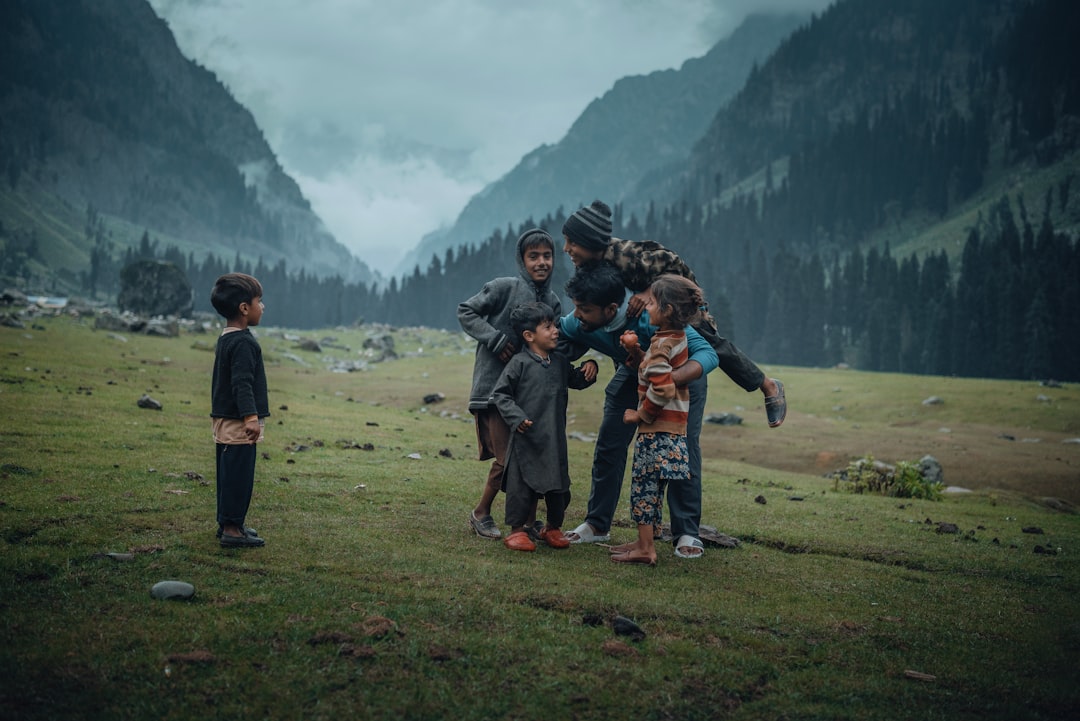
September closes the monsoon in most regions — Ganesh Chaturthi fills Mumbai and Maharashtra with 10 days of celebration, and trekkers rush to get the last Himalayan routes before October snow closes passes.
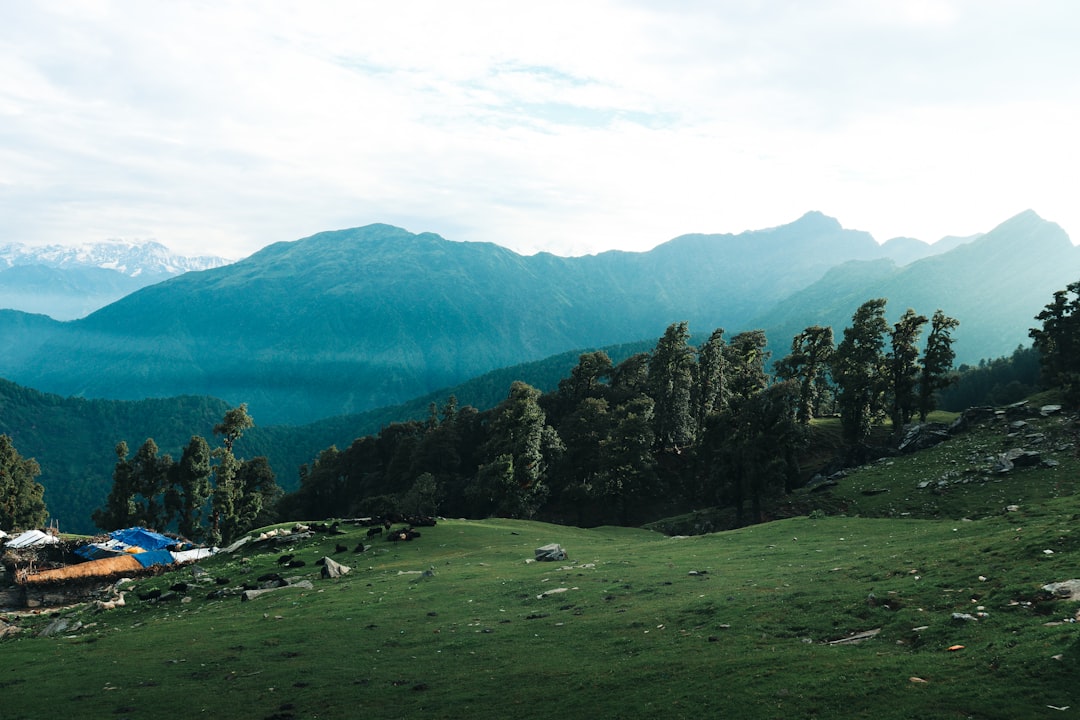
April is Peru's transition month — the rainy season ends in the highlands, Holy Week fills Cusco with processions and ceremony, and Machu Picchu emerges from cloud to begin the tourist season.
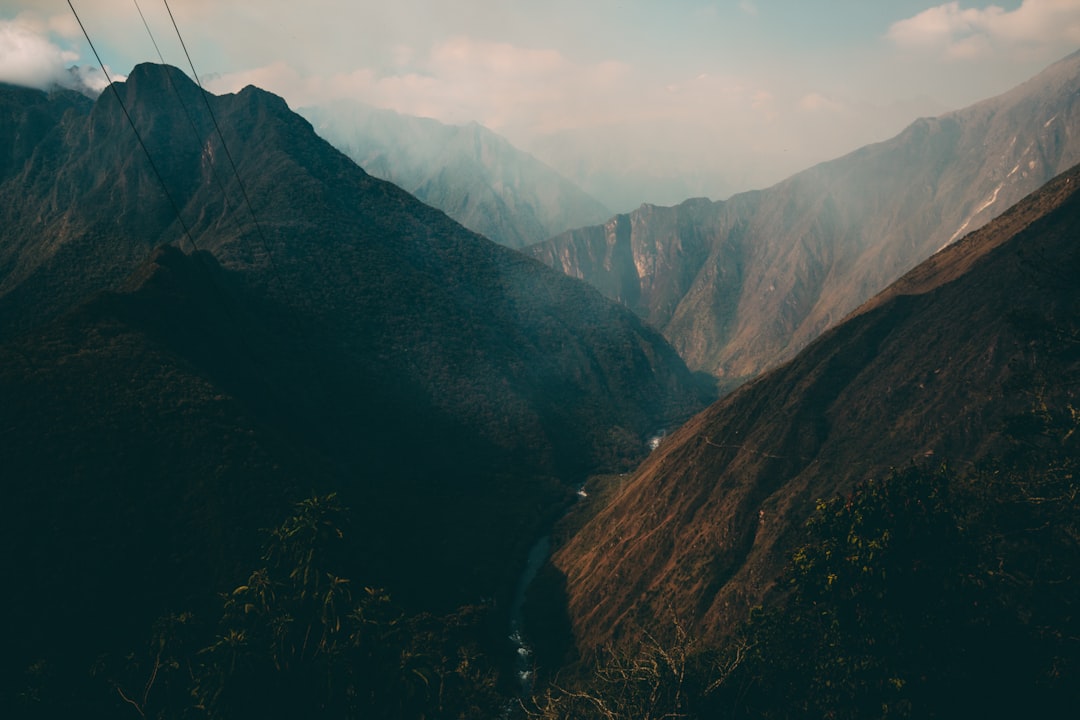
August matches July for visitor volume and dry season reliability — the Inca Trail is fully operational, Machu Picchu is clear and busy, and the Amazon's dry season creates the best wildlife viewing of the year.
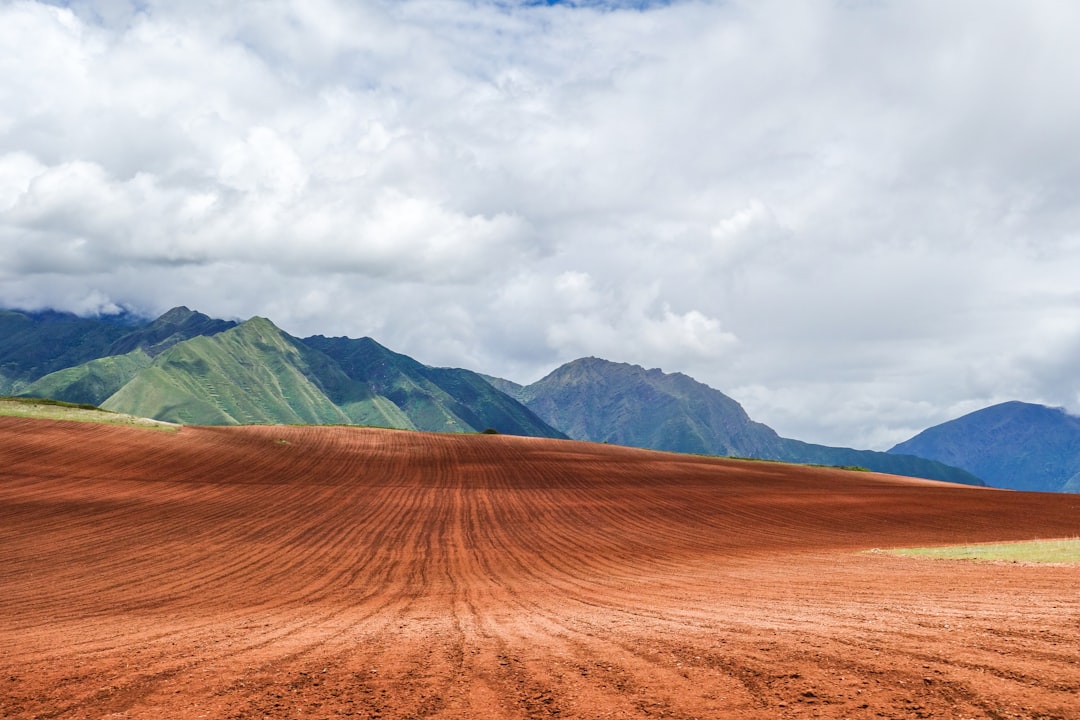
December brings Christmas celebrations to Cusco's colonial plazas, increasingly heavy rain in the highlands, and the Amazon's flooding forest beginning its spectacular wildlife season.
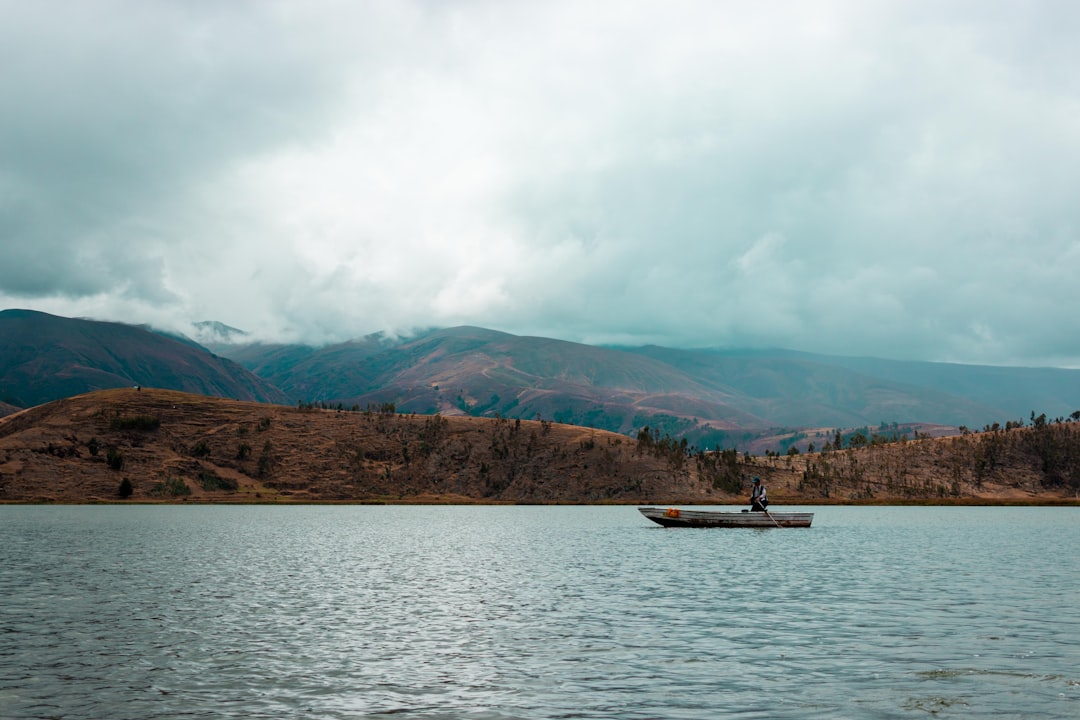
February closes the Inca Trail for maintenance and is Peru's wettest month. The payoff: Puno's Candelaria festival is the most elaborate in the Americas, and the Amazon is at its most accessible.
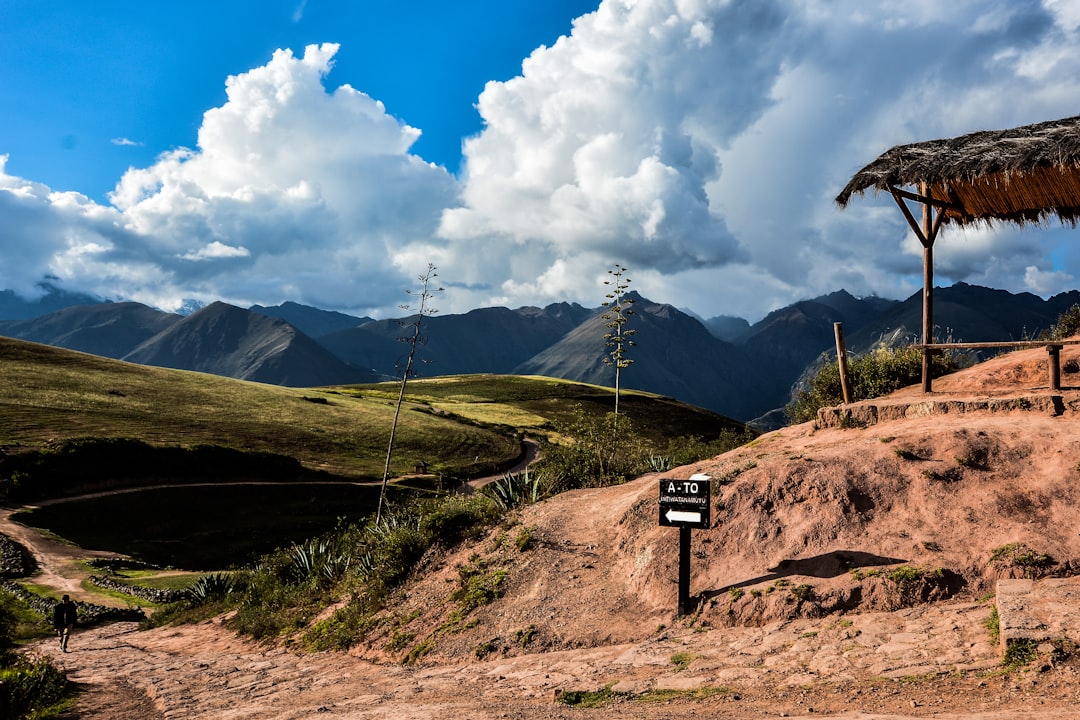
January is Peru's wet season — Machu Picchu gets fewer visitors in persistent cloud and rain, the Amazon jungle is flooded and teeming, and prices drop significantly from the June–August peak.
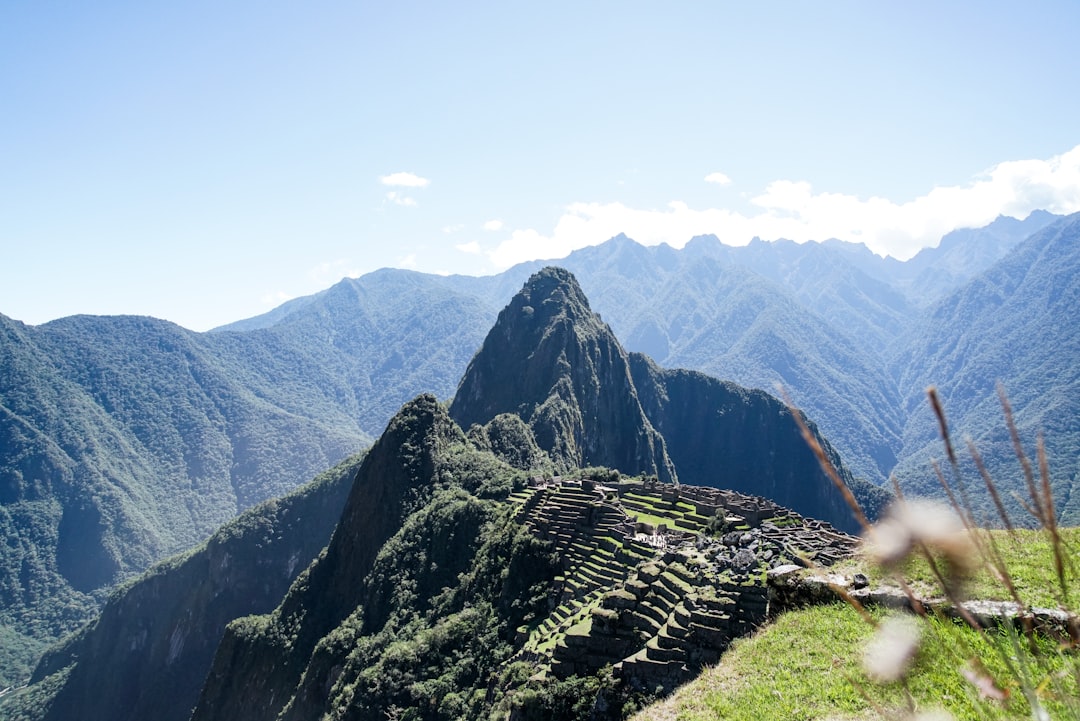
July is Peru's busiest month — Independence Day on July 28 brings national celebration, Machu Picchu processes thousands of visitors daily, and the Inca Trail is at peak demand. Book everything months ahead.
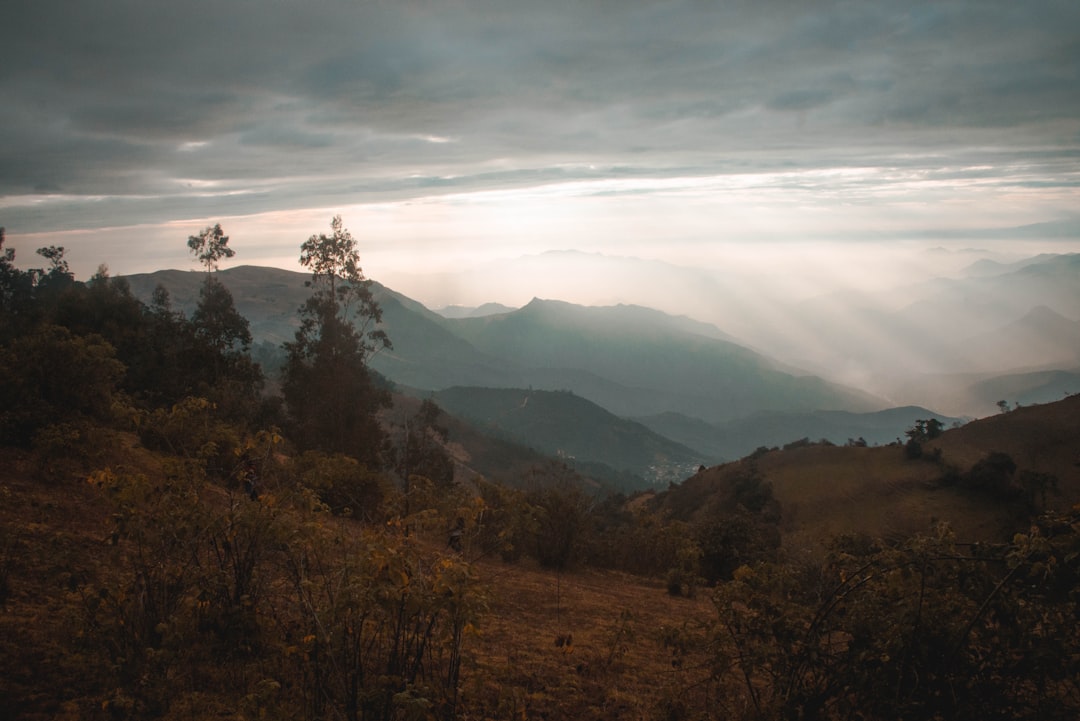
June delivers Peru's most spectacular festival — Inti Raymi on June 24 fills Cusco with a re-enactment of the Inca Sun Festival — and begins the peak tourist season across the country.
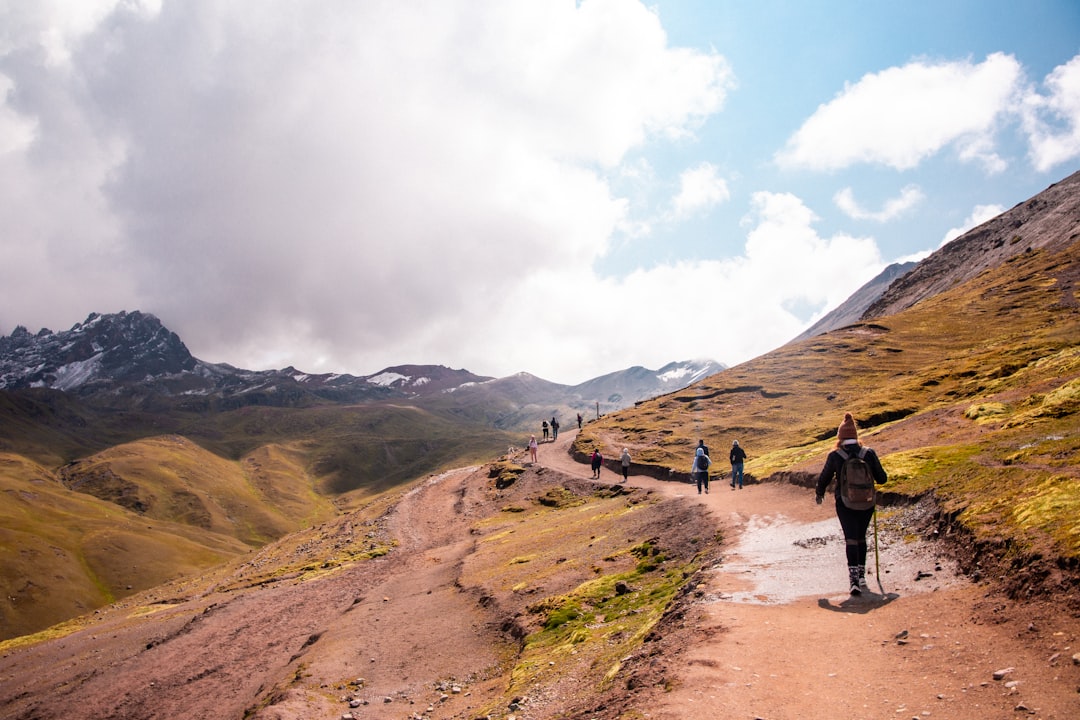
March reopens the Inca Trail after February's closure and sees the rainy season beginning to ease. The Andean landscapes are intensely green, wildflowers bloom, and tourist numbers are well below the July peak.
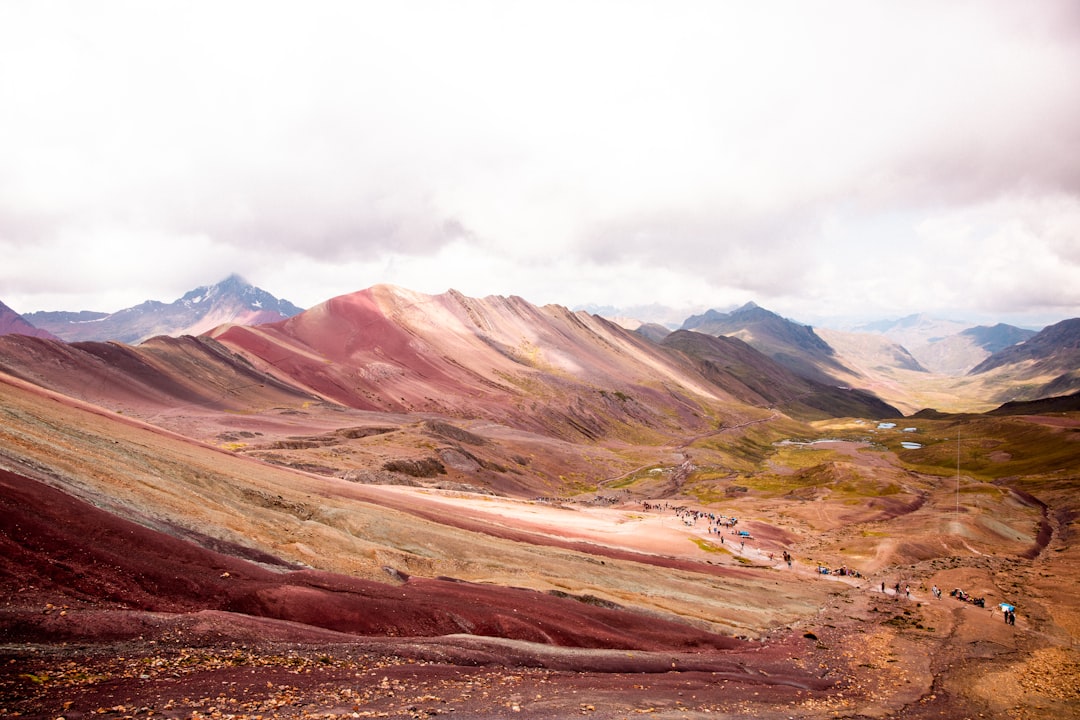
May is the last month before Peru's tourist high season — the dry season is fully established, Inca Trail trekking is excellent, and tourist numbers haven't yet reached June–August intensity.
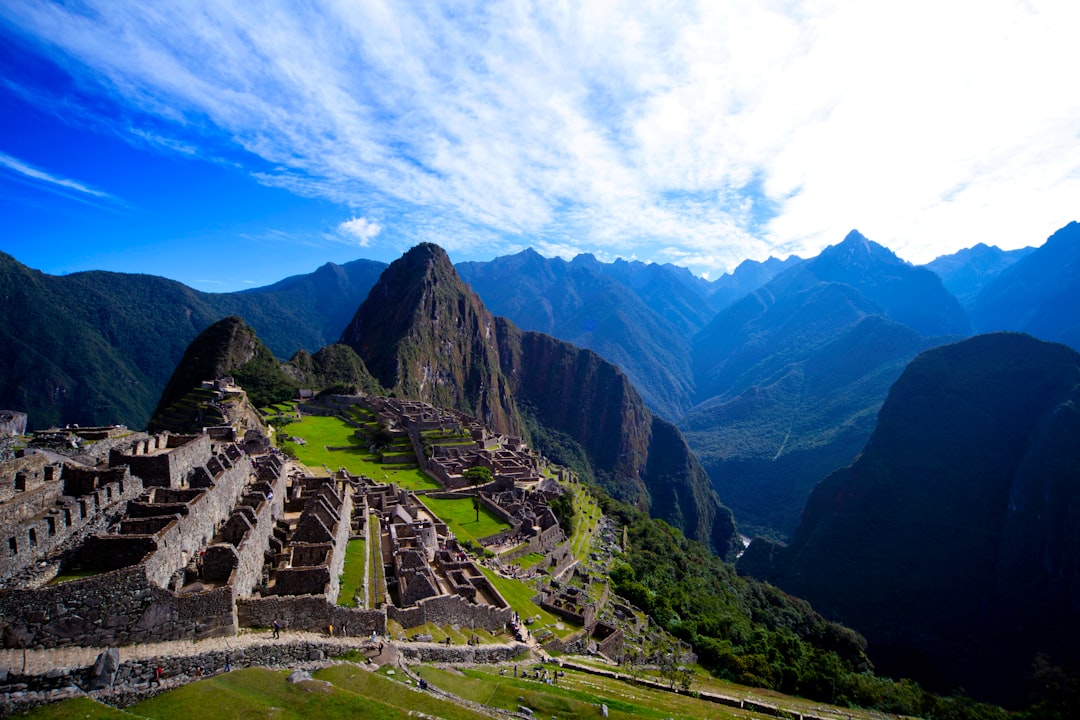
November brings Peru's highland wet season and the extraordinary Andean Dia de los Muertos cemetery celebrations. The Amazon floods again, wildlife disperses, and prices drop to their low-season floor.
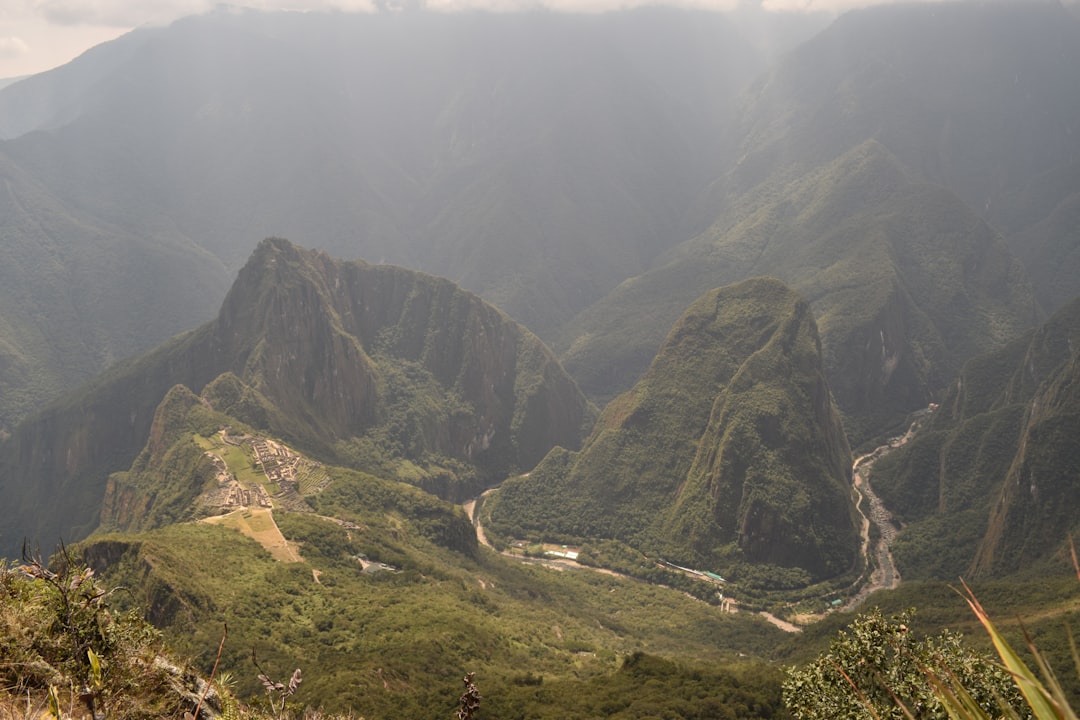
October closes the highland dry season — the first rains arrive in Cusco, the Inca Trail gets its last reliable trekking weeks, and Lima's streets fill purple for the Lord of Miracles procession.
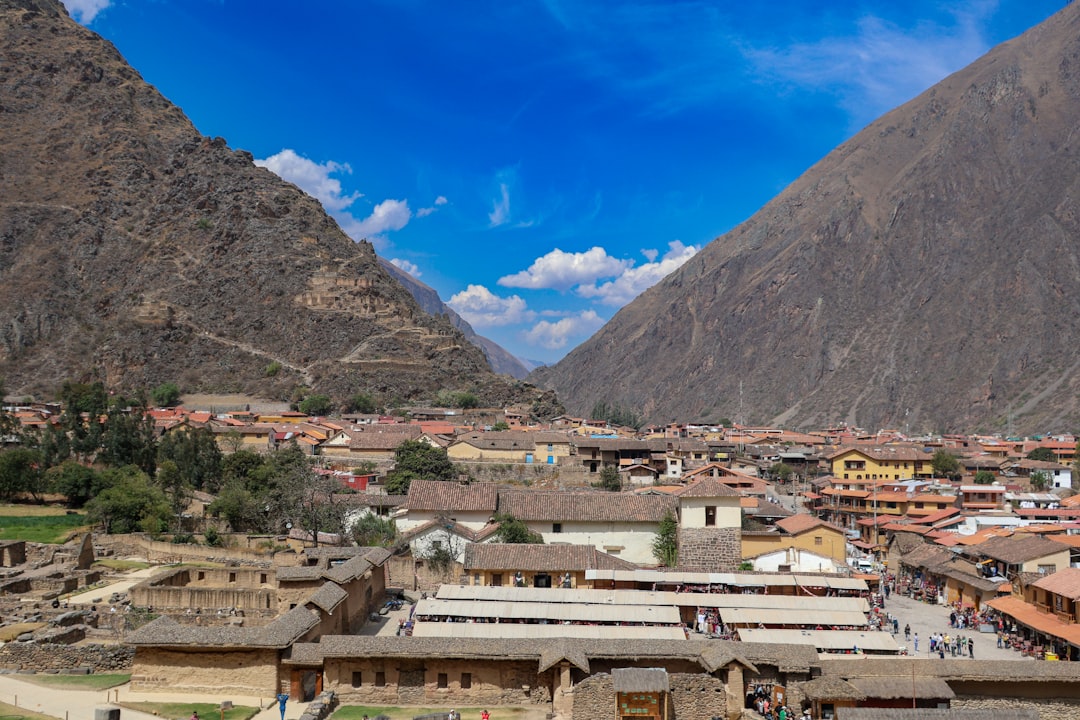
September is Peru's best value month in the dry season — the July–August crowds have gone home, prices drop 15–25%, and conditions remain near-identical to peak season. A genuine sweet spot.
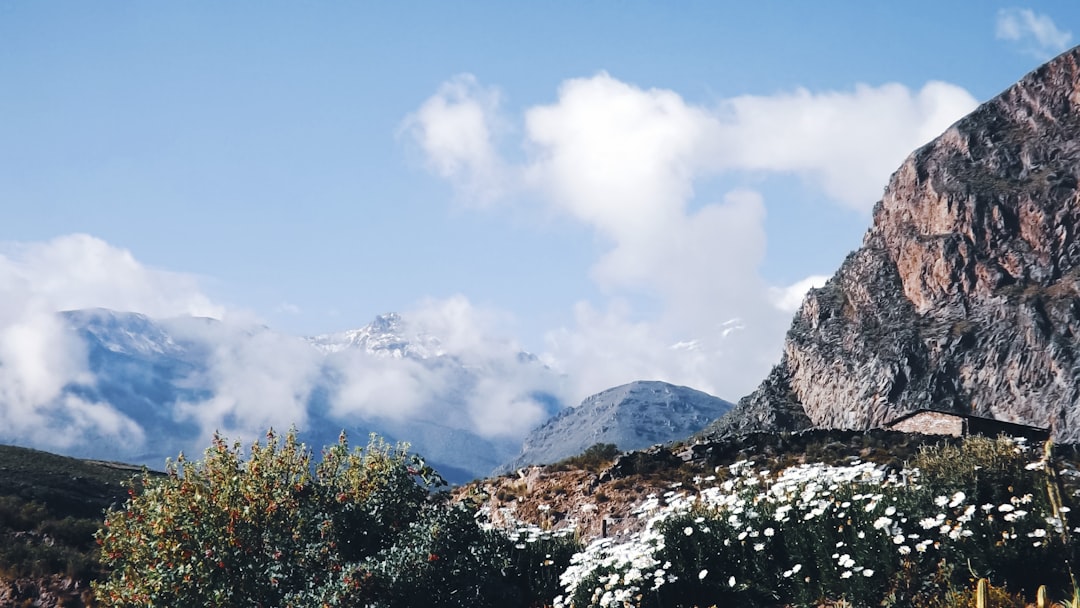
Mexico has two coasts, a high-altitude capital, and a tropical south — each with its own weather pattern. Here's exactly when to go based on where you're headed.
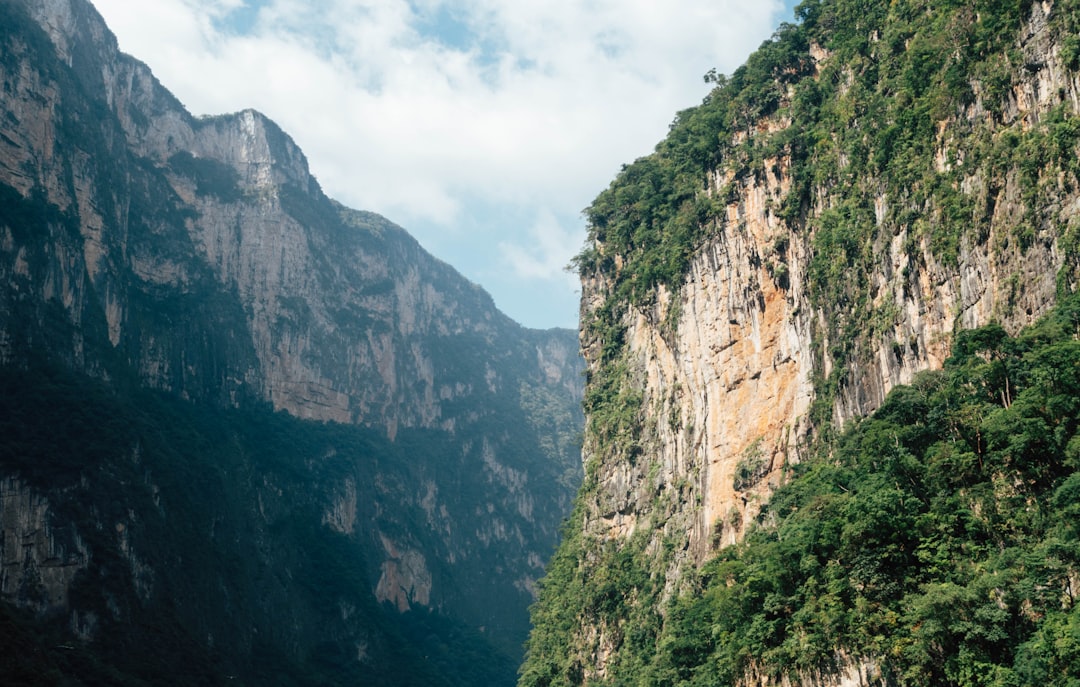
Three days in CDMX — Aztec ruins below a modern city, the world's greatest anthropology museum, Diego Rivera murals, street food, and the energy of 22 million people.
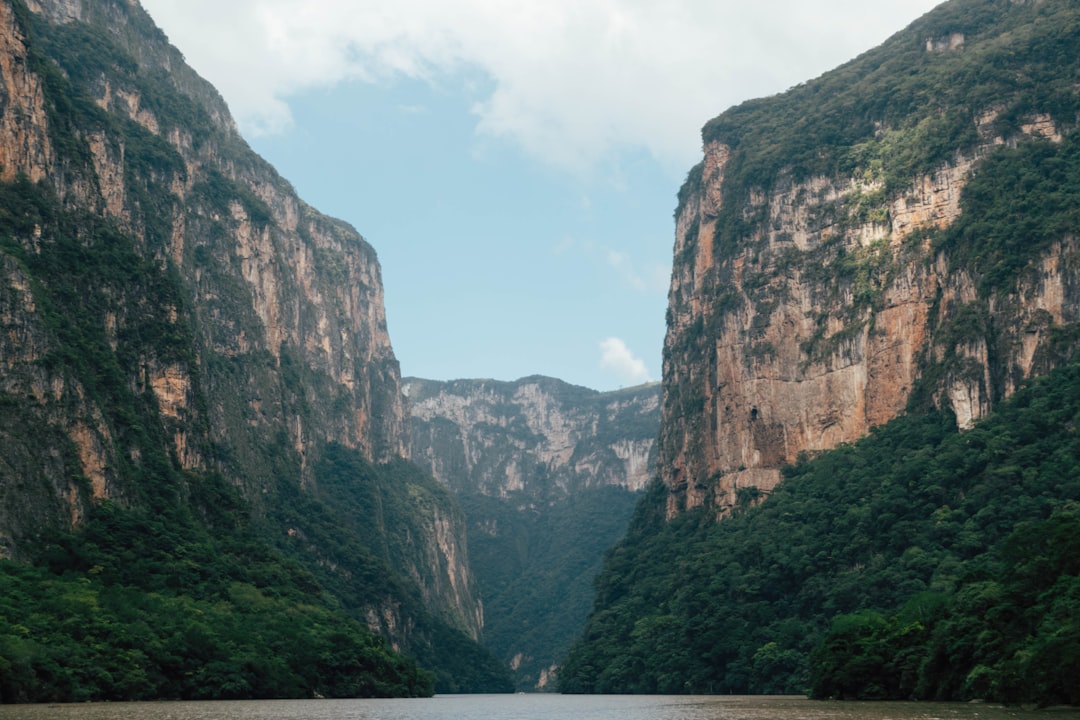
Mexico is one of the world's most rewarding first-time destinations — rich culture, extraordinary food, and genuine warmth. Here's what you actually need to know before you go.
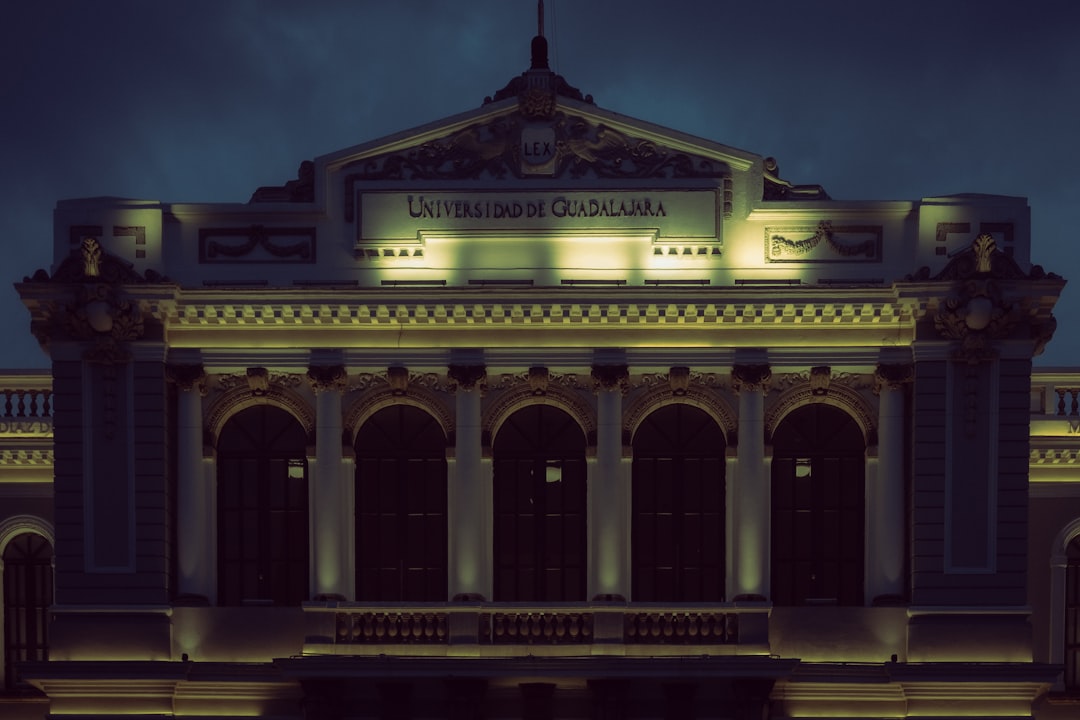
From Mexico City's world-class museums and street food to ancient pyramids and colonial cities, this 7-day Mexico itinerary covers the essential first visit.
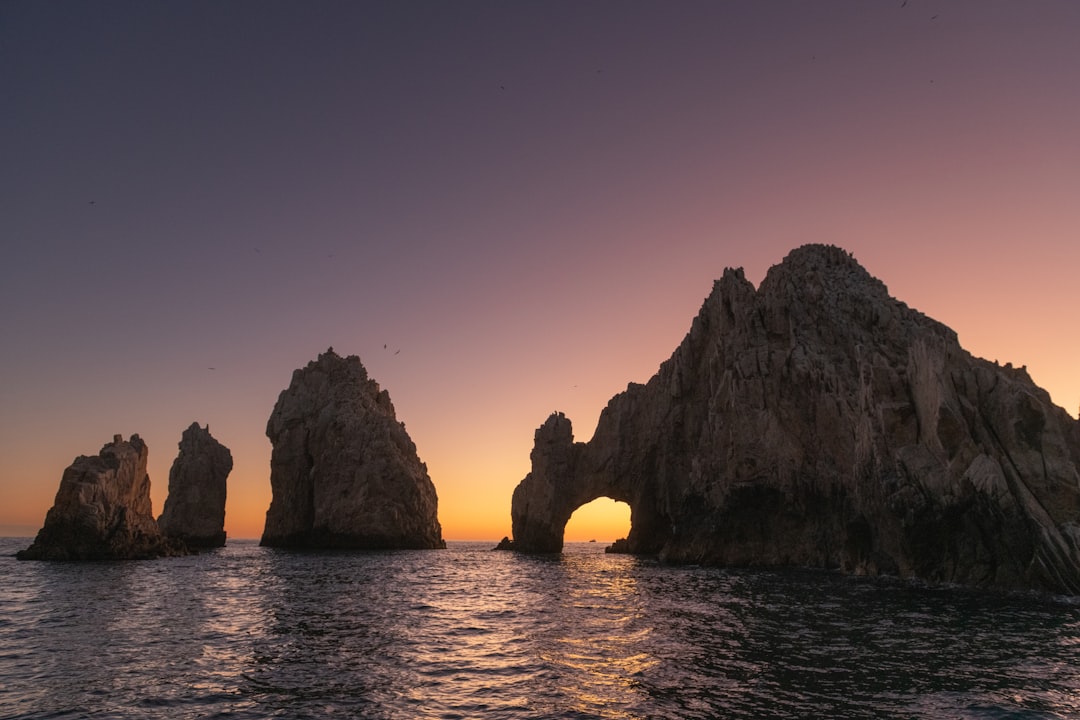
Mexico can be done on a shoestring or in serious luxury — here's exactly what to budget for flights, accommodation, food, and activities across different travel styles.
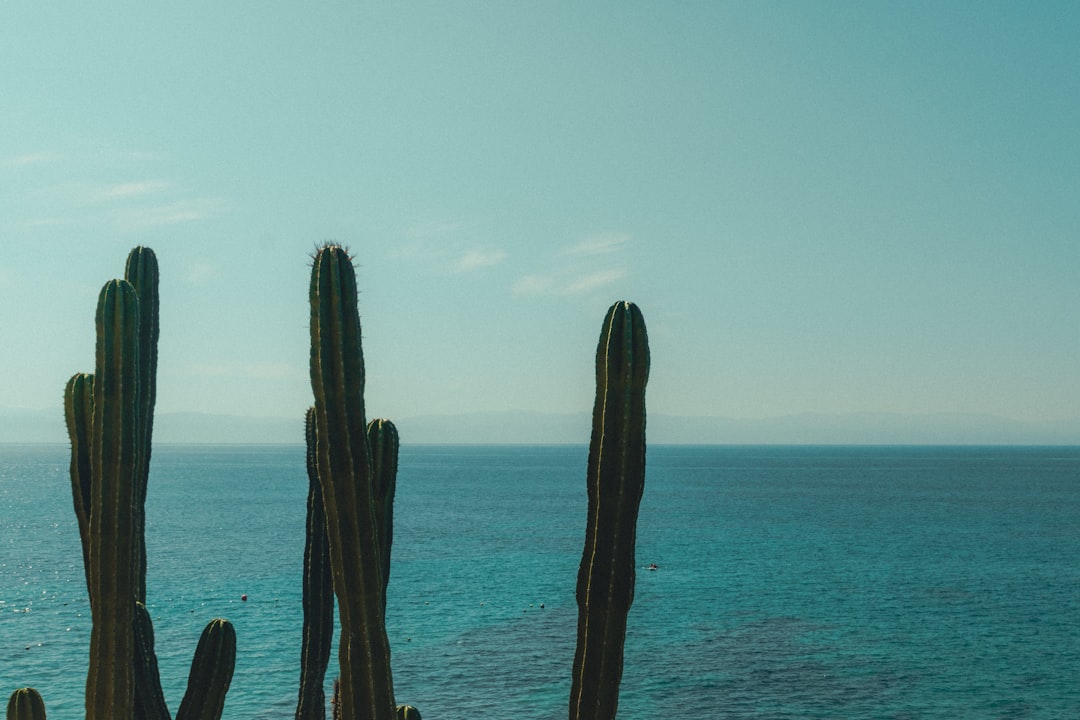
Mexico City, Oaxaca, the Yucatán Peninsula, Chichén Itzá, and colonial cities — the complete 14-day Mexico experience for first-time and returning visitors.
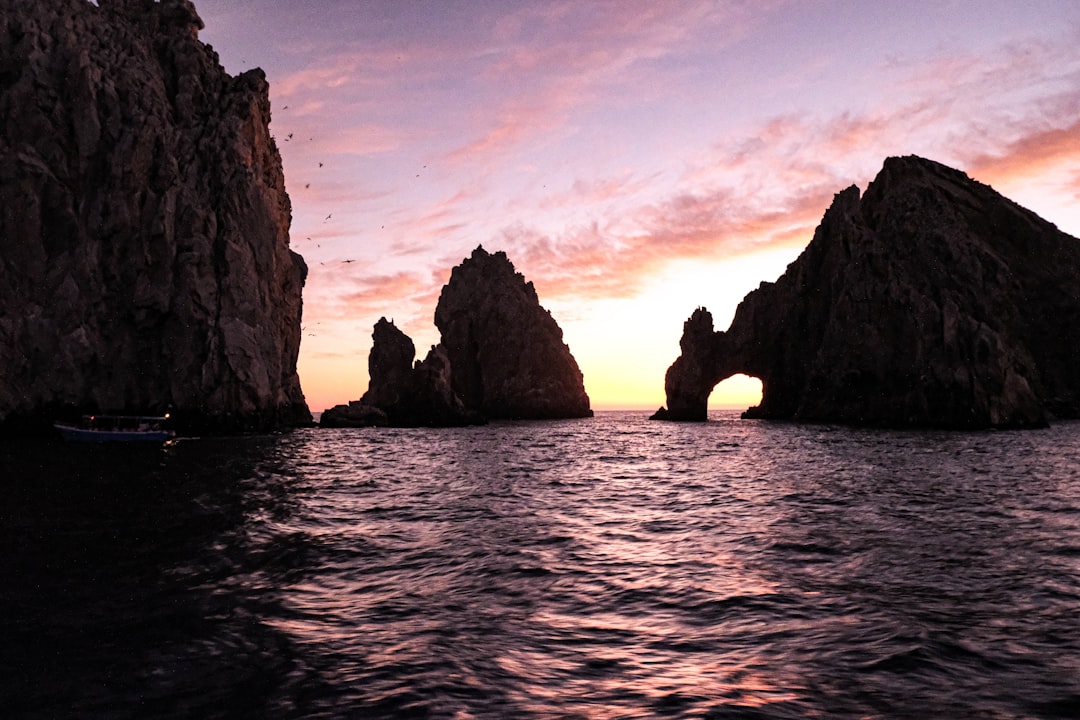
Canada's seasons are dramatic and vary wildly by region — the Rockies, the east coast, British Columbia, and the Arctic all have their own optimal windows. Here's when to go.
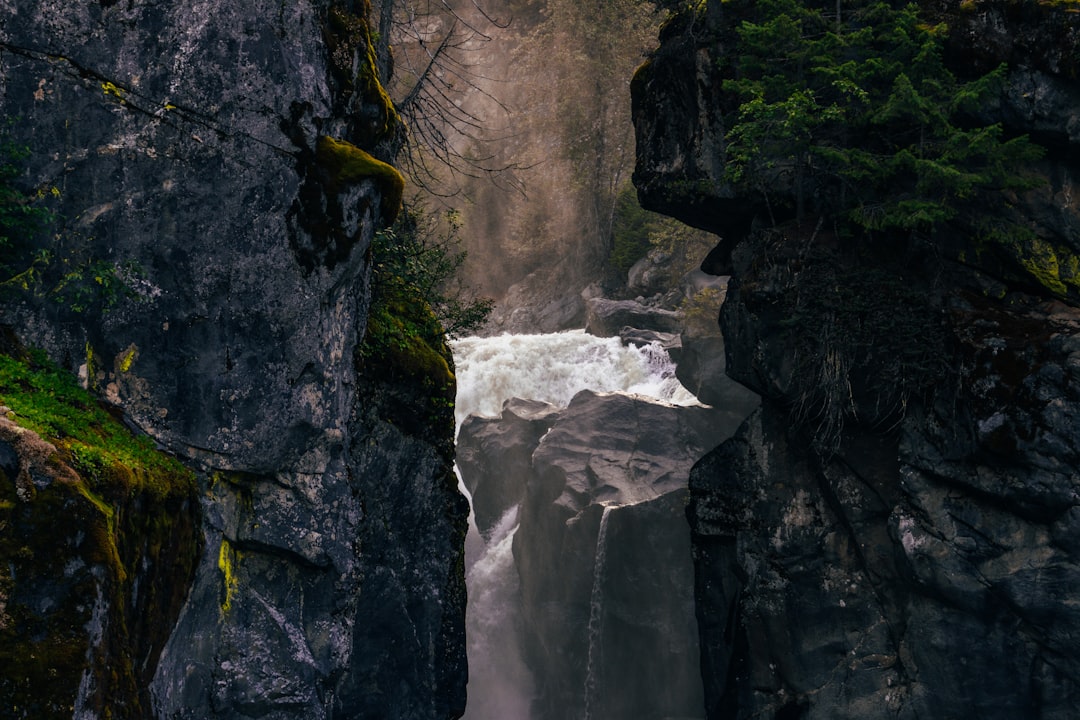
Canada is vast, diverse, and extremely welcoming — but it requires planning. Here's what first-time visitors actually need to know before visiting the world's second-largest country.
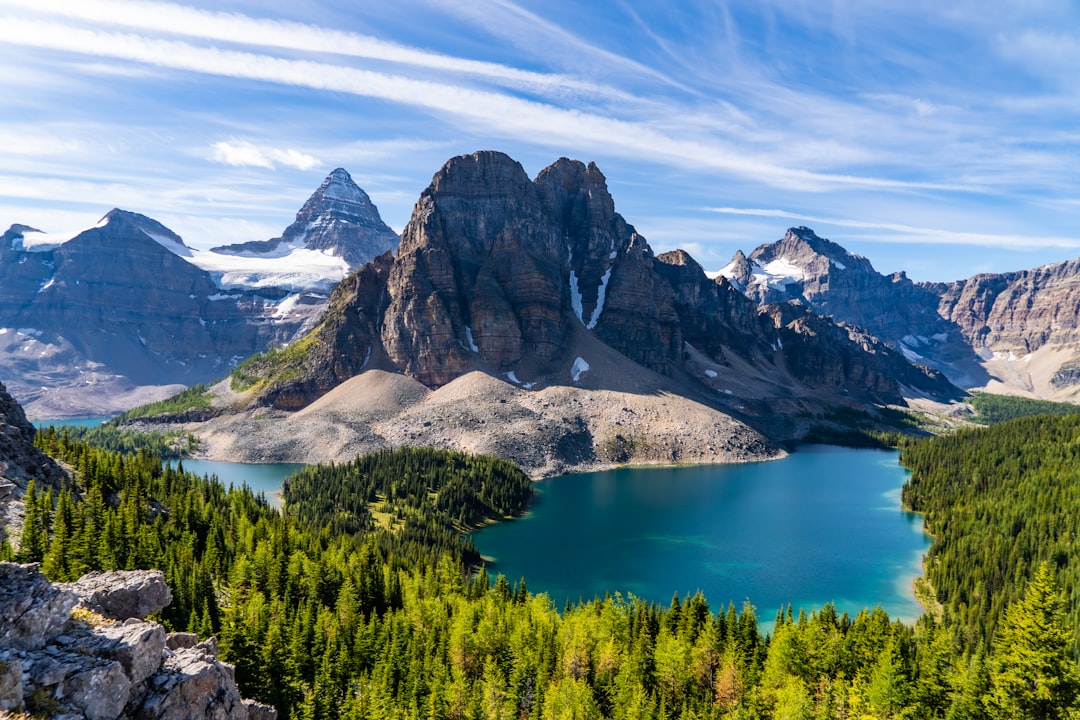
Toronto, Niagara Falls, and the Canadian Rockies in 7 days — an introduction to Canada's extraordinary diversity, from city culture to wilderness that has no equivalent.
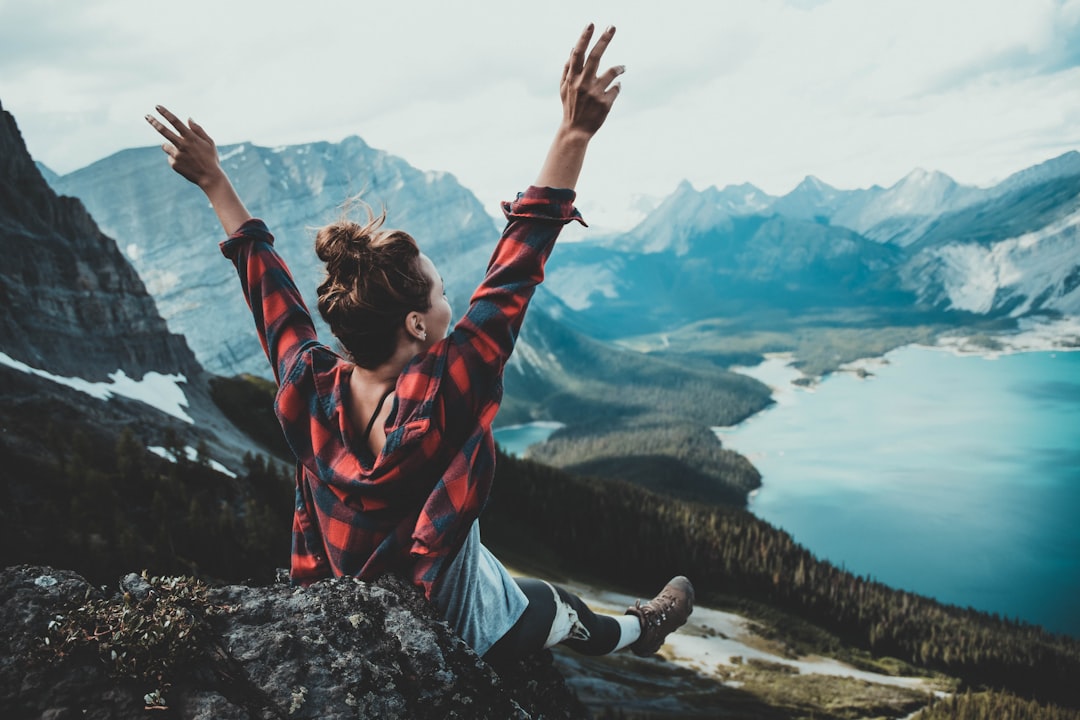
Canada is expensive but not extreme — here's exactly what to budget for flights, accommodation, food, national parks, and activities across different travel styles.
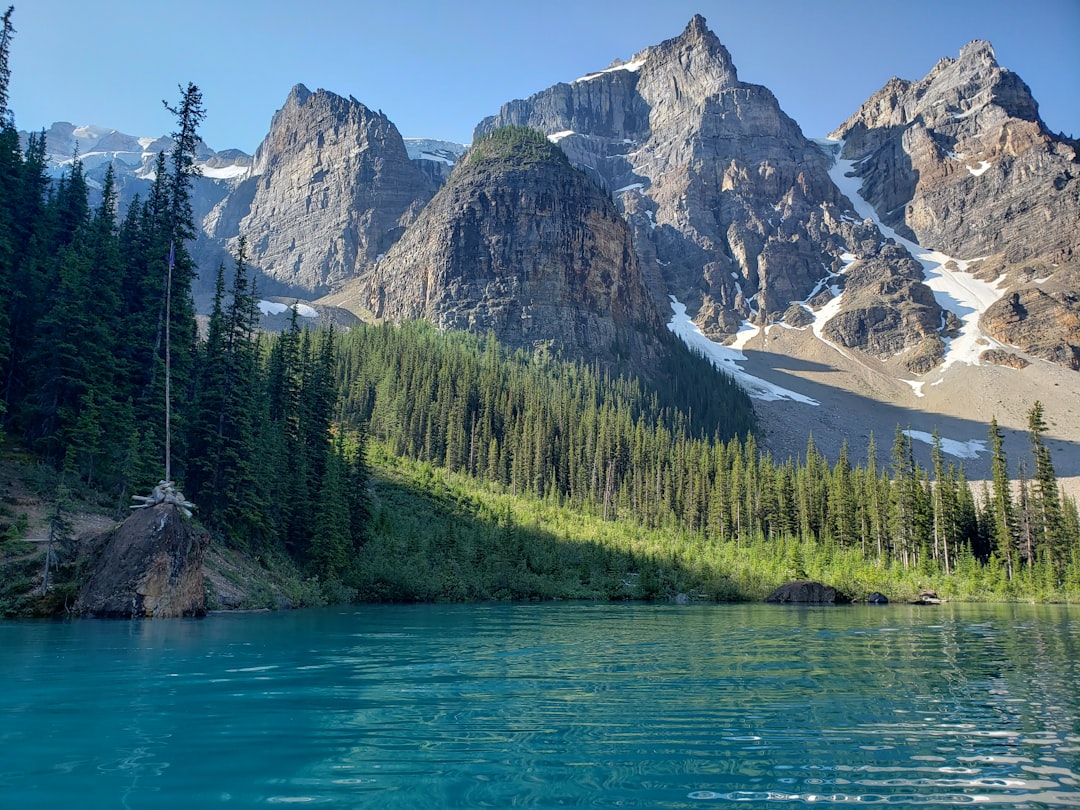
Toronto, the Canadian Rockies, Vancouver, and Québec City in 14 days — Canada's full diversity from mountain wilderness to French culture and Pacific rainforests.
Three days in Vancouver — Stanley Park old-growth forest, Granville Island market, the North Shore mountains, and some of Canada's best food, all between ocean and peaks.
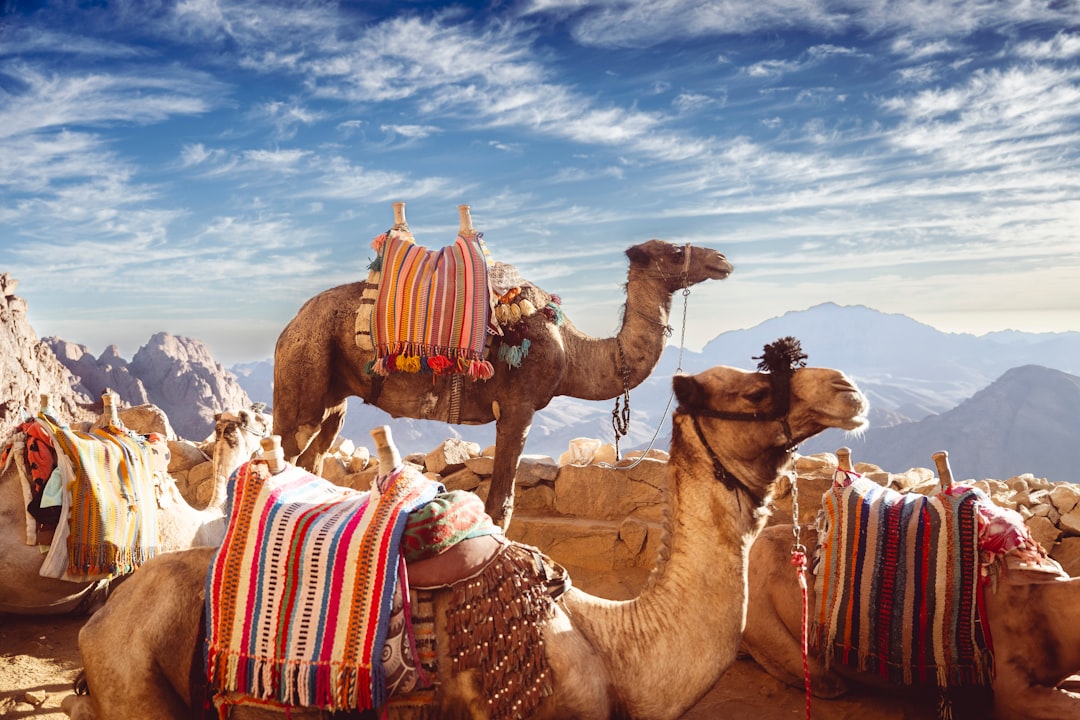
Egypt's climate is extreme — summer temperatures of 45°C make some months dangerous for sightseeing. Here's exactly when to visit based on where you're going.
Egypt is one of the most rewarding and disorienting first-time destinations in the world. Here's what you actually need to know before visiting the land of the Pharaohs.
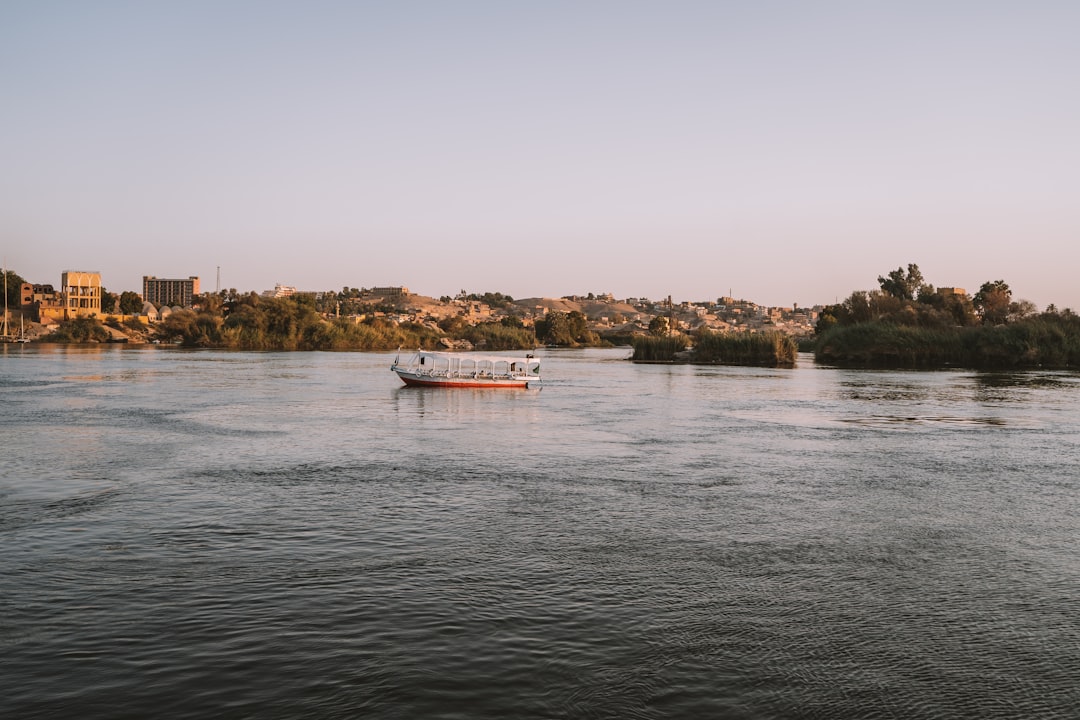
Egypt is excellent value for money — entry fees to the world's greatest monuments are low, food is cheap, and Nile cruises cost less than you'd expect. Here's the full breakdown.
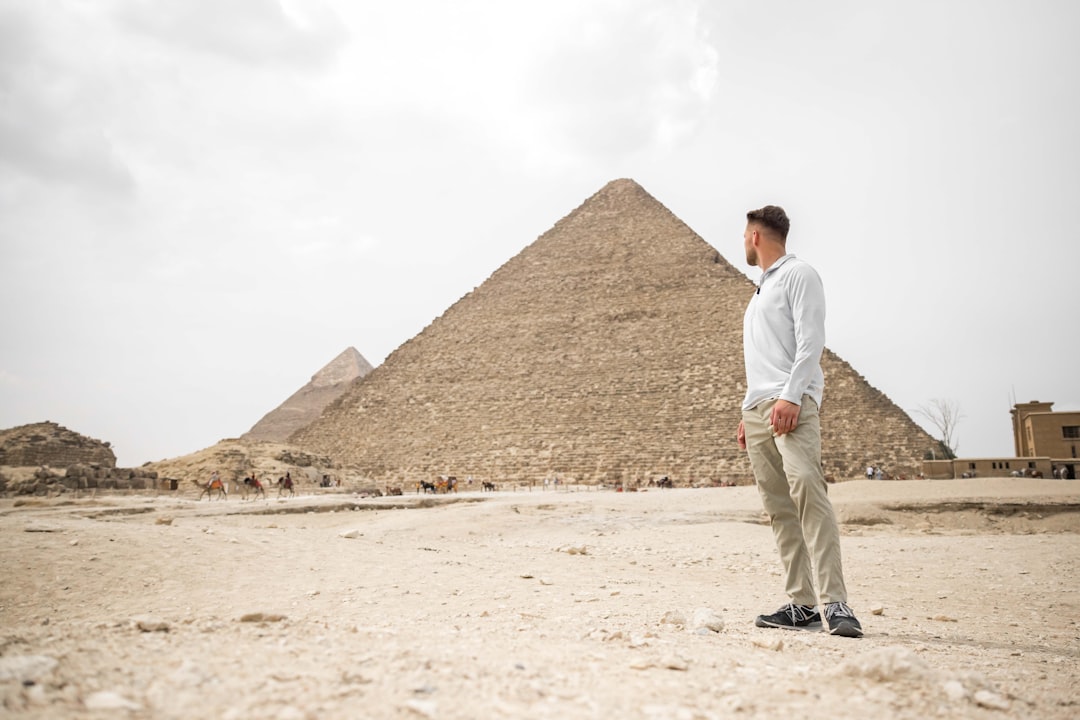
Cairo, the Pyramids, Luxor's temples, Aswan's Nile, Abu Simbel, and the White Desert — the complete Egypt experience across 14 extraordinary days.
Three days in the Spanish capital done right — world-class art museums, tapas bars, royal palaces, vibrant neighbourhoods, and the nightlife that never sleeps.
Spain is one of Europe's most visited countries, but timing matters enormously. Here's when to visit for weather, value, and avoiding the summer crowds.
Your complete guide to visiting Spain for the first time — the cultural rules, what to eat, how to get around, where to go, and the mistakes that first-timers make.
Madrid's art museums, Toledo's medieval streets, and Barcelona's Gaudí masterpieces — the ideal 7-day Spain itinerary combining the best of both cities.
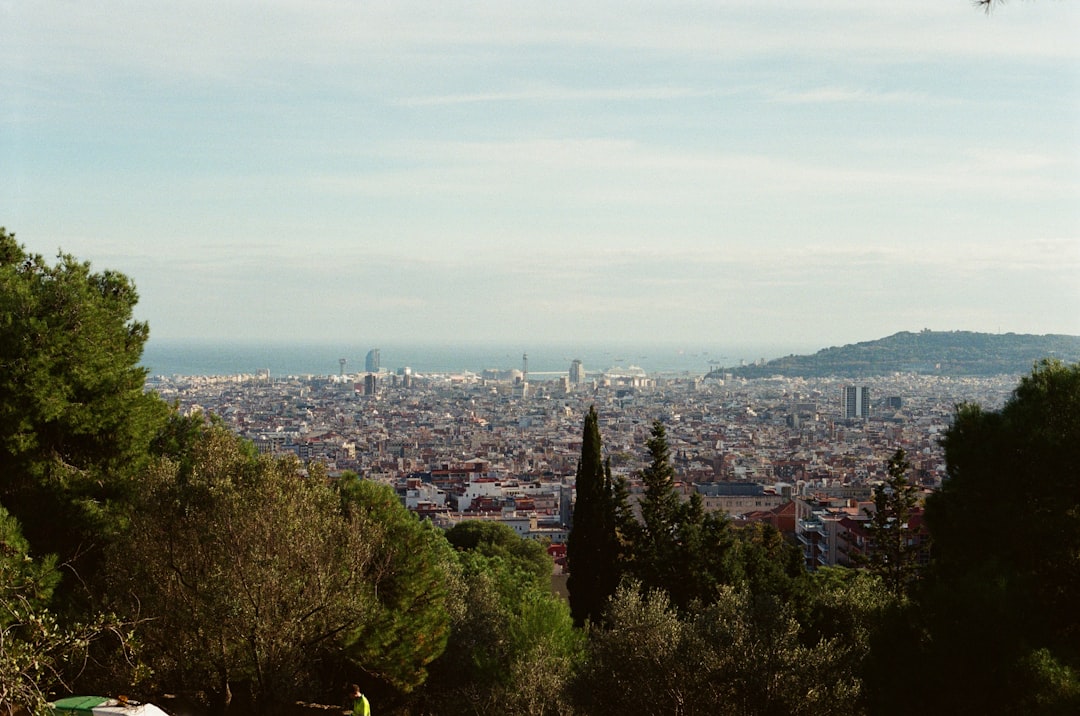
Spain ranges from very affordable to surprisingly expensive depending on where you go and how you travel. Here's a realistic breakdown of costs for every travel style.
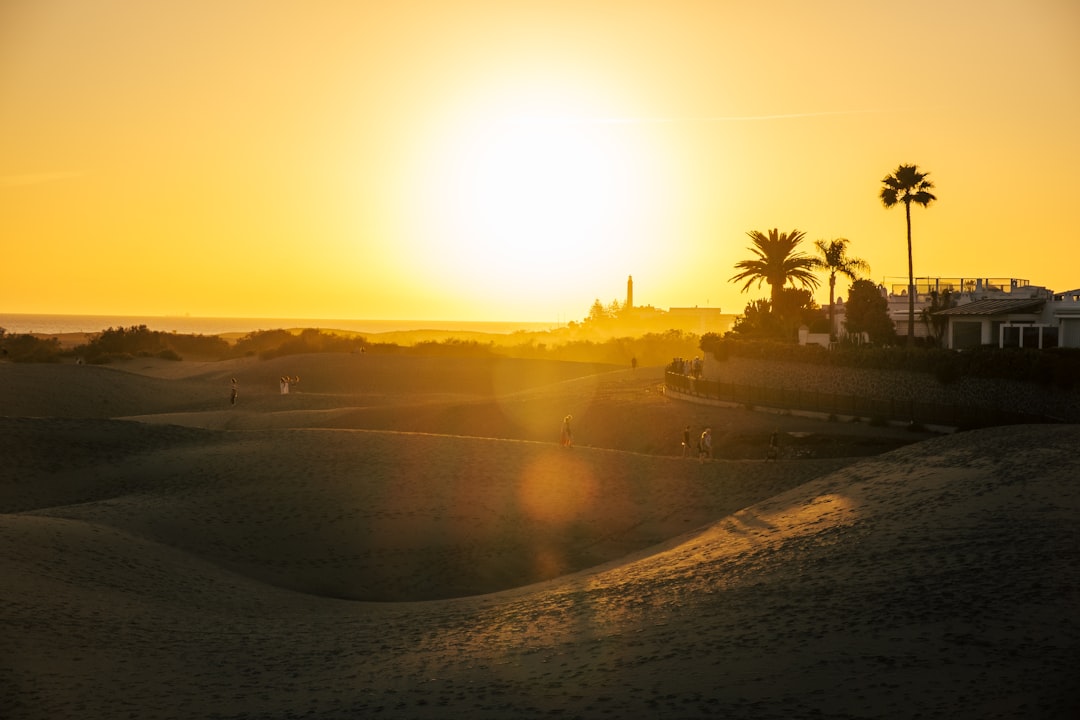
Madrid, Seville, Granada, Málaga, and Barcelona in 14 days — Spain's grand tour covering Gaudí architecture, flamenco, the Alhambra, and the Mediterranean coast.
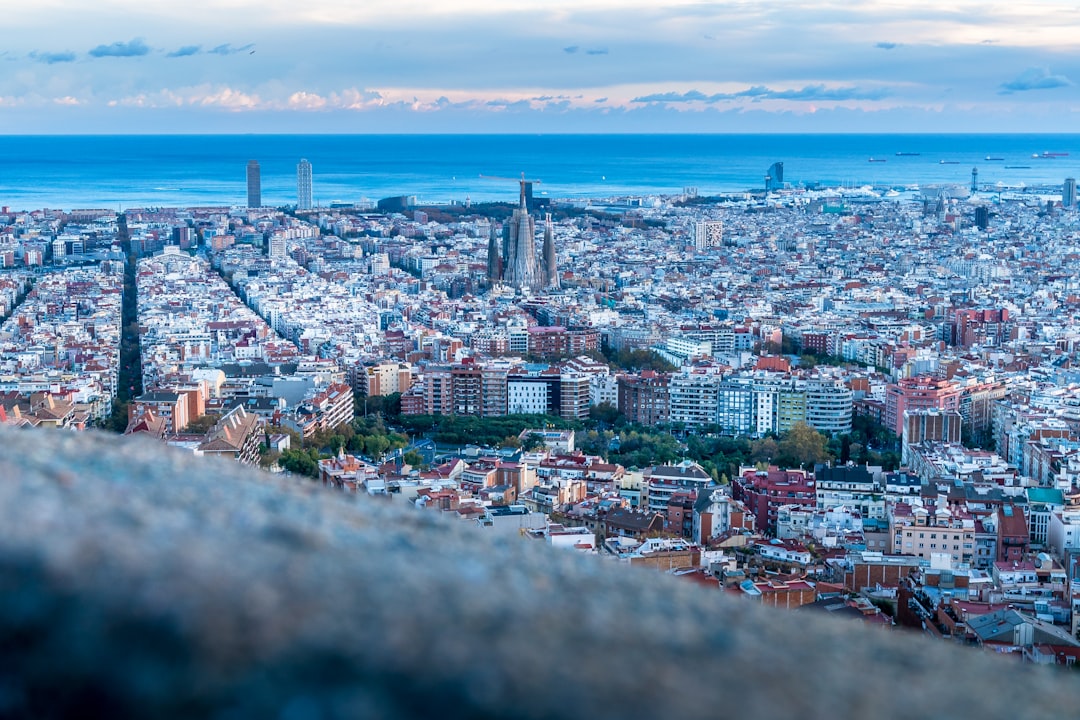
Italy's climate varies dramatically from north to south. Here's exactly when to visit based on your destination, travel style, and what you want to avoid.
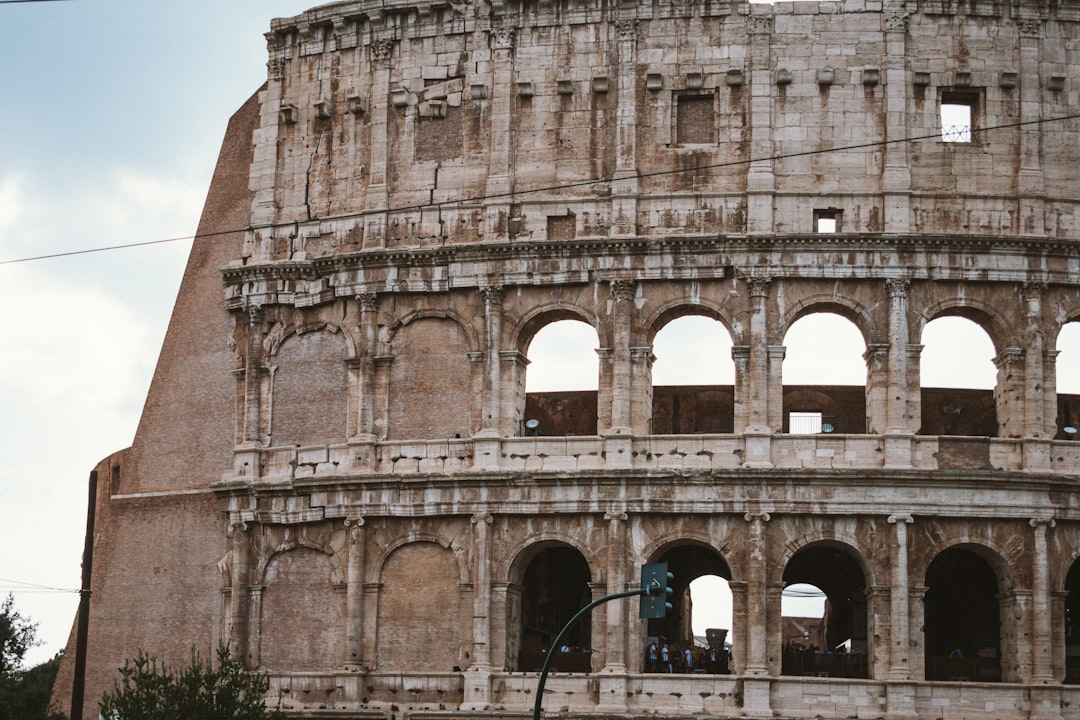
Your complete guide to Italy for first-time visitors — cultural rules, food laws, transport, what to book in advance, and the mistakes that first-timers always make.
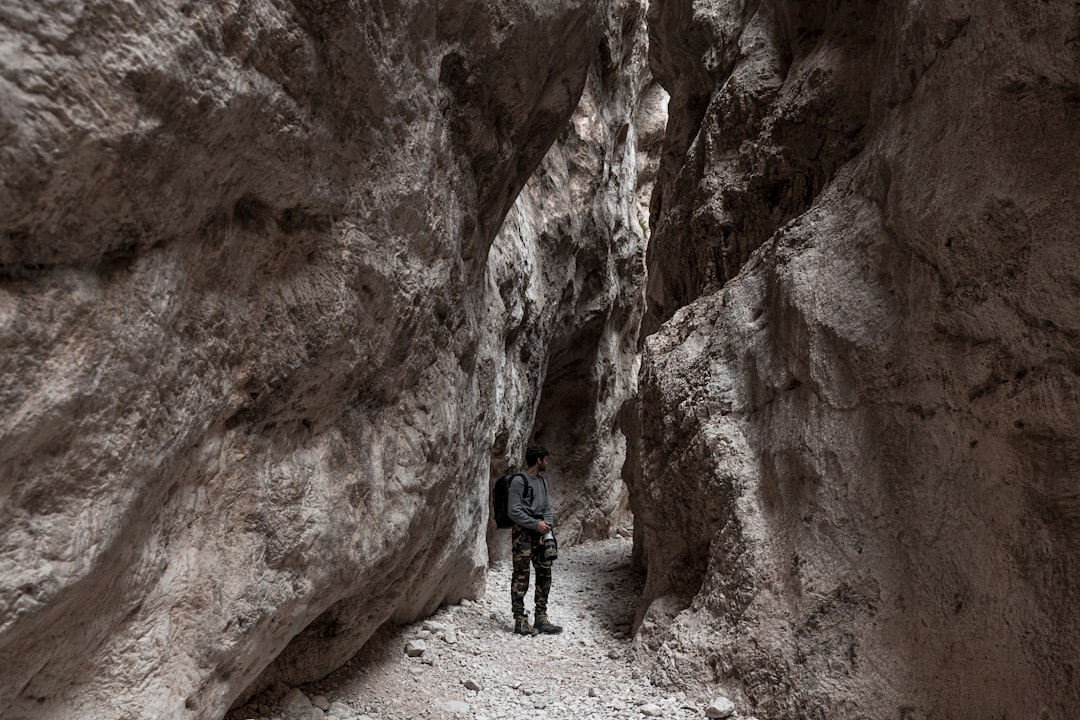
Rome's ancient ruins, Florence's Renaissance art, and Venice's canals — Italy's classic 7-day grand tour hitting the most iconic highlights of the country.
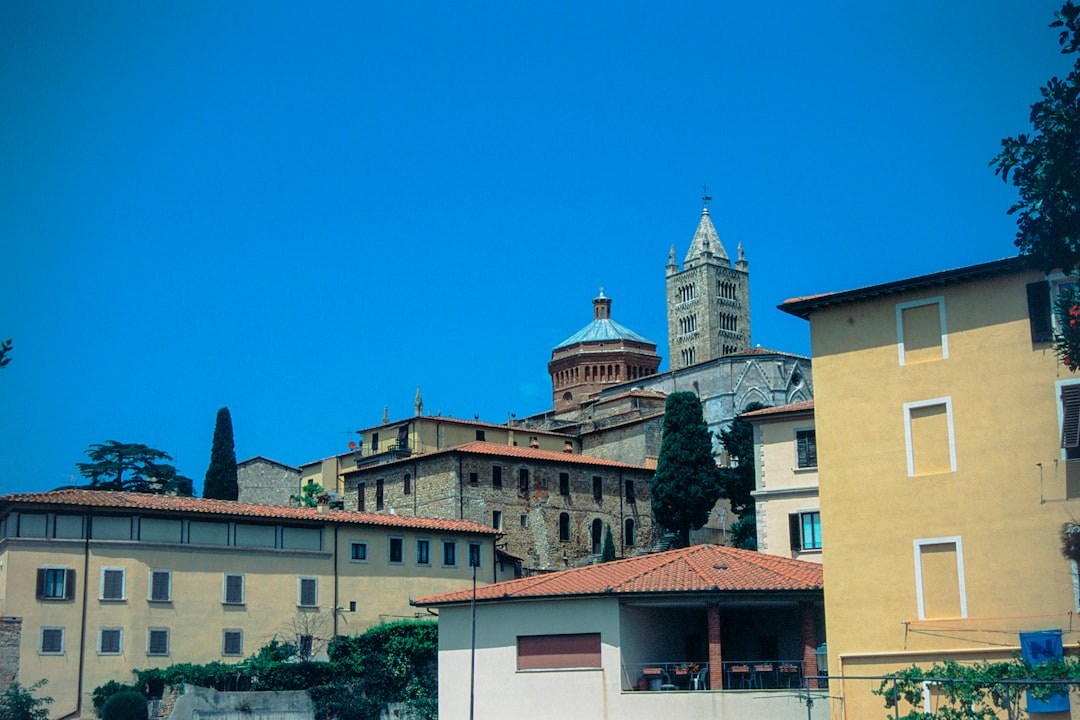
Italy can be done on a budget or blow your savings — here's a realistic breakdown of costs for every travel style, from the Colosseum to the Amalfi Coast.
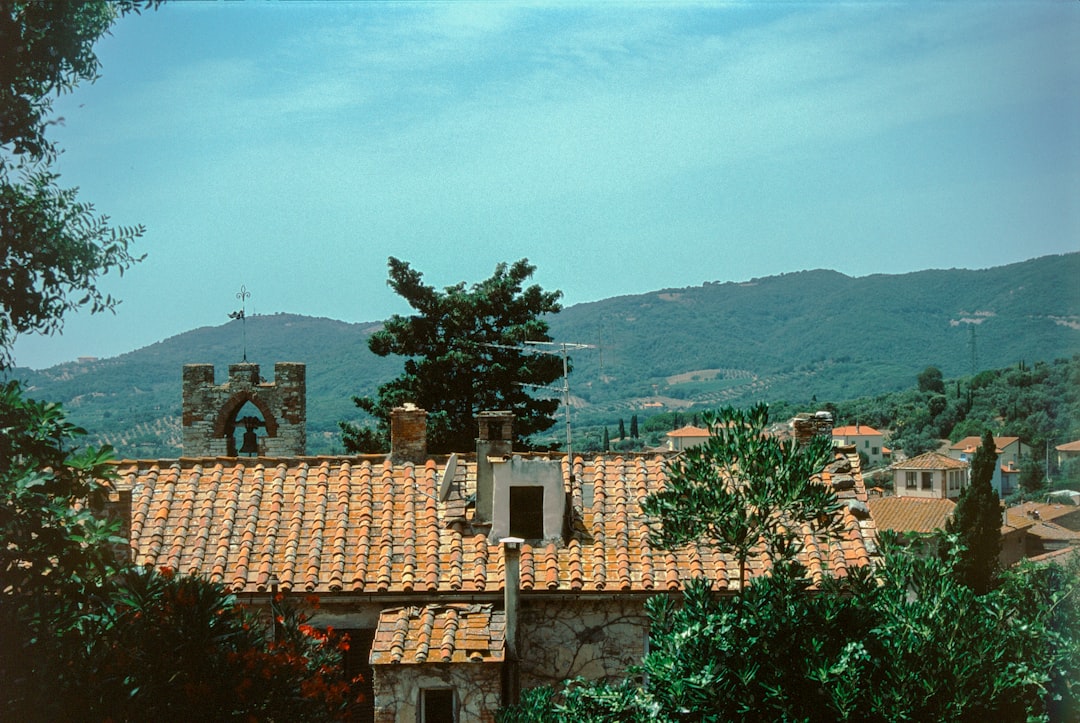
The complete Italy experience — Rome, the Amalfi Coast, Pompeii, Naples, Tuscany, Cinque Terre, and Venice in 14 unforgettable days.
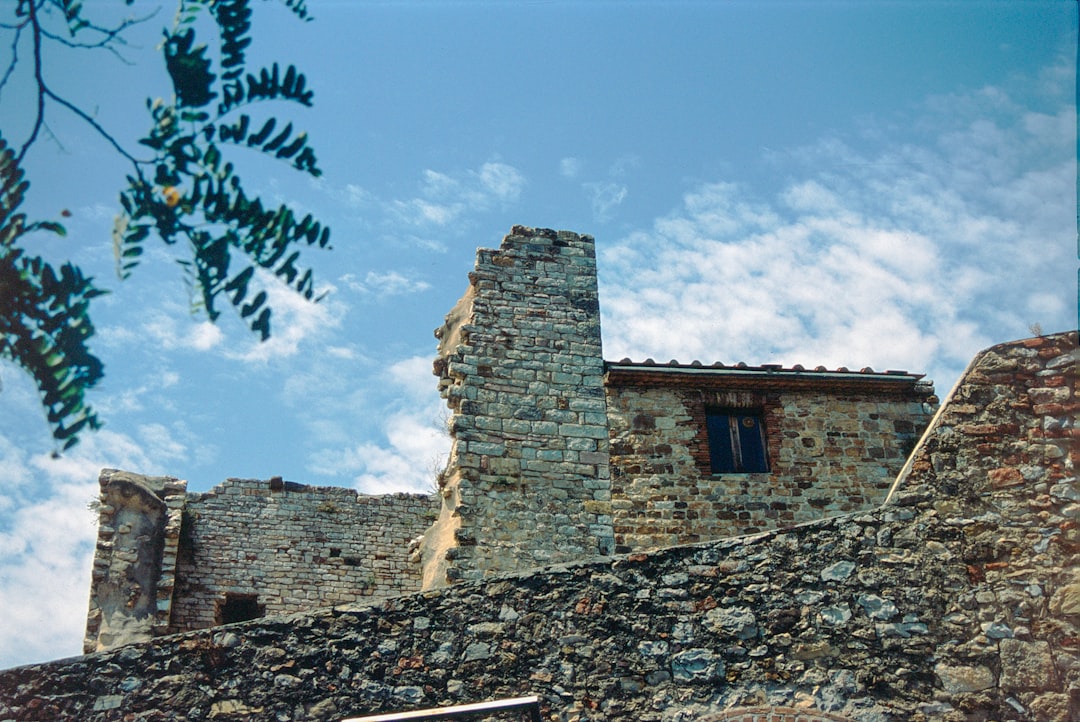
Three days in the Eternal City — ancient ruins, Vatican art, Renaissance piazzas, and the best gelato of your life. The ultimate Rome long weekend guide.
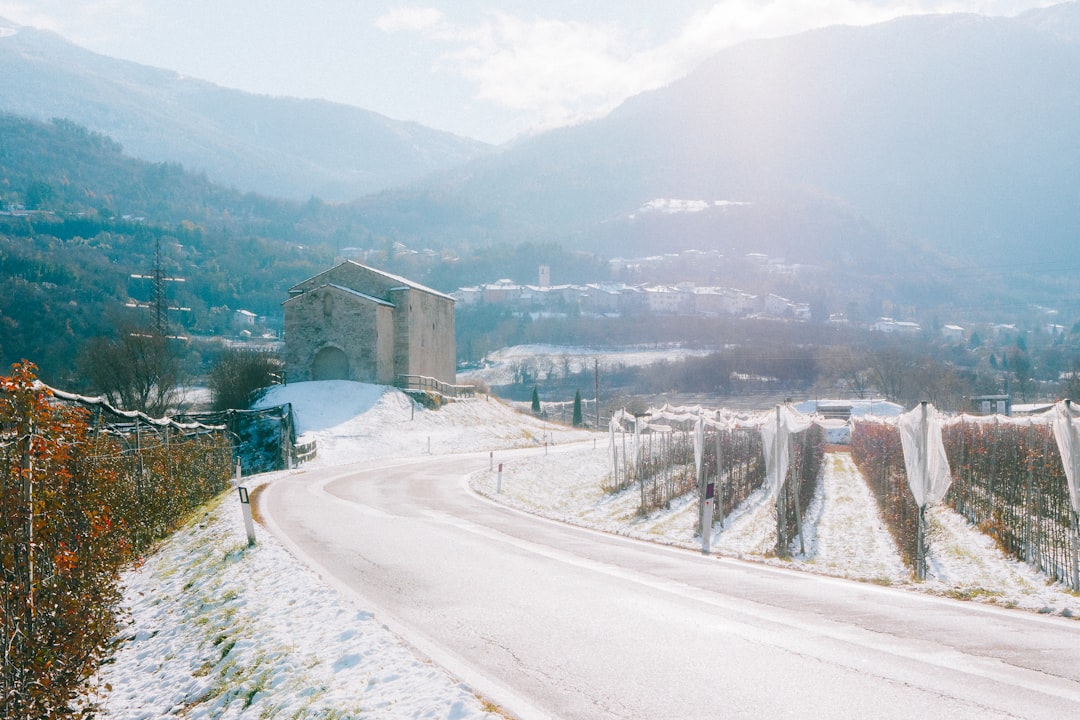
Greenland's midnight sun, northern lights, and dog sledding all happen at different times. Here's exactly when to visit based on what experience you're after.
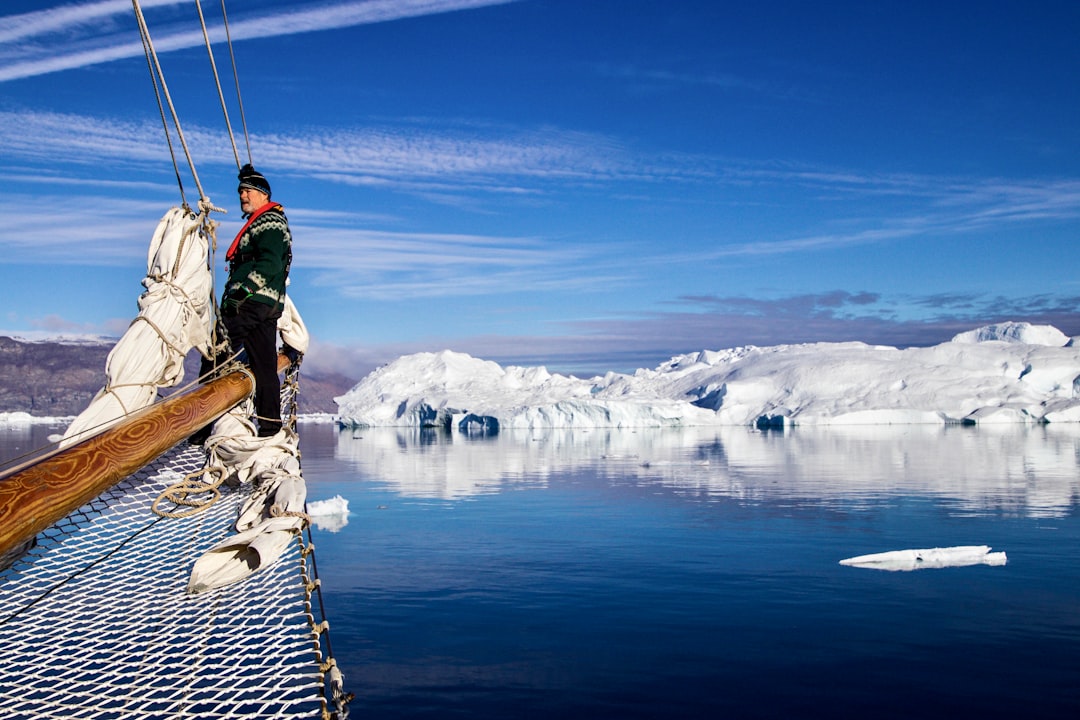
Greenland is unlike any destination on earth — extreme logistics, extraordinary landscapes, and a unique Inuit culture. Here's your complete first-timer's guide.
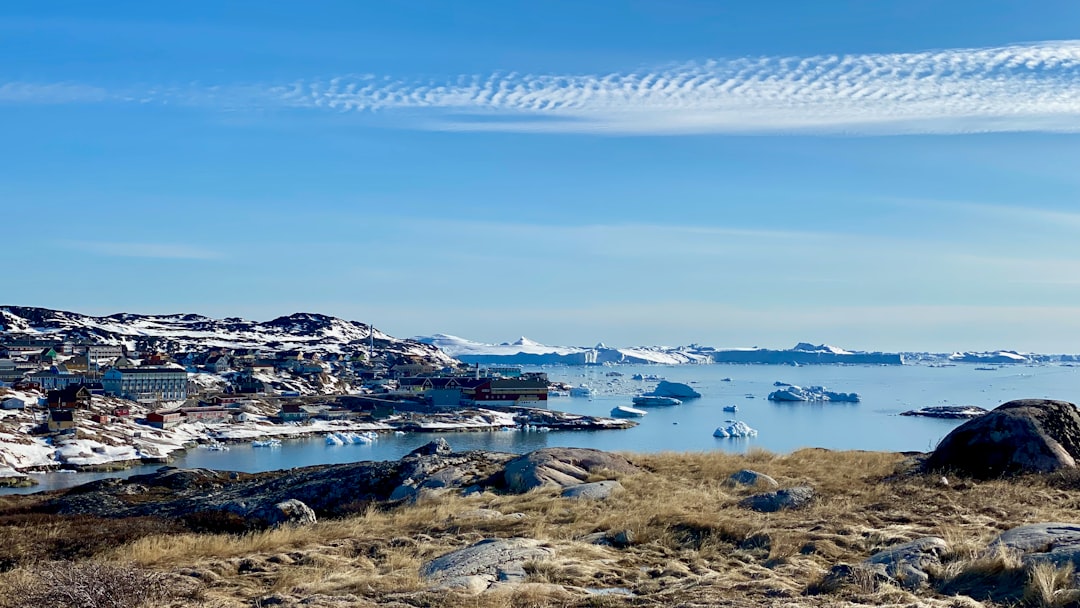
Ilulissat's icefjord, Nuuk's capital, and the Arctic wilderness in 7 days — the ideal Greenland itinerary for a first visit to the world's largest island.
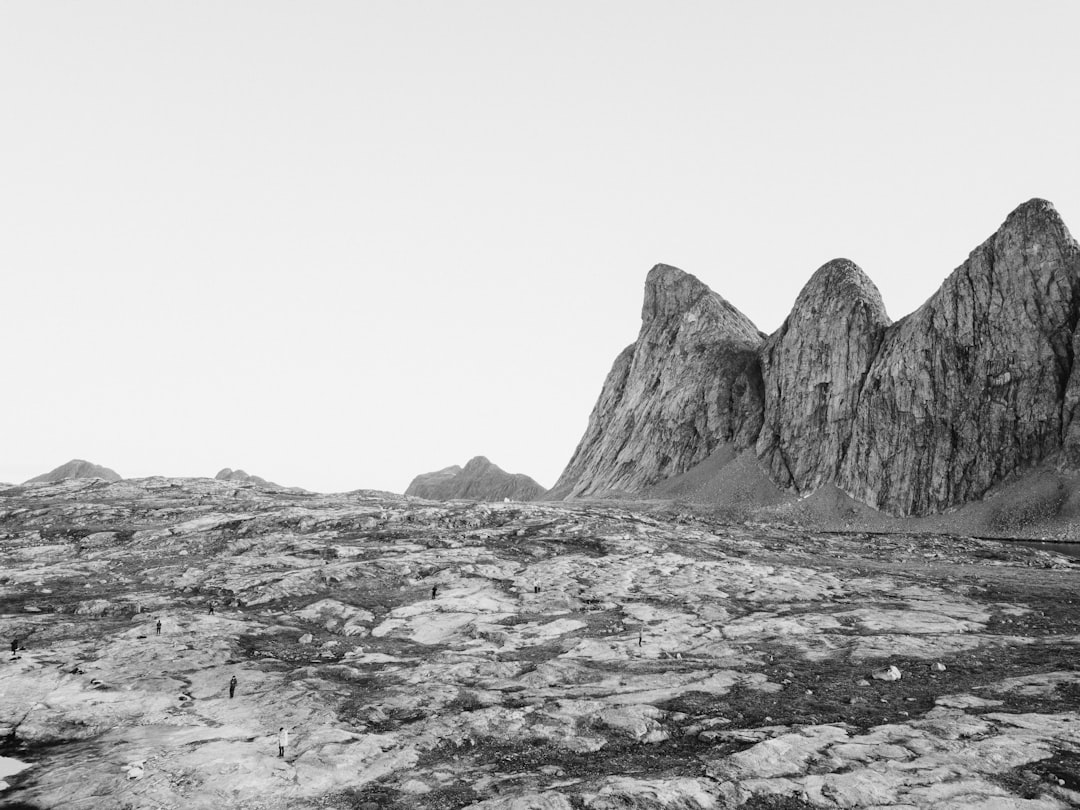
Greenland is one of the world's most expensive destinations — flights, accommodation, and food all carry Arctic price tags. Here's exactly what to budget.
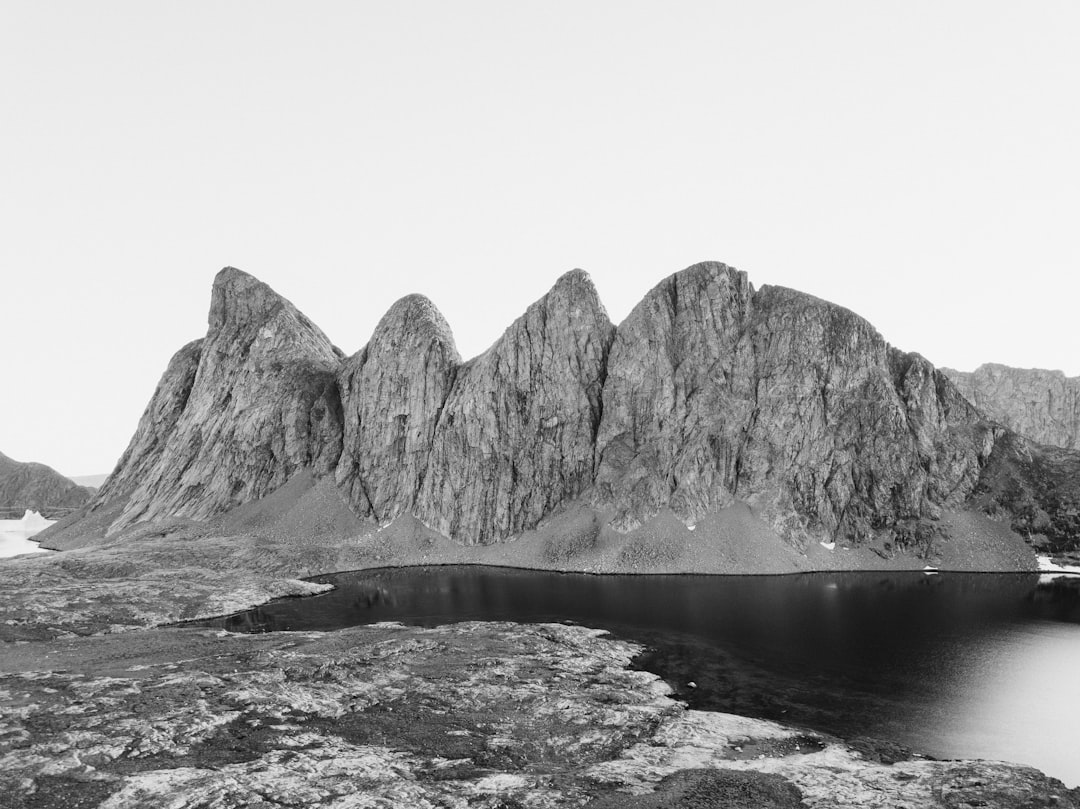
Nuuk, Ilulissat, East Greenland's wilderness, the ice sheet, and the UNESCO icefjord in 14 days — the complete Greenland experience for serious Arctic travellers.
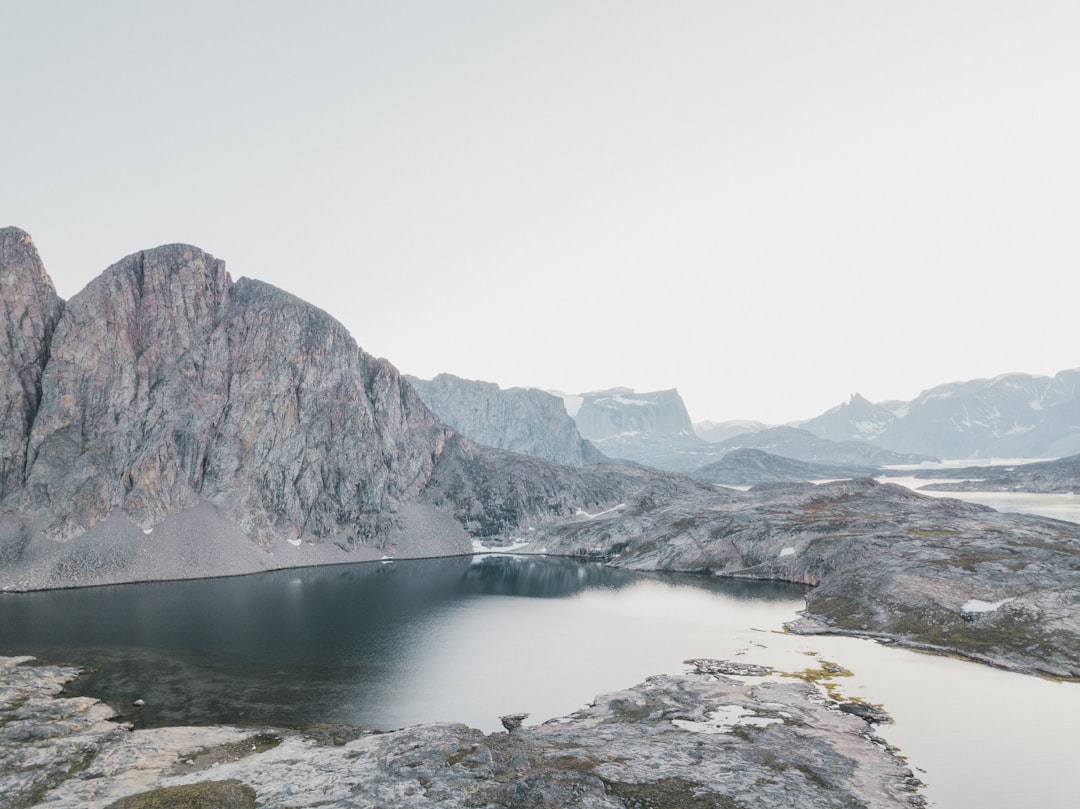
Three days in Greenland's capital — from the Qilakitsoq mummies and icefjord boat tours to Arctic hiking, local Greenlandic food, and midnight sun over the fjord.
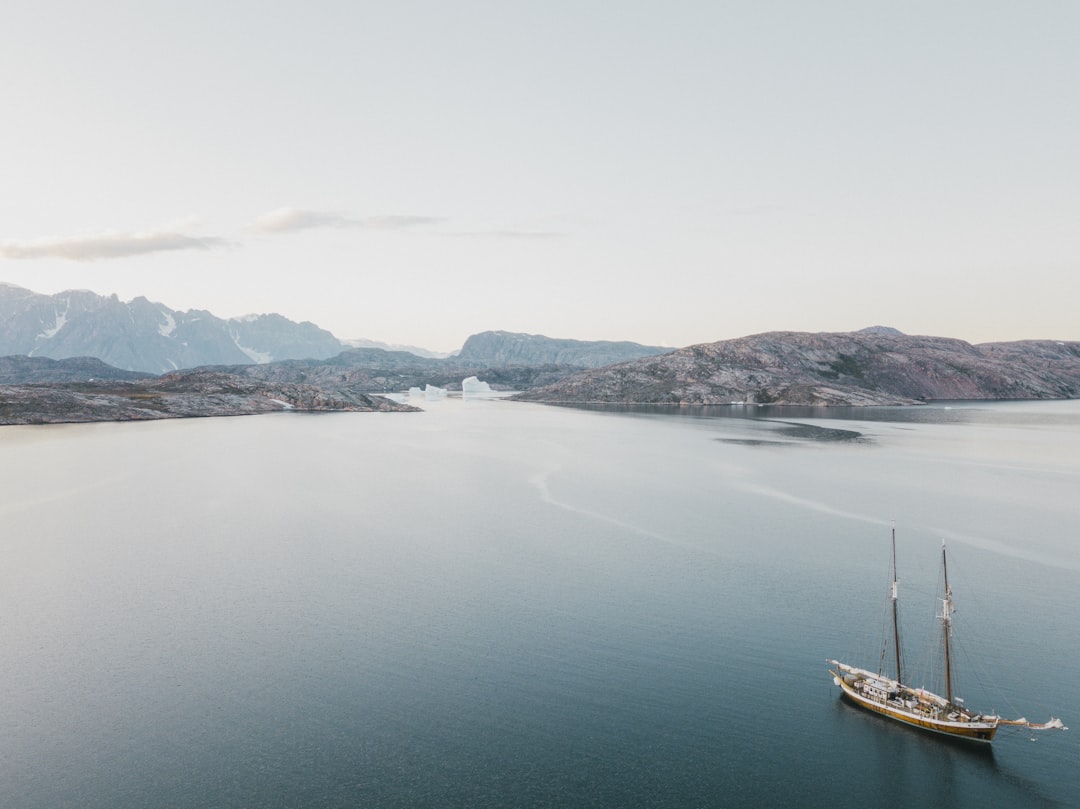
Three days in Pakistan's planned capital — the Faisal Mosque, the Margalla Hills, Rawalpindi's ancient bazaars, and some of Pakistan's best food.
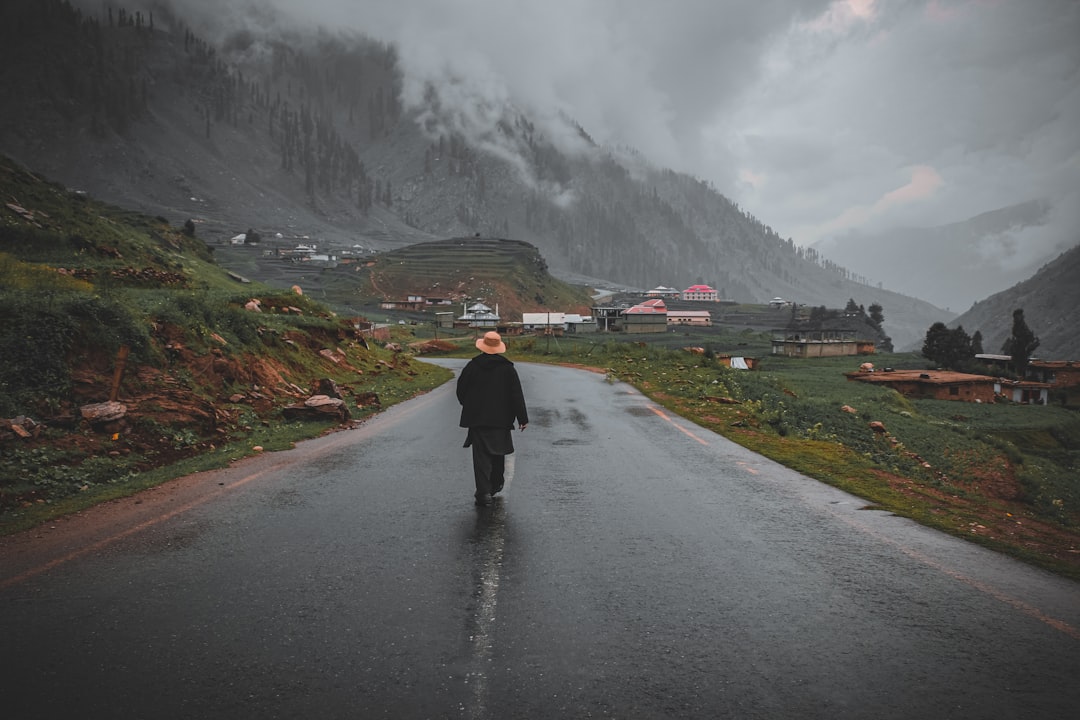
Pakistan's climate ranges from desert heat to sub-zero mountain passes. Here's exactly when to visit Lahore, the KKH, Hunza, and the northern mountains.
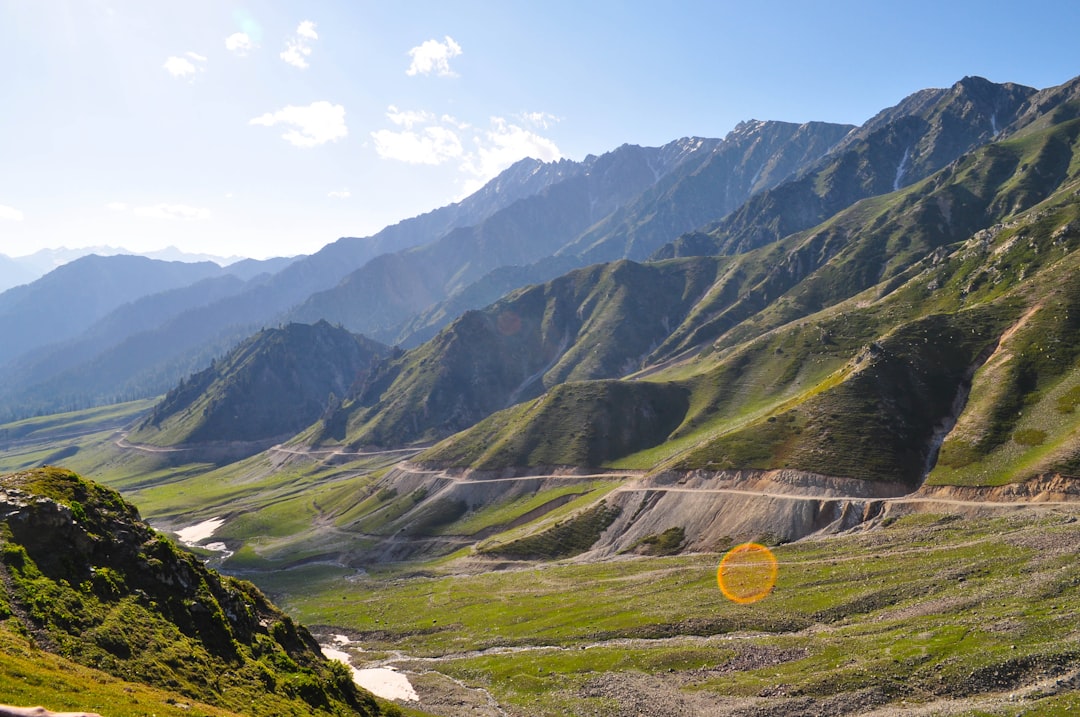
Pakistan is one of the world's most misunderstood travel destinations. Here's the complete guide to safety, culture, food, logistics, and what actually awaits you.
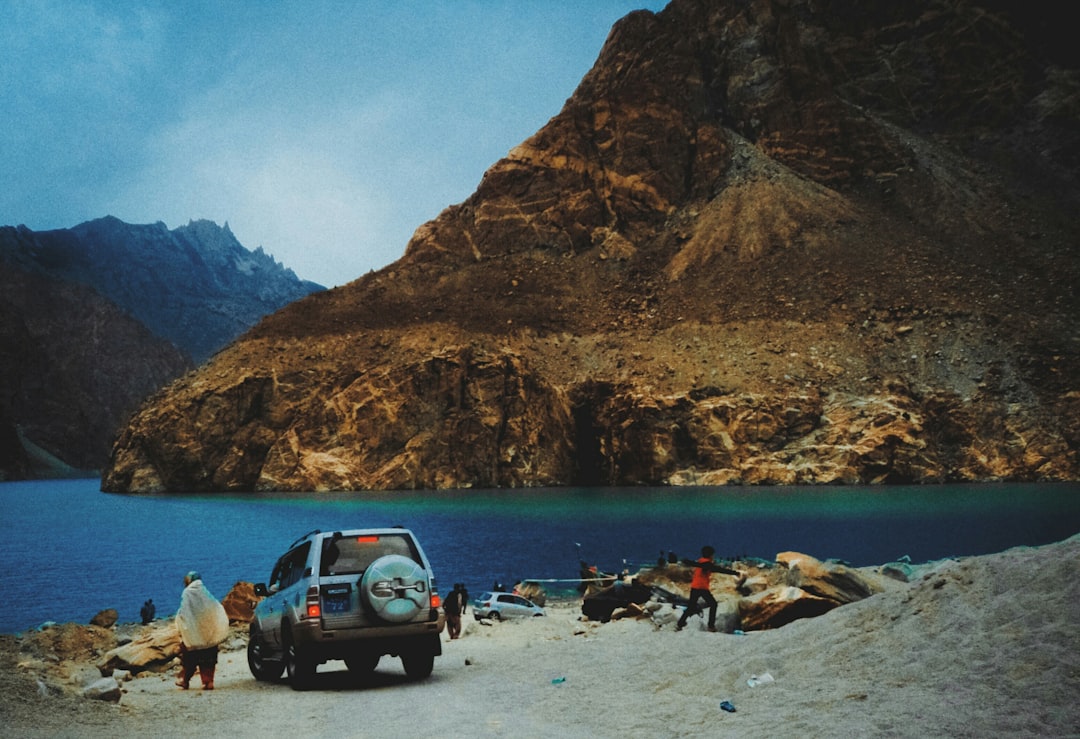
Lahore's Mughal monuments, the Karakoram Highway, and the Hunza Valley in 7 days — Pakistan's most rewarding destinations for a first-time visitor.
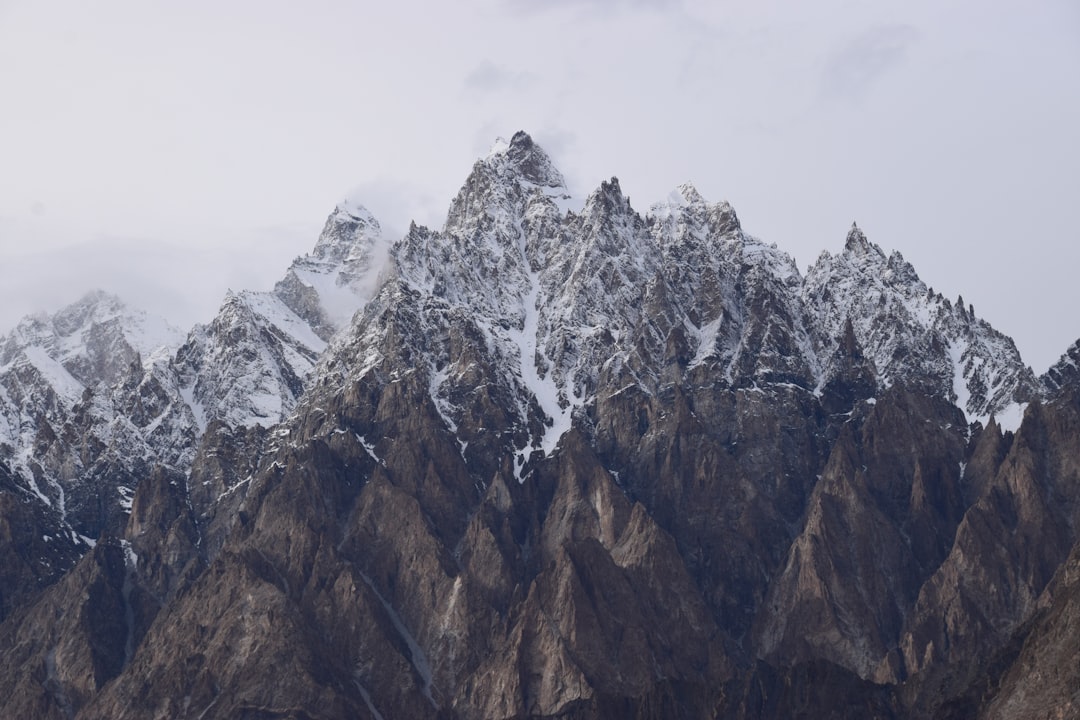
Pakistan is one of Asia's most affordable travel destinations. Here's a realistic breakdown of costs for every type of traveller — from Lahore's food streets to Hunza's mountain lodges.
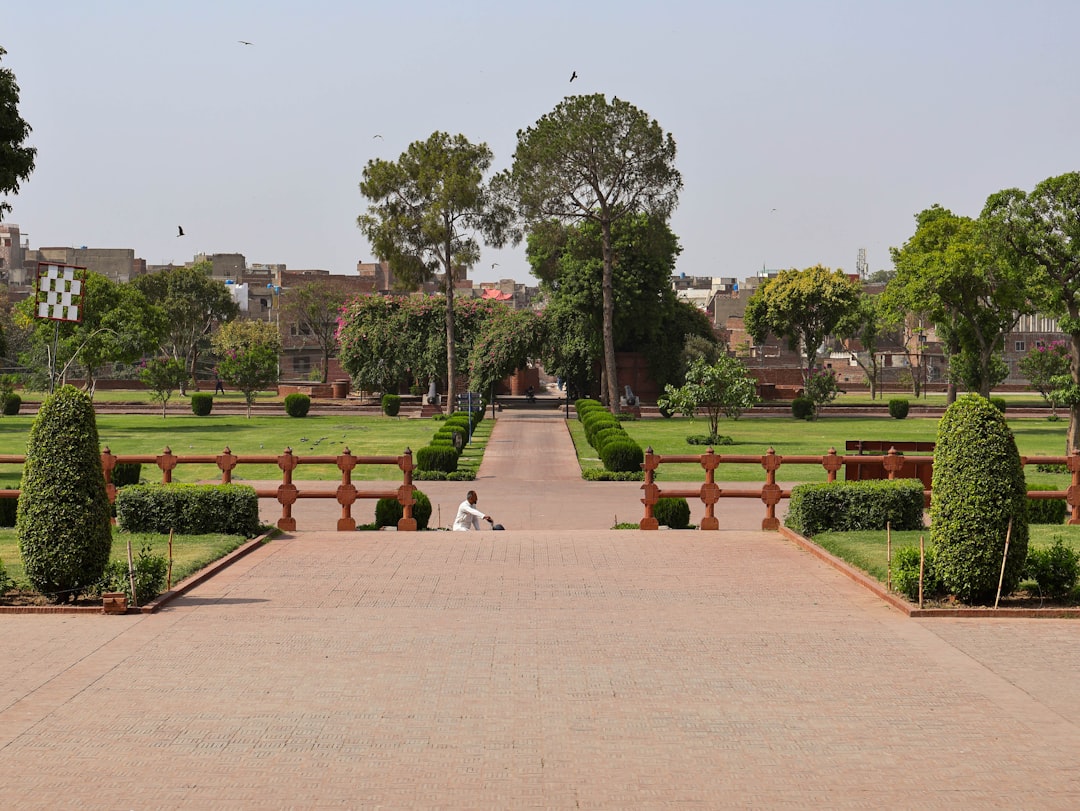
Lahore, the Karakoram Highway, Hunza, Fairy Meadows beneath Nanga Parbat, and Swat Valley in 14 days — Pakistan's most extraordinary journey.
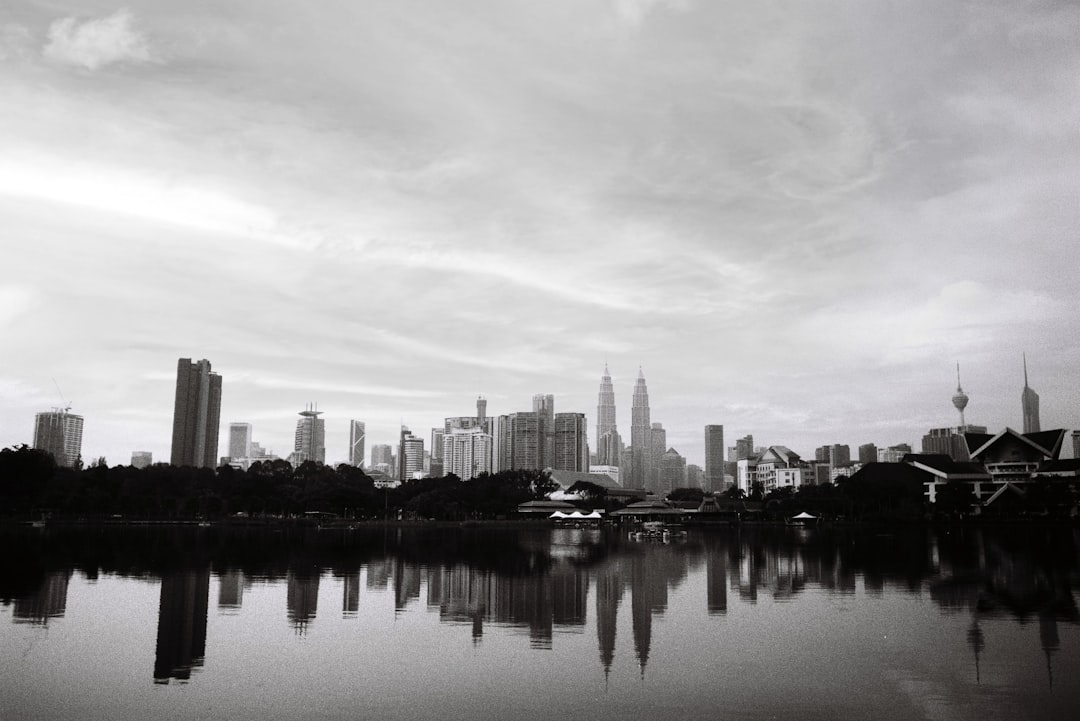
Three days in KL — twin towers, colonial mosques, Batu Caves, world-class street food, and rooftop bars with one of Asia's most dramatic skylines.
Malaysia's two coasts have different monsoon seasons. Here's when to visit KL, Penang, Borneo, and the east coast beaches based on month and destination.
Malaysia is one of Southeast Asia's most rewarding and accessible destinations. Here's everything a first-time visitor needs to know before arriving.
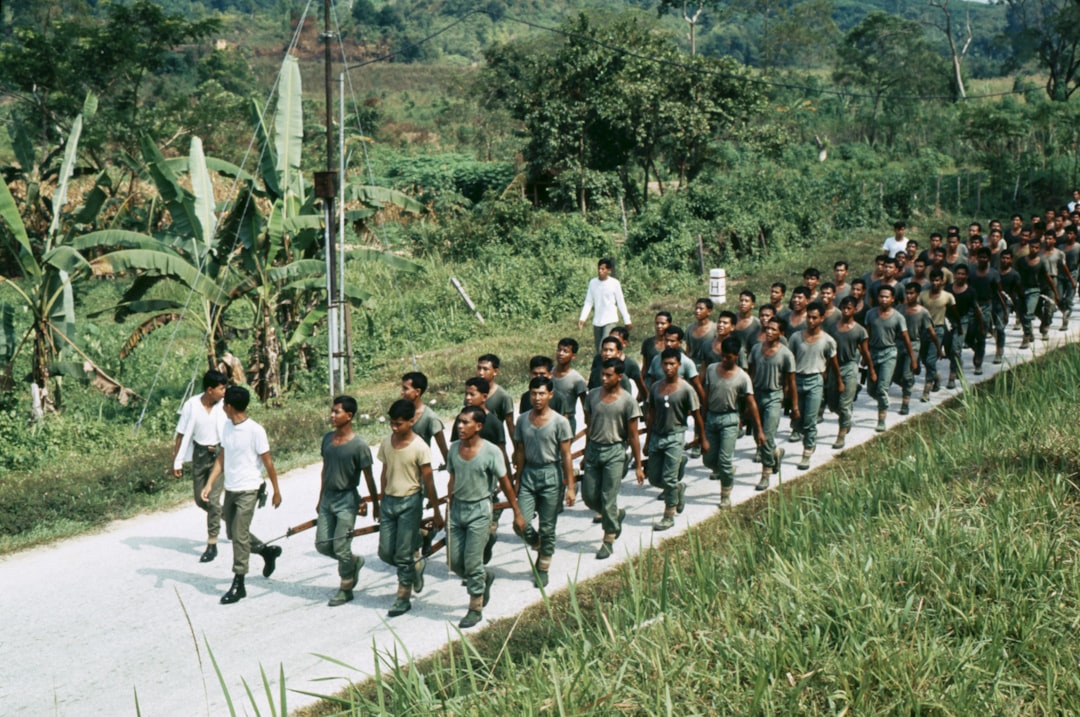
Kuala Lumpur's skyline, Penang's street food, and Borneo's rainforest — Malaysia's extraordinary diversity packed into one ideal 7-day itinerary.
Malaysia offers outstanding value — world-class food, comfortable accommodation, and extraordinary nature at Southeast Asia's best prices. Here's the full breakdown.
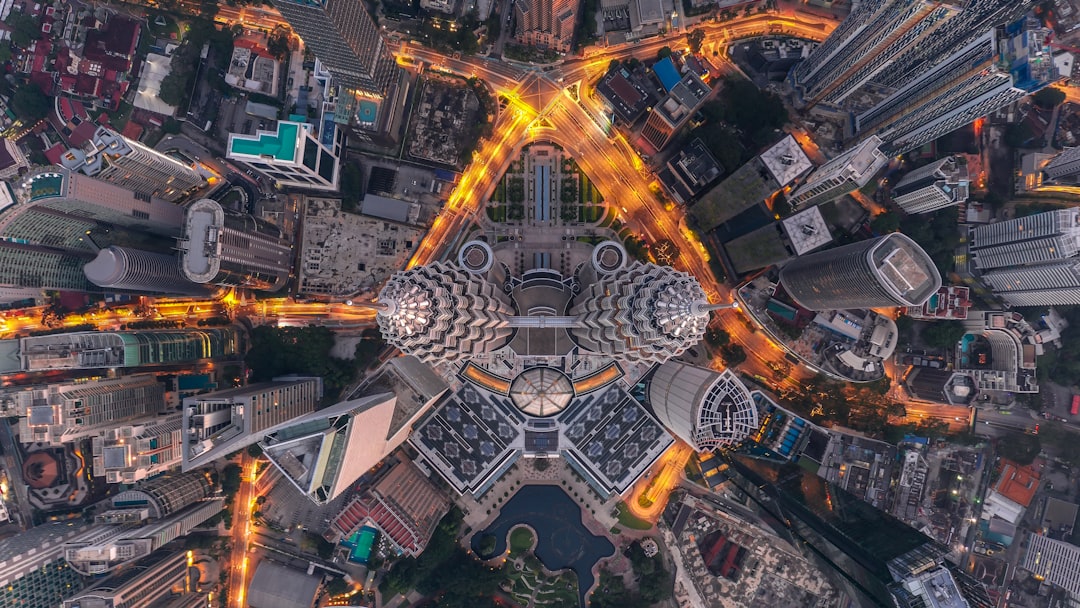
Kuala Lumpur, Penang, Cameron Highlands, Melaka, and Borneo's rainforest — Malaysia's extraordinary diversity covered in 14 days.
Three days in Kazakhstan's mountain city — from the Green Bazaar and the Golden Man to Medeu's ice rink, Big Almaty Lake, and the best Central Asian food you've never heard of.
Kazakhstan has extreme continental seasons — baking summers, brutal winters, and magnificent springs and autumns. Here's exactly when to visit each region.
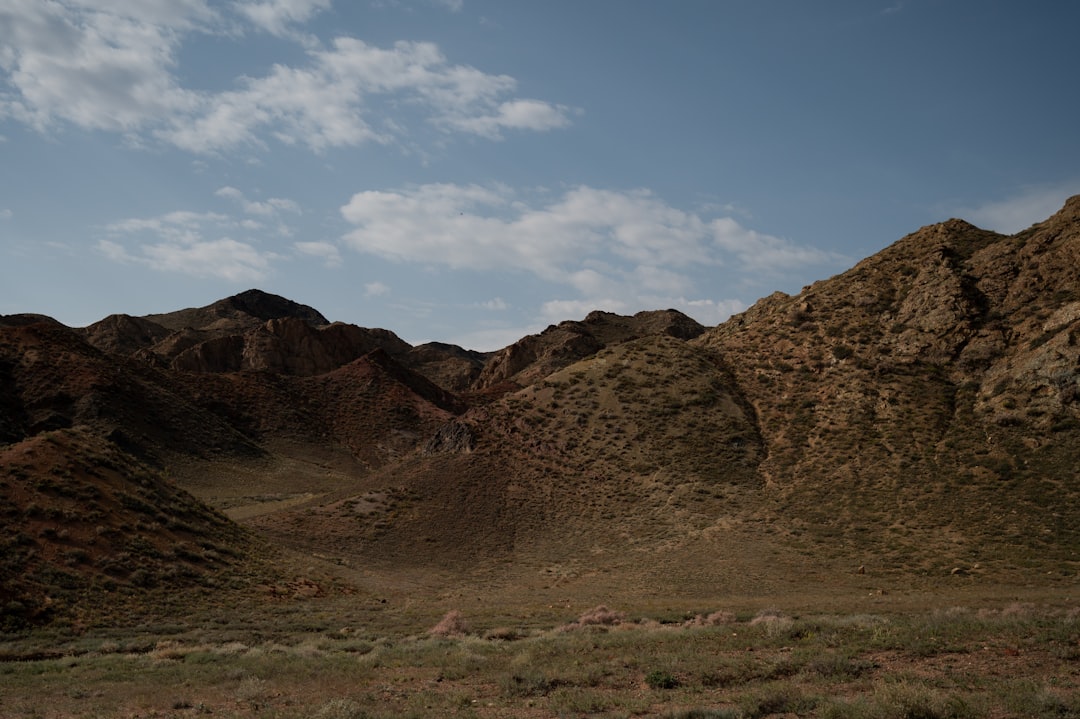
Kazakhstan is Central Asia's most accessible destination — visa-free for most Western visitors, with stunning nature and a fascinating nomadic culture. Here's your complete guide.
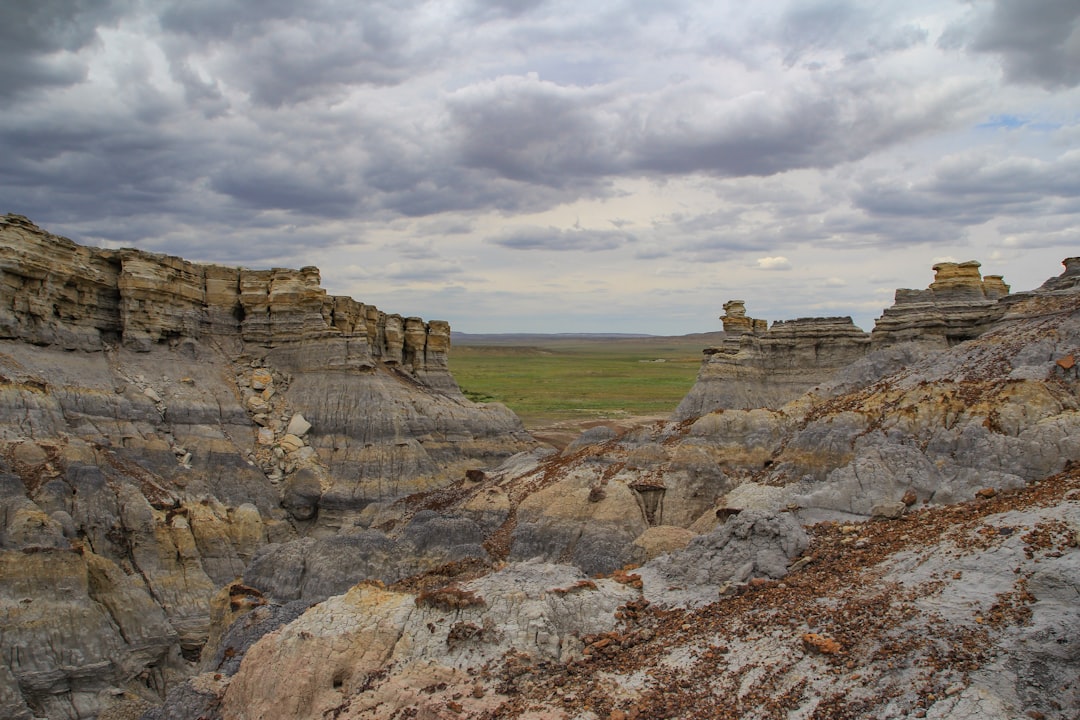
Almaty's mountains and culture, Charyn Canyon, the Silk Road city of Shymkent, and the futuristic capital Astana in 7 days across the world's largest landlocked country.
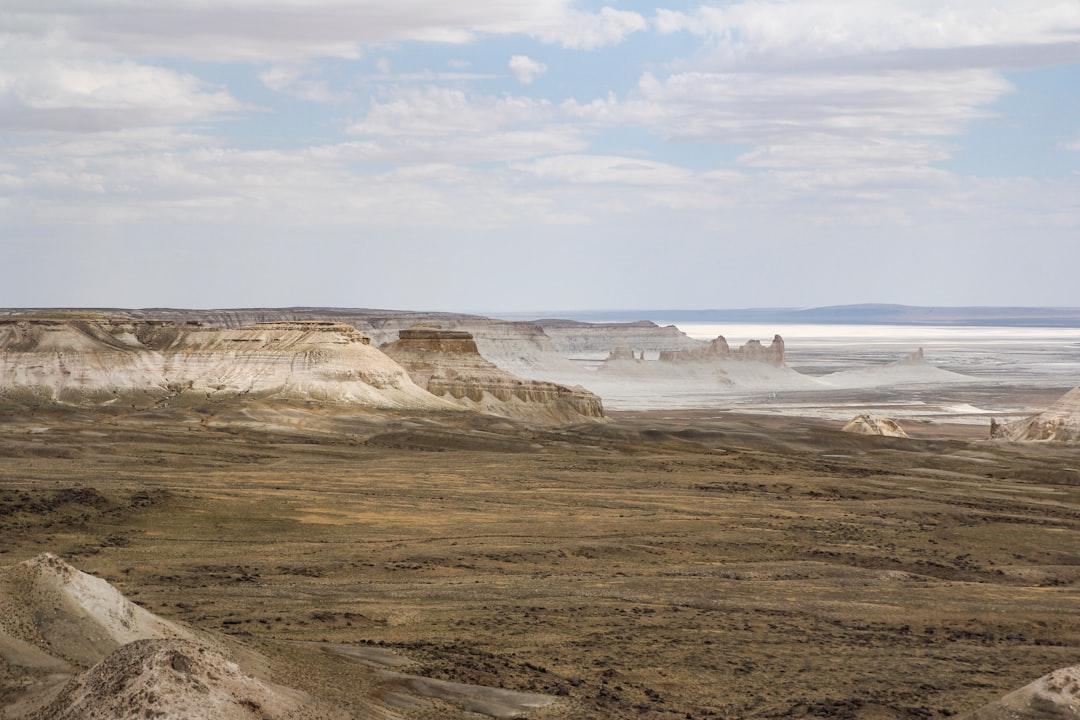
Kazakhstan is mid-range by Asian standards — affordable but not cheap. Here's a realistic breakdown of costs for Almaty, the mountains, and across the country.
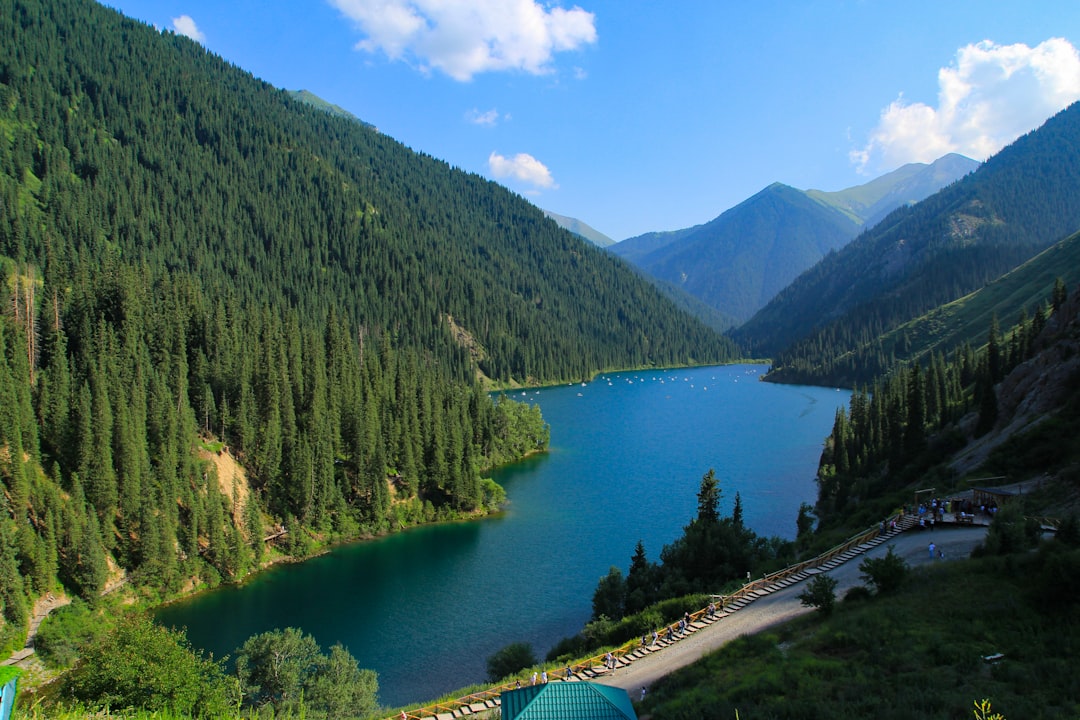
Almaty mountains, Charyn Canyon, Silk Road Turkestan, nomadic steppe, Astana's futurism, and the Aral Sea in 14 days across Central Asia's most dynamic country.
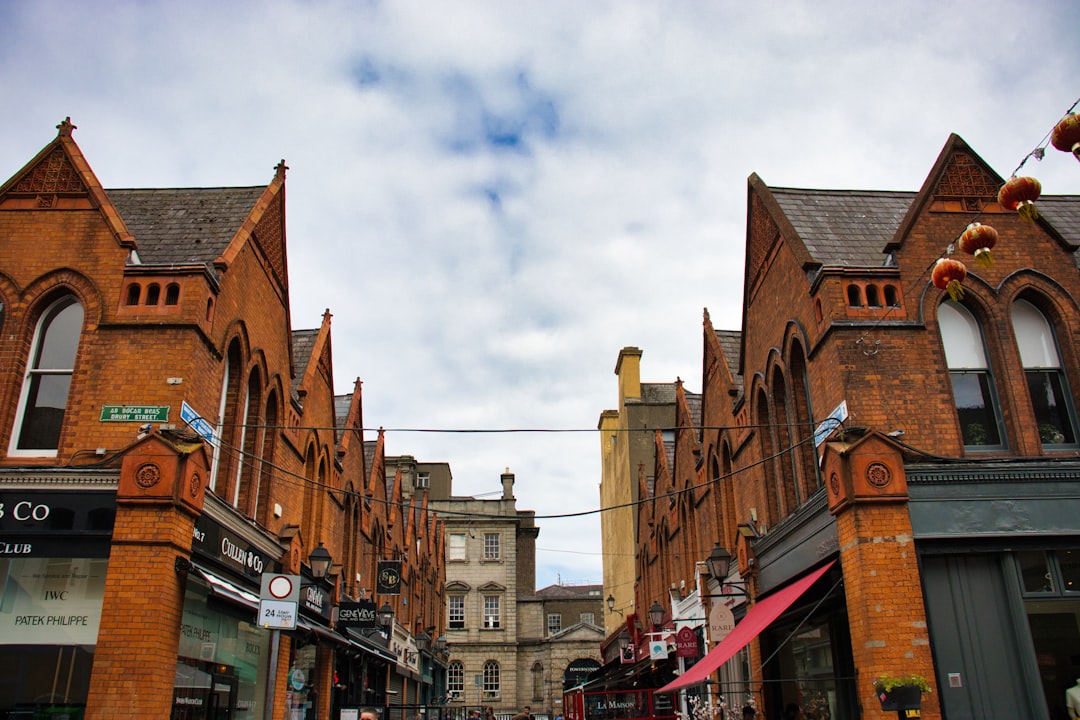
Three days in Dublin done right — from Georgian squares and medieval castles to world-class museums, legendary pubs, and coastal escapes on the DART.
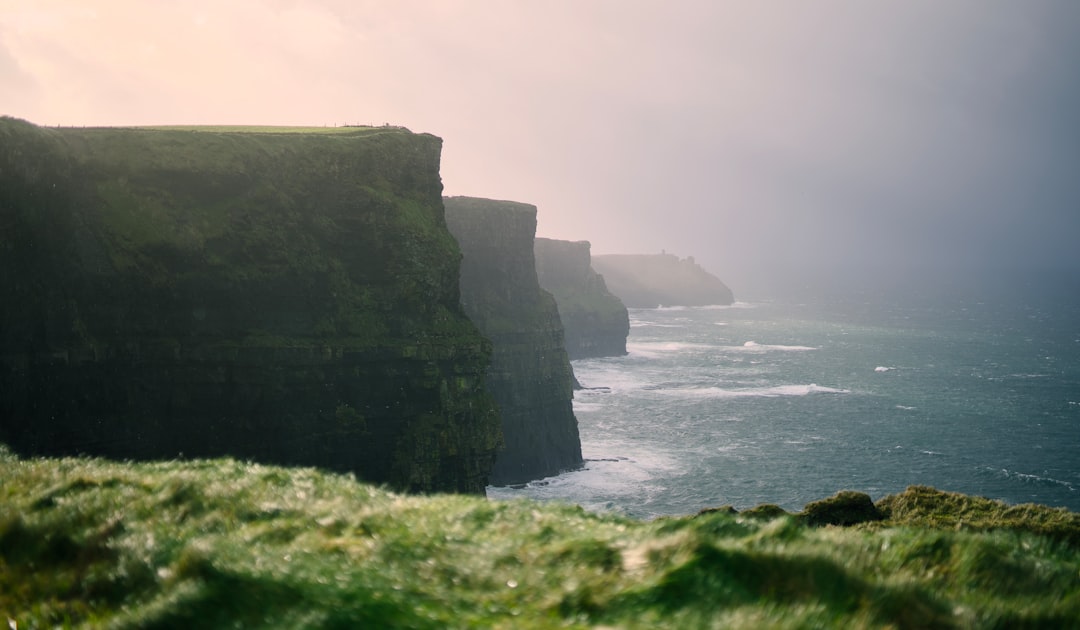
Ireland's weather is unpredictable year-round, but some months are far better than others. Here's exactly when to go based on your travel style and priorities.
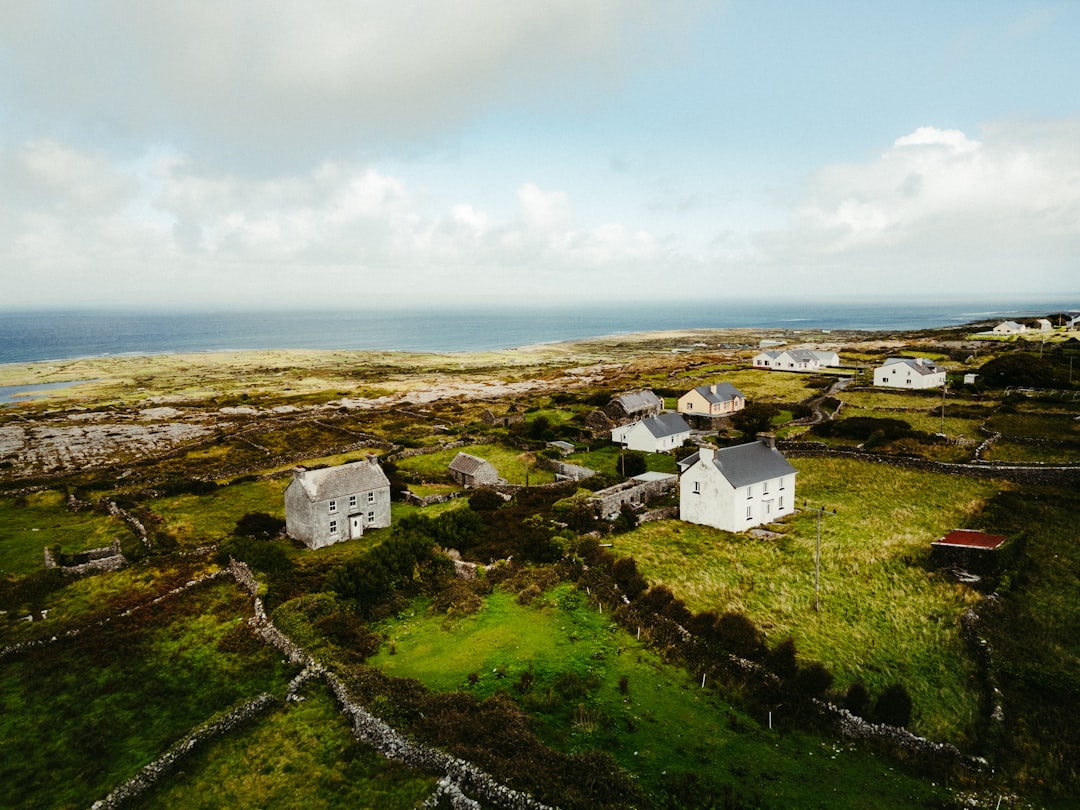
Your complete guide to visiting Ireland for the first time — what to expect, where to go, how to get around, and the cultural tips that make the trip unforgettable.
From the streets of Dublin to the Wild Atlantic cliffs, this 7-day Ireland itinerary covers the iconic highlights every first-time visitor needs to experience.
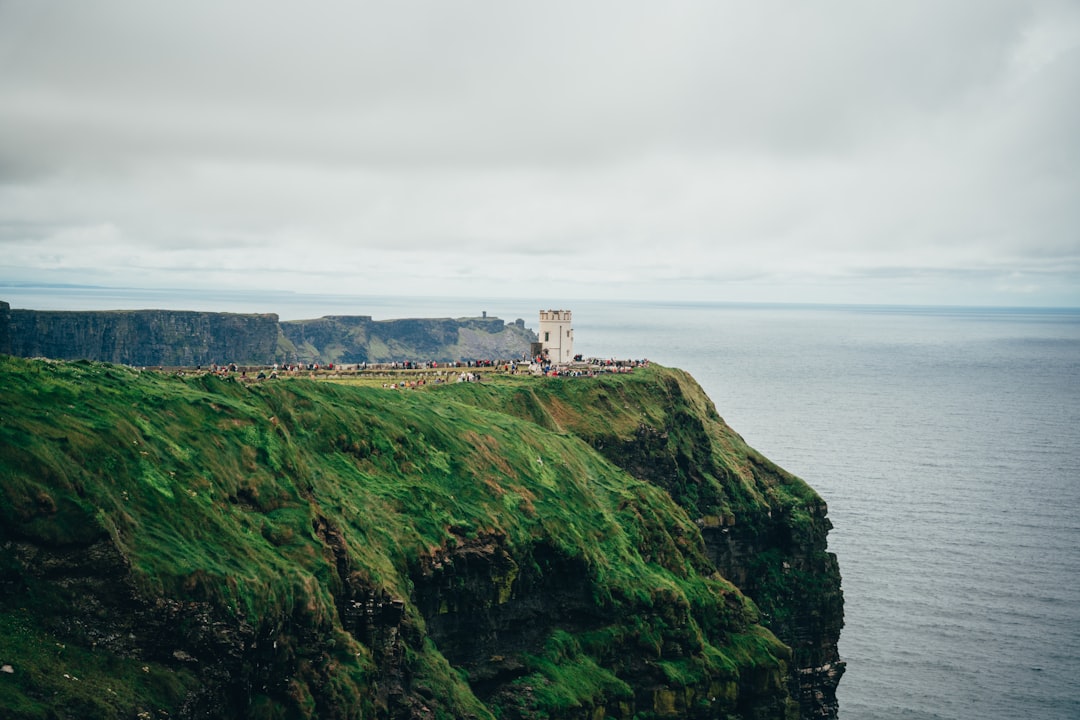
Ireland isn't cheap, but it's manageable with the right planning. Here's a realistic breakdown of costs for budget, mid-range, and comfort travellers.
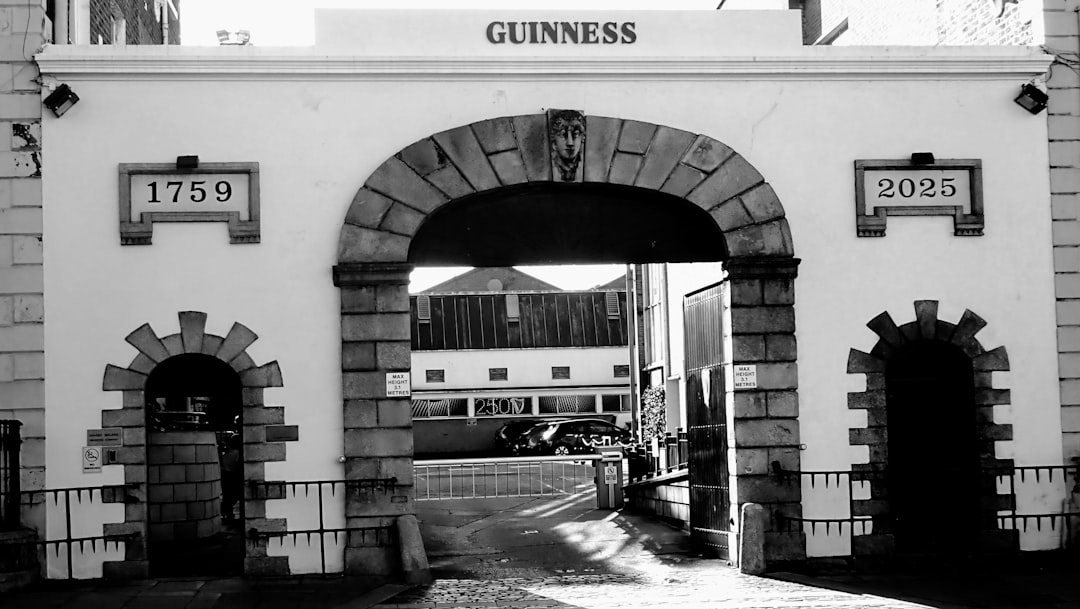
Cover Ireland from coast to coast in 14 days — Dublin, the Wild Atlantic Way, Connemara, the Aran Islands, and the rugged beauty of the north.
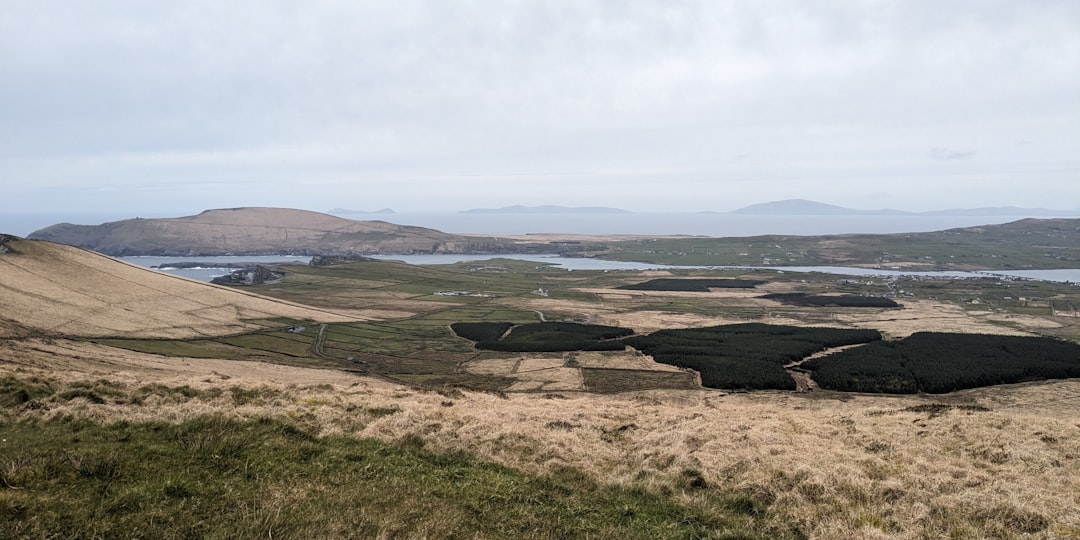
Tanzania's wildlife and weather change dramatically month to month. Here's exactly when to visit based on the Great Migration, rainfall, and which parks are best.
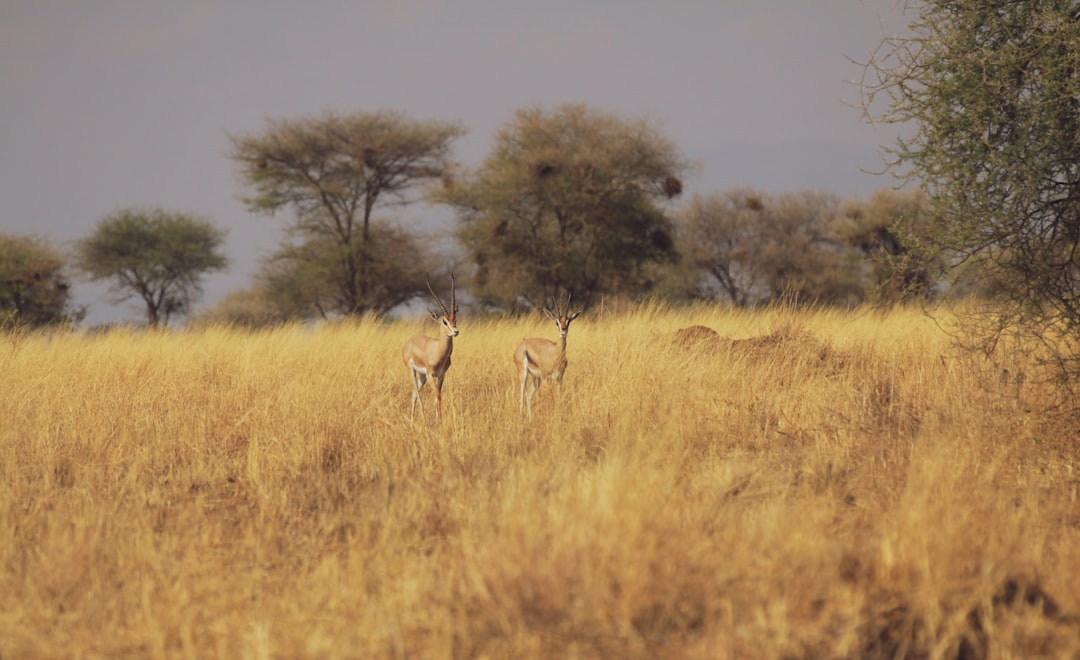
Tanzania is Africa's premier safari destination. Here's what first-time visitors need to know about planning a safari, health requirements, culture, and Zanzibar.
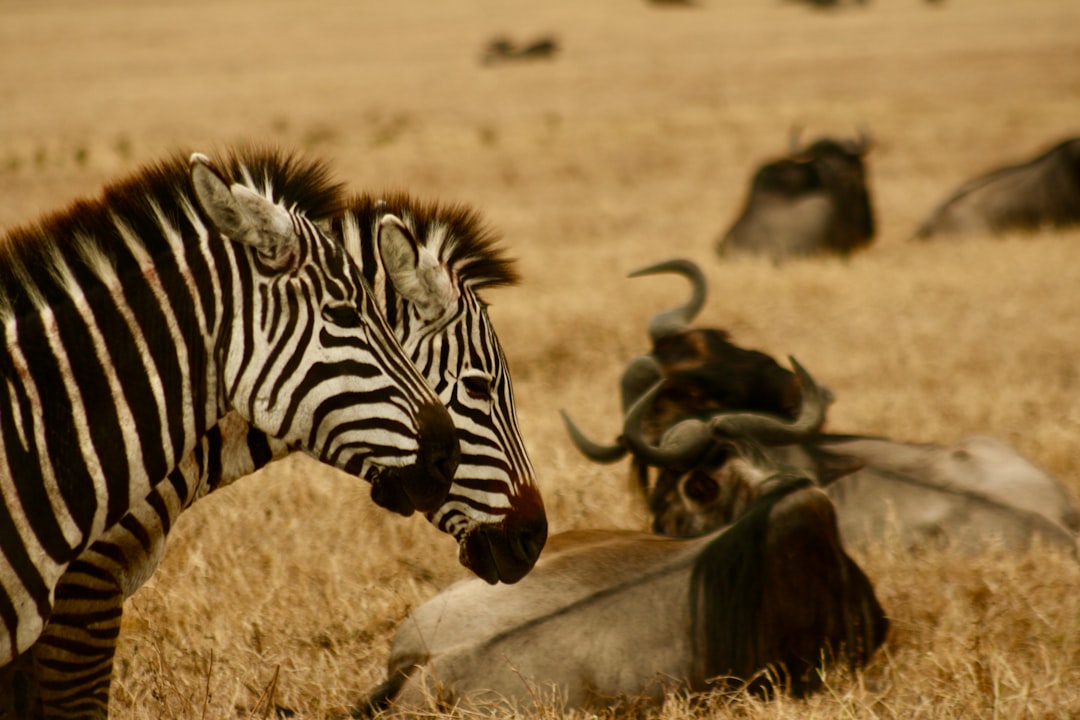
The Serengeti, Ngorongoro Crater, Tarangire, and Zanzibar in 7 days — the ideal Tanzania itinerary combining the world's greatest safari with a tropical island escape.
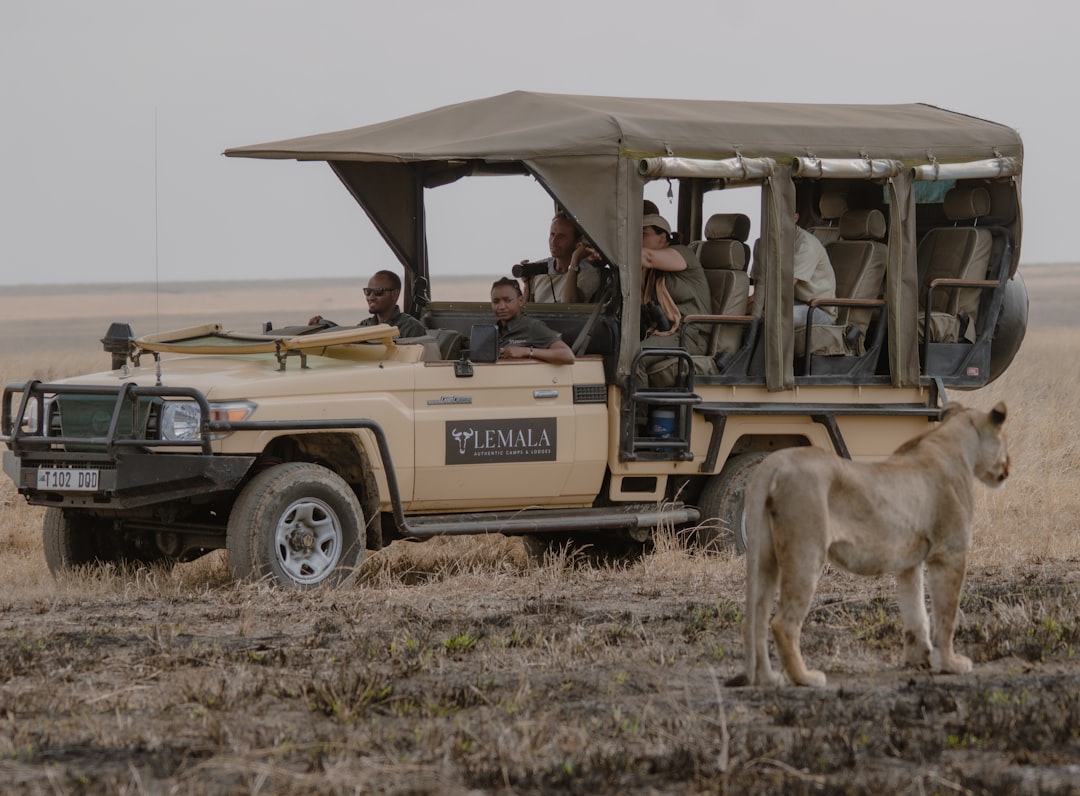
Tanzania is one of Africa's more expensive safari destinations. Here's a realistic breakdown of what safaris, camps, Zanzibar, and Kilimanjaro actually cost.
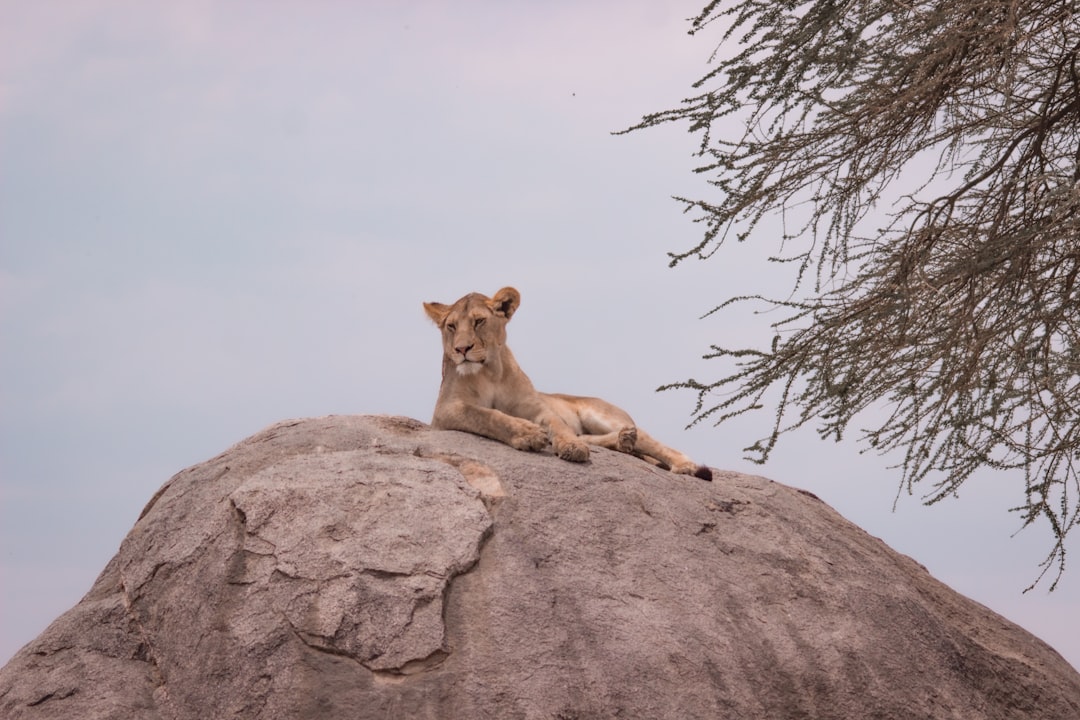
The Northern Circuit, Kilimanjaro foothills, Ruaha or Selous, and a week in Zanzibar — the complete Tanzania experience in 14 extraordinary days.
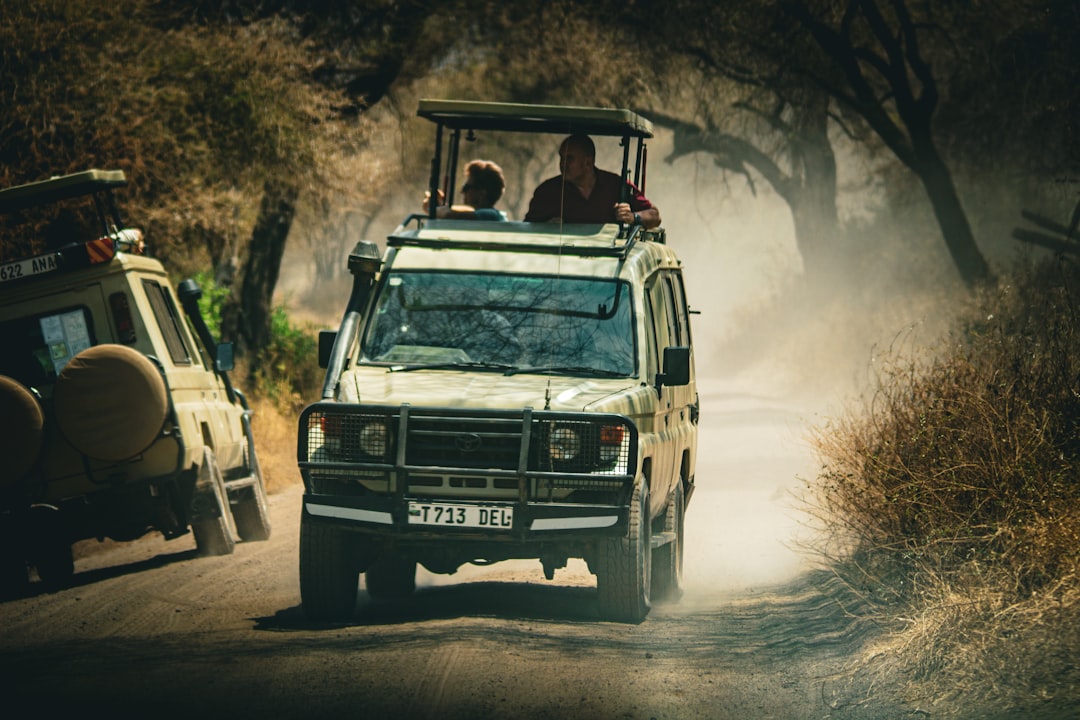
Costa Rica's Pacific and Caribbean coasts have opposite seasons. Here's exactly when to visit each region, and when to avoid the rain or the crowds.
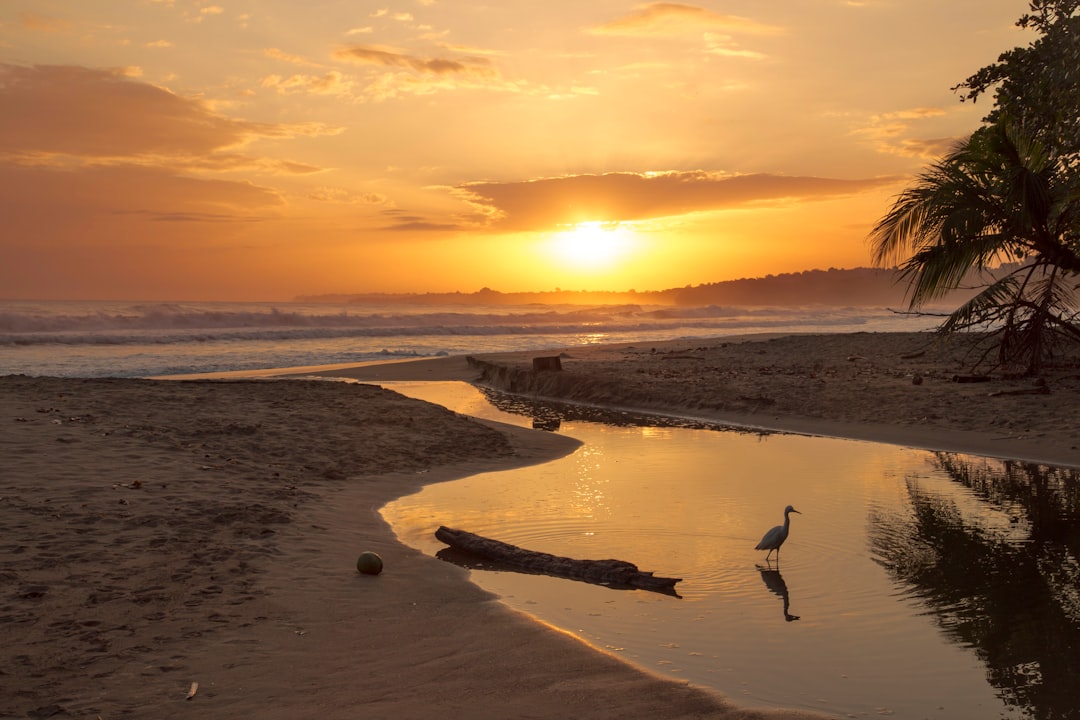
Costa Rica is the world's most popular ecotourism destination. Here's what first-timers need to know about wildlife, transport, costs, and making the most of Pura Vida.
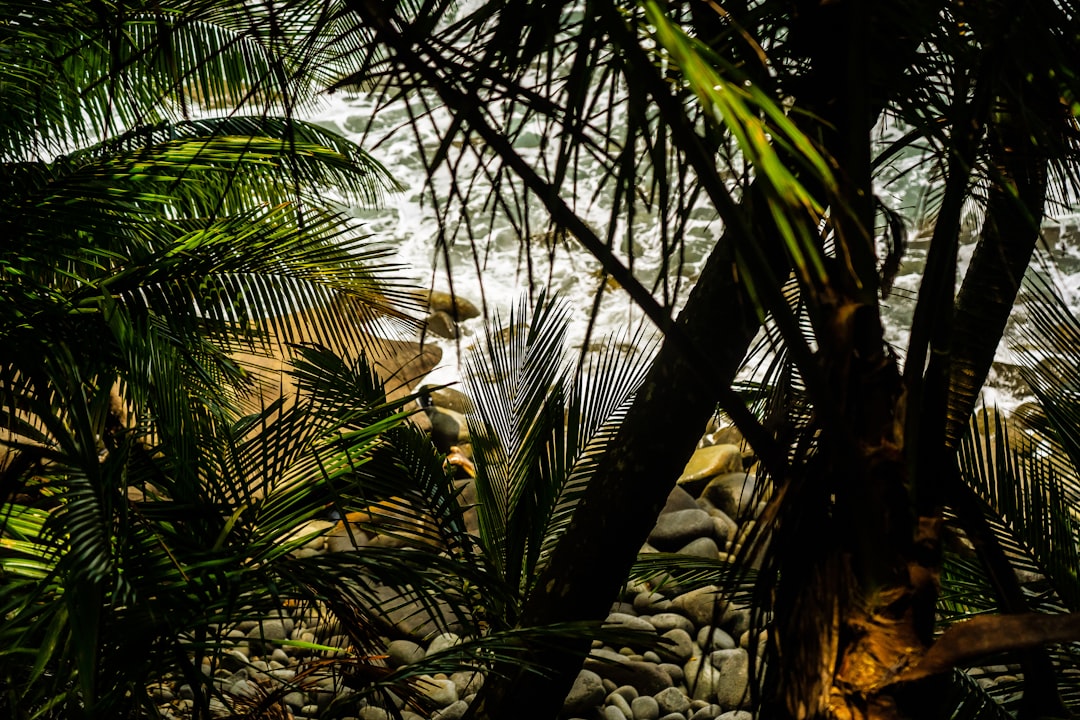
Volcanoes, cloud forest, wildlife, and Caribbean beaches in 7 days — the ideal Costa Rica itinerary combining Arenal, Monteverde, and the Pacific or Caribbean coast.
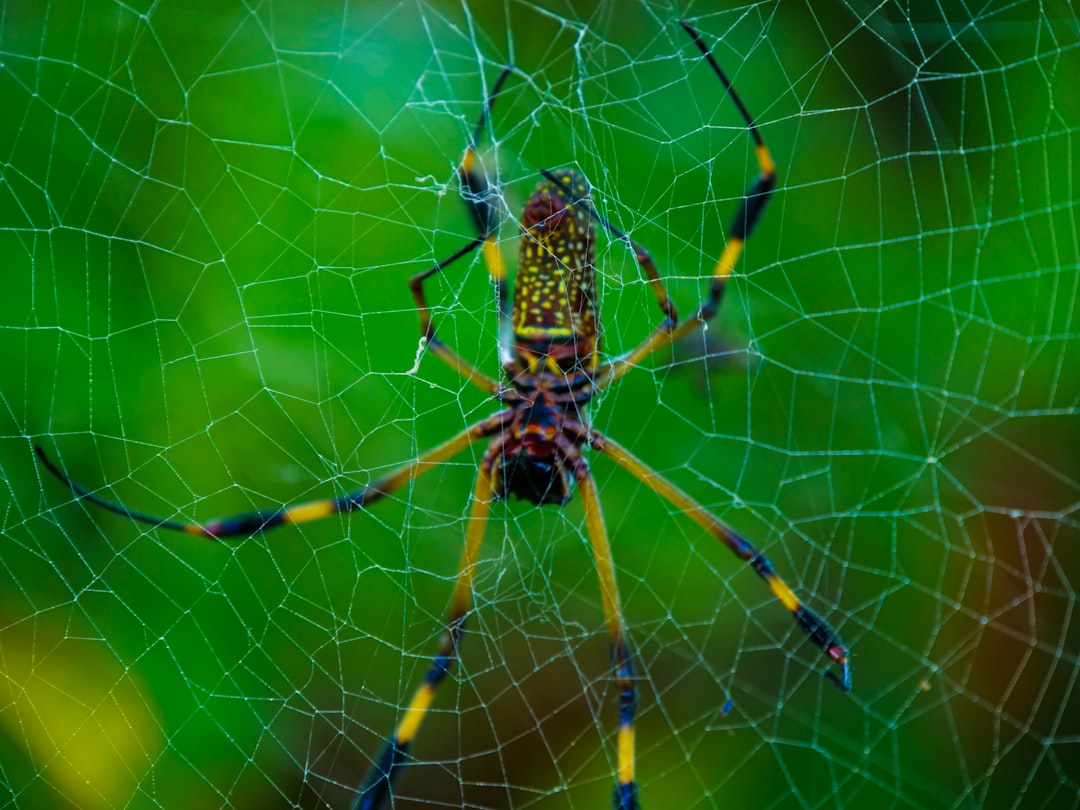
Costa Rica is Central America's priciest destination. Here's a realistic breakdown of what you'll spend on eco-lodges, national parks, and getting around.
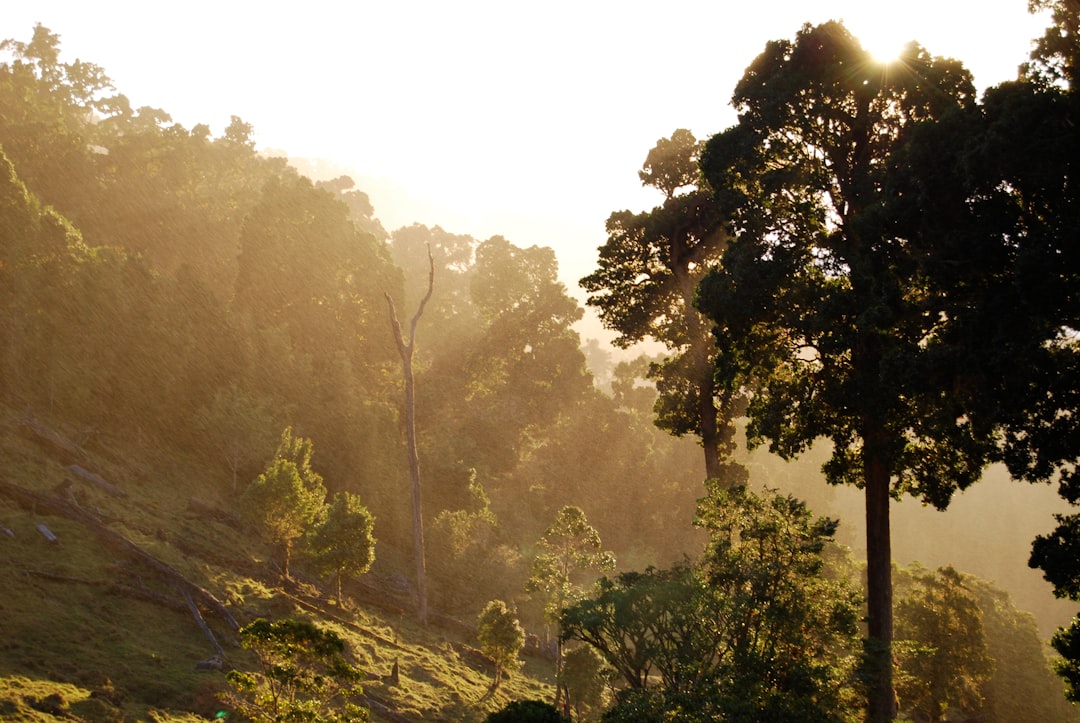
The complete Costa Rica experience — Arenal, Monteverde, Tortuguero, Osa Peninsula, and the Caribbean coast in 14 days of extraordinary wildlife and nature.
France has something exceptional in every season. Here's when to visit based on your destination — Paris, Provence, the Riviera, the Alps, or the Loire Valley.
Your complete guide to France for first-time visitors — cultural tips, where to go, what to eat, how to get around, and the mistakes that trip up every newcomer.
Paris's iconic landmarks, Loire Valley châteaux, and the French Riviera in 7 days — a classic France itinerary balancing the capital with the country's most beautiful regions.
France can be expensive — or surprisingly affordable. Here's a realistic breakdown of costs for Paris, Provence, and beyond for every type of traveller.
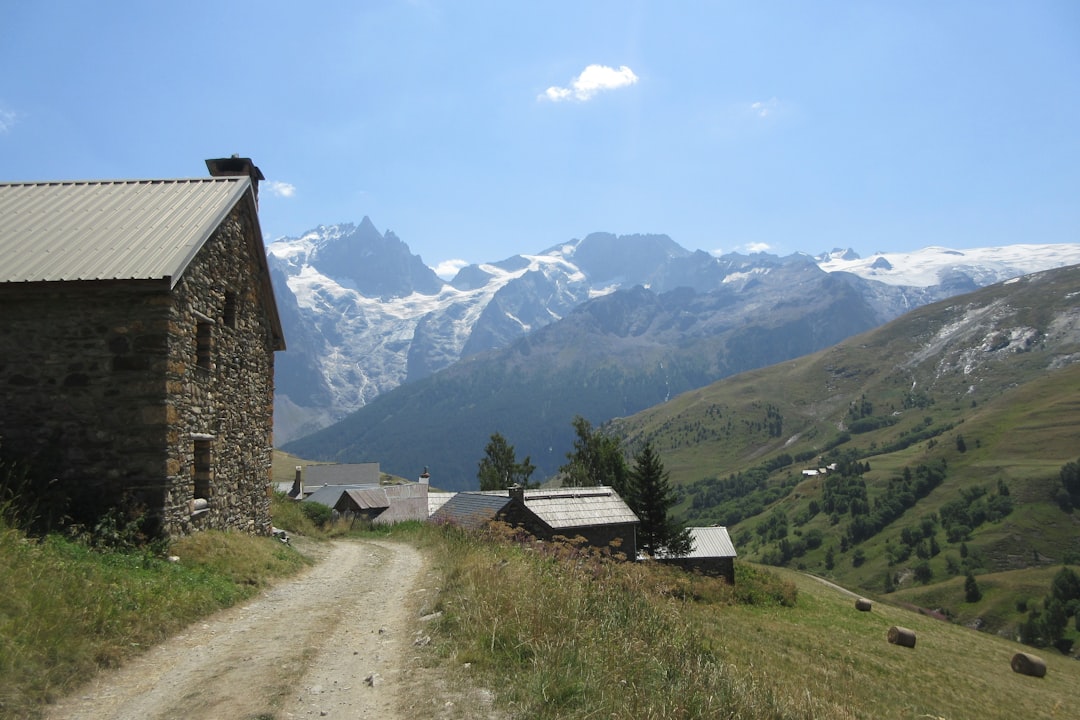
Paris, the Loire Valley, Bordeaux wine country, Provence, the French Riviera, and the Alps — the complete France experience in 14 extraordinary days.
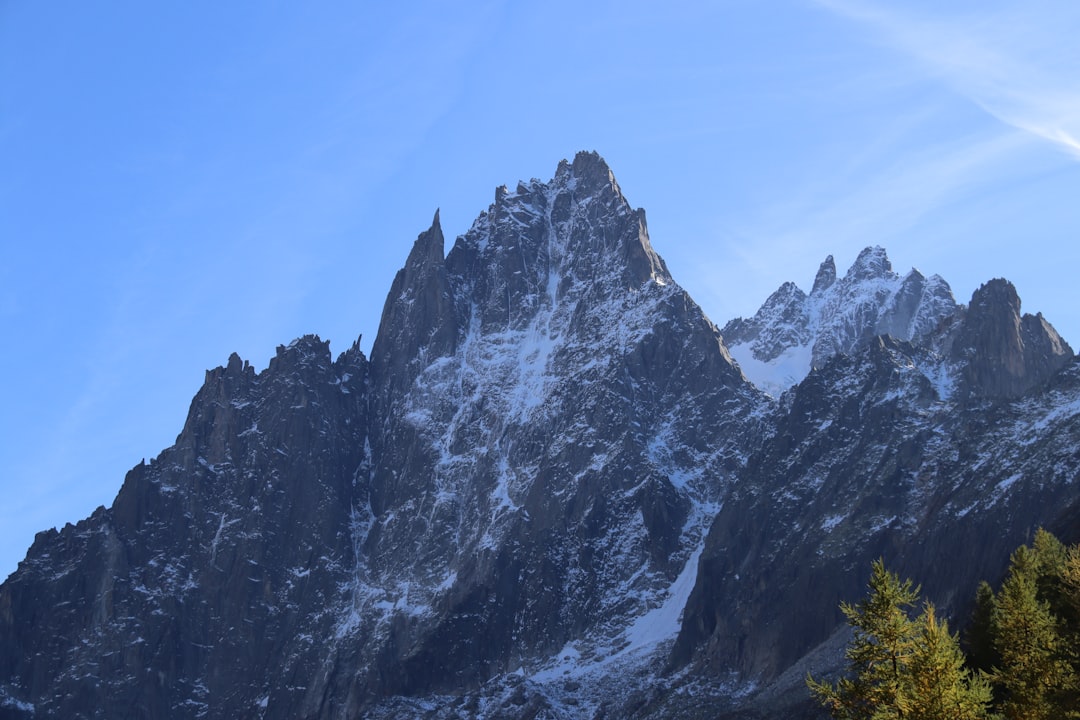
Three days in the City of Light done right — from the Louvre and Eiffel Tower to Montmartre's cobbled streets, Le Marais, and the best café terraces in the world.
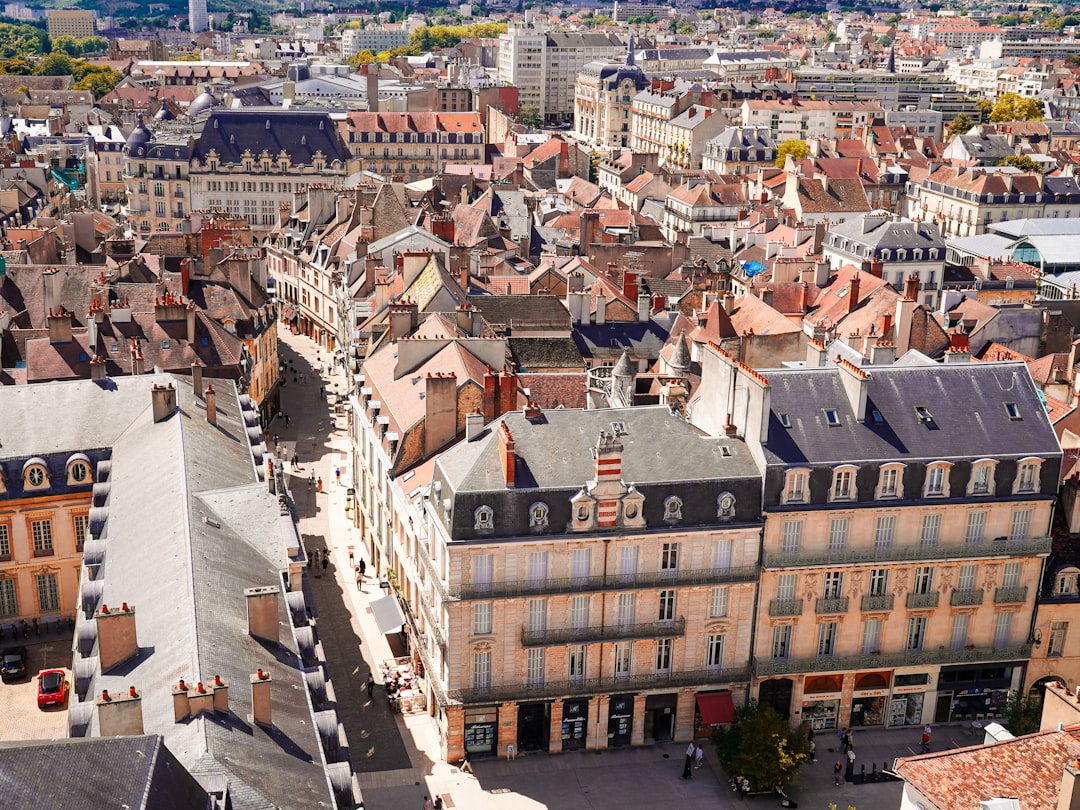
Three days in Bangkok done right — royal temples, floating markets, rooftop bars, street food at midnight, and one of the world's great cities at full volume.
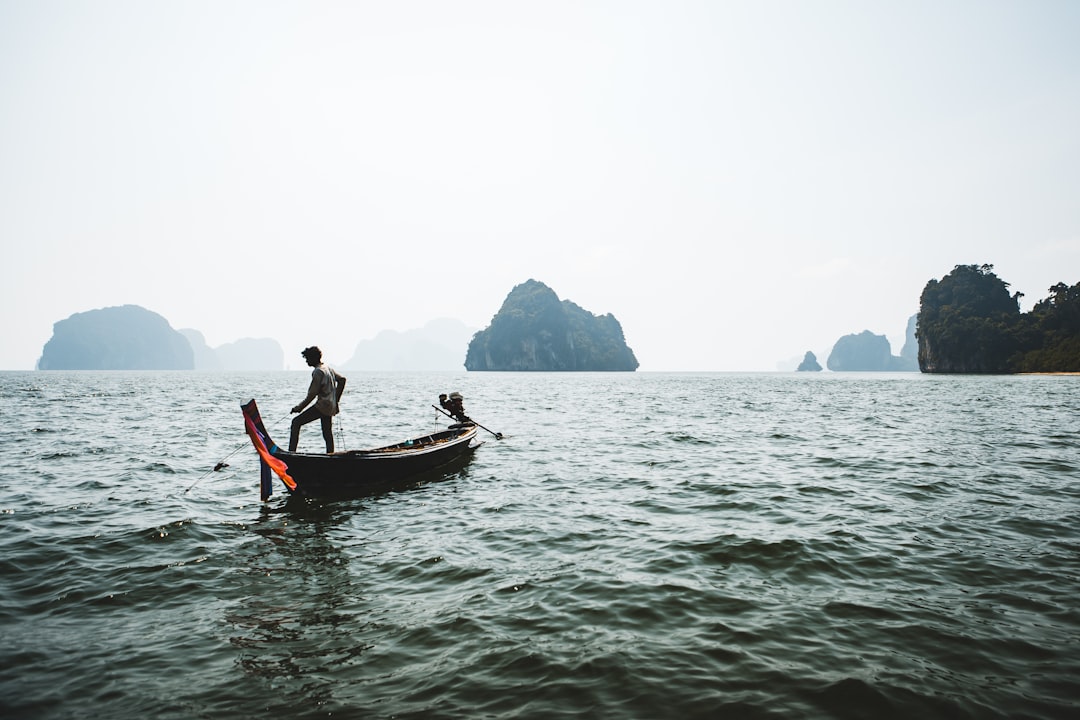
Thailand has two coasts with opposite monsoon seasons. Here's exactly when to visit based on where you're going — Bangkok, Chiang Mai, or the islands.
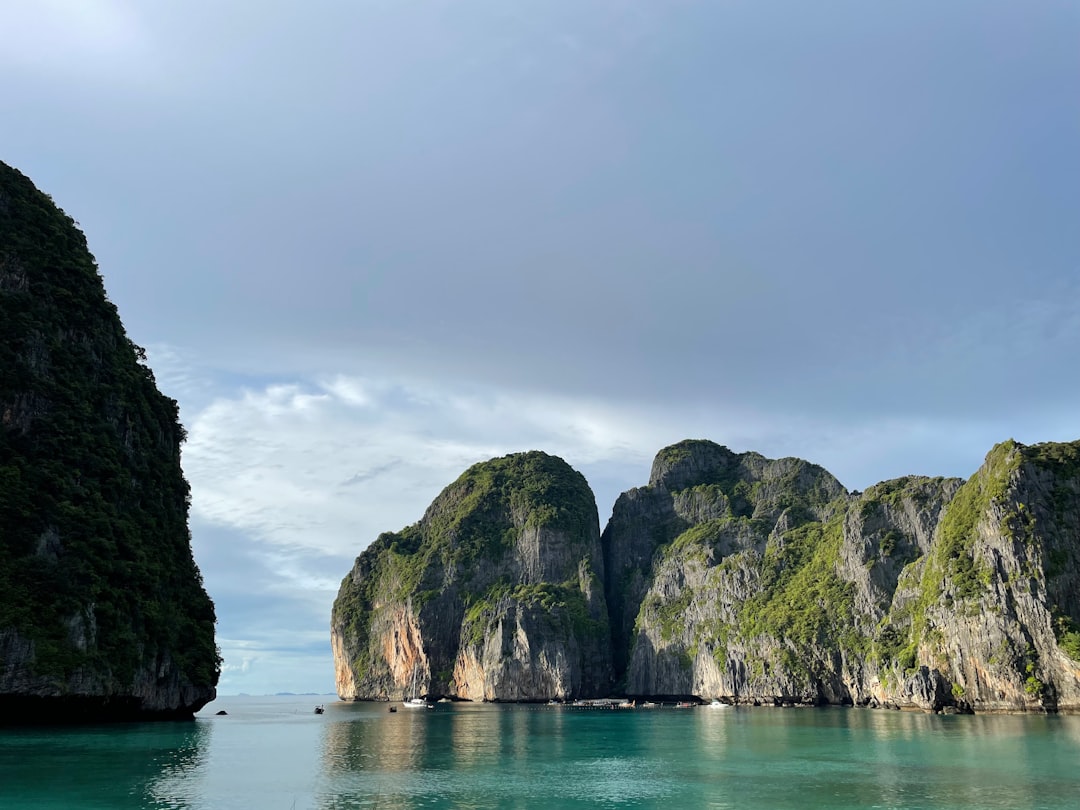
Thailand is welcoming, affordable, and endlessly fascinating — but it has its own rules. Here's what every first-time visitor needs to know before they arrive.
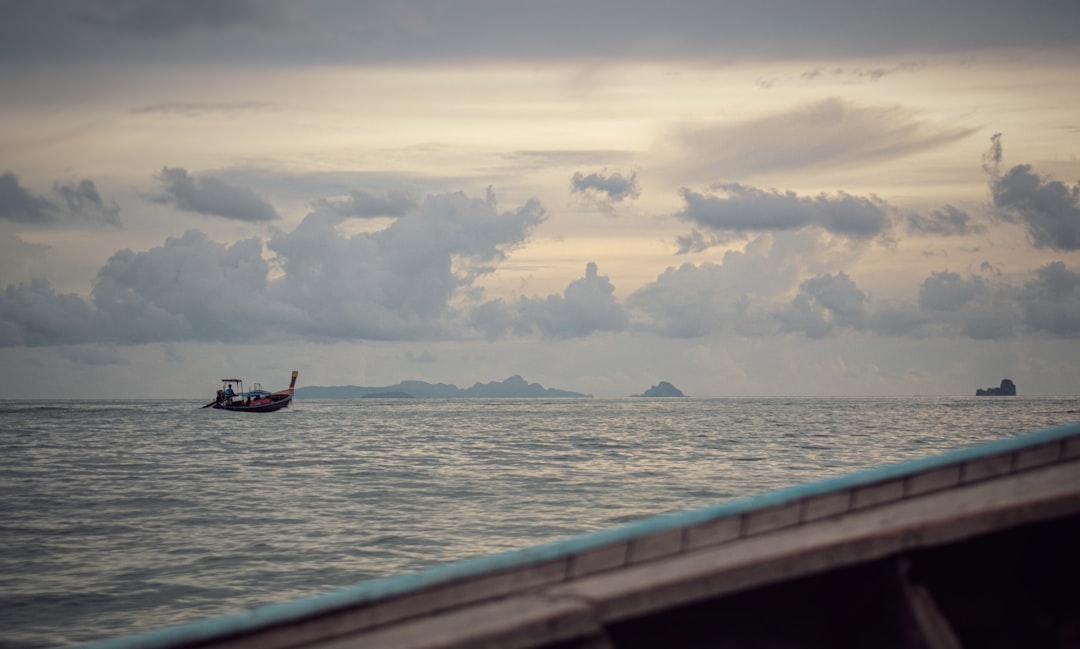
Bangkok's temples and street food, Chiang Mai's mountains, and a southern island paradise — the ideal 7-day Thailand itinerary for first-time visitors.
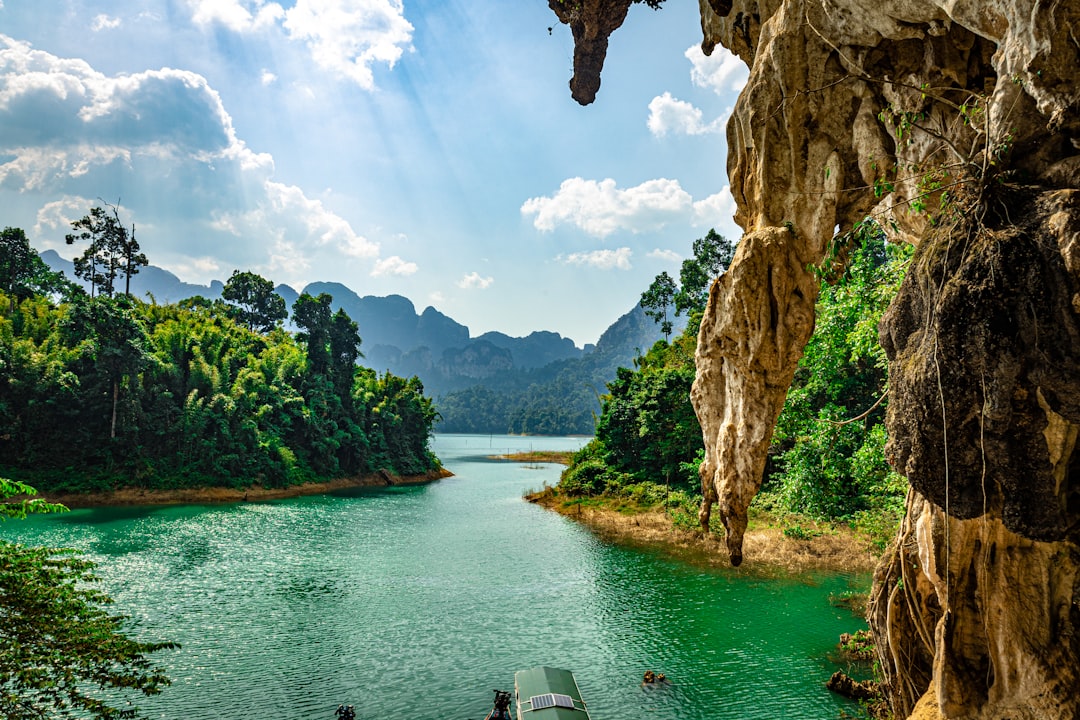
Thailand is Southeast Asia's most visited destination — and one of its best values. Here's a realistic breakdown of costs for every type of traveller.
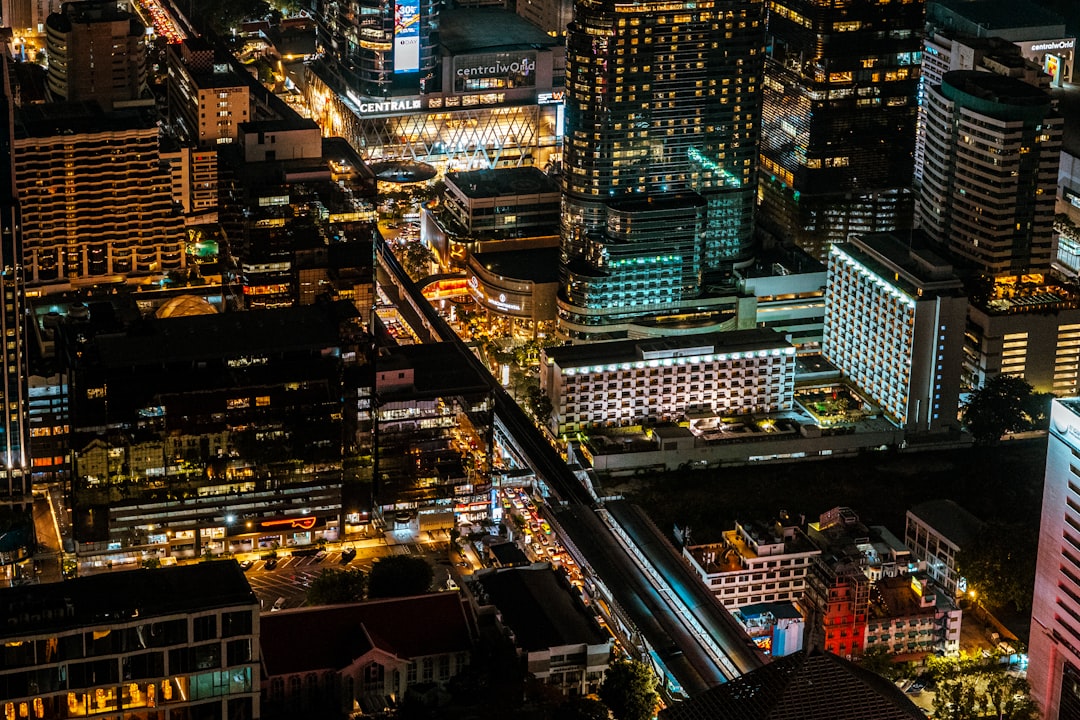
Bangkok temples, Chiang Mai jungle, Pai mountain valley, and the southern islands — the complete Thailand experience in 14 unforgettable days.
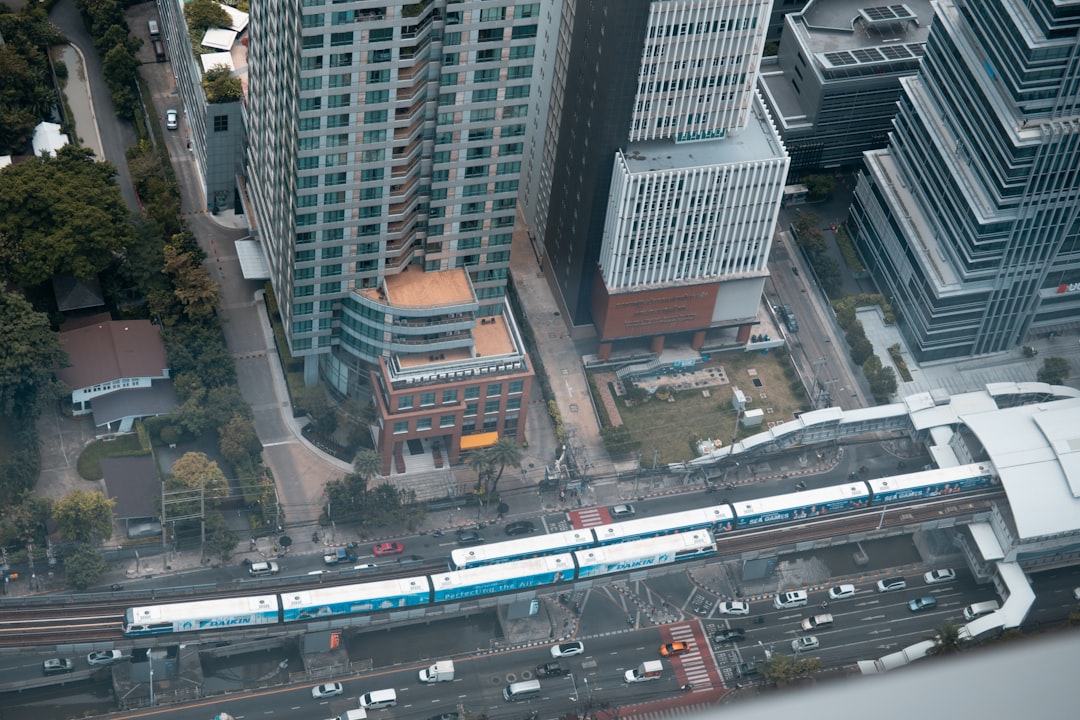
Three days in Europe's sunniest capital — from Alfama's winding alleys and Belém's maritime monuments to rooftop miradouros and the best pastéis de nata.
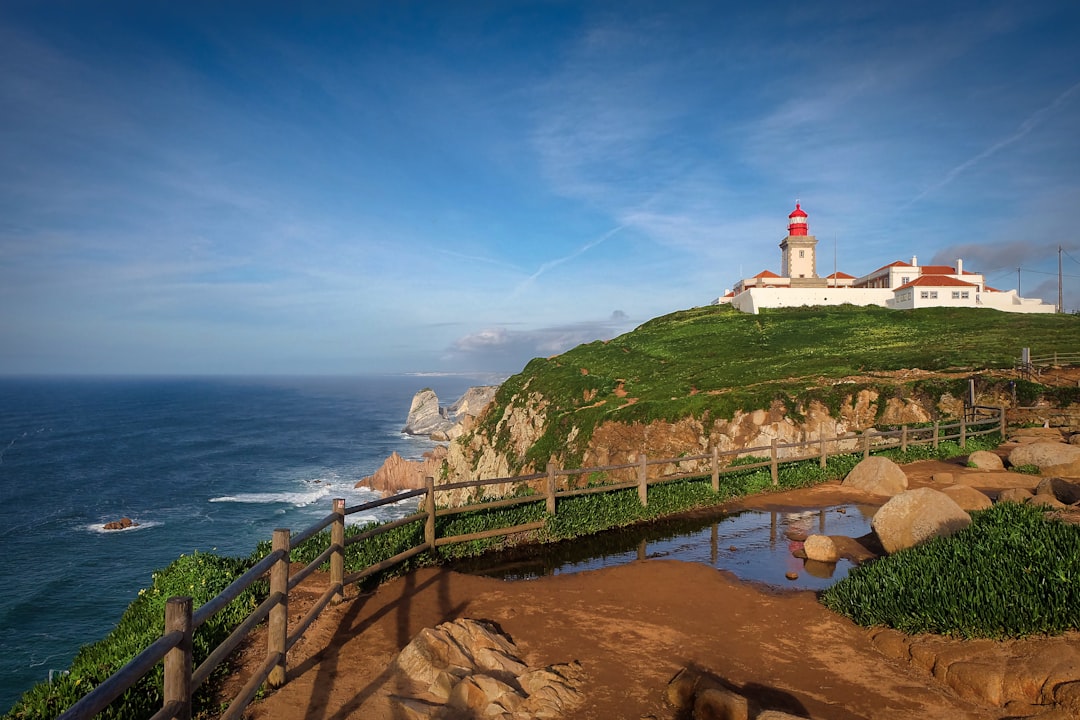
Portugal enjoys more sunshine than almost anywhere in Europe. Here's exactly when to visit based on weather, crowds, prices, and what's happening across the country.
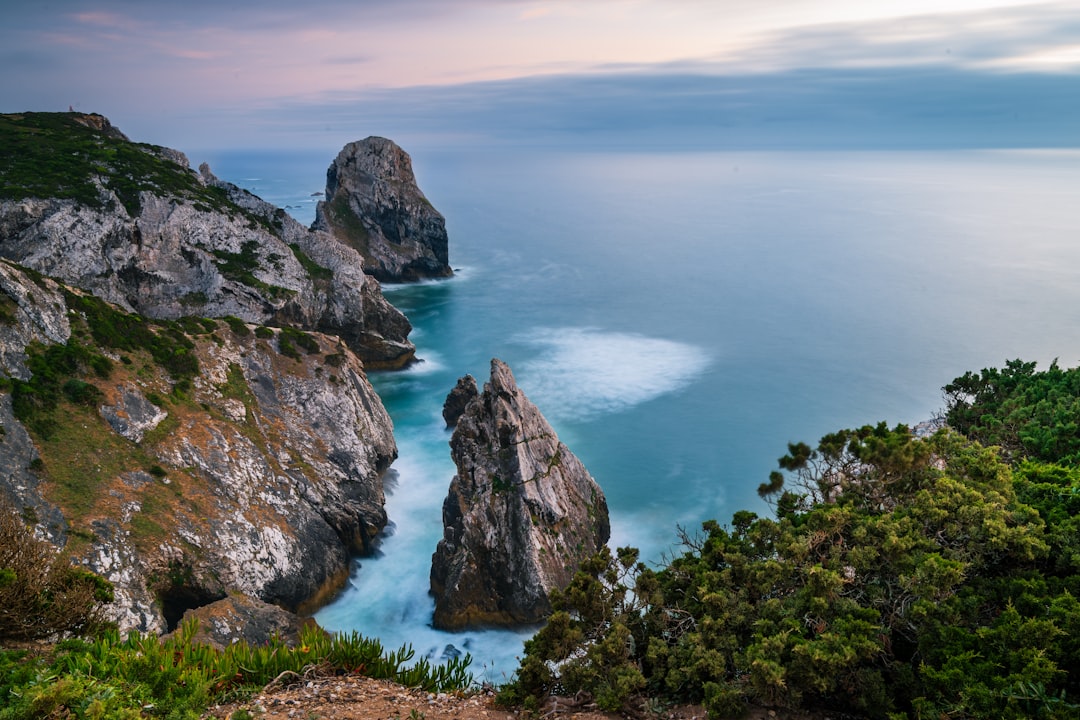
Your complete first-timer's guide to Portugal — what surprises visitors, where to go, cultural tips, transport, food, and everything to expect before you arrive.
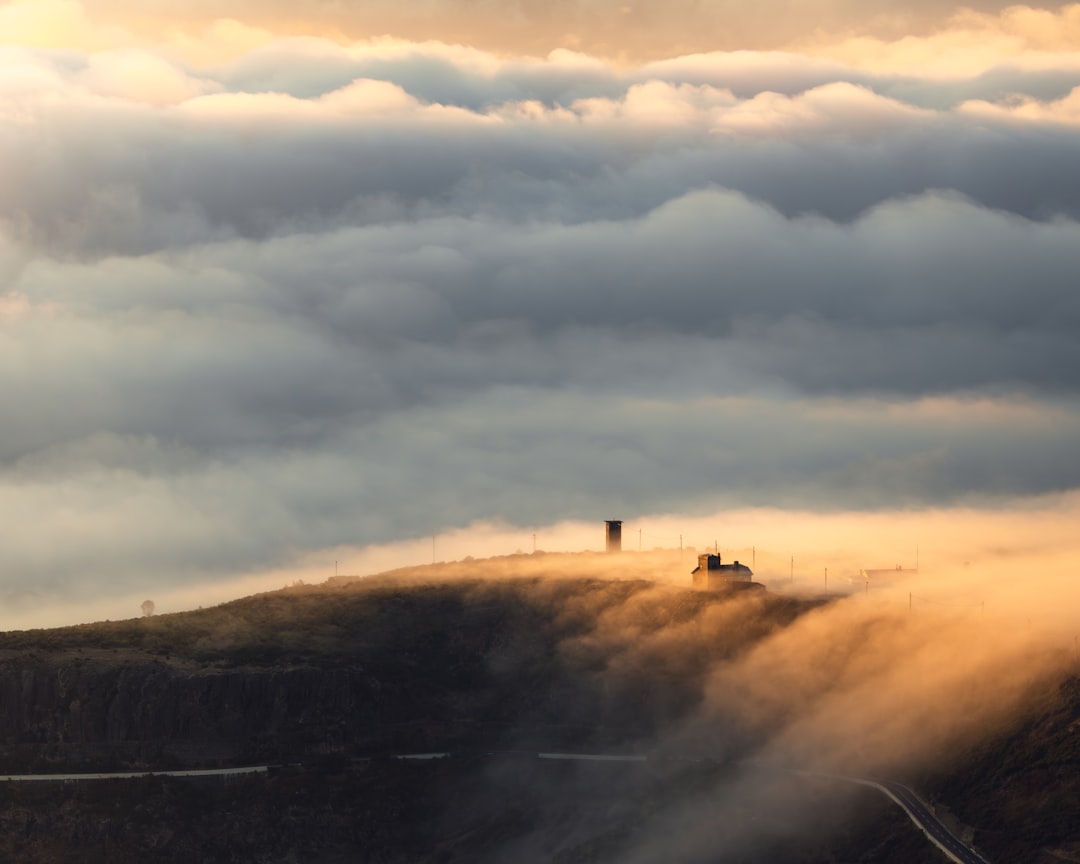
From Lisbon's tram-lined hills to Porto's port wine cellars and the golden Algarve coast — the ideal 7-day Portugal itinerary for first-time visitors.
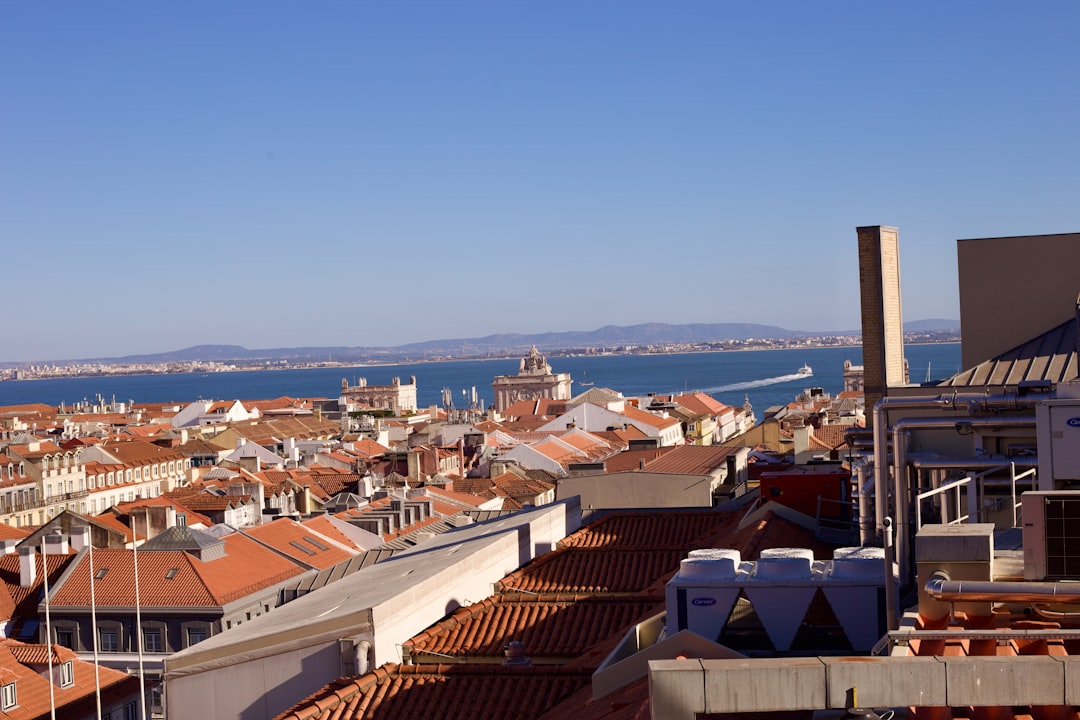
Portugal remains one of Western Europe's most affordable destinations. Here's a realistic cost breakdown for budget, mid-range, and comfort travellers.
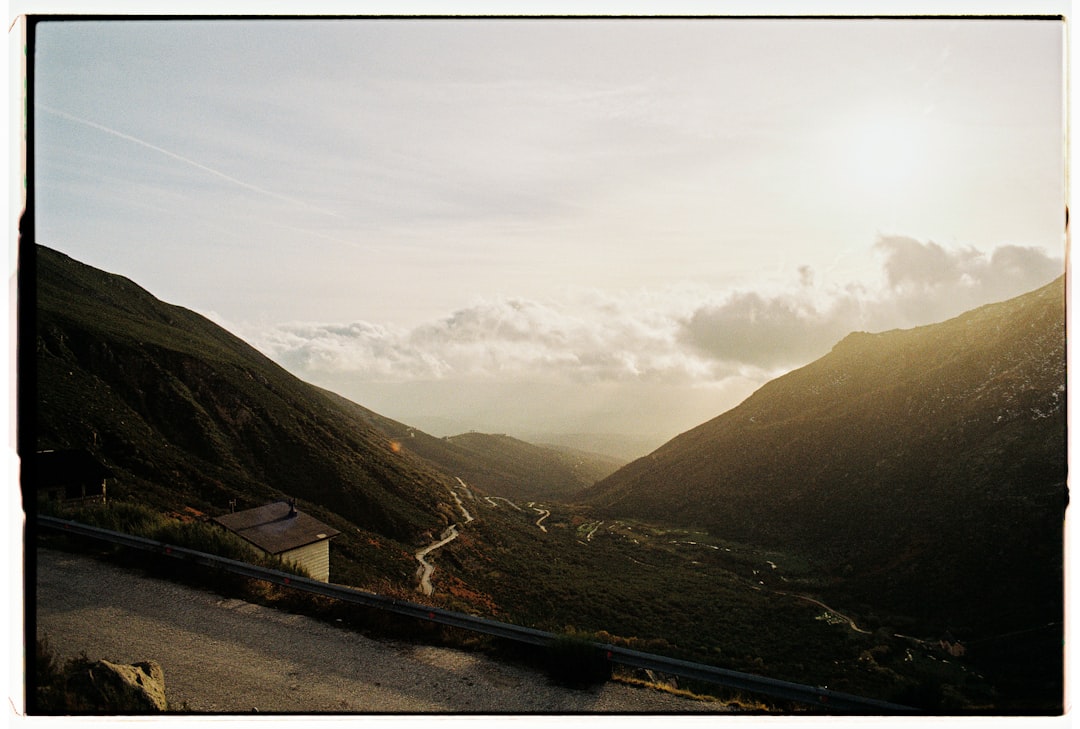
The complete Portugal experience — Lisbon, Sintra, Alentejo, the Algarve coast, Porto, and the Douro Valley in 14 unforgettable days.
Three days in India's capital — from Mughal mosques and Raj-era monuments to the chaos of Chandni Chowk and the best butter chicken you'll ever eat.
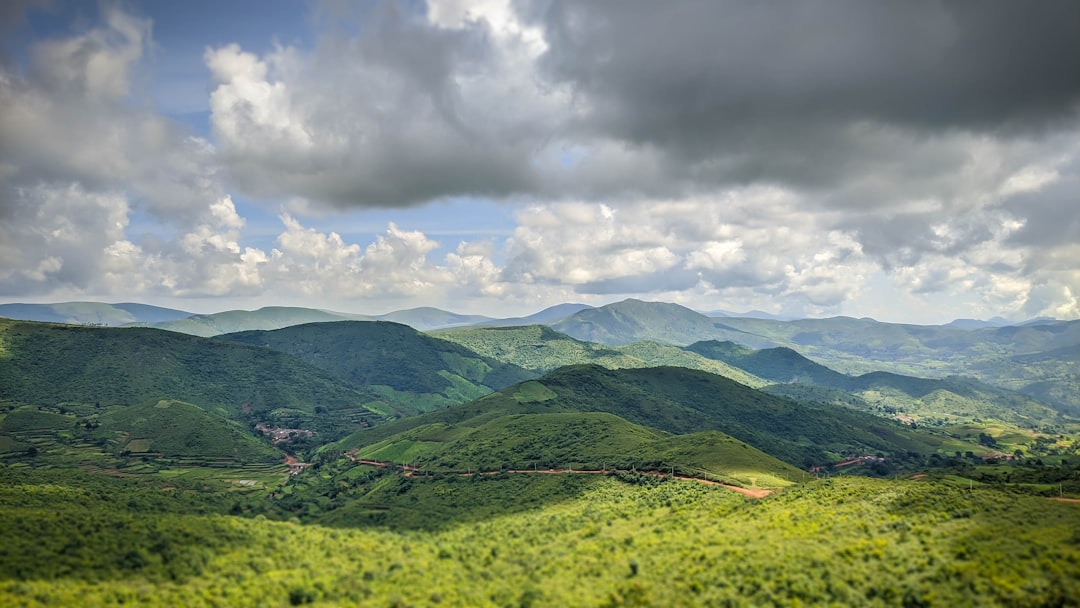
India's climate is extreme and varied — monsoon, desert heat, and Himalayan cold all in one country. Here's exactly when to visit based on where you're going.
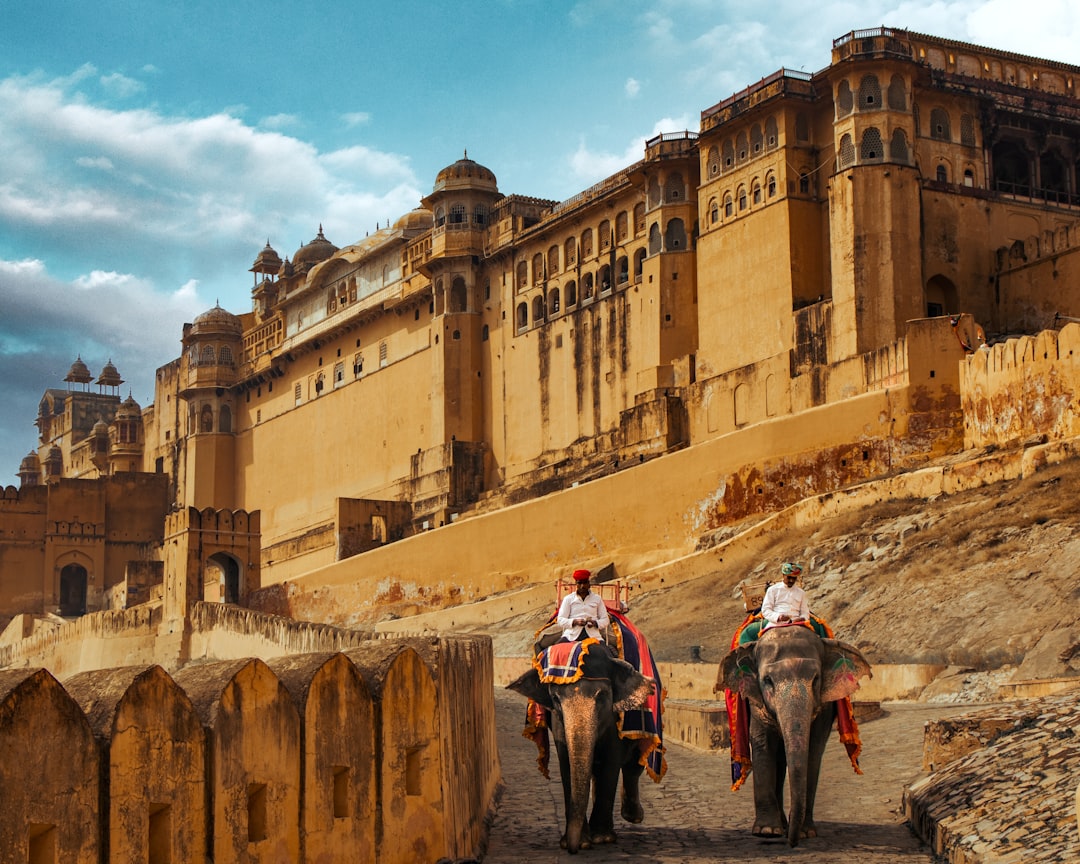
India will overwhelm, surprise, frustrate, and captivate you. Here's everything a first-timer needs to know to arrive prepared and leave transformed.
Delhi, Agra, and Jaipur in 7 days — India's classic Golden Triangle itinerary covering the Taj Mahal, Mughal forts, and the Pink City's palaces and bazaars.
India can be done on almost any budget. Here's a realistic breakdown of costs for backpackers, mid-range travellers, and those seeking comfortable experiences.
From Delhi and the Taj Mahal through Rajasthan's desert forts to Kerala's backwaters — the complete India experience in 14 extraordinary days.
Three days in South America's culinary capital — from Barranco's cliff-top bohemia and the Larco Museum to Lima's world-class cevicherías and Miraflores nightlife.
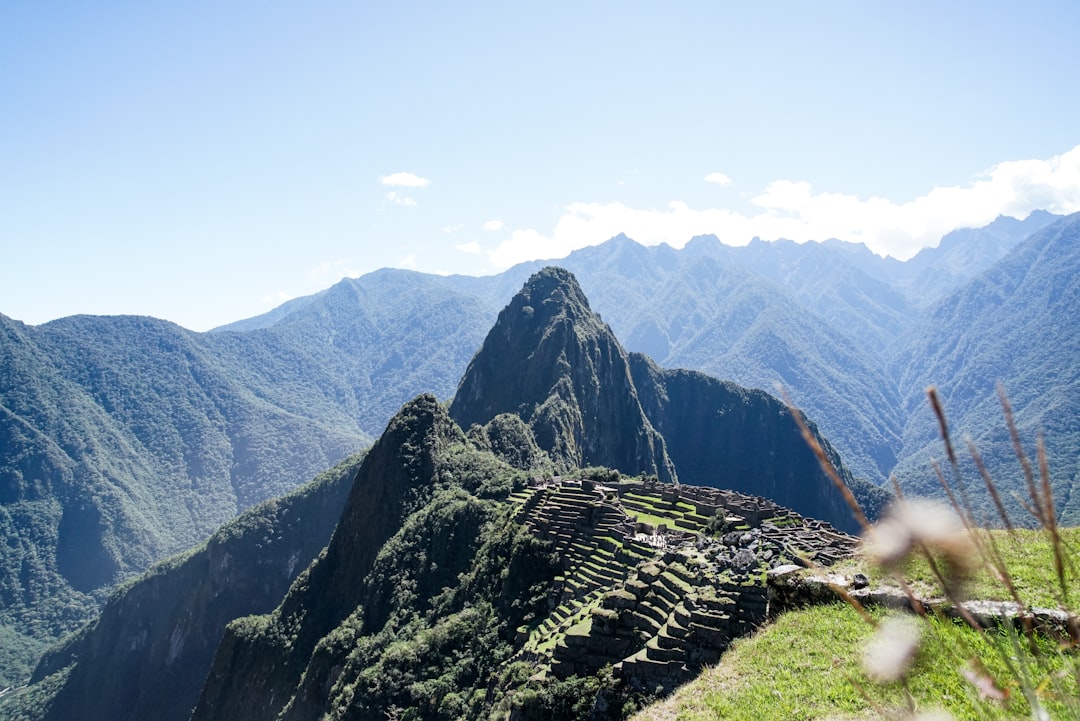
Peru has distinct wet and dry seasons that dramatically affect Machu Picchu, the Inca Trail, and the Amazon. Here's exactly when to visit based on your itinerary.
Peru is one of the world's great travel destinations — but altitude sickness, booking logistics, and safety need planning. Here's your complete first-timer's guide.
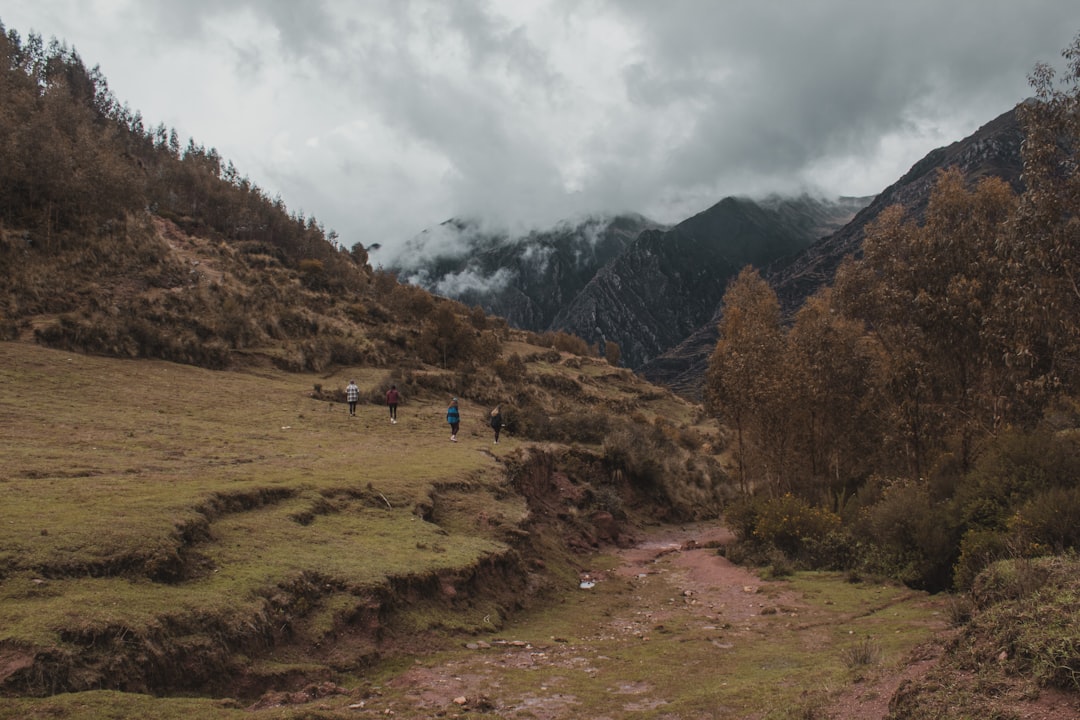
Lima's food scene, Cusco's Inca capital, the Sacred Valley, and Machu Picchu in 7 days — the essential Peru itinerary for first-time visitors.
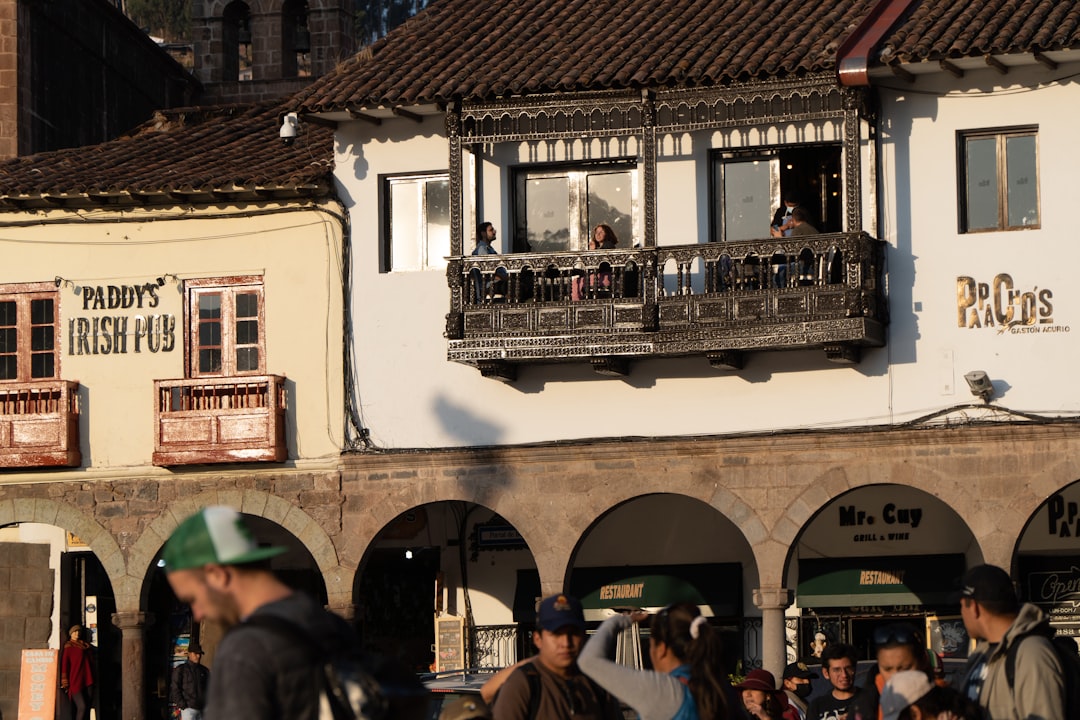
Peru ranges from backpacker-cheap to surprisingly pricey for top experiences. Here's a realistic breakdown of what Machu Picchu, Lima's restaurants, and the Amazon actually cost.
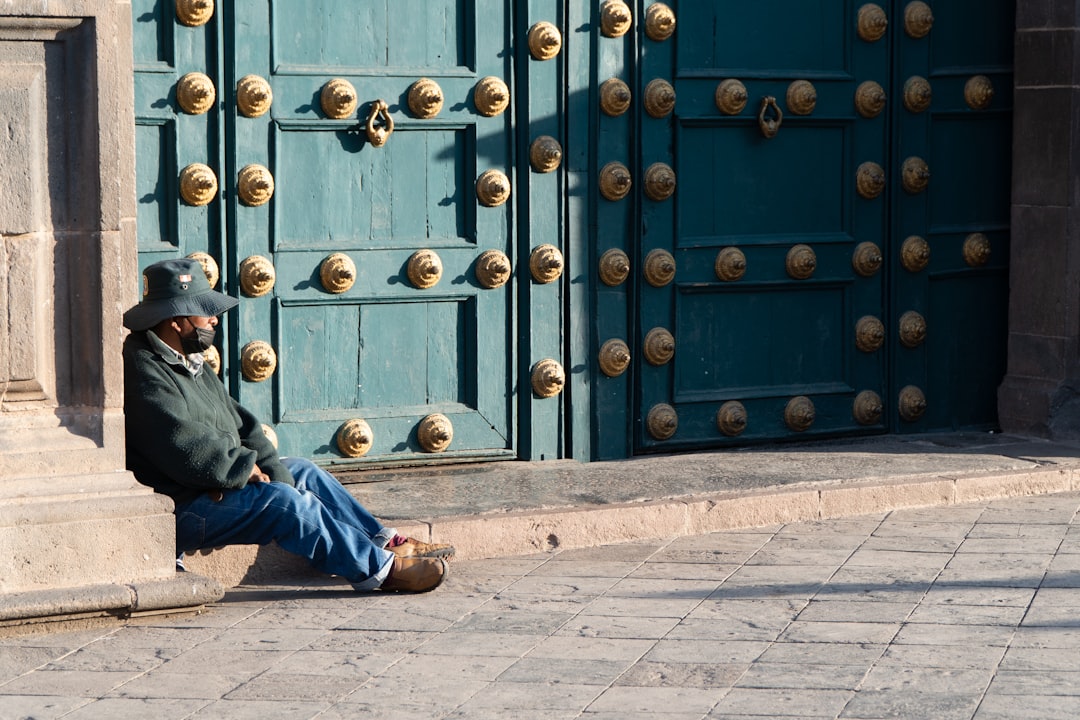
Lima, Cusco, Machu Picchu, the Amazon jungle, Lake Titicaca, and the Nazca Lines in 14 days — the complete Peru experience for serious travellers.
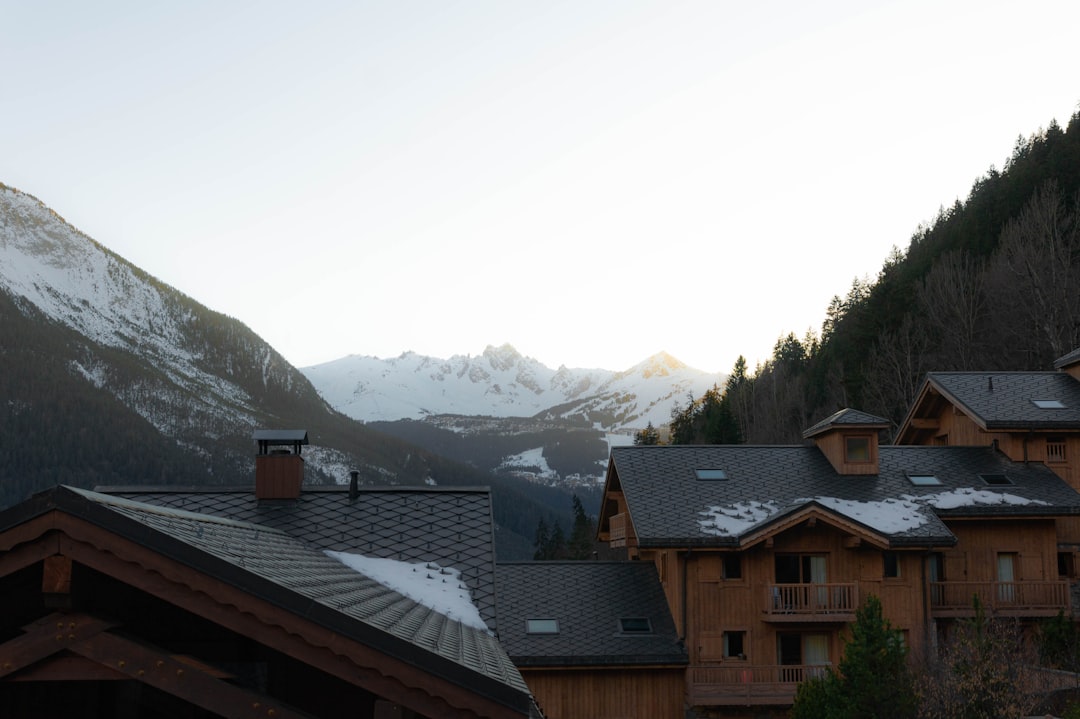
A guide to Alsace — Strasbourg's Grande Île, the Alsace Wine Route through Colmar and Riquewihr, Germanic architecture in a French region, Riesling and Pinot Gris tastings, and Europe's most celebrated Christmas markets.
A guide to Bordeaux — the Cité du Vin museum, the revived La Bastide waterfront, the Saint-Pierre wine bar district, the Arcachon Bay oysters, and how the world's most important wine city has transformed from a grey port into one of France's most livable cities.
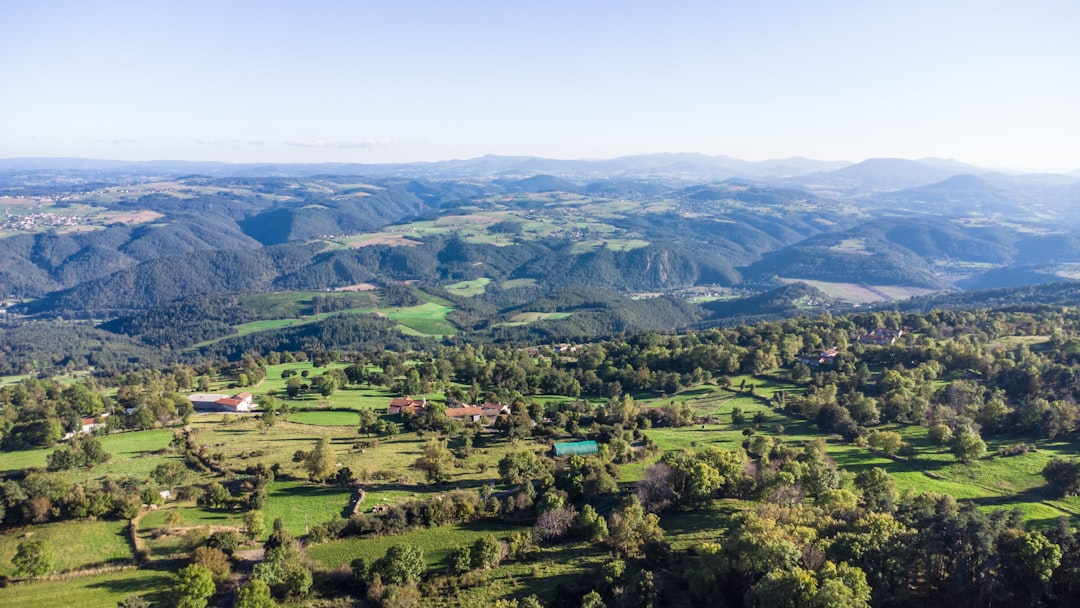
Everything practical for visiting France — the TGV network, driving rules, tipping culture, pharmacy system, the difference between a brasserie and a bistro, costs by region, and the French social codes that make or break a trip.
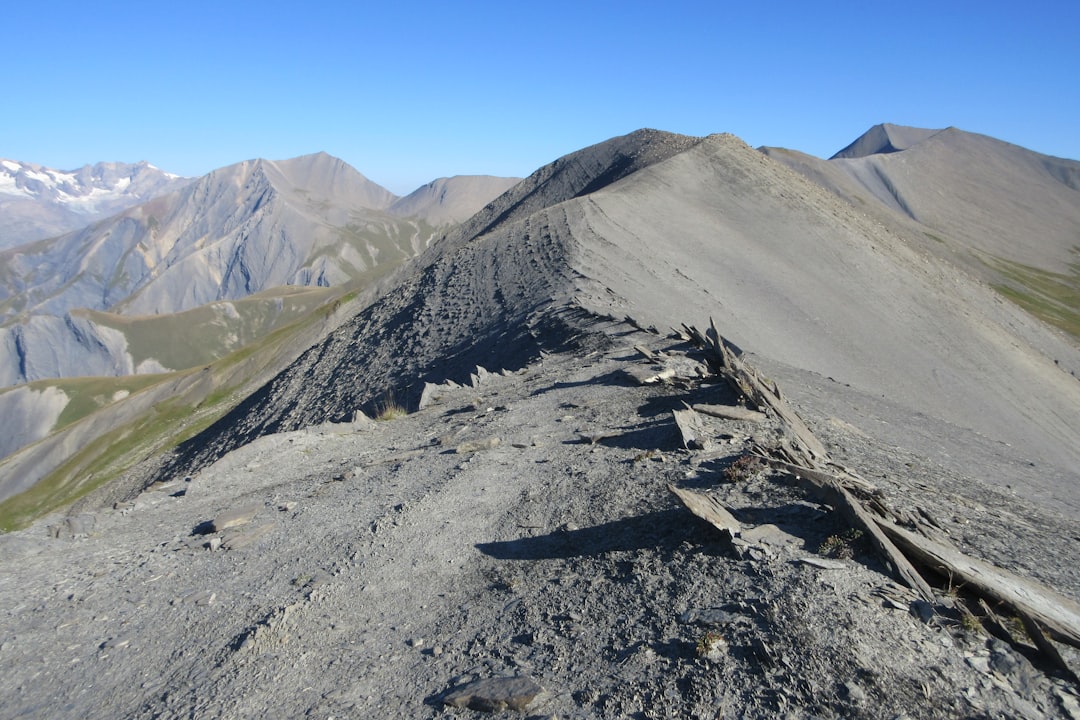
A guide to the Loire Valley — the châteaux of Chambord and Chenonceau, the wine villages of Sancerre and Muscadet, the troglodyte caves of Touraine, and how to cycle through one of UNESCO's greatest cultural landscapes.
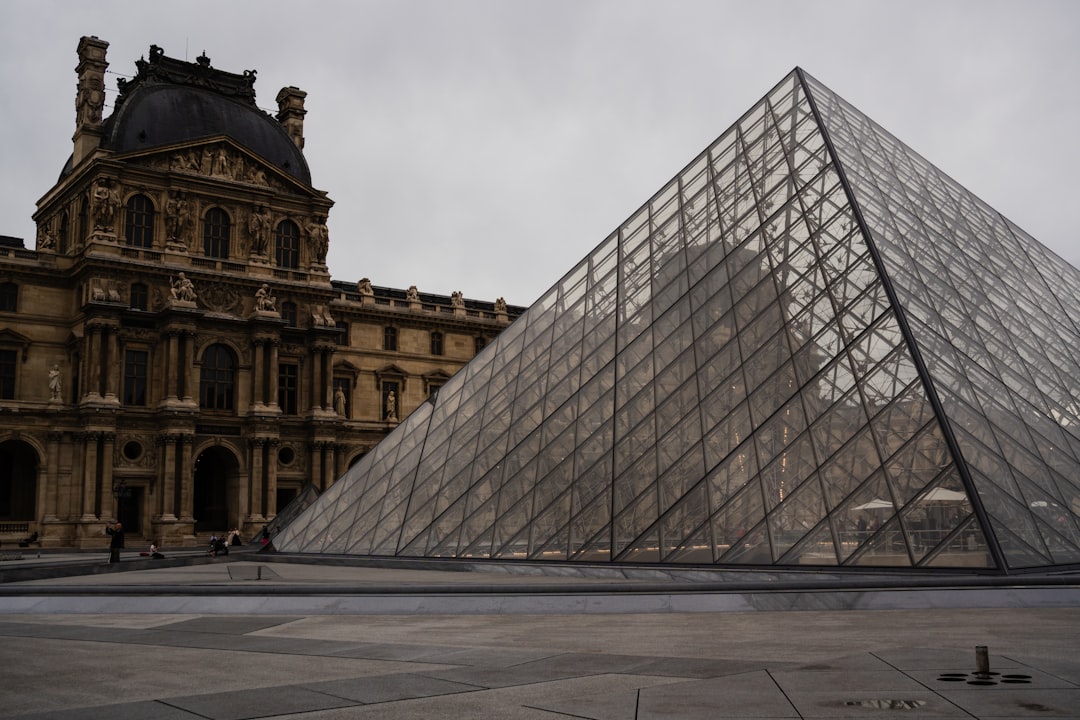
Eating in Lyon — the bouchon tradition, traboules and the old city, Paul Bocuse and the Halles de Lyon, the Croix-Rousse market, and the case for Lyon over Paris as France's true gastronomic capital.
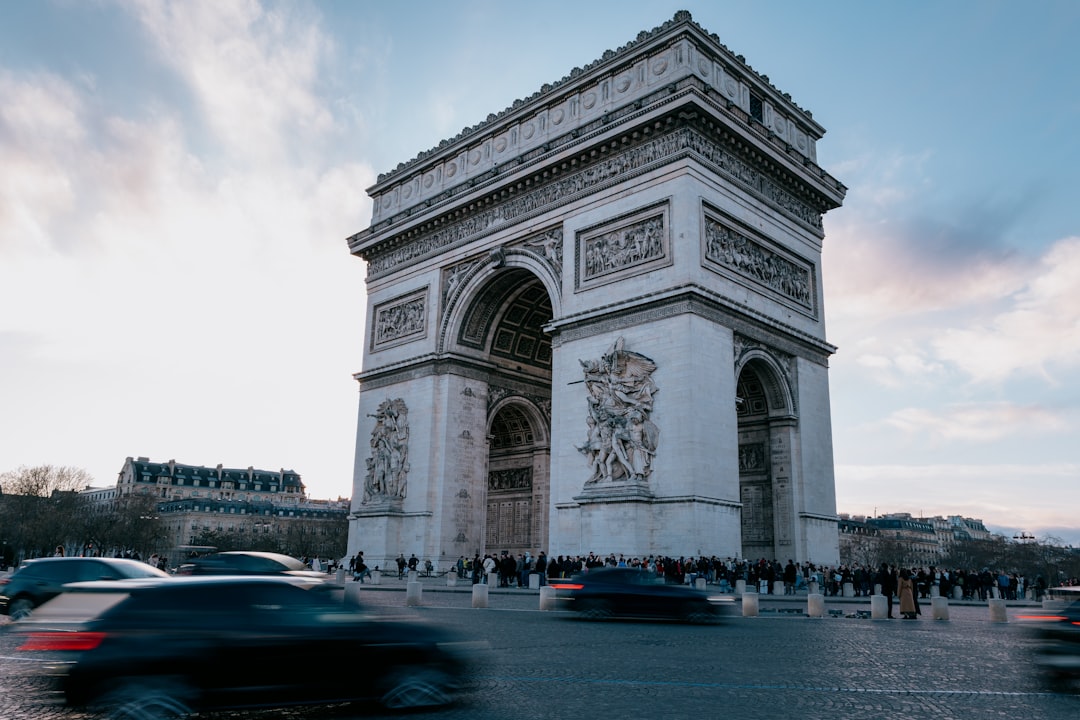
A guide to Normandy — the D-Day landing beaches and memorials, Mont Saint-Michel at high tide, the Pays d'Auge cider and calvados country, Monet's garden at Giverny, and how to structure a road trip through one of France's most historically loaded regions.
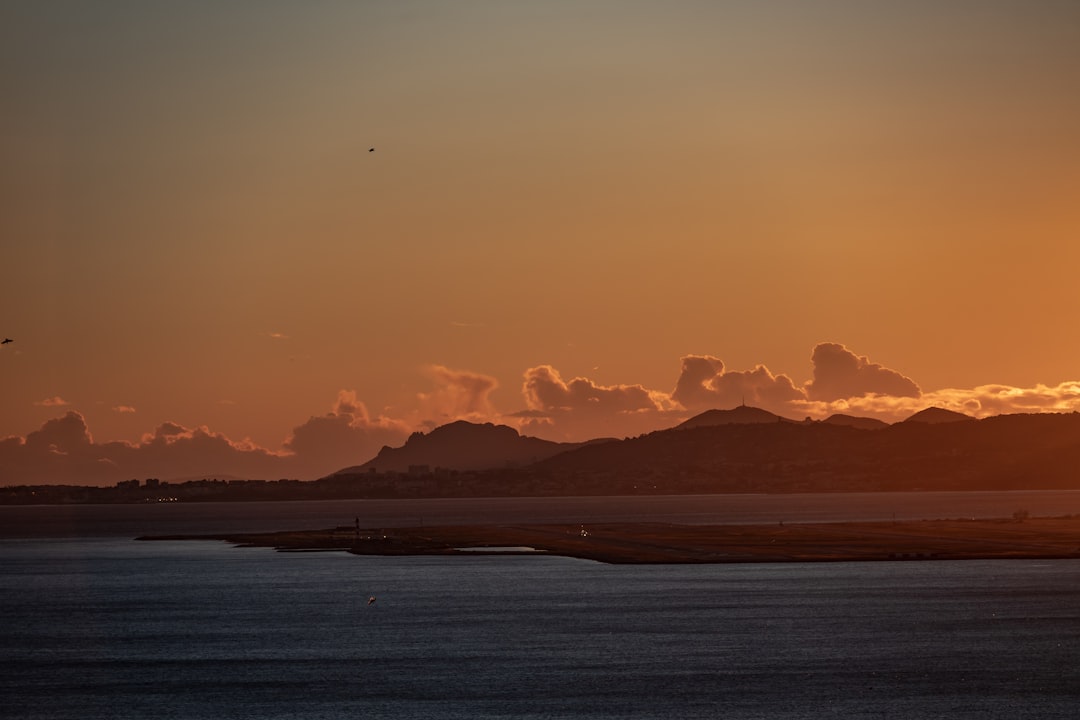
Where and what to eat in Paris — the best boulangeries, the covered passages for lunch, natural wine bars, the bistro tradition, the ethnic food streets of the 10th and 13th arrondissements, and the difference between a tourist restaurant and the real thing.
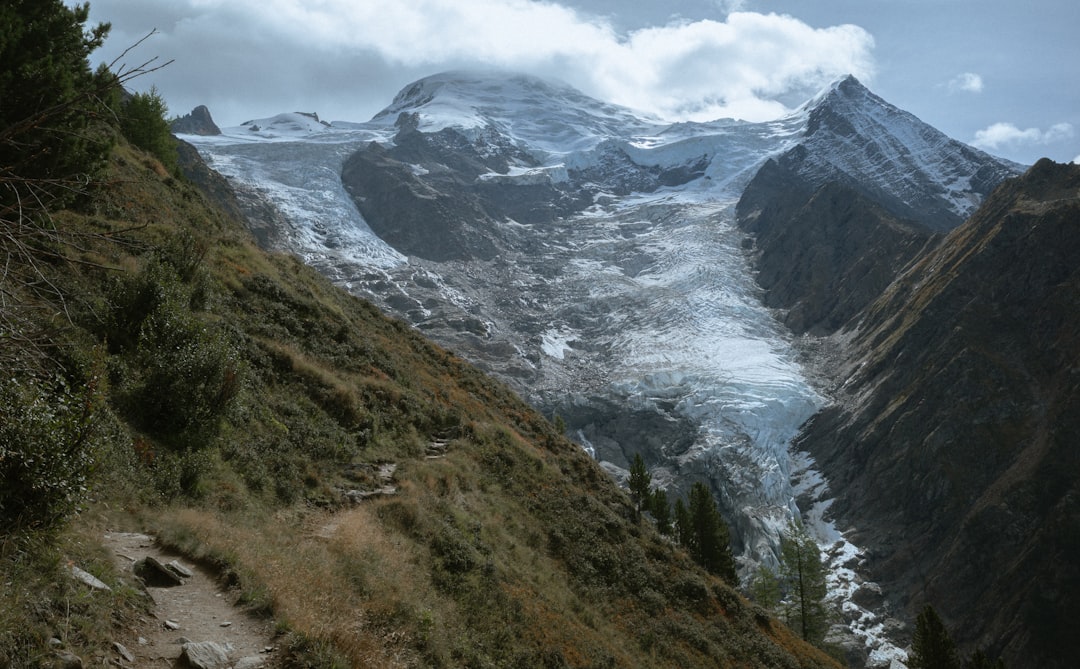
The neighborhoods of Paris that most visitors miss — Belleville, Oberkampf, the 13th arrondissement's street art, the Butte-aux-Cailles, Pigalle's wine bar strip, and the covered passages. Where Parisians actually live, eat, and spend their weekends.
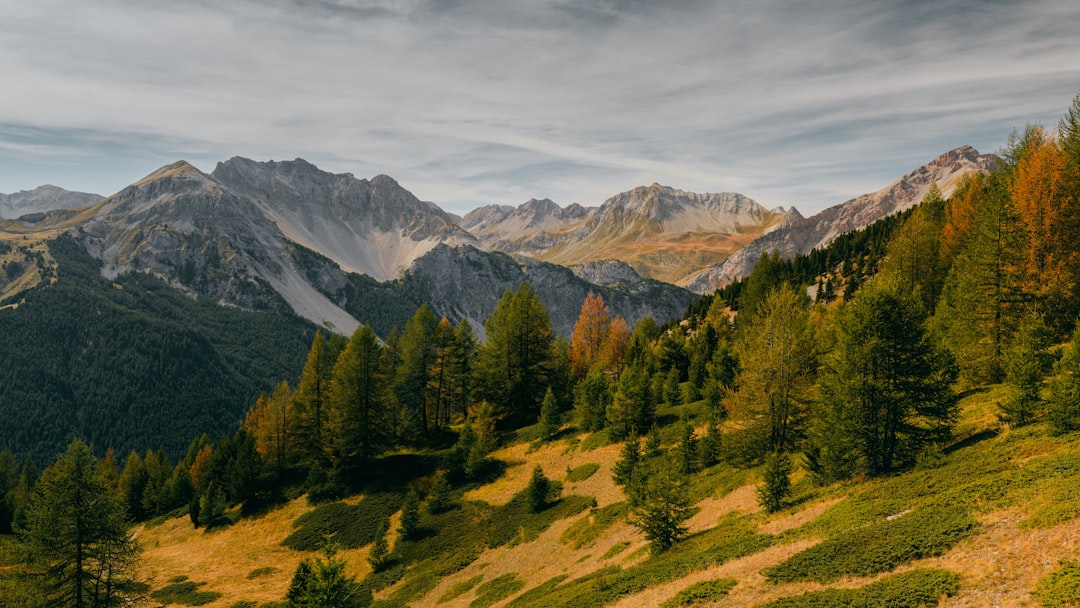
A practical guide to Paris — the Marais, Saint-Germain, Montmartre, and the Canal Saint-Martin. The Louvre vs. the Orsay, the best food markets, and how to see Paris without spending all your time in queues.
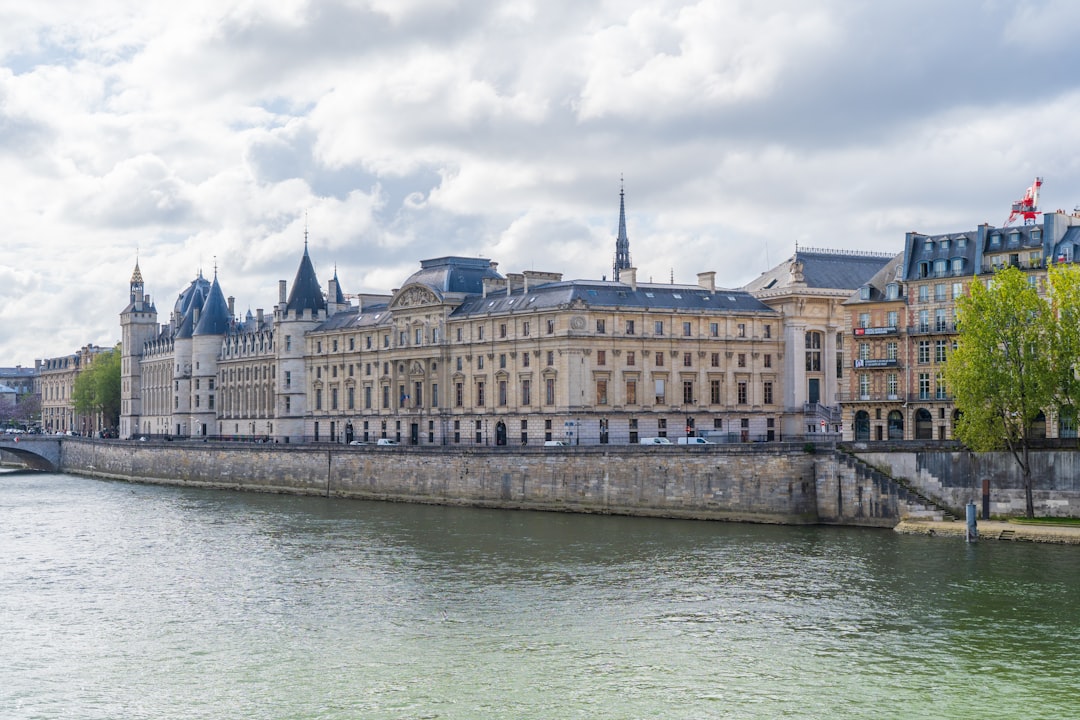
A guide to Provence — the Luberon villages, the lavender fields of the Valensole plateau, the markets of Aix-en-Provence and Arles, the Camargue wetlands, and how to structure a week in one of France's most beautiful regions.
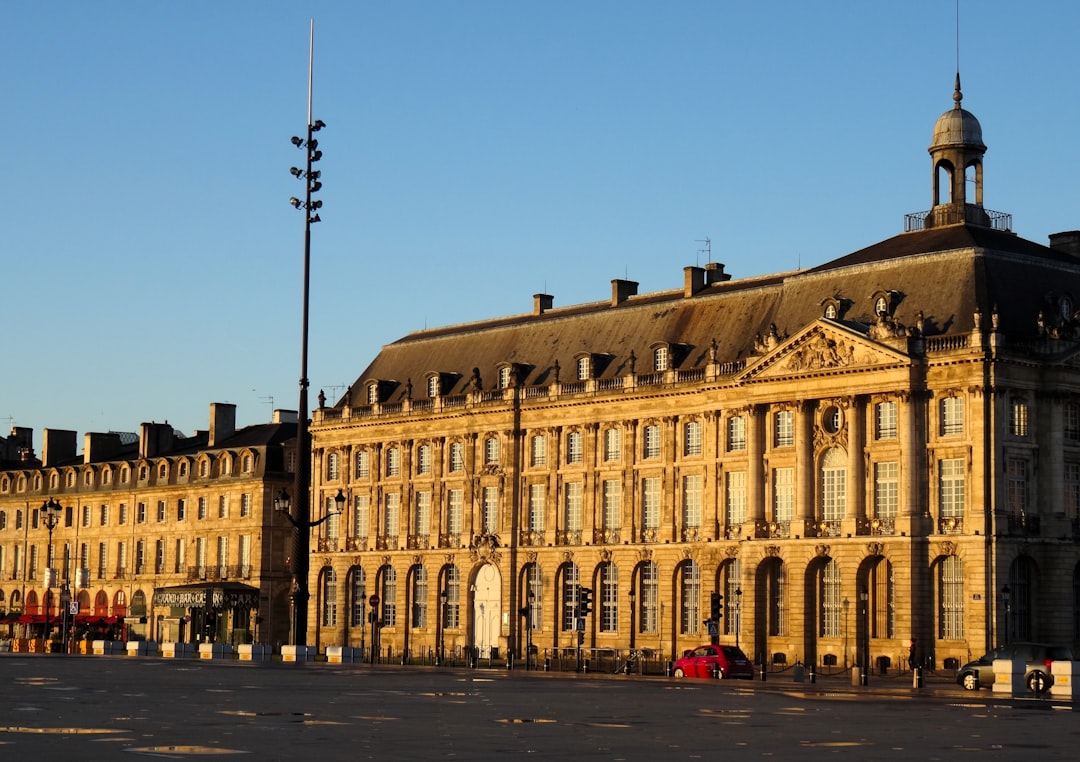
How to visit the Palace of Versailles properly — the Hall of Mirrors vs. the quieter Grand and Petit Trianons, the gardens, the Domaine de Marie-Antoinette, timing to avoid the worst crowds, and why the estate rewards a full day rather than a half-day excursion from Paris.
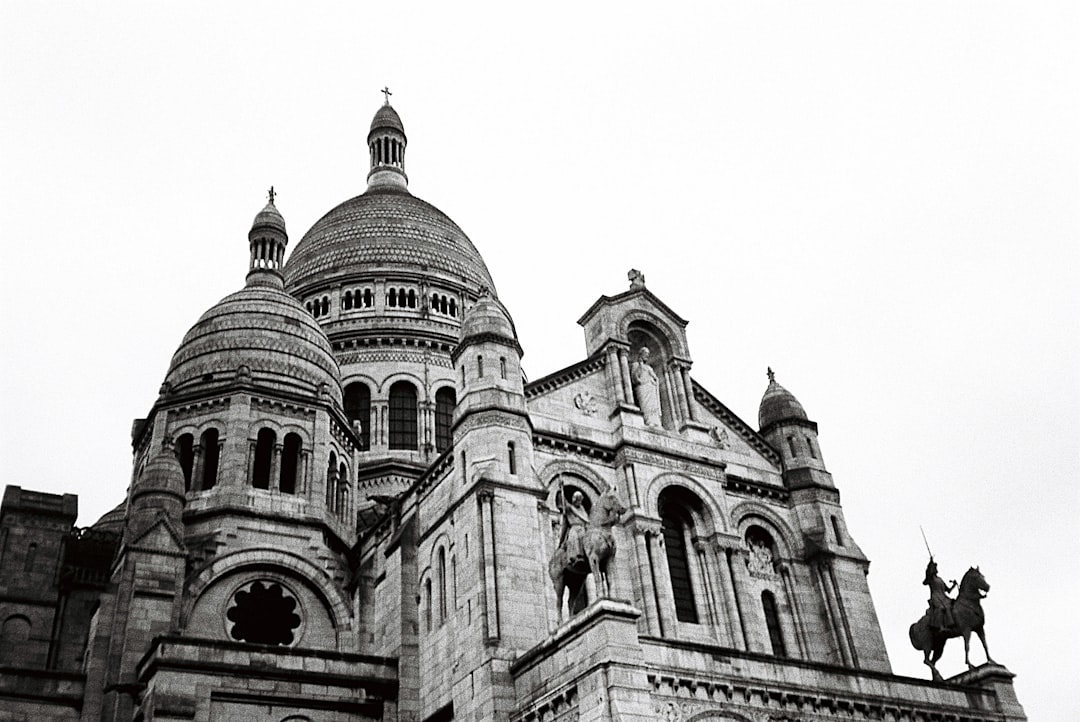
A day trip guide to Ayutthaya — the ruined temples of the ancient Siamese capital, the headless Buddha images, cycling between archaeological sites, the floating market, and what the ruins reveal about Thai history.
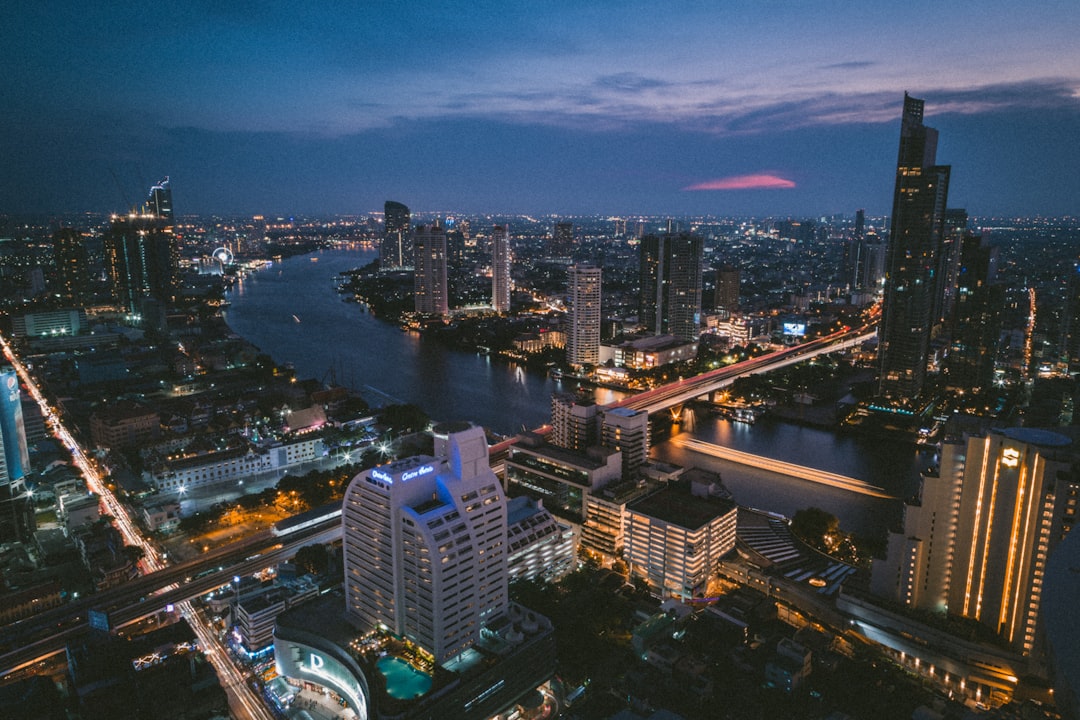
A guide to eating in Bangkok — pad thai vs. the real Thai noodle canon, street food stalls worth seeking out, Michelin-starred restaurants from ฿45 upward, the night markets, and the dishes that define Thai cuisine beyond tourist menus.
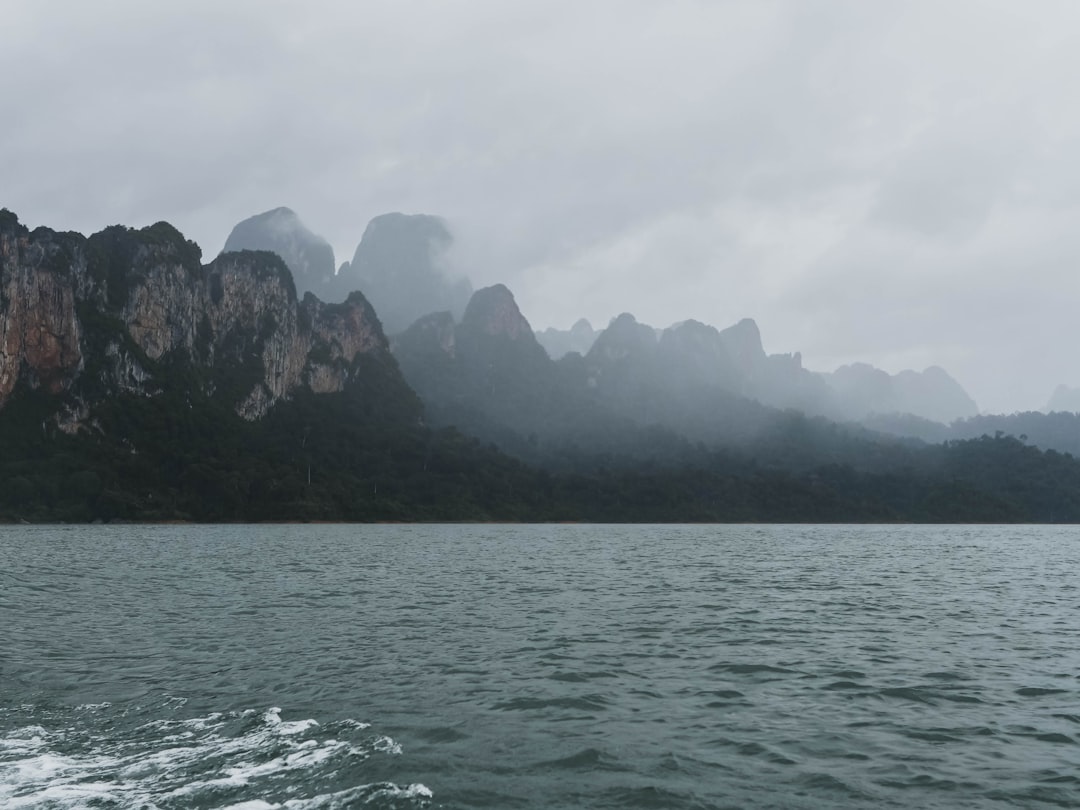
A guide to Bangkok — the Grand Palace and Wat Pho, Chatuchak Weekend Market, Khao San Road vs. the real city, the Chao Phraya river, rooftop bars, and how to navigate Southeast Asia's most overwhelming and rewarding capital.
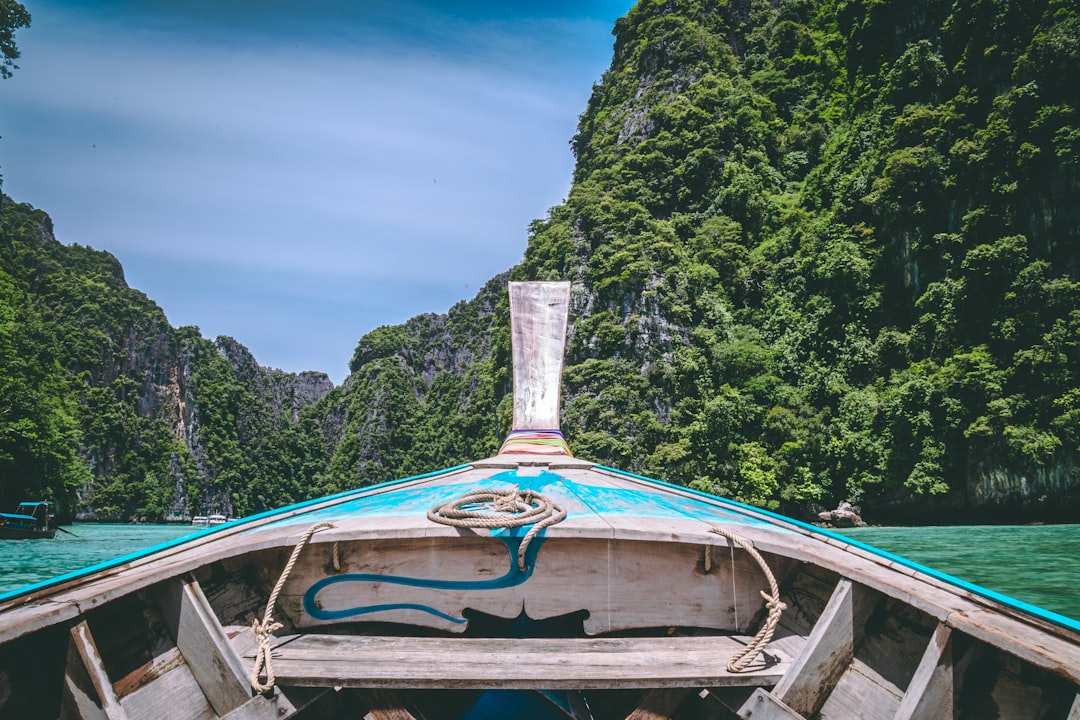
A guide to Bangkok's districts — Sukhumvit's expat corridor, Silom's business core, Rattanakosin's historic island, the Chinese quarter at Yaowarat, Ari and Thonglor as the local dining neighborhoods, and how to navigate between them.
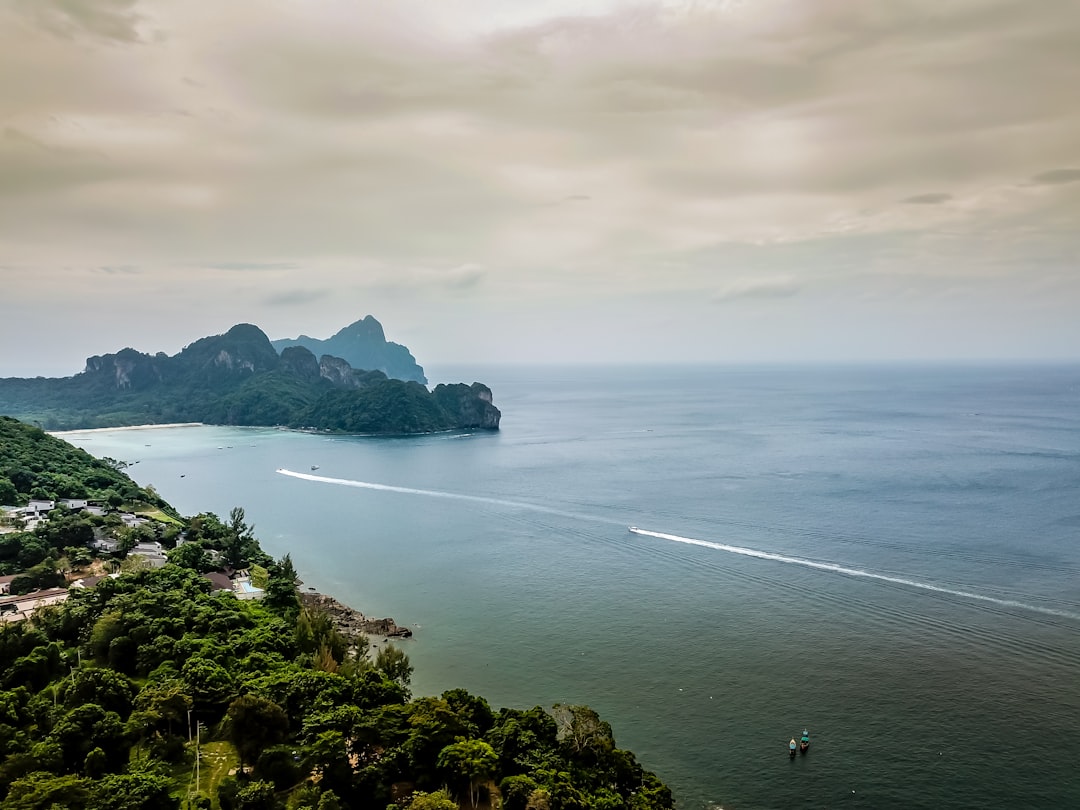
A guide to Chiang Mai — the walled old city temples, Doi Inthanon national park, the Sunday Walking Street, Thai cooking classes, elephant sanctuaries, and how northern Thai culture differs from Bangkok in ways that matter.
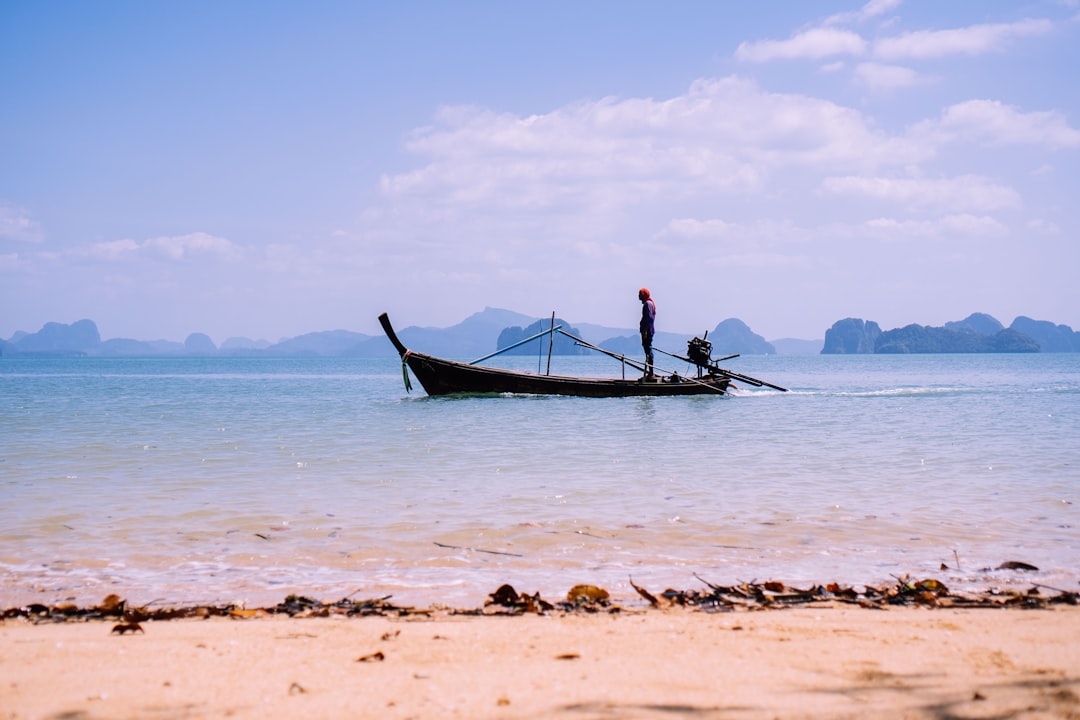
A guide to Chiang Mai's 300+ temples — Wat Doi Suthep on the mountain, Wat Umong's forest tunnels, Wat Chedi Luang's ruins, the differences between Lanna and Central Thai Buddhist architecture, and how to visit respectfully.
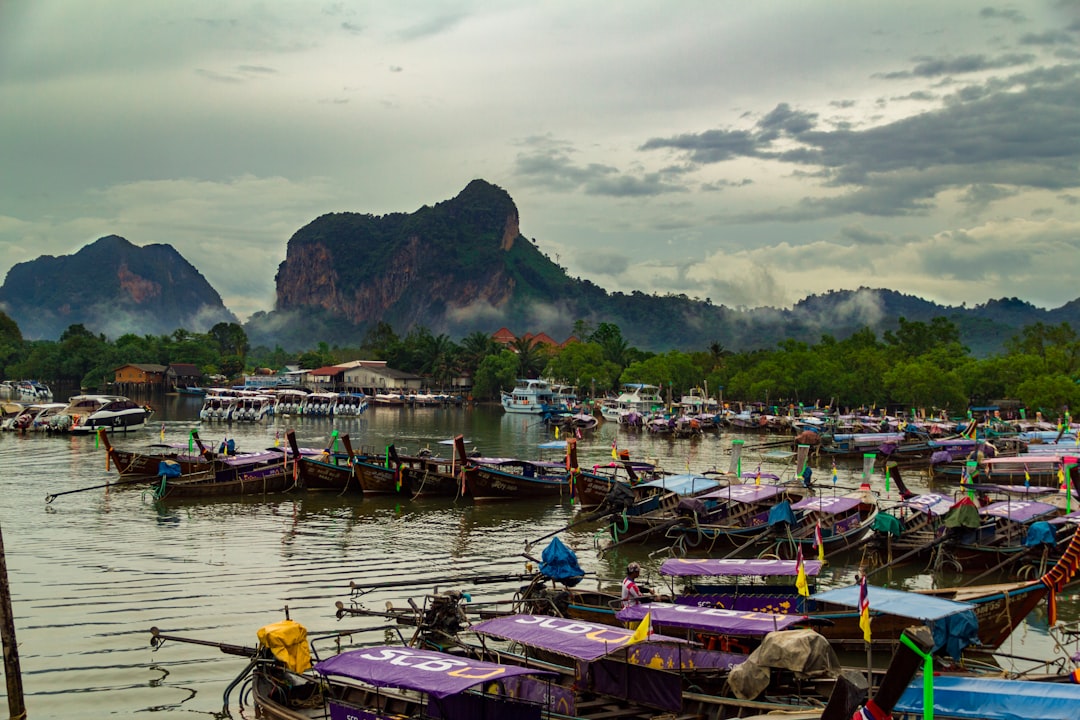
A guide to Pai and the Mae Hong Son Loop — the mountain valley town, the 762-curve road from Chiang Mai, hot springs and waterfall hikes, the Shan border culture of Mae Hong Son, and how to ride the loop by motorbike.
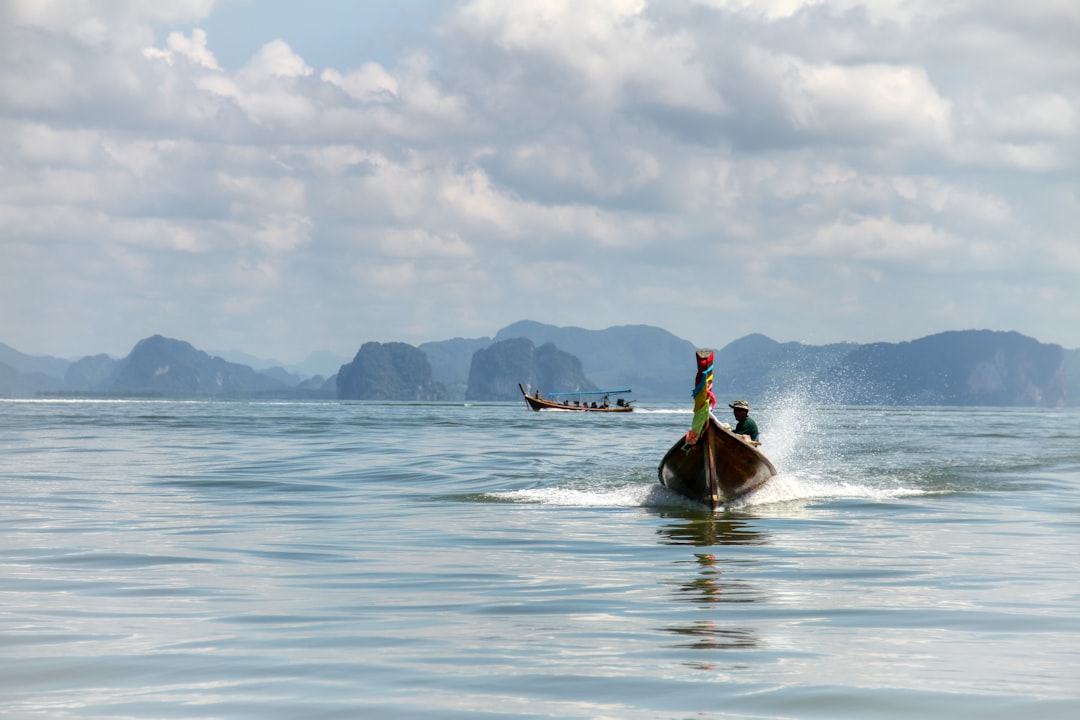
A guide to Phuket — Patong and its alternatives, James Bond Island and Phang Nga Bay, the Phuket Old Town Sino-Portuguese architecture, the Similan Islands dive sites, and how to find actual Thailand inside Thailand's most visited island.
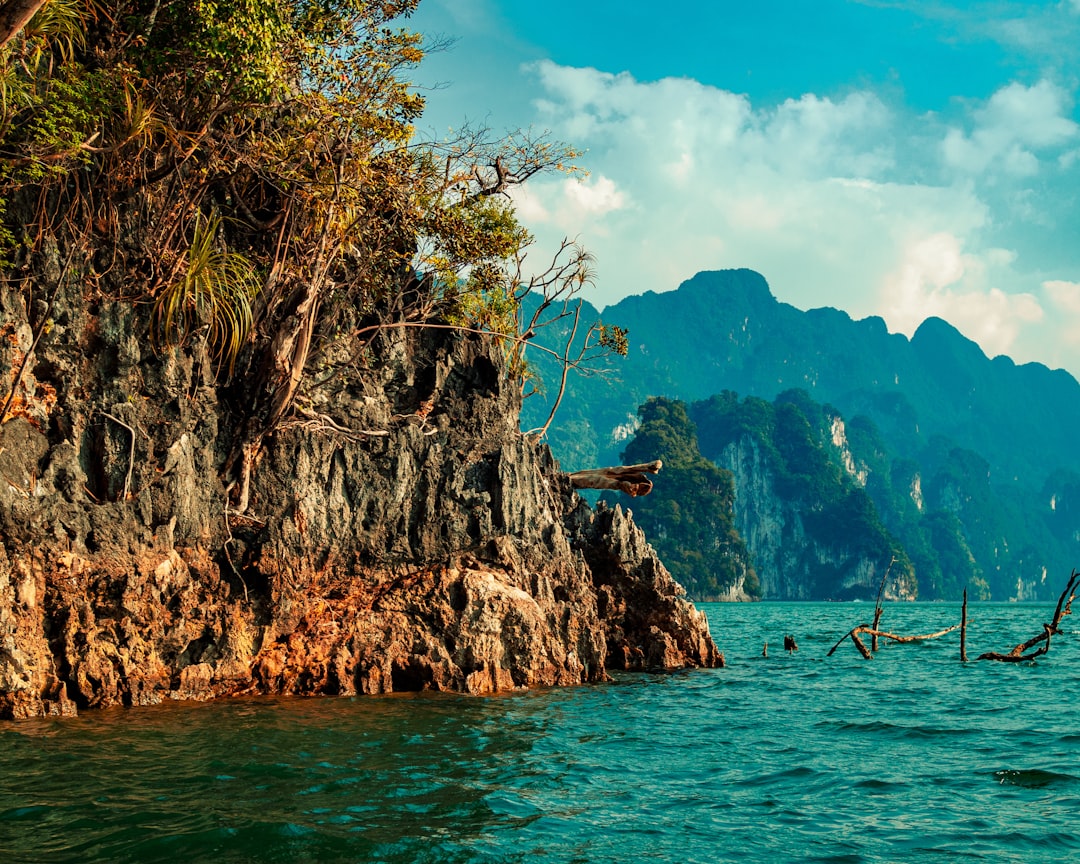
A guide to Thai cuisine — the four regional traditions, the central canon of curries and noodles, northern khao soi and sai oua, southern seafood and turmeric, Isaan som tam and larb, and how to eat well across the country.
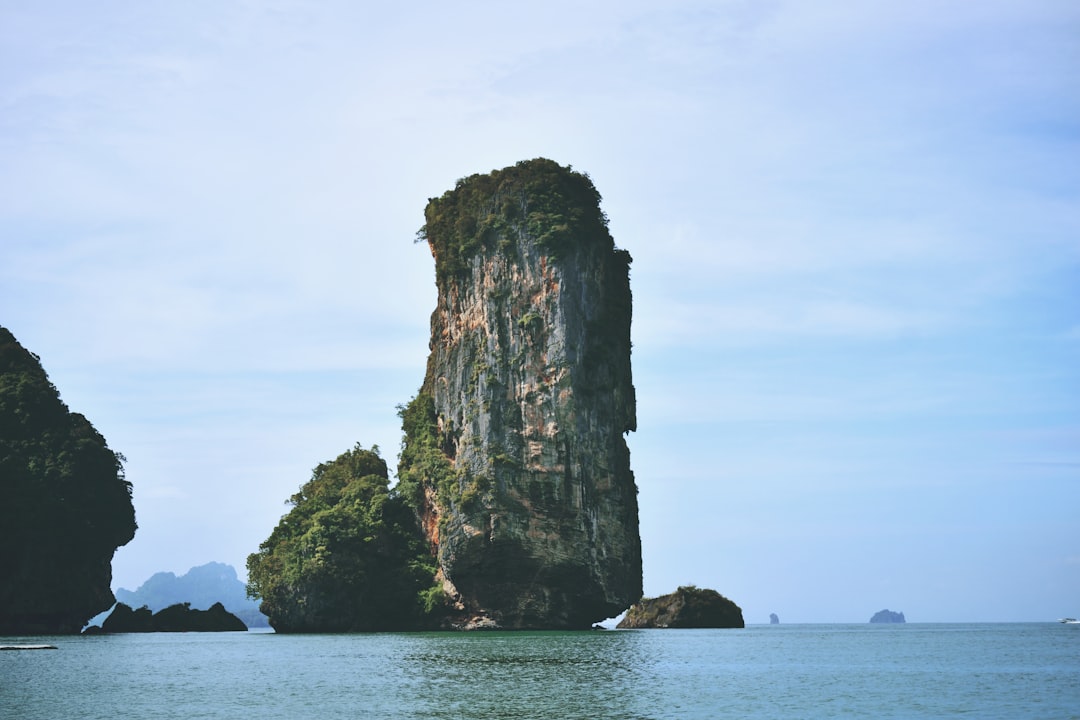
A guide to Thailand's Gulf of Thailand islands — Koh Samui's beaches, Koh Tao's diving and snorkeling, Koh Phangan beyond Full Moon Party, the Ang Thong Marine Park, and how to island-hop the Gulf coast efficiently.
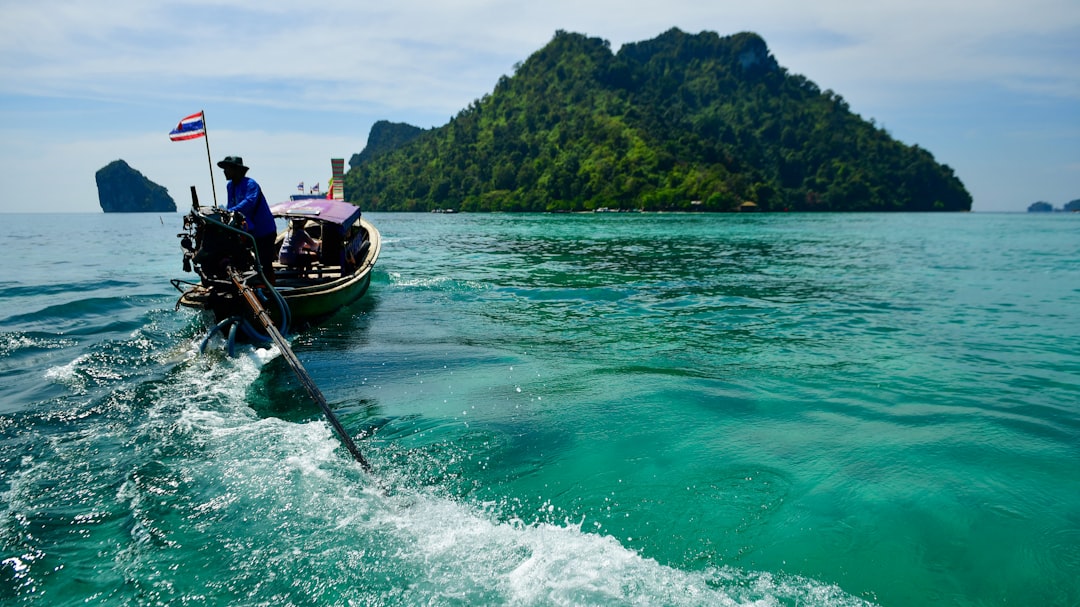
Everything practical for visiting Thailand — visa rules, how to get between cities, tuk-tuks vs. Grab, costs by region, Buddhist cultural codes, monsoon season timing, health requirements, and the scams every visitor should know about.
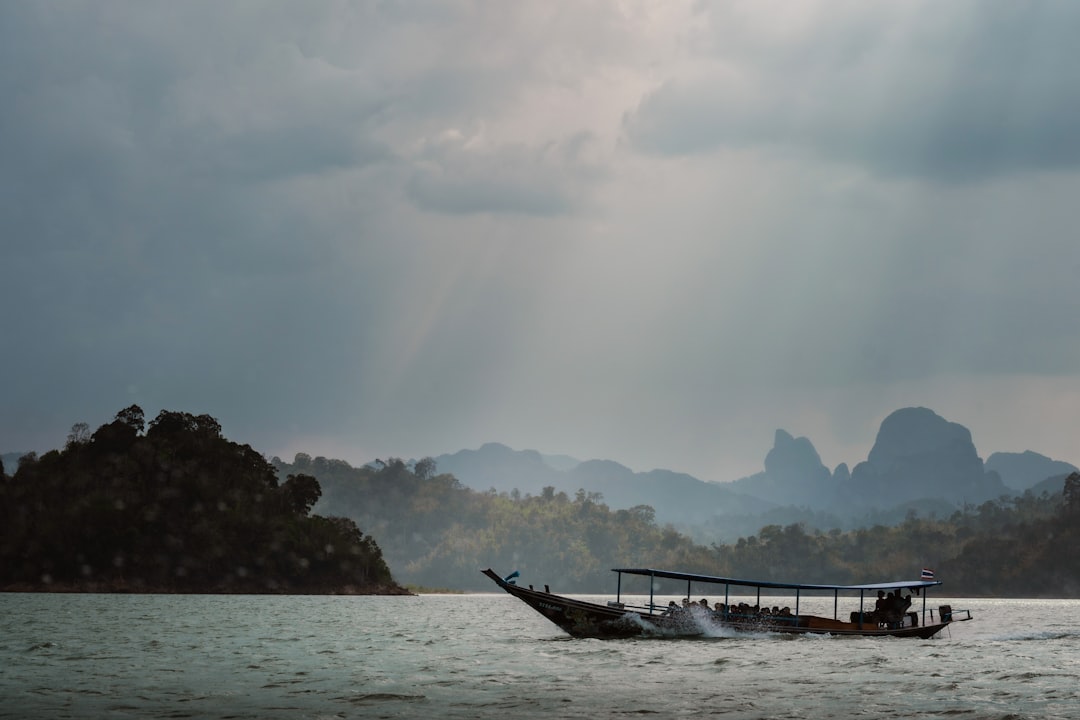
A guide to the Algarve — the sea caves at Benagil, the dramatic cliffs of Ponta da Piedade, the whitewashed towns of Tavira and Silves, surfing at Sagres, the Via Algarviana walking route, and where to find beaches without the resort infrastructure.
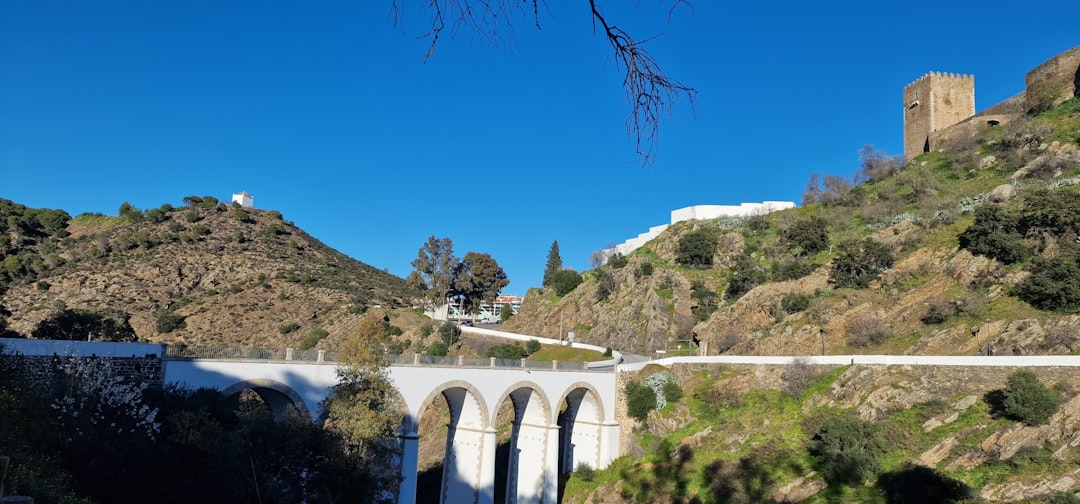
A guide to the Azores — Sete Cidades crater lake on São Miguel, whale watching in the open Atlantic, the hydrothermal calderas of Furnas, hiking on Pico and Flores, and how to island-hop across one of Europe's most dramatic volcanic archipelagos.
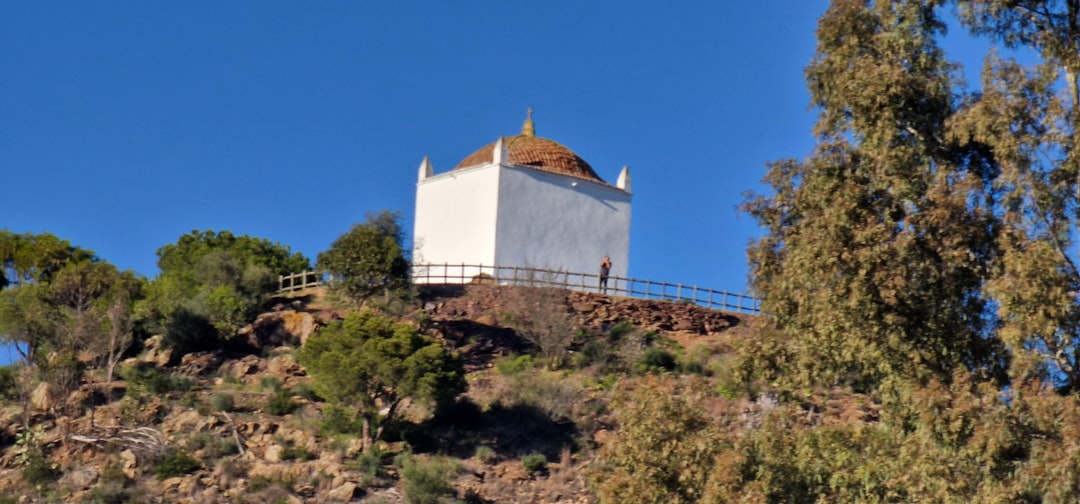
A guide to the Douro Valley — the terraced vineyards above the river, quintas open for visits and tastings, the historic train from Porto to Pinhão, river cruises through the demarcated region, and why this is one of Europe's finest wine landscapes.
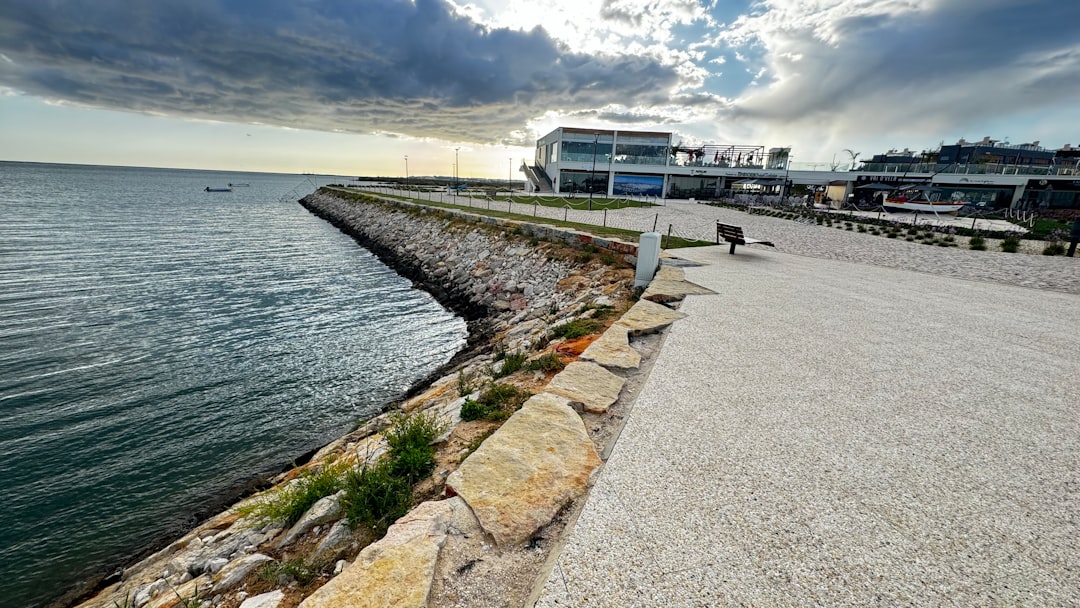
A guide to inland Portugal — the Fátima pilgrimage site and the 1917 apparitions, Évora's Roman temple and walled medieval city, the Alentejo cork oak plains, the megalithic stones at Almendres, and Portugal beyond the coastline.
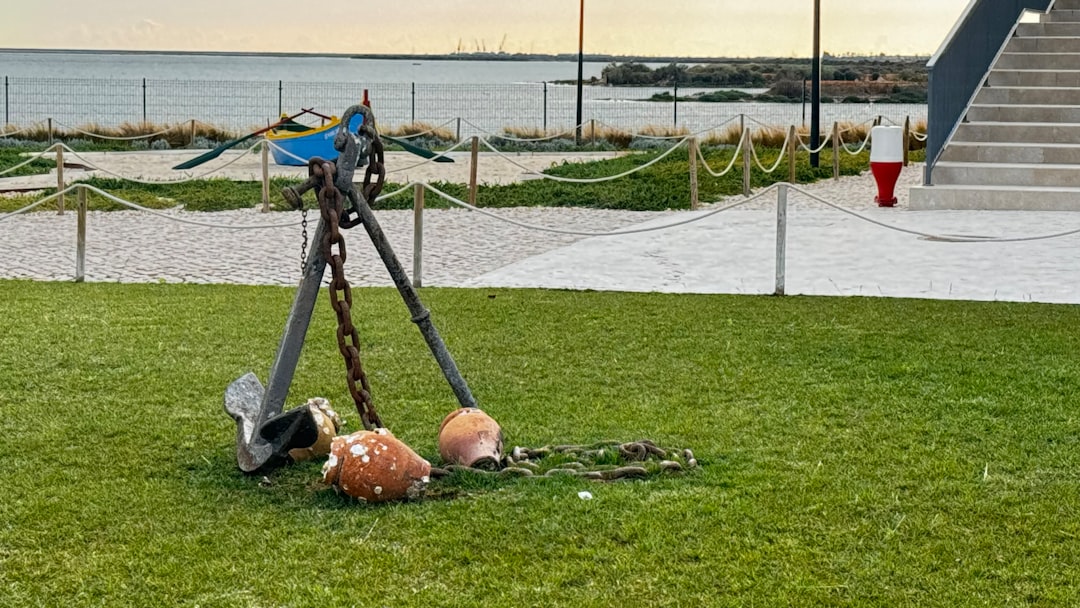
Eating in Lisbon — the tasca tradition, bacalhau in all its forms, the Mercado da Ribeira Time Out market, petiscos and wine bars in the Príncipe Real, Michelin-starred Portuguese cuisine, and what to eat in a country that takes lunch seriously.
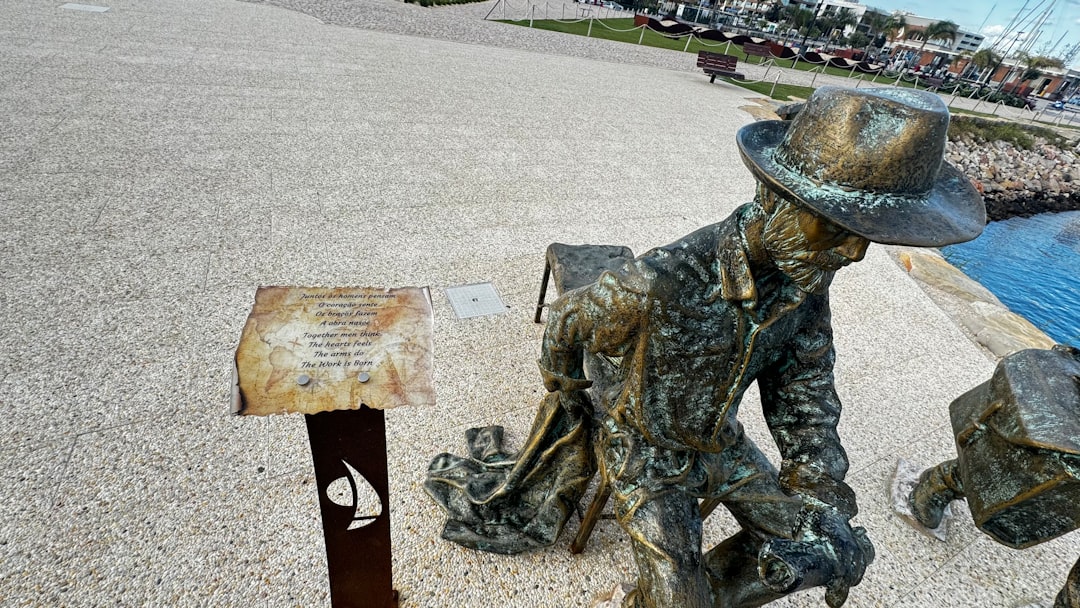
A guide to Lisbon — Alfama's medieval lanes and miradouros, the Belém Tower and Jerónimos Monastery, the yellow tram, fado houses, pastel de nata at Pastéis de Belém, and how to navigate one of Europe's most rewarding capitals.
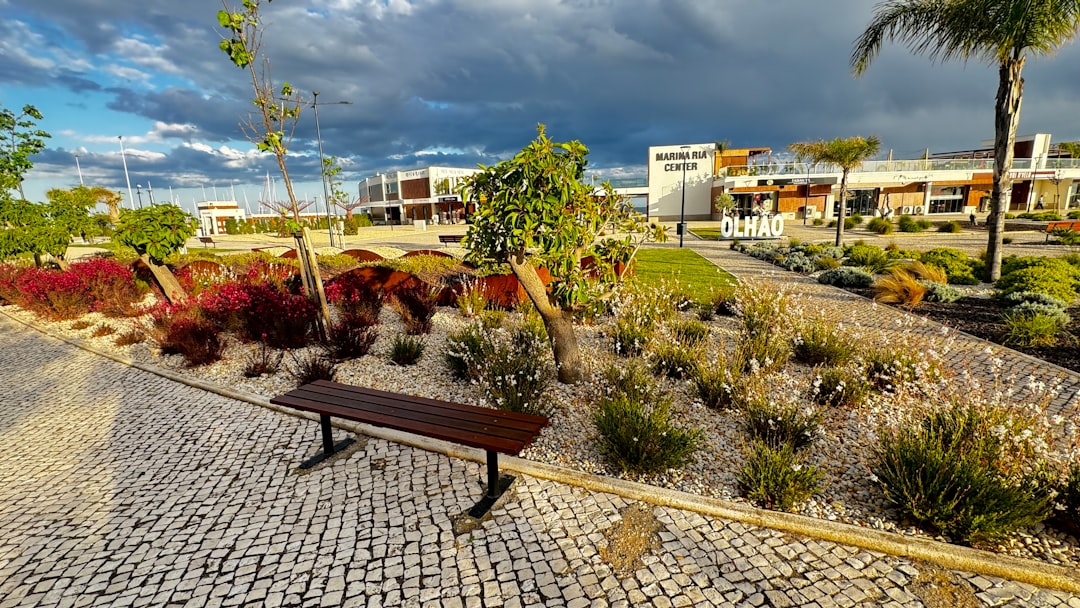
A guide to Lisbon's districts — Alfama and Mouraria's Moorish lanes, Chiado and Bairro Alto for nightlife and shopping, Príncipe Real for wine bars and design, Intendente for the local Lisbon, and Belém for the monumental waterfront.
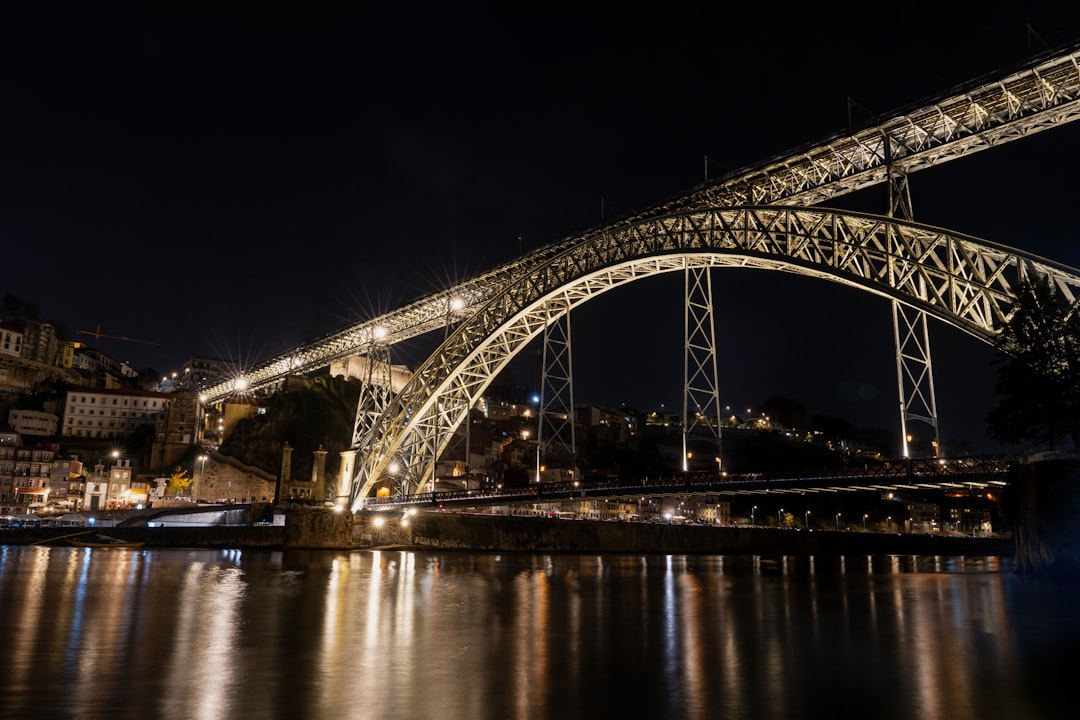
A guide to Porto — the Ribeira waterfront, Livraria Lello and the Art Nouveau streets, port wine tasting in Vila Nova de Gaia, the Foz do Douro Atlantic mouth, francesinha sandwiches, and why Porto may be more interesting than Lisbon.
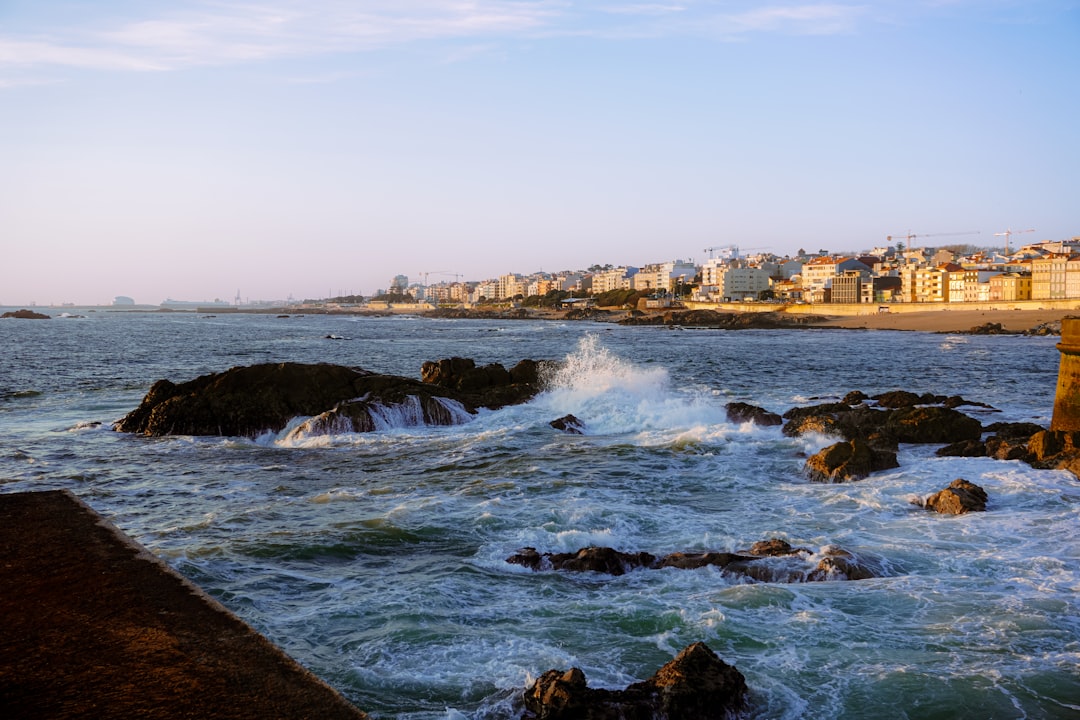
Everything practical for visiting Portugal — the CP rail network, driving the interior, costs by region, tipping culture, the NHC healthcare system for EU visitors, beaches with Blue Flag ratings, and the social codes that make Portugal work for visitors.
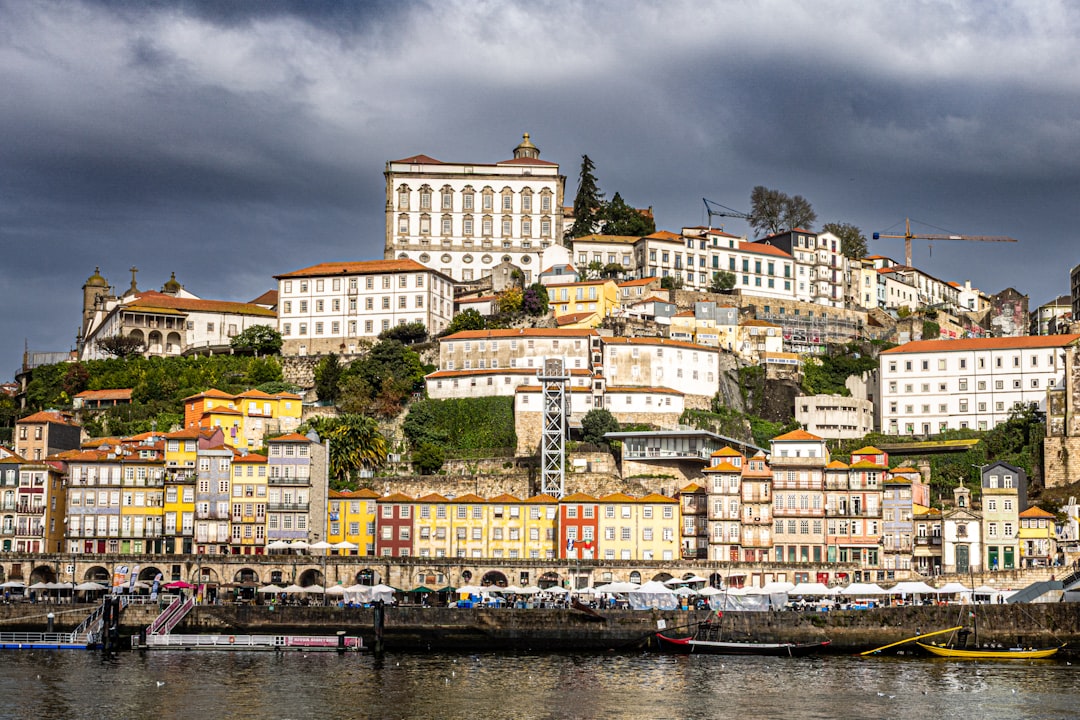
A guide to Portuguese wine — the Douro Valley terraces, port wine classifications, vinho verde and the Minho, the Alentejo reds, Dão and Bairrada, the Setúbal Moscatel, and why Portuguese wine represents the best value in Europe.
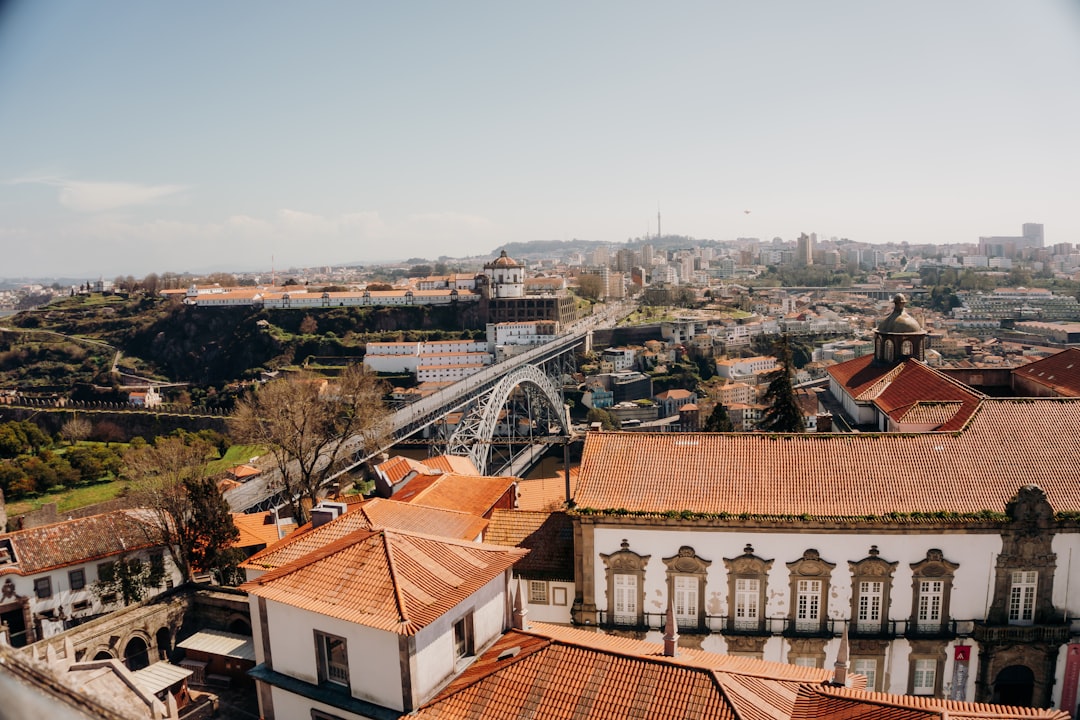
A day trip guide to Sintra — the Pena Palace on its hilltop, the Moorish Castle ruins, the Quinta da Regaleira's initiation well, the National Palace in the village, and how to structure a visit to the most extraordinary palace landscape in Portugal.
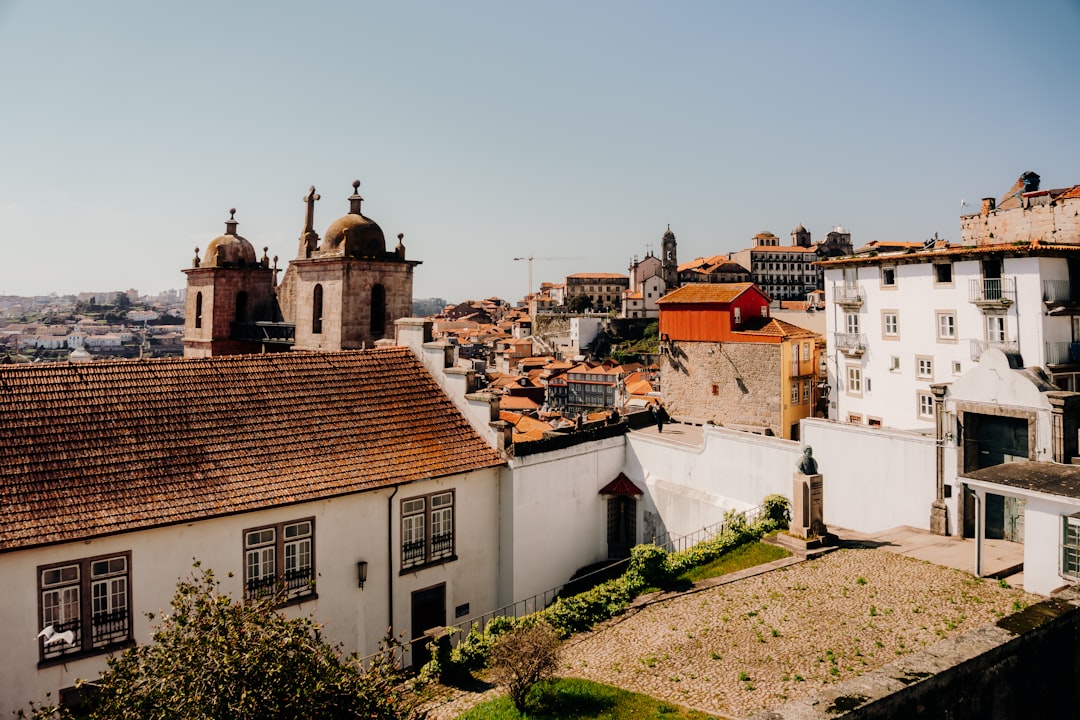
A guide to Delhi — the Red Fort and Jama Masjid of Old Delhi, the Qutb Minar and Humayun's Tomb, the Lodhi Art District, the chaos of Chandni Chowk, and how to navigate a city that contains 3,000 years of history in simultaneous operation.
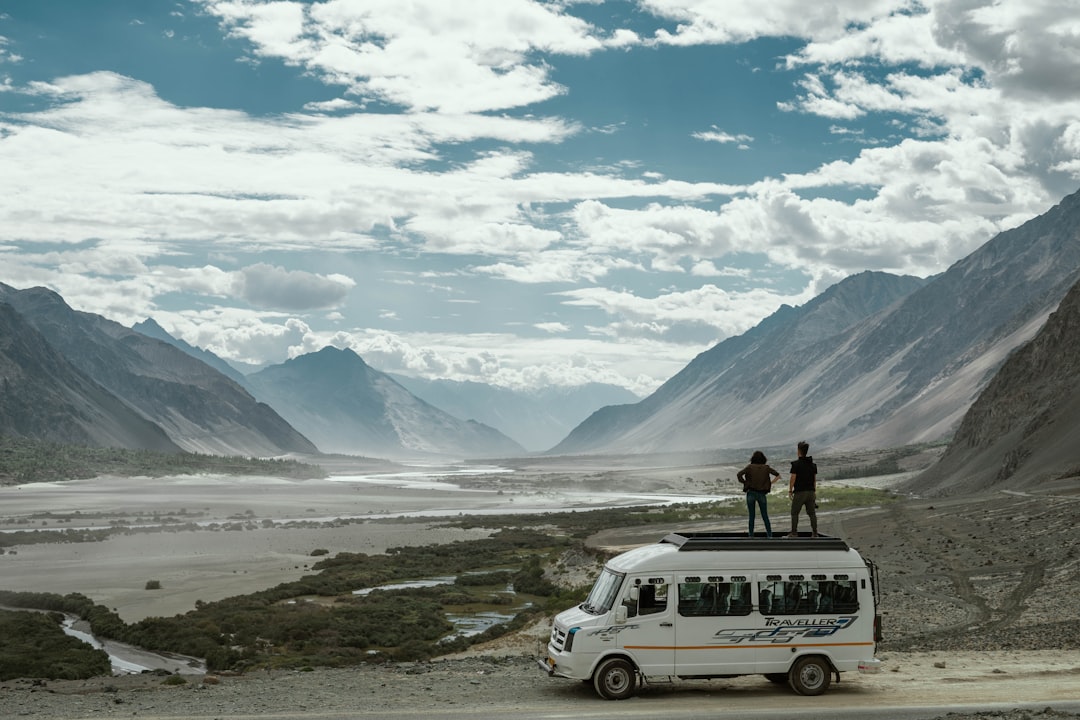
A guide to Goa — the north vs. south beach divide, Old Goa's Portuguese Baroque churches, the Dudhsagar waterfall in the Western Ghats, feni and the local food scene, and why Goa is more than the party beach reputation suggests.
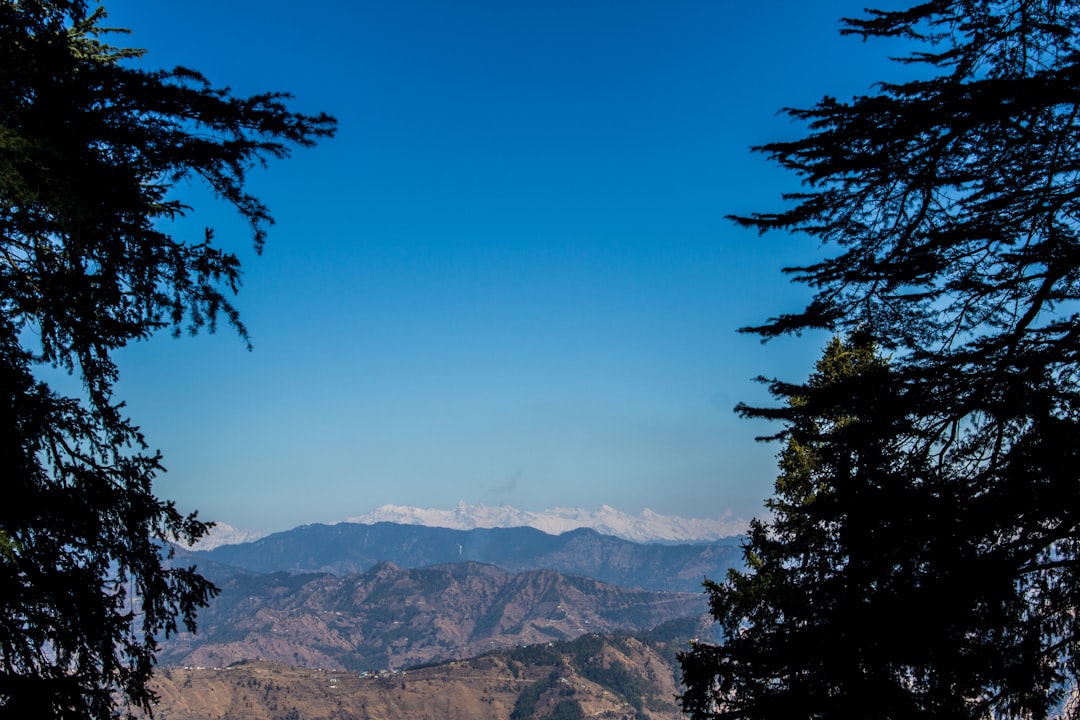
A guide to Indian cuisine — the six regional traditions, the street food canon from chaat to dosa, vegetarian India vs. the meat traditions, the spice logic, thali culture, and how to eat confidently across the country without getting sick.
Everything practical for visiting India — the e-visa system, train booking on IRCTC, domestic flights, costs by region, the tipping system, cultural codes in temples and homes, health precautions, and managing the overwhelming reality of Indian cities.
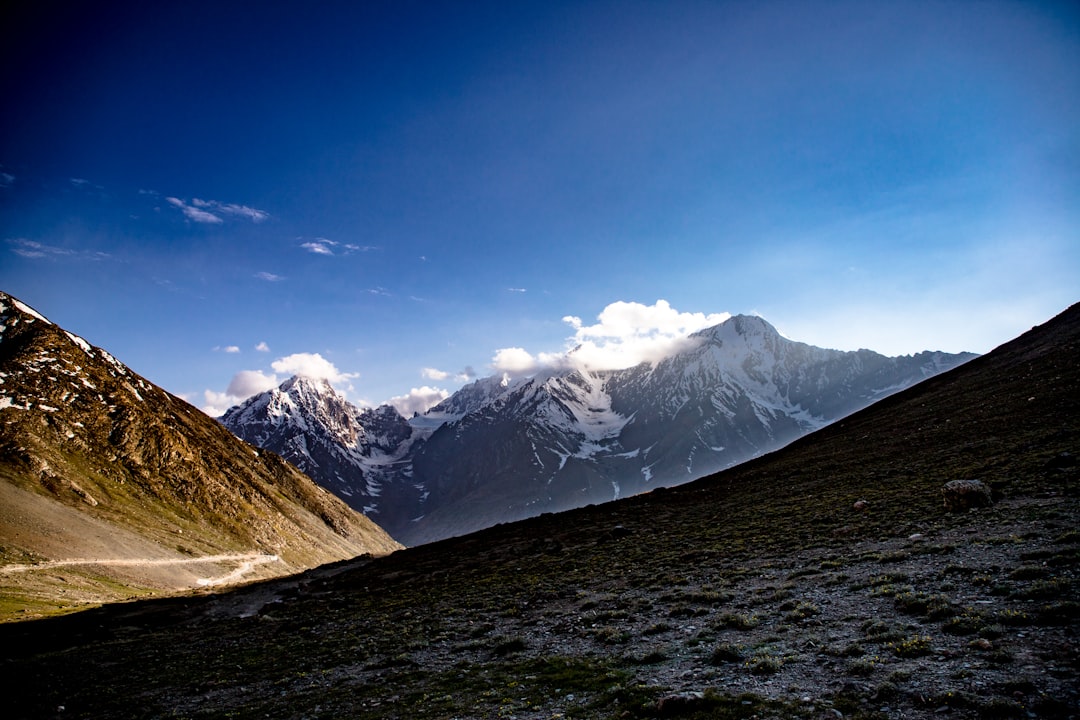
A deeper guide to Jaipur — the Jantar Mantar astronomical observatory, the stepwells of Chand Baori, the block printing workshops of Sanganer, the blue pottery tradition, the old city markets for textiles and gemstones, and the Jaipur Literature Festival.
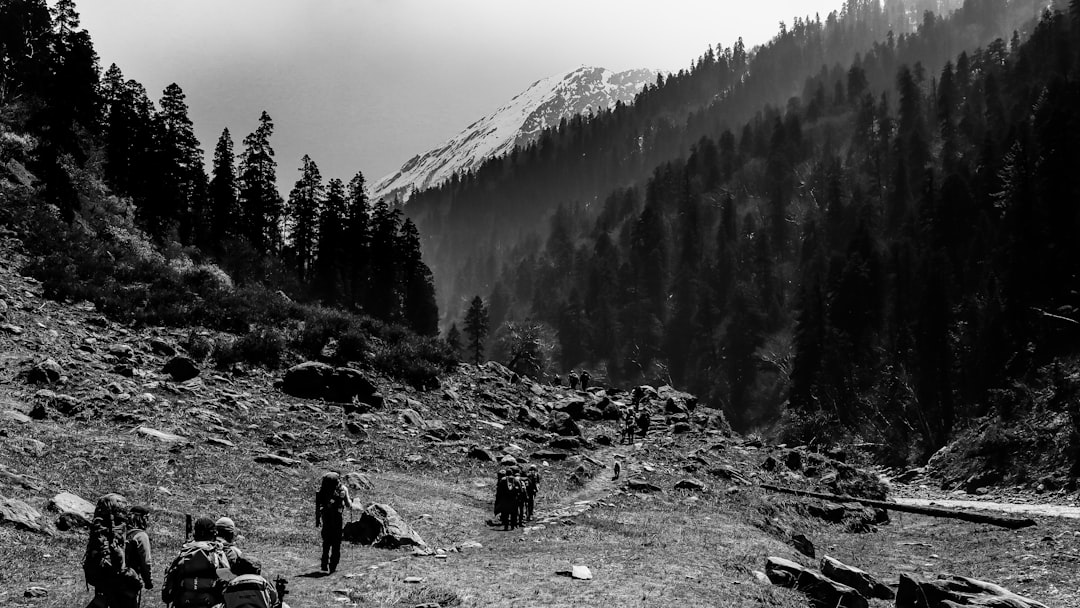
A guide to Kerala — the houseboat backwaters of Alleppey, the tea plantations of Munnar, Fort Kochi's colonial heritage, Theyyam spirit possession rituals, Ayurvedic treatments, and the spice trail along the Western Ghats.
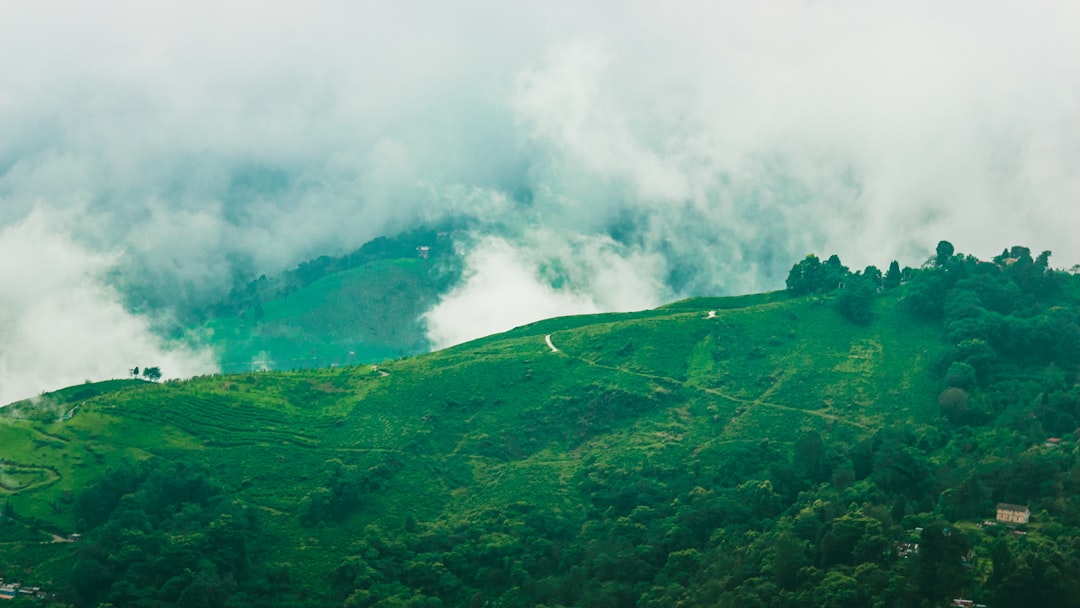
Eating in Mumbai — the Parsi café tradition, Irani bakeries, the seafood of Mahim and Versova, the vegetarian Jain thali, street chaat from Juhu Beach to Mohammed Ali Road, and the contemporary Indian restaurant scene.
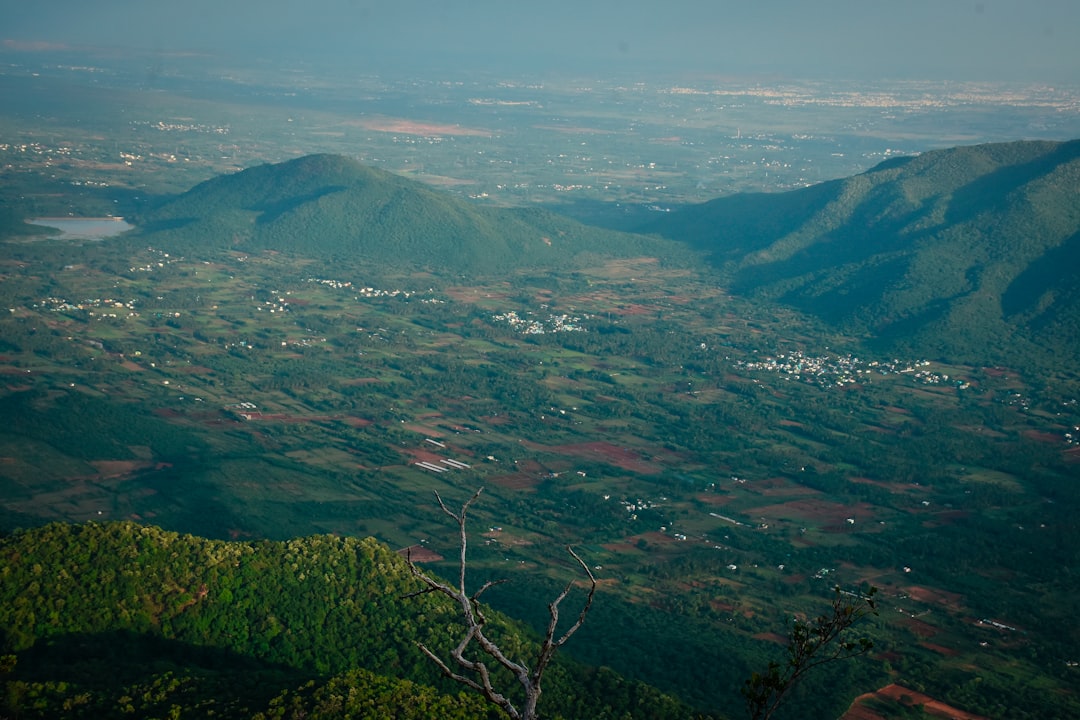
A guide to Mumbai — the Gateway of India and Taj Mahal Palace Hotel, the colonial Gothic district of Churchgate, Dharavi and what the world's most famous slum actually is, the Elephanta Caves, Bollywood studio tours, and how India's financial capital works.
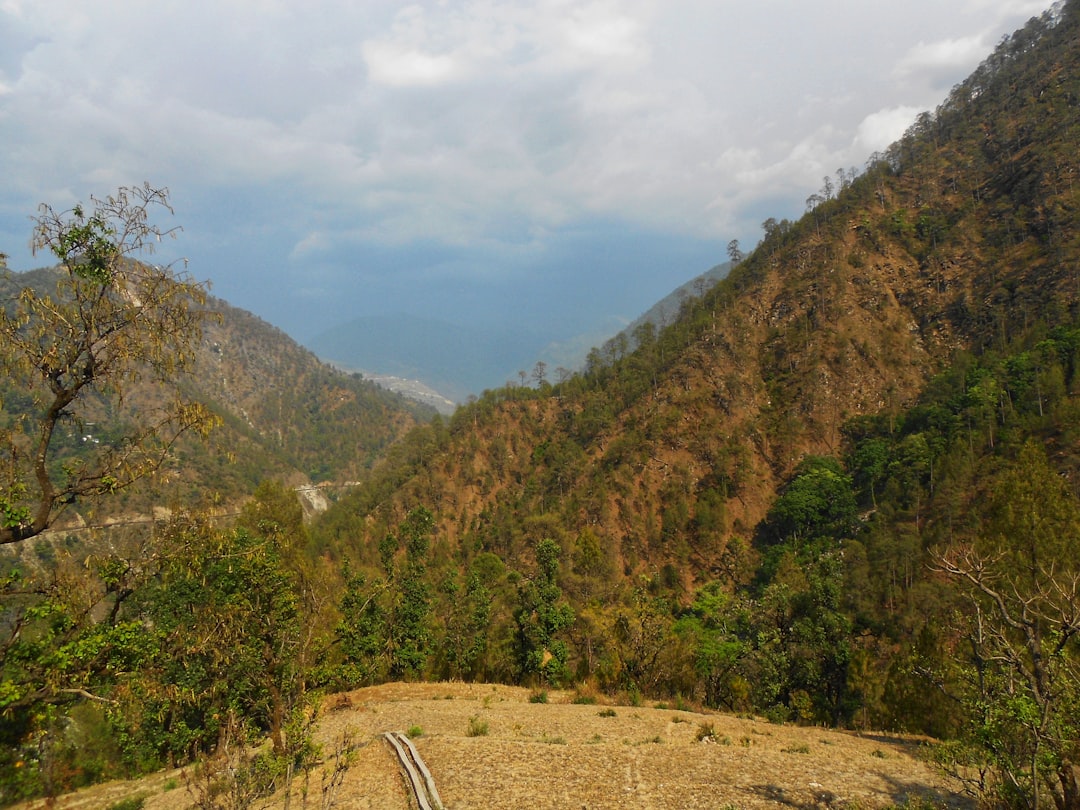
A guide to Rajasthan — Jaipur's Pink City and Amber Fort, Jodhpur's blue lanes and Mehrangarh, Udaipur's lake palaces, the Thar Desert at Jaisalmer, and how to structure a circuit through India's most visually spectacular state.
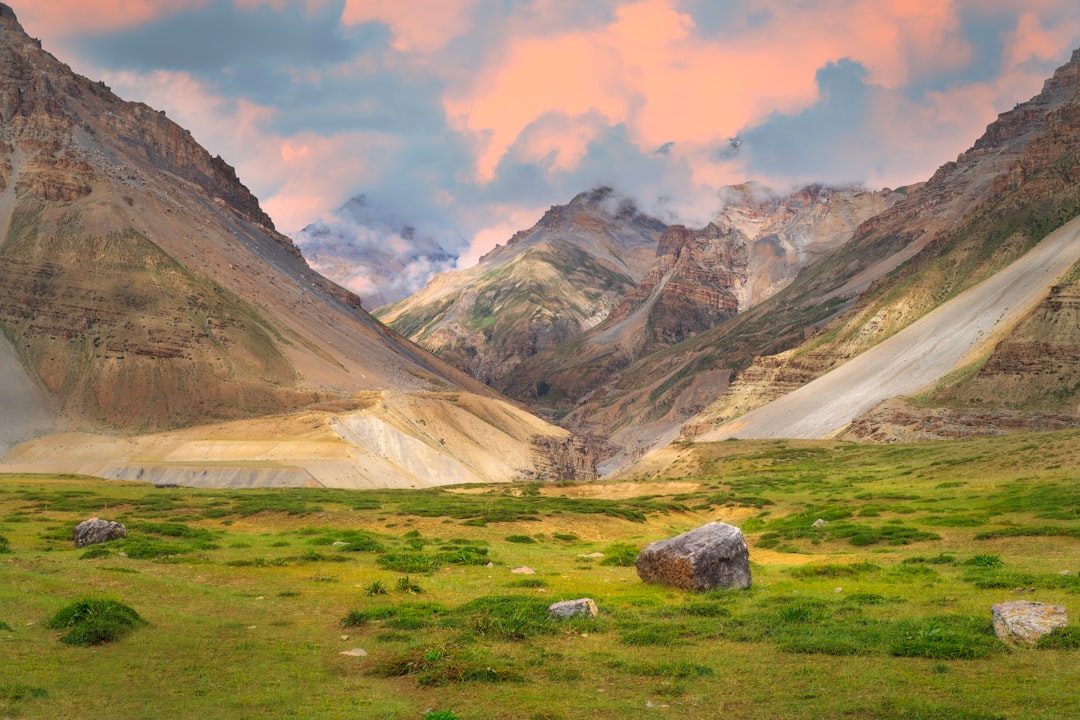
A day trip guide to Agra — the Taj Mahal at dawn and at dusk, Agra Fort and the octagonal tower where Shah Jahan spent his final years, Fatehpur Sikri's abandoned Mughal capital, and the right approach to India's most visited monument.
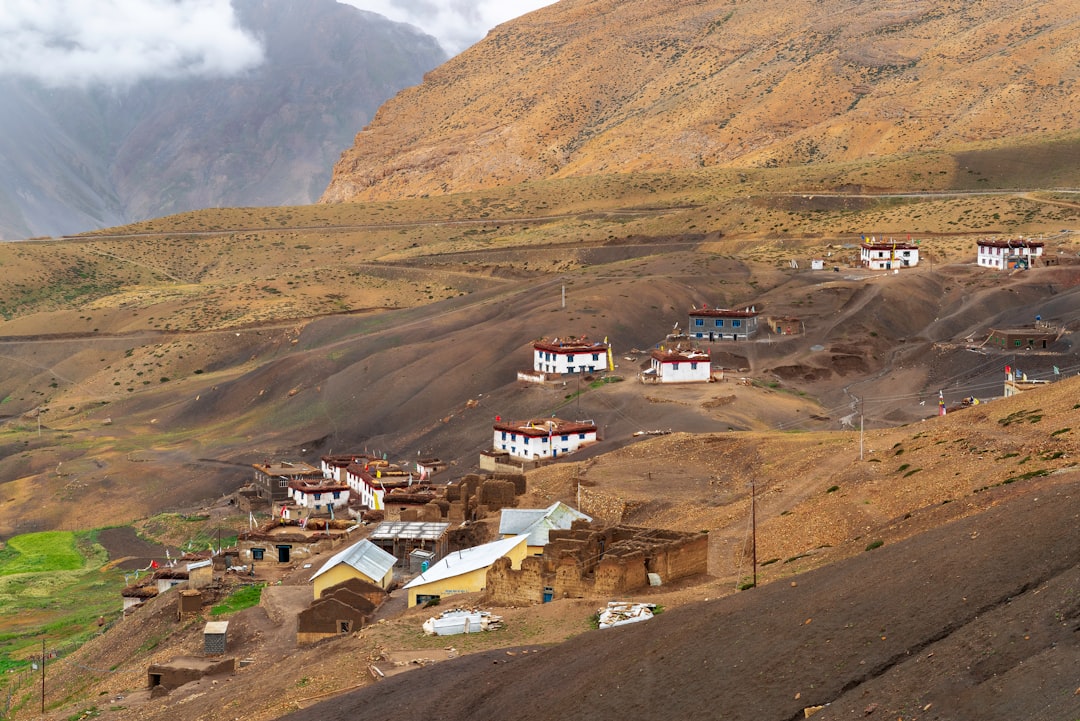
A guide to Varanasi — the dawn boat ride past the ghats, the Ganga Aarti ceremony at dusk, the burning ghats of Manikarnika, the old city lanes, the Sarnath Buddhist site nearby, and how to approach India's most sacred and overwhelming city.
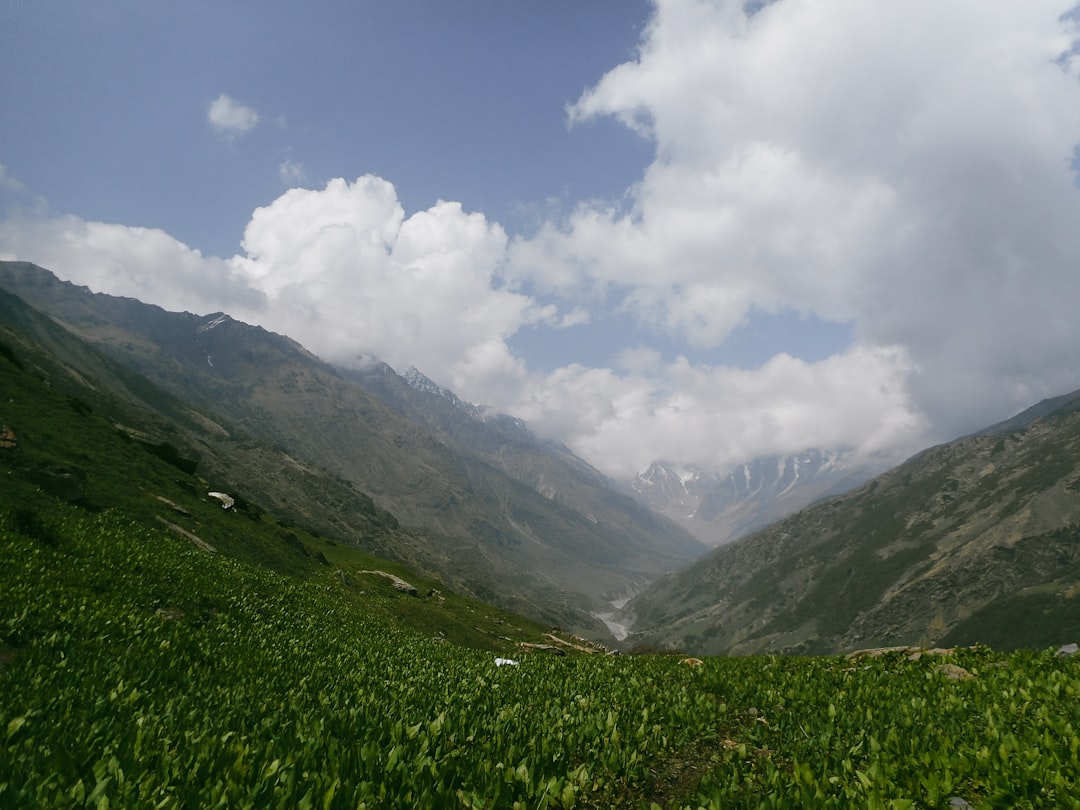
A guide to the Peruvian Amazon — Iquitos and the accessible jungle from Madre de Dios, the Tambopata National Reserve, macaw clay licks, pink river dolphins, jungle lodge experiences, and how to access South America's greatest wilderness.
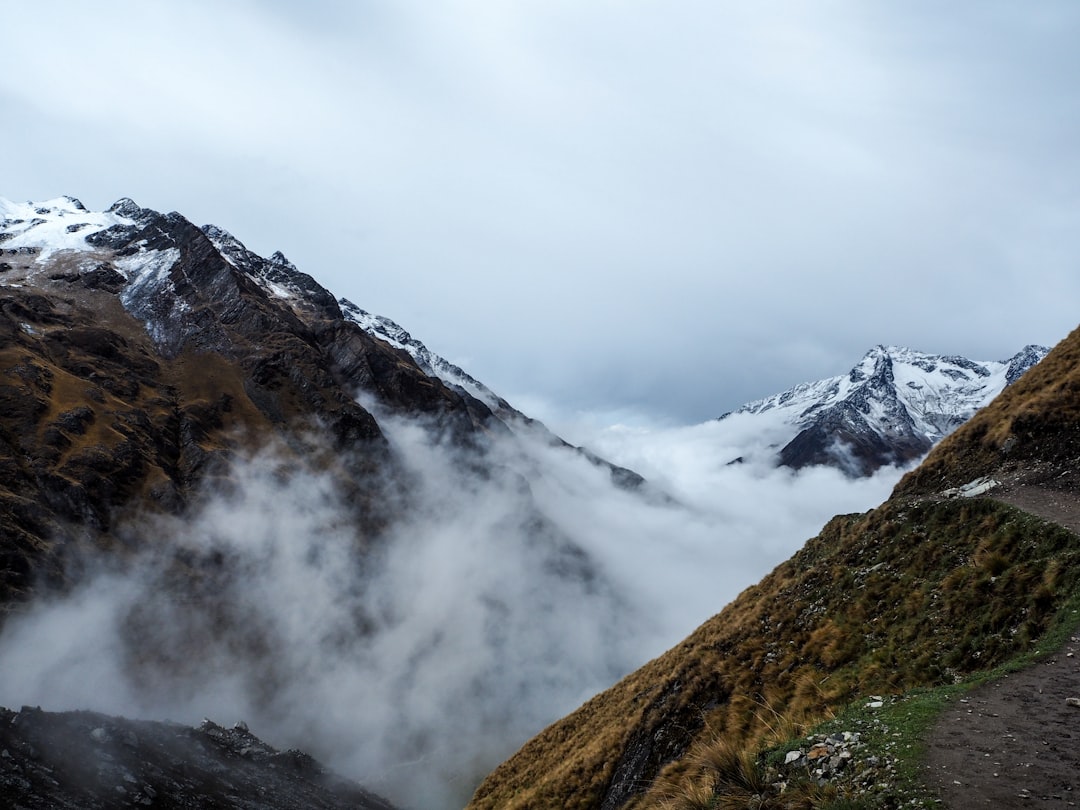
A guide to Colca Canyon — the Cruz del Condor condor viewing point, the pre-Inca agricultural terraces, Arequipa as the canyon gateway, the trekking routes to the canyon floor, the hot springs at Sangalle, and how deep the world's second-deepest canyon actually goes.
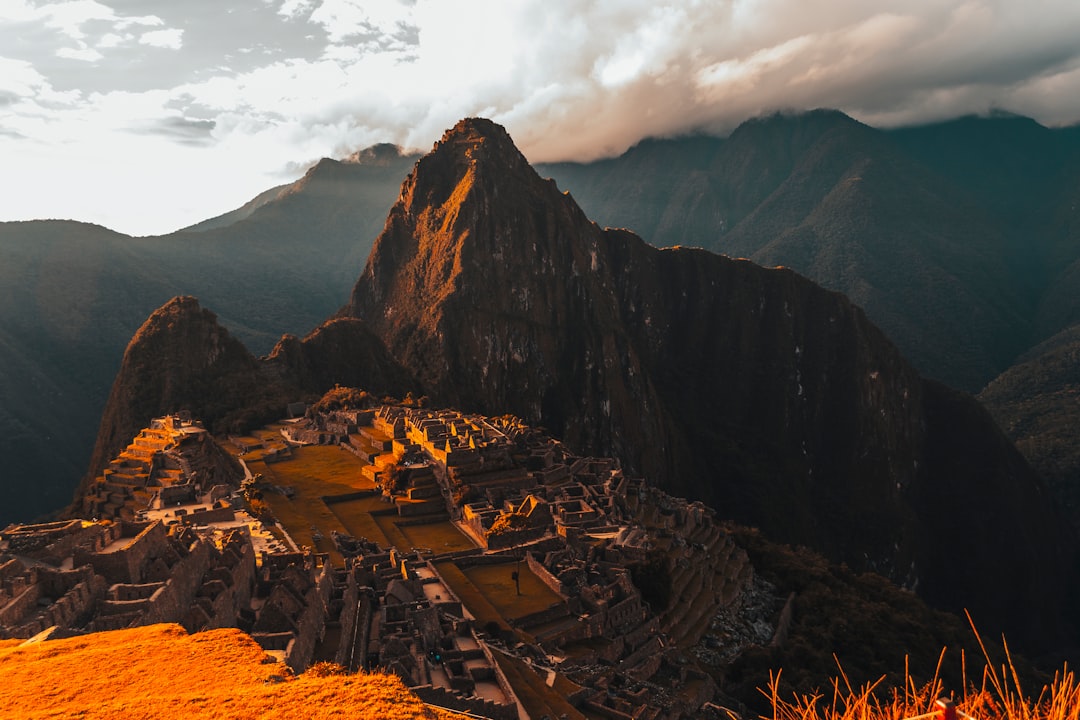
A guide to Cusco — the Inca stonework beneath Spanish colonial buildings, Sacsayhuamán fortress above the city, the San Pedro market, the coca leaf tradition and altitude acclimatization, the Inca road network, and Cusco as the base for the Sacred Valley.
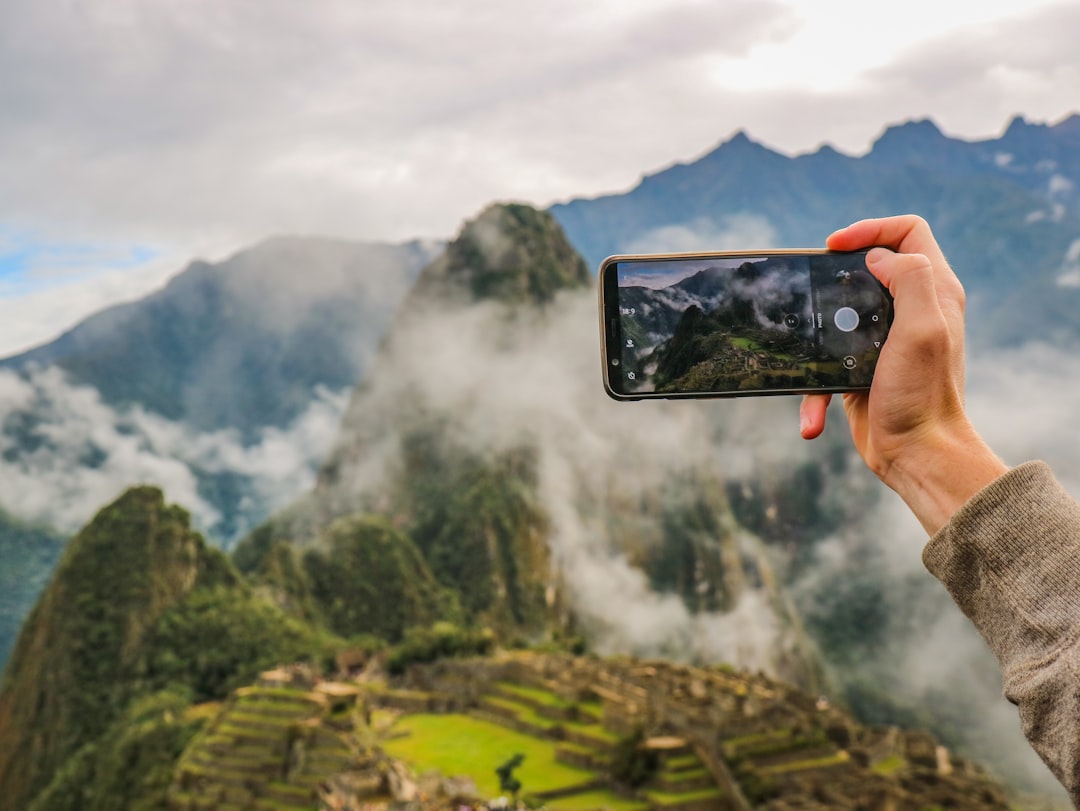
A guide to Lake Titicaca — the floating reed islands of the Uros, the Isla Taquile weavers, the sunrise from Amantaní, Puno as the folkloric capital of Peru, and how the ancient Tiwanaku and Inca cultures shaped the highest lake on Earth.
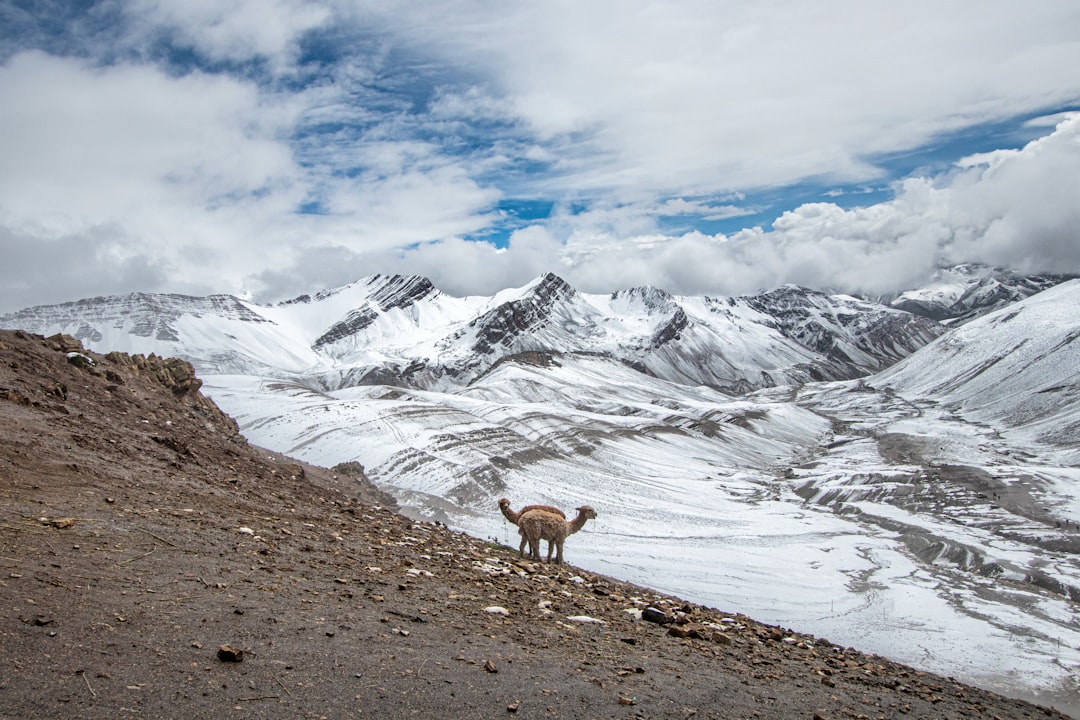
Eating in Lima — ceviche at La Mar and the market ceviches, nikkei cuisine, Central and the altitude menu, the Mistura food festival, the anticuchos of Doña Grimanesa, and why Lima is the most serious food destination in the Western Hemisphere outside New York.
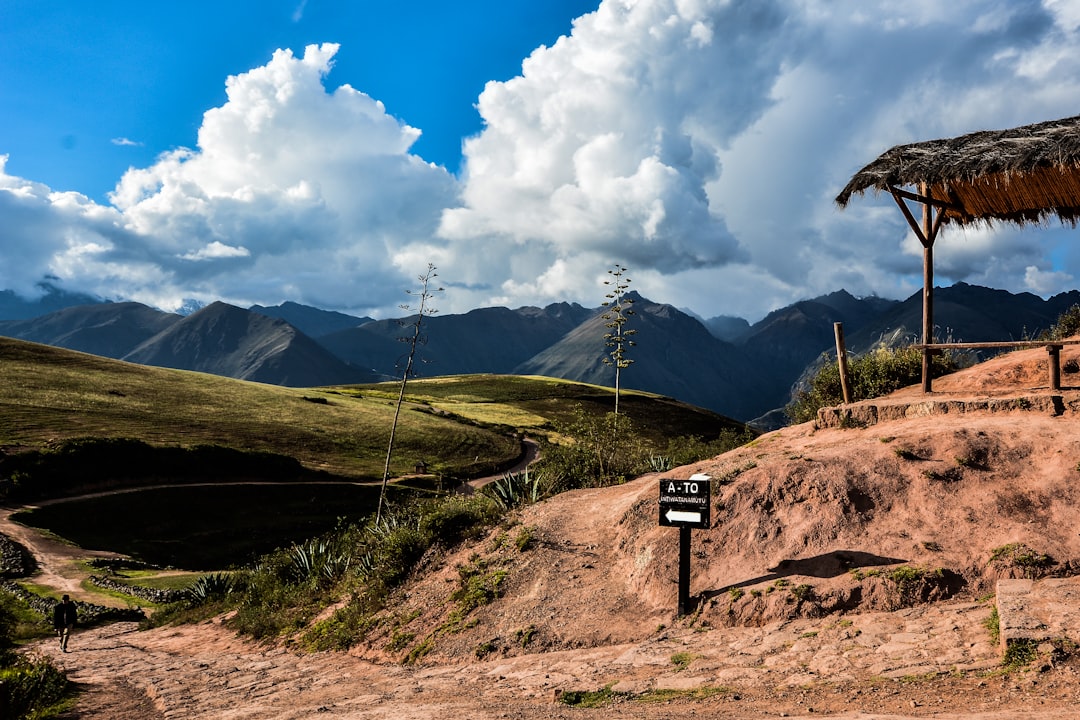
A guide to Lima — the Miraflores clifftop above the Pacific, the colonial Centro Histórico, the pre-Inca Huaca Pucllana in the middle of the city, the Larco Museum's gold, the world-class restaurant scene, and why Lima deserves more than a transit day.
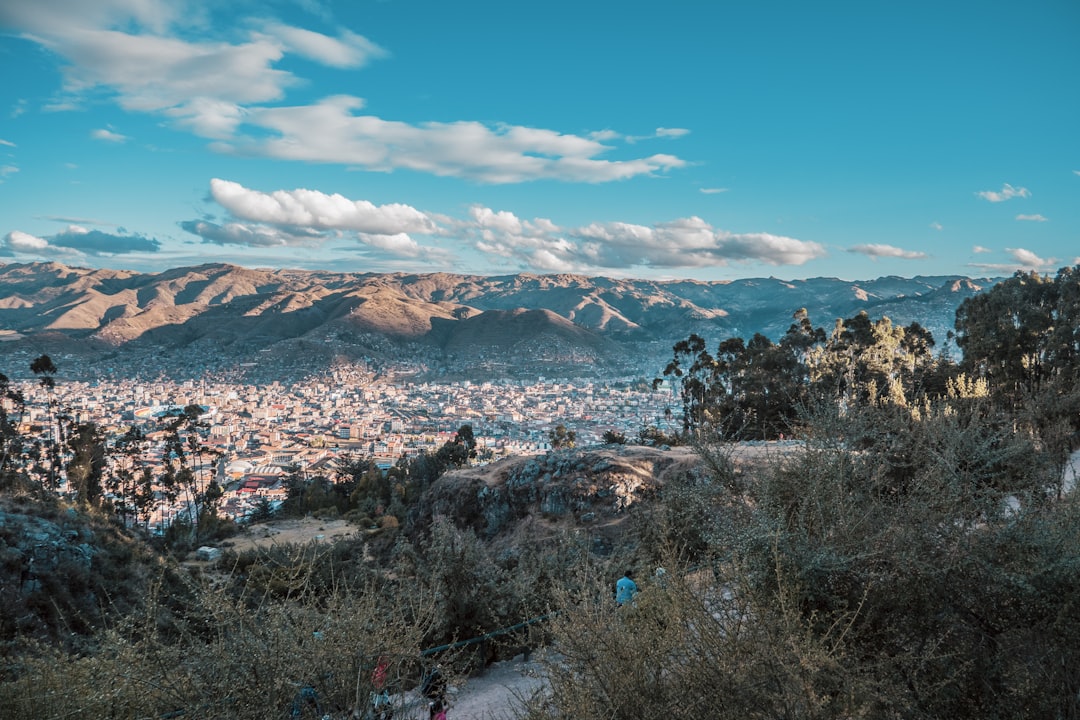
Everything about Machu Picchu — train vs. trek access, the Inca Trail permit system, the best viewpoints, what the site actually is and why Hiram Bingham's 1911 'discovery' is more complicated than the textbooks suggest, and how to visit without the worst of the crowds.
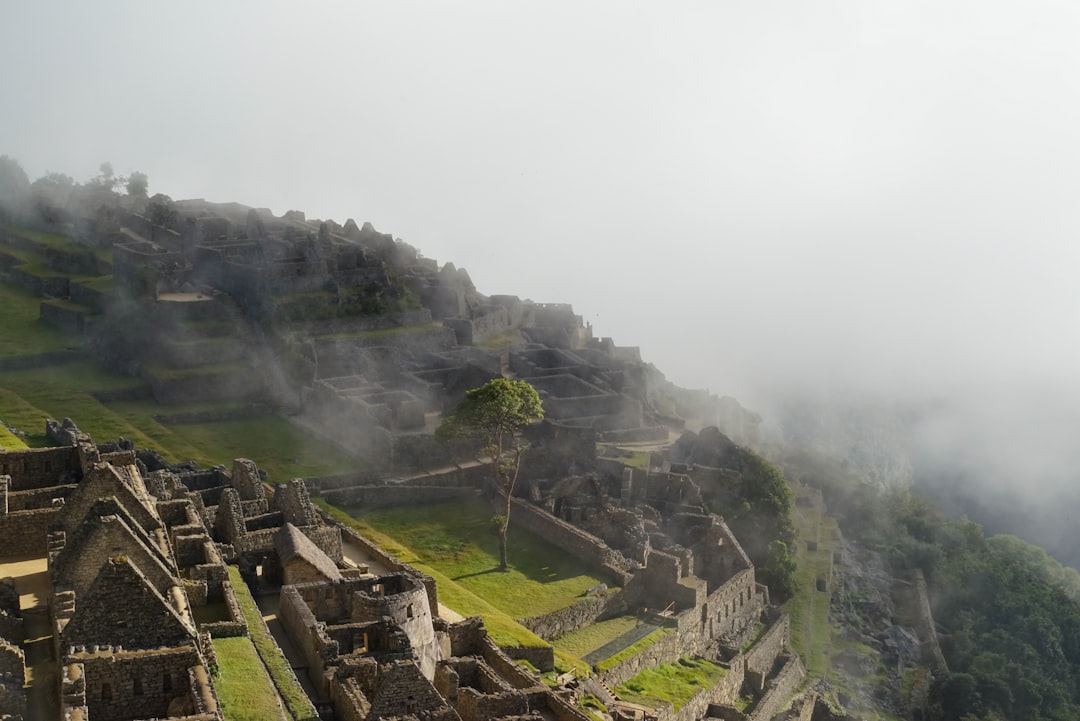
A guide to the Nazca Lines — what they are, the best theories for why they were made, how to see them by plane and from the ground, the Nazca culture (100 BCE–800 CE) that created them, the Huaca Paredones archaeological site, and the Cantalloc aqueducts still in use.
A guide to Peruvian cuisine — the coastal ceviche tradition, the Andean potato and grain kitchen, the Amazon ingredients, the chifa Chinese-Peruvian fusion, the anticucho street food tradition, and what makes Peru's food culture the most complex in Latin America.
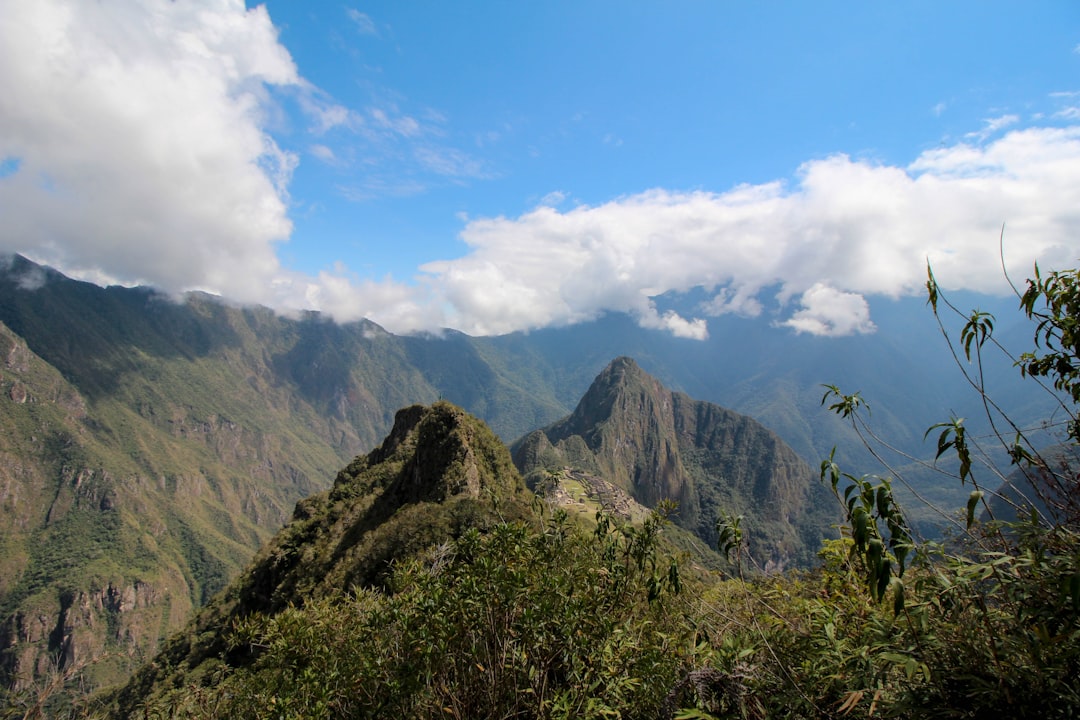
Everything practical for visiting Peru — the visa situation, combating altitude sickness, domestic flights vs. the bus network, the Lima transit strategy, costs by region, safety in cities and on trails, and the IRCTC equivalent for Inca Trail permits.
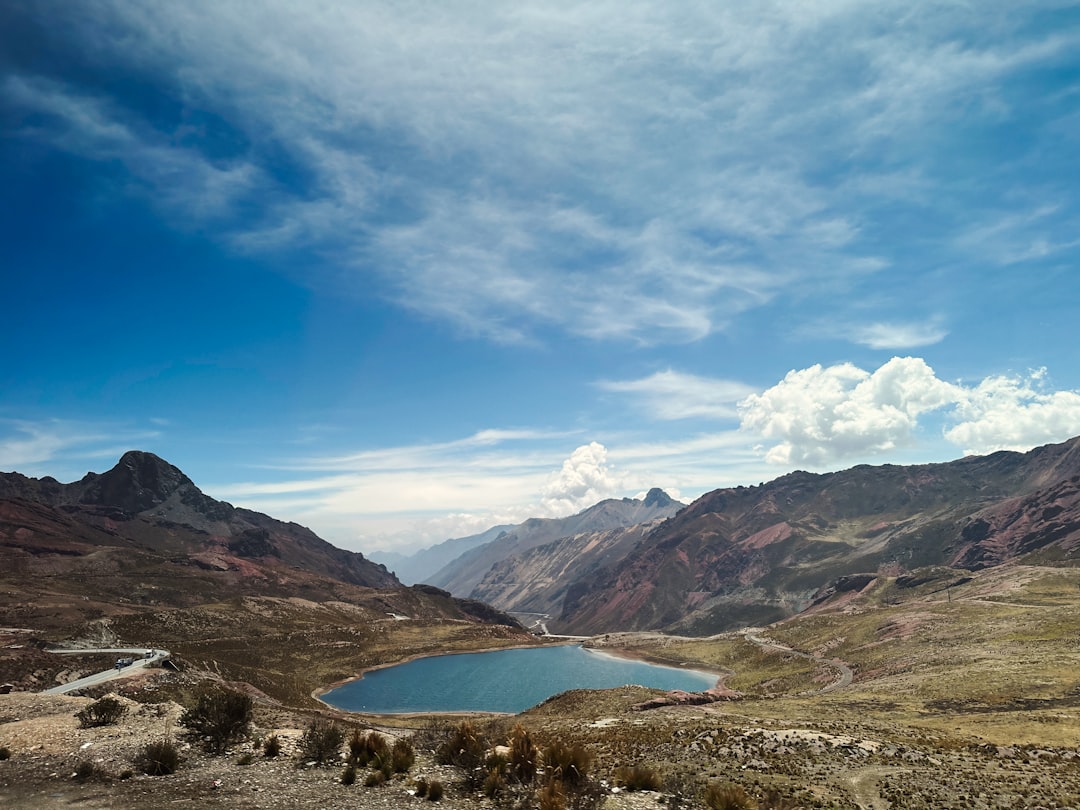
A guide to the Sacred Valley — the Pisac market and archaeological site, the Ollantaytambo fortress still used by locals, the salt mines of Maras and circular terraces of Moray, the village communities still practicing Inca agriculture, and how to use the valley as a lower-altitude base.
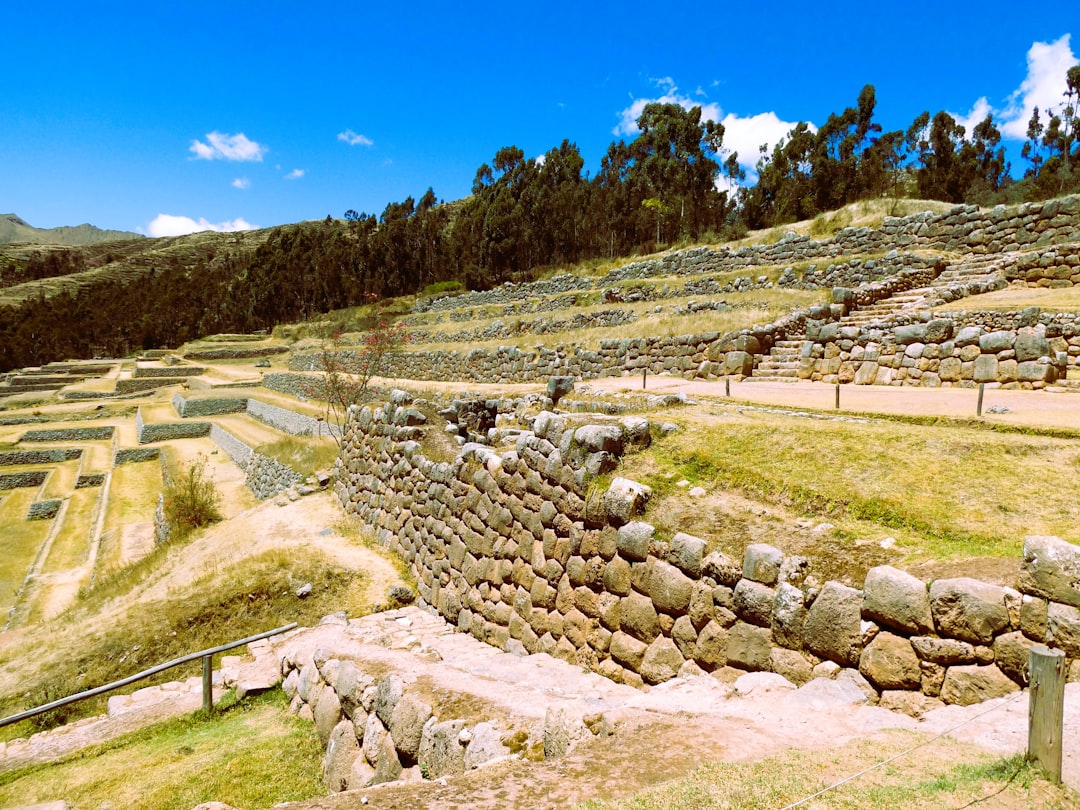
Barcelona doesn't have to be expensive — the menú del día, free museum days, free Gaudí views, and how to eat well, get around, and see the city for under €80 per day.
The best day trips from Barcelona — Montserrat monastery, Sitges beaches, Roman Tarragona, Penedès wine country, and the Costa Brava — with transport and timing.
Where to eat in Barcelona — La Boqueria vs. Mercat de Santa Caterina, the best tapas bars, pintxos on Carrer del Parlament, vermouth culture, and Catalan cuisine explained.
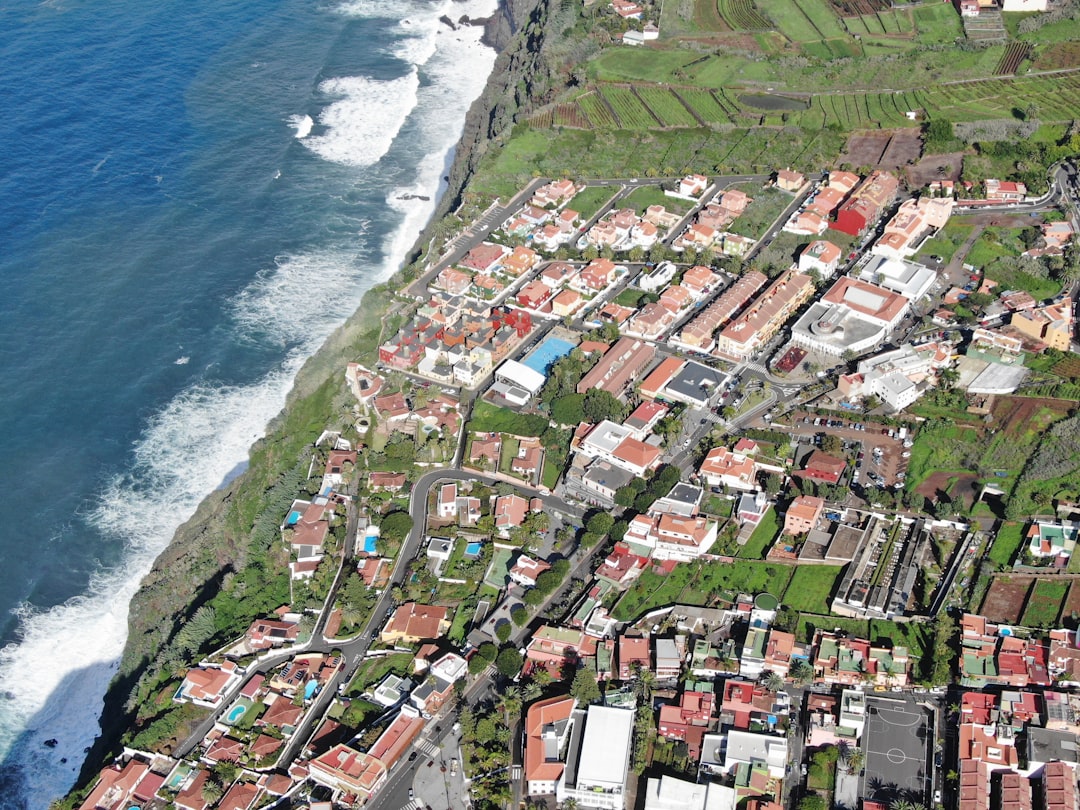
Every major Gaudí work in Barcelona — Sagrada Família, Park Güell, Casa Batlló, Casa Milà, Casa Vicens, Palau Güell — with tickets, tips, and what to prioritize.
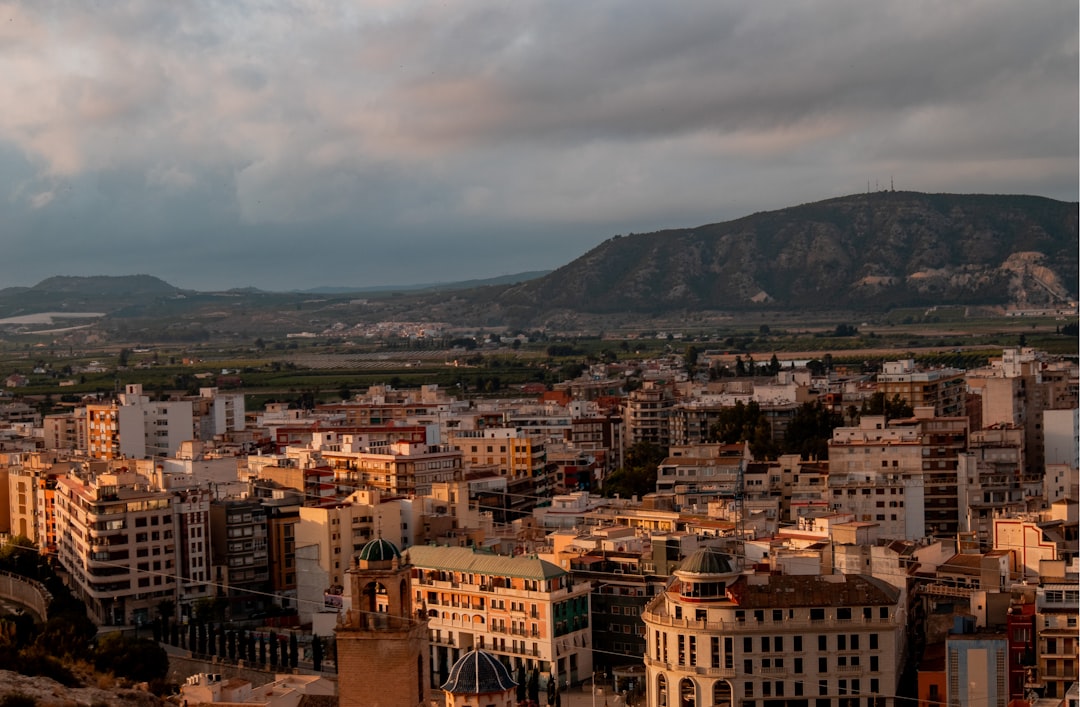
A walking guide to Barcelona's Barri Gòtic — the Barcelona Cathedral, Plaça Reial, Pont del Bisbe, Roman temple, Plaça Sant Felip Neri, and how to navigate the medieval core.
Eixample, El Born, Gràcia, Poble Sec, Barceloneta, and the Gothic Quarter — what each Barcelona neighborhood is like and who should stay there.
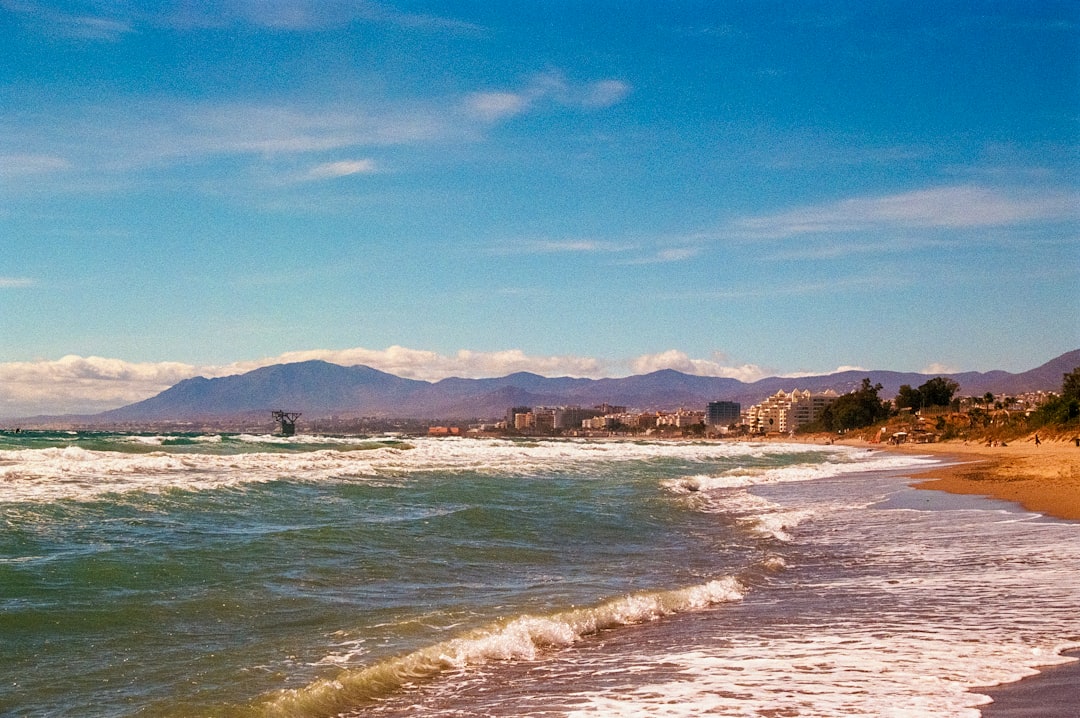
How Barcelona's nightlife actually works — the vermouth hour, late-night bars in El Born and Poble Sec, the Gràcia scene, and the clubs that open at 2 AM.
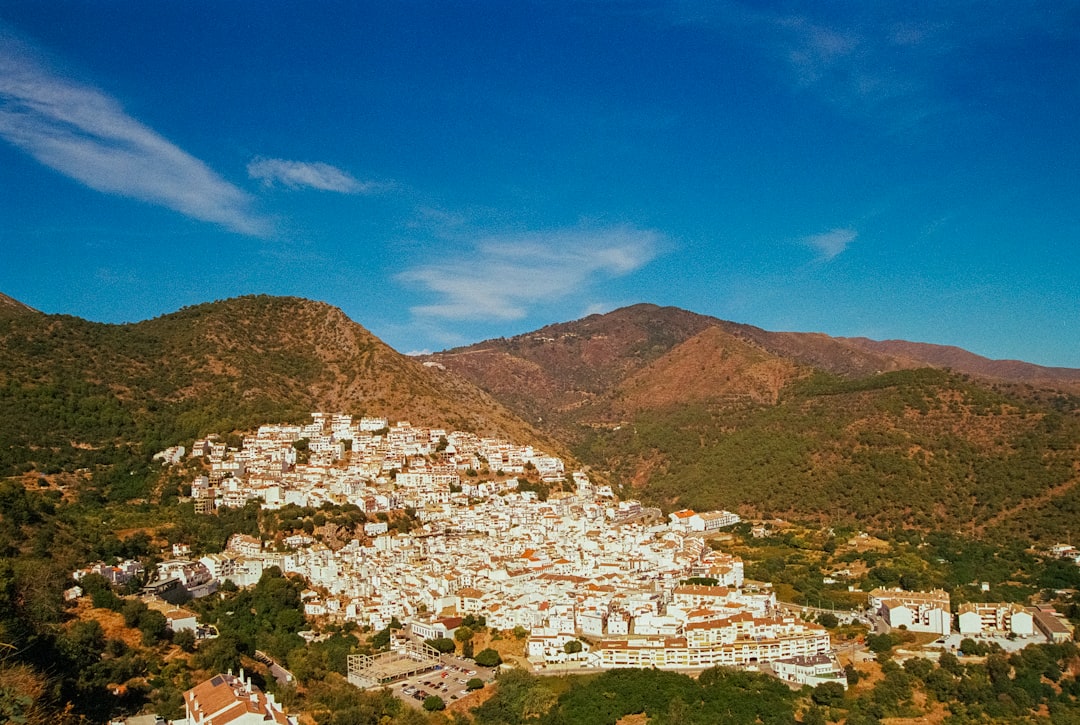
A 7-day Barcelona itinerary that covers Gaudí, the Gothic Quarter, beaches, day trips to Montserrat and Sitges, food markets, and the best neighborhoods — without exhaustion.
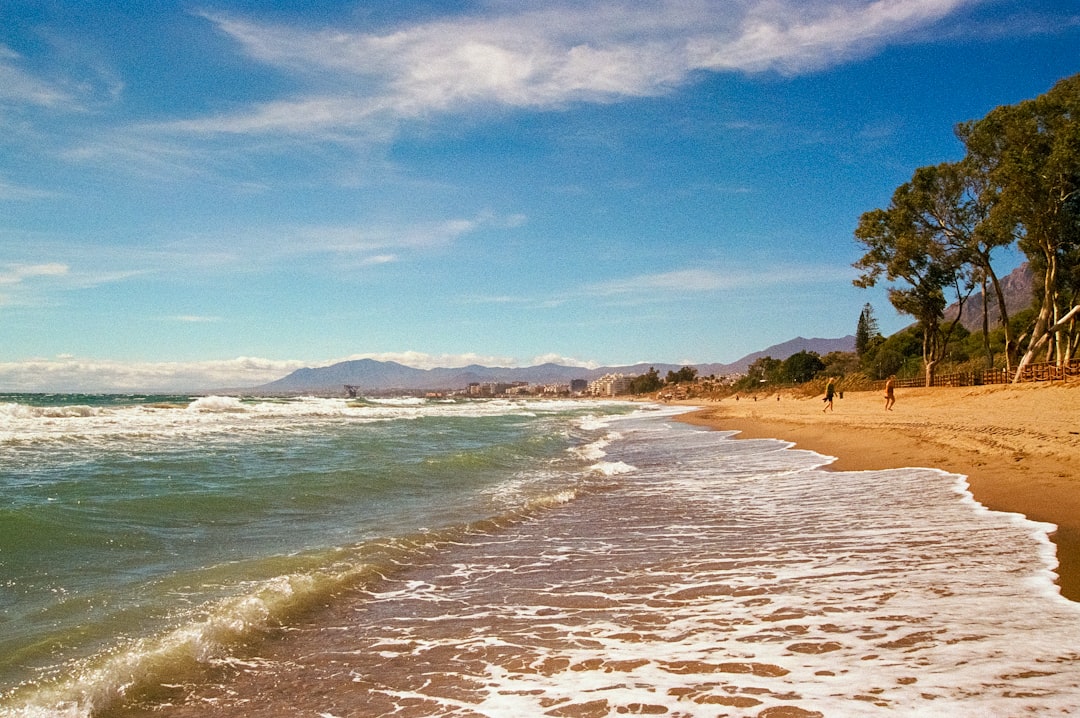
Everything practical for Barcelona — metro cards, airport transfers, tipping, SIM cards, pickpocket prevention, the best apps, and what to avoid.
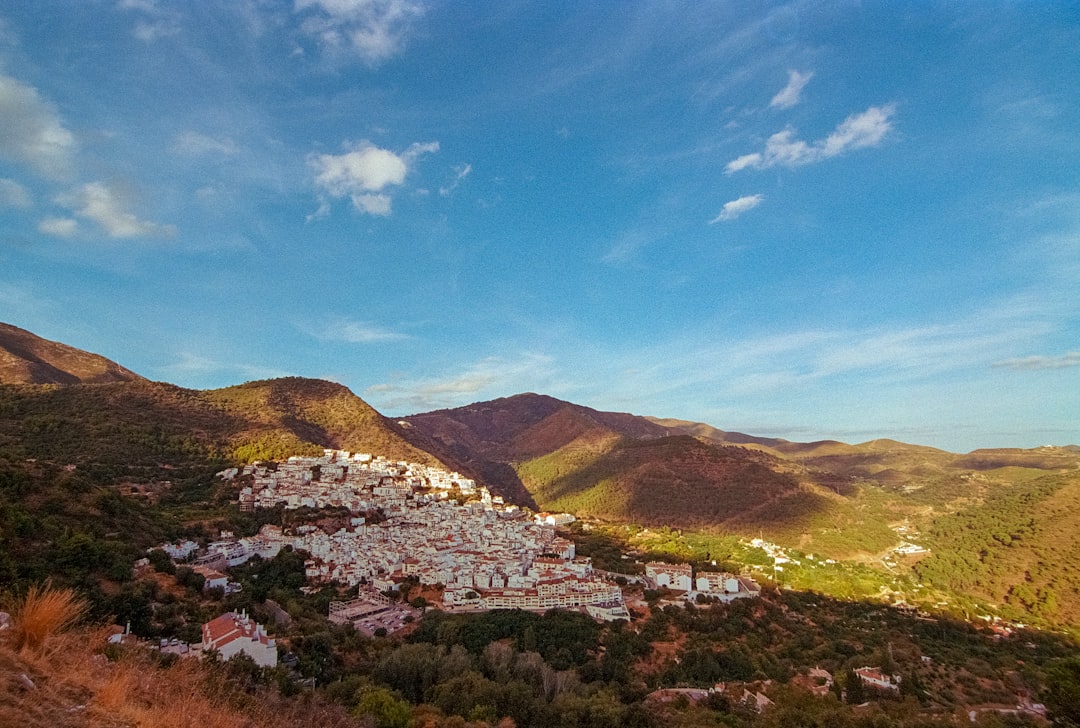
The essential guide to Barcelona — UNESCO World Capital of Architecture 2026, the Sagrada Família, Gothic Quarter, food, beaches, and how to navigate the city.
Everything you need to visit the Sagrada Família in 2026 — tickets, tower access, the completed central tower, what to see inside, and how long to spend.
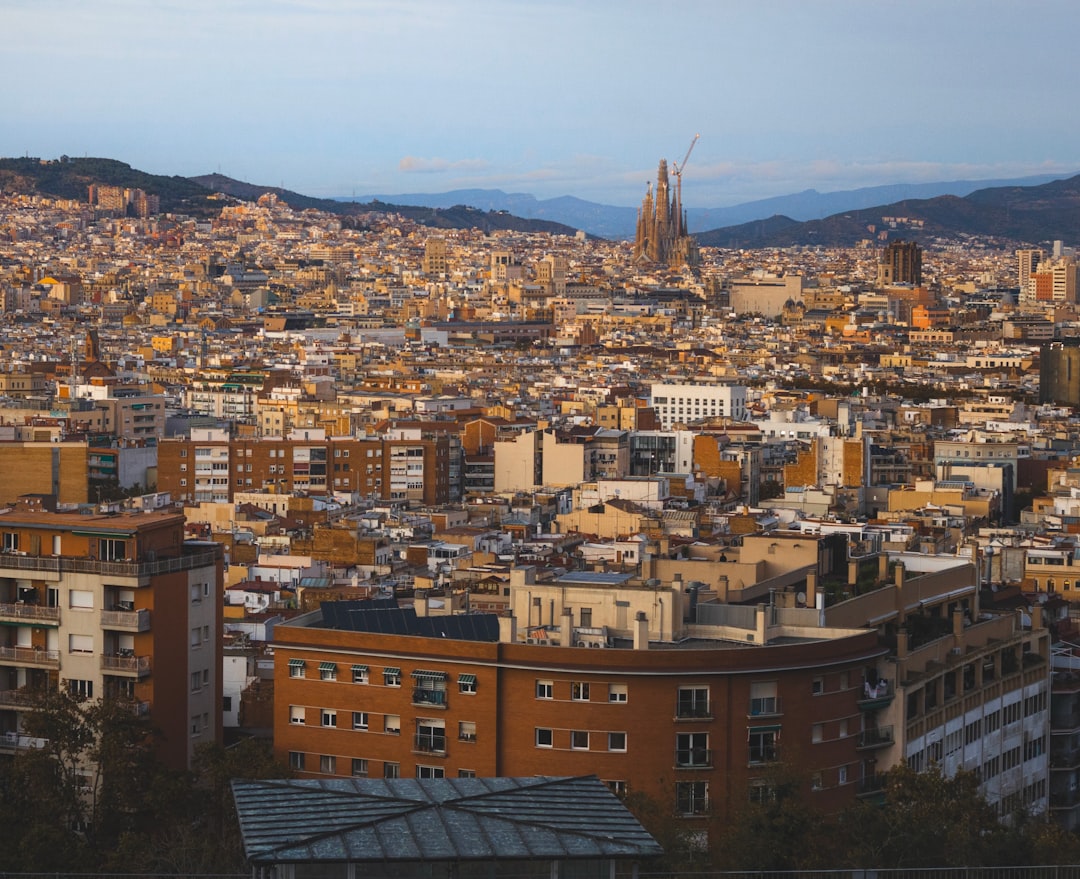
How to visit Cinque Terre — the five cliff villages, the Sentiero Azzurro coastal trail, the Cinque Terre Card, the best village to base yourself in, and managing the crowds at one of Italy's most iconic destinations.
The complete guide to Cortina d'Ampezzo for the 2026 Winter Olympics — events, skiing, where to stay, how to get there from Milan and Venice, and what to do without tickets.
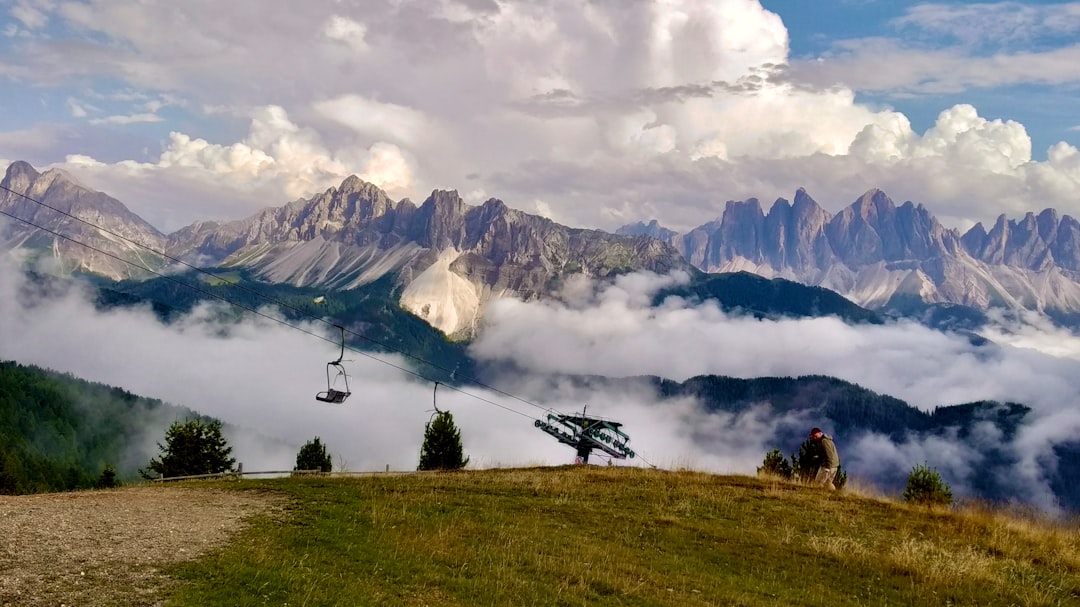
How to ski Cortina d'Ampezzo — the piste network, the Dolomiti Superski pass, the Olympic venues for 2026, where to stay and eat, and why Cortina remains Italy's most glamorous ski resort.
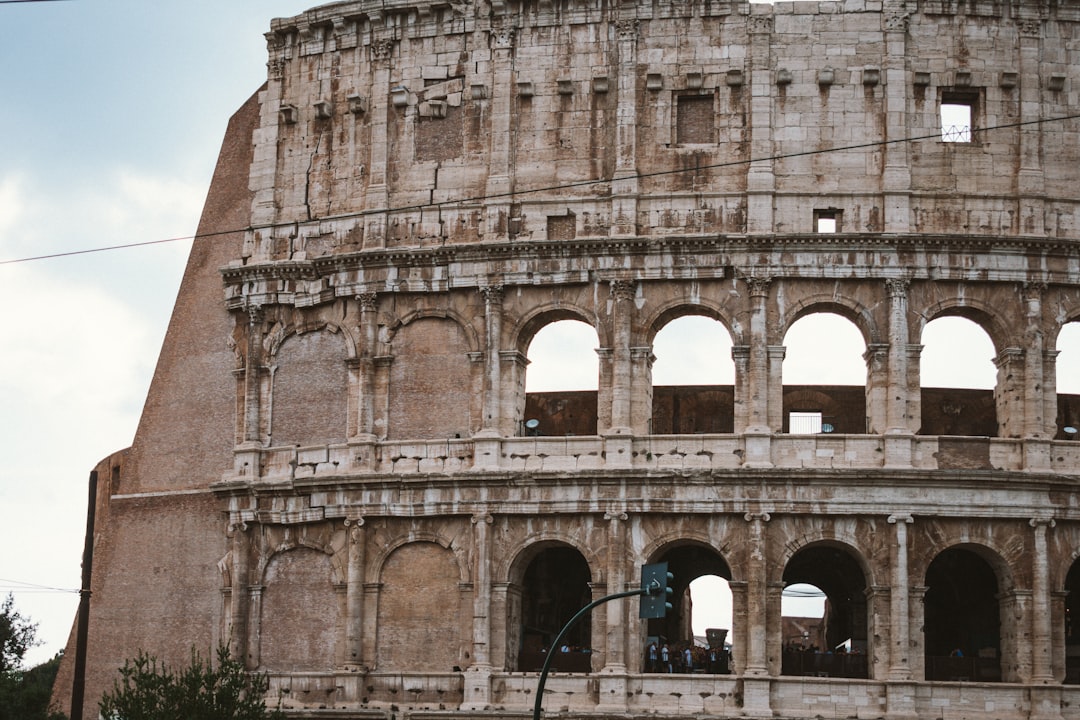
How to hike the Dolomites — the best day hikes from Cortina, the Alta Via 1 long-distance route, via ferrata for beginners, the Tre Cime di Lavaredo circuit, and practical planning.
How to explore Lake Como — Bellagio, Varenna, Villa Carlotta, the ferry system, Tremezzina, and the lake towns that make the Italian Lakes one of Europe's most beautiful landscapes.
Milan's food culture explained — the aperitivo tradition, risotto alla Milanese, cotoletta, Navigli food scene, mercati, and the restaurants worth knowing.
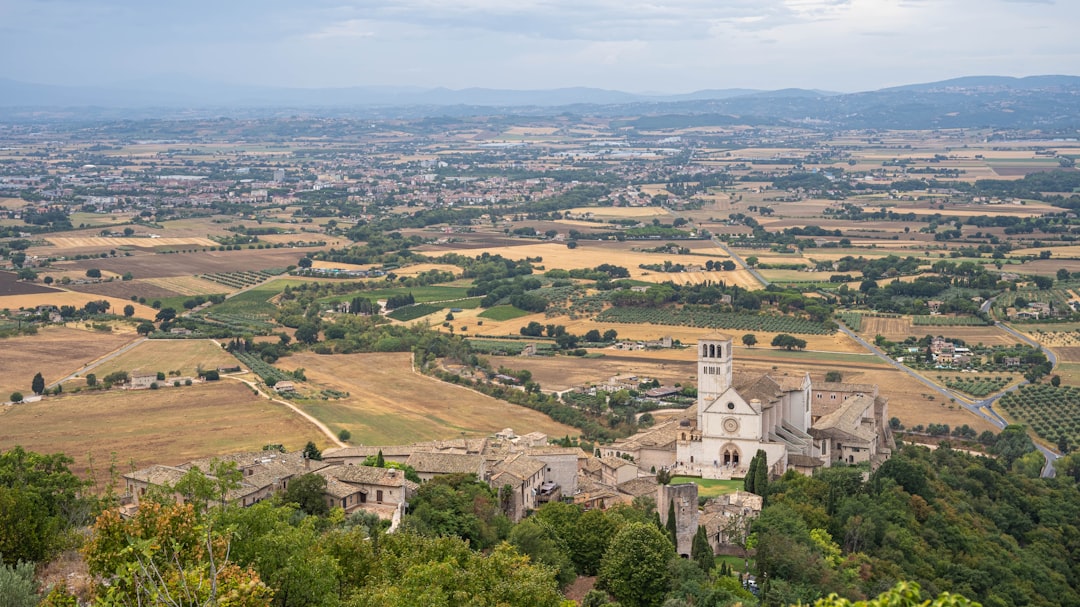
The neighborhoods that define Milan — Navigli for aperitivo, Brera for art and design, Isola for local bars, Prati and Porta Venezia for daily life. Where to stay and where to eat.
Essential practical information for visiting Milan — the ATM metro system, navigating from Malpensa airport, the Navigli canal area, day trip options to Lake Como and Bergamo, and what to budget.
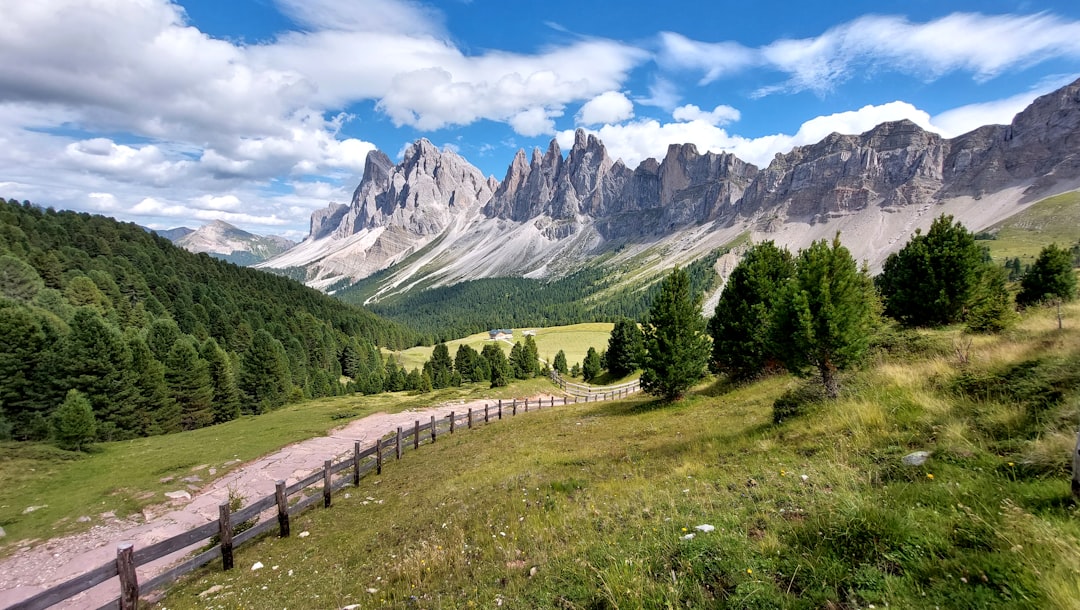
The essential guide to Milan — Duomo, Navigli, aperitivo culture, the fashion district, and how the city transforms as co-host of the 2026 Milan-Cortina Winter Olympics.
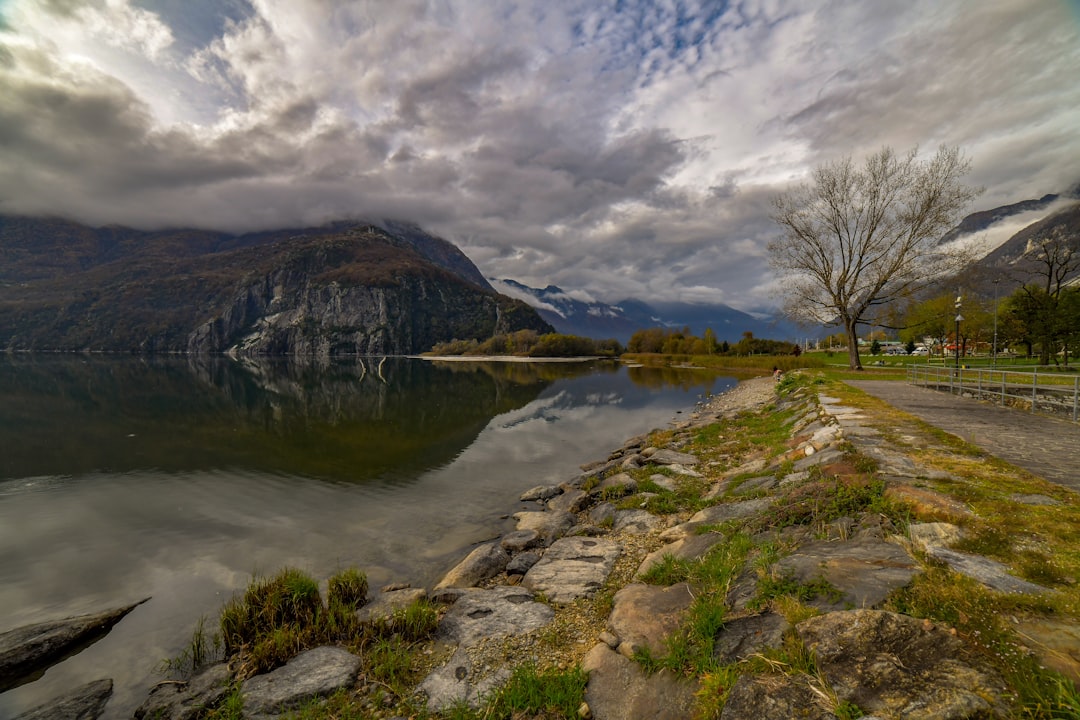
A practical guide to Rome — the Colosseum and Forum, the Vatican and Sistine Chapel, Trastevere, the best food neighborhoods, and how to navigate a city with 2,700 years of layered history without losing your mind to the crowds.
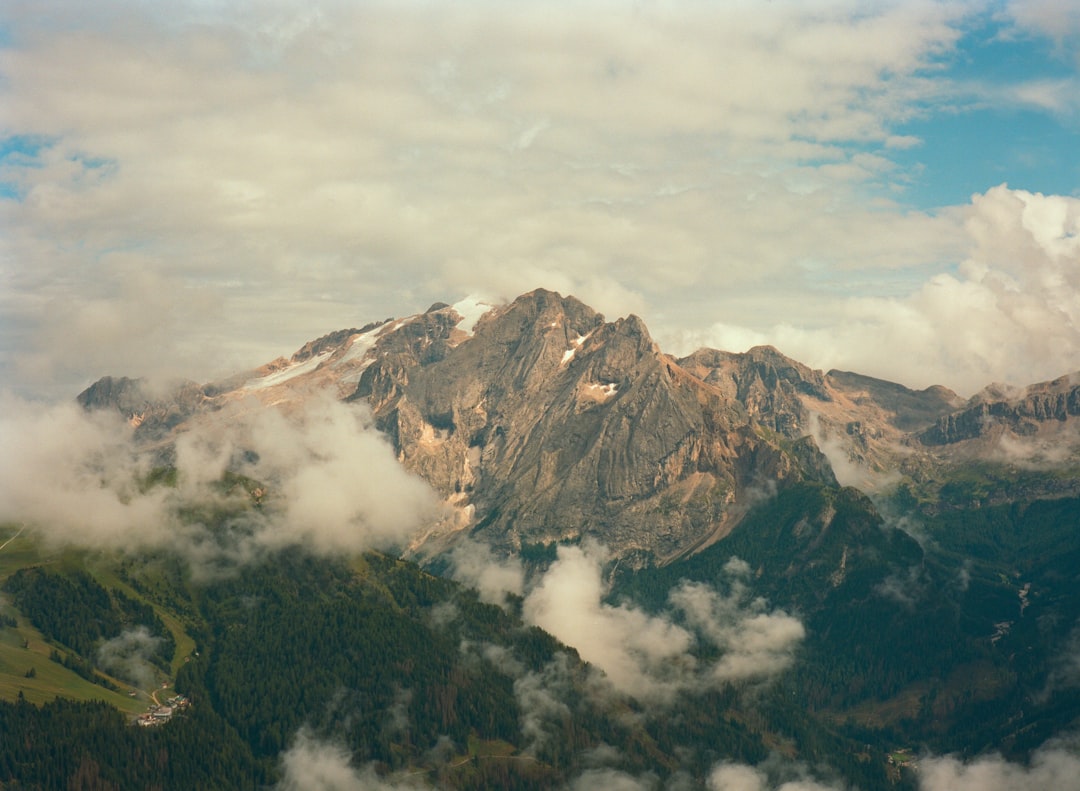
How to do Venice as a day trip from Milan — the 2.5-hour train, the essential sights (Piazza San Marco, the Rialto, the Grand Canal by vaporetto), what to skip, and how to see Venice without the crowds.
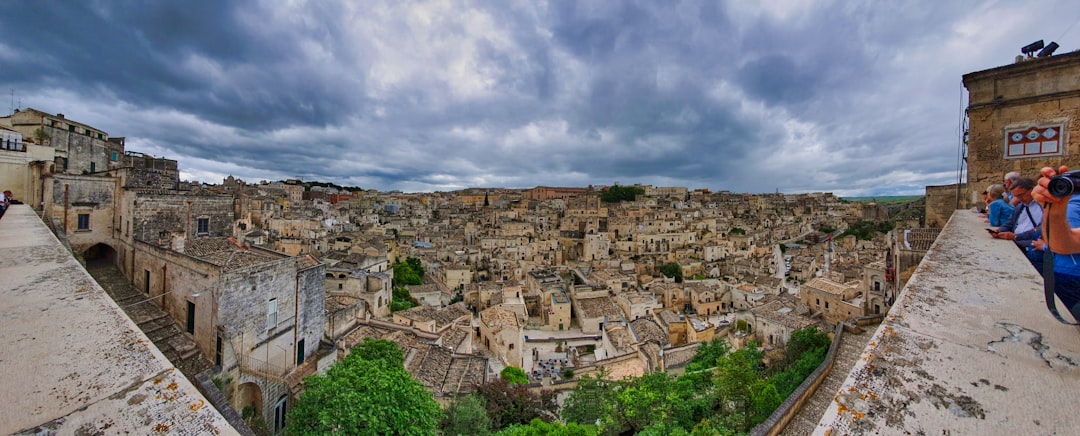
How to experience dog sledding in Greenland — where to go, best time of year, what to expect on the ice, tour operators in Sisimiut and Ilulissat, and the Greenlandic dog culture behind the sport.
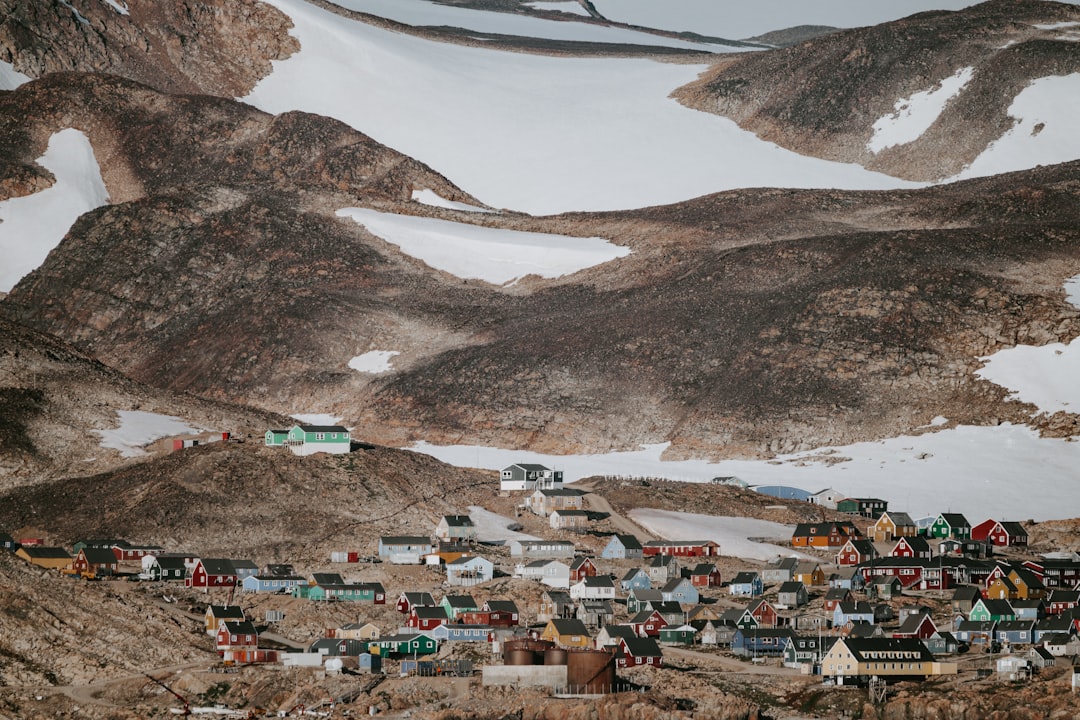
A guide to East Greenland — one of the most remote inhabited places on Earth. How to reach Tasiilaq, what to do in Scoresby Sound, expedition logistics, and what makes East Greenland fundamentally different from the more accessible west coast.
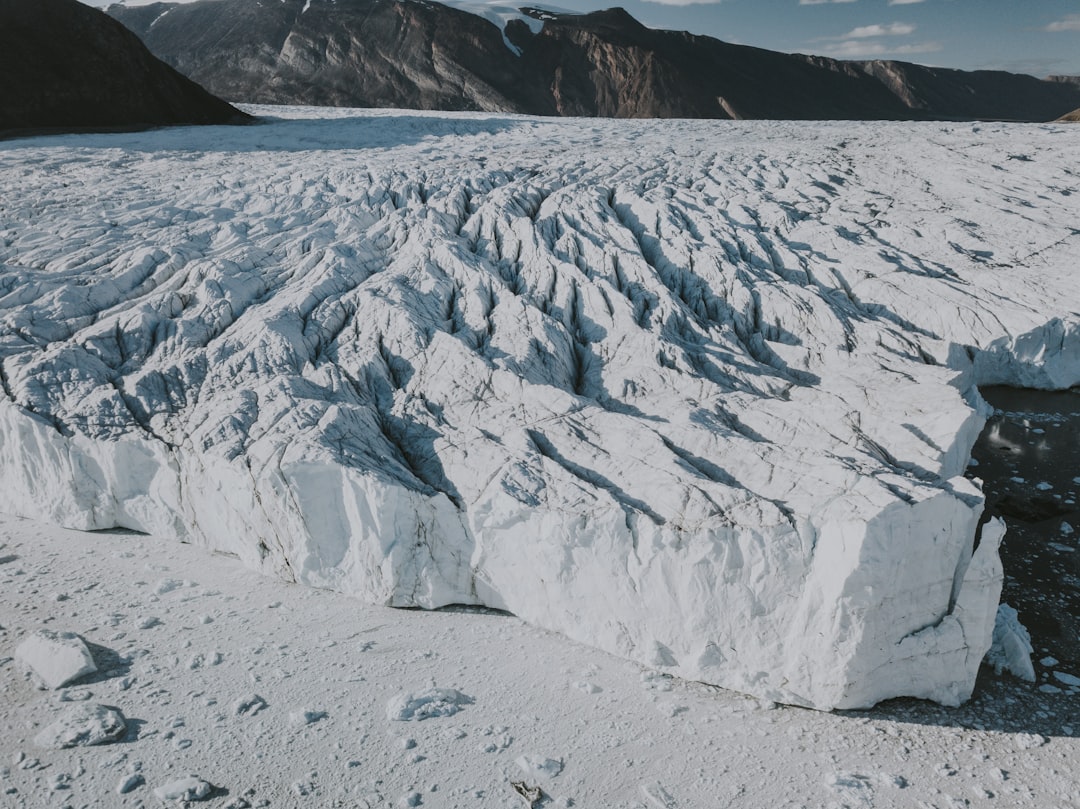
Why Greenland is the ultimate coolcation destination — Arctic summer temperatures, midnight sun hiking, whale watching, and how to plan a trip to the world's largest island.
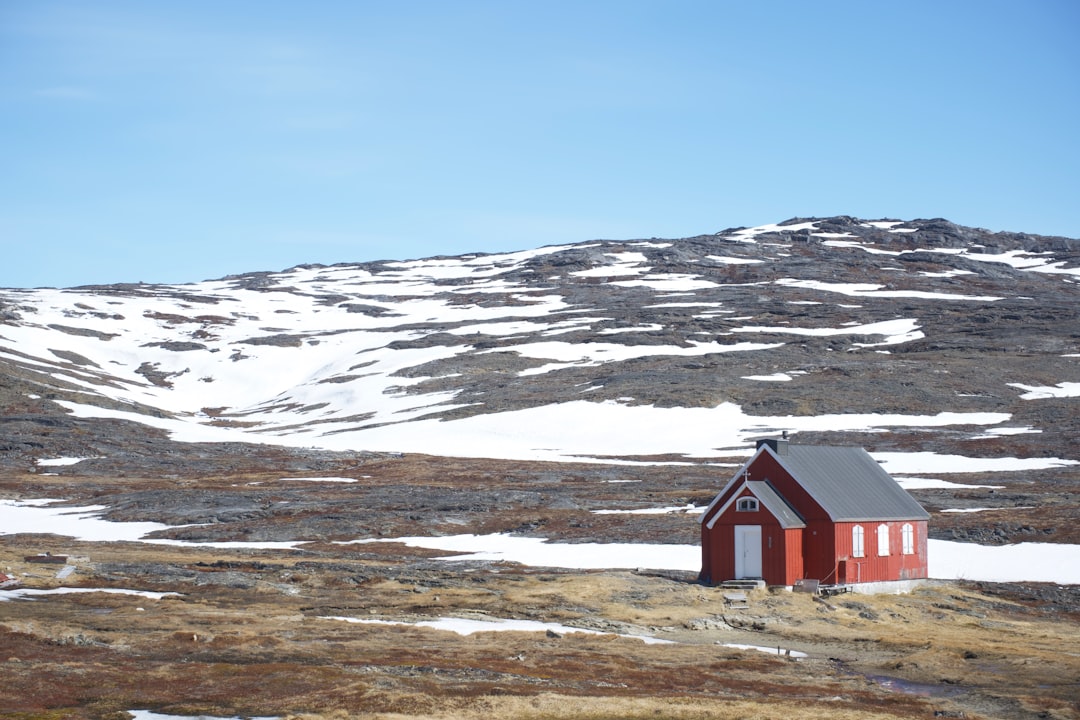
Sea kayaking in Greenland — the Ilulissat Icefjord, Disko Bay, and the fjords of East Greenland. Tour options from half-day paddles to multi-week expeditions, gear requirements, and the experience of paddling in iceberg-filled Arctic waters.
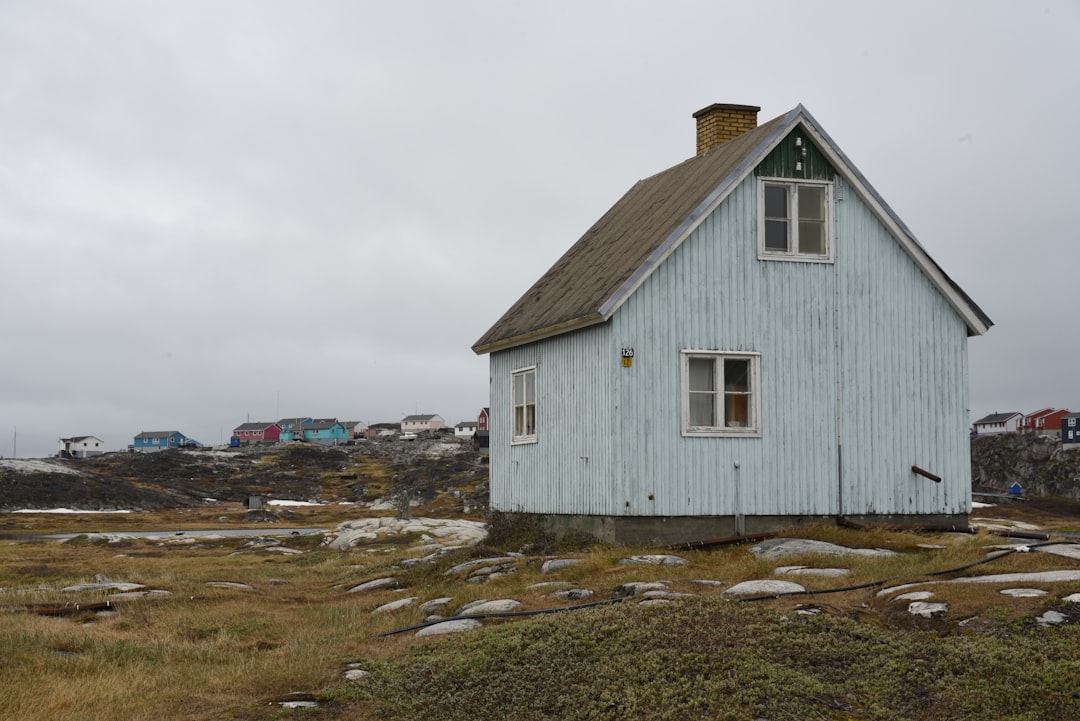
How to see the northern lights in Greenland — best locations, best months, what causes them, photography tips, and why Greenland is one of the world's top aurora destinations.
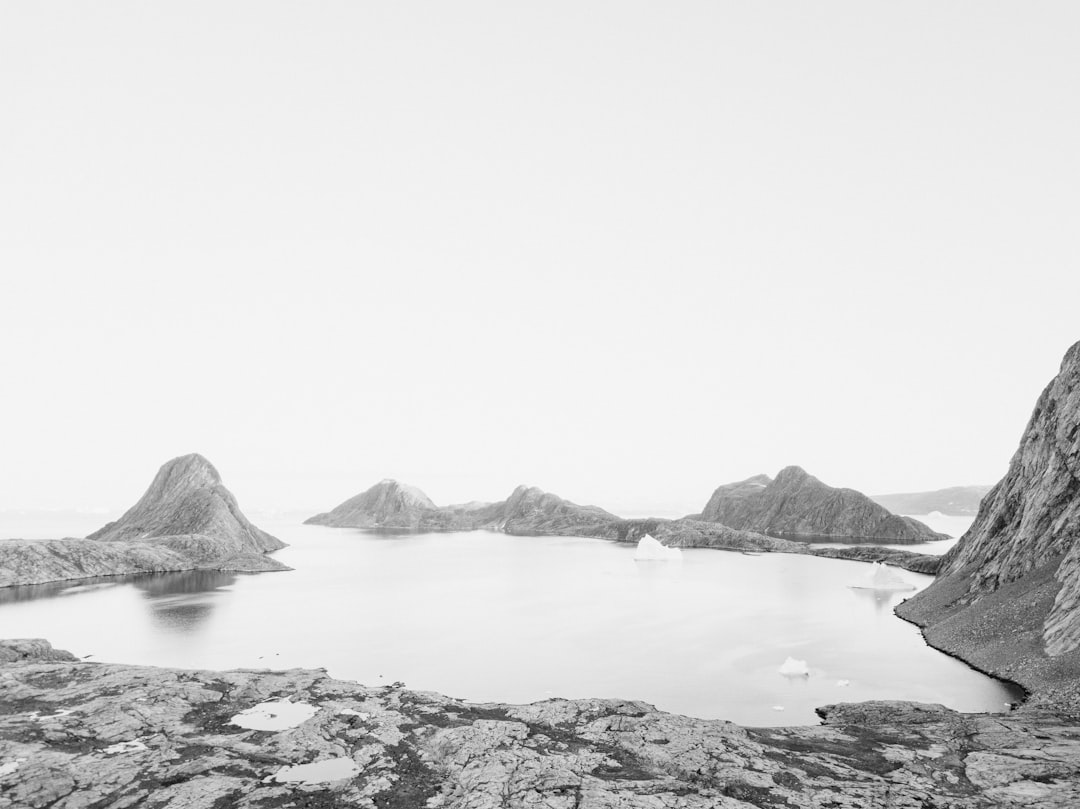
The essential logistics for visiting Greenland — how to get there from Europe and North America, the Air Greenland network, accommodation, costs, best seasons, and what kind of traveler Greenland suits.
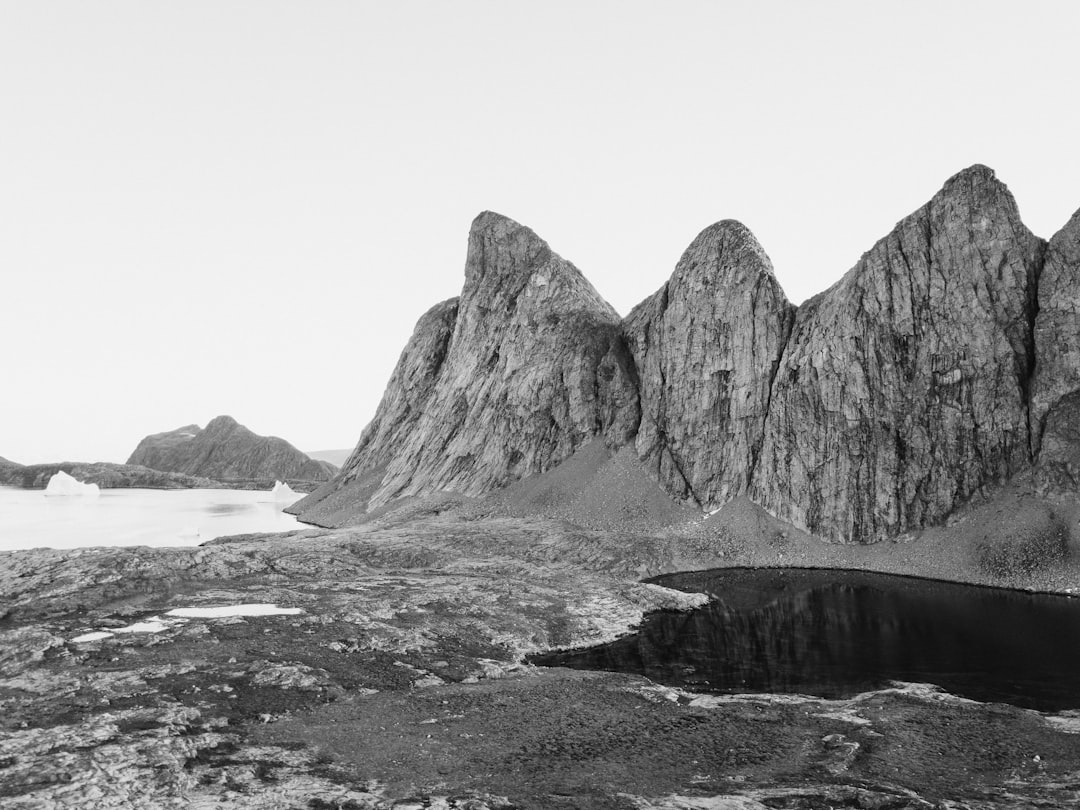
Where and when to see whales in Greenland — humpback whale season in Disko Bay, narwhal sightings in spring, beluga whales, minke whales, and how to arrange boat tours from Ilulissat and Qeqertarsuaq.
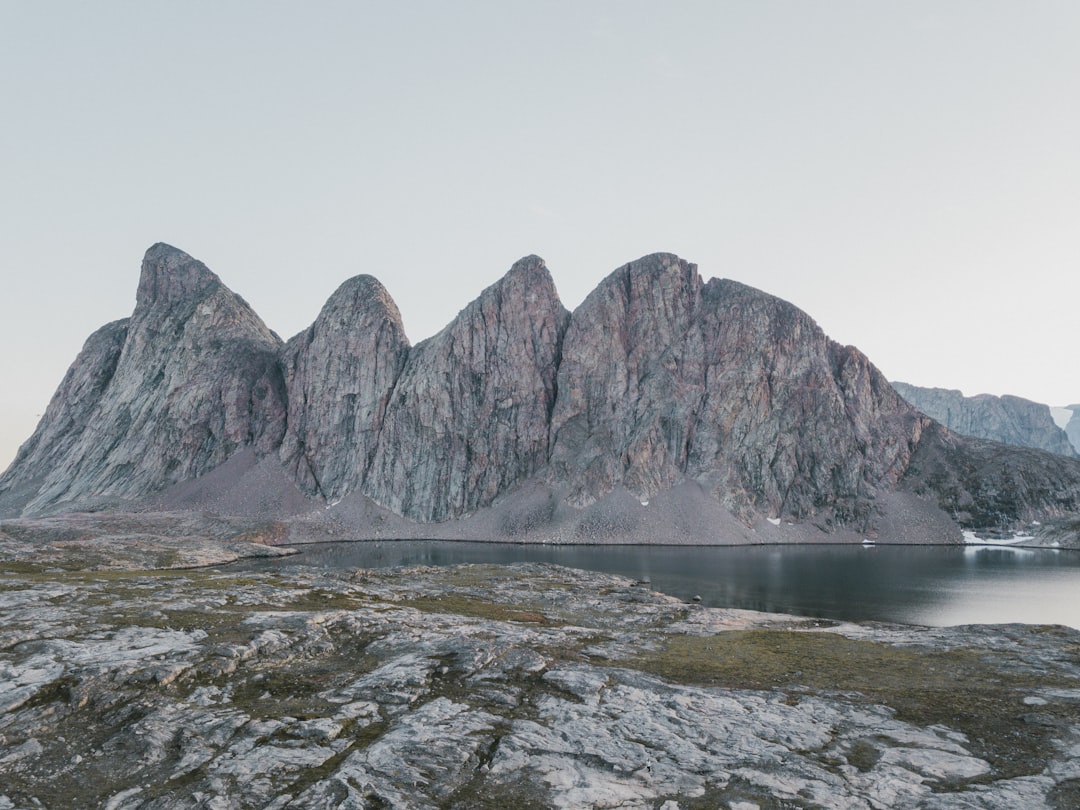
Everything about visiting Ilulissat — the Ilulissat Icefjord UNESCO World Heritage Site, calving icebergs from Sermeq Kujalleq glacier, the Kangia boat tours, dogsled culture, and why this is Greenland's most spectacular destination.
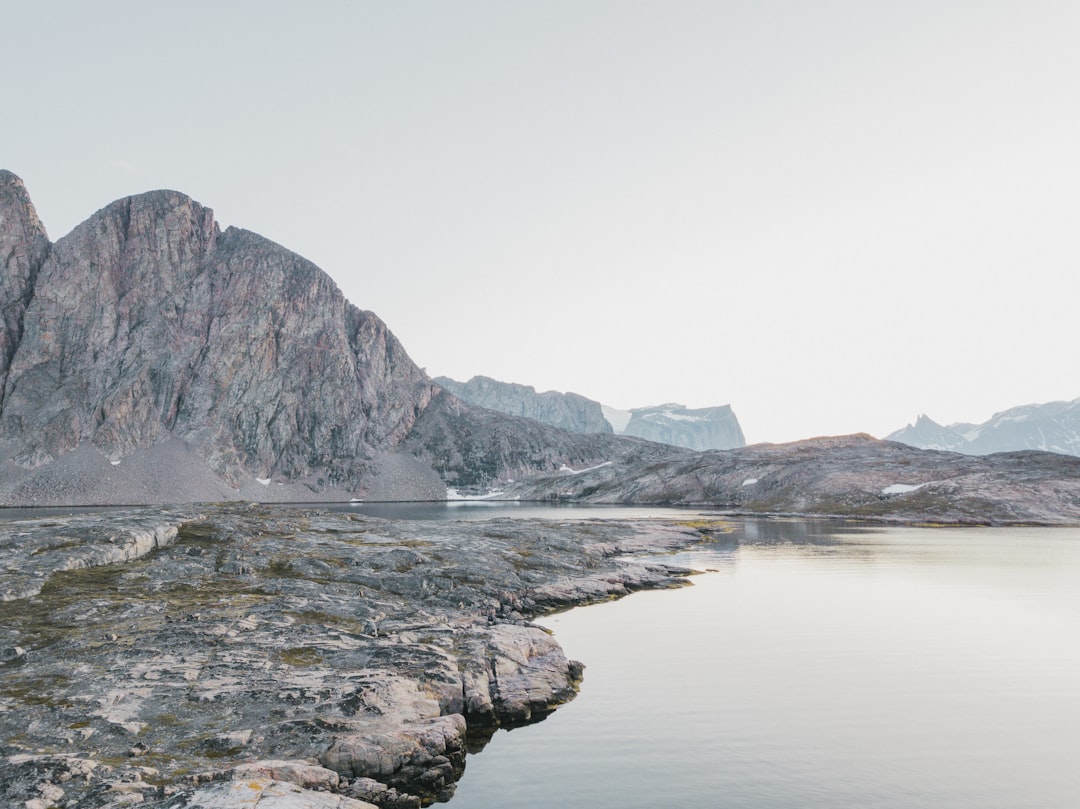
The essential guide to Nuuk, Greenland's capital — what to do, when to visit, northern lights, the coolcation trend, Inuit culture, and how to get there.
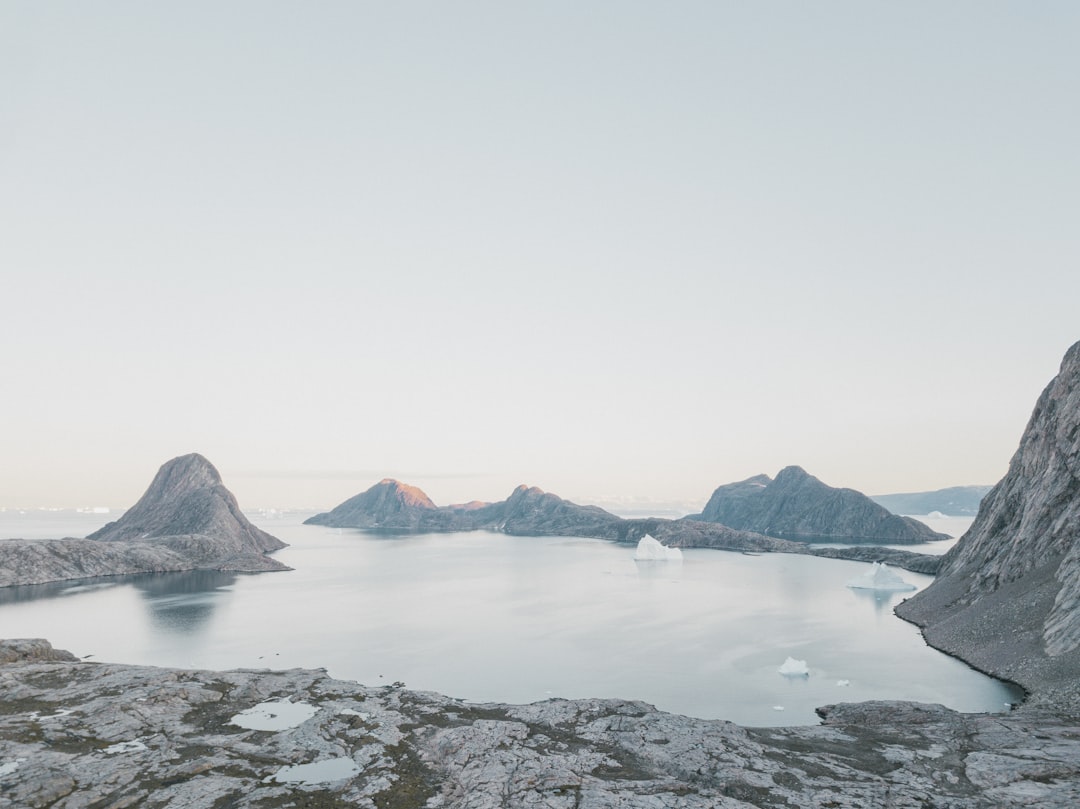
A guide to Sisimiut — Greenland's second-largest town, the Arctic Circle Trail trailhead, dog sledding in winter, the midnight sun hikes, and why this colorful Greenlandic city is more accessible than Ilulissat.
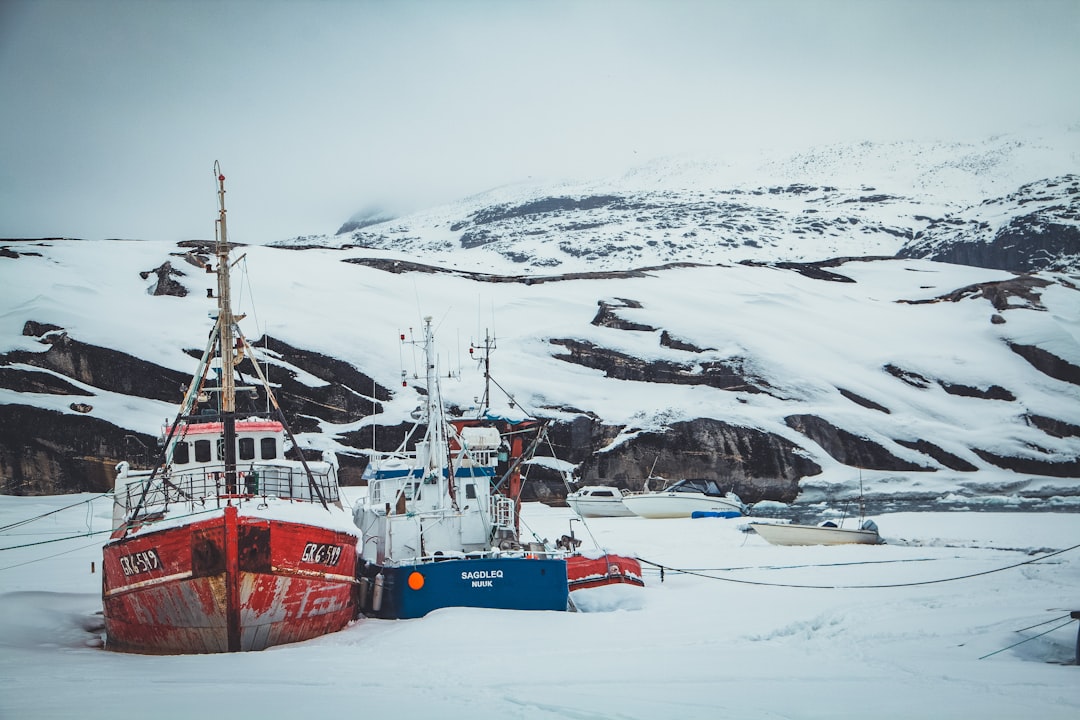
Exploring South Greenland — Hvalsey Church, the Norse ruins at Gardar and Brattahlid, the sheep-farming valleys of Narsarsuaq and Qaqortoq, and how to reach one of Greenland's most accessible yet least-visited regions.
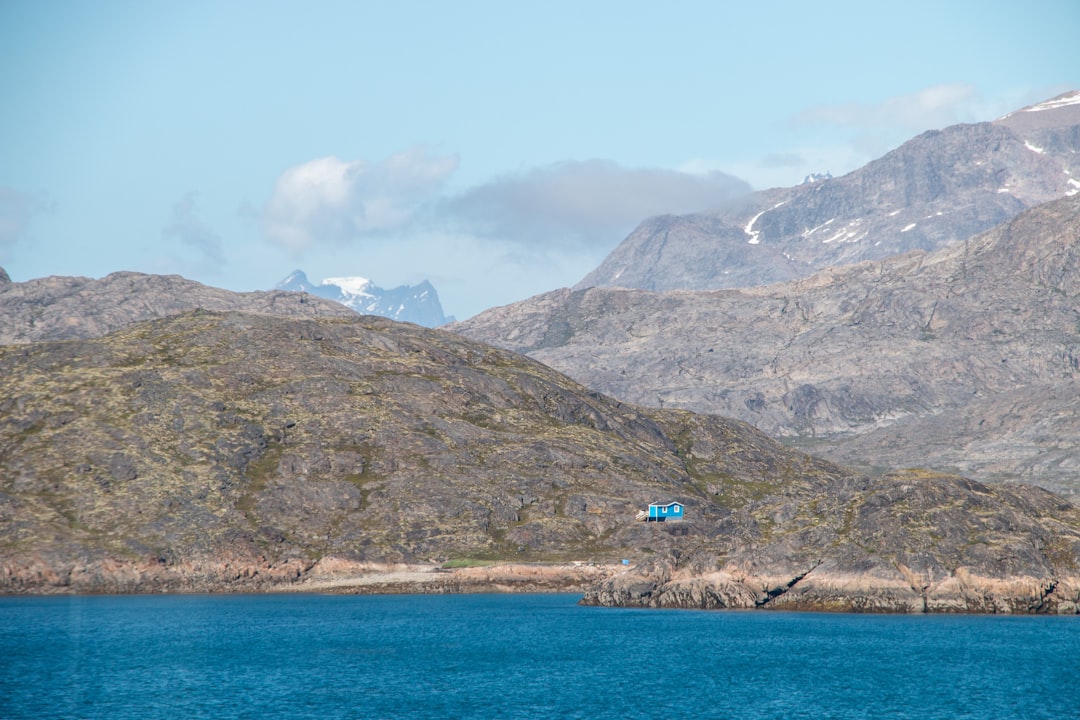
How to reach Fairy Meadows — the high-altitude meadow with a direct view of Nanga Parbat's Raikot Face. The jeep track from Raikot Bridge, the hike to Nanga Parbat Base Camp, accommodation in the meadow, and why this is one of the most dramatic mountain viewpoints in the world.
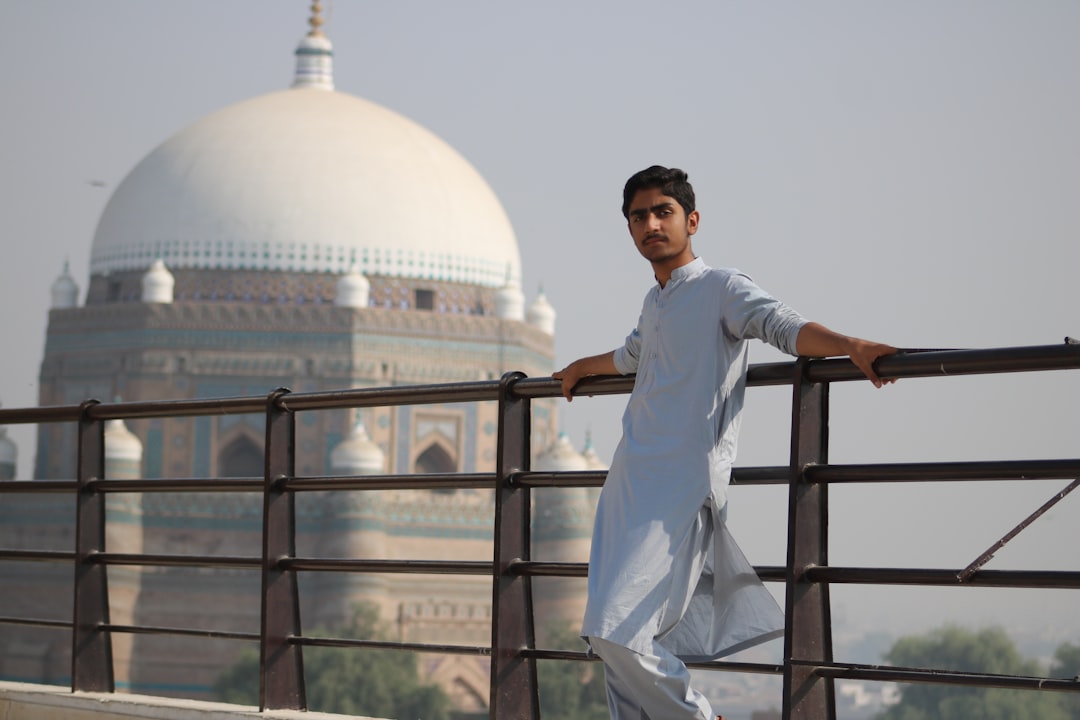
Everything you need to know about Hunza Valley — Karimabad, Altit Fort, Baltit Fort, the Karakoram Highway, blossom season, and how to get there.
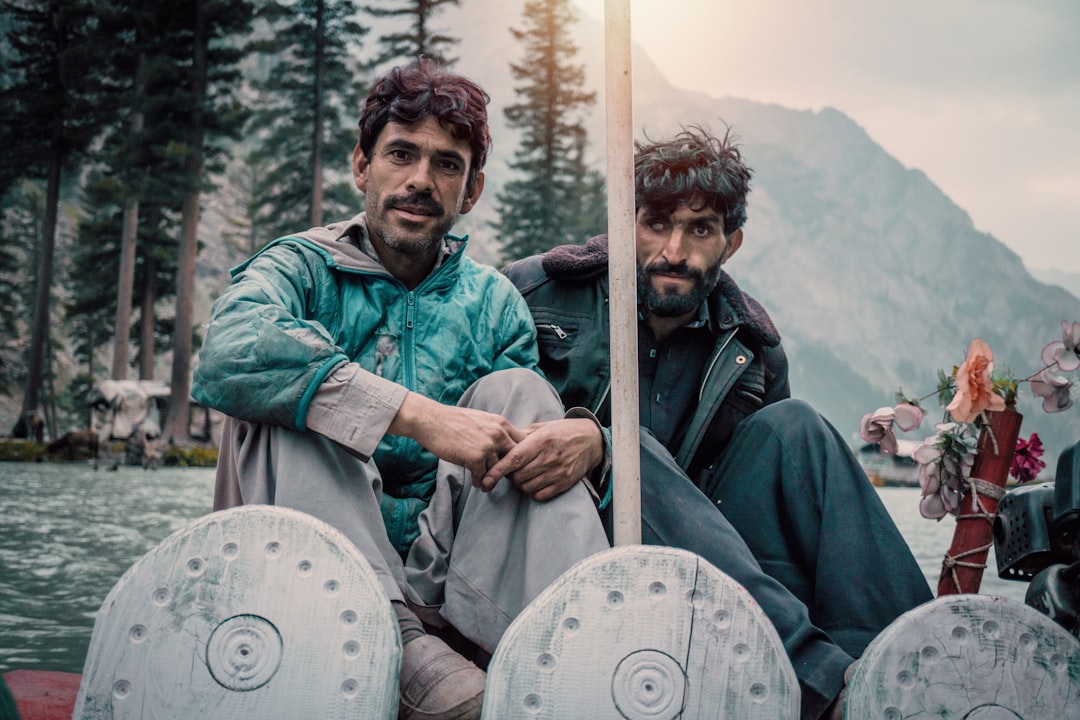
A guide to Islamabad — Pakistan's planned capital, the Faisal Mosque, Margalla Hills hiking, the bazaars of Rawalpindi, and how to use the twin cities as a gateway to the Karakoram.
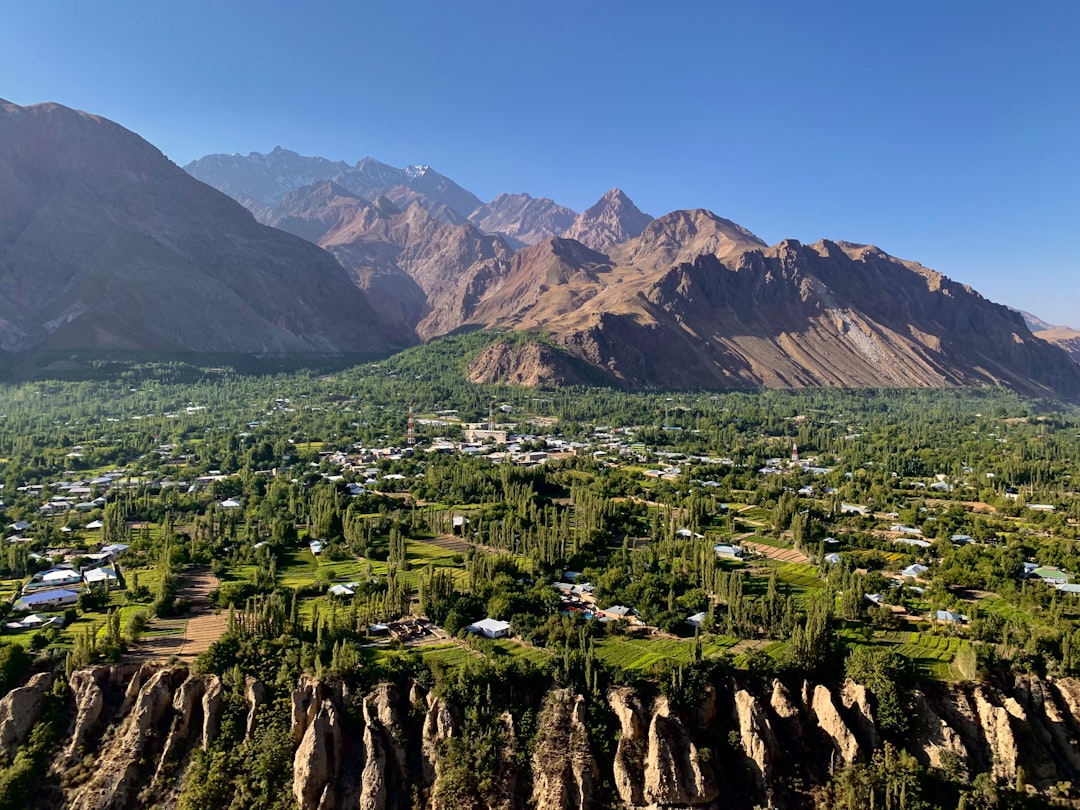
Everything about trekking to K2 Base Camp — the route from Skardu through the Baltoro Glacier, Concordia, the altitude profile, the permits, the logistics, and why the K2 approach is one of the world's great treks.
Everything about driving or traveling the Karakoram Highway — from Islamabad to the Chinese border at Khunjerab Pass, through the Indus Valley, past Nanga Parbat, and into the Hunza Valley.
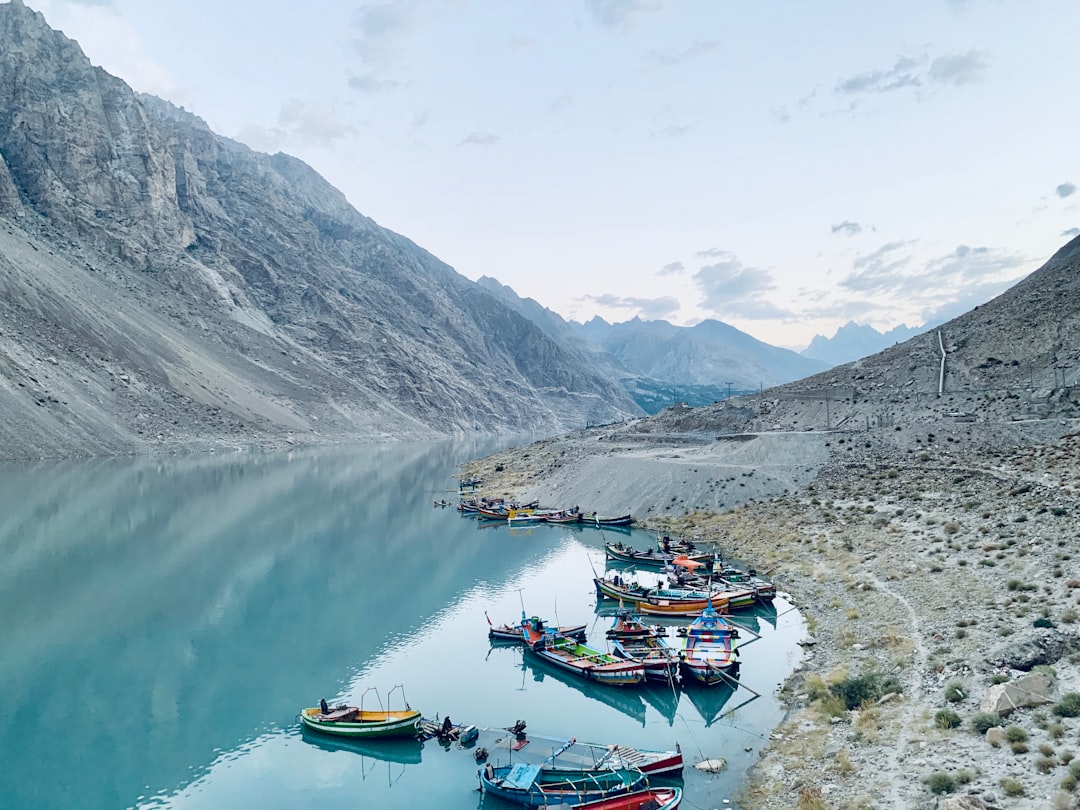
What to eat in Lahore — the definitive guide to Pakistani cuisine from the Food Street at Gawalmandi, the Old City's nihari houses, karahi restaurants, biryani, and the street food culture of Pakistan's culinary capital.
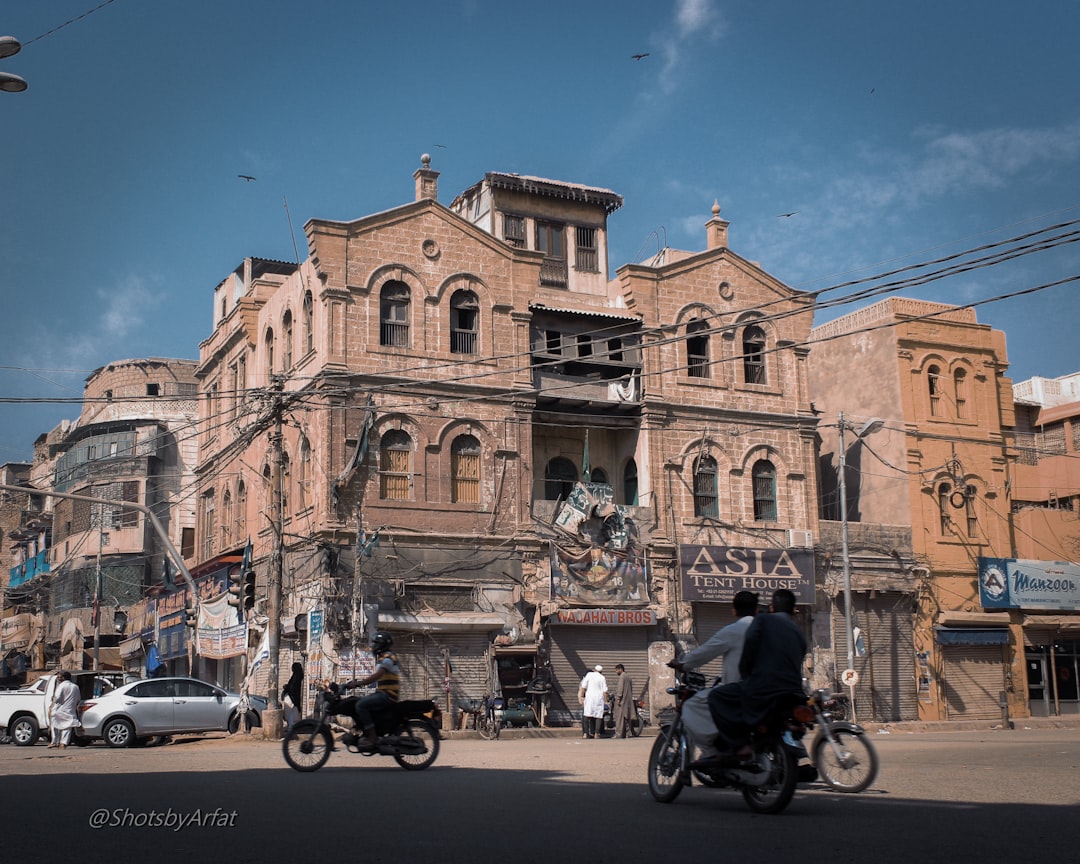
The essential guide to Lahore — the Lahore Fort, Badshahi Mosque, Walled City, food street, Sufi music at Data Darbar, and why Pakistan's cultural capital surprises every visitor.
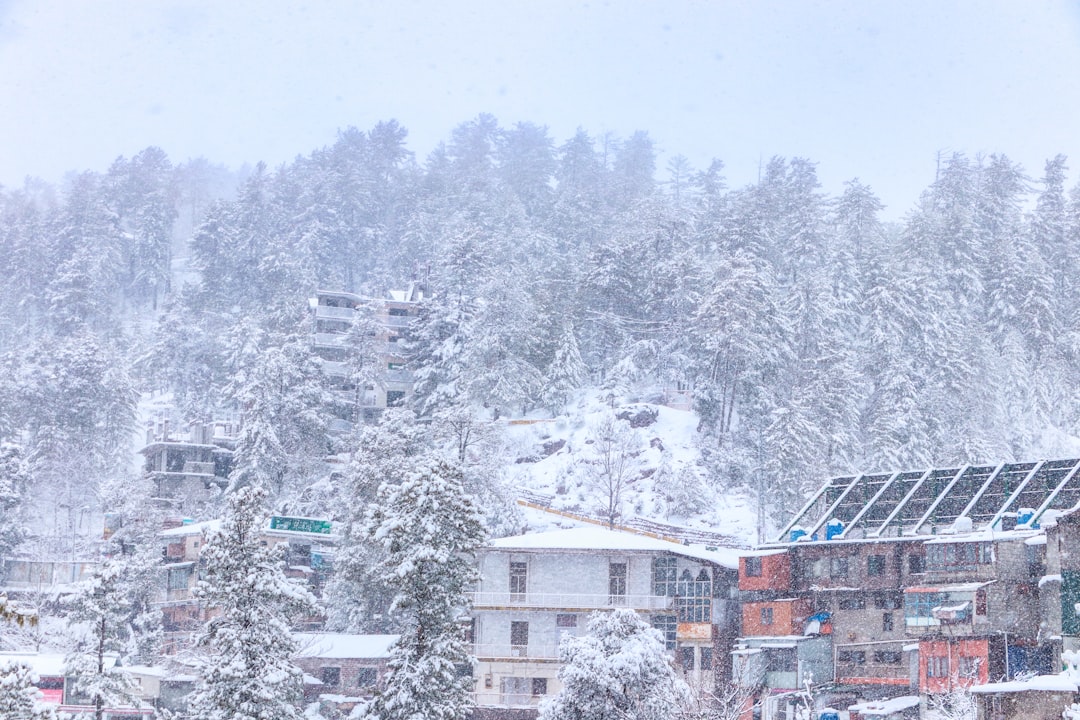
A walking guide to Lahore's Mughal heritage — the Lahore Fort, Badshahi Mosque, Shalimar Gardens, Wazir Khan Mosque, and the streets of the Old City that contain one of the greatest concentrations of Mughal architecture outside India.
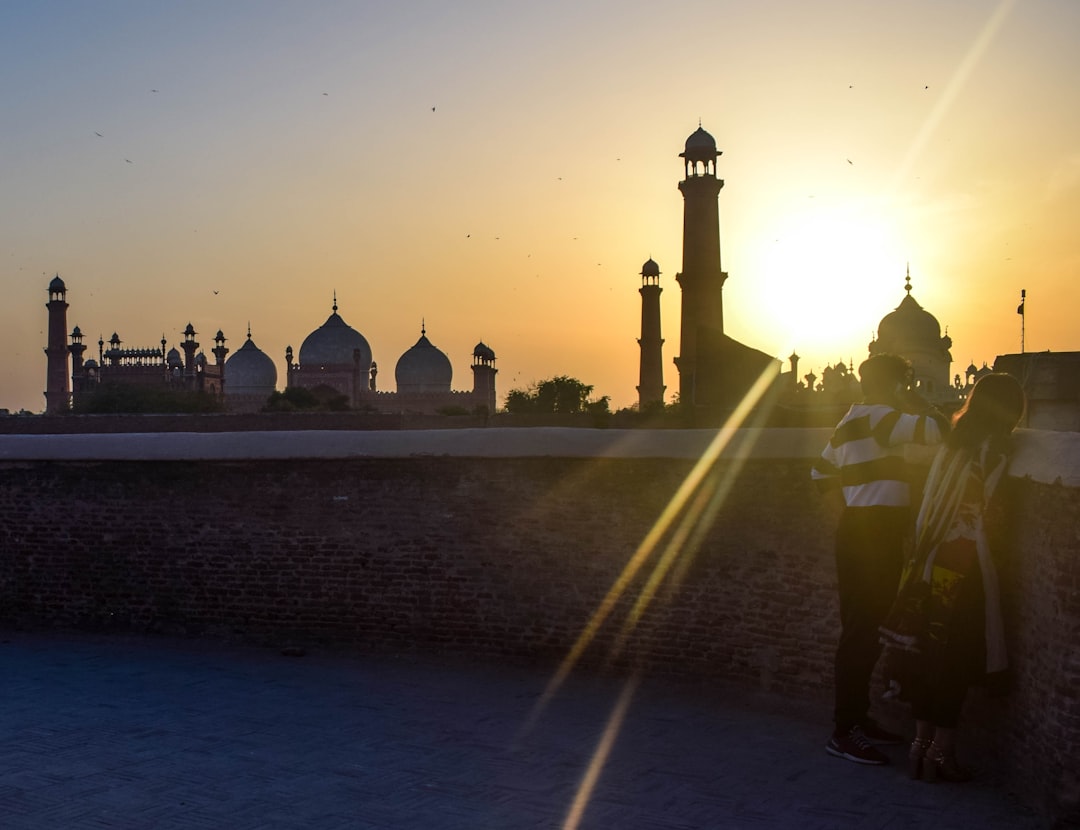
What to eat in Pakistan — the essential dishes from nihari to chapli kebab, the street food of Lahore, the regional variations from Karachi biryani to Peshawar's Pashtun table, where to eat in the main cities, and why Pakistani cuisine is one of the great under-appreciated food cultures in the world.
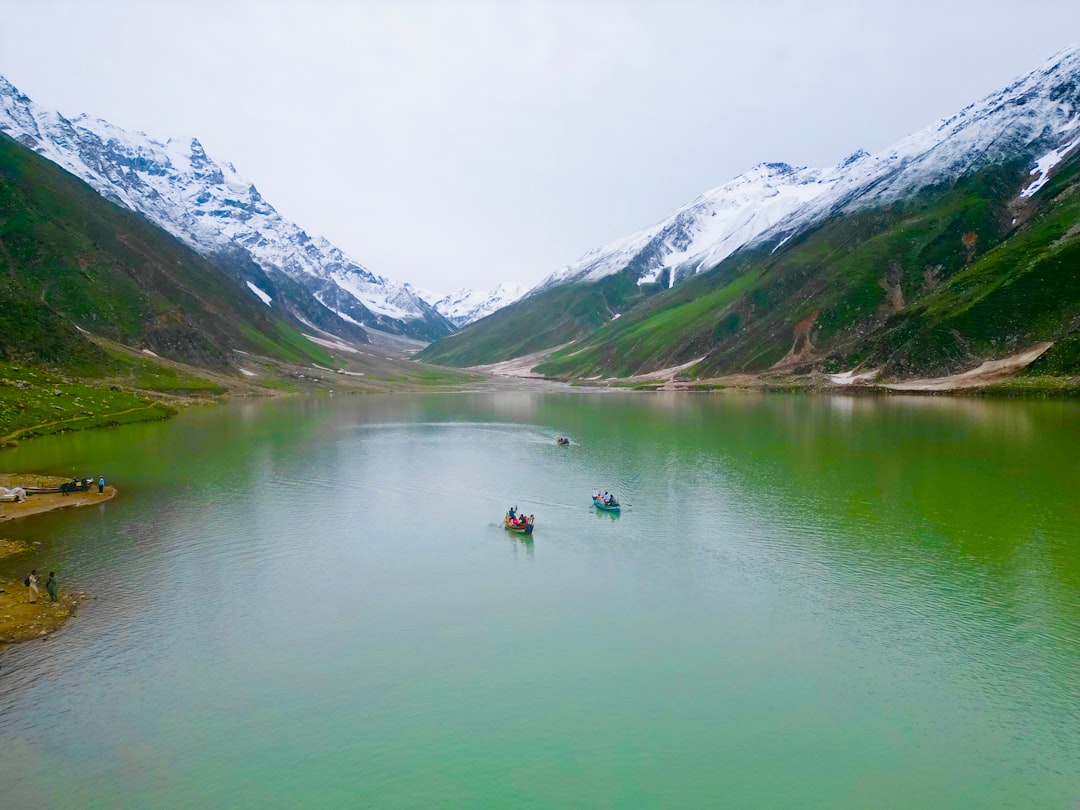
The essential practical guide to visiting Pakistan — e-visa on arrival for most nationalities, the reality of safety for tourists, internal flights to Gilgit and Skardu, SIM cards, costs, and cultural etiquette.
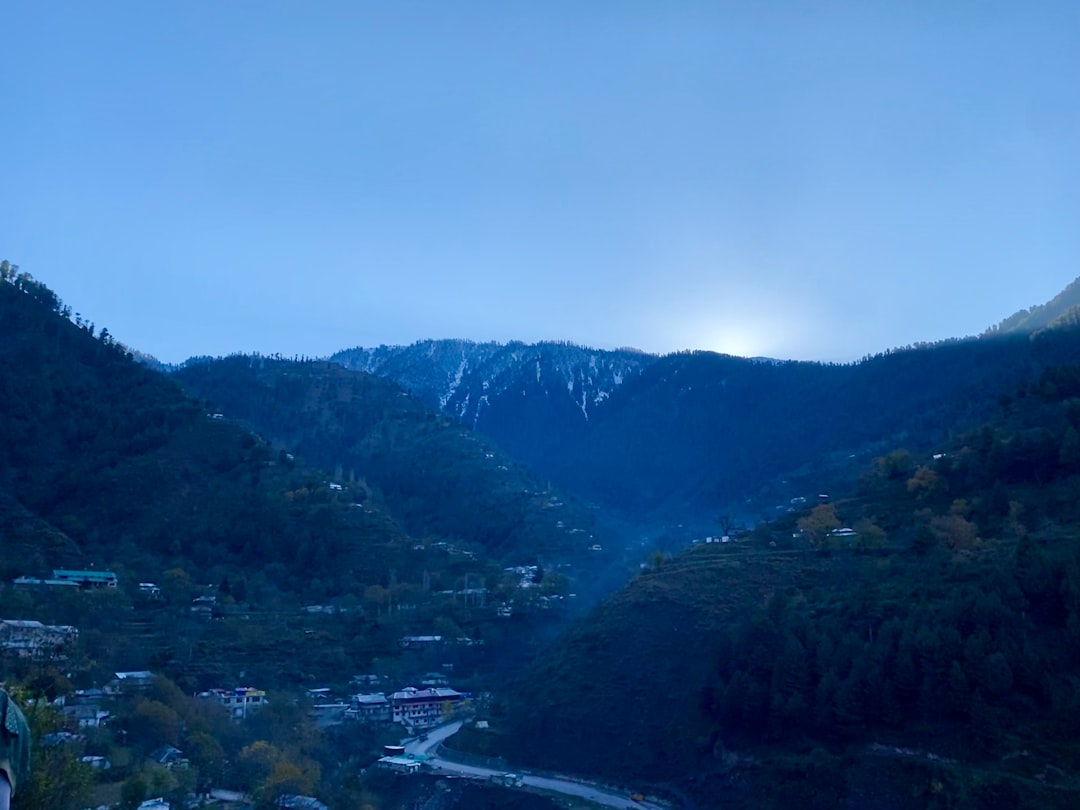
A guide to Swat Valley in Khyber Pakhtunkhwa — the mountain valley once called the 'Switzerland of the East,' its Buddhist Gandhara civilization ruins, the Swat Museum, the town of Mingora, and how to visit one of Pakistan's most beautiful and historically significant valleys.
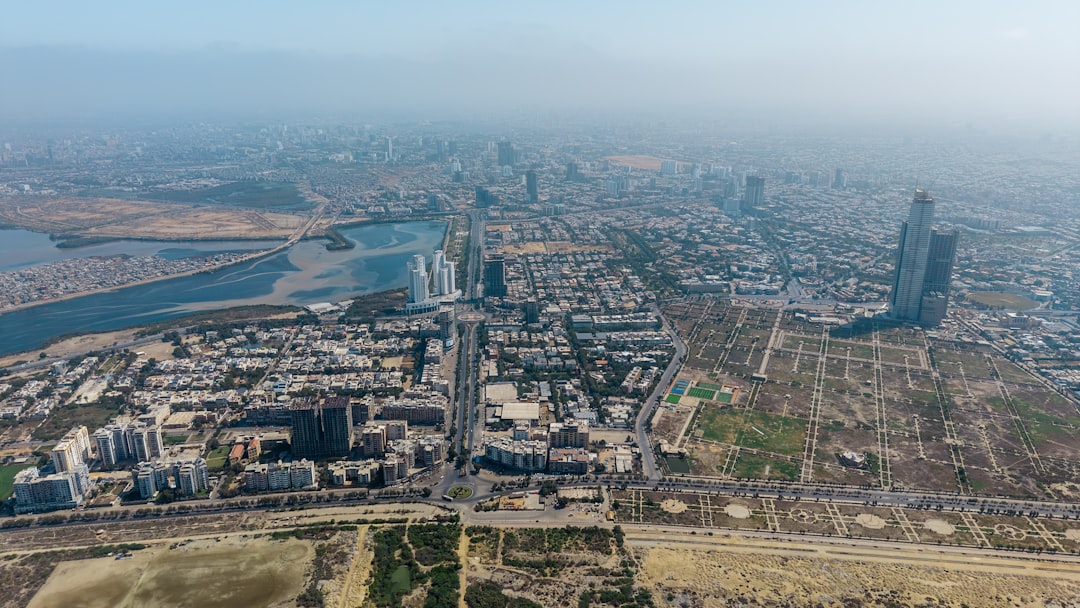
How to visit Malaysian Borneo — Kota Kinabalu and Mount Kinabalu in Sabah, the orangutan sanctuaries at Sepilok, the Kinabatangan River wildlife corridor, Kuching and the Sarawak national parks, and what makes Borneo one of the world's premier wildlife destinations.
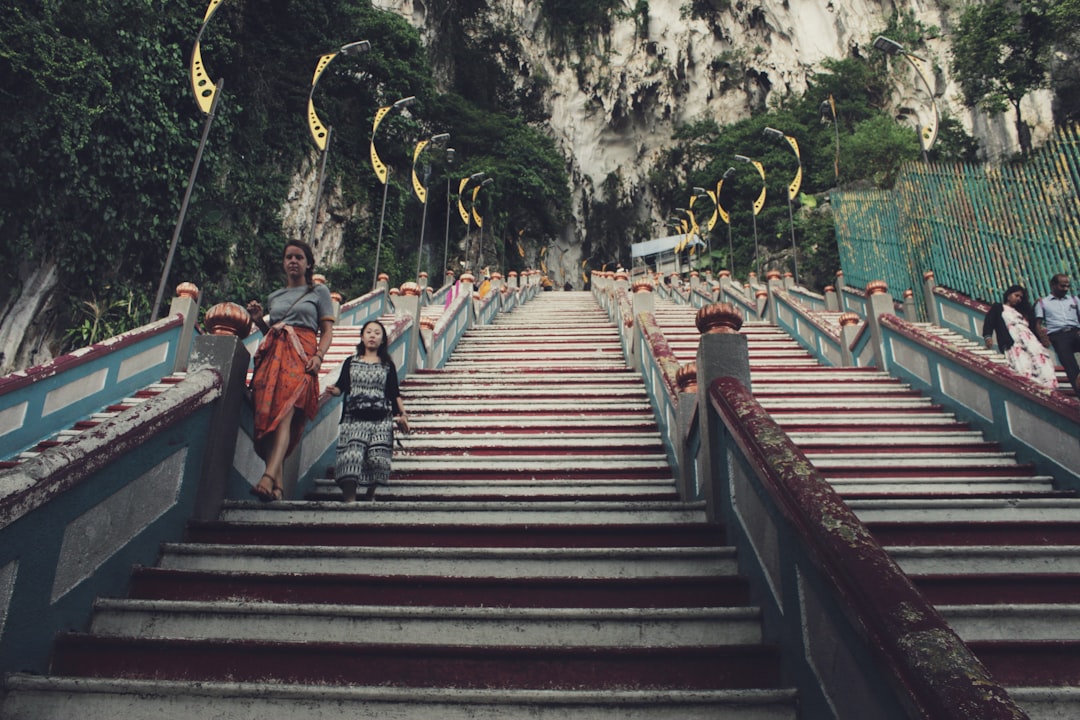
A guide to Cameron Highlands — Malaysia's most accessible hill station. The tea plantations, the strawberry farms, the Mossy Forest on Gunung Brinchang, the cool climate, the English afternoon tea tradition, and how to get there from Kuala Lumpur or Penang.
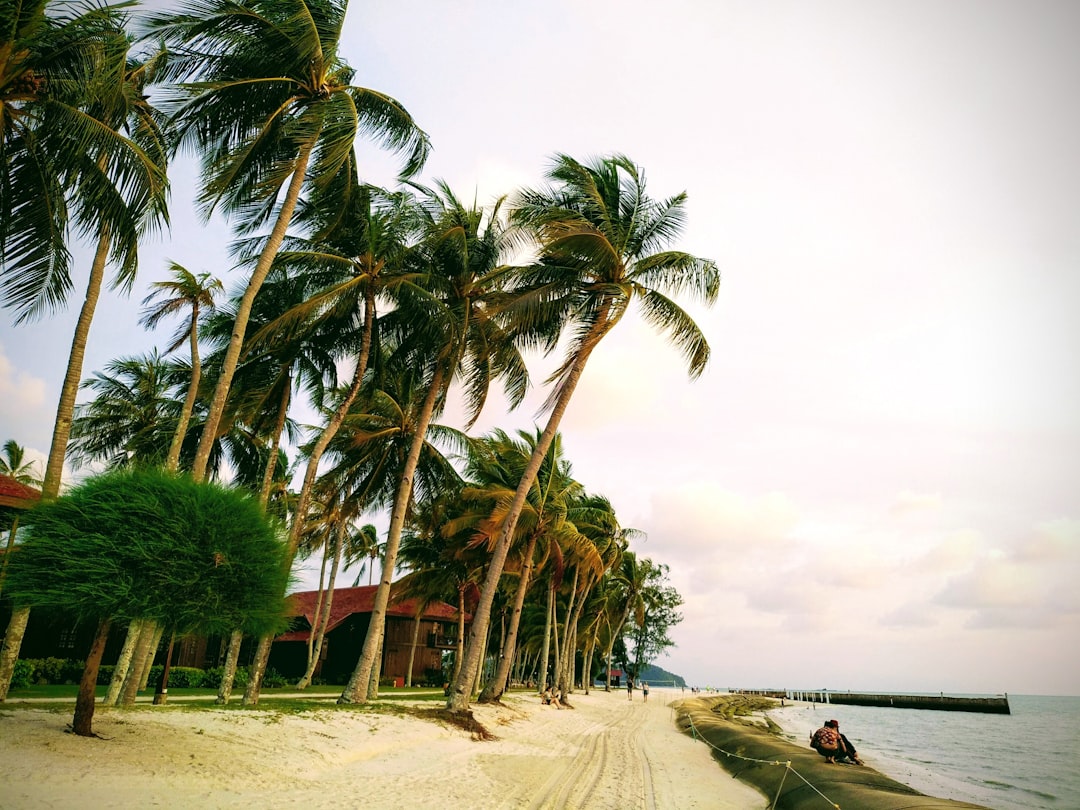
How to explore George Town — Penang's UNESCO World Heritage old city, the Clan Jetties, the street art trail, Armenian Street, Khoo Kongsi clan house, and the neighborhoods that make this one of Southeast Asia's great walking cities.
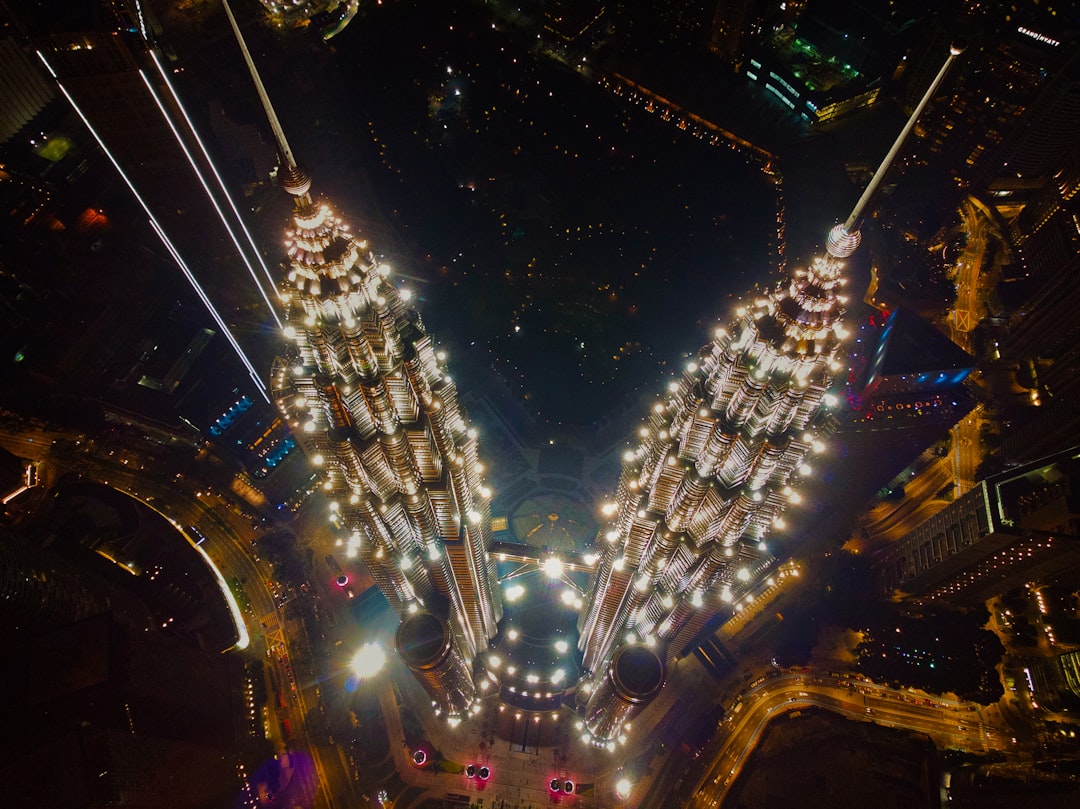
What and where to eat in Kuala Lumpur — the iconic nasi lemak, char kway teow, Hokkien mee, and roti canai, the best hawker centres and kopitiams in the city, the Jalan Alor night food street, and how KL's Chinese-Malay-Indian food culture produces some of Asia's best street food.
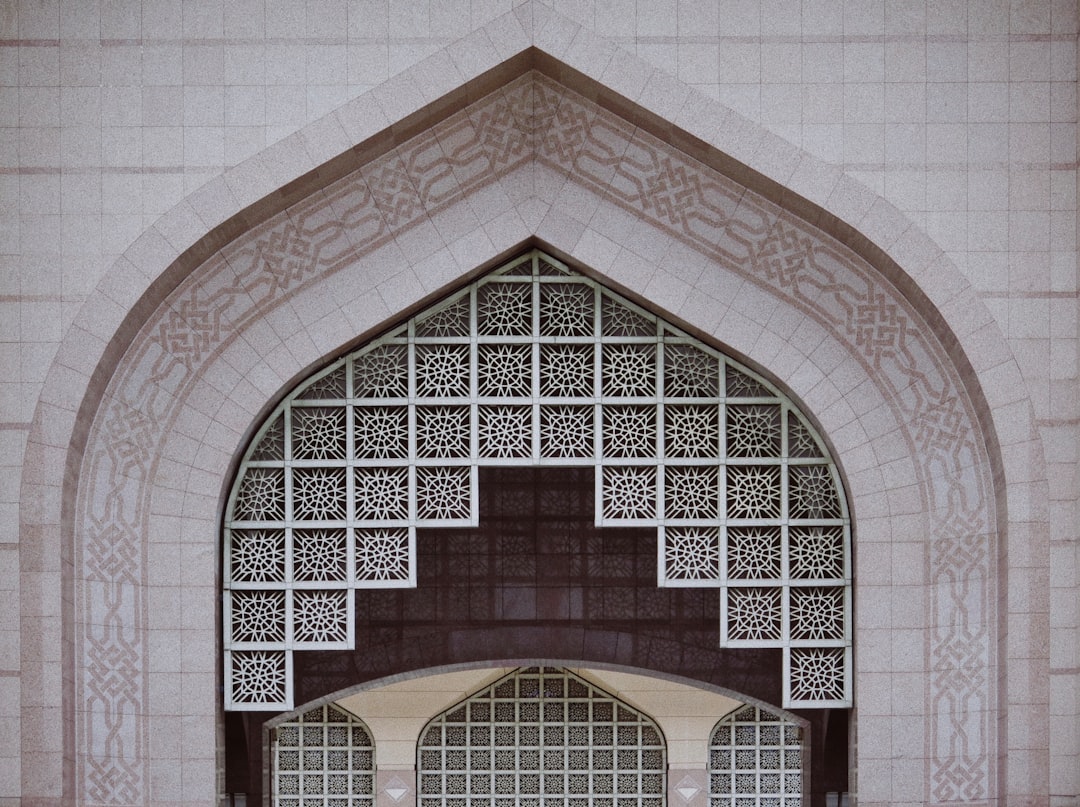
The essential guide to Kuala Lumpur — the Petronas Twin Towers, Batu Caves, Chinatown, Bangsar, the best hawker centres, and how to spend 2–3 days in Malaysia's vibrant capital.
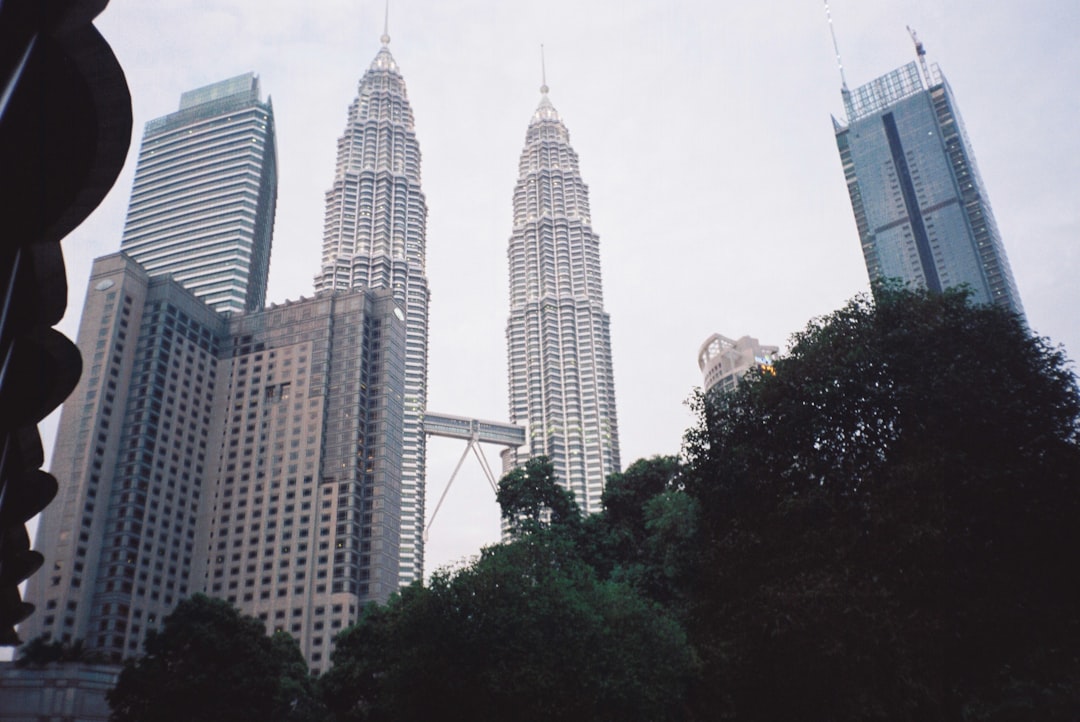
Everything about Langkawi — the cable car and Sky Bridge, the mangrove kayak tours, duty-free shopping, the best beaches, island-hopping, and how the Jewel of Kedah differs from Penang.
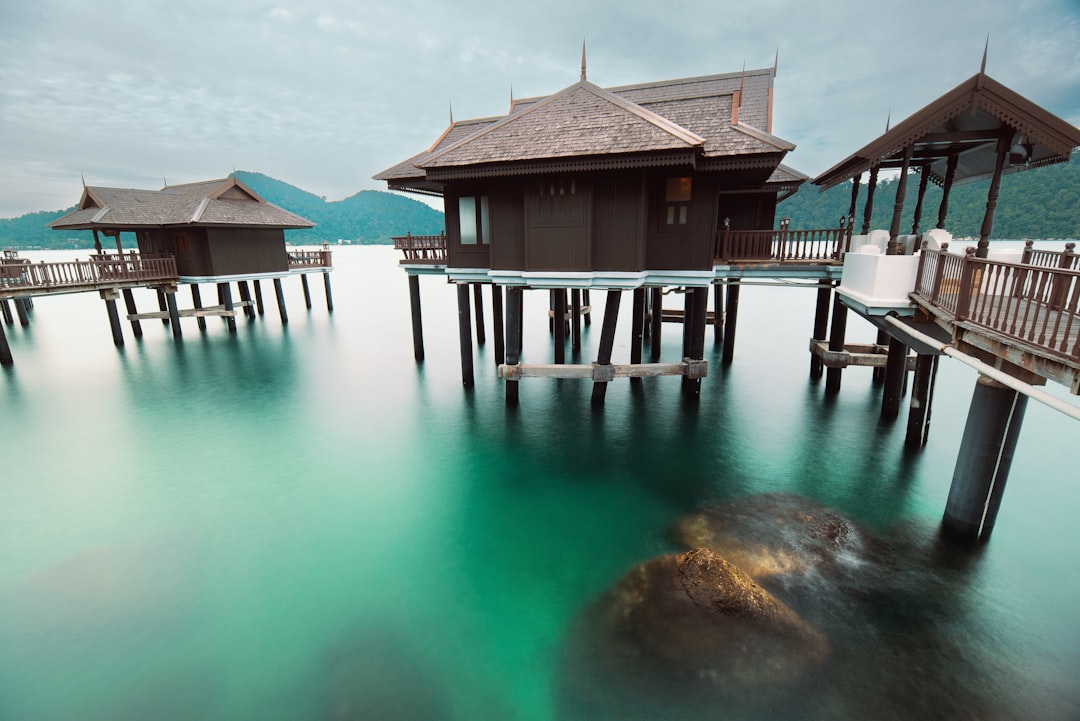
Everything you need to know before visiting Malaysia — the visa-free policy, the KL-Penang train, the best time to visit Penang vs. the east coast, costs, tipping, and how to combine the country's highlights.
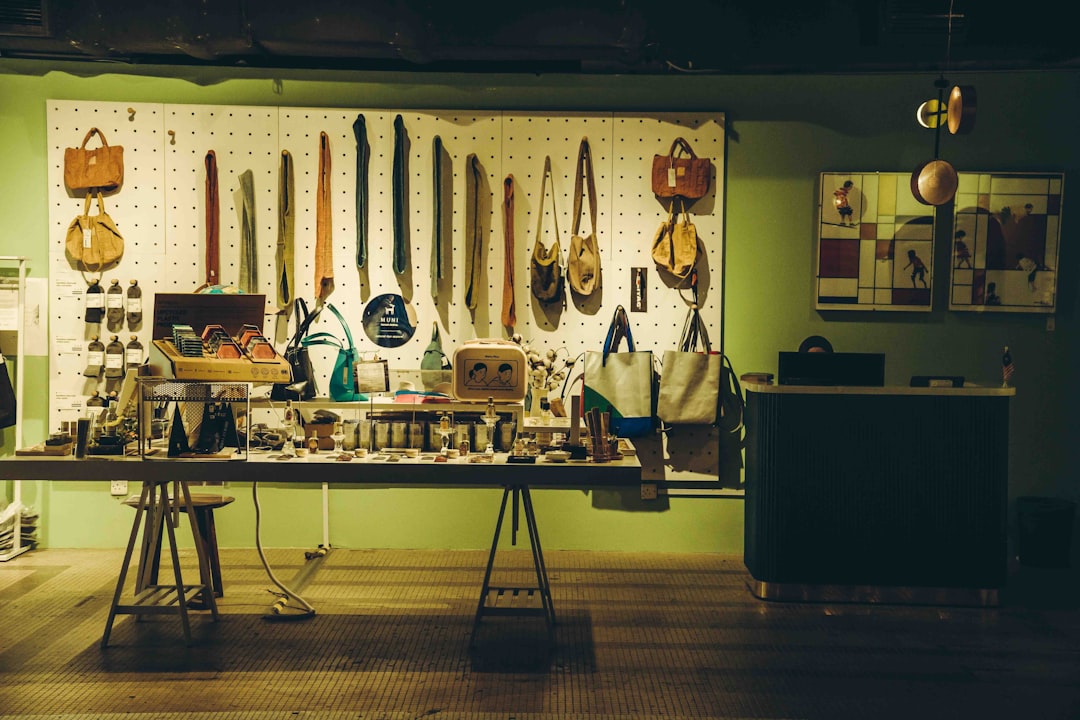
A complete guide to Melaka — the UNESCO World Heritage city, the Portuguese and Dutch quarters, Christ Church, Jonker Street, Peranakan culture, Nyonya food, and how to visit from Kuala Lumpur.
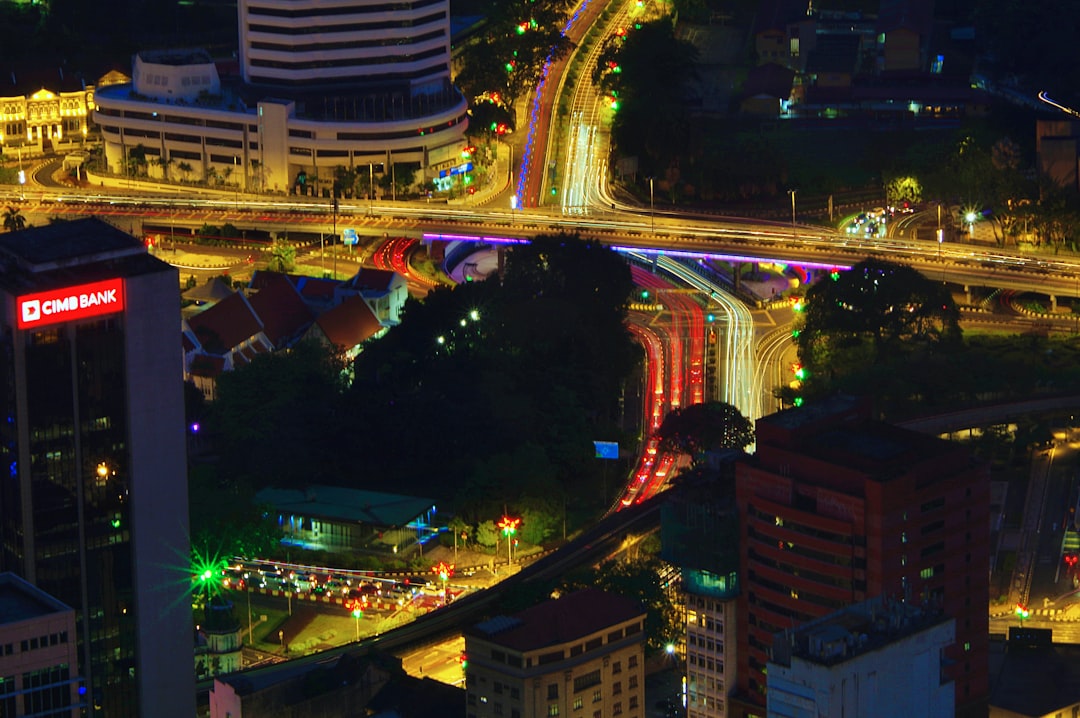
The definitive guide to Penang's hawker food — char kway teow, assam laksa, Hokkien mee, nasi kandar, cendol, and the stalls worth knowing. Malaysia's best food explained.
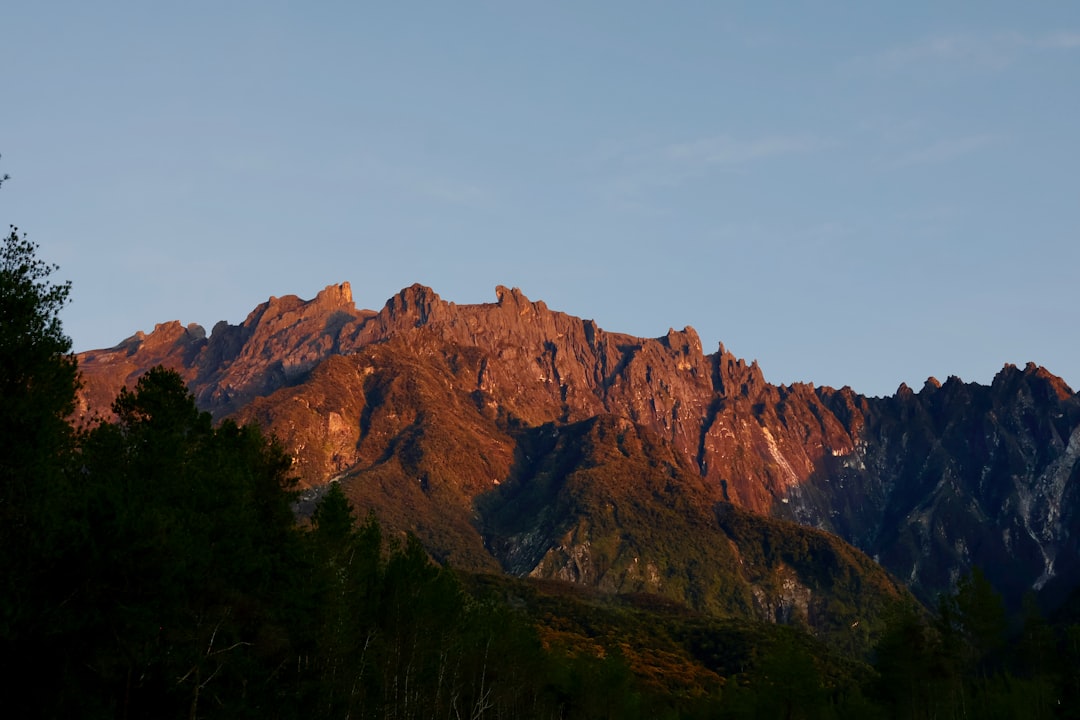
Everything practical about visiting Penang — the ferry from Butterworth, the free CAT bus in George Town, the best neighborhoods to stay in, costs, and how to combine Penang with the rest of Malaysia.
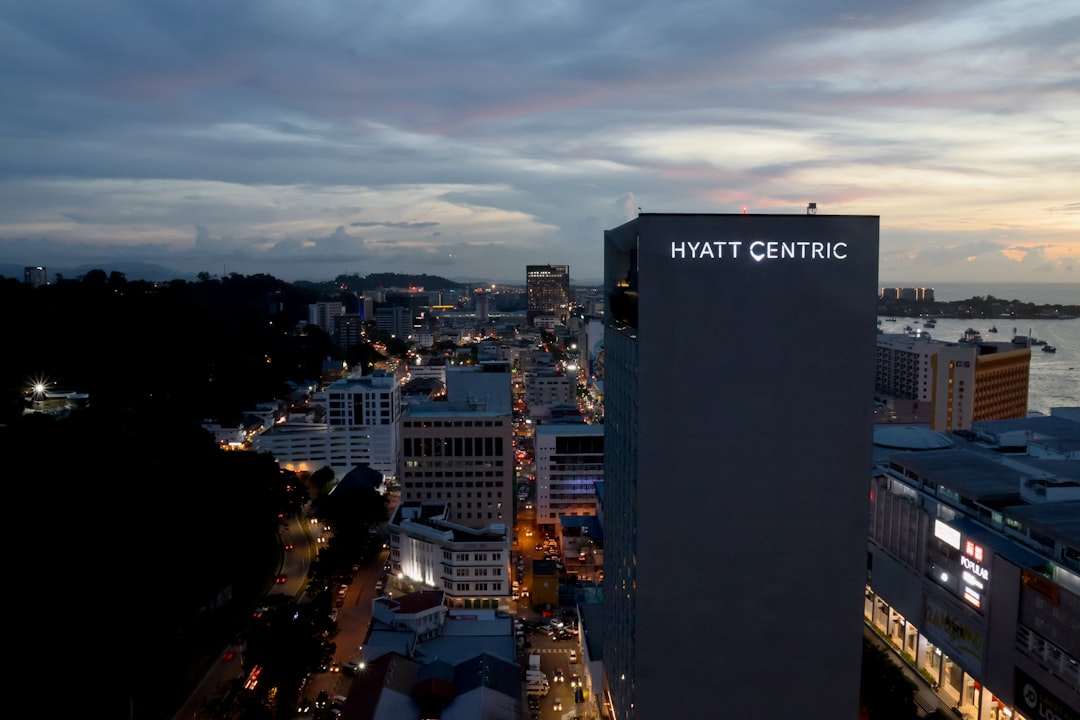
The complete guide to Penang — George Town's UNESCO shophouses, the world's best hawker food, street art, temples, and Penang Hill. Why Malaysia's food capital is worth the trip.
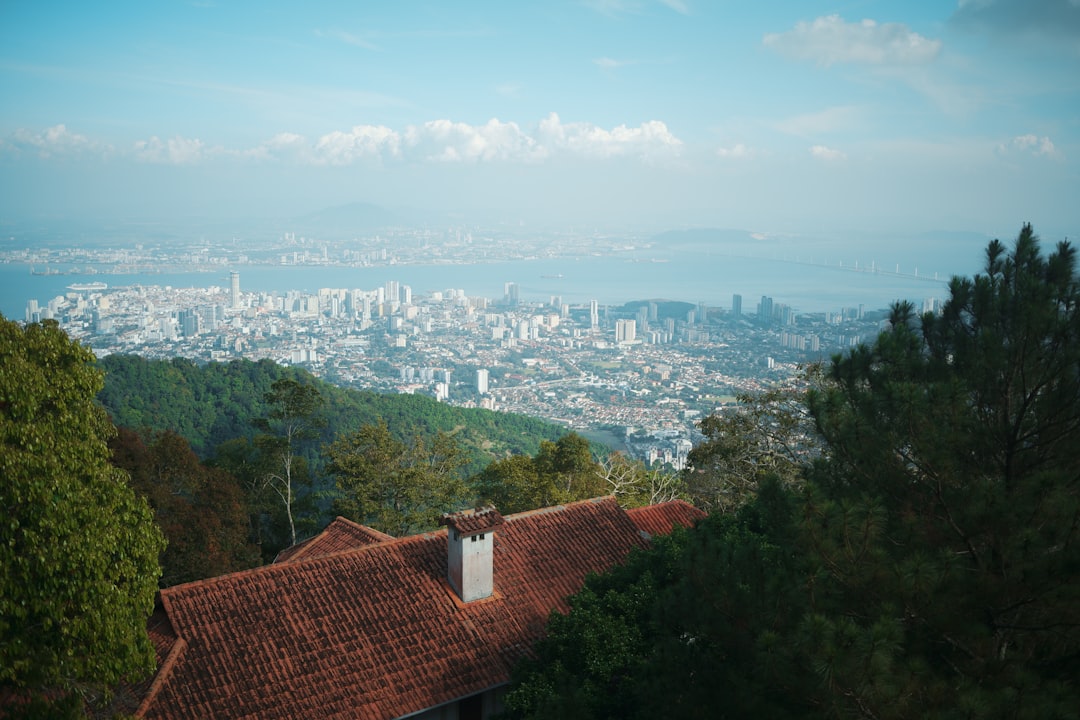
What to eat in Almaty — Kazakhstan's national dishes, the Green Bazaar, Central Asian tea culture, the best restaurants, and where to find everything from beshbarmak to baursaki.
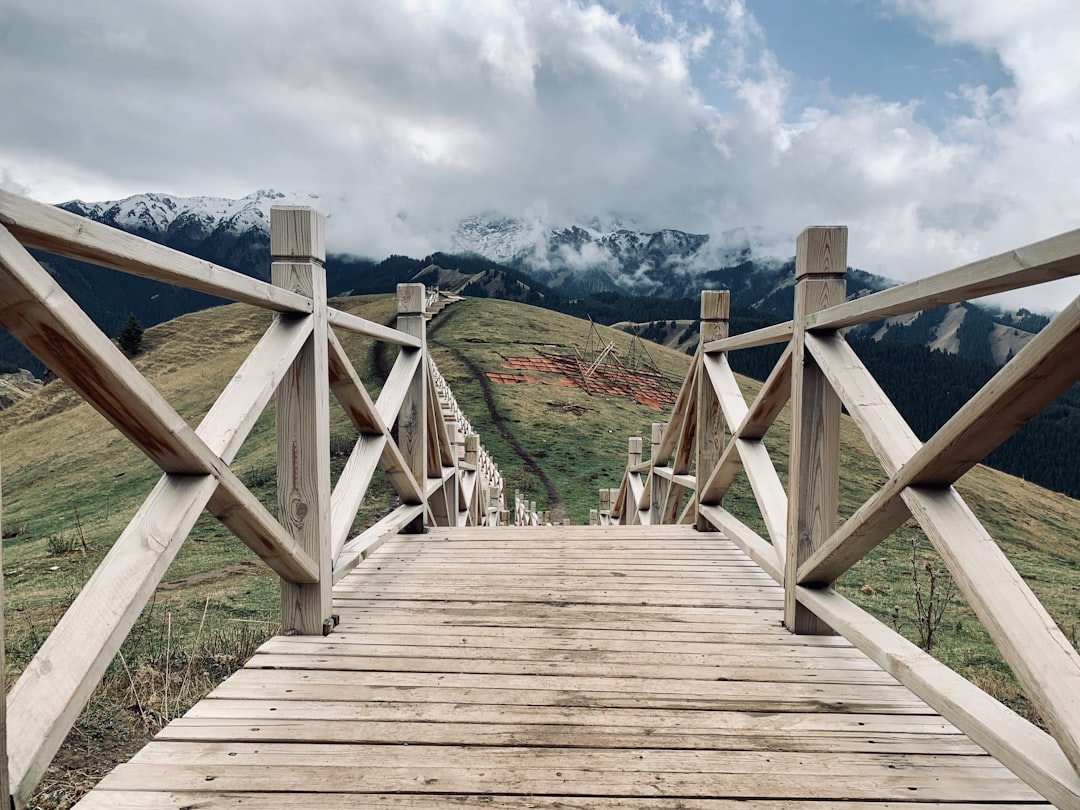
The mountains above Almaty — Medeu skating rink, Shymbulak ski resort, Big Almaty Lake, Charyn Canyon, and how to access the Tian Shan wilderness from Central Asia's most outdoorsy city.
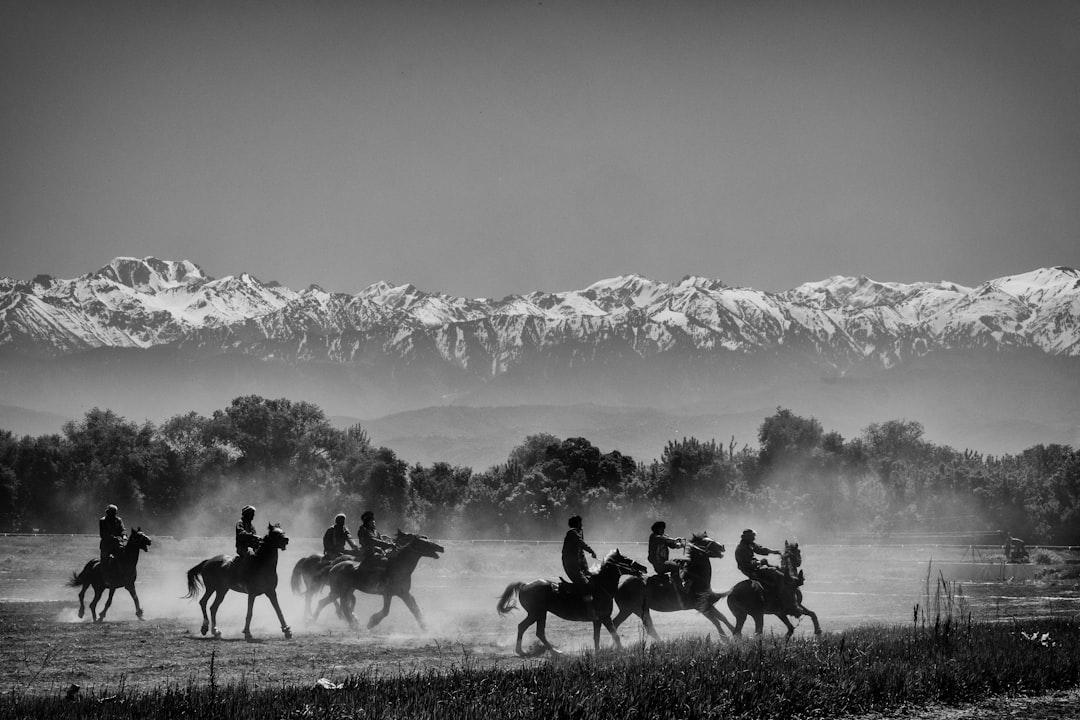
The essential guide to Almaty — the Tian Shan mountains above the city, Medeu skating rink, Shymbulak ski resort, Big Almaty Lake, Kazakh food, and why this is Central Asia's most liveable city.
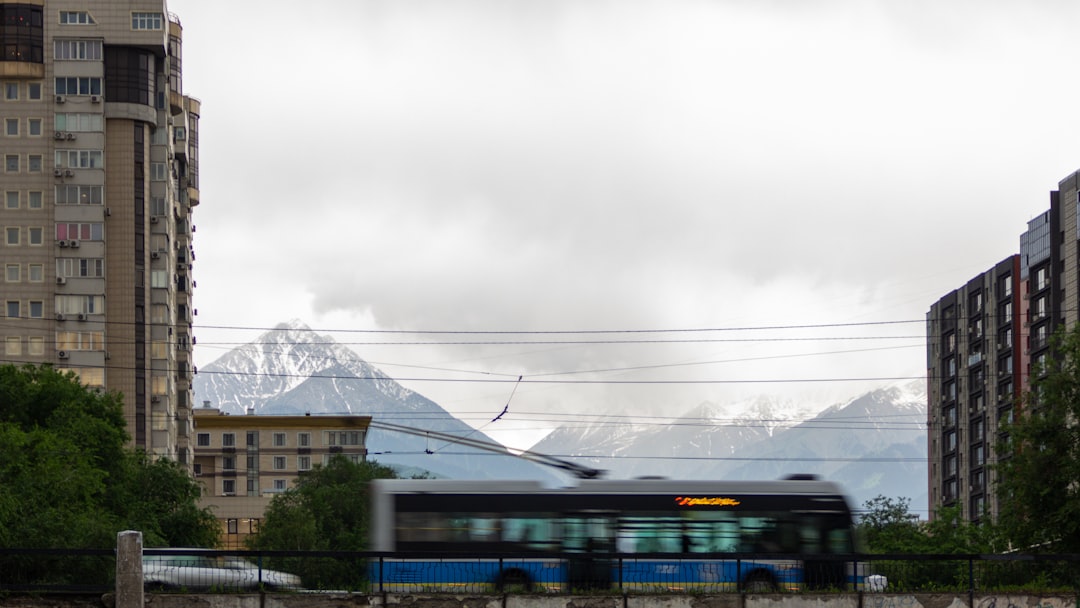
A guide to Astana (formerly Nur-Sultan) — Kazakhstan's purpose-built capital, its extraordinary modern architecture, the Khan Shatyr entertainment center, Bayterek Tower, and the surreal experience of a planned city on the steppe.
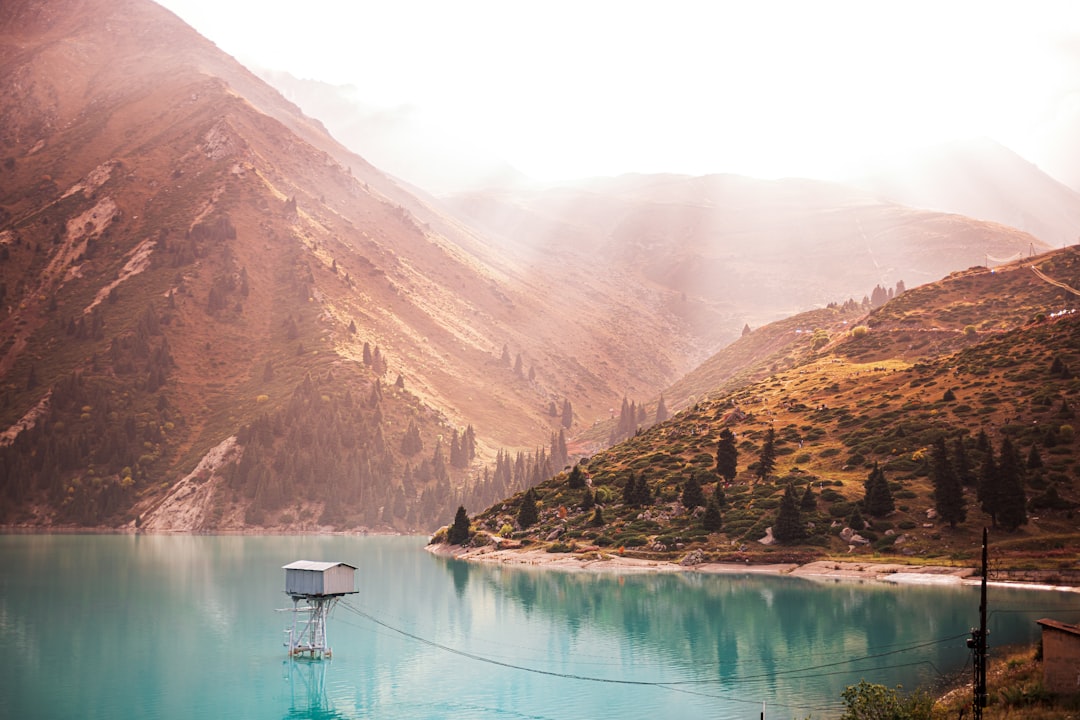
How to visit Big Almaty Lake — the alpine reservoir in the Zailiyskiy Alatau mountains above Almaty. Hiking routes, the best viewpoints, permit requirements, transport options, and why this turquoise lake 2,500 meters above sea level is the most accessible mountain escape in Kazakhstan.
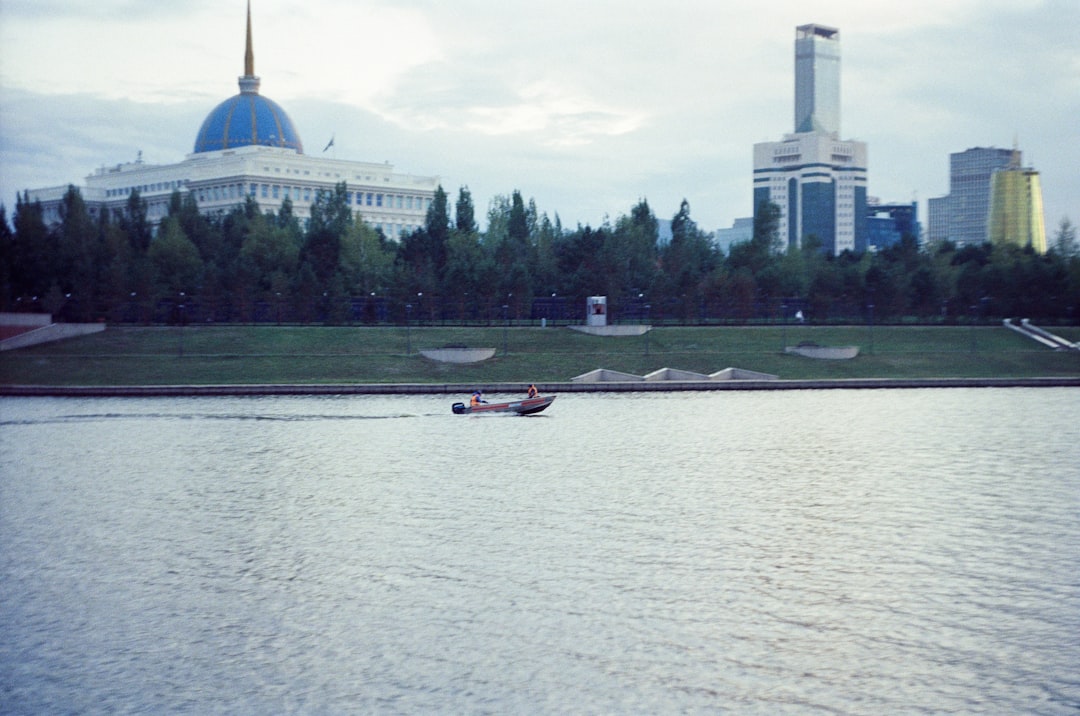
How to visit Charyn Canyon — the Valley of Castles, the Canyon of Castles route, transport from Almaty, best time to go, and why this 200km-long geological feature is one of Central Asia's most dramatic landscapes.
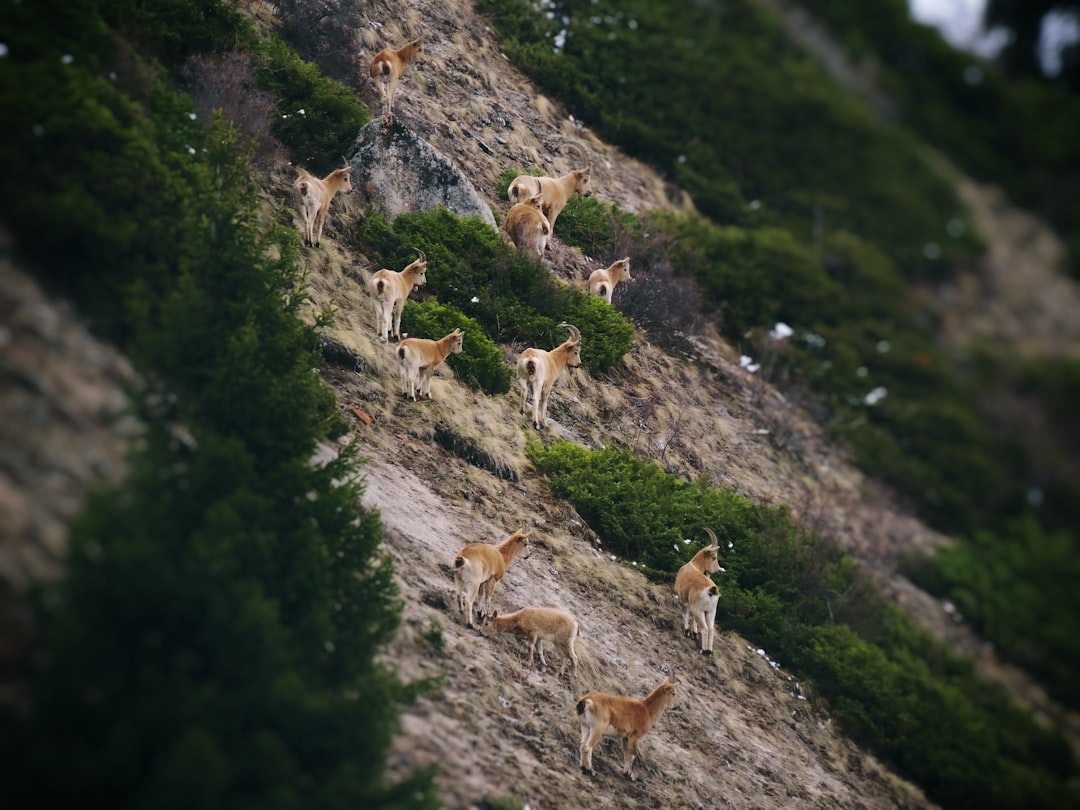
What to eat in Kazakhstan — beshbarmak, plov, shashlik, kurt, fermented mare's milk, the bazaar food culture of Almaty and Shymkent, and how Kazakh cuisine reflects the nomadic tradition and Silk Road influences.
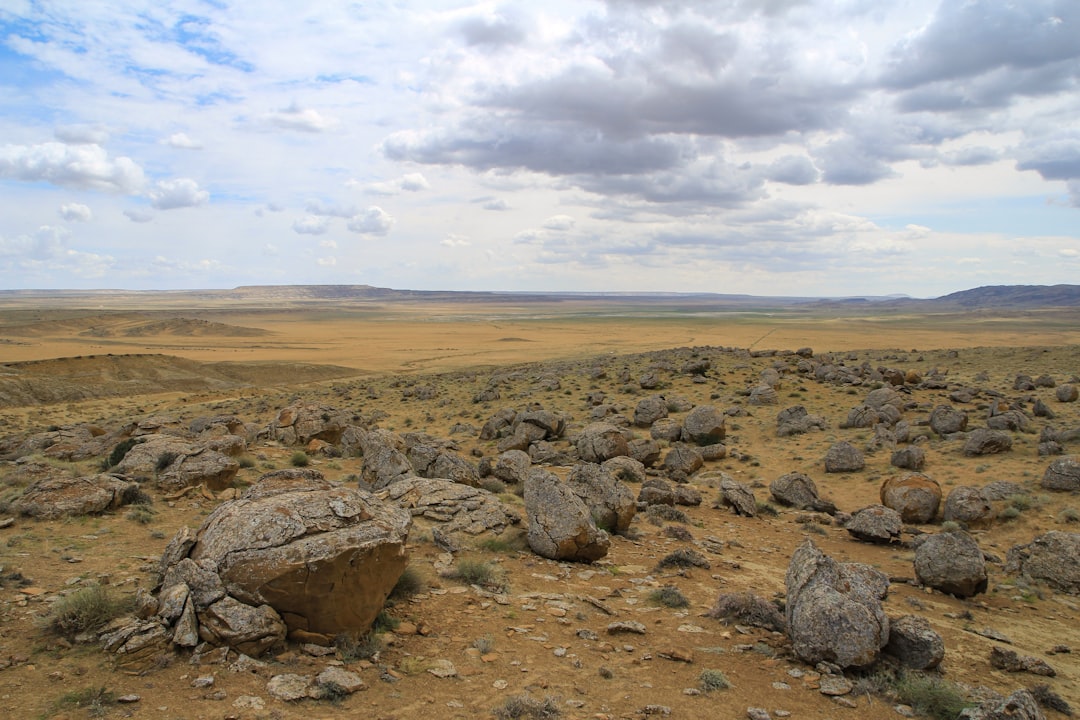
Essential practical information for visiting Kazakhstan — the e-visa system, internal flights, Almaty vs. Astana as base, costs, internet access, safety, and cultural etiquette for Central Asia's largest country.
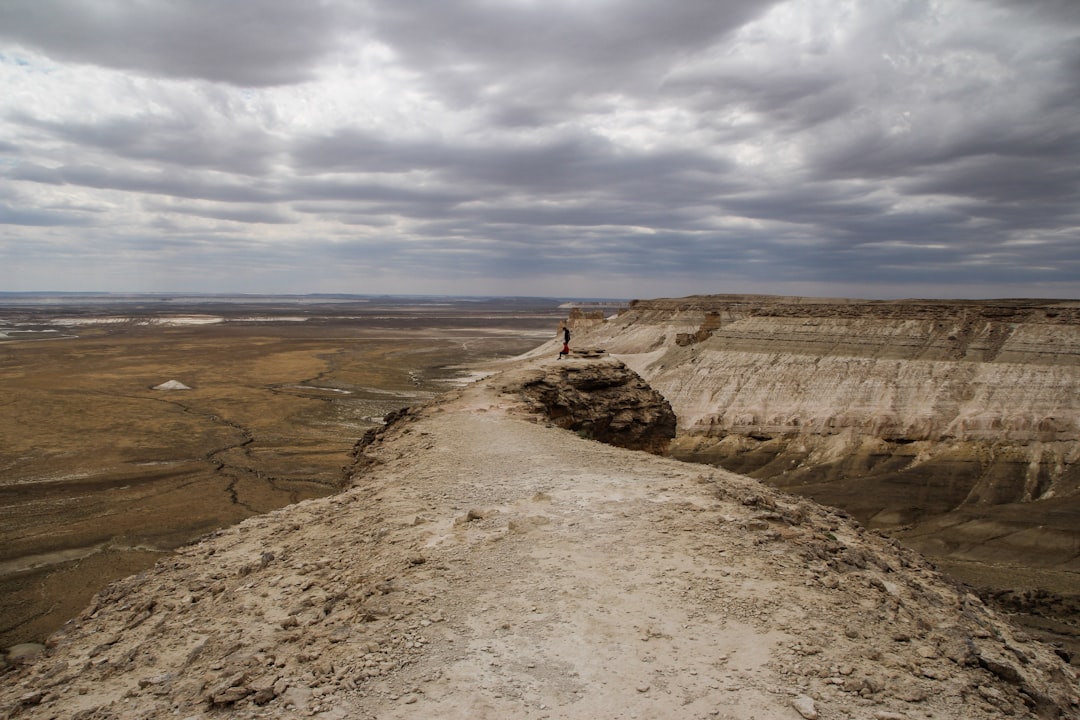
An introduction to Kazakh nomadic heritage — the yurt (ger), the golden eagle hunting tradition, the Nauryz spring festival, traditional music (dombra), and how to experience living nomadic culture in Kazakhstan today.
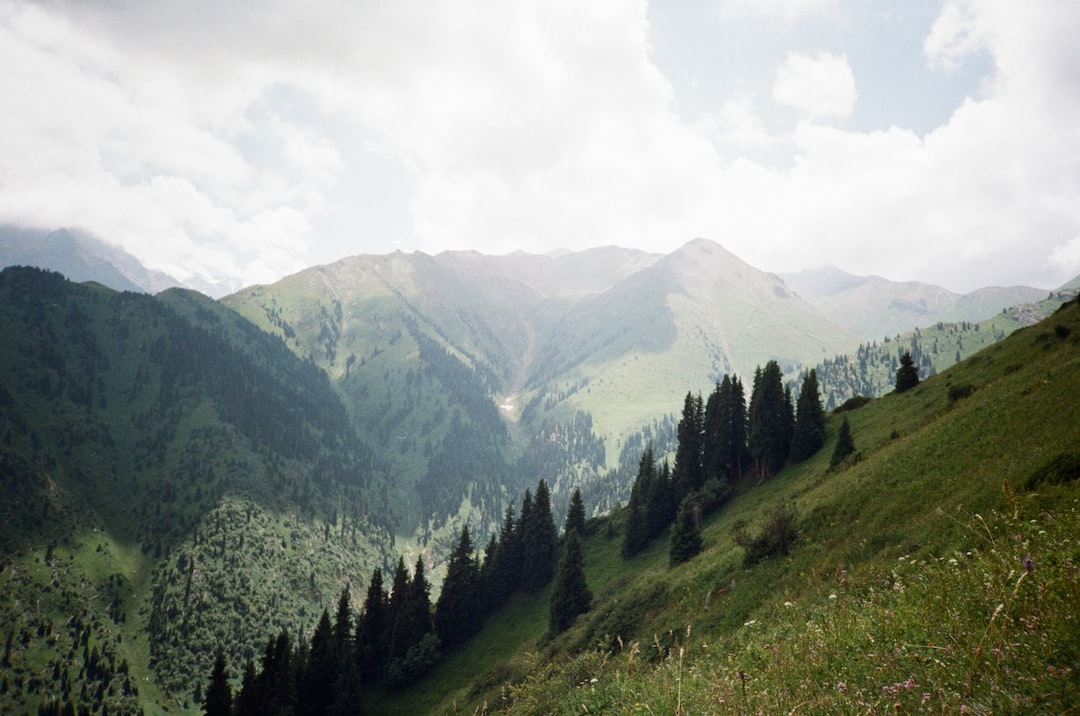
A guide to Shymkent — Kazakhstan's third-largest city, the Baydibek bazaar, the proximity to Turkestan and the Silk Road UNESCO sites, the green parks of the old city, and why the south is Kazakhstan's warmest and most sociable region.
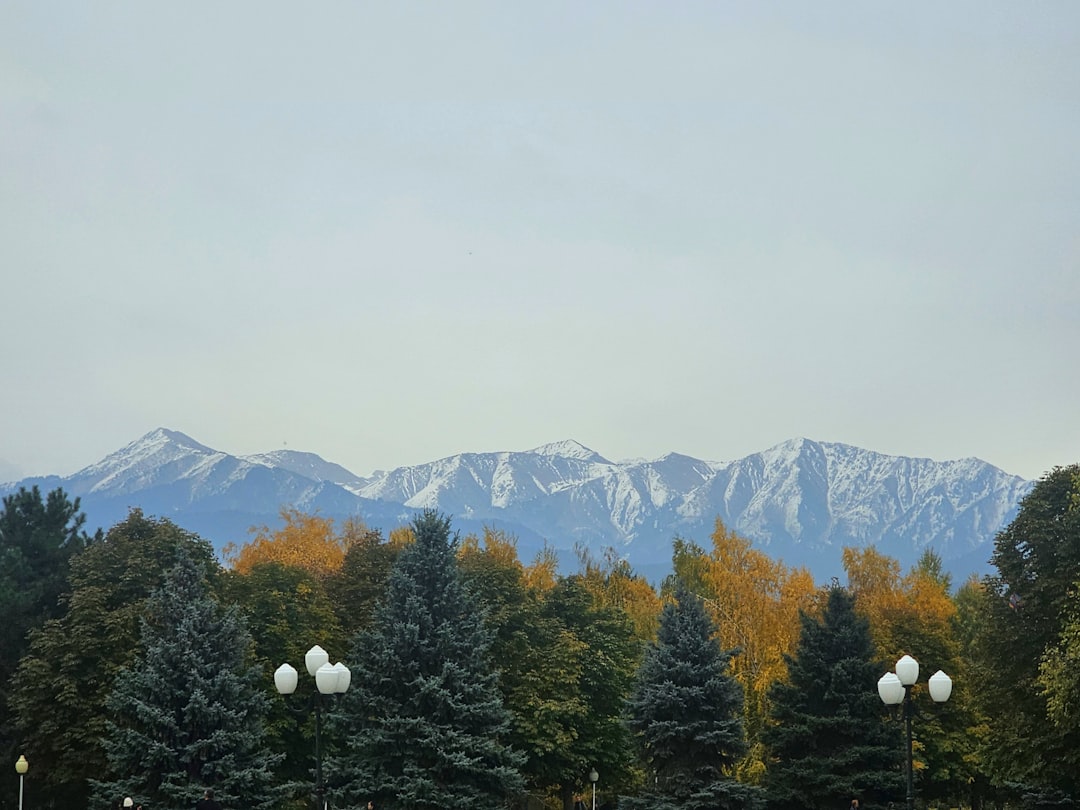
Exploring Kazakhstan's Silk Road heritage — the Mausoleum of Khoja Ahmed Yasawi in Turkestan (UNESCO), the ruins of Otrar, the Taraz ancient city, and the Central Asian trade route cities that defined the region for 1,500 years.
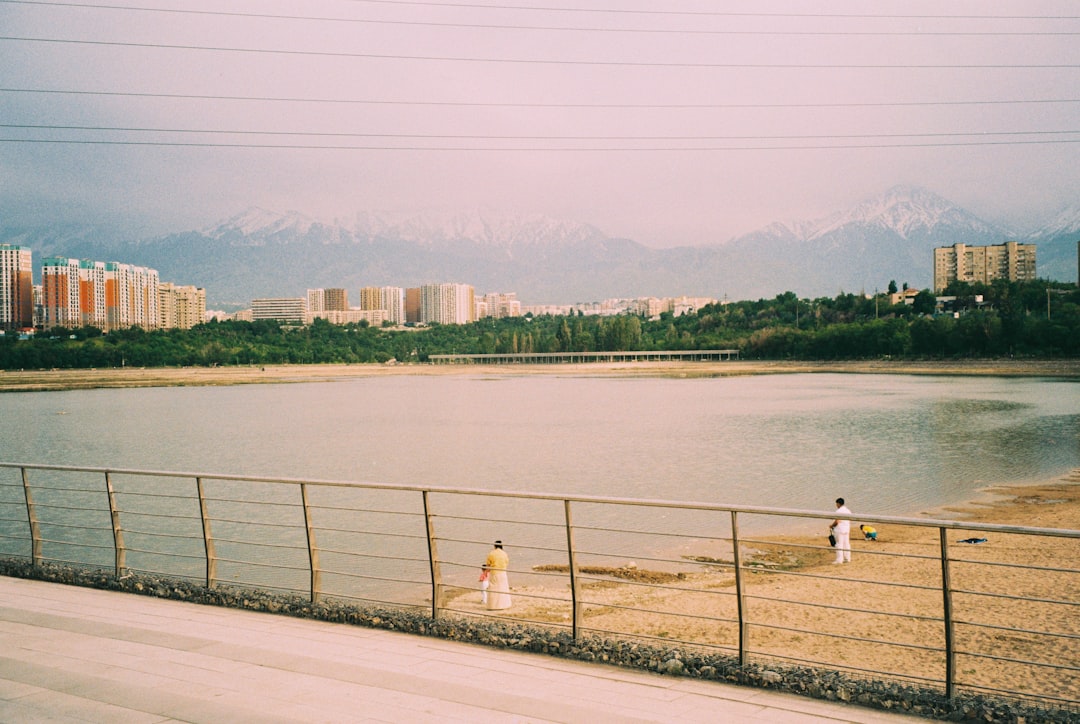
A guide to Cork — the English Market, Blarney Castle, the craft beer scene, Kinsale day trip, and why Ireland's second city has the best food culture in the country.
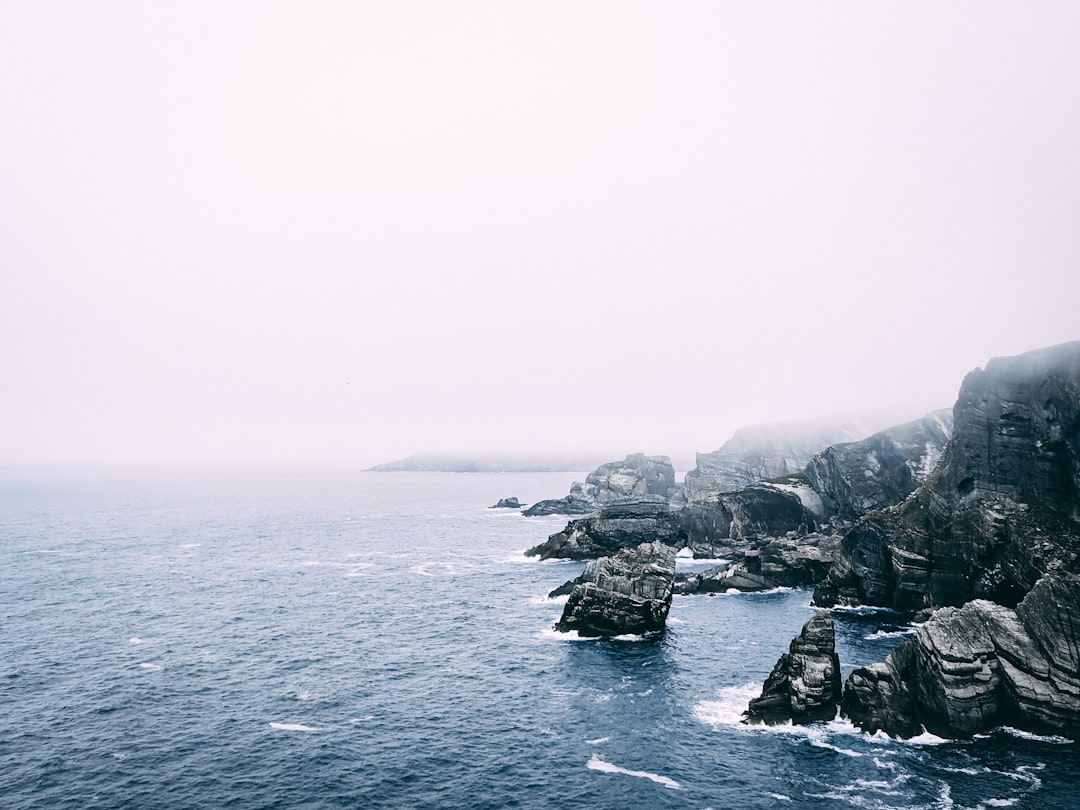
A neighborhood-by-neighborhood guide to Dublin — the Liberties and its distilleries, Georgian Merrion Square, the cobbled lanes of Temple Bar, the regenerated Docklands, the village feel of Rathmines and Ranelagh, and the coastal stretch from Sandymount to Dún Laoghaire.
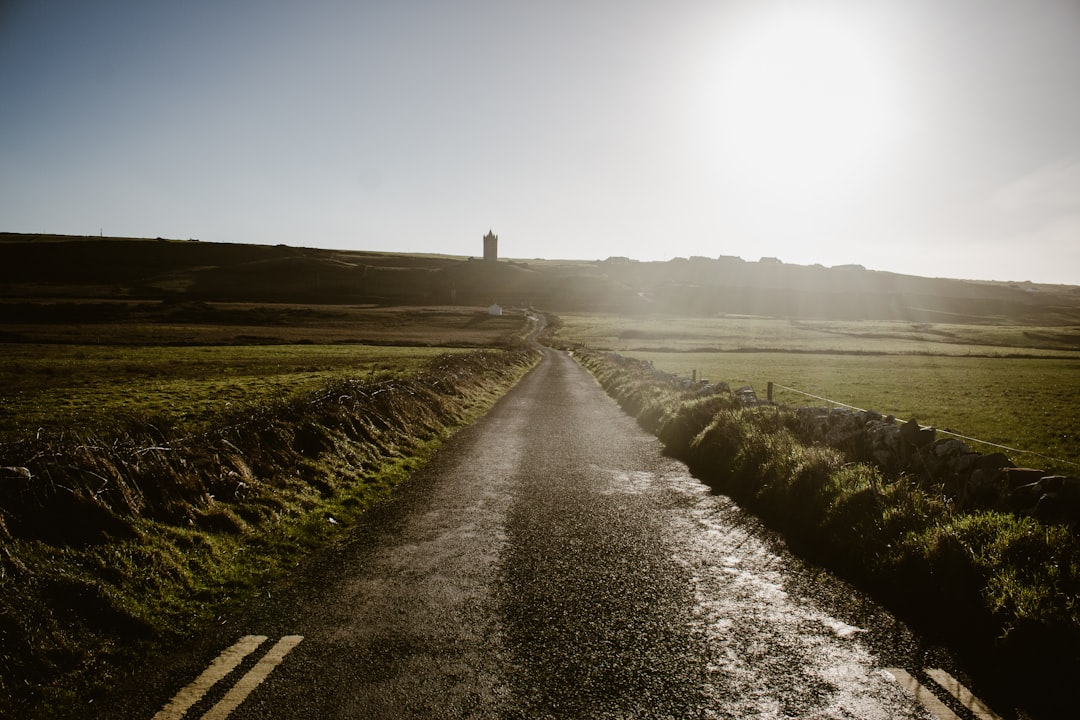
The essential guide to Dublin — Trinity College and the Book of Kells, Guinness Storehouse, Georgian squares, Temple Bar reality check, the best pubs, and how to spend 3 days.
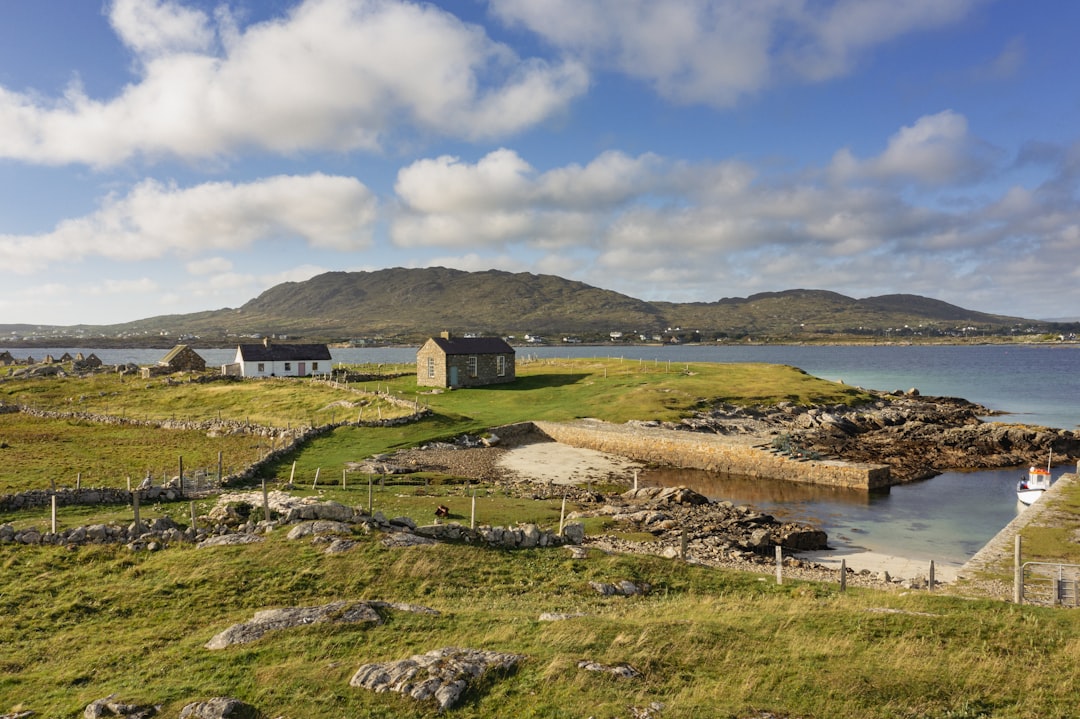
Everything to do in Galway — the Latin Quarter, Galway Bay, the Aran Islands ferry, Connemara day trips, the Galway oyster festival, and why Ireland's west coast city is worth more than a single day.
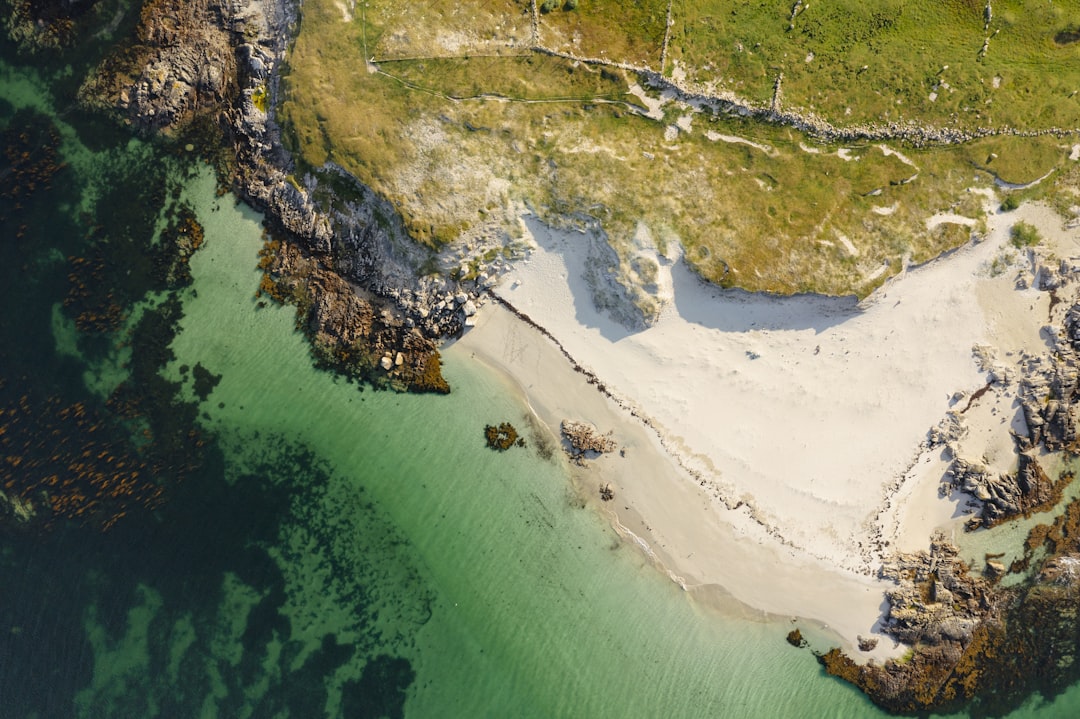
How to visit the Giant's Causeway from Dublin or Belfast — the hexagonal basalt columns, the Causeway Coastal Route, the Bushmills distillery, Dunluce Castle, and the logistics of crossing into Northern Ireland (a different country with different currency and rules).
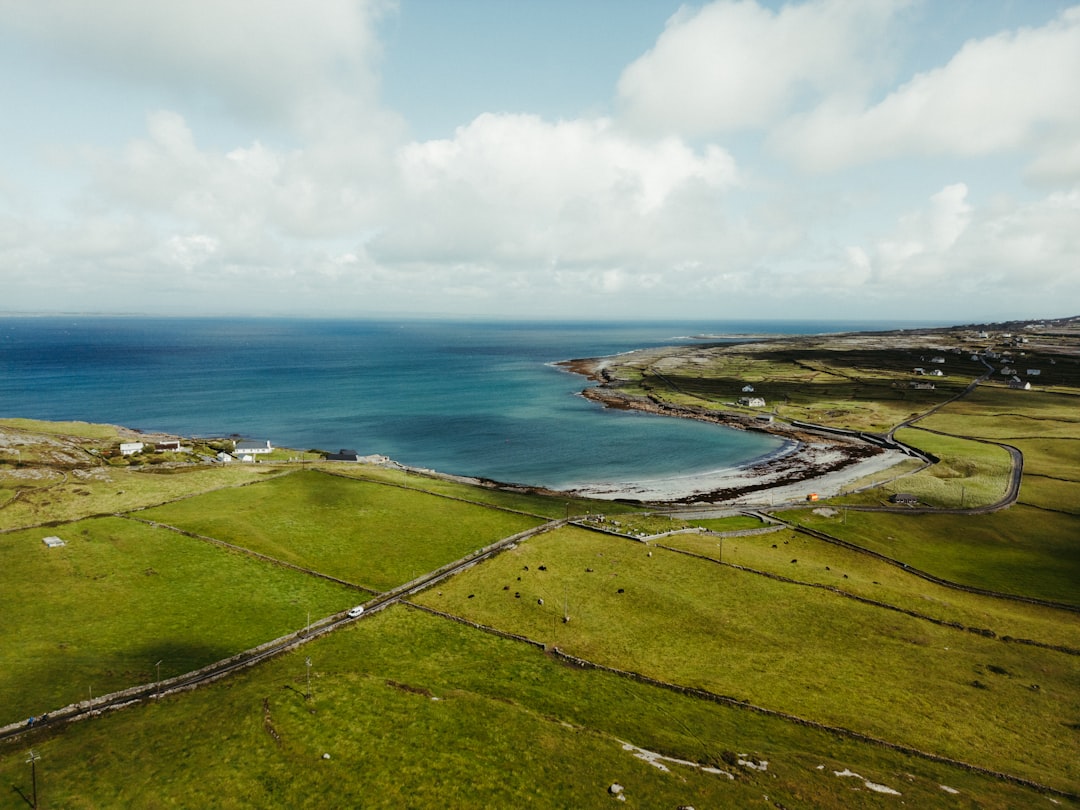
A guide to Ireland's most significant castles — the Rock of Cashel, Rock of Dunamase, Kilkenny Castle, Ross Castle on the Lakes of Killarney, and the tower houses of the west. History, visiting logistics, and what separates Ireland's authentic medieval heritage from its tourist traps.
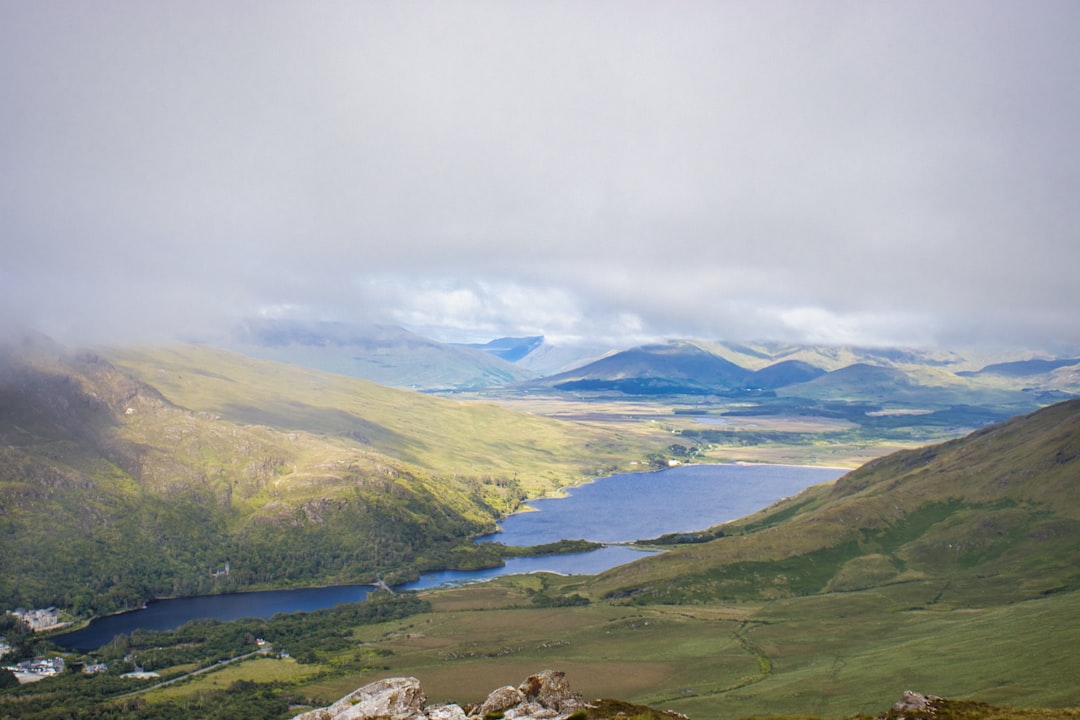
A guide to eating in Ireland — the traditional dishes (Irish stew, soda bread, boxty, seafood chowder), the best farmers' markets, the Cork food scene, and how Irish cuisine has transformed in the last decade.
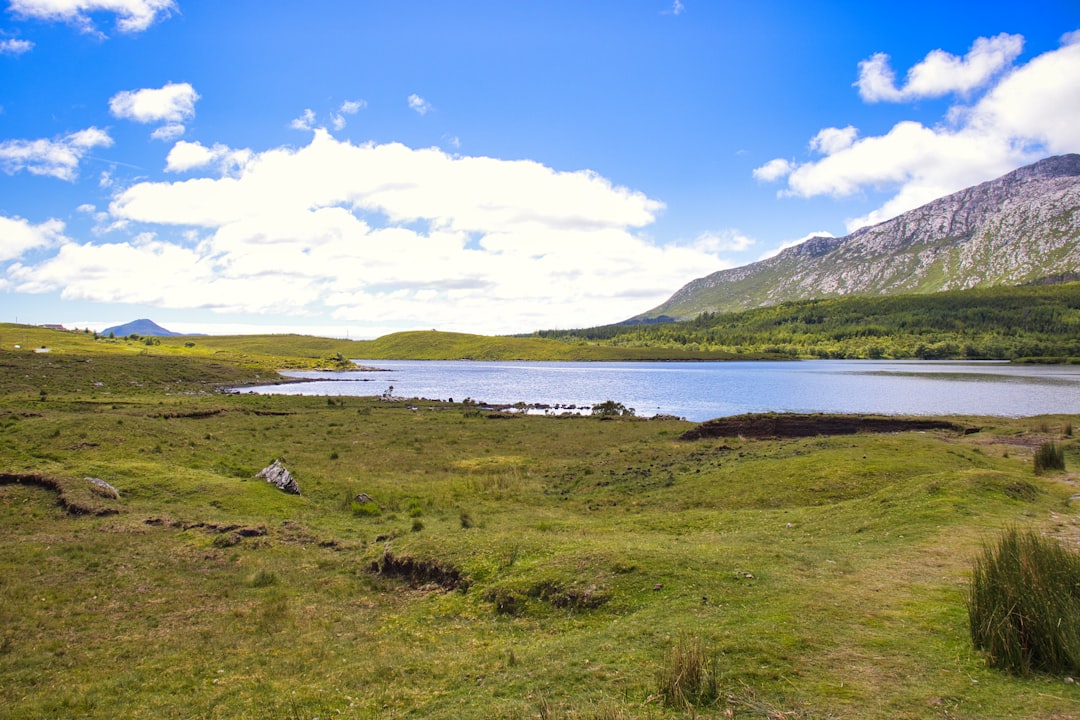
The essential practical information for visiting Ireland — driving on the left, public transport between cities, the best months to visit, costs, tipping culture, and SIM card logistics.
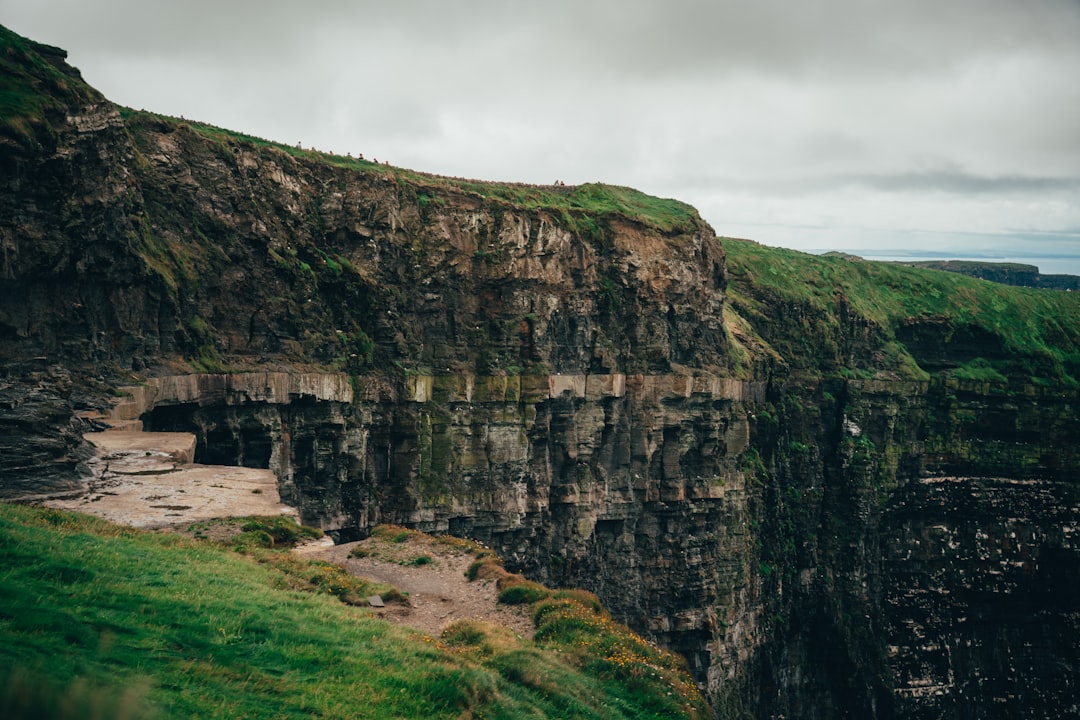
The complete guide to Killarney — Killarney National Park, the Lakes of Killarney, Muckross House, the Ring of Kerry drive, Gap of Dunloe, and what makes Kerry one of Ireland's finest landscapes.
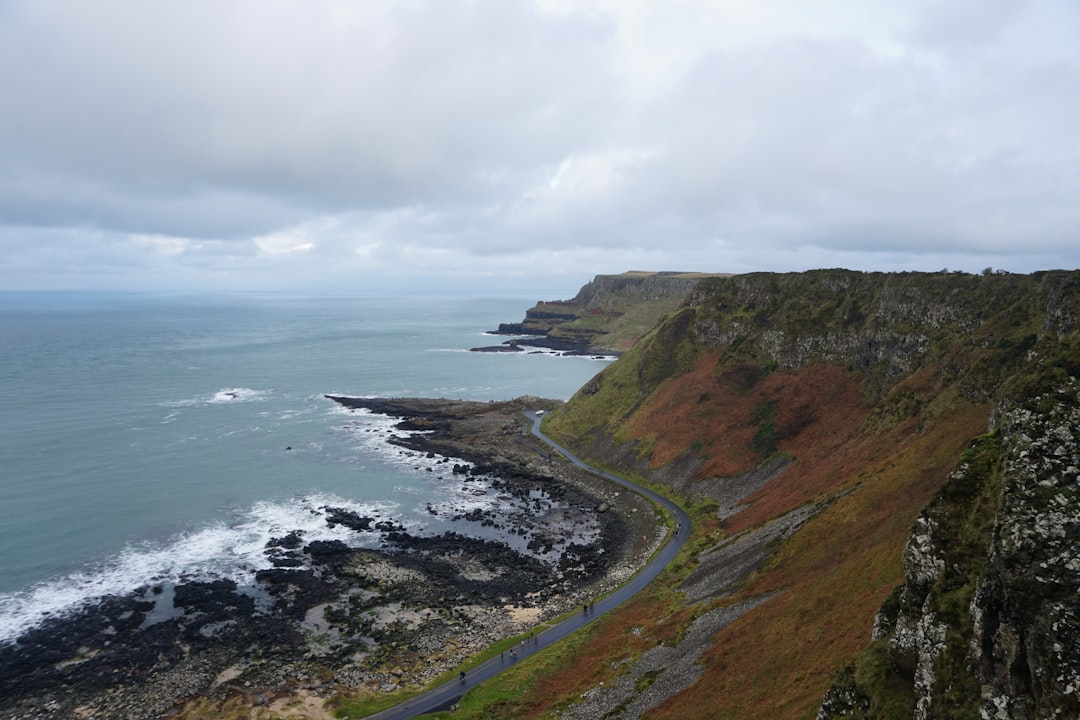
The Ring of Kerry route covered completely — Killorglin, Cahersiveen, Waterville, Sneem, Kenmare, and the Skellig Ring detour — with timing, stops, and how to avoid the tour bus crowds.
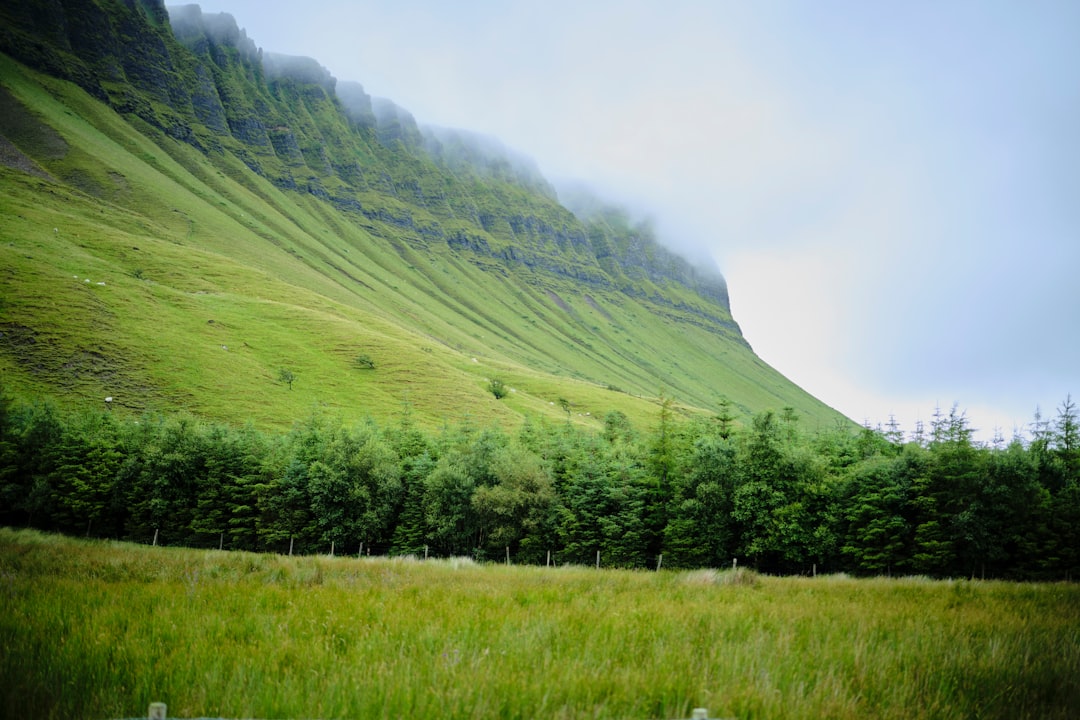
How to drive the Wild Atlantic Way — the world's longest defined coastal route, from Donegal to Cork, covering the Cliffs of Moher, the Dingle Peninsula, Connemara, Slieve League, and the best stopping points on Ireland's Atlantic coast.
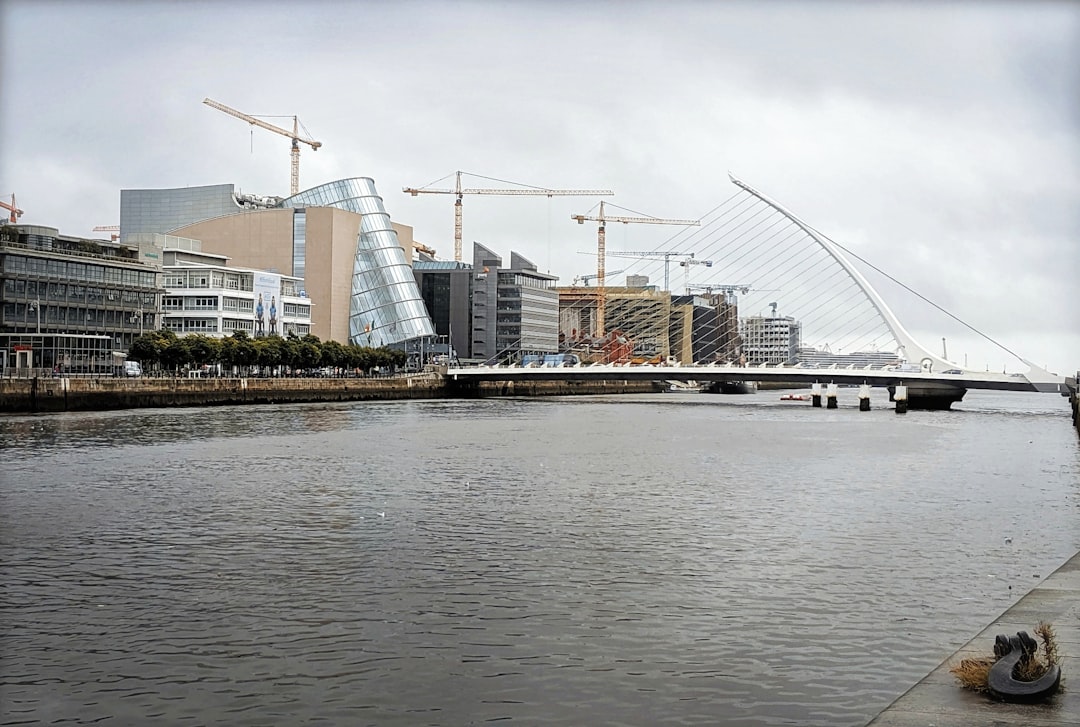
Everything you need to know about Arusha — Tanzania's safari capital, the Arusha National Park, the Cultural Heritage Centre, how to book a safari, and what to do with time between game drives.
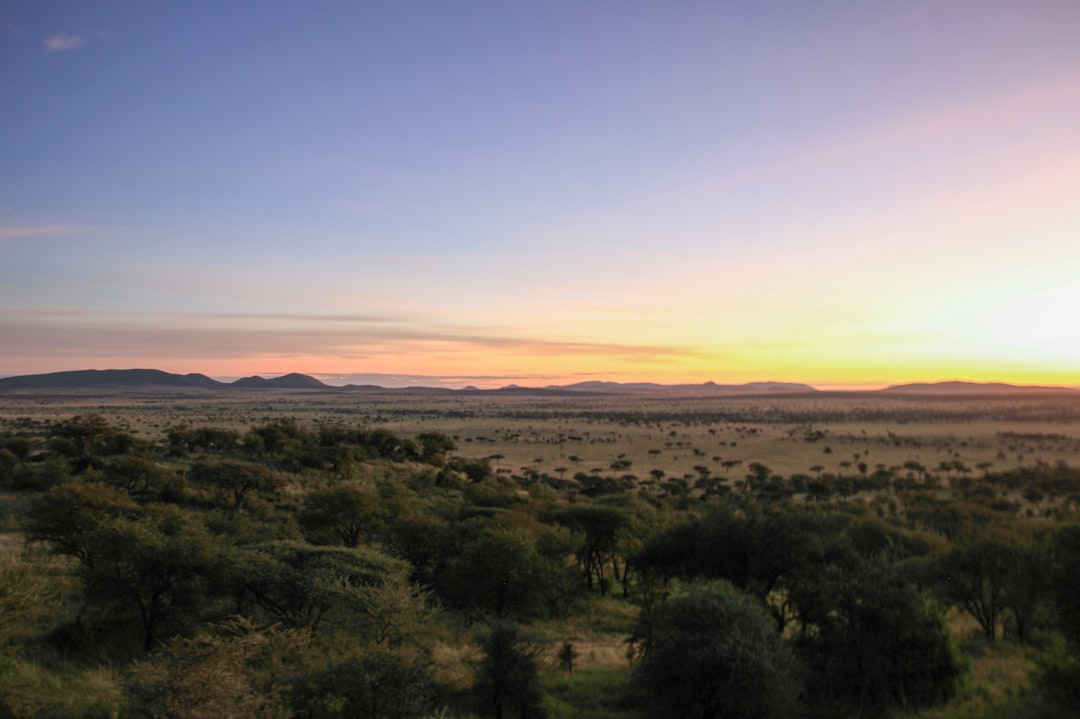
A guide to Dar es Salaam — Tanzania's commercial capital, the National Museum, the Kariakoo Market, the Indian Ocean ferry terminals, the fish market at Kivukoni, and how to use 'Dar' as a transit hub for Zanzibar, Kilwa, and the southern safari circuit.
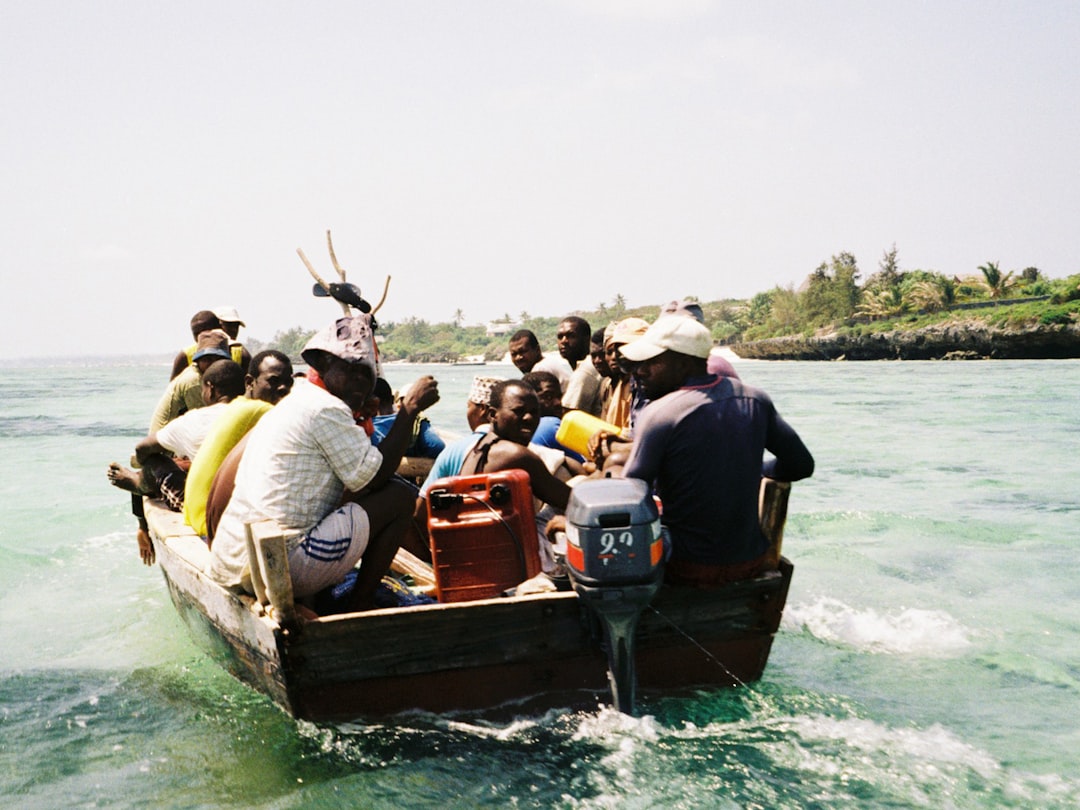
Everything you need to know about climbing Mount Kilimanjaro — the five main routes, altitude acclimatization, best seasons, costs, gear lists, and the honest truth about summit success rates.
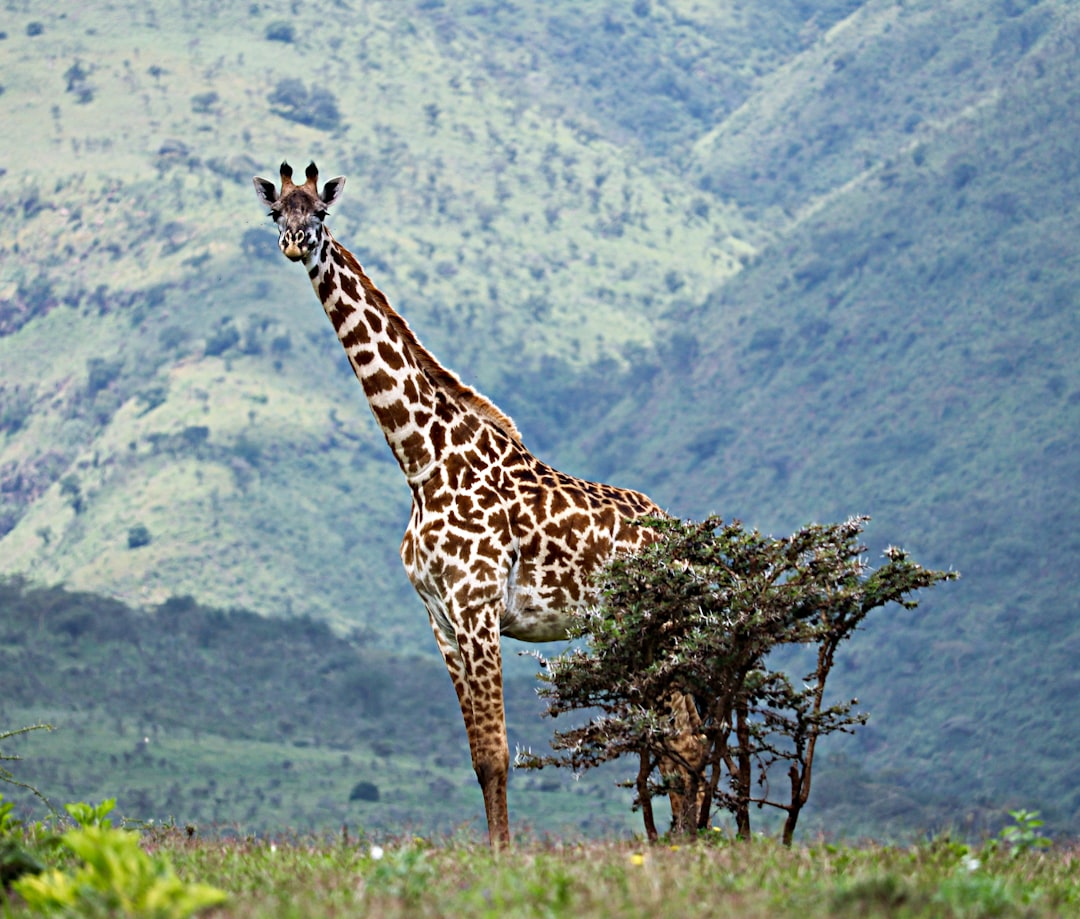
Everything about visiting Ngorongoro Crater — the game drive logistics, the wildlife you'll see (including the Big Five), the Maasai communities on the crater rim, and how to combine it with the Serengeti.
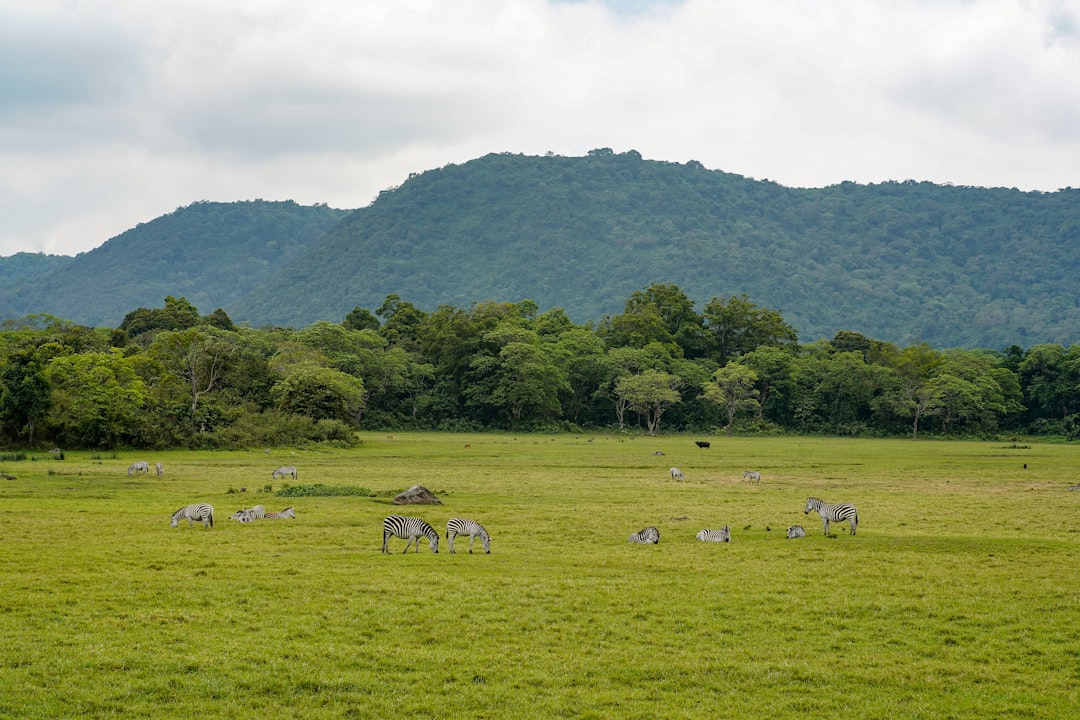
The complete calendar of the Great Migration — where the wildebeest are each month, when the dramatic Mara River crossings happen, the best camps to position yourself, and what to realistically expect at each stage of the year.
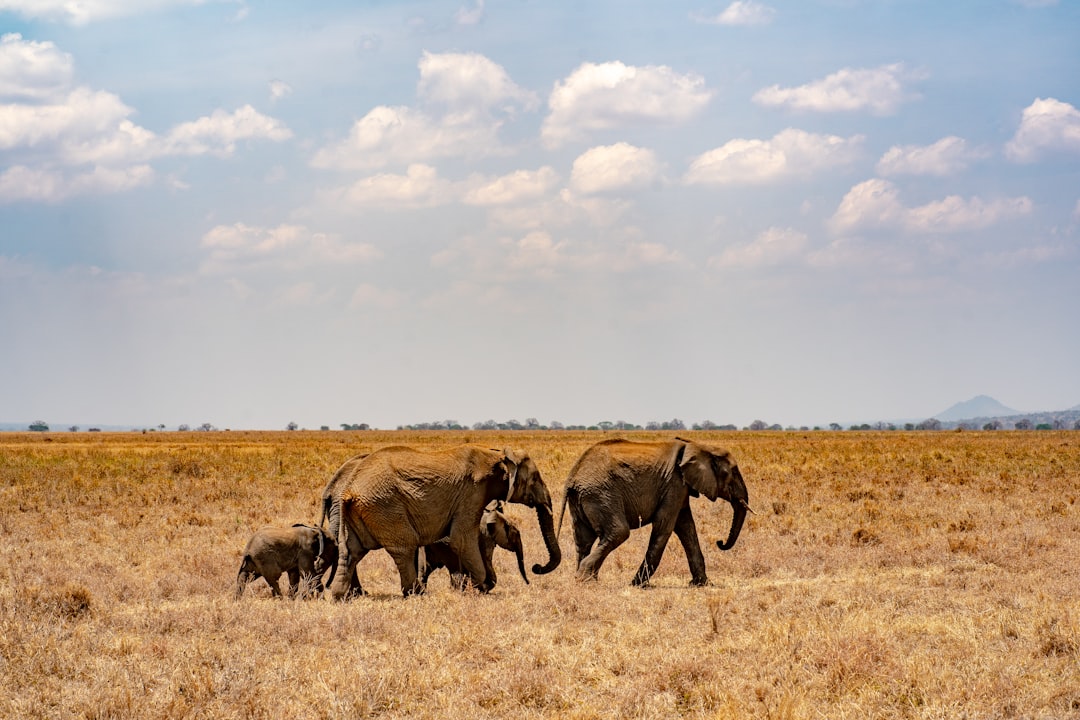
How to plan a Serengeti safari — the Great Migration calendar, Ngorongoro Crater, which camps to book, what everything costs, and how to experience Tanzania's wildlife without overspending.
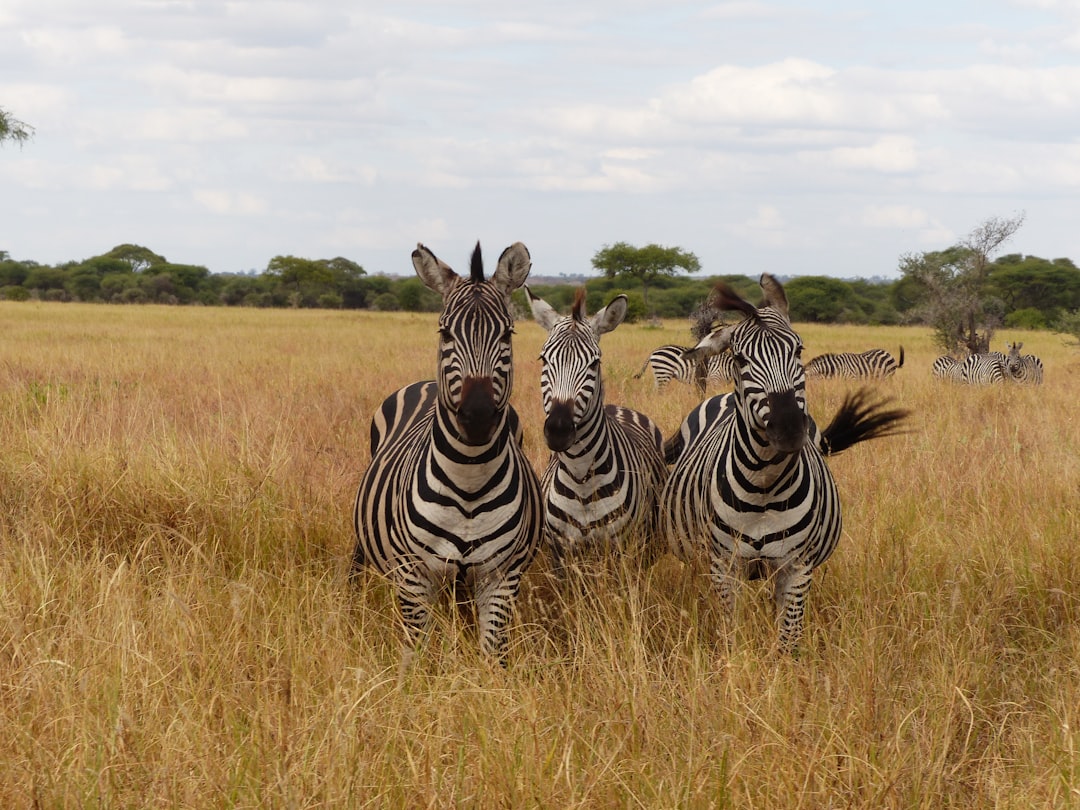
Essential practical information for visiting Tanzania — the e-visa system, yellow fever requirements, malaria prevention, the best time to visit the Serengeti, costs, and how to combine safari with Zanzibar and Kilimanjaro.
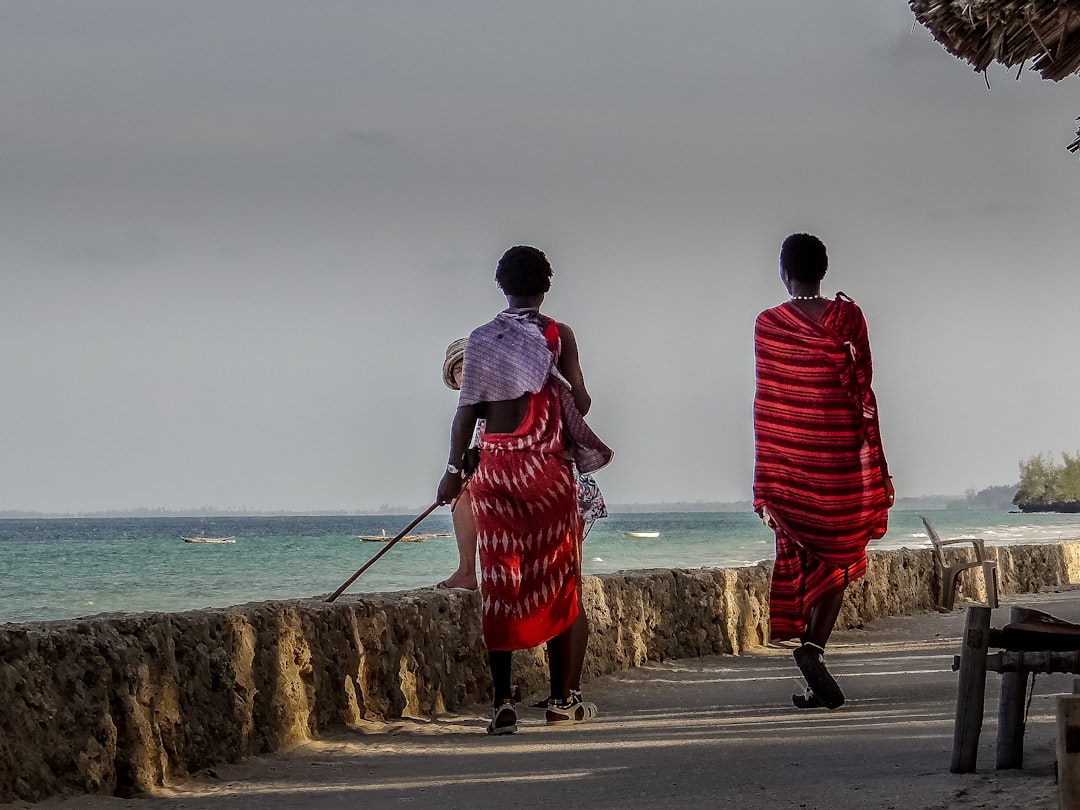
A guide to Tarangire National Park — the underrated alternative to the Serengeti, with the highest elephant density of any park in northern Tanzania, ancient baobab landscapes, and far fewer visitors. When to go, how to get there, and why Tarangire deserves more attention than it gets.
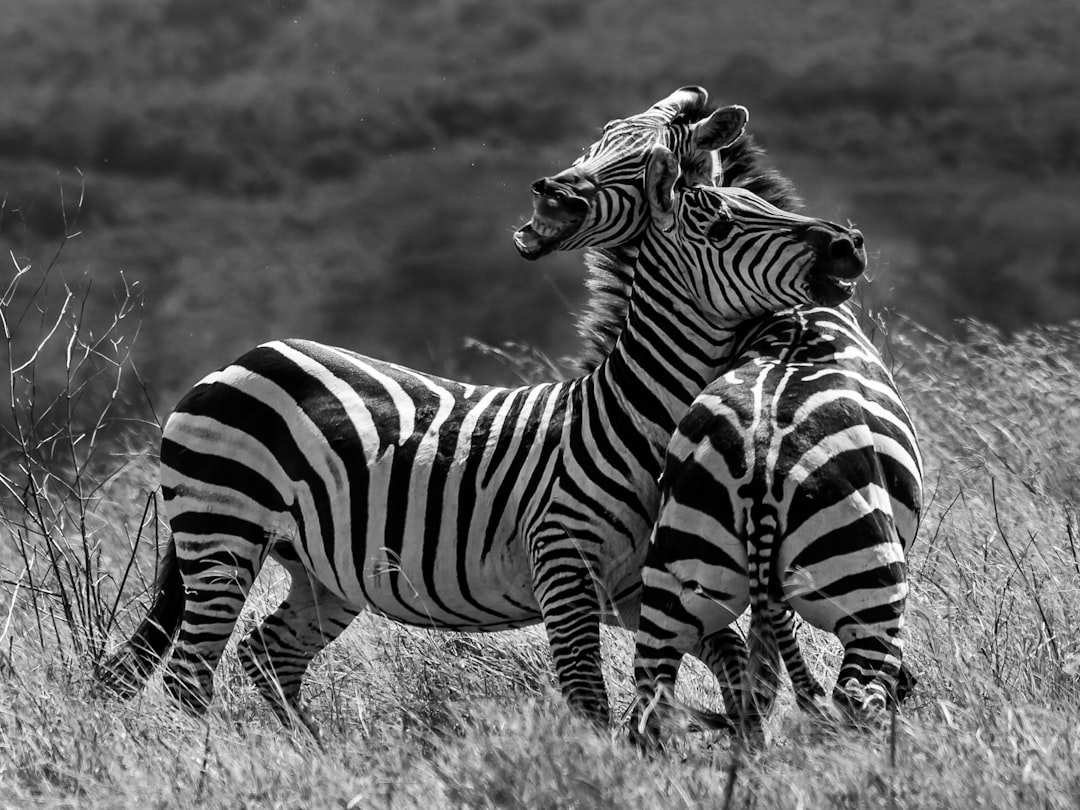
What to eat in Zanzibar — Swahili cuisine, the Forodhani night market, the spice trade's influence on the food, urojo soup, Zanzibar pizza, octopus curry, and the seafood culture of the Indian Ocean coast.
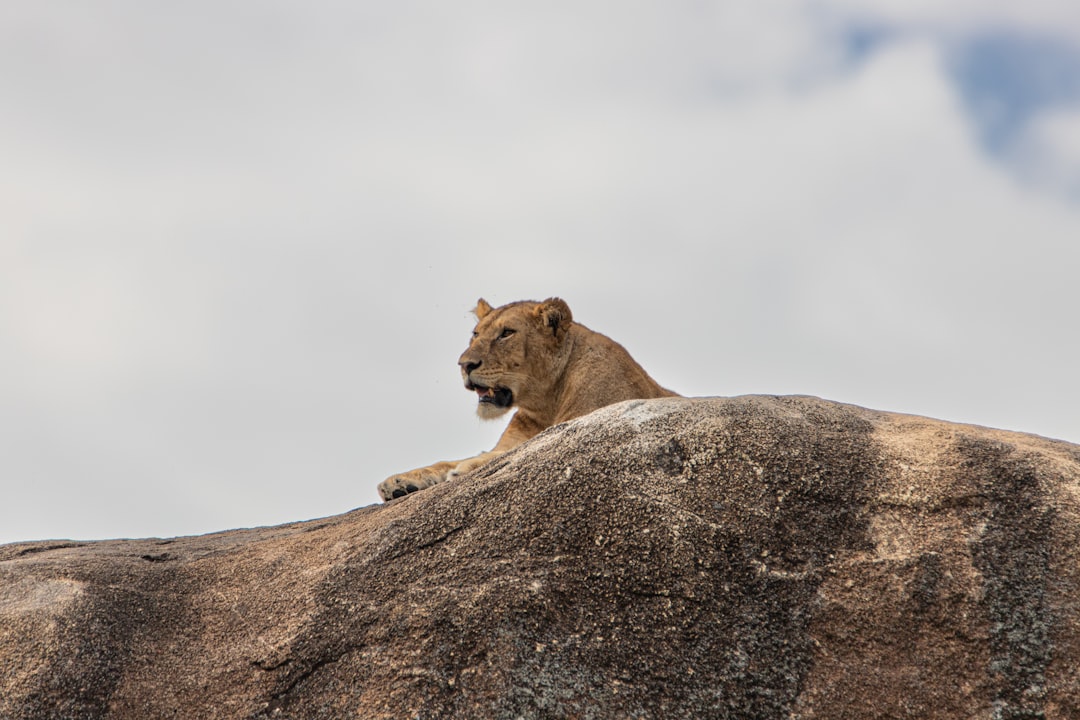
Everything you need to know about Zanzibar — Stone Town's UNESCO history, the best beaches on the north and east coasts, spice tours, Freddie Mercury, and how to combine with a Tanzania safari.
Everything practical about visiting Zanzibar — ferry vs. flight from Dar es Salaam, which beach area to base yourself in, boda-boda and dala-dala transport, accommodation costs, and the best time to visit the Spice Island.
Everything about visiting Cilaos — Réunion's most dramatic mountain cirque, the 400-hairpin access road, hot springs, the surprising local wine, Piton des Neiges climbing, and the village that feels like a world apart.
A guide to Hell-Bourg — the jewel of the Salazie cirque in Réunion. The Creole architecture, the thermal baths, hiking into Salazie cirque's waterfalls, and why this mountain village (designated one of the 'Plus Beaux Villages de France') is the island's most charming overnight stop.
How to hike into the Mafate cirque — the only cirque in Réunion accessible exclusively on foot, the main entry routes, the gîte network, the villages of La Nouvelle and Marla, and what makes this one of the world's great multi-day hikes.
How to hike to Piton de la Fournaise — Réunion's active shield volcano, the approach via Plaine des Sables, the Pas de Bellecombe rim, the crater hike, and what to do when lava is flowing.
A complete guide to climbing Piton des Neiges (3,069m) — the highest point in the Indian Ocean. The two main routes from Cilaos and Hell-Bourg, the mountain huts, timing for a summit sunrise, trail conditions, and what to expect on Réunion's most iconic mountain ascent.
The best beaches on Réunion — the west coast lagoons, the protected reef at Saint-Gilles, surfing at Saint-Leu, the black sand beaches of the south, and the practical reality of swimming safety around this volcanic island.
What to eat on Réunion island — the definitive guide to Réunionnais Creole cuisine, from carri and rougail saucisses to samoussas, bouchons, and the island's exceptional rum and vanilla culture.
The complete hiking guide to Réunion Island — the three cirques (Mafate, Cilaos, Salazie), the GR R1 and R2 long-distance trails, Piton de la Fournaise volcano, and practical information.
Everything practical about visiting Réunion — flights from Paris and Mauritius, renting a car (the only real option), the route nationale, accommodation costs, the best time to visit, and how Réunion's French overseas department status shapes the travel experience.
The essential guide to Réunion — an active volcano, three dramatic mountain cirques, Indian Ocean beaches, Creole culture, and why this French island is one of the world's great adventure destinations.
A guide to Saint-Gilles-les-Bains — Réunion's main beach resort on the protected west coast. The lagoon, the marina, L'Hermitage beach, snorkeling and diving in the coral reef, and why the west coast is the island's only reliably swimmable coastline.
Everything to do around Arenal Volcano — the best hot springs, lava hike trails, white-water rafting, Río Celeste, Lake Arenal kayaking, and how to plan 2–3 days in Costa Rica's most visited inland destination.
Essential practical information for visiting Costa Rica — no visa requirements for most visitors, renting a 4WD, the shuttle network, what to budget, health precautions, and the honest truth about safety.
A guide to surfing in Costa Rica — the best surf beaches on both coasts, Tamarindo and Nosara for beginners, Santa Teresa and Pavones for experienced surfers, the dry and green season swell differences, and how to plan a dedicated surf trip through the country.
The essential guide to Costa Rica — Arenal volcano, Monteverde cloud forest, Papagayo beaches, Manuel Antonio, sustainable travel, and how to plan the country's greatest hits.
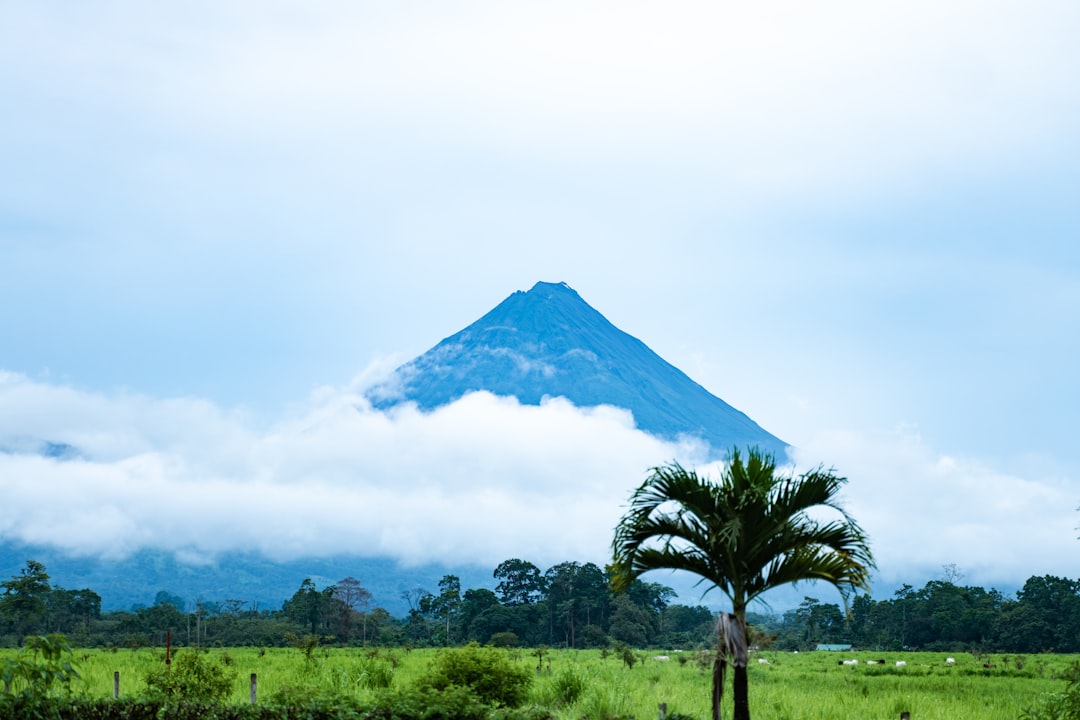
The definitive guide to Costa Rica's wildlife — sloths, monkeys, sea turtles, quetzals, jaguars, and poison dart frogs. Where to see each species, which parks deliver the best wildlife density, and how to maximize sightings.
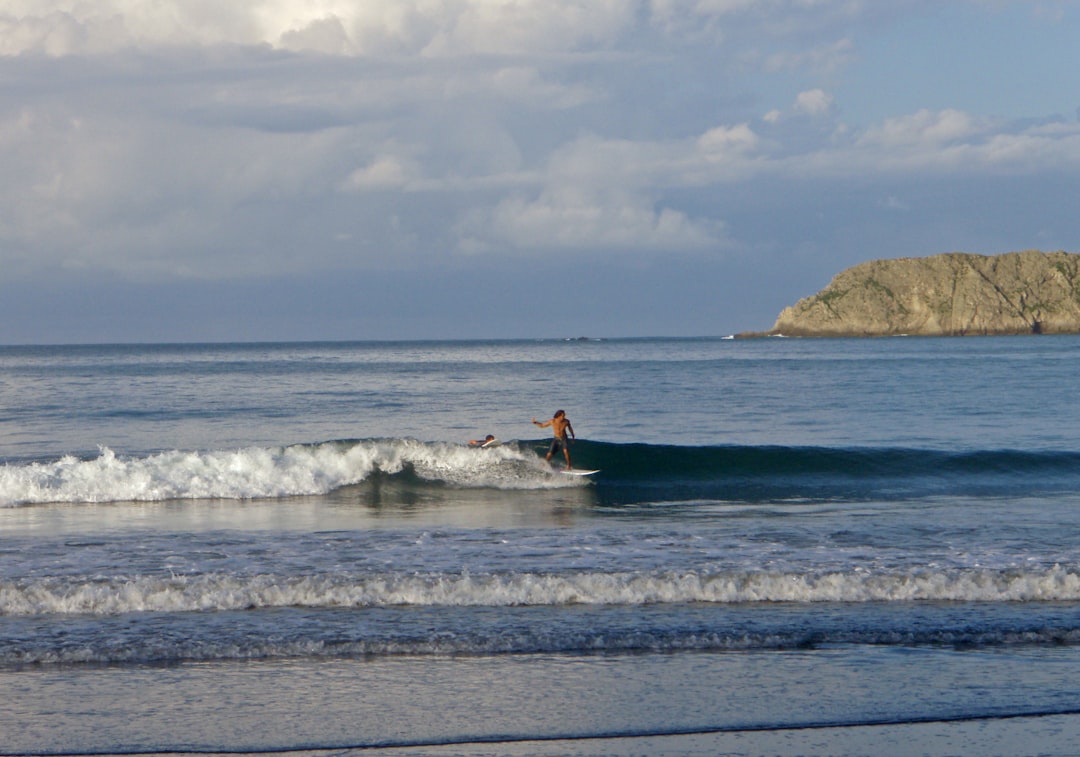
How to visit Manuel Antonio National Park — when to arrive, what wildlife to expect, the best beaches, where to stay in Quepos, and how to experience Costa Rica's most famous wildlife-and-beach combination.
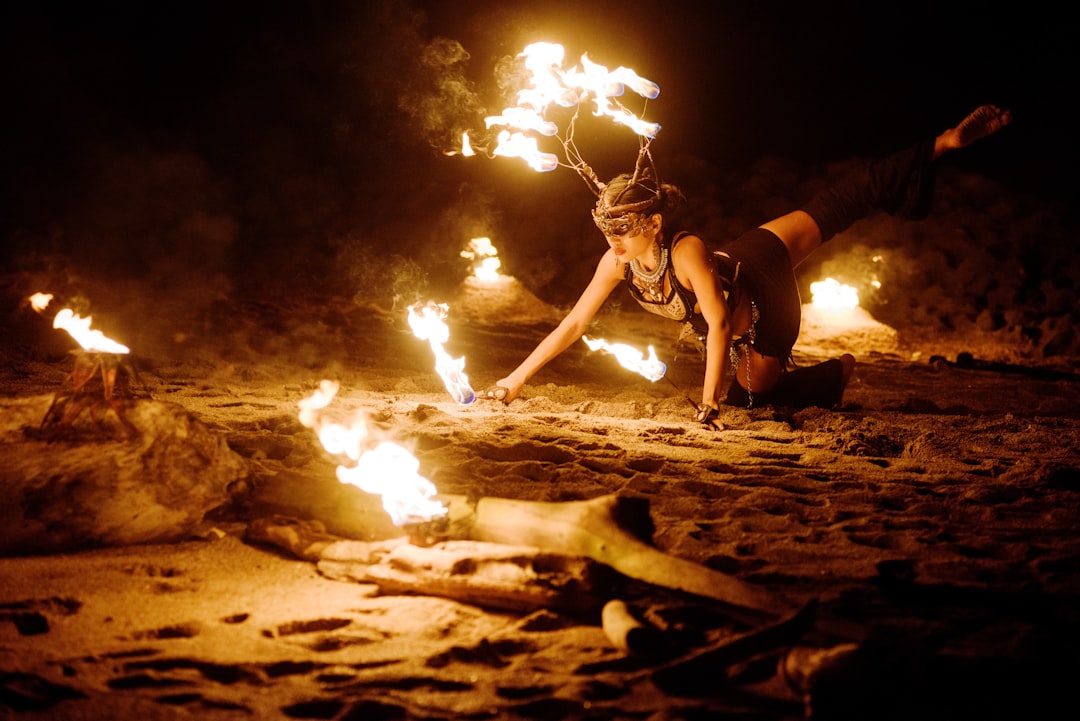
The complete guide to Monteverde and Santa Elena — the Monteverde Cloud Forest Reserve, zip-lining, quetzal spotting, night tours, hanging bridges, and how to reach Costa Rica's most magical mountain destination.
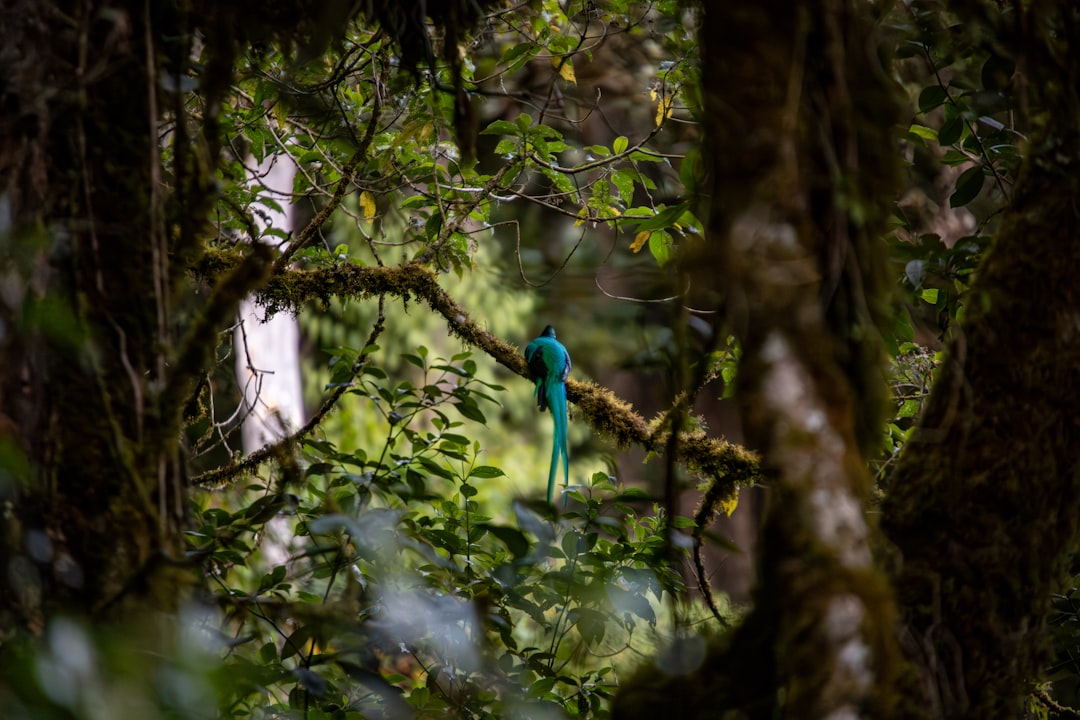
A guide to the Osa Peninsula — Corcovado National Park, Drake Bay, Puerto Jiménez, and the most biologically intense rainforest in the Americas. How to get there, what to expect on multi-day park treks, and why this remote corner of Costa Rica rewards the extra effort.
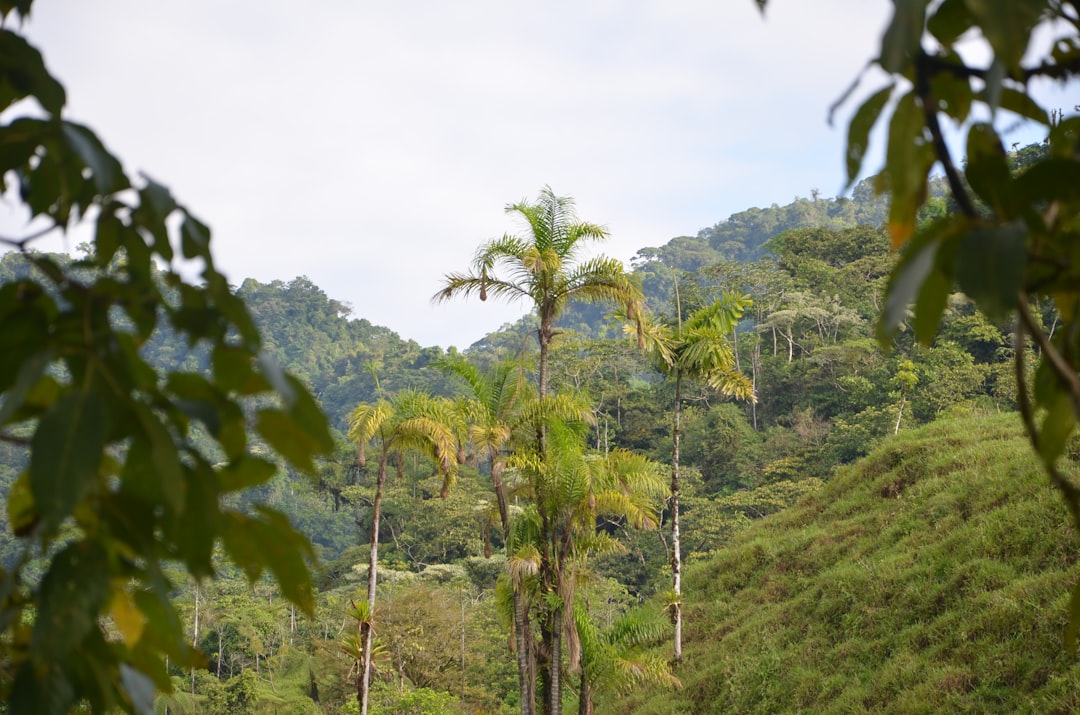
The best beaches on the Papagayo Peninsula — Playa Hermosa, Playa del Coco, Playa Flamingo, Conchal, and the resort beaches of Guanacaste that make Costa Rica's northwest coast the Pacific dry-season destination.
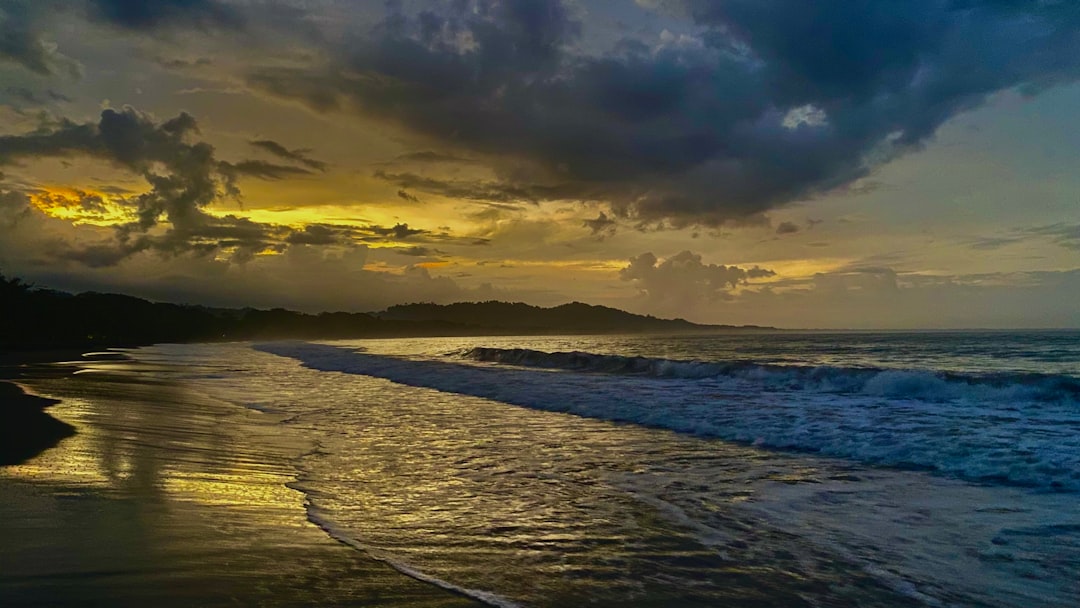
The complete guide to Papagayo Peninsula — the best beaches, how to get there, dry season advantages, wildlife, water sports, and the difference between the resort zone and the real Costa Rica.
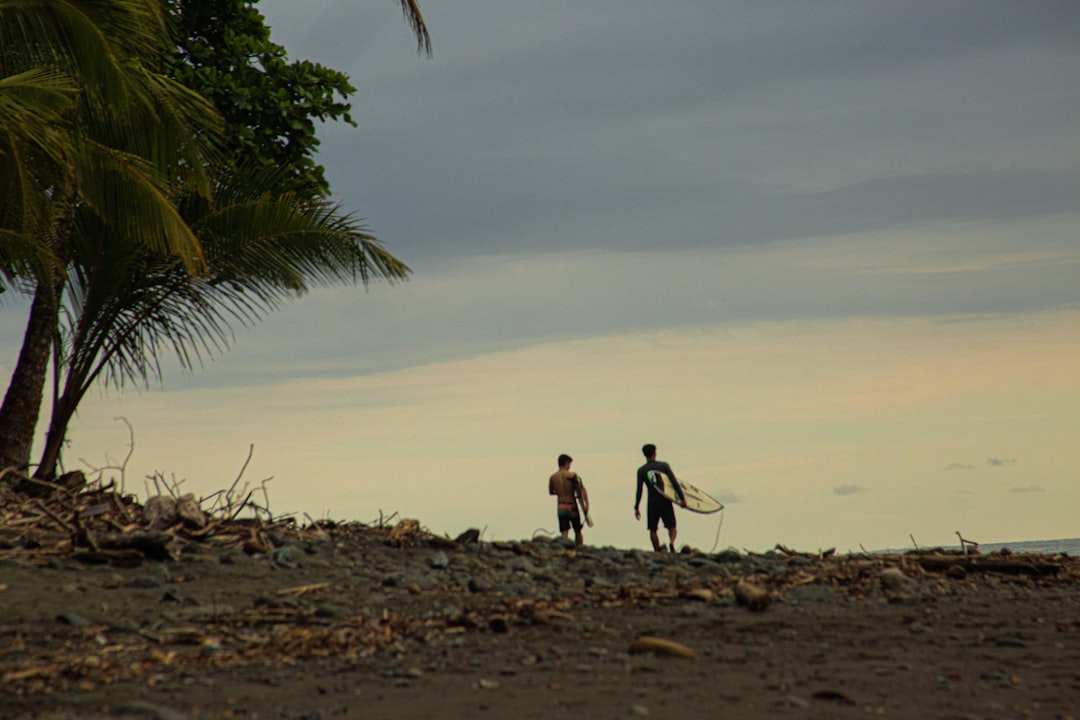
How to use San José effectively — the Barrio Amón colonial architecture, the Mercado Central, the Jade and Gold museums, day trip logistics to Poás volcano and La Paz Waterfall Gardens, and why the capital is better appreciated as a gateway than a destination.
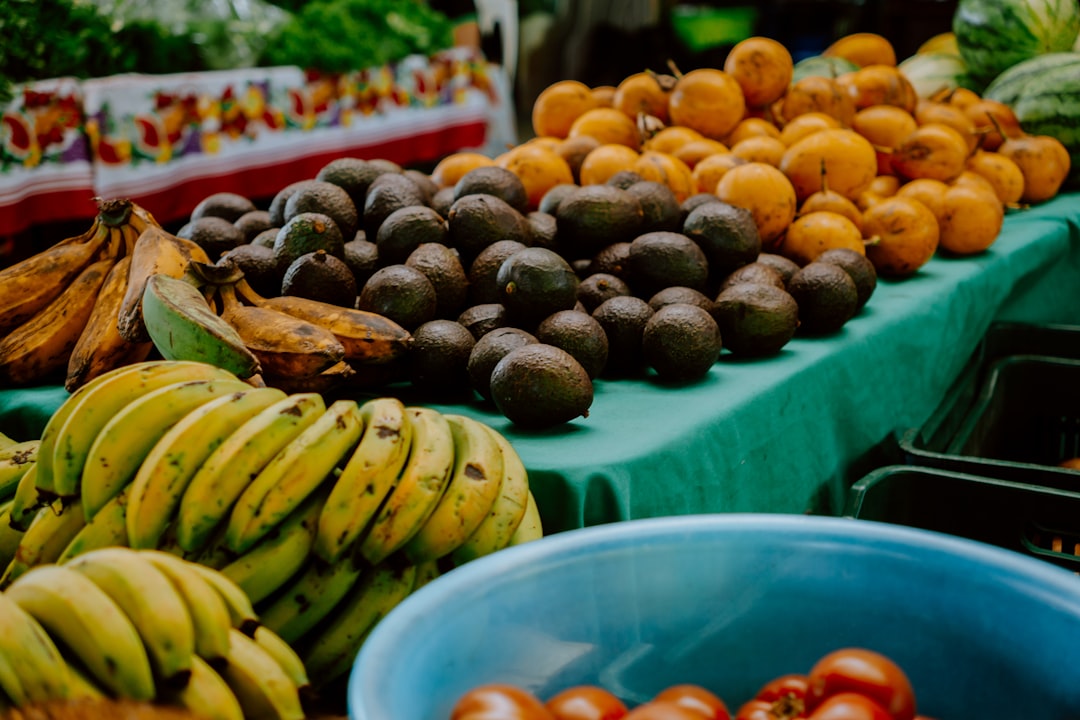
One of the loudest stadiums in the world — how to get to Arrowhead Stadium in Kansas City, what to expect inside, and the home of the Kansas City Chiefs.
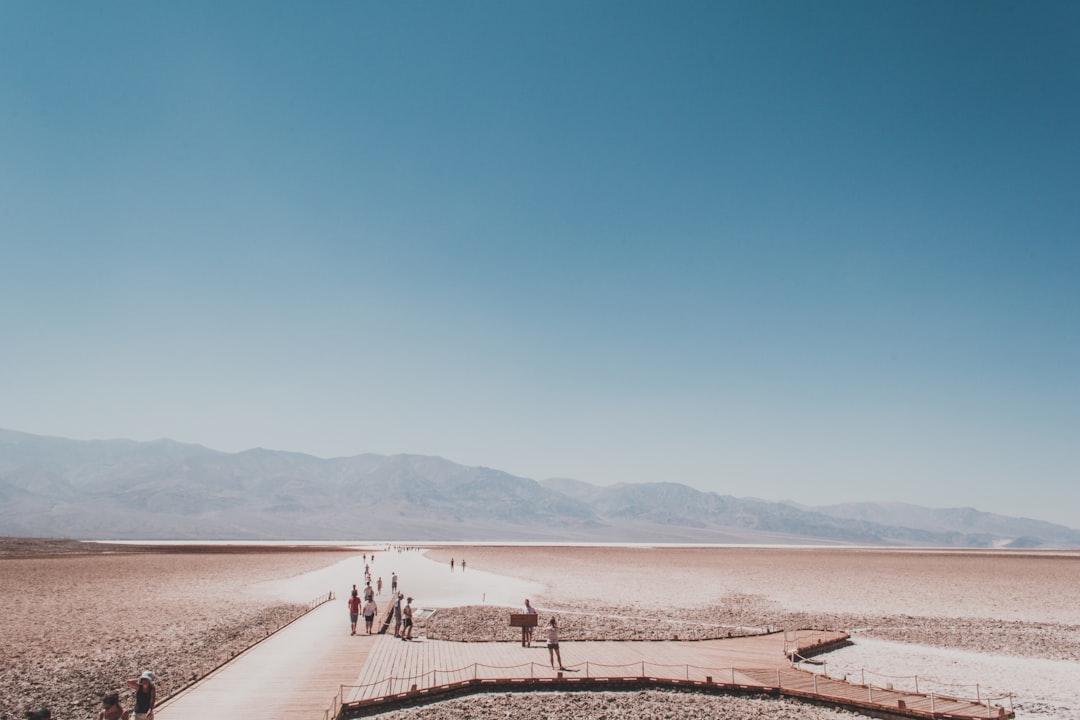
What the World Cup costs in Atlanta — a mid-range US host city with excellent MARTA access and a strong value-for-money food scene.
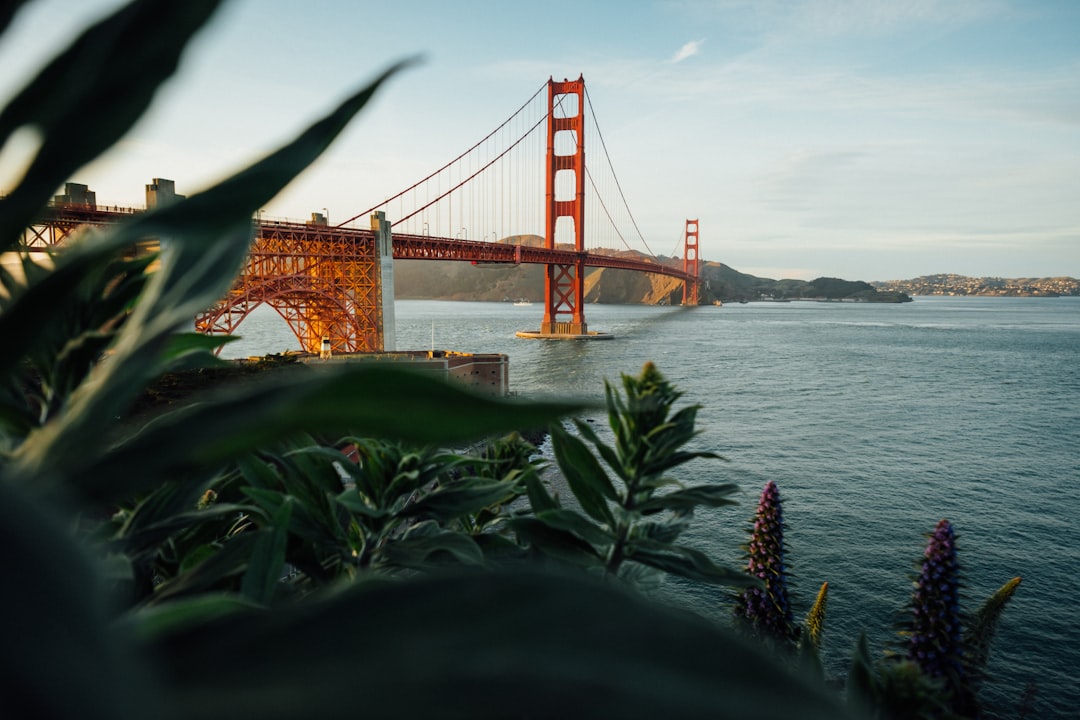
The MLK National Historic Site, the High Museum, Atlanta's civil rights history, and the hip-hop capital of America.
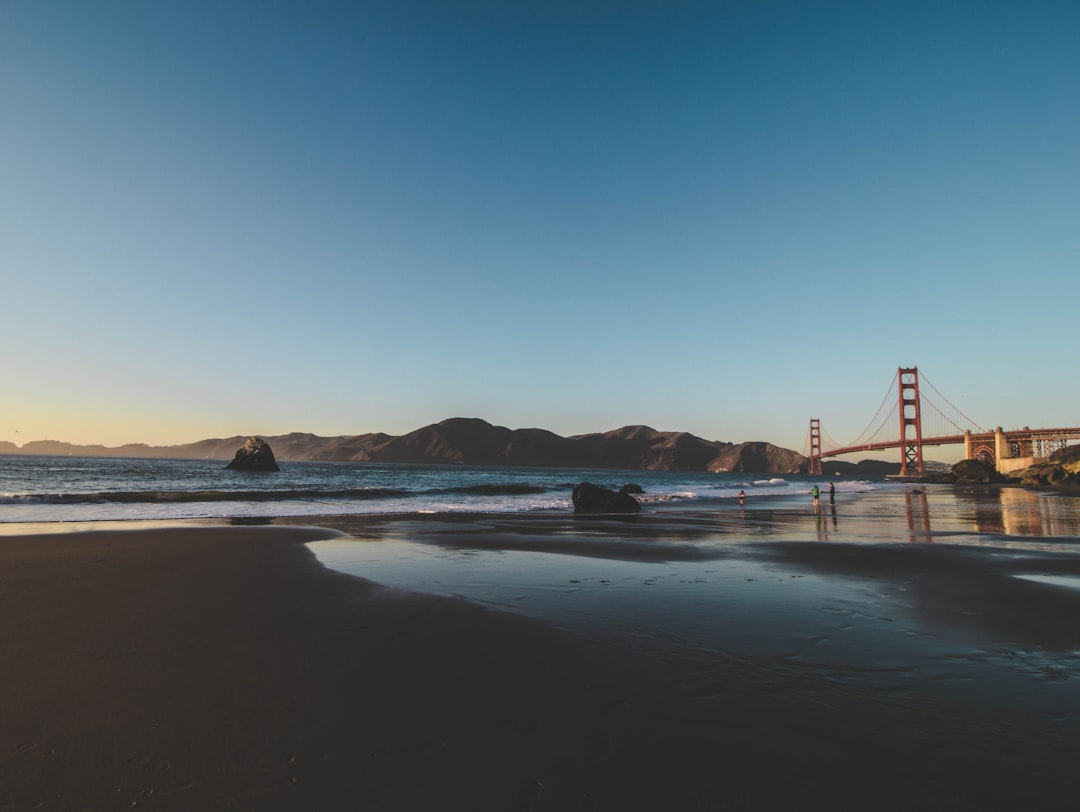
Athens, the Blue Ridge Mountains, Chattanooga, and Savannah — the best escapes from Atlanta's World Cup base.
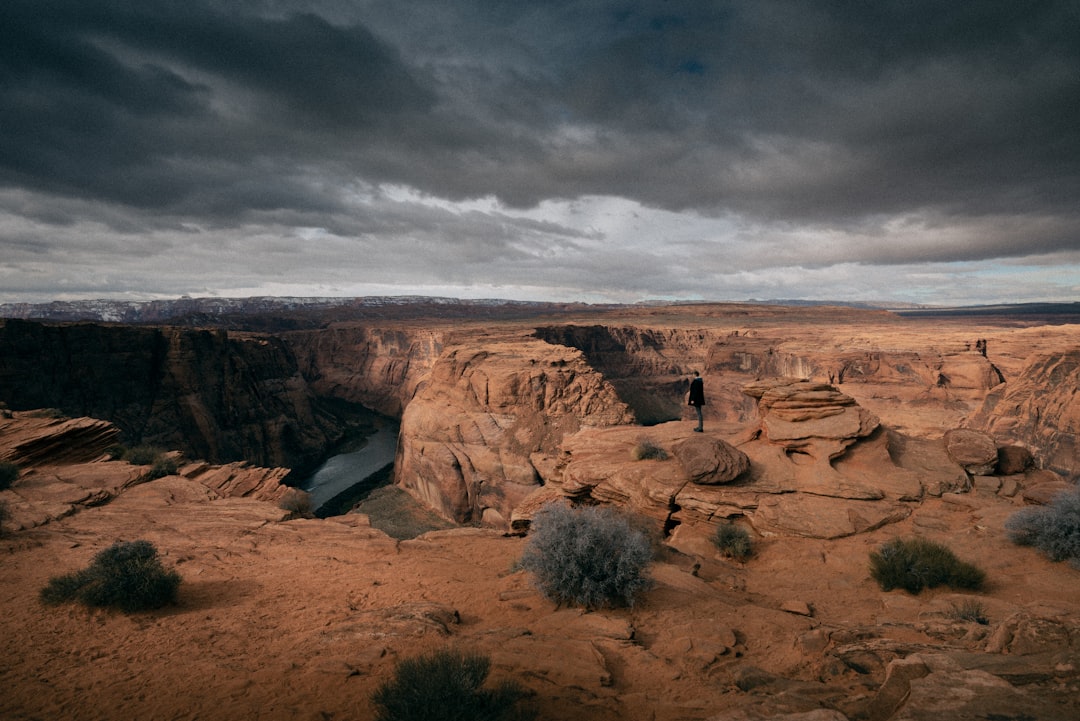
Southern fried chicken, soul food, the Atlanta restaurant scene, and why the capital of the South is one of America's best food cities.
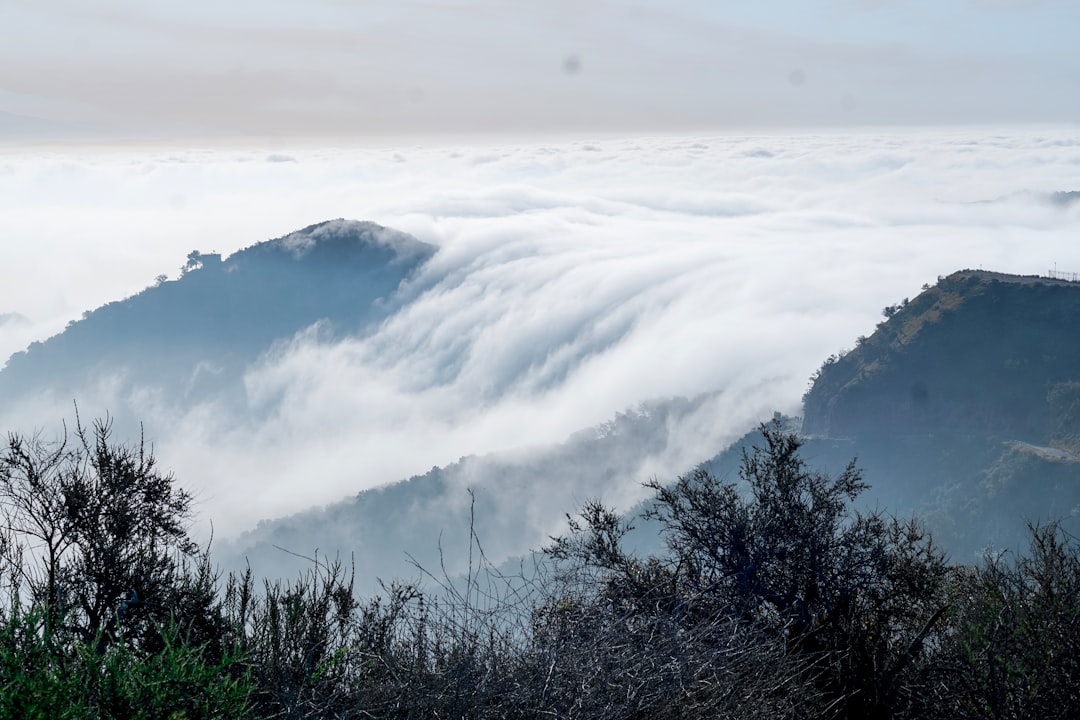
Midtown, Old Fourth Ward, Buckhead, Sweet Auburn, and Little Five Points — where to stay and explore in Atlanta during the World Cup.
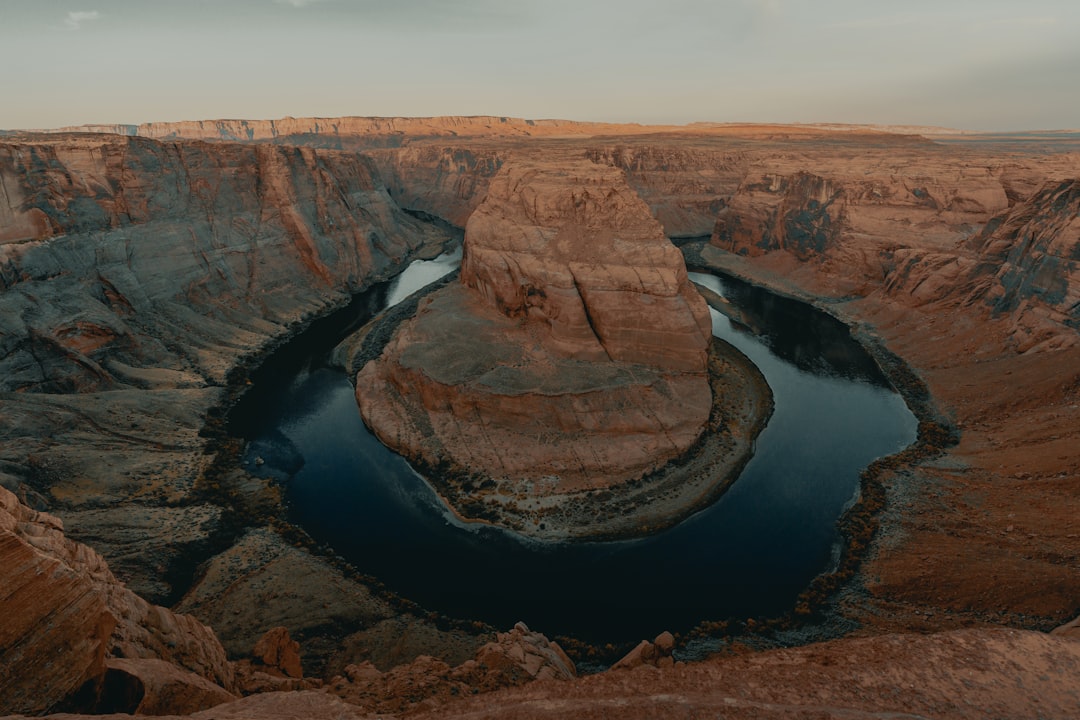
Midtown bars, the Beltline scene, live music in Little Five Points, and the nightlife of America's hip-hop capital during the World Cup.
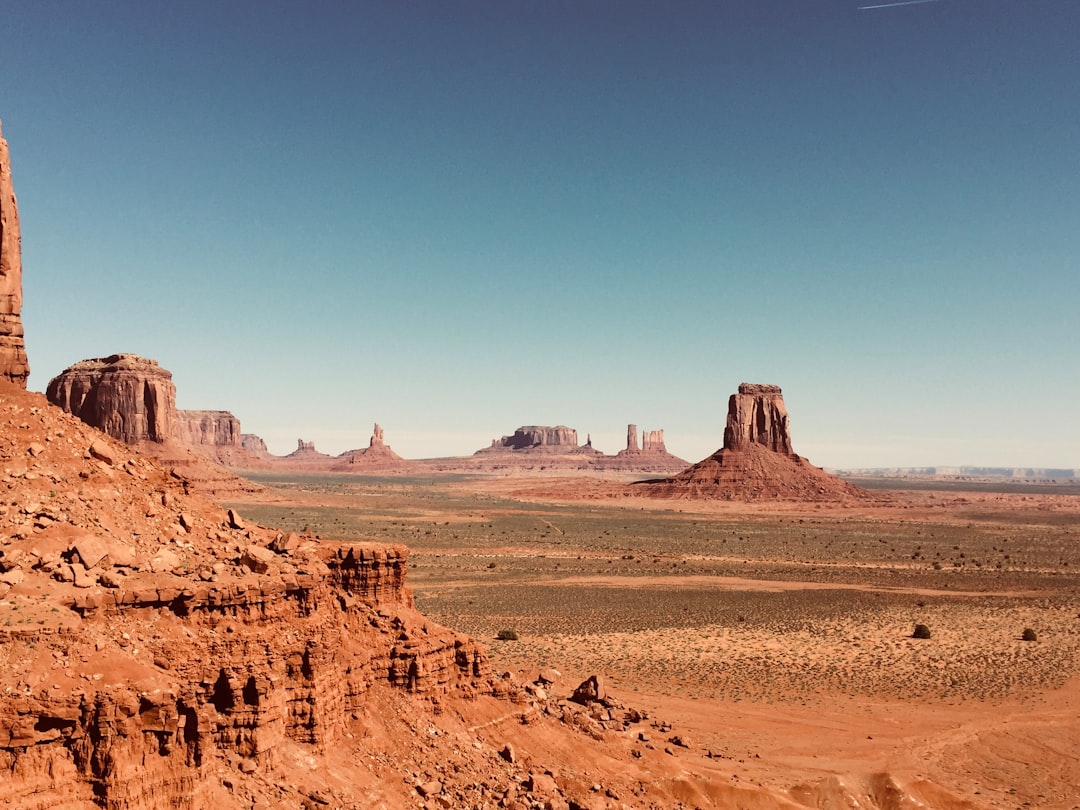
MARTA, Uber, and how to get to Mercedes-Benz Stadium for the 2026 FIFA World Cup — transport in the world's busiest airport hub.
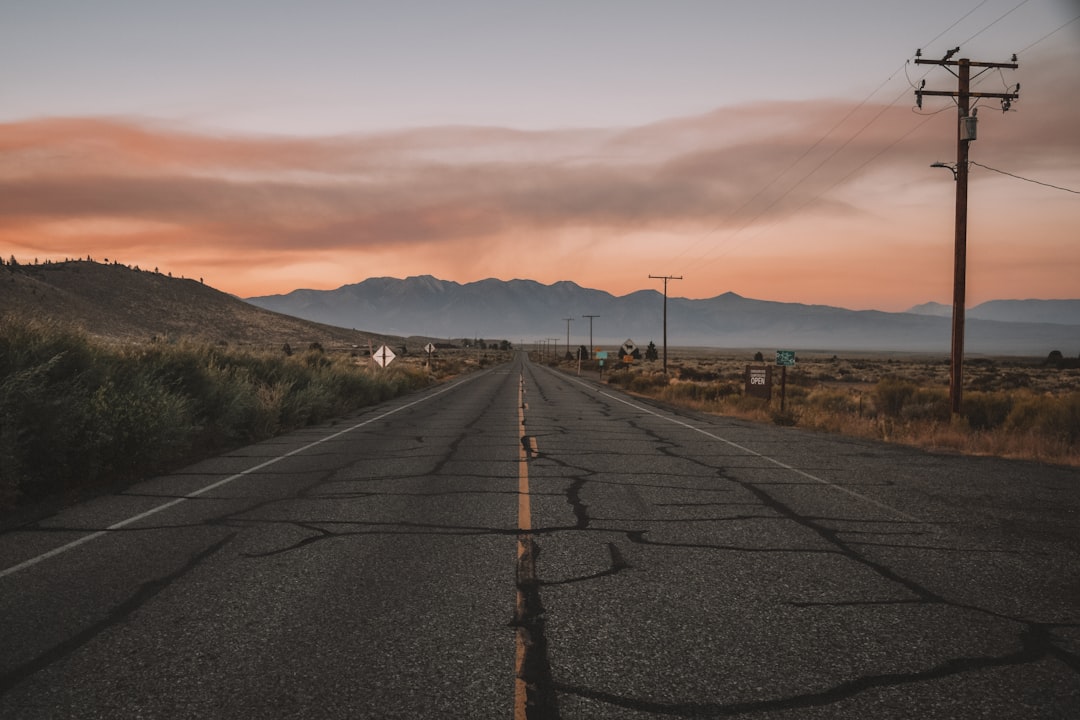
Everything you need to know about Atlanta as a World Cup 2026 host city — Mercedes-Benz Stadium, Midtown, the Beltline, and the capital of the American South.
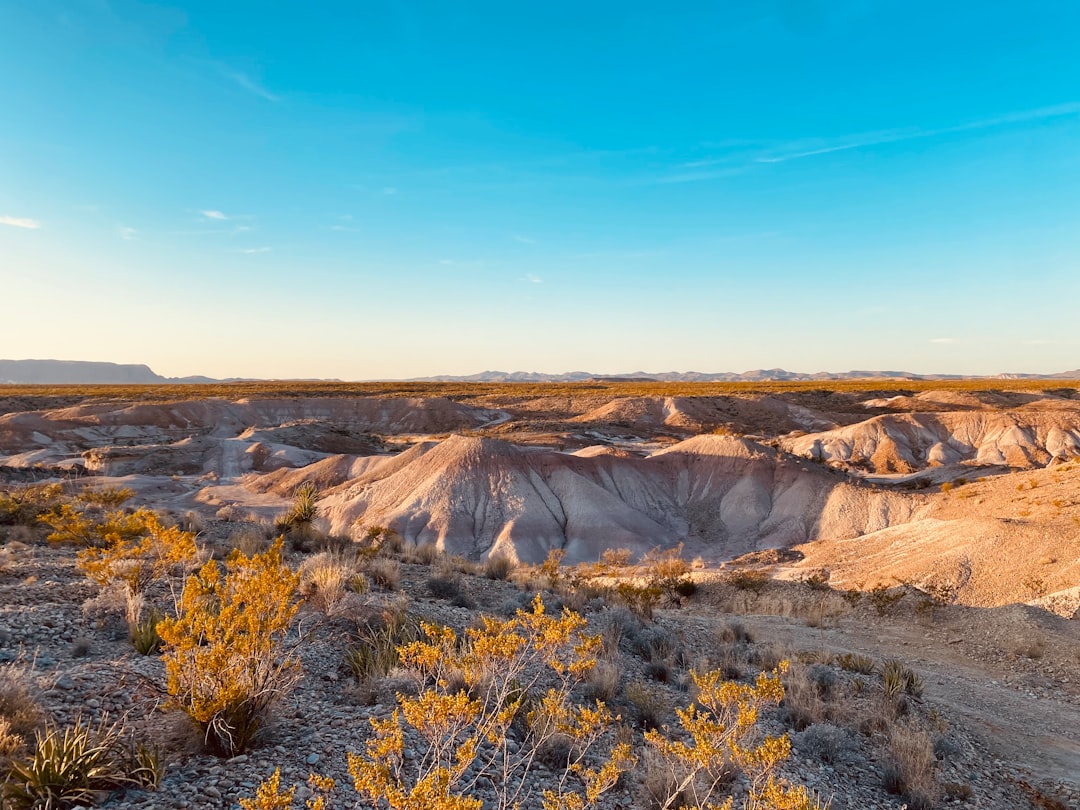
The world's largest domed stadium hosts FIFA World Cup 2026 — getting to AT&T Stadium in Arlington, gates, food, what to expect inside Jerry World.
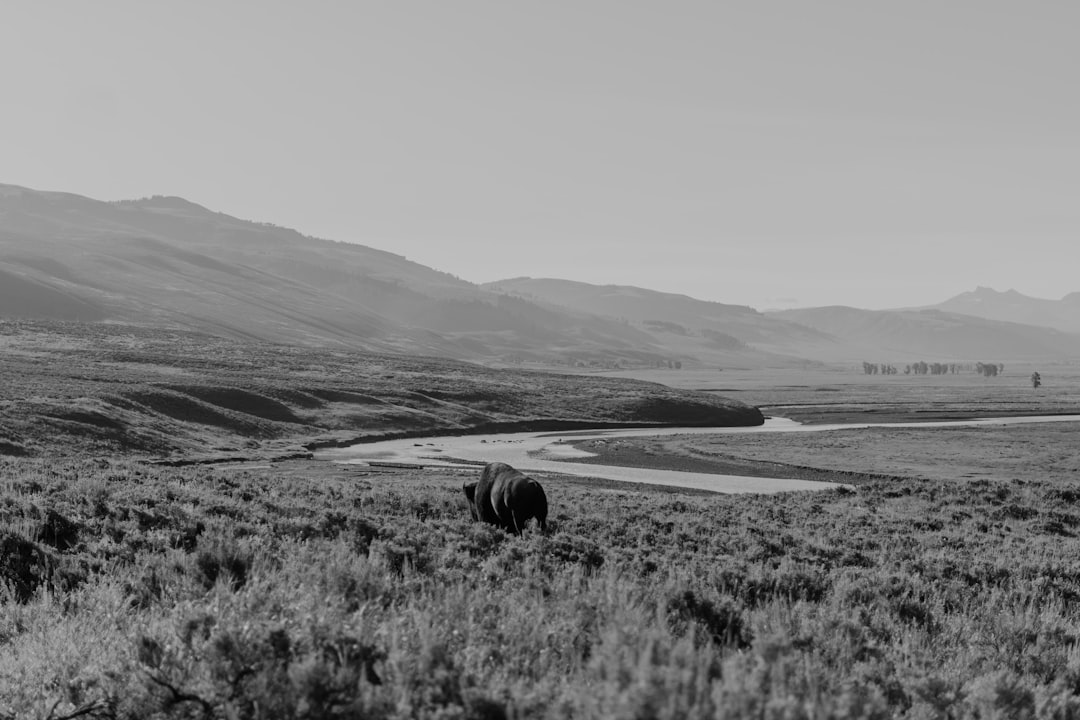
How much does a World Cup trip to Boston cost? A mid-to-high tier US city — honest daily budgets, where to find value, and the real cost of the commute to Gillette Stadium.
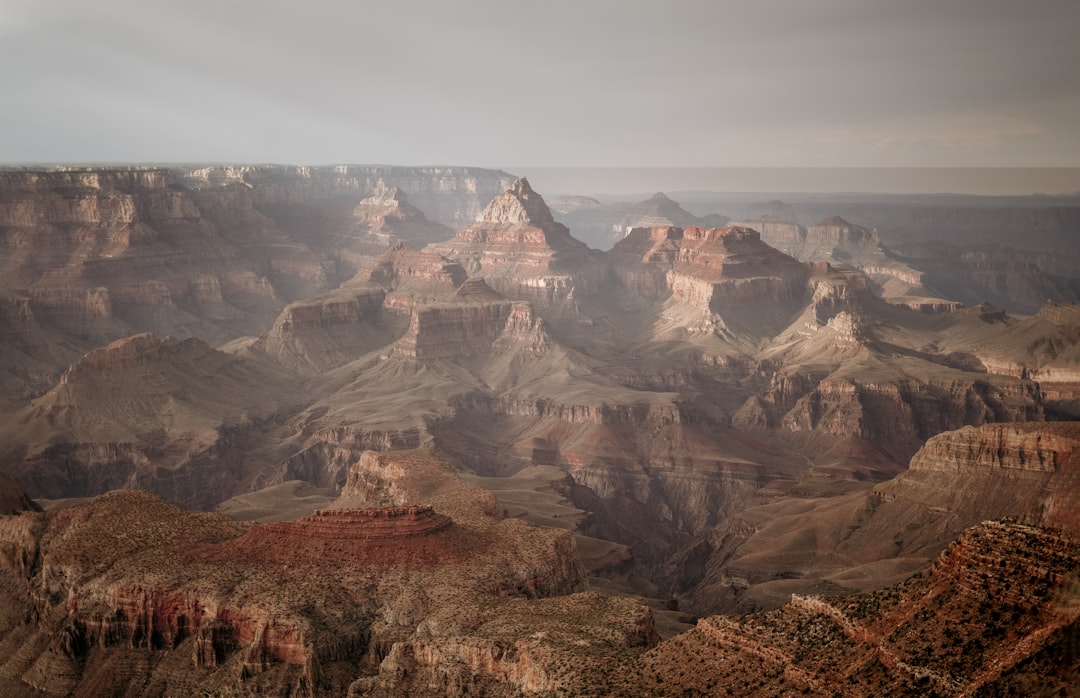
Cape Cod, Salem, Newport, and more — the best day trips from Boston during the World Cup, with honest transport times and what makes each worth the journey.
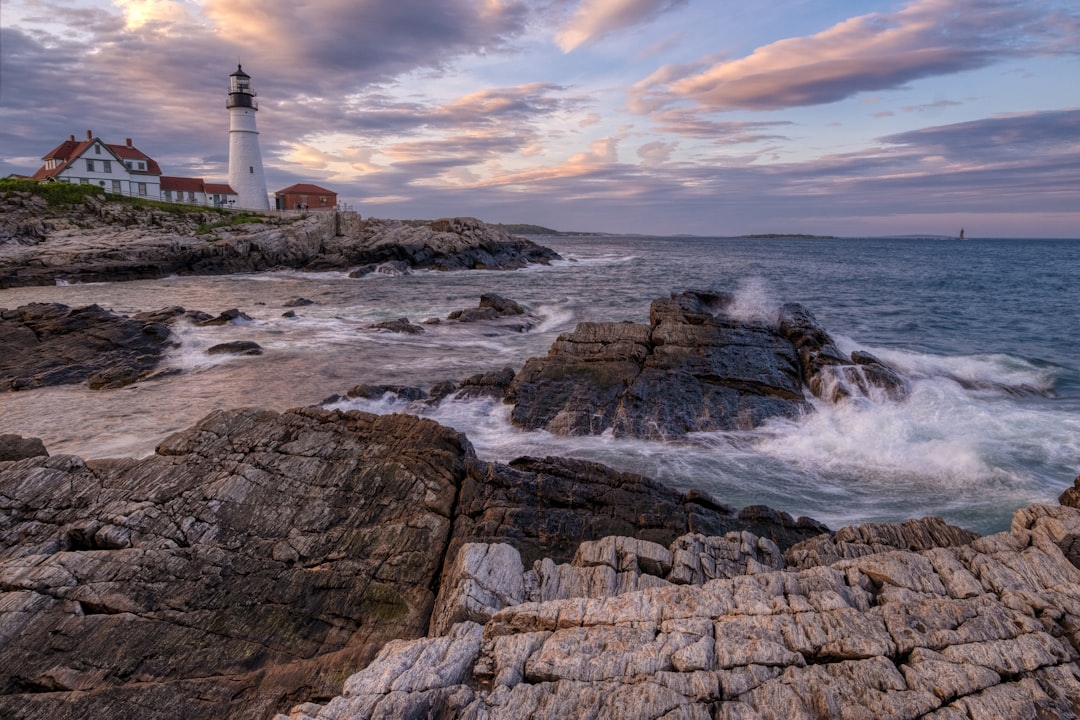
Lobster rolls, clam chowder, North End Italian, oysters, and the South End restaurant scene — the essential food guide to Boston for World Cup visitors.
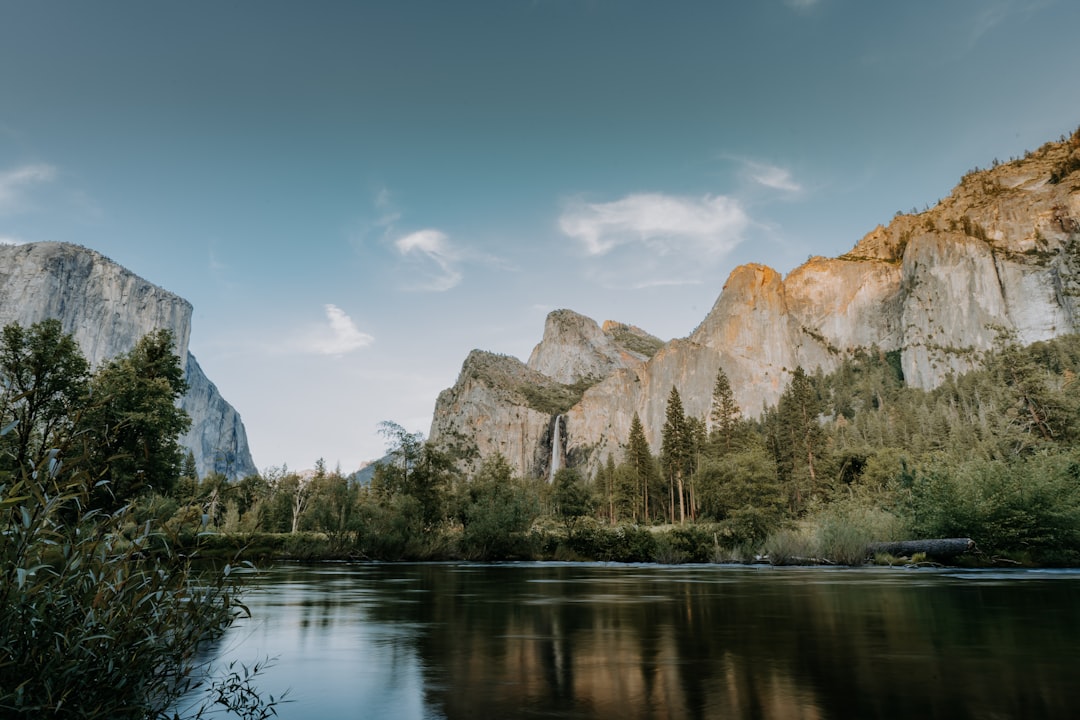
The Freedom Trail, the American Revolution sites, Harvard, and why Boston has more walking history per square mile than any other US World Cup city.
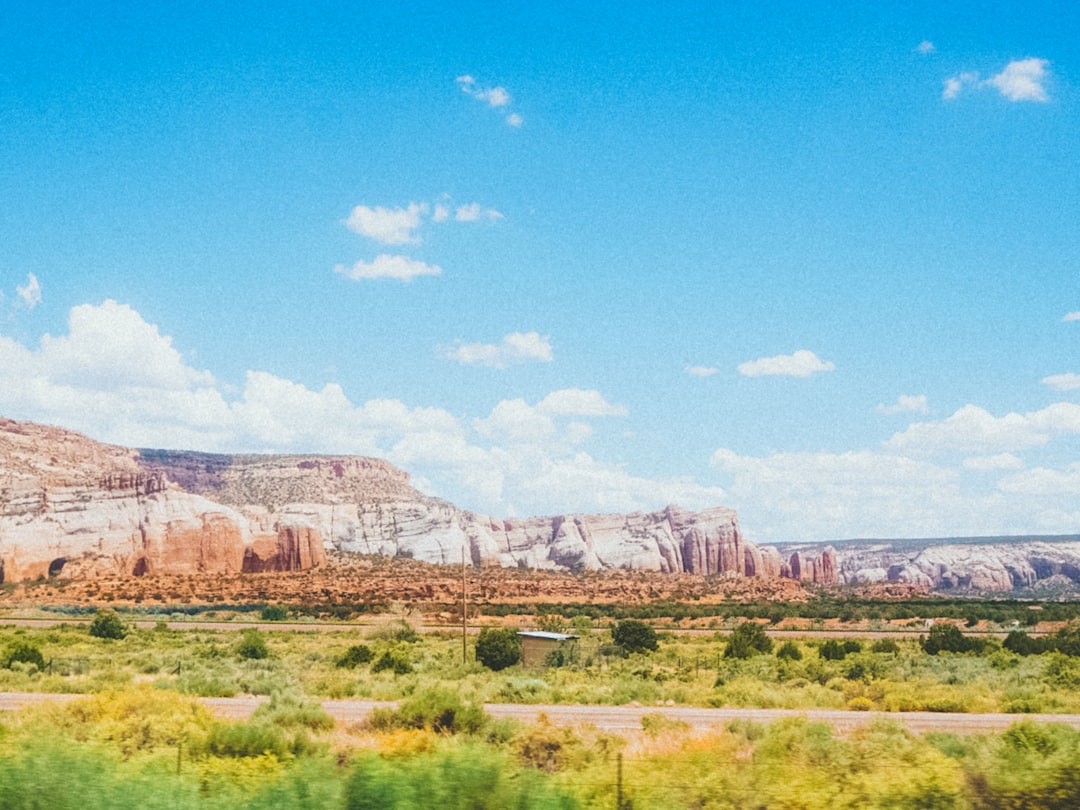
The North End, Beacon Hill, Back Bay, and Cambridge — where to stay and explore in Boston during the World Cup, with honest tradeoffs for each area.
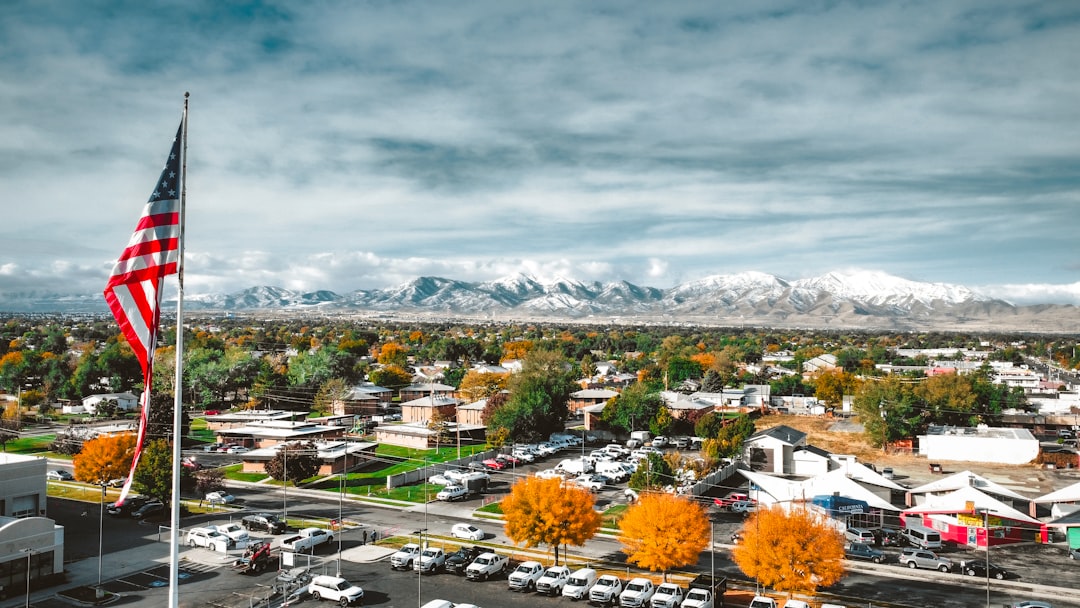
Where to drink in Boston during the World Cup — the North End bars, Fenway area, the Seaport, and Cambridge's cocktail bar scene.
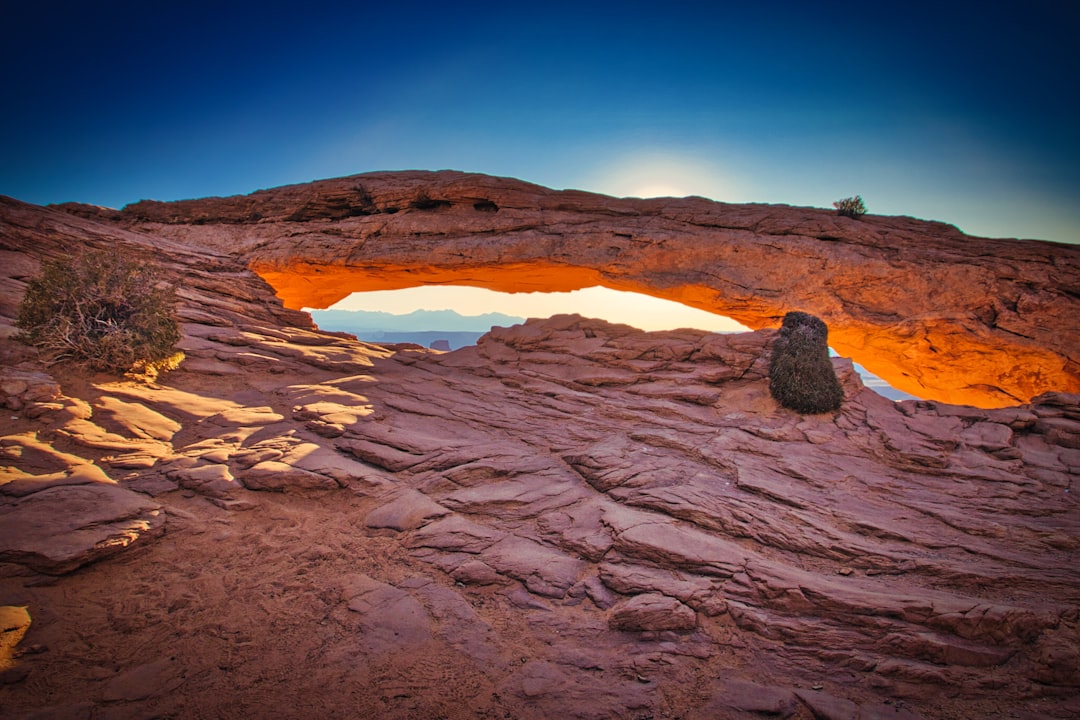
Lobster rolls, clam chowder, oysters, and the complete New England seafood guide for World Cup visitors — where to eat, what to order, and what the price reality is.
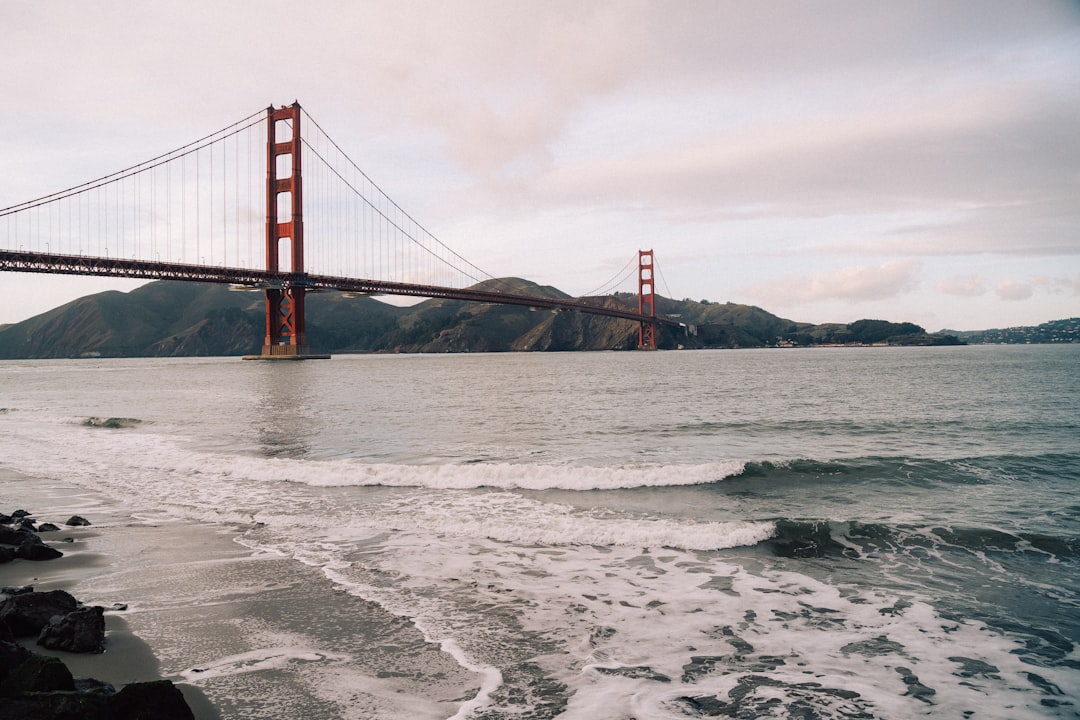
The T, commuter rail to Gillette Stadium, Logan Airport, and navigating the oldest subway in the US for FIFA World Cup 2026 visitors.
Everything you need for the World Cup in Boston — Gillette Stadium in Foxborough, the city's neighborhoods, seafood, history, and what makes Boston a compelling host.
Williamsburg, DUMBO, Park Slope, Coney Island — why Brooklyn is the smartest base for World Cup 2026 visitors to New York and what to do there.
Brisket, beef ribs, sausage — the definitive guide to Texas barbecue in Dallas for World Cup 2026 visitors, with where to go, what to order, and the rules.
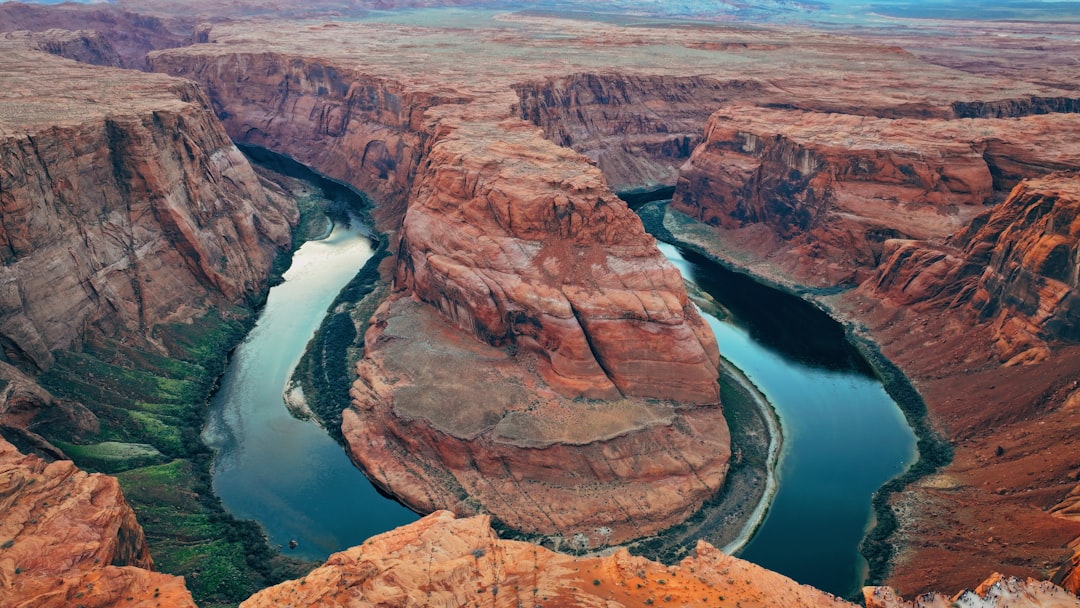
How much does a trip to Dallas for the World Cup actually cost? The most affordable major World Cup city — honest daily budgets and where the value is.
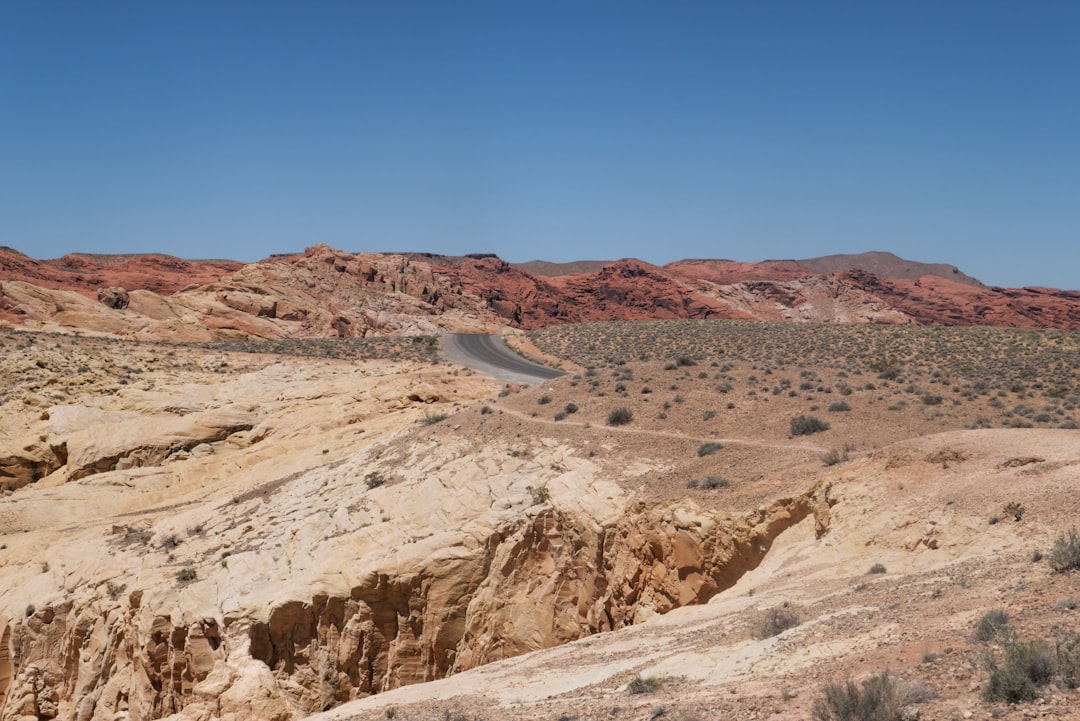
The Dallas Arts District, the Sixth Floor Museum, the Nasher Sculpture Center, and the cultural identity of the largest city in Texas.
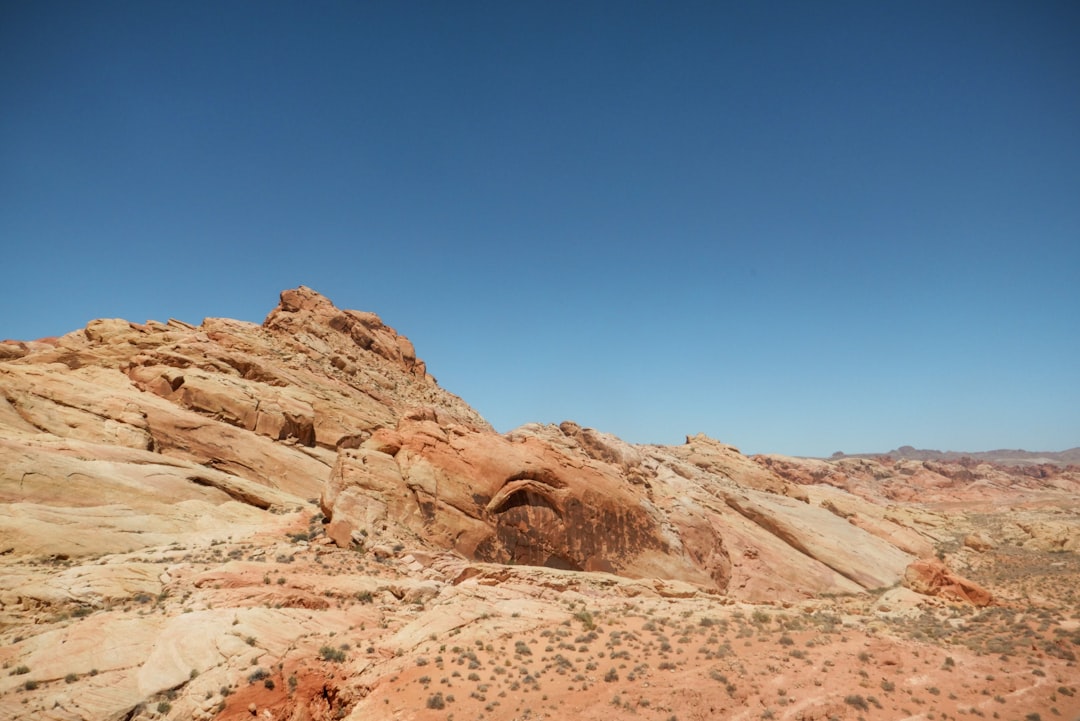
Fort Worth, Waco, the Texas Hill Country, and more — the best day trips from Dallas during the World Cup, with honest transport times.
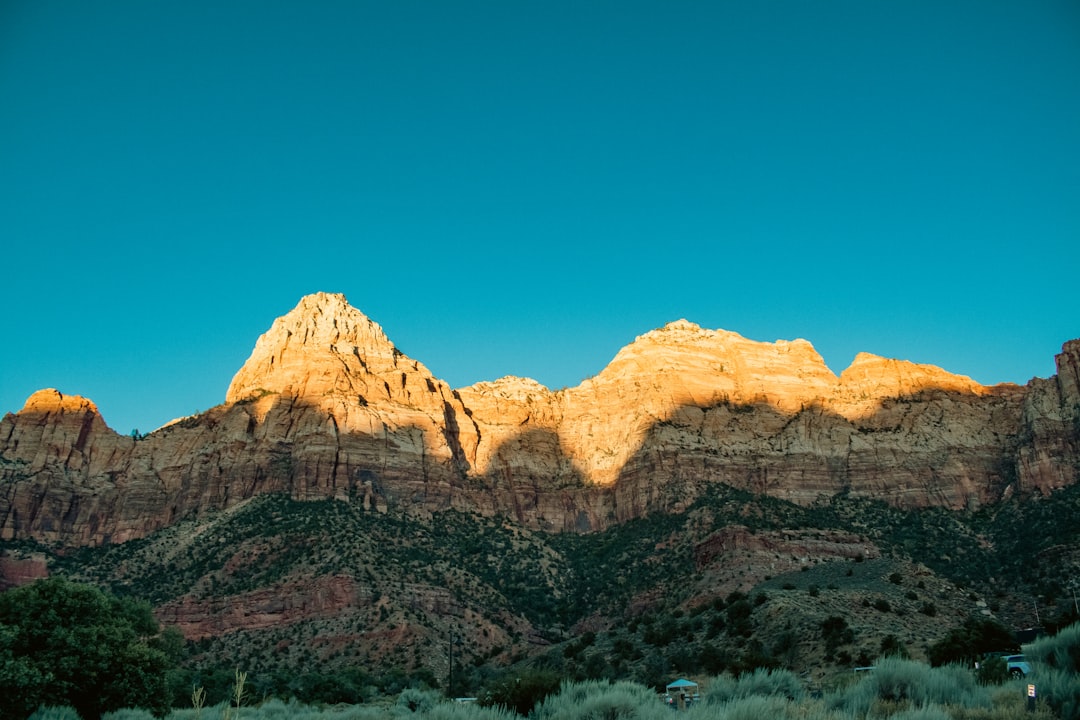
Brisket, Tex-Mex, chicken fried steak, and upscale restaurants — where to eat in Dallas for the World Cup without wasting your meals on tourist traps.
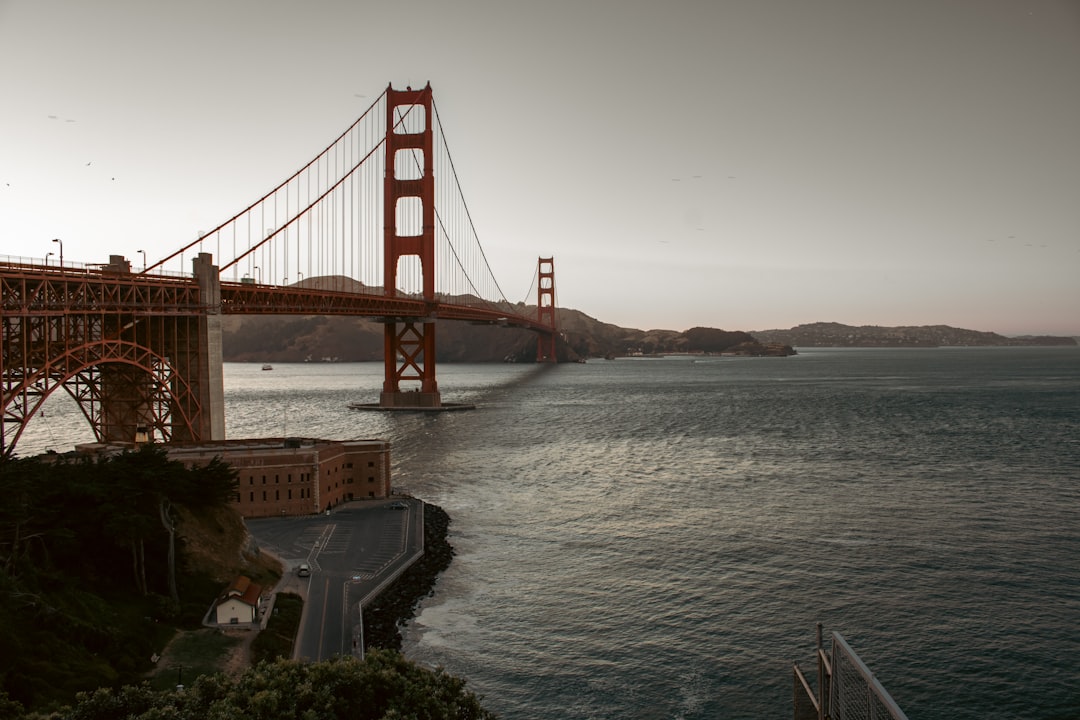
Uptown, Deep Ellum, Bishop Arts, the Design District — where to stay and explore in Dallas for FIFA World Cup 2026, by neighborhood.
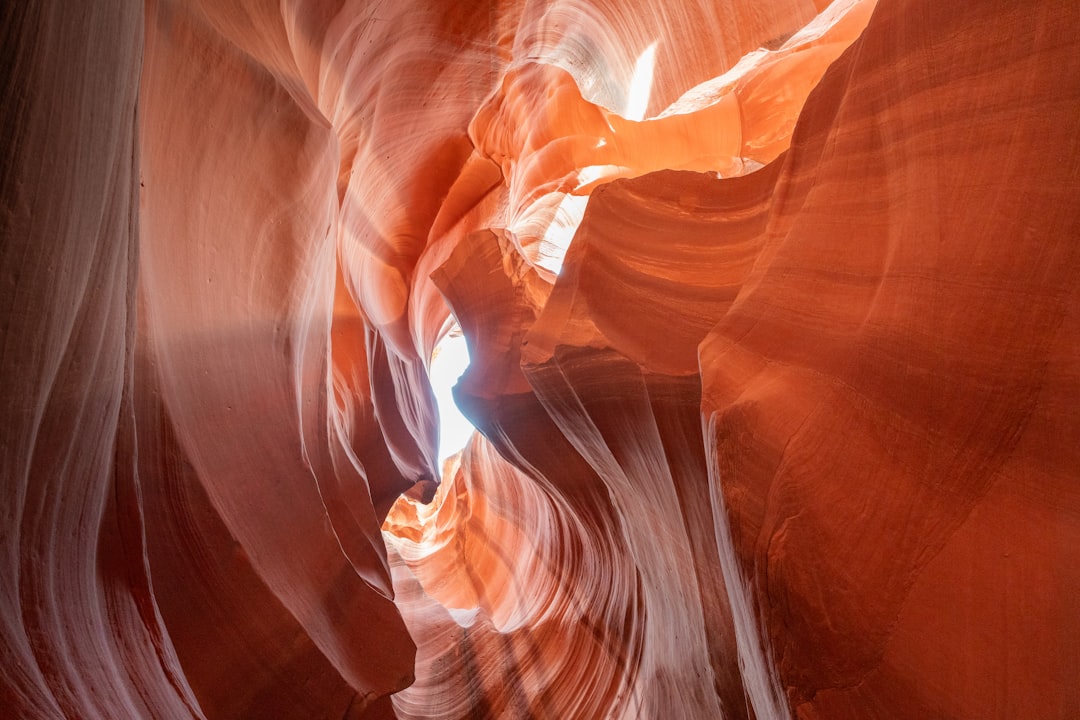
Deep Ellum live music, Uptown bars, rooftop terraces, and honky-tonks — the best nightlife in Dallas for FIFA World Cup 2026 visitors.
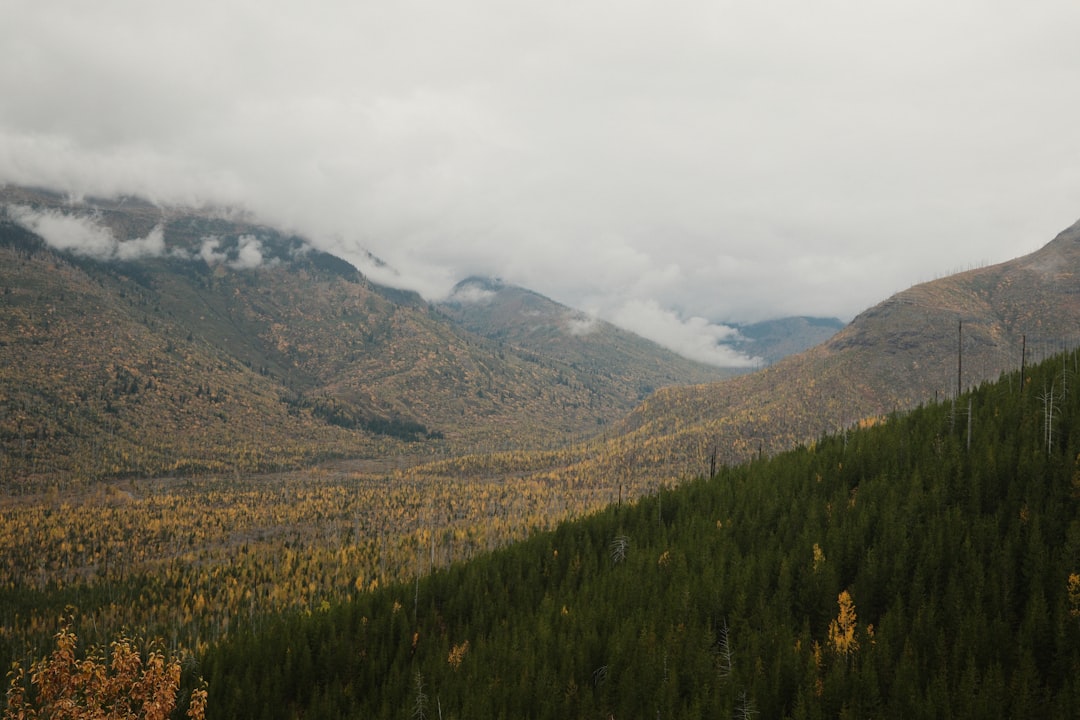
DART rail, TRE to AT&T Stadium, rideshare, and navigating the Dallas-Fort Worth Metroplex for FIFA World Cup 2026.
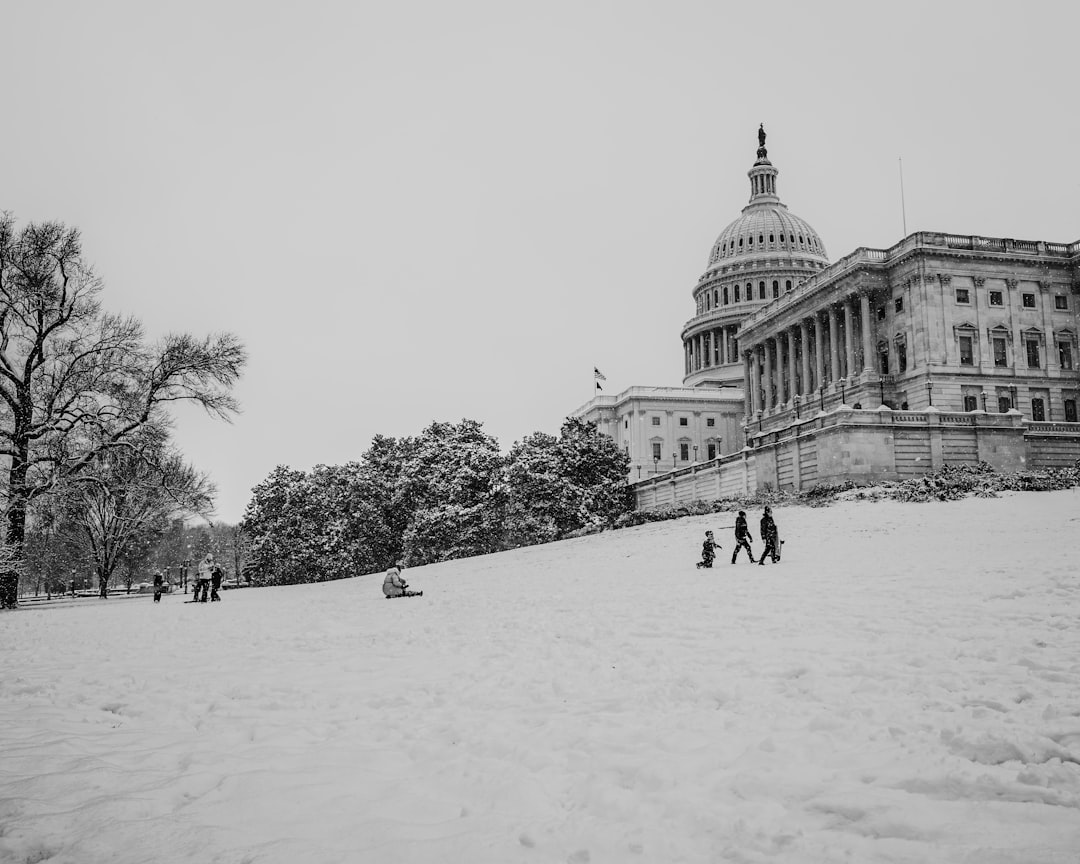
AT&T Stadium, neighborhoods, barbecue, transport and everything you need to plan your FIFA World Cup 2026 trip to Dallas-Fort Worth.
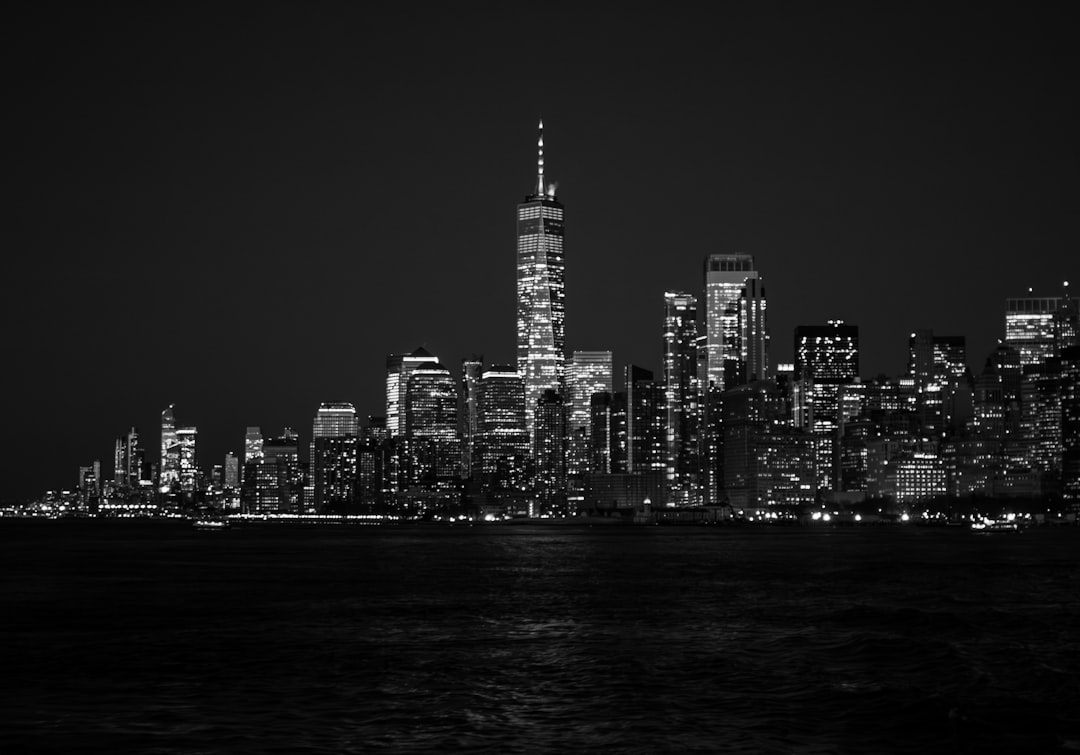
Everything you need for match day at Gillette Stadium in Foxborough — getting there from Boston, what to expect inside, and how to navigate the longest commute of any US World Cup venue.
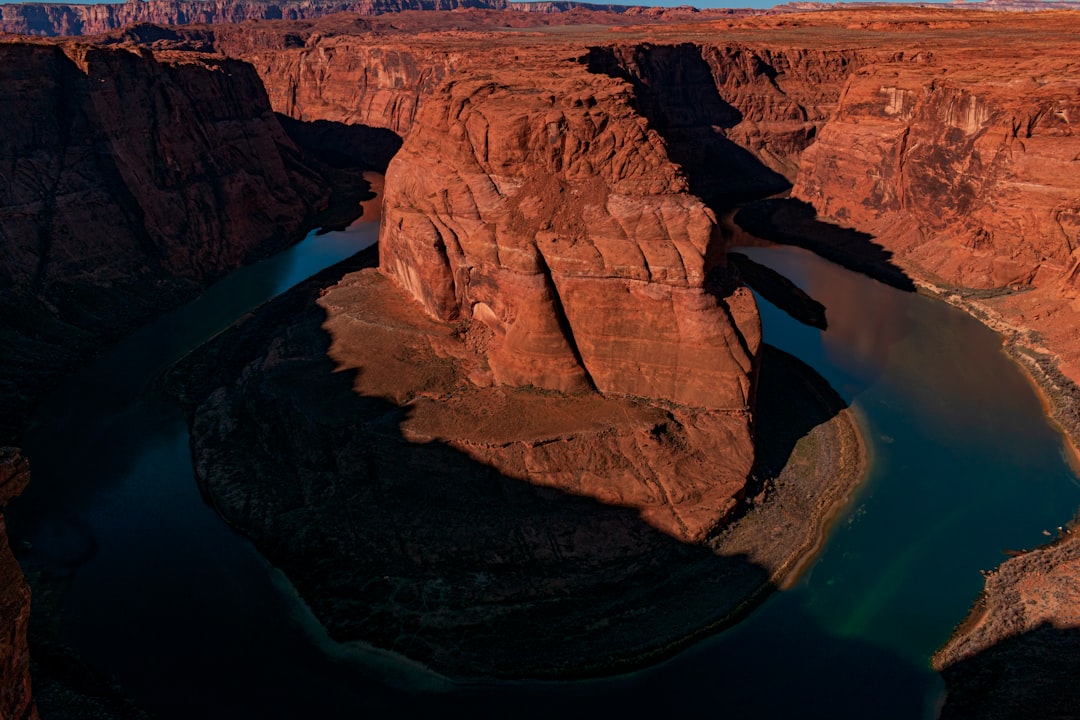
Inside Hard Rock Stadium for FIFA World Cup 2026 — getting there, gates, food, weather, and how to leave without sitting in I-95 traffic for 90 minutes.
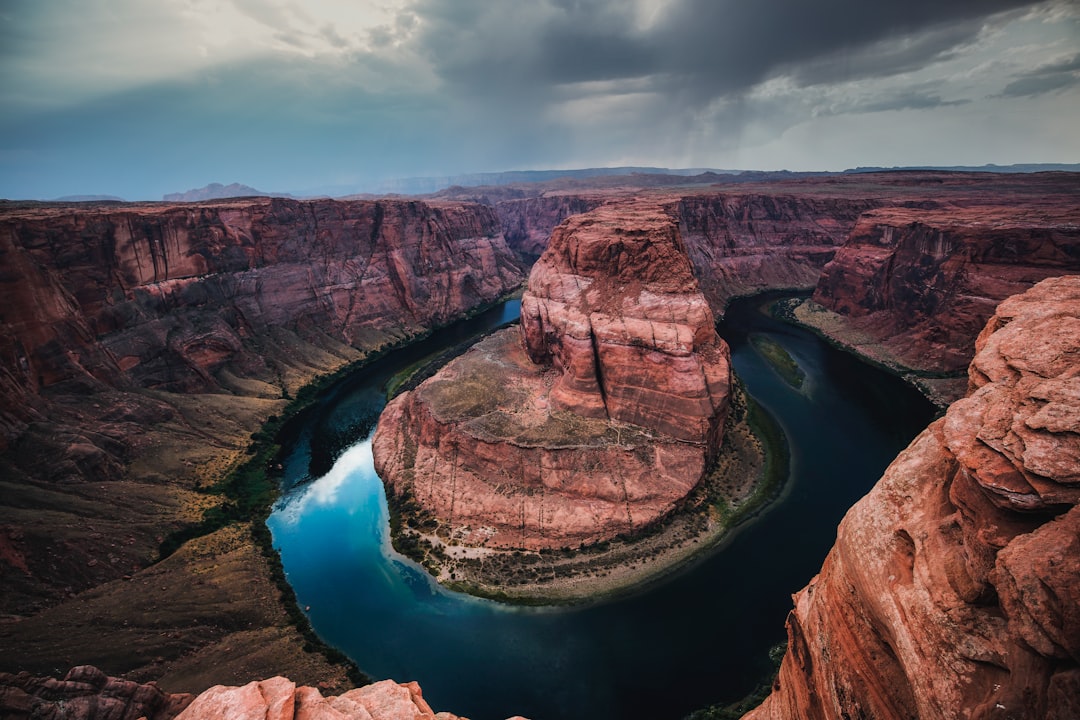
What Hollywood actually has to offer for FIFA World Cup 2026 visitors — the good (transit, nightlife, hiking), the bad (tourist traps), and everything worth doing.
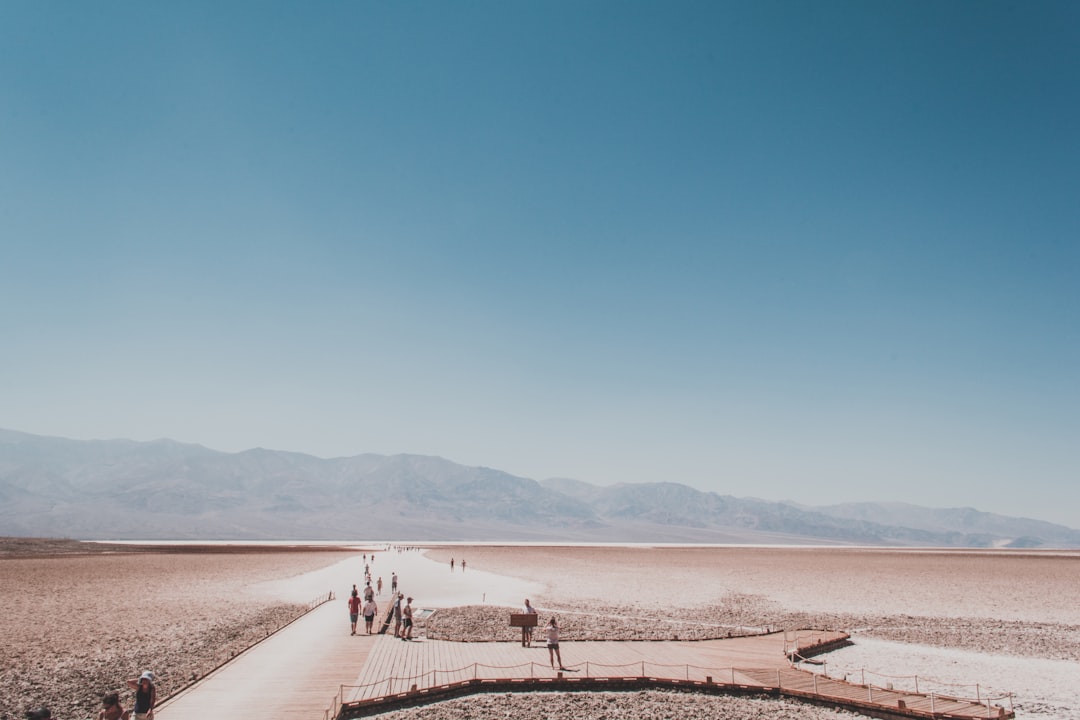
How much does a trip to Houston for the World Cup cost? One of the most affordable World Cup cities — honest daily budgets and where the value is.
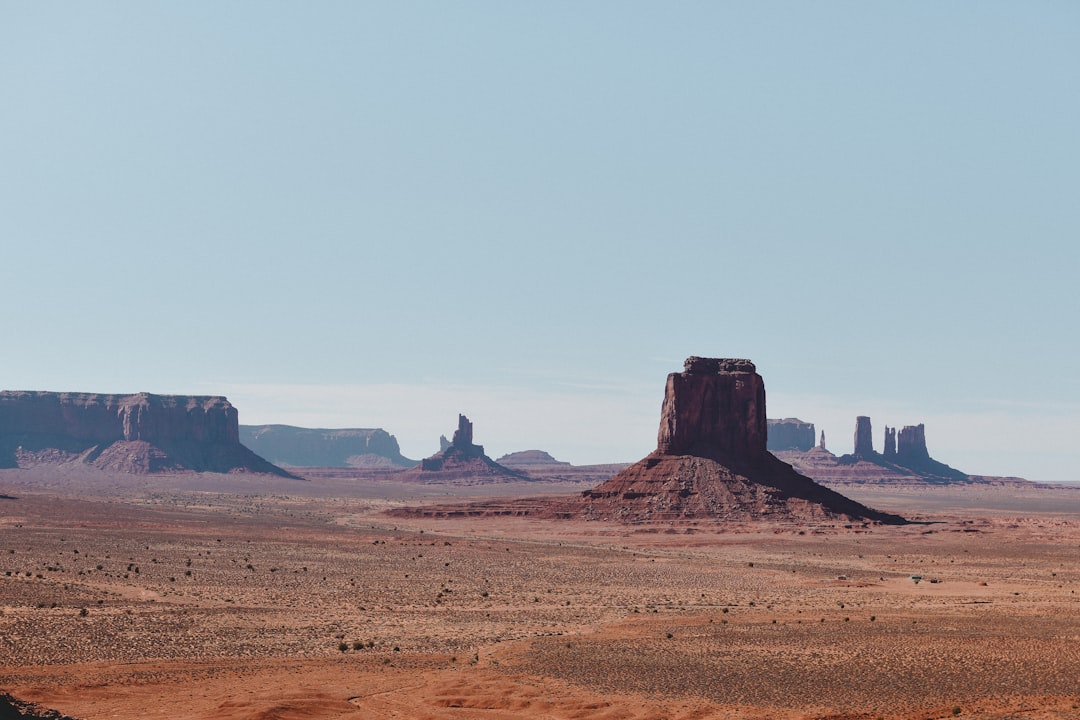
Galveston beach, San Antonio, the Gulf Coast, and more — the best day trips from Houston during the World Cup, with honest transport times.
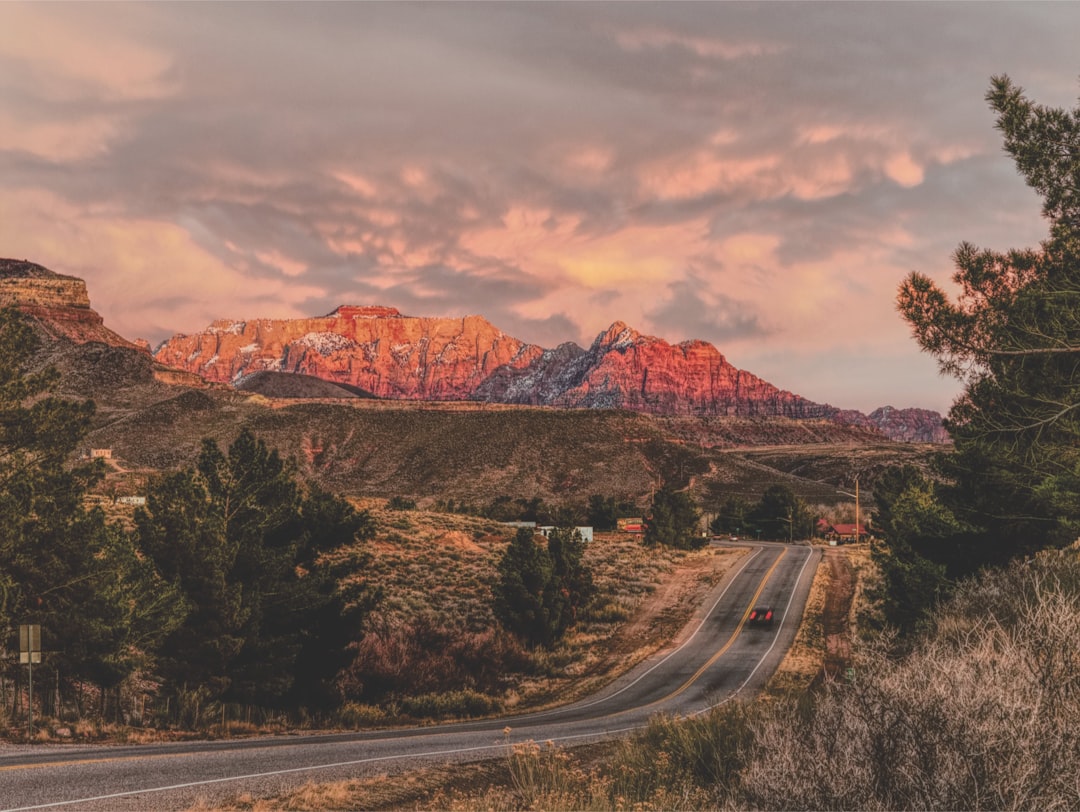
Houston has the most diverse restaurant scene of any World Cup city — Nigerian, Vietnamese, Pakistani, Venezuelan, and dozens more communities with real food.
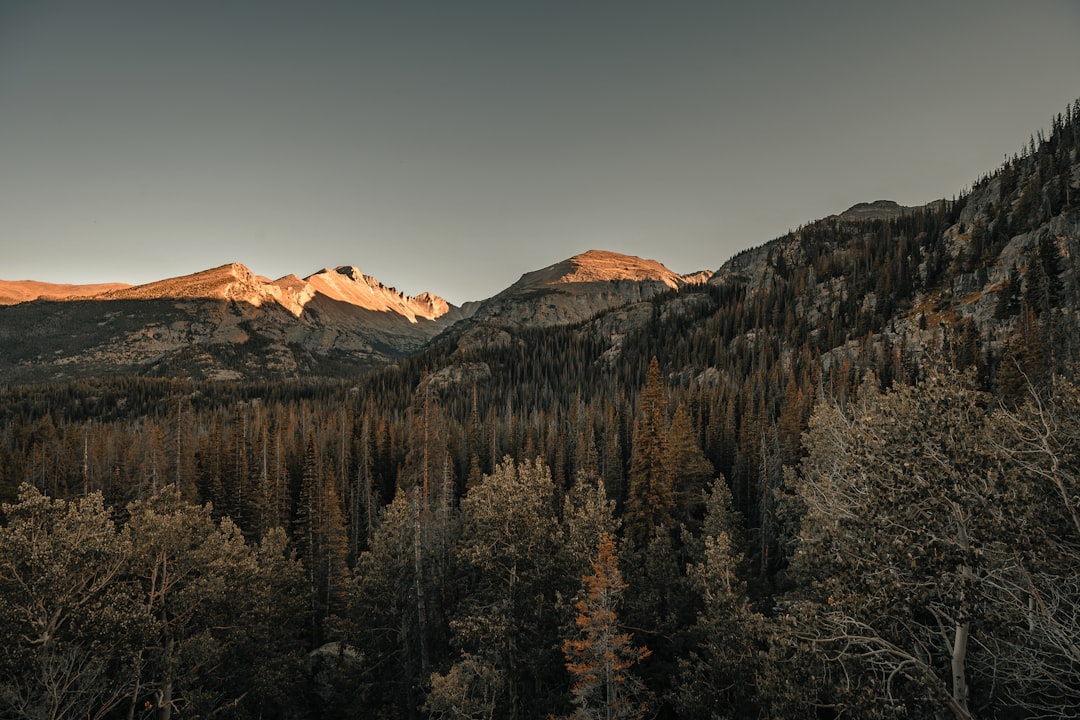
The most diverse food city in the US — Vietnamese crawfish, Nigerian jollof, Tex-Mex fajitas, and Gulf seafood. Where to eat in Houston for the World Cup.
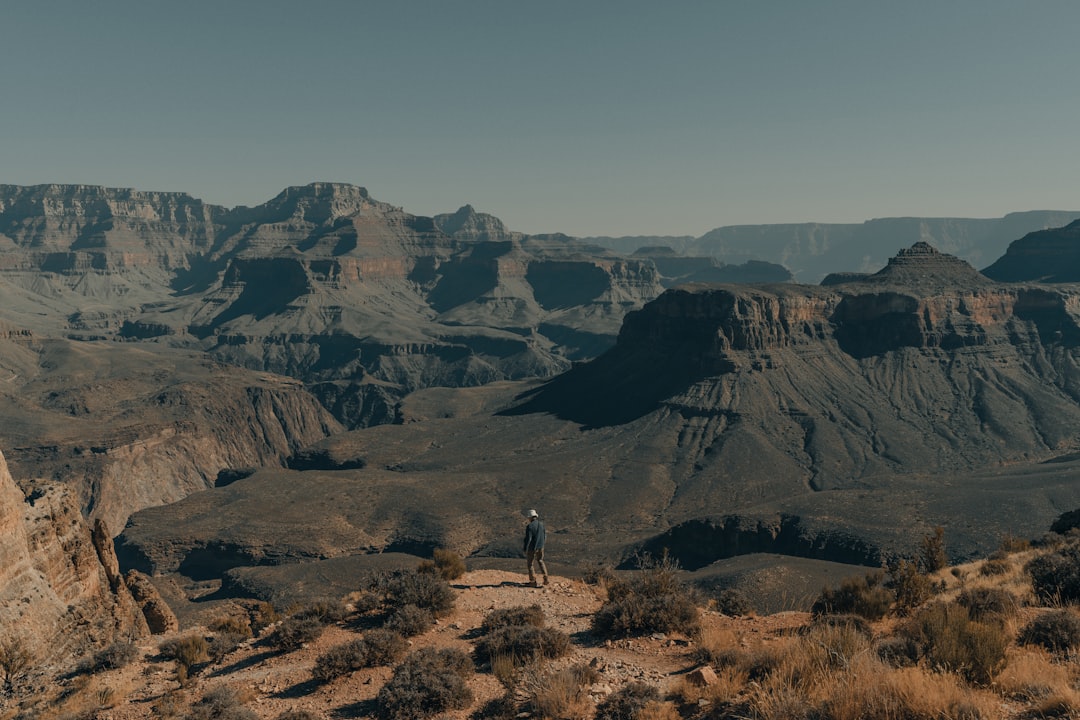
How to visit Space Center Houston during the World Cup — what to see, how long to spend, tram tours, and why it's the best day trip from the city.
Montrose, Midtown, the Heights, Museum District — where to stay and explore in Houston for FIFA World Cup 2026, with tradeoffs for each area.
Where to drink and party in Houston during the World Cup — Midtown bars, Montrose, Deep Ellum's Houston equivalent, and where the fan zones will be.
METRORail to NRG Stadium, airports, rideshare, and navigating the sprawling Houston metro for FIFA World Cup 2026 visitors.
NRG Stadium, neighborhoods, the world's most diverse food city, transport and everything you need for FIFA World Cup 2026 in Houston.
Burnt ends, the smoke ring, Gates vs. Arthur Bryant's — the definitive guide to eating BBQ in the city that invented the style.
What the World Cup costs in Kansas City — one of the most affordable US host cities, with real daily budgets and where to find value in the BBQ capital.
The American Jazz Museum, the Nelson-Atkins, the Negro Leagues Baseball Museum, and the cultural identity of the city at the center of America.
Lawrence, the Flint Hills, the Ozarks, and Weston — the best escapes from Kansas City's World Cup base.
Beyond BBQ — the full Kansas City food scene, from the Crossroads restaurants to the River Market and the city's underrated dining culture.
Power & Light, Crossroads, Westport, the Country Club Plaza — where to stay and explore in Kansas City during the World Cup.
Westport bars, the Power & Light District, live jazz at 18th & Vine, and the nightlife of America's BBQ capital during the World Cup.
The KC Streetcar, Uber, and how to get to Arrowhead Stadium for the 2026 FIFA World Cup — transport in America's most car-dependent host city.
Everything you need to know about Kansas City as a World Cup 2026 host city — Arrowhead Stadium, BBQ, jazz, and the heart of America.
From Santa Monica to Malibu, a guide to the best beaches in LA for World Cup visitors — which ones to visit, how to get there, and what to expect in June and July.
How much does a trip to LA for the World Cup actually cost? Honest daily budgets from backpacker to mid-range, with real prices and where to save.
The best day trips from LA during the World Cup — Malibu, Santa Barbara, Palm Springs, and more, with honest transport times and what's worth the drive.
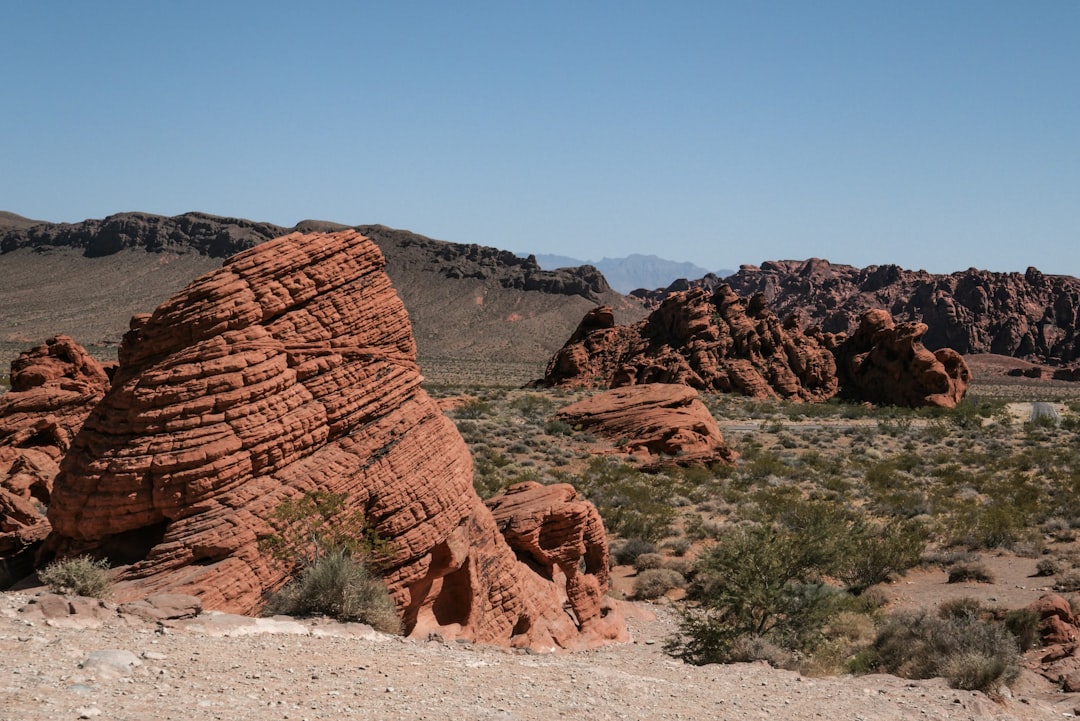
Where to eat in LA for the World Cup — from $4 tacos in Boyle Heights to world-class restaurants in the Arts District, without the tourist tax.
LA has the best Mexican food outside Mexico. Here's where to find it — the essential taquerias, taco trucks, regional specialties, and neighborhoods that define LA's Mexican food culture.
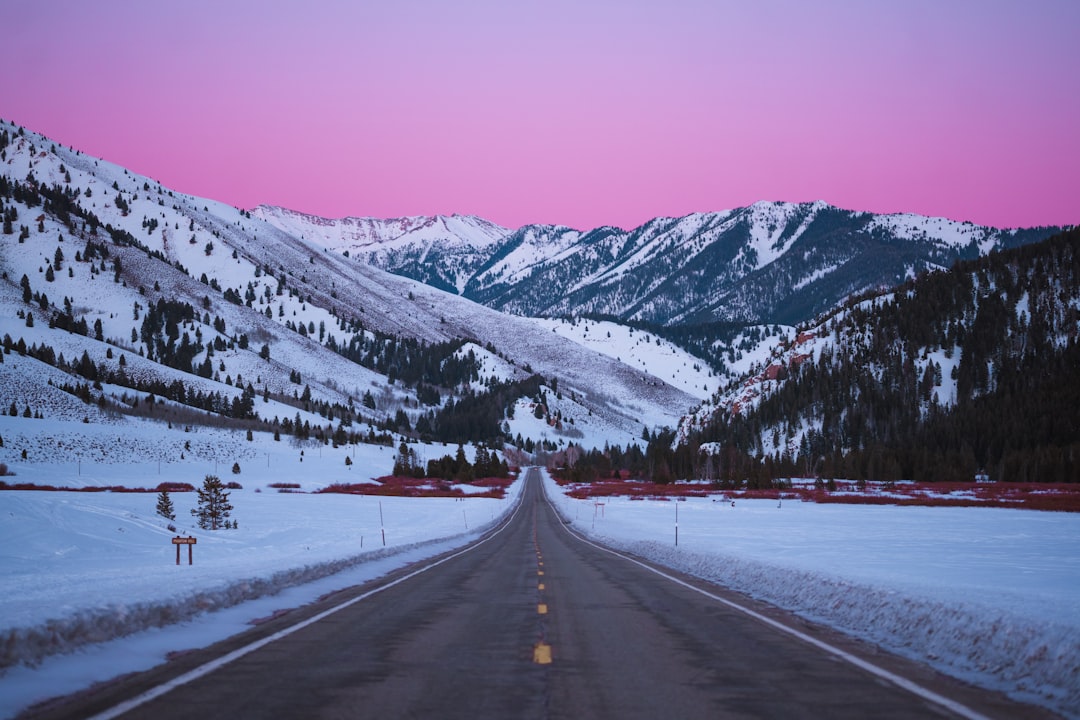
From Santa Monica beaches to Koreatown's 24-hour restaurants, a practical guide to LA's best neighborhoods for FIFA World Cup 2026 visitors.
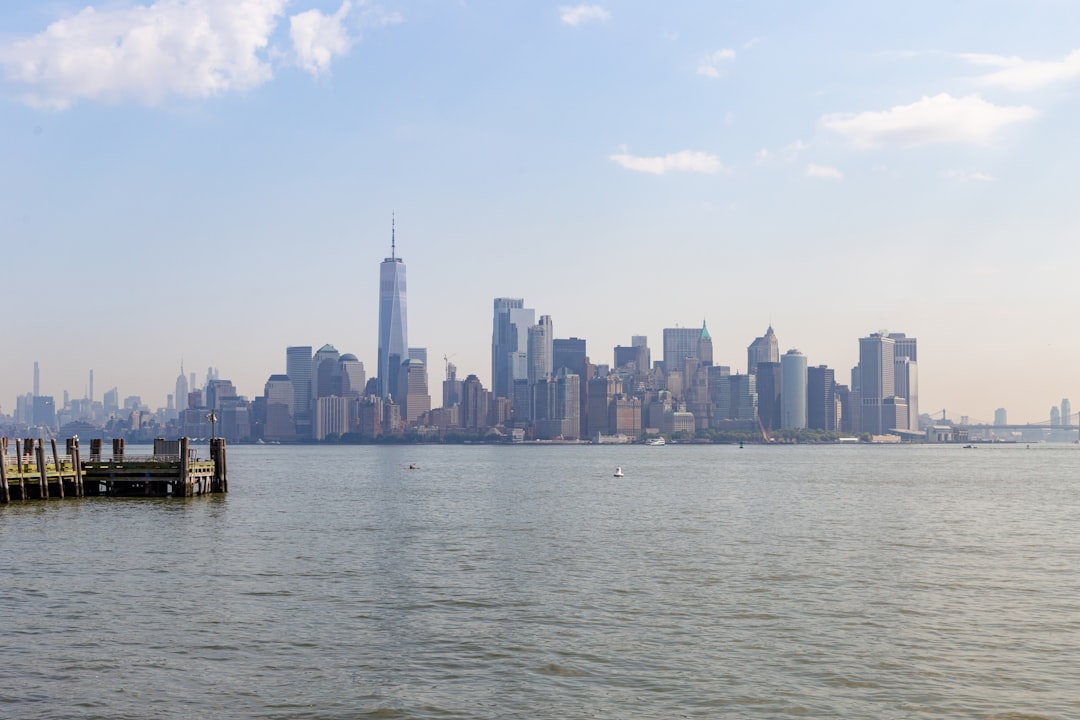
Silver Lake bars, WeHo clubs, rooftop hotels, live music in Hollywood, and the nightlife of the world's entertainment capital during the World Cup.
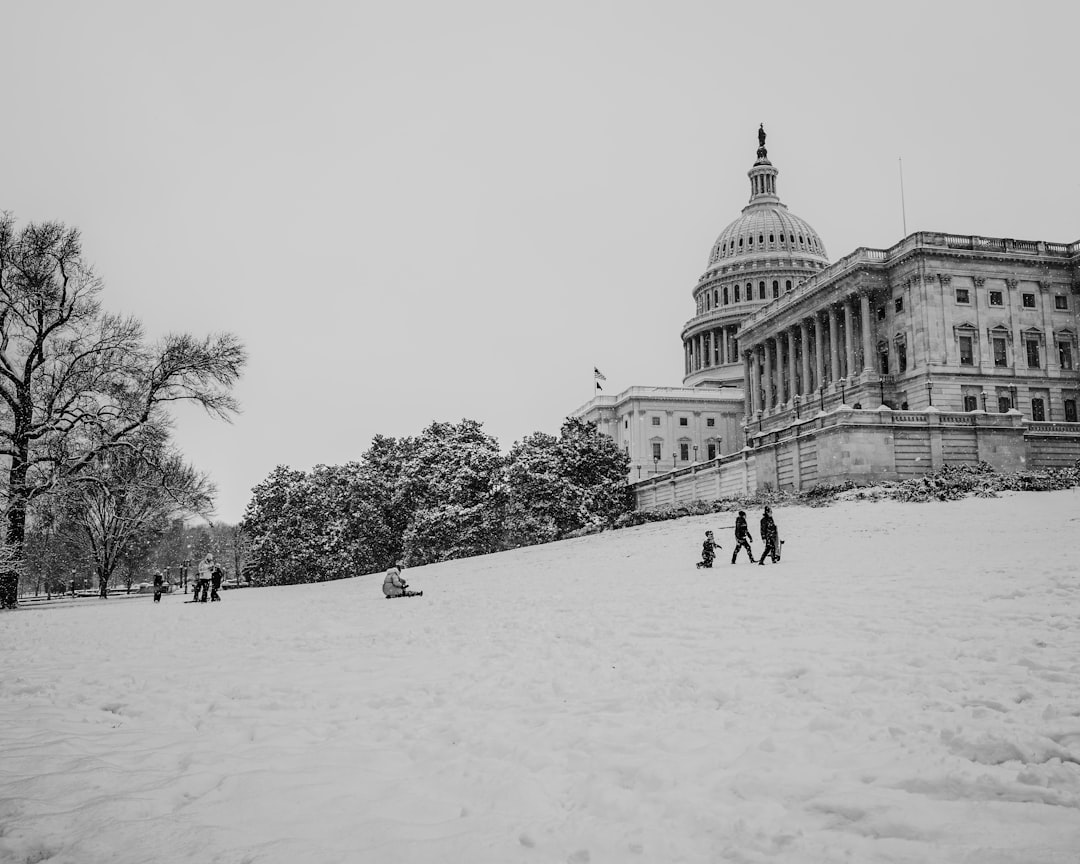
Metro, rideshare, rental cars, and the reality of LA traffic — a practical transport guide for FIFA World Cup 2026 visitors to Los Angeles.
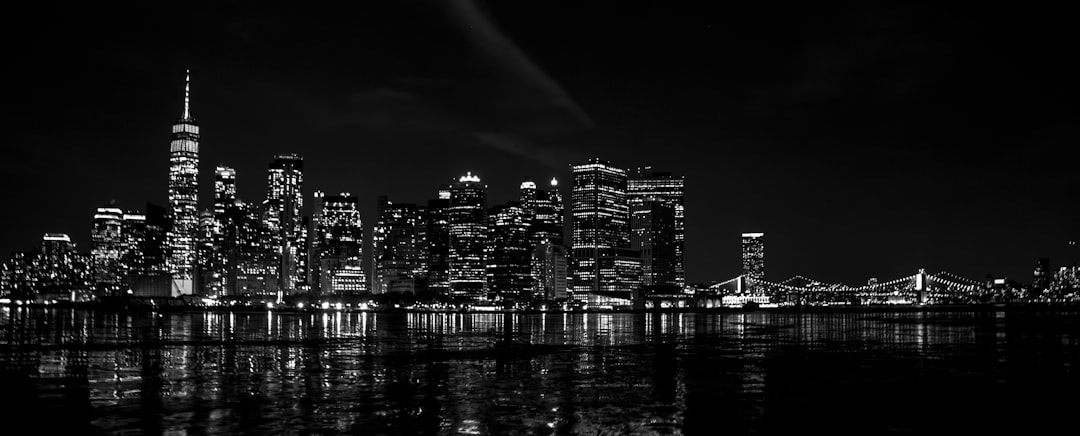
SoFi Stadium, neighborhoods, weather, transport and everything else you need to plan your FIFA World Cup 2026 trip to Los Angeles.
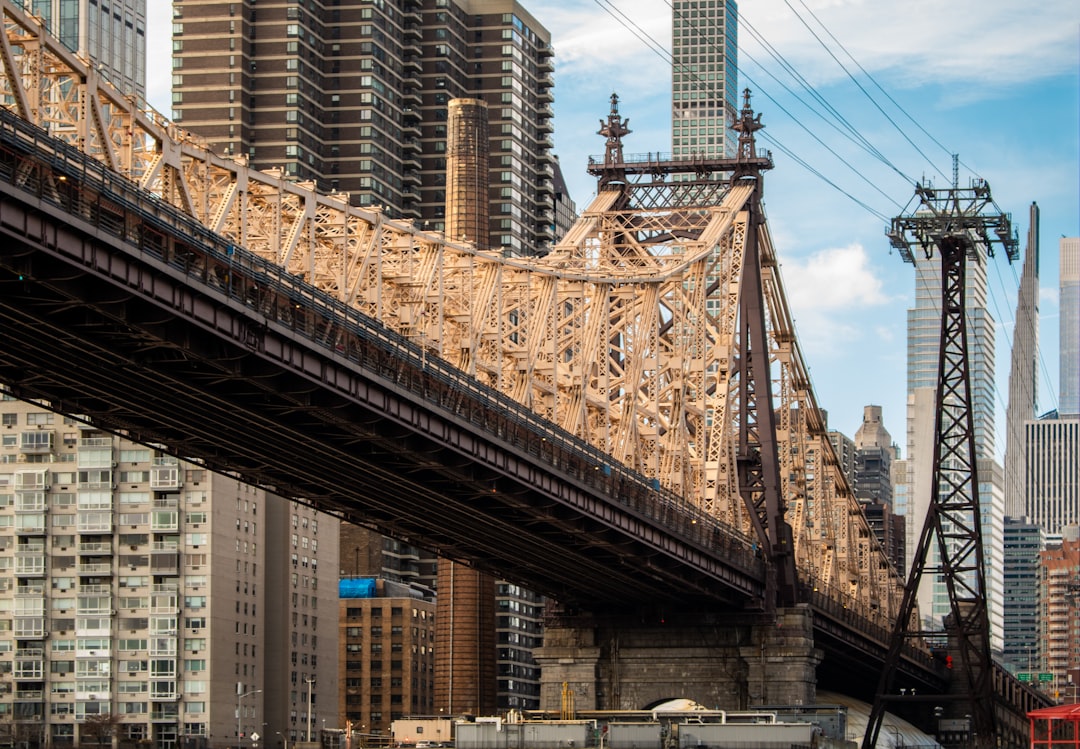
Everything you need for match day at Levi's Stadium in Santa Clara — getting there from San Francisco, gates, what to expect inside.
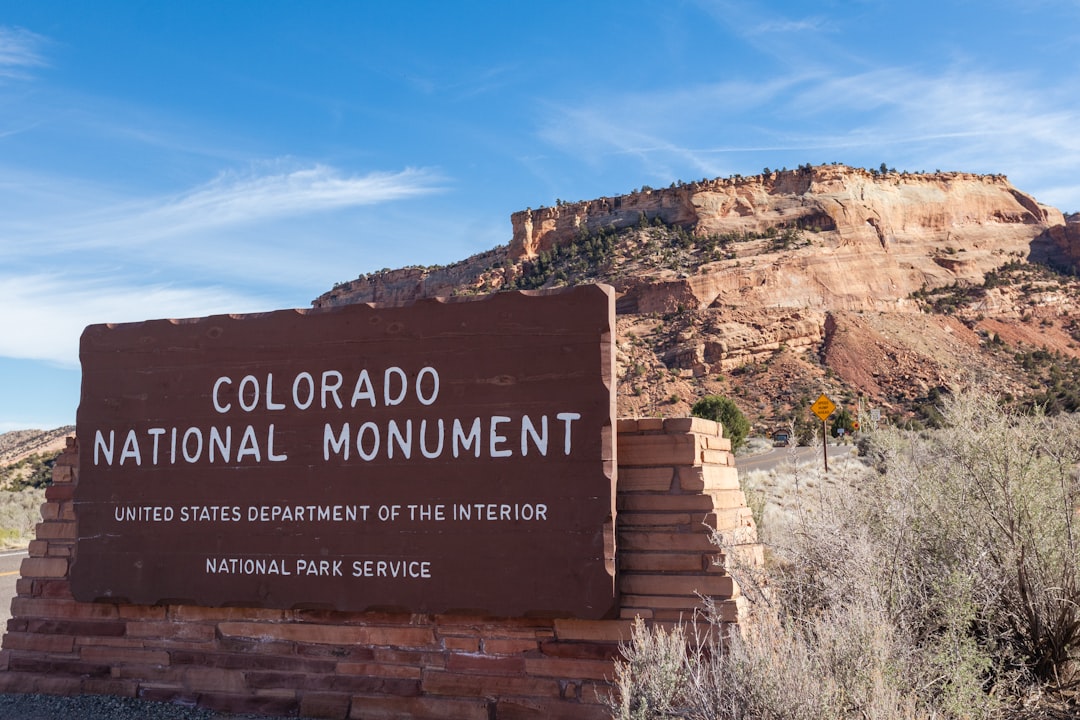
Match day at Lincoln Financial Field in Philadelphia — getting there by Broad Street Line, what to expect inside, and how to navigate the South Philly sports complex.
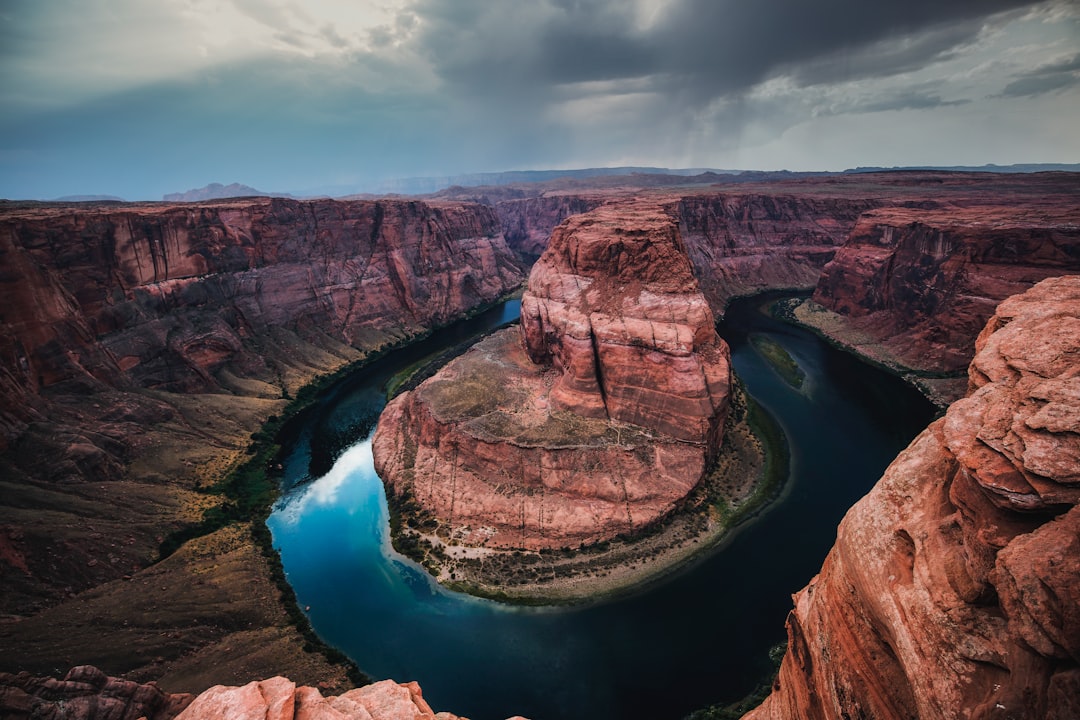
Match day at Lumen Field in Seattle — getting there by Link Light Rail, what to expect inside, the SODO neighborhood, and practical tips for FIFA World Cup 2026.
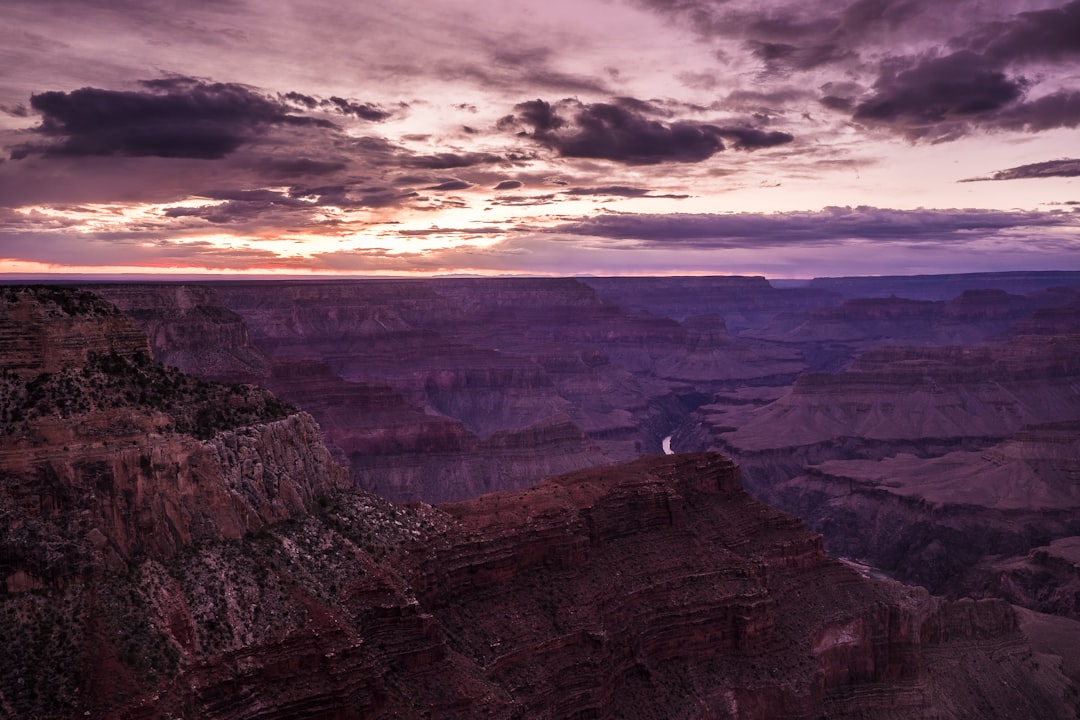
Atlanta's architectural landmark and one of the world's best stadiums — how to get to Mercedes-Benz Stadium, what to expect inside, and the home of Atlanta United.
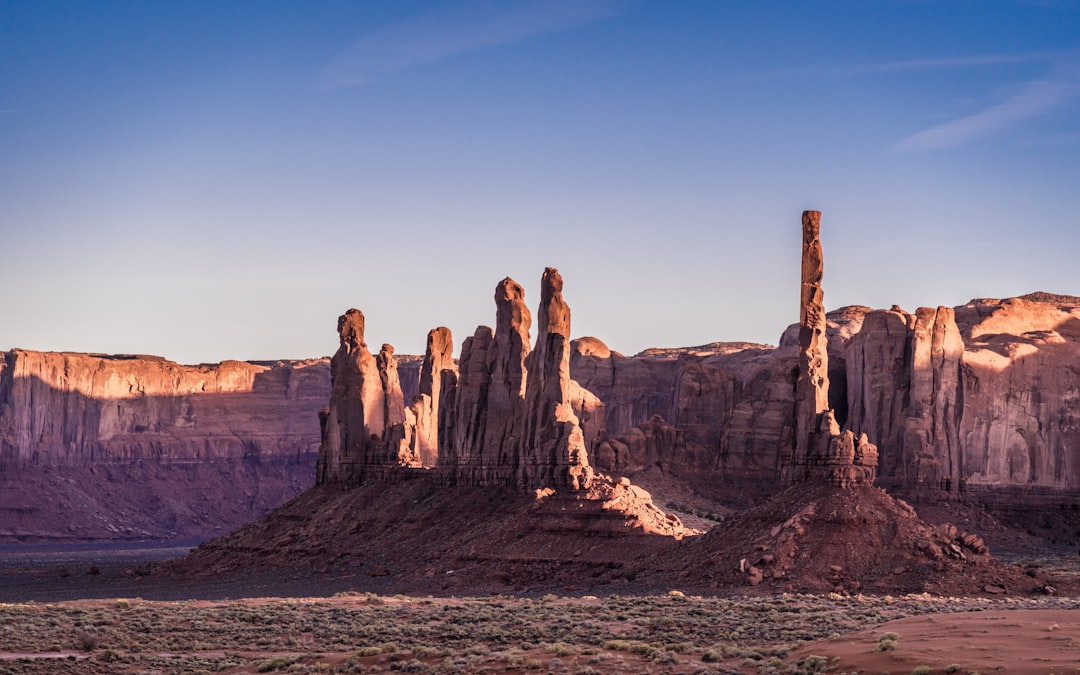
Everything you need to know about MetLife Stadium for FIFA World Cup 2026 — transit, gates, food, seating, and how to get in and out without losing an hour to traffic.
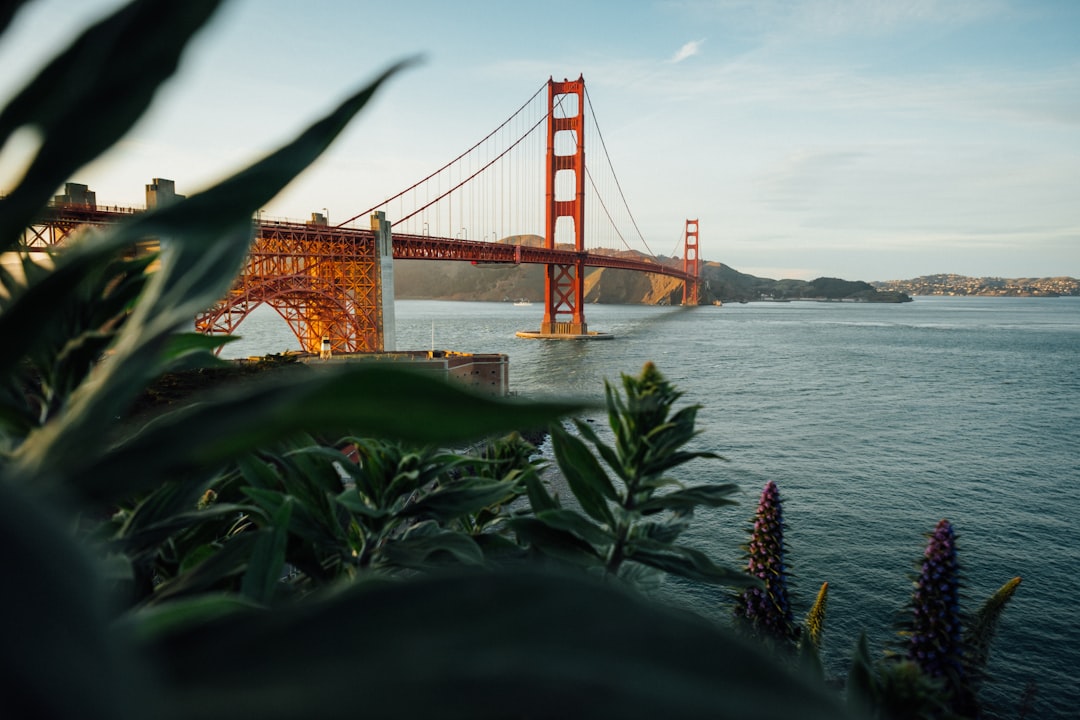
From South Beach to Haulover to the Keys — the best beaches in Miami for World Cup 2026 visitors, how to get there, and what to do between matches.
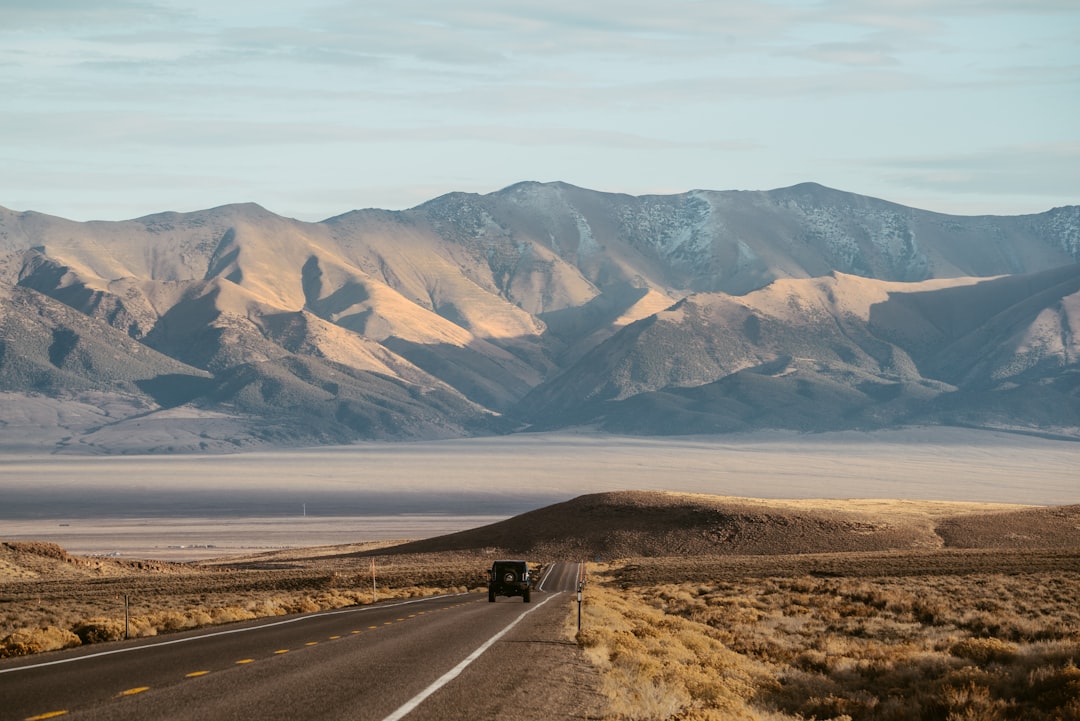
How much does a trip to Miami for the World Cup actually cost? Real daily budgets from backpacker to comfortable, with honest prices and where the value is.
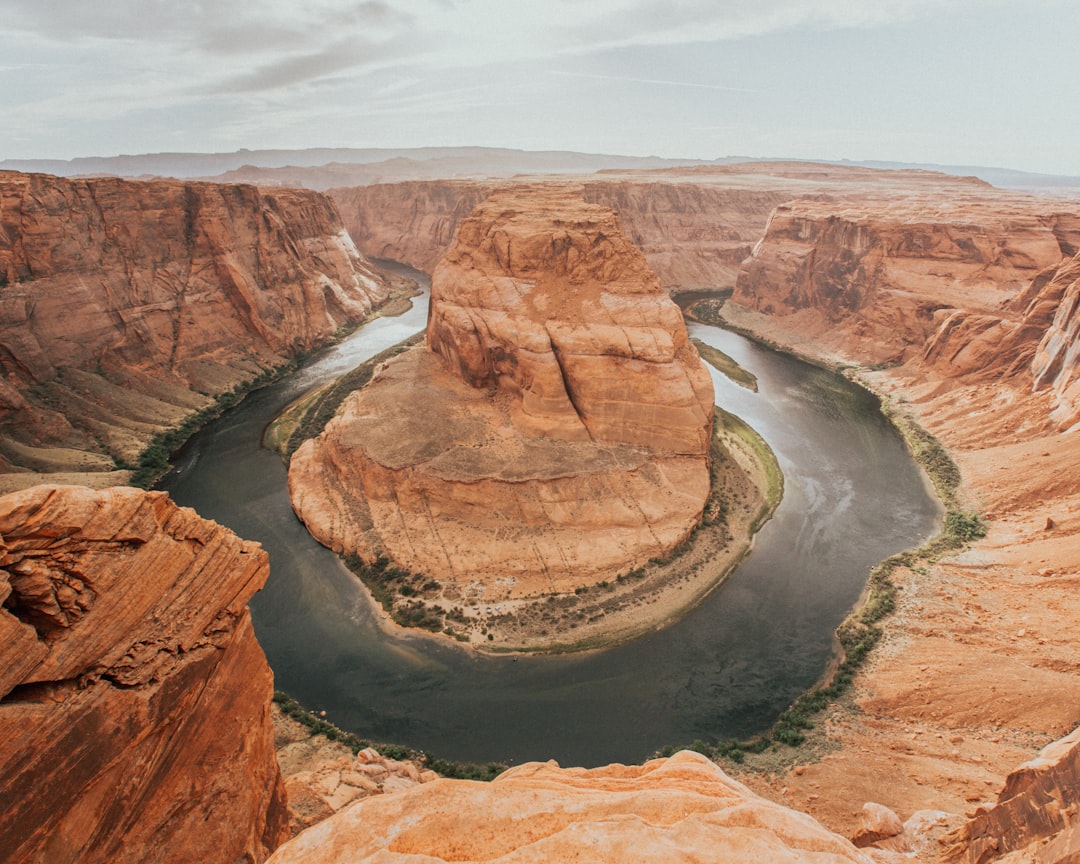
The Cuban sandwich, café cubano, ropa vieja, lechón, and everything else you should eat in Miami's Cuban food culture — where to go and what to order.
The Everglades, the Florida Keys, Fort Lauderdale, and Palm Beach — the best day trips from Miami during the World Cup, with honest transport times.
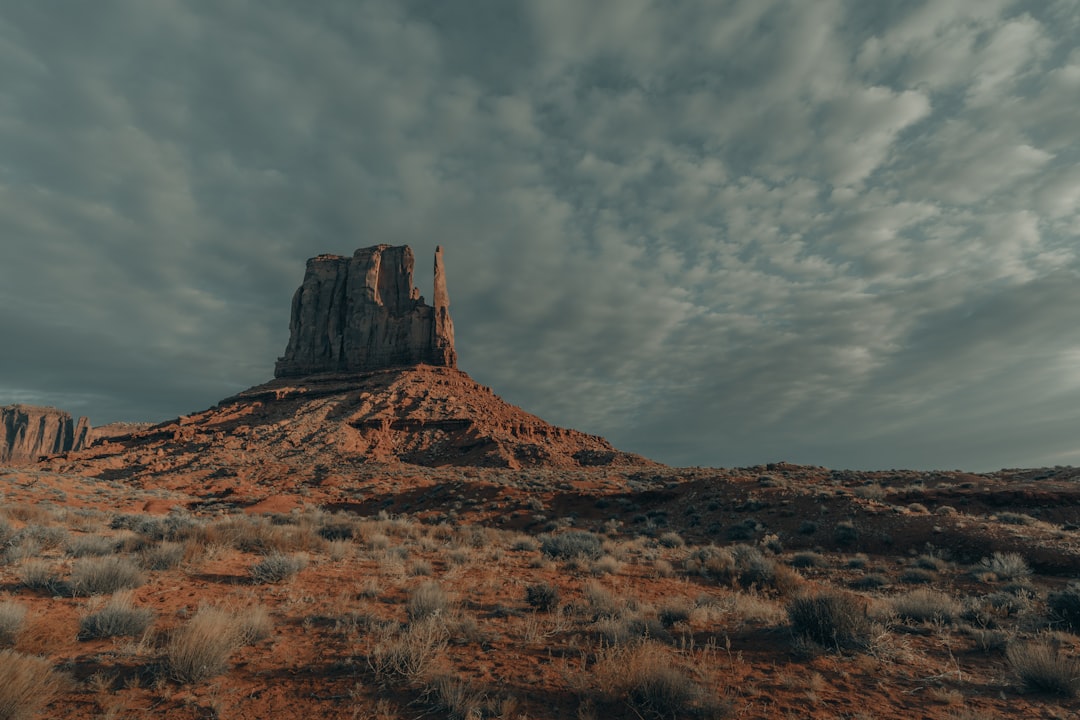
Cuban sandwiches, ceviche, Argentine steakhouses, and the best restaurants in Miami for World Cup 2026 visitors — where to eat without paying tourist prices.
South Beach, Wynwood, Brickell, Little Havana — where to stay and explore in Miami for FIFA World Cup 2026, with honest tradeoffs for each area.
South Beach clubs, Wynwood bars, rooftop terraces, and Latin music venues — the best nightlife in Miami for FIFA World Cup 2026 visitors.
Metrorail, rideshare, rental cars, and the reality of Miami traffic — a practical guide to getting around Miami for FIFA World Cup 2026 visitors.
Hard Rock Stadium, neighborhoods, beaches, nightlife and everything else you need to plan your FIFA World Cup 2026 trip to Miami.
Houston's domed stadium for FIFA World Cup 2026 — how to get there by METRORail, what's inside, food, weather, and leaving without the traffic nightmare.
How much does a trip to NYC for the World Cup actually cost? Honest daily budgets, where to save, and the real prices behind the world's most expensive World Cup city.
The best day trips from NYC during the World Cup — the Hamptons, Hudson Valley, Philadelphia, and more, with real transport times and what's worth the journey.
Pizza, bagels, dim sum, Dominican food, and everything worth eating in NYC for the World Cup — without paying Times Square prices.
Central Park, the High Line, the Staten Island Ferry, SummerStage and more — the best free experiences in NYC for World Cup 2026 visitors.
Manhattan, Brooklyn, Queens — where to stay and explore in NYC for the World Cup, from Midtown's transit access to Williamsburg's restaurants.
Bars, clubs, jazz, rooftops, and late-night eating — the best nightlife in NYC for World Cup 2026 visitors, by neighborhood.
The NYC subway, NJ Transit to MetLife, airports, and everything else you need to navigate New York for FIFA World Cup 2026.
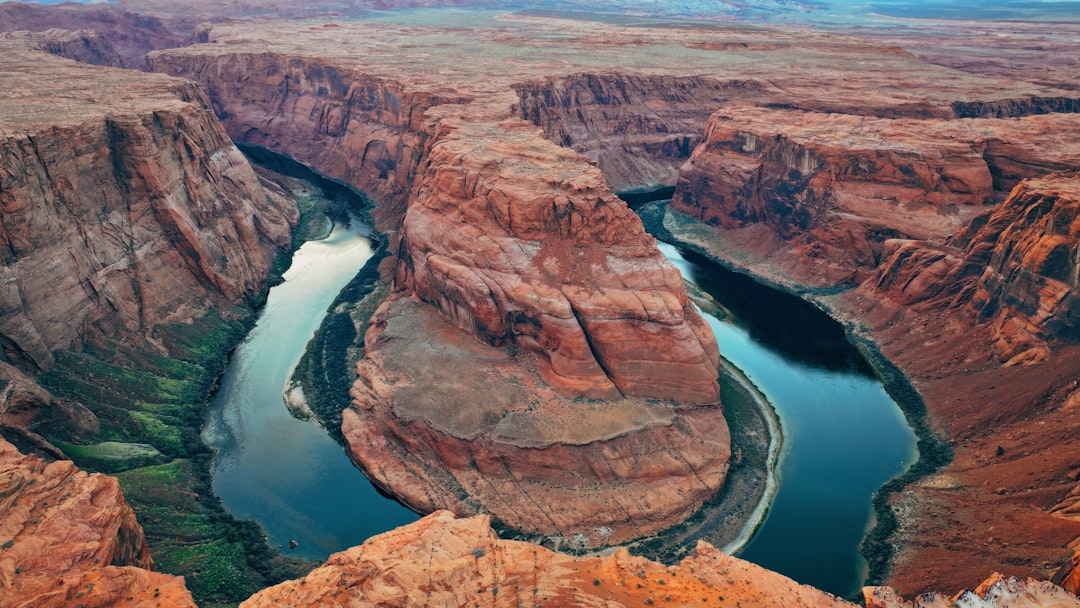
MetLife Stadium, neighborhoods, subway navigation, food, and everything else you need to plan your FIFA World Cup 2026 trip to New York City.
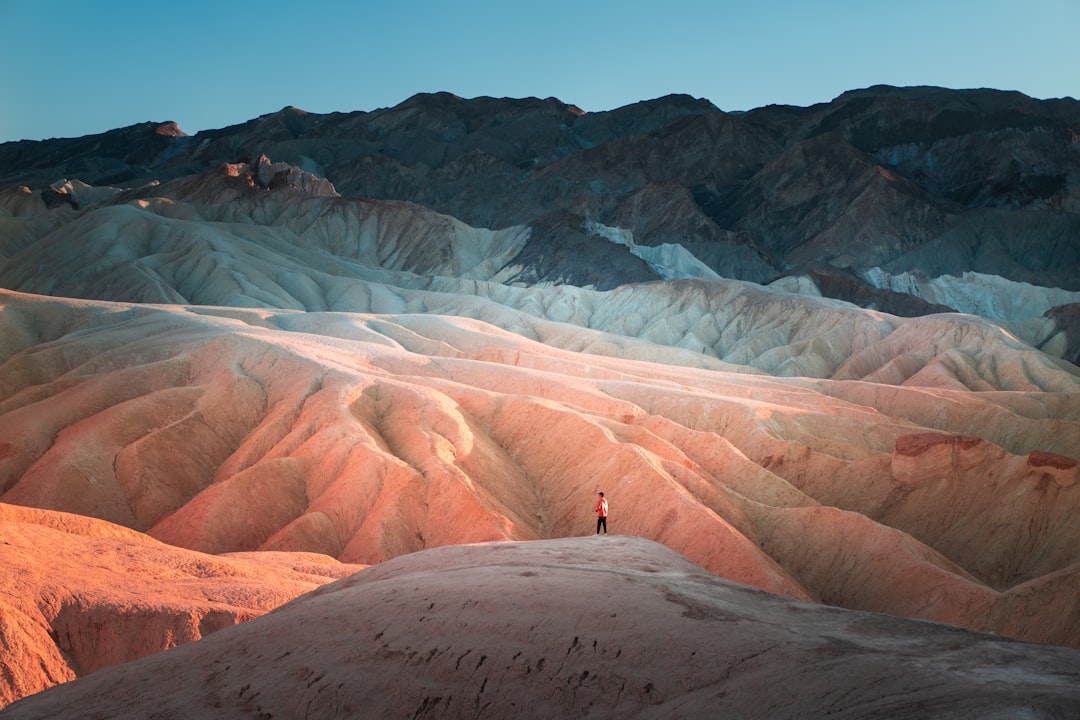
How much does a World Cup trip to Philadelphia cost? One of the more affordable East Coast cities — honest daily budgets and where to find real value.
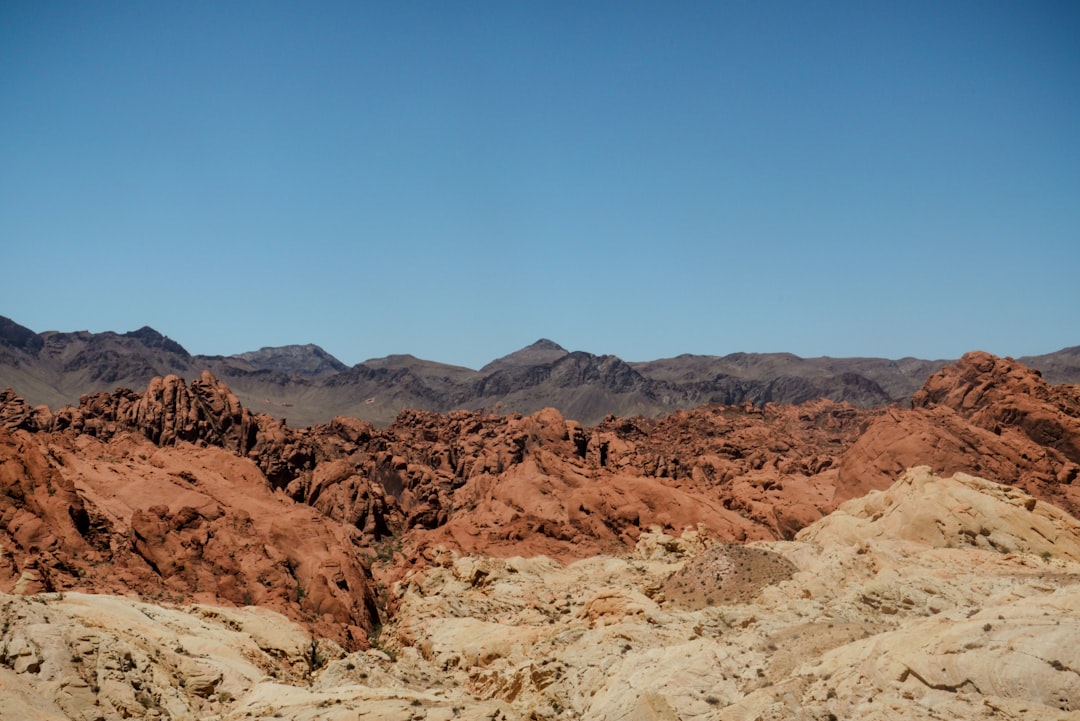
Everything World Cup visitors need to know about Philadelphia's most famous food — what it is, where to eat it, the Pat's vs. Geno's question, and the options beyond the tourist circuit.
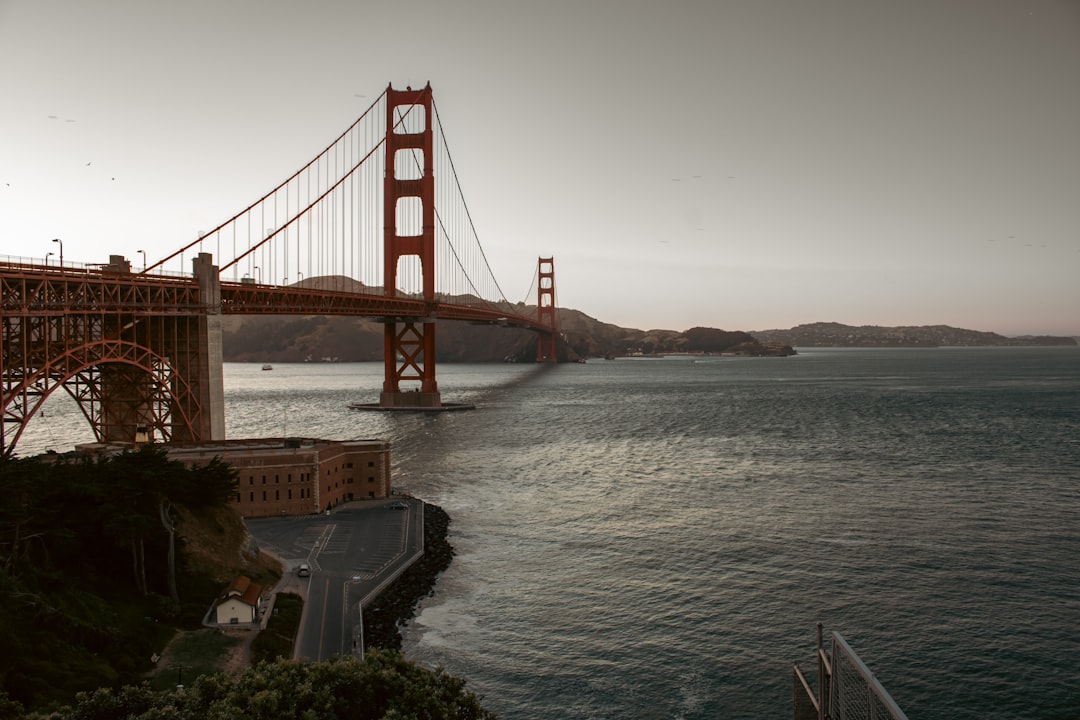
New York City, Washington DC, Lancaster County, and Cape May — the best day trips from Philadelphia, with honest transport times.
Beyond the cheesesteak — Reading Terminal Market, the Italian Market, Zahav, and the full range of Philadelphia's underrated food scene for World Cup visitors.
Independence Hall, the Liberty Bell, the Constitution, and why Philadelphia is the most historically significant World Cup host city in the United States.
Old City, Fishtown, Rittenhouse Square, and the Italian Market — where to stay and explore in Philadelphia during the World Cup, with honest tradeoffs.
Where to drink in Philadelphia during the World Cup — Old City bars, Fishtown, South Street, and the East Passyunk corridor after dinner.
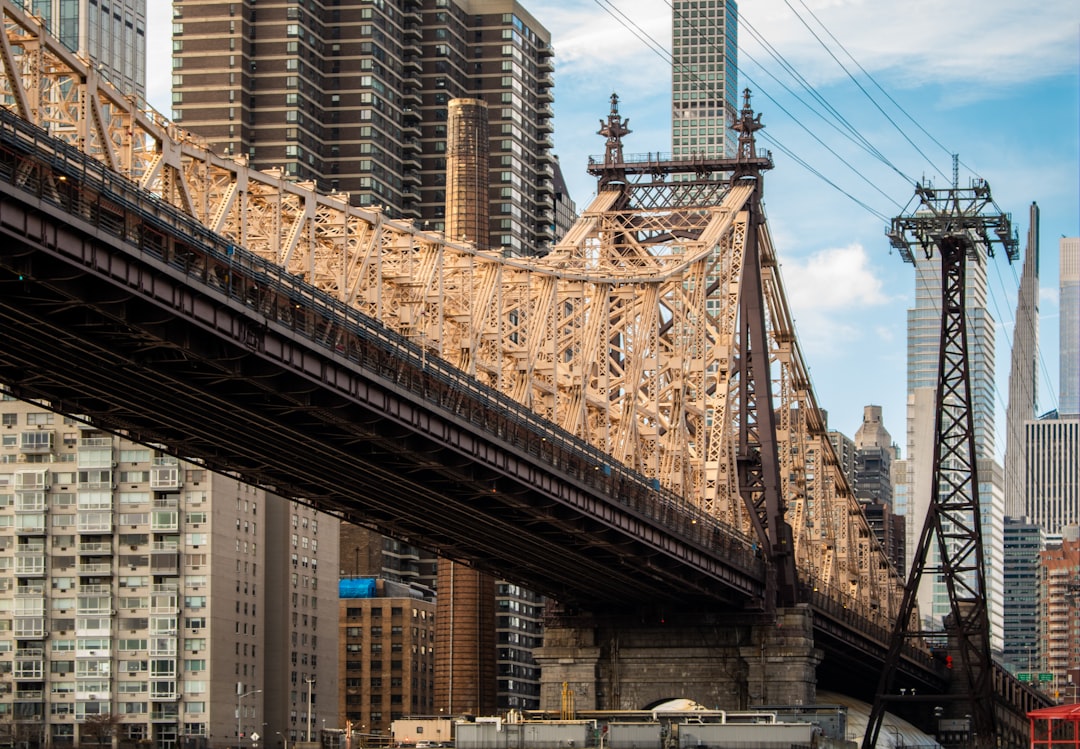
SEPTA Broad Street Line to Lincoln Financial Field, the Market-Frankford Line, airports, and navigating Philadelphia for FIFA World Cup 2026 visitors.
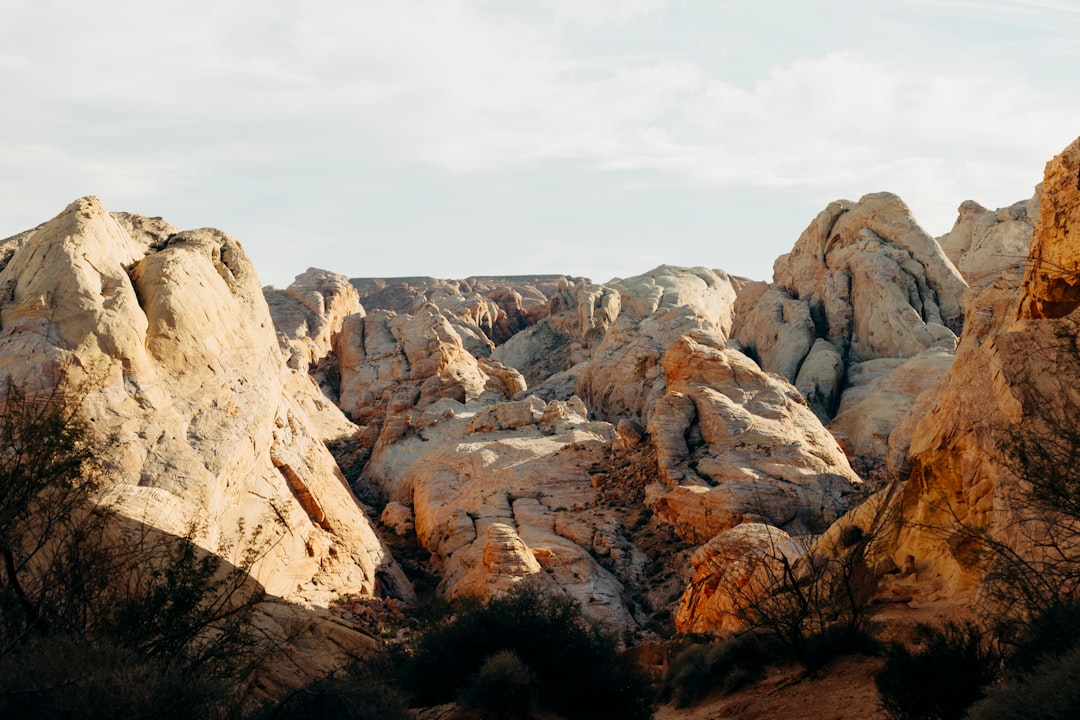
Everything you need for the World Cup in Philadelphia — Lincoln Financial Field, the city's neighborhoods, cheesesteaks, history, and what makes Philly a compelling host.
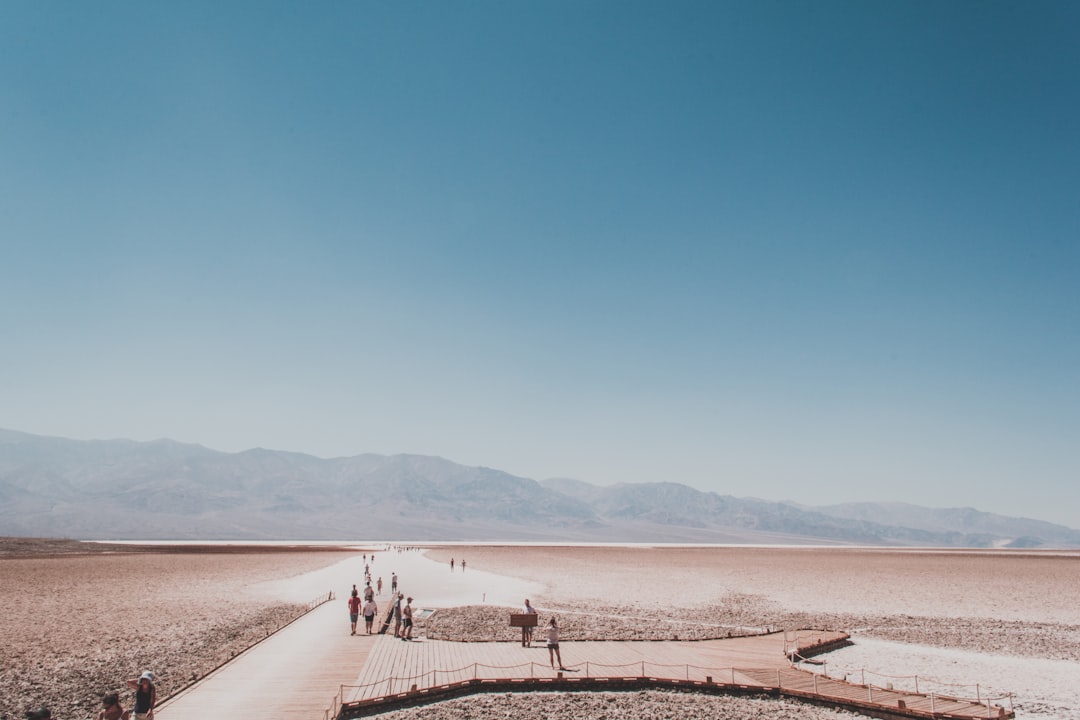
The essential San Francisco — Golden Gate, Alcatraz, the neighborhoods, the hills, the fog, and what to actually do in one of America's most distinctive cities.
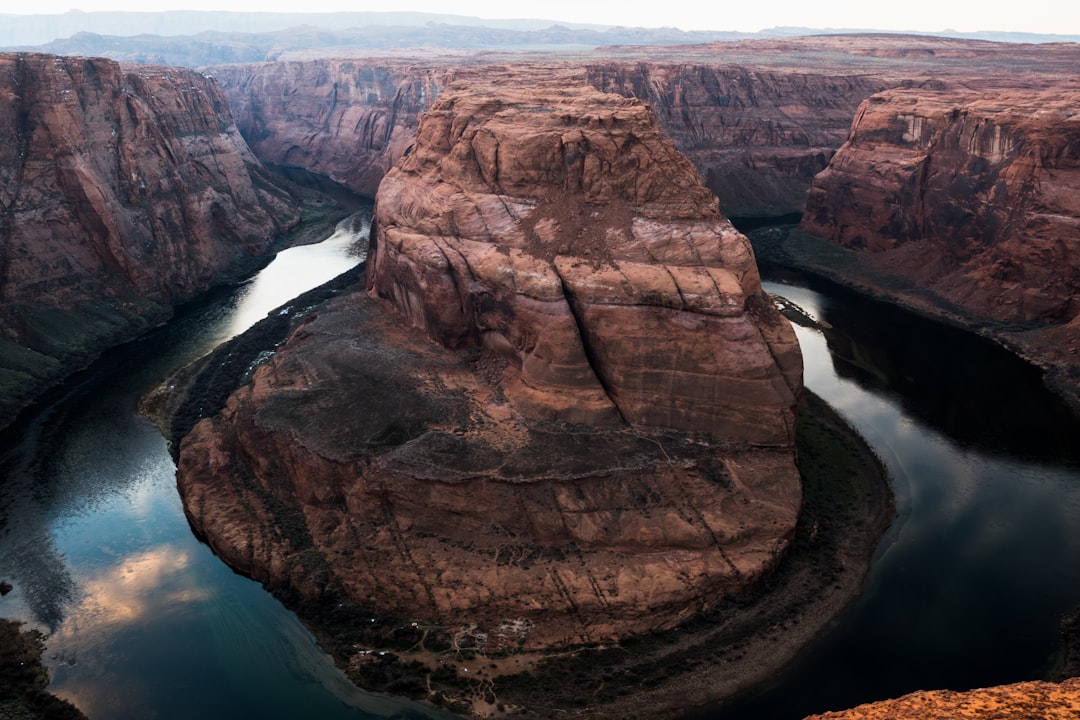
How much does a World Cup trip to Seattle cost? A mid-tier US city for price — honest daily budgets and where Seattle offers genuine value.
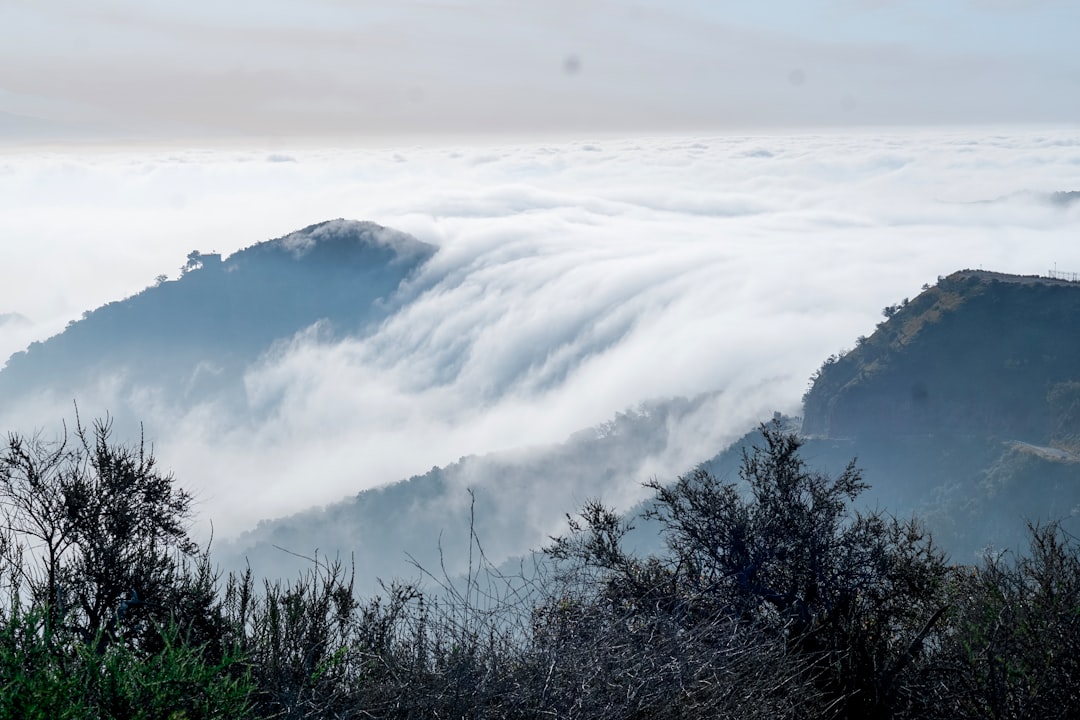
Seattle invented the modern coffee shop — here's where to actually drink coffee beyond Starbucks, from Espresso Vivace to Victrola to the best roasters in the Pacific Northwest.
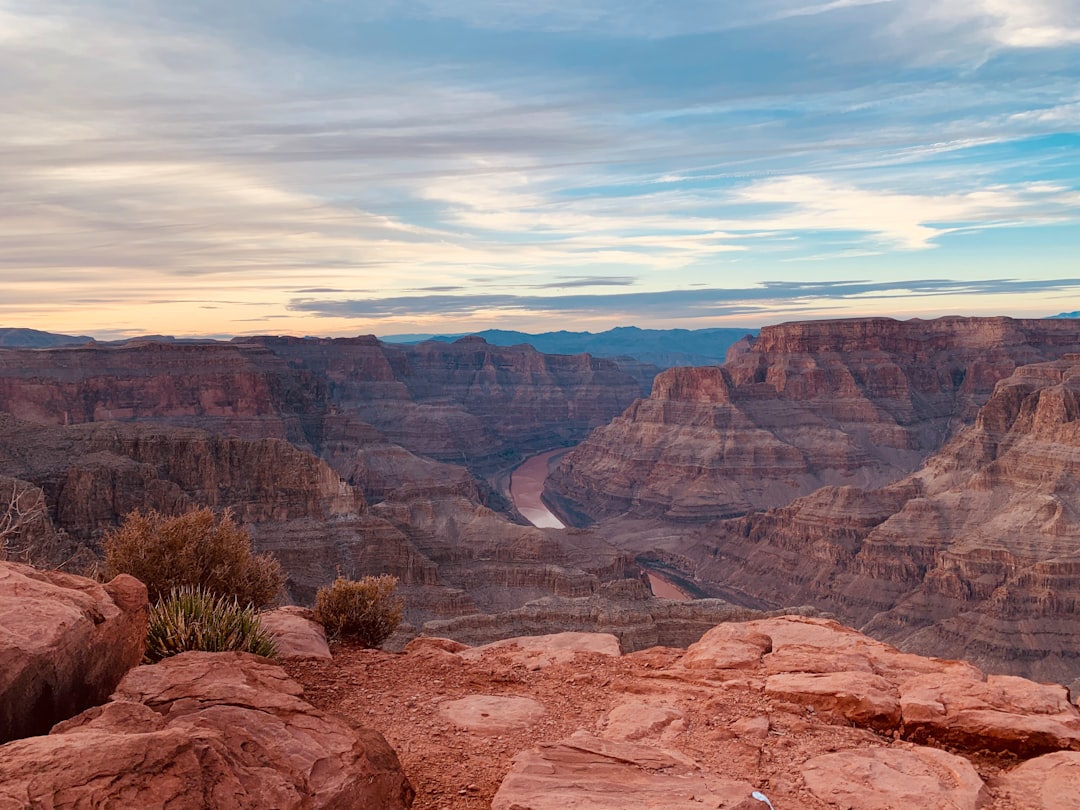
Mount Rainier, the Olympic Peninsula, Snoqualmie Falls, and more — the best day trips from Seattle, with honest transport times.
Pacific salmon, Dungeness crab, oysters, Pike Place Market, and the Pacific Northwest farm-to-table scene — the essential food guide to Seattle for World Cup visitors.
Parks, trails, kayaking, and outdoor activities in Seattle during the World Cup — Discovery Park, Lake Union, and the urban nature access that makes Seattle unique.
Capitol Hill, Pike Place, Fremont, Ballard — where to stay and explore in Seattle during the World Cup, with honest tradeoffs for each area.
Where to drink in Seattle during the World Cup — the Capitol Hill bar scene, Pike/Pine corridor, Belltown, and where to find live music in the Pacific Northwest.
Link Light Rail to Lumen Field, Sea-Tac Airport, Seattle buses, and navigating the Pacific Northwest city for FIFA World Cup 2026 visitors.
Everything you need for the World Cup in Seattle — Lumen Field, the city's neighborhoods, Pacific Northwest food, coffee culture, and why Seattle surprises most visitors.
How much does a World Cup trip to San Francisco cost? One of the most expensive US cities — honest daily budgets and where to find real value.
Muir Woods, Monterey, Yosemite, and more — the best day trips from San Francisco during the World Cup, with honest transport times.
The best food in San Francisco and the Bay Area for World Cup visitors — Mission taquerias, dim sum, Ferry Building, Noma-influenced restaurants, and the specific SF dishes worth knowing.
Where to stay in the SF Bay Area for the World Cup — San Francisco neighborhoods, Oakland, and South Bay options with honest transport tradeoffs.
Where to drink and go out in San Francisco during the World Cup — the Mission bars, North Beach, the Castro, SOMA clubs, and the best late-night spots.
Caltrain to Levi's Stadium, BART, Muni, and navigating the Bay Area's complex but functional transit network for FIFA World Cup 2026 visitors.
Day trips from San Francisco to California wine country during the World Cup — how to visit Napa Valley and Sonoma without a car, what to taste, and what it costs.
San Francisco, San Jose, and Silicon Valley host FIFA World Cup 2026 at Levi's Stadium — what to know before you arrive, and why the Bay is unlike any other World Cup city.
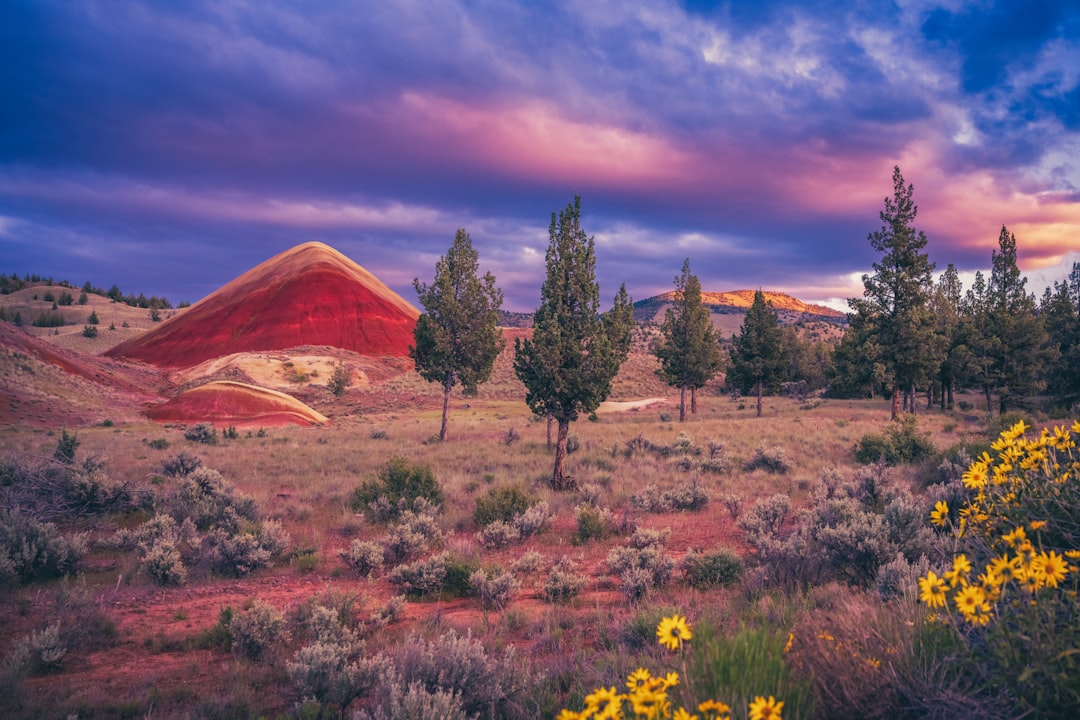
Inside SoFi Stadium for FIFA World Cup 2026 — getting there, gates, food, what to bring, and how to leave without spending 90 minutes in traffic.
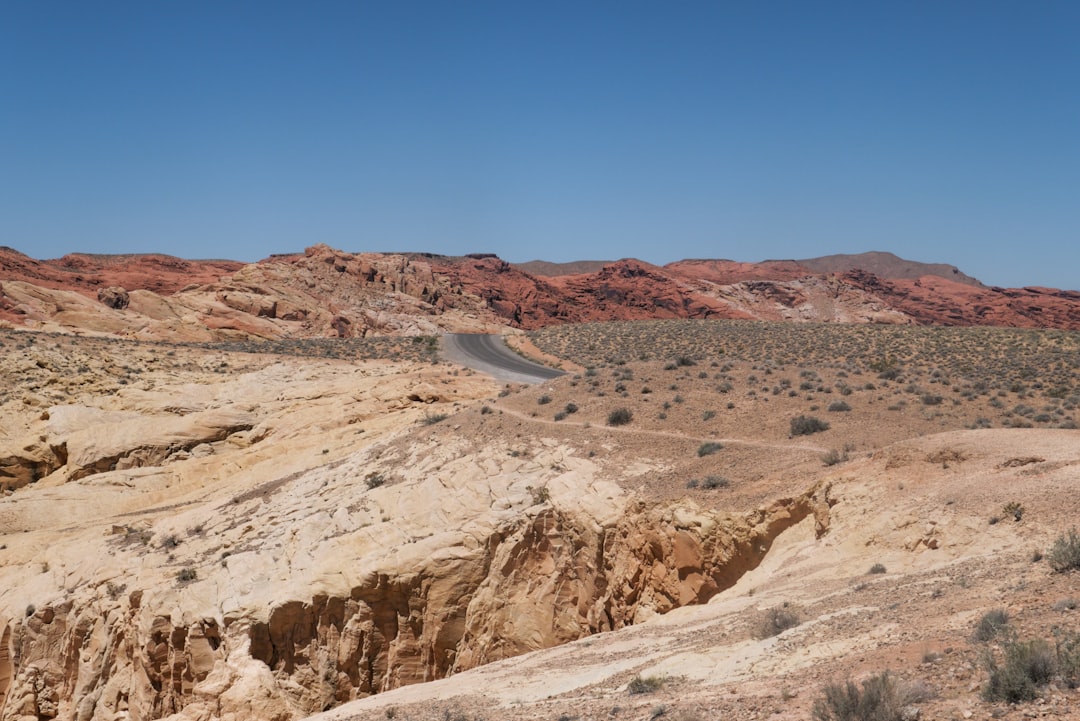
How much does the World Cup cost in CDMX? One of the most affordable cities in the tournament — real daily budgets and where the genuine value is.
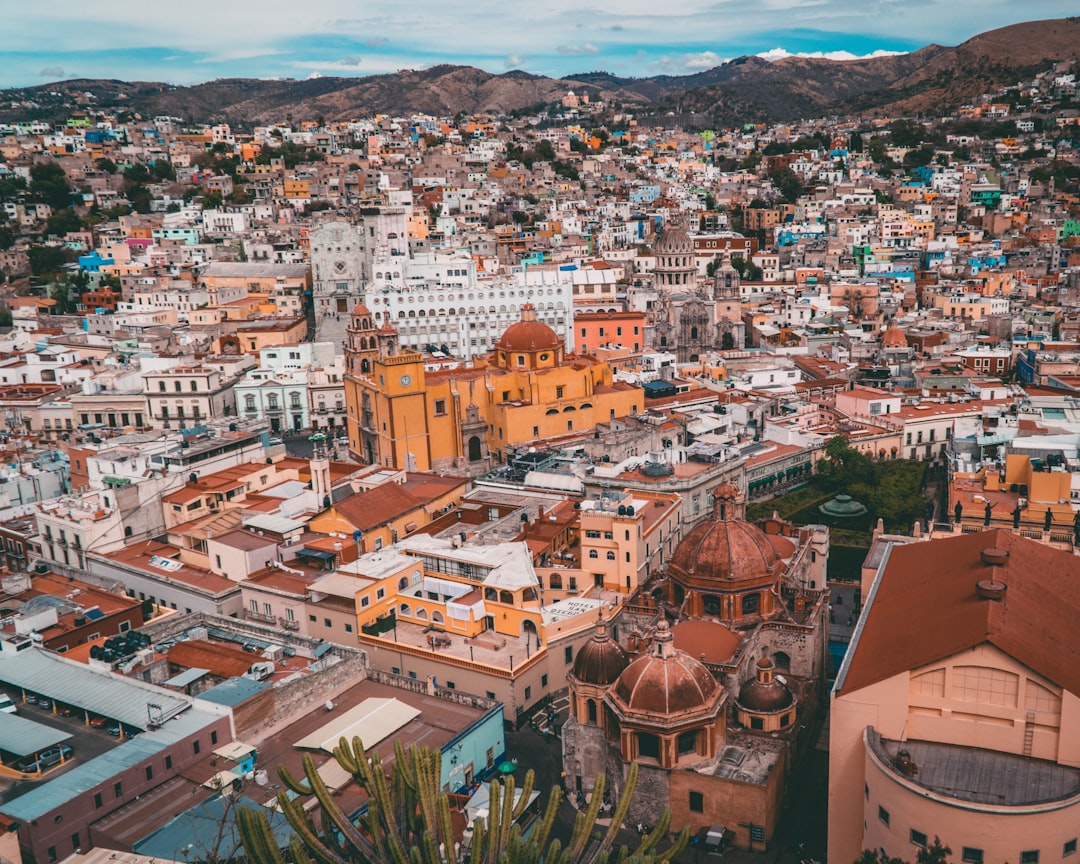
The Museo Nacional de Antropología, Rivera's murals, Frida Kahlo, and the cultural life of Latin America's most creative capital.
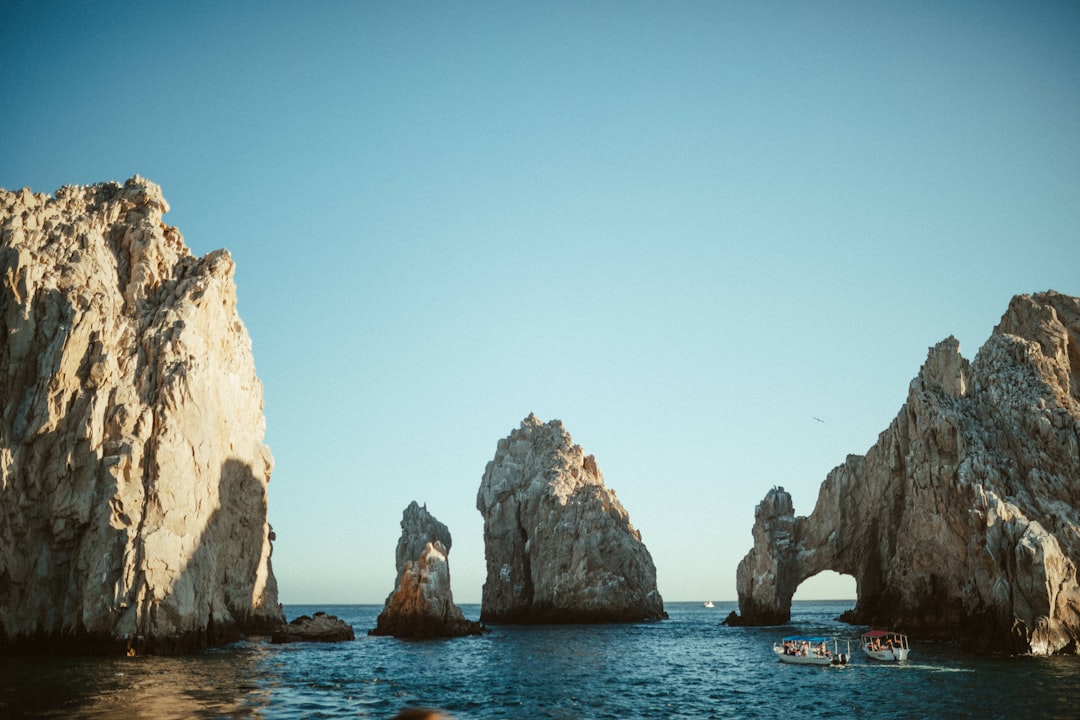
Teotihuacán, Taxco, Cuernavaca, Xochimilco, and Puebla — the best day trips from CDMX during the World Cup, with real travel times.
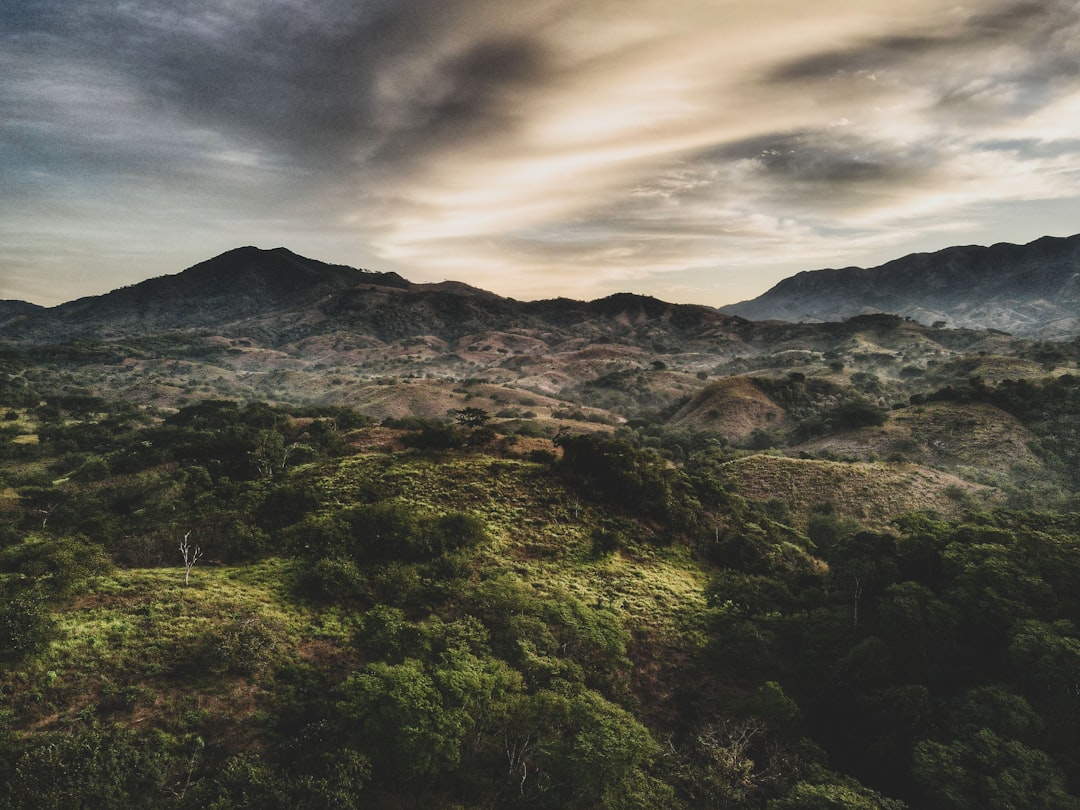
Tacos, mole, ceviches, markets, and the best restaurants of one of the world's food capitals — the CDMX food guide for the World Cup.
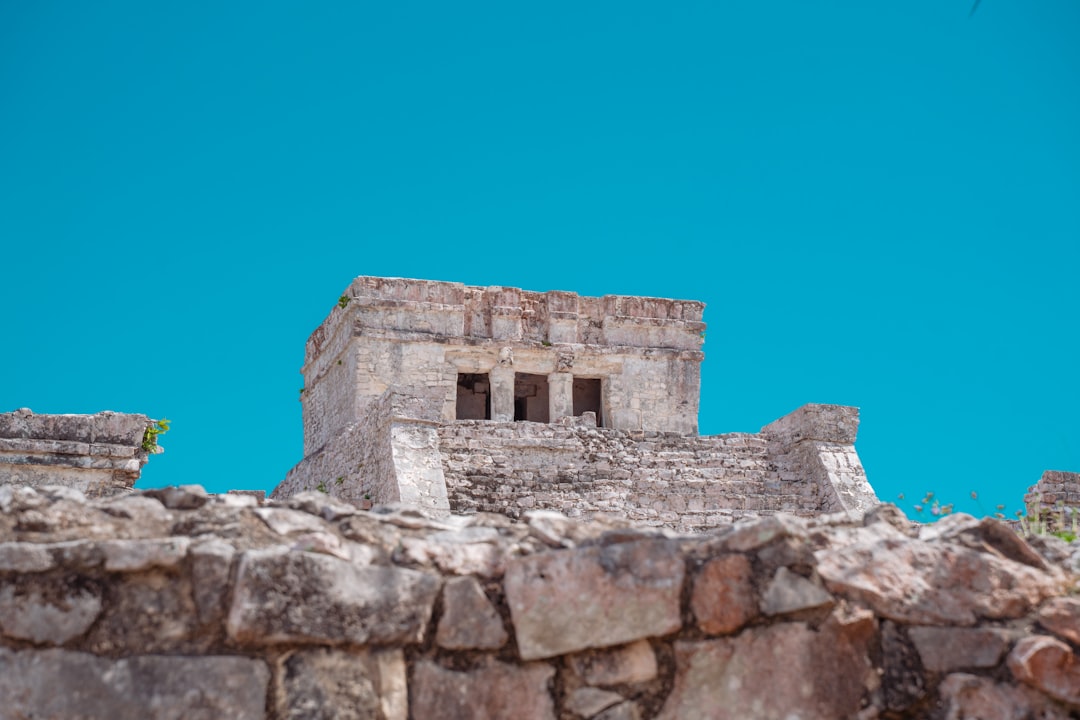
Roma, Condesa, Polanco, Coyoacán, and the Centro Histórico — where to stay and explore in CDMX during the World Cup, with real differences between each area.
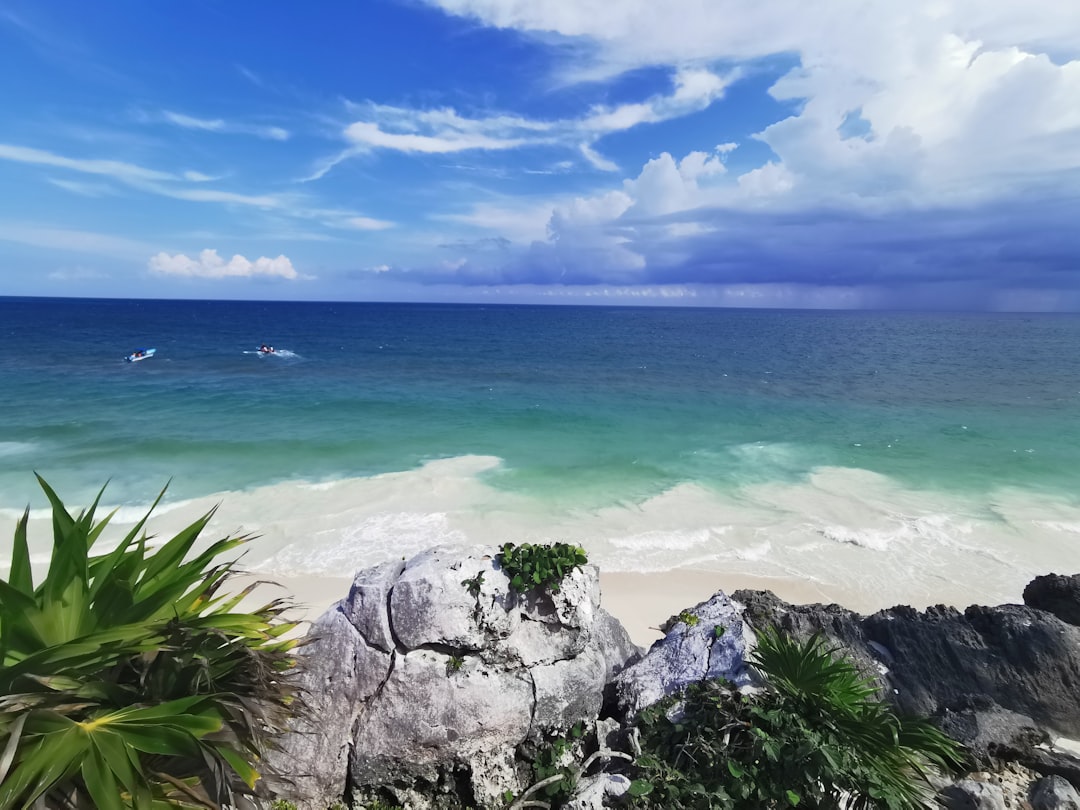
Bars, cantinas, clubs, and nightlife in CDMX during the World Cup — Roma and Condesa at night, Centro cantinas, and the cocktail scene that put CDMX on the map.
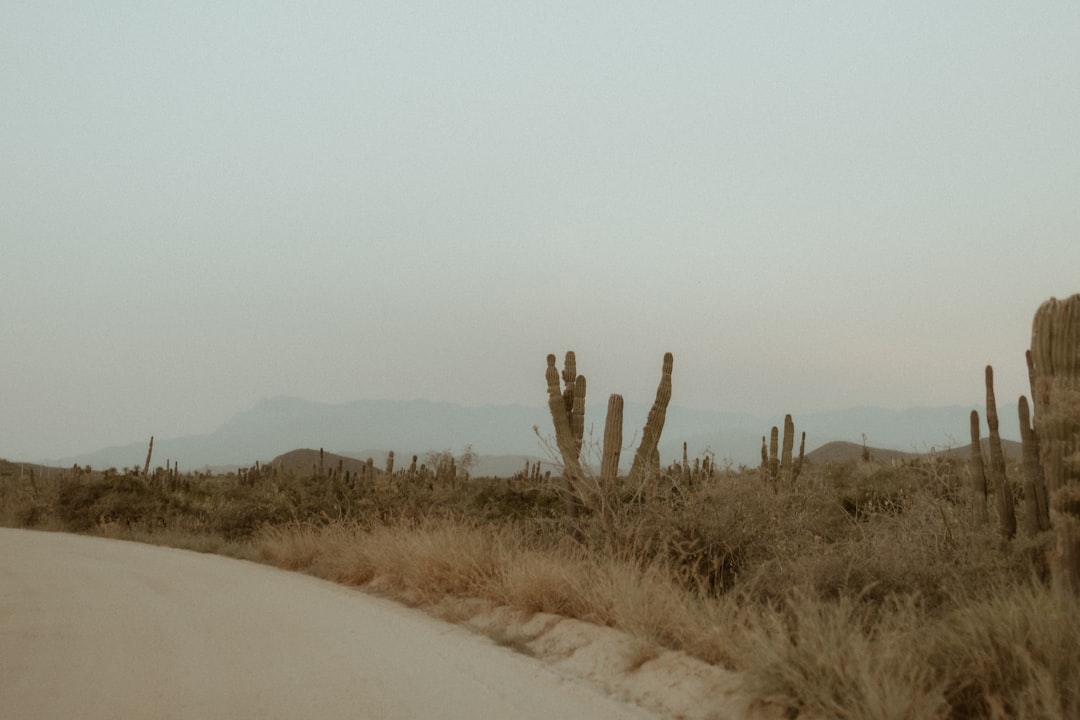
How to visit Teotihuacán from CDMX — the Pyramids of the Sun and Moon, the history of the largest city in the pre-Hispanic world, and how to go without an organized tour.
The CDMX Metro, Metrobús, Uber, and how to get to Estadio Azteca for the 2026 FIFA World Cup — the complete transport guide to the capital.
Everything you need to know for the 2026 World Cup in Mexico City — Estadio Azteca, the neighborhoods, the food, and why CDMX is the richest destination in the tournament.
How to get to Estadio Akron in Guadalajara for FIFA World Cup 2026 — transit, what to expect inside, and the atmosphere of the Chivas home ground.
Everything for match day at Estadio Azteca — how to get there, what to expect, the history of the world's most iconic football stadium, and practical tips.
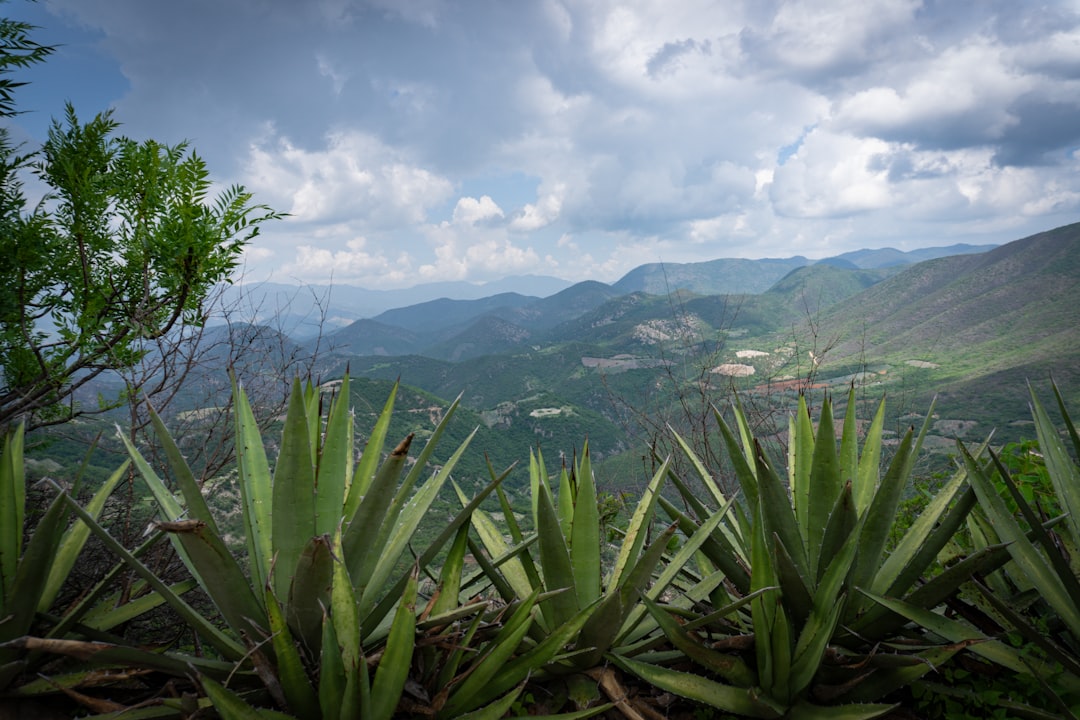
One of Latin America's finest stadiums — how to get to Estadio BBVA in Guadalupe, Monterrey, what to expect inside, and the atmosphere of the Rayados home ground.
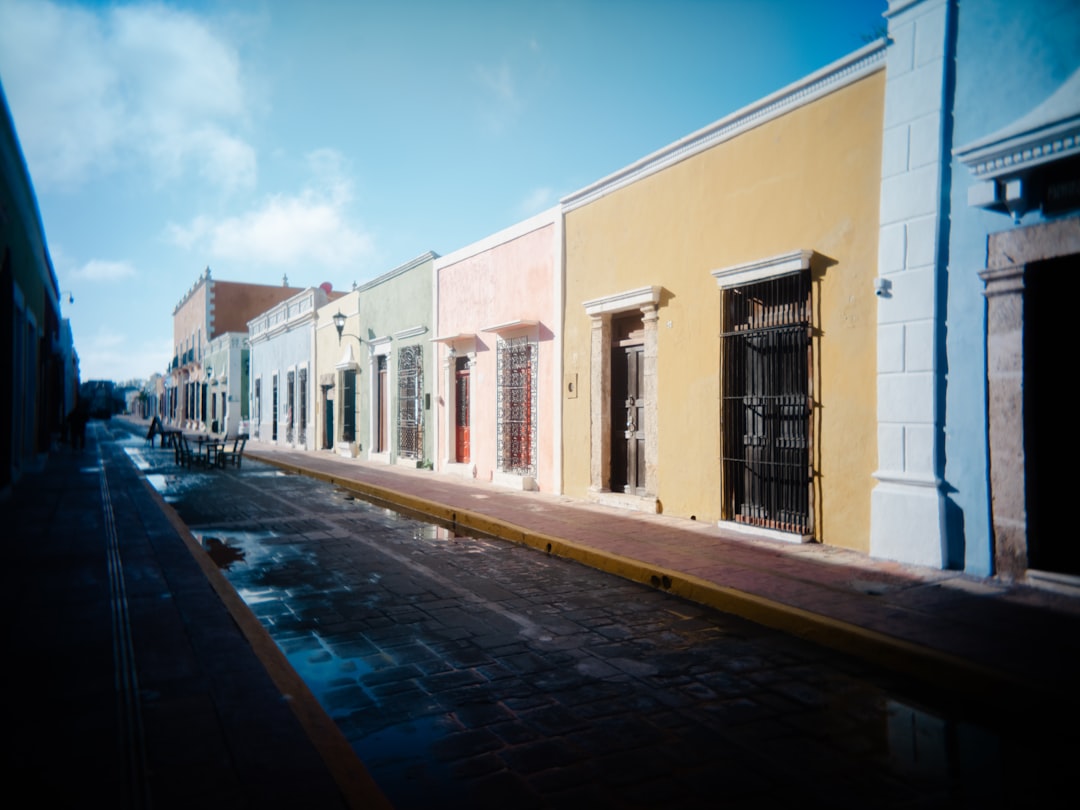
What the World Cup costs in Guadalajara — one of the most affordable cities in the tournament, with real daily budgets and where to find genuine value.
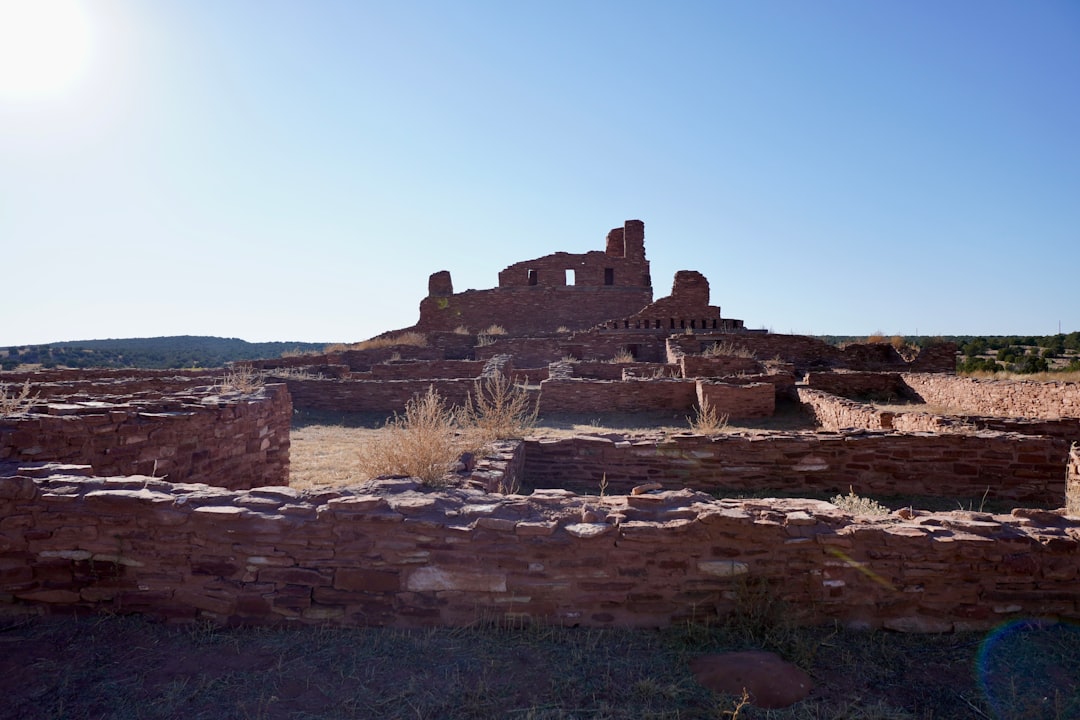
Instituto Cultural Cabañas, Orozco's murals, Tlaquepaque, mariachi, and the cultural identity of the Pearl of the West.
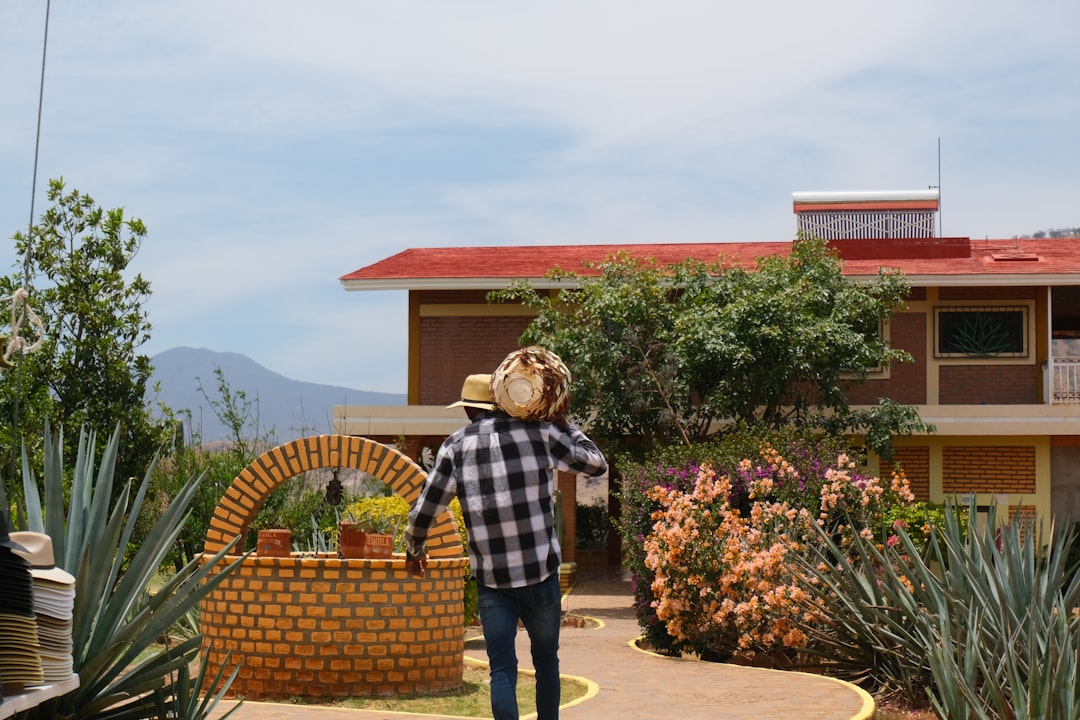
Tequila, Lake Chapala, Mazamitla, and Guanajuato — the best day trips from Guadalajara's World Cup base.
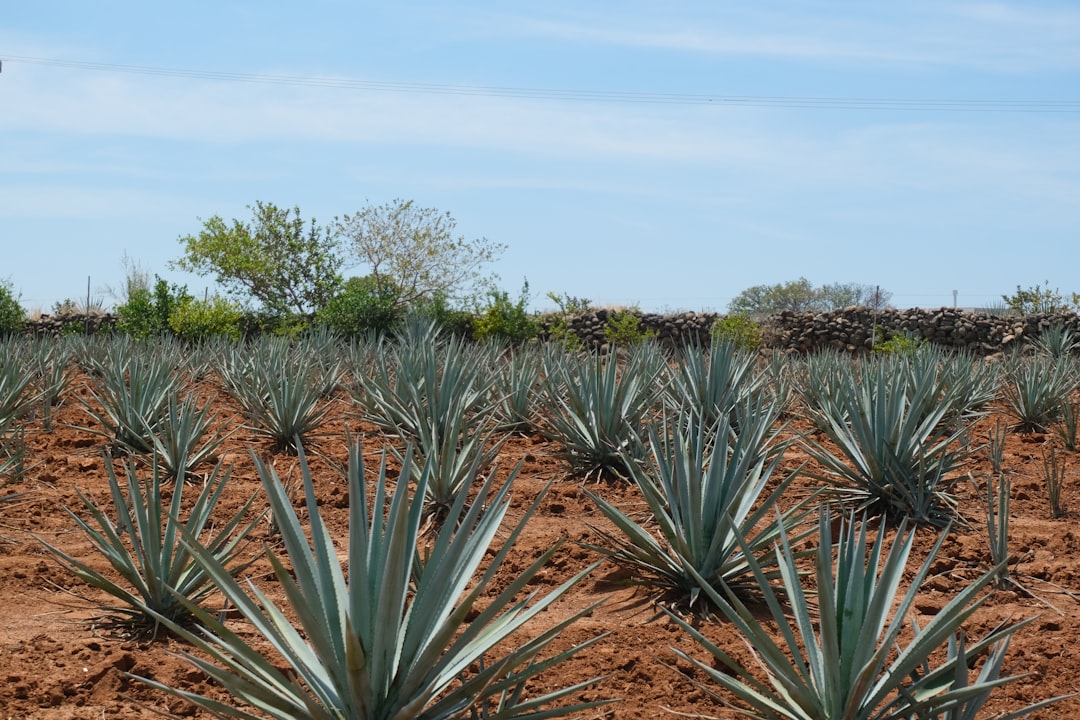
Birria, tortas ahogadas, red pozole, and Jaliscan cuisine — the complete food guide to Guadalajara for World Cup visitors.
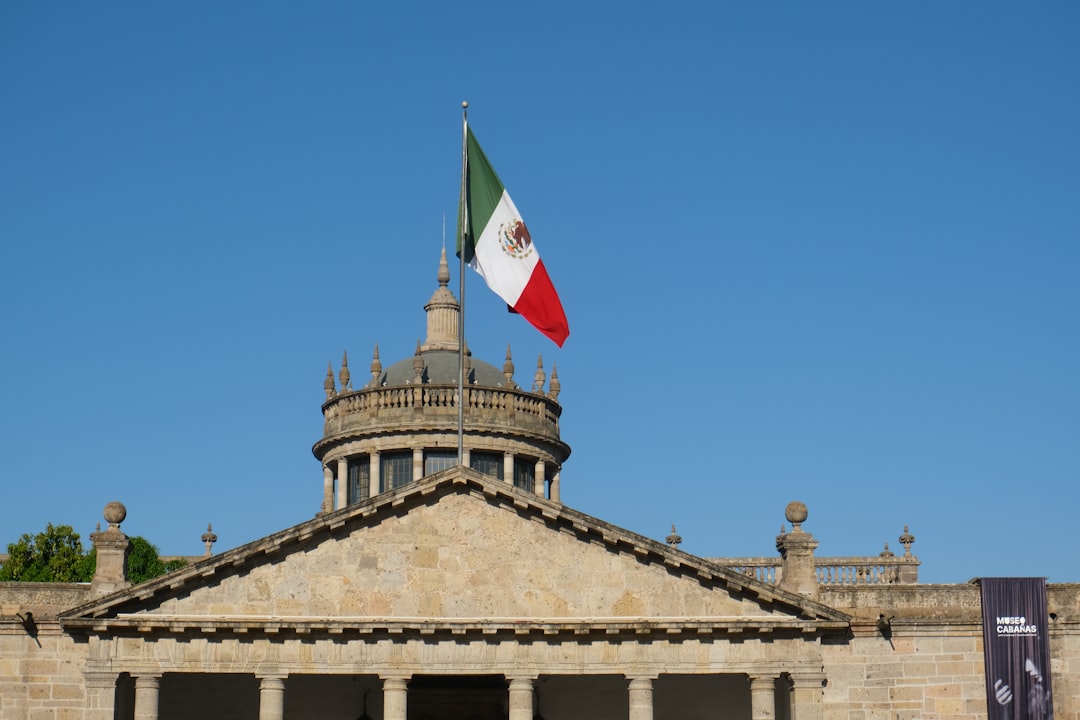
Chapultepec, the Historic Center, Providencia, and Tlaquepaque — where to stay and explore in Guadalajara during the World Cup.
Avenida Chapultepec, the historic cantinas, tequila at night, and the nightlife of Mexico's second city during the World Cup.
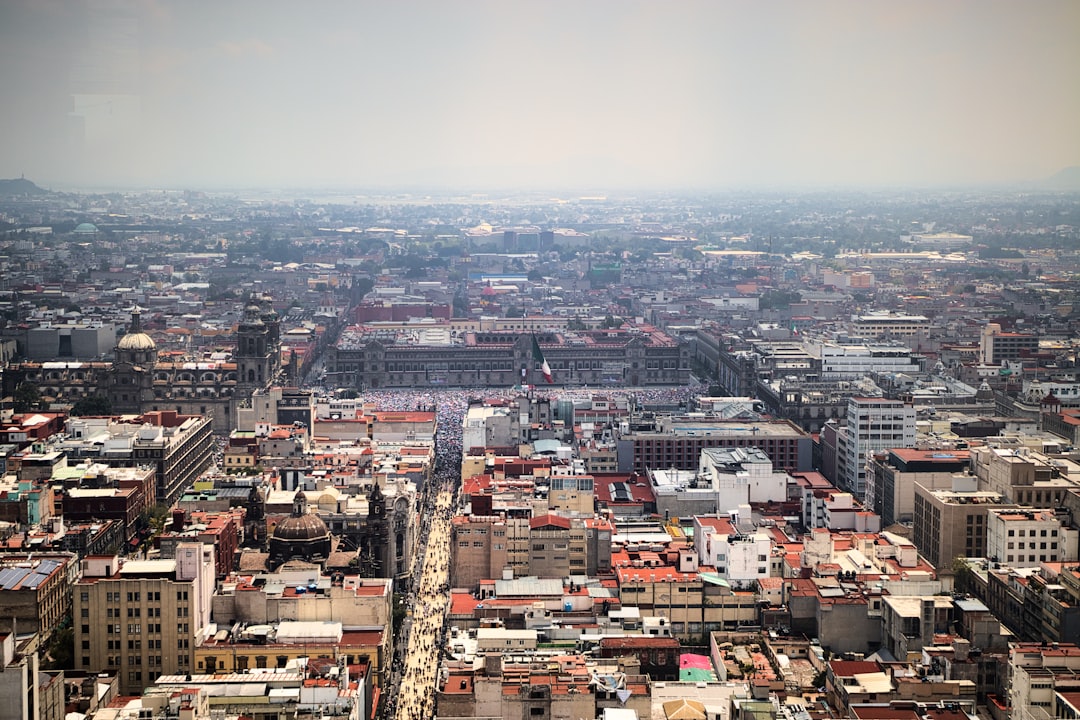
Visiting the tequila-producing region from Guadalajara — the Expreso Tequila, the distilleries, and understanding the difference between tequilas during the World Cup.
The Tren Ligero, Macrobús, Uber, and how to get to Estadio Akron for the FIFA World Cup 2026 — the complete transport guide to the Pearl of the West.
Everything you need for the World Cup in Guadalajara — Estadio Akron, the home of mariachi and tequila, Tlaquepaque, and why the Pearl of the West surprises every visitor.
What does the World Cup cost in Monterrey? The most affordable host city in the tournament — real daily budgets and where to find genuine value in Mexico's industrial capital.
Parque Fundidora, MARCO, Barrio Antiguo, and the cultural identity of Mexico's most important industrial city.
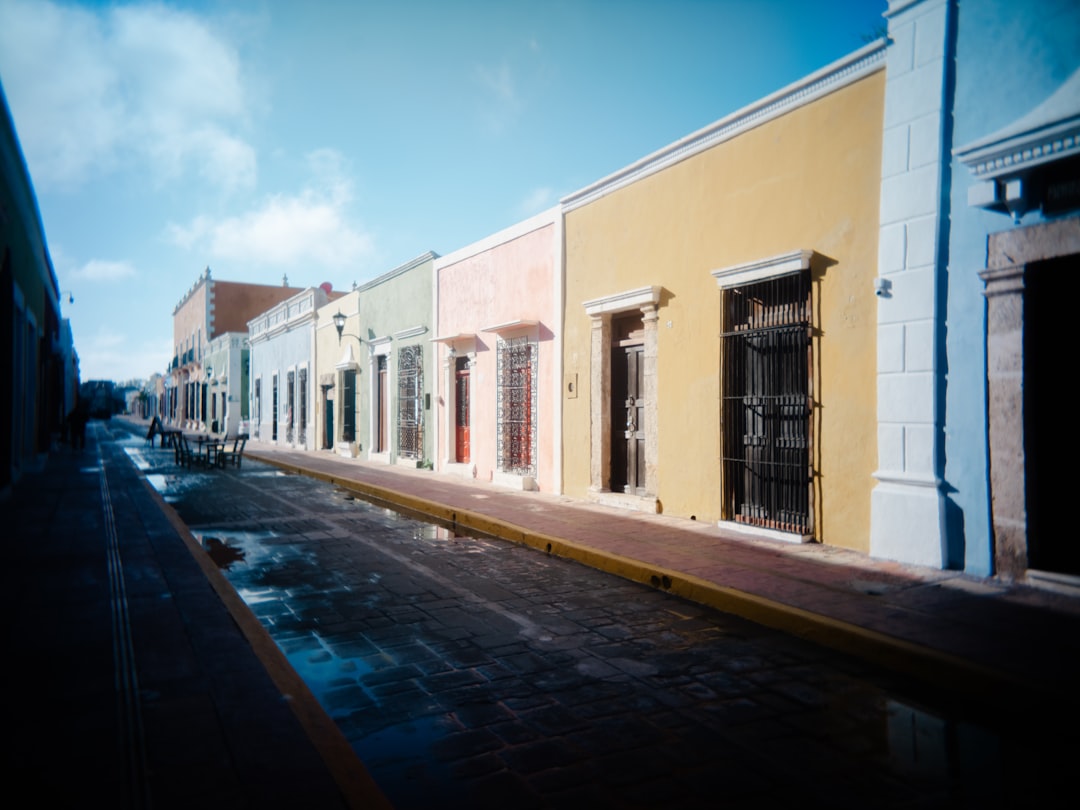
La Huasteca, Cola de Caballo, Grutas de García, and Linares — the most accessible natural escapes from Mexico's northernmost World Cup host city.
Cabrito al pastor, northern-style carne asada, machaca, pan de semita, and the cuisine of northern Mexico — what to eat in Monterrey during the World Cup.
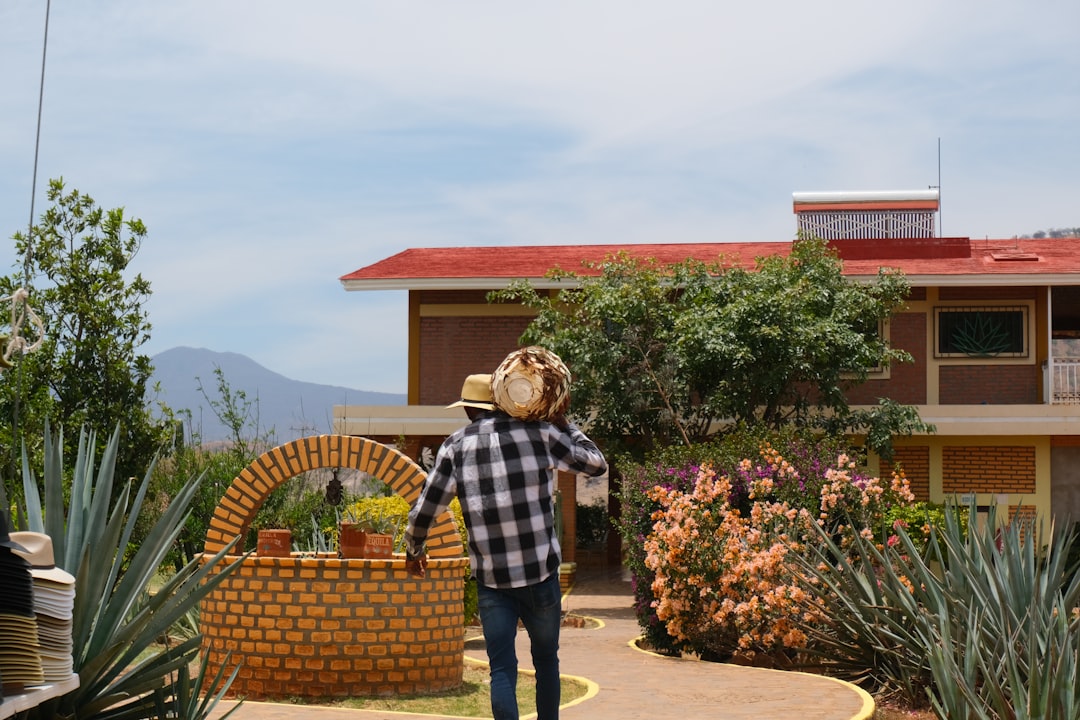
La Huasteca, Cola de Caballo, the Grutas de García, and Cumbres National Park — accessing the Sierra Madre from Mexico's northernmost World Cup host city.
Barrio Antiguo, San Pedro Garza García, Centro, and the modern city — where to stay and how to move around Monterrey during the World Cup.
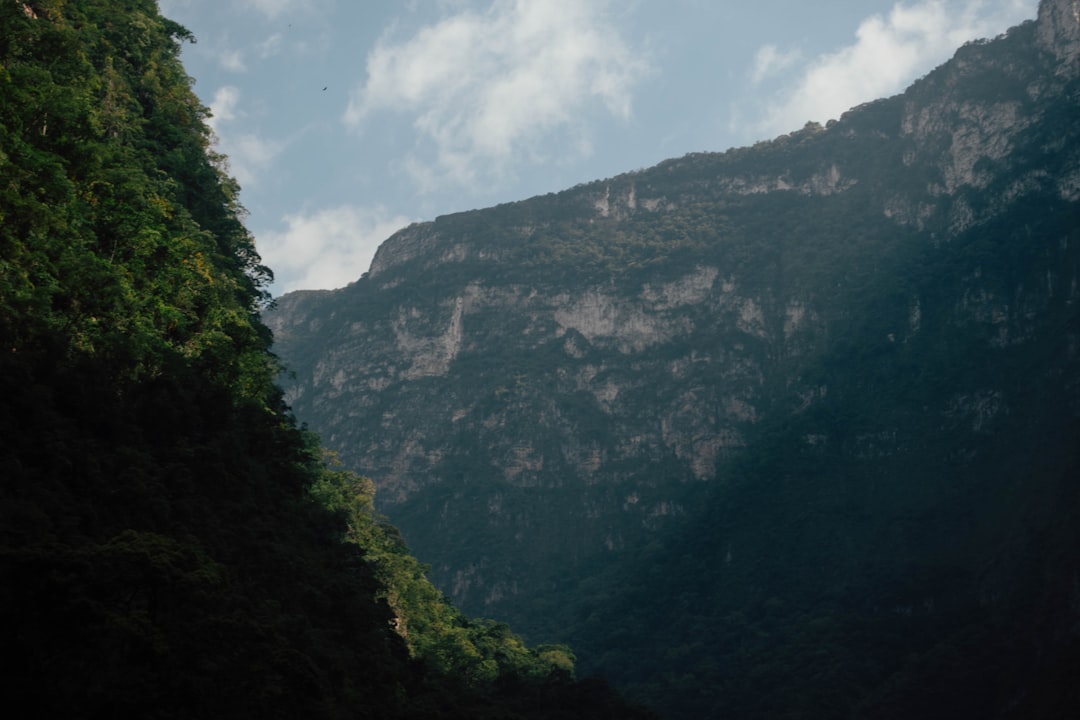
Barrio Antiguo, San Pedro Garza García, and nightlife in Mexico's northernmost World Cup city — cantinas, bars, and clubs during the tournament.
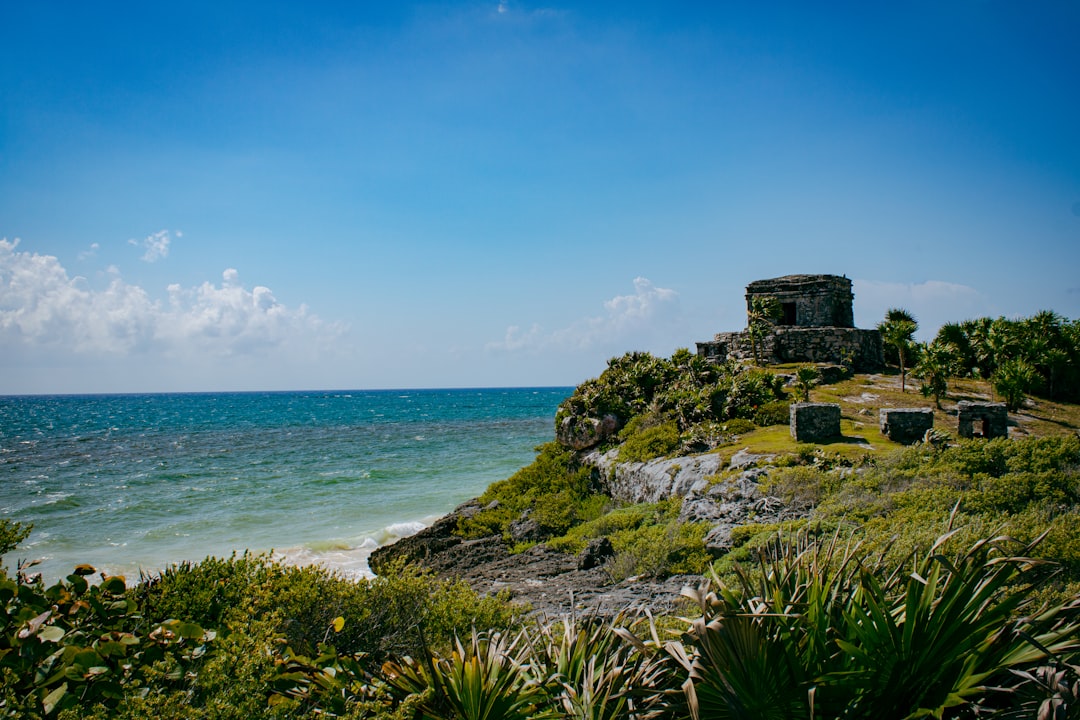
The Monterrey Metro, Uber, and how to get to Estadio BBVA for the 2026 FIFA World Cup — complete mobility guide for Mexico's industrial capital.
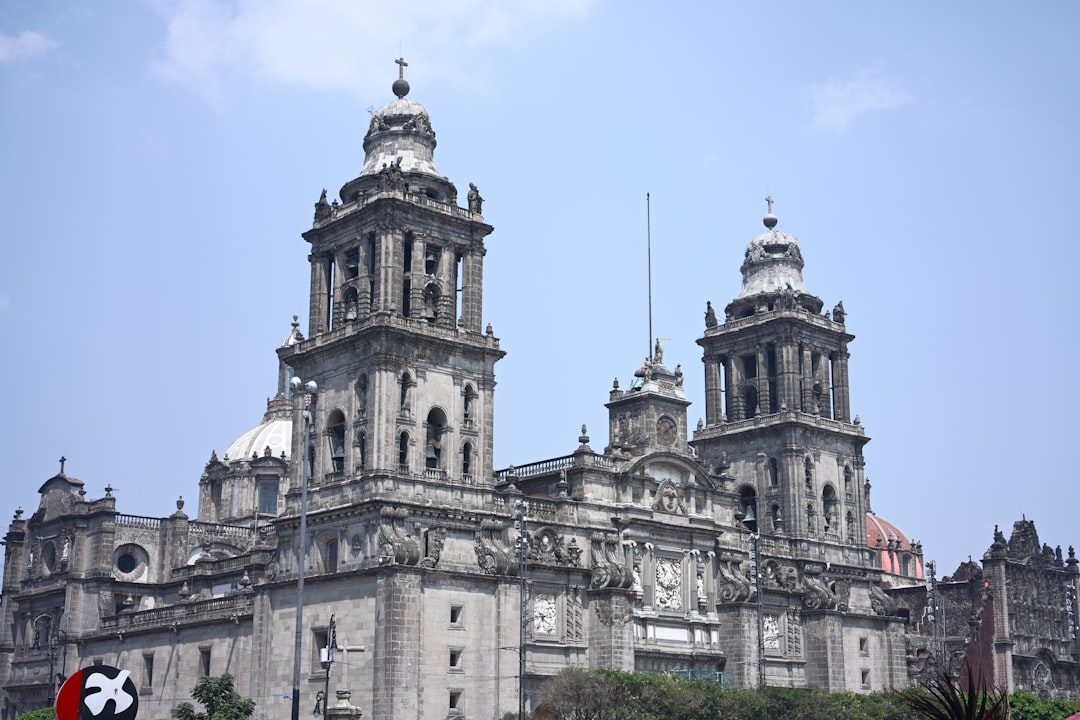
Everything you need to know about Monterrey as a World Cup 2026 host city — matches, Estadio BBVA, neighborhoods, food, and logistics.
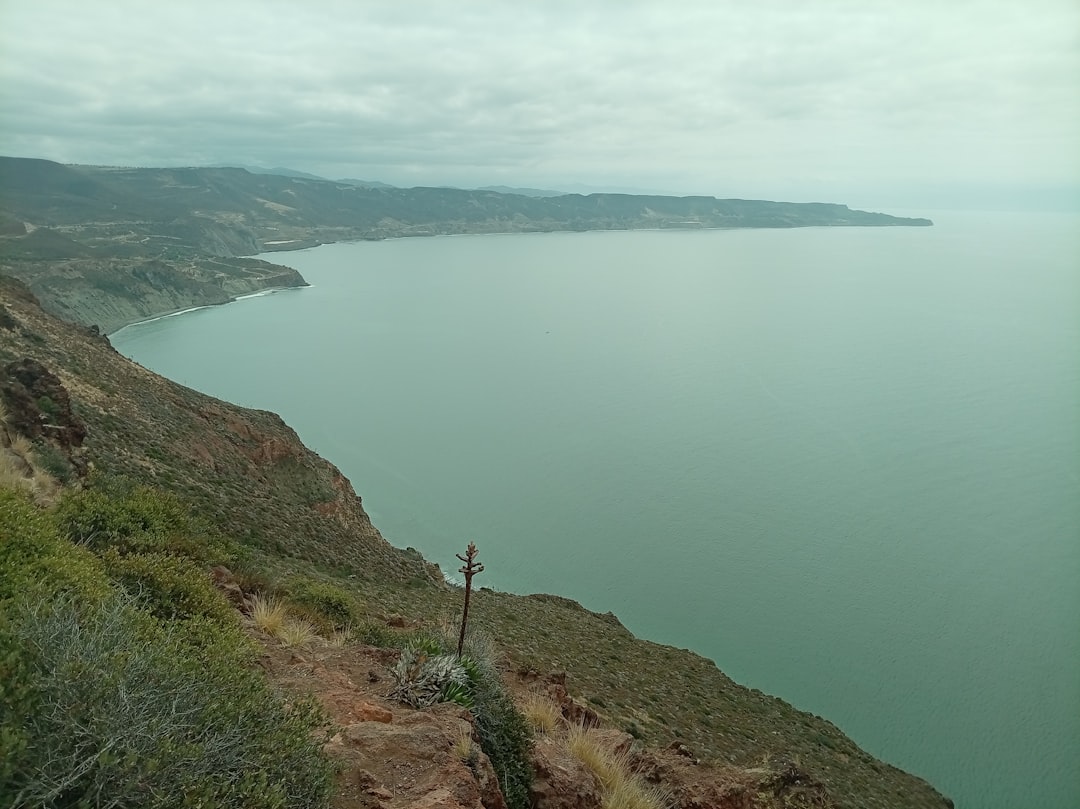
Everything for match day at BC Place in Vancouver — SkyTrain access, the retractable roof, False Creek waterfront approach, and FIFA World Cup 2026 logistics.
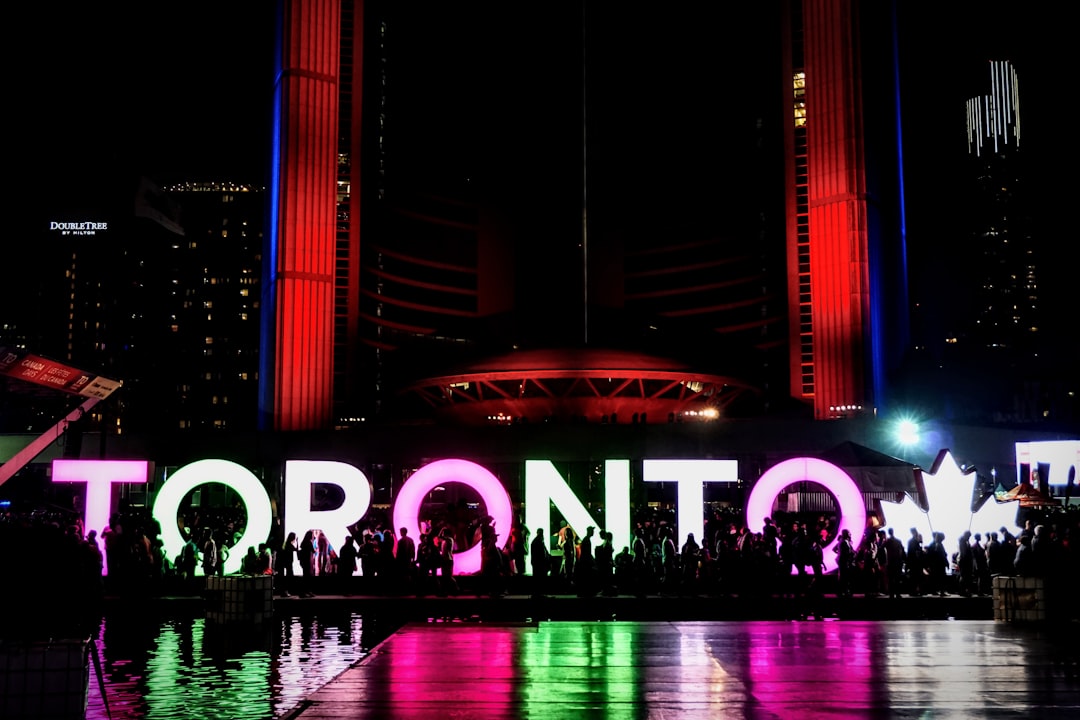
Everything for match day at BMO Field in Toronto — getting there by TTC, what to expect inside, the Exhibition Place waterfront setting, and FIFA World Cup 2026 logistics.
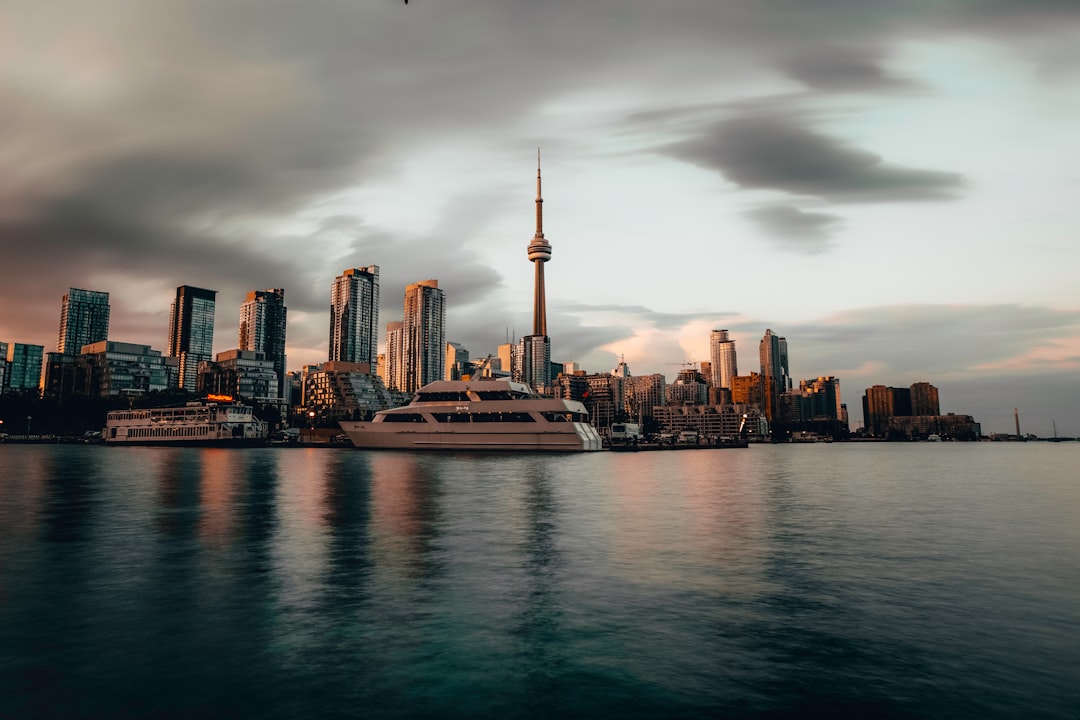
What a week in Toronto actually costs — accommodation, transit, food, match tickets, and how to manage the most expensive Canadian World Cup host city.
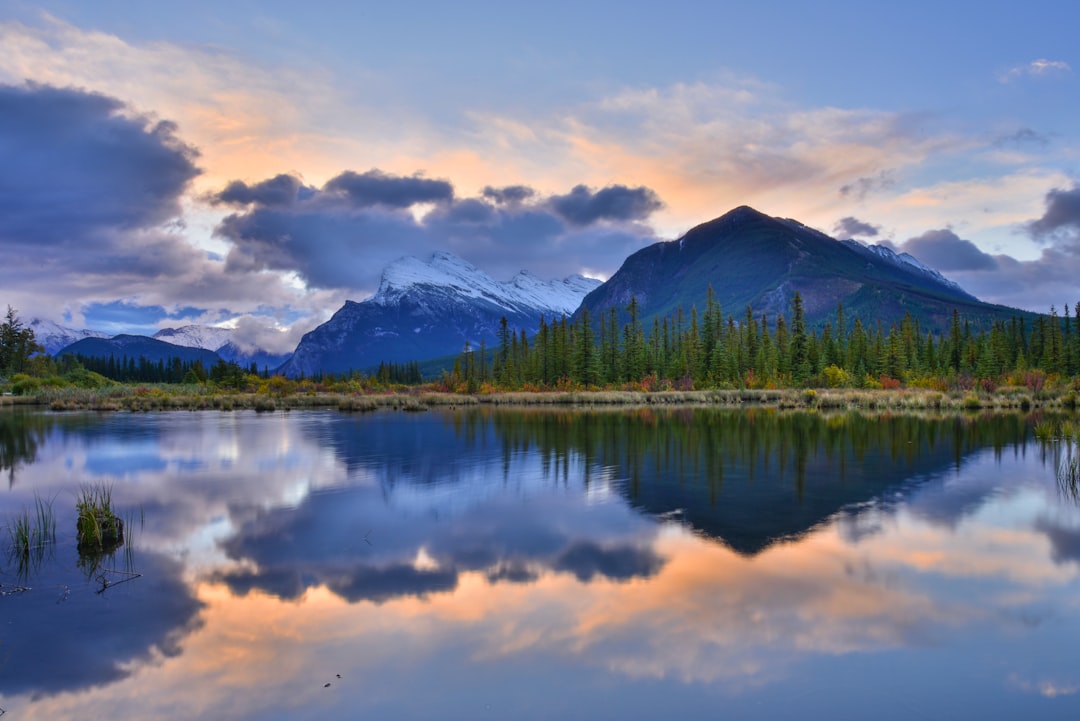
The CN Tower observation deck, EdgeWalk, Toronto Islands, Casa Loma, and the essential landmarks of Canada's largest city.
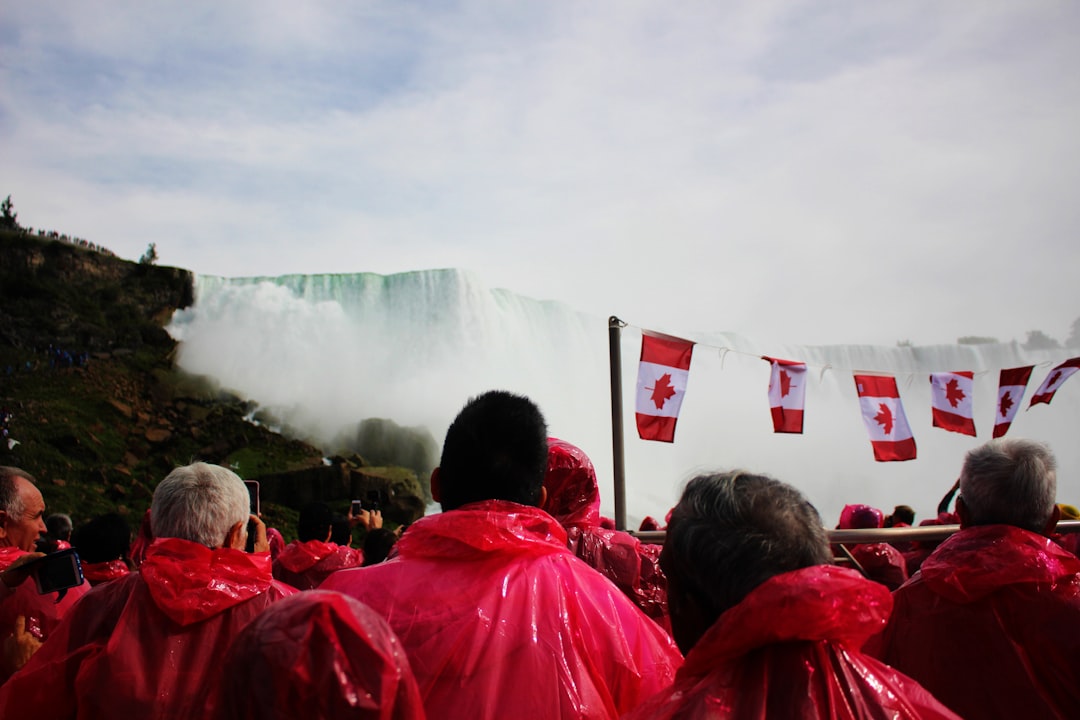
Niagara Falls, Niagara-on-the-Lake, Algonquin Park, and Prince Edward County — the best excursions from Toronto's World Cup base.
The most diverse restaurant city in the world — poutine, Hakka Chinese, West Indian roti, dim sum, and the independent restaurant scene that makes Toronto a genuine food city.
Kensington Market, Distillery District, Little Italy, and the Annex — where to stay and explore in Toronto during the World Cup, with honest tradeoffs.
Kensington Market, King Street West, the Entertainment District, and the bar scene for World Cup visitors in Toronto — where to drink and what to drink.
TTC subway, streetcars, GO Transit, the Union Pearson Express, and getting to BMO Field — how to move around Toronto during the World Cup.
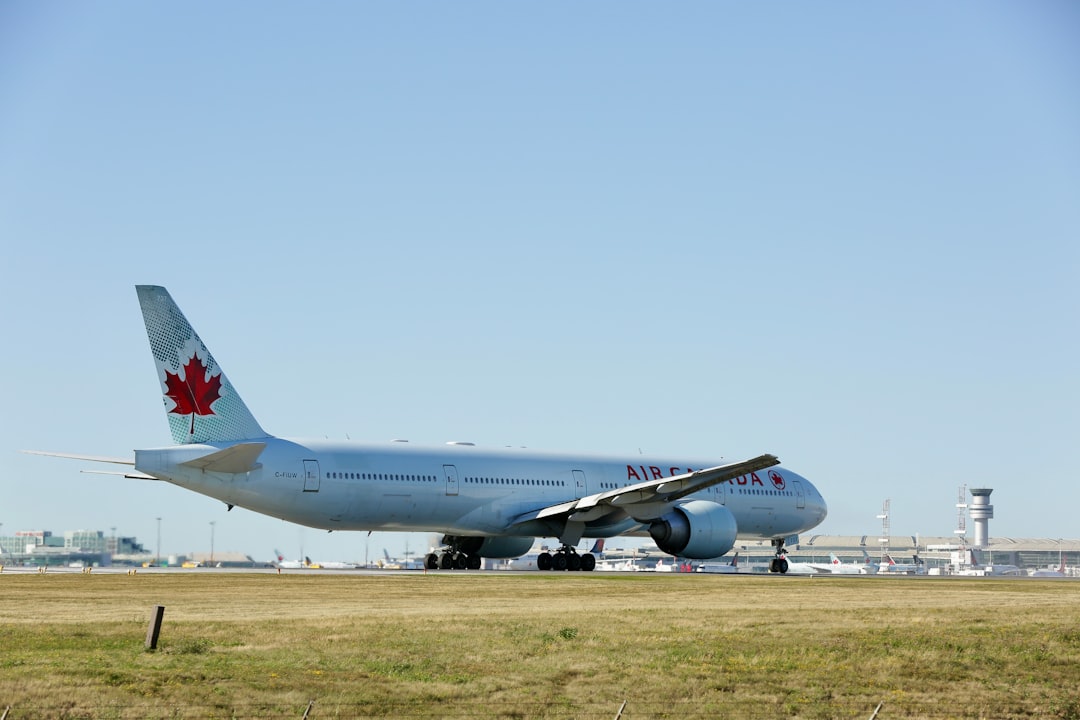
The Harbourfront, Toronto Islands, the Distillery District waterfront, and lake swimming — Toronto's relationship with Lake Ontario in summer.
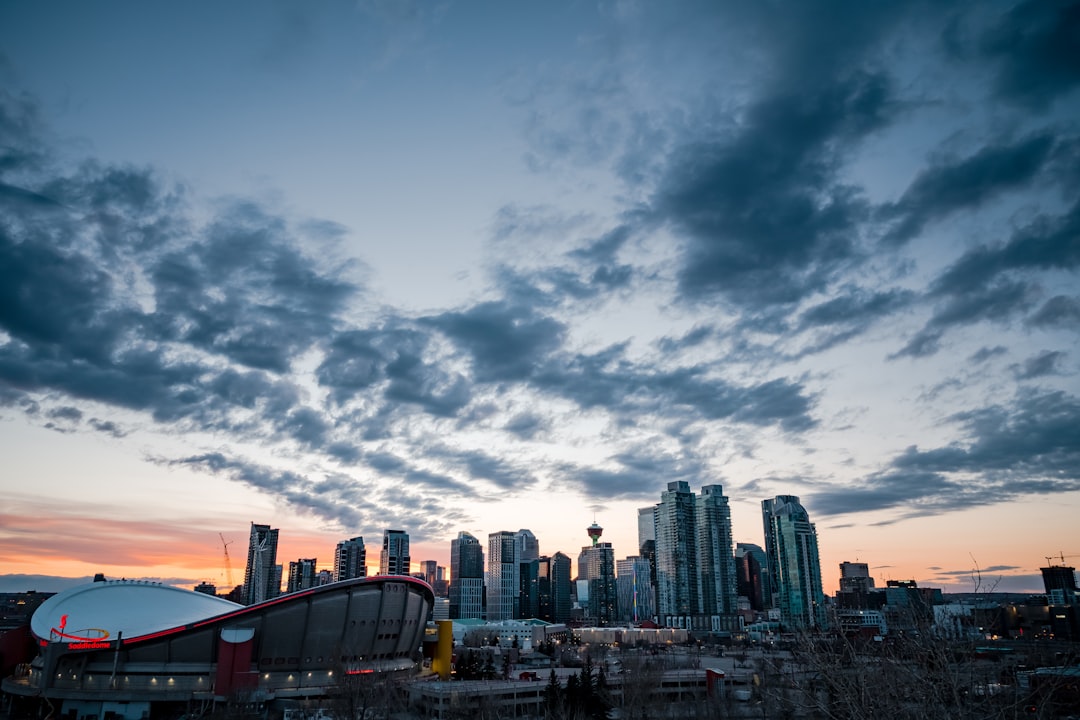
Everything you need for the World Cup in Toronto — BMO Field, the city's neighborhoods, the CN Tower, and why Toronto is the most diverse World Cup host city on the planet.
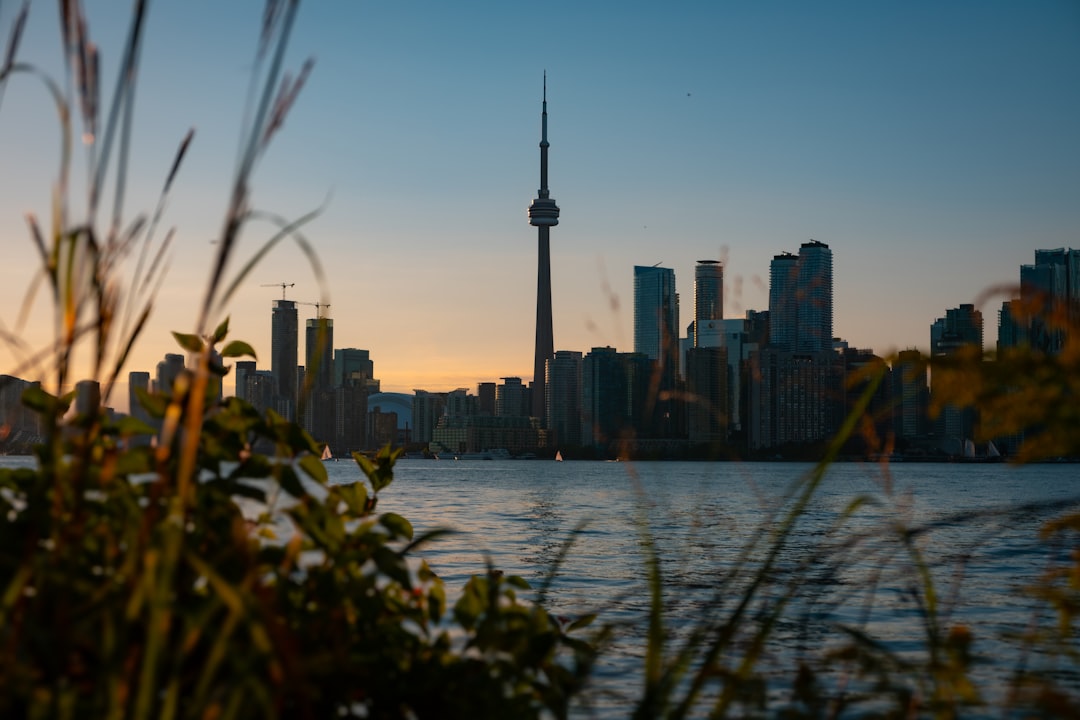
What a week in Vancouver actually costs — accommodation, transit, food, activities, and how to manage one of North America's most expensive cities.
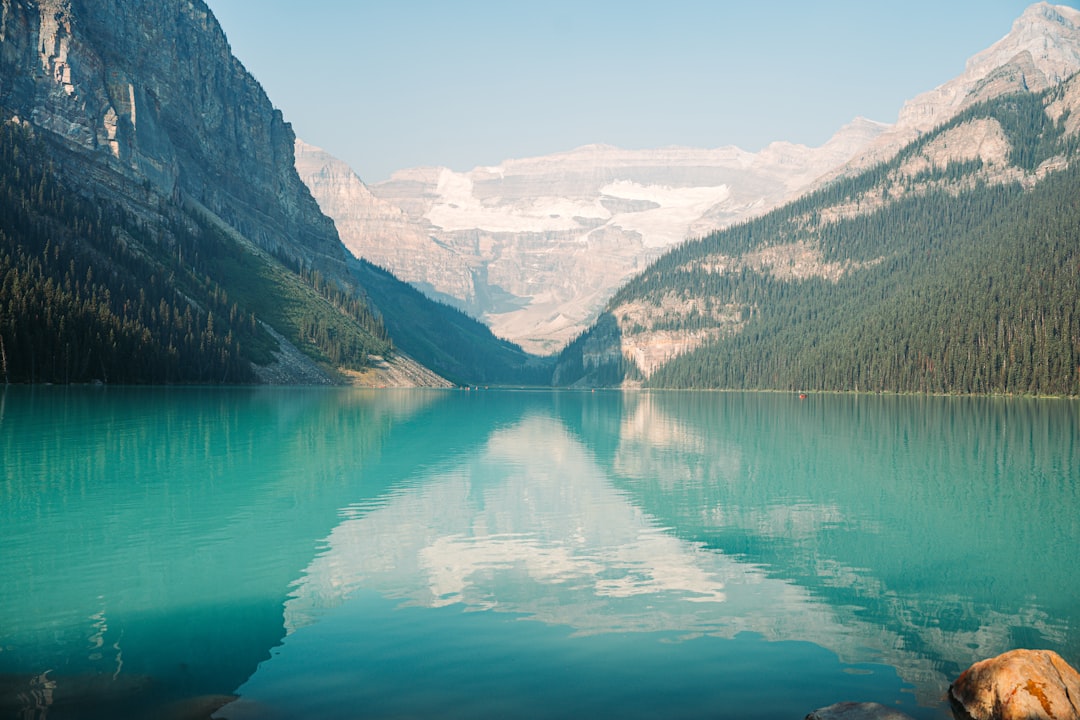
The Museum of Anthropology, Chinatown, Gastown's heritage architecture, Indigenous culture, and the arts identity of Canada's Pacific city.
Whistler, the Sea to Sky Highway, Squamish, Victoria, and the Gulf Islands — the best excursions from Vancouver's World Cup base.
Wild Pacific salmon, spot prawns, Granville Island Market, Richmond Chinese food, and the restaurants that make Vancouver one of the best food cities in North America.
Stanley Park, the Grouse Grind, sea kayaking, and the mountains behind the city — the outdoor experiences that make Vancouver the most scenic World Cup host.
Gastown, Kitsilano, Yaletown, the West End, and Mount Pleasant — where to stay and explore in Vancouver during the World Cup.
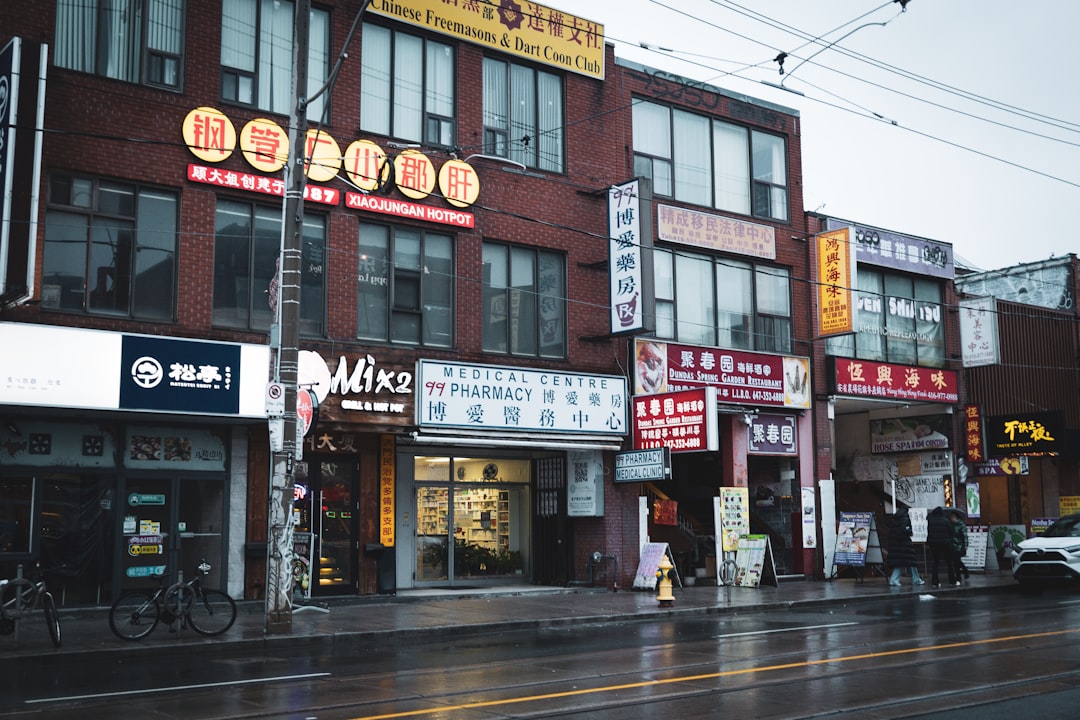
Gastown cocktail bars, Granville Street clubs, the Main Street craft beer corridor, and where to watch World Cup matches in Vancouver.
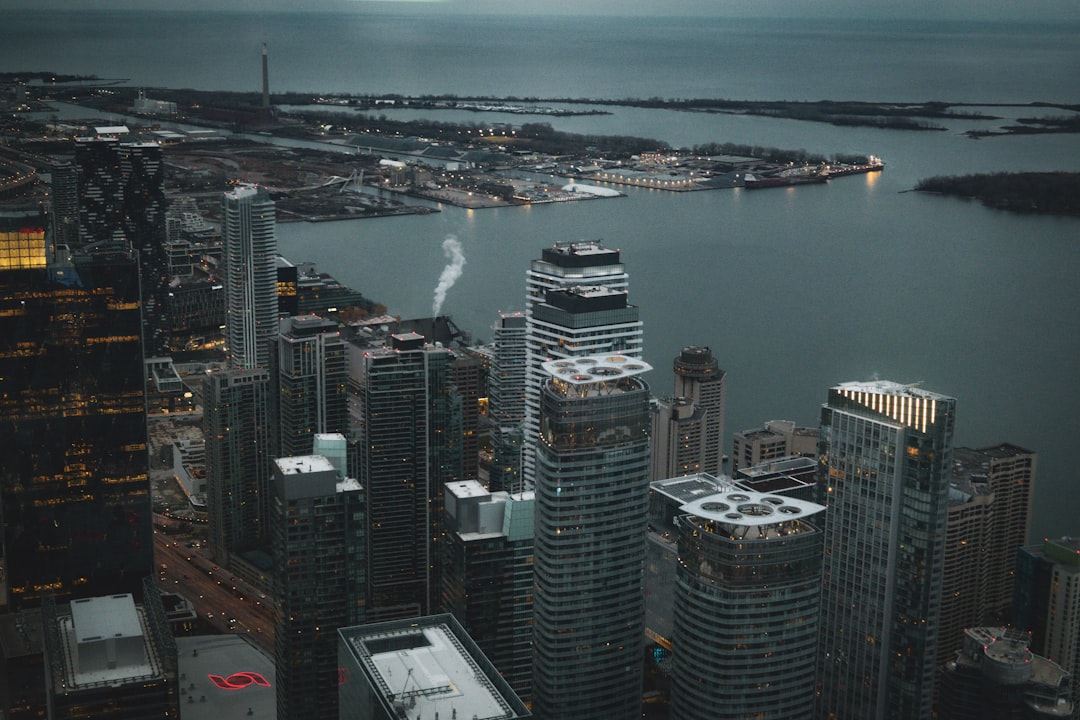
SkyTrain, the Canada Line airport connection, False Creek Ferries, and getting to BC Place — how to move around Vancouver during the World Cup.
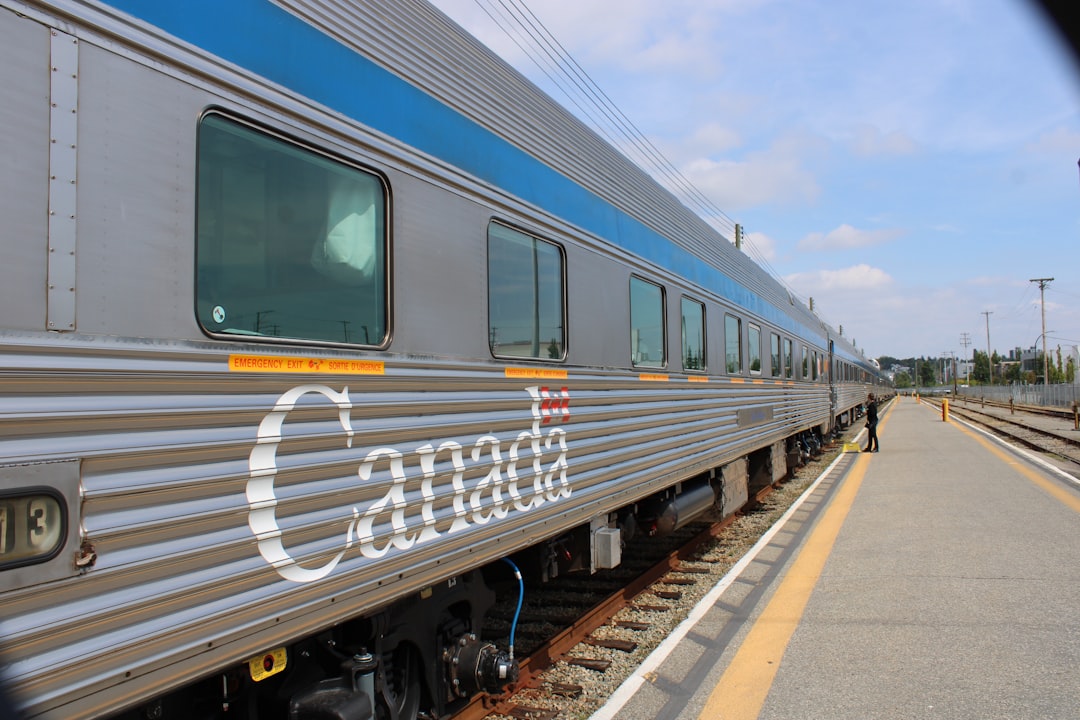
Everything you need for the World Cup in Vancouver — BC Place stadium, the mountains, the food scene, and why Vancouver is the most scenic World Cup host city.
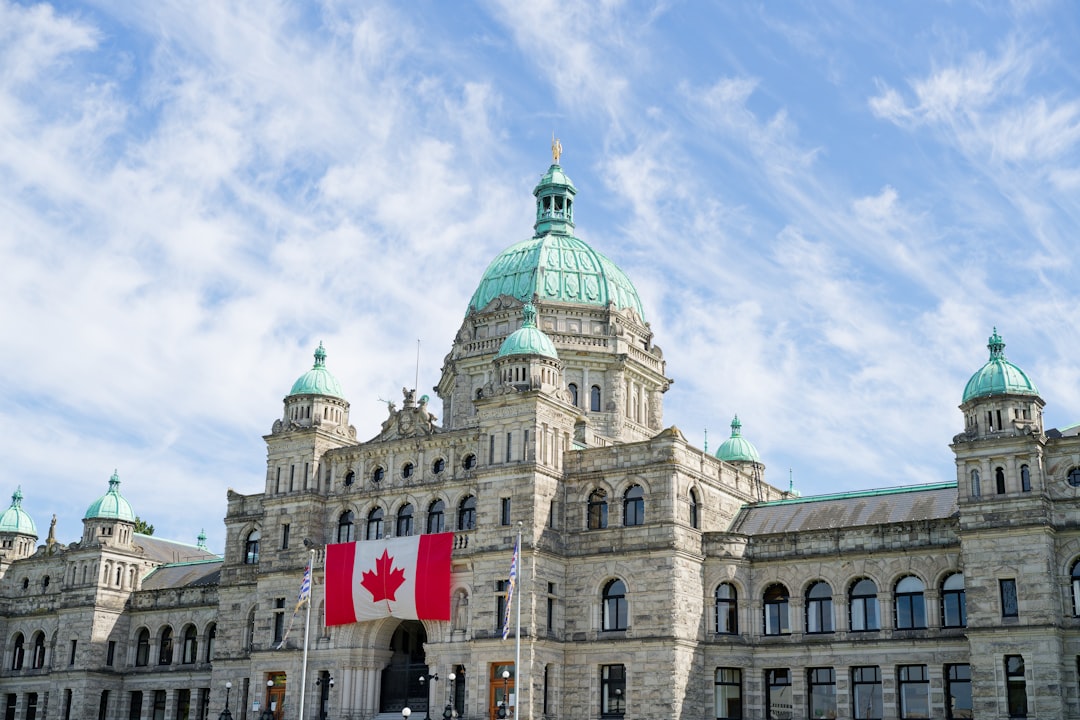
The most affordable major destination in the Middle East — real daily budgets for Cairo, from street food to luxury hotels, with actual 2026 prices.
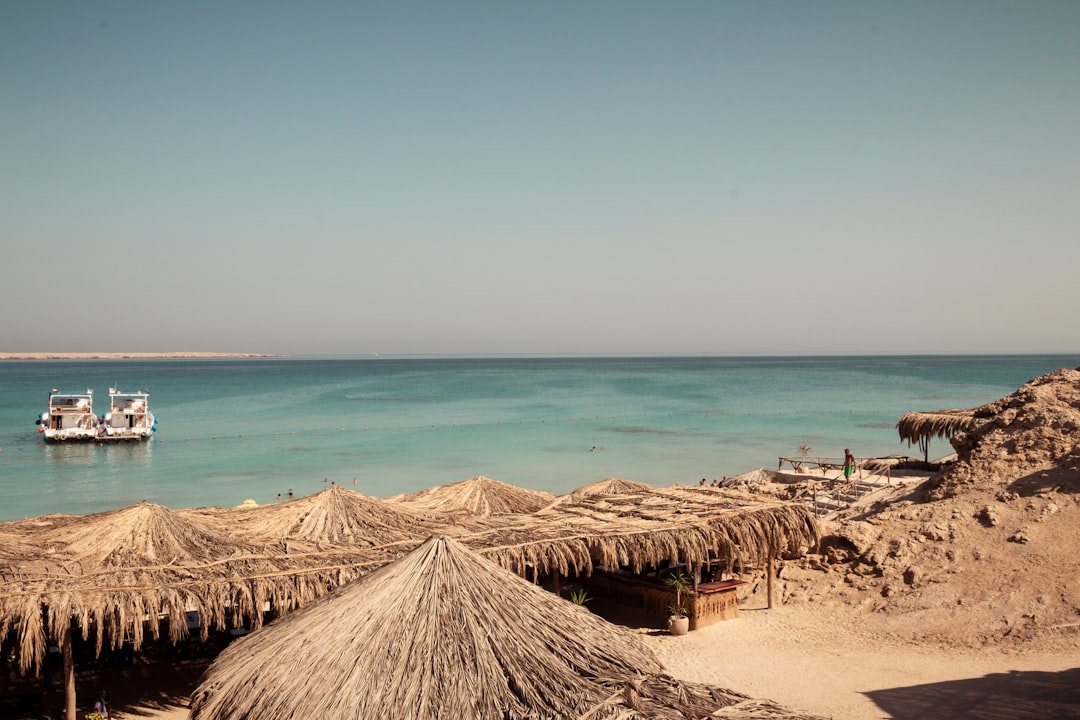
2 hours by train from Cairo. Bibliotheca Alexandrina, Catacombs of Kom El Shoqafa, Citadel of Qaitbay + Corniche seafood. Full one-day itinerary inside.
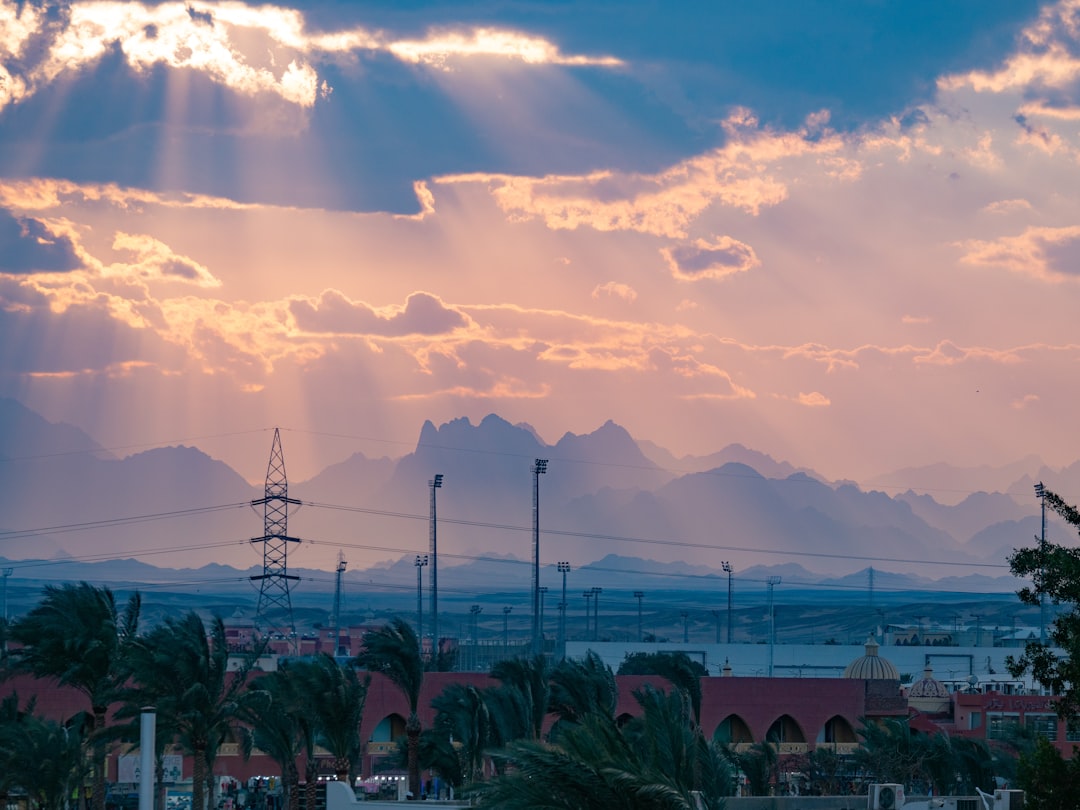
Wadi El Hitan, a UNESCO World Heritage fossil site with 40-million-year-old whale ancestors — the most surprising day trip from Cairo.
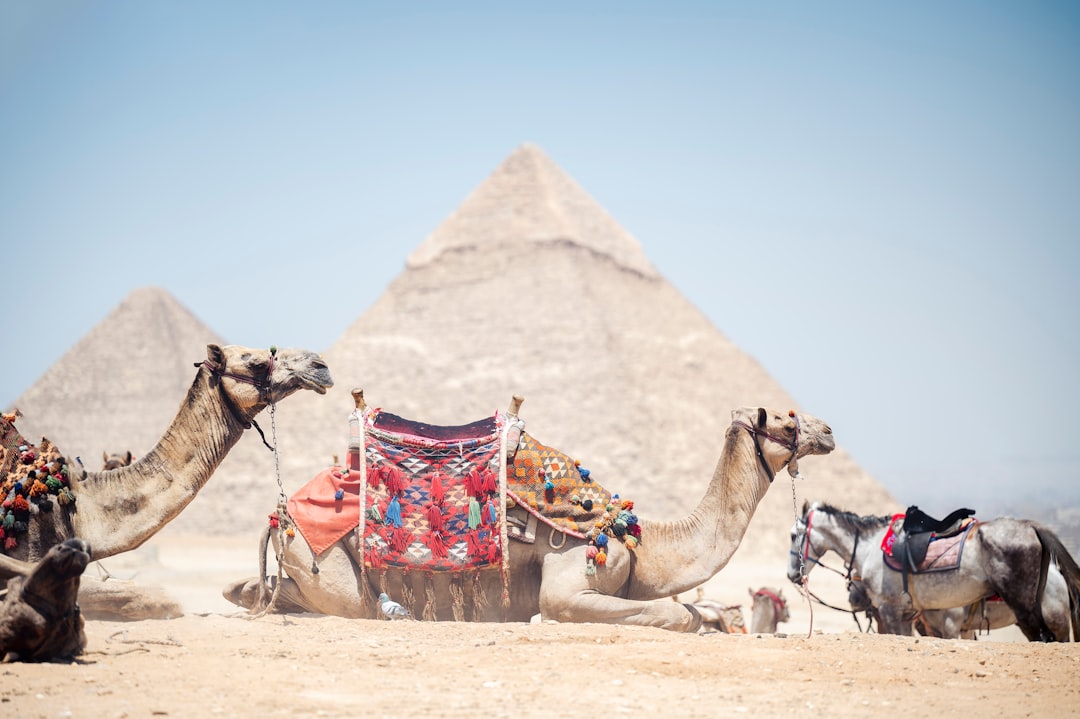
Egypt's national dish, street breakfasts, Nile-side restaurants, and the complete guide to eating in Cairo — what to order and where.
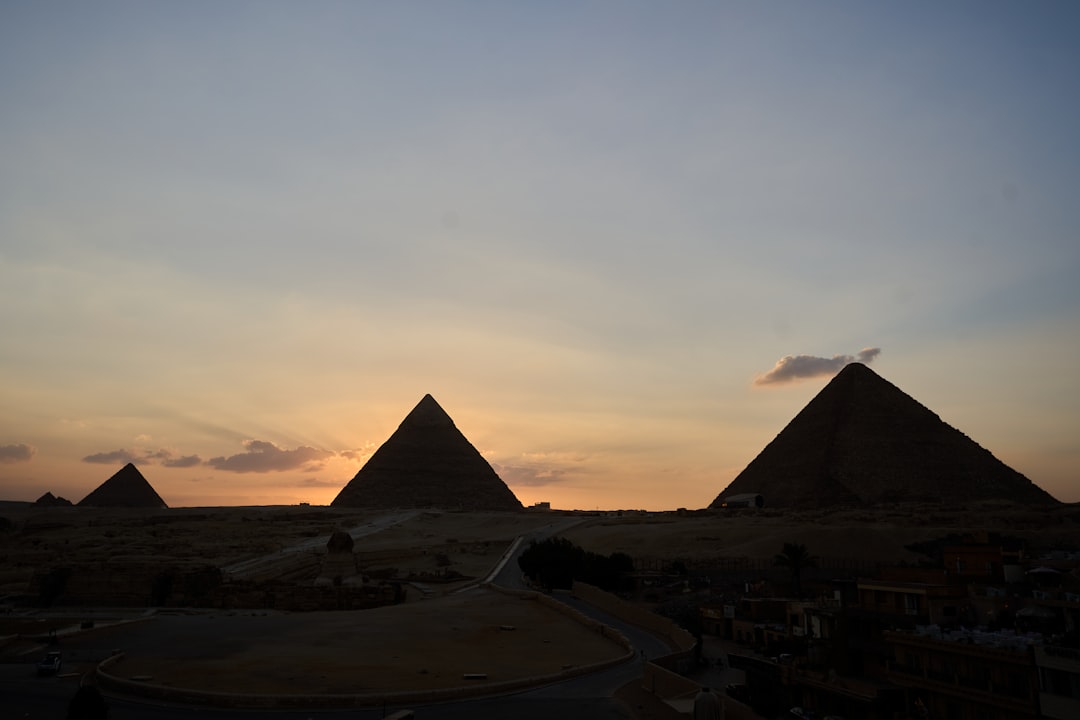
Zamalek, Downtown, Islamic Cairo, Maadi, and Heliopolis — the different faces of Cairo and which neighborhood suits which type of visitor.
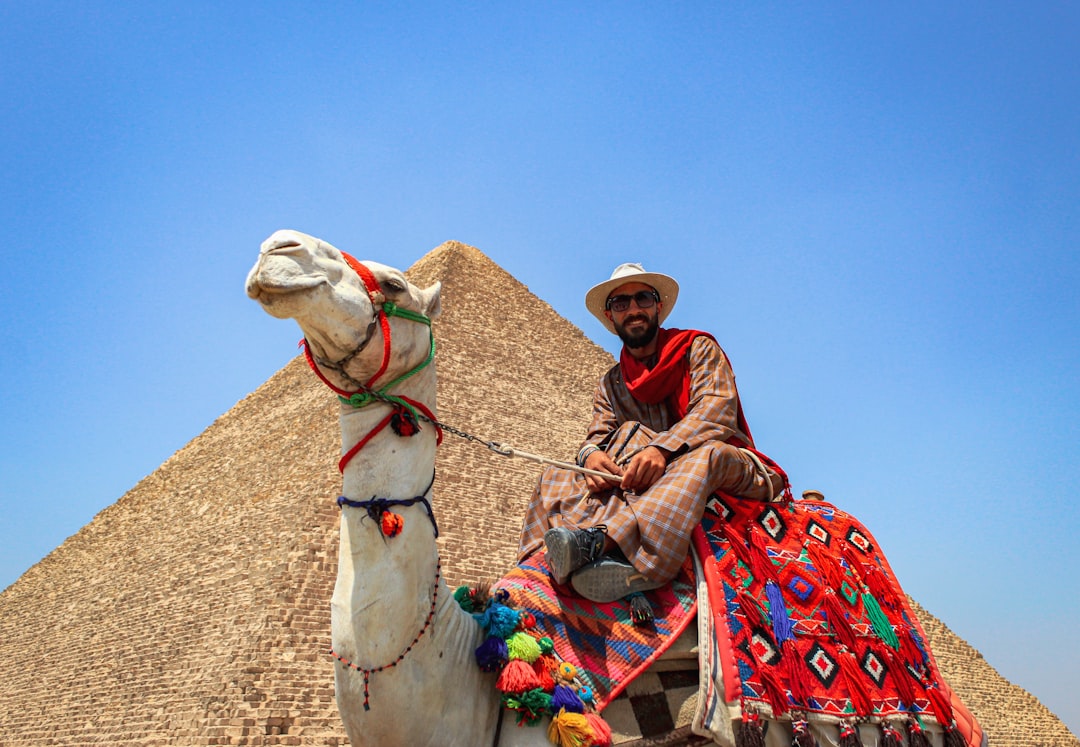
Nile dinner cruises, felucca rides, rooftop bars in Zamalek, and the cultural performances that define Cairo evenings.
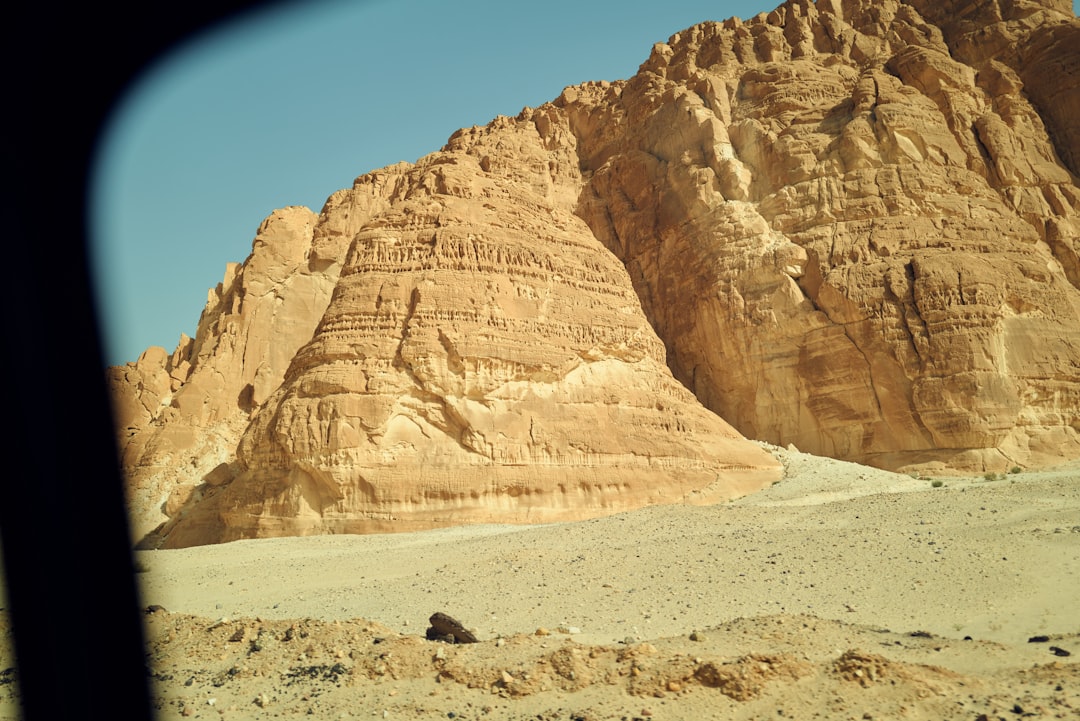
A 7-day Cairo itinerary that covers the Pyramids, the Grand Egyptian Museum, Islamic Cairo, the Nile, and a day trip to Alexandria — without exhaustion.
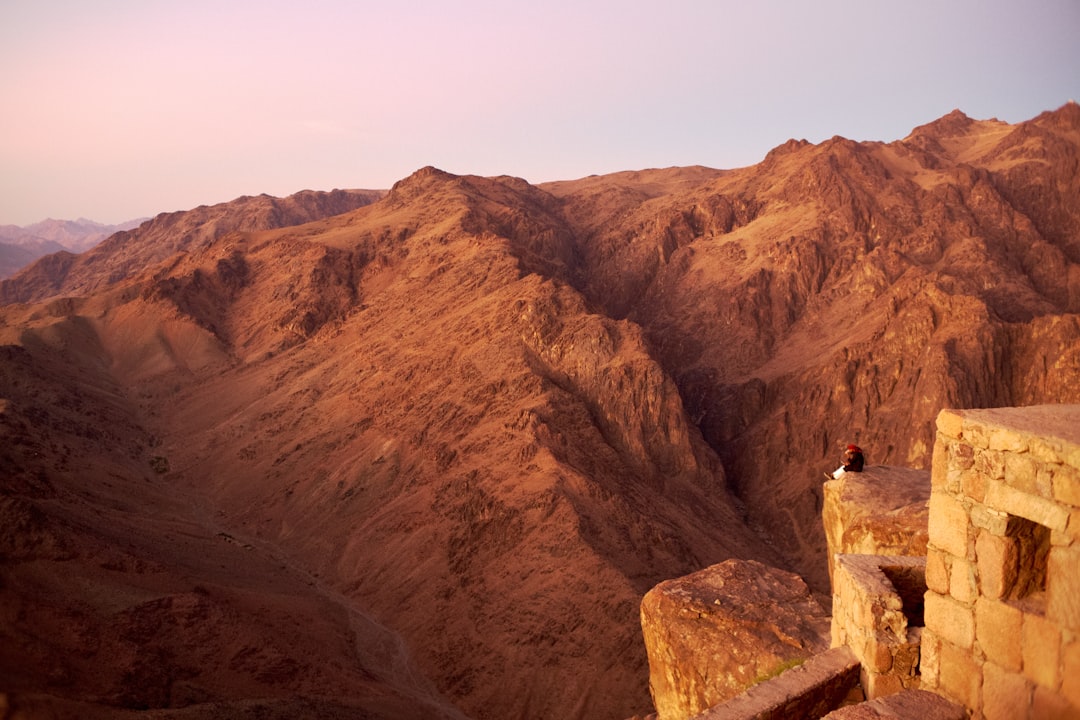
Everything practical for visiting Cairo — visas, currency, dress code, safety, best time to visit, and the tips that make the difference.
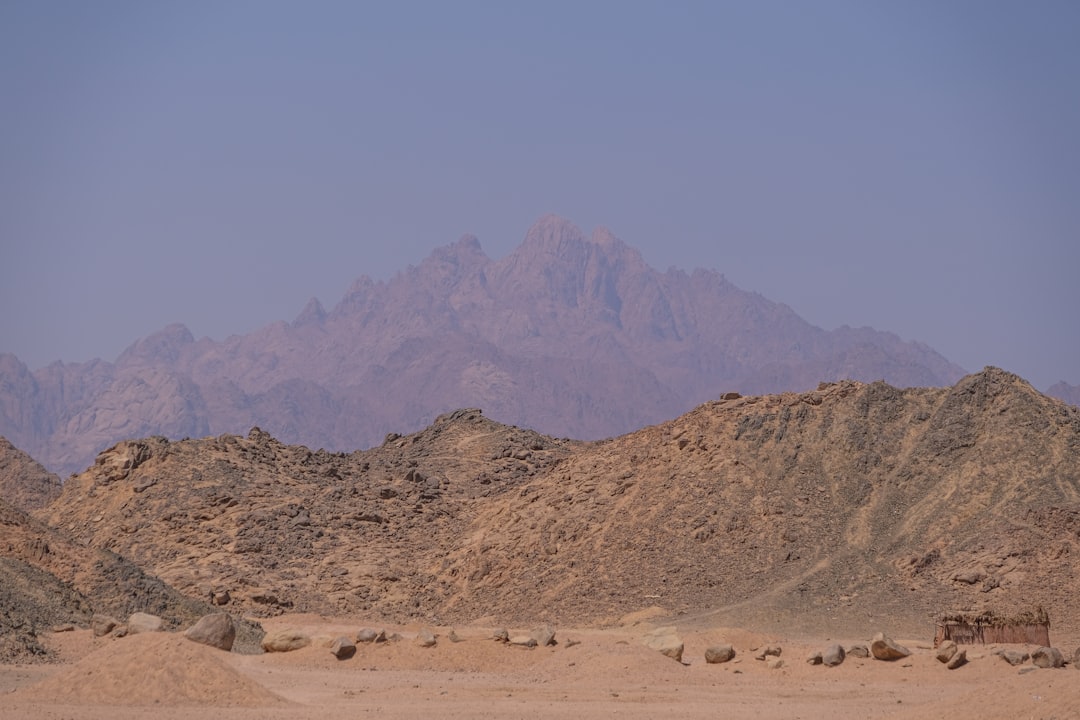
Sugarcane juice, karkadeh, ta'ameya, hawawshi, and the street food culture that makes Cairo one of the world's great eating cities for very little money.
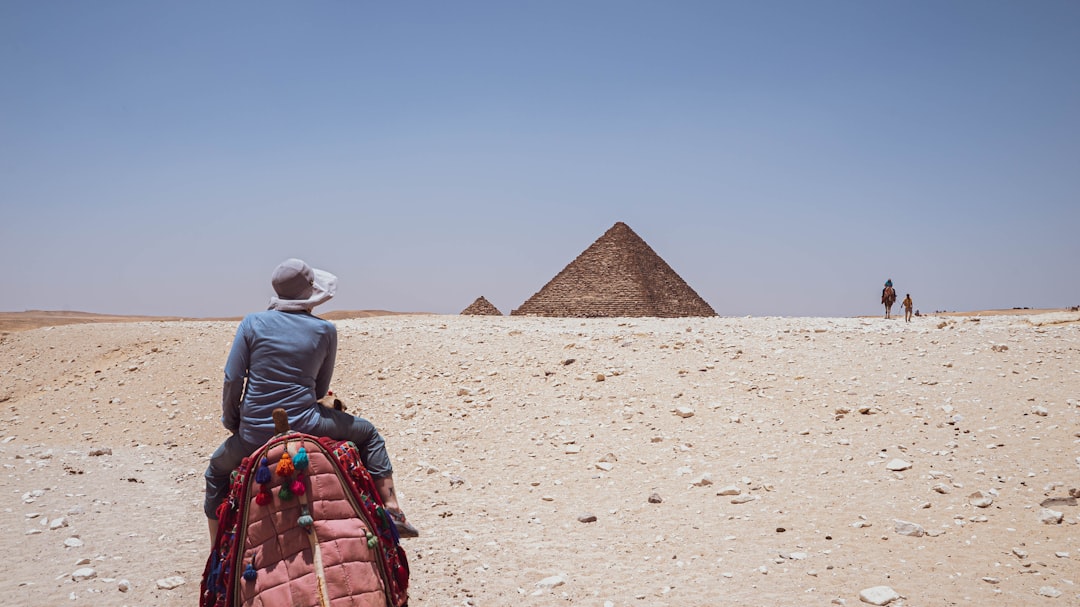
The Cairo Metro, Uber/Careem, and how to navigate Africa's largest city without getting stuck in traffic or scammed by taxis.
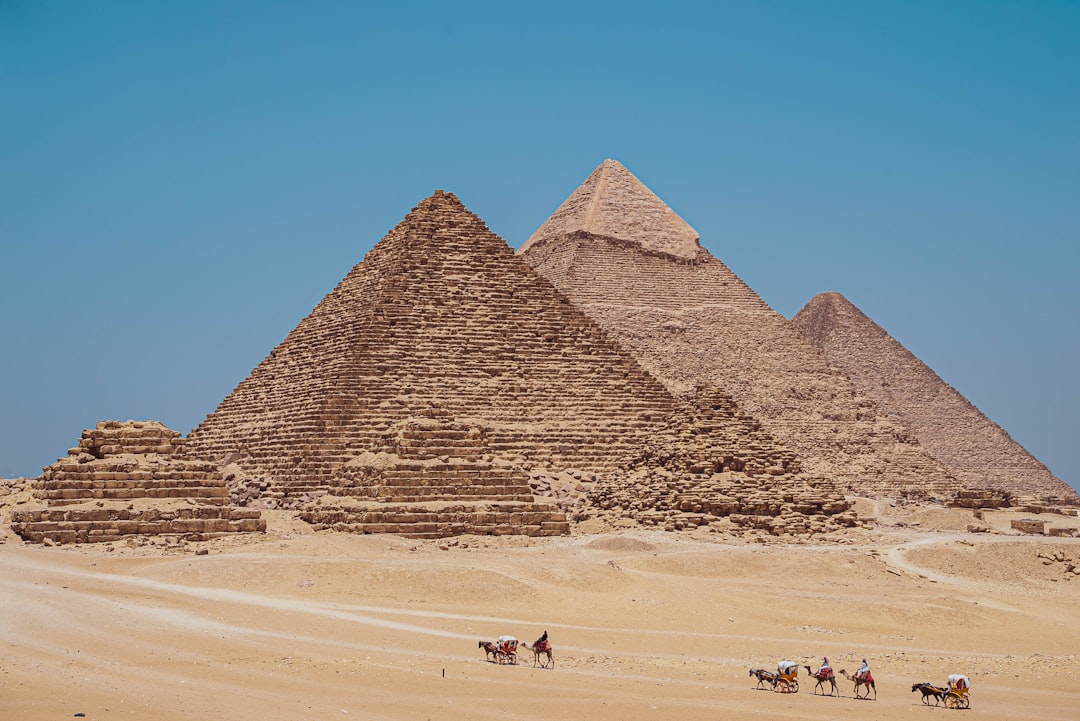
The complete introduction to Cairo — Africa's largest city, home to the Pyramids, the Grand Egyptian Museum, and one of the world's great historic urban environments.
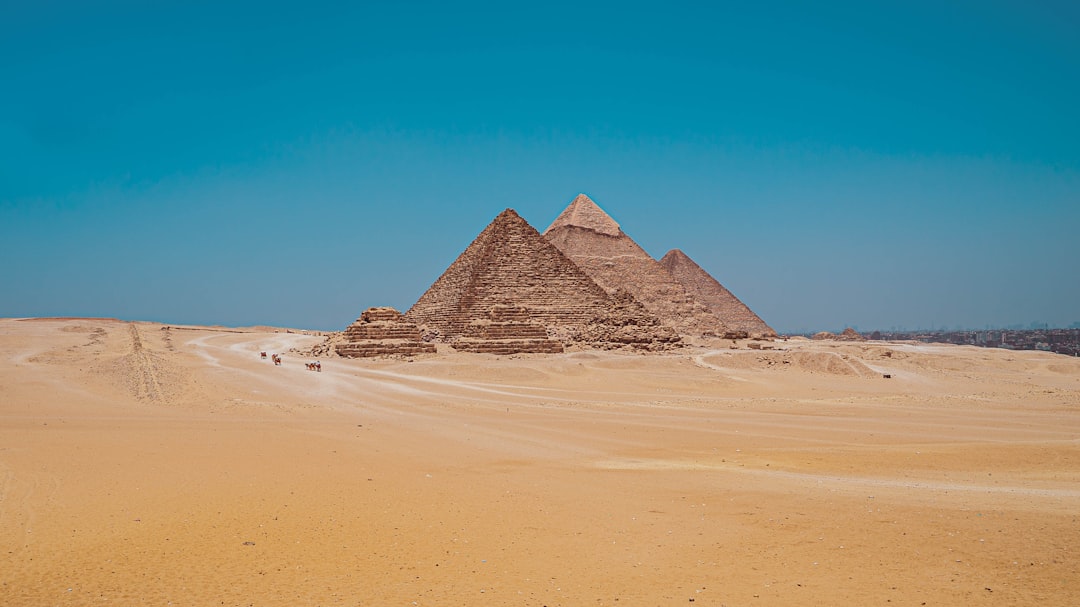
The Hanging Church, the Ben Ezra Synagogue, the Coptic Museum — how to explore the oldest Christian neighborhood in Egypt and the place where the Holy Family sheltered.
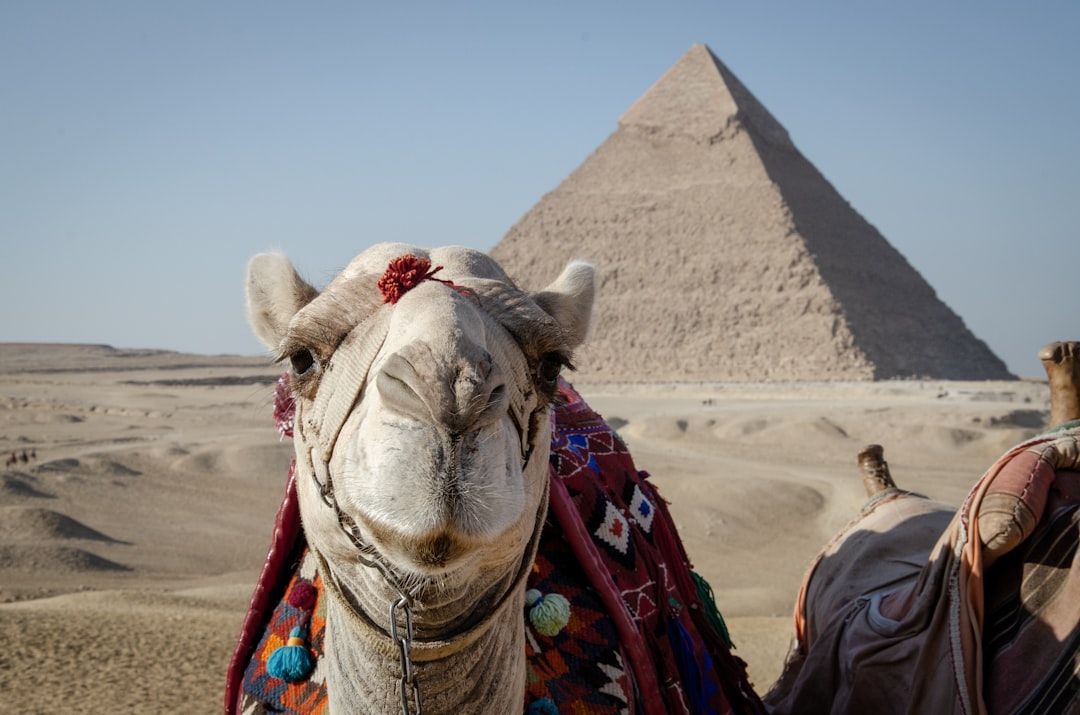
120,000 artifacts, the 1902 building, and what remains after the Grand Egyptian Museum took Tutankhamun's collection — is the Egyptian Museum still worth visiting?
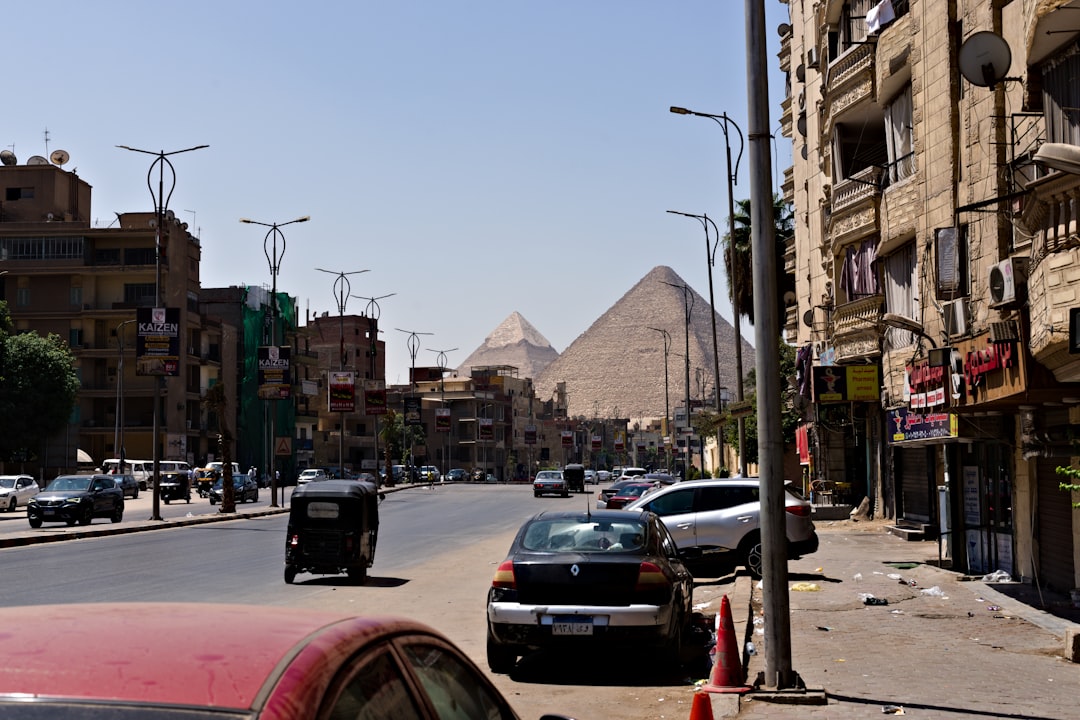
The world's largest museum dedicated to a single civilization — Tutankhamun's complete collection, Khufu's Solar Boat, and how to visit the GEM near the Pyramids of Giza.
Al-Azhar, Sultan Hassan, the Citadel, and Al-Muizz Street — how to explore the UNESCO World Heritage medieval city within Cairo.
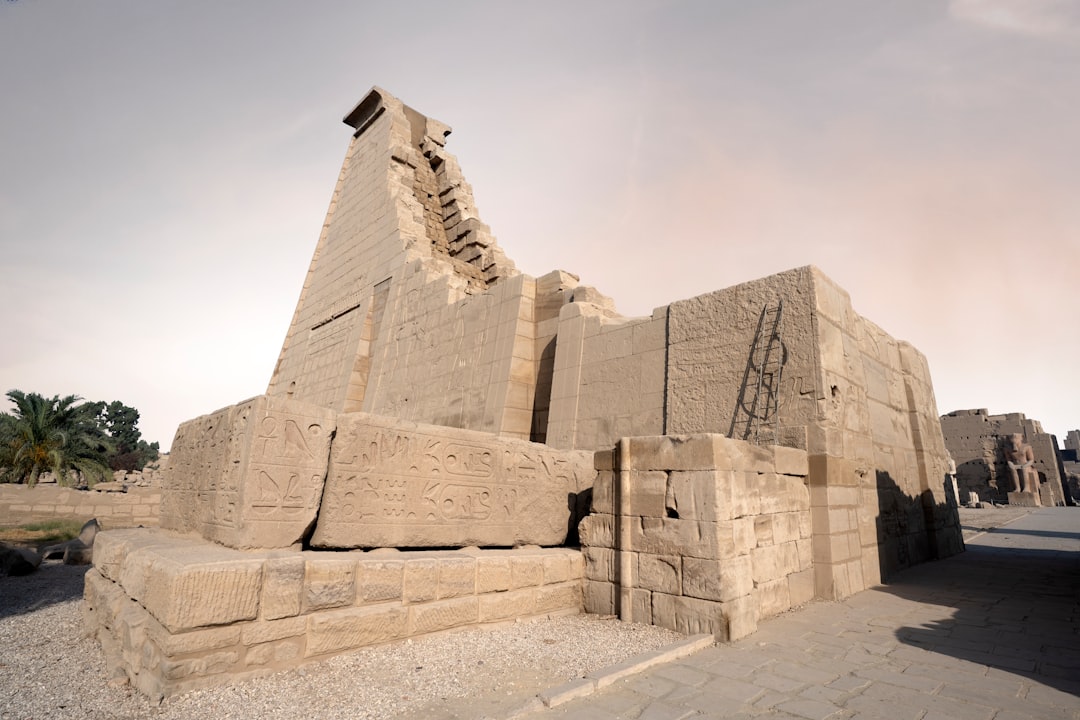
Founded in 1382, Khan el-Khalili is one of the oldest markets in the Middle East. What to buy, fair prices, and how to navigate without getting scammed.
The Valley of the Kings, Karnak Temple, the Temple of Philae, and a Nile cruise — how to plan Luxor and Aswan from Cairo, by flight, train, or cruise.
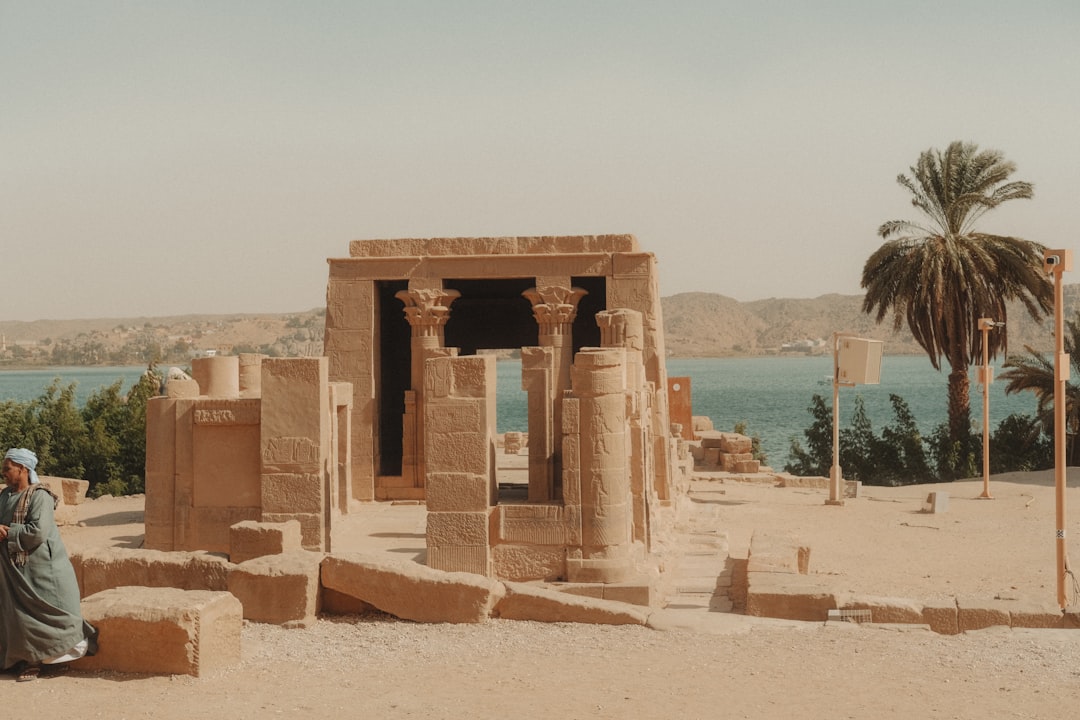
Everything you need to know to visit the Pyramids of Giza — entry fees, insider tips, what to avoid, and how to make the most of the only surviving wonder of the ancient world.
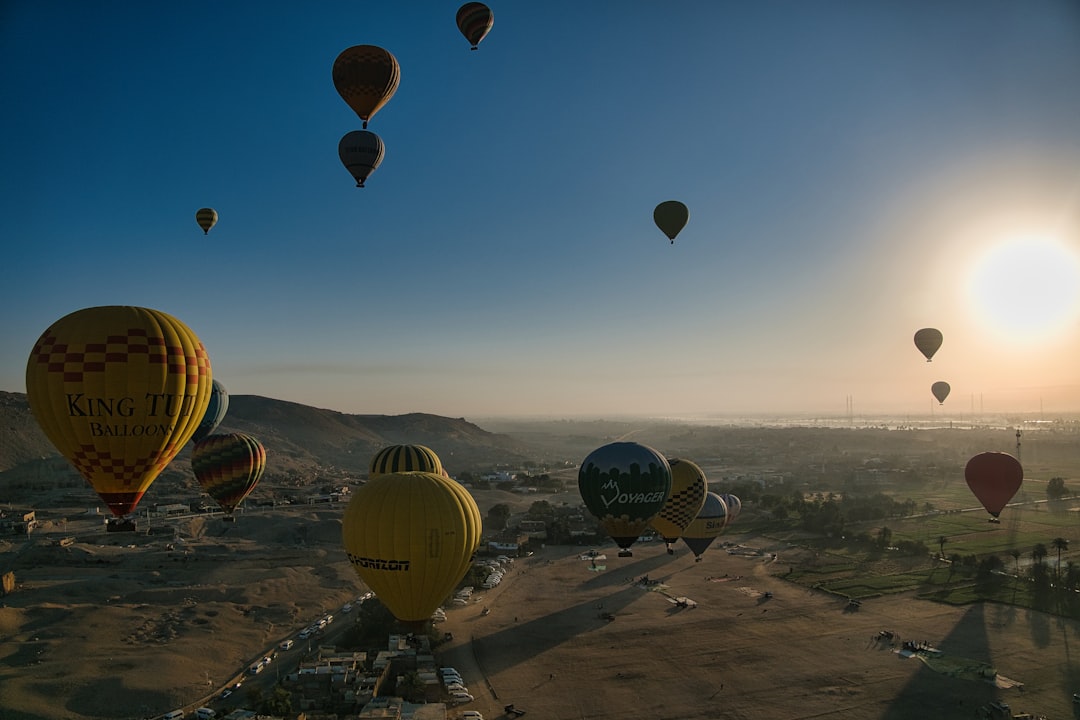
Oracle Temple, salt lakes, Berber villages, and the Sahara's edge — complete guide to Siwa Oasis: how to get there, where to stay, and what to see.
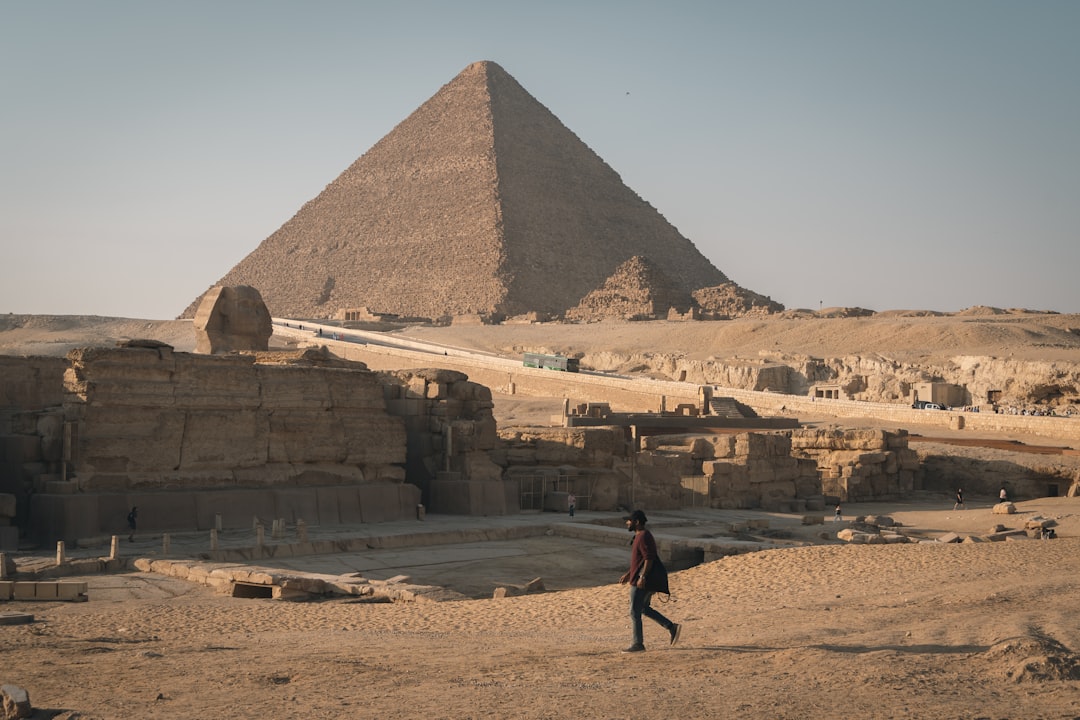
Tokyo is served by two airports — Narita (international hub, 60km east) and Haneda (closer, increasingly international). A guide to the transport options from each airport to the city, costs, travel times, and how to choose the right route.
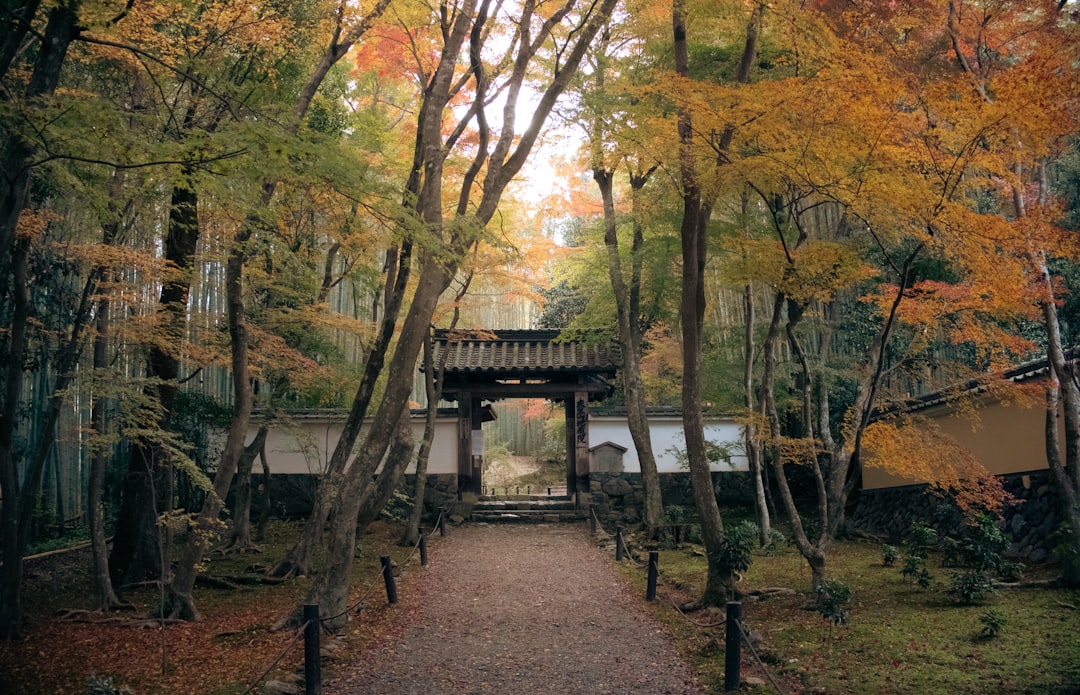
Awaji Island sits in the Seto Inland Sea between Kobe and Tokushima — close enough to Osaka for a day trip, diverse enough for two. A guide to the island's food (Japan's finest onions and sea urchin), its puppet theater, the Akashi Kaikyo Bridge, and the art installations at Zenbo Sekkei.
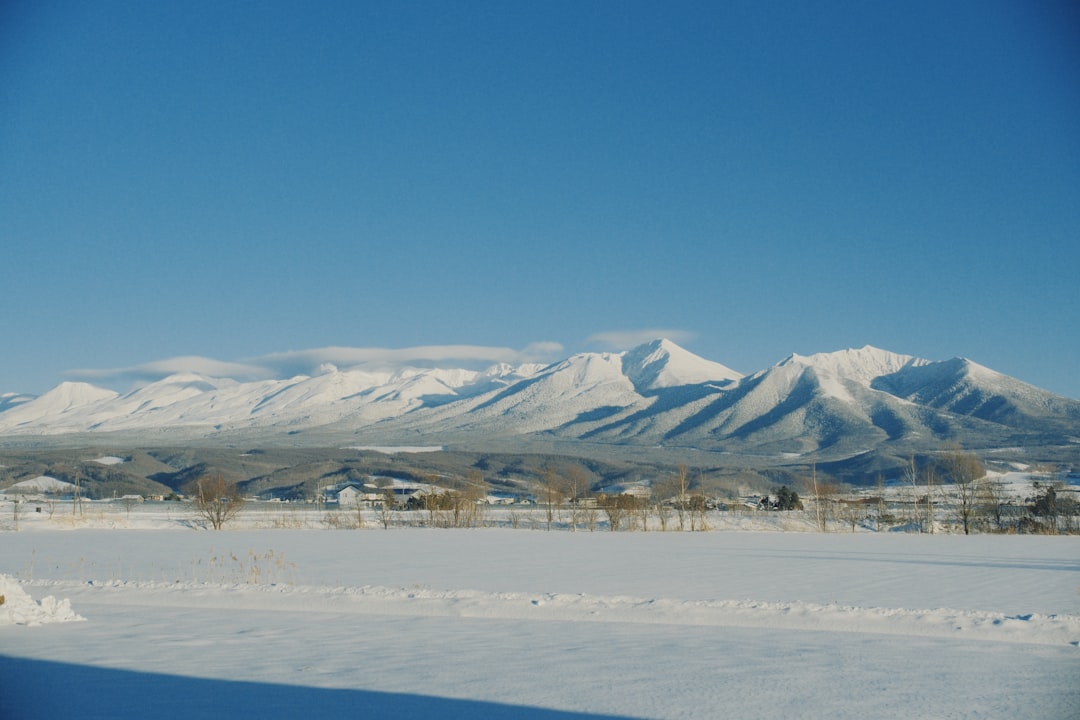
The Japanese bento box is a complete meal in a portable container — and nowhere is this tradition more elevated than the ekiben, the station-sold regional bento available at shinkansen platforms across Japan. A guide to the culture, the best regional varieties, and where to find them.
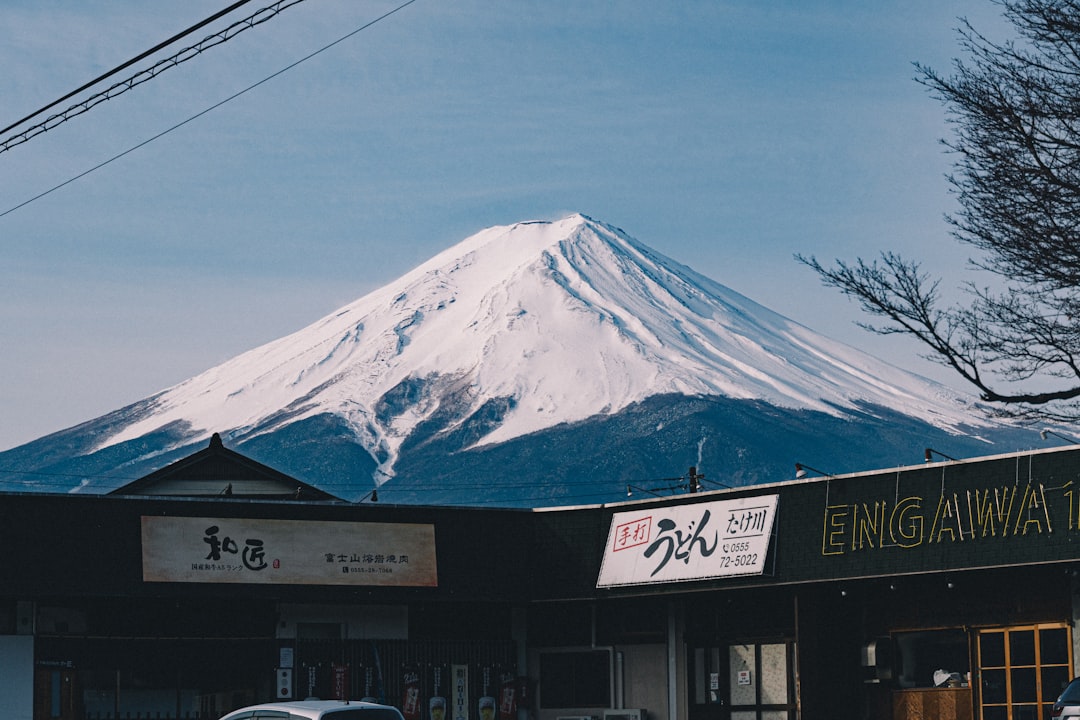
Japan's coin locker system is excellent — lockers at every major train station let you store bags for the day while you explore. A guide to finding lockers, sizes, costs, IC card payment, and what to do when they're full.
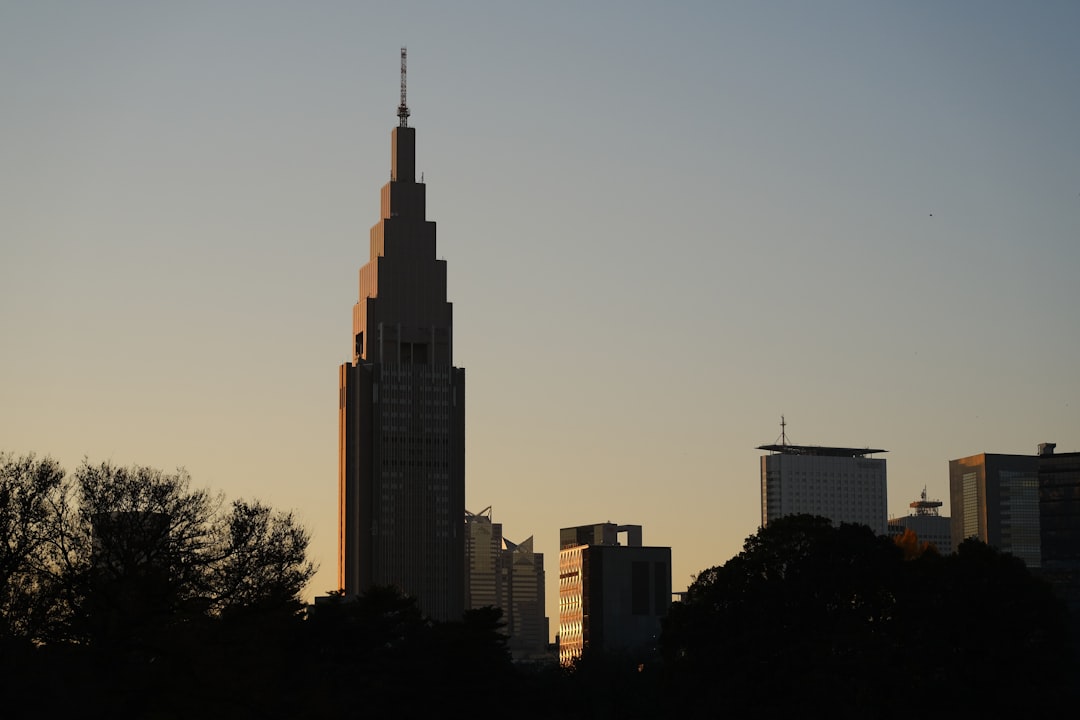
Taking a Japanese cooking class is one of the most practical souvenirs you can bring home from a trip — sushi rolling, ramen broth, ramen from scratch, tempura technique, or a full washoku menu. A guide to the types of classes, what to expect, and the best options in Tokyo and Kyoto.
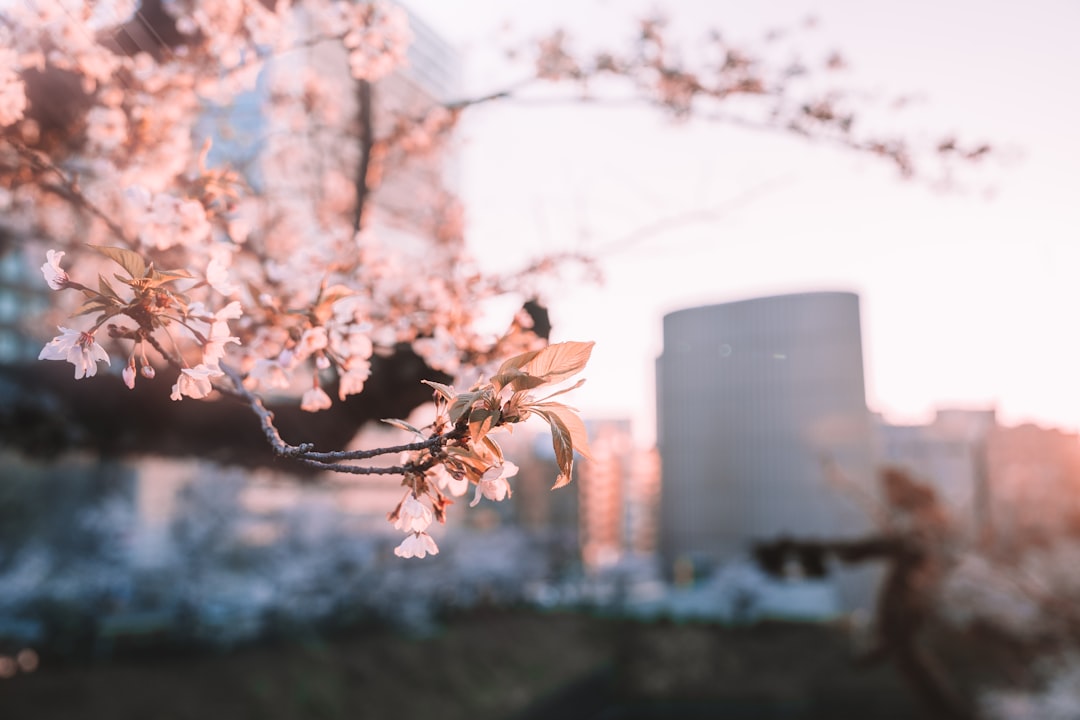
The basement food halls of Japanese department stores — depachika — are among the best food destinations in any city. A guide to what you'll find, which stores have the best selections, how to navigate them, and why they're worth treating as a primary eating and shopping destination.
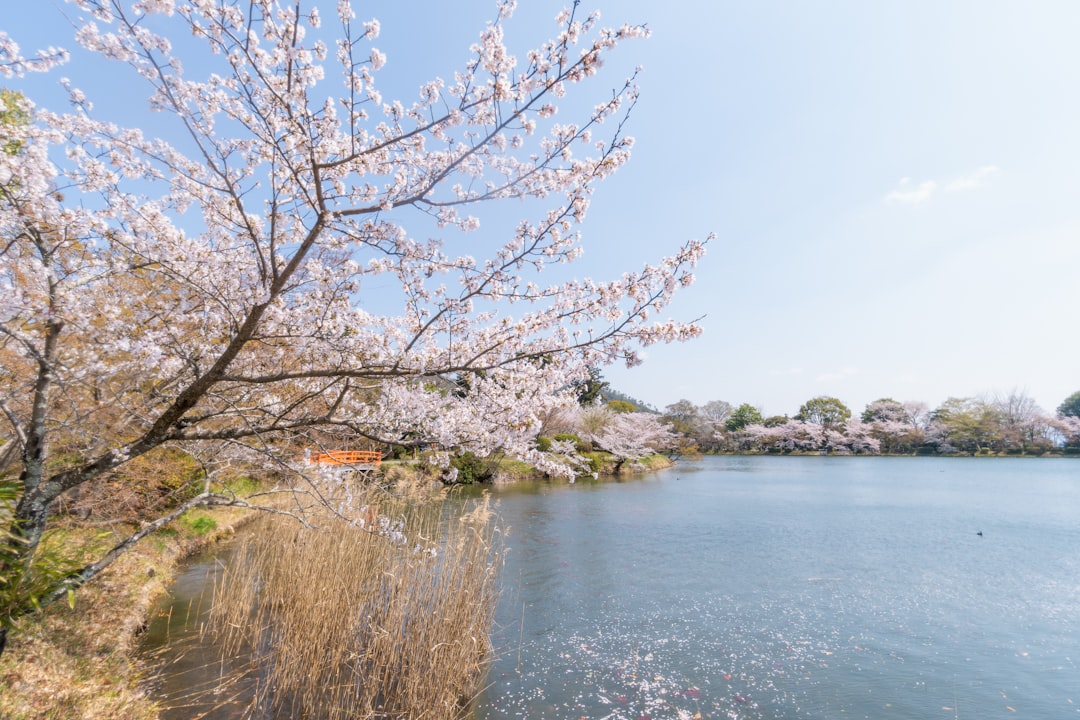
Geisha — called geiko in Kyoto dialect — are professional entertainers trained in classical arts who perform at private banquets. The hanamachi (flower districts) of Kyoto are the most active in Japan; this guide explains the actual system, how to see geiko and maiko, and the etiquette of the hanamachi.
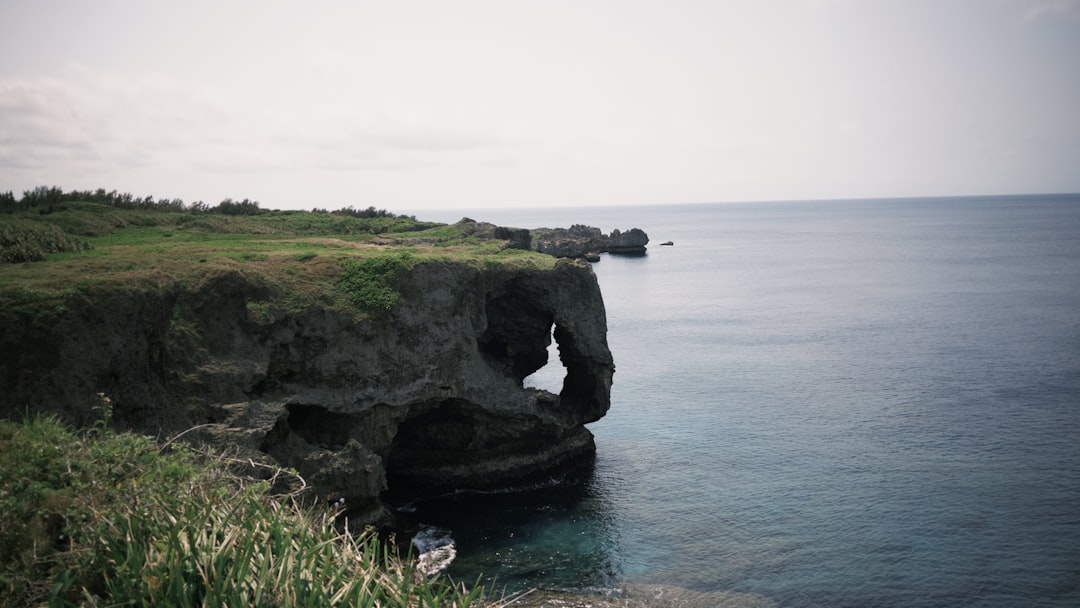
Gion Matsuri is Kyoto's month-long July festival — one of Japan's three greatest festivals, centered on two processions of massive wheeled floats (yamaboko junko) through the old city streets, with a week of lantern-lit evening exhibitions beforehand.
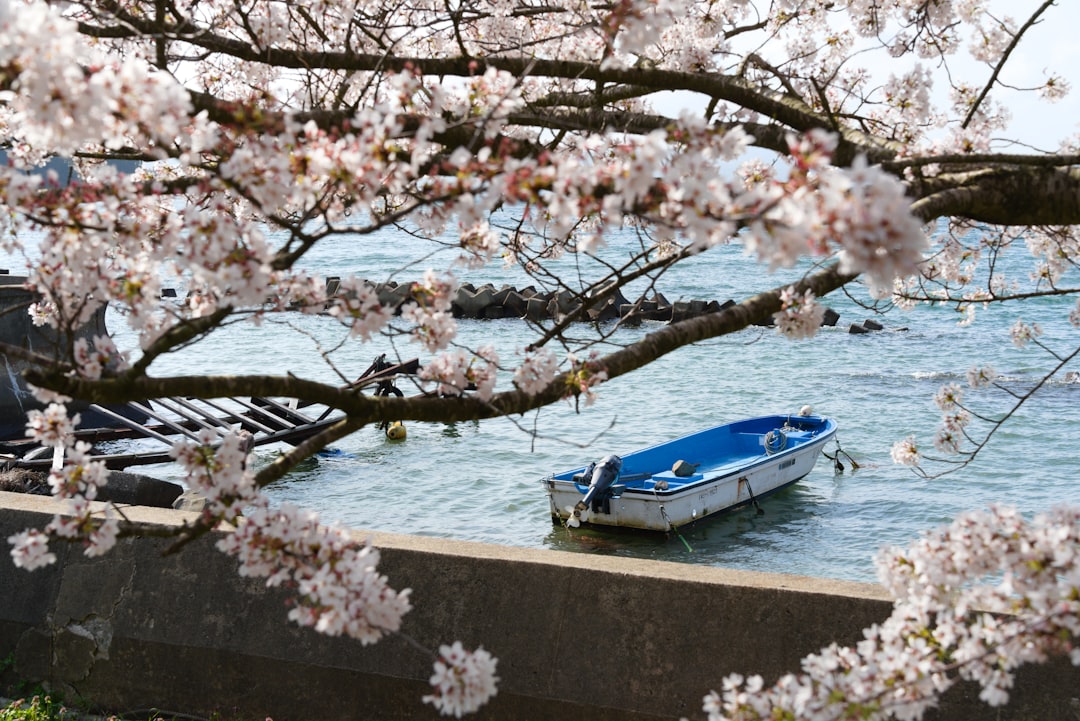
Golden Week (late April to early May) is Japan's busiest travel period — four national holidays in 10 days produce the country's largest domestic travel surge. What you'll find, what to avoid, and how to plan a worthwhile Japan trip during the most crowded week of the year.
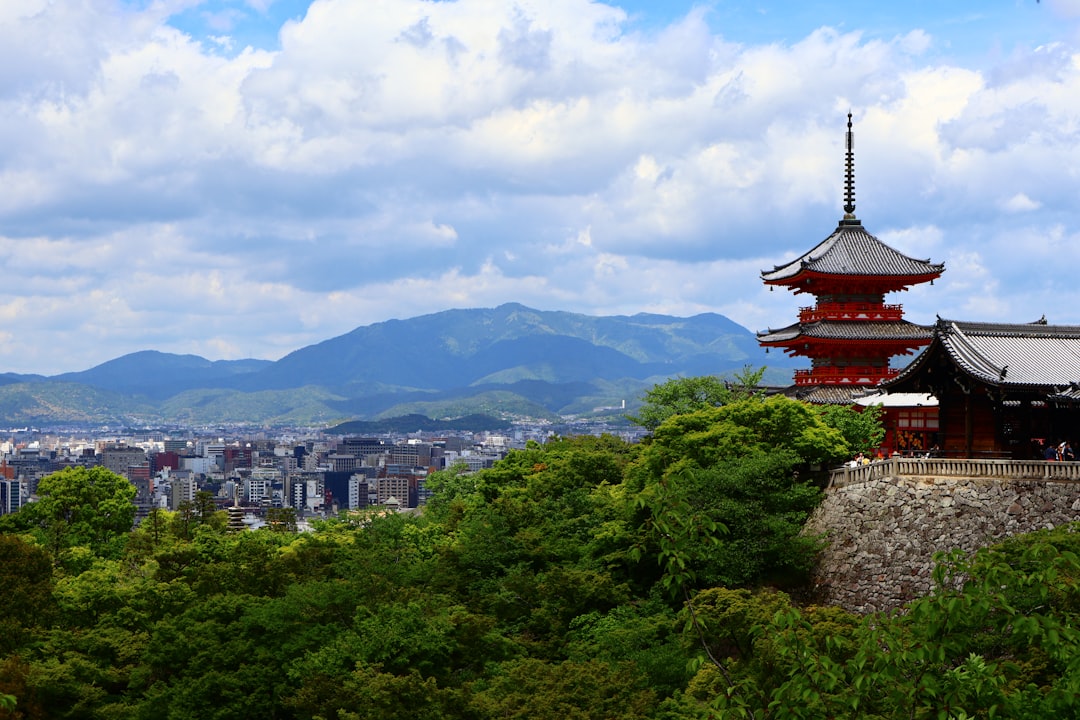
Gyoza and udon are the comfort food backbone of Japanese daily eating — the pan-fried dumplings and thick wheat noodles that appear everywhere from ramen shops to standing noodle bars. A guide to the regional styles, where to eat them, and what to order.
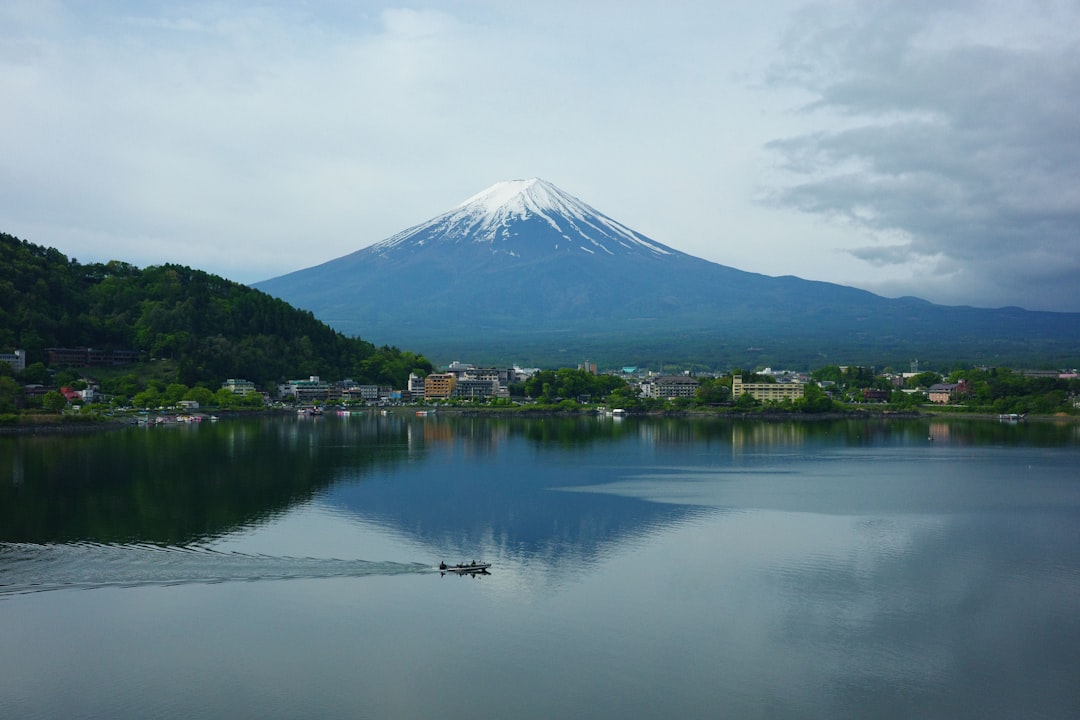
Ikebana is the Japanese art of flower arrangement — not decoration, but a discipline of space, line, and seasonal expression that has developed over 600 years into multiple distinct schools. A guide to the tradition, the major schools, and how to take a class in Japan.
Jigokudani Monkey Park in Nagano is home to the world's only wild primates that bathe in hot springs — Japanese macaques who descend from the surrounding mountains to soak in the outdoor onsen pool through winter. A guide to visiting, timing, and what to expect.
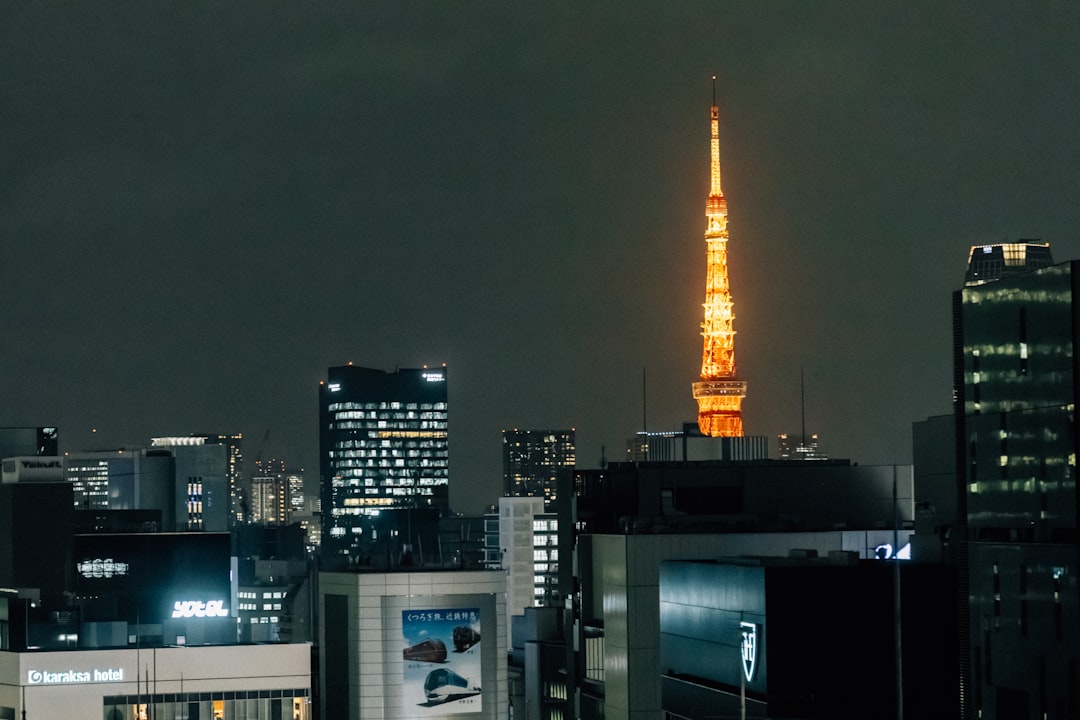
Kabuki is Japan's 400-year-old classical theater form — elaborate makeup, spectacular costumes, stylized movement, and a theatrical vocabulary entirely its own. A guide to understanding what you're watching, how to get tickets, and where to see it in Tokyo and Osaka.
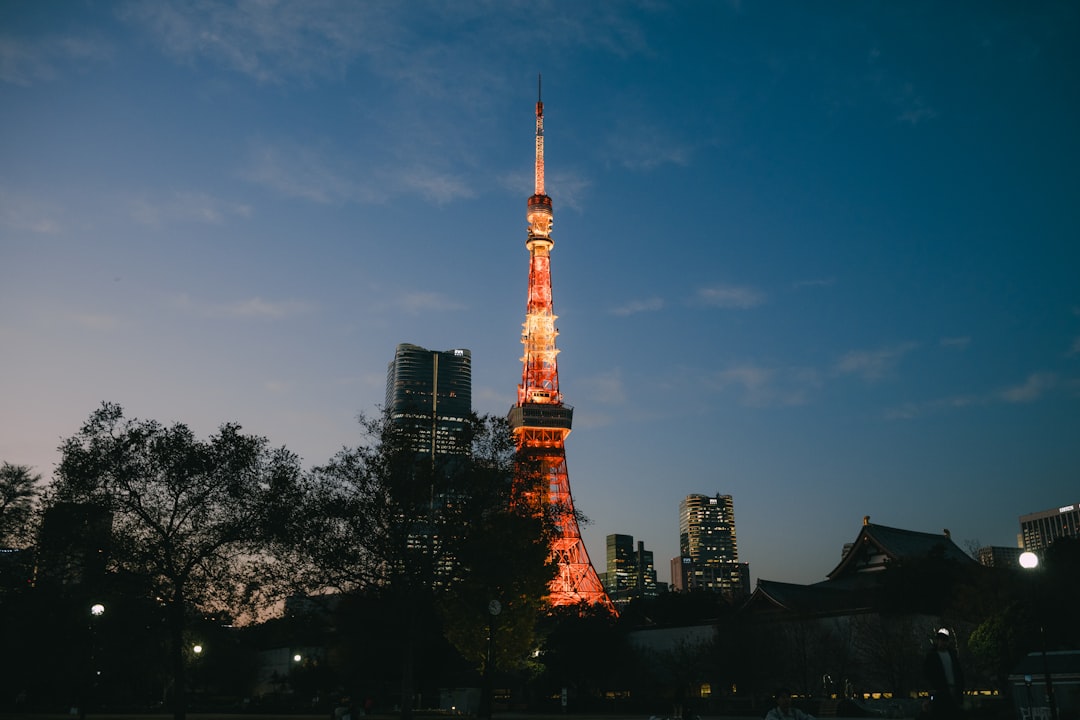
Kaiten-sushi — conveyor belt sushi — is one of Japan's great dining inventions: high-quality sushi at affordable prices with none of the formality of traditional sushi counters. A guide to how it works, the best chains, ordering strategy, and what to eat.
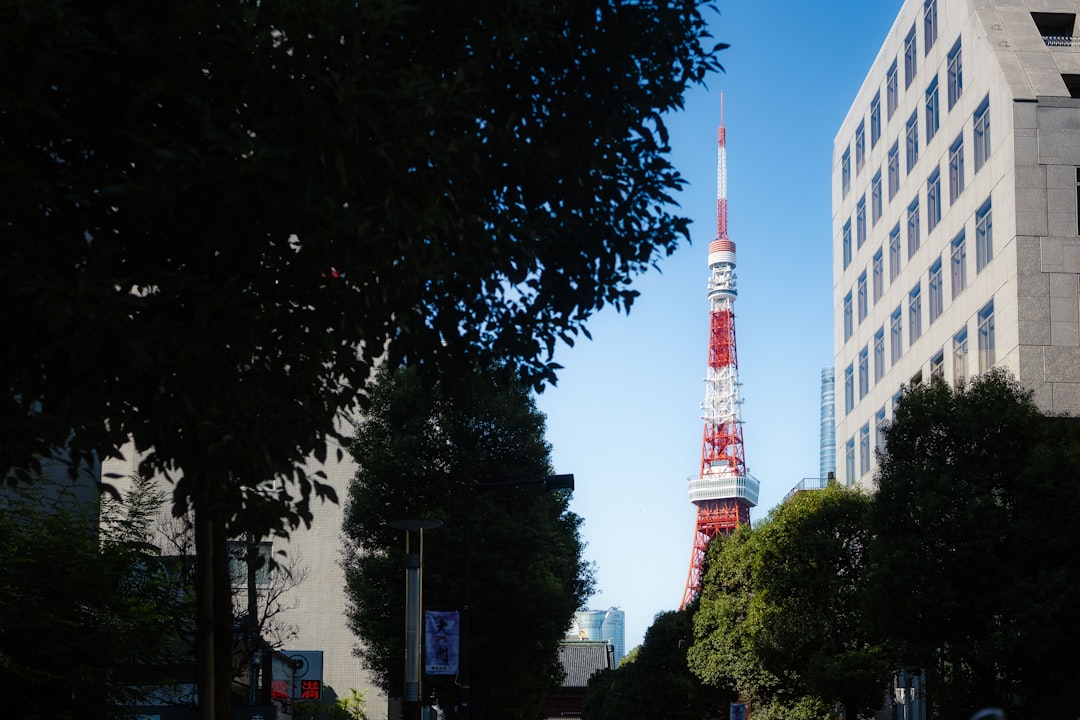
Karaoke was invented in Japan and the Japanese approach to it — private rooms, no audience, all night — is entirely different from Western karaoke bars. A guide to the major chains, how the room system works, pricing, etiquette, and why it's one of the best things to do in Japan regardless of singing ability.
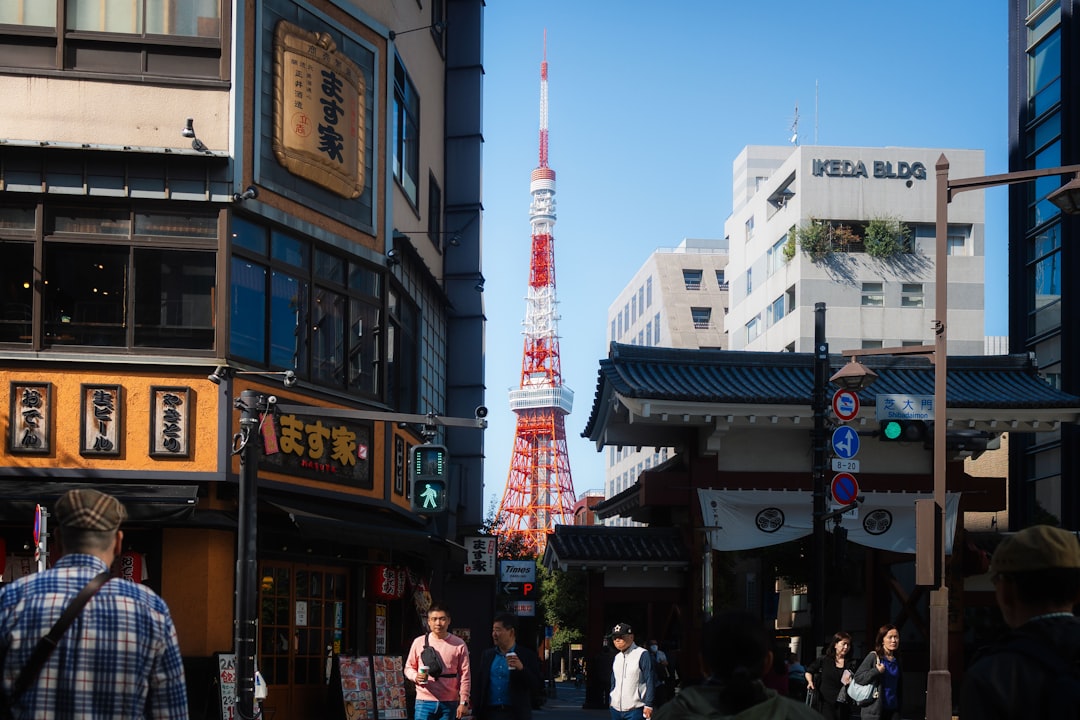
Renting a kimono for a day of sightseeing in Kyoto or Tokyo is one of the most memorable things to do in Japan — the transformation is immediate and the photographs are exceptional. A guide to the best rental areas, what to expect, how much it costs, and the etiquette of wearing traditional dress in a real city.
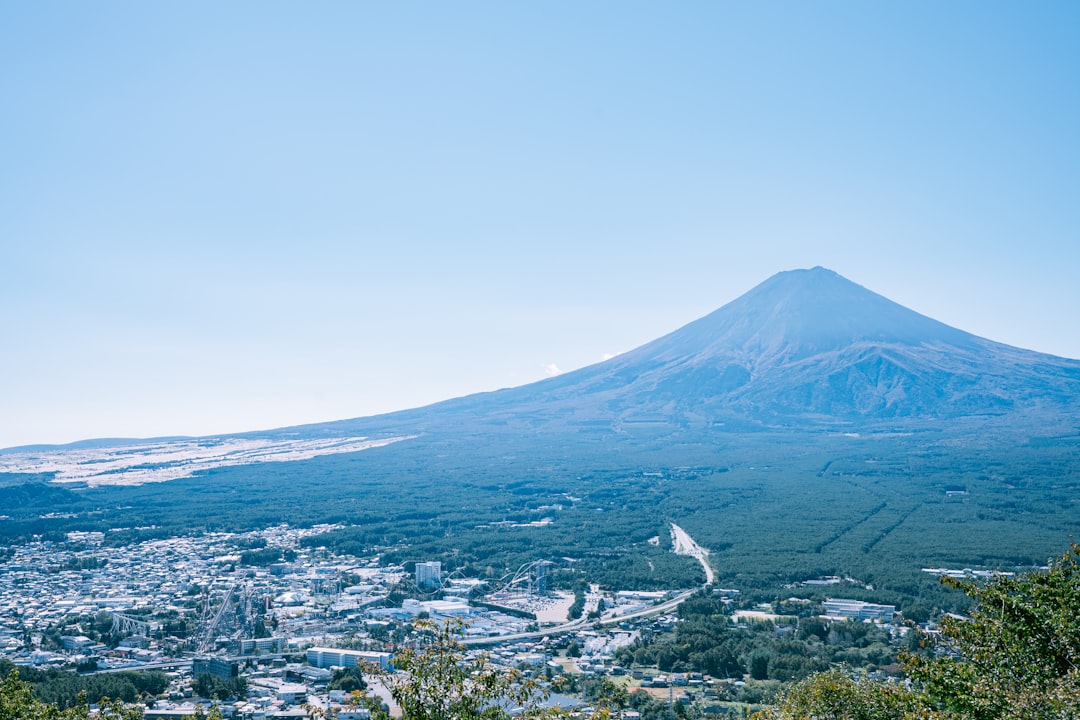
Japan has over 300 Kit Kat flavors and a regional omiyage snack culture that makes its convenience stores and souvenir shops genuinely worth shopping. A guide to the best Kit Kat varieties, the best regional snacks, and where to find them.
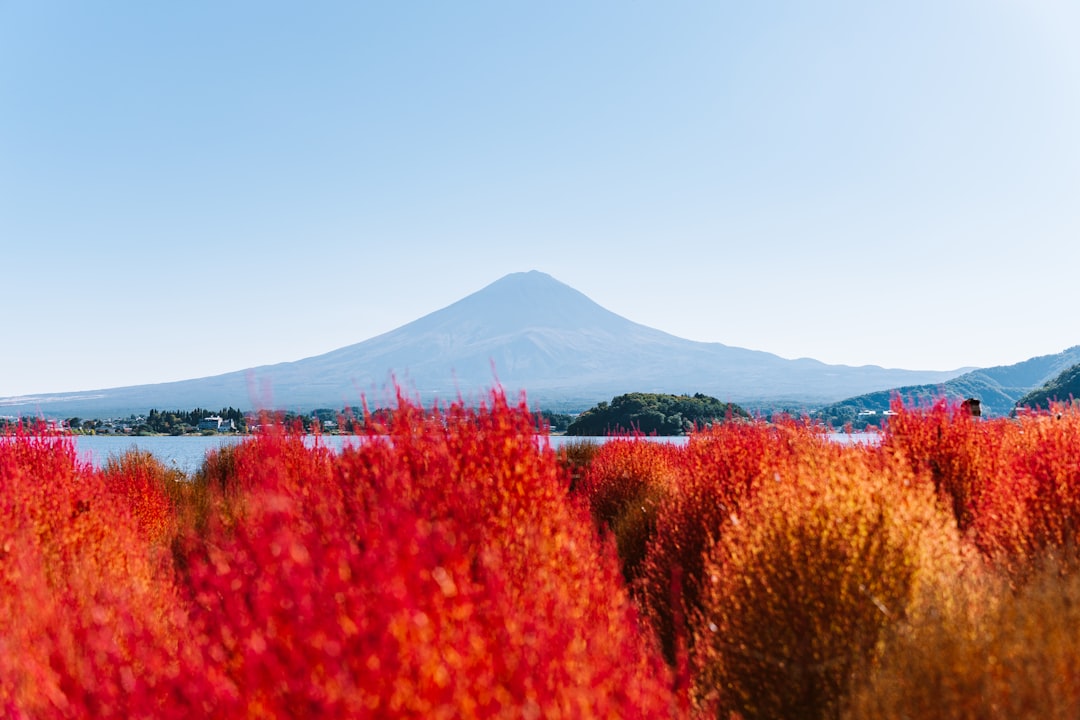
Kyushu is Japan's third-largest island — volcanic, subtropical, historically distinct, and undervisited relative to its quality. A guide to the main cities, the active volcano Aso, the hot spring capital Beppu, and how to plan a Kyushu itinerary.
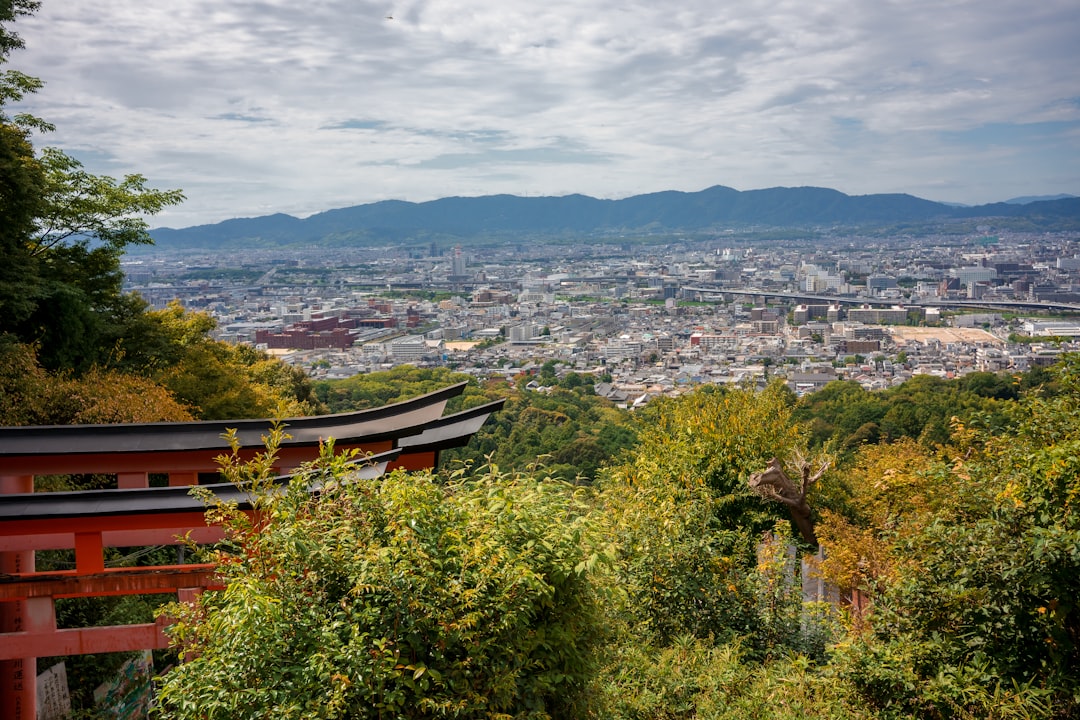
Maid cafes are a specific Tokyo entertainment format — cafes staffed by costumed 'maids' who treat customers as guests in a performative domestic setting. A guide to how they work, what to expect, the etiquette, and the best options in Akihabara.
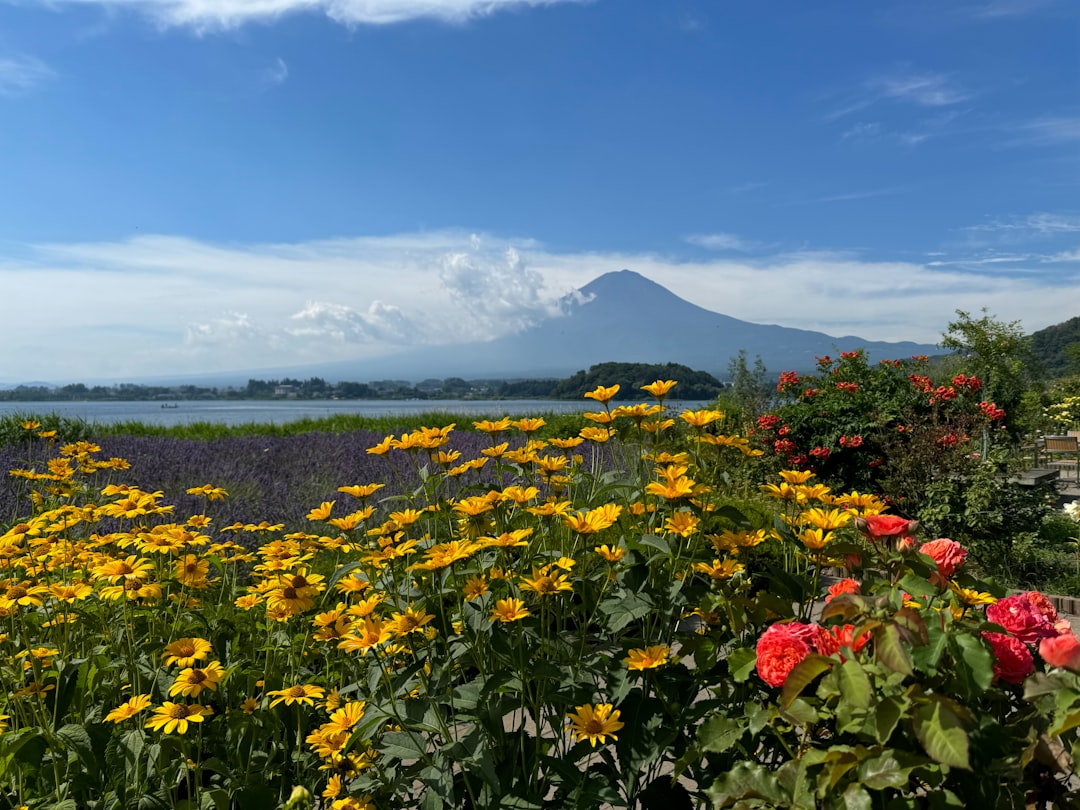
Matcha is powdered green tea grown in shade — it has been Japan's ceremonial tea for 800 years and is now simultaneously one of the most sophisticated culinary traditions in the world and a global flavor trend. A guide to understanding quality grades, where to buy the best, and the full spectrum of matcha experiences.
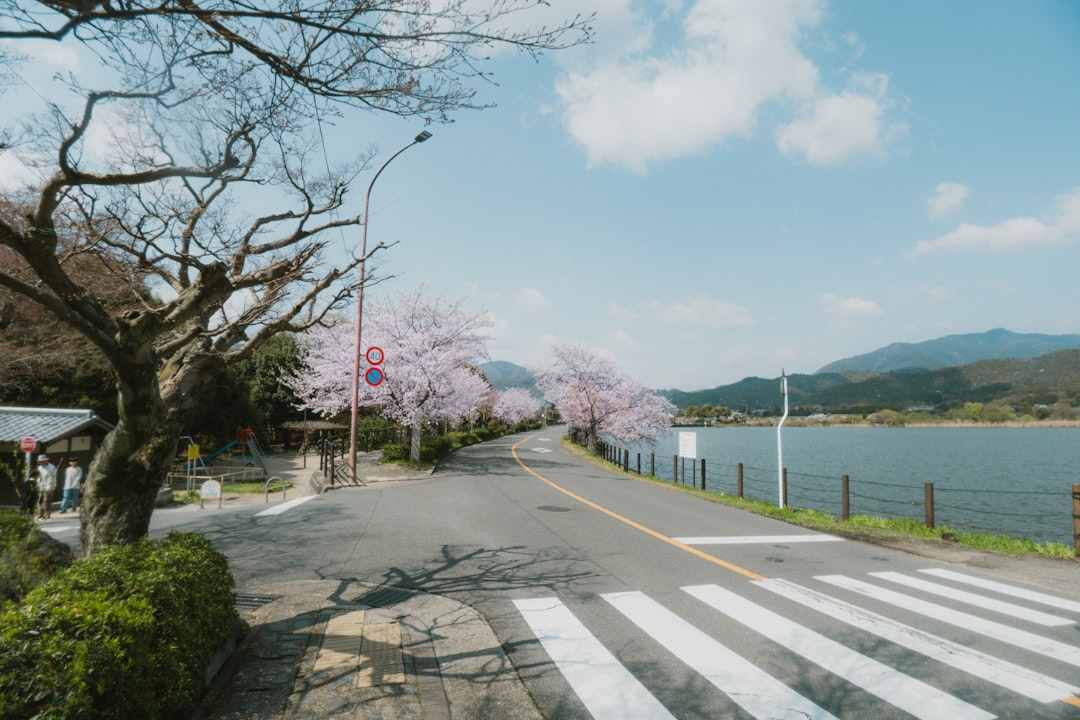
The Nakasendo was one of Japan's five great Edo-period roads connecting Tokyo and Kyoto through the mountains of central Honshu. The best-preserved section — between the post towns of Magome and Tsumago in the Kiso Valley — is a 8km walk through forested mountain paths that looks almost identical to how it did in 1800.
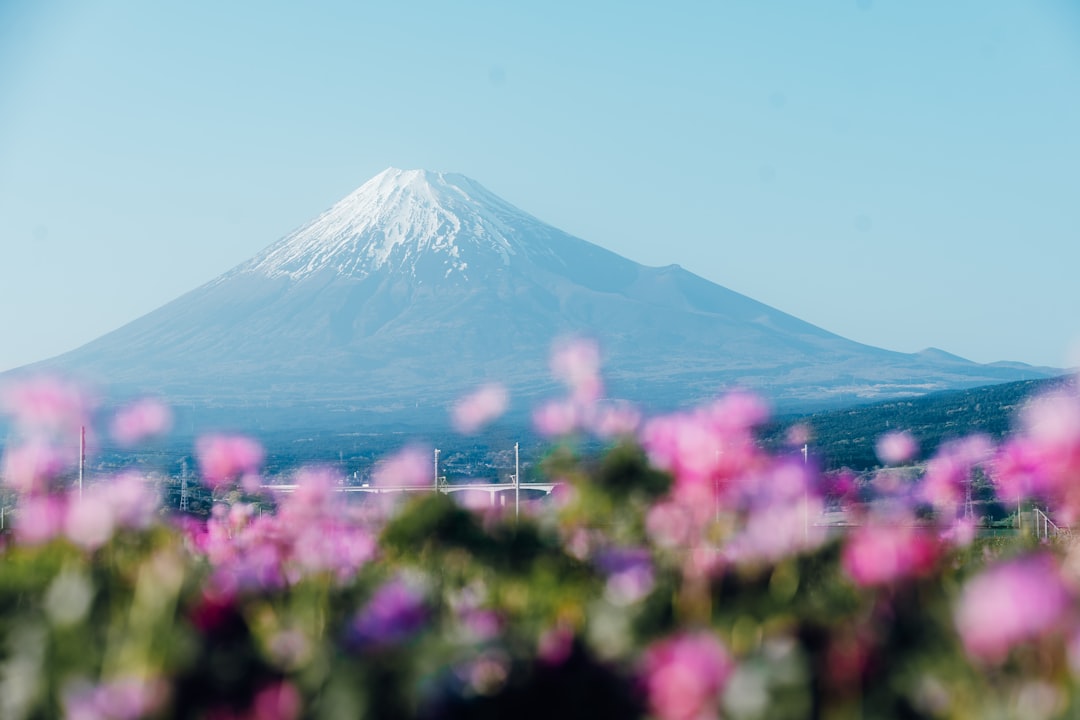
The Nebuta Matsuri in Aomori and the Awa Odori in Tokushima are two of Japan's largest and most spectacular summer festivals — massive illuminated floats and hypnotic folk dancing that draw millions of visitors in August. A guide to both festivals, how to attend, and what to expect.
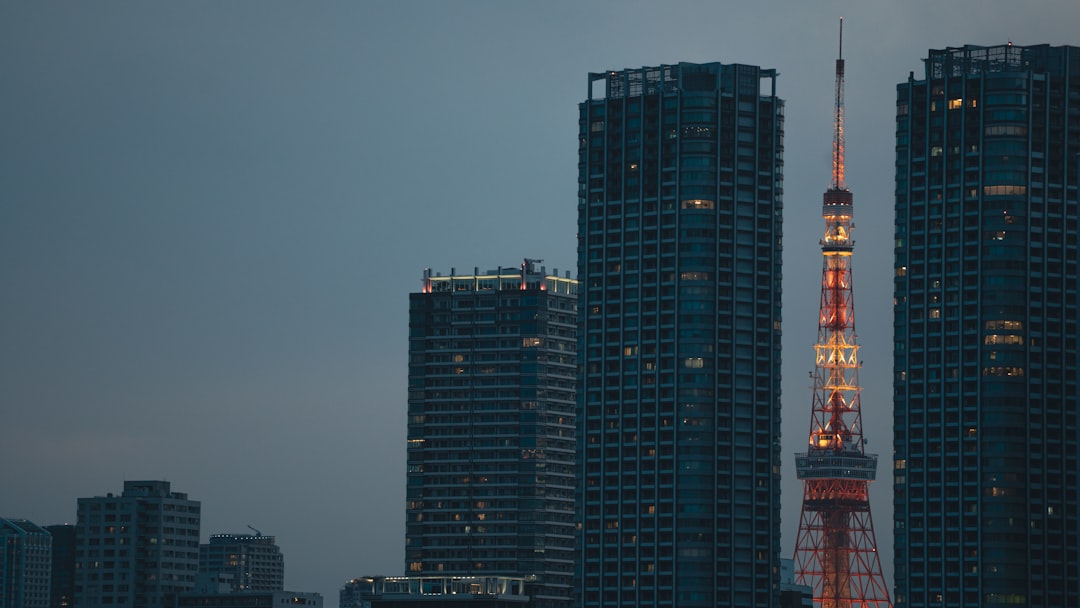
Oshogatsu — the Japanese New Year — is the country's most important holiday, combining Shinto temple visits, family traditions, special foods, and the most beautiful version of a familiar calendar event. A guide to what happens, where to experience it, and how to plan a trip around it.
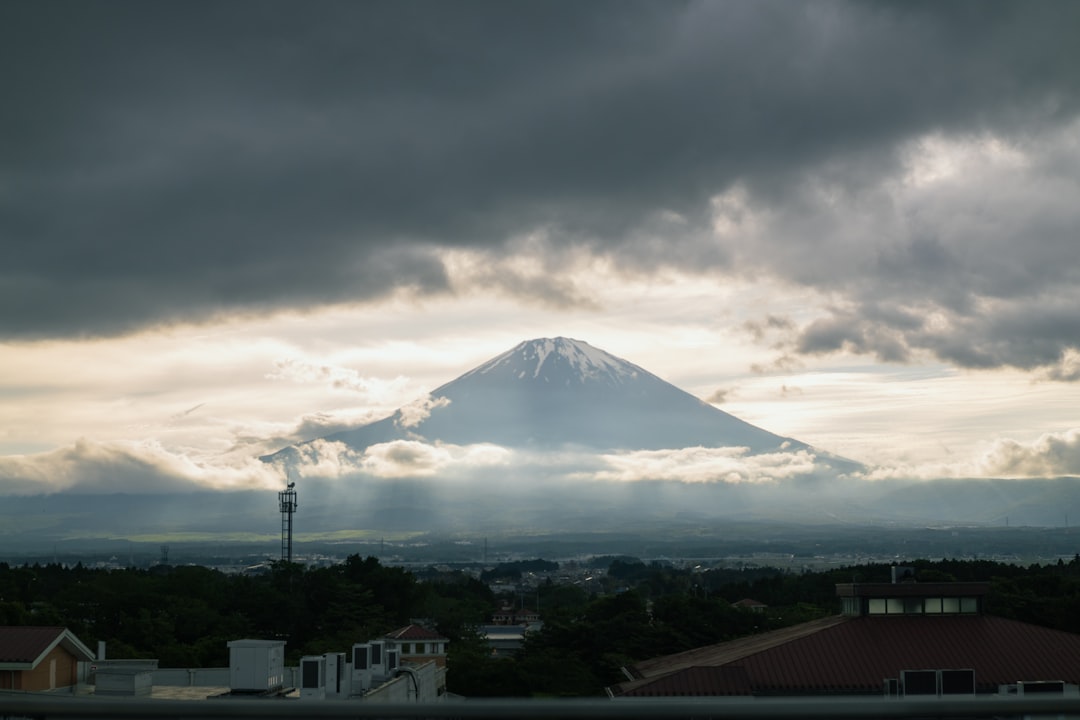
Noh and Bunraku are Japan's two most ancient theatrical traditions — Noh the masked musical drama of the warrior elite, Bunraku the puppet theater that influenced Kabuki. A guide to what they are, how to see them, and how to approach them as a first-time audience member.
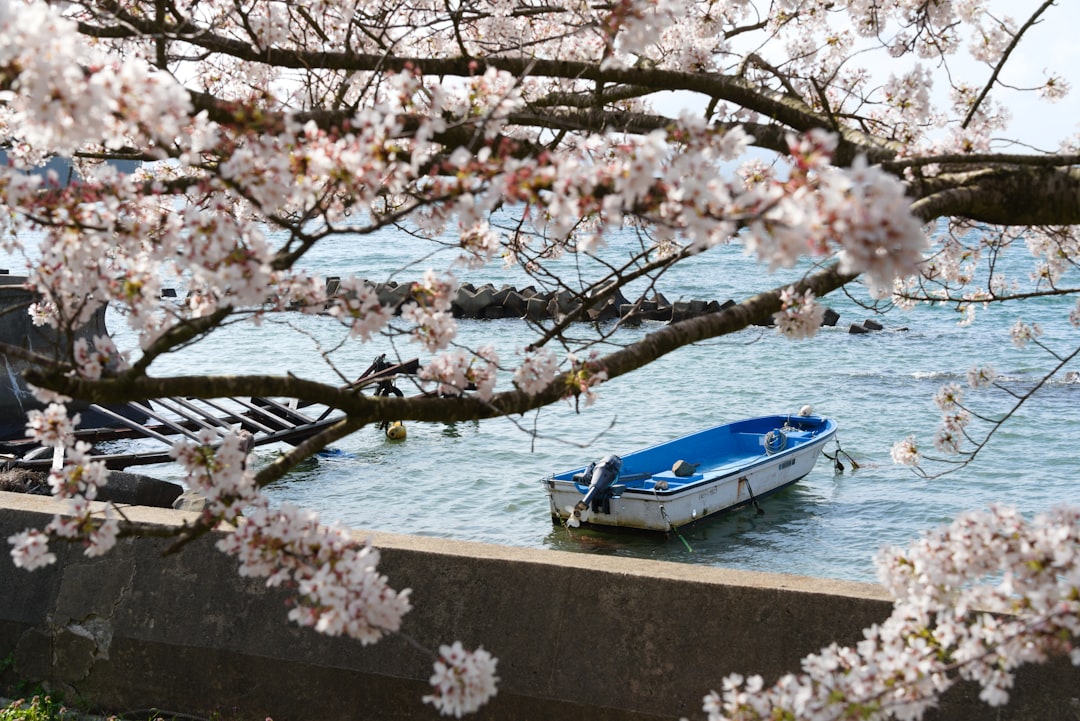
Obon is Japan's summer Buddhist festival for honoring ancestral spirits — combining lantern ceremonies, Bon Odori folk dancing, and family reunions in one of the country's most atmospheric seasonal events. A guide to the traditions, the best festivals, and how to experience it as a visitor.
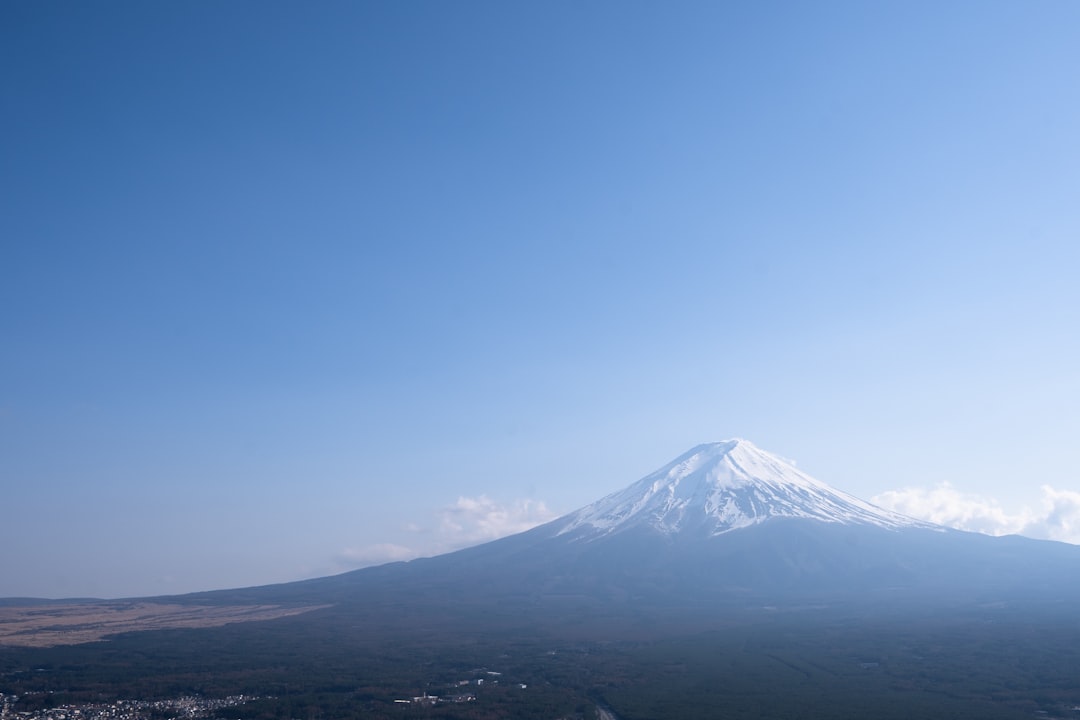
Japan has over 27,000 onsen (hot spring) locations — the most celebrated towns are Hakone and Beppu, but the most memorable experiences are often found at Kusatsu's sulfur springs, Kinosaki's public bath circuit, Ginzan's snow-covered Taisho-era streets, or the remote Nyuto Tsurunoyu in the mountains.
Packing for Japan requires thinking about walking distances, shoe-removal etiquette, seasonal weather, and what's available cheaply in Japan versus what you should bring. A practical list organized by season and trip length.
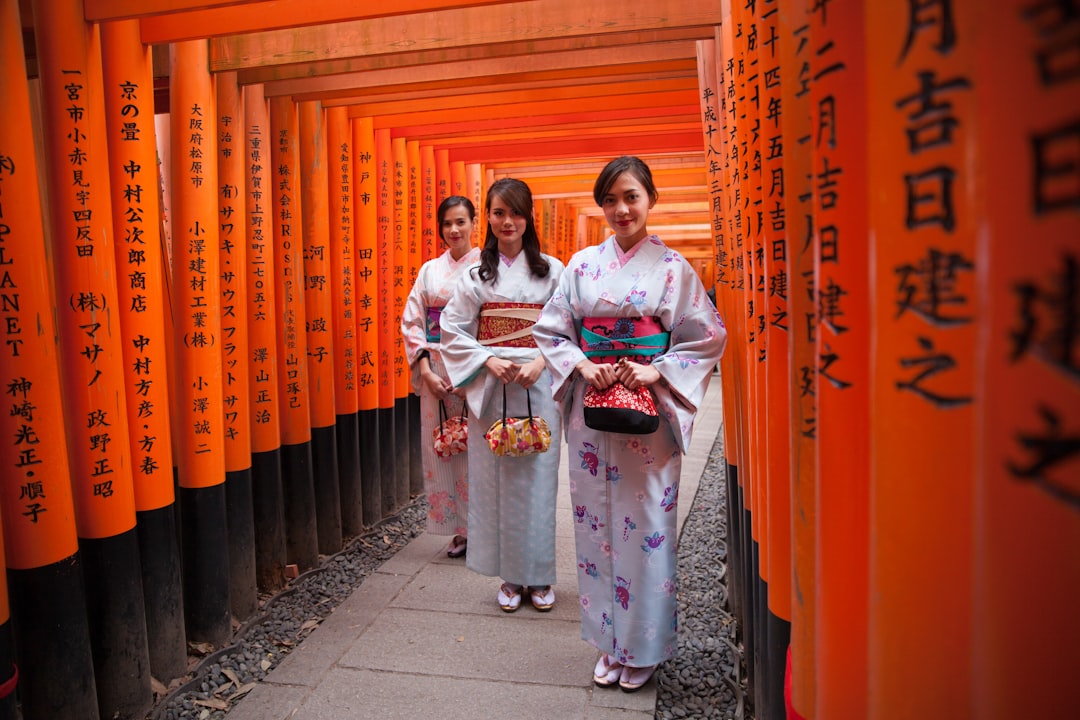
Japan's bullet train network is fast, punctual, and surprisingly easy to navigate once you understand the ticket types, seat classes, and booking methods. A complete guide to booking shinkansen seats — including reserved vs unreserved, how to use the JR Pass, and where to buy tickets.
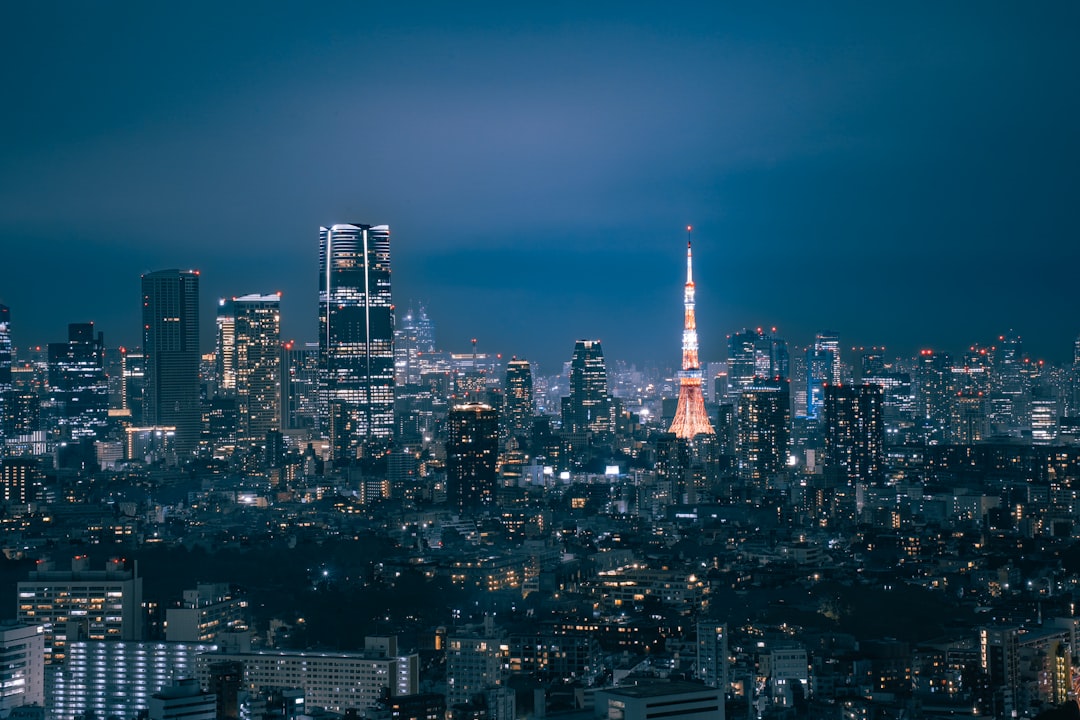
Shirakawa-go and Gokayama are UNESCO-listed historic villages in the Japanese Alps — famous for their gassho-zukuri farmhouses with steeply pitched thatched roofs designed to shed heavy snow. In winter, illuminations turn them into the most photographed landscapes in central Japan.
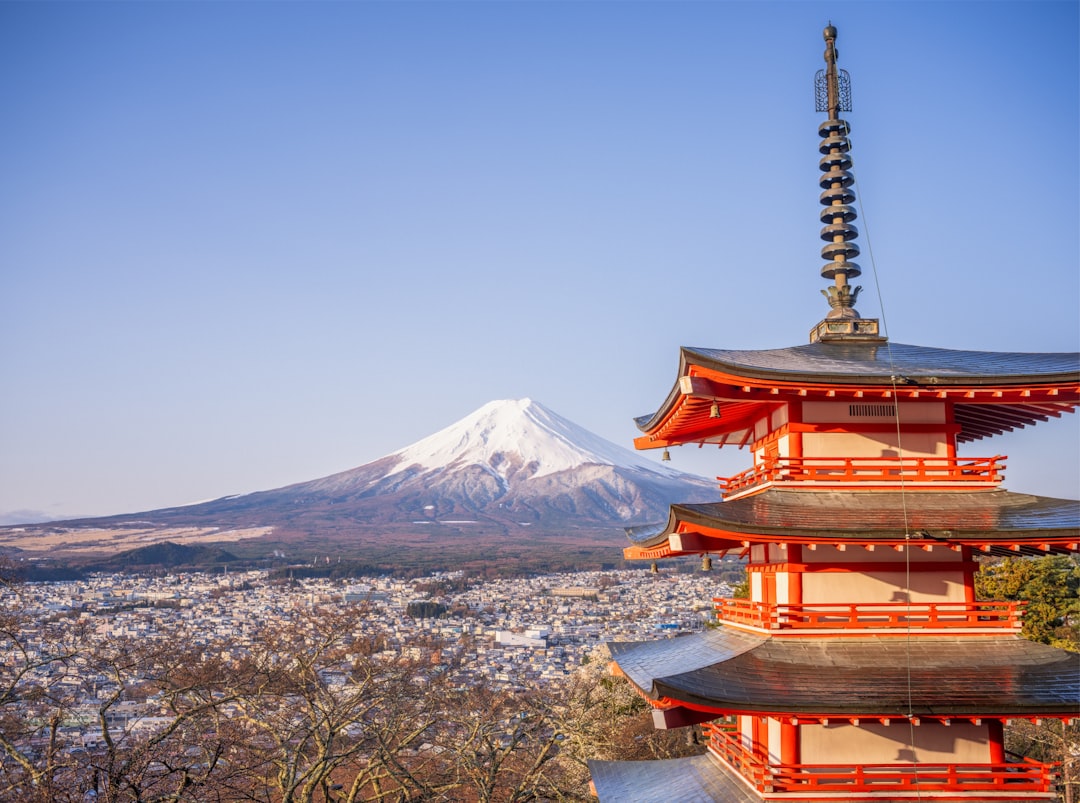
Staying connected in Japan is straightforward once you know the options — SIM cards at the airport, eSIMs from home, pocket WiFi rentals, or your existing plan. A practical guide to the best options by trip length, device, and usage needs.
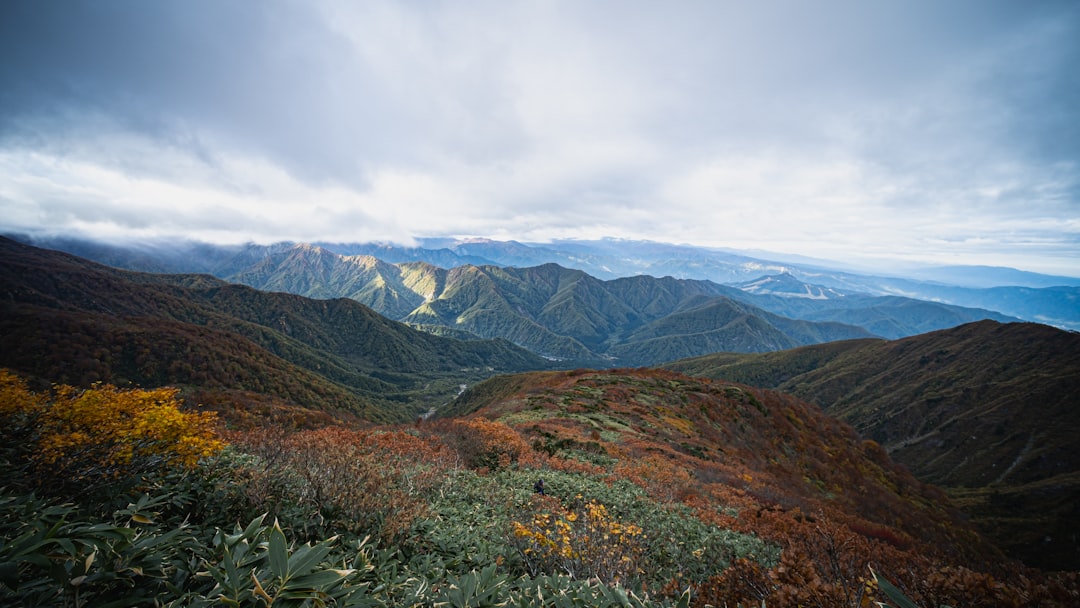
Japan has some of the best powder snow in the world — Hokkaido's Niseko gets 15 meters of dry Siberian powder annually. A guide to the top ski resorts, the best season window, how to get there, and what makes Japan skiing different from anywhere else.
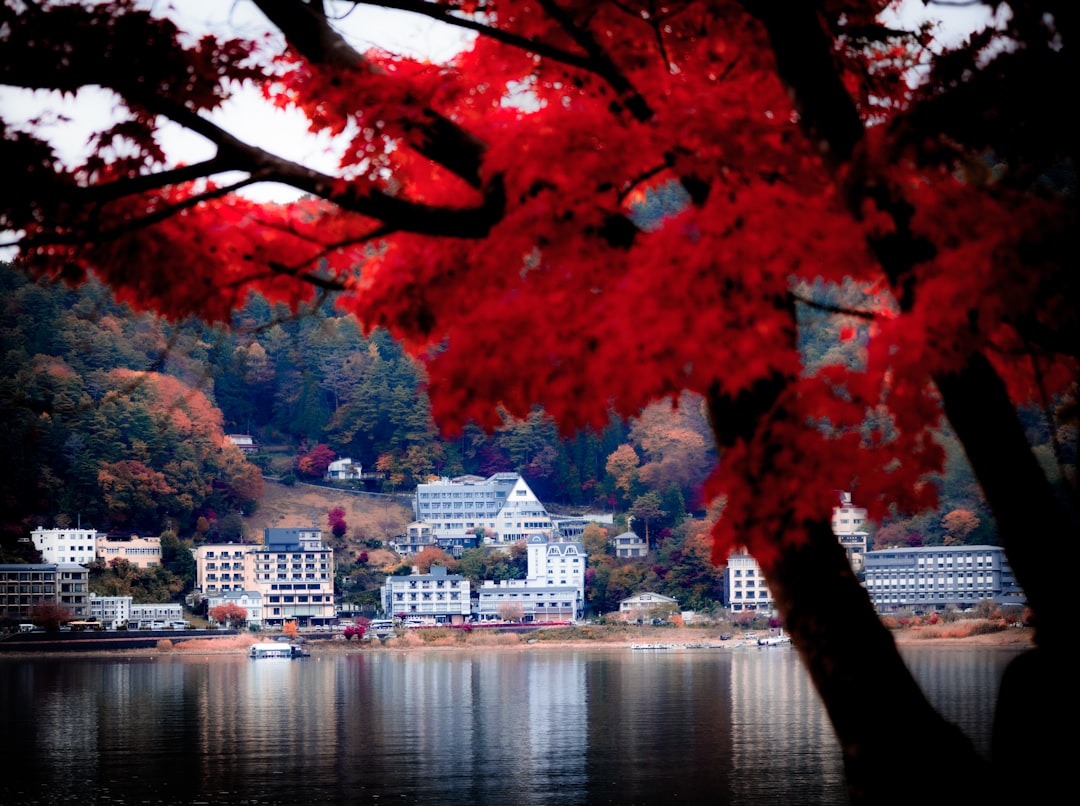
The Takarazuka Revue is Japan's most distinctive theater tradition — an all-female musical theater company in Hyogo Prefecture that performs lavish Broadway-style productions with women playing male roles. A guide to the theater, the troupes, how to see a performance, and the fan culture.
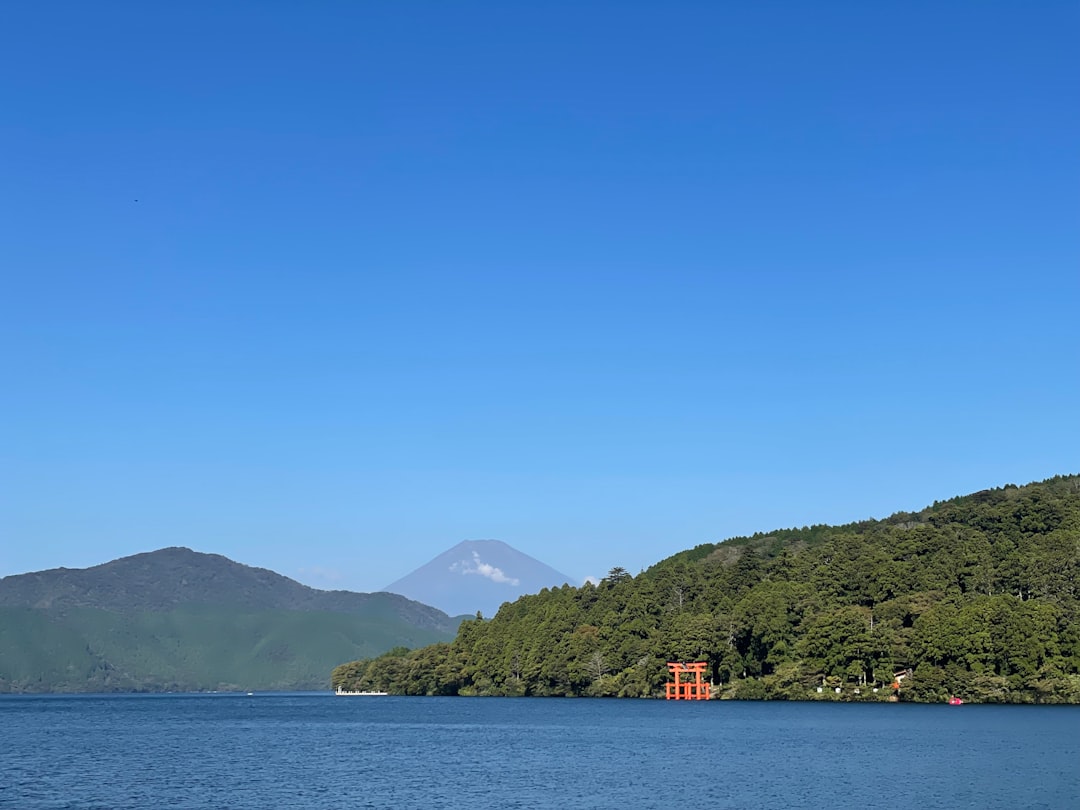
The Tateyama Kurobe Alpine Route is one of Japan's most dramatic travel experiences — a full crossing of the Northern Alps using cable cars, trolley buses, and the world's deepest underground hydroelectric facility, reaching 2,450m through snow corridors that tower 20 meters overhead in spring.
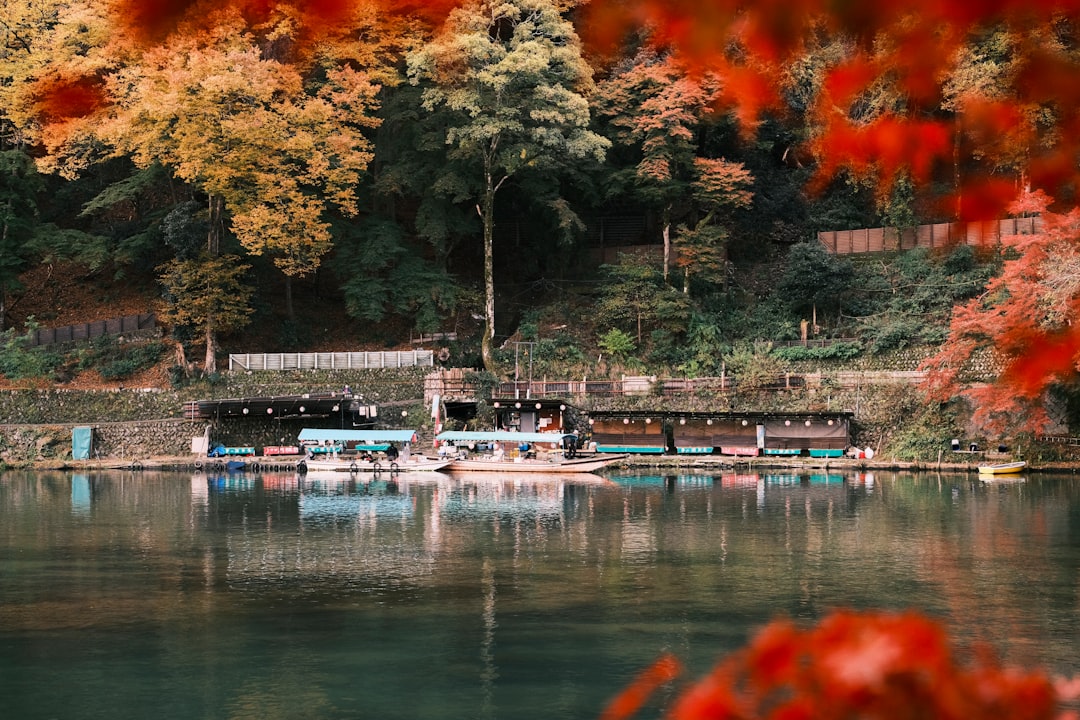
The tea ceremony (chado) is a choreographed ritual for preparing and drinking matcha that encapsulates the core Japanese aesthetic principles of wabi-sabi, ma, and ichi-go ichi-e. A guide to what it is, where to experience it in Kyoto and Tokyo, and what to expect.
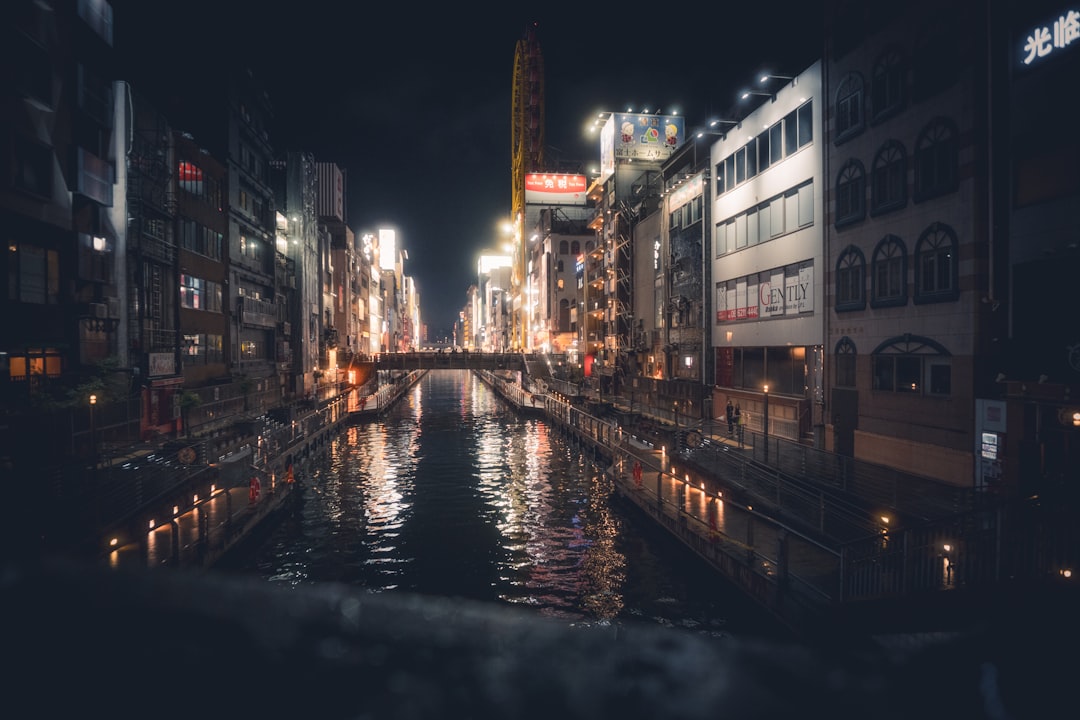
Tsukemen — dipping noodles — is the variant of ramen where thick noodles are served cold or warm on the side and dipped into an intensely concentrated broth. A guide to the style, the best shops, how to order, and why it's worth seeking out over regular ramen.
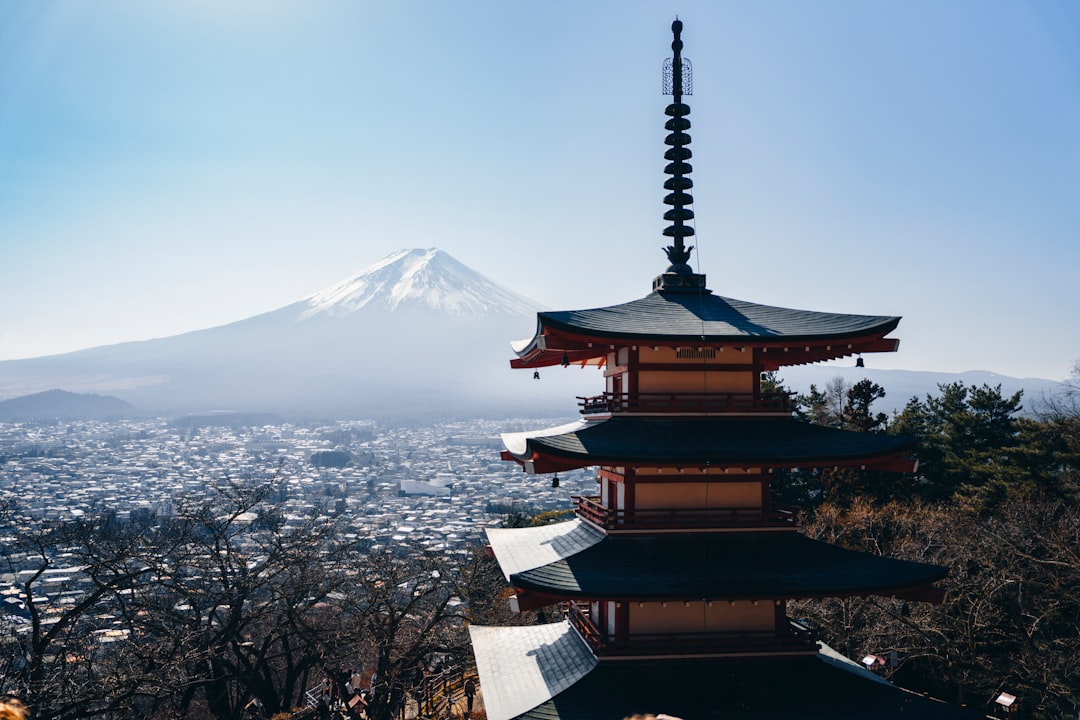
Eating vegetarian or vegan in Japan is more challenging than in most Western countries — dashi (fish stock) is the invisible base of Japanese cooking, hidden in sauces, broths, and seasonings. This guide covers how to eat well without meat or fish, the best options, and the phrases that actually work.
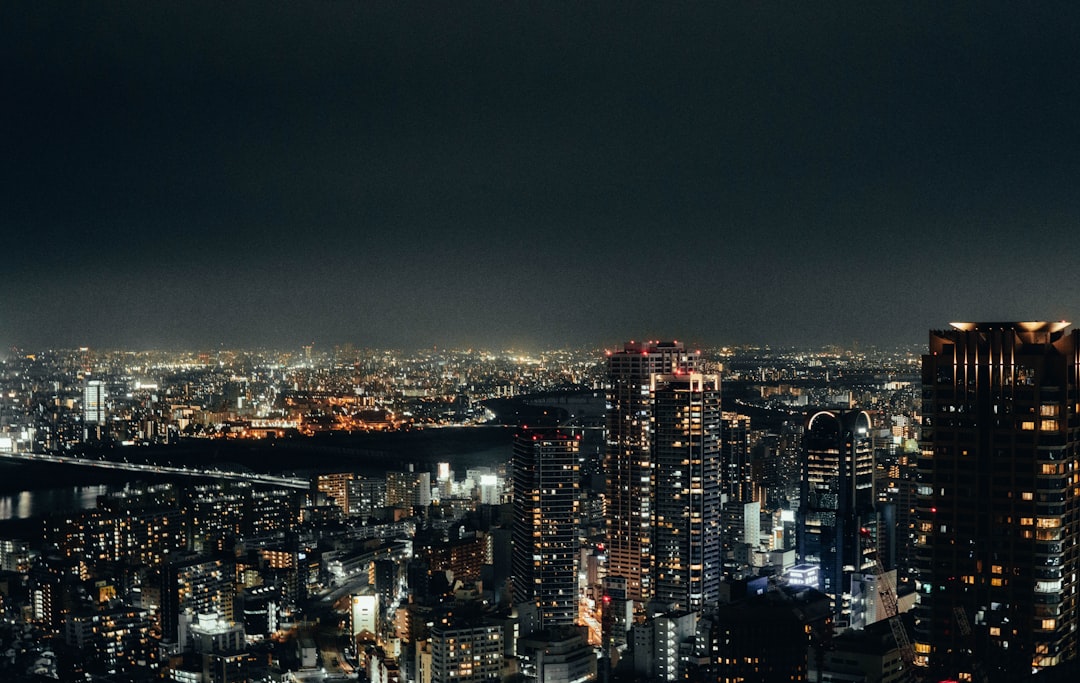
Japan has approximately 4 million vending machines — one for every 30 people. They sell everything from coffee and hot soup to umbrellas, fresh eggs, and sake. A guide to what's actually in them, where the unusual ones are, and how to use them.
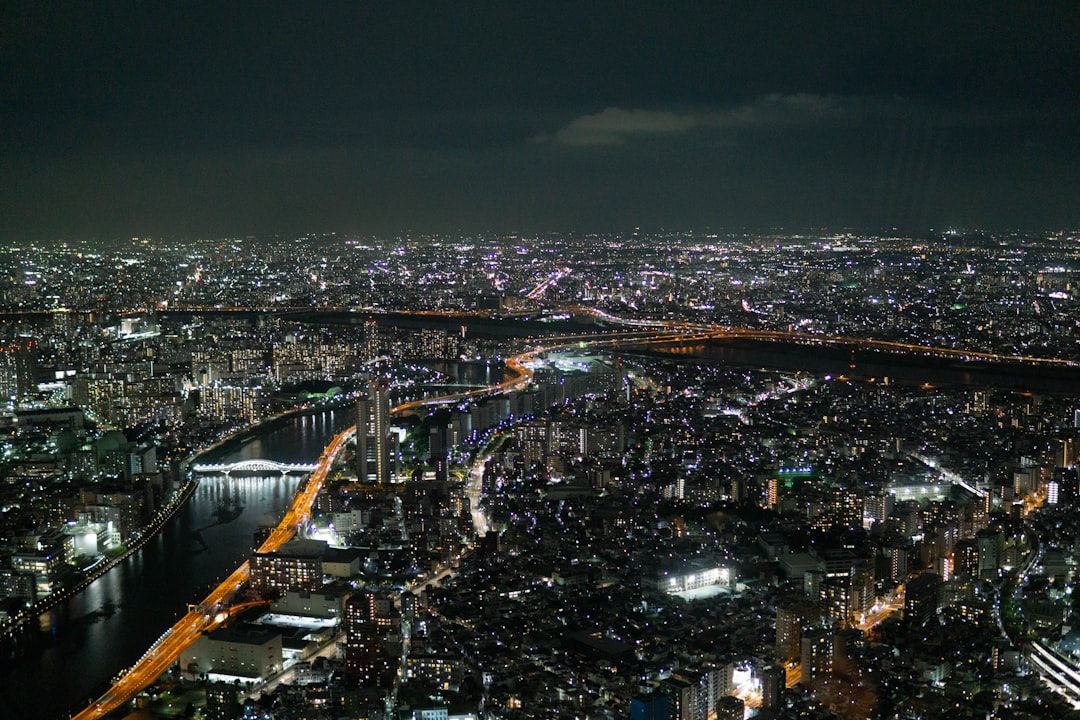
Japanese whisky has gone from obscure curiosity to the most sought-after category in the world in 20 years. A guide to the distilleries, the best bars in Tokyo and Kyoto, how to navigate Japanese whisky labels, and why Yamazaki, Nikka, and the craft distillery wave matter.
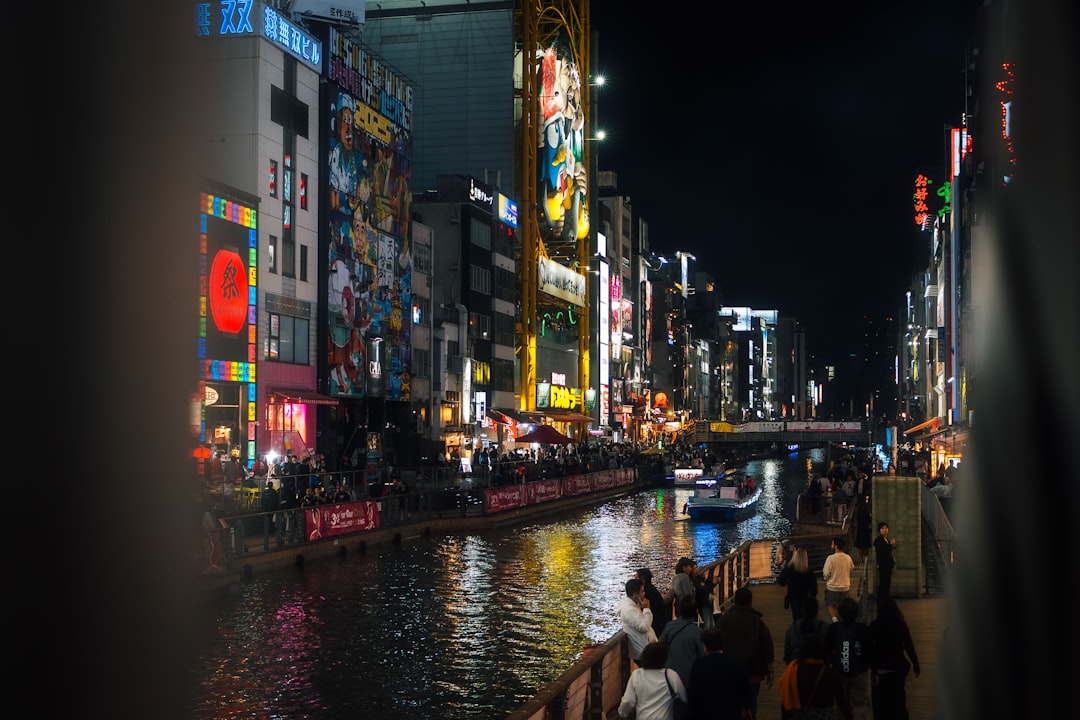
Kyoto's bus network is the most practical way to reach many of the city's temples and gardens — but the system has quirks that confuse visitors. A guide to the routes, the IC card system, the day pass, and the key lines for tourist areas.
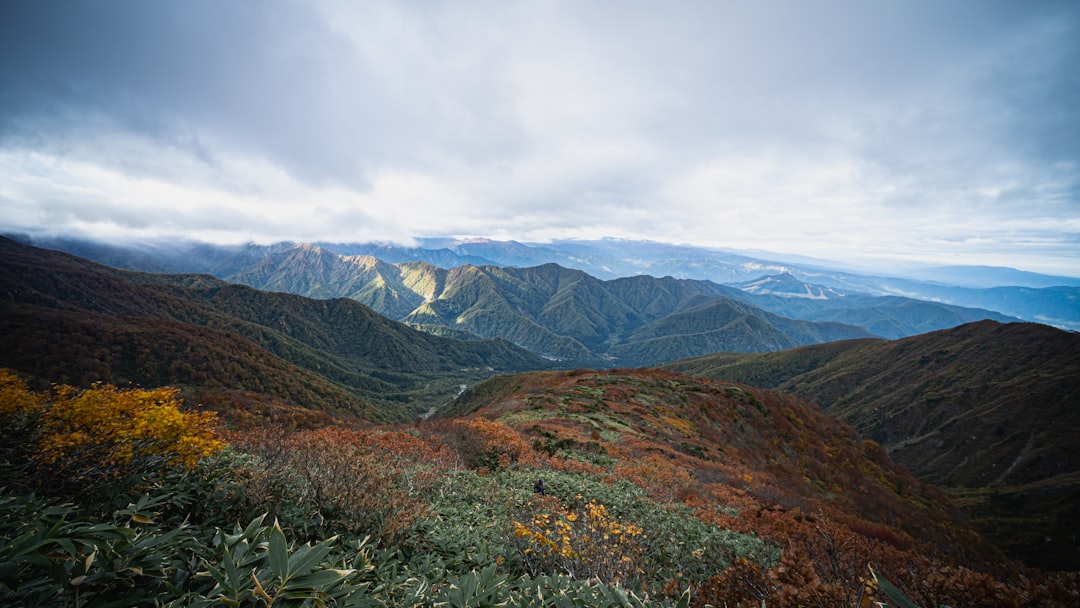
Daigo-ji is one of Kyoto's most dramatic temple complexes — a UNESCO World Heritage Site spread across a mountain, with a five-story pagoda older than most of Europe's great cathedrals and a famous cherry blossom history tied to Toyotomi Hideyoshi's last great party.
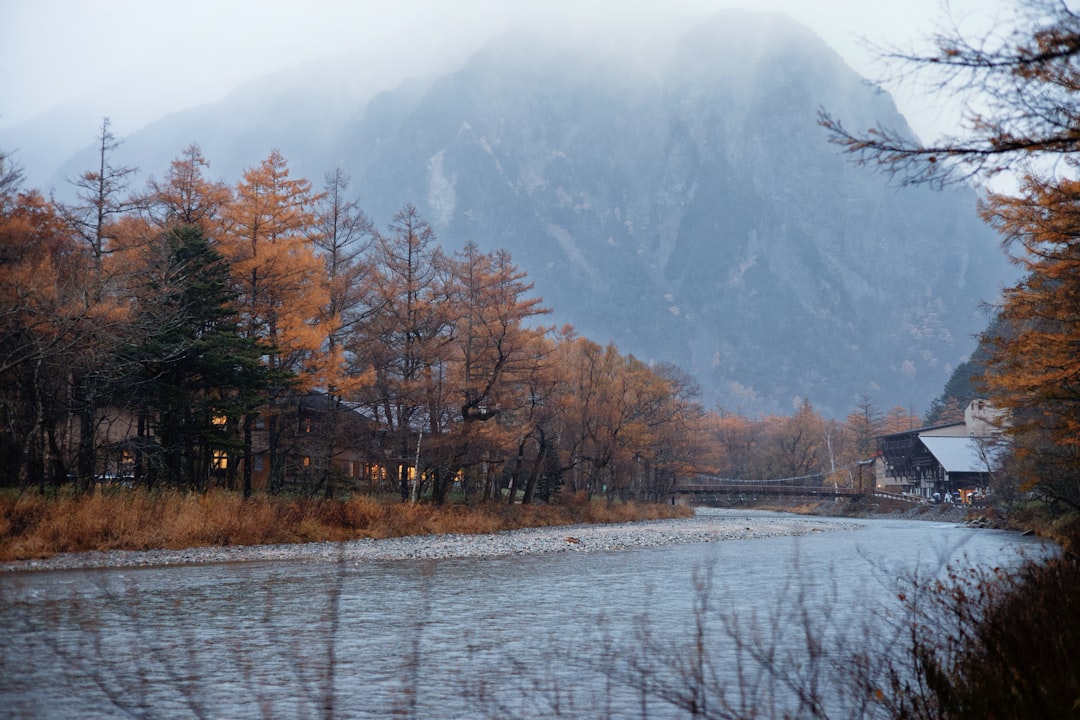
Enryaku-ji is the headquarters temple of the Tendai Buddhist school — a complex of over 100 buildings spread across the summit ridge of Mount Hiei, overlooking both Kyoto and Lake Biwa. The mountain monastery that educated most of Japan's Buddhist reformers, including the founders of Zen, Pure Land, and Nichiren Buddhism.
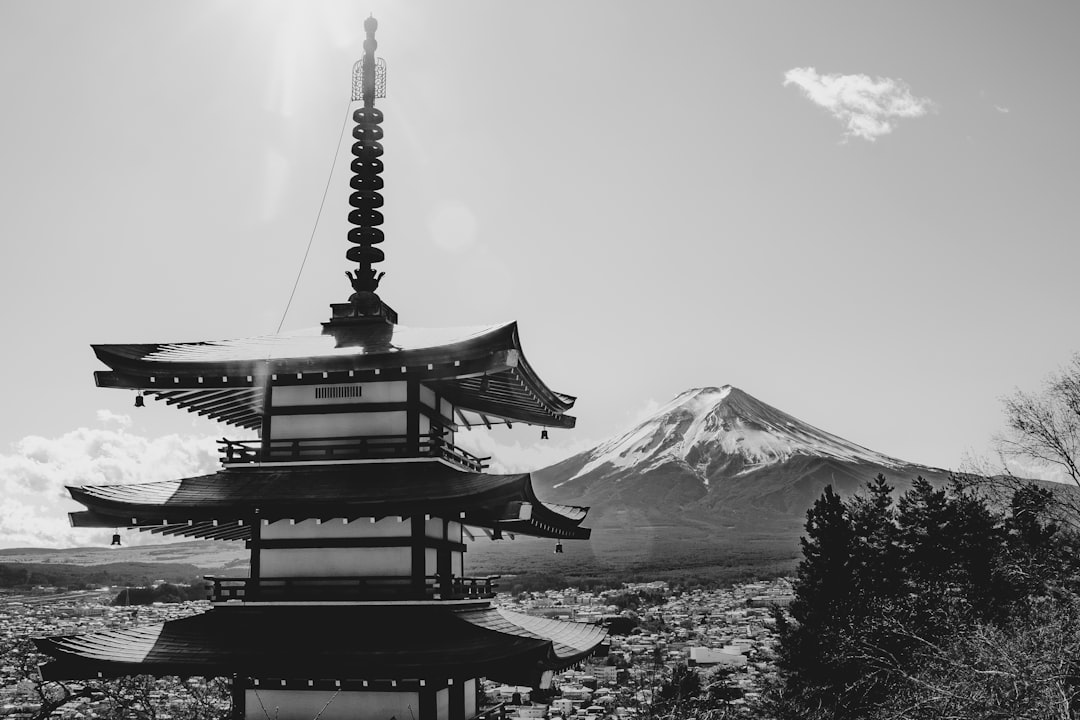
Kamishichiken is the oldest of Kyoto's five geiko districts — a short street of teahouses and ochaya near Kitano Tenmangu shrine, rarely visited by tourists but home to the most traditional geiko culture in the city. A guide to the neighborhood, the Kitano Odori performance, and the seasonal beer garden.
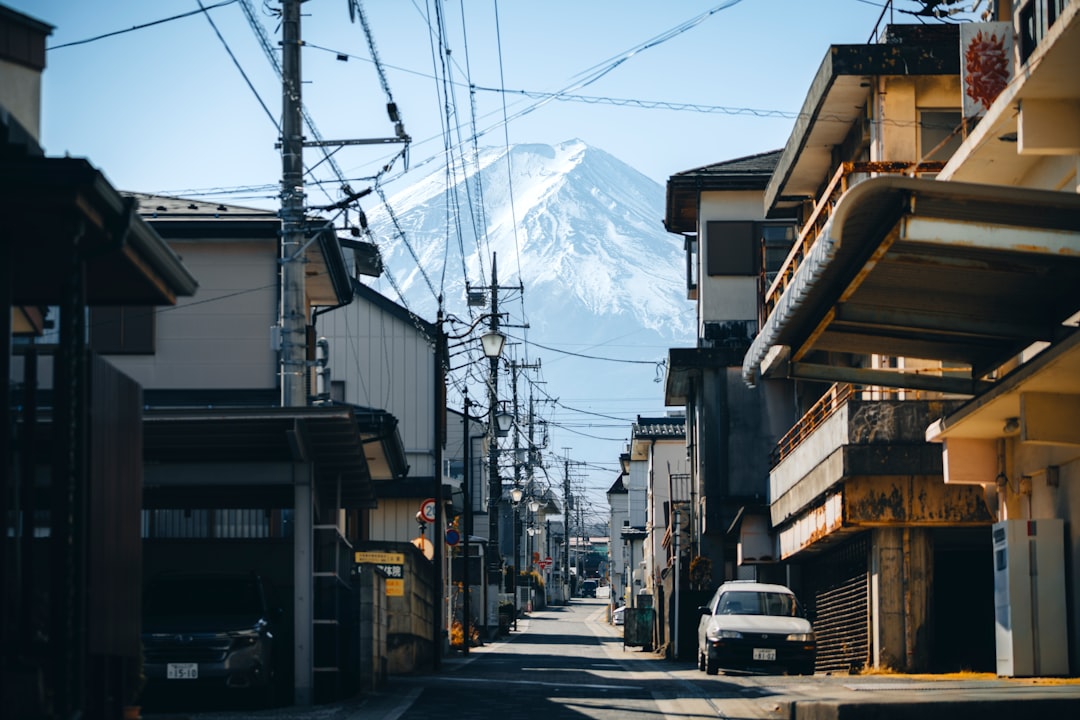
Machiya are Kyoto's traditional wooden town houses — narrow-fronted, deep, with internal gardens and centuries of architectural history. Several hundred have been restored as private accommodation. A guide to what they're like to stay in, where to book, and what to expect.
Miyagawacho is one of Kyoto's five geiko districts — a single atmospheric street running south from Shijo parallel to the Kamo River, with preserved machiya architecture and fewer tourists than neighboring Gion. A guide to the neighborhood, its seasonal odori performance, and how to experience it properly.
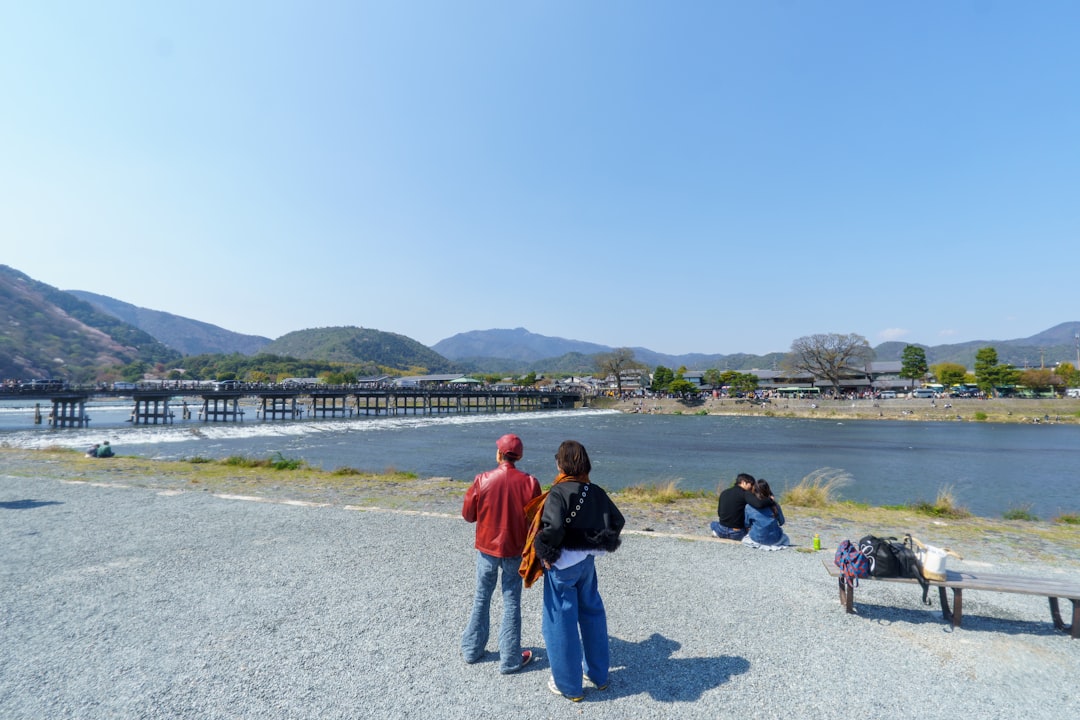
Osaka Castle is one of Japan's most recognizable landmarks — a 16th-century fortress rebuilt in concrete in 1931, surrounded by genuine moats, stone walls, and 600 cherry trees. A guide to what's inside the museum, how to visit the grounds, and the history of Hideyoshi's great construction.
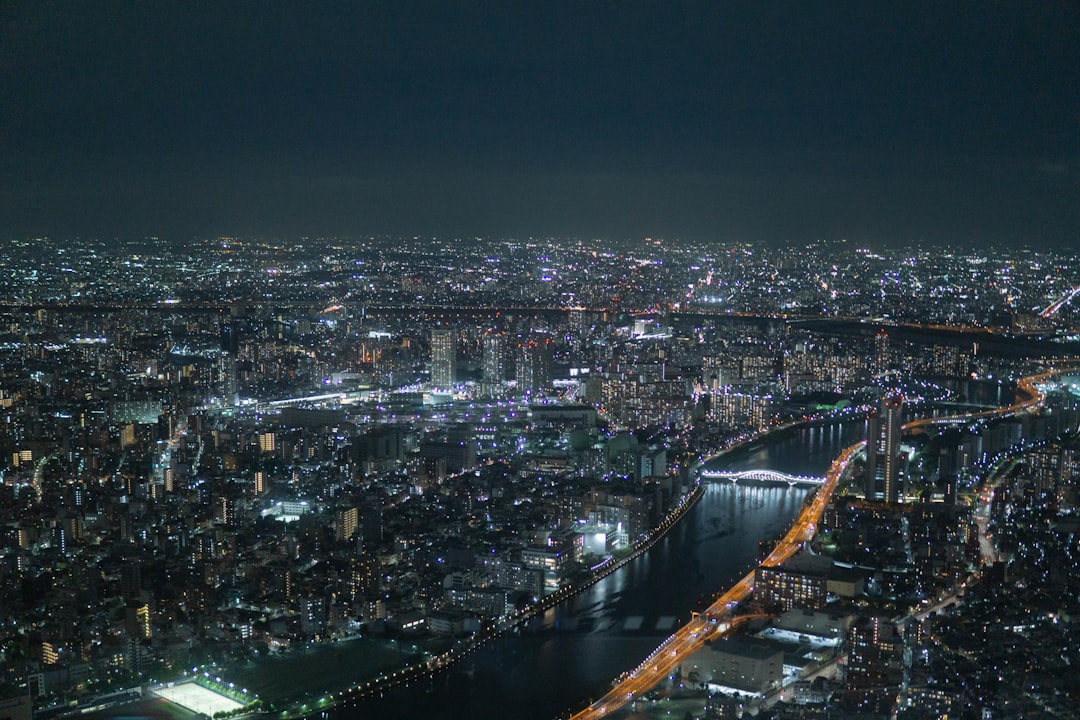
Kuromon Ichiba has been feeding Osaka for 190 years — a 580-meter covered market with 170 stalls selling fresh seafood, Wagyu beef, pickles, and street food. A guide to what to eat, when to go, and why it remains one of the best food markets in Japan despite its tourist popularity.
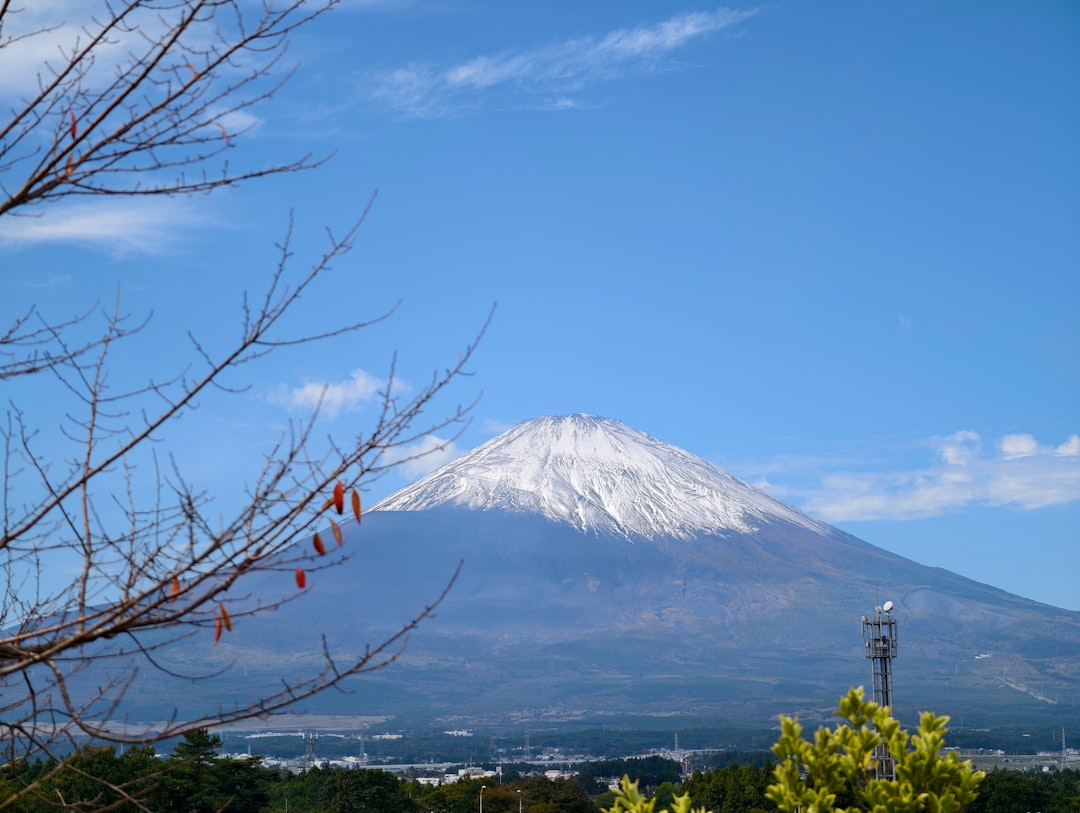
Jiyugaoka is a residential neighborhood in southwest Tokyo built around an unusually high concentration of European-style patisseries, confectionery shops, and café culture — plus the largest market-style sweets complex in Tokyo. A neighborhood that earns its designation as Tokyo's confectionery capital.
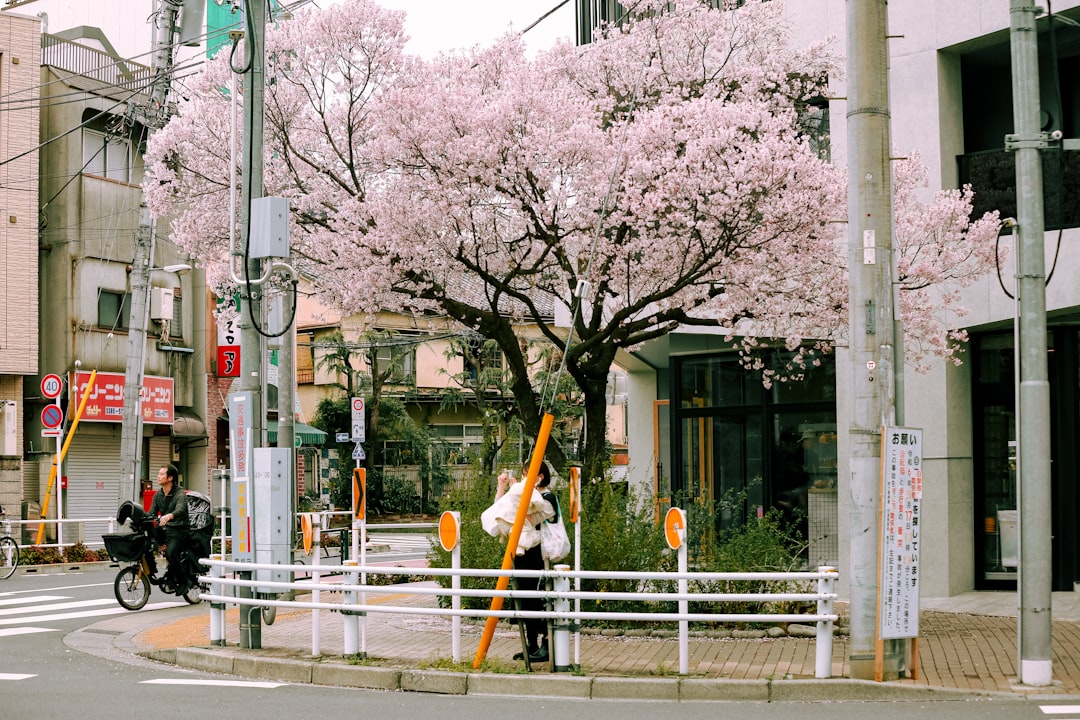
Shibamata is a small neighborhood in the northeastern corner of Tokyo that has remained almost entirely unchanged since the 1960s — a wooden shopping street leading to a 1,300-year-old temple, famous as the setting for Japan's longest-running film series. A guide to visiting.
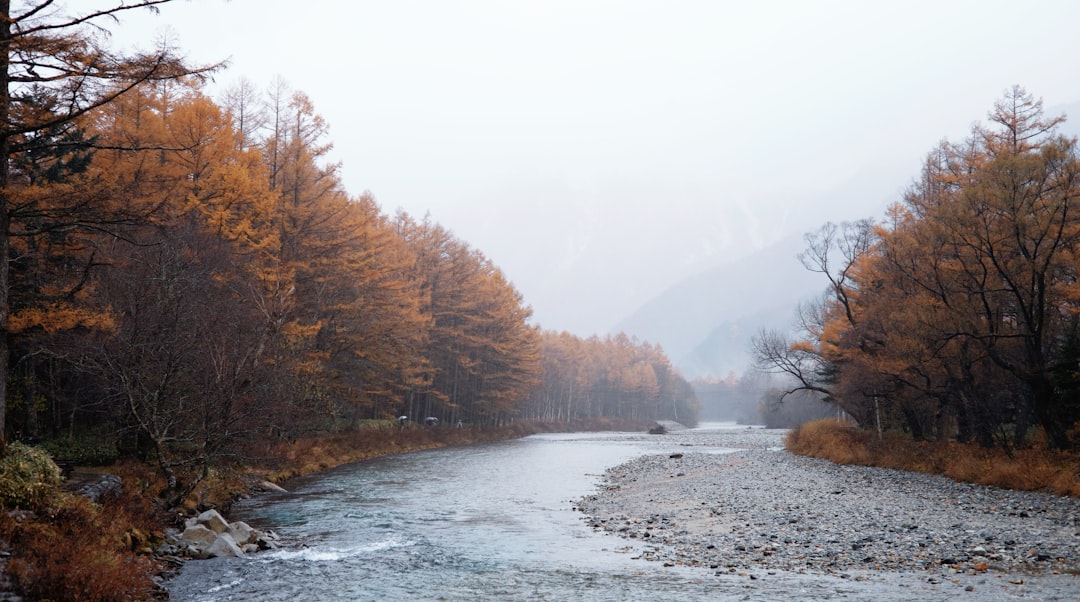
Sugamo is the old-fashioned shopping street neighborhood that Tokyo's elderly residents love — nicknamed 'Grandma's Harajuku,' it's a reminder of what Tokyo shopping streets looked like before they became fashionable. A guide to what to eat, what to buy, and why it's one of the most genuinely characterful walks in the city.
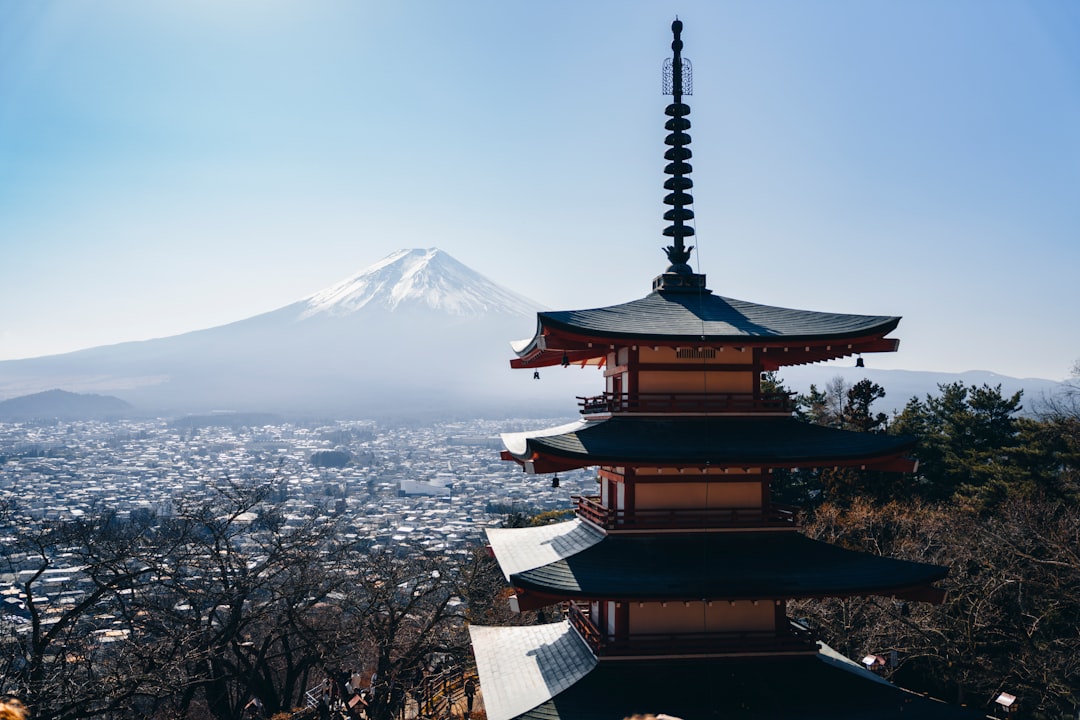
Tokyo Tower was Japan's tallest structure from 1958 to 2012 and remains one of the city's most recognizable landmarks. A guide to visiting the observation decks, the best views of the tower from the outside, and why it remains worth visiting despite the newer Sky Tree.
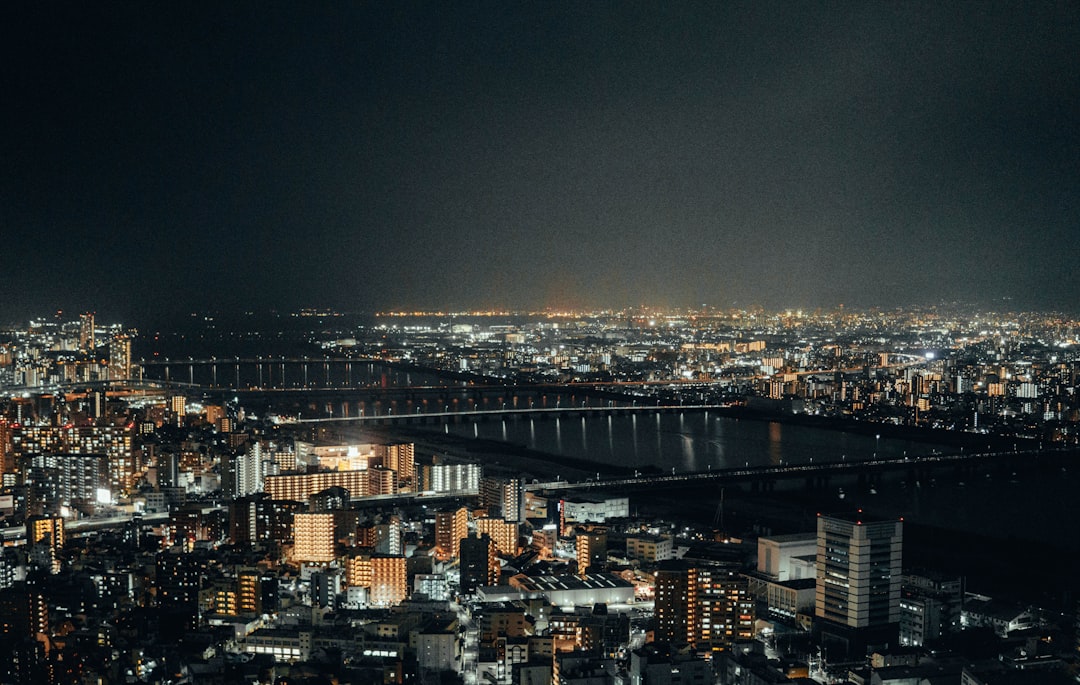
Toyosu Market replaced Tsukiji as Tokyo's central wholesale seafood market in 2018. A guide to visiting the tuna auction, the sushi restaurants, and how the new market compares to its legendary predecessor.
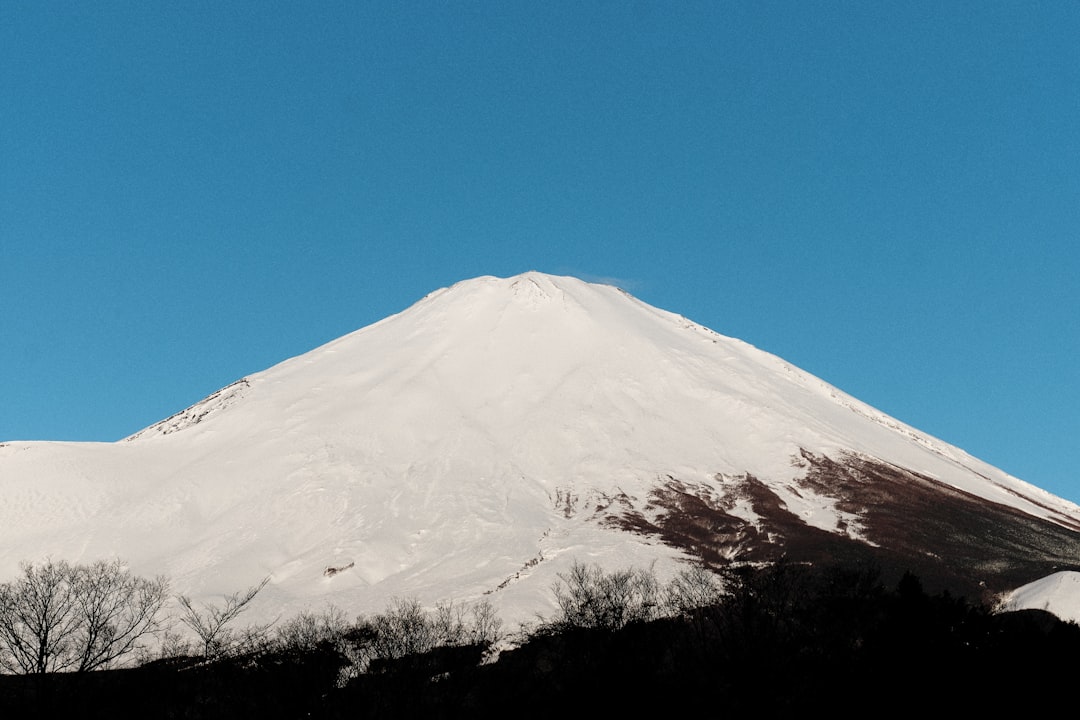
Japan has excellent trains but driving unlocks rural ryokan, mountain onsen, coastal roads, and destinations that no rail line reaches. This guide covers licenses, highway systems, navigation, parking, and the roads worth driving.
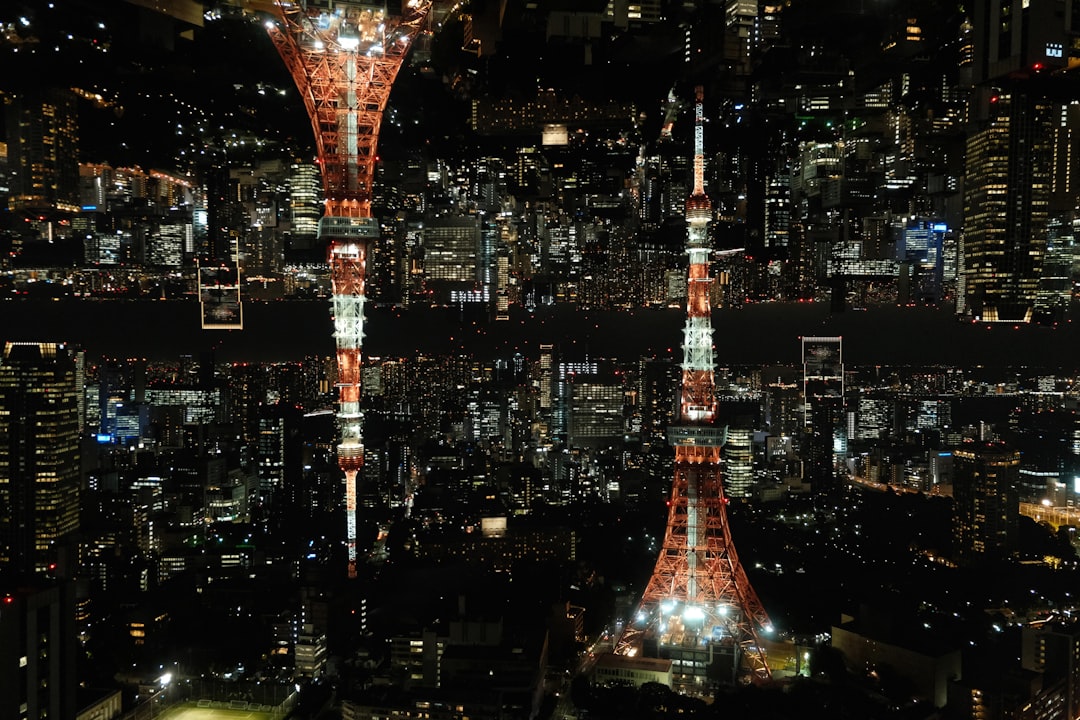
The JR Pass is Japan's famous rail pass for foreign tourists — unlimited travel on JR trains, Shinkansen, and local lines. But the 2023 price increase changed the calculus significantly. This guide covers who the pass still benefits, how to calculate whether it pays off for your trip, and the best alternatives.
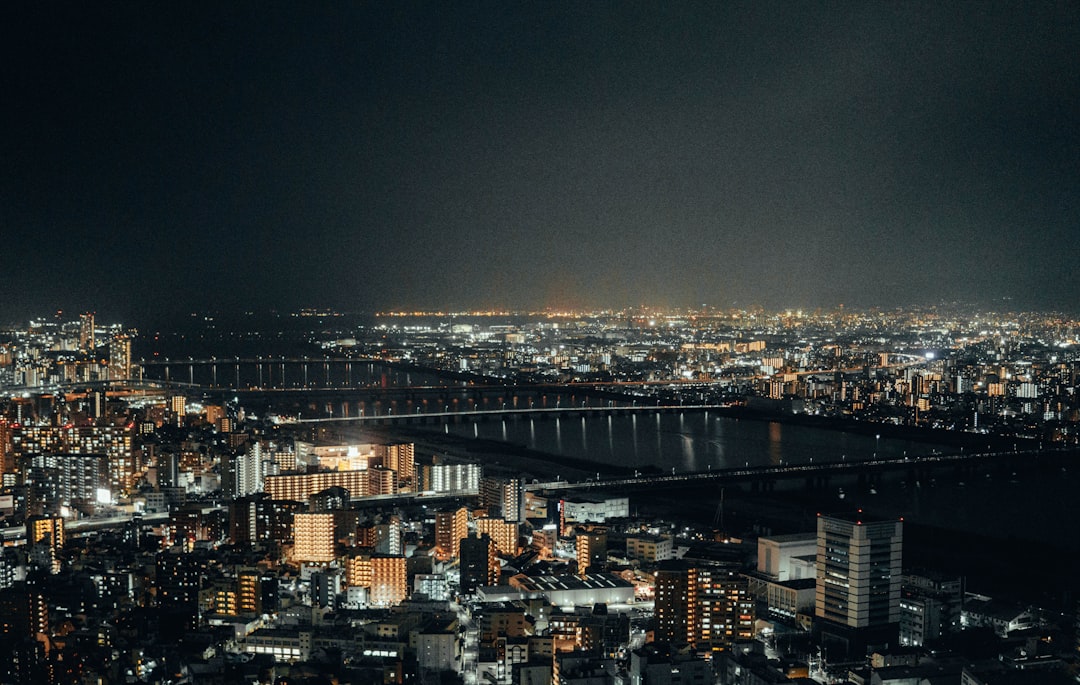
Okonomiyaki — the thick batter pancake loaded with cabbage, meat, and seafood — is a comfort food institution split between two competing regional traditions: the Osaka style (mixed) and the Hiroshima style (layered). A guide to both, where to eat them, and how to cook your own.
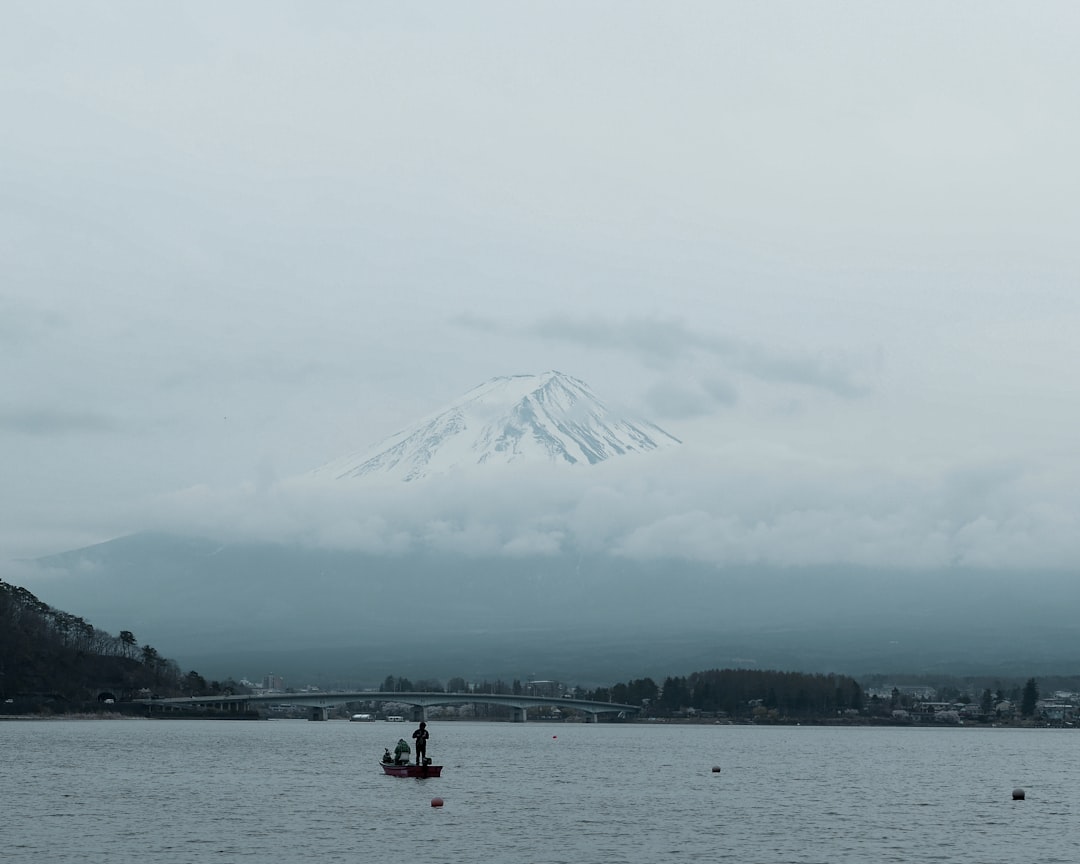
Sumo is Japan's ancient martial art and national sport — bouts that last seconds but are preceded by hours of ritual, tradition, and the weight of 1,500 years of history. This guide covers how to get tickets, the tournament schedule, the rules, the ritual, and where to see sumo training.
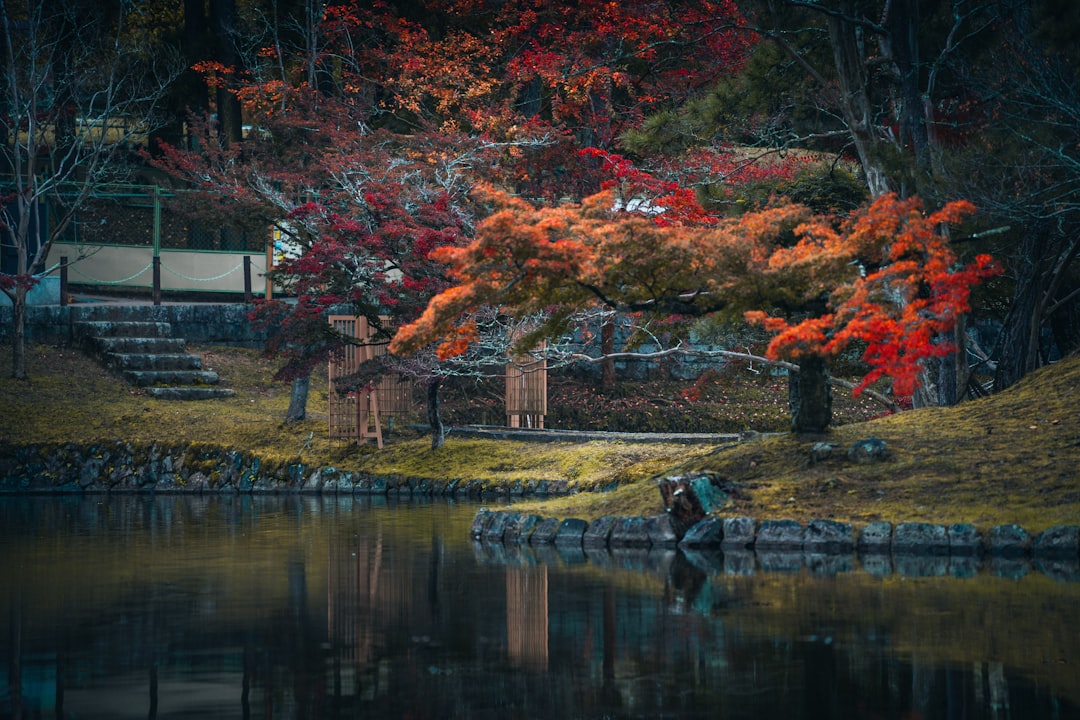
Tempura — seafood and vegetables in a barely-there batter, fried to a crisp translucency — is one of Japan's most refined culinary arts. A guide to the different grades of tempura restaurants, the proper way to eat it, regional variations, and where to find the best in Tokyo and Kyoto.
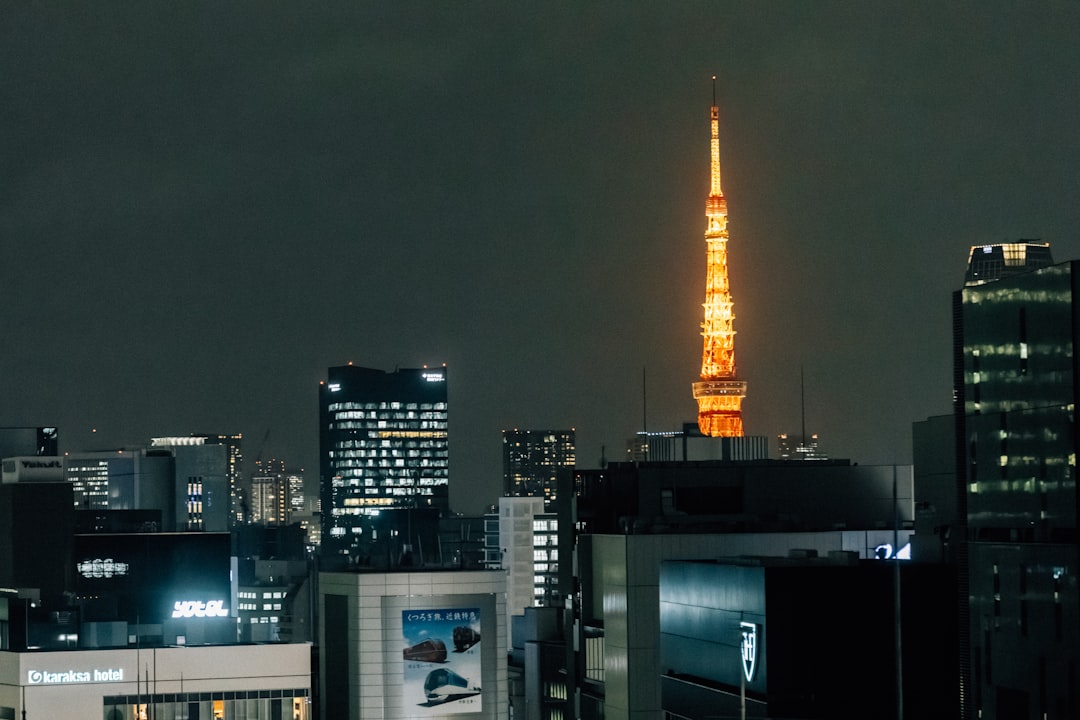
Tonkatsu — panko-breaded deep-fried pork cutlet — is one of Japan's most beloved Western-influenced dishes, elevated by Japanese craftsmanship into a near-perfect food. A guide to the different cuts, the best restaurants, the proper way to eat it, and why it's worth spending real money on.
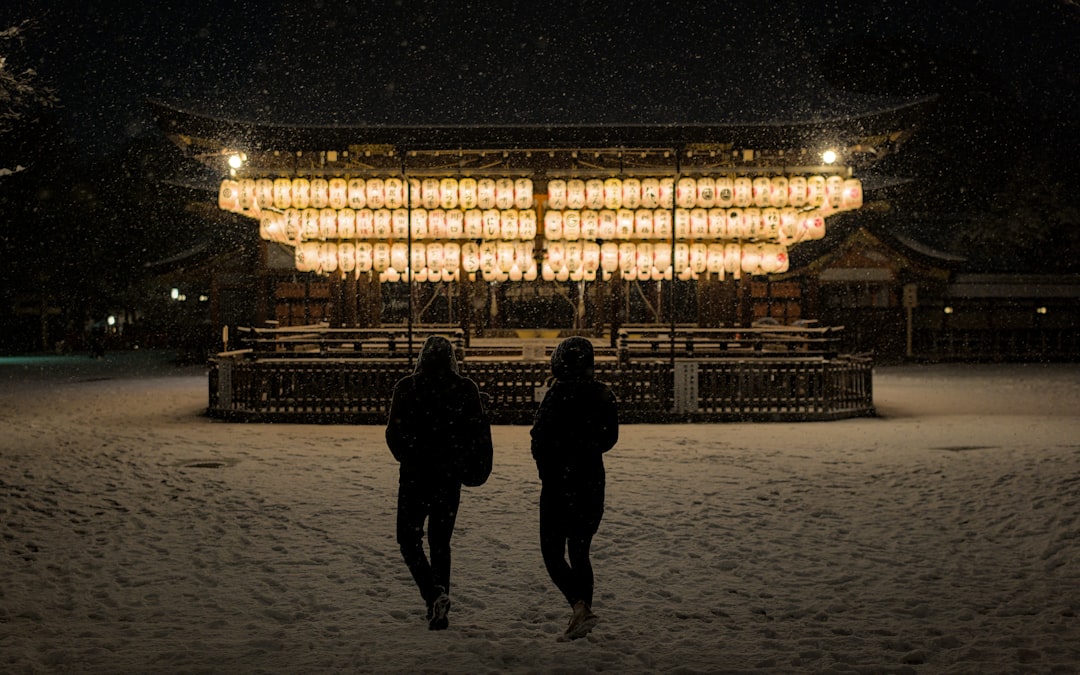
Daitoku-ji is a Rinzai Zen temple complex in northern Kyoto comprising 24 subtemples — most closed to the public, but several of the finest Zen gardens in Japan are accessible here, including Daisen-in's celebrated garden in miniature and Kotoin's famous maple approach.
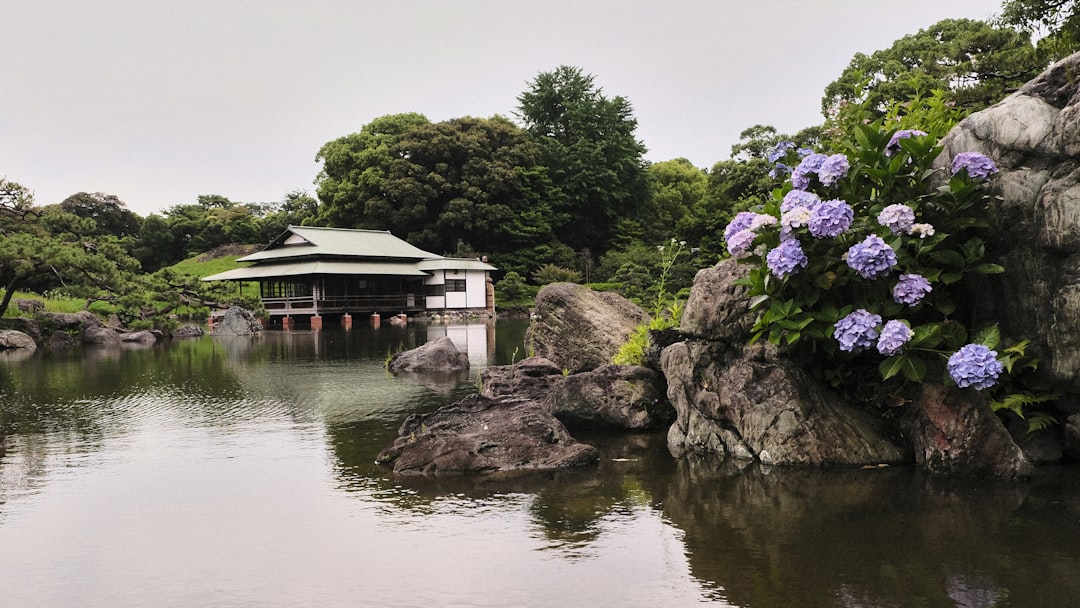
Fushimi is one of Japan's most important sake-brewing districts — the soft groundwater from the Fushimi springs has produced sake here for 400 years. The district has the Gekkeikan Okura Sake Museum, working breweries, and a canal-and-warehouse character entirely different from the rest of Kyoto.
Kibune and Kurama are two mountain villages 30 minutes north of Kyoto — connected by a 4km hiking trail over the ridge between them. Kibune has kawadoko river dining in summer; Kurama has a dramatic mountain shrine and onsen. Together they're the most distinctive day trip from Kyoto.
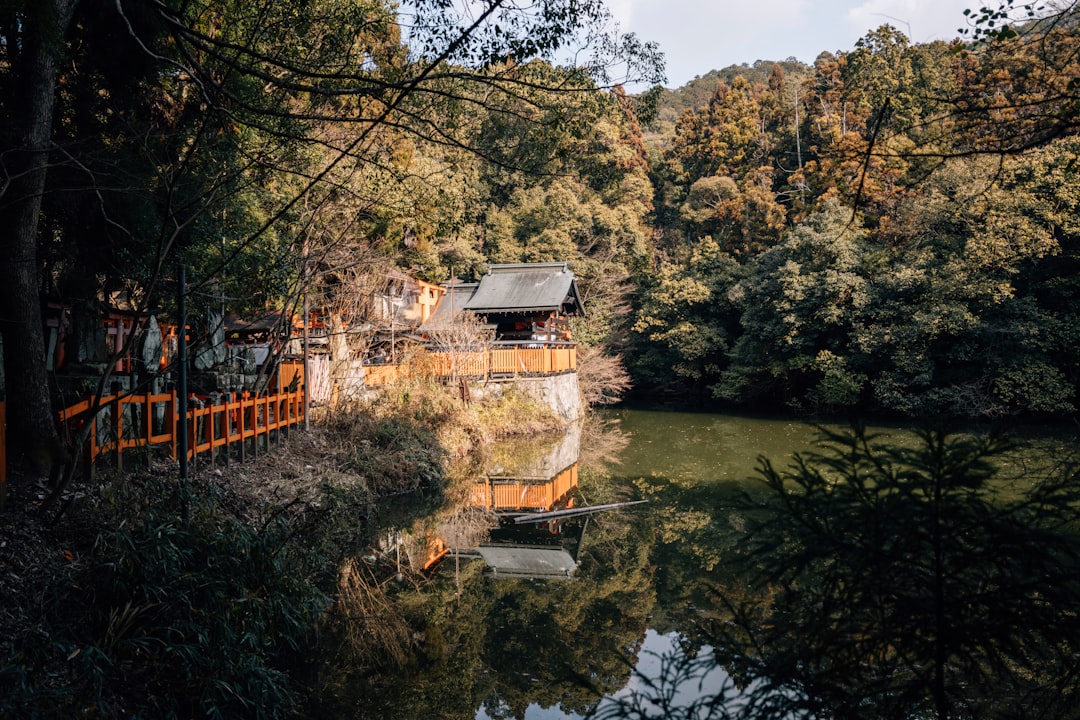
Nijō Castle was the Kyoto residence of the Tokugawa shoguns — a statement of military power built into an aesthetic of refined restraint. The Ninomaru Palace, its nightingale floors, and the garden remain among the best-preserved examples of early Edo period architecture.
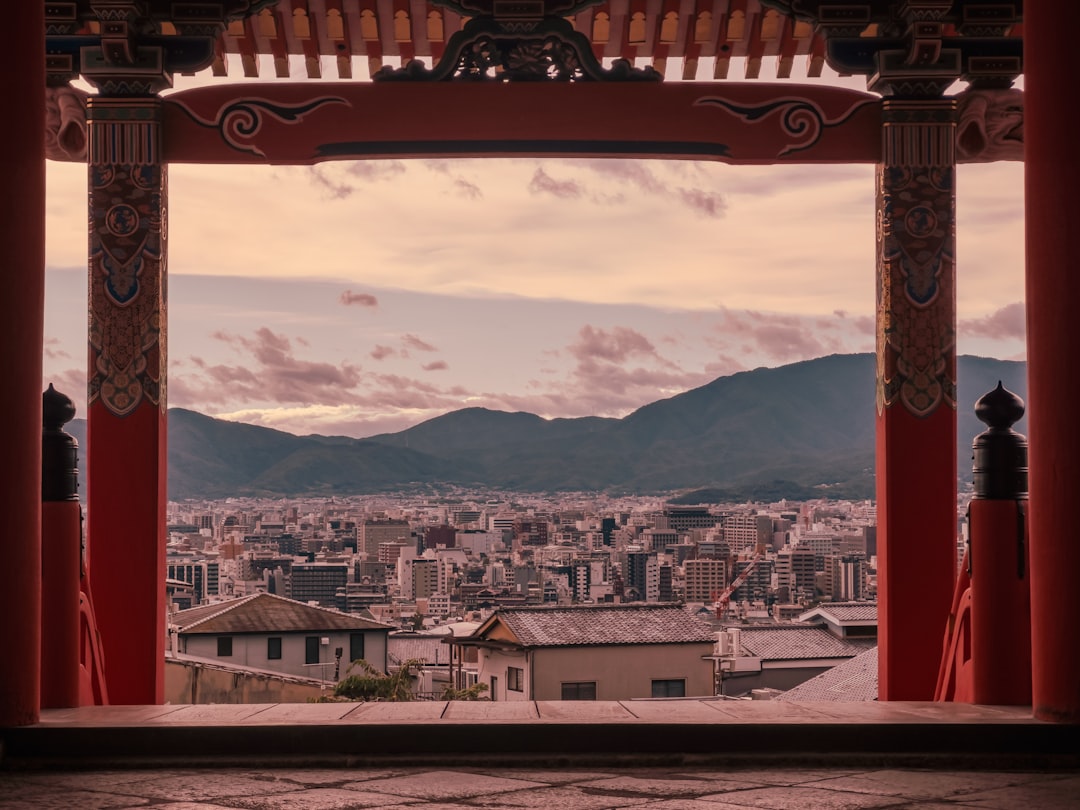
Ohara is a small farming village in the mountains north of Kyoto, an hour by bus from the city center — home to Sanzen-in's moss garden, two remote nunneries, and a pace of life entirely separate from the Kyoto tourist circuit.
Pontocho is a 500m stone-paved alley between Kawaramachi and the Kamo River — Kyoto's most atmospheric dining lane, with traditional restaurants, geiko sightings, and summer kawadoko platforms extending over the river.
Sanjūsangendō is a 120m-long wooden hall housing 1,001 life-size gilded Kannon statues — a scale of devotional art that exists nowhere else in the world. One of Kyoto's most extraordinary Buddhist sites and profoundly undervisited relative to its significance.
Tofukuji is one of the five great Zen temples of Kyoto and the most celebrated destination for autumn foliage in the city — a ravine of 2,000 maple trees that turns the gorge between the main temple buildings into a river of red and orange in November.
Japan's highest peak at 3,776m is the country's most iconic image and one of the world's most climbed mountains. This guide covers the four trails, climbing season, summit conditions, and the alternatives for those who prefer to admire from below.
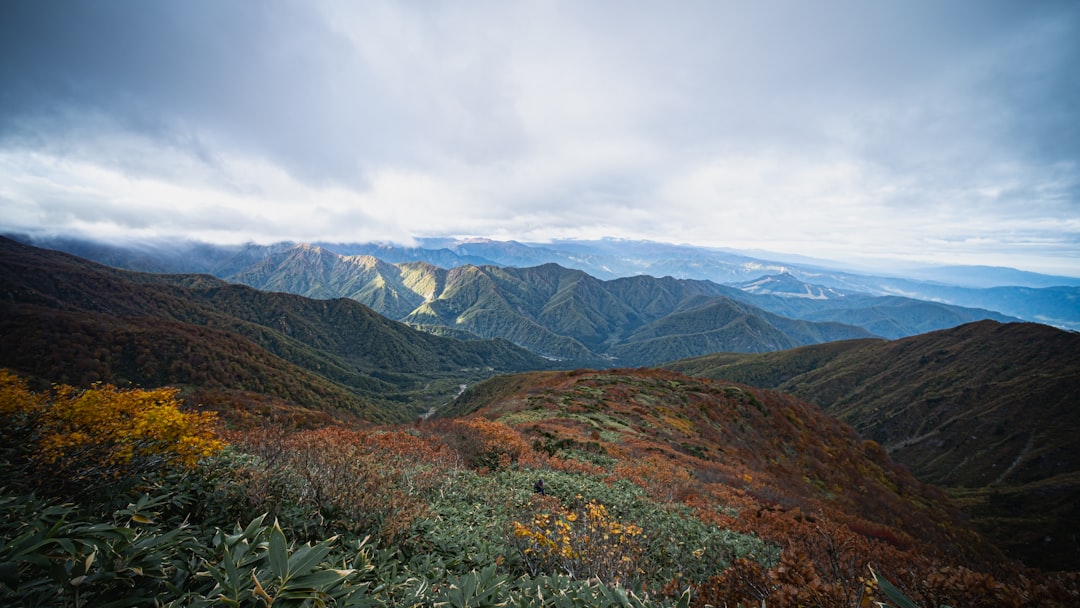
Naoshima is a small island in the Seto Inland Sea that has become one of the world's most significant sites for contemporary art — home to Tadao Ando-designed museums, site-specific installations, and art embedded into the village itself.
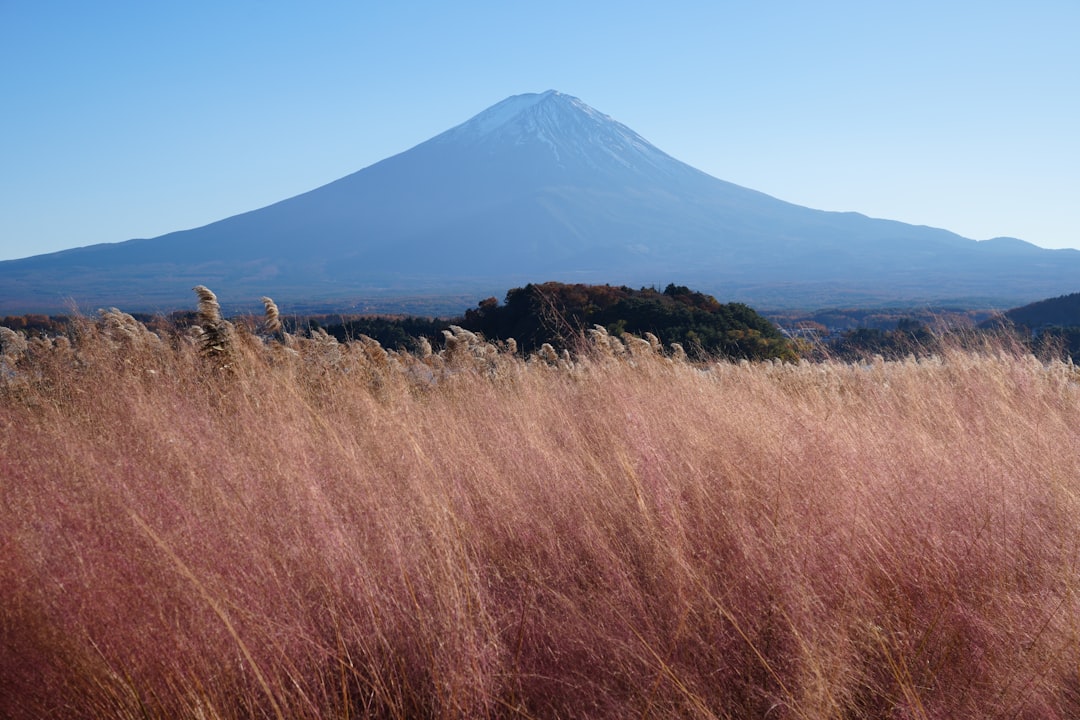
Tokyo's position at the center of Japan's rail network makes it an ideal base for day trips. Nikko, Hakone, Kamakura, Yokohama, and Kawaguchiko are all within 90 minutes — each offering something the city cannot.
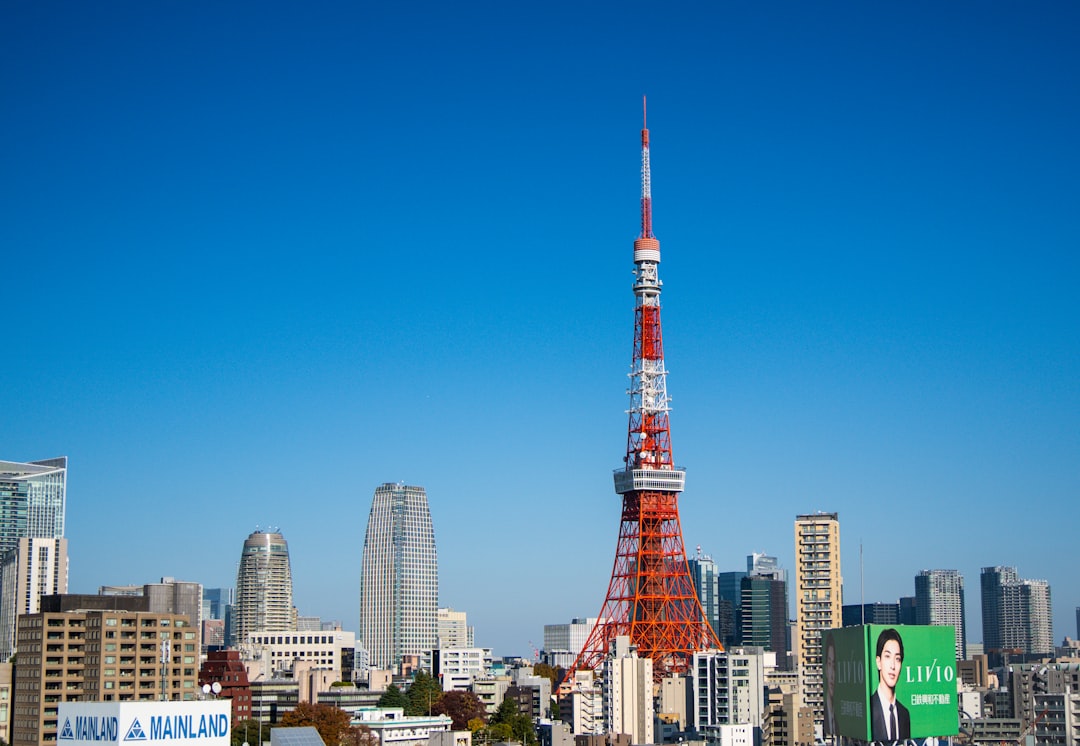
Hama-Rikyū is a 250-acre former Tokugawa shogunate hunting ground and duck pond, now a public garden at the mouth of the Sumida River — a tidal landscape of ponds, teahouses, and pine-lined paths in the middle of the Tokyo waterfront, surrounded by the skyscrapers of Shiodome.
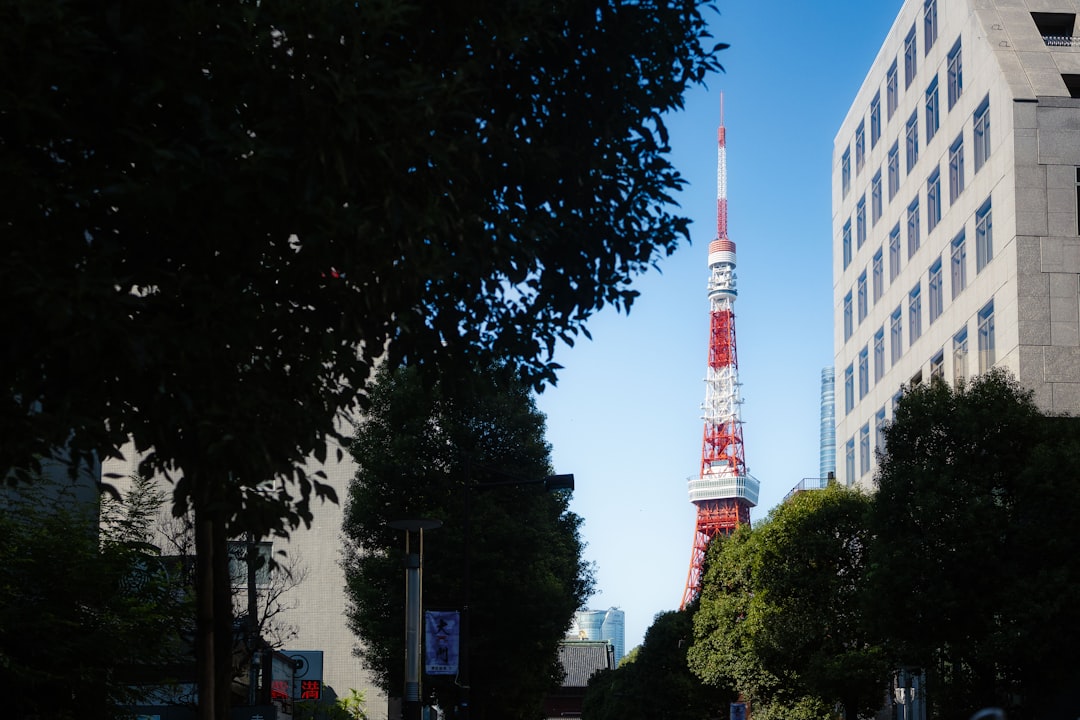
The Imperial Palace sits at the geographic and symbolic center of Tokyo — a 3.4 km² complex of moats, gates, and forested grounds in the middle of the city. The East Gardens are open daily; the inner grounds require advance reservation. A guide to what visitors can actually see and how to make the most of the moat walk.
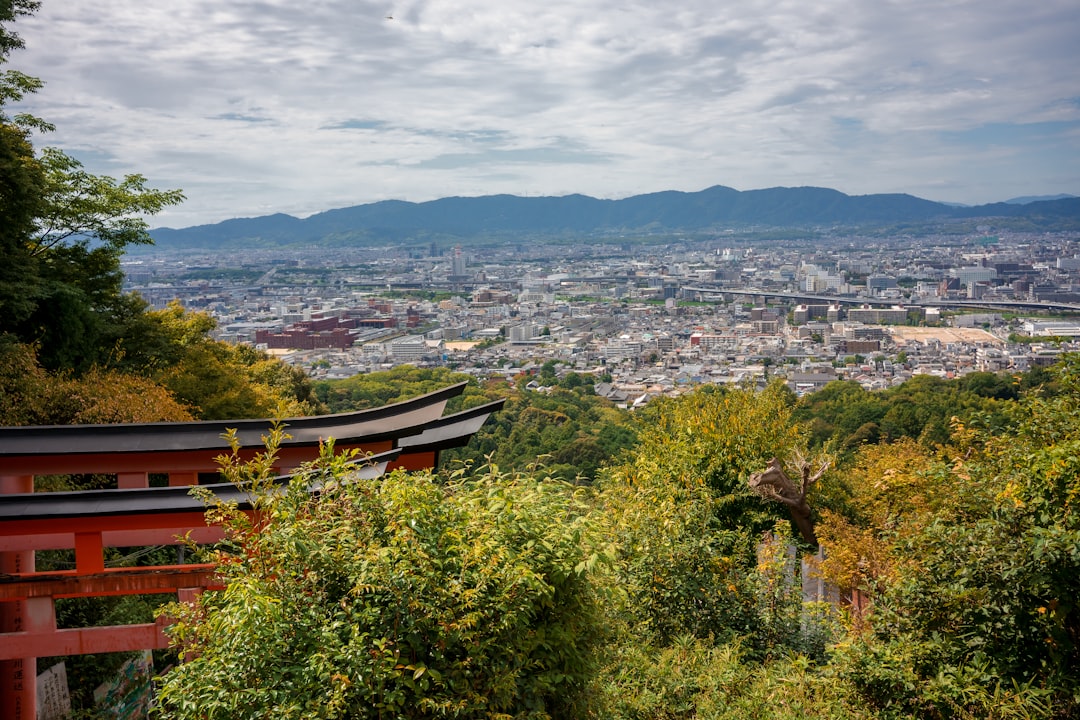
Yakushima is a mountainous island off the southern tip of Kyushu covered in ancient cedar forest — some trees over 2,000 years old. The island's core is a UNESCO World Heritage wilderness and the inspiration for the forest in Studio Ghibli's Princess Mononoke.
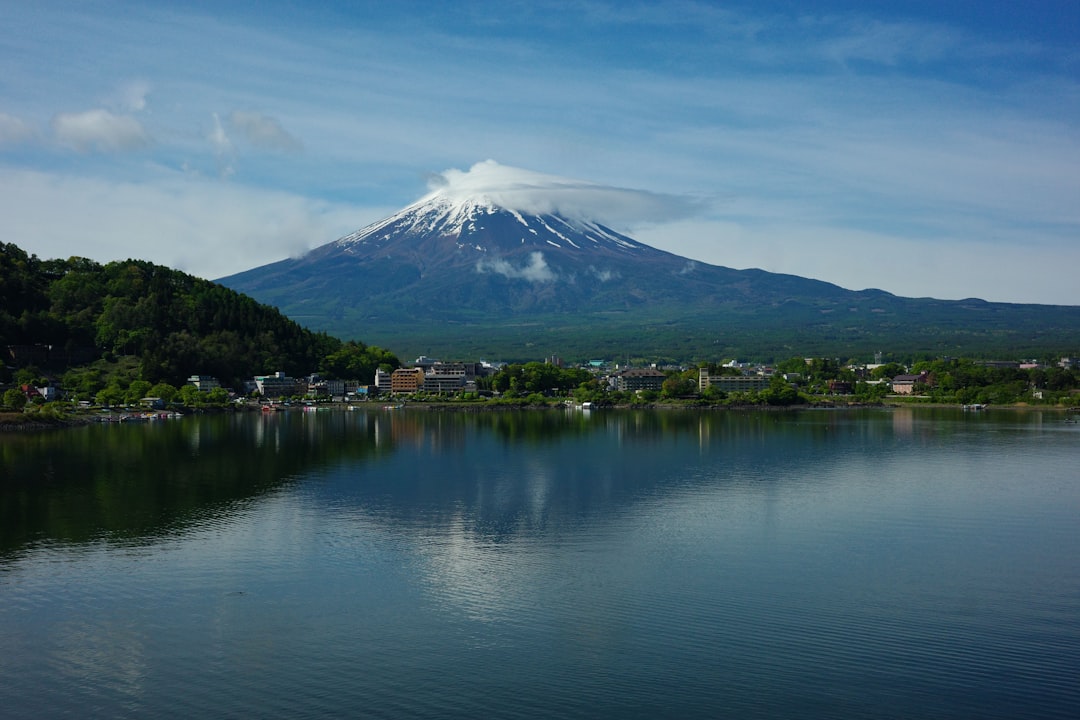
Haeundae is Korea's most famous beach — 1.5km of sand backed by high-rises, crowded in summer and dramatic in winter. Centum City is the world's largest shopping mall complex. Together they define Busan's modern eastern flank, distinct from the old city's gritty character.
Changdeokgung is the best-preserved of Seoul's five Joseon palaces and the only one UNESCO-listed — its rear garden, the Huwon, is one of the finest examples of Korean landscape design: a 78-acre forest of pavilions, ponds, and walking paths that has been closed to the public for most of its 600-year history.
Gwangjang is Korea's oldest market and Seoul's most celebrated street food destination — a covered arcade of raw silk vendors with a central food alley that serves bindaetteok, mayak gimbap, yukhoe, and sundae to hundreds of vendors operating continuously since 1905.
Beyond Hallasan and Seongsan Ilchulbong, Jeju has two distinct coastal characters: the west with its white sand beaches, seafood villages, and gentle countryside; the east with dramatic lava coastlines, diving haenyeo, and the famous sunrise peak. How to experience both.
Korean autumn — called 단풍 (danpung) — runs from late September through November, descending from mountain summits to city parks in a wave that is one of Asia's great seasonal events. Seoraksan, Naejangsan, and Gyeongju compete for the title of the most spectacular foliage in the country.
South Korea has one of the world's most developed café cultures — more cafés per capita than anywhere else on Earth, a specialty roasting scene that rivals Tokyo and Melbourne, and a distinctly Korean approach to café design that turns coffee shops into destinations.
Everything you need before arriving in South Korea — visa requirements by nationality, how to get from Incheon Airport, T-money cards, SIM options, currency, tipping culture, safety, and the apps that make Korea easy.
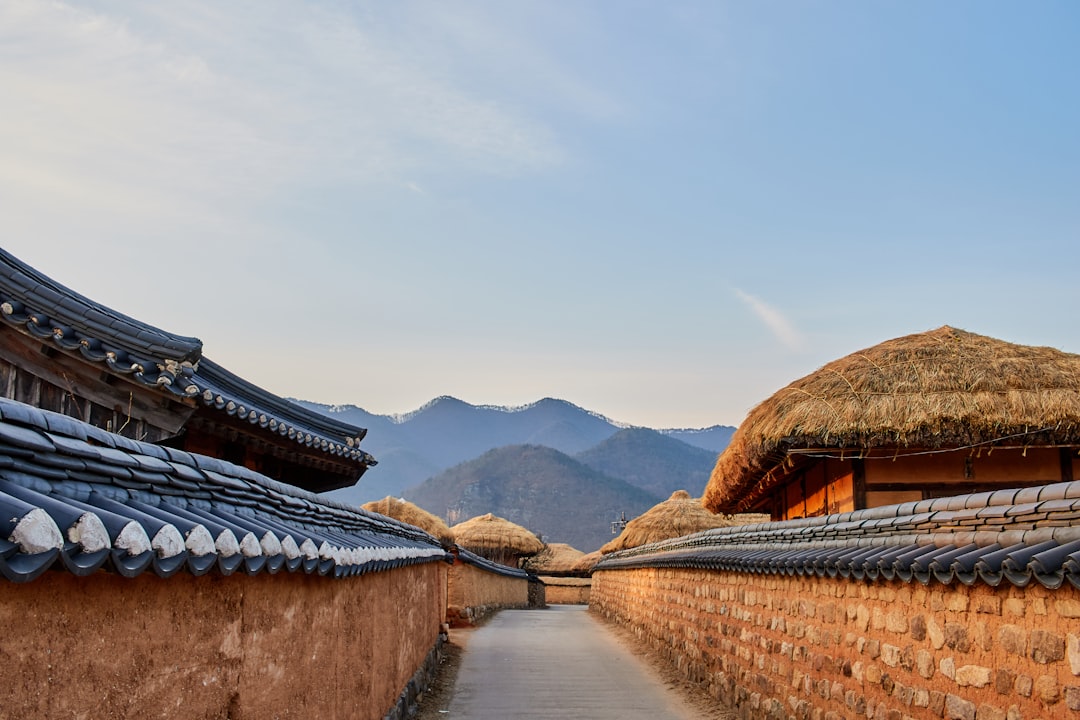
Fourteen days that cover Seoul's neighborhoods, the Gyeongju ancient capital, Busan's coast, Jeju Island, the DMZ, and a few places most itineraries skip — structured so that every transit makes sense and the pace stays sustainable.
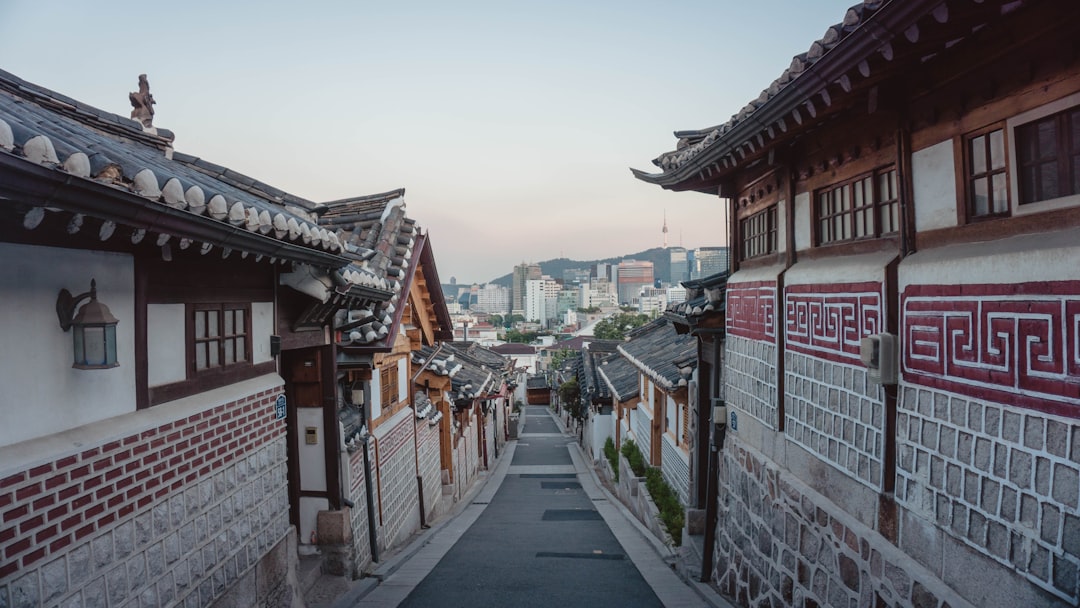
Winter in Korea runs from December through February — cold, dry, and clear, with excellent skiing, fewer tourists, illuminated palaces, kimchi-making season, and the best hot food the country produces. For the right traveler, it's the finest season.
A comprehensive guide to Korean cuisine — the foundational dishes, the meal structure, regional specialties, how to navigate menus, and the context that makes eating in Korea one of the most rewarding experiences in Asian food.
Hangul can be learned in 2–3 hours — once you can read the alphabet, menus, subway signs, and street signs become navigable. This guide covers Hangul fundamentals, essential phrases, pronunciation, numbers, and the practical language knowledge that makes South Korea significantly easier.
Korea has over 900 registered Buddhist temples, many in mountain settings of specific beauty. This guide covers the major temples, the Templestay program, and the mountain temple culture that defines Korean Buddhism.
Namsan is the 262m mountain at the center of Seoul — a forested park within the city that provides the definitive panoramic view from the N Seoul Tower and connects neighborhoods that would otherwise require the subway.
Euljiro is a district of metalworkers, print shops, lighting suppliers, and hardware merchants that has attracted a wave of bars and cafés into its low-ceilinged workspaces — producing the most interesting night-life district in Seoul for those who've grown tired of the predictable.
The Han River runs 514km through the center of Seoul with 12 riverside parks, cycling paths, outdoor pools, and the specific Korean culture of outdoor eating on tarp mats at sunset. Understanding the Han is understanding how Seoul actually relaxes.
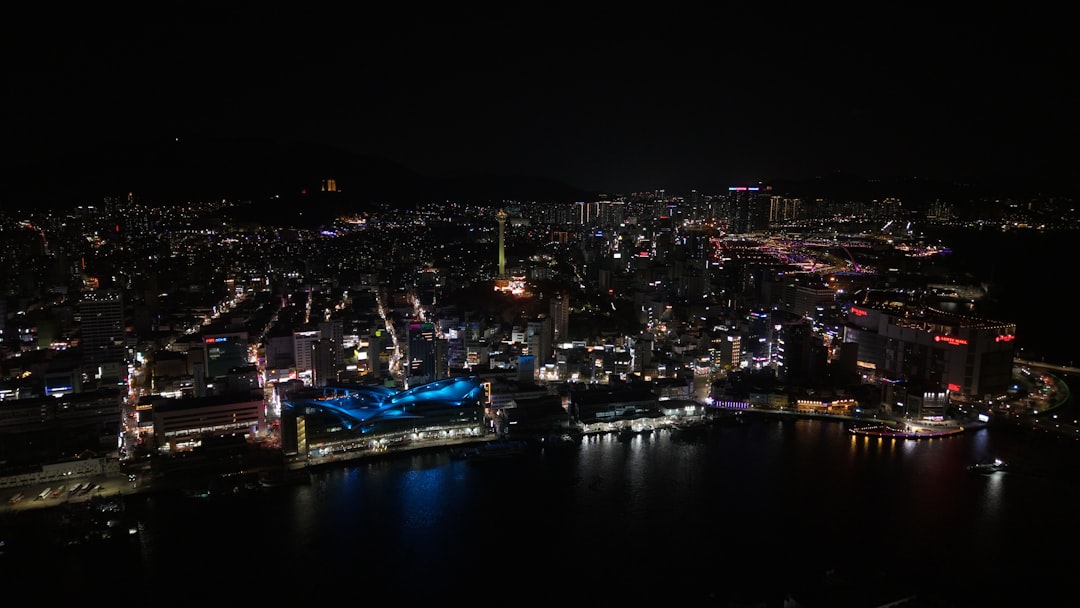
Itaewon grew around the US military base and became Seoul's most internationally diverse neighborhood — global food, international bars, the antique district of Hannam-dong, and a nightlife scene that operates by different rules than the rest of the city.
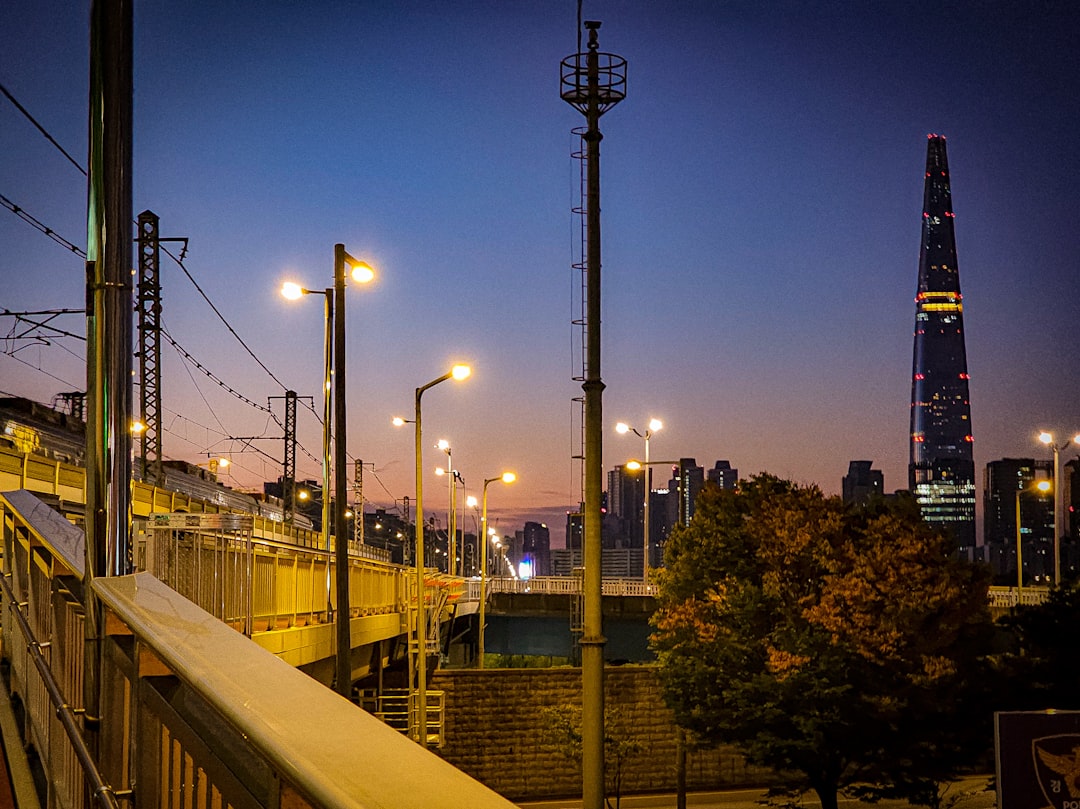
Seoul operates on a different nocturnal schedule to most cities — the clubs open at midnight, the bars serve until 6am, and the neighborhood you're in determines the entire character of the night. A guide to Hongdae, Itaewon, Gangnam, Sinchon, and the lesser-known pockets.
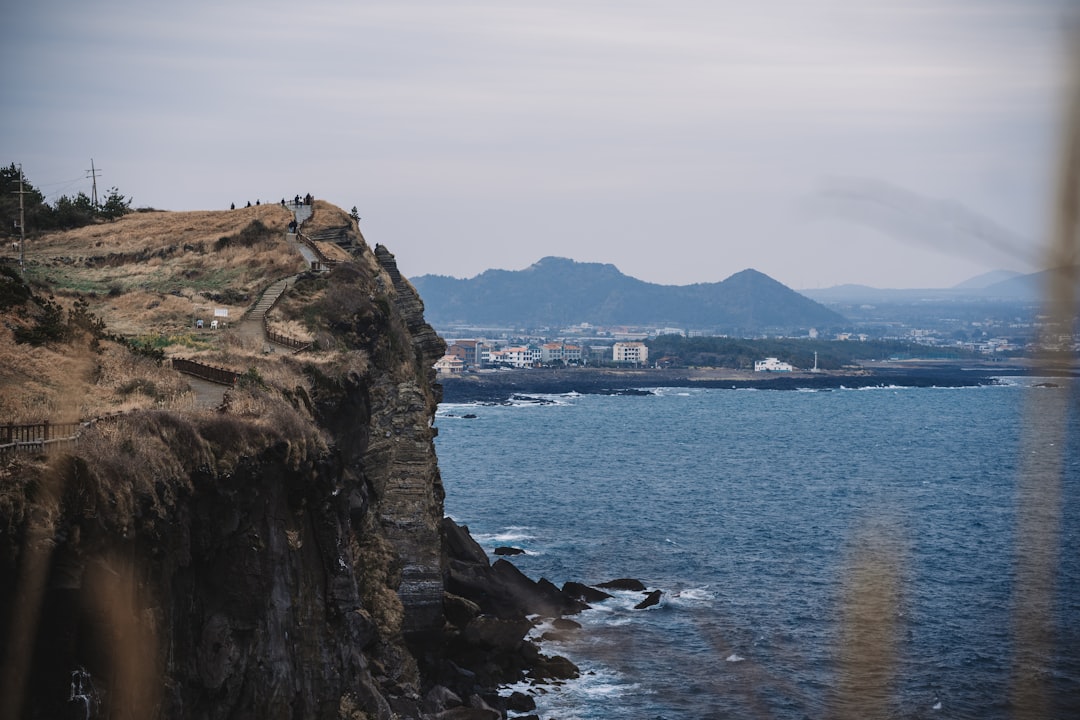
Noryangjin is one of the largest seafood wholesale markets in Asia — open 24 hours, with live seafood tanks covering the floor of a massive market hall, an auction that starts at 1am, and restaurants on the floor above that cook whatever you buy downstairs.
Seongsu-dong transformed from an industrial leather-working district into Seoul's most creative neighborhood — converted factories, specialty coffee, independent fashion, and a local energy that feels unlike anything else in the city.
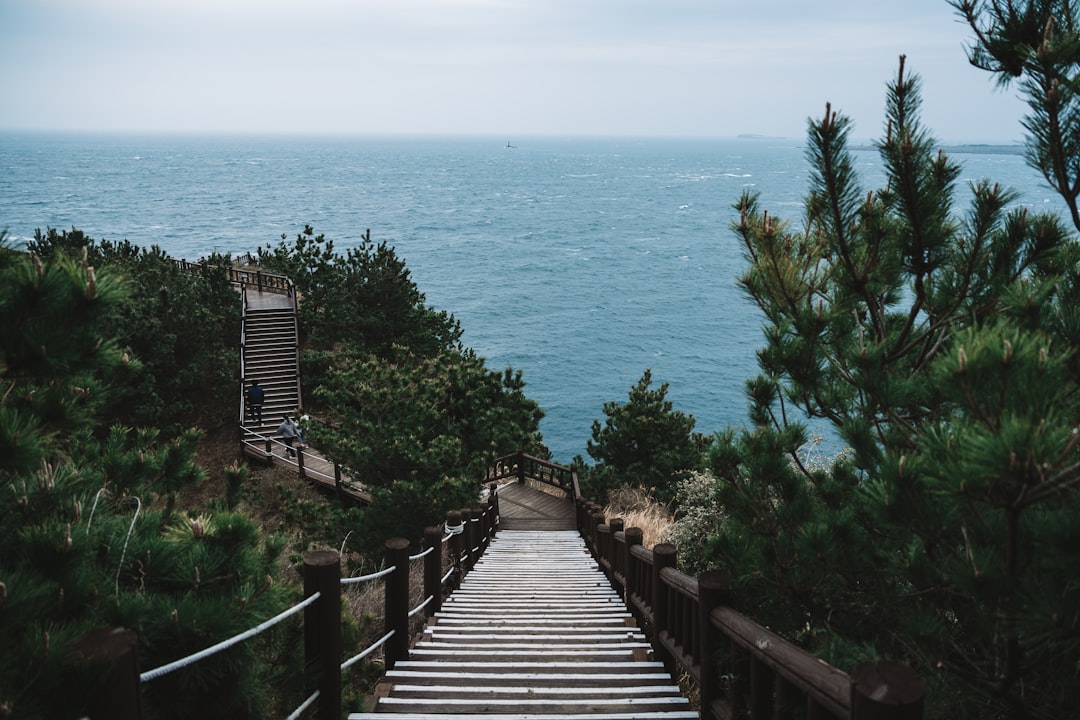
Seoraksan National Park contains the most dramatic mountain scenery on the Korean peninsula — granite peaks, valley temples, and autumn foliage that draws the entire country in October. Sokcho is the base city, with a fishing port, lagoon, and seafood that justifies the journey alone.
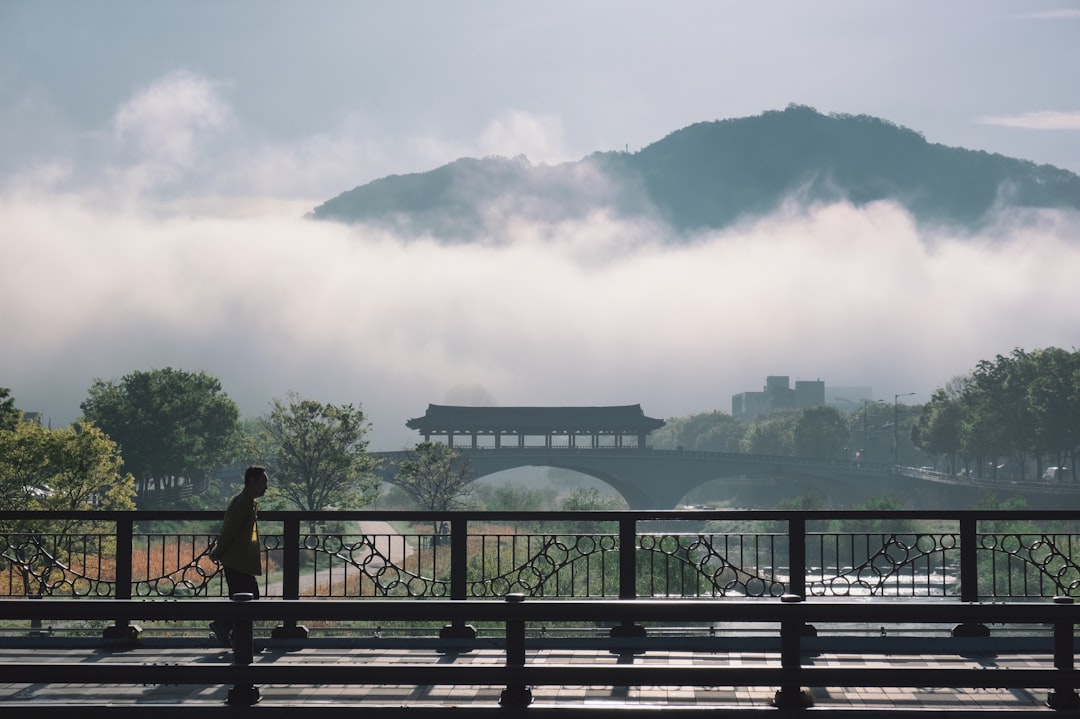
Gyeongbokgung was the primary palace of the Joseon Dynasty for 270 years. The ceremonial changing of the guard happens four times daily, the throne hall is one of Korea's most significant architectural sites, and the adjacent folk museum is excellent.
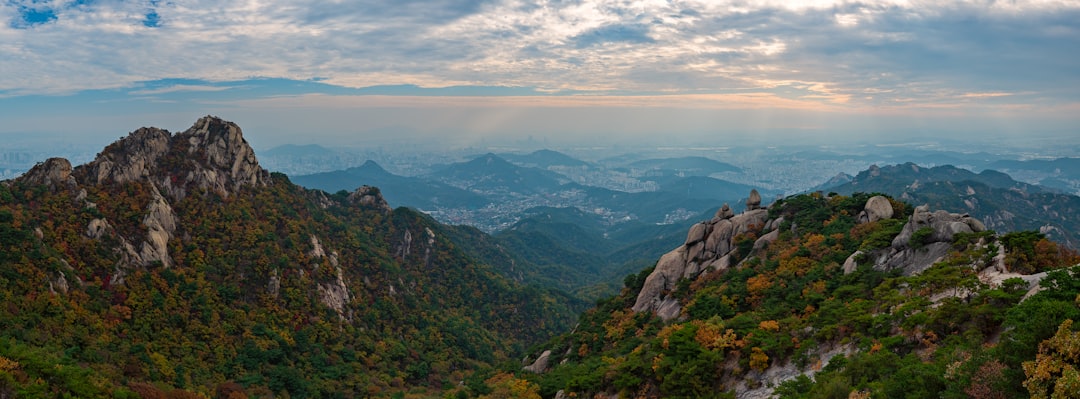
Hanbok is Korea's traditional clothing — vibrant, geometric, and still worn at celebrations, royal palace visits, and by a growing number of Seoulites who've reclaimed it as contemporary fashion. Here's everything you need to know about wearing it.
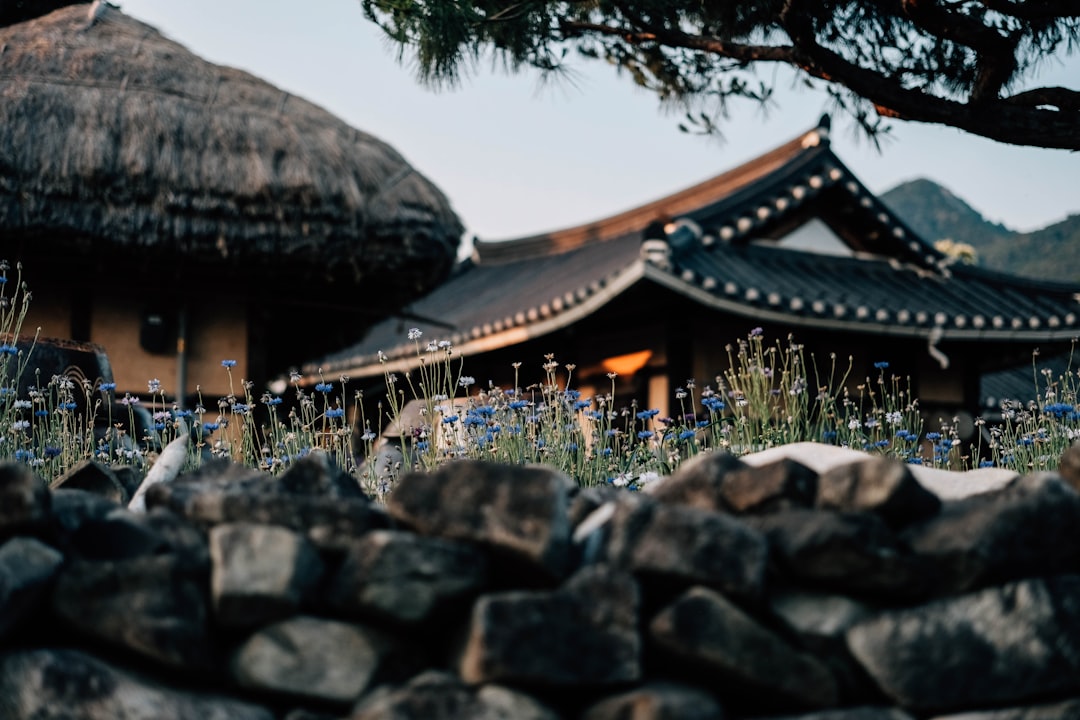
Jeonju has the largest intact traditional hanok village in Korea, the most argued-over bibimbap in the country, and a food culture that South Koreans travel specifically to experience. It earns the hype.
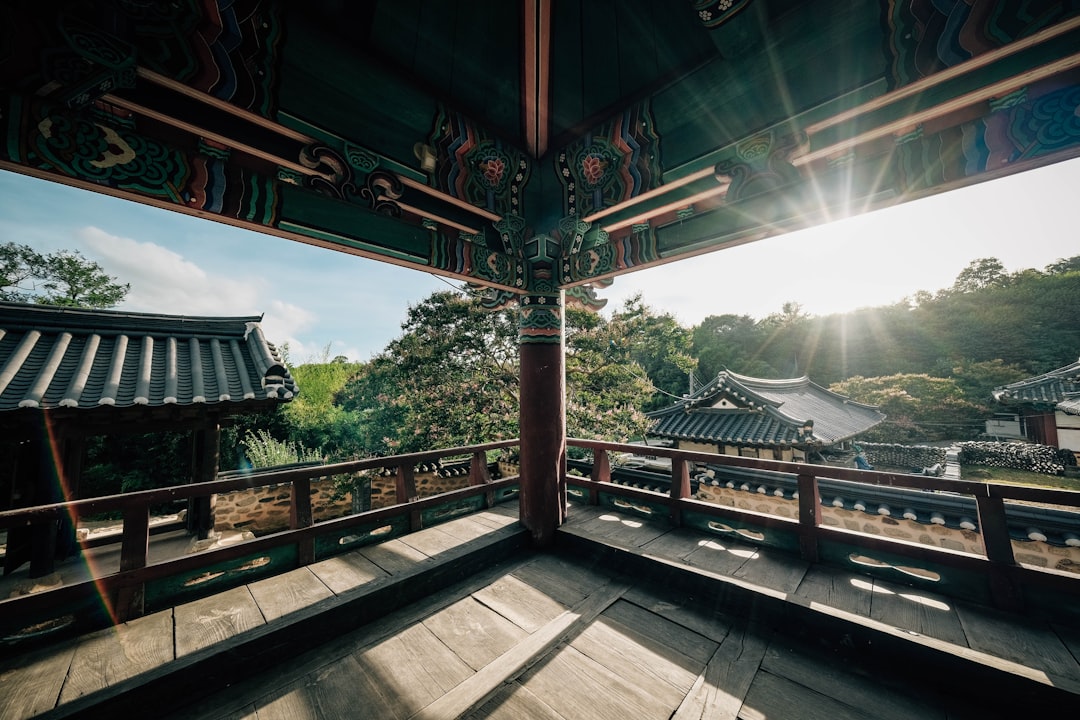
Korea's cherry blossom season runs from late March through early April and is centered on different locations than Japan's. Jinhae is the national festival; Seoul has its own circuit; Jeju blooms first.
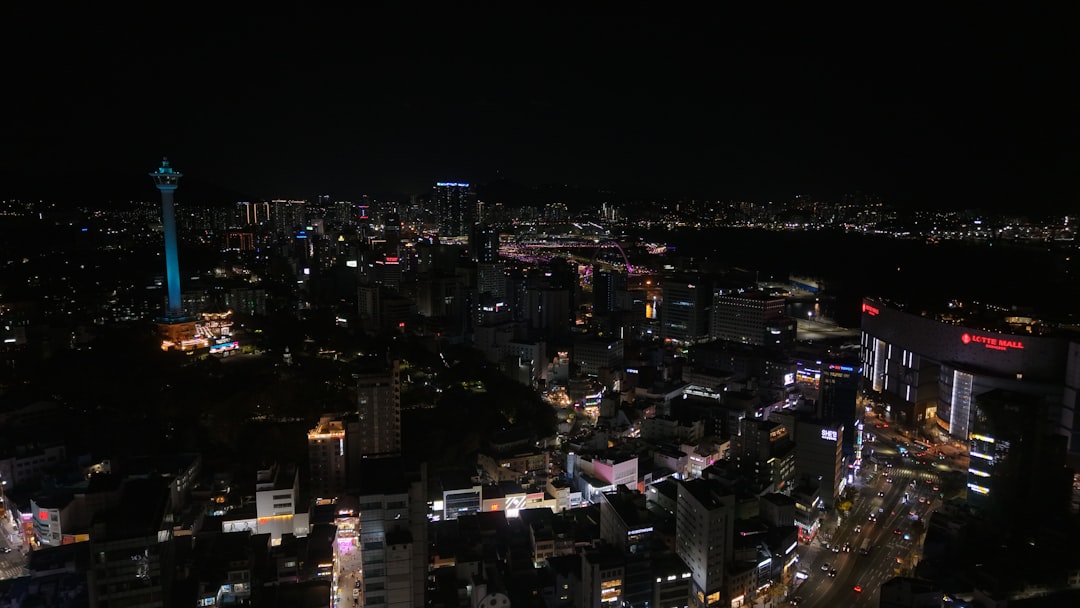
Korea is one of the most hiking-focused countries in the world — 70% of the country is mountainous, national parks cover the best terrain, and the culture of weekend hiking is deeply embedded in Korean life. Here's how to join it properly.
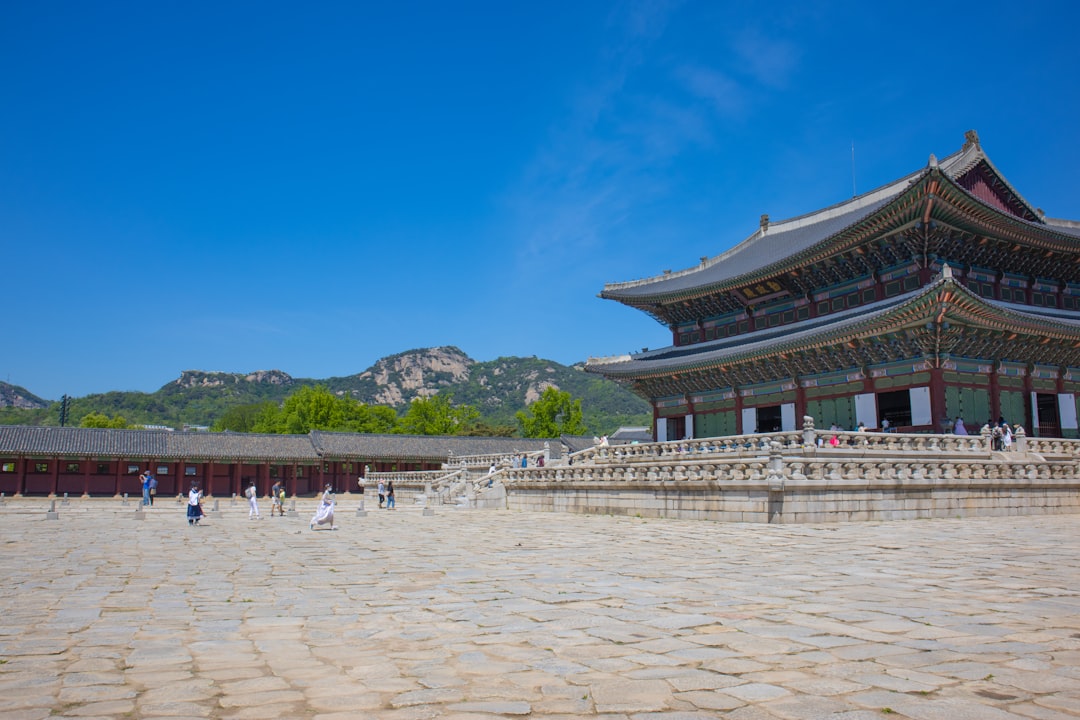
Korea's street food culture — tteokbokki, hotteok, pajeon, bungeoppang, corn dogs, eomuk — is one of Asia's most developed. Here's what everything is, where to find the best versions, and how to eat without looking confused.
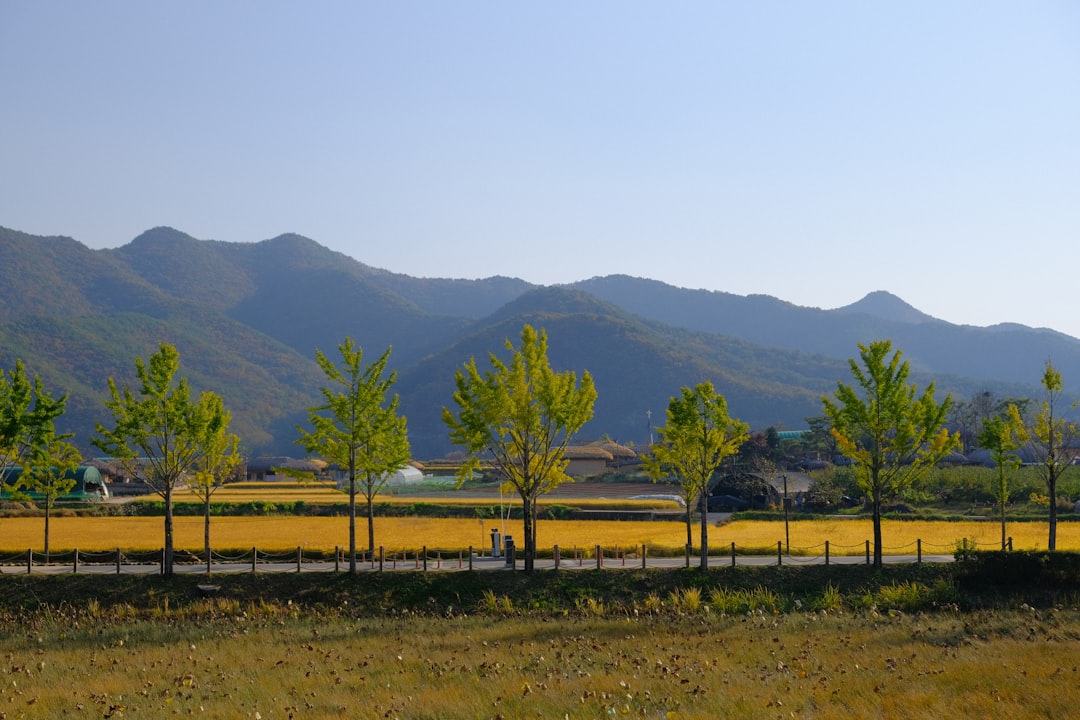
Soju is the world's best-selling spirit by volume. Makgeolli is one of Asia's oldest fermented drinks. Together they define how Korea drinks — and understanding them changes how you eat, socialize, and experience the country.
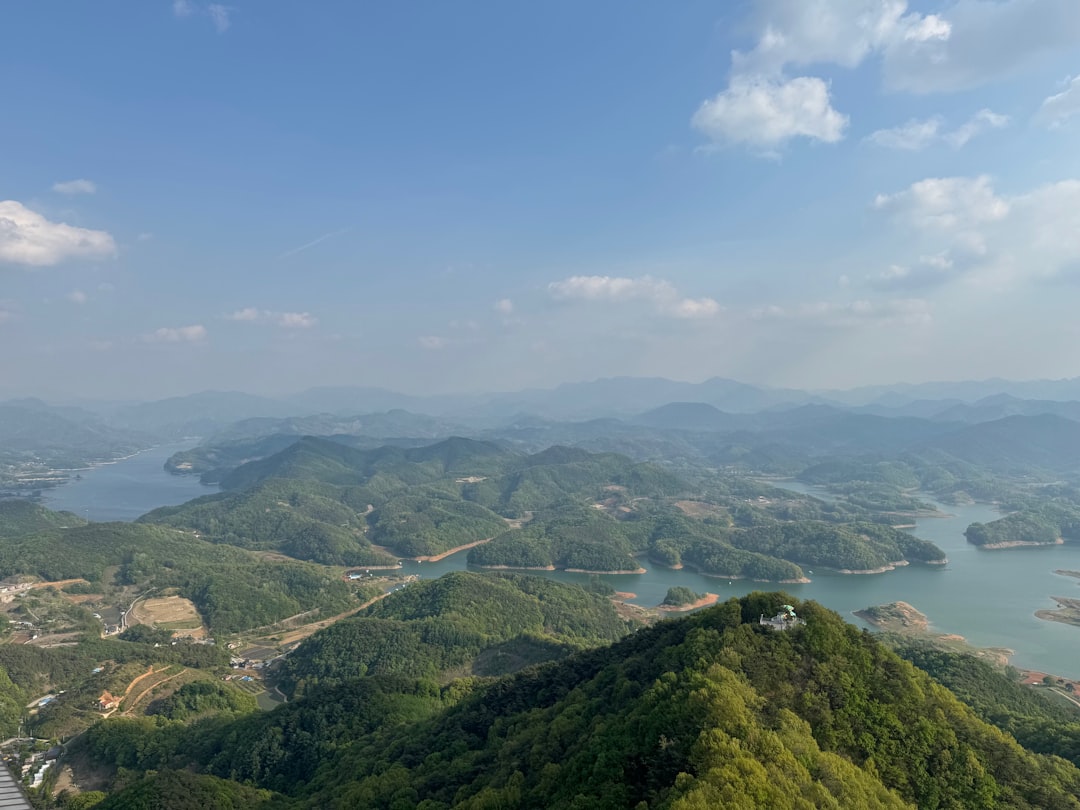
Three days gives you enough Seoul to understand it without exhausting it. This itinerary covers the historical north, the modern south, and the nightlife districts — with the food decisions that actually matter.
Gangnam is expensive, polished, and the reason 'Gangnam Style' meant something beyond a song title. It's where old money and new tech money coexist, where the best Korean BBQ restaurants in Seoul are, and where the city shows you what it aspires to be.
Hongdae grew around Hongik University's art school and became the capital of Seoul's independent music scene, street performance, youth culture, and some of the city's most interesting cafes. It's busiest after midnight.
Insadong is Seoul's traditional arts district — teahouses, ceramics, calligraphy, and the best Korean craft shopping in the city. Bukchon Hanok Village is the residential neighborhood of preserved tile-roofed houses that defines Seoul's visual identity.
Myeongdong is Seoul's most tourist-facing neighborhood and its most commercially dense — K-beauty shops, street food vendors from 5pm onwards, department stores, and a street energy that doesn't slow down until midnight.
Seoul's metro is one of the best in the world — 23 lines, 900+ stations, clean, cheap, and rarely delayed. Once you understand the T-Money system and the line logic, navigating the city becomes instinctive within a day.
Suwon's Hwaseong Fortress is a UNESCO World Heritage site that encloses a still-inhabited traditional city. An hour from Seoul, it's one of the most rewarding and least crowded significant historical sites in Korea.
Hiroshima and Miyajima are 30 minutes apart by ferry and form the best two-day excursion in western Japan. The Peace Memorial is one of Japan's most important experiences; Miyajima is one of its most beautiful.
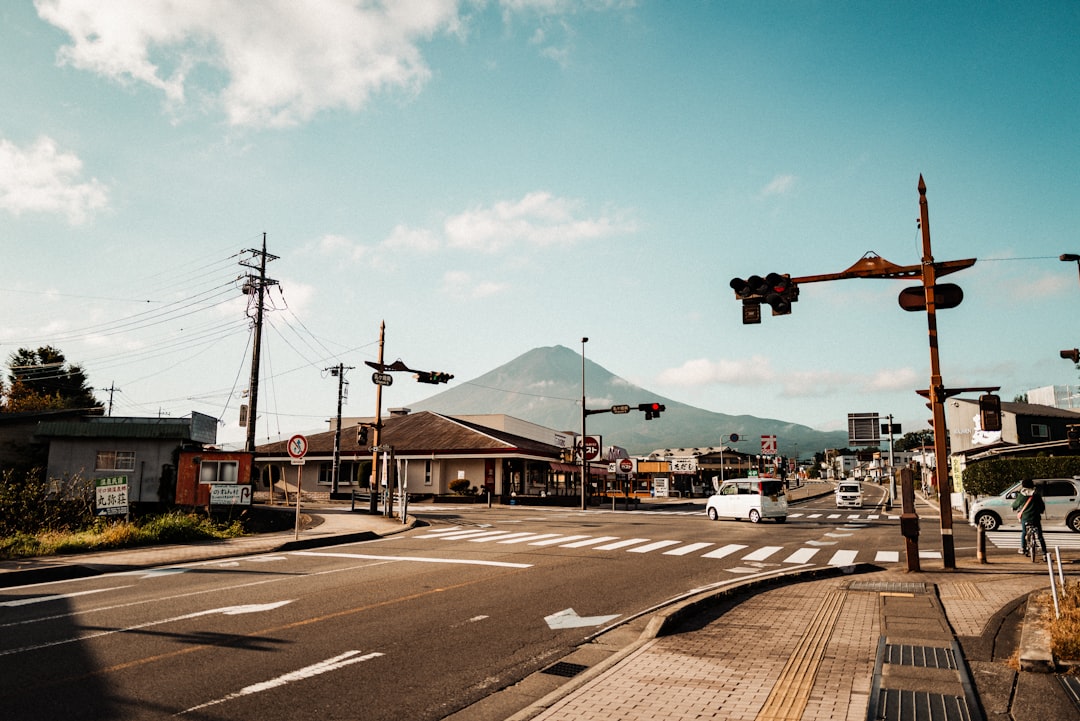
Japan is one of the most photographed countries in the world and still offers genuinely fresh images if you know where to go and when. Beyond the famous postcard shots, here's where the real photography is.
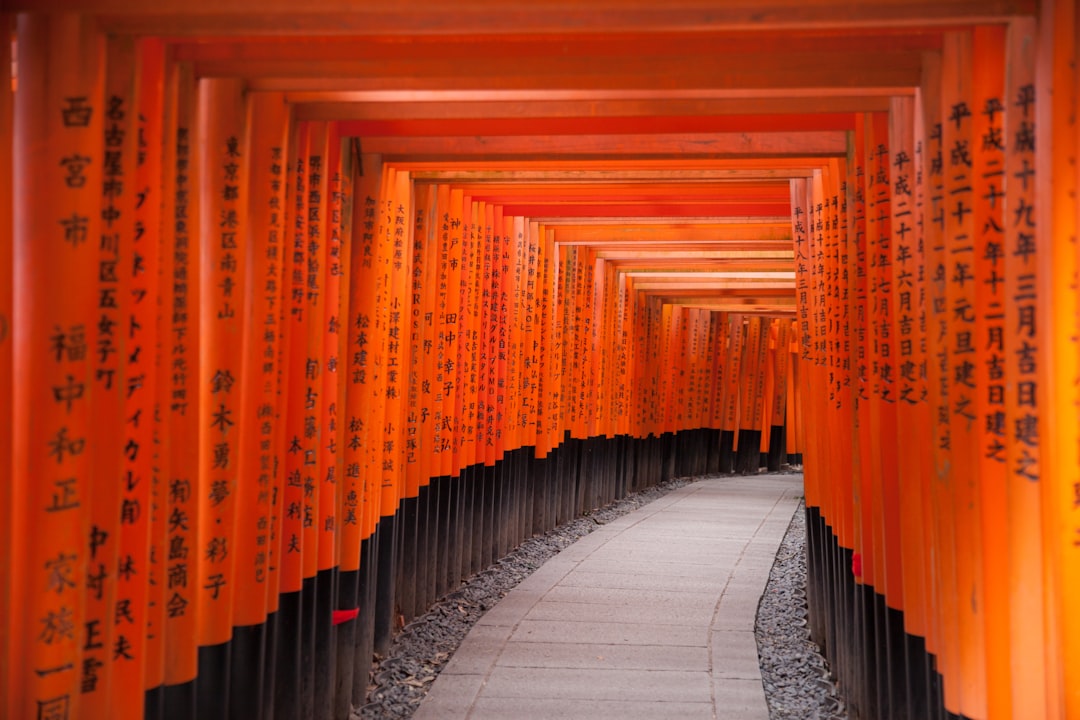
Japanese summer runs from late June through September and is hot, humid, and full of matsuri, fireworks, and regional festivals that don't exist at any other time of year. It's also the least popular season among Western tourists, which has advantages.
Winter is Japan's most underrated travel season. Fewer tourists, cheaper accommodation, snow landscapes in Hokkaido and Tohoku, illumination festivals across every city, and onsen at their best when the air is cold.
A Japanese garden is not decoration — it's a philosophy expressed in rock, water, moss, and framing. Understanding what you're looking at changes the experience from 'pretty park' to something closer to a spatial argument.
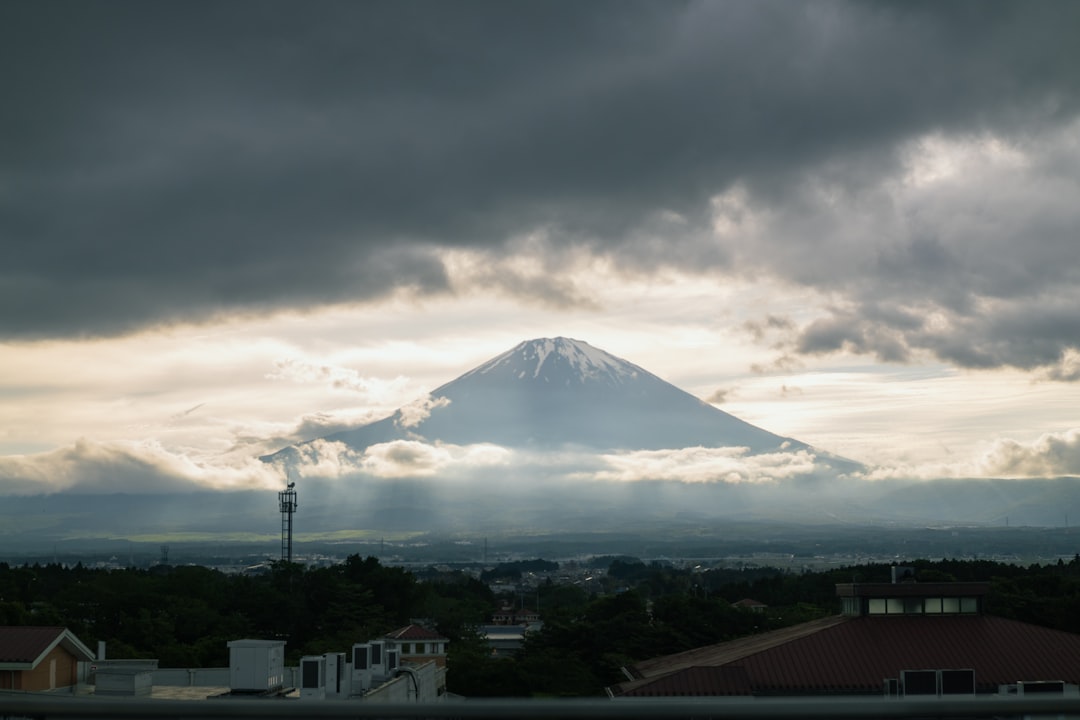
You don't need to speak Japanese to travel in Japan. But knowing the right 30 words and phrases — and understanding how the language works — transforms your experience from navigation to engagement.
Kanazawa has Japan's best preserved samurai and geisha districts, one of the three great gardens, a world-class contemporary art museum, and a food culture that rivals Kyoto. It's the most underrated city in Honshu.
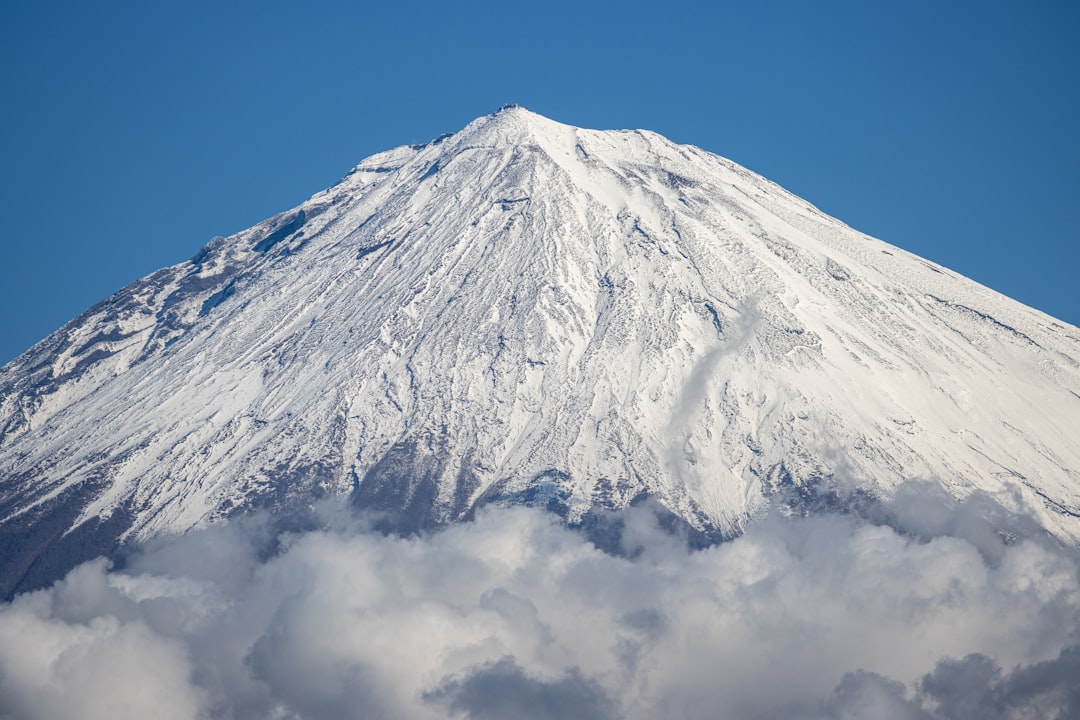
Kobe sits between mountains and sea with an international identity unlike any other Japanese city. The beef is the best in the country, the port district has European buildings, and the city operates at a pace that feels more relaxed than either Osaka or Kyoto.
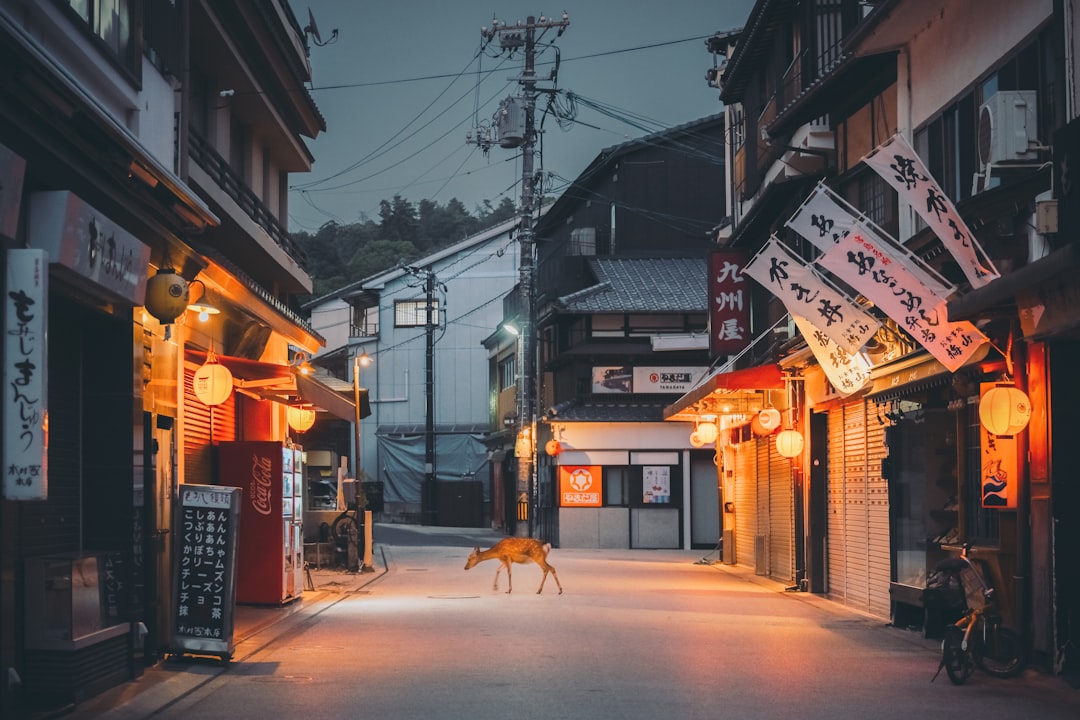
Japan's manga and anime culture is not a subculture — it's a dominant form of storytelling with dedicated districts, museums, theme parks, and pilgrimage sites across the country. Here's how to engage with it seriously.
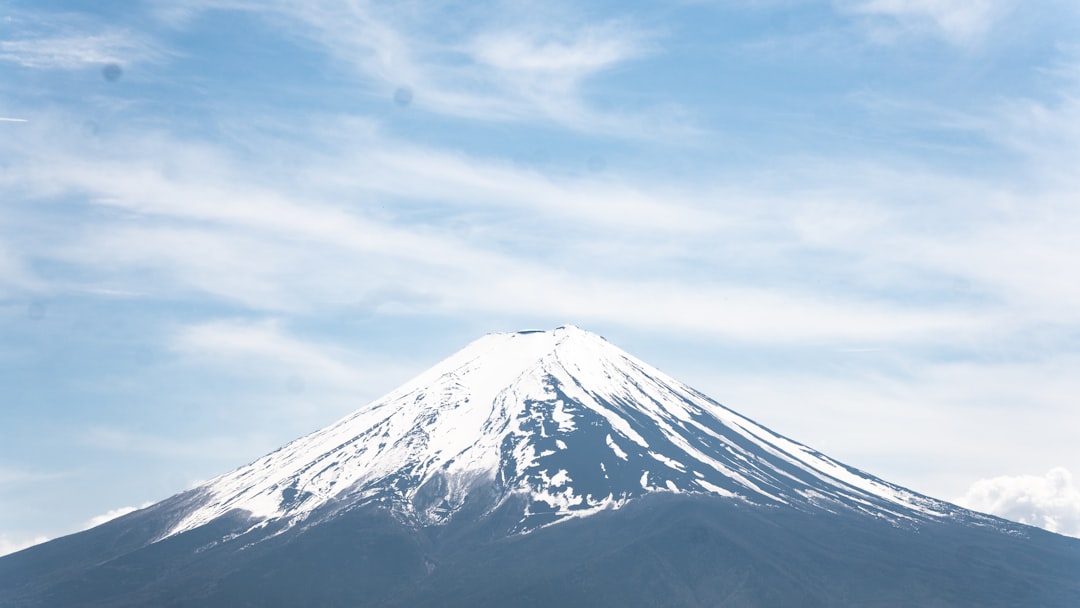
Miyajima is one of Japan's three official 'scenic views' and it earns the designation. The floating torii of Itsukushima Shrine at high tide is among the most iconic images in the country. Here's how to see it properly.
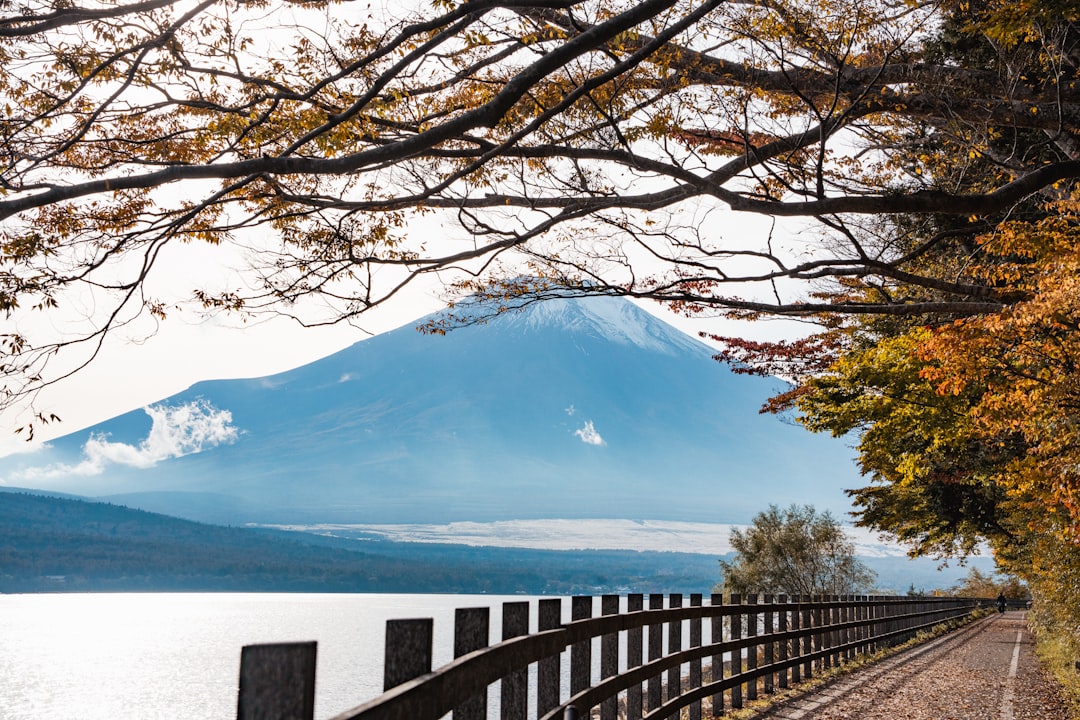
Three days is enough to understand Osaka without wearing it out. This itinerary gives you the iconic, the local, and the underrated — including a day trip to Nara that most Kyoto visitors miss.
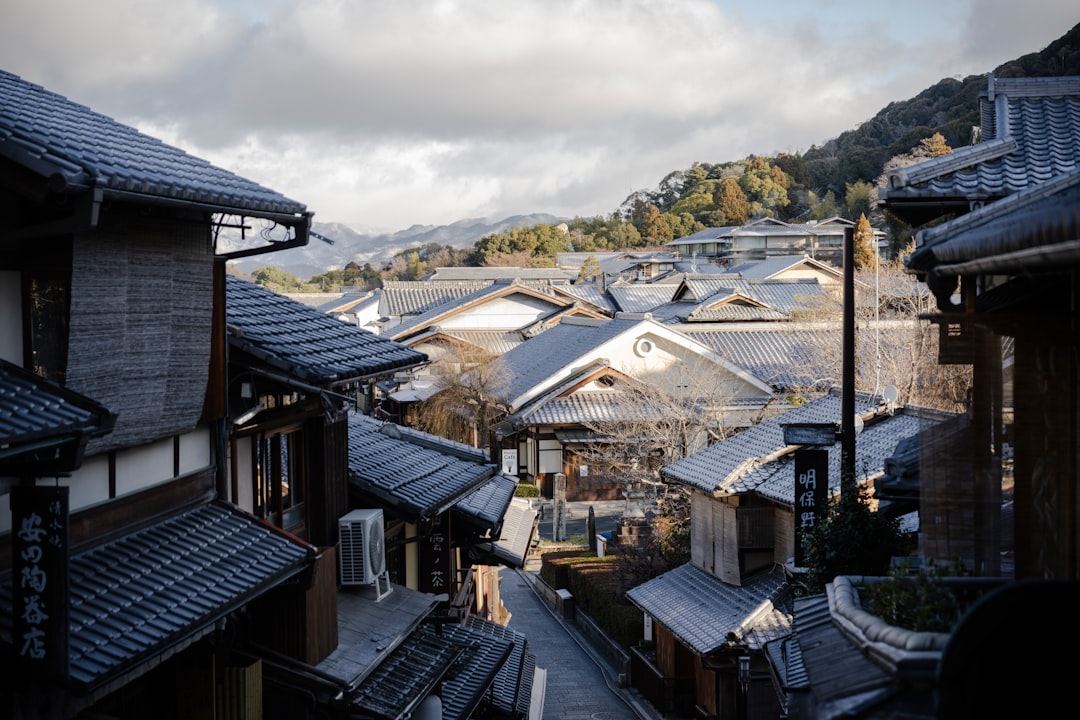
Osaka is the perfect base for Kansai exploration. Kyoto, Nara, Kobe, Himeji, and several less-obvious destinations are all within 90 minutes. Here's how to use each day from Osaka most effectively.
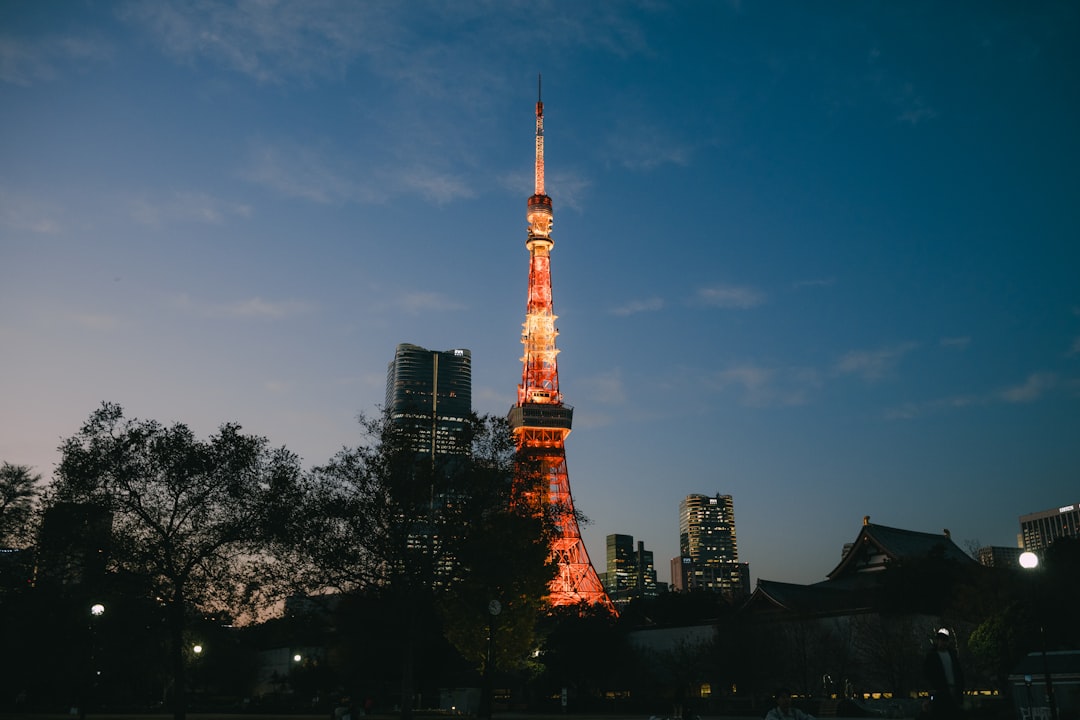
Dotonbori is the image that defines Osaka for the world — the glowing signs, the Glico running man, the canal. Namba is the neighborhood around it. Together they are the reason most visitors come south.
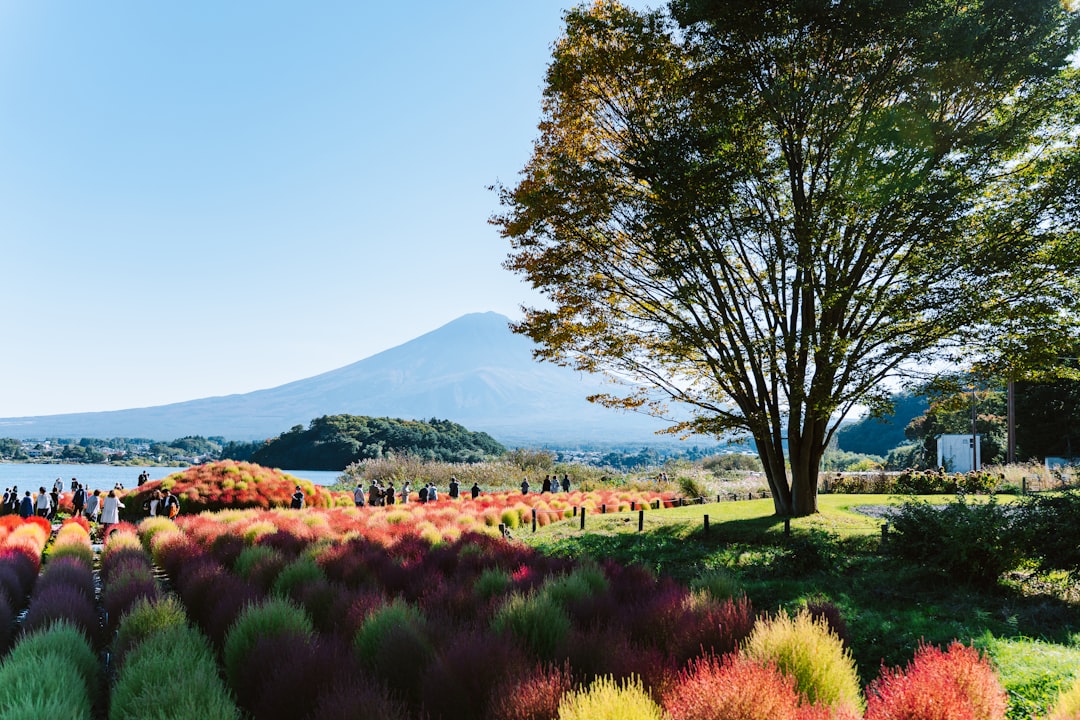
Shinsekai was built to be modern and became something better — a time capsule of showa-era Japan, cheap kushikatsu, blowfish restaurants, and pachinko halls. The area around Tennoji gives it context.
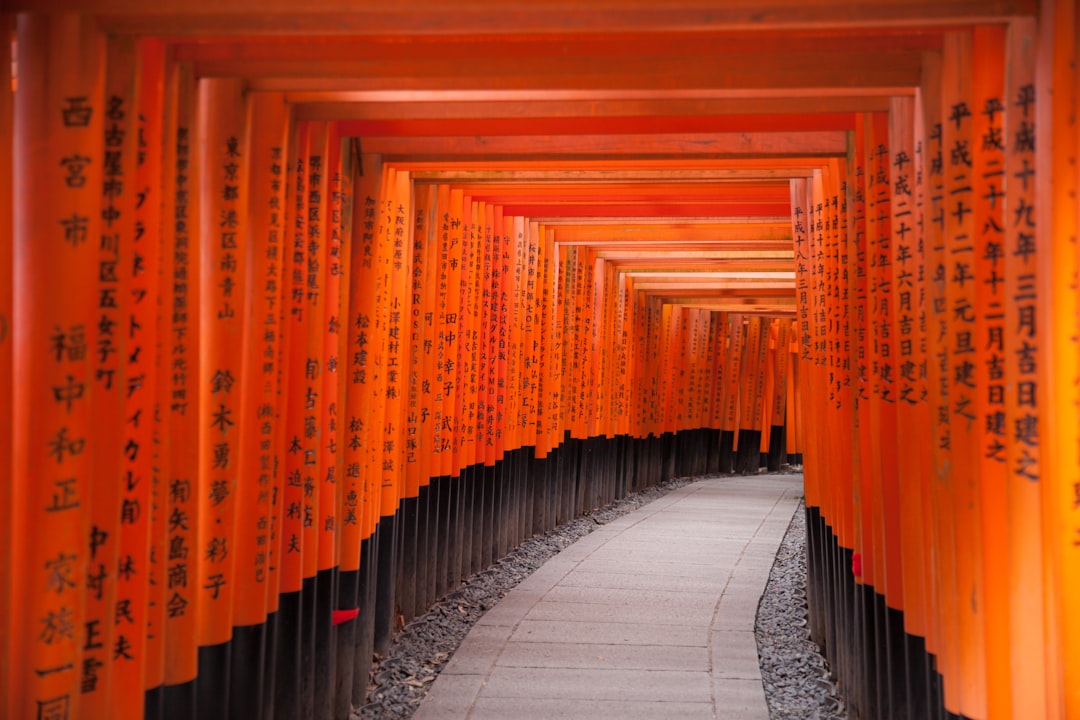
Osaka's food identity isn't built on fine dining — it's built on affordable obsession. Takoyaki, kushikatsu, okonomiyaki, taiko manju, kare-pan. Here's where to eat, what to order, and why the city takes food more seriously than anywhere else in Japan.
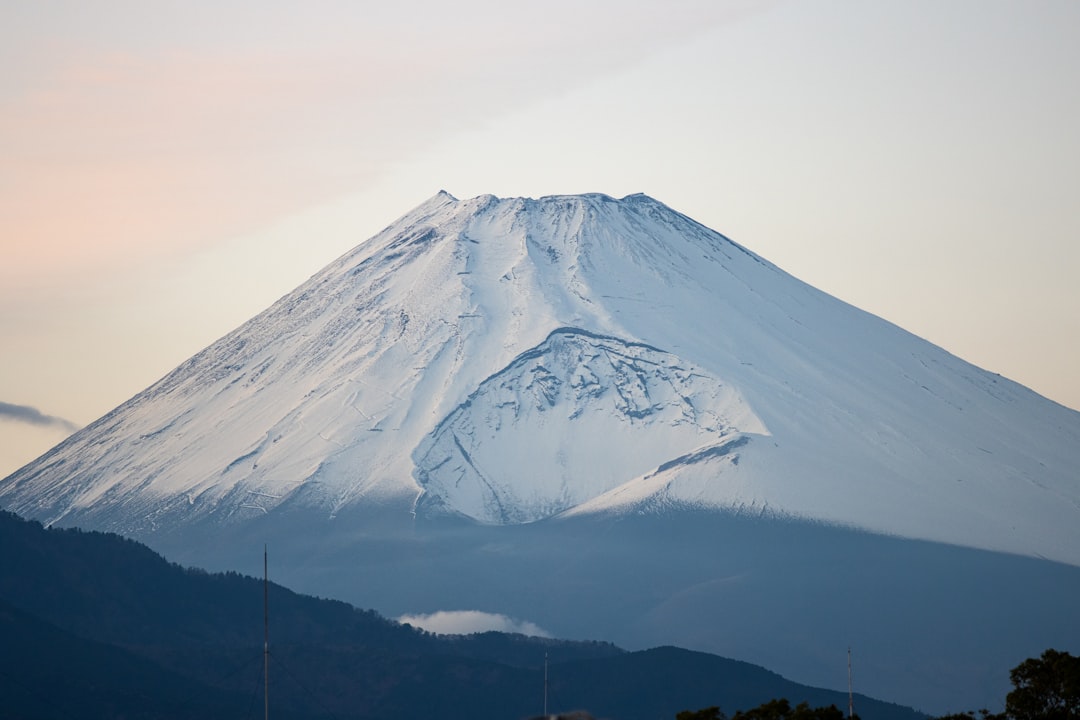
Umeda is Osaka's business and transport center — a dense cluster of department stores, underground malls, towers, and the most complex station in Japan. It's not the soul of the city but it's the spine.
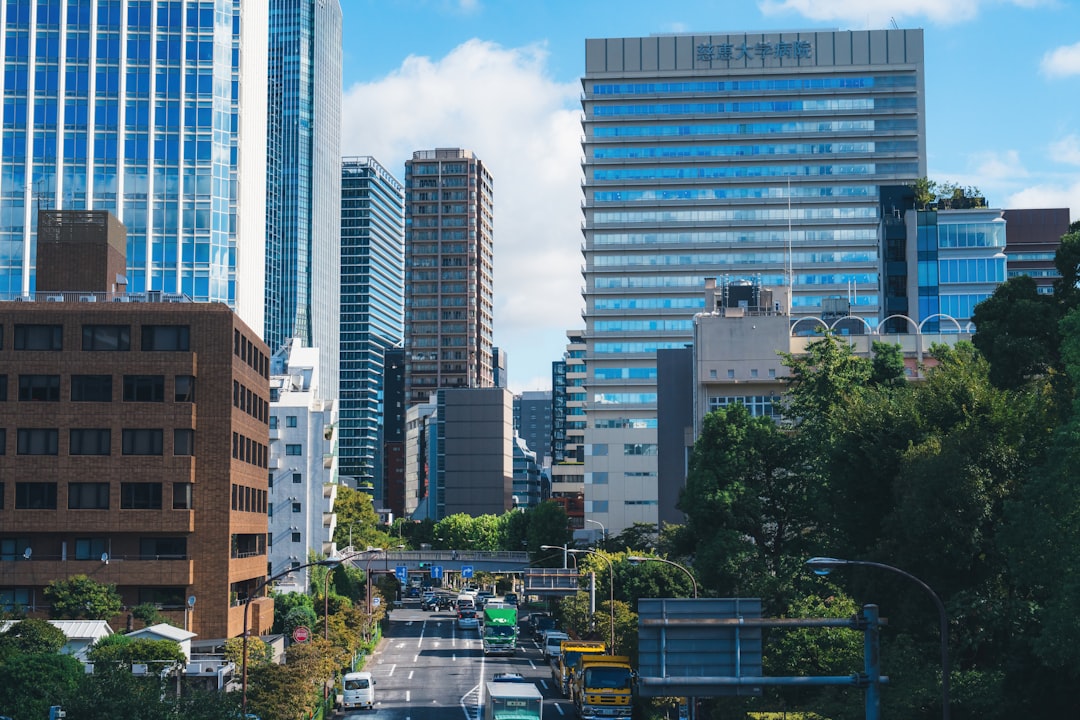
Sumo is one of Japan's oldest athletic traditions, ritualistic and technical in ways that aren't obvious from a distance. A tournament visit — or even understanding the sport properly — changes how you see the country.
The Ghibli Museum in Mitaka is one of the hardest tickets to obtain in Japan and one of the most rewarding museum experiences in the country. Designed by Hayao Miyazaki himself as an architectural expression of the Studio Ghibli aesthetic, it is a building to get lost in — spiral staircases, hidden passages, the Cat Bus room for children, and the rooftop robot sentinel from Laputa. The ticket logistics require planning months ahead.
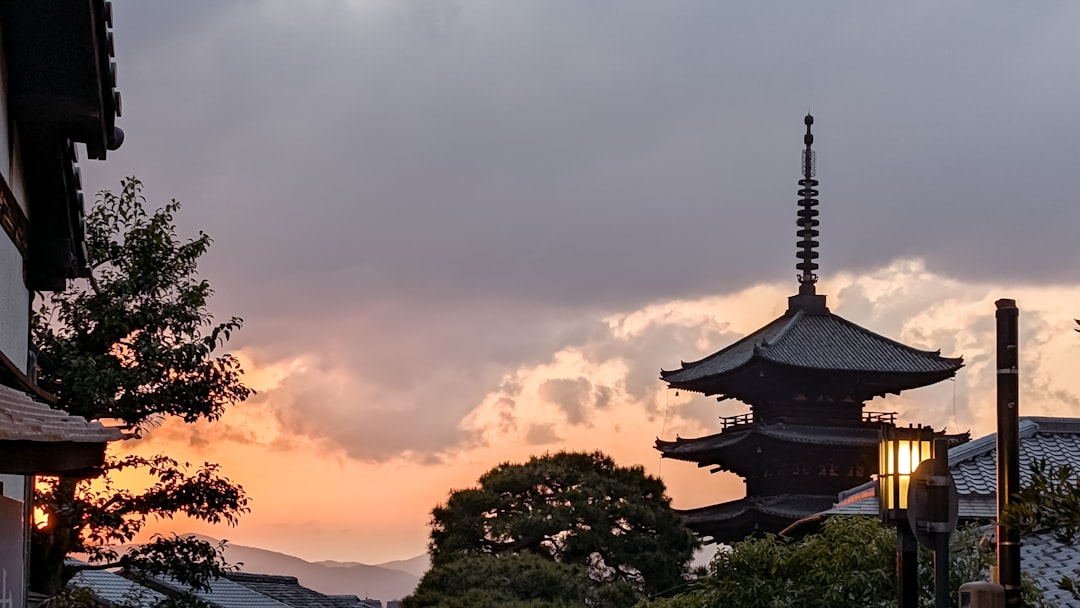
Capsule hotels are one of Japan's most distinctive accommodation inventions — sleeping pods stacked two-high in a shared dormitory floor, with shared bathrooms and communal facilities. They are efficient, surprisingly comfortable, and in the new generation of capsule hotels, genuinely well-designed. This is the complete practical guide.
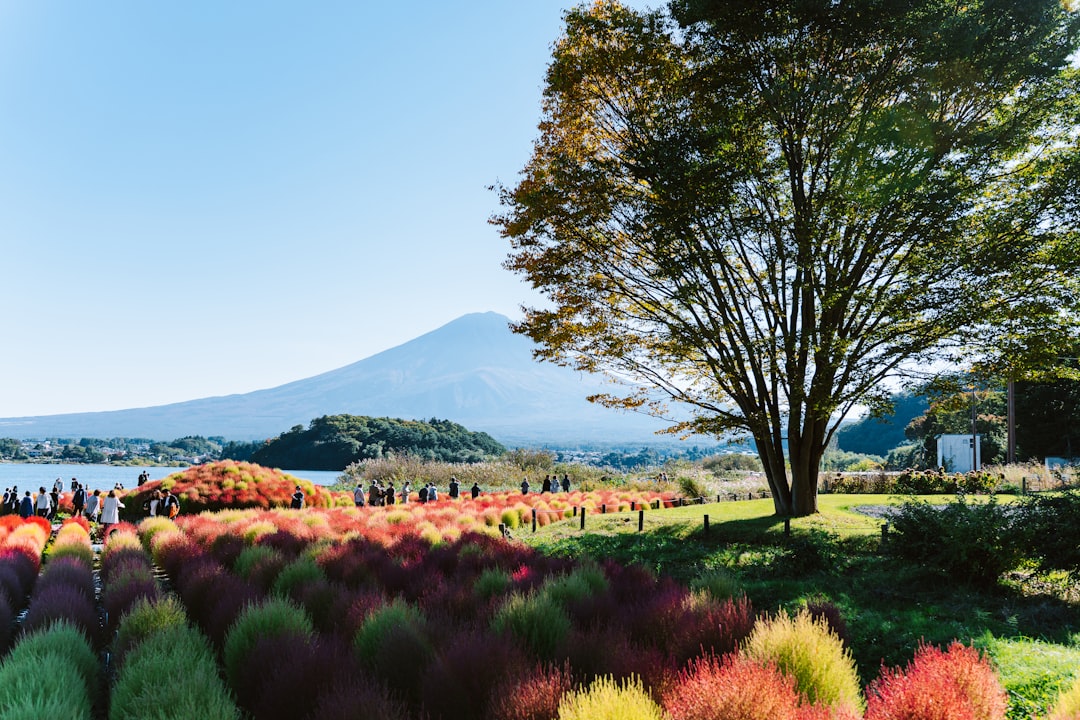
The izakaya is Japan's most democratic institution — a pub-restaurant hybrid where food and drink arrive simultaneously, the menu covers dozens of small plates, and the atmosphere ranges from high-volume chain to intimate wooden counter. Understanding how izakaya work transforms a visit from fumbling to fluent. This is the complete guide.
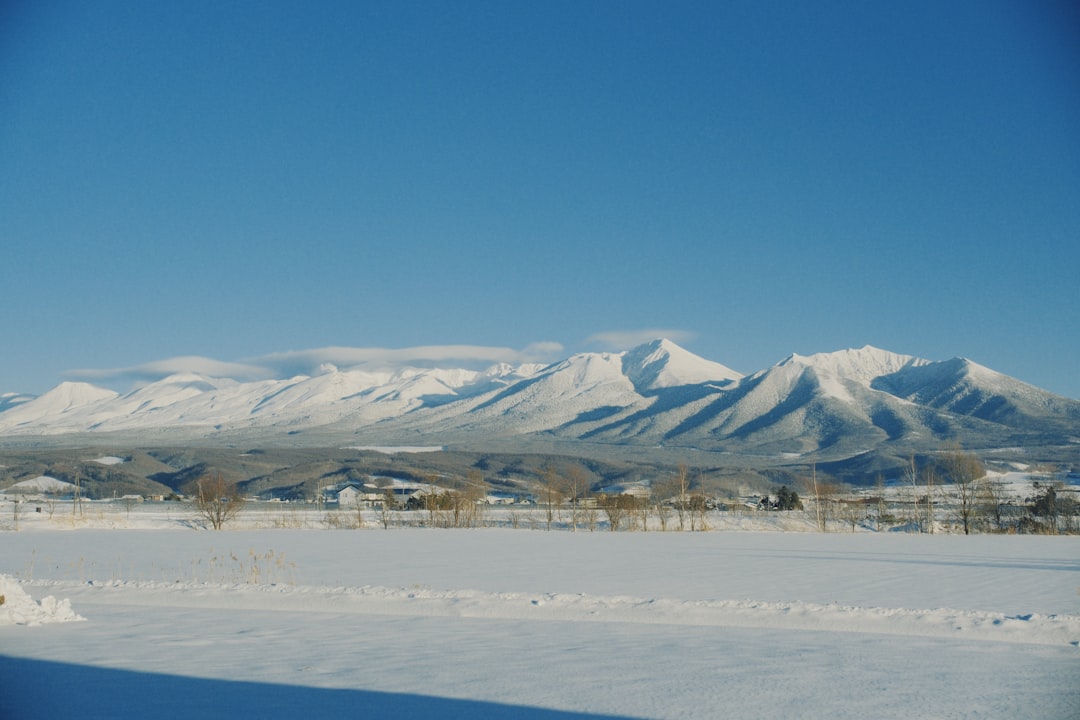
Ramen is Japan's most beloved comfort food and its most regionally diverse — the soup base, noodle thickness, toppings, and serving style vary dramatically between Sapporo, Hakata, Tokyo, Kyoto, and dozens of smaller cities with their own traditions. This is the guide to understanding the styles, ordering with confidence, and finding the best bowls in each region.
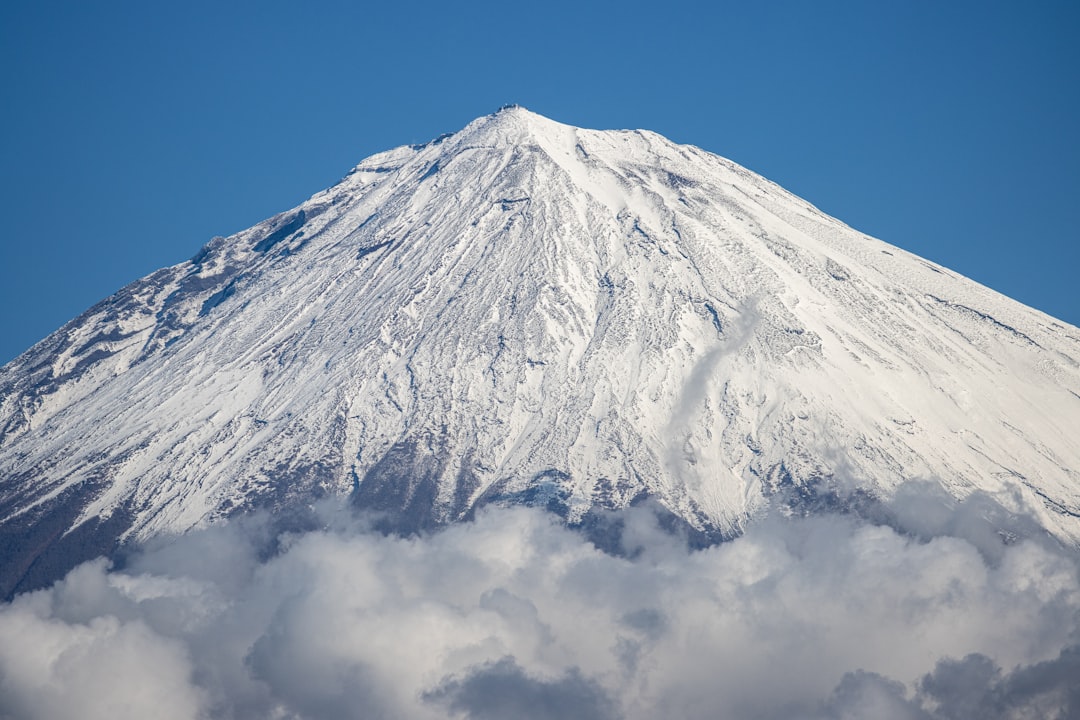
Sake (nihonshu) is Japan's national drink — a brewed rice wine with a complexity that matches wine and a culture of regional production, seasonal brewing, and food pairing that rewards curiosity. This guide covers the essential categories, how to read a sake menu, where to drink it, and which regions to prioritize for sake experiences.
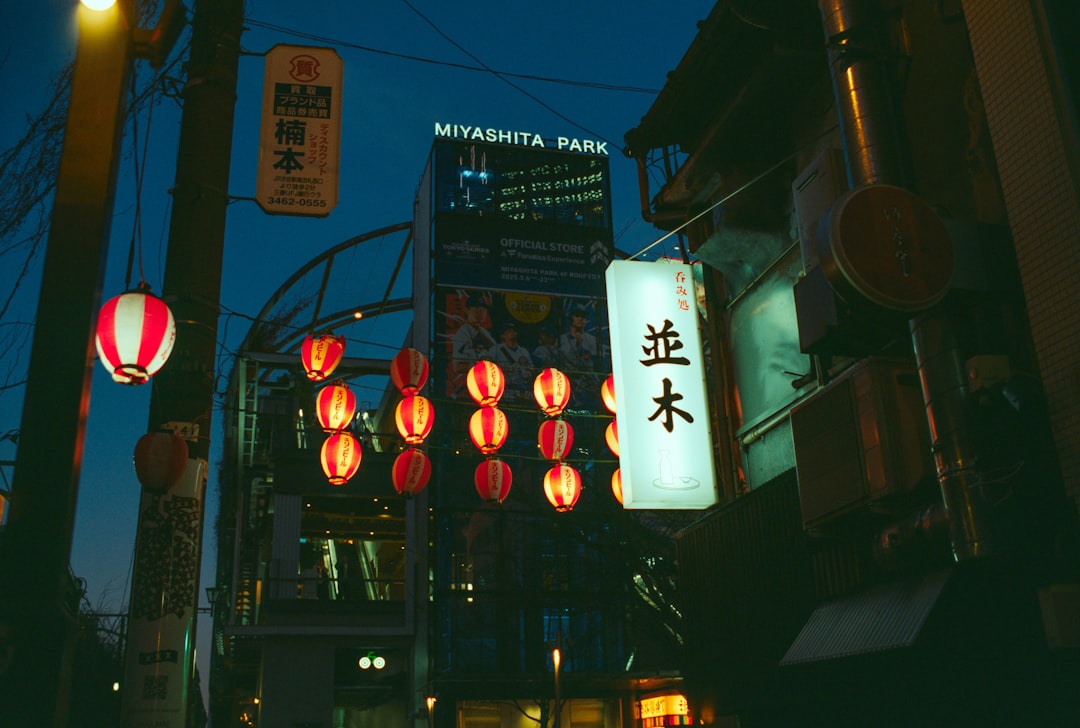
Japan is one of the world's great shopping destinations — for the quality of goods, the depth of category-specific retail, and the tax-free shopping system that returns up to 10% on qualifying purchases. This guide covers the tax refund process, what Japan is genuinely worth buying, and the store types that don't exist anywhere else.
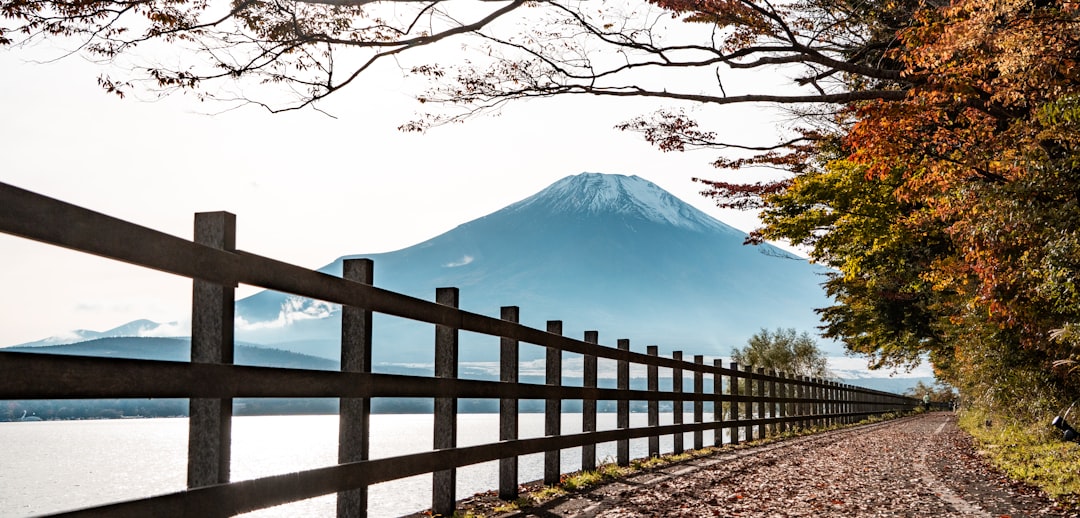
Sushi in Japan ranges from ¥100 conveyor belt chains to ¥50,000 omakase counters, with genuine quality at every price point when you know where to look. This guide covers the types of sushi, how to eat at every format, the etiquette that makes a counter visit work, and what the best experiences at each budget level look like.
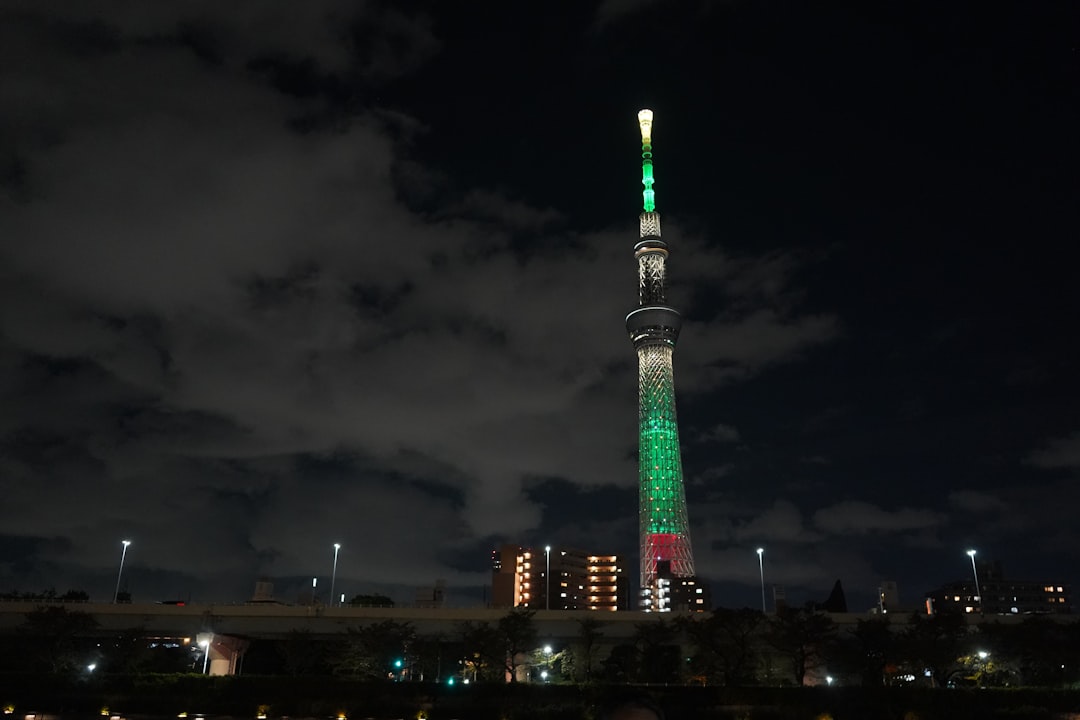
Wagyu — Japanese black cattle with extreme intramuscular fat marbling — is the most expensive beef in the world, and in Japan it is available at a range of price points that make the real thing accessible outside of a luxury restaurant. This guide covers the three great regional brands, how to actually eat wagyu, and where to find it at every budget.
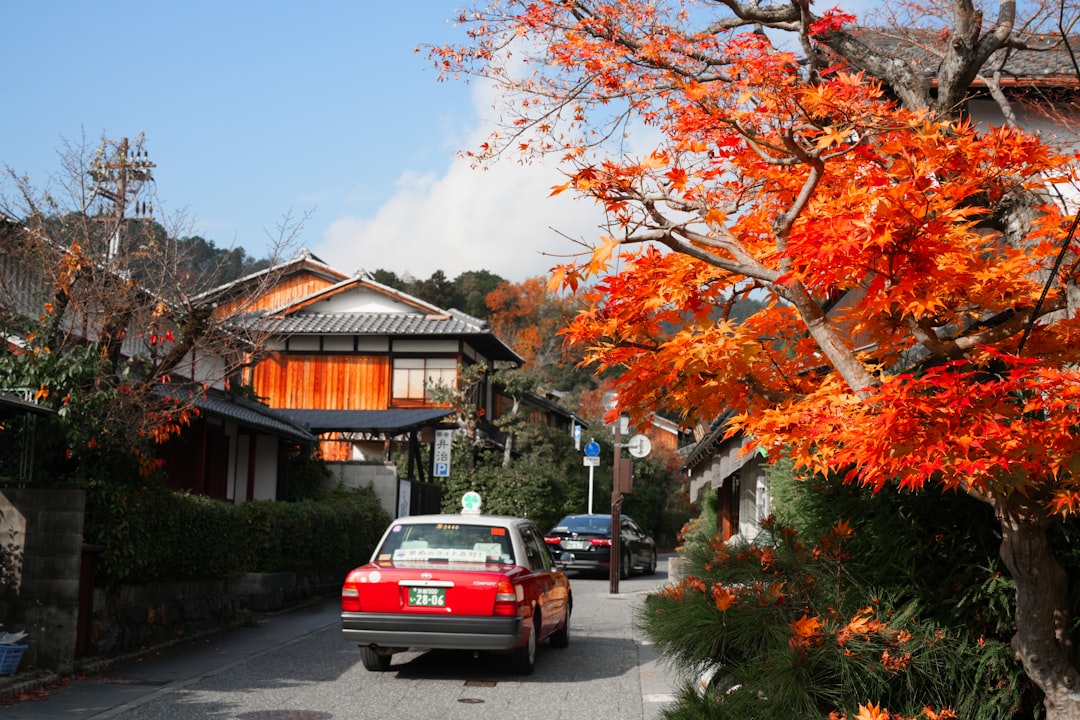
Yakitori — skewered chicken grilled over charcoal — is one of Japan's most democratic foods: available at every price point, from ¥150 izakaya skewers to ¥20,000 omakase yakitori counters. Understanding the cuts, the seasoning choices, and the culture of the yakitori-ya makes the difference between a meal and an experience.
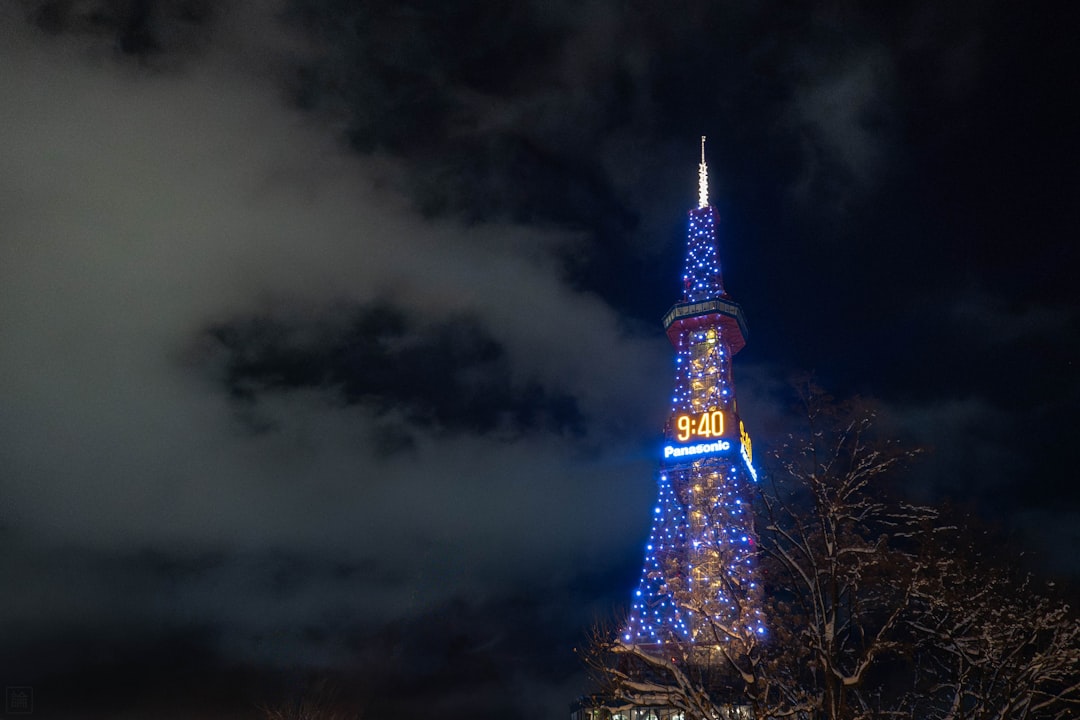
Three days in Kyoto, structured by geography to minimize wasted transit time. Day 1 covers the eastern hills: Fushimi Inari at dawn, Kiyomizudera and Higashiyama. Day 2 covers the northwest: Kinkakuji, Ryoanji, Arashiyama. Day 3 covers the northeast and central: Ginkakuji, the Philosopher's Path, Nishiki Market, and Nijo Castle.
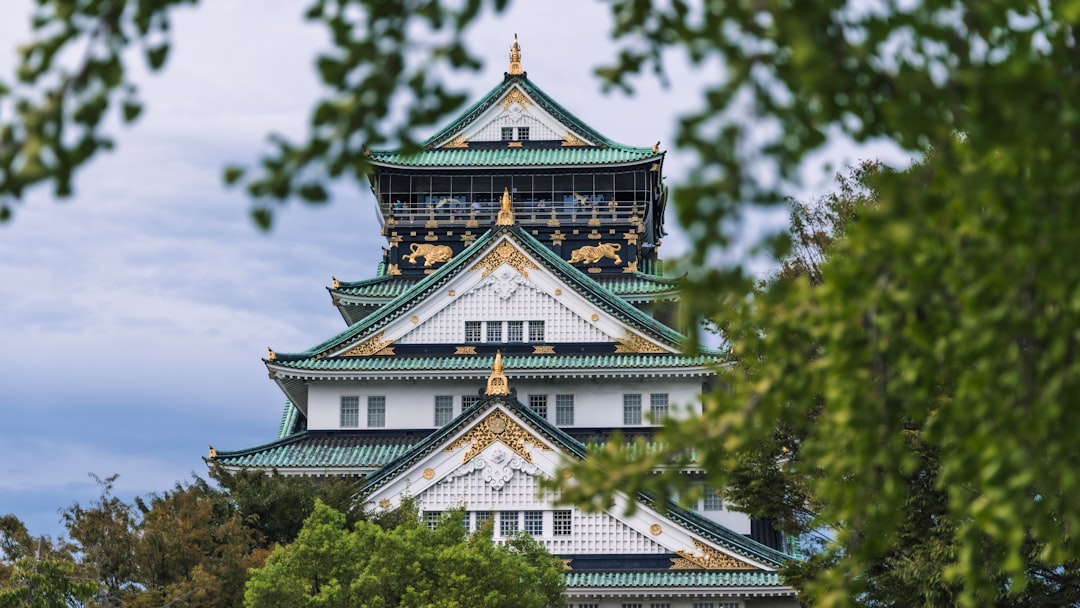
Fushimi Inari is one of the most photographed sites in Japan — the mountain shrine with thousands of vermilion torii gates winding up through a forested mountain south of Kyoto. The lower gates are always crowded; the upper mountain is often quiet. This guide covers how to visit, when to go, how far to hike, and what the shrine actually is.
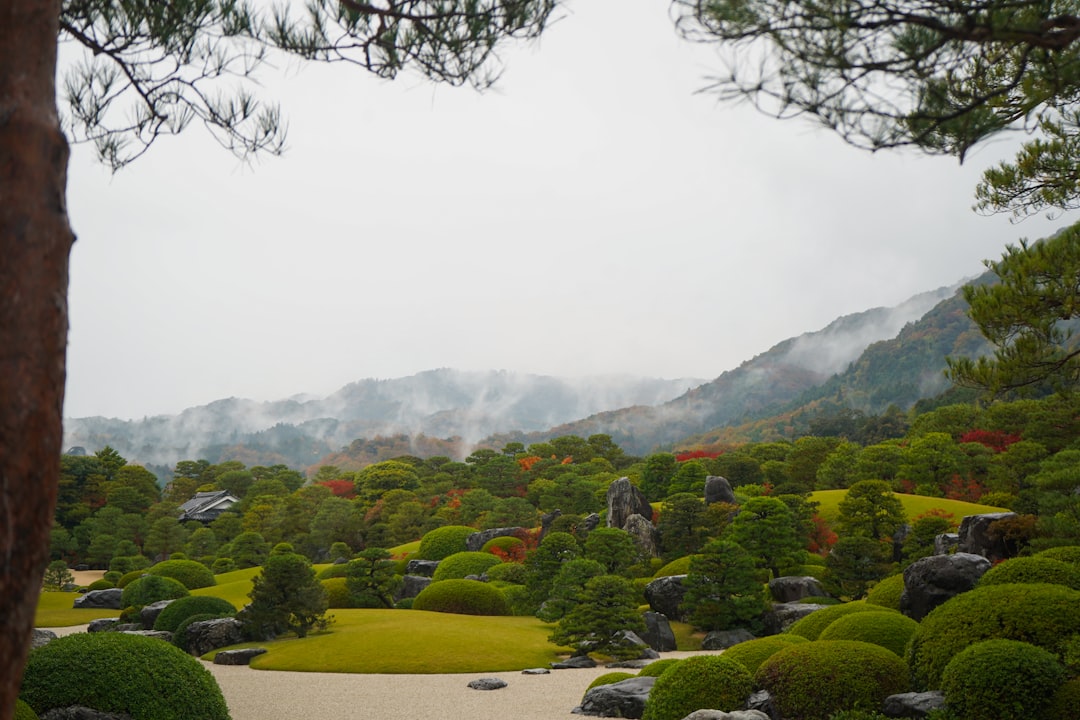
Ginkakuji — the Silver Pavilion — was never actually silver, but the garden it anchors is one of the finest in Japan. The Philosopher's Path, a 2-kilometer canal walk connecting Ginkakuji to Nanzenji through a canopy of cherry trees, is the best walking route in Kyoto. This guide covers both the temple and the walk.
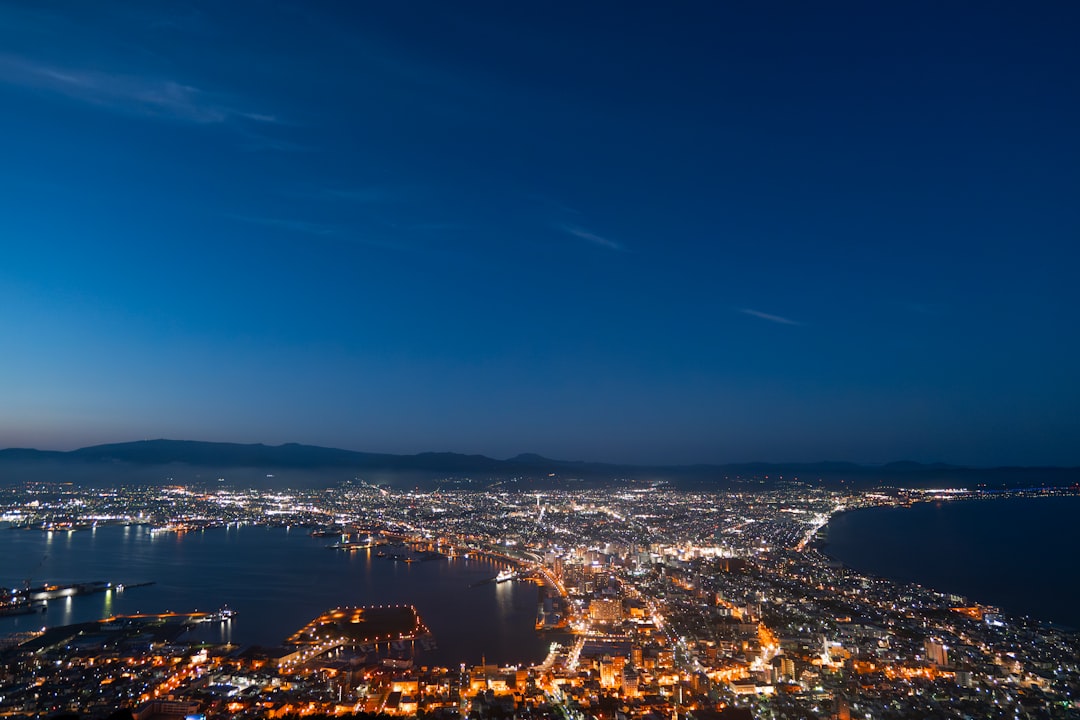
The Higashiyama district is the most intact historic streetscape in Japan — stone-paved lanes lined with Edo and Meiji-period wooden townhouses running between Kiyomizudera to the north and Yasaka Shrine to the south. Walking the full Higashiyama circuit, from the southern Gion end to the Kiyomizudera approach, is the single best walk in Kyoto.
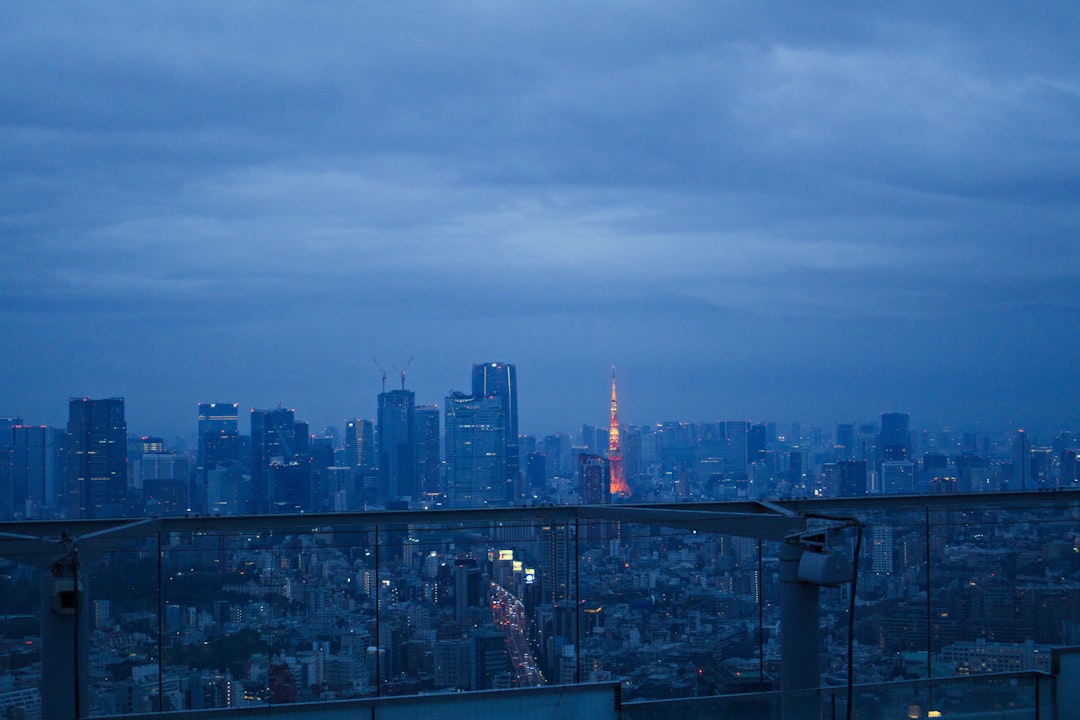
Kinkakuji — the Golden Pavilion — is one of Japan's most recognizable buildings and, for most of its history, the most controversial. The three-storey pavilion covered in gold leaf standing beside its reflection pond is the defining image of Muromachi-period Kyoto. This guide covers what makes it worth visiting, how to do it without the worst crowds, and what else is in the surrounding district.
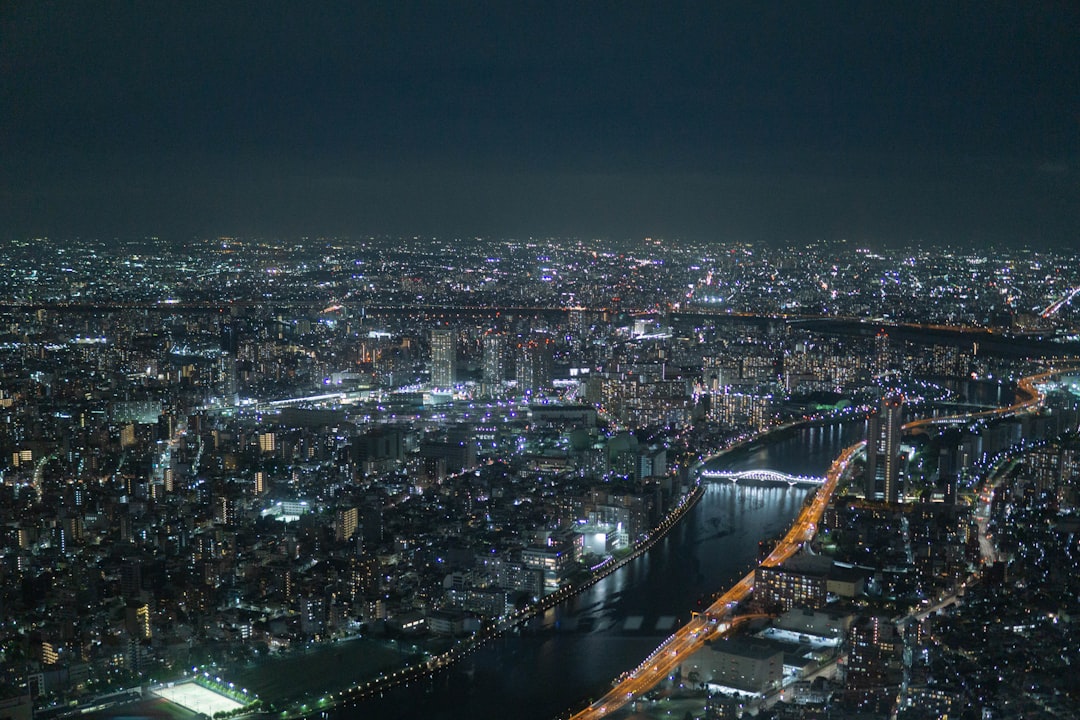
Kiyomizudera is Kyoto's most visited temple — a wooden complex built into the eastern hills, with the famous main hall veranda extending over the hillside on 139 wooden pillars, and the Otowa waterfall below feeding three channels with different blessings. The approach through Higashiyama's preserved historic streets is as significant as the temple itself.
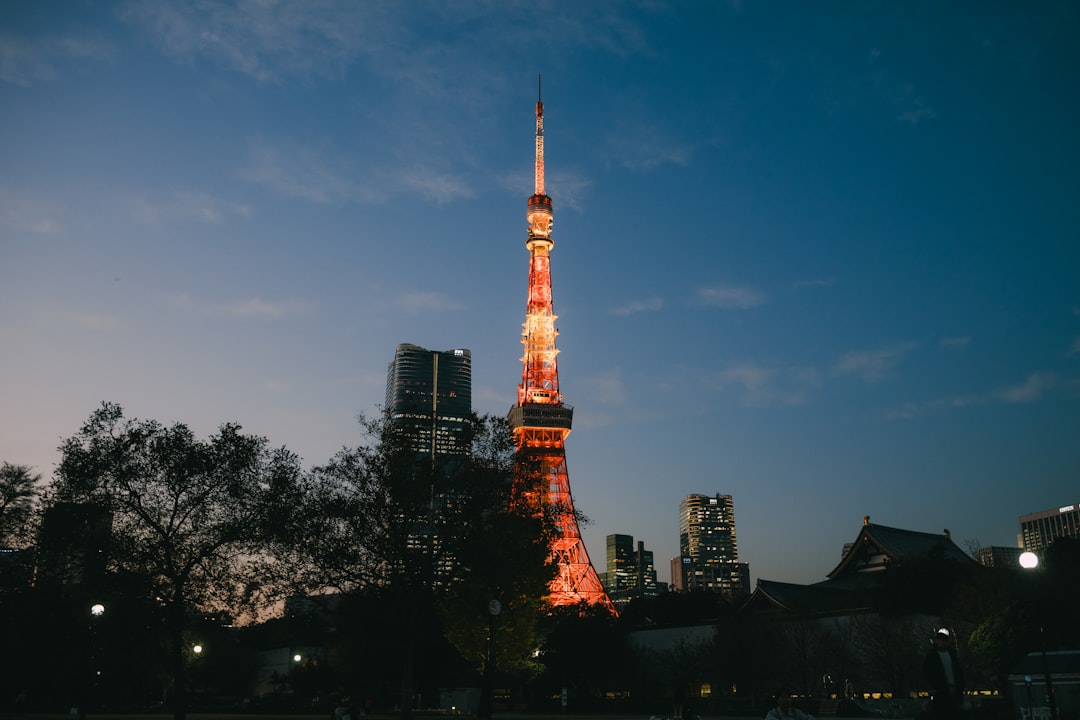
Nanzenji is one of the most important Zen temple complexes in Japan — a sprawling compound at the foot of the Higashiyama mountains with a massive sanmon gate, several sub-temples with excellent gardens, and the incongruous sight of a Meiji-era brick aqueduct running through the middle of the historic precinct. It is also the southern anchor of the Philosopher's Path.
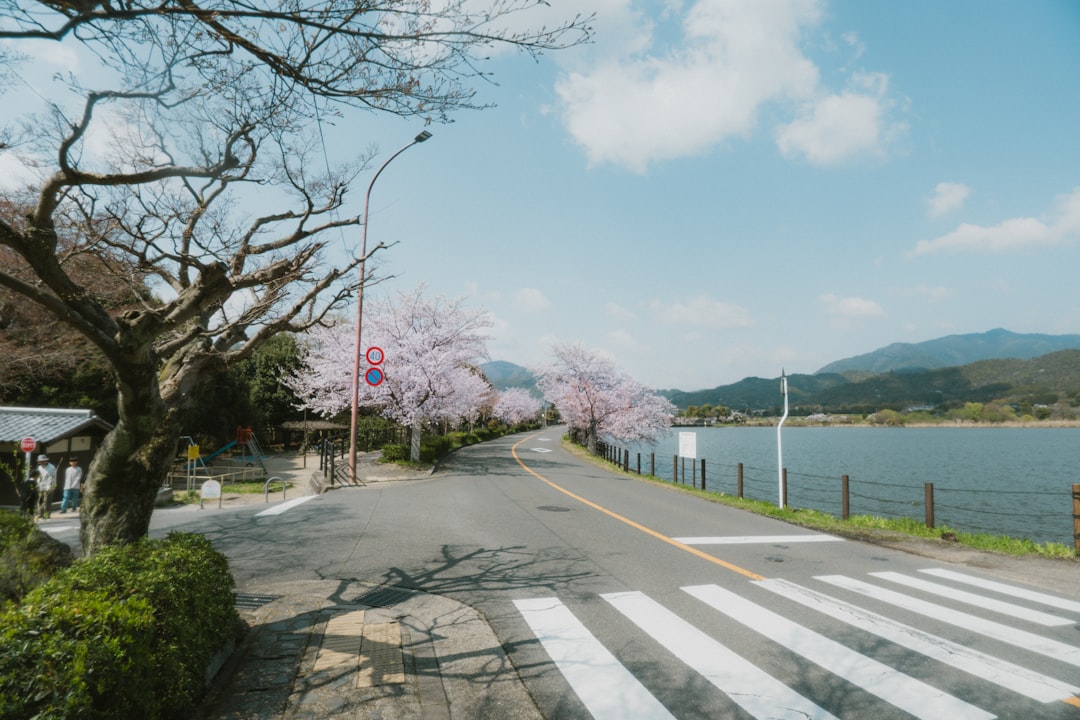
Nishiki Market is the covered market running parallel to Shijo-dori in central Kyoto — approximately 100 vendors in 400 meters selling pickled vegetables, yuba, seasonal Kyoto produce, mochi, and the preserved foods that define the city's culinary identity. It has operated as a food market since the Edo period. This is how to navigate it and what to eat.
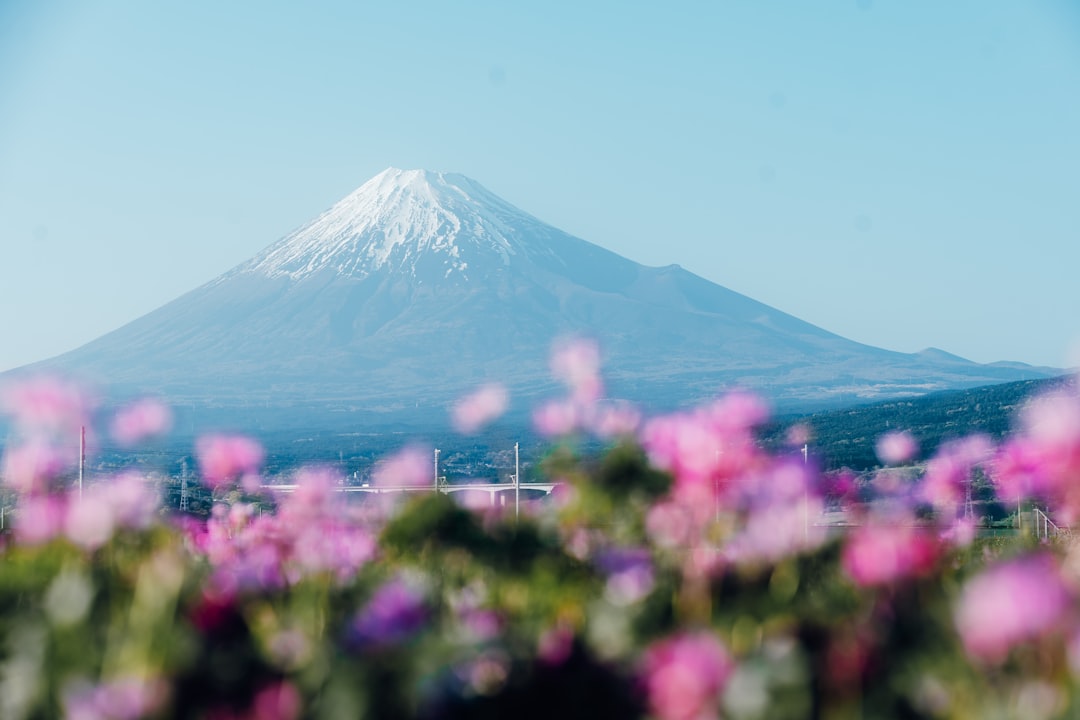
Ryoanji is home to Japan's most famous rock garden — 15 stones arranged in raked gravel within a walled rectangular space that has been the subject of interpretation for over 500 years. No one agrees on what it means. The garden requires patience; the reward is a space that changes with sustained attention in a way that no photograph communicates.
teamLab operates two major immersive art venues in Tokyo — teamLab Planets (Toyosu) and the relocated teamLab Borderless (Azabudai Hills). Both are permanent installations that attract more than a million visitors per year. This guide covers what each venue actually contains, the practical booking logistics, and which one to prioritize.
Three days in Tokyo, structured to cover the essential neighborhoods and experiences without covering so much ground that nothing registers. The itinerary is organized by geography to minimize transit time — each day stays in one part of the city and covers the adjacent neighborhoods on foot.
Daikanyama is the neighborhood Tokyo's creative class chose when it could afford to. A 10-minute walk from Shibuya — but architecturally and atmospherically a different city — it has the best bookshop in Tokyo, the highest concentration of independent clothing boutiques in the western part of the city, and a residential calm that makes it one of the most pleasant neighborhoods to spend an afternoon.
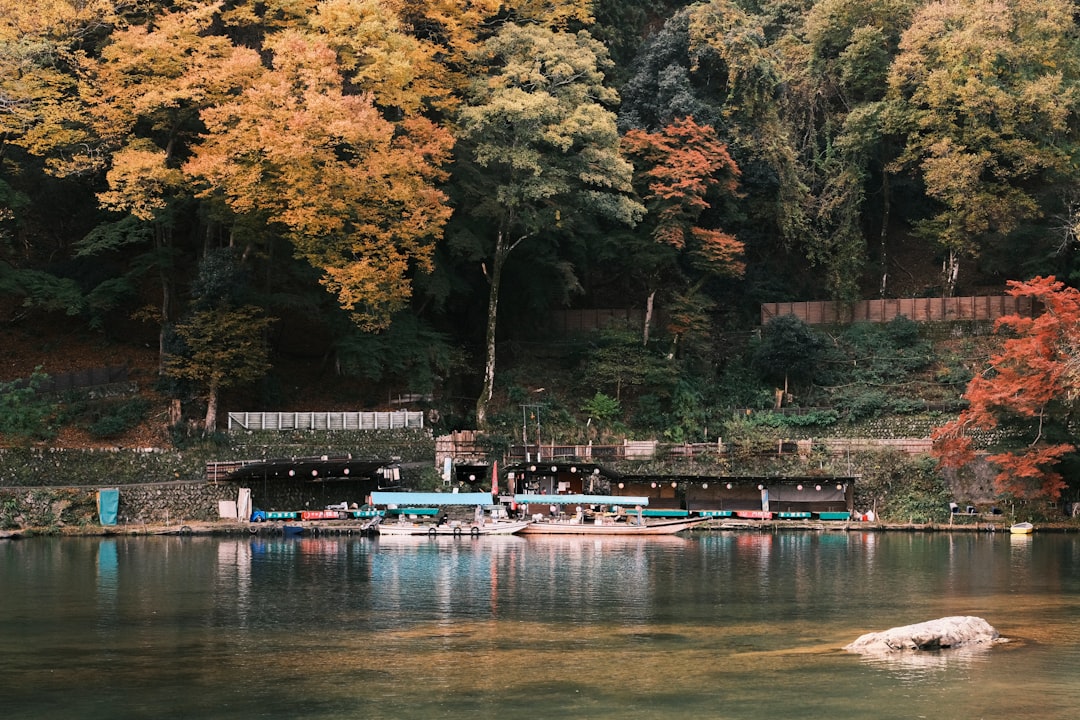
Ginza is Tokyo's most prestigious commercial district — the address where Japanese luxury, international fashion houses, art galleries, and the city's finest depachika coexist on a grid of wide boulevards. It is also genuinely beautiful to walk, especially on weekends when the main avenue closes to traffic.
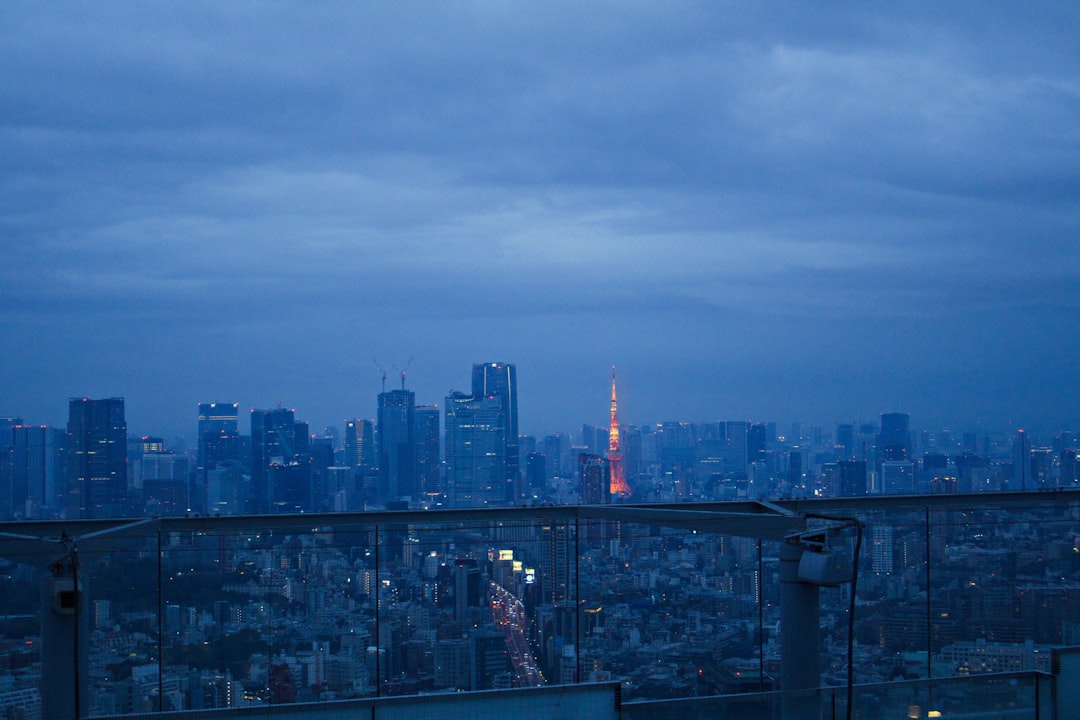
Koenji is where Tokyo's counterculture settled when Shimokitazawa got expensive. The neighborhood has the city's best antique furniture and vintage clothing markets, a dense shotengai (covered arcade) that has barely changed in 40 years, a thriving live music scene, and a population that has actively resisted the gentrification reshaping the rest of western Tokyo.
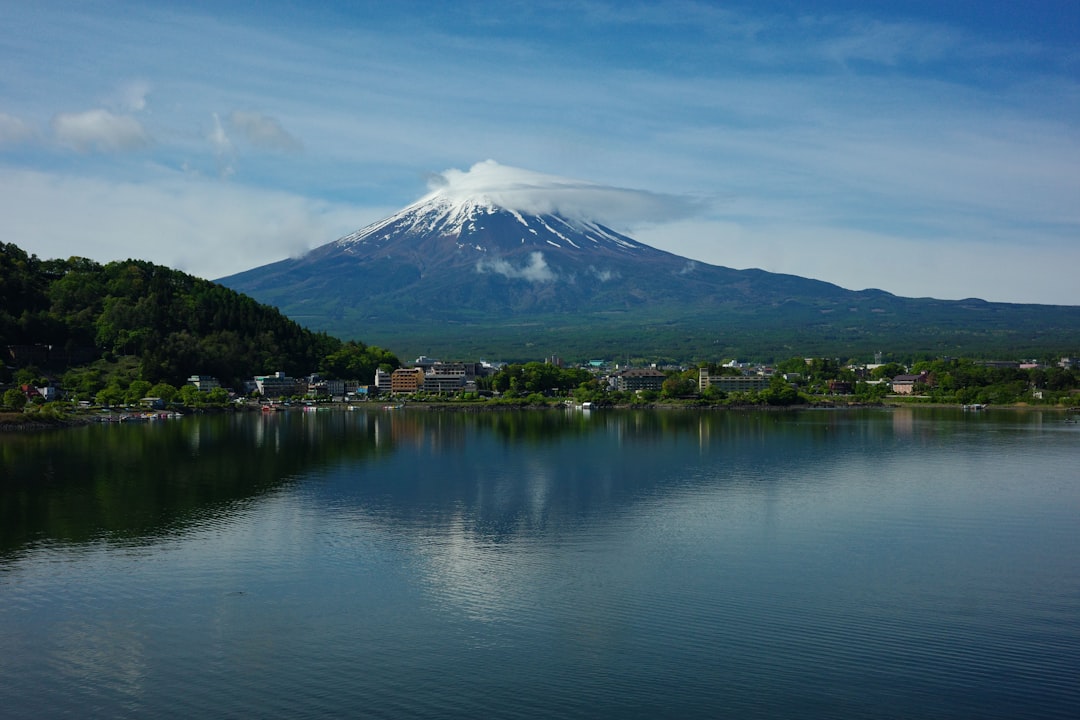
Marunouchi is Tokyo's financial heart — the corporate district between Tokyo Station and the Imperial Palace moat. But the underground malls beneath the office towers, the architecture of the Mitsubishi Ichigokan area, the brick Marunouchi Building complex, and the Yurakucho yakitori and izakaya district under the elevated tracks make this one of the most rewarding areas in Tokyo for those who look beyond the corporate surface.
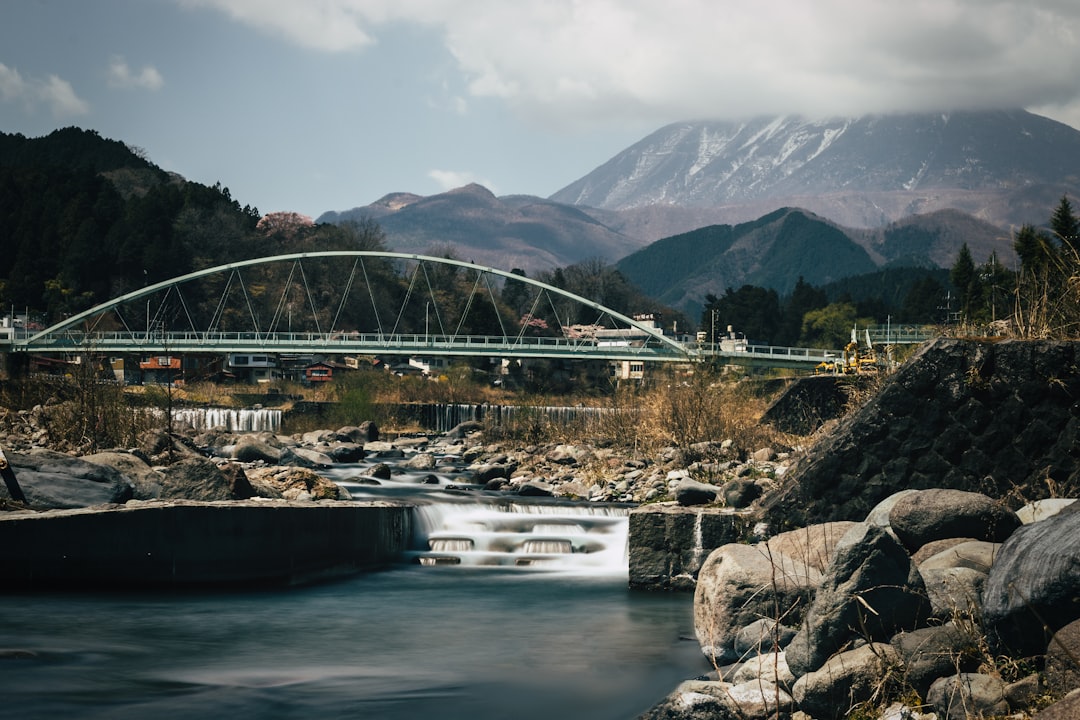
Nakameguro is Tokyo at its most walkable and most curated — a canal lined with independent boutiques, cafés, and restaurants, running through a residential neighborhood that has become the city's most desirable address for design-conscious visitors. The Meguro River is Tokyo's best cherry blossom walk. The surrounding streets are the best concentration of independent retail in the city.
Roppongi has two identities that coexist without fully reconciling: one of Tokyo's most important art districts (three major museums within a 10-minute walk) and one of its most active nightlife zones. The art side — Mori Art Museum, the National Art Center, and 21_21 Design Sight — is genuinely world-class. Both sides are worth understanding.
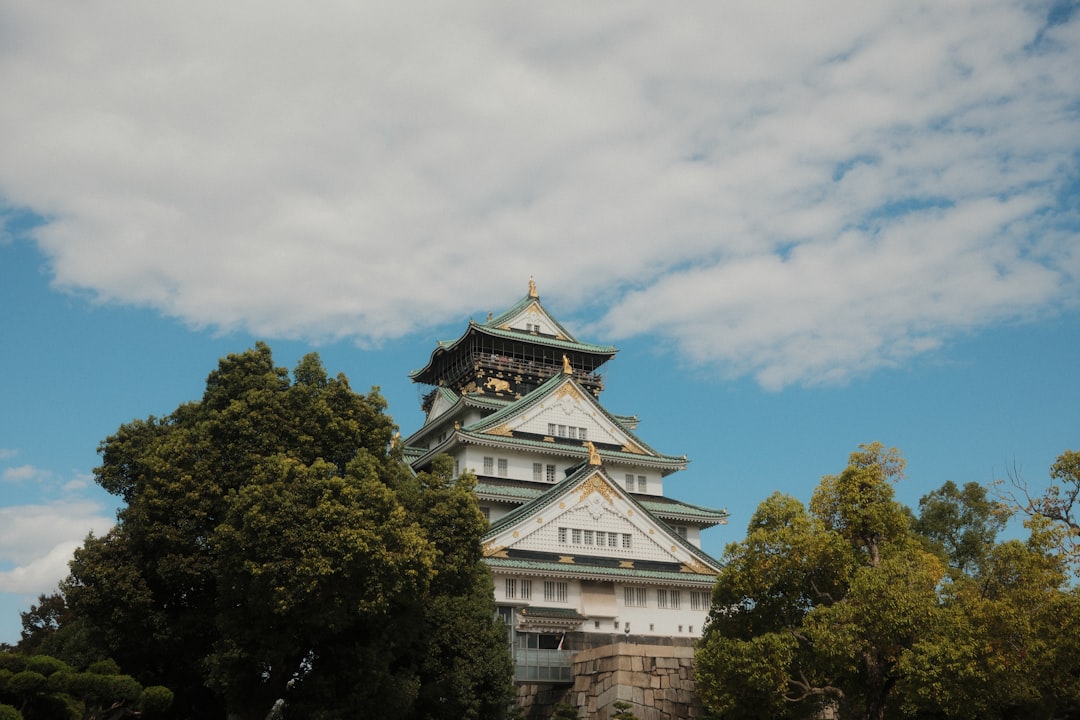
Shibuya is Tokyo's most kinetic neighborhood — the crossing, the youth fashion district, the department stores, the entertainment venues, and the layered hilltop streets above the station. This is the complete guide to one of the world's most recognizable urban intersections and everything around it.
Shimokitazawa is Tokyo's most distinctly un-Tokyo neighborhood — no skyscrapers, no chain stores dominating, no corporate scale. Instead: a dense grid of vintage clothing shops, live music venues, small theaters, and cafés built at human scale. It is the closest thing Tokyo has to a neighborhood that resisted modernization on purpose.
Tokyo Skytree is the world's tallest tower at 634 meters and the best elevated viewing platform in Tokyo. The Tembo Deck at 350 meters and the Tembo Galleria at 450 meters offer unobstructed 360-degree views across the Kanto Plain on clear days. The Solamachi commercial complex at the base is one of Tokyo's better shopping and food destinations.
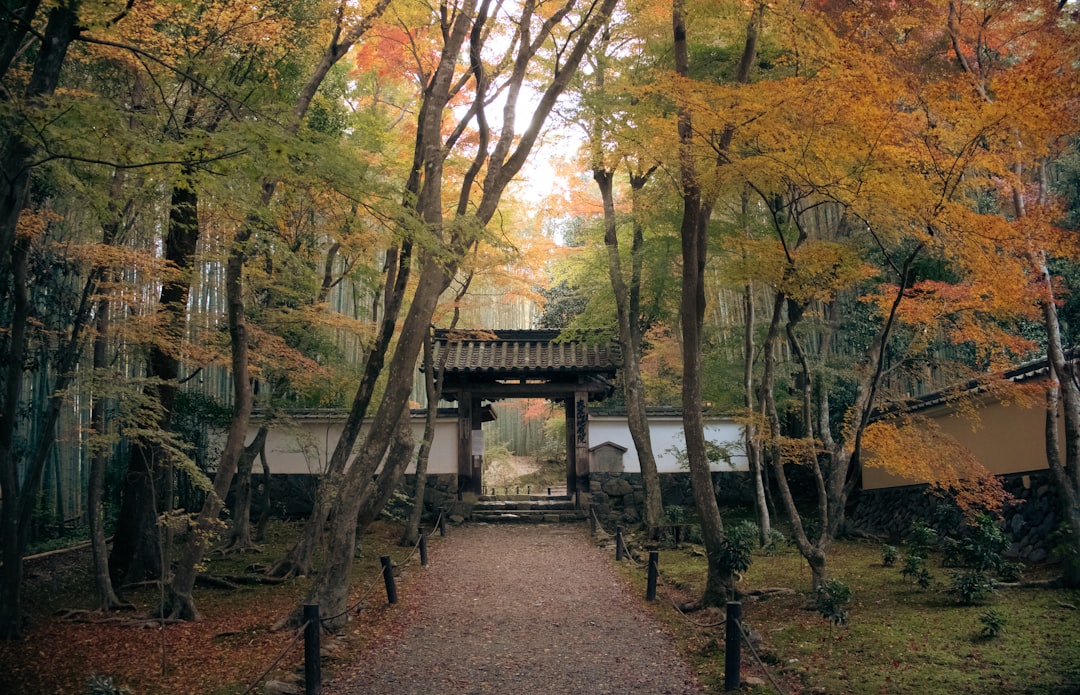
Tokyo's train and subway network is the largest in the world — 48 lines, over 900 stations, and a daily ridership of 40 million. It is also remarkably navigable once you understand the structure. This guide covers the IC card system, the main lines, how to transfer, and the practical knowledge that makes the difference between getting lost and getting anywhere.
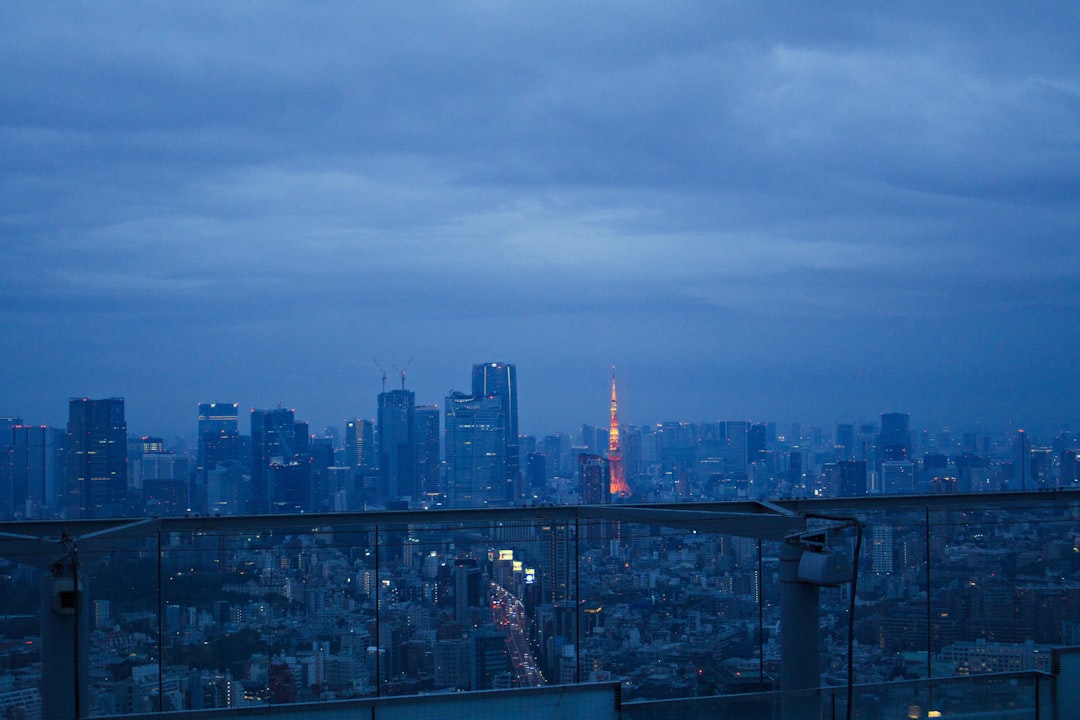
Tsukiji's famous tuna auctions moved to Toyosu in 2018, but the Outer Market — the 400-meter strip of food stalls, sushi counters, knife shops, and wholesale suppliers surrounding the old inner market site — remains one of Tokyo's most atmospheric food experiences. This is the guide to what's still here, what's worth doing, and how the market actually works today.
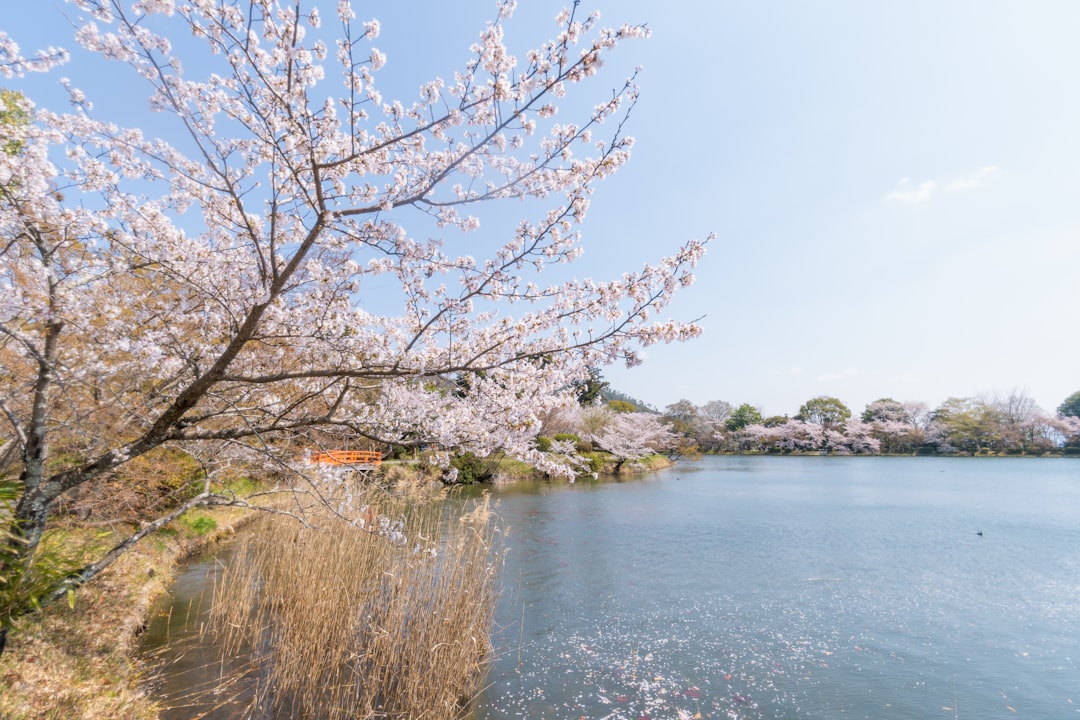
Ueno is Tokyo's cultural and natural history district — a park with five major museums, a zoo, a concert hall, a shrine, and a pond, all within walking distance of the city's most atmospheric outdoor market. It is also Tokyo's most famous cherry blossom location and the first neighborhood many travelers encounter after arriving at Ueno Station.
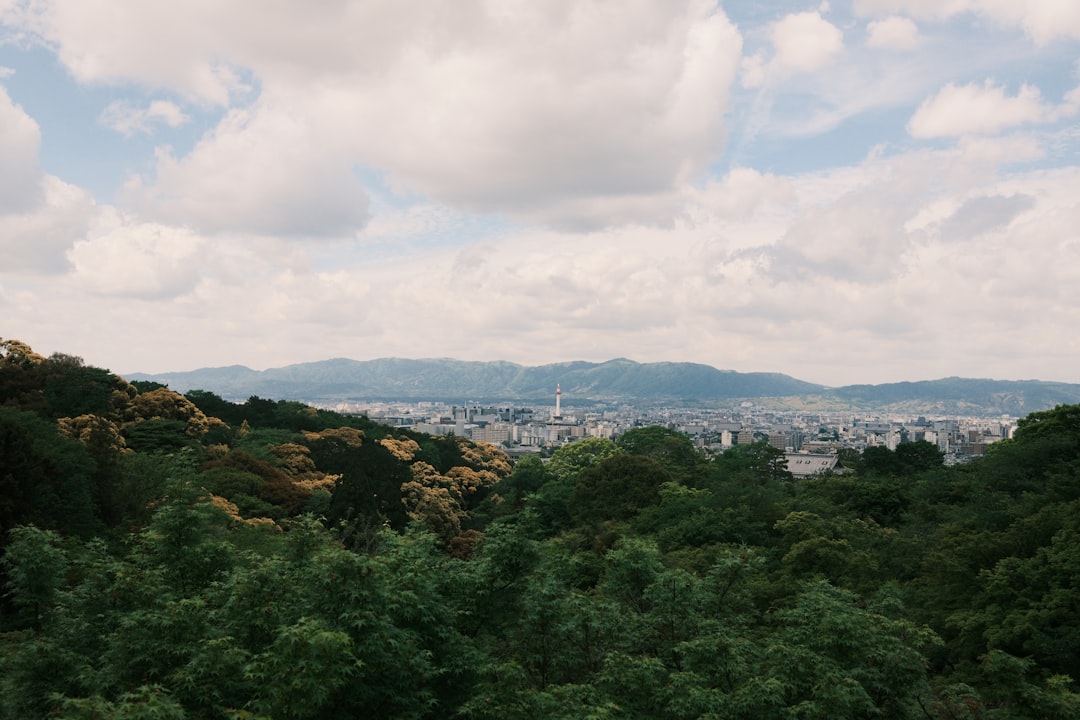
Beppu is Japan's largest hot spring resort city — a coastal city in Oita Prefecture that produces more onsen water than anywhere else in the country, with over 2,000 hot springs across the city. The Nine Hells (Jigoku Meguri) — volcanic pools of boiling water in vivid reds, blues, and milky whites — are the most famous sight; the sand baths, the mud baths, and the sheer density of steam rising from every corner of the city are the experience.
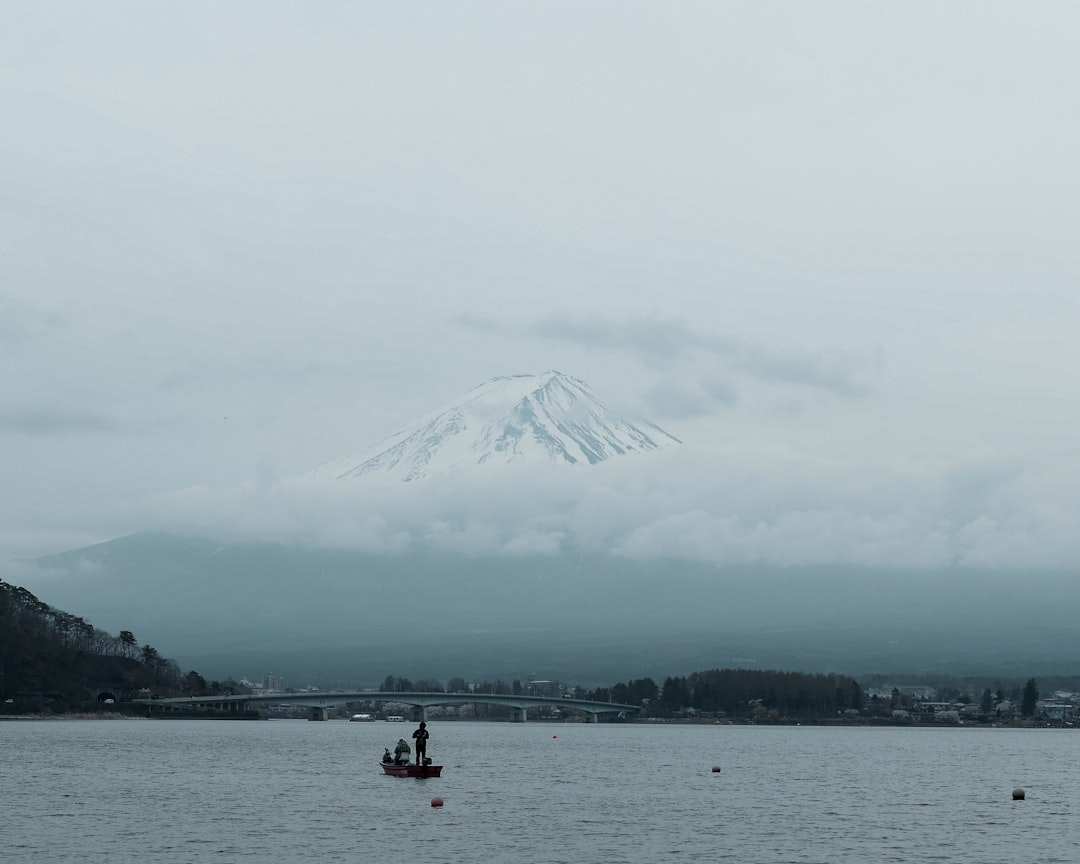
A goshuincho is a book of handwritten stamps and calligraphy collected from shrines and temples across Japan. Each goshuin is a unique piece of calligraphy produced on the spot by a priest or monk — part record, part art, part spiritual souvenir. It is one of the most distinctive practices in Japanese religious culture, and one of the most accessible for visitors.
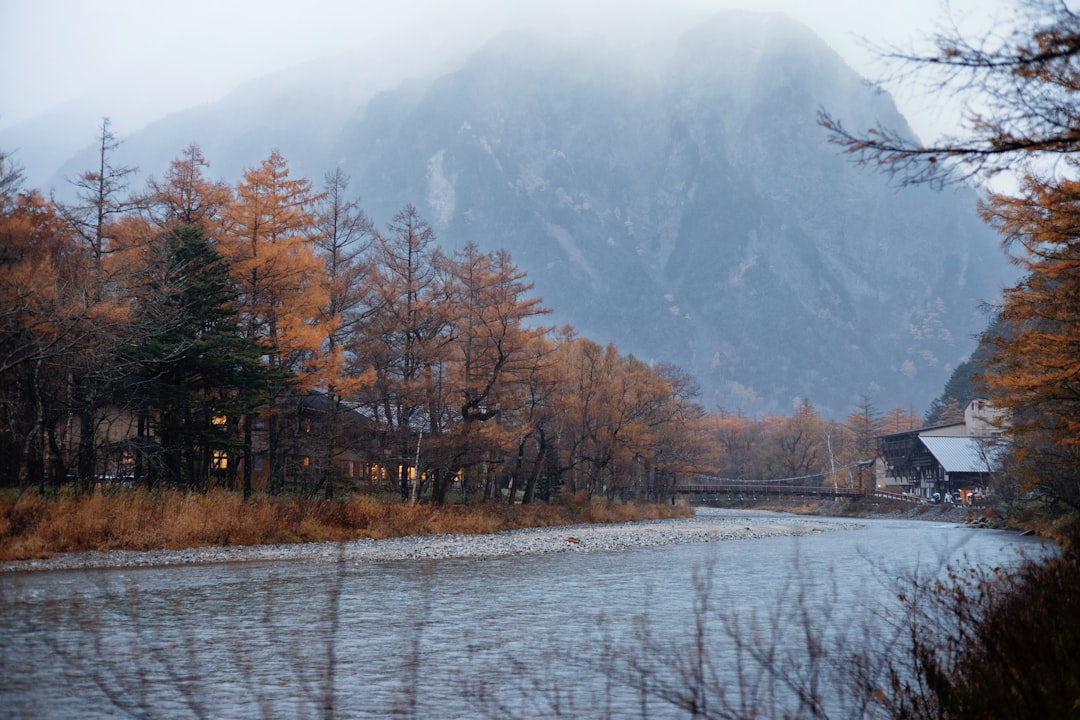
Himeji Castle is the largest and most complete castle complex in Japan — a National Treasure, a UNESCO World Heritage Site, and the primary reference for what Japanese castle architecture actually looked like at its peak. The original 1609 white-plastered wooden tower has never burned, never been destroyed, and never been significantly rebuilt. This is the one.
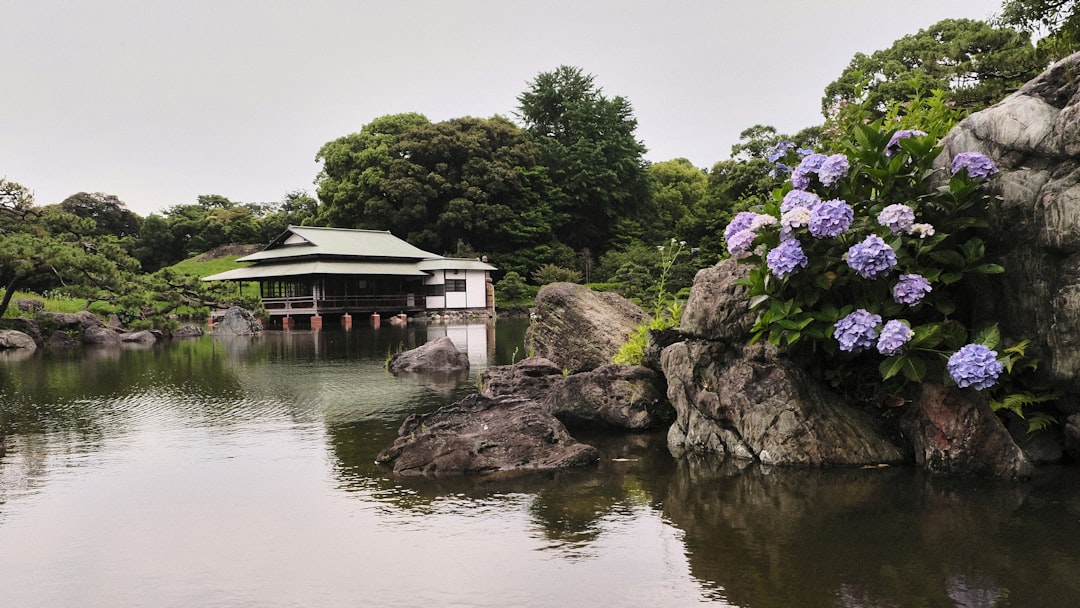
Iwakuni is a small city between Hiroshima and Shimonoseki on the San'yo coast, notable for two specific things: the Kintai-kyo bridge — a 1673 wooden arch bridge of extraordinary engineering and beauty — and the sacred albino snakes (*shiro hebi*) that live only in Iwakuni and are designated a national natural treasure. Both are accessible as a half-day from Hiroshima.
Japanese convenience stores — 7-Eleven, FamilyMart, and Lawson — are not what convenience stores are in other countries. They are food operations, payment centers, package shipping hubs, travel booking services, and ATMs all in one. Understanding what they can do is one of the most practically useful things a Japan visitor can know.
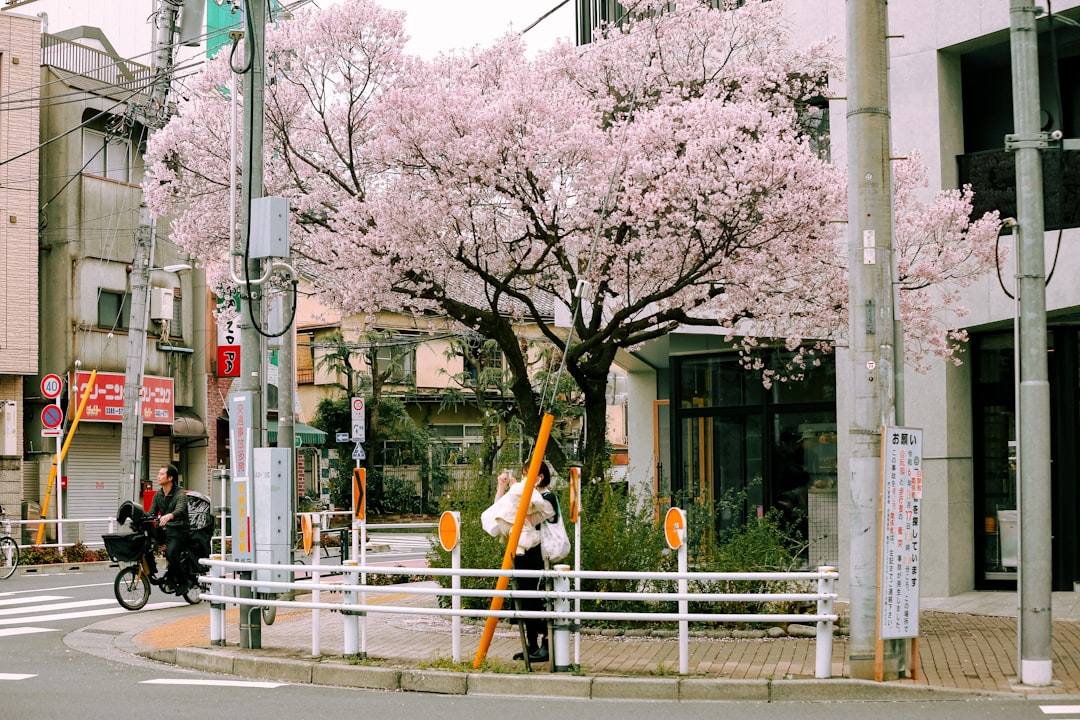
Japanese cuisine is organized around the concept of shun — the peak season for each ingredient, when it tastes best and should be eaten. Each month brings specific fish, vegetables, and preparations that are only right at that moment. This is the guide to what to eat when, and why it matters.
Arashiyama is the western mountain district of Kyoto — the bamboo grove, the Oi River, the Tenryu-ji temple garden, the monkey park, the Jojakko-ji moss staircase, and the hidden approach through Sagano's lanes. It is the most visited area outside central Kyoto, and the most rewarding when approached with time and the right order of sites.
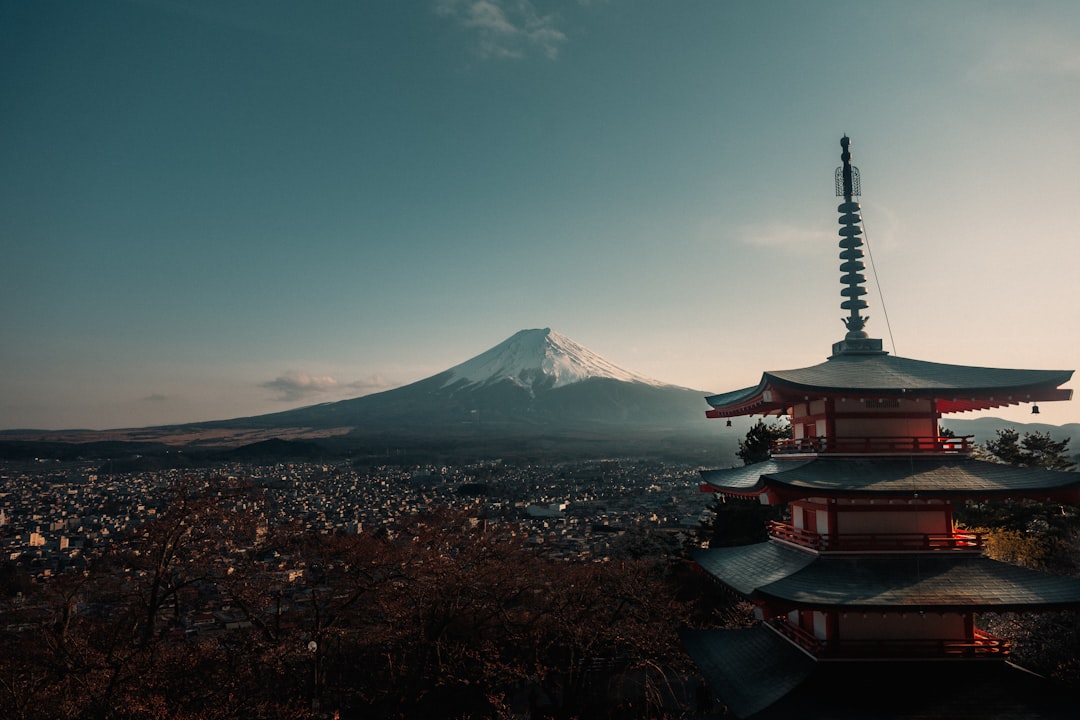
Gion is Kyoto's most famous hanamachi — the historic district of ochaya teahouses and okiya geisha houses along the Shirakawa canal and Hanamikoji Street. It is the best-preserved entertainment district from the Edo period in Japan, and the place where, with some patience and the right streets at the right hours, you can still encounter a maiko or geiko in transit between appointments.
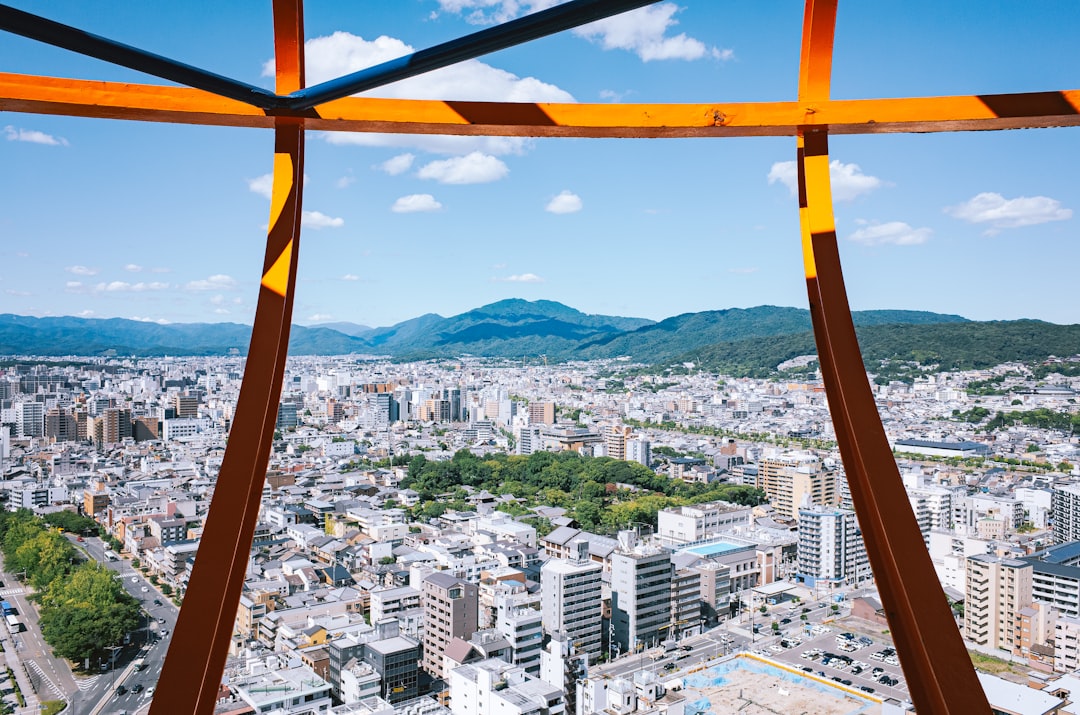
Uji is a small city 20 minutes south of Kyoto that produces Japan's finest matcha, contains one of the most photographed buildings in the country (the Byodoin Hoodo), and has an entire riverside street dedicated to tea. It is one of the best half-day escapes from Kyoto's crowds.
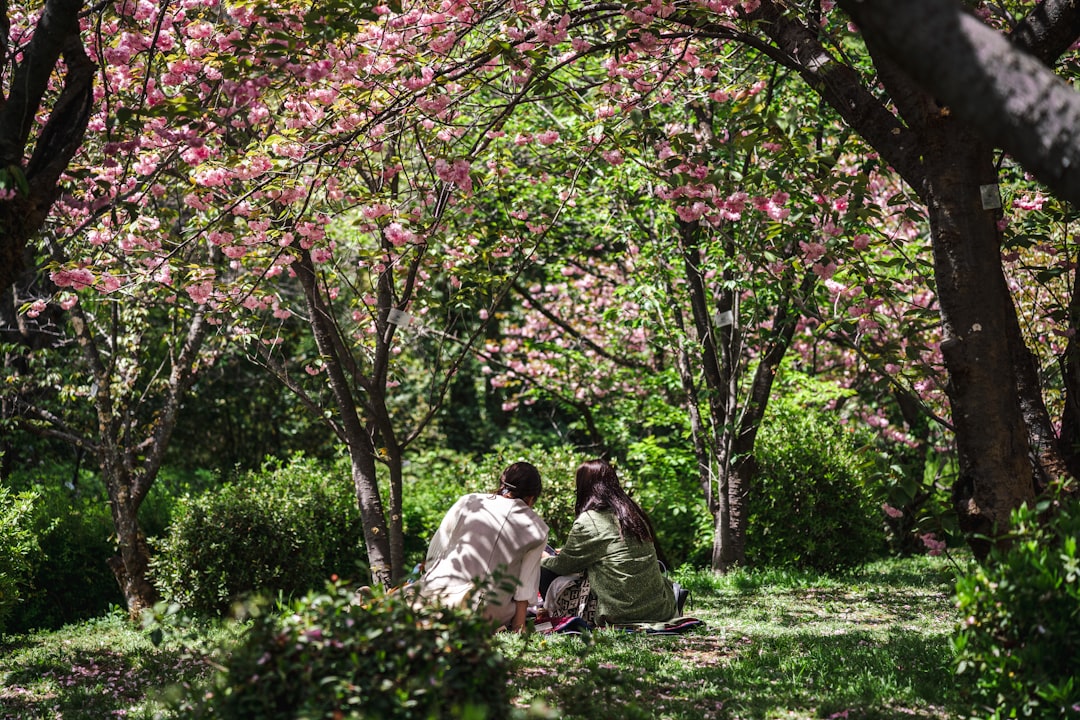
Matsue is a castle town on Lake Shinji with the only original wooden castle keep in western Japan, an extraordinary local cuisine based on the lake's seven treasures, and an unexpectedly dense literary tradition. 40 minutes west, Izumo Taisha is Japan's oldest shrine — the home of the god of relationships, where all the gods of Japan gather for one month each year. Together they form the most compelling two-day itinerary in western Honshu.
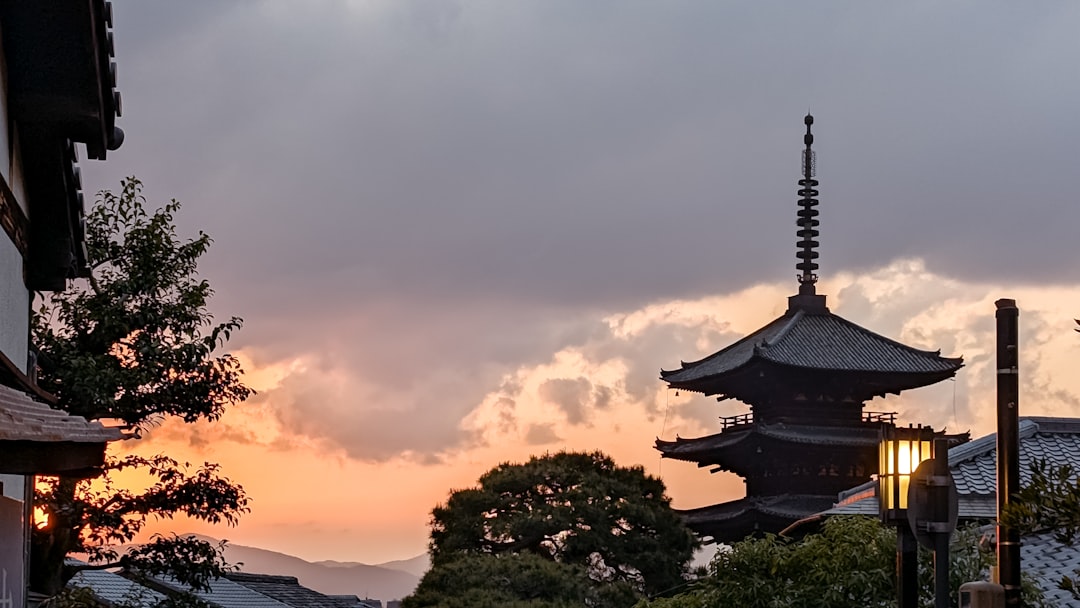
Onomichi is a small port city on Hiroshima Prefecture's Seto Inland Sea coast — a hillside town with 25 temples connected by a steep path, narrow lanes where cats live on walls and in temple gardens, and a specific atmosphere that Japanese filmmakers and novelists have returned to for a century. It is the starting point for the Shimanami Kaido cycling route and one of the best single-day destinations on the western Honshu coast.
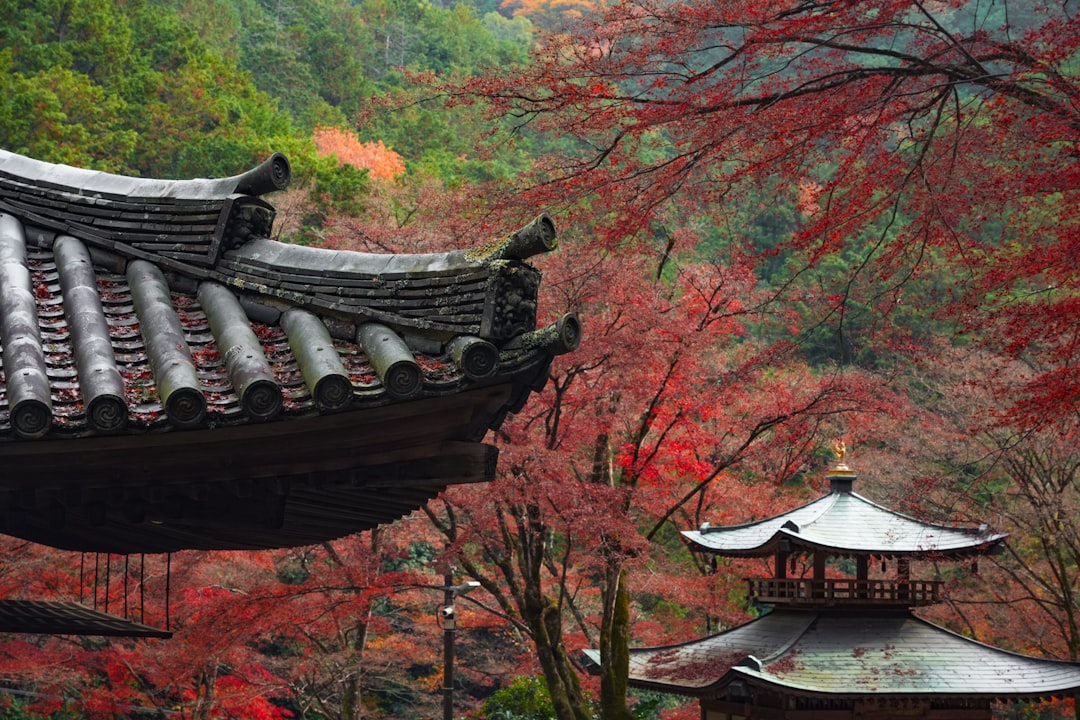
Japanese hot spring bathing has specific rules that aren't posted in English at most onsen. Getting them wrong is genuinely awkward. Getting them right allows you to use one of the best things Japan offers — communal hot spring bathing in century-old traditions — without incident. This guide covers everything, including what to do if you have tattoos.
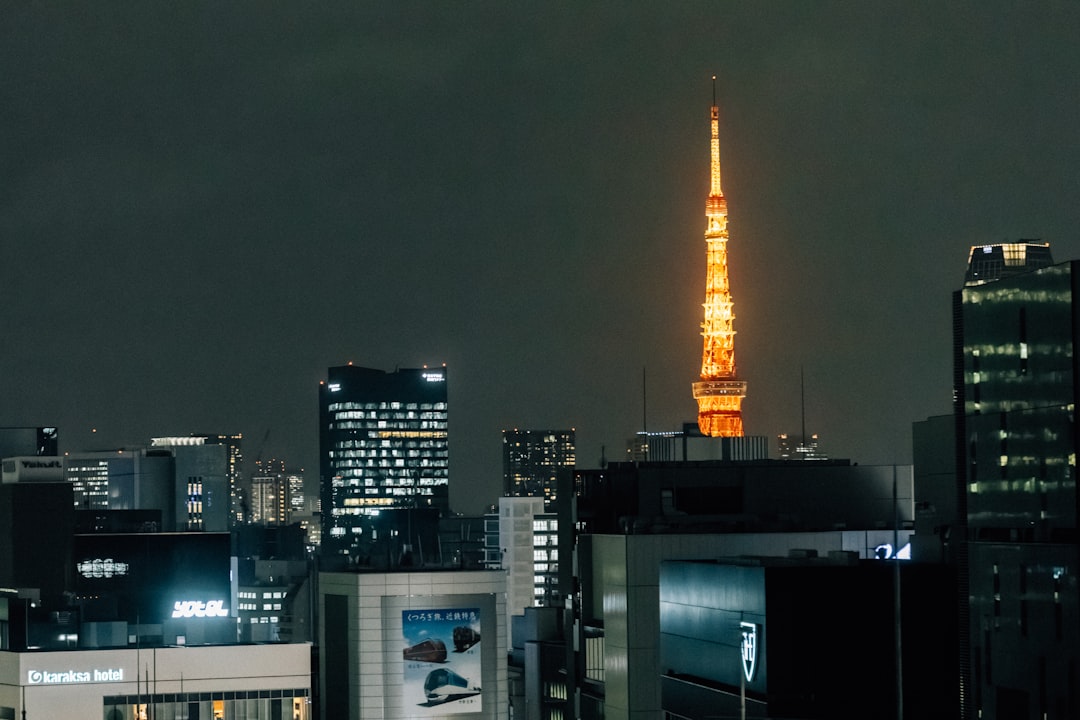
Otaru is a former herring fishing and trading port on the Sea of Japan coast, one hour from Sapporo. The preserved Meiji-era stone warehouses along the canal, the glass workshops producing handblown objects in the old style, and the most concentrated sushi scene outside Tokyo make it the most rewarding single day trip from Hokkaido's capital.
The samurai were Japan's military aristocracy from the 10th through 19th centuries — a ruling class that produced both sophisticated aesthetics (tea ceremony, landscape gardens, poetry) and a culture of martial discipline that still shapes how Japan thinks about excellence, craft, and commitment. Here is where the history is most legible, most preserved, and most worth experiencing.
Sapporo is the fifth-largest city in Japan and the capital of Hokkaido — a planned Meiji-era city with an American-style grid, an extraordinary food scene built on Hokkaido's dairy, seafood, and agriculture, and the Yuki Matsuri (Snow Festival) that transforms the city every February with ice sculptures the size of buildings. It is the base for exploring Hokkaido and a significant destination in its own right.
The Seishun 18 Kippu is a special JR ticket that allows unlimited travel on local and rapid JR trains across all of Japan for ¥12,050 — spread across 5 days of use. It is slow, requires patience, and produces the most interesting cross-sections of Japan you'll find from any transport option. Here is exactly how it works.
The Shimanami Kaido is a 70 km series of bridges and expressways connecting Onomichi (Hiroshima Prefecture) to Imabari (Ehime, Shikoku) across six islands in the Seto Inland Sea. It is the only road route between Honshu and Shikoku open to cyclists and pedestrians — and widely considered one of the best cycling routes in the world.
Japan has two primary religious traditions — Shinto and Buddhism — that have coexisted, merged, and distinguished themselves over 1,400 years. Understanding the difference between a shrine and a temple, what the architectural elements mean, and how to behave at each changes what visiting Japan's sacred sites feels like. This is the guide.
Tohoku is Japan's northeastern region — the six prefectures of Aomori, Iwate, Miyagi, Akita, Yamagata, and Fukushima that together contain some of the country's most significant natural scenery, oldest pilgrimage mountains, and least-visited castles and historic sites. Matsushima Bay (one of Japan's 'Three Views'), Yamadera mountain temple, and the Dewa Sanzan mountain circuit are the anchors of a region that rewards anyone willing to go beyond Kyoto and Tokyo.
Akihabara started as a postwar black market for radio parts and grew into the world's densest concentration of electronics stores, anime merchandise, manga, and gaming culture. It is simultaneously a working electronics district and the physical center of otaku culture — two things that coexist in a way that makes the neighborhood unlike anywhere else in Tokyo.
Odaiba is a man-made island in Tokyo Bay — a 1990s urban development project that became an entertainment and shopping district unlike anywhere else in central Tokyo. The views back to the city skyline, the life-size Gundam statue, teamLab's digital art installations, and the uncanny urbanism of a planned island city make it worth the trip across the Rainbow Bridge.
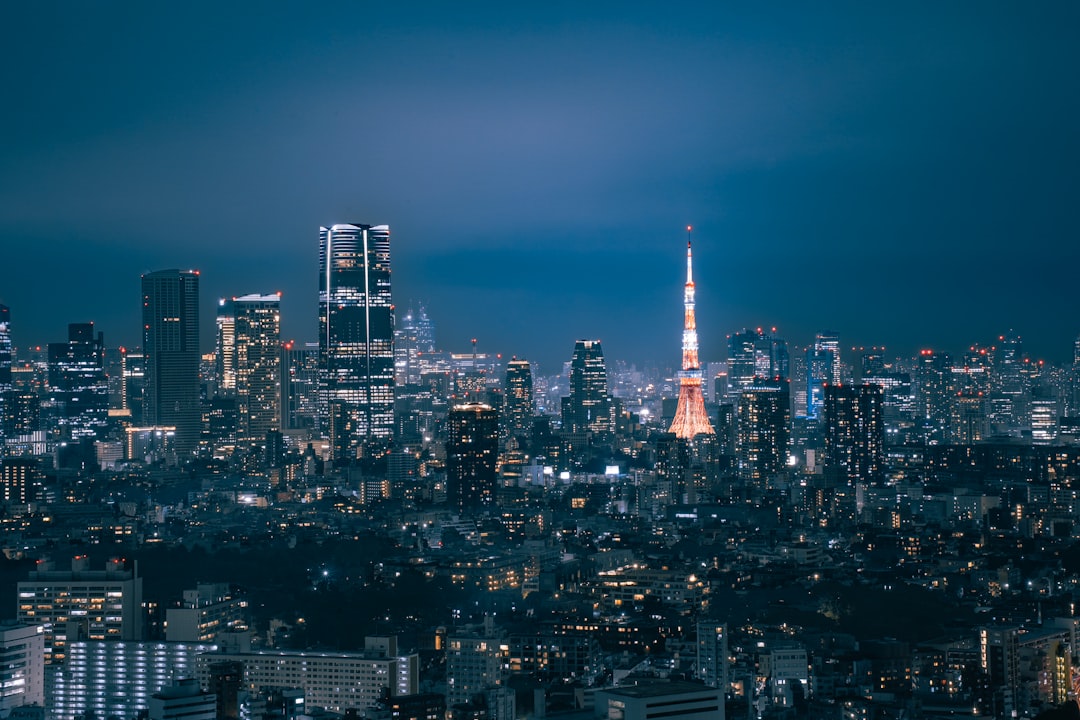
Shin-Okubo is Tokyo's Korean neighborhood — a dense commercial district a 5-minute walk from Shinjuku with Korean restaurants, K-pop merchandise shops, Korean grocery stores, and a specific atmosphere that doesn't exist anywhere else in the city. It has also evolved into a broader Asian food district with growing Thai, Bangladeshi, and Southeast Asian presence.
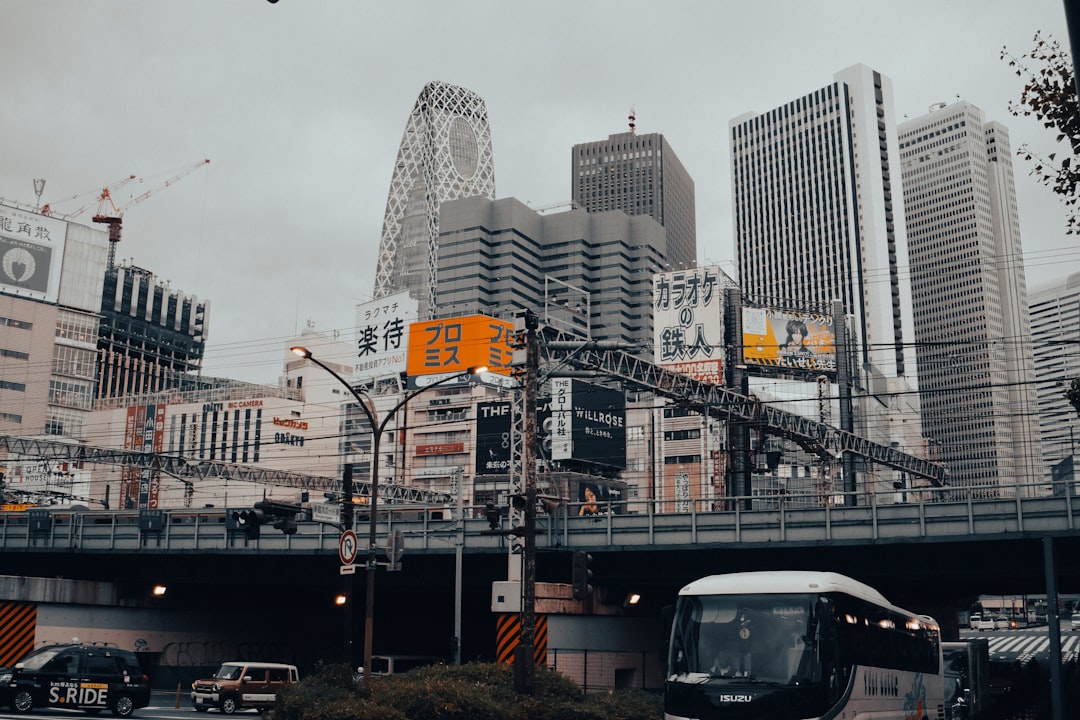
Yanaka is the district in northern Tokyo that survived the 1923 earthquake and the World War II firebombings largely intact — a neighborhood of narrow lanes, wooden machiya houses, family temples, craft workshops, and a working shopping street that looks and operates closer to 1960s Tokyo than to Shibuya. It is the best place in the city to understand what Tokyo was before it became what it is.
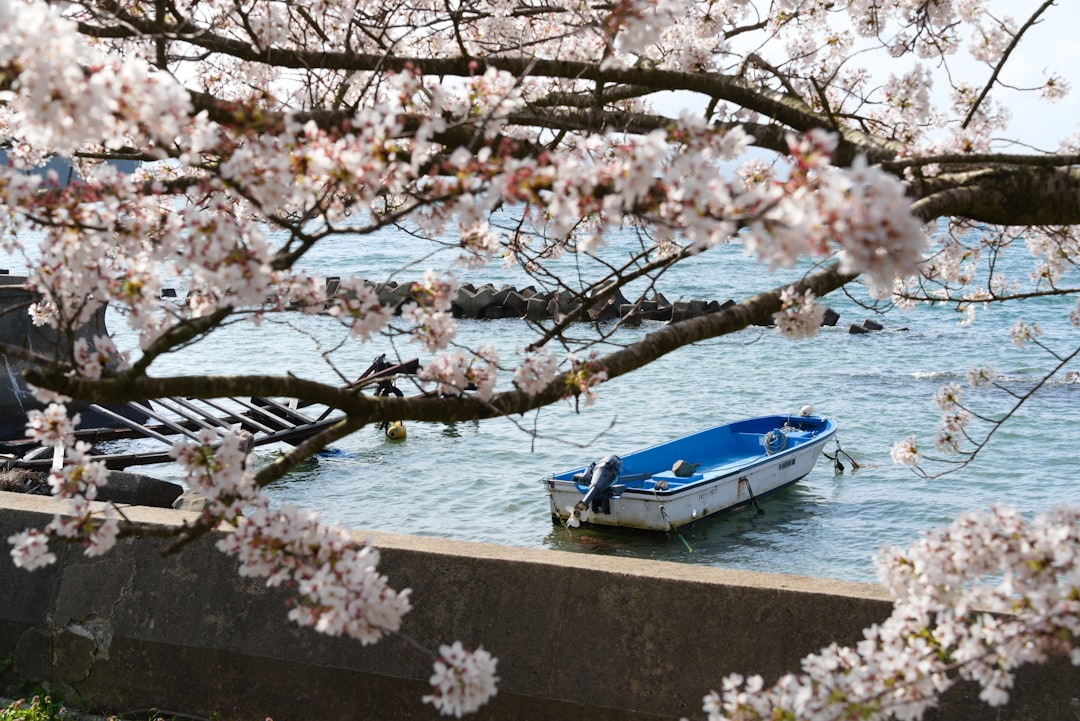
Tottori is Japan's least populous prefecture and contains something that exists nowhere else in the country: a genuine sand dune system on the Sea of Japan coast. The Tottori Sand Dunes stretch 16 km along the coast and rise up to 90 meters — an undeniably strange landscape in a country defined by mountains, rice paddies, and dense cities. With the San'in Kinosakinoseki coastline and proximity to Matsue, it forms one of Japan's most undervisited routes.
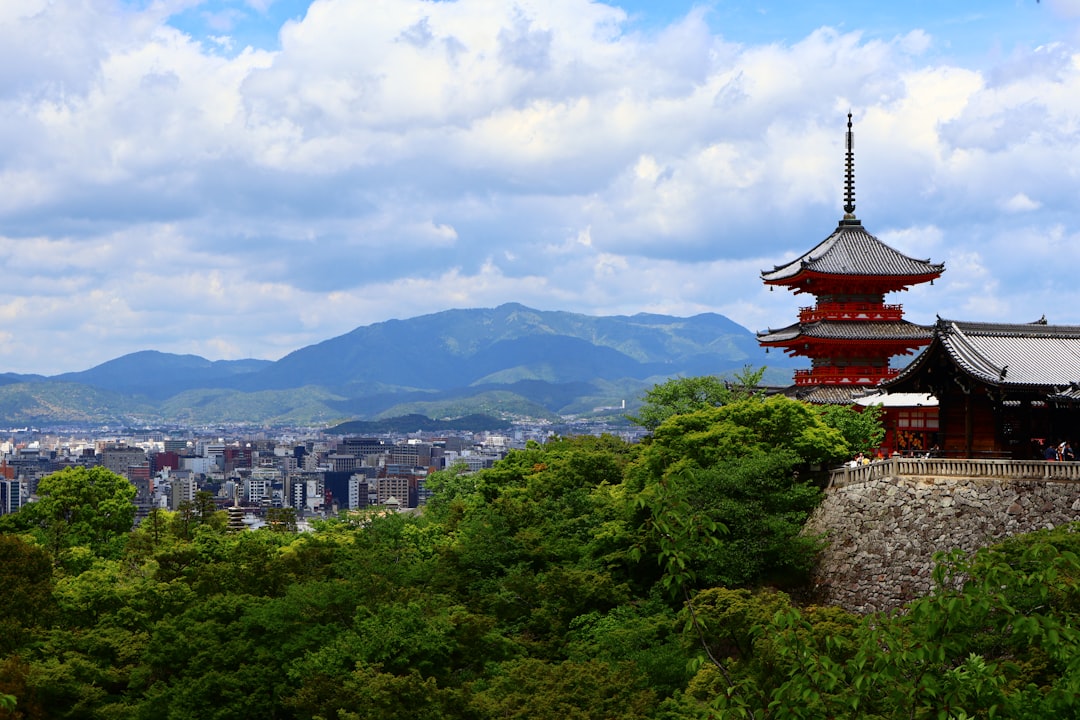
Andong is the cultural center of Korea's Confucian tradition — a city in North Gyeongsang Province where the yangban aristocratic scholar class maintained their philosophy, architecture, and rituals with the most continuity in Korea. The Hahoe folk village (UNESCO World Heritage), the maskdance festival, and the preserved Confucian academies make it the most complete picture of pre-modern Korean aristocratic culture accessible anywhere.
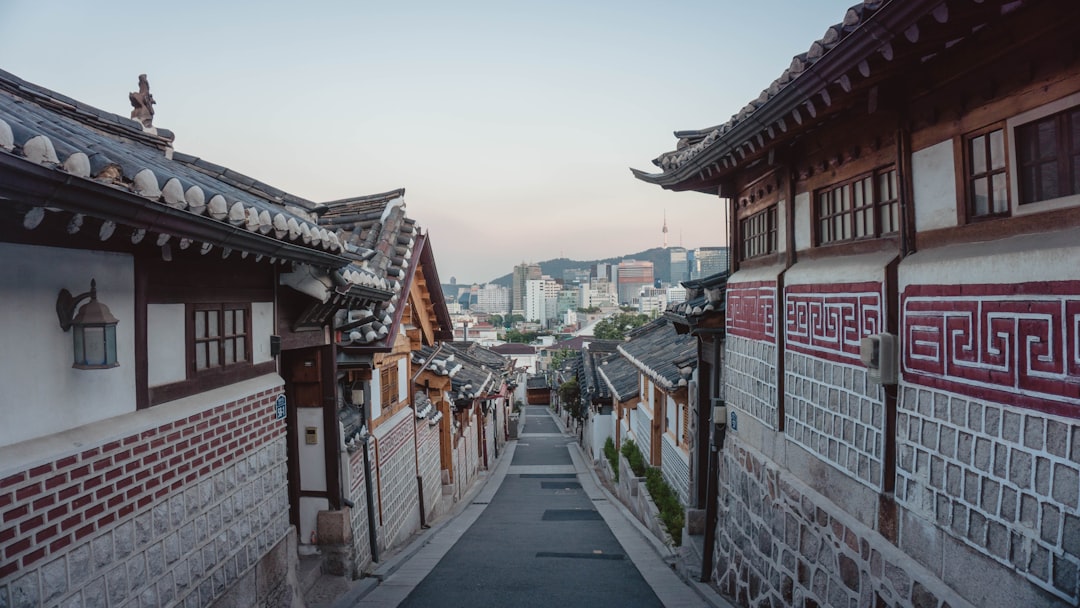
Busan is South Korea's second city — a port town built between mountains and sea, with beaches, a famous fish market, a hillside village painted in rainbow colors, and a street food culture distinct from Seoul. The 2-hour KTX from Seoul makes it the most accessible major coastal city in the country. This is the complete guide.
The DMZ — the Demilitarized Zone — is the 4-km-wide, 250-km-long buffer between North and South Korea that has existed since the 1953 armistice. It is the most heavily militarized border on earth and simultaneously one of the most visited tourist destinations in South Korea. Here is what you'll actually see, how to get there, and what the visit means in practice.
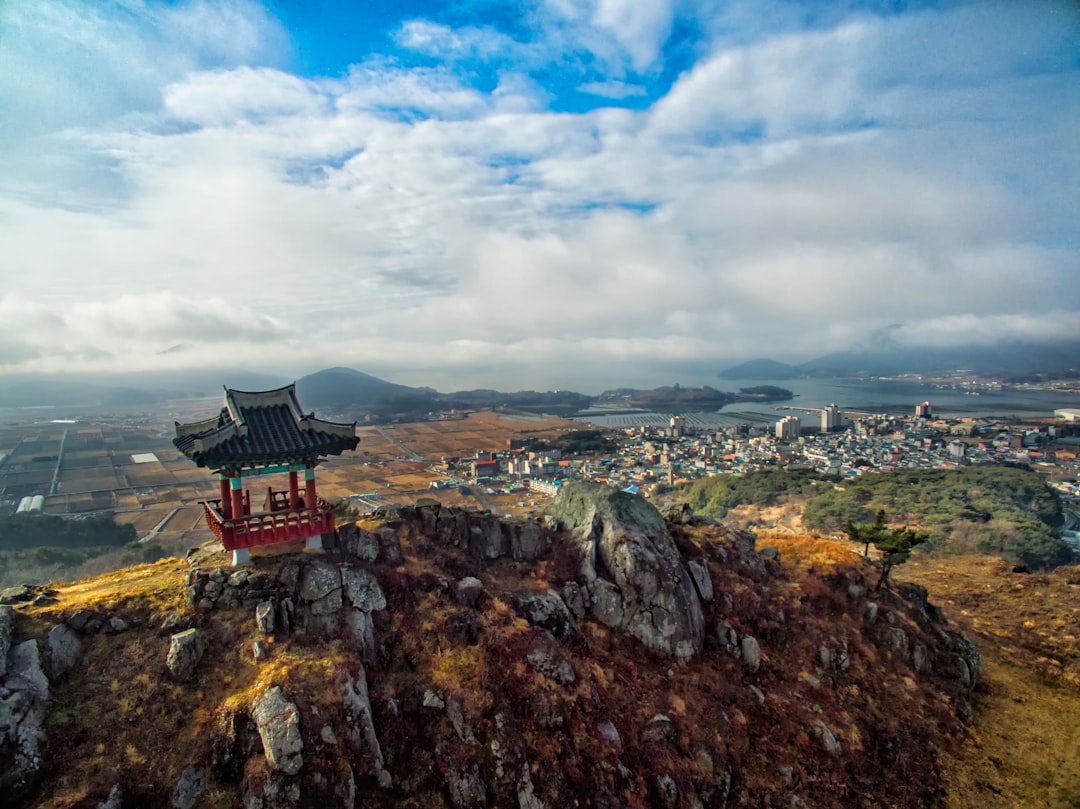
Gyeongju was the capital of the Silla Kingdom for nearly a thousand years — the most powerful and long-lasting dynasty in Korean history. Today the city contains the highest concentration of UNESCO World Heritage sites in Korea: royal burial mounds the size of hills, cave temples carved into mountain rock, and the best-preserved Buddhist sculpture in East Asia. It is the most historically significant city in Korea that most international visitors skip.
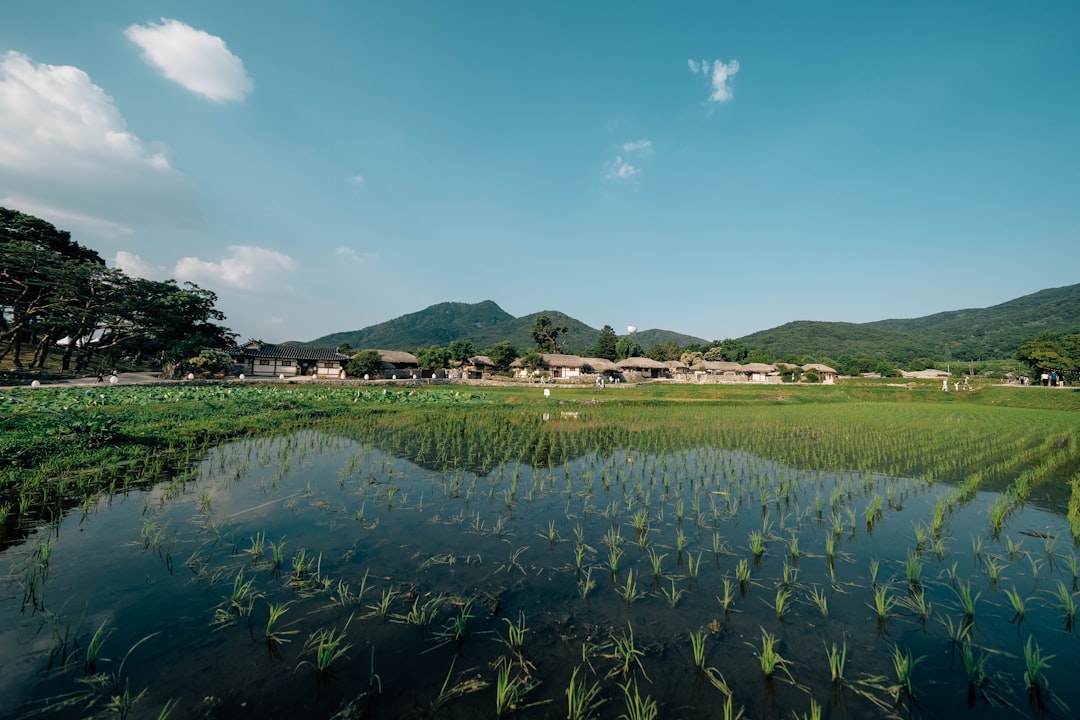
Incheon is South Korea's third-largest city, 30 km west of Seoul on the Yellow Sea coast. Most visitors know it only as the airport — but the city contains the country's oldest and most atmospheric Chinatown, the former Japanese colonial quarter, the walkable waterfront of Songwol-dong, and the planned futuristic island city of Songdo. A half-day or full day in Incheon, either on arrival or before departure, rewards the effort.
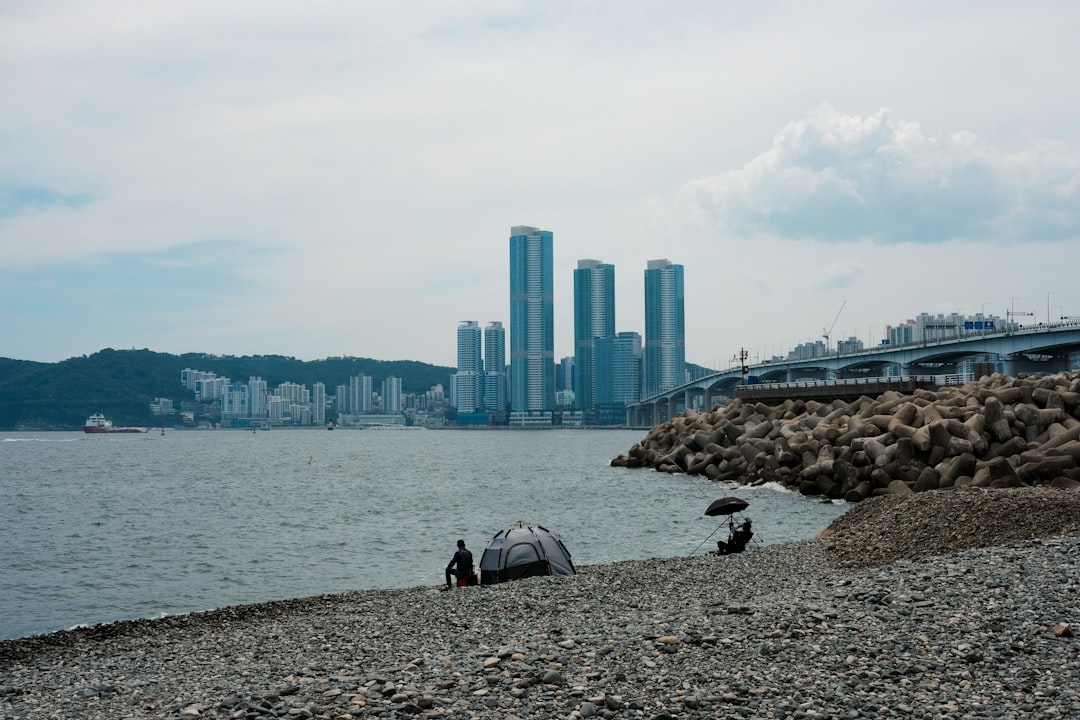
Jeju is a UNESCO World Heritage volcanic island 90 km south of the Korean mainland — a landscape of black lava rock, white sandy beaches, orange groves, and Hallasan mountain (Korea's highest peak). It is Korea's most visited domestic destination and one of East Asia's most distinctive island landscapes, with its own dialect, food culture, and the haenyeo diving women who harvest seafood from the sea by free-diving.
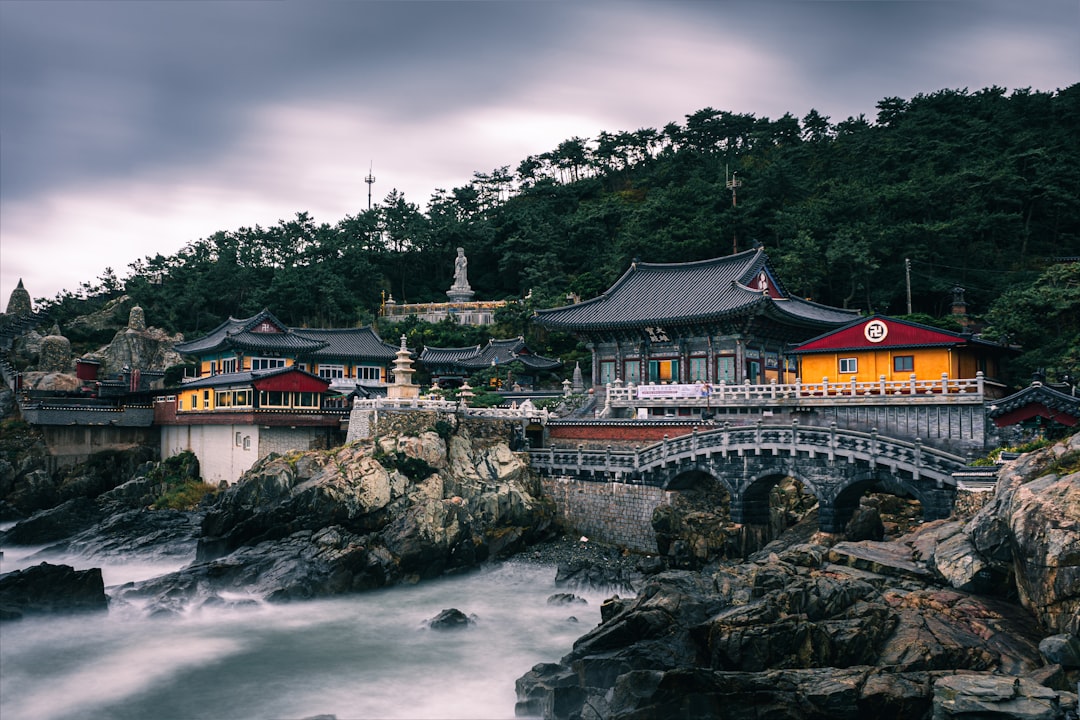
A jjimjilbang is a Korean public bathhouse and sauna complex — a 24-hour facility where people bathe, sweat in various heated rooms, sleep, eat, socialize, and spend the night. It is one of the most culturally specific experiences South Korea offers, costs ₩10,000–15,000, and requires no more preparation than arriving with a clean body and a willingness to wear the provided shorts.
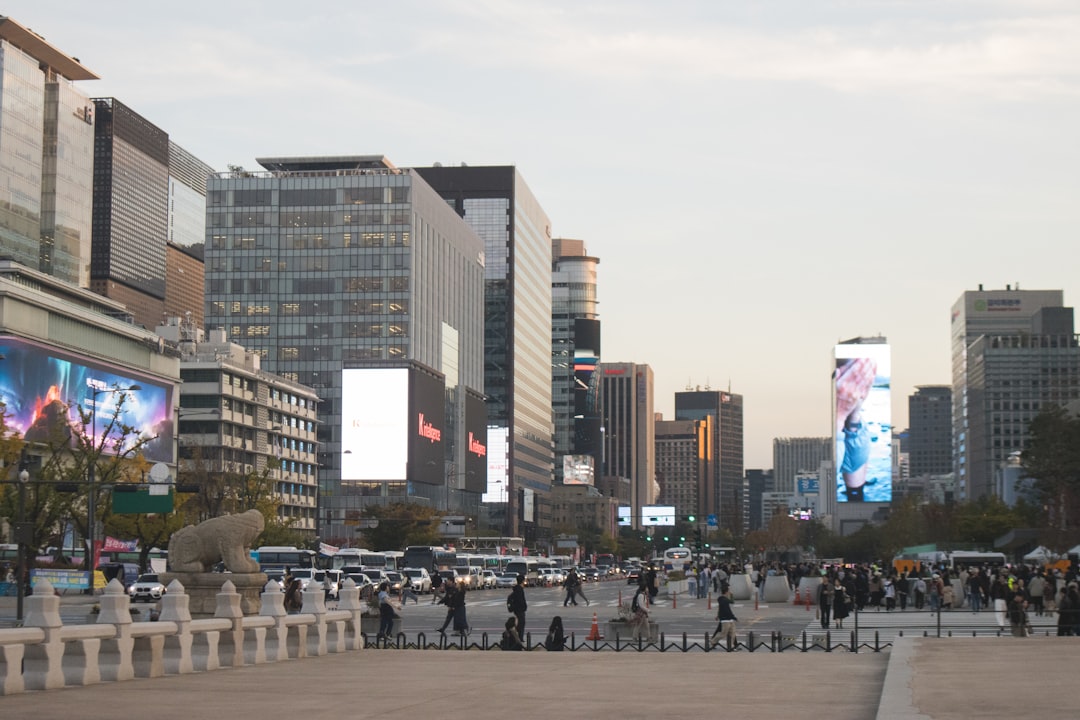
Korean BBQ — grilling meat at the table over charcoal or gas flames — is one of the most enjoyable communal eating experiences in the world. Understanding the cuts, the etiquette, the order of eating, and what to drink makes the difference between a good meal and a great one. This guide covers everything, from the most common cuts to where to eat them.
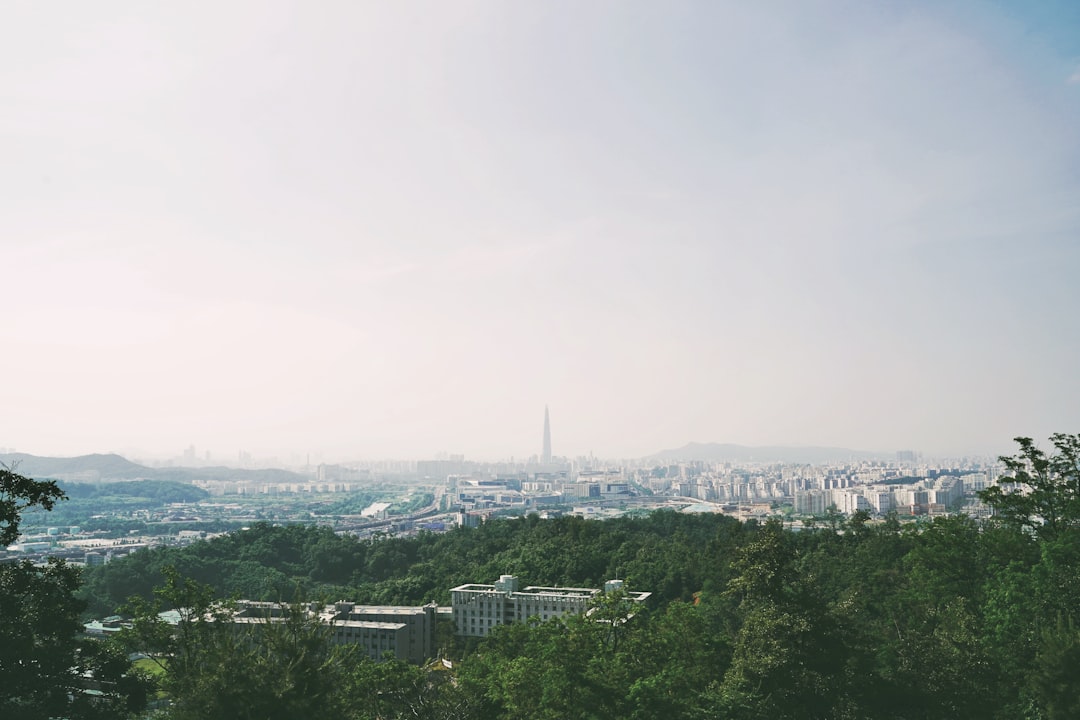
South Korea has the most developed skincare culture in the world — a domestic industry that invented the 10-step routine, double cleansing, sheet masks, and BB cream, and that drives global skincare trends before they reach Western markets by 5–10 years. For travelers, Seoul offers access to the source: the products, the dermatology clinics, the skincare districts, and the understanding of why it all works.
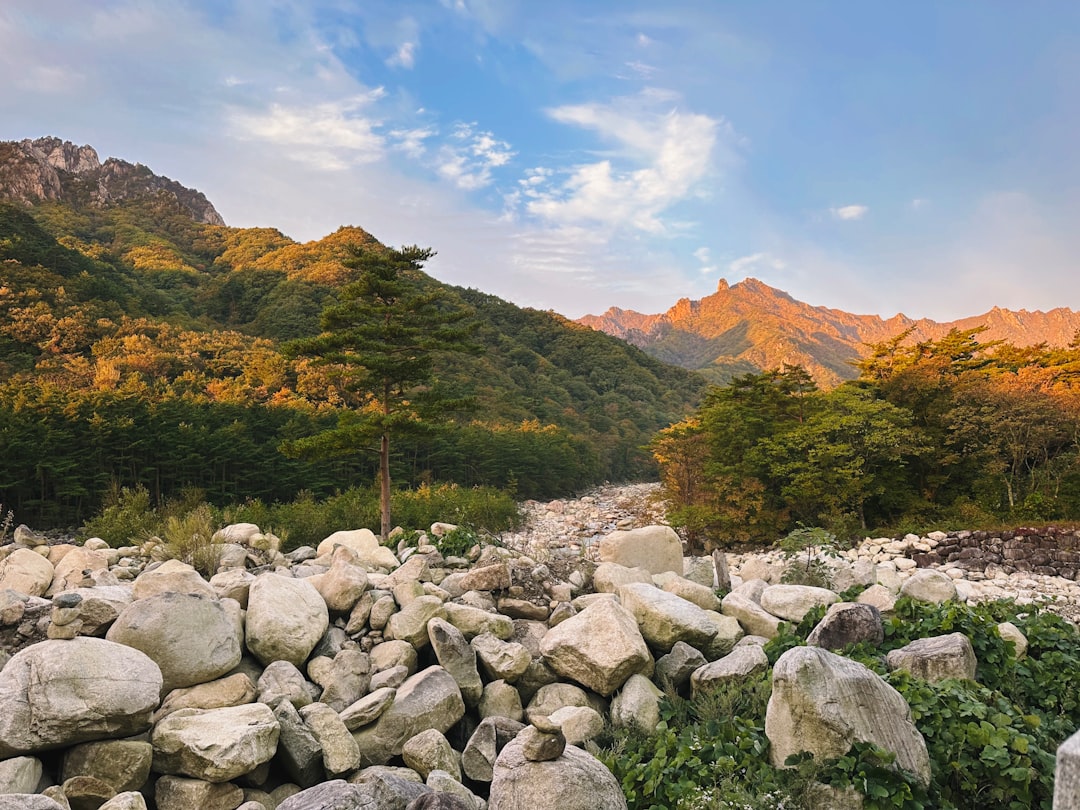
K-pop is South Korea's dominant cultural export — a systematically produced pop music industry that has created a global fanbase unlike anything in Western pop culture. Understanding how it works, where the fandoms intersect with Seoul's physical spaces, and what to do as a curious visitor makes the phenomenon considerably more interesting.
Fukuoka is the entry point to Kyushu and, by most measures, the most liveable city in Japan. It is also the home of tonkotsu ramen, outdoor food stalls on the river, and access to some of the most interesting landscapes in the country. Here is why it deserves more than a stopover.
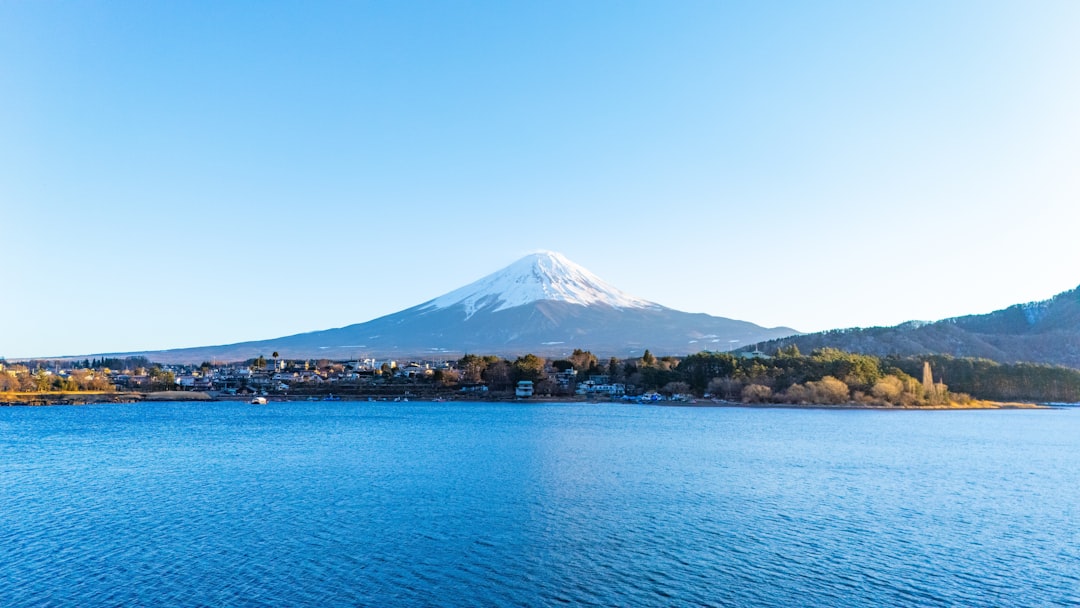
Geisha are not what most tourists think they are. This is what the profession actually involves, where the active districts are, how to see working geisha and maiko without intruding, and what distinguishes a real practitioner from the cosplay transformation services that most visitors encounter instead.
Hakone is 90 minutes from Tokyo and a complete decompression — volcanic mountains, open-air sculpture, a ropeway over sulfur vents, and onsen ryokan where the only obligation is to be in hot water before breakfast. Here is how to organize it.
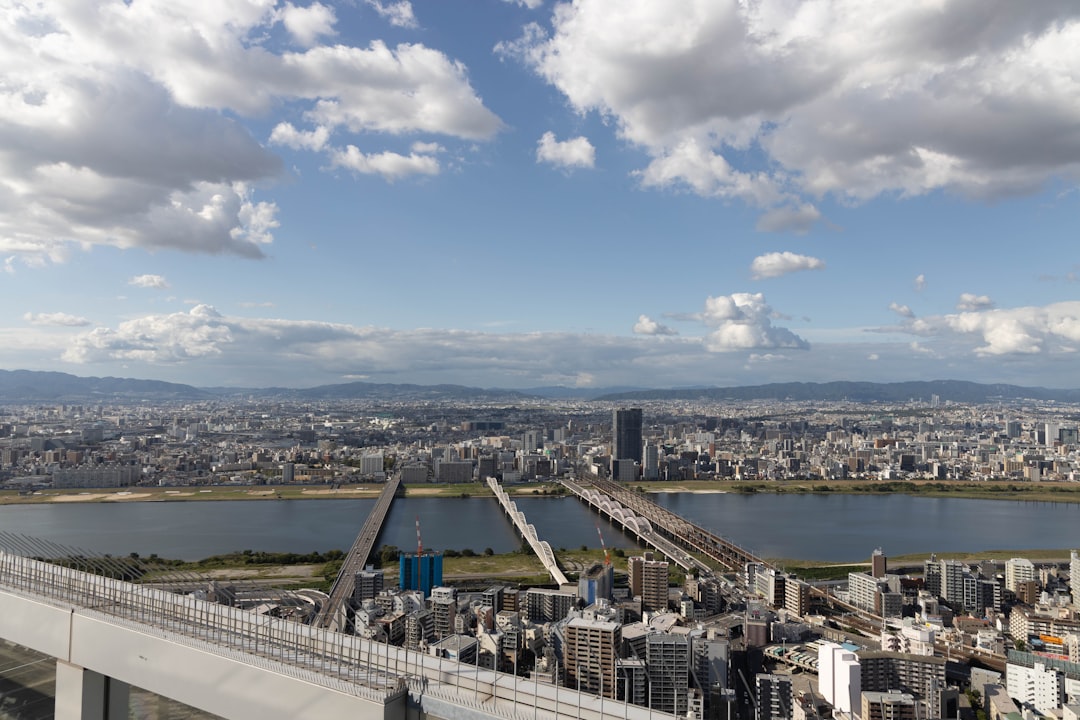
Hiroshima is not defined by what happened to it — it is defined by what it did afterward. This guide covers the Peace Memorial, the island shrine of Miyajima, and how to move through both with the right amount of time.
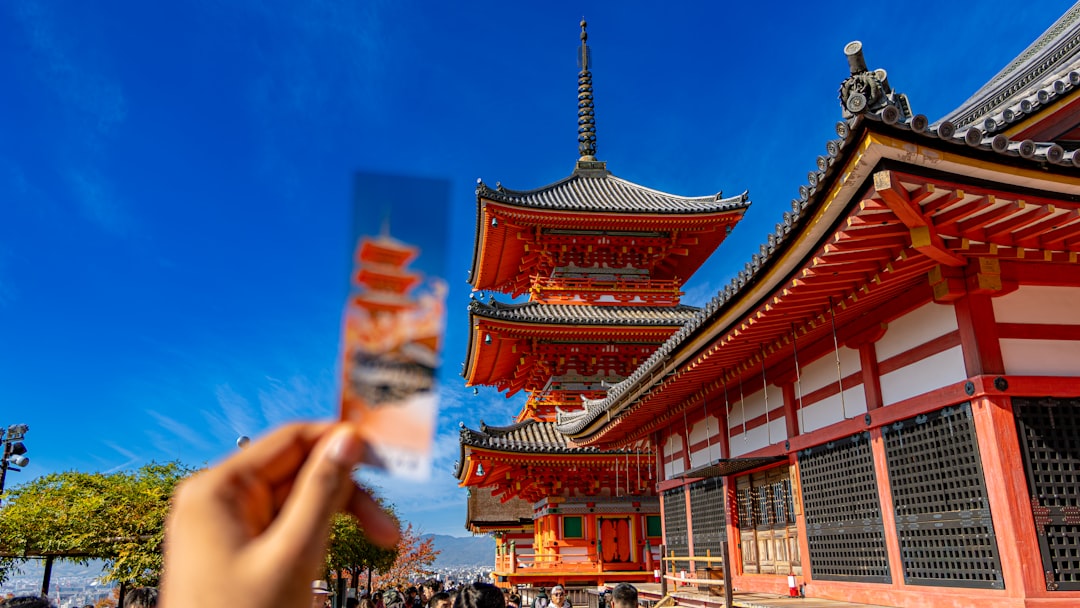
Hokkaido is Japan at a different scale — wider, colder, less crowded, and with a nature intensity that the rest of the country simply doesn't have. National parks, ski resorts, ramen, dairy products, and the ghost of the Ainu civilization. Here is how to approach it.
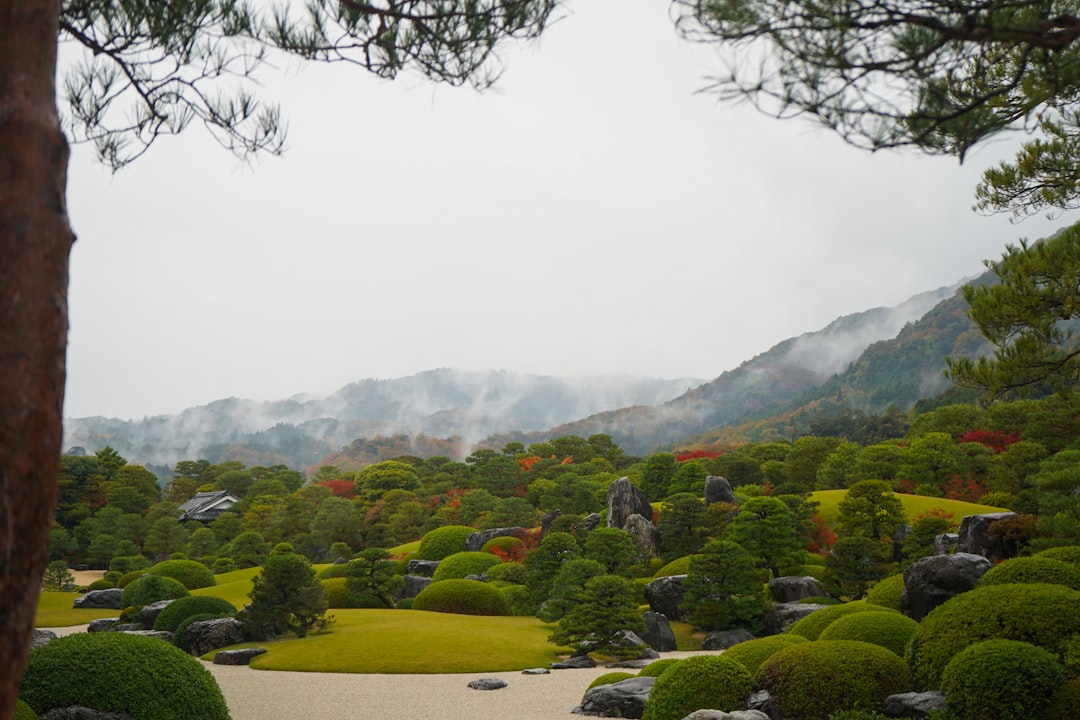
Ise Jingu is the most important Shinto shrine in Japan — the home of Amaterasu, the sun goddess from whom the imperial family claims descent. The buildings are rebuilt completely every 20 years using the same ancient techniques. Nothing in Japan is older or more deliberately renewed.
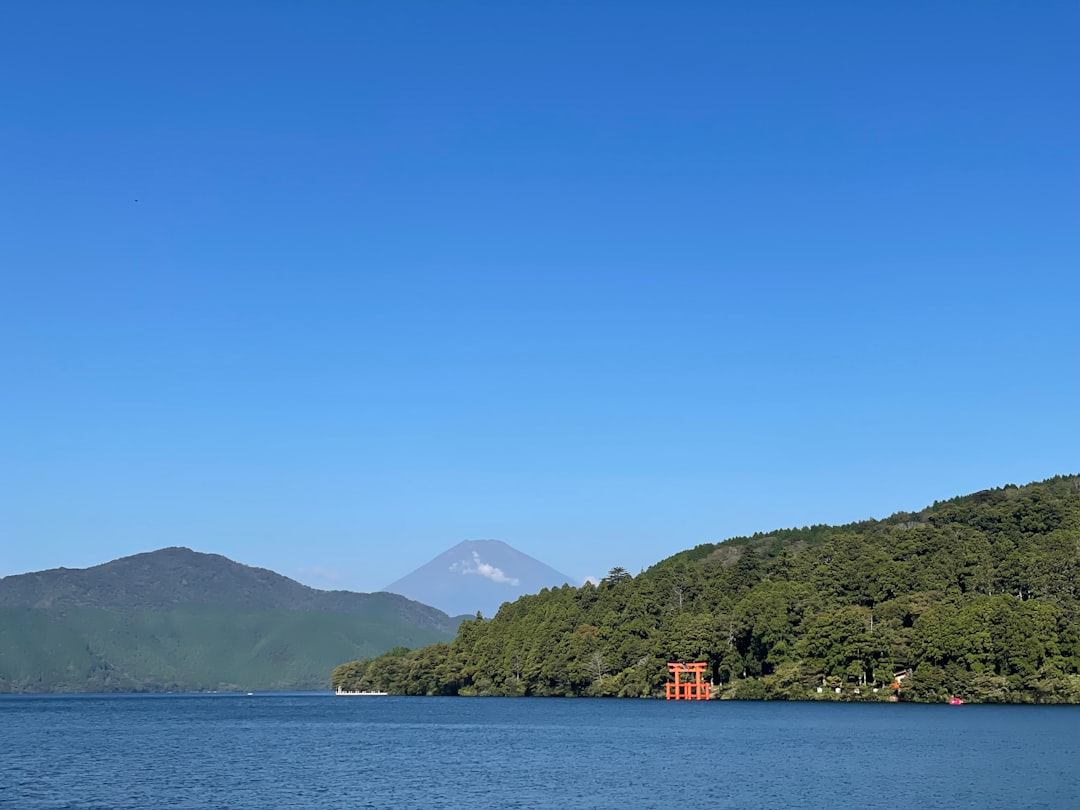
Japan takes autumn color as seriously as cherry blossoms — illuminated night gardens, precise weekly forecasts, and specific trees that have been drawing visitors for centuries. This is how to plan around it, where the best spots are, and why it is worth the effort.
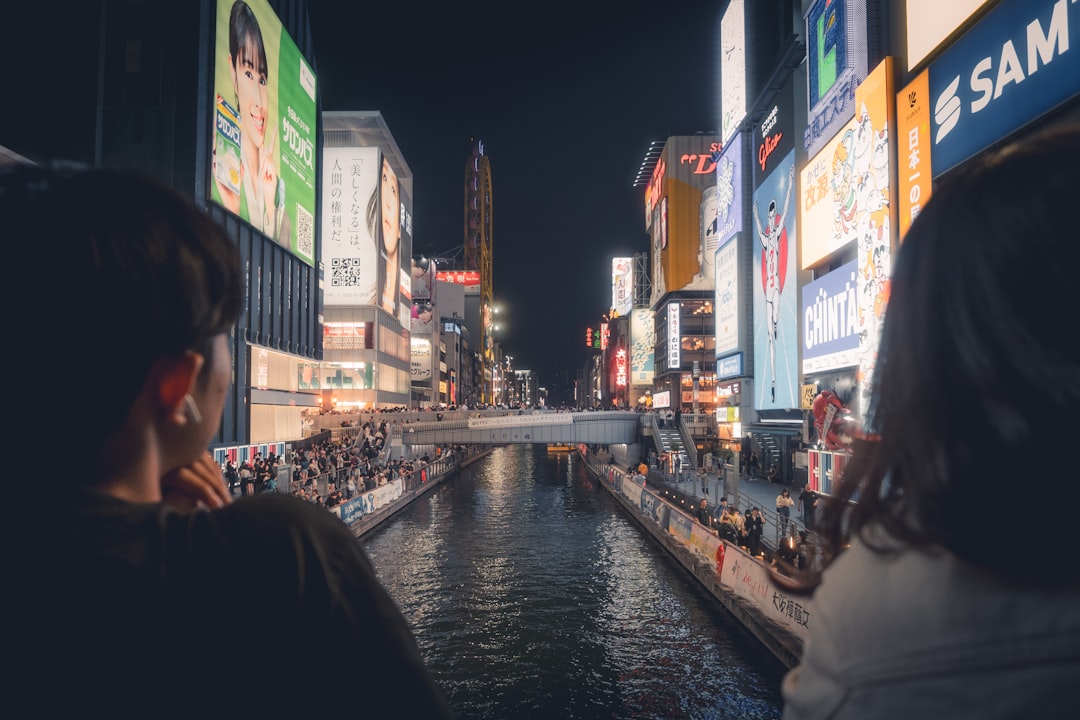
Japan has a reputation for being expensive. That reputation is partially accurate and partially not. The things that are expensive (ryokan, omakase sushi, department stores) are expensive. The things that are cheap (convenience stores, ramen, public transport, temple admission) are genuinely cheap. Here is how to navigate the difference.
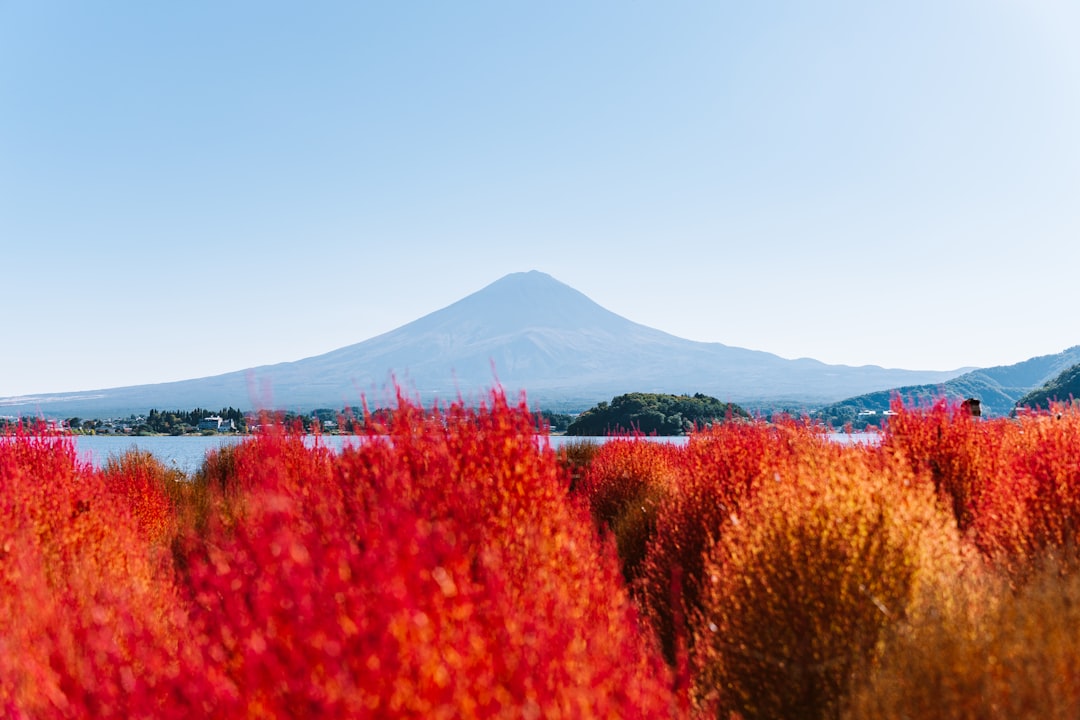
Japan has 12 surviving original castle keeps from the feudal period. The rest are reconstructions — concrete, built after World War II or during the Meiji period. Knowing which is which changes how you visit them. Here are the ones worth seeking out and what to understand about them.
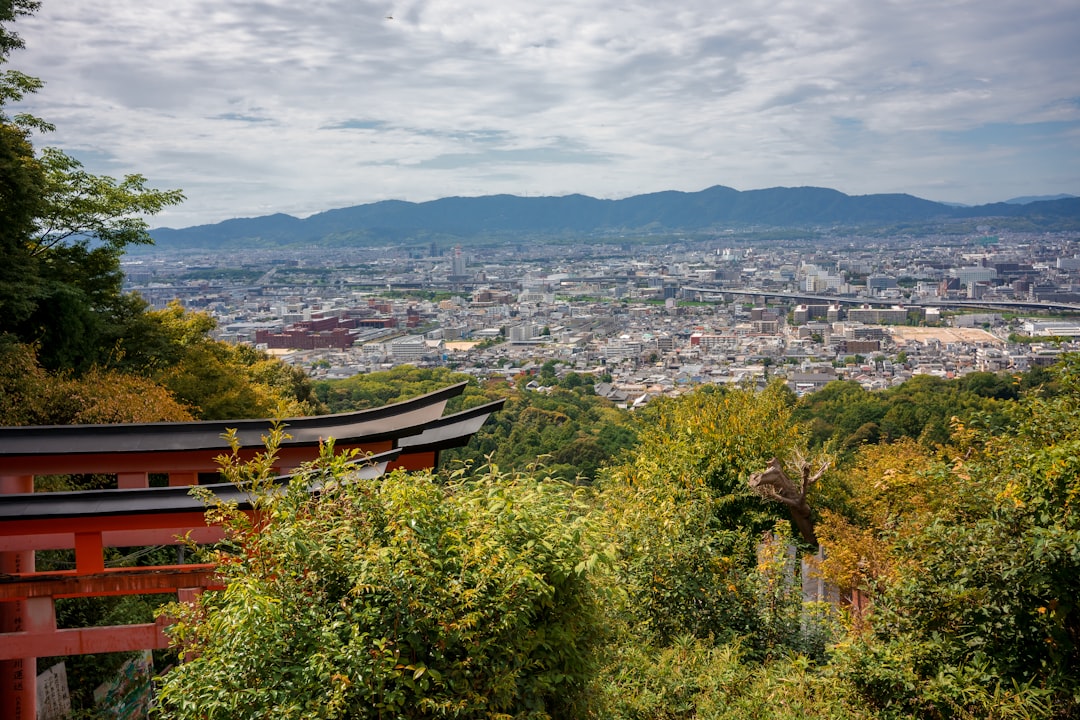
Japan has over 300,000 festivals per year. Most are local, small, and invisible to travelers. The ones worth planning around are specific — a specific date, a specific place, a specific form of something that doesn't exist anywhere else. This is the calendar you need.
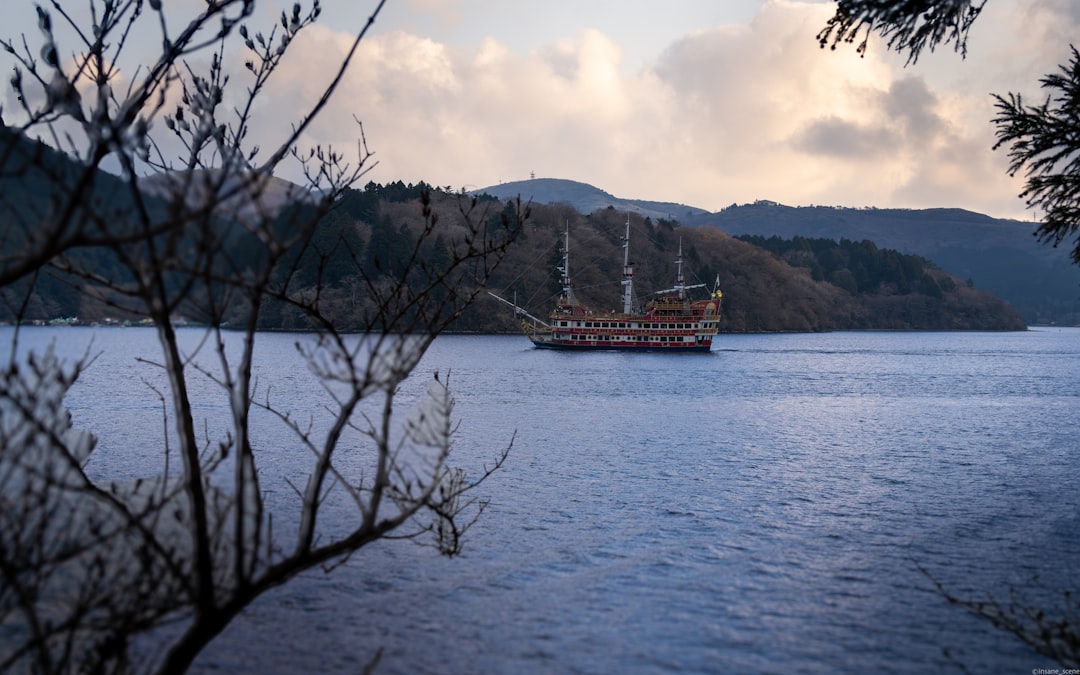
Japan has over 27,000 hot spring sources and a bathing culture that goes back more than a thousand years. This is what onsen actually are, the etiquette you need before you strip down, and the specific places worth traveling to for them.
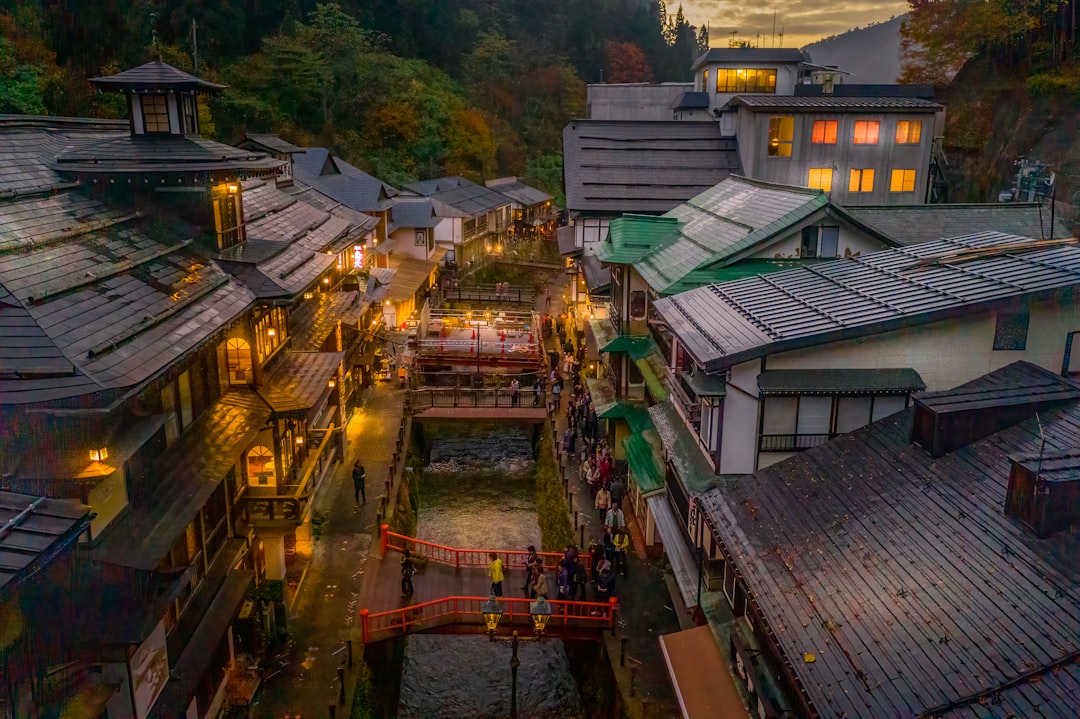
The unglamorous part of traveling to Japan — entry requirements, how to get a SIM card or pocket Wi-Fi, how cash and cards actually work, what to pack, and how to handle the things that go wrong. Updated for current conditions.
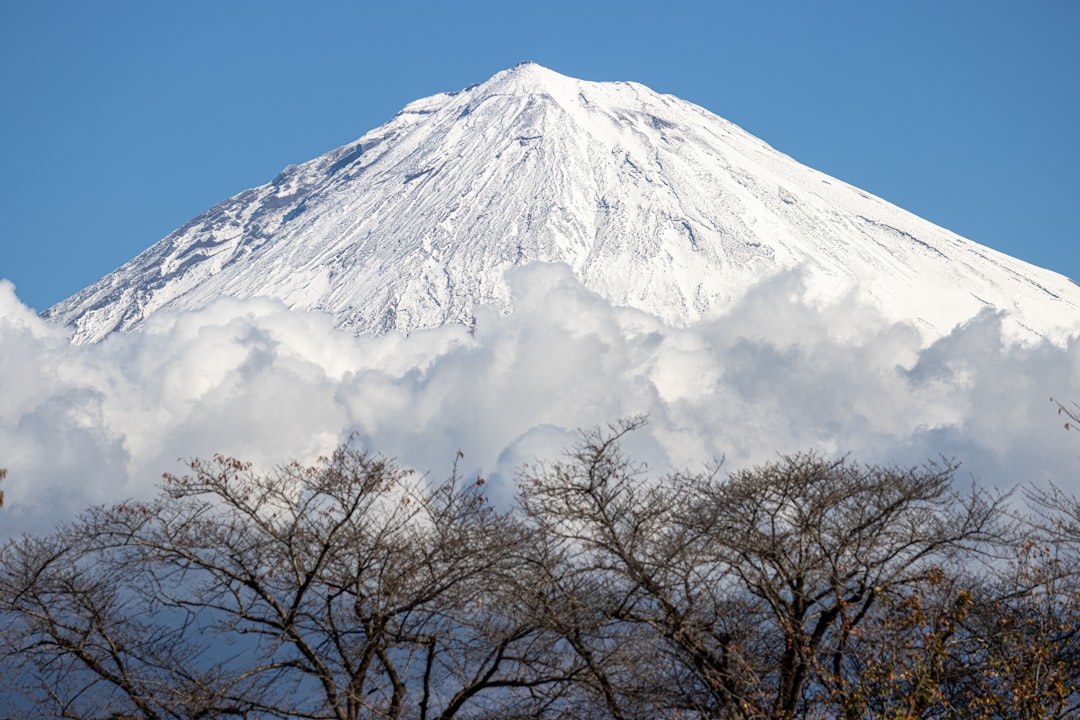
Japan has more culinary depth per square kilometer than almost anywhere on Earth. This is what to eat, how to order it, what the regional differences actually mean, and why convenience stores are not a compromise.
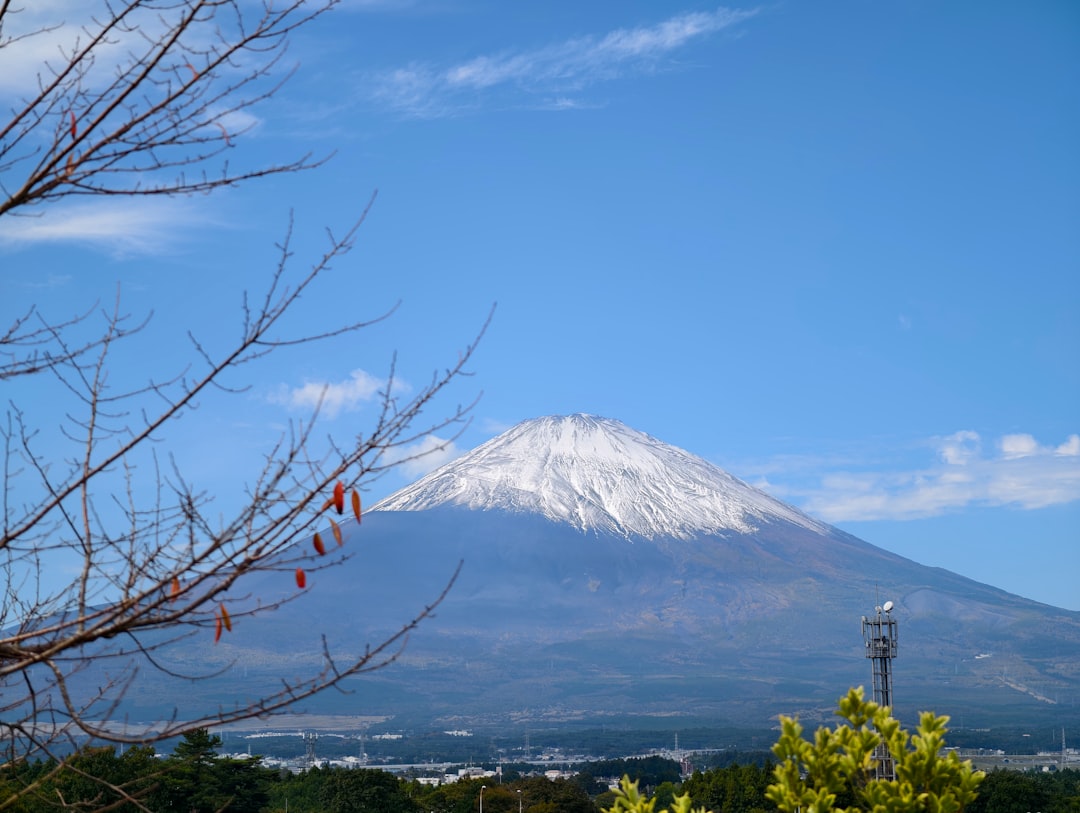
Kagoshima sits across a bay from an active volcano that has been erupting continuously since 1955. Ash falls on the city regularly. Residents check the wind direction before doing laundry. The city functions normally and is one of the more interesting places in Japan — warm, subtropical, with strong historical identity and excellent food.
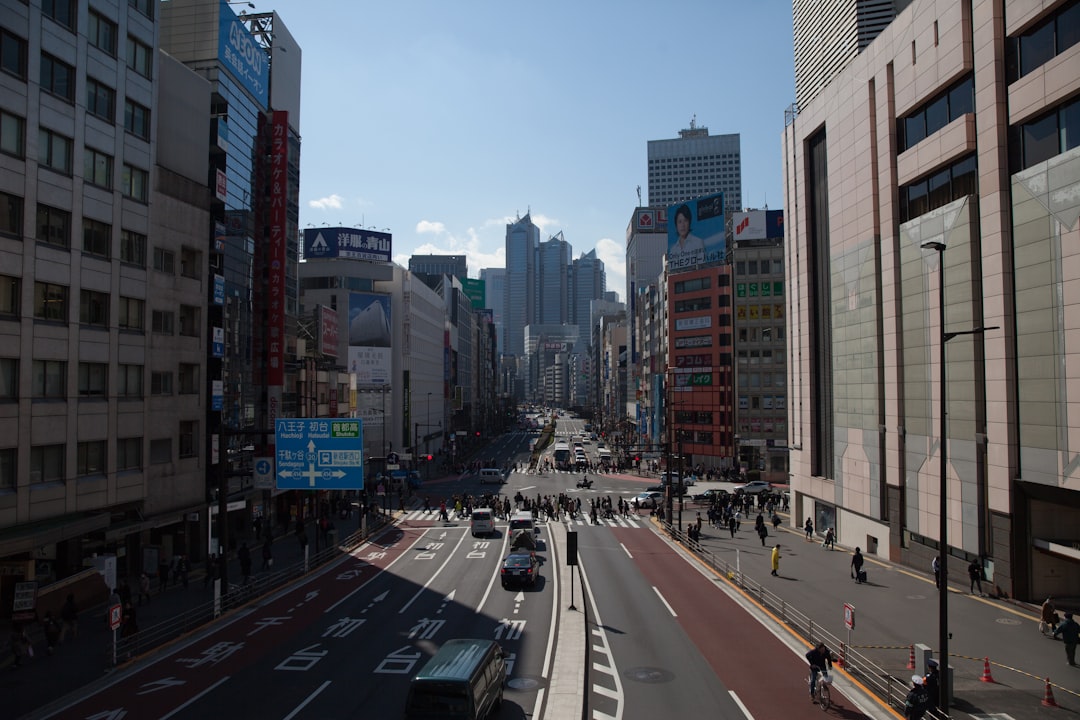
Kamakura was Japan's de facto capital in the 13th century, and the temples and statues from that period are still there — set into forested hills above the Pacific coast. An hour from Tokyo, compact enough to walk between sites, and very different from Kyoto's kind of old.
Koyasan is the headquarters of Shingon Buddhism — a mountain temple complex founded in 816 by the monk Kukai, with 117 temples, an ancient cemetery the size of a forest, and the possibility of staying overnight in a working monastery. Two hours from Osaka. Completely unlike anywhere else in Japan.
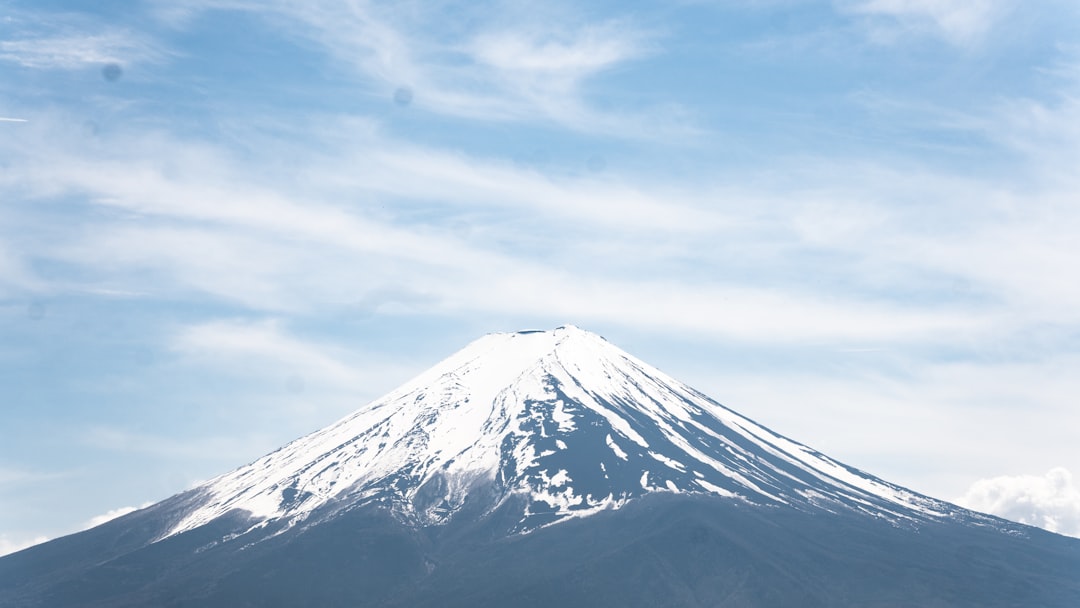
The Kumano Kodo is a network of ancient pilgrimage roads in the Kii Mountains south of Osaka, leading to three grand shrines revered for over a thousand years. It is the only pilgrimage route in the world that shares UNESCO World Heritage status with another — the Camino de Santiago. Here is how to walk it.
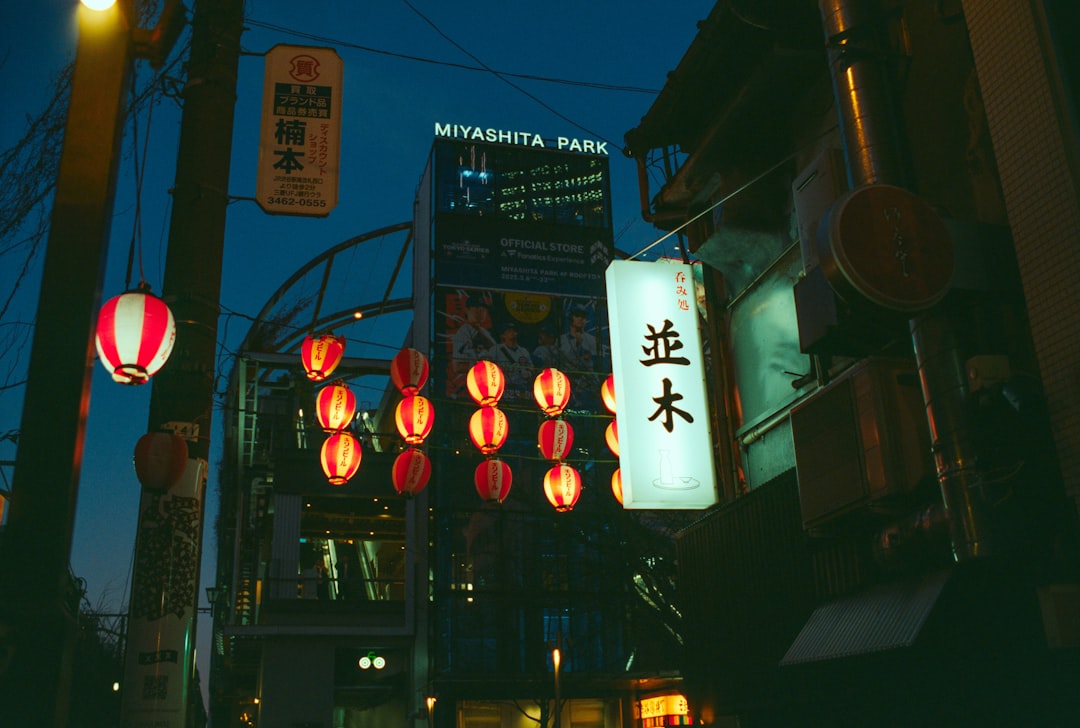
Kyoto is the city Japan preserved when it modernized everything else. Seventeen UNESCO sites, five geisha districts, and a thousand years of Buddhist and Shinto architecture — all still functional, all still inhabited. Here is how to move through it without making the mistakes most visitors make.
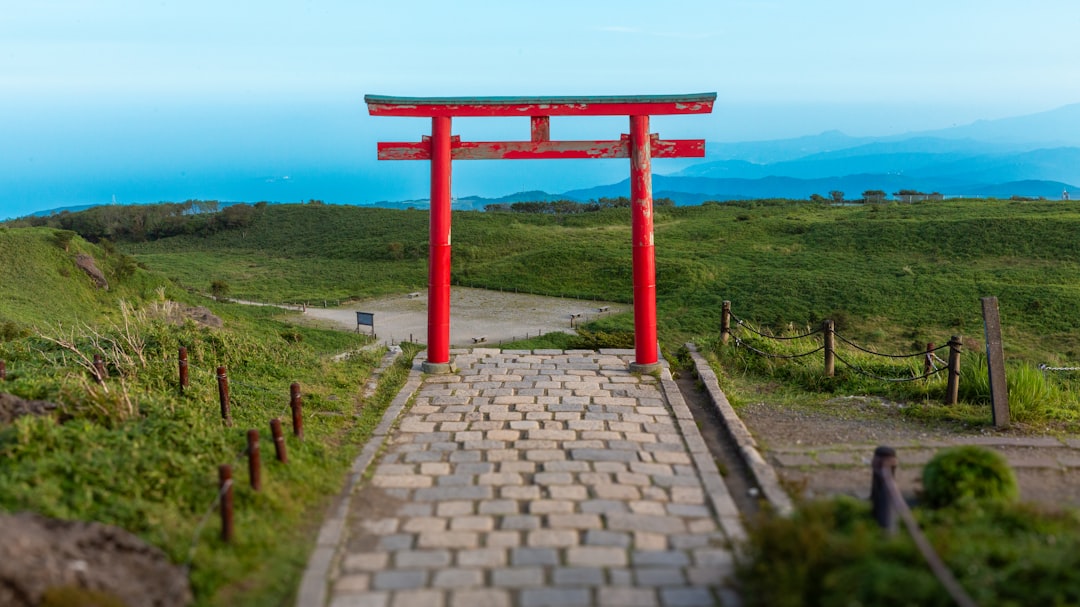
Matsuyama has the oldest onsen in Japan, one of the few surviving original castle keeps in the country, and a pace that feels nothing like the mainland. It's the right introduction to Shikoku — an island that operates on different assumptions about what travel is for.
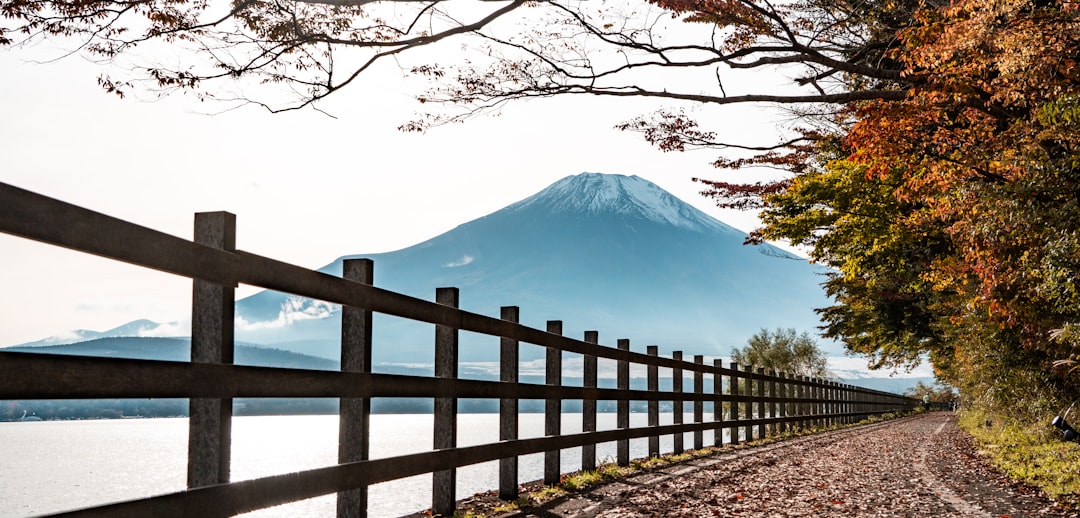
Nagasaki was Japan's only legal port of contact with the outside world for 200 years — the place where Dutch traders, Chinese merchants, and the Catholic faith entered a country officially closed to everything foreign. Then, on August 9, 1945, it was the second city destroyed by an atomic bomb. Both histories are still present.
Nagoya is Japan's fourth-largest city and its most under-visited by international travelers. It has the best-preserved castle in Japan, its own deeply specific food culture, and the only Ghibli Park in the world. Here is what it is and how long it needs.
Nara was Japan's first permanent capital, and it shows. The city holds the largest wooden building in the world, a bronze Buddha 15 meters tall, and 1,200 deer that wander freely through the park and consider you an obstacle. A day trip from Kyoto or Osaka, done correctly.
Nikko is the opposite of Zen minimalism — it is gold leaf, lacquer, intricate carvings, and mountain cedar all stacked together in a valley two hours from Tokyo. Here is what it actually is, how to approach it, and why the forest around it matters as much as the shrine.
Okinawa is not Japan in the conventional sense — it is a distinct island culture with its own language, its own food, its own spiritual traditions, and beaches that look nothing like Honshu. Here is what it actually is and how to approach it beyond the resort strip.
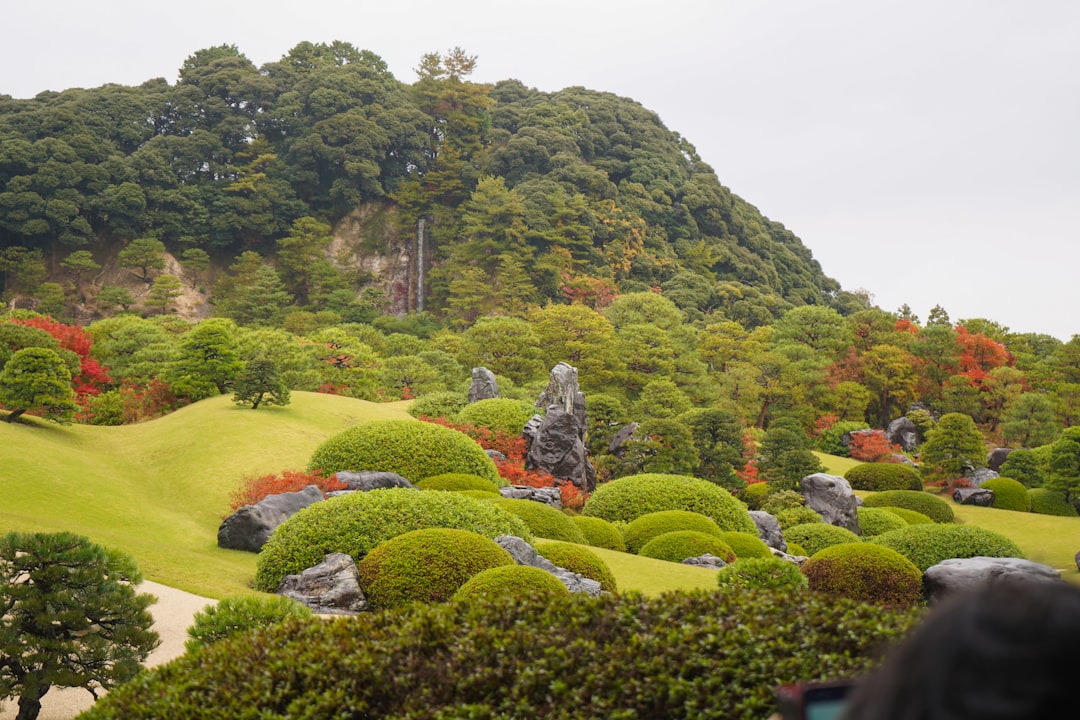
Osaka operates on a different register from the rest of Japan — louder, more direct, more interested in food than ceremony. Here is what the city is, what to eat, where to go, and why it deserves more than a day trip from Kyoto.
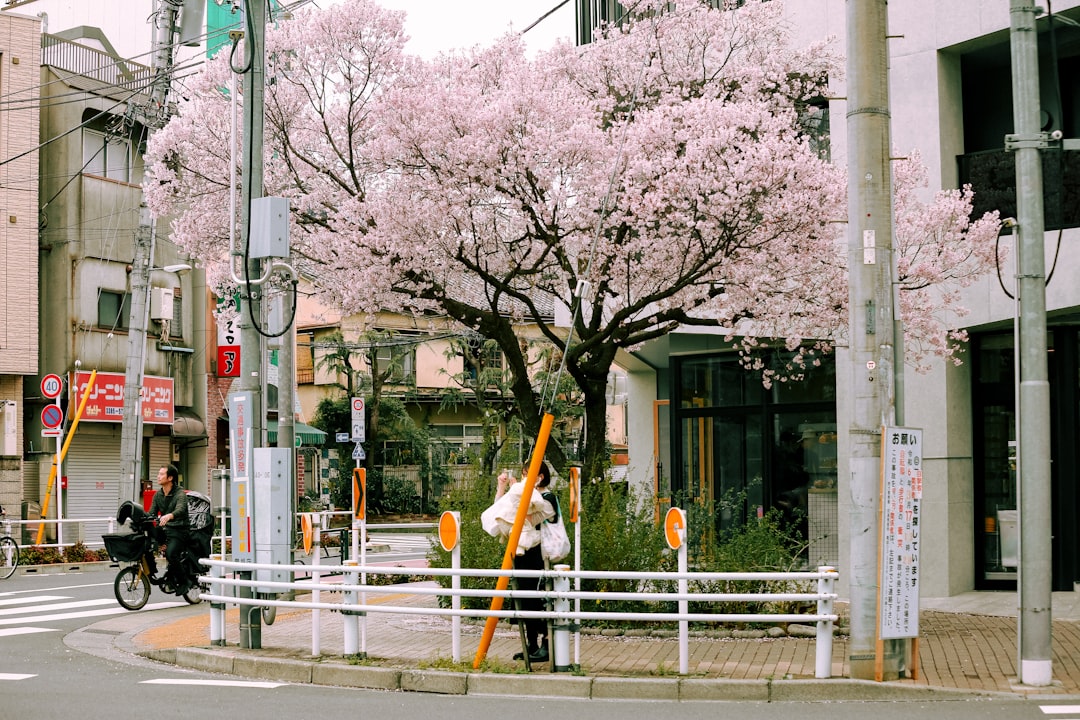
A ryokan is not a hotel with tatami mats. It is a specific form of Japanese hospitality with its own logic, its own rituals, and its own way of organizing time. This is what to expect when you arrive, what happens over the course of a stay, and how to make the most of it.
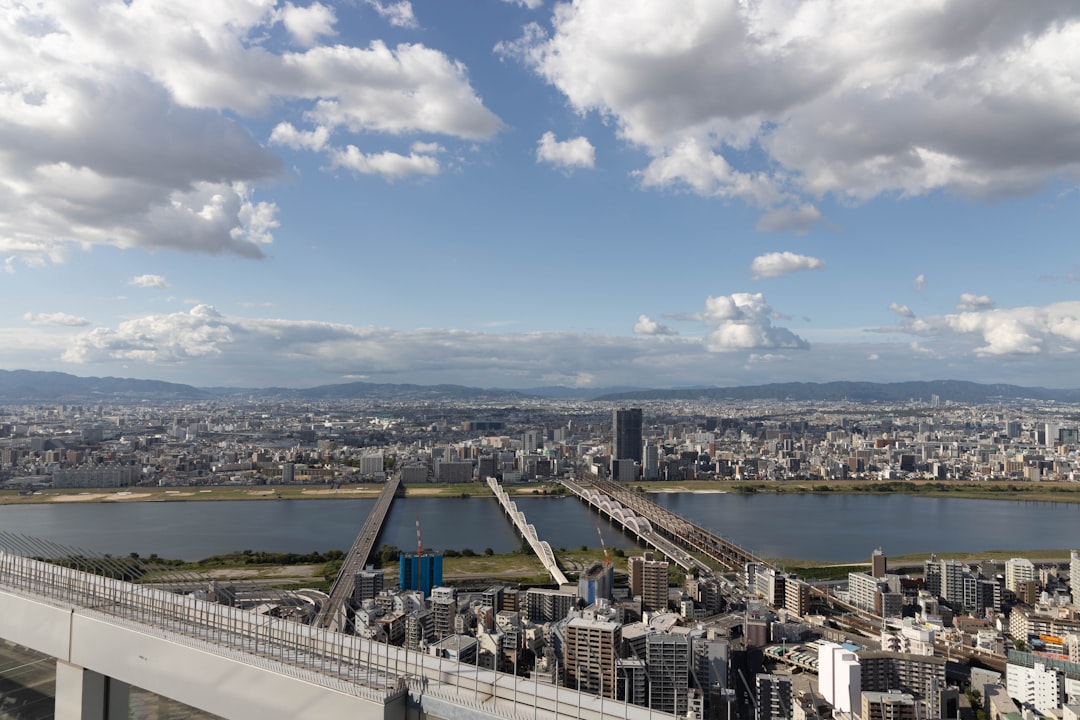
Takayama is a 16th-century castle town in the Japanese Alps that survived the 20th century largely intact. The Sanmachi Suji merchant district, the biannual festivals with their 17th-century floats, and the surrounding mountain landscape make it one of the most complete historical towns in Japan — and consistently undervisited relative to what it offers.
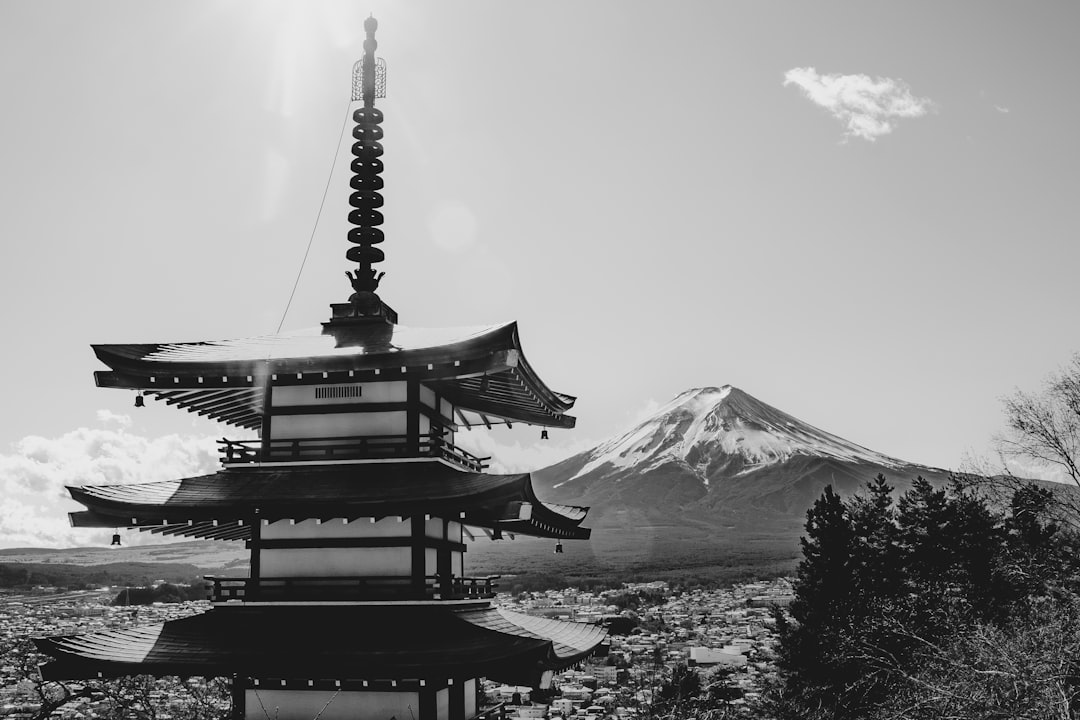
Asakusa is the neighborhood that survived Tokyo's reinventions — the earthquakes, the firebombing, the economic miracle. Senso-ji is its anchor, but the craft shops, the back streets, and the cookware district immediately to the north are what turn a temple visit into a full day.
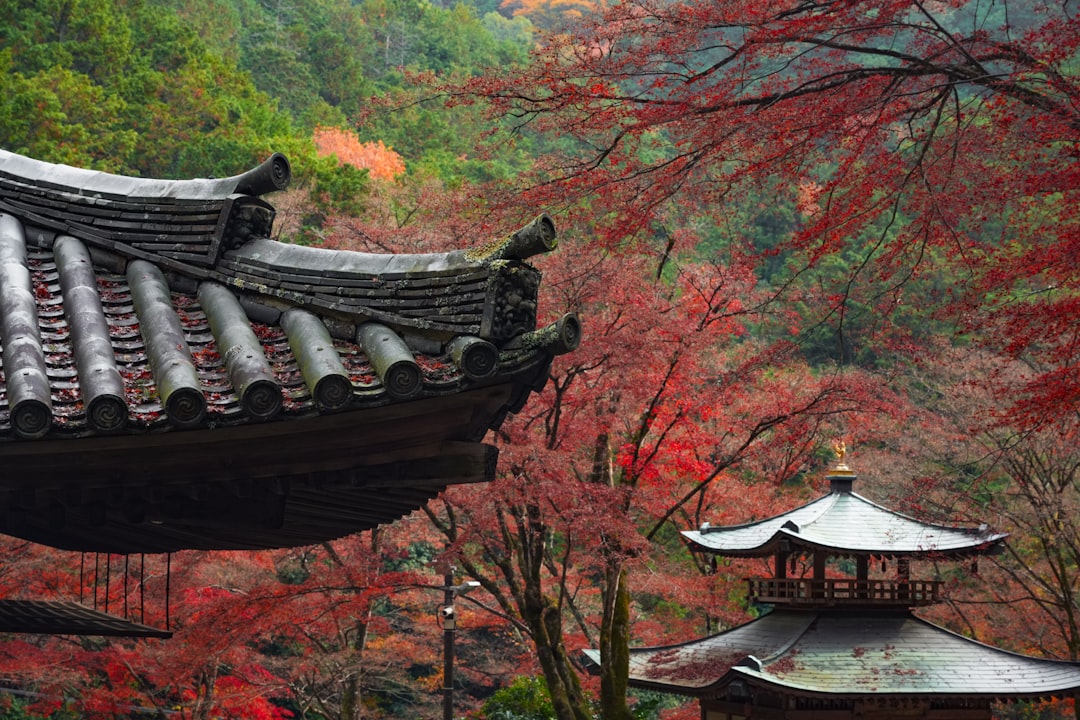
Tokyo is not one city — it's thirty neighborhoods pretending to share a train map. This is how to move through it: which areas to stay in, what each one gives you, where to eat, and what nobody warns you about before you arrive.
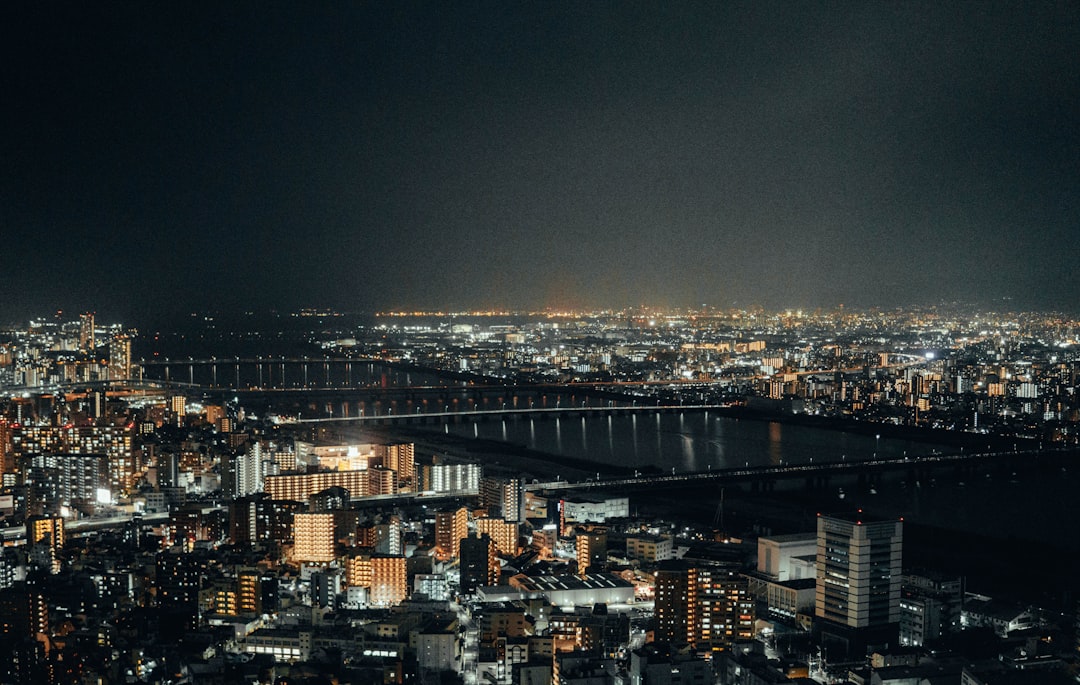
Two streets, 200 meters apart, completely different worlds. Takeshita Street is teenage Japan in full expression; Omotesando is architecture and luxury retail. Between them is a forested shrine that feels impossible given the surrounding density. Here is how to move through all three.
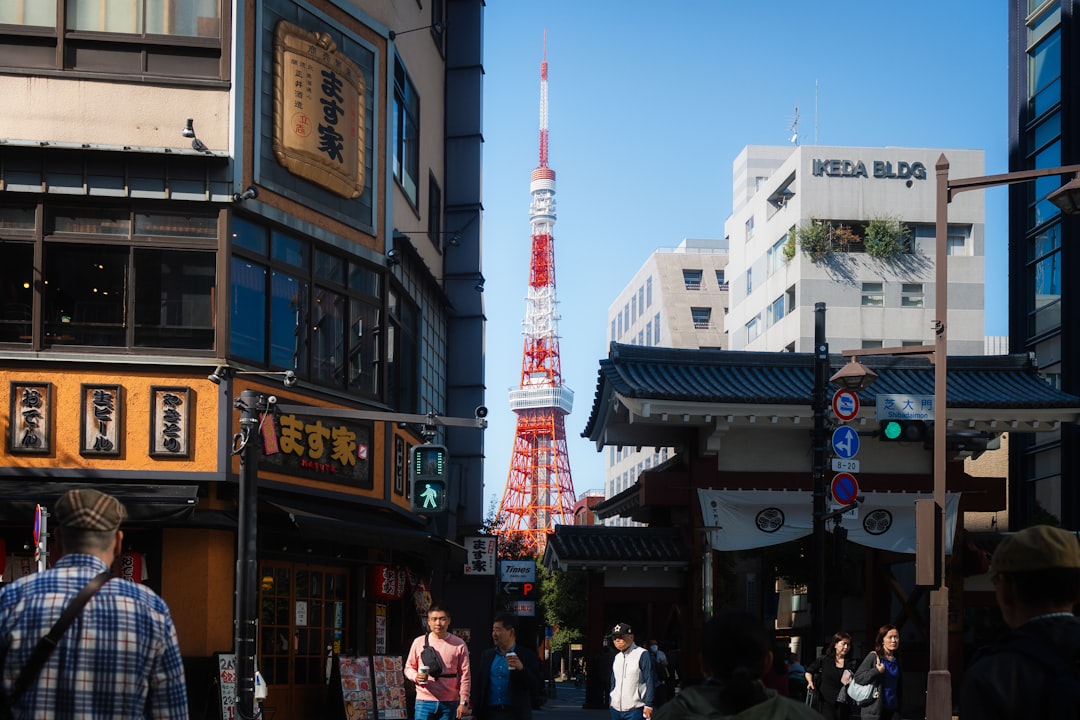
Shinjuku contains two completely different cities divided by a train station: the neon-lit chaos of Kabukicho and Golden Gai to the east, and the glass-tower corporate district to the west. Both are worth your time, and the 20-minute walk between them is one of the more disorienting transitions in Tokyo.
Seoul is 10 million people, 600 years of history, and a present-tense energy that makes most other capitals feel slow. This is how to move through it — which neighborhoods to base yourself in, what each area gives you, where to eat, and what to do in the gaps between the palaces.
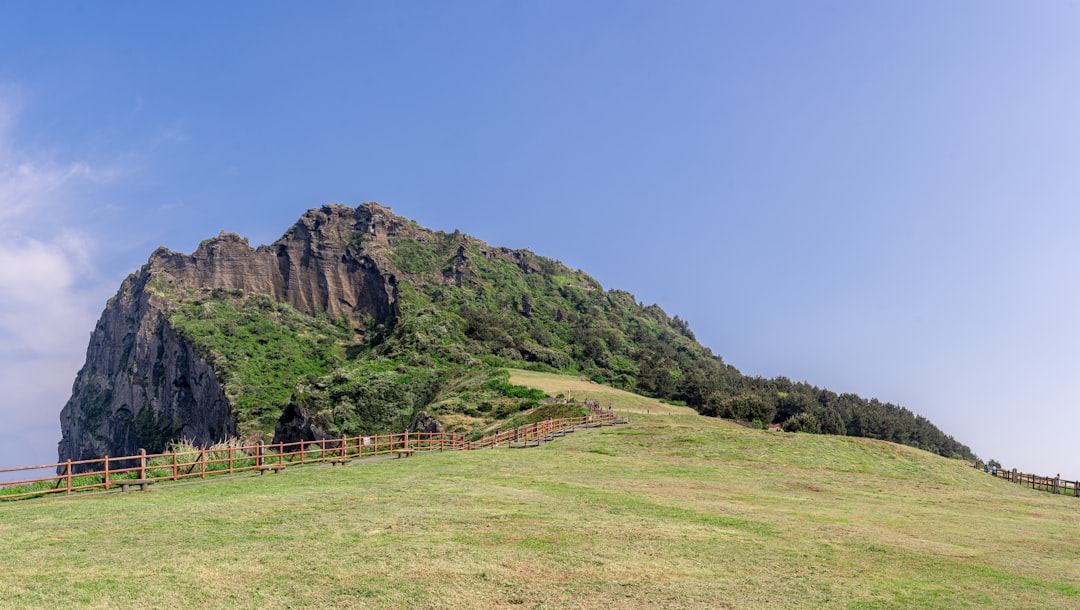
Skip the rushed Golden Route. This 14-day Japan itinerary balances iconic cities with places most tourists never reach — built for 2026, with real costs and honest advice.
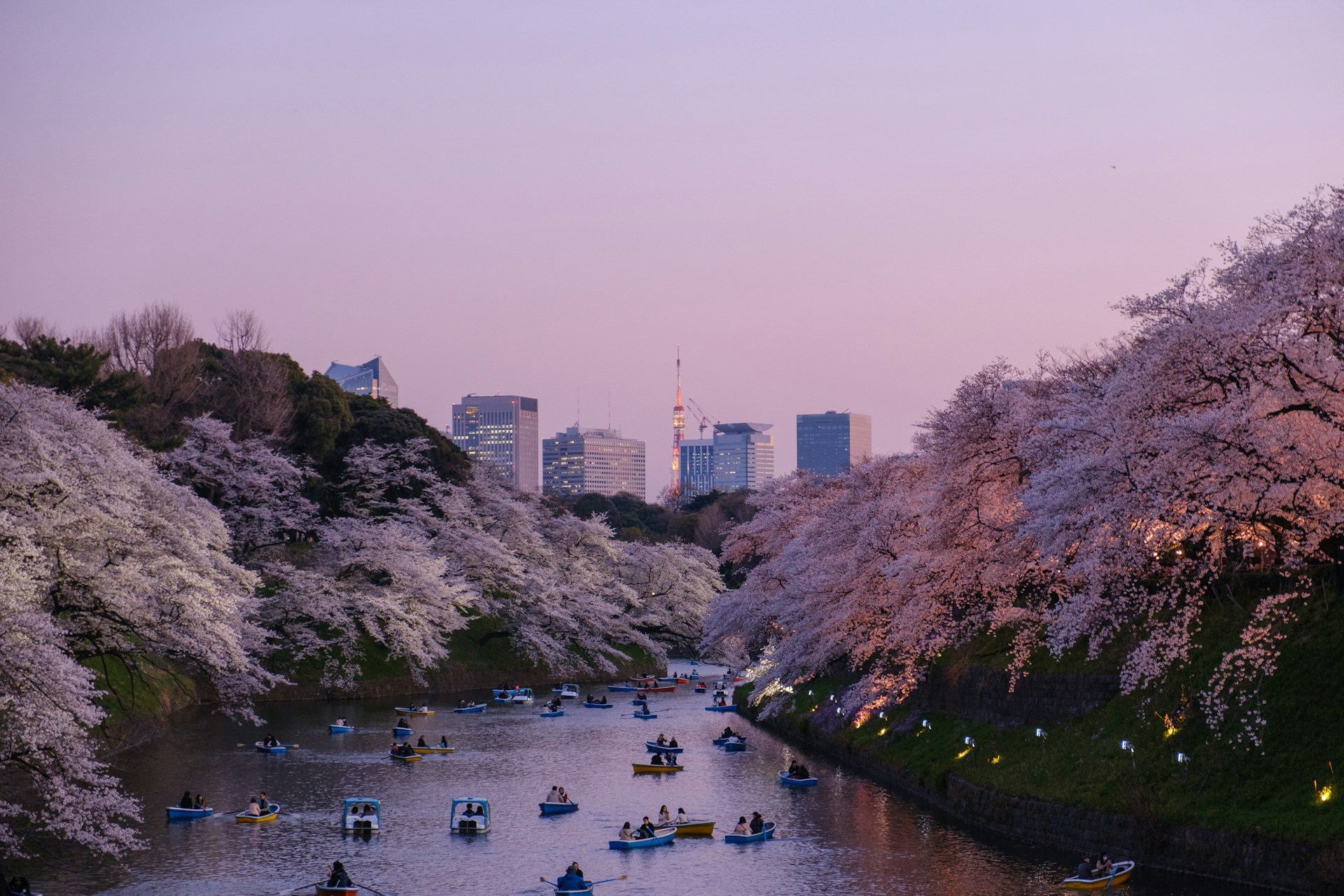
The JR Pass question answered properly — with actual route math, current prices, and the cases where you're better off buying individual tickets.
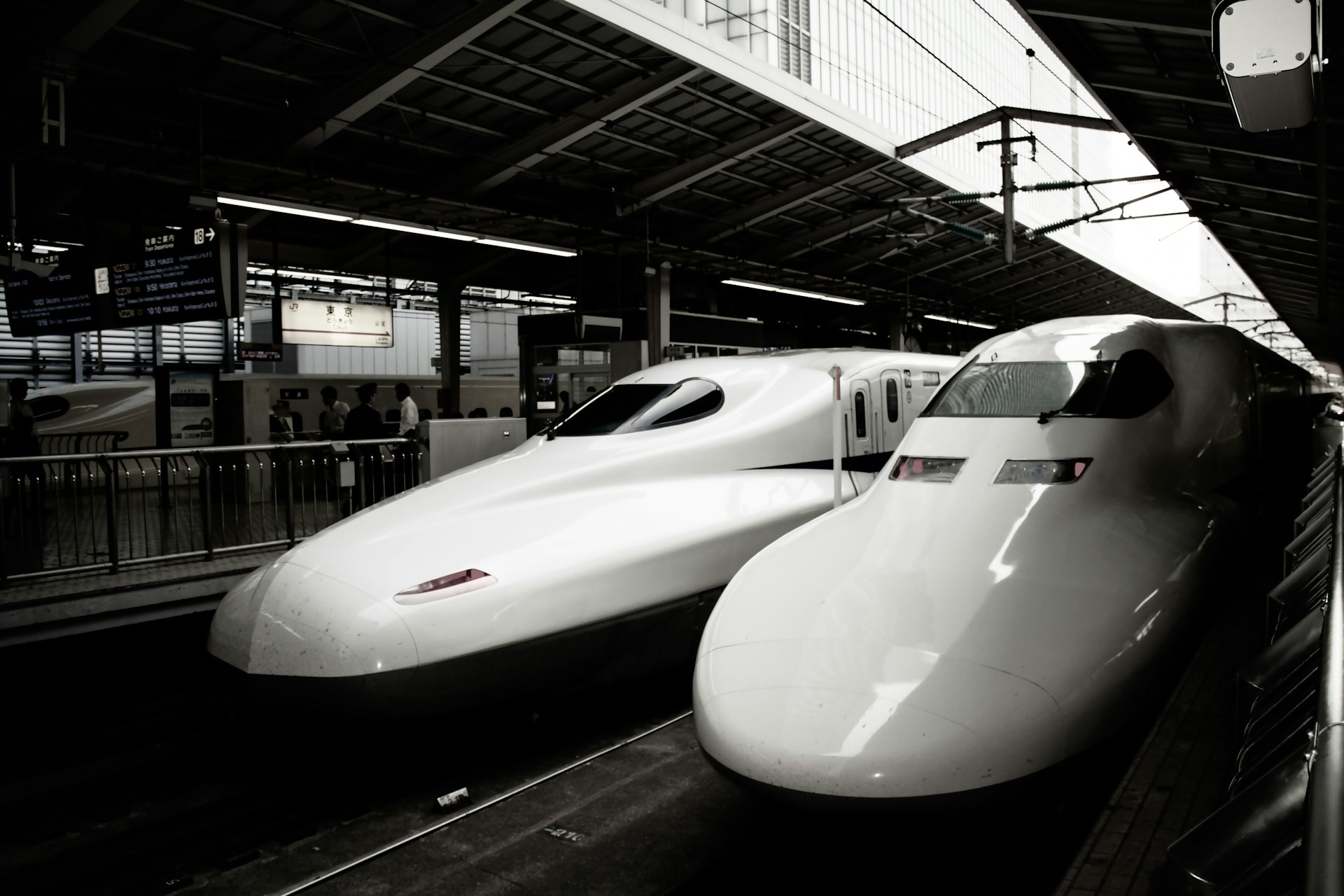
The Japan most travelers never reach. These 10 destinations offer fewer crowds, deeper experiences and the satisfaction of finding something on your own.
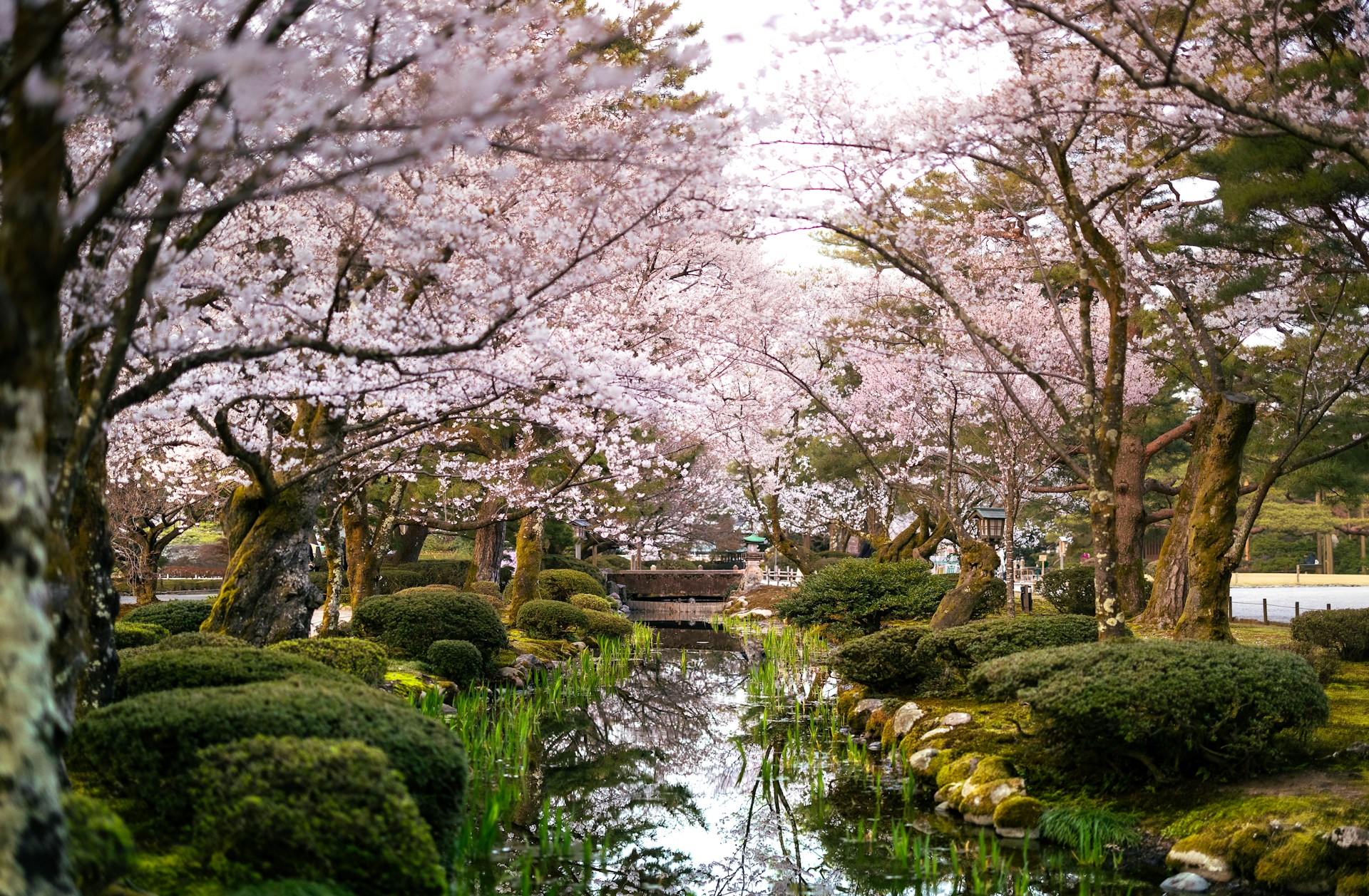
Everything you need to plan a cherry blossom trip to Japan — when to go, where to go, how to actually get a spot under the trees, and what no one tells you about sakura season.
Kanazawa escaped the bombs, the overtourism, and somehow also the travel blogs. Here's what's actually there — and why it might be the best two days you spend in Japan.
Busan moves at a different speed from Seoul. Here's how to spend three days in Korea's second city — the markets, the beaches, the temples above the sea, and the thing people keep getting wrong about Gamcheon.
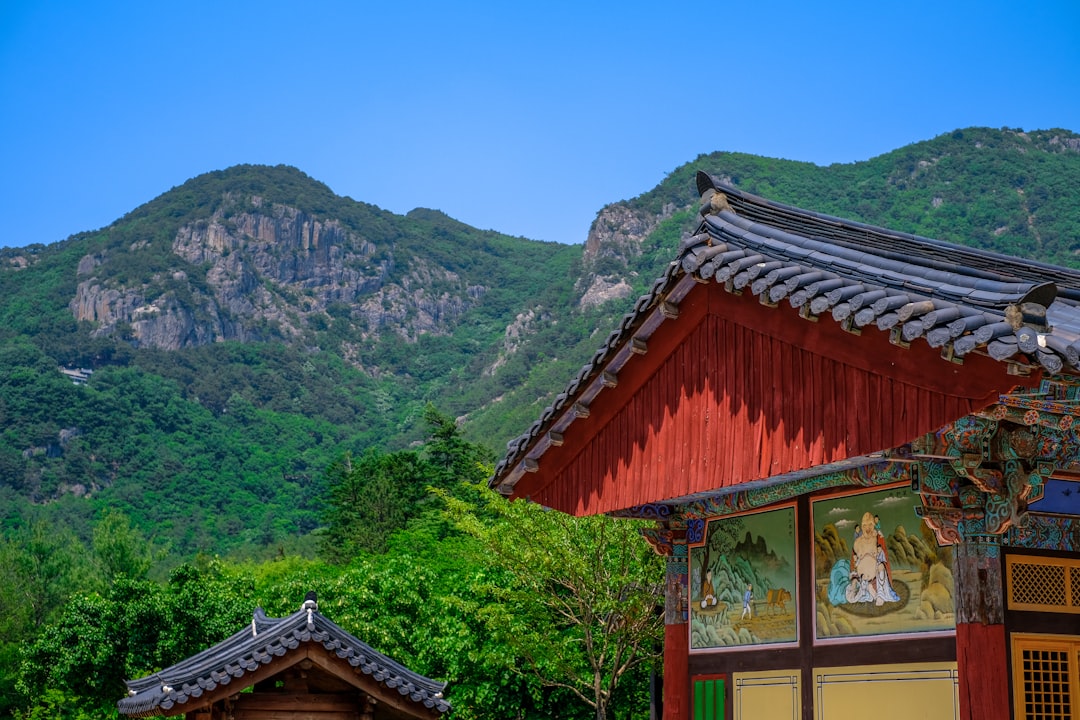
The real streets, cafés, palaces, and alleys behind your favorite K-dramas — where they are, how to get there, and what it actually feels like to stand in those scenes.
A serious eater's guide to Seoul — the dishes that define the city, the neighborhoods where they're best, and exactly what to order when you get there.
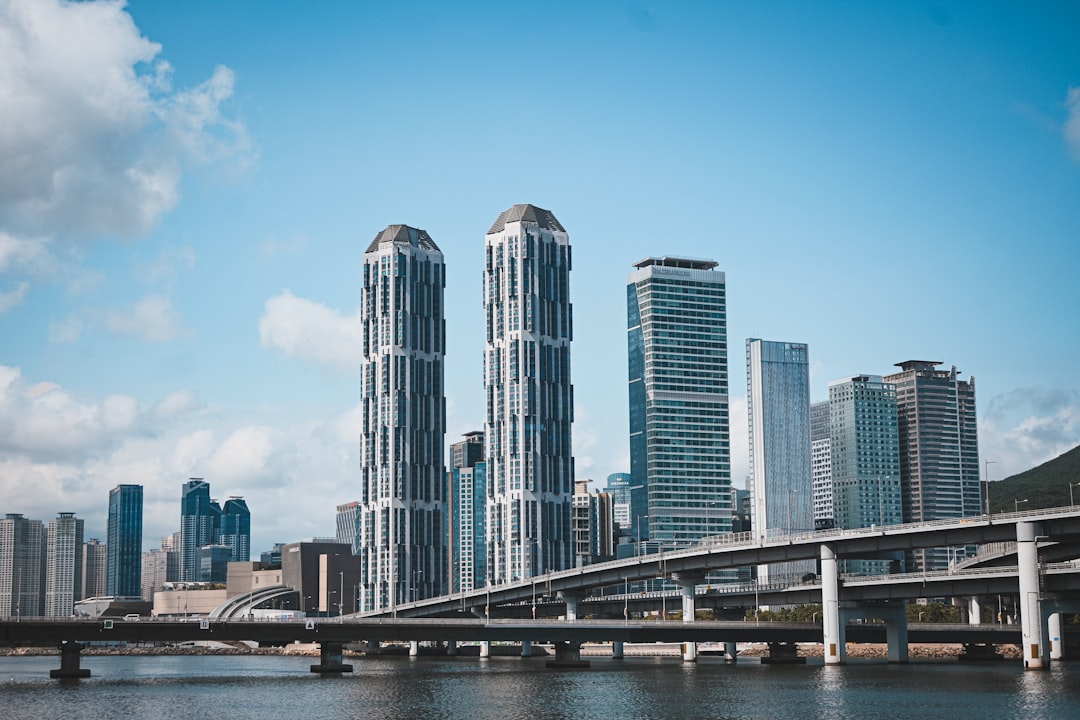
The definitive 10-day South Korea route — where to sleep, what to eat, how to get between cities, and the specific moments that make this trip unforgettable.
An honest breakdown of what you'll spend in South Korea — accommodation, food, transport, and activities — with real numbers across three spending levels.
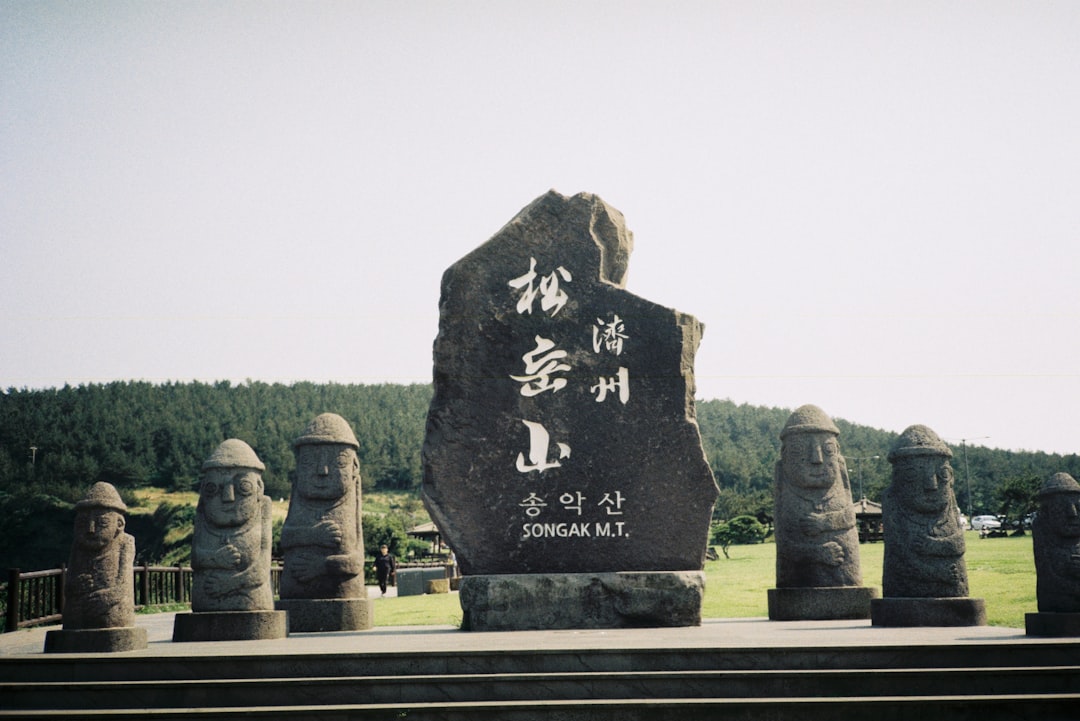
Category
Activity type
We sent a confirmation email to:
Click the link in that email to activate your account.
It may take a minute or two to arrive.
Already have an account?