Kerala: Backwaters, Spices & the Garden State of India
Plan your trip
Kerala is the narrowest and most geographically intense state in India — a 550 km strip of coastline, backwaters, and paddy fields between the Arabian Sea and the Western Ghats, rising from sea level to 2,695 m in 60 km. The diversity within that strip is extraordinary: Chinese fishing nets and Dutch trading posts at Fort Kochi, the world’s most productive pepper, cardamom, and rubber plantations in the hills, one of the highest literacy rates in the developing world (96%), and a tradition of ritual arts (Kathakali, Theyyam) that is among the most distinctive in Asia.
The backwaters alone — the network of lagoons, lakes, and canals parallel to the coast — justify the journey.
The Backwaters
Alleppey (Alappuzha): The main gateway to the backwater network — a canal-threaded town 1.5 hours south of Kochi. The backwaters extend 900 km from Kochi south to Kollam, comprising 44 rivers, 8 lakes, and networks of canals connecting villages that can only be reached by boat.
Houseboats (Kettuvallam): The converted rice barges of the backwaters — 70-foot wooden boats with bamboo-and-coconut-fiber roofs, converted to floating guesthouses with bedrooms, a deck, and a kitchen serving local Kerala meals. An overnight on a houseboat through the Vembanad Lake and the smaller canals is one of the iconic India experiences. Rates: ₹6,000–15,000/night (boat for two, including meals). Book through established operators rather than random touts.
Kuttanad (Below Sea Level): The paddy fields of Kuttanad are cultivated below sea level — one of the few agricultural areas in the world to use this technique, with bunds and sluice gates managing the water between the backwater canals and the fields.
Kayak tours: The smaller canals inaccessible to houseboats are best explored by kayak — several operators offer guided paddles through village waterways, showing coir rope production, toddy tapping, and fish traps in operation.
Munnar
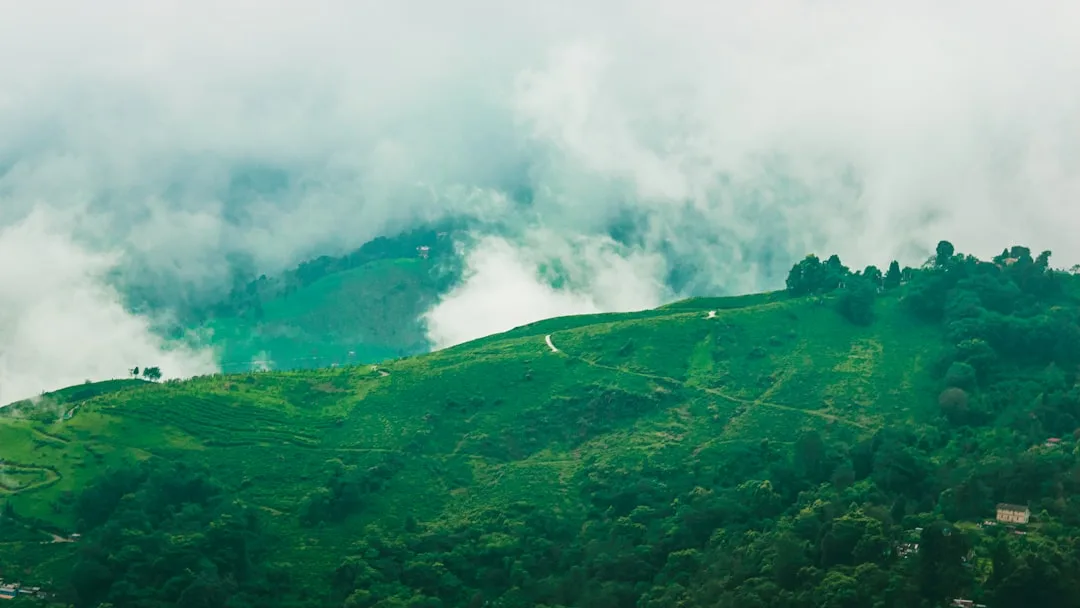
80 km east of Kochi, at 1,600 m — the heart of Kerala’s tea-growing district. The Tata Tea plantations cover the hillsides in a carpet of manicured green; the air is cool (12–22°C) and the mist sits in the valleys.
Eravikulam National Park: 15 km from Munnar — home to the largest population of Nilgiri tahr (an endangered mountain goat) in the world. The grasslands around Rajamala at dawn have the most reliable sightings. Entry ₹120.
Top Station: The highest point in Munnar (1,880 m) — a viewing point over the Kannan Devan Hills and the Tamil Nadu border plains visible below. The strobilanthes (neelakurinji, a flowering shrub that blooms once every 12 years — most recently 2018) covers these hills in purple when in flower.
Tea Museum: The Lockhart Tea Factory, accessible on a working plantation tour — the mechanical processing of picked leaves from withering through rolling, fermenting, drying, and grading. Run by Tata Tea; ₹150 for the tour.
Fort Kochi
The historic port of Kochi — the trading nexus where the Portuguese, Dutch, British, Jews, Chinese, and local Kerala merchants operated simultaneously. The heritage district occupies a small peninsula with Chinese fishing nets along the waterfront, the oldest European church in India (St. Francis, 1503, where Vasco da Gama was originally buried before repatriation to Lisbon), the Dutch Palace (Kerala murals of exceptional quality), and the Jewish synagogue (1568, the oldest active synagogue in the Commonwealth).
Kathakali: The classical dance-drama of Kerala — elaborate makeup (4+ hours to apply), classical dance movements, and stories from the Ramayana and Mahabharata performed in temple contexts. Tourist performances at Kerala Kathali Centre and Drishyavedi give an accessible 1-hour introduction. Seeing a full overnight performance at a temple festival is a rarer and more powerful experience.
Biennale: The Kochi-Muziris Biennale (December–February, biennial) is the largest contemporary art exhibition in South Asia — international and Indian artists in the warehouse district of Fort Kochi.
Theyyam
A ritual art form from northern Kerala (Malabar region, around Kannur and Kasaragod) — a performer becomes possessed by a deity, wearing enormous headdresses, elaborate body paint, and costume that transforms them into the god. The rituals are performed at local shrines during the November–May season; they are religious ceremonies rather than tourist performances.
The best experiences are at village-level Theyyam ceremonies reachable from Kannur — local guides connect visitors with upcoming ceremonies. Attending requires respectful behavior; entry is typically free.
Practical Notes
- Getting to Kerala: Kochi International Airport has direct flights from the Gulf, Singapore, and major Indian cities. Train connections to all Kerala cities from Mumbai and Delhi
- Getting around: Local buses (cheap, comprehensive), auto-rickshaws (meter or negotiate), Ola/Uber in cities
- Best time: October–February (post-monsoon, dry and comfortable). June–September is monsoon season — dramatic but intense
- Ayurveda: Kerala is the home of authentic Ayurvedic treatment — panchakarma (full-body detox) programs require 7–21 days. Day massages (abhyangam, €20–40) are available at every resort. For authentic treatment, look for centers with qualified practitioners (BAMS graduates)
Plan your trip