Italy in February: Venice Carnival, Ski Peak, and the Quiet Before Spring
Plan your trip
February is Italy’s Carnival month — and Venice Carnival is the most photographed, most theatrical, and most internationally famous masked event in Europe. Beyond Venice, February delivers: peak ski season in the Dolomites and Alps, a Rome that’s genuinely uncrowded, and early signals of spring arriving in Sicily and southern Italy by month’s end. February is a month of contrasts.
Weather in February
Rome: 5°C to 14°C. Cold but improving through the month. Some rain, but more clear days than January. The city is still in winter mode.
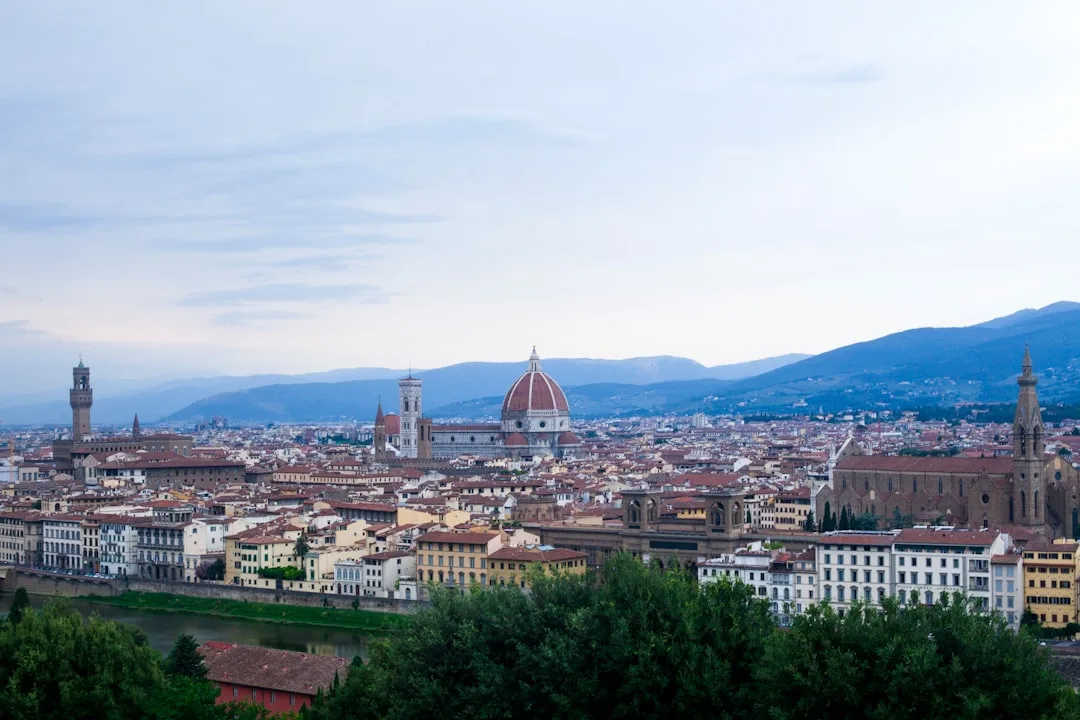
Florence: 4°C to 12°C. Cold, occasionally foggy. Late February sees the first hints of spring in the Boboli Gardens.
Venice: 1°C to 8°C. Cold, sometimes foggy. During Carnival, the city operates entirely outdoors — dress warmly.
Milan: 2°C to 10°C. Cold, grey, but the city’s interior culture (restaurants, galleries, the Duomo) doesn’t depend on weather.
Naples/Sicily: 10°C to 18°C. Sicily in late February sees early spring — almond blossoms near Agrigento and in the interior valleys, mild temperatures. Palermo in February is pleasant and nearly tourist-free.
Dolomites/Alps: Peak ski season. February school holidays (settimana bianca) drive Italian families to the slopes — the busiest ski period of the year.
Venice Carnival (Carnevale di Venezia)
Venice Carnival runs approximately 10–18 days, ending on Shrove Tuesday (Martedì Grasso). The exact dates shift yearly with the Easter calendar — usually mid-to-late February.
The masks: The defining visual of Venice Carnival is the elaborate costume — silk, velvet, and leather in 18th-century Venetian style, with the iconic bauta (white mask with protruding chin), moretta (oval black mask), and volto (full-face white mask with gilded decoration). Costumers rent outfits (€50–€200/day) or sell them throughout the city.
Free public events:
- Flight of the Angel (Volo dell’Angelo): Opening day — a costumed person descends by wire from the top of the Campanile in Piazza San Marco to a platform below. Free to watch from the piazza.
- Carnival procession on the Grand Canal: Traditional gondola and historic boat procession.
- Masked crowds in Piazza San Marco: The square fills with costumed participants for photographs — no tickets required, just show up.
Ticketed events:
- The Masked Balls (Balli in Maschera) are ticketed private events in Venetian palazzi — the most famous being the Doge’s Ball (€500–€2,000+). Atmospheric but expensive.
- Various palazzo events, dinner performances, and historical recreations run throughout the Carnival period.
Practical:
- Venice during Carnival weekend peaks (the final two weekends) is at maximum tourist capacity — the city can feel overwhelmed
- Accommodation: book 3–6 months in advance for Carnival weekends; prices triple
- Alternative timing: The weekdays of Carnival week are dramatically calmer than weekends — the masked participants are there but the day-tourist crowds are absent
Sicily in February — The Almond Blossom Festival
The Sagra del Mandorlo in Fiore in Agrigento, Sicily runs in early February during the almond blossom season. The Valley of the Temples (Valle dei Templi) — ancient Greek temples preserved better than anything in Greece itself — surrounded by blooming almond trees is one of the most striking sights in southern Europe.
Sicily in February is warm enough for comfortable travel (Palermo: 12–18°C), entirely tourist-free, and has its archaeological sites effectively to yourself.
Skiing at Settimana Bianca
The Italian school winter holiday (settimana bianca — “white week”) falls in February, sending domestic ski tourism to its annual peak. Resorts in the Dolomites and Val d’Aosta are at maximum capacity on the holiday week; the week before and after are quieter.
Dolomites recommended: The Sella Ronda circuit connects Alta Badia, Arabba, Canazei, and Val Gardena — 40km of high-altitude skiing across connected lifts. South Tyrol resorts (Alta Badia, Corvara) have the best mountain restaurants (rifugi). January-February delivers the most reliable snowpack of the season.
Rome and Florence in February
Both cities are at low capacity before the spring surge:
Rome: The Vatican Museums in February can still require booking but last-minute availability is possible. Trastevere’s restaurants are populated by locals; reservation is possible same-day at places requiring 3-week waits in June.
Florence: The Uffizi Gallery — home to Botticelli’s Birth of Venus and Primavera — in February operates with a fraction of summer queues. The Accademia (Michelangelo’s David) is similarly accessible. Florence’s piazzas and the Oltrarno neighborhood, south of the Arno, are genuinely pleasant in February afternoon light.
Budget in February
| Category | Budget | Mid-range |
|---|---|---|
| Accommodation (general) | €50–€88/night | €100–€215/night |
| Accommodation (Venice, Carnival wkd) | €180–€400/night | €400–€900/night |
| Accommodation (Venice, Carnival wkd) | €80–€180/night | €200–€400/night |
| Meals | €10–€18/meal | €25–€60/meal |
| Ski day pass (Dolomites) | €45–€70/day | same |
The Venice Carnival premium is the sharpest price spike in Italian February. Everywhere else remains near January pricing.
The Short Version
February has one unmissable event — Venice Carnival — and one consistent condition: low crowds everywhere else. Carnival is worth planning around specifically, accepting the higher prices and crowds as the cost of one of the great visual spectacles in European travel. Sicily’s almond blossom season is an underrated alternative for travelers who want genuine warmth and ancient ruins without any crowds. The Dolomites deliver the best skiing in Italy with the reliability of peak-season snowpack. February is a month that rewards a clear choice about which Italy you’re visiting.
Plan your trip