Italy in January: Post-Holiday Quiet, Ski Season, and Museums Without Crowds
Plan your trip
January is Italy’s reset month. Epiphany (January 6) closes the Christmas season, and the country transitions to its quietest state of the year. Tourist sites that are overwhelmed June through September operate at a fraction of capacity. Prices drop to annual lows. And for ski travelers, the Alps and Dolomites deliver the best conditions of the season.
Weather in January
Rome: 6°C to 14°C. Cool, occasionally rainy. Never cold enough to require heavy winter gear — a mid-weight coat is sufficient. The city is perfectly walkable.
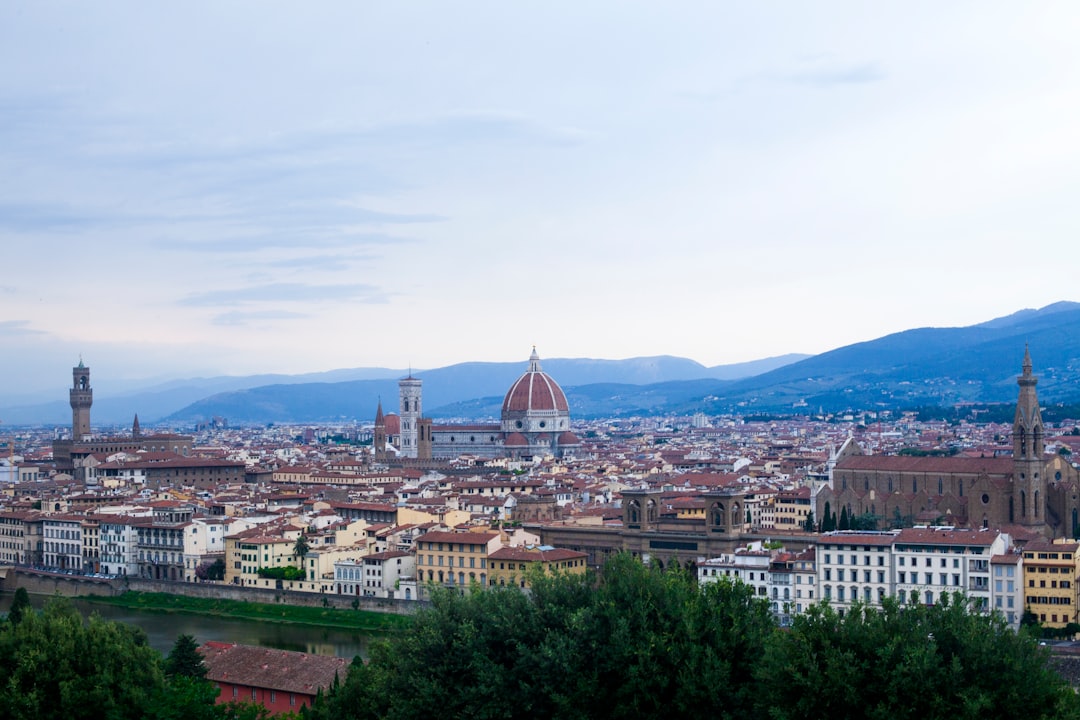
Florence: 4°C to 11°C. Colder than Rome. Fog is common in the Arno valley. Museums — which is what Florence is for — are ideal.
Venice: 2°C to 9°C. Cold, occasionally foggy, sometimes experiencing acqua alta (high tide flooding in the lower parts of the city). The city in January mist is its most romantically atmospheric and least photographed version.
Milan: 1°C to 8°C. Cold, foggy. The fashion and design capital has excellent museum culture and the best restaurant scene in Italy — none of which requires good weather.
Naples/Southern Italy: 8°C to 16°C. Milder than the north. Pompeii and the Amalfi Coast are quiet and completely accessible.
Dolomites/Alps: Excellent ski conditions. January delivers reliable snow at altitude.
Rome in January
Rome at lowest capacity — the most functional version of the city for serious sightseeing:
- Vatican Museums: The Sistine Chapel and the Vatican’s collection require advance booking but January availability is dramatically better than summer. The crowd density inside is manageable for the first time.
- Colosseum: No queues. Book online but same-day or next-day slots available. The arena floor access (normally the most sought-after ticket tier) is more available.
- Pantheon: Now charges entry (€5) — which filters casual walk-throughs. January visits feel almost private.
- Trastevere and Testaccio: The neighborhood restaurants and markets in January cater to locals, not tourists. The Testaccio market (the real one, not the tourist-facing version) is at its most authentic.
Epifania (January 6): Rome runs Befana celebrations — Italy’s gift-giving day (the witch Befana brings candy or coal to children). Piazza Navona, which runs a Christmas market through January 6, is at its most festive this day.
Venice in January
January Venice is the argument for winter travel. The city minus the summer crowds — the narrow calli actually navigable, the bridges crossable without waiting, the bacari (wine bars) populated exclusively by Venetians.
Carnivale begins: Venice Carnival historically starts in January (the exact date varies — roughly 10 days before Ash Wednesday). The masked balls and costume culture begins building even in January’s early weeks. The weekend before Shrove Tuesday sees maximum costumed participation.
Acqua alta: January sees the highest frequency of acqua alta events. Platforms (passerelle) are deployed in the lower parts of the city (San Marco square is most affected). Rubber boots (stivali di gomma) are available everywhere for purchase or rental. The acqua alta is inconvenient, not catastrophic — most of the city is unaffected.
Skiing in January
Italy has the best ski infrastructure in the world:
Dolomites (South Tyrol/Trentino): The Sella Ronda circuit — skiing through four valleys and four passes in a day — is January’s peak experience. Alta Badia, Corvara, Arabba, Canazei. The Dolomite rock towers above the snowfields are extraordinarily scenic.
Val d’Aosta (Courmayeur, Cervinia): Courmayeur on the Italian side of Mont Blanc — cheaper than Chamonix, equal conditions. Cervinia shares a glacier with Zermatt (Switzerland) — ski both sides with one lift pass.
Piedmont (Sestriere): The 2006 Winter Olympics venue — solid skiing, lower prices than the Dolomites, good base in a small resort town.
Budget in January
| Category | Budget | Mid-range |
|---|---|---|
| Accommodation | €50–€90/night | €100–€220/night |
| Meals | €10–€18/meal | €25–€60/meal |
| Wine (local house wine) | €3–€6/glass | same |
| Museum entry (Colosseum, Vatican) | €16–€20 | same |
January is annual minimum pricing across Italy — except ski resorts, which are at winter-season rates (not dramatically higher, but specific to their demand). A hotel room in Rome or Florence in January costs 40–60% less than July-August.
What to Skip in January
- Cinque Terre: The hiking trails are often closed due to landslide risk in winter. The villages remain accessible but the point of Cinque Terre — outdoor hiking between villages — is largely unavailable.
- Lake Como/Garda: The lakeside resort villages operate at minimal capacity; many restaurants and hotels close November–March.
- Sicily beach travel: The island is beautiful in January for cultural tourism but not for beach holidays (15°C).
Practical Notes
- Opening hours: Some smaller museums and churches have reduced winter hours (January is worst). Check before visiting.
- Restaurant closures: Some restaurants close for 2–3 weeks after Epiphany for annual holidays. More common in Rome and Florence than in Naples or Venice.
- January sales (saldi): Italian winter sales begin in early January — the best time of year to buy Italian fashion, leather goods, and design items in shops across Milan, Florence, and Rome.
The Short Version
January is Italy’s most efficient month for cultural tourism — the museums, archaeological sites, and historic cities that are overwhelmed in summer operate at a fraction of capacity. The price gap is substantial. The experience is genuinely better for anyone interested in actually engaging with the art and architecture rather than photographing it through a crowd. Ski travelers get the best conditions of the season. January Italy, for the prepared traveler, is one of Europe’s best travel investments.
Plan your trip