Italy in November: Olive Harvest, Low Season Value, and the Cities to Yourself
Plan your trip
November is Italy’s quiet. The harvest is finishing, the skies are greyer, and the country turns toward winter. Tourist numbers reach their annual minimum. Prices follow. The major sites — the Colosseum, the Uffizi, the Vatican — operate with ghost-town crowd levels by November standards. For travelers who want Italy on their own terms, November is the answer, with the understanding that some rural tourism infrastructure closes and the weather requires preparation.
Weather in November
Rome: 9°C to 18°C. Mild, frequently rainy. Not cold — a medium coat is sufficient. The city remains entirely functional and outdoor culture continues on clear days.
Florence: 7°C to 15°C. Cooler, grey and damp possible. The Uffizi and Accademia are ideal — the art museums are what Florence is for, and they’re essentially empty.
Venice: 7°C to 14°C. Acqua alta season at increasing frequency. Cold, sometimes foggy. The city in November mist is at its most romantic and mysterious. Carry rubber boots.
Milan: 6°C to 13°C. Grey and cold. The city’s interior culture — the Duomo, the Pinacoteca di Brera, the excellent restaurant scene — doesn’t require sunshine.
Naples: 11°C to 18°C. Milder than the north. Pompeii and the Campanian archaeological sites in November are nearly empty — better than at any other time of year.
Tuscany/Umbria: 7°C to 15°C. The olive harvest and late truffle season are the defining November activities.
Olive Harvest (Raccolta delle Olive)
The olive harvest in central Italy runs October through November — the exact timing depends on elevation and variety. In November, the harvest is at full intensity in Tuscany, Umbria, and the hills around Rome (Sabina):
The process: Olives are hand-harvested or combed from nets spread below the trees. The olives go to a frantoio (oil press) for cold-pressing. The resulting olio nuovo (new oil) is intense, green, almost bitter, and extraordinary — nothing like the mellow, aged olive oil on supermarket shelves.
Experiences:
- Frantoio visits: Many farms allow visits to their olive press during harvest (November). The Chianti region (Castagneto Carducci, San Casciano in Val di Pesa) and the hills of Umbria around Spoleto and Assisi have agriturismo operations running harvest participation days.
- Tasting new oil: The November olio nuovo on toasted Tuscan bread (fettunta) is the best thing to eat in Italy in November. Most agriturismi and farmshops sell it from mid-November.
Last White Truffles — Piedmont
The white truffle season runs through November (ending around late November/early December in most years). The Alba Truffle Fair weekends continue through November — the later weeks often have more truffle availability than October because the rain of autumn softens the soil and encourages growth.
November restaurants in Alba, Barolo, and La Morra are fully operational for truffle-focused dining. The Langhe hills in November — stripped vineyards, mist in the valleys, the fortified village of Barolo visible on its hill — is one of the more quietly beautiful landscapes in Italy.
Venice in November
November Venice is the classic “off-season Venice” of literary imagination — acqua alta, fog, near-empty calli:
Acqua alta management: The tide prediction app (Comune di Venezia) forecasts flooding 4–5 days ahead. Most events are Grade 1 (water from 80–110cm) — the passerelle (raised walkways) are deployed in the lowest areas (San Marco, Rialto). Higher-elevation neighborhoods (Dorsoduro, Cannaregio, Giudecca) are rarely affected. The experience of acqua alta in the Piazza San Marco — the entire square reflecting the grey sky — is one of the most extraordinary visual experiences in Italy.
November opera season: Venice’s Teatro La Fenice — one of the world’s great opera houses — runs autumn/winter programming from October through spring. Tickets available on their website; November has availability that the sold-out Christmas season doesn’t.
Rome in November
Rome in November is cultural tourism at its most efficient:
- Colosseum: Next-week availability is normal; same-day sometimes possible
- Vatican: Sistine Chapel with fewer than 200 people is genuinely different from 2,000 people in August. Morning tickets in November deliver this.
- Borghese Gallery: Usually fully booked weeks ahead even in November — still worth booking early, but cancellations create availability
The restaurants of Rome in November — particularly in Trastevere, Testaccio, and Prati — are populated by locals again. The places that required months of advance booking in summer accept same-week reservations.
The Dolomites in November
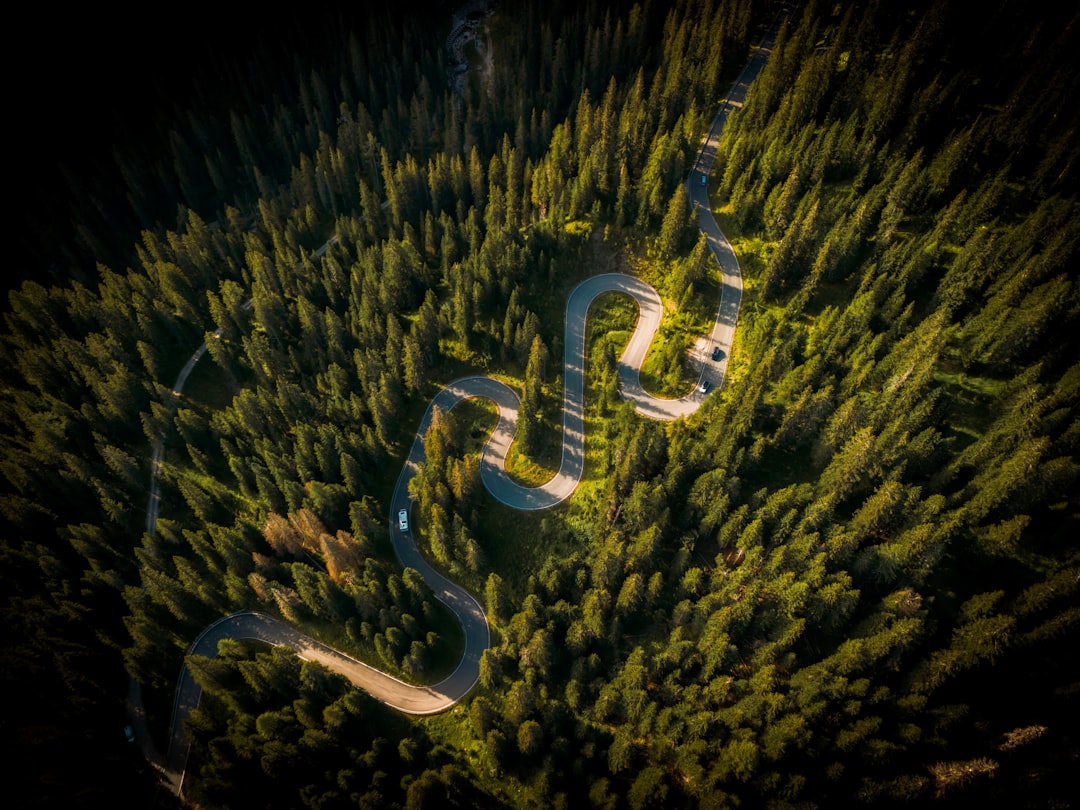
November is the between-seasons gap in the Dolomites — ski resorts not yet open (December), summer hiking not available. Some mountain rifugio huts close. The valley towns (Cortina d’Ampezzo, Ortisei, Bressanone) are quiet but operational. The November landscape — bare larches, first snow on the peaks — has a spare beauty. If you happen to be in the northeast of Italy in November, the Dolomite valley drives are worthwhile.
Budget in November
| Category | Budget | Mid-range |
|---|---|---|
| Accommodation | €45–€85/night | €90–€210/night |
| Meals | €9–€17/meal | €22–€60/meal |
| Venice acqua alta boots | €8–€15 (buy/keep) | — |
| Truffle supplement | €30–€70/dish | — |
November is near-minimum pricing for Italy. Hotel availability is excellent; negotiation is possible for multi-night stays. The extreme exception is the Venice acqua alta boot investment, which pays itself back across multiple days.
What Closes in November
- Some coastal resort restaurants and accommodation (Cinque Terre, Amalfi, Positano) close for November–March
- Most outdoor markets reduce to weekend-only operations
- Some lake district (Como, Garda) villa gardens close
- Smaller museum sites may have reduced winter hours — verify before visiting
The Short Version
November is Italy’s most honest month. The country isn’t performing for tourism; it’s continuing its own seasonal cycle — the olive harvest, the last truffles, the autumn light, the city’s own cultural programming. Travelers willing to accept grey skies, acqua alta in Venice, and some rural closure will find this the most genuinely local Italy of the year. The prices, the availability, and the access to places that are impossible in summer make November, for the right traveler, one of the best months on the calendar.
Plan your trip