Tokyo 3-Day Itinerary: The Essential First-Timer's Guide
Plan your trip
Tokyo at three days: not enough to understand the city, but enough to begin. The goal of this itinerary is calibration — the experience of what Tokyo actually is, at the street level, across enough variety that subsequent visits can be organized around preference rather than obligation.
The structure is geographic. Tokyo wastes time if you jump between far-apart neighborhoods; this itinerary groups adjacent areas and moves in coherent arcs, using the Yamanote Line as a spine when walking connections are not practical.
Day 1 — East Tokyo: Asakusa + Akihabara + Ueno
Morning — Asakusa (3 hours)
Start at Senso-ji. Arrive by 7–8am to walk the Nakamise-dori approach before the tour groups arrive. The temple itself, the five-storey pagoda, and the surrounding Nakamise shopping street (traditional crafts, sembei, fans, yukata) are the introduction to the Tokyo that predates the 20th century.
Breakfast: Asakusa has excellent breakfast options — the traditional sweet shops along Nakamise (ningyo-yaki, freshly made red bean cakes from ¥100) or the fuller breakfast at one of the coffee shops on the backstreets behind the temple.
After Senso-ji: Kappabashi-dori (the professional kitchen supply street, 10 minutes’ walk) — the largest concentration of restaurant equipment, ceramics, lacquerware, and the famous plastic food samples in Tokyo. Even if you buy nothing, the street is one of the strangest and most useful in the city.
Midday — Ueno (2 hours)
From Asakusa, walk south along the Sumida River embankment (25 minutes) or take the Metro one stop to Ueno.
Choose one museum: Tokyo National Museum for Japanese art and archaeology, or National Museum of Nature and Science for natural history. Both require 2+ hours for a proper visit; attempting both in one afternoon produces diminishing returns.
Lunch: The Ueno park cafés, or a quick meal in Ameyoko Market — the outdoor market beneath the elevated railway tracks between Ueno and Okachimachi stations. The standing ramen stalls and fish-and-rice lunch sets are the practical options.
Afternoon — Akihabara (2 hours)
15 minutes south on the Yamanote Line from Ueno — or 20 minutes’ walk. Akihabara is the electronics and anime district: the multi-story electronics stores (Yodobashi Camera, BIC Camera), the manga and figure shops (Animate, Mandarake), the arcades, and the specific subculture geography of Tokyo’s otaku center. Even without personal interest in anime or electronics, the visual density of the main Chuo-dori strip is worth an hour.
Evening — Akihabara or Asakusa: Return to Asakusa for the evening illumination of Senso-ji (the gate and pagoda lit at night), or stay in Akihabara for the neon-lit main street and standing izakaya dinner under the elevated rail tracks.
Day 2 — West Tokyo: Shibuya + Harajuku + Omotesando + Daikanyama/Nakameguro
Morning — Harajuku and Meiji Shrine (2 hours)
Start at Meiji Shrine — the forested Shinto shrine dedicated to Emperor Meiji and Empress Shoken. The forest (70 hectares, planted in 1920 with species donated from across Japan) is extraordinary given its location in central Tokyo. Enter from the south gate (near Harajuku Station), walk the wide gravel approach through the trees, and reach the inner shrine: the main hall, the sake barrel display, the iris garden in the inner area (best in June).
From the shrine: 10-minute walk to Takeshita-dori — the narrow street of Harajuku youth fashion. At its best in the afternoon when the street fashion crowd arrives; in the morning it is quieter and the shops (crepe stands, second-hand accessory stalls, independent street fashion boutiques) are accessible without crowd pressure.
Midday — Omotesando (2 hours)
The broad zelkova-lined boulevard running from Harajuku to Aoyama — Tokyo’s version of a Parisian grand avenue, with significant architecture: the Prada Building (Herzog & de Meuron), the Omotesando Hills complex (Tadao Ando, retail development over a preserved length of traditional apartment building), and the Louis Vuitton Japan flagship. The architecture of the retail strip is the point, not the shopping.
Lunch: Omotesando has good lunch options across the spectrum — the Omotesando Hills basement, the backstreet restaurants in Ura-Harajuku (the streets north of the boulevard), or the terrace cafés on the main avenue.
Afternoon — Shibuya (2 hours)
20 minutes’ walk downhill from Omotesando, or one stop on the Ginza Line. Shibuya Crossing in the afternoon — the scramble, the Hachiko statue, the view from the Starbucks Tsutaya second floor. Then the Miyashita Park rooftop and the shopping streets.
Evening — Daikanyama/Nakameguro
Take the Toyoko Line one stop from Shibuya to Daikanyama, or walk 15 minutes. The T-Site bookshop (open until midnight), the canal walk to Nakameguro, evening dinner in one of the canal-side restaurants. The Meguro River at night — the restaurants lit, the water reflecting — is one of the best evening walks in Tokyo.
Day 3 — Central: Shinjuku + Hamarikyu + Ginza
Morning — Shinjuku (3 hours)
Start in Shinjuku Gyoen — the large national garden with a combination of Japanese traditional gardens, English landscape garden, and French formal garden. Cherry blossoms in spring; greenery year-round. Open from 9am, ¥500 admission.
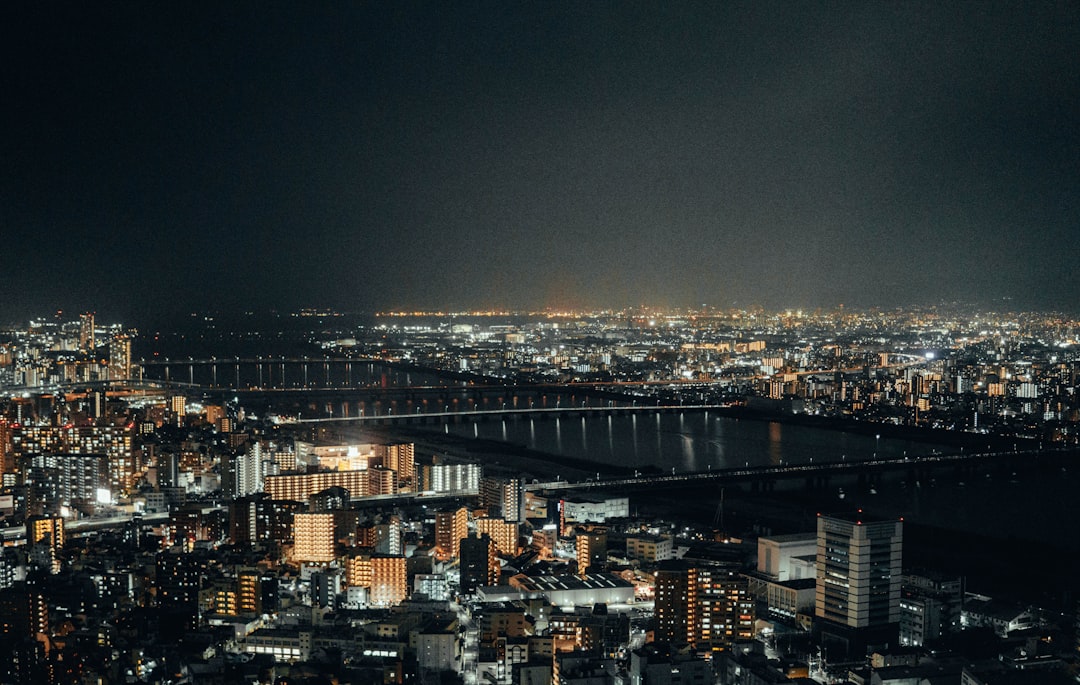
From Gyoen: Kabukicho (Tokyo’s entertainment district, active even in daytime) and Golden Gai (the tiny-bar alley of 200+ bars in narrow two-storey buildings — more interesting in daylight when the structure of the alleys is readable). Then the Shinjuku government building observation deck (free, 202 meters, open until 10:30pm) for the city view.
Lunch: The Shinjuku Omoide Yokocho (“Memory Lane” — the small alley of yakitori stalls west of the station) or the food floor of the Takashimaya Times Square basement.
Afternoon — Hamarikyu Gardens and Sumida River Cruise (2 hours)
30 minutes from Shinjuku by taxi or subway to Shiodome: Hamarikyu, the tidal garden built on Tokyo Bay in the 17th century. The garden’s relationship to the tidal system of Tokyo Bay — the ponds empty and fill with the tides — creates a garden that changes throughout the day. The traditional tea house on the central pond serves matcha (¥700, includes tea and wagashi).
Optional: The Sumida River Water Bus from Hamarikyu Pier to Asakusa Pier (50 minutes, ¥1,020) — seeing Tokyo from the water is different from any ground-level perspective. The boat passes beneath Kiyosu Bridge, under the elevated expressways, and arrives at the Asakusa pier with Skytree visible over the rooftops.
Evening — Ginza
From Asakusa, 25 minutes by Metro to Ginza. The Chuo-dori pedestrian boulevard on weekend afternoons (closed to traffic noon–5pm); Kabukiza theater (single-act tickets available same-day); the Itoya stationery store. Dinner in the Yurakucho garudo (yakitori under the elevated tracks, five minutes’ walk from Ginza) — the most atmospheric and most affordable dinner option in central Tokyo.
Logistics Notes
The JR Yamanote Line connects all three days’ main areas: Asakusa (via Uguisudani), Akihabara, Ueno, Harajuku, Shibuya, Shinjuku, and connections to Ikebukuro and Tokyo Station.
Suica or Pasmo IC card: Load ¥3,000–5,000 at airport or station; works on all trains and in most convenience stores. Eliminates ticket-buying at every journey.
Start times: Temples and gardens are best before 9am. Museums open at 9–10am. Shibuya Crossing is most active 4–7pm. Izakaya and standing bars fill from 6pm.
Weather preparation: Tokyo has hot, humid summers (June–September) and mild winters with occasional cold snaps. A light waterproof layer and comfortable walking shoes are the essential gear for any season.
Three days places you in the position of beginning to understand the city rather than having seen it. The most useful outcome of three days in Tokyo is knowing which neighborhood you want to return to — because Tokyo is large enough that preference will determine everything about subsequent visits.
Plan your trip