Tokyo: The Complete Travel Guide
Plan your trip
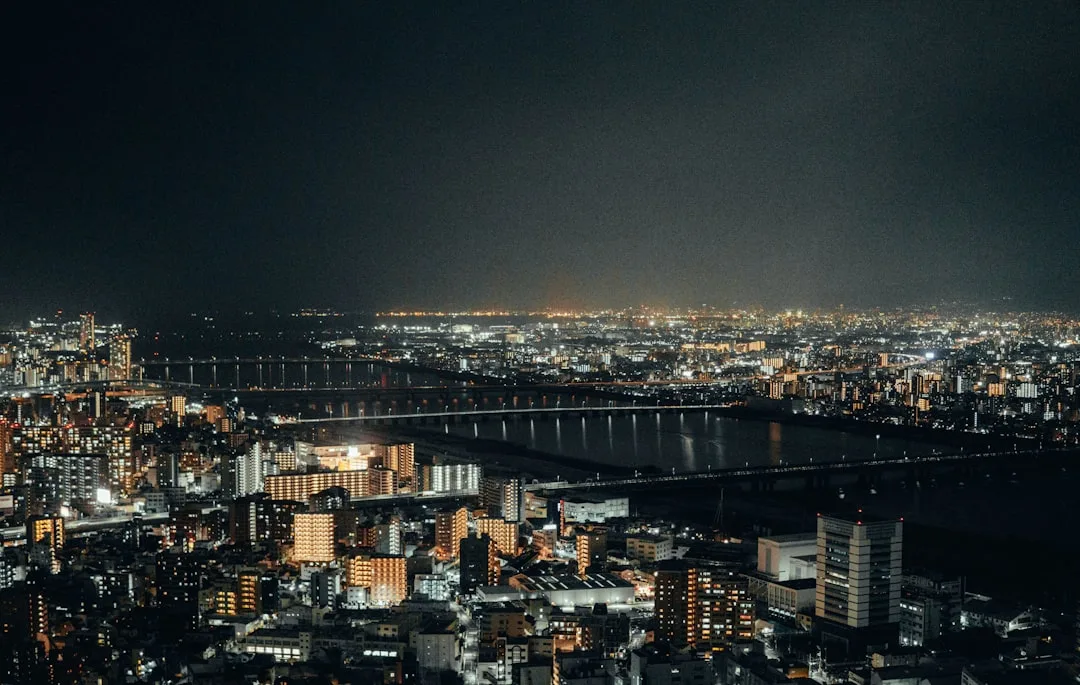
Tokyo does not announce itself. You land at Narita or Haneda, take a train that runs exactly on time, and the city assembles around you gradually — first suburbs, then apartment towers, then the density that makes New York feel provincial. By the time you reach your station, you understand that something is different here. The scale is unimaginable until you’re inside it.
The city has a population of 14 million in the city proper and 37 million in the greater metro area. It has more Michelin-starred restaurants than Paris. Its rail network moves 8.7 million people per day with an average delay of under one minute. It is the largest city on Earth, and somehow it functions.
This guide covers the essential neighborhoods, how to move between them, what to eat, and the things that take most visitors by surprise.
Which Area to Stay In
This decision shapes your entire trip. Tokyo is enormous — a wrong base adds 40 minutes of daily commuting each way.
Shinjuku is the default choice for first-time visitors and for good reason: the station connects to almost every major line, the area is dense with restaurants and bars across every price point, and the walk from east exit (nightlife, Kabukicho) to west exit (skyscrapers, business hotels) shows you two different cities in twenty minutes. The downside is that it never gets quiet.
Shibuya puts you close to the famous crossing, Harajuku, and the residential neighborhoods of Daikanyama and Nakameguro — some of the best casual dining in the city. More expensive than Shinjuku for accommodation.
Asakusa is the tourist center of old Tokyo, near the Senso-ji temple complex. The streets immediately around the temple are busy with souvenir shops, but three blocks back you’re in quiet residential Tokyo. Best base for people who want the traditional aesthetic without committing to a slower area.
Ginza is expensive, central, and immaculate. Good for business travel or if you want proximity to the best department stores and galleries. The neighborhood itself closes early — most workers commute in from elsewhere.
Yanaka / Nezu if you want less tourist infrastructure and more authentic neighborhood feel — the old craft district of Tokyo, with many small temples, galleries, and artisan shops in a pre-earthquake wooden building stock.
The Neighborhoods Worth Your Time
Shinjuku
Shinjuku has a serious identity disorder: east of the station is one city, west is another entirely.
East Shinjuku at night is concentrated noise — Kabukicho (the entertainment district with its host clubs, pachinko, and karaoke), Golden Gai (an alley of 200 bars, each seating 8 people), and Omoide Yokocho (Memory Lane, a smoky strip of yakitori counters). The energy is loud and unmistakably urban. Golden Gai especially is worth an evening: the bars are tiny, the owners idiosyncratic, the beer cold. Many will welcome foreigners; some won’t. Walk in and find out.
West Shinjuku is Tokyo’s Manhattan — glass towers, corporate headquarters, two observatory decks (the Metropolitan Government Building observation is free, open until 10:30pm on most nights). The contrast between this and the chaos 500 meters east is striking.
Shinjuku Gyoen (¥500 entry) is the best park in central Tokyo — a former imperial garden with distinct Japanese, French, and English sections. In late March, the cherry blossom coverage here is exceptional. Go early morning on a weekday.
Harajuku and Omotesando
Two blocks apart, completely different worlds.
Takeshita Street in Harajuku is the teenage fashion bazaar — crepes, candy floss, elaborate clothing in styles that defy categorization. Arrive before 11am to actually move through it. Not for everyone, but it’s the real thing, not a performance.
Omotesando is a wide boulevard with flagship stores for every major international label plus notable Japanese designers. The architecture alone is interesting — Tadao Ando’s Omotesando Hills, the Prada building, the Cartier boutique. More pleasant for walking than for buying.
Between them: Meiji Jingu, the Shinto shrine dedicated to Emperor Meiji, set in 70 hectares of forested park that feel impossible given the neighborhood’s density. The main path in from the torii gate is lined with enormous cedars. Worth 45 minutes regardless of your interest in shrines.
Shibuya and Surroundings
The famous scramble crossing at Shibuya can be observed from the Starbucks above the intersection (second floor) or from the newer Shibuya Sky observation deck. Either way it takes about 90 seconds to understand it and move on.
The more interesting Shibuya is the one 15 minutes south on foot: Daikanyama and Nakameguro. Daikanyama has boutiques, architecture bookshops, and excellent coffee. Nakameguro is the canal neighborhood — particularly good in spring when cherry blossoms hang over the water, but worth visiting in any season for the restaurant density along the canal banks.
Asakusa
Senso-ji is the most visited temple in Japan, and it shows. The approach from Kaminarimon gate through Nakamise shopping street is genuinely impressive despite the crowd — the gate, the incense smoke, the five-storey pagoda against the skyline. Go at 6am to see it in quiet; the temple is accessible before the shops open.
Beyond the temple: the backstreets of Asakusa hold craft shops selling paper, combs, fans, and religious goods to Japanese buyers — not the tourist market. Kappabashi (15 minutes walk) is the restaurant supply street where you can buy professional-grade chopsticks, knives, and the plastic food replicas seen in restaurant windows.
Yanaka
Pre-earthquake Tokyo survives in Yanaka — wooden townhouses, narrow lanes, a cemetery that functions as a park. The main shopping street, Yanaka Ginza, is a covered shotengai (shopping arcade) with fishmongers, pickles, tofu, and sweets. At the far end, there’s a staircase with a view over the rooftops that photographers have been using for decades.
The neighborhood is quiet, residential, and increasingly popular with artists and craftspeople. It’s not dramatic — it’s just what Tokyo looked like before it was rebuilt three times.
Akihabara
The electronics and anime district is not subtle: every block is a different texture of sensory overload. The Multi Floor Electronics Stores (Yodobashi Camera, Bic Camera, Laox) cover consumer electronics at prices competitive with duty-free. More interesting are the smaller shops selling vintage electronics, camera equipment, and components.
For manga and anime culture: Mandarake has multiple floors of secondhand manga, figures, and merchandise. The capsule toy machines (gacha-gacha) lining the backstreets of Akihabara are genuinely addictive — budget ¥500 and you’ll spend ¥3,000.
Ryogoku — The Sumo District
Ryogoku is worth a half-day. The Kokugikan (national sumo stadium) is here, and the neighborhood around it has sumo stables where training occurs in the early mornings (the only way to see this is through arranged access or by standing outside the stable windows, which is technically allowed at some stables). The surrounding streets have chanko-nabe restaurants — the high-calorie hot pot that is the traditional meal of wrestlers.
The Edo-Tokyo Museum next to the stadium is among the best city history museums in Japan, with scale models of the city across different eras and extensive coverage of the 1923 earthquake and 1945 firebombing reconstructions.
Transport
The Metro is intimidating until you use it once. The Tokyo Metro and Toei Subway together cover most of central Tokyo. Add the JR Yamanote Line (the loop that connects Shinjuku, Harajuku, Shibuya, Shinagawa, Tokyo, Ueno, Akihabara, and back) and you can reach everything.
IC Cards (Suica or Pasmo) work on all trains, buses, and taxis. You can charge them at any station kiosk. They also work at convenience stores. Get one the moment you arrive.
The Yamanote Line runs in a loop and is the most useful single line in the city — the green circle on every metro map. If you are “on the Yamanote” you are not far from anywhere.
Taxis are expensive but useful after midnight when some subway lines stop. They’re white, metered, and honest. Doors open and close automatically — do not try to open them manually.
Walking is underused. Shinjuku to Harajuku is 20 minutes. Shibuya to Daikanyama is 15. Asakusa to Ueno is 20. The city’s scale looks terrifying on a map and feels manageable on foot.
What to Eat
Tokyo has the highest density of exceptional restaurants in the world. This is not hyperbole — the Michelin Guide gives the city more stars than any other.
Ramen: The city has dozens of regional ramen styles. For Tokyo-style (shoyu broth, light, soy-based): Fuunji in Shinjuku, Kagari near Ginza. For Sapporo-style miso ramen in Tokyo: Misoya in Ikebukuro. Queues of 30–45 minutes are normal at the best shops; they move faster than you expect.
Sushi: For omakase at a proper counter (the real experience), expect ¥15,000–40,000 per person. This is not a budget meal — it’s a considered choice. For genuinely good sushi without the ceremony, the standing sushi bars (tachi-gui sushi) around Tsukiji outer market charge ¥200–400 per piece and the fish is the same quality.
Yakitori: After-work drinking culture runs on chicken skewers grilled over charcoal. Yurakucho, under the elevated Yamanote tracks, is dense with yakitori shops that have been there since the 1960s. Order a beer and all parts of the bird.
Izakaya: The Japanese gastropub — small plates, sake, beer, conversation. The best ones require either a Japanese friend or willingness to point. Torikizoku is a chain that costs ¥350 per item, everything.
Convenience stores: Not a joke. 7-Eleven, FamilyMart, and Lawson in Japan have hot food counters, fresh onigiri, sandwiches, and prepared meals that are legitimately good and cost ¥200–600. The egg salad sandwiches with trimmed crusts are worth the cliché.
Practical Notes
Cash: Japan still runs heavily on cash. ATMs at 7-Eleven and Japan Post accept international cards. Bring or withdraw yen before heading to smaller neighborhoods or temples.
Hours: Most museums are closed Mondays. Department stores open at 10am and close at 8–9pm. Izakayas open at 5pm. Many traditional shops in Yanaka and Asakusa close by 6pm.
Temple etiquette: Bow at the main gate (torii at shrines, sanmon at temples). At a shrine, the two-bow / two-clap / one-bow sequence at the main hall is the correct form. You are not required to do this — it is not an obligation for non-practitioners.
Noise: Tokyo is quiet on public transport. People do not speak loudly on trains. Phone calls are considered rude. The silence of a packed Yamanote train during rush hour is one of the more distinctly Tokyo experiences.
Size: Allow more time between activities than you think you need. The map distances in Tokyo do not reflect what it actually takes to move through a city this dense.
Day Trips from Tokyo
- Kamakura (1 hour by JR Yokosuka Line): the Great Buddha, coastal temple circuit, sea views
- Nikko (2 hours by Tobu Nikko line): elaborate Toshogu shrine complex in mountain forest
- Hakone (90 minutes by Romancecar): Mt Fuji views, ryokan onsen, Hakone Open Air Museum
- Yokohama (30 minutes by Minatomirai Line): Chinatown, harbor, contemporary art museum
- Enoshima (1 hour by Odakyu Line): island shrine, caves, sea views back to Fuji on clear days
Tokyo does not give itself to you immediately. The first day is often disorienting — the scale, the quiet efficiency, the sense that you are missing something that everyone else understands. By day three it starts to feel navigable. By day five you start to understand why people move here and never leave.
Give it time. Walk more than you think you should. Eat in places where you can’t read the menu. That is where Tokyo actually is.
Plan your trip