Almaty Travel Guide: Mountains, Soviet Architecture & Central Asian Culture
Plan your trip
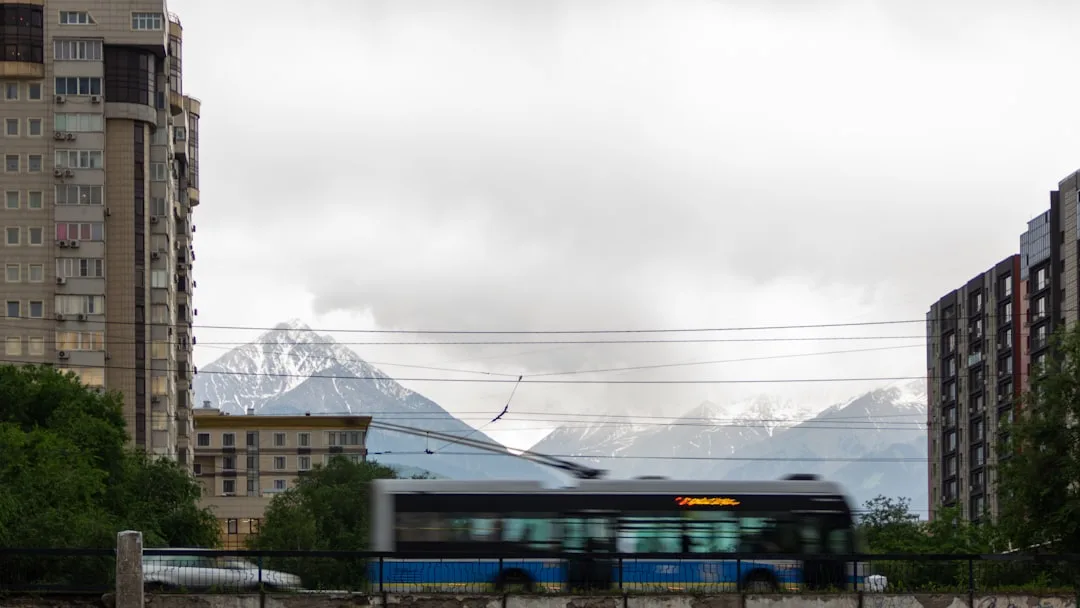
Almaty is the largest city in Kazakhstan and, until 1997, the country’s capital — a city of 2 million in the foothills of the Tian Shan range where the Russian-built grid of wide, tree-lined boulevards ends abruptly at mountain walls that rise 4,000 meters above the city. The combination of a functioning, sophisticated Central Asian metropolis with immediate access to glaciers, high-altitude lakes, and ski terrain makes Almaty one of the most geographically dramatic cities in the world.
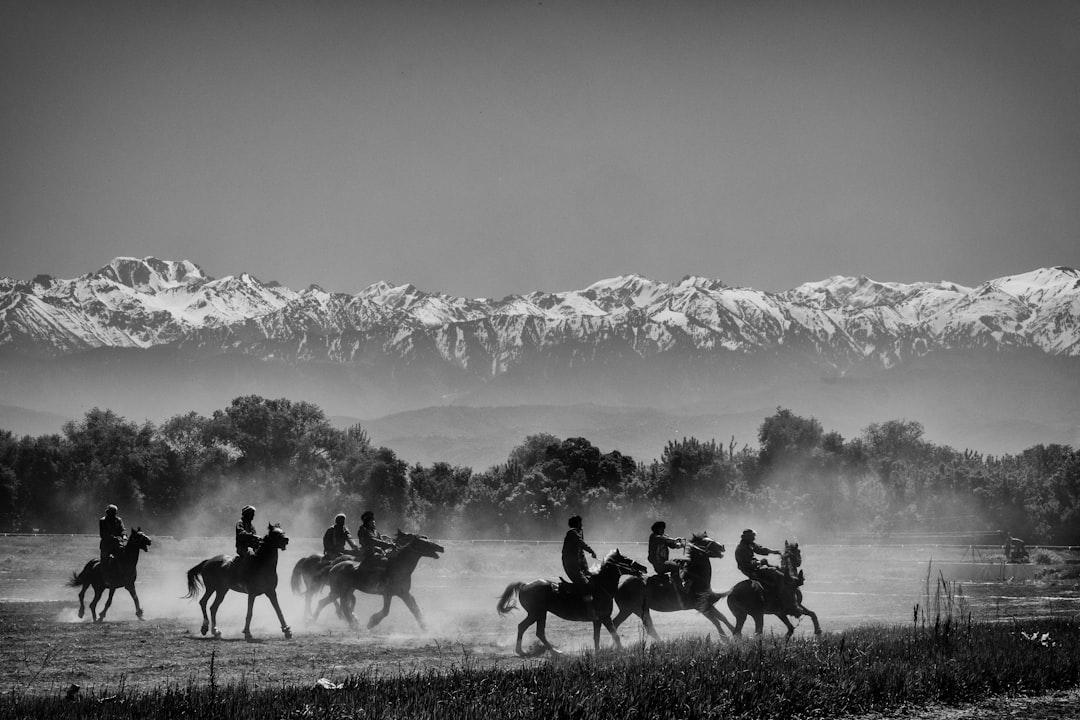
It remains largely undiscovered by Western travelers, which means prices are moderate, the major sites are accessible without crowds, and encounters with the genuinely distinct Kazakh culture — a nomadic tradition that survived Soviet collectivization and has reasserted itself in the post-independence period — are available just outside the city.
The Mountains Above the City
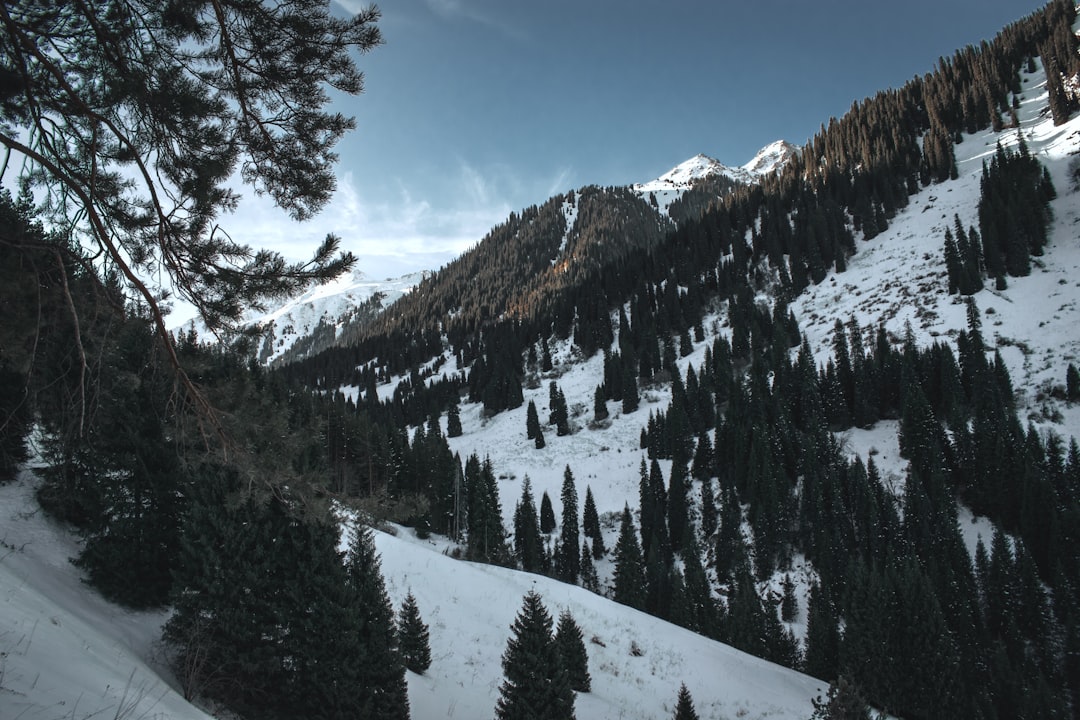
The south side of Almaty rises continuously from the city’s boulevards into the Zailiysky Alatau range (part of the Tian Shan system). Within 30 minutes of the center, you can be at 2,000m elevation. Within 90 minutes, at glacier level.
Medeu
25 km from the center, accessible by bus 6A/12A or taxi (~2,000 KZT)
A high-altitude speed skating rink at 1,691 meters elevation, built in a natural amphitheater in 1972 and reconstructed for the 2011 Asian Winter Games. The rink itself is the largest artificially frozen skating surface in the world — used year-round (flooded and frozen in winter, drained in summer for athletics use). The surrounding mountains and the scale of the Soviet-era concrete dam visible above the rink give it a dramatic character no other skating venue matches.
Public skating available when the rink is not used for competition. Skate rental on site.
The Medeu Dam (flood-protection structure above the rink, accessible on foot) provides the best panoramic view of the rink and the gorge below.
Shymbulak
30 km from the center, accessible from Medeu by cable car (upper section) or road
The ski resort built for the 1994 Asian Games, continuously expanded and modernized. Three interconnected ski areas between 2,200 and 3,200 meters elevation, 22 km of pistes, modern gondola and chairlift infrastructure. The skiing quality — steep off-piste terrain, reliable snow (November–April), minimal crowds by European standards — is excellent.
Cable car from Medeu to Shymbulak: A three-stage gondola connects the skating rink to the upper resort (Talgar Pass, 3,200m). The upper station provides a 360° mountain panorama and a direct view of the Trans-Ili Alatau peaks. Runs year-round; the summer view is one of the best accessible mountain viewpoints in Central Asia.
Day ski trip from Almaty: Feasible — take the morning bus to Medeu, cable car to Shymbulak, ski/snowboard for the day, return by evening. Ski rental available at the resort.
Big Almaty Lake (Bolshoye Almatinskoye Ozero)
28 km from the center | Requires a taxi or car rental | Entry permit required (available at the gate)
A glacially-formed lake at 2,511 meters elevation — vivid turquoise-green water fed by glacial melt, ringed by 3,500–4,000m peaks. The Tian Shan Astronomical Observatory is visible above the lake on the ridge. The trail around the lake takes 1.5–2 hours.
To reach the lake, you pass through a checkpoint (entry permit: ~1,000 KZT, obtainable on site) — part of the protected area management. The road is unpaved above the checkpoint; 4WD recommended in wet conditions.
The City
Almaty’s Soviet Urban Grid
Unlike many former Soviet cities, Almaty’s planned boulevard system works well — wide, tree-lined streets (particularly the elm avenues planted in the 1950s) converge on a series of public squares and parks. The Panfilov Park (with the Zenkov Cathedral and the Eternal Flame monument) and the 28 Panfilov Guardsmen Monument are the central public spaces.
Zenkov Cathedral: A Russian Orthodox cathedral built entirely of wood (without a single nail, according to tradition) in 1904 — survived the 1927 earthquake that destroyed most of the colonial city. Pale blue and white exterior against the mountain backdrop is the city’s most photographed image.
Central State Museum of Kazakhstan
44 Samal-2 | Open Tuesday–Sunday
The best introduction to Kazakh culture and history — nomadic artifacts (felt yurts, horse equipment, traditional clothing), the Golden Man (a replica of the 5th century BC Saka warrior found in a kurgan near Almaty, gold-clad and intact), and a comprehensive history through the Soviet and post-independence periods. Entry 500 KZT (€1).
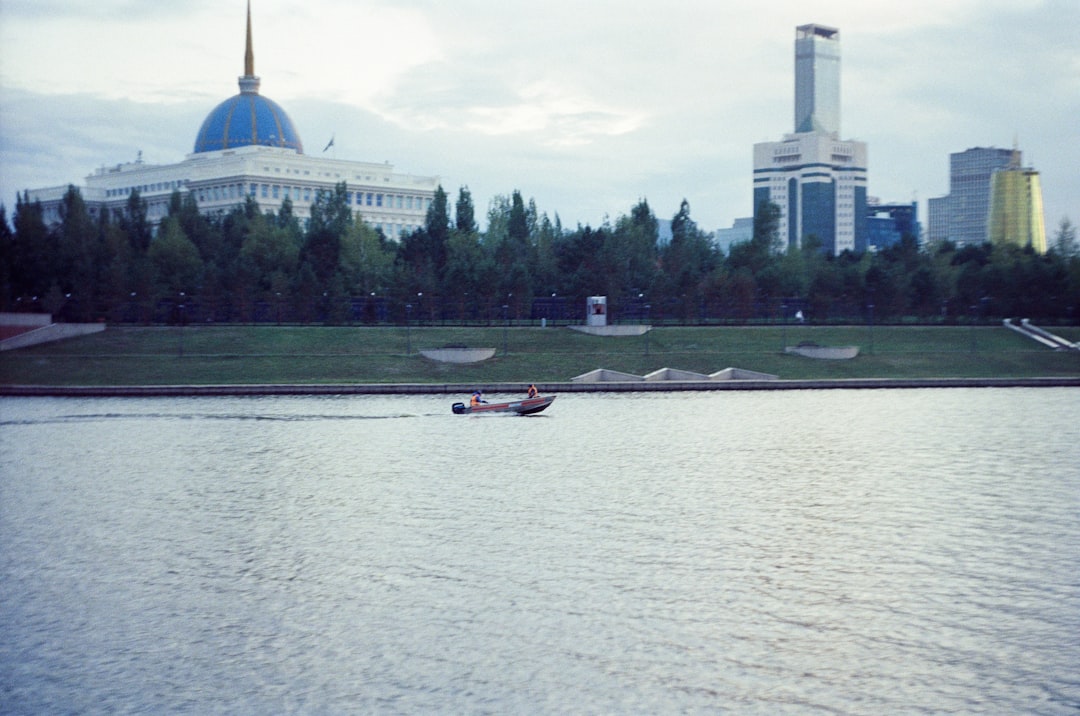
The original Golden Man (Zolotoy Chelovek) is at the Presidential Palace; the museum exhibits a full replica alongside original grave goods from the same burial.
Green Bazaar (Zelyony Bazar)
The main covered market of Almaty — a Soviet-era market building selling fresh produce, spices, dried fruits and nuts, Kazakh dairy products (kurt, qymyz, shubat), and meat. The dried fruit and nut section is a Silk Road market in miniature: dried apricots, figs, walnuts, pistachios, and dozens of spice preparations.
What to buy: Dried apricots (kurai), Kazakh kurt (hard dried yogurt balls — an ancient preservation method), and fresh-ground spice mixes.
Kazakh Food
Beshbarmak: “Five fingers” — the national dish, traditionally eaten with hands. Boiled horse or mutton, wide flat noodles, onion sauce, and broth served in a communal bowl. Ceremonial dish at celebrations; available at traditional restaurants.
Qymyz (Kumis): Fermented mare’s milk — slightly sour, mildly alcoholic, an ancient nomadic staple. Served at summer festivals and in some restaurants. Acquired taste but culturally significant.
Samsa: Baked pastry filled with lamb and onion — Central Asian alternative to the Turkish börek family. Available at every bakery and bazaar.
Laghman: Pulled noodles with lamb or beef and vegetables in a spiced broth — the dish that most clearly shows the Chinese culinary influence along the Silk Road.
Practical Notes
Getting there: Almaty International Airport (ALA) — direct flights from London, Frankfurt, Istanbul, Dubai, Moscow, Beijing, and major regional hubs. Air Astana is the national carrier.
Currency: Kazakhstani Tenge (KZT). ~€1 = 480 KZT (2025 approximate). Cards accepted in restaurants and shops; cash useful for markets and taxis.
Language: Kazakh and Russian. English is less widely spoken than in major European cities; Russian is more practical for communication outside tourist-facing businesses.
Visa: Check current e-visa eligibility. Kazakhstan has a visa-free agreement with many countries, including the US, EU, and UK (conditions vary by nationality — verify before booking).
Best time: May–June and September–October for hiking. December–March for skiing. July–August for summer mountain activities.
Plan your trip