3 Days in Kuala Lumpur: The Perfect Long Weekend Guide
Plan your trip
Kuala Lumpur is a city that defies expectations. Most visitors come for the Petronas Towers and leave surprised by how much else there is — extraordinary food, peaceful Islamic architecture, Hindu cave temples, colonial history, and a genuinely hospitable culture that reflects Malaysia’s Chinese, Malay, and Indian mix.
Day 1 – Twin Towers & Chinatown
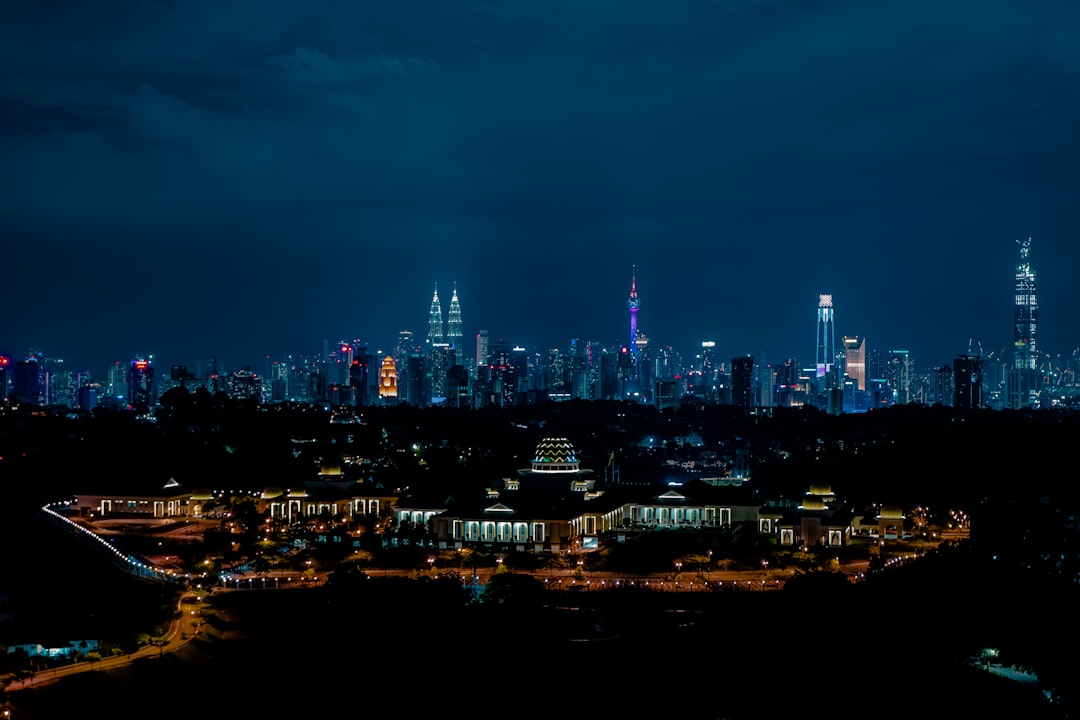
Morning: The Petronas Twin Towers remain Southeast Asia’s defining skyline image — 452 metres of Islamic-inspired steel and glass, connected at Level 41–42 by the famous Skybridge. Buy tickets online the day before (they sell out for the Observation Deck). The view from Level 86 encompasses KL’s entire sprawl of glass towers and palm-oil green suburbs.
Walk through KLCC Park beneath the towers — one of KL’s finest public spaces, with a children’s water park, jogging track, and the Symphony Lake.
Afternoon: Take the LRT to Chinatown (Pasar Seni station). Petaling Street is the covered market street of KL’s Cantonese quarter — knockoff goods, traditional medicine shops, and excellent food. Explore the Central Market (a restored 1930s wet market, now selling crafts, batik, and traditional Malaysian goods).
Walk to the Sri Mahamariamman Temple — KL’s oldest and most elaborate Hindu temple, its towering gopuram covered in hundreds of painted deities. The chariot that carries the deity to Batu Caves during Thaipusam starts here.
Evening: Jalan Alor — KL’s most famous street food strip, lined with outdoor restaurants serving Chinese-Malaysian food from 6pm to midnight. Grilled seafood, claypot chicken, lok lok skewers, wonton noodles, and cold Tiger beer. Budget €8–12 for a full dinner.
Day 2 – Batu Caves, Mosques & Old KL
Morning: Grab car 13km north to Batu Caves (free entry, open 6am–9pm). A Hindu shrine complex inside a series of limestone caves, reached by 272 rainbow-painted steps guarded by a 42.7-metre golden statue of Lord Murugan. The Cathedral Cave at the top has dramatic stalactite ceilings and colourful temple shrines. Temple monkeys are everywhere. Get there by 9am before the tour groups arrive.
Afternoon: The National Mosque (Masjid Negara) — Malaysia’s largest mosque with a distinctive folded-star roof and 73-metre minaret. Open to non-Muslim visitors outside prayer times (dress modestly; robes available).
Five minutes’ walk: the Islamic Arts Museum Malaysia — one of Southeast Asia’s finest museums, with an extraordinary collection of Qurans, ceramics, architecture models, and textiles from across the Islamic world. Free entry. Genuinely world-class.
Merdeka Square (Independence Square) — the colonial-era green where the Malaysian flag was first raised at independence in 1957. The Tudor-style Royal Selangor Club and the British colonial-era Sultan Abdul Samad Building (with its dramatic copper onion domes) frame the square.
Evening: The Bukit Bintang entertainment district for dinner. Pavilion Mall area has hundreds of restaurants from hawker stalls to fine dining. Or: the street food along Changkat Bukit Bintang — KL’s bar and restaurant street.
Day 3 – Hill Stations & Skyline
Morning: Day trip to Batu Ferringhi (not actually in KL — this is Penang; consider skipping) OR the more local Forest Research Institute Malaysia (FRIM) — a 545-hectare research forest 16km from KL with a canopy walkway through tropical rainforest. Hornbills, monitor lizards, and extraordinary biodiversity 30 minutes from the city centre. €4 entry.
Alternatively: Putrajaya (25km south) — Malaysia’s purpose-built government capital with the stunning Putra Mosque (pink granite, reflects in the Putrajaya Lake), futuristic bridges, and the botanical gardens.
Afternoon: Return to KL and spend the afternoon in Bangsar — KL’s most upscale and relaxed neighbourhood. Excellent brunch restaurants, independent boutiques, and the Bangsar Village complex for local design.
Or: TTDI (Taman Tun Dr Ismail) — a leafy residential neighbourhood with excellent coffee shops, craft beer bars, and some of KL’s best weekend brunch spots.
Evening: Rooftop sunset. Heli Lounge Bar (Level 34 of a KL tower, converted helipad — you stand on the helipad itself, cocktail in hand, looking out over the city). Or SkyBar at Traders Hotel — infinity pool and bar looking directly at the Petronas Towers at night, when they’re illuminated. One of KL’s iconic views.
Getting Around KL
KL’s public transport has improved dramatically. The LRT, MRT, KTM, and Monorail cover most tourist areas. The KL Pass includes most transit and some attractions.
Grab: Essential for everywhere not covered by rail. Metered, GPS-tracked, reliable. KL airport to city: €12–18.
MyRapid card: Stored-value card for buses and rail — available at any station.
Practical Tips
- Heat: KL sits just 3° north of the equator. It’s hot (32–35°C) and humid year-round. Air-conditioning is everywhere. Carry water.
- Rain: Afternoon thunderstorms are common (especially April–May and October–November). Heavy but short. Carry a small umbrella.
- Dress modestly at mosques and Hindu temples. Many provide sarongs/robes to borrow.
- Food safety: KL’s hawker centres are clean and food is fresh. Eat where Malaysians eat.
- Bargaining: In Petaling Street and markets — standard. In malls and fixed-price restaurants — not done.
Plan your trip