Guadalajara World Cup 2026 Guide
Plan your trip
Guadalajara is Mexico’s second largest city and the cultural capital of the west. Mariachi, tequila (produced in the state of Jalisco), and charrería (Mexican equestrian tradition) were all born here. The Historic Center has the largest concentration of colonial architecture in Mexico outside of CDMX, and the city has a cuisine specific enough — the torta ahogada, birria, red pozole — to justify a visit on food alone.
For international World Cup visitors, Guadalajara is arguably the most representative city of Mexican cultural identity.
The Basics
Stadium: Estadio Akron (formerly Estadio Chivas), Periférico Norte Manuel Gómez Morín 777, Zapopan, Jalisco
Capacity: 49,850
World Cup 2026 matches: 5 matches (group stage and knockout rounds)
Home team: Chivas de Guadalajara (Club Deportivo Guadalajara), Mexico’s most followed club
Why Guadalajara
Tequila: The state of Jalisco produces 95% of the world’s tequila. The tequila denomination of origin region surrounds Guadalajara — the town of Tequila is 60 km to the northwest. The Expreso Tequila tourist train runs from Guadalajara to the producing region on weekends. Guadalajara has more tequila bars per square meter than any other city in the world.
Mariachi: Mariachi originated in Jalisco in the 18th and 19th centuries as wedding and rural celebration music. Mexico City’s Plaza Garibaldi is more famous internationally, but Guadalajara’s Plaza de los Mariachis (Calle Independencia, near Mercado Libertad) is the authentic origin — mariachis have been hiring themselves out here from 10am to 2am for generations.
Birria: Beef or goat stewed in chiles and spices, cooked slowly until it falls apart, served in broth or as quesabirria tacos (tortillas dipped in consommé, fried crisp, filled with meat and cheese). Birriería Las 9 Esquinas and La Chata are the references.
Tlaquepaque and Tonalá: Two adjacent municipalities specializing in high-end crafts — talavera ceramics, blown glass, carved wood furniture, and textiles. The best fine craft markets in Mexico.
Weather in July
Guadalajara sits at 1,560 meters above sea level — warmer than CDMX, cooler than the Pacific coast.
July:
- Temperature: 18–28°C during the day; 14–18°C at night
- Rain: Rainy season — it rains almost daily, typically in the afternoon (4–7pm). Intense but short bursts.
- Summer is the favorite season for tapatíos (Guadalajara locals) — the city turns green and temperatures are comfortable.
Neighborhoods and Tourist Areas
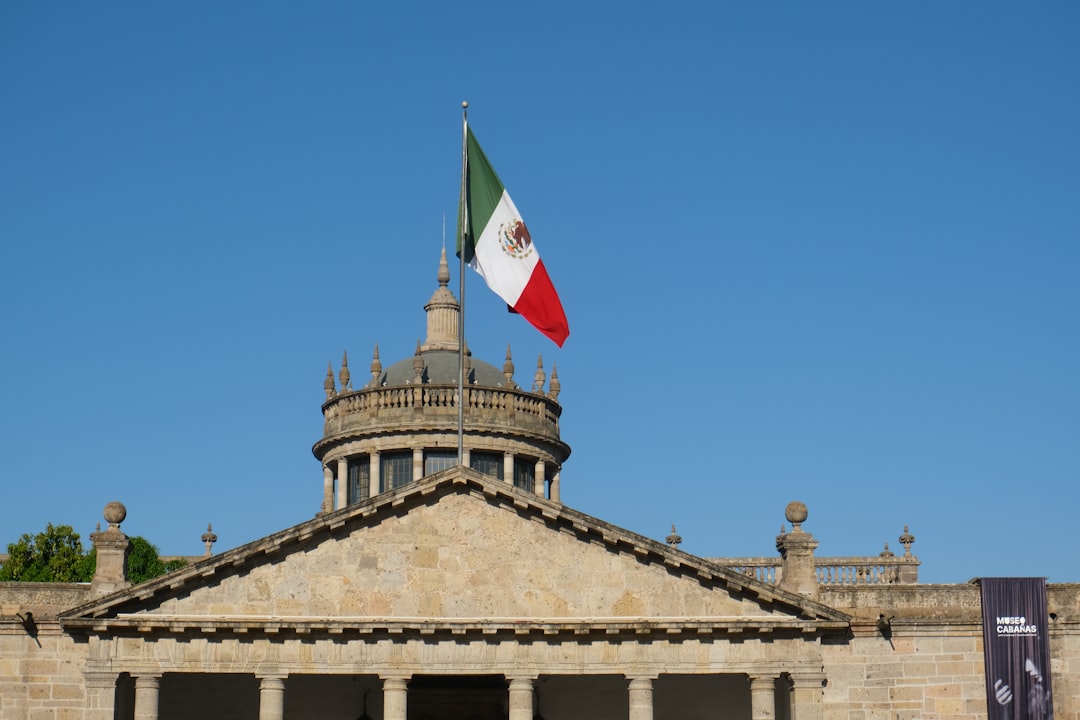
Historic Center: The Metropolitan Cathedral (the city’s visual symbol), Instituto Cultural Cabañas (Orozco murals, UNESCO World Heritage), Mercado Libertad (the largest covered market in Latin America), and Plaza de Armas — all walkable within a 10-minute radius.
Chapultepec / Americana: The Guadalajara equivalent of CDMX’s Roma — Avenida Chapultepec with the highest concentration of bars, cafés, and modern restaurants in the city. The Colonia Americana has eclectic late-19th century architecture.
Tlaquepaque (adjacent municipality): The most important craft center in western Mexico. Calle Independencia is the main corridor — art galleries, artisan workshops, and the best birria broth in the area at the market comedores.
Zapopan: The municipality where Estadio Akron is located. The Basílica de Zapopan (17th century, annual October pilgrimages) is the most visited religious site in western Mexico.
Getting to Estadio Akron
Tren Ligero / Macrobús: Guadalajara’s Tren Ligero Line 1 (north-south) connects the Historic Center with the northern part of the city. For the stadium, Macrobús (BRT) and Uber from the northern zone are the available options.
Uber: From the Historic Center to Estadio Akron: 30–40 minutes, 120–200 MXN. The stadium is on the northern periphery of the metropolitan area.
Driving: The Periférico Norte highway provides direct access. Parking available, but Uber is more practical on match days due to traffic.
Practical Considerations
Airport: Miguel Hidalgo International Airport (GDL), 17 km south of the Historic Center. Official taxi: 300–450 MXN. Uber: 180–280 MXN. The airport connects directly with major Mexican and US cities.
Urban transit: The Tren Ligero (two lines) and Macrobús cover the main corridors. Fare: 9.50 MXN. For tourists, Uber is the most practical option for areas not served by the train.
Safety: The Historic Center, Chapultepec, and Tlaquepaque are safe to walk. Standard big-city awareness applies.
Affordable food: Guadalajara’s cuisine is cheaper than CDMX — a birria plate with tortillas and broth: 80–130 MXN. Torta ahogada (sandwich in chile sauce) at Mercado Libertad stalls: 35–60 MXN.
Plan your trip