Best Time to Visit Mexico: Month-by-Month Guide
Plan your trip
Mexico is a vast country with dramatically different climate zones — the cold highlands of Mexico City (2,240m), the tropical jungles of the Yucatán, the arid deserts of the north, and the Pacific and Caribbean coasts. “Best time to visit” depends entirely on where you’re going.
The Short Answer
Best overall: October–November and February–April
Avoid: June–September (hurricane season on both coasts; rainy season everywhere)
For Yucatán beaches: December–April
For Mexico City: Year-round (dry season November–May is best)
For whale watching (Baja California): December–April
For Día de Muertos: Late October–early November
Mexico City & Central Highlands
Mexico City sits at 2,240m — high enough to have its own climate, distinct from the tropical lowlands.
Dry season (November–May): Clear skies, temperatures 12–22°C. Pleasant year-round. The best time for clear mountain views and outdoor activities.
Rainy season (June–October): Afternoon thunderstorms, typically 2–4 hours, clearing by evening. Mornings are usually clear. The city is lush and green. Still very visitable — just plan outdoor activities for mornings.
December–January: Mexico City at its most festive — Christmas decorations, posadas (traditional Christmas celebrations), and the city at peak social life. Slightly cooler (night temperatures can drop to 5–8°C). Excellent time to visit.
Oaxaca (1,500m altitude, similar pattern): Best October–May. The Guelaguetza festival (July — the most important indigenous cultural festival in Mexico) is worth the rainy season trade-off.
Yucatán Peninsula (Mérida, Chichén Itzá, Tulum)
Best: December–April
- Temperatures: 25–32°C
- Low humidity compared to summer
- No hurricane risk
- Caribbean sea is calm and clear
Avoid: June–October
- Hurricane season peaks in September–October
- High humidity and heat (35–38°C)
- Mosquitoes are significant
November: Transitional — hurricane season ending. Good deals, lower crowds, still warm. A solid choice.
Cenote swimming: Year-round (cenotes maintain a constant ~24°C water temperature).
Pacific Coast (Puerto Vallarta, Oaxaca Coast, Mazatlán)
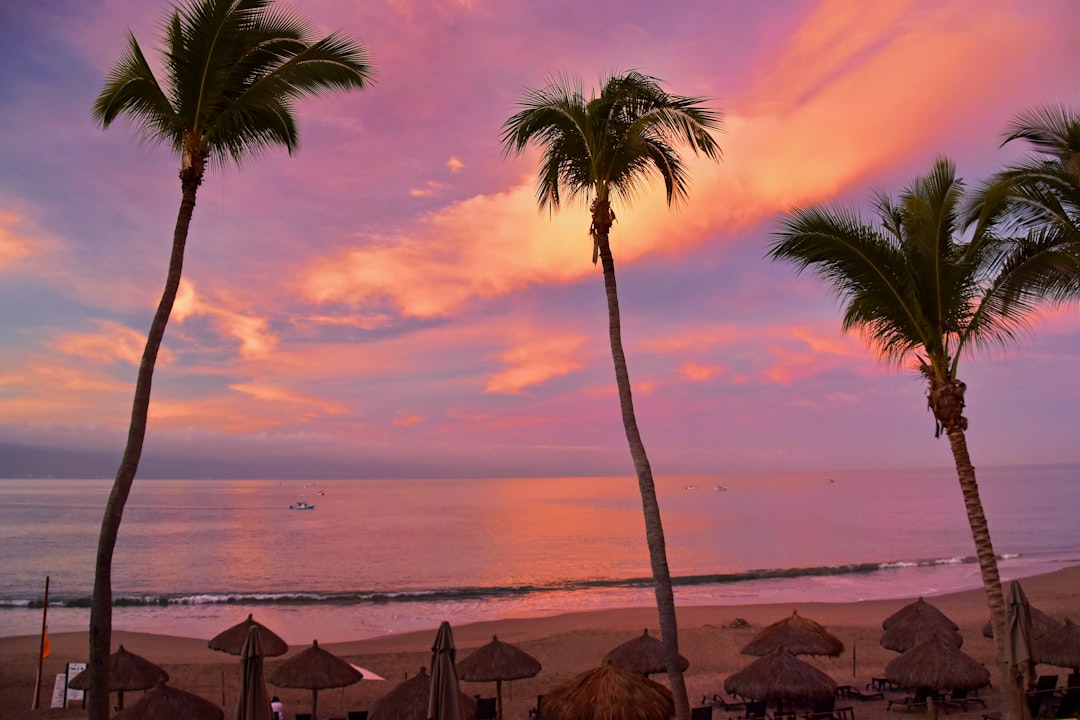
Best: November–April
- Calm seas, low rainfall, warm temperatures (28–32°C)
- Humpback whale season: December–March in Banderas Bay (Puerto Vallarta area)
May–October: Rainy season. Pacific hurricanes possible June–October (less frequent than Caribbean). Surf gets bigger — good for surfing, less good for swimming.
Baja California (Los Cabos, La Paz)
Best: November–May
- Desert climate — warm days, cool nights
- Gray whale watching in Laguna San Ignacio: January–April (the world’s best gray whale watching — the whales approach boats to be touched)
- Humpback whales: December–April in the Sea of Cortez
Summer: Extremely hot (40°C+). Hurricane risk in August–October.
Chiapas (San Cristóbal, Palenque)
Best: November–May
- Palenque ruins are spectacular in the dry season; accessible but very humid in June–October
- San Cristóbal de las Casas (2,100m): cool year-round; October–May is driest
Month-by-Month
January ⭐⭐
Dry, clear, post-Christmas quiet. Whale watching peak in Baja and Pacific. Cooler in Mexico City (great for museums). Yucatán at its best.
February ⭐⭐
Carnival (Mazatlán and Veracruz have Mexico’s biggest celebrations — Mazatlán’s Carnival is South America/North America level). Dry season continuing. Excellent throughout.
March ⭐⭐
Dry and warm. Spring Break crowds on Cancún beaches. Equinox at Chichén Itzá (March 20–21) — the Kukulcán serpent of light effect, though very crowded.
April ⭐⭐
Warm, dry, pre-rainy season. Semana Santa (Holy Week) — major national holiday; coastal resorts very busy; Mexico City quieter. Book accommodation for beach destinations well ahead.
May ⭐
Beginning of the rainy season in the south. Still good for Mexico City and highlands. Yucatán starts heating up and humidifying. Shoulder season pricing.
June
Rainy season begins across most of Mexico. Heavy afternoon rains in CDMX and the south. Hurricane season starts. Good for hiking in the mountains (green and lush).
July
Full rainy season. Guelaguetza festival in Oaxaca (major cultural event — book months ahead). Hot and humid on both coasts.
August
Rainy season continues. Hurricane risk elevated on both coasts. The interior (Oaxaca, CDMX) is manageable. Low season pricing and fewer tourists at ruins.
September
Peak hurricane season. Avoid both coasts if possible. Mexico City rainy season — afternoon storms. The least popular month for tourism.
October ⭐
Hurricane season winding down. Weather improving. Día de Muertos preparation beginning — altars appear in markets, marigolds everywhere. Excellent month with improving conditions.
November ⭐⭐
Día de Muertos (November 1–2): One of the world’s great cultural celebrations — cemeteries transformed with candles and marigolds, parades in Mexico City (the CDMX parade has grown enormously since James Bond). Oaxaca’s celebrations are the most authentic and celebrated. Book well ahead.
Post-Day of the Dead: dry season re-establishing everywhere. One of the best overall months.
December ⭐⭐
Christmas celebrations — posadas, ponche (hot fruit punch), Mexico City at its most festive. Yucatán beaches at their best. Cooler in CDMX (bring layers for evenings). Peak season prices on coasts.
Key Events
| Date | Event |
|---|---|
| February (variable) | Carnival — Mazatlán and Veracruz |
| March 20–21 | Spring equinox at Chichén Itzá |
| Late March/April | Semana Santa (Holy Week) |
| July (3rd Monday/Tuesday) | Guelaguetza — Oaxaca |
| September 15–16 | Mexican Independence Day — Grito de Independencia |
| November 1–2 | Día de Muertos |
| December 12 | Día de la Virgen de Guadalupe |
| December 16–24 | Posadas (Christmas celebrations) |
Plan your trip