Monterrey Nature and Adventure Guide for World Cup 2026
Plan your trip
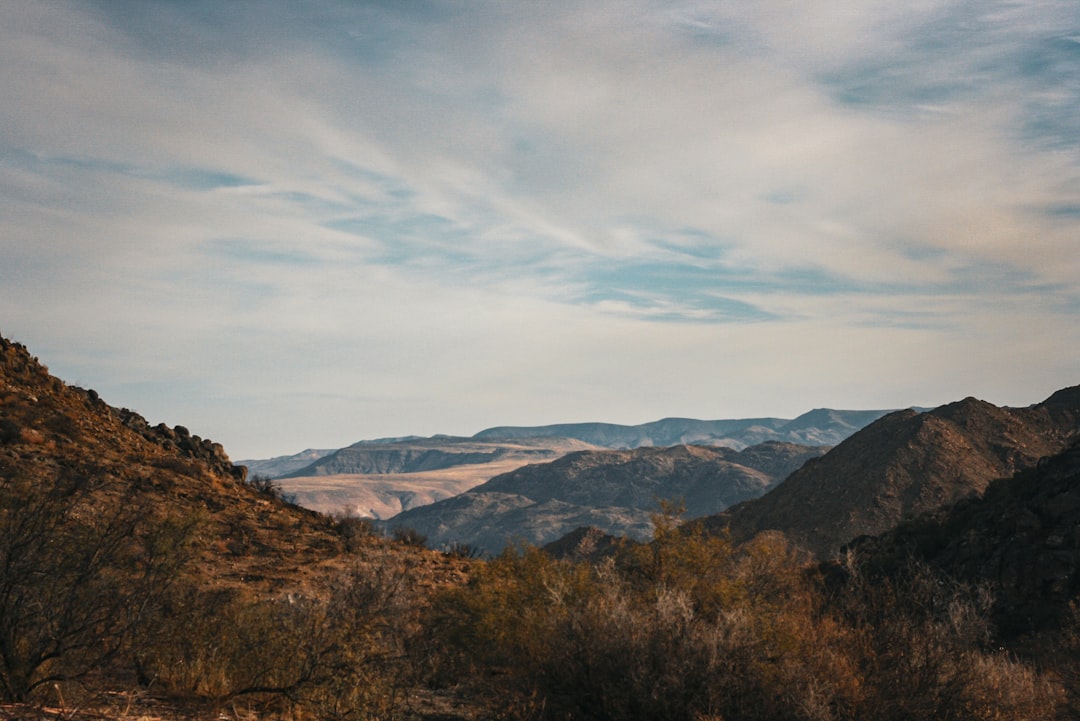
Monterrey’s position at the edge of the Sierra Madre Oriental gives it immediate access to one of the most dramatic canyon and mountain landscapes in Mexico. La Huasteca canyon is 22 km from the city center; the Grutas de García caves are 40 km northwest. The contrast between the industrial urban environment and the limestone geology that begins where the city ends is Monterrey’s defining geographic characteristic.
La Huasteca Canyon
22 km west of Monterrey Centro | Free trail access | Guided tours: 400–800 MXN
La Huasteca is a canyon carved through the Sierra Madre limestone — walls reaching 350 meters, a dry riverbed at the bottom, and rock formations that have made it one of Mexico’s premier rock climbing destinations.
What to do:
- Hiking: The main trail follows the canyon floor for approximately 8 km round trip. No technical gear required; appropriate for most fitness levels. The canyon walls are visible throughout.
- Rock climbing: Hundreds of bolted routes from 5.7 to 5.14 difficulty. The sector closest to the canyon entrance has beginner-friendly routes; advanced sections are further in. Guides and equipment rental available at the entrance.
- Photography: The morning light on the canyon walls (before noon) is the best time for photographs — the walls face east and catch direct sunlight.
Getting there: Private car or Uber (120–180 MXN from Centro, 25–30 minutes). No public transit reaches the canyon entrance. Parking is available at the trailhead.
Timing: Start by 8am to avoid the June–July heat. The canyon offers shade but temperatures still exceed 35°C by late morning.
Cola de Caballo Waterfall
35 km south of Monterrey in Santiago municipality | 80–120 MXN entrance fee
A 25-meter waterfall in the foothills of the Sierra — the water volume varies by season (maximum after rains). The site includes trails, swimming areas (in the natural pools below the falls), and food stalls at the entrance. A cable car option (150–200 MXN additional) provides views from above.
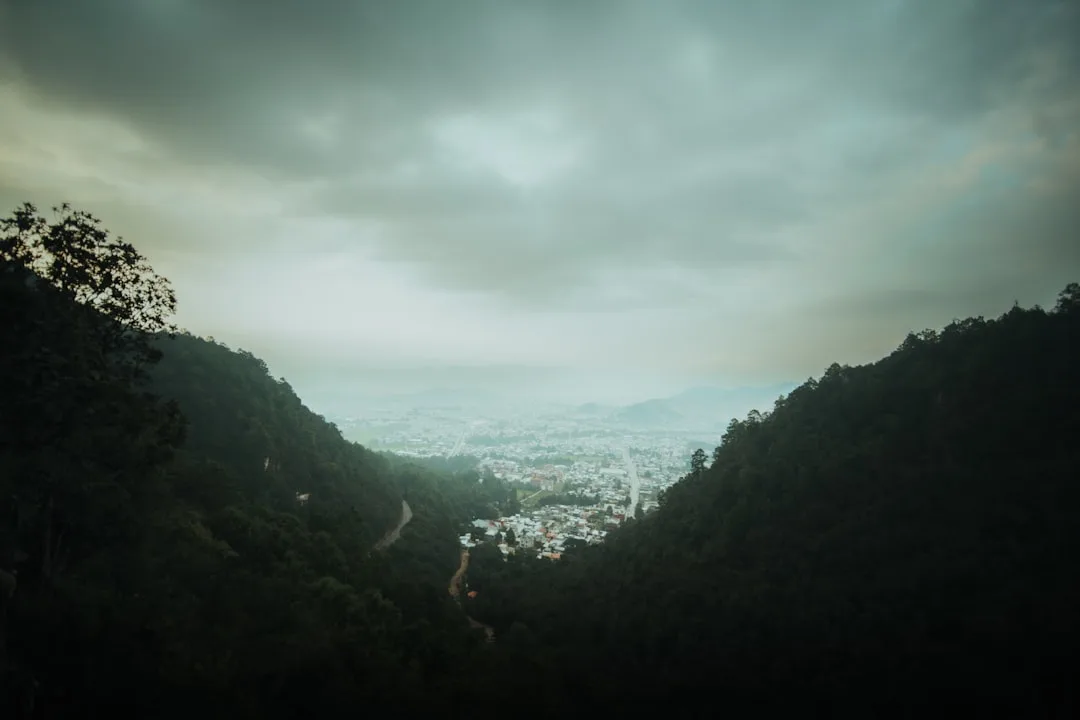
The town of Santiago: The access road to Cola de Caballo passes through Santiago, one of the prettier mountain towns near Monterrey — stone streets, restaurants with mountain views, and Saturday/Sunday craft markets.
Getting there: Bus from Monterrey’s Central de Autobuses to Santiago (30–40 MXN), then local transport or taxi to the falls. Private car or tour from Monterrey: 35 minutes.
Grutas de García
40 km northwest of Monterrey, Villa de García | 200–300 MXN including cable car
The most dramatic cave system accessible from Monterrey — a 16-cave complex at 1,800 meters elevation, reached by a cable car (10-minute ride) from the valley floor. Inside, the temperature stays at 18°C year-round — a significant contrast with the July heat.
The caves: Stalactites and stalagmites over 60 million years old, formed when this was a seabed. The guided tour (required for entry) covers approximately 2 km of cave passages over 90 minutes.
The cable car: The ride from the valley entrance to the cave opening is part of the experience — panoramic views of the Sierra Madre ridge and the valley below.
Getting there: Private car (45 minutes from Centro) or tour from Monterrey. No direct public transit. Tours from major hotels typically include transport and guide: 600–1,000 MXN per person.
Cerro de la Silla
Eastern edge of Monterrey | Free
The saddle-shaped mountain that is Monterrey’s visual symbol — visible from most of the metropolitan area. The summit reaches 1,820 meters, approximately 1,300 meters above the urban valley floor.
Hiking: The main ascent route takes 4–6 hours round trip. The trail is steep and technically straightforward (no climbing equipment required) but the heat in June–July makes an early start (5–6am) essential. The summit view of the city, the Sierra Madre, and on clear days the desert basin to the north, justifies the effort.
Access: The trailhead is in the Colonia Las Mitras area on the eastern edge of the city. Uber from Centro: 60–80 MXN.
Parque Nacional Cumbres de Monterrey
The national park surrounding Monterrey encompasses 177,000 hectares of Sierra Madre forest — the water source for the metropolitan area. The park is accessible at multiple entry points including La Huasteca and the Cola de Caballo area.
For World Cup visitors with a free day, La Huasteca (canyon, closest to the city) is the most accessible and dramatic entry point. The Grutas de García (caves) add a complementary experience that can be combined into a single day trip with an early start.
Plan your trip