Machu Picchu: The Complete Guide to the Lost City
Plan your trip
Machu Picchu was built in the mid-15th century, almost certainly as a royal estate for the Inca emperor Pachacuti — a seasonal retreat with agricultural terraces, ceremonial spaces, and approximately 150 residential buildings, occupied by no more than a few hundred people at its peak. It was never a “lost city” in any meaningful sense — local farmers knew of it, and Hiram Bingham (Yale historian, 1911) was guided there by an 11-year-old local boy. What it was, and why it was built with such precision at 2,430 m on a ridge above the Urubamba river, remains partly speculative.
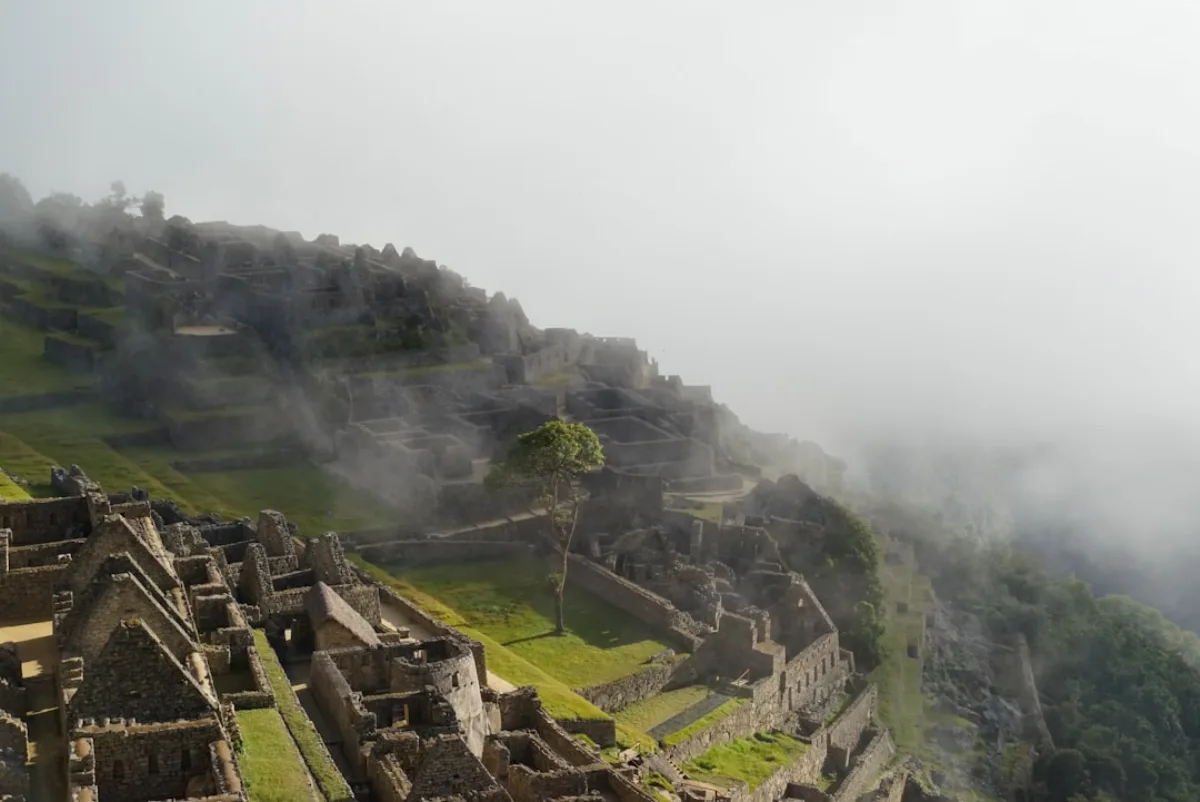
The photographs that circulate worldwide show the site from the Sun Gate or from the Guard House on the agricultural terraces — the view of the terraces, the main plaza, and Huayna Picchu behind them. The reality, experienced on the site, is significantly more complex and more interesting than the photographs suggest.
Getting There
By Train: The most common approach — from Cusco to Aguas Calientes (the town below the site), then bus or hike up to the entrance.
- Cusco to Ollantaytambo: 1.5 hours by road or shared van (S/10–15); trains depart from Poroy station (30 min from Cusco)
- Ollantaytambo to Aguas Calientes: By train — Inca Rail or Peru Rail, 1.5–2 hours, $35–60 each way. Multiple daily departures. Book at incarail.com or perurail.com well in advance (weeks–months in peak season)
- Aguas Calientes to Machu Picchu: Bus (25 minutes, $12 round trip) or on foot (1.5 hours, 1.6 km, steep — the Historic Trail, separate permit needed)
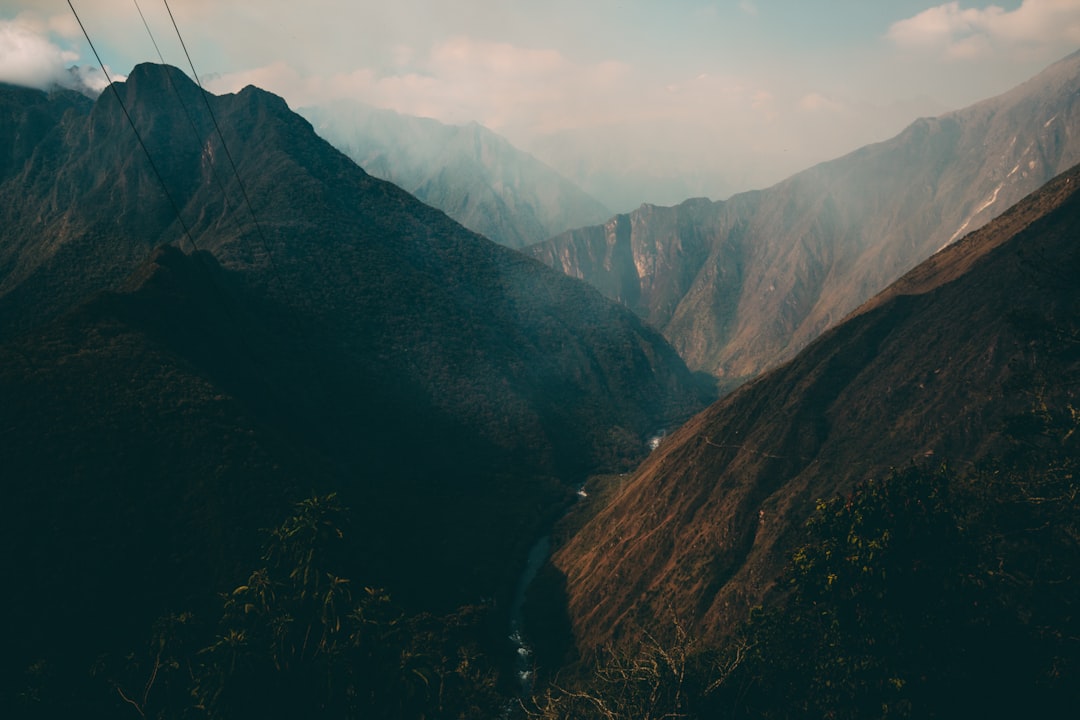
Inca Trail (by Trekking): The 4-day classic route from km 82 of the train line to the Sun Gate above Machu Picchu — 43 km through Andean cloud forest, past multiple Inca ruins, reaching the Sun Gate (Inti Punku) on the final morning. Physically demanding (maximum elevation 4,215 m at Dead Woman’s Pass, Day 2).
Permits: Limited to 500 trekkers per day (including guides and porters — the effective tourist limit is ~200/day). Permits sell out months in advance; book through a licensed operator at least 3–4 months ahead. Available at andina.travel or through reputable Cusco operators.
The Site
Entry: S/152 (foreigners). Since 2023, timed entry slots (4-hour windows) control the crowd within the site. Only one visit allowed per ticket per day. Book at machupicchu.gob.pe — the official system. Slots sell out in advance particularly June–August.
The Guard House viewpoint: The terraces above the main entrance — the postcard view of Machu Picchu is from here. Reached in 5 minutes from the entrance gate; the morning light (8–10 AM) gives the best photography conditions.
The agricultural sector: The terraced slopes below the Guard House — the farming infrastructure that supported the estate. The system of terracing represents the pinnacle of Andean agricultural engineering; the channels that maintained soil moisture and drainage are visible.
The urban sector: The residential and ceremonial buildings in the center of the site:
- The Temple of the Sun: A curved stone tower aligned to the solstice sunrise — the finest stone masonry on the site
- The Intihuatana (“Hitching Post of the Sun”): A carved stone pillar used for astronomical sightings; the only such stone not destroyed by Spanish invaders (they didn’t find Machu Picchu)
- The Temple of the Three Windows: The wall with three trapezoidal windows aligned to the rising sun; the central cosmological architecture of the site
Huayna Picchu: The mountain visible in all photographs, behind the site — a 1-hour steep climb with ladders and exposed sections, reaching a small ruin at the summit with views down over Machu Picchu. Limited to 400 people per day; requires a separate permit purchased along with the main entry ticket. Best early (7 AM slot) for views before clouds build.
Aguas Calientes
The base town — essentially a single-purpose tourist town built by the railway and the Machu Picchu industry. The hot spring baths (aguas calientes — the source of the town’s name) are available for S/20/hour. Accommodation runs from budget hostels ($15–25/night) to upscale Belmond Sanctuary Lodge ($700+/night, the only hotel inside the sanctuary). Staying overnight allows an early first entry and the dramatic experience of arriving on the train through the valley the previous evening.
Practical Notes
- Altitude: 2,430 m — lower than Cusco (3,400 m). Most visitors have fewer altitude issues at the site than in Cusco. Still acclimatize in Cusco for 1–2 days first
- Weather: Dry season (May–October) for clearer skies. The rainy season (November–April) offers fewer crowds and green terraces; cloud can obscure the view but often breaks in the morning
- What to bring: Sunscreen (UV is intense at altitude), rain jacket, walking shoes, snacks (no food allowed inside the site)
- Dawn: The site opens at 6 AM. Arriving on the first bus (4:30 AM departure from Aguas Calientes) allows a 30–45 minute window before the first tour groups arrive
Plan your trip