Peru in July: Independence Day, Peak Season, and Machu Picchu at Full Capacity
Plan your trip
July is Peru’s most visited month. Independence Day on July 28 brings national celebrations. The dry season is at its most reliable. Machu Picchu processes its maximum daily visitor count. And every reputable Inca Trail permit for July was allocated months ago. This is Peru at its most internationally celebrated and its most crowded. The landscape and ancient sites are extraordinary — you’re sharing them with everyone else who had the same idea.
Weather & Conditions
Cusco: 7–19°C. The driest month. Clear days, very cold nights (0°C or below). Frost at higher altitudes.
Machu Picchu: 12–22°C. Mostly clear. The occasional afternoon cloud is photogenic; the morning is reliably clear.
Lima: 12–18°C. Coolest month. The garúa coastal fog is heavy. Lima’s Miraflores and Barranco neighborhoods are lively despite the grey.
Amazon (Madre de Dios): Dry season. The rivers are at their lowest. Wildlife concentrates along river banks and oxbow lakes.
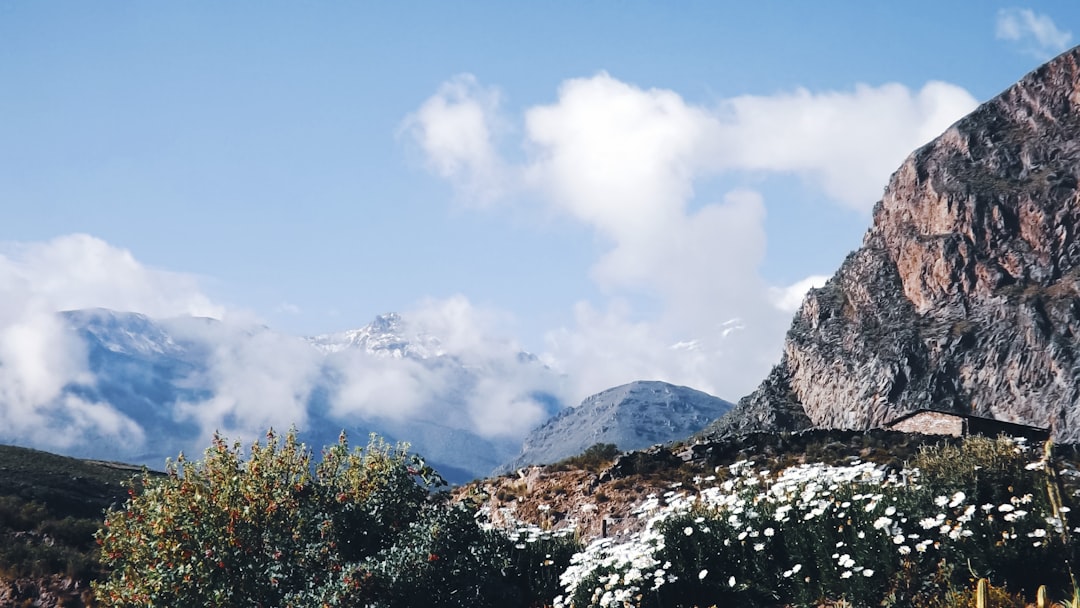
Lake Titicaca: 3–14°C. Clear, cold, and beautiful. Uros Islands and Amantani Island are at their best.
What to Do
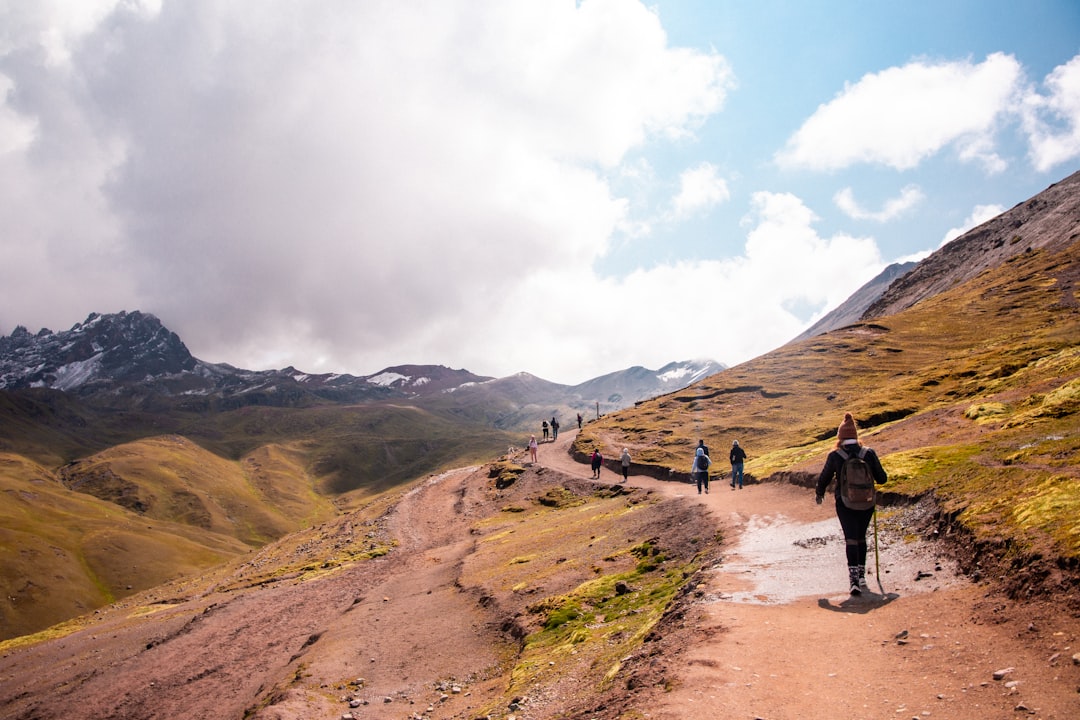
Machu Picchu — maximum preparation required: July is Machu Picchu’s busiest month. The timed entry ticketing system limits to 5,600 visitors per day across 4 entry circuits. Circuit 1 (6am sunrise entry) and Circuit 2 (morning) are the best. Book tickets at machupicchu.gob.pe at least 2–3 months ahead. Huayna Picchu tickets (only 400 per day) book out months ahead.
Independence Day, Lima and Cusco (July 28): Peru’s national day. Lima’s Gran Parada Militar (military parade) on July 29 is the most elaborate civic event in the country. Cusco’s celebrations involve parades, fireworks, and citywide festivities. Hotels in both cities are fully occupied for the July 28–29 weekend.
Amazon dry season — Tambopata National Reserve: July’s low water levels mean the Amazon’s wildlife is concentrated and accessible. The Macaw Clay Lick at Colpa Chuncho (the world’s largest macaw clay lick, with hundreds of macaws daily) is accessible by lodge from Puerto Maldonado. Giant river otters in the oxbow lakes are reliable sightings.
Colca Canyon trek: The 2-day canyon trek between Cabanaconde and Sangalle (oasis village at the canyon bottom) is excellent in July — dry, clear, and the condors are reliably at the Cruz del Condor viewpoint by 9am.
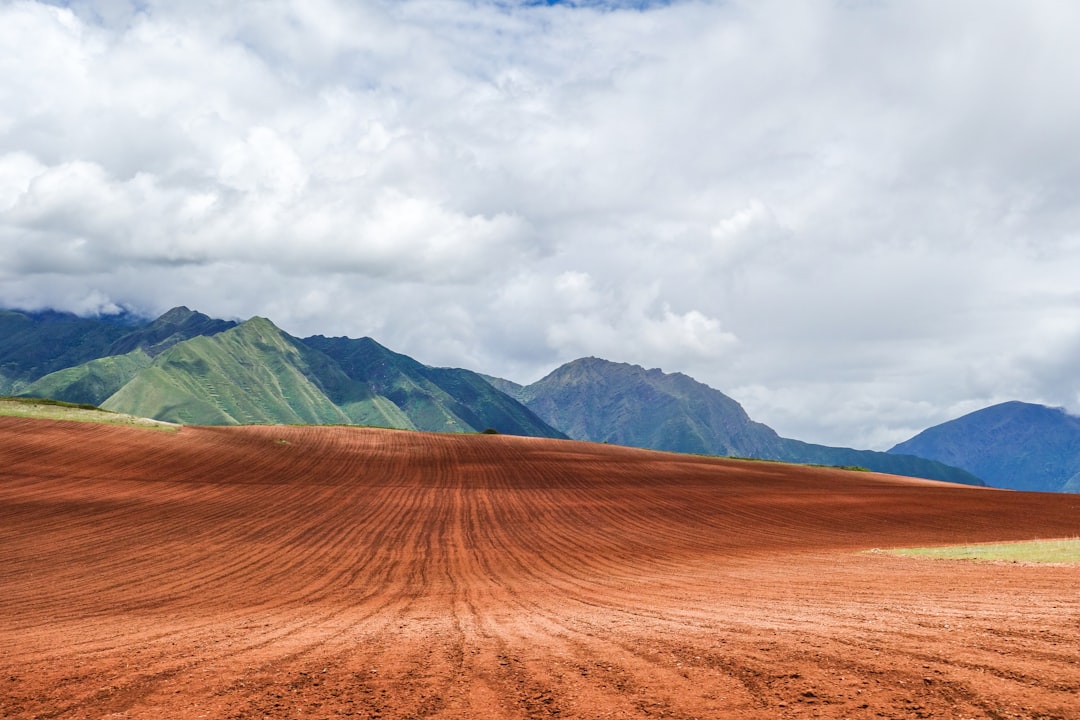
Sacred Valley exploration: The valley towns of Moray (experimental Inca agricultural terraces), Maras salt pans (a Inca salt extraction system still in operation), and Ollantaytambo (the best-preserved Inca town in existence) are all in perfect July conditions. July is the busiest month in the valley; early morning visits to Ollantaytambo and Moray avoid the midday tour group rush.
Festivals & Events
Fiestas Patrias (July 28–29): Peru’s two national days. July 28 marks independence (1821), July 29 marks the Armed Forces. Public holidays both days.
Virgen del Carmen (Paucartambo, July 16): An extraordinary festival 110km from Cusco — considered one of the Andes’ finest — with 5 days of elaborate masked dances, processions, and midnight dances on the church roof.
Practical Tips
Inca Trail July permits: sold out by January–February. Only option is working with an operator who has recently had a cancellation.
Machu Picchu July: book Circuit 1 tickets 3–4 months ahead at machupicchu.gob.pe. The system opens tickets 3 months before the date exactly — mark your calendar.
Aguas Calientes (the town below Machu Picchu): at peak capacity in July. Accommodation ranges from excellent (Belmond Sanctuary Lodge, adjacent to the site entrance) to mid-range. Book 3+ months ahead.
Who July Is For
Travelers with school holiday constraints. Independence Day experience seekers. Amazon dry season wildlife enthusiasts. Anyone who has booked well ahead and is willing to share Peru’s most iconic sites with large numbers of fellow visitors in exchange for the best weather of the year.
Plan your trip