Portugal in January: Europe's Warmest Winter Capital, Empty Beaches, and Minimum Prices
Plan your trip
January is Portugal’s quiet month — and its most accessible. Lisbon in January is the warmest capital city in Europe at 15°C average, with the fewest tourists of the year. The Algarve coast has mild weather for walking the cliffs and beaches without a single beach umbrella in sight. Porto’s wine caves run tastings with small groups. And accommodation prices across the country are at their annual minimum. For the traveler who doesn’t need beach swimming or festival programming, January Portugal is one of Europe’s best winter value propositions.
Weather in January
Lisbon: 10°C to 15°C. Mild by European winter standards — a light jacket rather than a heavy coat. Some rain (January is one of Lisbon’s wetter months) but regular sunny intervals. Long enough days for comfortable sightseeing.
Porto: 7°C to 13°C. Cooler and wetter than Lisbon — Porto’s Atlantic position means more rain. The city’s tile-covered buildings (azulejos) are most vivid against grey winter skies.
Algarve (Faro, Lagos): 12°C to 17°C. The warmest part of Portugal in January. Too cool for swimming but warm enough for coastal hiking without difficulty. The sea cliffs at Ponta da Piedade (Lagos) and the Benagil Cave (accessible only by boat or kayak) in January with no crowds.
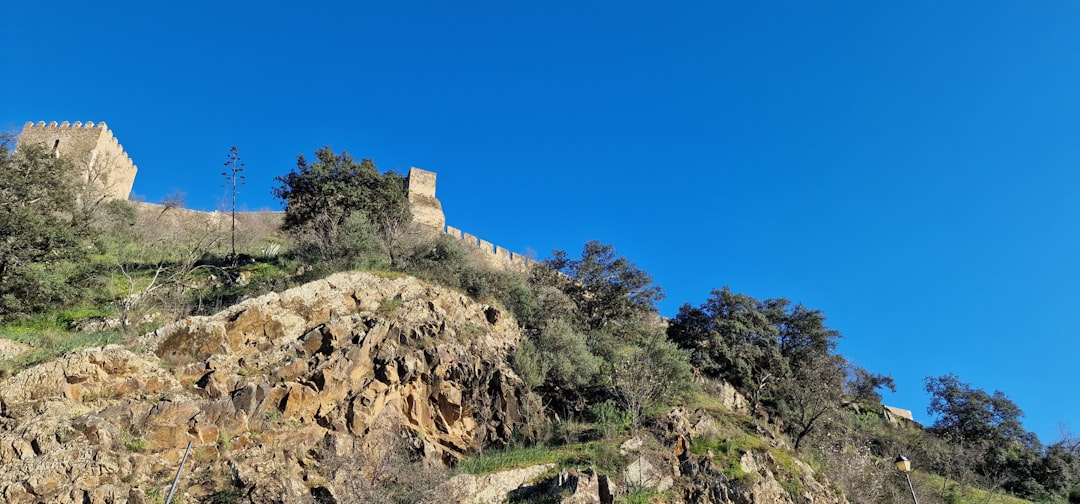
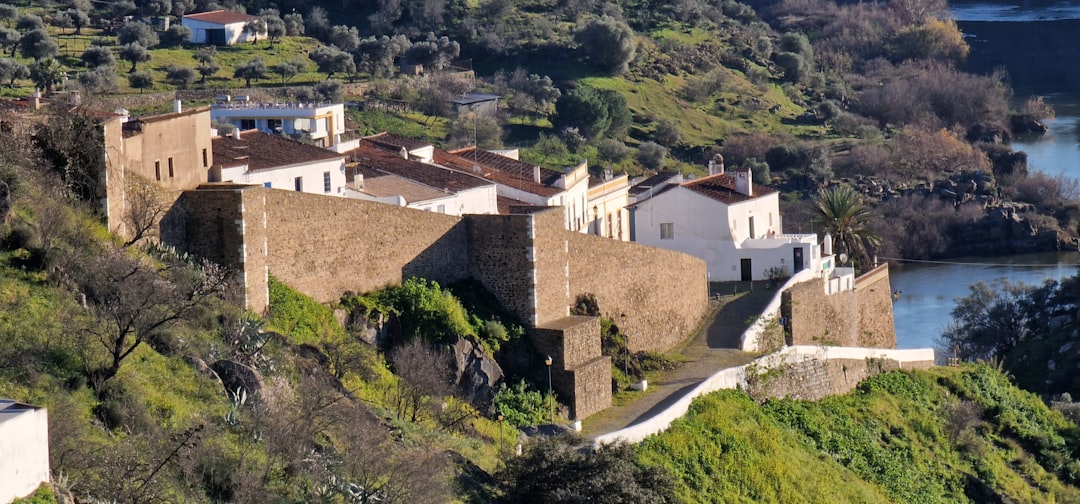
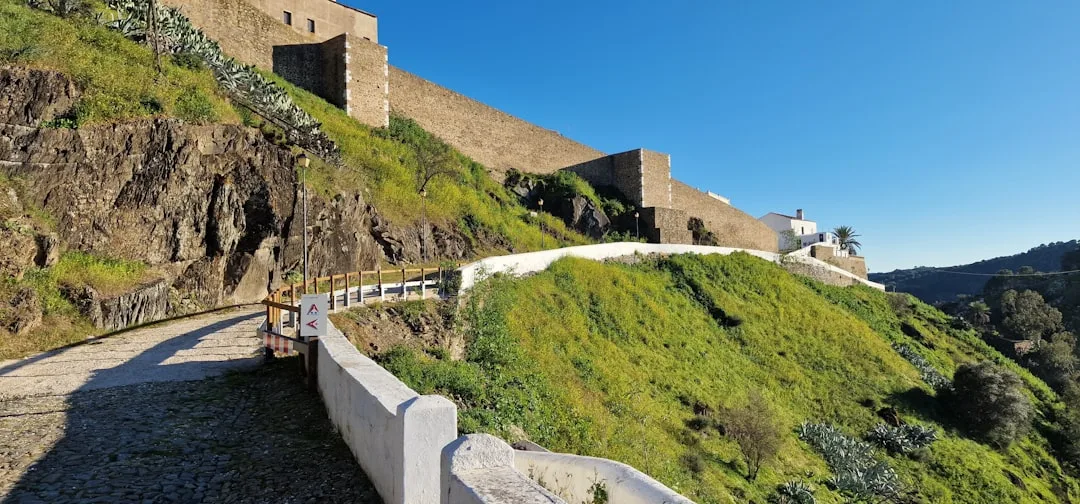
Alentejo: 8°C to 15°C. The inland plains of cork oak and olive are winter-bare but the medieval towns (Évora, Monsaraz, Marvão) are accessible and empty.
Madeira: 16°C to 22°C. The island’s year-round spring climate makes January a genuinely good time — New Year’s Eve fireworks in Funchal are world-famous; January 1 brings the quietest days of the year after the celebration.
Lisbon in January
January is the most local version of Lisbon — the Alfama, Mouraria, and Bica neighborhoods operating without the summer tourist density:
- Feira da Ladra (Thieves’ Market): Lisbon’s famous flea market at Campo de Santa Clara runs every Tuesday and Saturday — in January, it’s populated by locals rather than tourist browsers. Genuine antiques, vintage clothing, used books, and curiosities.
- Fado houses: The authentic fado venues (Clube de Fado, Tasca do Chico) in January have smaller audiences and more intimate experiences. In summer, fado restaurants are packed with tourists; January visitors often share the room with Lisbon residents.
- The Miradouros (viewpoints): Miradouro da Graça, Miradouro das Portas do Sol, and the Santa Luzia viewpoint in January morning light, without groups photographing simultaneously.
- Time Out Market Lisboa: The covered market in the Cais do Sodré area — the best concentrated display of Lisbon’s food culture, from petiscos (Portuguese tapas) to Pastéis de Belém (custard tarts). January crowds are minimal.
Pastéis de Belém: The custard tart (pastel de nata) served hot from the oven with cinnamon and powdered sugar at the original Fábrica de Pastéis de Belém in the Belém neighborhood — one of Portugal’s most iconic food experiences. January wait time: minutes. July wait time: up to an hour.
Porto in January
Porto in January is the city at its most austere and most beautiful:
- Wine caves (Vila Nova de Gaia): The Port wine lodges across the Douro from the old town — Taylor’s, Sandeman, Graham’s, Ramos Pinto — run tastings year-round. January cave tours have small groups and attentive staff.
- Livraria Lello: One of the world’s most beautiful bookshops — Art Nouveau staircase, painted ceiling, wood-carved shelving. Entry is ticketed (€5 redeemable against book purchases). January has the shortest wait.
- Ribeira waterfront: Porto’s UNESCO historic waterfront in January rain — the reflected lights of the wine lodge illuminations on the Douro surface. Genuinely atmospheric.
- Francesinha: Porto’s signature sandwich — layers of cured meats and sausage between bread, covered in melted cheese and a spiced tomato-beer sauce. The most warming dish in Portugal for a cold January day; every restaurant has its own variation.
Algarve in January
The Algarve out of season:
- Coastal hiking: The Fishermen’s Trail (Rota Vicentina) along the southwest coast — one of the best coastal walks in Europe. In January, the trail is empty, the wildflowers beginning (the almond trees bloom January-February in the Algarve), and the sea is dramatic.
- Benagil Sea Cave: Accessible by kayak (rented in Benagil village) or small boat tour. In January, no boats competing for the cave entrance — the experience is private.
- Sagres and Cabo de São Vicente: The southwestern tip of continental Europe. January storm waves against the cliffs are spectacular. The lighthouse, the promontory, the fort — all accessible and empty.
Almond blossoms: The Algarve’s inland valleys (around São Brás de Alportel and Loulé) bloom with almond trees in late January — one of the first spring signals in Portugal, weeks before the rest of Europe.
Alentejo in January
The cork oak plains and medieval towns of the Alentejo:
- Évora: The Roman temple (2nd century AD), the bone chapel at São Francisco church (walls and ceiling decorated with the bones of 5,000 monks), and the medieval center — all accessible without the tour groups of spring and summer.
- Monsaraz: The medieval fortified village above the Alqueva reservoir — the darkest sky reserve in Europe. January nights for stargazing from the village walls.
- Alentejo wine route: The Alentejo wine region produces some of Portugal’s best reds — winter winery visits at estates near Borba, Reguengos de Monsaraz, and Portalegre.
Budget in January
| Category | Budget | Mid-range |
|---|---|---|
| Accommodation (Lisbon) | €60–€110/night | €130–€280/night |
| Accommodation (Porto) | €50–€90/night | €100–€220/night |
| Accommodation (Algarve) | €45–€80/night | €90–€200/night |
| Meals | €10–€20/meal | €25–€65/meal |
| Port wine tasting | €10–€25 | same |
Annual minimum pricing. Portugal is already one of Europe’s most affordable countries; January prices represent extraordinary value for the quality of experience.
The Short Version
January Portugal is one of Europe’s best winter travel propositions. Mild weather (the warmest European capital in January), spectacular coastal landscapes without crowds, authentic fado houses, Port wine cave tastings, and medieval towns entirely to yourself — all at the lowest prices of the year. The trade-off is some rain and no beach swimming. For travelers who want Europe without European winter, January in Lisbon and Porto is the answer.
Plan your trip