Barcelona's Gaudí Buildings: The Complete Guide
Plan your trip
Antoni Gaudí (1852–1926) is the defining figure of Catalan Modernisme — an architectural style that drew from Gothic structure, Islamic ornament, and the organic forms of nature. Barcelona contains seven UNESCO World Heritage buildings designed by Gaudí. No other city in the world has a comparable concentration of work by a single architect.
This guide covers every major Gaudí building in Barcelona, organized by priority.
Tier 1: Essential
Sagrada Família
Carrer de Mallorca 401 | Metro: Sagrada Família (L2/L5)
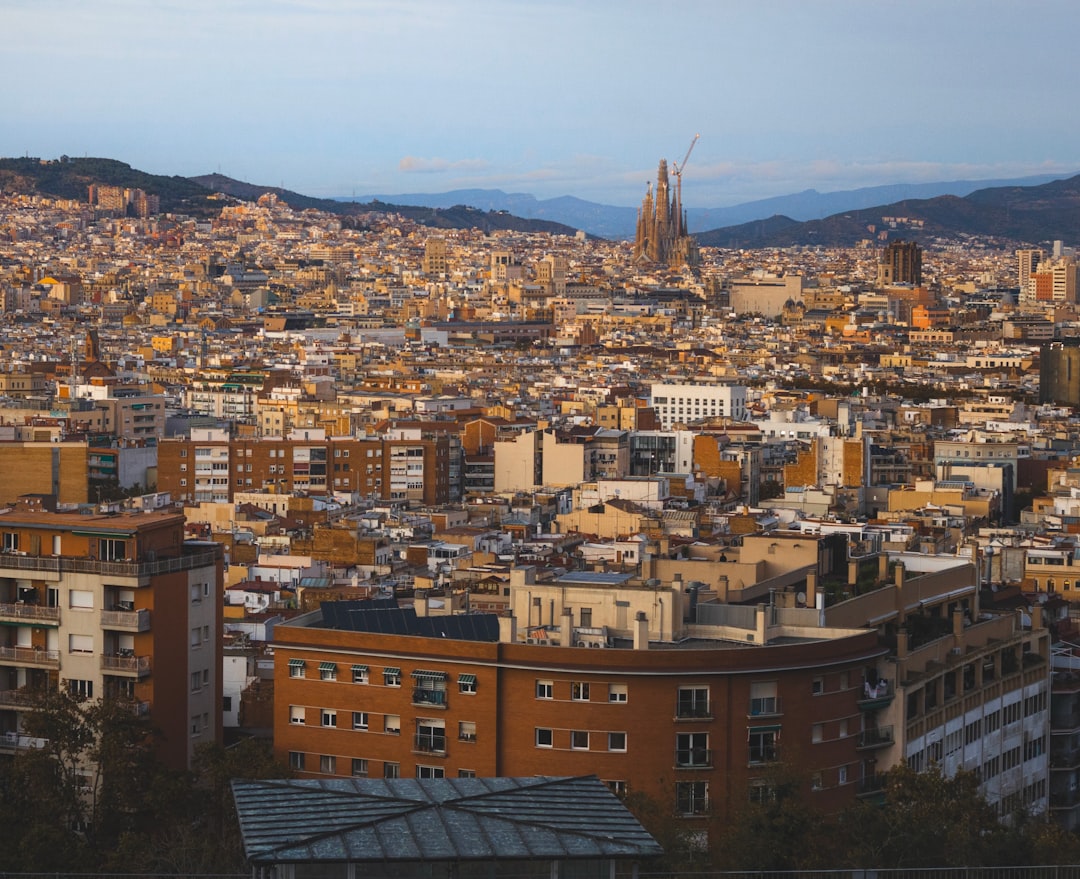
The masterwork and life project — Gaudí spent his final 40 years solely on this building. See the full Sagrada Família guide for detail. Book at sagradafamilia.org weeks in advance. Budget 2–3 hours minimum. In 2026, the completed central tower (172.5m) is the historically significant moment.
Entry: ~€26–40 depending on options. Tower access essential.
Park Güell
Carrer d’Olot 7, Gràcia | Metro: Lesseps (L3) + 20-min walk, or Bus 24/92
Originally conceived as a residential garden city for the Barcelona bourgeoisie — Eusebi Güell commissioned Gaudí in 1900 to design 60 housing plots on the Carmel hill. The project failed commercially; only two houses were ever built. The infrastructure — terraces, viaducts, market hall, the famous mosaic esplanade — became a public park in 1926.
What to see:
- The Monumental Zone (ticketed area): The Dragon Staircase with the famous mosaic salamander (the drac), the Hypostyle Room (market hall with 86 Doric columns, now used as shelter), and the main terrace (Plaça de la Natura) with the serpentine mosaic bench offering panoramic Barcelona views.
- The free zone: Gaudí’s viaducts and covered walkways wind through the park’s forested hillside — accessible without a ticket and largely overlooked by most visitors.
- Gaudí House Museum: The pink house where Gaudí lived for 20 years (separate small ticket). Modest but worth visiting if interested in his life and furniture designs.
Book at: parkguell.barcelona — timed entry is required for the Monumental Zone and sells out, especially on weekends. Book at least a week ahead in high season.
Entry: ~€10 for Monumental Zone. Free zone is always free.
Time needed: 1.5–2 hours for the Monumental Zone + free walk through the viaducts.
Tier 2: Highly Recommended
Casa Batlló
Passeig de Gràcia 43 | Metro: Passeig de Gràcia (L2/L3/L4)
The 1904–1906 renovation of a residential building on Barcelona’s most prestigious boulevard. The façade is perhaps Gaudí’s most surreal exterior — ceramic discs and fragments in blues, greens, and purples that shimmer like fish scales; bone-shaped window columns; a roof shaped like a dragon’s back in ceramic tiles. The entire building reads as a visual poem about the legend of Sant Jordi (Saint George) — the dragon on the roof, the bone columns as victims, the cross of Sant Jordi at the peak.
The interior (accessible with tickets) includes the Noble Floor with organic ceiling shapes, the atrium well clad in graduated blue tiles (darker at the bottom, lighter at the top, to equalize natural light), and roof terrace.
The Magic Nights experience: Evening visits with immersive lighting are popular. The façade illuminated at night is particularly striking.
Entry: ~€35–50 (standard to premium). Book at casabatllo.es.
Time needed: 1–1.5 hours.
Casa Milà — La Pedrera
Passeig de Gràcia 92 | Metro: Diagonal (L3/L5)
Built 1906–1912 as a residential building, La Pedrera (the quarry — a satirical nickname from contemporaries who found it grotesque) is Gaudí’s last secular work before devoting himself entirely to the Sagrada Família. The undulating stone façade has no straight lines; the rooftop is populated with warrior-warrior chimney soldiers (called espanta-bruixes — witch-scarers) and ventilation towers that look like abstract sculpture.
What to see:
- The rooftop: The defining experience — the organic chimneys and helical towers, with views across Eixample to the Sagrada Família and hills.
- The attic (Espai Gaudí): A permanent exhibition on Gaudí’s life and methods, including models, drawings, and the catenary arch study models that show how he designed through hanging-chain structural simulations.
- The Noble Floor: Restored period apartment showing how the building was used by its original residents.
Entry: ~€25–35. Book at lapedrera.com.
Time needed: 1.5 hours.
Tier 3: For Architecture Enthusiasts
Palau Güell
Carrer Nou de la Rambla 3–5 | Metro: Drassanes (L3) or Liceu (L3)
Gaudí’s first major commission from Eusebi Güell (1886–1890), built as a private palace adjacent to Las Ramblas. The interior is more sober than the later works — a transitional building between Gaudí’s early Moorish-influenced phase and his mature naturalist style. The basement stables (with brick mushroom columns), the main hall with its parabolic dome, and the rooftop (with early Gaudí chimneys) are the highlights.
Less visited than Casa Batlló or La Pedrera — shorter queues and a more contemplative atmosphere.
Entry: ~€12. Book at palauguell.cat. Free first Sunday of each month.
Casa Vicens
Carrer de les Carolines 18–24, Gràcia | Metro: Fontana (L3)
Gaudí’s first major building (1883–1885), commissioned by Manuel Vicens as a summer house. Less famous than the mature works but historically significant — the first glimpse of the organic, tile-encrusted style he would develop. Strong Moorish and Oriental influences visible in the checkerboard tile exterior and the iron palm-leaf fence. Worth visiting if you’re in Gràcia for Park Güell.
Entry: ~€16. Book at casavicens.org.
The Gaudí Walking Route
A logical half-day route through the Eixample and Gràcia:
- Casa Milà (Passeig de Gràcia 92) — rooftop and attic
- Walk 400m south on Passeig de Gràcia
- Casa Batlló (Passeig de Gràcia 43) — exterior from across the street (free); interior if booked
- Walk 5 minutes east on Carrer de Mallorca
- Sagrada Família — interior and towers
From La Pedrera to Sagrada Família is 1.2km walkable in 15 minutes. This route covers the three essential works in half a day if pre-booked.
Plan your trip