Barcelona Travel Guide 2026: Everything You Need to Know
Plan your trip
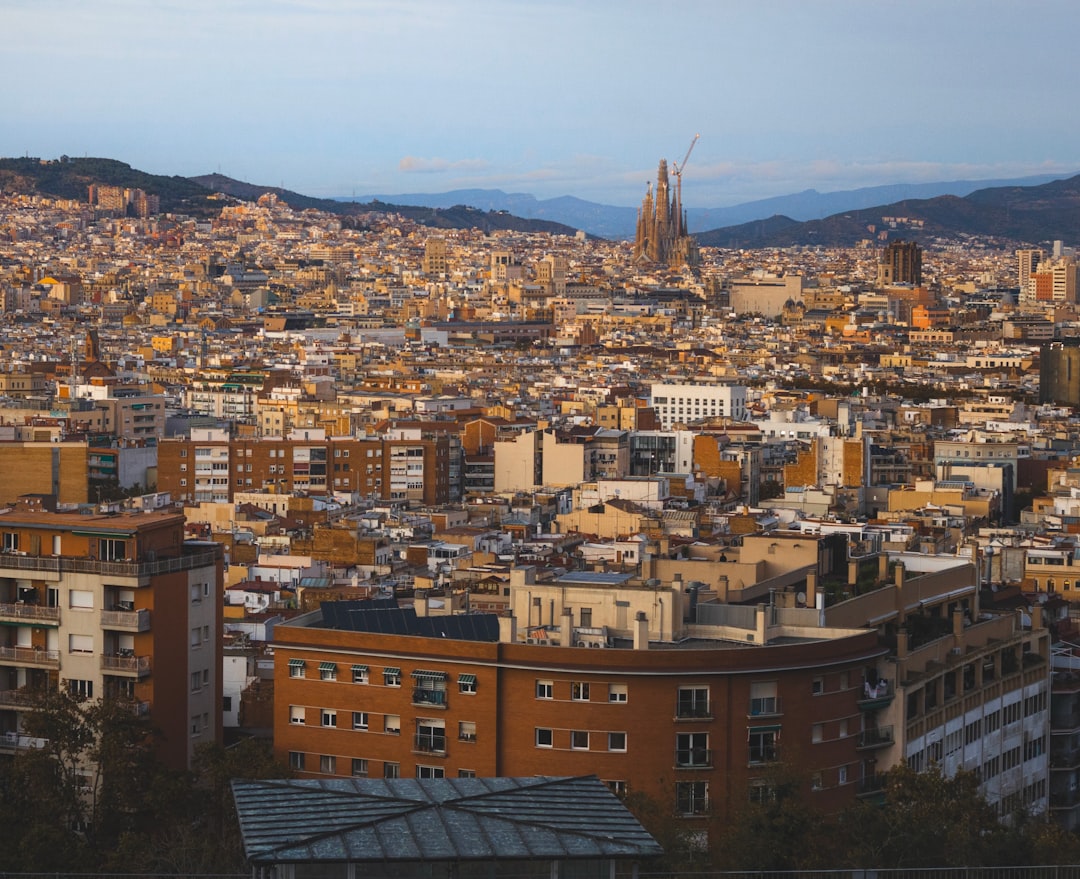
Barcelona is one of the most architecturally distinctive cities on earth — a place where a medieval Gothic Quarter sits two blocks from Modernista masterpieces, where the Mediterranean is visible from hilltops, and where a single architect (Antoni Gaudí) reshaped the entire visual identity of a major European city. In 2026, Barcelona holds the title of UNESCO World Capital of Architecture, marking the near-completion of the Sagrada Família after 144 years of construction.
This guide covers the essentials: what to see, how to get around, where to eat, and how to avoid the most common tourist mistakes.
Why Barcelona in 2026
UNESCO World Capital of Architecture: Barcelona was designated the 2026 capital, with a year-long program of events, exhibitions, architectural tours, and the formal ceremony marking the completion of the Sagrada Família’s central tower — the Torre de Jesucrist, reaching 172.5 meters. This makes 2026 a historically significant year to visit.
The Sagrada Família moment: The basilica has been under construction since 1882. The completion of the final tower in 2026 closes a 144-year project. Visitors in 2026 are witnessing the end of one of the longest architectural undertakings in history.
The weather window: April–June and September–October offer ideal conditions — warm, manageable crowds compared to July–August, and the city operating at full rhythm.
The Neighborhoods You Need to Know
Eixample: The grid district designed by Ildefons Cerdà in 1859 — a revolutionary urban plan of octagonal blocks that created wide boulevards and chamfered corners allowing light into intersections. Most of Gaudí’s major works are here. Stay here for central access to everything.
Gothic Quarter (Barri Gòtic): The medieval core of the city, built over a Roman settlement. Narrow lanes, the Barcelona Cathedral, the Plaça Reial, and the Pont del Bisbe. Atmospheric but heavily touristed — best explored early morning or late evening.
El Born / Sant Pere: Adjacent to the Gothic Quarter but more local in character. The Santa Maria del Mar church (14th-century, built by the people of the Ribera neighborhood), excellent restaurants, cocktail bars, and independent shops. The Mercat de Santa Caterina (roof designed by Enric Miralles) is here.
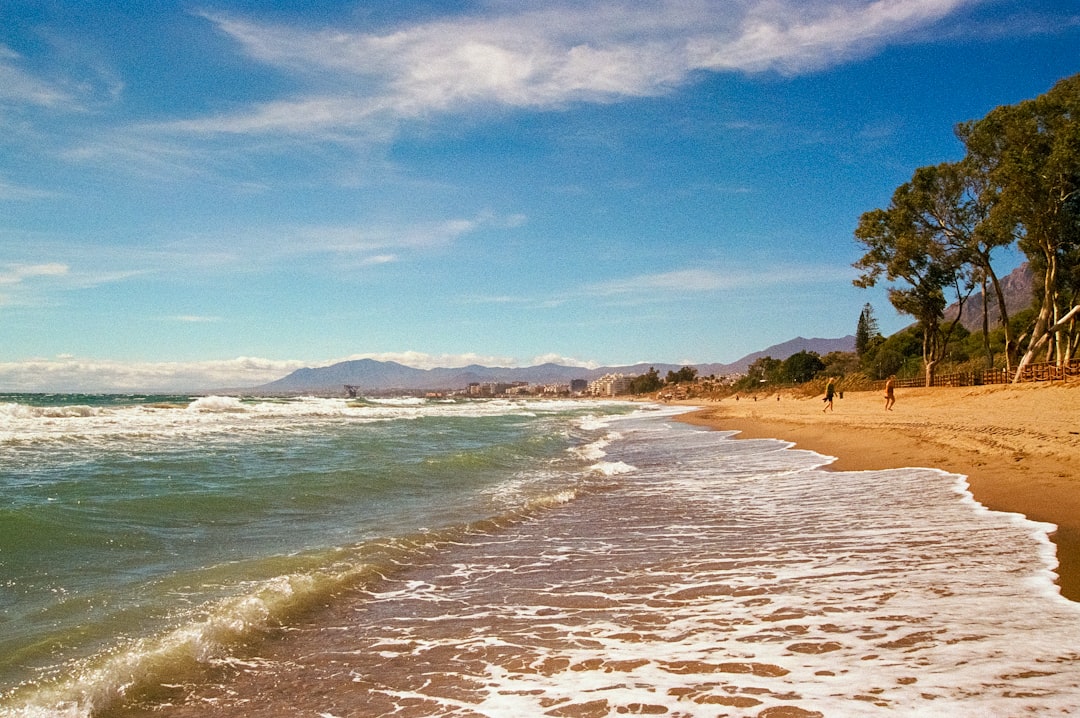
Barceloneta: The old fishing neighborhood wedged between the port and the beach. Seafood restaurants, the Barcelona beach strip, and the Frank Gehry fish sculpture at the port. More authentic than the tourist-facing beach promenade.
Gràcia: An independent town absorbed into Barcelona in 1897, Gràcia still feels like its own village — smaller plazas, cafés, art nouveau buildings, a younger residential mix. The Mercat de l’Abaceria, the Plaça del Sol, and Gaudí’s Casa Vicens (his first major work) are here.
Poble Sec / Montjuïc: Working-class neighborhood below the Montjuïc hill, with excellent tapas bars on Carrer de Blai (the pintxos street) and access to the Fundació Joan Miró and the Olympic Stadium.
Getting Around
Metro: The TMB metro is the primary transport. Lines L2, L3, L4, and L5 cover most tourist areas. A T-Casual 10-trip card (~€12.15) is the best value for short stays. The airport is connected by the Aerobus (€6.75, 35 minutes to Plaça Catalunya) or the RENFE train (Line R2 Nord, ~45 minutes, €4.60).
Walking: Central Barcelona (Gothic Quarter to Eixample to Gràcia) is highly walkable. Las Ramblas connects the waterfront to Plaça Catalunya — walk it once but don’t linger.
Taxi / Rideshare: Cabify and FreeNow operate here. Taxis from the airport run about €35–40 to central Barcelona.
Avoid driving: The city centre has a low-emission zone (ZBE) with fines for non-compliant vehicles, and parking is extremely limited.
Entry and Practicalities
Currency: Euro (€). Cards accepted almost everywhere; contactless is standard.
Language: Catalan is the first language, Castilian Spanish the second. Basic Catalan phrases (gràcies, bon dia, perdona) are appreciated. English is widely understood in tourist areas.
Tipping: Not obligatory but rounding up or leaving €1–2 at restaurants is appreciated. Never expected as in the US.
Safety: Barcelona has a significant pickpocket problem — Las Ramblas, La Barceloneta, and the Metro are high-risk areas. Use a crossbody bag with a zipper, keep phones in pockets, and be aware in crowded spaces.
Booking: The Sagrada Família requires advance booking (often weeks ahead). Book at sagradafamilia.org with a specific time slot. Same applies to Casa Batlló and Casa Milà (La Pedrera).
Barcelona in 3 Days: The Framework
Day 1 — Gaudí & Eixample: Morning at Sagrada Família (3 hours minimum with tower access). Afternoon walk through Eixample — Passeig de Gràcia, Casa Batlló exterior, Casa Milà exterior. Evening pintxos on Carrer del Consell de Cent or dinner in Eixample.
Day 2 — Gothic Quarter & El Born: Morning at the Gothic Quarter (Barcelona Cathedral, Plaça Sant Felip Neri, Pont del Bisbe). Mercat de Santa Caterina for lunch. Afternoon: Santa Maria del Mar, Palau de la Música Catalana exterior. Evening cocktails in El Born.
Day 3 — Park Güell & Barceloneta: Morning at Park Güell (book online; Monumental Zone requires tickets). Lunch in Gràcia. Afternoon: Barceloneta beach and the Barcelona waterfront. Sunset from Barceloneta — the city skyline is visible from the breakwater.
Practical Notes
High season (July–August): 30°C+, extremely crowded, Sagrada Família tickets sell out weeks in advance. Accommodation prices peak.
Best value season: May–June or September–October. Comfortable temperatures, manageable crowds, full event calendar.
Barcelona Card: Useful if you plan heavy museum visits — includes unlimited metro travel and free/discounted entry to major museums. Evaluate against your actual planned visits before buying.
Plan your trip