Bangkok: Temples, Street Food & the World's Most Intense City
Plan your trip
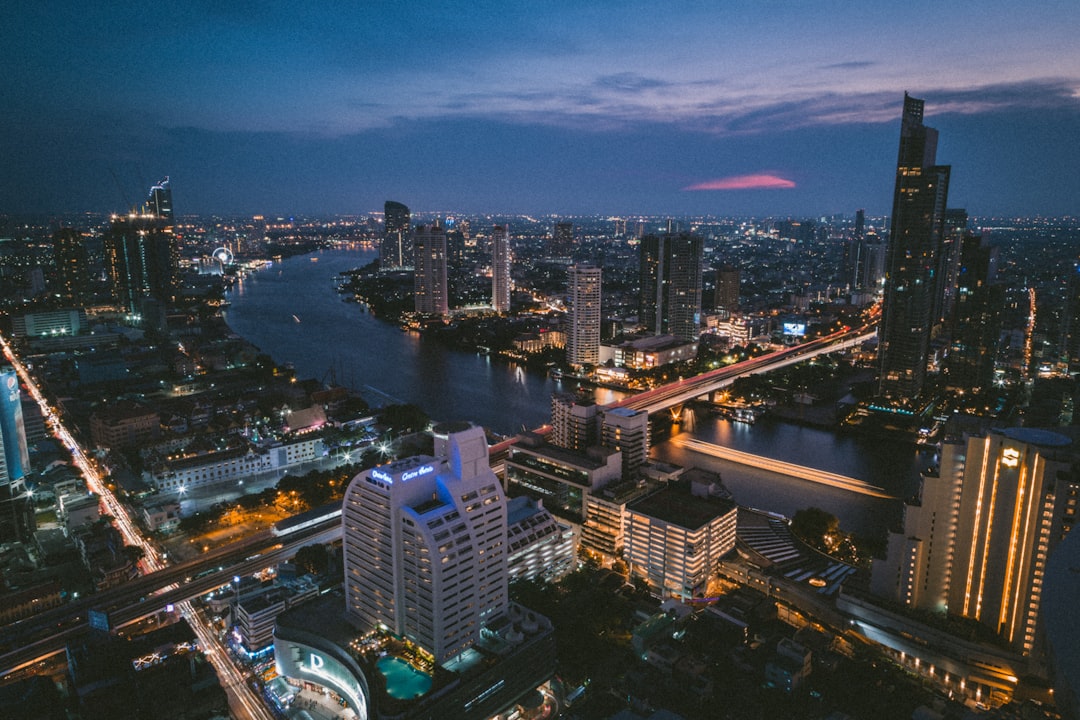
Bangkok (Krung Thep in Thai — “City of Angels”) is the most visited city in the world by international arrivals in most years, and nothing about it suggests restraint. The temples are covered in gold leaf and mirrored mosaic; the traffic is genuinely catastrophic; the street food operates at every hour; the skyline is a vertical city of glass and steel above a ground-level labyrinth of alleys, canals, and market stalls. It is simultaneously exhausting and completely addictive.
The city rewards those who stay more than two days and venture beyond the backpacker infrastructure of Khao San Road into the neighborhoods where Bangkok actually lives.
The Temple Circuit
Grand Palace & Wat Phra Kaew: The historic center of Bangkok — a 218,000 m² complex of royal halls, pavilions, and the temple of the Emerald Buddha. The Emerald Buddha is a 66 cm jade statue (not emerald) that is the most sacred object in Thailand; the king changes its seasonal robes three times per year. Dress code strictly enforced: shoulders and knees covered (wraps available for rent at the entrance). Open 8:30 AM–3:30 PM; arrive before 9 AM to avoid the worst crowds. Entry ฿500.
Wat Pho: Directly behind the Grand Palace — the temple of the Reclining Buddha, a 46-meter gilded figure that barely fits inside its building. Wat Pho is also the national center for traditional Thai massage (the massage school has been operating for centuries); 1-hour traditional massage sessions are available on-site for ฿420. One of the most complete temple complexes in Bangkok.
Wat Arun (Temple of Dawn): Across the Chao Phraya from the Grand Palace — recognizable by its 70-meter Khmer-influenced tower encrusted with Chinese porcelain fragments. Best viewed from the opposite riverbank at sunset; can be reached by the cross-river ferry (฿5) from Tha Tien pier. Open 8 AM–6 PM; entry ฿100.
Wat Saket (Golden Mount): A 19th-century artificial hill topped by a golden chedi — 318 steps to the top, with views over the old city. Less visited than the major sites; the surrounding neighborhood (Banglamphu) has excellent street food.
Neighborhoods
Rattanakosin (Old City): The artificial island created by Rama I in 1782 — the original Bangkok, containing the Grand Palace, Wat Pho, the National Museum, and Sanam Luang (the royal plaza). The density of historical sites is unmatched; the streets between them are increasingly tourist-oriented but still functional.
Silom/Sathorn: The central business district — skyscrapers, the Skytrain (BTS), international hotels, and Patpong Night Market. The Lumphini Park (74 hectares) provides relief from the density. The rooftop bars here (Vertigo at the Banyan Tree, Sky Bar at Lebua) are the iconic Bangkok skyline experience.
Sukhumvit: The expat and tourist spine of Bangkok — extending east from the Asok BTS station for 10 km, with malls, restaurants, and the Chatuchak Weekend Market at its northern end. Thonglor and Ekkamai (Sukhumvit Sois 55 and 63) are the current neighborhoods for local dining and nightlife.
Chinatown (Yaowarat): Bangkok’s Chinese quarter, established in the 18th century when the Chinese community was relocated from the original palace site. Yaowarat Road is the most intense street-food corridor in the city — shark fin soup, roast duck, dim sum, and the street vendors who have been operating in the same spot for generations. Best after 6 PM.
Chatuchak Weekend Market
The largest market in Asia — 15,000 stalls across 35 acres, operating Saturday and Sunday from 6 AM to 6 PM. Everything from live animals (a section the government has been trying to shut down for years) to antiques, ceramics, vintage clothing, plants, and food stalls. The layout is theoretically organized by section (clothing, plants, art, food) but practically requires wandering. Take the BTS to Mo Chit station. Arrive early; the market is genuinely overwhelming by 11 AM.
The Chao Phraya
Bangkok’s historic waterway — a working river of ferries, rice barges, and long-tail boats running through the city. The Chao Phraya Express Boat (฿15–32, different colored flags indicating different services) connects the main riverside temples from Nonthaburi in the north to Sathorn pier in the south; it’s the most useful transport for the temple circuit and substantially faster than road traffic.
Khlong Saen Saep canal ferry: The express canal boat running through the heart of Bangkok from Banglamphu to Sukhumvit — cheap, fast, and genuinely used by commuters. A ฿15 journey that cuts across the worst of Bangkok traffic.
Practical Notes
- Getting around: BTS Skytrain (above ground) and MRT (subway) for Sukhumvit and Silom corridors. Grab (ride-hailing app) for everywhere else. Taxis with meters — always confirm the driver will use the meter before entering
- Climate: Hot and humid year-round. Cool season November–February (28°C); hot season March–May (35–40°C); rainy season June–October. November–February is the recommended window
- Accommodation: Silom and Sukhumvit for convenience. Rattanakosin for temple access. Budget guesthouses in Banglamphu (Khao San Road area)
- Currency: Thai Baht (฿). ATMs widely available; most charge ฿220 foreign transaction fee. Credit cards accepted at malls and hotels; cash essential for markets and street food
Plan your trip