Thailand in April: Songkran Water Festival and the Hottest Month
Plan your trip
April is Thailand’s Songkran month — and Songkran is one of the most extraordinary public celebrations in Southeast Asia. The Thai New Year water festival (April 13–15, sometimes extended to a week in Chiang Mai) turns every street into a water fight, with millions of Thais and tourists armed with water guns, buckets, and hoses, soaking each other in temperatures that make the cool water genuinely welcome. Outside Songkran, April is the hottest and most humid month of the year, with the rainy season approaching.
Weather in April
Bangkok: 29°C to 40°C. The hottest month — heat index often feels like 42–44°C. April is oppressive for outdoor sightseeing outside of Songkran, when the water keeps temperatures manageable.
Chiang Mai: 25°C to 40°C. Also the hottest month — compounded by the lingering smoke haze in early April. By mid-April (Songkran) the city is full of water and people.
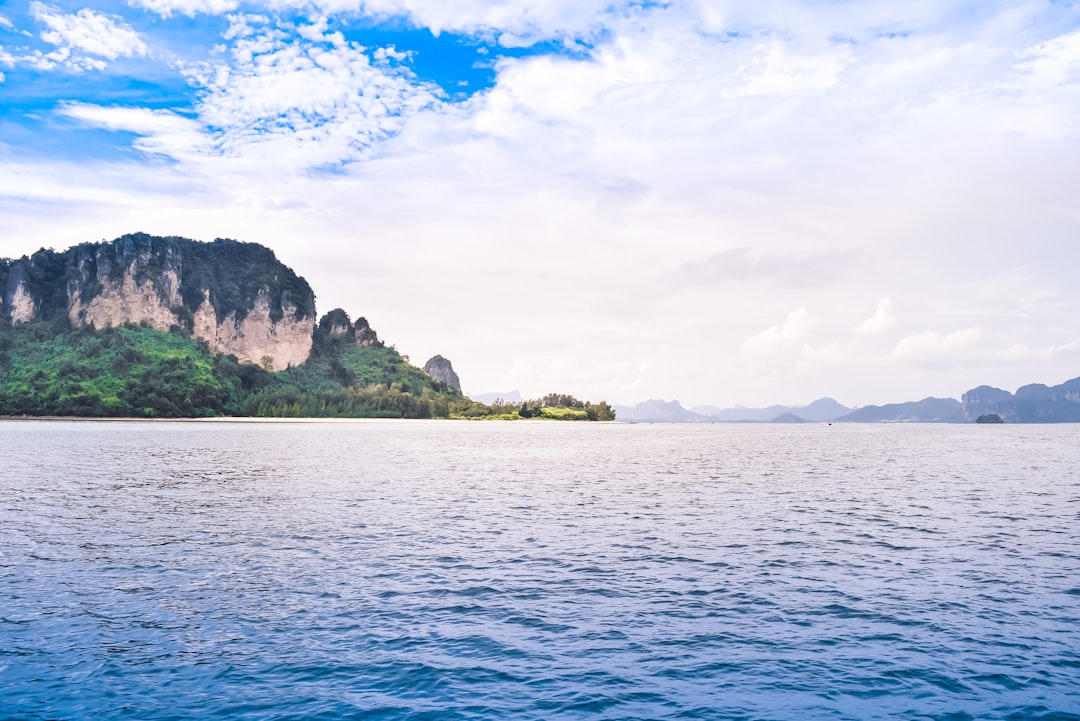
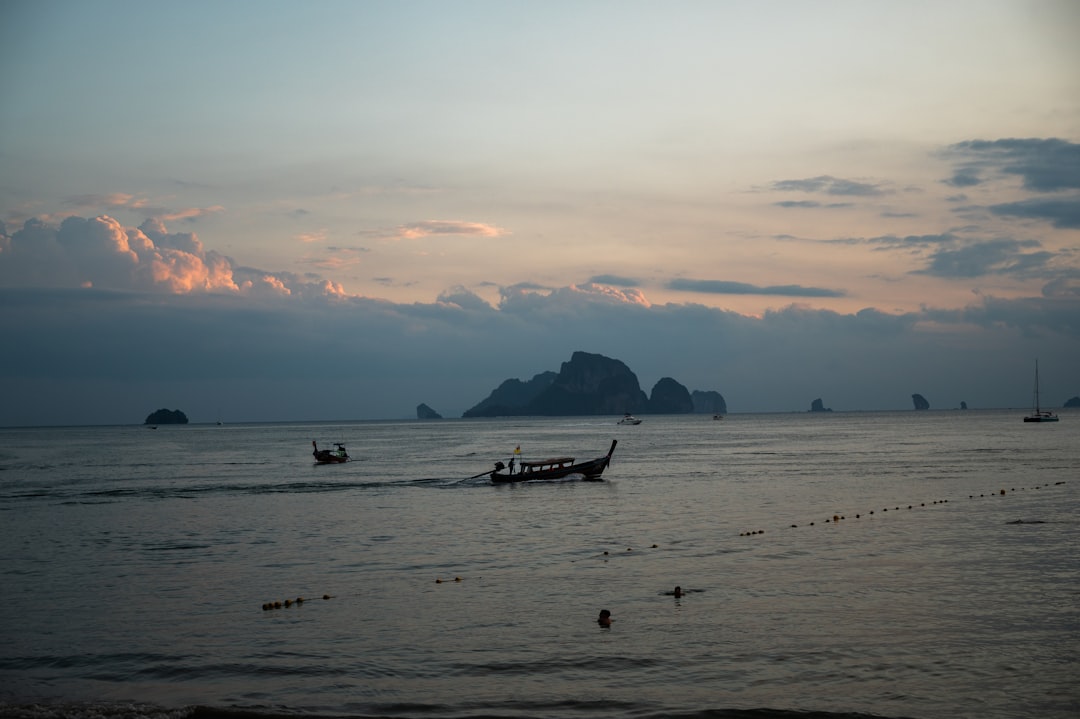
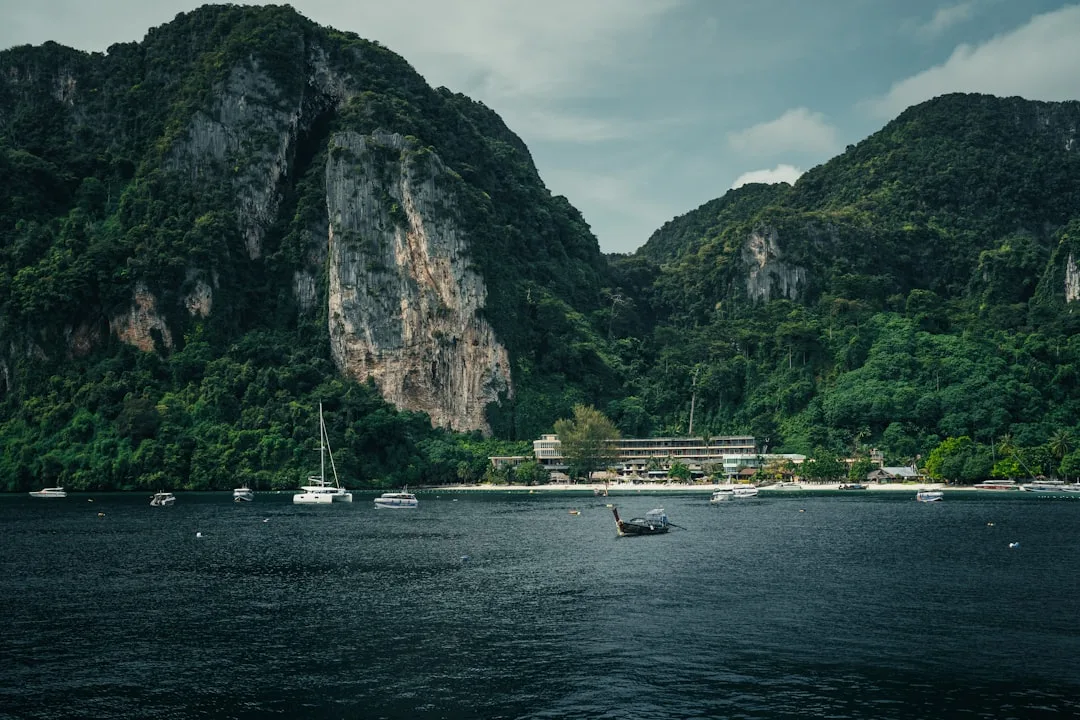
Phuket/Andaman Coast: 26°C to 35°C. Still dry season, but the first afternoon showers begin appearing in late April. Water conditions remain excellent.
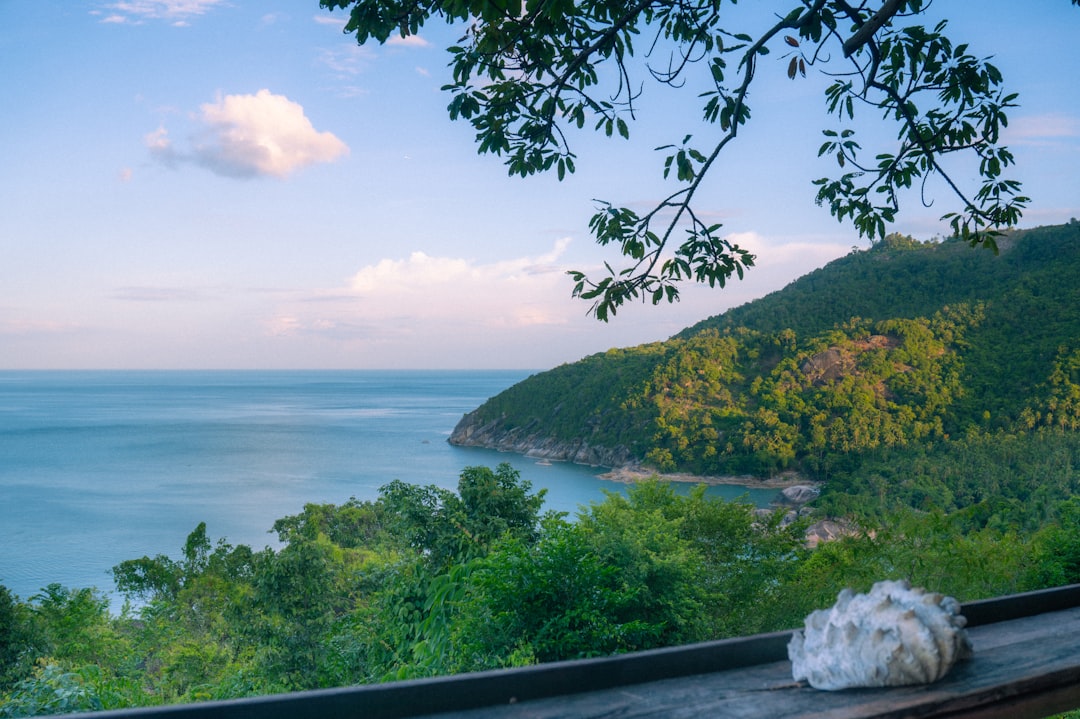
Ko Samui/Gulf Coast: 27°C to 35°C. Approaching rainy season on the Gulf side. Some afternoon showers in late April.
Songkran — April 13–15
Songkran is Thailand’s most anticipated annual event. The traditional significance is religious — the New Year marking involves merit-making at temples, the pouring of water over Buddha images and the hands of elders, and the release of fish and birds. The modern reality is the world’s largest water fight.
How it works:
- Streets are closed to vehicle traffic in the main celebration areas
- Everyone on the street gets wet — this is universal and expected. Protect electronics.
- Water cannons, buckets, hoses, and colorful powder (the traditional Holi-like addition in some areas) are the tools
- Celebrations run from morning until evening for 3 days; in Chiang Mai, they extend for a full week
Bangkok Songkran: The main areas are Silom Road (Sala Daeng area), Khao San Road, and sections of Sukhumvit. Bangkok’s Songkran is large and accessible; the city doesn’t shut down as completely as Chiang Mai.
Chiang Mai Songkran: The most celebrated Songkran in Thailand. The moat surrounding the old city becomes the center of the water fight — the moat road (Thanon Prapokklao/Nimmanhaemin area) is packed for a week with people throwing water. Traditional ceremonies at the temples inside the old city give the festival genuine cultural context.
Ko Phangan and Ko Samui: Songkran on the islands is a party extension of the usual beach festival culture — significant crowds, organized water fight zones.
Practical Songkran logistics:
- Book accommodation 2–3 months ahead — everything in Chiang Mai and Bangkok fills for Songkran
- Transport to and from Chiang Mai (bus, train, flight) is booked out for the full Songkran week — plan travel well in advance
- Waterproof phone cases/bags are essential (sold everywhere in Thailand in April)
- Don’t carry anything that can’t get wet or be lost in a crowd
Post-Songkran April
April 16 onward is the lull after the festival — crowds disperse, accommodation prices drop sharply, and the country is genuinely quiet. This post-Songkran window (April 16–30) offers:
- Thailand at its least crowded for this month
- Andaman beaches still excellent in dry season
- Accommodation prices dropping toward May lows
The Heat Problem
Outside Songkran (when water makes the heat irrelevant), April is genuinely the most difficult month for sightseeing:
- Grand Palace in Bangkok at 40°C heat index: exhausting
- Chiang Mai temple circuit: not advisable midday
- Ayutthaya (ancient capital, outdoor archaeological park): morning only — before 9 AM
The beaches are the rational choice in April — the Andaman coast’s remaining dry season and the Gulf coast’s warm conditions make water activity the most comfortable option.
Budget in April
| Category | Budget | Mid-range |
|---|---|---|
| Accommodation (Songkran period) | $30–$80/night | $120–$280/night |
| Accommodation (post-Songkran) | $16–$45/night | $60–$150/night |
| Meals | $1–$4/meal | $10–$25/meal |
Sharp price spike around Songkran week, particularly in Chiang Mai. Post-Songkran prices drop toward annual lows as the between-season quiet begins.
What to Skip in April
- Chiang Mai cultural sightseeing outside Songkran — smoke haze lingers in early April; heat is extreme
- Extended outdoor archaeology (Ayutthaya, Sukhothai) — midday is genuinely dangerous heat
- Mountain hiking in the north — heat and smoke combine badly
The Short Version
April is a month for a single decision: are you going for Songkran? If yes, plan it specifically — Chiang Mai for the week-long celebration, Bangkok for a scaled version, and logistics booked months ahead. If no, April is Thailand’s least comfortable month for general tourism — hot, increasingly humid, and approaching rainy season. The Andaman coast is the most defensible choice outside Songkran, with the dry season still running and beach conditions excellent. Post-Songkran (April 16–30) is quietly excellent value if you can handle the heat.
Plan your trip