USA in September: Fall Foliage Begins, National Parks Quiet Down, and the Autumn Sweet Spot
Plan your trip
September is the USA’s second-best travel month — the summer crowds gone after Labor Day, prices dropping across the board, and the country’s most dramatic seasonal event beginning: fall foliage. The Vermont and New Hampshire mountains begin showing color by mid-September. The Rocky Mountain aspen groves turn gold. National parks that were wall-to-wall with summer visitors become accessible again. And the weather across most of the country is at its most comfortable — warm but not summer-oppressive. September is the month that experienced USA travelers return to, year after year.
Weather in September
New England: 14°C to 23°C. Summer warmth with autumn light. Foliage begins in northern Vermont and New Hampshire in mid-to-late September.
New York City: 18°C to 27°C. Warm autumn — the city in its best month. Lower humidity than August; Central Park showing early fall color by late September.
Pacific Northwest: 14°C to 22°C. Still dry and warm in early September, transitioning to autumn rains by month’s end.
Colorado / Rocky Mountains: 10°C to 22°C. Aspen fall color — the signature Colorado autumn phenomenon — peaks in mid-September.
Southwest: 24°C to 36°C. Monsoon winding down. Temperatures dropping from August highs — still hot but becoming hiking-viable.
Alaska: 8°C to 16°C. Fall arriving. The aurora borealis returns as the nights lengthen — Fairbanks becomes a Northern Lights destination.
Florida: 26°C to 32°C. Still hot. Hurricane season active — peak hurricane risk runs mid-August through mid-October.
New England Fall Foliage — September Start
New England’s fall foliage season is one of the world’s great natural spectacles — the deciduous forests of New England turning from green to red, orange, yellow, and gold:
September timing: Foliage begins in northern Vermont (the Northeast Kingdom), New Hampshire (the White Mountains), and Maine in mid-September. The progression moves south and to lower elevations through October.
Peak by region in September:
- Northeast Kingdom, Vermont: Mid-to-late September — the most remote and beautiful foliage in New England. The area around St. Johnsbury, Craftsbury, and Island Pond.
- White Mountains, New Hampshire: Late September — the Kancamagus Highway (NH-112) through the White Mountain National Forest is one of the great fall foliage drives in the USA. The Franconia Notch area, Mount Washington.
- Acadia National Park, Maine: Late September — the Carriage Roads through the birch and maple forest, the summit of Cadillac Mountain above the foliage canopy.
Practical: Fall foliage dates vary by weather — a warm October delays the peak; an early cold snap accelerates it. Follow the Foliage Network’s weekly color reports (foliagenetwork.com) for real-time tracking.
Colorado Aspen Season
Colorado’s fall is defined by the aspen groves turning gold — typically peaking in mid-September:
Maroon Bells (Aspen area): The gold aspen groves surrounding the Maroon Bells — one of the most photographed September scenes in the USA. Bus access from Aspen required (parking restricted in aspen season).
San Juan Mountains (Durango / Telluride area): The most remote and most spectacular aspen groves in Colorado — the Million Dollar Highway (US-550) from Durango to Silverton through the San Juan Mountains in September gold.
Rocky Mountain National Park: The aspen groves along Trail Ridge Road and in the lower elevation areas — elk rut begins in September (the bulls bugling at dawn and dusk in the meadows is one of the great wildlife sounds in North America).
Elk Rut: September is when Rocky Mountain elk rut begins — bulls bugling, sparring, and gathering harems. The best viewing is at dawn and dusk in the open meadows of Rocky Mountain National Park and Grand Teton.
National Parks After Labor Day
The most immediate impact of the Labor Day weekend end is the drop in national park visitation:
Zion National Park: The Sunday following Labor Day, visitation drops 40–50%. The Narrows, Angels Landing (permit required), and the West Rim Trail are suddenly accessible without the summer density.
Yosemite: The Valley floor quiets significantly after Labor Day. The waterfalls are at their lowest September flow — Yosemite Falls often slows to a trickle. But the meadows, Half Dome, and the granite walls are uncrowded in September.
Glacier National Park: The Going-to-the-Sun Road open through September. Grizzly bears in active pre-hibernation feeding — berry-rich areas above treeline. The golden larch trees (tamarack) in late September.
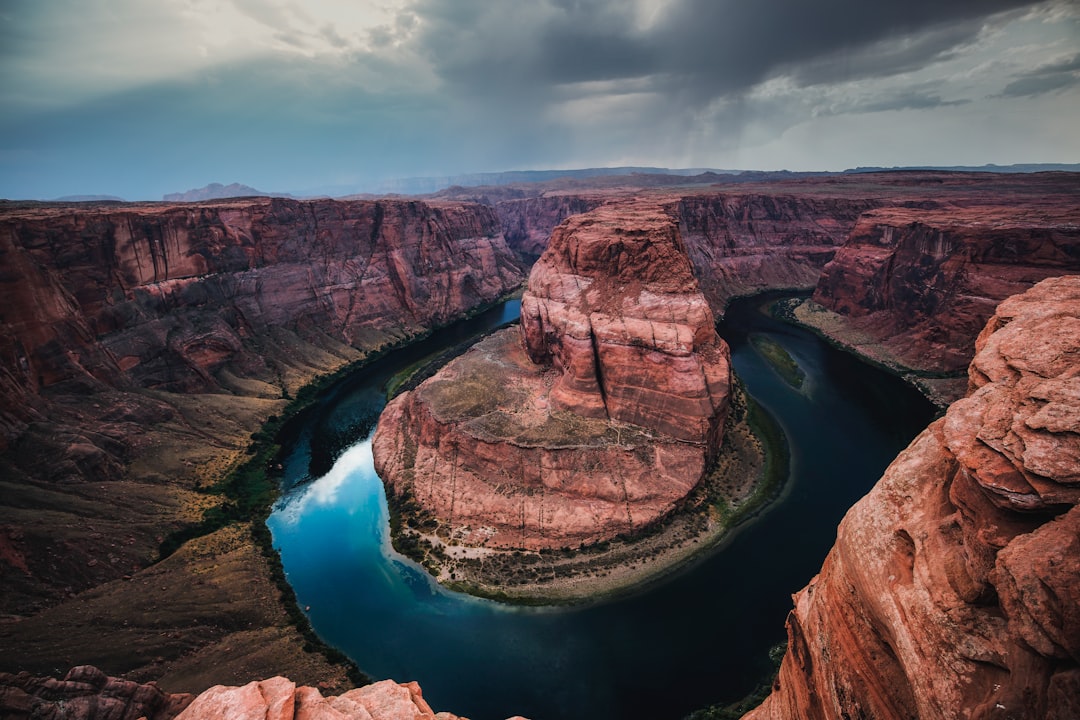
Grand Canyon: September temperatures dropping from July-August extremes — the inner canyon becomes hikeable again. The Bright Angel Trail and the South Kaibab in September are accessible without dawn-only starts.
Alaska — Northern Lights Return
September marks the return of aurora borealis viewing in Alaska:
Fairbanks: The optimal Northern Lights destination in North America — clear interior skies, minimal light pollution, and the aurora season beginning in September. The equinox (September 21-23) produces heightened geomagnetic activity.
Northern Lights Lodge and Chena Hot Springs: The resort 60 miles outside Fairbanks — viewing from outdoor hot springs while aurora dances overhead. September-March is the aurora season window.
Practical: Aurora viewing requires dark, clear nights — September in Fairbanks has 12+ hours of darkness by month’s end. Minimum 3-night stay recommended to increase chances of clear nights.
Texas in September
The Texas coast and Hill Country in September — a regional highlight that escapes most attention:
Texas Hill Country: The September wildflower season is quieter than April’s bluebonnet spectacle but pleasant — the roads around Fredericksburg, Kerrville, and Wimberley. Vineyard harvest season in the Texas Hill Country wine region.
San Antonio: The Riverwalk at comfortable September temperatures — the mission trail (San Antonio Missions National Historical Park — five 18th-century Spanish missions including the Alamo), the Pearl District food scene, and the city’s Mexican-American cultural heritage.
Budget in September
| Category | Budget | Mid-range |
|---|---|---|
| Accommodation (NYC) | $120–$200/night | $250–$560/night |
| Accommodation (New England foliage, early Sept) | $110–$190/night | $230–$510/night |
| Accommodation (New England, peak foliage) | $150–$270/night | $310–$680/night |
| Accommodation (national parks, post-Labor Day) | $95–$170/night | $210–$470/night |
| Meals | $16–$38/meal | $46–$110/meal |
Strong autumn value — immediate 20–30% drop after Labor Day weekend at most destinations. National park gateway towns fall further (30–40% drop). Peak foliage weekends in Vermont and New Hampshire spike back up.
Practical Notes
- Foliage peak booking: The peak foliage weekend in Vermont (typically first or second weekend of October, but beginning in late September in the north) is the most-booked weekend in New England. Book accommodation in the Northeast Kingdom or White Mountains 3–4 months ahead.
- Hurricane awareness: September is the peak of Atlantic hurricane season — Florida, the Gulf Coast, and the Carolinas carry weather risk. Check the National Hurricane Center (nhc.noaa.gov) and have travel insurance.
- Colorado aspen timing: The peak is notoriously variable — mid-September is the average, but warm falls push it to late September or early October. Check ColoradoFallColor.com for real-time reports.
The Short Version
September is the USA’s autumn sweet spot — fall foliage building in New England and turning gold in Colorado, national parks quieting after the summer rush, the elk rut beginning in the Rockies, and Northern Lights returning to Alaska. Prices drop immediately after Labor Day; crowds follow. The combination of better access, lower prices, and the dramatic autumn color cycle makes September one of the most compelling months for USA travel. Plan foliage timing carefully — the peak is brief and variable.
Plan your trip