Papagayo Peninsula Beaches Guide: Guanacaste's Best Pacific Coast
Plan your trip
The Papagayo Peninsula and the broader Guanacaste coast make up Costa Rica’s premier beach destination — the Pacific northwest region that gets the country’s driest and sunniest weather from December through April, when the rest of Costa Rica is receiving regular afternoon rain. The bay of Papagayo itself (also called Culebra Bay) is sheltered by the peninsula, producing calm, clear water that makes it the best swimming and water sports location on the Pacific coast.
The beaches here range from the heavily developed (Playa del Coco, with bars and dive shops serving sport fishing boats) to the exclusive resort hideaways (the Four Seasons and Andaz on Papagayo Bay) to the genuinely beautiful and relatively undeveloped (Playa Conchal, Playa Danta). A car unlocks all of them; staying at a resort without one limits you significantly.
Papagayo Bay (Culebra Bay)
The enclosed bay formed by the Papagayo Peninsula — the most protected and calmest water on the Guanacaste coast. Several discrete beaches line the bay:
Playa Panama
The northernmost bay beach — calm, broad, and backed by lower-end hotels and vacation rentals. The water is protected and shallow; good for families with children. Less beautiful than the southern Guanacaste beaches but the calmest water.
Playa Hermosa (Guanacaste)
Not to be confused with Playa Hermosa in the Central Pacific — the Guanacaste Playa Hermosa is a small, dark-sand beach in a sheltered cove north of Coco. Calm water, good snorkeling off the rocky points at either end, and a low-key village character compared to the livelier Coco. The dive shops here use it as a base for Pacific dive sites (including the Catalina Islands, 30 minutes by boat).
Playa del Coco
The main service town of the Papagayo area — the most developed non-resort beach, with a fishing harbor, dive shops, surf rental, bars, and restaurants along the beachfront. The water quality is lower than Hermosa or Conchal (boat traffic, the harbor). Useful as a service hub; not the best beach on the coast.
South of Papagayo
Playa Flamingo
A long crescent of white sand north of Tamarindo — the Guanacaste beach that most matches the postcard image. Shallow, calm, clear blue water; the southern end is the best swimming zone. Flamingo village has upscale hotels and restaurants with the beach as the focus.
Playa Conchal
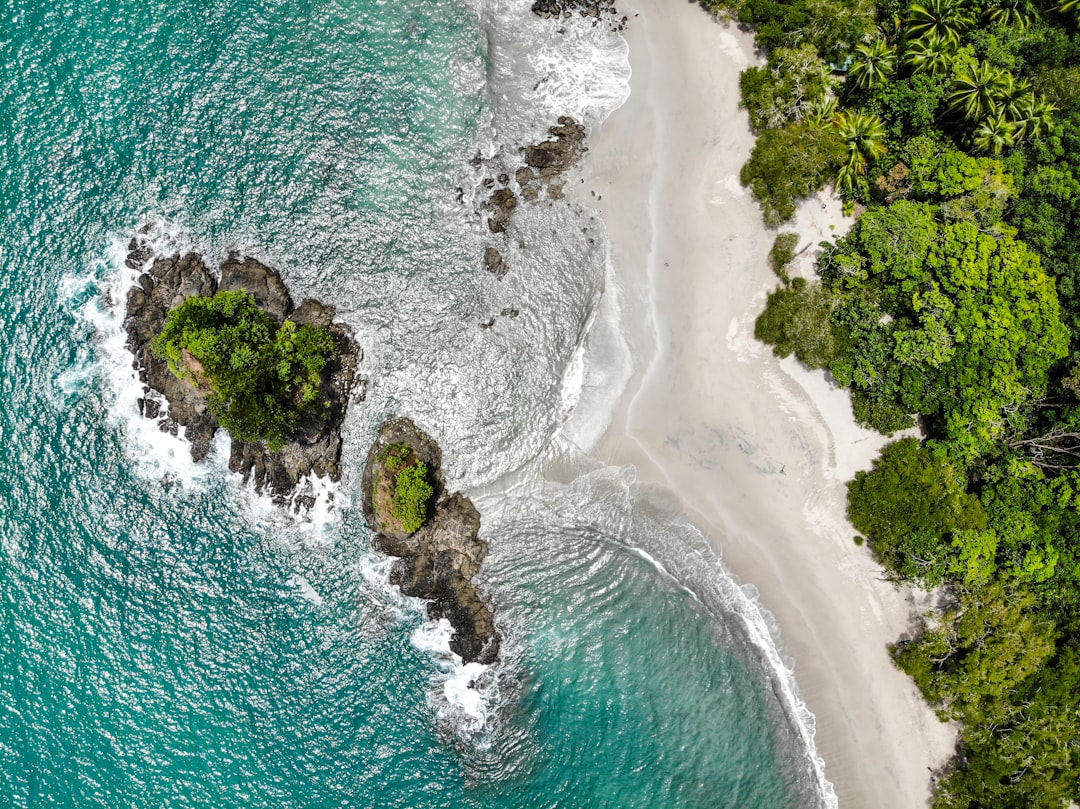
Possibly the most beautiful beach in Guanacaste — a bay with water that appears genuinely turquoise in sunlight, backed by a beach of crushed white shells (the conchas that give it its name). No sand in the conventional sense; the shell fragments are fine enough to walk on comfortably. The Westin Reserva Conchal occupies most of the beachfront; day access is available on the northern end.
Access: From Brasilito village (2 km south of Flamingo), a 15-minute walk through the scrub to the beach, or a boat shuttle from Flamingo harbor.
Playa Tamarindo
The largest beach town in Guanacaste — a full tourist village with surf schools, restaurants, a nightlife scene, and an international expat community. The beach itself is excellent (consistent surf on the northern end, calmer swimming on the south side). The commercial development has given Tamarindo a slightly overdone character; it’s the most convenient base but not the most aesthetically coherent.
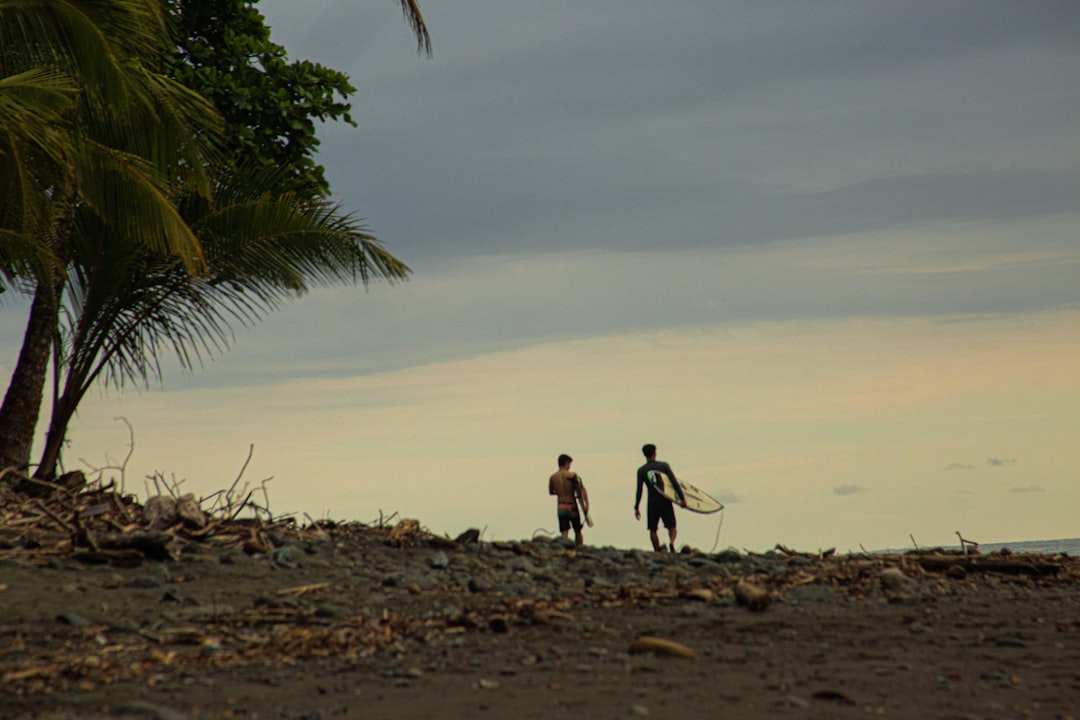
Surfing: Tamarindo has learnable right-hand breaks, several surf schools, and a surf culture that extends along the coast in both directions. Playa Grande (15 minutes north, accessible by boat) is the better intermediate-advanced break and the leatherback turtle nesting site.
Water Activities
Diving
The Papagayo area is one of the best diving zones in Costa Rica:
Catalina Islands (45 minutes from Hermosa/Coco by boat): The standout site — a chain of uninhabited rocky islands with regular manta ray sightings (December–April during plankton bloom), white-tip reef sharks, eagle rays, and dense fish life. Visibility 15–25m. Multiple operators from Playa Hermosa and Coco.
Bat Islands (Islas Murciélagos): Further offshore, for advanced divers — bull shark sightings (the specific draw, in significant numbers). June–November only; the boat trip is 1.5 hours each way.
Snorkeling
The rocky points at Playa Hermosa and the outer edge of Playa Conchal are the best shore-accessible snorkeling. Boat trips to the Catalina Islands include a snorkeling portion for non-divers.
Sport Fishing
The Papagayo/Coco area is a major sport fishing hub — blue marlin, yellowfin tuna, sailfish, and mahi-mahi are the target species year-round. Full-day charters from Coco harbor: $900–1,500 for a private boat of 4.
Sailing and Catamaran Tours
Day sailing tours departing from Playa del Coco and Flamingo — sunset sails, whale watching (humpback whales in August–November), and snorkeling stops on the Catalina Islands. Several catamaran operators; prices $80–120/person.
When to Visit
December–April (Dry Season): The prime season. The Papagayo trade winds (December–March) create ideal sailing conditions but can make the open beach exposed. Guanacaste has 300+ sunny days; virtually no rain. Accommodation at premium prices.
May–November (Green Season): Rain arrives in the afternoon (usually 1–3 hours); mornings are clear. Wildlife is more active, vegetation lush, prices drop 30–40%. Surfing conditions improve. October–November is the wettest; some operators limit activities.
Getting There
Liberia airport (LIR): The direct gateway to Guanacaste — 45 minutes from Playa Hermosa, 1 hour from Tamarindo. Direct flights from Miami, New York, Houston, Dallas, and Chicago (seasonal). The most convenient arrival for the Papagayo area.
From San José: 4–4.5 hours by car on the Panamerican Highway and then the Guanacaste road network. Shuttle services (Interbus, Grayline): $55–70/person.
Car rental from Liberia: Essential for exploring multiple beaches. Pick up at the Liberia airport (all major companies). 4WD recommended; some beach access roads require it.
Plan your trip