Costa Rica Travel Guide: Pura Vida, Wildlife & the Pacific Coast
Plan your trip
Costa Rica is a small country — 51,000 km² — with an outsized ecological reputation. Despite covering just 0.03% of Earth’s surface, it contains approximately 5% of the world’s biodiversity: 900 species of birds, 250,000 species of insects, 200 species of mammals, and 35,000 species of plants, in an ecosystem compressed between the Pacific Ocean and the Caribbean Sea. The country’s 30+ national parks and protected reserves cover 25% of its territory — the highest percentage of any country in the world.
The phrase Pura Vida (“pure life”) is both a greeting and a genuine cultural stance — a pace and attitude toward life that is recognizably present in how Ticos (Costa Ricans) interact with each other and with visitors.
What Kind of Traveler Costa Rica Is For
Wildlife and nature travelers: The density of easily-spotted wildlife is extraordinary. Sloths hanging from trees above walking paths. Toucans landing on breakfast table railings at jungle lodges. Scarlet macaws flying in pairs over the beach. Howler monkeys audible from bed at 5 AM. This is not wildlife requiring a long safari vehicle and binoculars — it’s wildlife on the path in front of you.
Adventure travelers: Zip-lining (Costa Rica invented modern commercial zip-lining in 1993), white-water rafting, surf, canyoning, ATV, horseback riding — a full menu of guided adventure activities available at every destination.
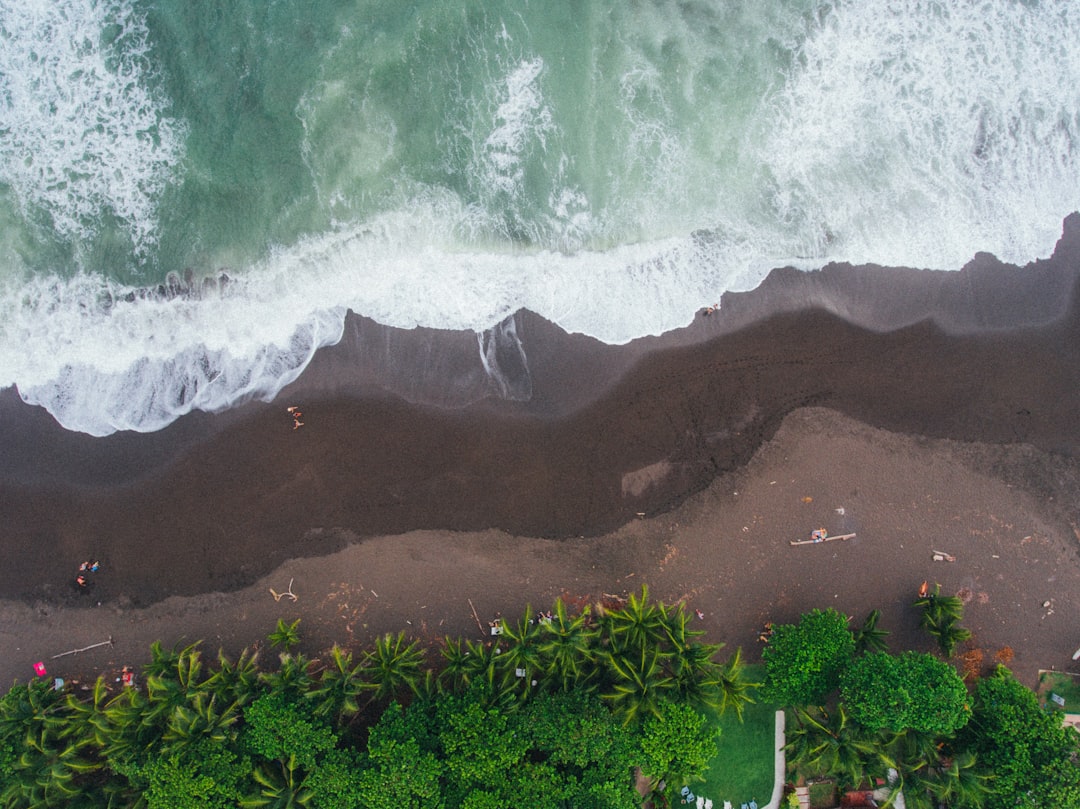
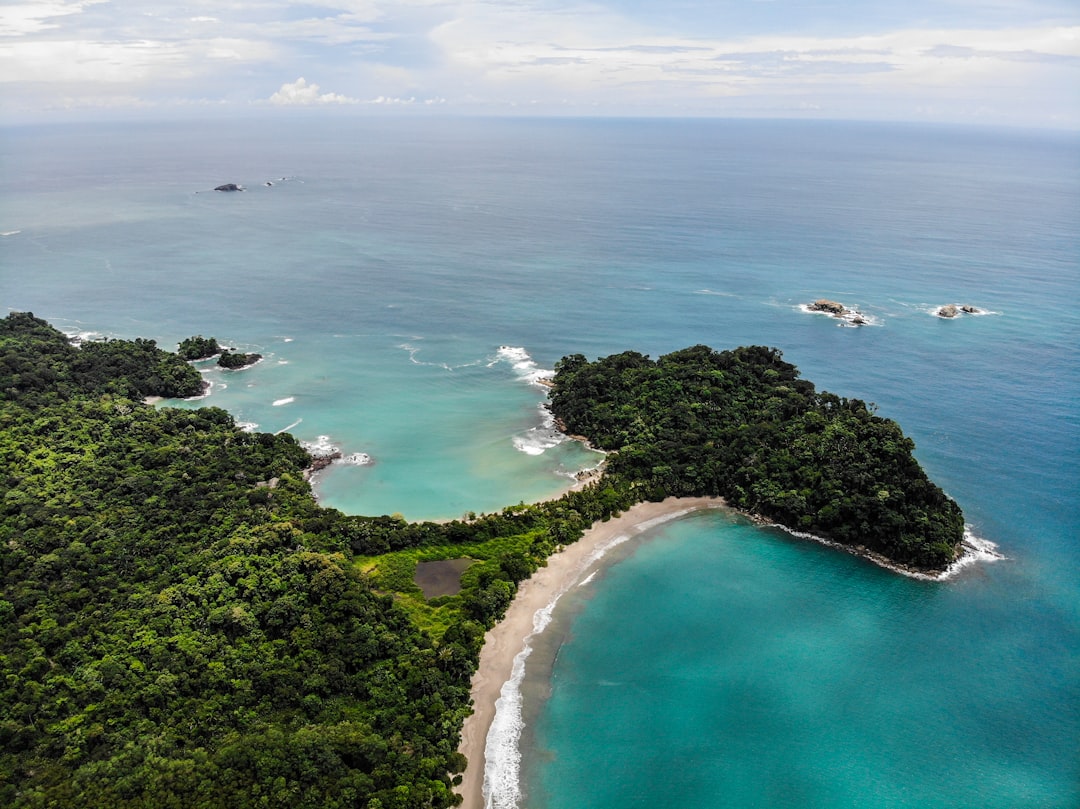
Beach travelers: The Pacific coast (particularly Guanacaste in the dry season, Manuel Antonio year-round) offers excellent beach quality. The Caribbean coast (Cahuita, Puerto Viejo) is rawer, cheaper, and culturally distinct.
Eco-conscious travelers: Costa Rica has built more of its economy on sustainable tourism than any other country in its income bracket. The certification programs, the protected areas, and the carbon-neutral commitments are substantive.
The Main Destinations
Arenal Volcano and La Fortuna
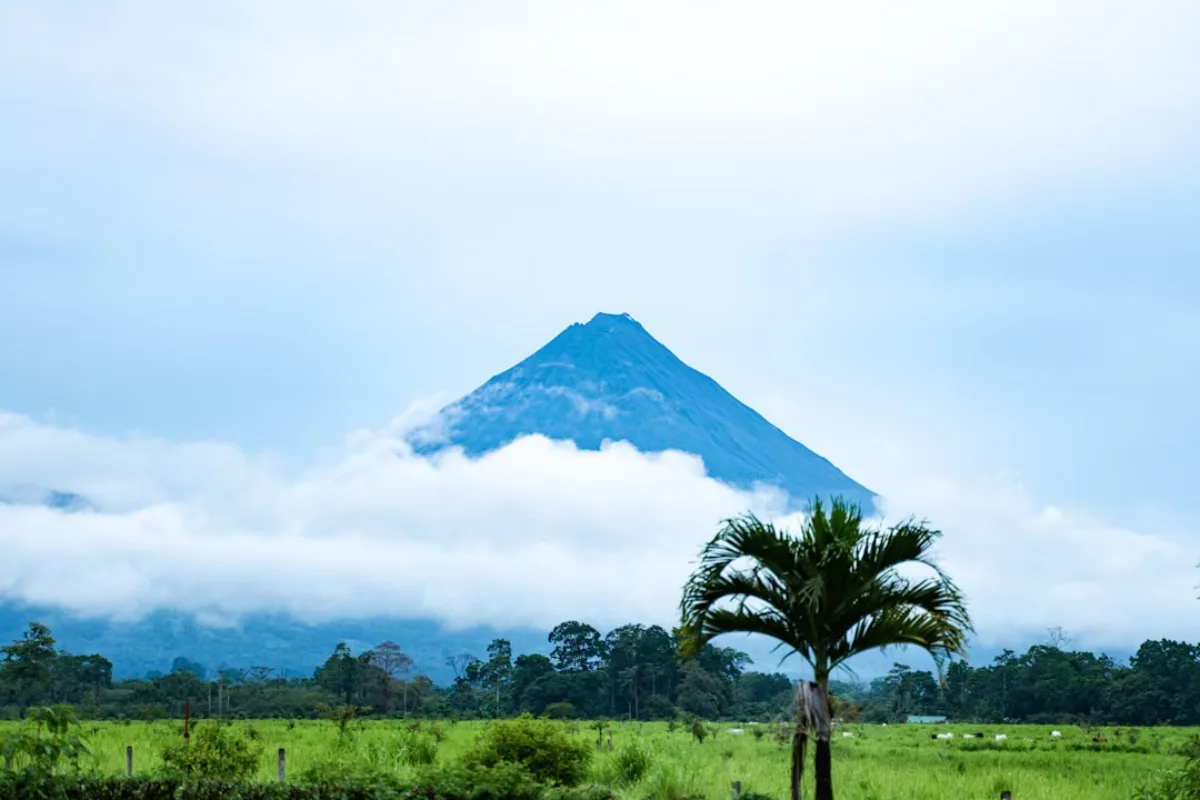
The most visited interior destination — an active stratovolcano (dormant since 2010 but seismically active) with a perfectly conical shape visible from the town of La Fortuna and the surrounding Lake Arenal. Hot springs fed by geothermal energy are the primary leisure activity: Tabacón, Baldi, and several free springs along the river.
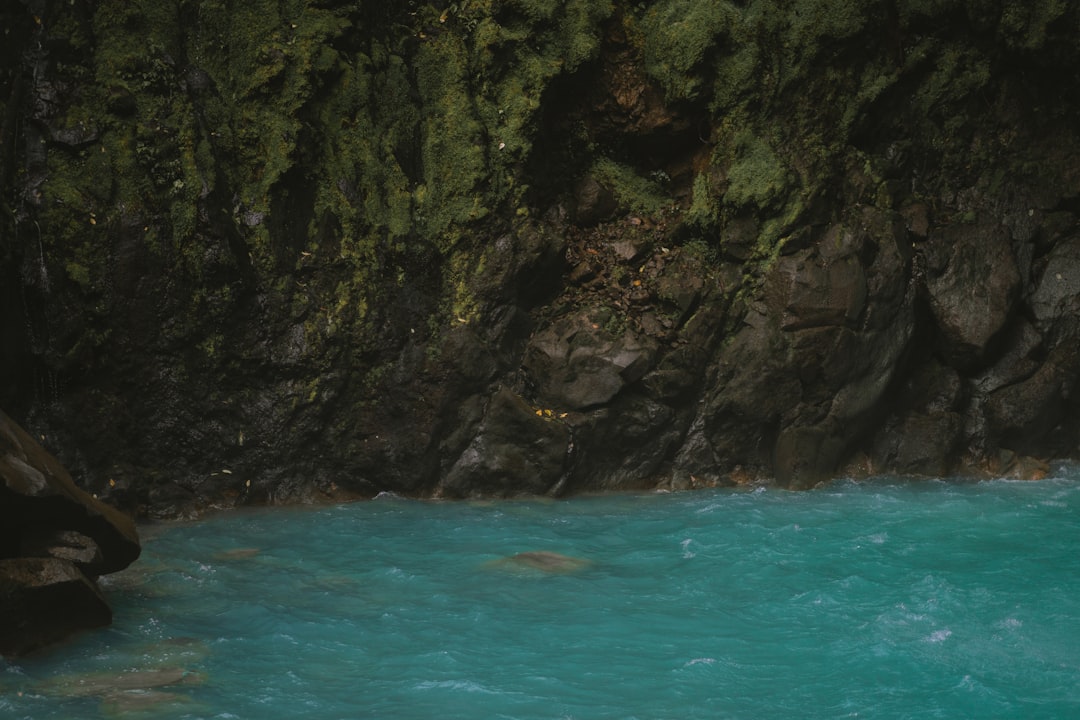
Activities: Hiking the Arenal National Park lava flows (guided, 2–4 hours), hot springs, white-water rafting on the Río Sarapiquí (2–3 hours), Lake Arenal kayaking, horseback riding to Río Celeste (turquoise-colored river, one of the most unusual colors in nature — produced by silica particles at a specific volcanic mineral composition).
Getting there: 3–3.5 hours from San José by bus or shuttle.
Monteverde and Santa Elena
The cloud forest reserve in the mountains above the Nicoya Peninsula — at 1,400–1,800m elevation, the forest is perpetually in cloud, producing a specific ecosystem of orchids, bromeliads, quetzals, and the biodiversity associated with the convergence of dry Pacific and wet Caribbean air masses.
The Monteverde Cloud Forest Biological Reserve: Walking trails through old-growth cloud forest. The quetzal — a bird considered sacred by the Maya, with a 1-meter tail in males — is present from February to April in breeding plumage. Guides dramatically increase the chances of quetzal and wildlife sightings.
Zip-lining: The Original Canopy Tour (1997) was the first commercial zip-line experience in the world and is still operational. Several competitors now offer longer and more extreme options; the Extremo Park “Tarzan Swing” and free-fall are popular additions.
Getting there: 4 hours from San José, including a section of unpaved road (paved road now complete as of 2023). Shuttle service or 4WD rental recommended.
Manuel Antonio National Park
The smallest national park in Costa Rica but one of the most visited — a dense forest-and-beach combination where wildlife is unusually habituated to humans (the result of decades of foot traffic). Three-toed sloths sleep in the trees above the beach path; white-faced capuchin monkeys walk along the path; raccoons steal from unattended bags. The beaches within the park (Playa Manuel Antonio, Playa Espadilla Sur) are excellent.
Important: Arrive before 7 AM (the park has a daily visitor cap and sells out) or book in advance at sinac.go.cr. Closed Tuesdays. No food may be brought into the park — to prevent wildlife feeding.
Getting there: 3.5 hours from San José via Quepos.
Getting Around Costa Rica
Rental car: The most flexible option. 4WD recommended — not because roads are technically difficult but because some lodge driveways and rural beach access roads are unpaved and steep. Many visitors rent a small 4WD in San José, drive the circuit (San José → Arenal → Monteverde → Guanacaste → Papagayo → back), and return the car.
Shuttle services: Companies (Interbus, Grayline) run shared shuttles between all major destinations. More expensive than buses (~$40–70 per leg) but much faster, door-to-door.
Public buses: Cover all major routes cheaply (₡2,000–5,000 per journey). Slower and less convenient with luggage but functional.
Domestic flights: Sansa Airlines operates small aircraft (Cessna Caravan) between San José, Liberia, Quepos, Tamarindo, and other destinations. ~$80–150 one way. Saves hours of driving; weather cancellations possible.
Sustainable Travel in Costa Rica
Costa Rica’s environmental credentials are real but imperfect. The Certification for Sustainable Tourism (CST) program evaluates hotels, operators, and businesses on environmental practices — look for the CST badge (leaf icon, rated 0–5 leaves) when choosing accommodation and tours.
What you can do:
- Choose CST-certified accommodation
- Use certified local tour operators rather than international booking platforms
- Don’t feed wildlife (this is both illegal in national parks and genuinely harmful)
- Respect the “no plastic” movement in many lodges and reserves
- The carbon footprint of international flights is the main environmental cost — a carbon offset contribution is reasonable
When to Go
Dry season (December–April): Pacific coast beaches at their best. Guanacaste sunny and rainless. Best for beach-focused travel.
Green season (May–November): The country is richly green; wildlife is particularly active (turtle nesting, birthing season for many mammals); prices drop 20–40%. Rain typically falls in afternoon; mornings are usually clear.
Best overall: December–March for the Pacific coast and Guanacaste. May–June for the cloud forest and Caribbean side (Caribbean has its own dry season in September–October).
Plan your trip